Categories:
Places & PartnersTravelMarch 24, 2026
By Alan Arnette
Article Highlights:
- Everest’s north (Tibet) side is effectively closed for the 2026 season, shifting climbers to the Nepal route.
- A proposed 7,000-meter qualification rule in Nepal is not yet in effect but may influence climber behavior.
- New environmental regulations require climbers to remove additional waste from higher camps.
- Summit numbers are expected to rise, with 850–900 climbers anticipated due to route consolidation.
- Increased use of drones aims to improve safety and reduce Sherpa risk in the Khumbu Icefall.
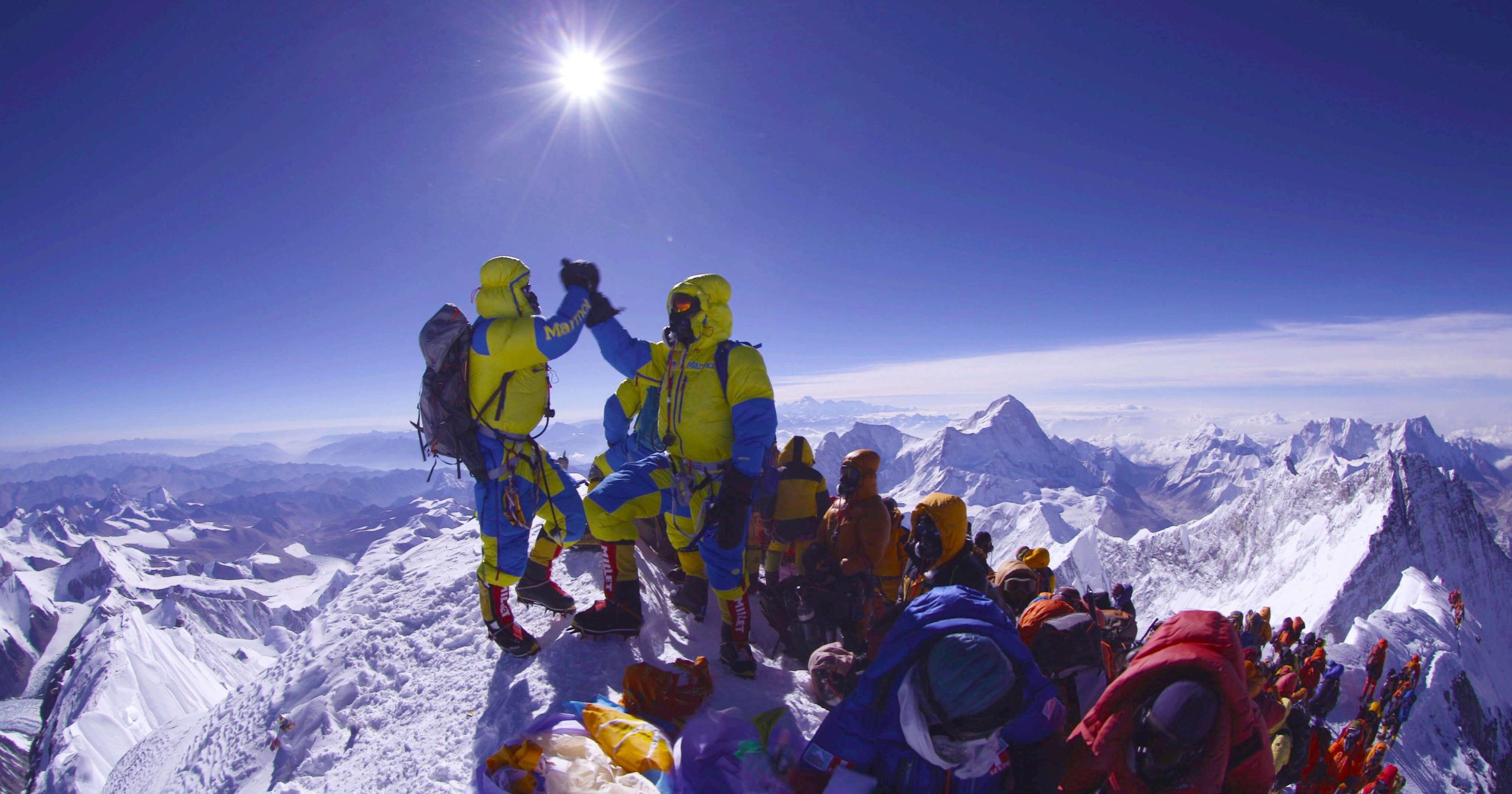
The spring 2026 Everest climbing season is just around the corner. The Icefall doctors are already at Base Camp, preparing to fix the ropes to Camp 2 in the upper Western Cwm. Many expedition teams have already sent Sherpas to reserve their traditional spots and have begun building tent platforms. In other words, the annual small tent city is taking shape.
Perhaps the most significant development so far is the unexplained closure of Everest to climbers on the Tibet side. I recently attended a screening of the Sherpa documentary “Zero to 8848″ (excellent!) and a fundraiser for the Colorado Sherpa Association, where I spoke with many Sherpas about the Everest Tibet side closure. One guide company owner said he thought the closure was due to “restoration,” but he wasn’t sure.
Additionally, when speaking with Western guides who usually run North-side expeditions, they tell me that the CTMA has not provided a specific reason for the closure and has not initiated the climber application process, which normally begins in early March. So, the closure was de facto, not explicitly stated.
On the Nepal side, there is confusion about the proposed requirement that all Everest applicants must have summited a 7,000-meter peak in Nepal. This law was part of the Tourism Bill 2081, introduced into Nepal’s government approval process last year. The Upper House has passed the bill, but it still needs approval by the Lower House and the President’s signature. Therefore, it is not in effect for the 2026 spring season.
Opinions differ on whether this law will be passed as is, with many hoping the “in Nepal” requirement is changed to “worldwide” or that specific peaks are included, such as any 8000-meter mountain, Aconcagua, Ama Dablam, Peak Lenin, Mount Kun and others. You can follow its current status at this link, which shows “Discussion in Committee” as of March 2026.
One rule that will be enforced starting this season is that each member must bring down 2kg/4.41 lb of waste from Camp 2 and above, excluding oxygen bottles and human feces. Expedition members may not use their own WAG bags and must use the bags provided by the SPCC. This will be in addition to the current rule requiring each member to deposit 8kg/17.6 lb of garbage at Everest Base Camp at the end of their expeditions.
Regarding summits, with the looming 7000-meter requirement, an unintended consequence may be a rush of less-experienced climbers attempting the mountain this season before the requirement takes effect next year. I had predicted 900 to 1,000 total summits from both sides combined, exceeding the previous high set in 2019, when 877 climbers summited (661 from Nepal, 216 from Tibet). With the North side closed, however, I anticipate around 125 climbers, both members and hired staff, will shift to the south side. Therefore, we can realistically expect between 850 and 900 combined summits, compared to the 731 from Nepal in 2025.
Operationally, expect continued experimenting with drone use, particularly in the Khumbu Icefall, to support the Icefall Doctors by ferrying ropes, ladders, and equipment across the Icefall, thereby reducing the number of heavy-load carries and lowering Sherpas’ exposure to falling or collapsing ice structures. Drones are also expected to play a larger role in removing waste from high camps, helping clean the mountain without adding to Sherpa workloads.
Here’s to a safe season for everyone on Chomolungma.
Alan Arnette is a veteran high-altitude climber and journalist who has reported on Mount Everest and Himalayan expeditions for more than 25 years. He has contributed to Climbing, Outside and other leading outdoor publications. Arnette climbed Mount Everest in 2011 and reached the summit of K2 in 2014 at age 58, making him the oldest American to climb the peak at that time.
(Lebanon, NH – March 23, 2026) – Ongoing conflict in the Middle East and broader geopolitical instability are significantly influencing how Americans think about international travel, according to new data from a Global Rescue SNAP survey of more than 1,000 of the world’s most experienced travelers.
The survey reveals that concern about how Americans are perceived abroad has entered the mainstream. More than half of American travelers (53%) report being moderately or highly concerned about being targeted or experiencing anti-American sentiment when traveling internationally. Only 12% say they are not concerned at all.
“Concern about anti-American sentiment is no longer fringe, it’s mainstream. That signals a meaningful shift in how travelers are evaluating personal risk tied to global perception,” said Dan Richards, CEO of The Global Rescue Companies and a member of the US Travel and Tourism Advisory Board at the US Department of Commerce.
This heightened awareness is part of a broader pattern: travelers are increasingly factoring geopolitical risk into their planning, but without abandoning international travel altogether.
According to the survey, 85% of respondents express at least some concern about disruptions caused by global conflicts—including airspace closures, flight rerouting and airport delays. However, nearly two-thirds (67%) have not changed their travel plans.
“Travelers aren’t panicking, but they are re-calibrating. They remain committed to going abroad, but they’re factoring in risk in a much more deliberate, informed way,” Richards said.
Among those who have adjusted plans, behavior reflects adaptation rather than retreat. Approximately one-third of travelers report modifying itineraries, including changing destinations (9%), postponing trips (16%) or canceling travel altogether (9%).
“We’re seeing a pivot, not a pullback. Travelers are navigating around risk, not retreating from travel altogether,” Richards said.
Cost pressures tied to geopolitical instability are also influencing decision-making. Two-thirds of travelers report noticing at least some increase in international travel costs, including airfare and routing changes. Looking ahead, more than half say rising airfares could cause them to reconsider, delay or cancel trips.
“Travelers are thinking beyond logistics to perception risk,” Richards added. “With only a small minority saying they’re not concerned at all, most Americans are aware of how they may be perceived abroad—and that awareness is shaping where they go and how they travel.”
Despite these pressures, demand for international travel remains resilient. More than 40% of respondents (41%) say they expect no change in their international travel frequency over the next 6 to 12 months, while 29% anticipate only a slight reduction.
“Resilience in international travel demand remains strong. That level of stability underscores a durable appetite for global travel, even in uncertain conditions,” Richards said.
The data also shows a nuanced risk posture among travelers. While concern is elevated, it is not translating into widespread alarm. Instead, travelers are making calculated adjustments—balancing safety, cost and perception.
“The modern traveler is managing risk, not avoiding it,” Richards said. “What stands out is that concern levels are high, but behavior changes are measured. Today’s travelers are more sophisticated. They’re weighing disruption, cost and safety simultaneously, and making calculated decisions rather than reactive ones.”
For more information: Bill McIntyre | bmcintyre@globalrescue.com | +1 (202) 560-1195 (phone/text)
About the Global Rescue Traveler SNAP Survey
Global Rescue, the leading travel risk and crisis response provider, collected more than 1,000 responses from current and former members between March 18–23, 2026. The respondents revealed key insights and attitudes regarding travel behavior amid the war in the Middle East.
About Global Rescue
The Global Rescue Companies are the world’s leading provider of medical, security, evacuation and travel risk management services to enterprises, governments and individuals. Founded in 2004, Global Rescue has exclusive relationships with the Johns Hopkins Emergency Medicine Division of Special Operations and Elite Medical Group. Global Rescue provides best-in-class services that identify, monitor and respond to client medical and security crises. Global Rescue has provided medical and security support to its clients, including Fortune 500 companies, governments and academic institutions, during every globally significant crisis of the last two decades. For more information, visit www.globalrescue.com.
Categories:
NewsMarch 23, 2026
Categories:
TravelMarch 20, 2026
Article Highlights:
- April Fools’ Day traditions vary significantly by geography and tone.
- Western Europe emphasizes symbolic “fish” pranks over elaborate deception.
- Northern Europe favors media-driven hoaxes that readers must identify.
- Spain and Latin America celebrate prank day on December 28 instead of April 1.
- Cultural misunderstandings around humor can create awkward or troublesome situations for travelers.
April 1, known variously as April Fools’ Day, All Fools’ Day, or simply April Fools, is a tradition that appears deceptively universal. The formula seems simple: trick someone, reveal the joke, share a laugh.
But internationally, the tone, timing and boundaries of April 1 vary considerably. In some countries, pranks must end by noon. In others, fish are taped to backs. In parts of the Spanish-speaking world, the “real” prank day happens in December. And in certain cultures, humor that feels harmless to a visitor could be confusing — or even offensive — to locals.
For international travelers, understanding these distinctions matters. Humor does not always translate.
The UK and Irish Traditions vs the US and Canada
In the UK and Ireland, April Fools’ Day follows a strict time rule: pranks must occur before noon. After midday, anyone attempting a trick becomes the fool themselves. The humor tends toward wordplay, mild embarrassment and clever setups rather than elaborate spectacle. Newspapers and broadcasters may publish fictional stories, but the tone remains restrained.
For travelers, the key is timing. Attempting a prank in the afternoon can quickly backfire socially. What seems playful may instead appear culturally tone-deaf.
Scotland once extended All Fools’ Day over two days. The first involved sending someone on a foolish errand — “hunting the gowk,” with gowk meaning cuckoo or fool. The second day focused on backside-related pranks, historically linked to “kick me” signs.
Modern observance now aligns more closely with broader UK customs, but the history reflects a structured, ritualized approach to humor.
In the US and Canada, April Fools’ Day has evolved into a broad, media-driven event. Individuals play practical jokes ranging from harmless inconveniences to highly orchestrated surprises. Corporations frequently release fake product announcements, mock press releases or exaggerated innovations.
Social media amplifies participation. A single convincing hoax can circulate globally within hours.
The tone here is expansive and often commercialized. Modern sensitivity around public fear, misinformation and crisis themes, however, has reshaped boundaries. Jokes involving emergencies, security threats or health scares are widely condemned.
Travelers should understand that North American-style pranks do not always translate abroad. What feels “viral” at home may be interpreted very differently in other regions.
The Fish Traditions of Western Europe
France, Belgium and French-Speaking Switzerland – Poisson d’Avril
Italy – Pesce d’Aprile
In Italy, France, Belgium and French-speaking Switzerland, the defining symbol of April 1 is the fish. Children discreetly tape paper fish to the backs of classmates, teachers or family members. When discovered, the prankster announces success — “Poisson d’Avril!” or “Pesce d’Aprile!” Bakeries often sell fish-shaped chocolates or pastries. The tone is light, symbolic and largely child-centered. Deception is visual rather than elaborate.
For travelers, this tradition may appear puzzling at first glance. Seeing paper fish in schools or shop windows is not random decoration; it is cultural shorthand for All Fools’ Day. Attempting elaborate pranks in these regions, particularly in professional settings, may feel disproportionate compared to the understated local custom.
Central & Northern Europe: Media Mind Games
Across much of Central and Northern Europe including Denmark, Norway, Sweden, Finland and Poland, April 1 emphasizes verbal humor and media-driven deception.
Nordic countries elevate the news media tradition further. Major newspapers publish at least one convincing false story. Readers actively search for the fabrication. The humor lies not only in the story, but in the collective effort to identify it. Poland’s Prima Aprilis follows similar lines, with broad participation but an expectation that jokes remain harmless.
In Germany, Austria and German-speaking Switzerland the day is called, Aprilscherz. The objective is to “send someone into April” meaning to fool them. News outlets publish fictional reports, and individuals stage clever misdirection rather than theatrical pranks.
For travelers, the takeaway is subtlety. Over-the-top pranks may feel out of sync in cultures that prize wit over spectacle.
Different Date, Same Spirit: Spain & Latin America
In Spain and much of Latin America, April 1 is not the primary prank day. Instead, similar traditions occur on December 28 during Día de los Santos Inocentes.
On that date, playful deception flourishes. Victims are called inocente — innocent. Media outlets participate, and the social tone mirrors April Fools’ Day elsewhere.
Visitors unaware of this calendar shift may mistakenly attempt pranks on April 1, only to encounter confusion or indifference. December 28 — not April 1 — is when the cultural permission for mischief truly exists.
Beyond Europe: Global Adaptations
In India, April 1 is not rooted in ancient Indian tradition but has grown through British influence and global media. Observance is informal, often among friends or online communities.
Iran’s Sizdah Bedar, celebrated on the 13th day of Nowruz (around April 1 or 2), includes outdoor gatherings and historically involved playful fibs. While not identical to April Fools’ Day, it demonstrates that ritualized mischief is not uniquely Western.
Why Cultural Context Matters
Across cultures, April Fools’ Day follows a recognizable rhythm. For a brief window, seriousness gives way to sanctioned mischief. A prank is set in motion, confusion lingers just long enough to be effective, and then comes the reveal — the moment that restores order with laughter and the familiar declaration that the joke has been played. The embarrassment is meant to be fleeting and harmless, a shared social reset rather than a humiliation. In many countries, media outlets and even major institutions participate, reinforcing that this is a collective ritual rather than isolated trickery.
Yet the boundaries of that ritual vary significantly. In some places, pranks are gentle and childlike, symbolized by paper fish or simple wordplay. In others, they are more cerebral, relying on clever headlines or subtle misinformation designed to test skepticism. Certain cultures impose strict timing rules, while elsewhere the celebration shifts to an entirely different date. The structure may be universal, but the tone, limits and expectations are distinctly local.
For international travelers, misreading these boundaries can cause awkwardness, or worse. A prank involving fake emergencies or sensitive topics may be viewed not as humorous but as irresponsible or disrespectful.
Humor is culturally coded. What signals an “April Fool” prank at home may signal confusion abroad.
The Global Rescue Connection
When traveling internationally, confusion rarely begins with emergencies. It often begins with small cultural misunderstandings — misreading a gesture, violating a dress norm, misunderstanding a local holiday.
April 1 is a prime example. What qualifies as a harmless April fool joke in one country may feel inappropriate or disruptive in another. In certain regions, prank culture is understated. In others, the celebration occurs on an entirely different date. Without context, a traveler could unintentionally offend colleagues, hosts or local communities.
This is where Global Rescue Destination Reports provide measurable value.
Destination Reports are a core Global Rescue membership service designed to give travelers clear, country-specific intelligence before departure. These reports go beyond health and security assessments. They outline cultural norms, legal considerations, public behavior expectations and seasonal events — context that helps travelers avoid confusion, embarrassment or cultural missteps.
Understanding when All Fools’ Day is recognized, how it is expressed and what boundaries exist may seem minor. But the same awareness that prevents a cultural faux pas also prevents larger errors in more serious situations.
Destination Reports equip travelers with:
- Country-by-country cultural briefings
- Legal and behavioral expectations
- Public safety considerations during local holidays
- Medical infrastructure and emergency response insights
- Security conditions and seasonal risk profiles
April 1 may celebrate playful deception. International travel does not.
Preparation is the difference between participating respectfully in a local tradition and unintentionally becoming the outsider who misunderstood it. A Global Rescue membership ensures that travelers are informed before arrival, so humor stays light, interactions stay smooth and cultural celebrations remain what they are meant to be: shared, not mishandled.
Get a price estimate
Estimate
$0.00
Please answer all questions for estimate.
Categories:
Health & SafetyTravelMarch 19, 2026
Article Highlights:
- Countries with strict, mandatory food labeling laws offer the safest environments for travelers with food allergies.
- The UK, EU, Italy, Australia, Canada and the US lead globally in allergen disclosure and food inspection.
- China, Japan, Southeast Asia and parts of Latin America pose higher risks due to hidden ingredients.
- Food allergies and food poisoning are distinct risks, but both can become serious abroad.
- Global Rescue memberships add critical protection through medical advisory, evacuation and destination intelligence.
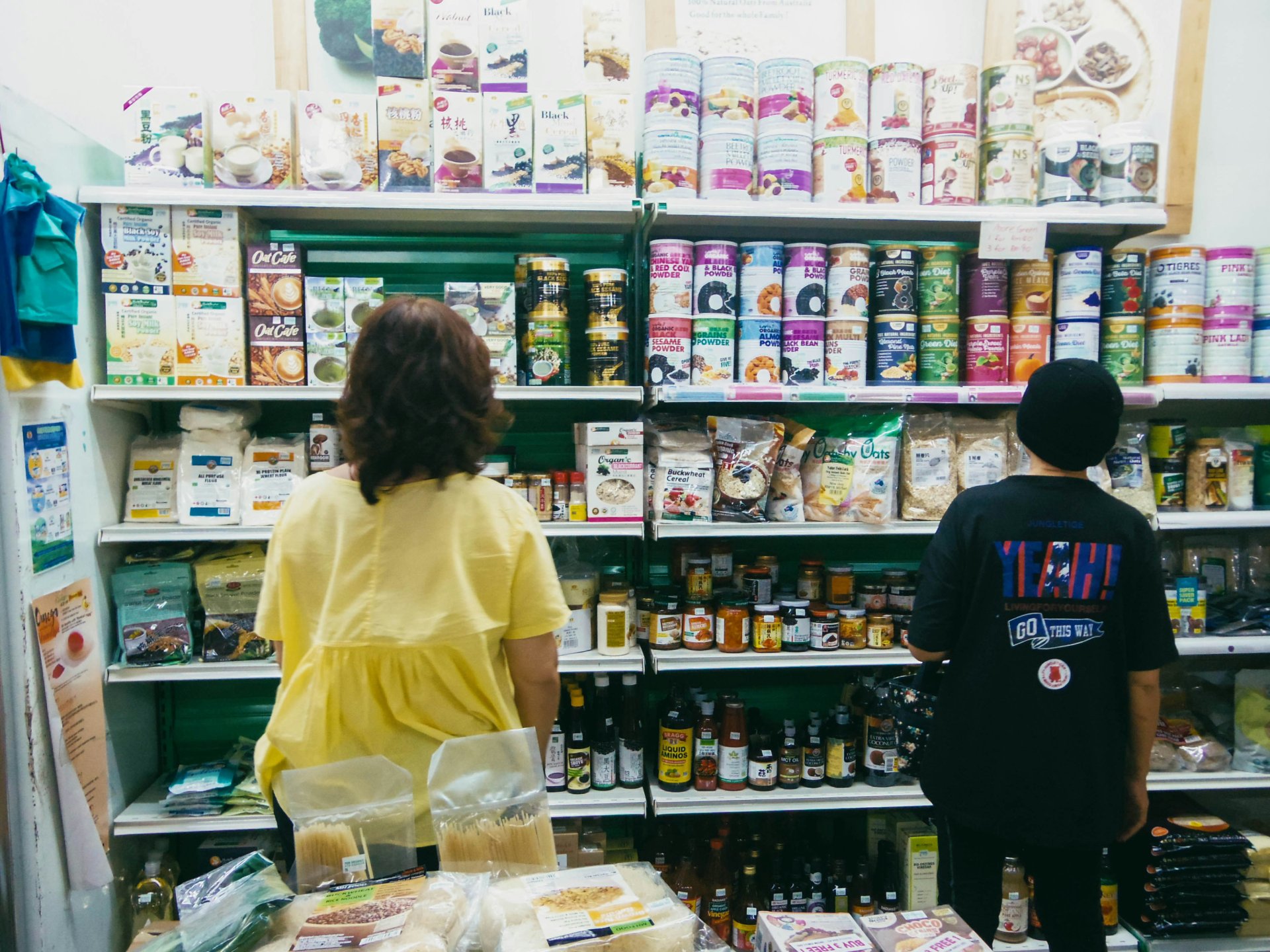
For travelers living with food allergies, international travel can feel like navigating a culinary minefield. While some countries lead the world in transparent food labeling, rigorous food inspection and public health protections, others still rely heavily on informal food systems, vague ingredient disclosure or cultural cooking practices that make allergen avoidance extremely difficult.
Understanding how food labeling laws, nutrition facts label standards and food safety enforcement differ around the world is just as important as booking flights or accommodations. For travelers with severe allergies, these differences can determine whether a destination feels liberating, or dangerous.
Why Food Labeling Laws Matter Abroad
Food allergies don’t stop at borders, but legal protections often do. In countries with strong food labeling requirements, allergens must be clearly identified on packaged foods and, increasingly, on restaurant menus. These laws reduce accidental exposure and improve emergency outcomes through awareness and accountability.
In contrast, destinations with weaker food inspection regimes or limited allergen disclosure may present hidden risks, especially where sauces, oils and spice blends are prepared in bulk or shared across dishes. In those regions, travelers must rely heavily on personal vigilance rather than regulatory safeguards.
The Best Countries for Food Allergy Safety
The safest countries for travelers with food allergies share three traits: mandatory allergen disclosure, strong enforcement of food labeling laws and high public awareness driven by public health initiatives.
The United Kingdom and European Union remain global leaders in this space. EU regulations require the disclosure of 14 major allergens on packaged foods and in restaurants, making it far easier for travelers to assess risk. Nutrition facts label standards are consistent across member countries and enforcement is taken seriously through national food inspection agencies.
Italy deserves special mention, particularly for travelers with celiac disease. The country has one of the highest levels of gluten-free awareness in the world, supported by a national celiac registry and certified gluten-free restaurants. Gluten-free alternatives are widely available even in small towns, reflecting a deeply ingrained public health commitment.
Australia and New Zealand also rank among the safest destinations. High rates of food allergies have driven advanced labeling standards, strong consumer protections and widespread restaurant training. Allergen statements are clear, standardized and enforced, making both countries reassuring destinations for allergy-sensitive travelers.
Canada and the United States round out the list of top performers. Canada mandates plain-language allergen disclosure and maintains strict food inspection standards. In the US, the Food Allergen Labeling and Consumer Protection Act (FALCPA) requires disclosure of major allergens on packaged foods and restaurant awareness is generally high in urban and tourist areas.
High-Risk and Challenging Destinations for Food Allergies
While many destinations offer extraordinary culinary experiences, some require heightened caution for travelers managing food allergies.
China presents significant challenges due to widespread use of soy sauce, fermented pastes and shared cooking surfaces. Ingredients are often added late in preparation and formal food labeling standards can vary widely by region. Cross-contamination is common, particularly in street food settings.
Japan can be surprisingly difficult for travelers with seafood, nut or sesame allergies. Many dishes contain dashi, a fish-based stock that may not be disclosed or considered an “ingredient” in the traditional sense. Peanut and sesame oils are also commonly used, sometimes without explicit mention.
Across Southeast Asia, including Thailand and Vietnam, peanuts, tree nuts, shellfish and fish sauce are culinary staples. Street food culture, while vibrant, typically lacks standardized food labeling or consistent food inspection practices, increasing exposure risk.
Latin America and the Caribbean occupy a mixed category. Many cuisines naturally avoid wheat or dairy, which can benefit some travelers, but restaurant-level allergen disclosure is often inconsistent. Travelers may encounter excellent food safety in upscale settings and far less clarity elsewhere.
Food Allergies vs. Food Poisoning: Why the Distinction Matters
Allergic reactions are not the only food-related risk travelers face. Foodborne illness remains a global concern, especially in regions with limited refrigeration or inconsistent food inspection.
“Food poisoning usually happens because you ate something that wasn’t stored or cooked well. It feels like the flu, but the symptoms resolve on their own,” said Jeff Weinstein, medical operations manager at Global Rescue.
For international travelers, however, even routine illness can escalate quickly.
“When you travel to a place that’s remote to you, there’s a lot of germs your body is not used to. A really bad case of food poisoning can become an emergency,” said Weinstein, medical operations manager at Global Rescue.
This distinction matters because allergic reactions often require immediate intervention, while severe foodborne illness may require evacuation if adequate care is unavailable locally.
Practical Advice for Allergy-Sensitive Travelers
Preparation remains the strongest defense when traveling internationally with food allergies. Carrying professionally translated allergy cards helps bridge language gaps and reduce misunderstandings in countries with lower allergy awareness.
Understanding local ingredients is equally important. Fish sauce in Thailand, dairy in French cuisine or nut oils in East Asia may not be obvious from menu descriptions. Researching regional cooking practices in advance can prevent dangerous assumptions.
Travelers who want to go deeper into regulatory differences can access several authoritative global resources.
The Food and Agriculture Organization’s Legislative and Policy Database (FAOLEX) provides searchable access to national food laws worldwide, offering insight into allergen disclosure and food safety frameworks.
The USDA Foreign Agricultural Service publishes Global Agricultural Information Network (GAIN) reports, which include detailed analyses of food labeling, import regulations and inspection practices in more than 100 countries.
Additional resources include the Center for Food Safety for international labeling insights, India’s Food Safety and Standards Authority (FSSAI) and Brazil’s National Agency of Sanitary Surveillance (ANVISA), both of which publish country-specific regulations.
When researching, focus on country-specific agencies, verify that regulations are current and note that labeling laws often vary by product category. Reviewing allergen maps, such as those maintained by the University of Nebraska, can also clarify how local laws compare globally.
The Global Rescue Connection
For travelers managing food allergies, preparation goes beyond reading labels. A Global Rescue membership provides access to medical advisory services before departure, helping travelers understand destination-specific risks and food safety realities. Destination Reports offer country-by-country insights that help travelers assess healthcare quality, emergency response capabilities and regional risk factors.
If a severe allergic reaction or foodborne illness occurs, Global Rescue’s field rescue and medical evacuation services ensure access to appropriate care, even in remote or under-resourced regions. When food safety becomes a medical emergency, having expert support can make the difference between disruption and disaster.
Categories:
Places & PartnersTravelMarch 18, 2026
Article Highlights:
- The most common medical emergencies at FIFA World Cup stadiums include cardiac events, heat illness, injuries and alcohol-related incidents.
- Heat and dehydration are among the leading causes of fan medical emergencies at outdoor matches.
- Medical care standards and payment expectations vary significantly across Mexico, Canada and the United States.
- Preparation, hydration and situational awareness significantly reduce health risks at large sporting events.
- Comprehensive medical support is essential for international travelers attending World Cup 2026.
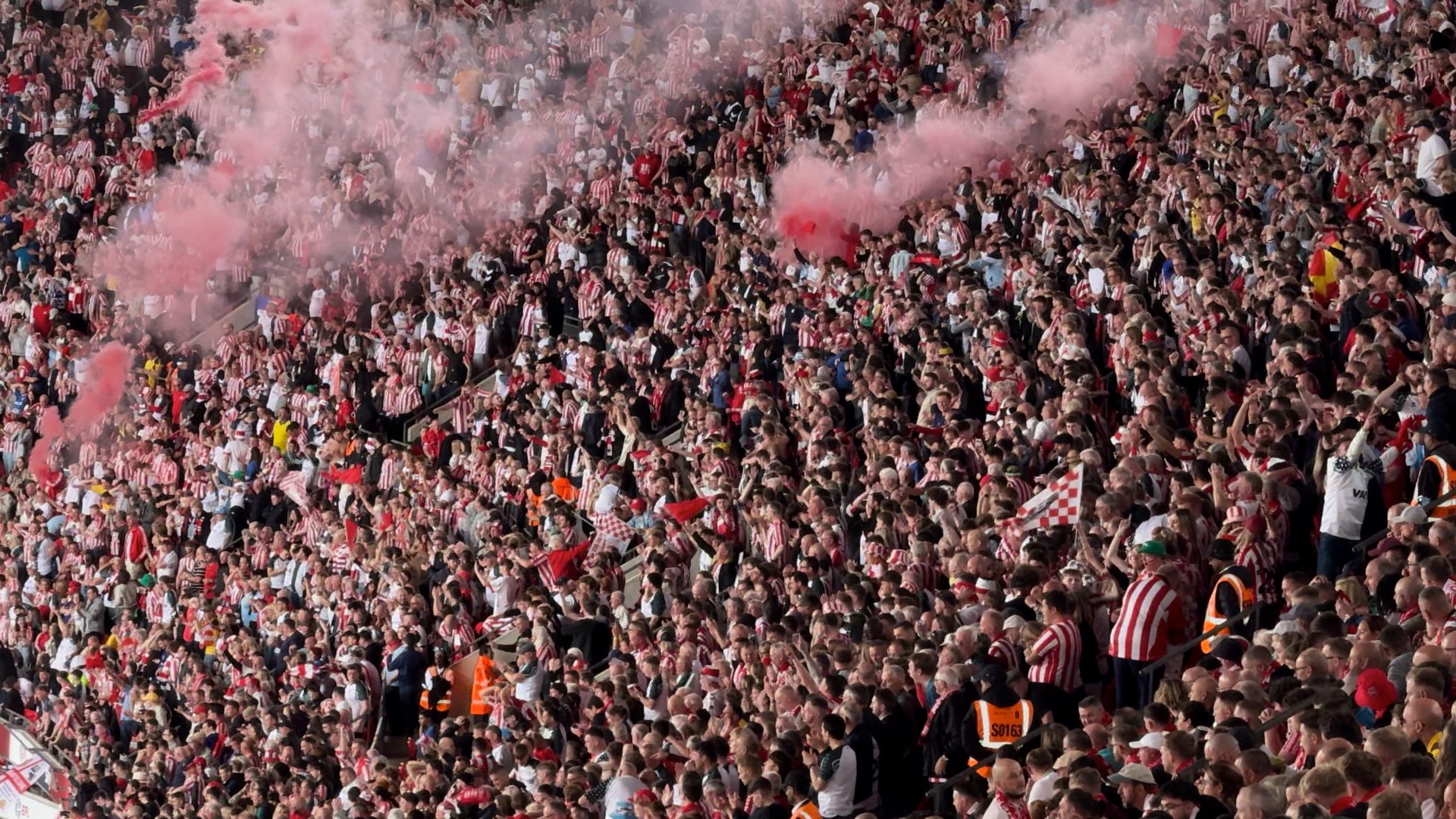
The FIFA World Cup 2026 will be the largest sporting event ever staged, spanning Mexico, Canada and the United States and welcoming millions of fans across dozens of host cities. As the first FIFA World Cup hosted by three nations, FIFA World Cup 2026 promises an unmatched celebration of global sport, culture and travel.
Yet large-scale stadium events also bring predictable medical risks. From cardiac emergencies and heat illness to alcohol-related incidents and crowd injuries, medical teams at major sporting events consistently respond to the same categories of emergencies. Understanding these risks and knowing how to prepare can significantly reduce the likelihood of a serious incident disrupting your World Cup experience.
What medical emergencies most commonly affect fans at major stadium events, and what steps can travelers take to stay safe during World Cup 2026?
The Most Common Medical Emergencies at Major Stadium Events
Cardiac Events: Heart Attacks and Sudden Cardiac Arrest: Cardiac emergencies are among the most serious and life-threatening incidents at large sporting events. The excitement of a world cup match, combined with emotional stress, prolonged standing, alcohol consumption and extreme weather, can trigger heart attacks or sudden cardiac arrest, particularly among individuals with pre-existing cardiovascular conditions.
Major stadiums are equipped with automated external defibrillators (AEDs) and trained medical staff are positioned throughout venues. Outcomes, however, depend heavily on rapid recognition and immediate response. Fans with known heart conditions should consult their physician before travel, take prescribed medications as directed and avoid excessive exertion in crowded environments.
Heat-Related Illnesses and Dehydration: Heat exhaustion and heat stroke are consistently among the most common medical calls at outdoor sporting events. Summer temperatures, prolonged sun exposure, limited shade and physical exertion can quickly lead to dehydration, dizziness, nausea, confusion and loss of consciousness.
During FIFA World Cup 2026, matches in warm-weather cities across the United States and Mexico may pose elevated heat risks. Hydration, lightweight clothing, sunscreen and scheduled breaks from direct sun exposure are essential preventative measures.
Traumatic Injuries: Falls, Sprains, Fractures and Lacerations: Stadium environments are dynamic. Staircases, uneven walkways, wet surfaces, alcohol use and dense foot traffic all contribute to slips, trips and falls. Injuries range from minor sprains and cuts to fractures and head trauma.
Fans should wear supportive footwear, use handrails, avoid rushing during breaks and remain alert in crowded concourses. Even seemingly minor injuries can become more serious when immediate care is delayed.
Respiratory Distress and Asthma Attacks: Respiratory emergencies are common at large events, especially for individuals with asthma or chronic respiratory conditions. Triggers include poor air quality, allergens, smoke from pyrotechnics, cigarette smoke and physical exertion.
Travelers with respiratory conditions should carry rescue inhalers at all times, understand stadium smoking policies and identify medical stations upon arrival.
Allergic Reactions and Anaphylaxis: Food allergies, insect stings and environmental allergens can provoke severe allergic reactions. Anaphylaxis requires immediate administration of epinephrine to prevent airway compromise and cardiovascular collapse.
Fans with known allergies should carry epinephrine auto-injectors, clearly communicate dietary restrictions and avoid unfamiliar foods when possible, particularly when traveling internationally.
Alcohol and Substance-Related Emergencies: Alcohol consumption is a leading contributor to medical incidents at sporting events. Over-intoxication can result in vomiting, dehydration, altered mental status, injuries and increased vulnerability to accidents.
Event medical teams are increasingly equipped with naloxone to treat suspected opioid overdoses, but prevention remains critical. Pacing alcohol intake, alternating with water and eating before consumption significantly reduce risk.
Fainting and Syncope: Fainting episodes are common in large crowds and often result from dehydration, heat exposure, prolonged standing or acute stress. While many cases are benign, syncope can lead to secondary injuries from falls.
Recognizing early symptoms — lightheadedness, sweating, nausea — and sitting or lying down promptly can prevent injury.
Crowd Crushes, Stampedes and Mass Trauma: Although rare, crowd crushes and stampedes represent the most severe stadium-related medical emergencies. Poor crowd flow, blocked exits, panic or sudden surges can lead to compressive asphyxiation, fractures and multi-casualty incidents.
Modern stadium design and crowd management reduce these risks, but situational awareness remains critical. Fans should note exit locations, follow official guidance and avoid moving against crowd flow.
[Related Reading: How To Stay Safe in Massive Stadium Crowds]
Understanding Medical Care Across World Cup 2026 Host Countries
Medical facilities and services in Canada meet international standards and are considered high quality. Emergency care is publicly funded for Canadian citizens, but non-citizens should be prepared to pay upfront for services. Emergency department wait times may be lengthy, particularly in urban centers. In Québec, some physicians may not speak English fluently.
Within major cities such as Mexico City, healthcare quality is generally acceptable. Emergency responder capabilities, however, may not meet international standards and facilities outside urban areas are often limited. Many hospitals require payment before treatment and do not bill insurance directly. Travelers should plan for upfront medical expenses.
Medical services in the United States meet international standards, with prompt emergency response and advanced trauma care, but emergency services are expensive and billing can be complex for international visitors. Non-emergency clinics may offer lower-cost alternatives for minor issues.
How Fans Can Prepare for Medical Emergencies at World Cup 2026
Preparation is the most effective way to reduce medical risk during world cup 2026 travel:
- Complete a pre-travel medical checkup if you have chronic conditions
- Carry medications, prescriptions and emergency devices in original packaging
- Stay hydrated and manage heat exposure proactively
- Understand stadium medical layouts and emergency exits
- Avoid excessive alcohol consumption
- Travel with comprehensive medical evacuation and advisory support
The Global Rescue Connection
Attending the FIFA World Cup 2026 is a once-in-a-lifetime experience, but medical emergencies can occur without warning, especially in crowded, high-energy stadium environments. A Global Rescue membership provides travelers with critical support when it matters most, including field rescue, medical evacuation and real-time medical advisory services. Whether navigating unfamiliar healthcare systems in Mexico, Canada or the United States, Global Rescue ensures expert guidance, rapid coordination and access to the appropriate level of care so fans can focus on the game, not the risk.
(Lebanon, N.H – March 17, 2026) – Despite widespread awareness of health risks tied to certain foods and tap water abroad, many travelers continue to engage in behaviors that increase the likelihood of illness, according to the Global Rescue Winter 2026 Traveler Sentiment and Safety Survey. The findings reveal meaningful differences by gender and residency, with men and non-US survey respondents generally more willing to trust local conditions than women and US survey-takers.
Tap water exposure remains one of the most common risk areas. Overall, 44% of travelers say they are most likely to brush their teeth with tap water in a foreign country, making it the most common accidental exposure. Another 30% report drinking beverages with ice added, while 9% say they consume drinks diluted with local water such as juice or cocktails. Smaller shares report rinsing their mouth in the shower (6%) or drinking a glass of tap water directly (2%).
US-based respondents and non-US respondents show distinct patterns. Half of non-US respondents say they brush their teeth with tap water, compared with 43% of US travelers. US travelers are more likely to consume drinks with ice (33%) than non-US travelers (20%). Men are significantly more likely than women to brush their teeth with tap water, at 56% versus 40%, while women are more likely than men to drink beverages with ice made from tap water (36% compared with 15%).
“Water safety boils down to the local area where travelers are staying,” warns Jeff Weinstein, a paramedic and medical operations manager for Global Rescue. “Assumptions about water quality can vary widely from place to place, even within the same country.”
Food-related trust presents similar risk tolerance. Nearly half of all travelers, 49%, say they trust freshly cooked hot food from a street vendor the most when faced with risky food choices during travel. All other options trail far behind, including street-vended fruits or snacks (7%), fresh salads or leafy greens (6%), and food purchased during peak crowds or festivals (6%). Sushi or ceviche, runny or soft-cooked eggs and buffet foods with unclear temperature control each draw trust from fewer than 5% of respondents.
Non-US travelers are more trusting of street food overall, with 53% selecting freshly cooked hot food from a street vendor compared with 49% of US travelers. Non-US respondents are also more likely to trust fresh salads or leafy greens, 11% versus 5% among US travelers. Men and women show similar levels of trust in street-vended hot food, but women (10%) are more likely to trust food purchased during peak crowds or festivals compared to men (6%).
“When you travel to a place that’s new to you, there are a lot of germs your body is not used to,” Weinstein said. “Something like traveler’s diarrhea or a really bad case of food poisoning can become an emergency.”
Dan Richards, CEO of The Global Rescue Companies and a member of the US Travel and Tourism Advisory Board at the US Department of Commerce, said the findings underscore a persistent gap between knowledge and behavior. “Most travelers understand, in theory, that food and water safety matters, but convenience and familiarity often override caution,” Richards said. “These results show why pre-travel medical and risk guidance remains critical, especially for travelers heading to regions with different sanitation standards.”
Richards added that differences between men and women, and between US and non-US travelers, point to varying risk perceptions. “Men and non-US travelers tend to accept higher levels of risk, while women and US travelers are generally more cautious, but no group is immune from making risky choices when traveling,” he said.
About the Global Rescue Traveler Sentiment and Safety Survey
Global Rescue, the leading travel risk and crisis response provider, surveyed more than 1,400 current and former members between January 13 – 17, 2026. Respondents shared their attitudes, behaviors and preferences related to travel safety, technology and global mobility.
About Global Rescue
Global Rescue is the world’s leading provider of medical, security, evacuation and travel risk management services to enterprises, governments and individuals. Founded in 2004, Global Rescue maintains exclusive relationships with the Johns Hopkins Emergency Medicine Division of Special Operations and Elite Medical Group. The company has provided medical and security support during every major global crisis over the past two decades.
Categories:
Places & PartnersTravelMarch 17, 2026
Article Highlights:
- St. Patrick’s Day began as a Christian feast day and evolved into a global cultural celebration on March 17.
- Dublin hosts the largest events in Ireland, but smaller towns often provide more manageable experiences.
- Northern Ireland and the Republic share the holiday date but differ in historical and cultural context.
- Worldwide celebrations range from Caribbean commemorations to parades in Japan and Australia.
- Smart crowd safety planning is essential when navigating high-density public events.
St. Patrick’s Day, observed each year on March 17, commemorates the death of Saint Patrick, the missionary traditionally credited with bringing Christianity to Ireland. What began as a religious feast day in the early 17th century gradually evolved into a broader celebration of Irish heritage, identity and culture.
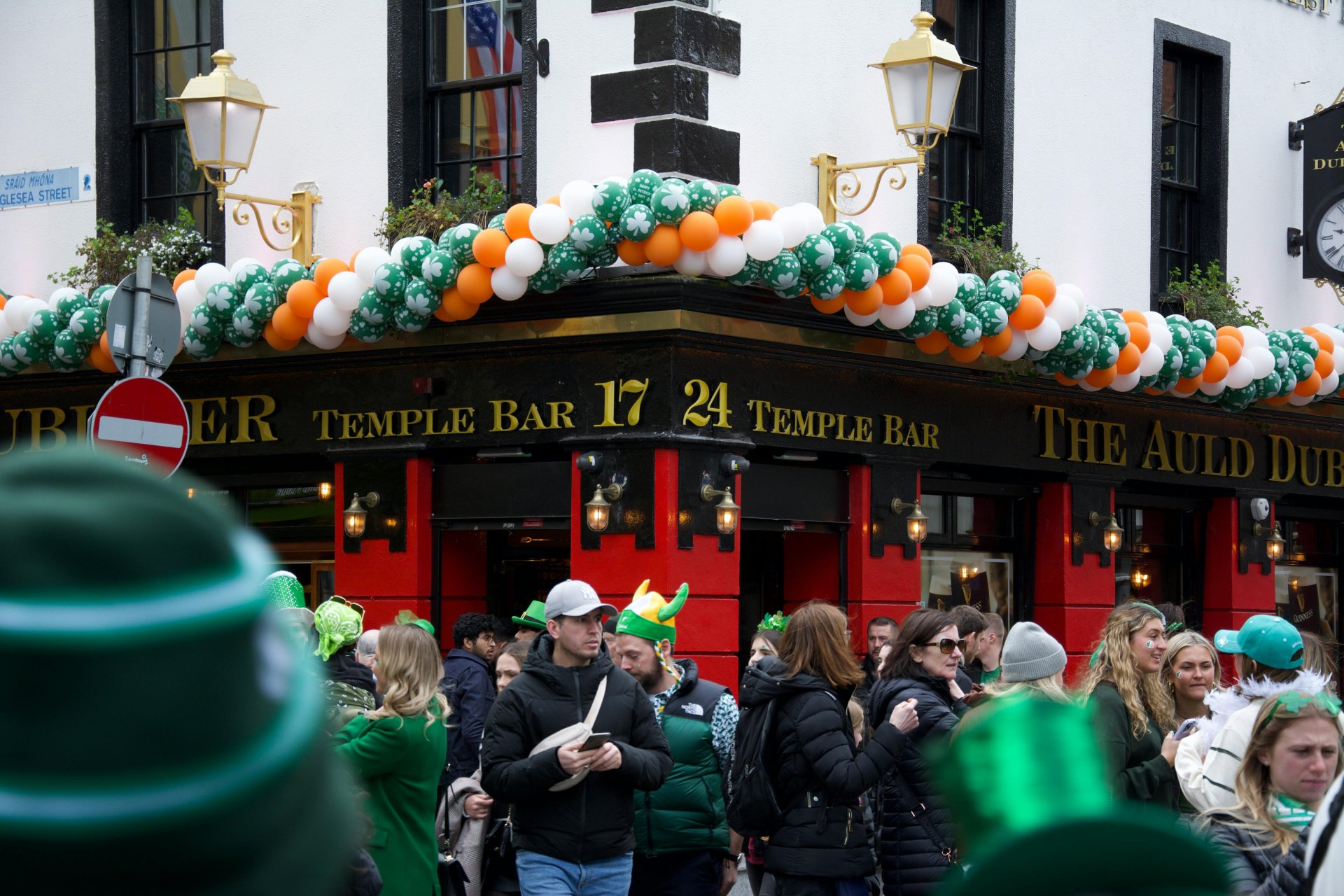
Today, St. Patrick’s Day — or St. Paddy’s Day — is celebrated in more countries than any other national festival. From Dublin to Sydney, from Montreal to Tokyo, the shamrock and the color green have become global symbols of participation.
For international travelers, March 17 presents both opportunity and complexity: cultural immersion, large public gatherings, altered transport schedules and concentrated crowds.
Understanding the holiday’s origins helps frame what you’re experiencing on the ground.
Who Was Saint Patrick?
Saint Patrick was not Irish by birth. Tradition holds that he was born in Roman Britain in the fourth century. As a teenager, he was kidnapped and taken to Ireland, where he spent years in captivity before escaping. Later, he returned as a Christian missionary. Over centuries, legend amplified his legacy and he became Ireland’s foremost patron saint.
March 17 marks the day he is believed to have died. In liturgical churches — including the Catholic Church, the Anglican Communion, the Lutheran Church and the Eastern Orthodox Church — it remains a recognized feast day.
For travelers, this means St. Patrick’s Day still carries religious meaning, even where modern celebrations feel more like festivals.
Why Are the Shamrock and Wearing Green Important?
One of the most recognizable symbols of St. Patrick’s Day is the shamrock. According to tradition, Saint Patrick used the three-leafed plant to illustrate the concept of the Holy Trinity. Whether legend or teaching tool, the shamrock became intertwined with Irish identity.
The association with green developed over centuries. Though blue was historically linked to Saint Patrick, green became politically and culturally associated with Ireland in the 18th century. Today, “wearing the green” is a simple way for visitors to participate respectfully.
A small shamrock pin or green accessory is more appropriate than costume-style outfits, especially in Ireland.
Ireland: The Heart of the Celebration
In Ireland, St. Patrick’s Day is a public holiday in both the Republic of Ireland and Northern Ireland. Government offices close. Many businesses adjust hours. Public transport operates on modified schedules.
Dublin hosts the largest national parade and festival events. Expect large crowds, road closures and dense pedestrian traffic throughout the city center. Accommodation books months in advance. Restaurants and pubs reach capacity quickly.
Dublin, however, is not the only way to experience the holiday. Smaller cities such as Galway, Cork and Limerick — and even rural towns — often provide a more community-centered celebration. These events may feel less commercial and easier to navigate.
Historically, the holiday in Ireland was once a relatively subdued religious observance. Alcohol sales were even restricted until the mid-20th century. The modern festival format developed gradually, particularly in the 1990s, when Ireland began promoting St. Patrick’s Day as a showcase of national culture.
Ireland and Northern Ireland: Similar Date, Different Context
International travelers often combine Dublin and Belfast in one itinerary. While March 17 is a public holiday in both jurisdictions, historical context differs.
In Northern Ireland, the holiday historically intersected with sectarian divisions. Public celebrations were at times closely associated with community identity. Since the peace process of the late 1990s, many towns have emphasized cross-community participation.
For travelers moving between the Republic of Ireland and Northern Ireland:
- Expect heavy transport demand on March 16–18.
- Confirm bus and rail schedules in advance.
- Allow extra time for intercity travel.
- Remain culturally aware; celebrations may carry different tones in different neighborhoods.
Understanding context enhances your experience and reduces missteps.
Celebrations Beyond Ireland
Canada: St. Patrick’s Day is a government holiday in Newfoundland and Labrador and widely celebrated across Canada. Montreal hosts one of the longest-running parades in North America. Cities such as Toronto, Vancouver and Saint John hold major events. Travelers should confirm which services operate on holiday schedules, particularly in provinces where government offices close.
Montserrat: Montserrat, often called the “Emerald Island of the Caribbean,” recognizes St. Patrick’s Day as a public holiday. The celebration uniquely commemorates both Irish heritage and a historic 1768 uprising. It is one of the few places where March 17 blends Irish and local Caribbean history.
Australia and New Zealand: Major cities such as Sydney, Brisbane, Melbourne and Auckland host parades and weekend festivals near March 17. Events are often scheduled on the closest weekend rather than strictly on the date itself.
Europe: Across England, Scotland and other European countries, Irish diaspora communities organize parades, concerts and festivals. London and Birmingham host large-scale events. Glasgow has a significant Irish heritage presence. In Lithuania, the Vilnia River is dyed green. In Norway, Oslo holds an annual parade.
Asia: Tokyo has hosted St. Patrick’s Day parades since the early 1990s. Seoul, Busan and parts of Malaysia hold Irish cultural events and celebrations organized by Irish associations and embassies. In many destinations, landmarks illuminate in green as part of global recognition of the holiday.
Crowd Safety: Managing Risk During Major Public Events
St. Patrick’s Day celebrations often involve high-density gatherings. Large parades, festivals and nightlife concentrations compress thousands — or even hundreds of thousands — of people into small geographic areas.
Crowds create predictable challenges:
- Reduced mobility
- Increased pickpocketing and opportunistic theft
- Limited emergency access
- Transportation disruptions
Dense environments make it easier for criminals to operate unnoticed and harder for visitors to respond quickly.
Travelers should take practical precautions:
- Use clothing with interior or zippered pockets.
- Avoid displaying expensive jewelry or large amounts of cash.
- Keep phones secure and avoid handling them loosely in packed areas.
- Establish a meeting point if traveling with companions.
- Screenshot maps and hotel addresses in case mobile networks slow down.
Situational awareness is critical. Monitor crowd tone and movement. Sudden pushing, rapid directional shifts or visible agitation can signal instability. Upon entering a dense area, identify at least two exit routes. Avoid standing near barricades, dead-end streets or tightly compressed areas near stage fronts.
Transportation disruptions are common. Roads may close for parade routes. Public transit can be delayed or rerouted. Build buffer time into all movements.
If driving in a foreign city during a major event, consider using vetted transportation or a knowledgeable local driver. Confusion behind the wheel in congested areas increases vulnerability.
Crowd safety is about anticipating predictable friction points and planning accordingly.
The Global Rescue Connection
Large-scale events like St. Patrick’s Day combine travel complexity with crowd density. Medical incidents, automobile accidents, lost documentation or sudden illness can be more difficult to manage when city centers are congested and services operate on modified schedules.
A Global Rescue membership provides an added layer of preparedness. Field rescue services can assist in difficult-to-access areas. Medical evacuation ensures transport to appropriate facilities when local care is insufficient. Medical advisory services help travelers interpret symptoms, identify treatment options and coordinate care within unfamiliar healthcare systems. Destination Reports provide pre-trip intelligence about medical infrastructure, security conditions and logistical considerations.
Celebrating St. Patrick’s Day abroad should be memorable for the right reasons. Preparation, awareness and access to professional support allow travelers to enjoy the music, culture and atmosphere of March 17, without unnecessary risk.
Categories:
NewsMarch 16, 2026
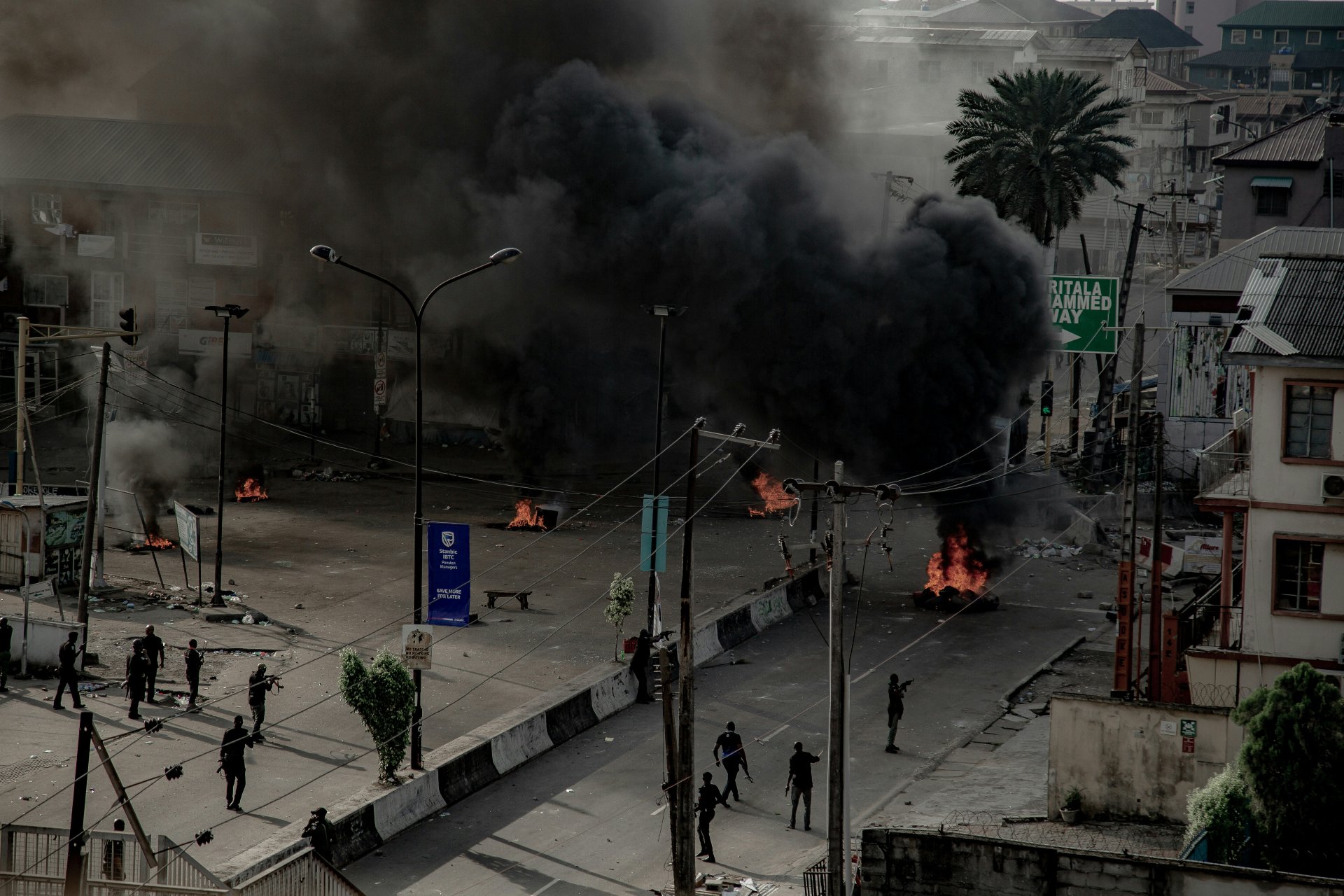
Lebanon, NH – March 14, 2026 – Global Rescue has deployed security experts in the Middle East region to assist international travelers stranded by widespread airspace closures and escalating regional hostilities. The deployments come as ongoing US and Israeli combat operations against Iran and Tehran’s retaliatory missile and drone strikes continue to destabilize the region and disrupt global travel networks.
Global Rescue security teams are operating in coordination with numerous public and private security resources across the region to assist individuals, assess ground conditions and facilitate ground, air and sea evacuations when safe options become available.
“Our security teams are working in a highly dynamic operational environment to relocate travelers from high-risk areas when safe corridors become available,” said Fernando Lopez Medina, security operations supervisor at Global Rescue and a former US Army Special Forces Green Beret. “These operations require close coordination with regional partners, secure transportation resources and constant reassessment of the threat environment to ensure movements are conducted safely.”
Global Rescue deployed personnel are coordinating with a network of aviation, logistics and security partners across the region to assist travelers affected by airport closures and disrupted flight schedules. However, officials emphasize that in many locations sheltering in place remains the safest immediate option.
“In active conflict environments where missile and drone activity continues, unnecessary movement can expose travelers to greater risk,” Medina said. “Our teams evaluate conditions continuously and execute evacuation or relocation plans only when the security environment allows it.”
The conflict has severely disrupted global aviation routes. Airports in the region are operating under limited or irregular conditions. “Travel to or through the Middle East right now carries elevated and unpredictable risk,” said Kent Webber, senior manager of Intelligence Services at Global Rescue and former Senior Intelligence Operations Officer in the Office of the Under Secretary of Defense for Intelligence at the United States Pentagon. “Our intelligence teams are continuously gathering and analyzing information from multiple sources across the region to provide members with real-time threat assessments and operational guidance as conditions change.”
“These disruptions are cascading well beyond the Middle East and affecting international flight networks globally,” Webber said. “Travelers transiting the region for Europe, Asia or Africa may encounter extensive delays, rerouting and cancellations.”
Global Rescue maintains operations centers around the world providing continuous 24/7/365 monitoring, intelligence gathering and operational coordination for members and enterprise clients. The organization also maintains a network of nearly 4,000 operational assets in more than 150 countries, including medical and security teams, medical facilities and logistics support centers that support response operations worldwide.
“With rapidly shifting threats and restricted airspace across multiple countries, our teams have leveraged every available capability to assist travelers caught in the crisis,” said Dan Richards, CEO of The Global Rescue Companies, the world’s leading provider of medical, security, evacuation and travel risk management services and a member of the US Travel and Tourism Advisory Board at the US Department of Commerce.
“Our mission is to protect our members wherever they are in the world,” Richards said. “Through our global operations centers, intelligence analysts and deployed security teams, we are coordinating complex response efforts to help people navigate this extremely volatile environment.”
Global Rescue continues to advise travelers to postpone non-essential travel to the Middle East until the security situation stabilizes and commercial aviation operations normalize.
Due to the sensitive nature of security operations in active conflict zones, Global Rescue does not disclose operational details or the identities of individuals receiving assistance.
Contact: Bill McIntyre | bmcintyre@globalrescue.com | +1 (202) 560-1195.
About Global Rescue
Global Rescue is the world’s leading provider of medical, security, evacuation, and travel risk management services to enterprises, governments, and individuals. Founded in 2004, Global Rescue has exclusive relationships with the Johns Hopkins Emergency Medicine Division of Special Operations and Elite Medical Group. Global Rescue has supported clients through every major global crisis over the past two decades. For more information, visit www.globalrescue.com.