Categories:
Places & PartnersTravelApril 7, 2026
Article Highlights
- Climate change is shifting Everest’s climbing season earlier and making conditions more unstable.
- Improved short-term weather forecasting is helping climbers better time narrow summit windows.
- Modern acclimatization techniques are making expeditions faster and more efficient but not less risky.
- Demand for Everest remains high despite rising costs and increasing congestion.
- Increased reliance on helicopter rescues is raising concerns about climber preparedness and ethics.
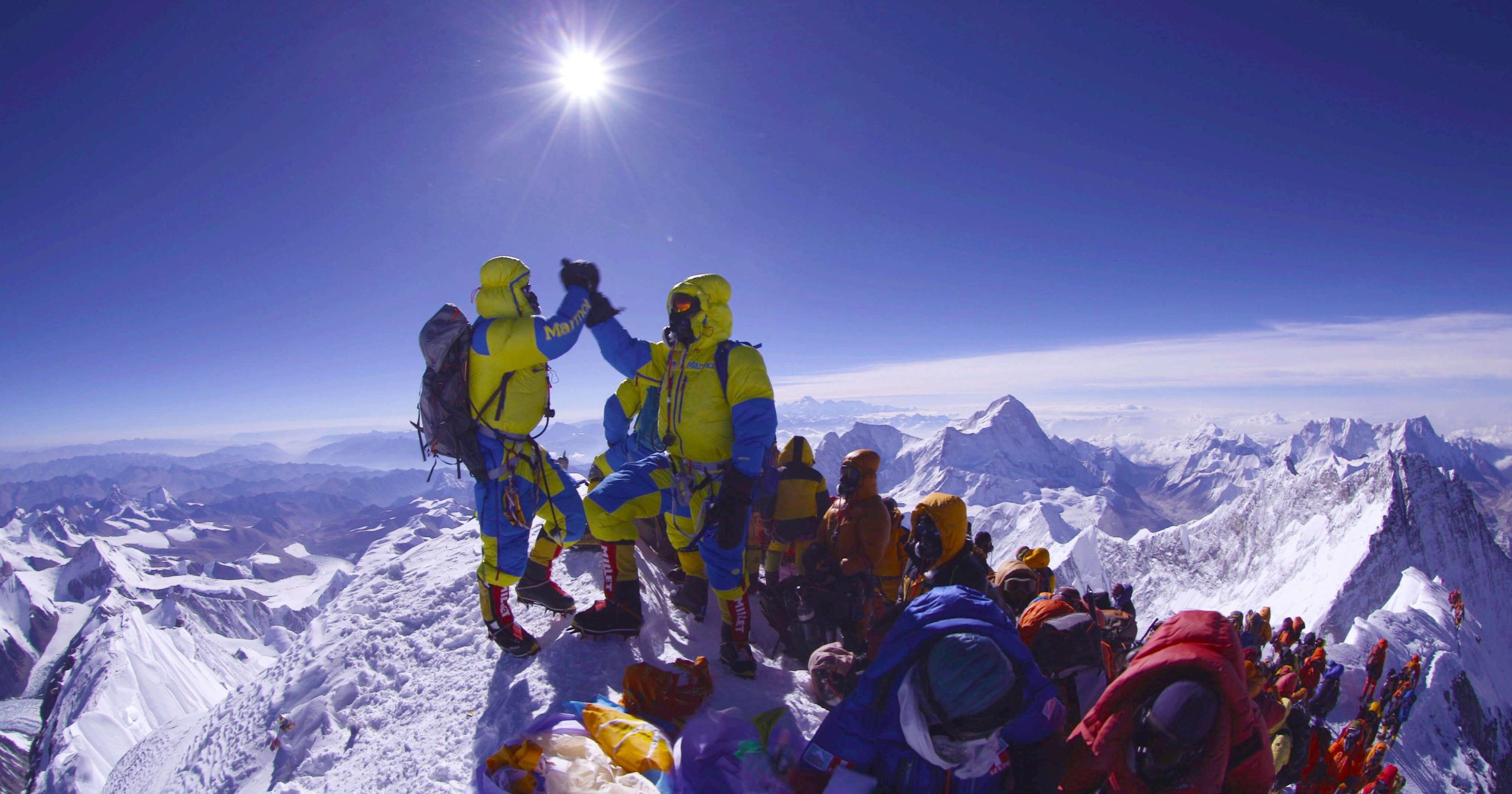
The spring climbing season in the Himalaya is once again approaching, and Mount Everest will draw hundreds of climbers, mountaineers and trekkers from across the globe. But while the summit remains the objective, the environment in which that objective is pursued is changing.
Weather variability, accelerated glacial melt, more efficient acclimatization strategies, rising permit fees and increased oversight of environmental practices are reshaping how mountain climbers approach Everest and surrounding peaks. The 2026 season will demand sharper timing, stronger preparation and more disciplined judgment than ever before.
Weather Trends and Shifting Summit Windows
Weather in the Himalaya has always been volatile. “Weather patterns are always variable and mostly unpredictable,” said legendary mountaineer Ed Viesturs. “Long-term forecasting is still challenging, but short-term forecasting has improved dramatically. That’s allowing teams to make smarter, safer decisions about upcoming weather windows.”
Advances in short-term meteorological modeling now allow expedition leaders to identify narrow summit windows with greater precision. This is particularly critical when coordinating summit attempts on Mount Everest, where timing can mean the difference between success and catastrophe.
Yet Viesturs notes a more profound shift underway. “We’re seeing melting happen earlier each year,” he said. “As a result, climbers are starting expeditions earlier in the spring and wrapping up earlier in the summer. Faster melt cycles can make conditions more unstable and more dangerous.”
The Khumbu Icefall — one of the most hazardous sections of the standard South Col route — appears to destabilize earlier each season. Crevasses widen faster. Ice bridges weaken sooner. Seracs collapse as temperatures rise. The traditional climbing calendar is compressing and shifting forward. Teams that fail to adapt risk encountering deteriorating surface conditions later in the season, when objective hazards intensify.
Acclimatization: Faster, Smarter, More Strategic
Altitude adaptation is also evolving.
“There is definitely a trend toward more efficient acclimatization schedules,” Viesturs said. “Through years of trial and error, teams are figuring out the most effective and fastest ways to adapt to altitude.”
Modern expedition strategy emphasizes conserving energy for summit pushes rather than exhausting climbers during extended rotation cycles. Refined acclimatization plans allow climbers to maintain strength reserves while still reducing the physiological risks associated with rapid ascent.
Pre-acclimatization at home is becoming standard among serious Everest aspirants. “More climbers are sleeping in hypobaric tents before they ever leave home,” Viesturs explained. “It reduces the amount of time they need to spend on the mountain, allows them to stay connected with family and work longer, and helps them arrive better prepared physically.”
These hypobaric systems simulate high-altitude environments, allowing the body to begin producing red blood cells weeks before departure for the Himalaya. The benefits are logistical and physiological. No technology, however, eliminates the inherent stress of climbing at extreme altitude.
The mountain still demands respect. Efficiency cannot replace judgment.
Traffic Patterns and Permit Pressures
Everest will again see the heaviest traffic this spring. The season remains optimal for summit bids and for trekkers heading to Everest Base Camp. Crowding on trails, in teahouses and at base camp is expected.
Other 8,000-meter peaks are typically more active in autumn, though Manaslu and Makalu will attract some spring climbers. Popular trekking and climbing objectives such as Lobuche, Gokyo Ri and Island Peak will also experience heavy visitation.
The Nepal government has raised the Everest permit fee to $15,000. Despite the increase, demand remains strong. Financial barriers do not appear to be discouraging committed climbers.
There is also discussion of a potential rule requiring Everest aspirants to first climb a 7,000-meter peak in Nepal. If implemented, such a policy would likely increase traffic on intermediate peaks, particularly during autumn seasons, and could recalibrate preparation standards across the region.
Objective Hazards: Icefall, Rockfall and Rapid Melt
The Khumbu Icefall appears to fragment earlier each spring. Rockfall zones expand as permafrost weakens. Snow stability shifts more rapidly. These environmental changes are compressing safe climbing windows and increasing objective hazards.
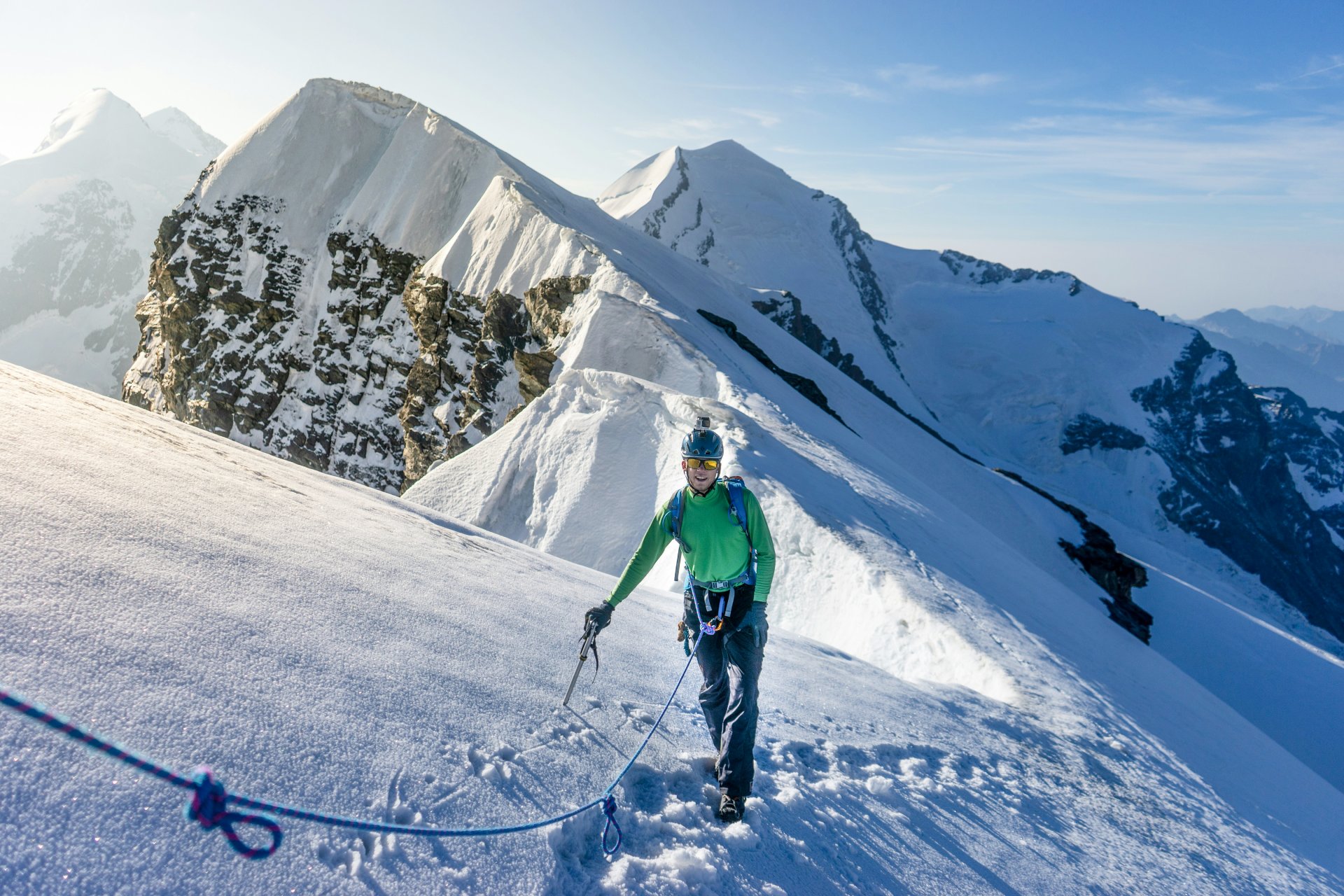
Comparable patterns are evident elsewhere. In the Pacific Northwest, peaks such as Mount Rainier and Mount Baker are experiencing earlier crevasse openings, accelerated glacial retreat and shorter stable climbing seasons. The Himalaya is not isolated in this transformation.
Route timing has become as critical as route selection. Climbers must move through dangerous sections strategically, often earlier than historical norms would suggest.
Environmental Oversight and Sustainability
Environmental stewardship at base camp is also under increasing scrutiny.
“The rules and oversight around waste and garbage management are getting tighter,” Viesturs said. “There has to be a sustainable system if we want to keep climbing these mountains year after year.”
Regulatory frameworks are becoming more stringent, and enforcement is more visible. Many professional outfitters recognize that sustainability aligns with their long-term interests. “They want a clean base camp to return to season after season,” Viesturs noted.
Standards, however, are not universally embraced. “Not every team or nationality approaches environmental responsibility the same way,” he said. “Ultimately, it’s up to the expeditions at these larger base camps to hold themselves and each other accountable.”
Sustainability in the Himalaya depends on collective discipline, not isolated compliance.
Essential Advice for Climbers and Trekkers
Spring in the Himalaya is crowded. Trekkers should expect full lodges and congested trails near Everest Base Camp. Climbers should anticipate bottlenecks at high camps during summit windows. Physical preparation remains the most controllable variable. Whether attempting a trekking peak or Mount Everest itself, arriving in peak aerobic and muscular condition significantly enhances safety margins.
Training under load, building cardiovascular capacity and preparing for sustained effort at altitude are non-negotiable. There is ample lead time before departure. Use it. Technology, forecasting and improved logistics have made climbing more strategic. They have not made it easy.
The Global Rescue Connection
As helicopter rescues become increasingly common on Mount Everest, some veteran mountaineers are voicing concern. The availability of rapid extraction has saved lives. But overreliance risks altering the fundamental ethic of climbing, a discipline built on resilience, endurance and accountability.
Expert alpinists including Ed Viesturs, Conrad Anker and others have long emphasized that a climb is truly complete only when a climber returns safely to base camp on foot, barring a legitimate emergency. Rescue systems are designed to support preparedness, not replace it.
One recent case illustrates the tension. A climber developed pneumonia and high-altitude pulmonary edema (HAPE) at Everest Base Camp and required helicopter evacuation. After treatment, she chose to resume her expedition. Less than a month later, she required a second helicopter extraction following a fall at Camp II, suffering acute mountain sickness, lower back trauma and dehydration.
Helicopters are indispensable when descent is no longer possible. But they are not a substitute for disciplined acclimatization, training and decision-making.
Global Rescue provides a critical safety net for climbers and trekkers operating in the Himalaya. Membership includes field rescue from remote mountain environments, medical evacuation to appropriate facilities, real-time medical advisory services and in-depth Destination Reports that outline local infrastructure and risk conditions.
High-altitude incidents are complex and time-sensitive. In consolidated cases from the Everest region, members experiencing severe altitude illness above 14,000 feet were evacuated by helicopter after developing symptoms of acute mountain sickness and HAPE. Global Rescue coordinated airborne extraction, ground medical teams and hospital care in Lukla or Kathmandu, ensuring continuity of treatment and recovery.
For those climbing above traditional helicopter limits, the High-Altitude Evacuation Package adds an additional layer of protection, covering the complexities and costs associated with extreme-elevation rescue logistics.
As Everest continues to attract larger crowds and higher ambitions, climbers must confront a fundamental question: Is the summit the objective, or is the journey the purpose?
“Climbers must be prepared to rely on themselves if helicopters are grounded,” one veteran guide warned. Training, acclimatization and sound judgment remain the difference between survival and tragedy.
In the Himalaya, success is not measured solely by standing atop the tallest mountain in the world. It is measured by returning safely , with strength, humility and respect for the mountain that will always have the final say.
(Lebanon, N.H. — April 7, 2026) — Most US travelers are well aware of REAL ID requirements, but fewer feel fully prepared for airlines’ stricter enforcement of carry-on size and weight limits, according to the Global Rescue Winter 2026 Traveler Sentiment and Safety Survey. The findings highlight important differences in awareness, compliance strategies and real-world experience across gender and geography.
Awareness of Stricter Carry-On Enforcement Is Mixed
Airline carry-on size limits haven’t changed in general, but enforcement has. Gate agents are now measuring full exterior bag dimensions at the gate including; wheels, handles and protruding pockets, and if the bag doesn’t fit the sizer, it gets checked.
Overall, awareness of airlines’ stricter enforcement of carry-on size and weight limits is moderate. About 27% of travelers say they are not at all aware of the tighter rules, while 25% report being slightly aware. Another 27% say they are moderately aware and 19% say they are very aware.
Women demonstrate higher awareness than men. Nearly 35% of women say they are moderately aware of stricter carry-on enforcement, compared to 25% of men. Men are more likely to say they are not at all aware, at 29%, compared to 20% of women.
Geographically, non-US travelers show greater awareness. About 31% of non-US respondents say they are not at all aware, compared to 25% of US travelers, but US travelers cluster more in the moderate awareness category, reflecting more frequent exposure to domestic airline policy changes.
“Airlines are enforcing carry-on rules more aggressively, and many travelers are still catching up,” said Dan Richards, CEO of The Global Rescue Companies and a member of the US Travel and Tourism Advisory Board at the US Department of Commerce. “These policies may seem minor, but they can cause significant disruption if travelers are unprepared.”
How Travelers Plan to Comply with Carry-On Rules
When asked how they would comply if airlines strictly enforce carry-on limits, a majority of travelers (52%) say they would obtain or use luggage that meets airline requirements. About 23% say they would forgo a carry-on and check their bag, while 18% say they would pay additional fees if necessary.
Women are far more likely to adapt proactively. More than 68% of women say they would obtain compliant luggage, compared to 47% of men. A fifth of men are more willing to pay additional fees compared to 10% of women.
REAL ID Awareness Is Extremely High
Awareness of the fully enforced REAL ID requirement is nearly universal. Overall, 87% of travelers say they are very familiar with REAL ID rules, while fewer than 5% say they are not at all or only slightly familiar. Awareness is consistent between men and women.
“REAL ID messaging has clearly reached travelers,” Richards said. “The challenge now is ensuring travelers consistently carry compliant identification, especially as enforcement becomes routine.”
Few Travelers Personally Impacted, but Many Have Observed Issues
Actual disruption due to non-compliant identification remains limited. Only 2% of travelers say they personally experienced additional screening, and less than 1% report travel delays. Most travelers (68%) say the issue is not applicable because they always carry compliant identification.
Observation of problems among other travelers is more common. About 16% say they have seen another traveler undergo additional screening, 10% have observed delays and 4% have seen someone denied access to security or boarding. Nearly 74% say they have not observed any disruption.
“These issues may affect a small percentage of travelers, but the consequences can be severe when they occur,” Richards said. “Preparation remains the most effective way to avoid airport stress and missed flights.”
About the Global Rescue Traveler Sentiment and Safety Survey
Global Rescue, the leading travel risk and crisis response provider, surveyed more than 1,400 current and former members between January 13 – 17, 2026. Respondents shared their attitudes, behaviors and preferences related to travel safety, technology and global mobility.
About Global Rescue
Global Rescue is the world’s leading provider of medical, security, evacuation and travel risk management services to enterprises, governments and individuals. Founded in 2004, Global Rescue maintains exclusive relationships with the Johns Hopkins Emergency Medicine Division of Special Operations and Elite Medical Group. The company has provided medical and security support during every major global crisis over the past two decades. For more information, visit www.globalrescue.com.
Categories:
TravelApril 3, 2026
Article Highlights:
- July hosts the Blue Marlin World Cup and peak marlin tournaments in Hawaii, Bermuda and Cape Verde.
- Blue water hotspots produce blue marlin, yellowfin tuna, wahoo and Bluefin tuna at prime seasonal weights.
- The Mediterranean and Balearic Islands offer elite Bluefin tuna action during regulated summer windows.
- Central America and the Caribbean deliver world-class tarpon fishing alongside billfish opportunities.
- Remote trophy destinations from Canada to West Africa demand serious safety and evacuation planning.
July occupies a rare position on the international sport fishing calendar. It is a convergence point: warm-water currents stabilize, bait schools concentrate, offshore pelagic species migrate aggressively and tournament circuits reach full throttle. For serious anglers, July is not just another productive month. It is the operational center of global big-game fishing.
From the Atlantic to the Pacific, from the Mediterranean to subarctic Canada, July delivers density: density of fish, density of tournaments and density of opportunity. It is when blue marlin crash teasers in cobalt-blue water, when yellowfin tuna push bait to the surface in foaming chaos and when elite crews compete across time zones in the Blue Marlin World Cup.
The Blue Marlin World Cup and Global Tournament Season
July 4 marks one of the most ambitious single-day fishing tournaments on the planet: the Blue Marlin World Cup. Boats from Bermuda to Hawaii to Cape Verde compete simultaneously, each team chasing a single qualifying blue marlin that could secure a global purse. The format is simple. The execution is not.
Hotspots often include Bermuda’s offshore banks, Kona’s legendary ledges and the volcanic drop-offs of Cape Verde, where monster blue marlin exceeding 1,000 pounds are realistic targets. Bermuda in July is particularly dynamic, producing not only blue marlin but also white marlin, wahoo and yellowfin tuna in the same offshore corridors.
Hawaii’s Kona Coast enters the height of its tournament season in July, including the Skins Marlin Derby and the Hawaiian International Billfish Tournament in late July and early August. The bathymetry here is critical. Deep water lies close to shore, allowing crews to transition from harbor to fishing grounds in minutes. Calm seas and stable weather windows create consistent opportunities for billfish encounters.
Wahoo and Yellowfin Tuna in Peak Form
“Blue water” fishing defines July. The term refers to offshore pelagic environments where currents, temperature breaks and underwater structure converge. In these zones, apex predators dominate.
Blue marlin remain the headline species, but wahoo and yellowfin tuna are equally significant. Wahoo thrive in warm currents and are notorious for blistering initial runs. Their speed demands wire leaders and precise drag management. July water temperatures across the Caribbean and Atlantic create ideal feeding conditions.
Yellowfin tuna, often in the 50- to 150-pound class in places like Guatemala, feed aggressively on bait schools pushed toward the surface. Central America becomes a multi-species arena during this period. Guatemala’s Pacific coast is renowned for blue marlin and sailfish, while Costa Rica and Panama offer consistent pelagic action alongside inshore opportunities.
In the Northeast United States, canyon fishing produces yellowfin tuna and, in certain regulated windows, Bluefin tuna. Bluefin tuna represent a different class of combat entirely. Heavier tackle, strict regulatory compliance and quota management define this fishery. In Europe, particularly around the Balearic Islands, summer marks a critical season for Bluefin tuna under tightly controlled frameworks designed to sustain stocks.
The Balearic Islands and the Caribbean
The Balearic Islands off Spain’s eastern coast offer a distinctive July fishery. Here, anglers pursue Bluefin tuna in deep Mediterranean waters where baitfish aggregate along thermal lines. This is highly regulated fishing, often catch-and-release or subject to limited harvest tags. Precision electronics, sonar interpretation and teamwork are essential.
Unlike tropical billfish fisheries, Mediterranean tuna fishing emphasizes endurance and tactical boat handling. Long runs and deep vertical fights test both angler and crew. The environment is visually serene, but operationally intense.
While offshore pelagics dominate headlines, tarpon fishing in July commands equal respect in specific regions. Belize and parts of Mexico produce excellent tarpon opportunities during this period. Tarpon are acrobatic, powerful and unforgiving. Hook-up ratios are notoriously low compared to strikes, making technique paramount.
Inshore Caribbean waters offer a diversified fishery. Anglers may pursue tarpon in the morning, transition offshore for yellowfin tuna or wahoo by midday and target snapper or grouper on reef structures in the afternoon. This diversity is part of July’s appeal. Weather stability expands daily tactical options.
West Africa and the South Pacific
Cape Verde stands among the most consistent destinations for trophy-class blue marlin in July. The confluence of Atlantic currents and underwater volcanic structure creates ideal hunting grounds for large females. Anglers targeting granders — marlin exceeding 1,000 pounds — often circle this destination on their calendars years in advance.
In the South Pacific, Tahiti enters its dry season, offering favorable conditions for blue marlin and yellowfin tuna. Calm seas improve lure presentation and trolling efficiency. Remote logistics, however, require planning. Mechanical reliability, medical preparedness and crew coordination become critical far from major ports.
Freshwater Contrast: Canada’s Trophy Pike Fishing
July is not exclusively saltwater territory. In Canada’s Northwest Territories, Manitoba and northern Ontario, pike fishing peaks during summer months. Trophy northern pike inhabit cold, clear systems where daylight stretches long into the evening.
Unlike offshore pelagic pursuits, pike fishing emphasizes structure — weed beds, drop-offs and submerged timber. Heavy leaders prevent bite-offs and topwater strikes can be explosive. While operational risks differ from offshore big-game fishing, remoteness remains a shared variable. Floatplanes, bush lodges and limited medical infrastructure define many Canadian fisheries.
Is Sport Fishing in July Worth It?
The biodiversity within a single month underscores July’s strategic sport fishing value. But big-game fishing is physically demanding. Heat stress, dehydration, hook injuries, falls on wet decks and repetitive strain injuries are common. More serious scenarios include cardiac episodes, spinal trauma from rough seas and remote-location delays in medical response.
Remote fisheries amplify exposure. Offshore vessels may be hours from port. Tropical heat accelerates dehydration and fatigue. In subarctic Canada, environmental exposure and limited transport infrastructure complicate emergencies.
Preparation in July is not theoretical. It is procedural. Crews carry satellite communications, EPIRBs, medical kits and contingency fuel planning. Professional captains treat safety as parallel to fishing performance.
The Global Rescue Connection
Bella Coola, located in the heart of British Columbia’s Great Bear Rainforest, exemplifies how quickly a fishing trip can pivot from recreation to emergency. During a summer stay at a remote lodge, a 56-year-old U.S. member developed chest pains. He was evacuated by helicopter during a 45-minute transport to a regional hospital.
Global Rescue’s medical operations team monitored the case and coordinated directly with hospital physicians. While the local facility offered advanced capabilities, critical coronary interventions such as angiograms, PCI and open-heart surgery were only available 12 hours away by ground ambulance.
Due to unstable acute coronary syndrome symptoms and limited regional capabilities, Global Rescue physicians arranged fixed-wing air ambulance transport to a center of excellence in Seattle. The member was admitted directly to the catheterization lab in the Interventional Cardiac Recovery Unit, underwent angiography and received definitive treatment.
That sequence — field evacuation, medical oversight, aircraft coordination and direct admission — illustrates the operational difference between local stabilization and comprehensive evacuation.
Whether you are fly fishing in the Seychelles, trolling for blue marlin in Cape Verde, pursuing Bluefin tuna in the Balearic Islands or targeting pike fishing in northern Canada, distance from advanced care is a constant variable.
A Global Rescue membership provides field rescue, medical evacuation to the most appropriate facility, 24/7 medical advisory services and detailed Destination Reports that assess infrastructure, medical capabilities and regional risks before you travel. In environments where WiFi is absent, distances are vast and conditions change quickly, that layer of operational support transforms risk into manageable contingency.
As veteran outfitter Jim Klug advises: travel smart and be prepared. In July’s global arena of big-game sport fishing, preparation is not optional. It is part of the tackle.
Categories:
TravelApril 2, 2026
Article Highlights:
- More than half of US travelers (53%) are concerned about being targeted abroad due to anti-American sentiment.
- 85% of travelers report concern about travel disruptions tied to global conflict and instability.
- Despite security concerns, 67% of travelers are continuing with international travel plans.
- One-third of travelers are modifying trips by changing destinations, postponing or canceling.
- Rising geopolitical tension is reshaping how travelers assess security, cost and risk simultaneously.
International travel in 2026 is no longer shaped solely by destination appeal or price. It is increasingly defined by security awareness, driven by geopolitical instability, active conflicts and a growing sensitivity to how Americans are perceived abroad.
The latest Global Rescue SNAP Survey, based on responses from more than 1,000 experienced travelers, captures a clear inflection point. Security is no longer a background consideration. It is a primary filter influencing destination choice, trip design and preparedness.
Travelers are not stepping back from the world. They are moving through it differently — with sharper awareness, more deliberate planning and a clearer understanding of exposure.
Security Has Become a Mainstream Travel Consideration
Concern about being targeted abroad has moved firmly into the mainstream. According to the SNAP Survey, 53% of American travelers report moderate to high concern about anti-American sentiment when traveling internationally. Only 12% express no concern at all.
Security considerations now extend beyond traditional threats like crime or terrorism. Perception risk has entered the equation — how nationality, language and global politics shape interactions on the ground.
Travelers are paying closer attention to local sentiment, cultural dynamics and geopolitical context. These factors increasingly influence where travelers feel comfortable going, not just where they want to go.
Security Risk Now Includes Disruption, Not Just Danger
Modern travel security is no longer defined by isolated threats. It operates across a broader spectrum that includes:
- Political instability and regional conflict
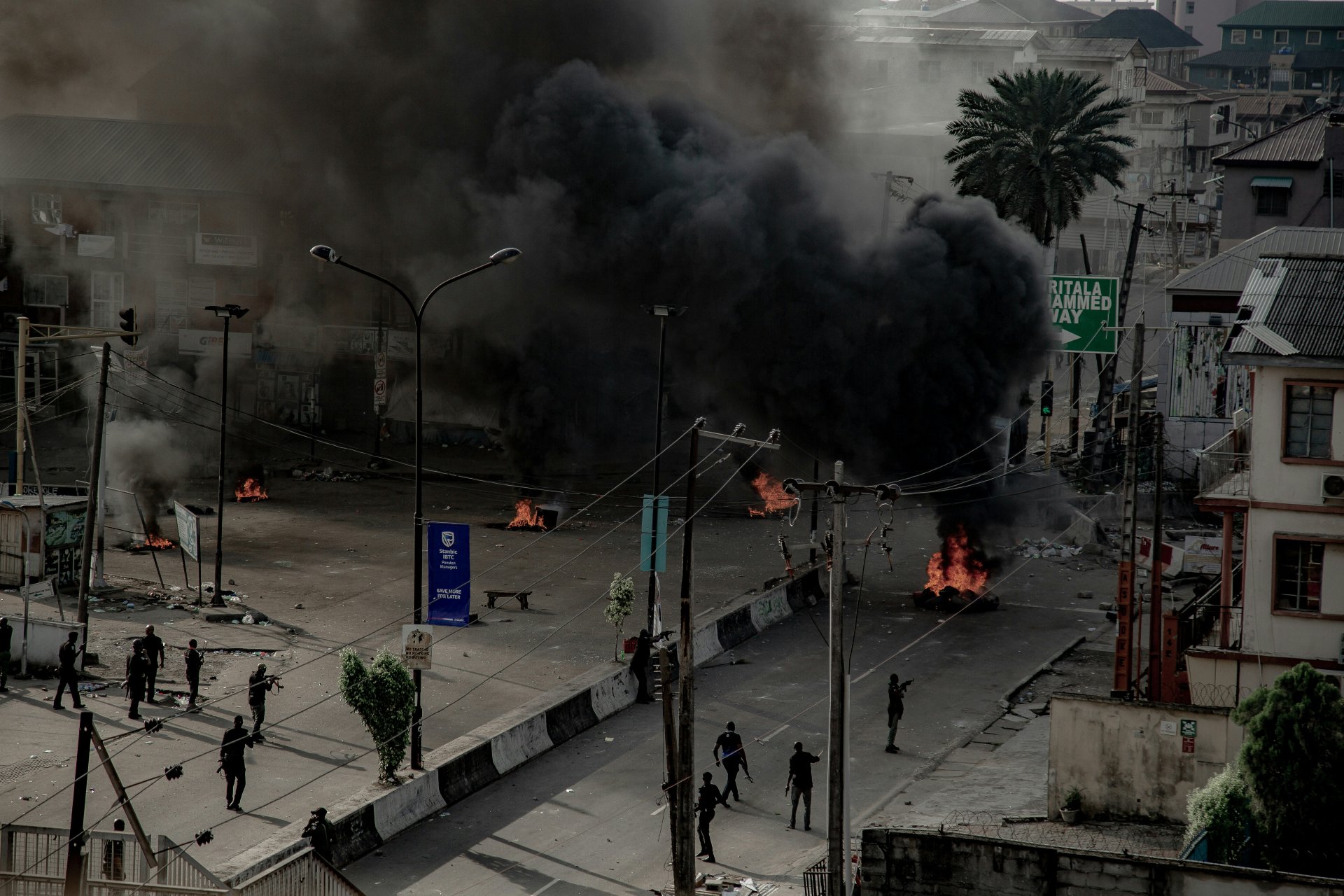
- Civil unrest and demonstrations
- Airspace closures and flight rerouting
- Infrastructure strain and logistical breakdowns
- Perception-driven targeting risks
The SNAP Survey shows that 85% of travelers are concerned about disruptions tied to global conflict, including delays, rerouting and airport congestion.
For many travelers, disruption has become the most immediate and likely risk. A delayed flight, closed air corridor or unexpected border restriction can quickly escalate into missed connections, extended stays or limited access to support, particularly in regions with weaker infrastructure.
Security, in this context, is as much about continuity as it is about safety.
Travelers Are Adjusting, Not Withdrawing
Despite elevated concern levels, international travel demand remains intact. Two-thirds of travelers (67%) have not changed their plans. Travel remains a priority, but execution is more selective and intentional. Among those who have adjusted:
- 16% postponed trips
- 9% changed destinations
- 9% canceled travel
These adjustments reflect controlled decision-making rather than reactive behavior. Travelers are redirecting plans toward more stable regions, adjusting timing and avoiding emerging risk zones. The pattern is consistent: mobility continues, but routes are being recalculated.
Travelers are now balancing multiple variables at once:
- Security exposure, including geopolitical and perception-based risks
- Cost volatility driven by rerouting and operational disruptions
- Personal travel priorities and objectives
This layered decision-making reflects a more disciplined approach to international travel. Risk is being evaluated alongside cost and experience, rather than considered in isolation. Travelers are no longer passive participants moving through uncertain environments. They are actively managing their exposure with greater precision.
Cost Pressures Are Reinforcing Security Decisions
Geopolitical instability is not only influencing safety considerations — it is driving cost. Two-thirds of travelers report noticeable increases in travel expenses tied to global conflict. Airspace restrictions and longer routing are pushing fares higher and complicating itineraries. More than half of respondents indicate that rising airfare could influence future travel decisions, including delays or cancellations.
Security and cost are now tightly linked. A destination perceived as unstable often becomes more expensive to reach, less predictable to navigate and harder to justify overall. Travel decisions increasingly reflect this combined assessment of risk and value.
Demand Remains Strong, But Expectations Have Shifted
International travel demand continues to show resilience:
- 41% expect no change in travel frequency
- 29% anticipate only a slight reduction
Interest in global travel remains durable, but expectations have evolved. Travelers are placing greater emphasis on predictability, infrastructure reliability and access to support if conditions change. The focus has shifted from simply reaching a destination to maintaining control throughout the journey.
Security Is Now Embedded in Every Travel Decision
Security considerations are now integrated into every phase of travel:
- Destination selection
- Route planning
- Timing and seasonality
- On-the-ground movement
- Emergency preparedness
Travelers are evaluating whether a trip can be executed reliably under current conditions, not just whether it is desirable. Destinations that offer stability, transparency and strong infrastructure are gaining an advantage. Predictability and responsiveness are becoming as important as experience and cost.
The Global Rescue Connection
International travel today requires more than awareness. It requires capability.
A Global Rescue membership provides a structured response framework for medical and security incidents, including:
- Field rescue from the point of illness, injury or crisis
- Medical evacuation to the most appropriate facility or hospital of choice
- 24/7 access to medical professionals for advisory support
- Real-time intelligence and destination-specific risk analysis
These services address the operational gaps that emerge when local systems are strained, delayed or insufficient.
The Global Rescue Security Add-On extends that capability further, providing:
- Security evacuation and extraction from unstable or hostile environments
- Access to experienced security professionals, including former military and intelligence personnel
- Continuous threat monitoring with actionable guidance
- Support for secure movement and contingency planning during deteriorating conditions
In an environment where security concerns are elevated but travel demand persists, preparedness defines the difference between disruption and control.
Travelers are still going. They are simply going better equipped.
Categories:
NewsApril 2, 2026
Categories:
TravelApril 1, 2026
Article Highlights:
- Accelerated Everest expeditions shift acclimatization off the mountain through hypoxic training and xenon gas protocols.
- Reduced rotations decrease exposure in objective danger zones like the Khumbu Icefall.
- Logistics become front-loaded, increasing precision requirements and Sherpa technical responsibility.
- Summit window decisions become more data-driven with stricter abort thresholds.
- High-altitude risk remains unchanged at 8,848 meters, regardless of expedition duration.
As reported in National Geographic, in 1978 Austrian physician Oswald Oelz served as team doctor when Reinhold Messner and Peter Habeler became the first climbers to summit Mount Everest without supplemental oxygen — a feat many physiologists believed impossible at 29,032 feet, where atmospheric pressure leaves humans breathing roughly 30 percent of the oxygen available at sea level.
Nearly five decades later, Oelz’s grand-nephew, Austrian guide Lukas Furtenbach, has advanced a different high-altitude breakthrough. In May 2025, four clients and five Sherpas summited Everest just five days after leaving London, relying not on weeks of gradual acclimatization but on pre-acclimatization systems and xenon-assisted physiological preparation.
The shift from oxygen-free ascents to xenon-assisted acclimatization captures the evolution of modern mountaineering: not just physical endurance, but biochemical intervention.
Understanding Xenon Gas and How It Works
Xenon gas is sometimes used in hospitals as a safe anesthetic. In mountaineering, it has drawn attention because of how it affects the body’s response to low oxygen at high altitude.
When you climb high into the mountains, your body senses that oxygen levels are lower than normal. In response, it produces more of a hormone called EPO, which helps create additional red blood cells. More red blood cells allow your blood to carry more oxygen, which is one of the key ways the body adjusts to altitude over time.
Supporters of xenon say it can “trick” the body into starting that process earlier. By stimulating the body’s low-oxygen response, xenon may increase EPO production without requiring weeks of exposure to thin air. Some also believe it may help protect the brain and lungs from the stress caused by extreme altitude.
But altitude adaptation is not just about red blood cells. Over time, the body also changes how you breathe, how efficiently your cells use oxygen and how fluids shift throughout your system. These adjustments develop gradually through real exposure to high altitude.
Xenon may influence one piece of that puzzle, but it does not recreate the full, complex process of natural acclimatization.
Traditional vs. Accelerated Acclimatization Architecture
According to Lukas Furtenbach, owner at Furtenbach Adventures, the difference between a classical six-to-eight-week expedition and a two-week xenon-assisted expedition is structural rather than cosmetic.
A traditional Mount Everest expedition follows a gradual biological rhythm. Climbers conduct multiple rotations through the Khumbu Icefall and Western Cwm, progressively spending nights at Camps 1, 2 and 3. This “climb high, sleep low” strategy allows the body to adapt incrementally to high altitude while distributing load carries and camp stocking over weeks. The model builds in weather buffers and allows teams to observe jet stream patterns before committing to a summit push. The tradeoff is cumulative fatigue and repeated exposure to objective hazards such as avalanches, crevasses and serac collapse.
In the accelerated model, much of the acclimatization occurs before arrival in Nepal, Furtenbach notes. Climbers use hypoxic training systems at home to simulate altitude exposure. Xenon gas is administered in controlled settings to stimulate erythropoietin response and potentially protect the lungs and brain from hypoxic stress. On the mountain, only one short rotation — sometimes two — is conducted before the summit push. The time spent in high-risk zones such as the Icefall is significantly reduced.
“The key structural shift is that acclimatization moves partly off the mountain,” Furtenbach explains. “That reduces exposure risk but increases dependence on preparation quality and physiological monitoring.”
Logistics in a Compressed Timeline
High camp logistics also transform under acceleration. In a traditional expedition, camps are stocked progressively and loads are distributed gradually among Sherpa teams. Weather delays can be absorbed because the schedule allows flexibility. Oxygen bottles, tents and fixed lines are staged methodically over time.
In a two-week framework, explains Furtenbach, the system becomes front-loaded and tightly synchronized. Infrastructure must be prepared earlier in the season, and Sherpa teams assume higher technical responsibility before clients arrive. There is little margin for delay. Forecast accuracy becomes critical because compressed expeditions cannot afford extended waiting periods at base camp.
Furtenbach notes that summit window decision-making becomes more data-driven and less intuitive. Traditional expeditions observe jet stream behavior for weeks before selecting a broad May window. In a 14-day structure, teams must target a narrow forecast window with strict abort thresholds. If atmospheric conditions deviate from expectations, retreat is immediate.
Acceleration reduces duration, not consequence.
Sherpa Workload and Industry Structure
When asked about broader ecosystem effects, Furtenbach calls the issue “the most important question.”
Within his company, accelerated expeditions do not reduce Sherpa employment, but they change workload distribution. There is more pre-season preparation, higher technical responsibility and shorter yet more intense field phases. Efficiency per day increases, but so does performance pressure.
Across the broader Nepalese guiding ecosystem, if accelerated expeditions became dominant, several structural changes could occur. Faster rotations would compress schedules and increase operational precision demands. Companies with advanced logistics and medical monitoring capabilities might concentrate market demand, potentially stratifying the industry. Compensation models could shift from duration-based pay toward expertise-based valuation.
“The risk is not fewer jobs,” Furtenbach says, “but a more stratified market. The key question is whether the transition strengthens Sherpa leadership roles or compresses margins. That depends on how responsibly the model is implemented industry-wide.”
Physiological Observations on the Mountain
Furtenbach reports observable differences among climbers using structured pre-acclimatization protocols. Teams have documented faster recovery at Camp 2, fewer severe altitude symptoms early in the expedition and more stable oxygen saturation profiles.
Yet he emphasizes that xenon-assisted acclimatization changes the curve of physiological adaptation — it does not eliminate altitude risk. High altitude remains unforgiving. Climbers increasingly rely on pulse oximetry, heart-rate variability tracking and tighter turnaround rules. Data has become integral to risk management.
“The major shift is psychological,” he explains. “Climbers feel ready earlier. That can be positive — but it can also create overconfidence. We remain conservative in progression schedules despite acceleration.”
The UIAA Position: Controversy and Ethics
The International Climbing and Mountaineering Federation (UIAA) has taken a clear stance on xenon use in mountaineering.
“Xenon-assisted high-altitude climbs are not accredited or endorsed by major mountaineering bodies and are highly controversial. The UIAA explicitly advises against using the anesthetic gas for acclimatization, citing lack of evidence for performance benefits, potential safety risks, and ethical issues.”
The controversy centers on several factors. First, the scientific literature remains limited regarding long-term safety and efficacy in high-altitude performance. Second, there are concerns about medical risk outside controlled hospital environments. Third, ethical questions arise regarding fairness and the evolving definition of unsupported mountaineering achievement.
While xenon is not classified as doping under traditional sporting frameworks in this context, its use challenges long-standing norms around what constitutes self-powered adaptation in the Himalaya.
Essential Advice for Himalayan Climbers and Trekkers
Reflecting on recent seasons, Furtenbach offers practical guidance applicable to both traditional and accelerated expeditions.
He stresses that expedition quality is determined months before arrival in Nepal. Preparation — including hypoxic training, medical screening and logistical planning — outweighs last-minute adjustments. He urges climbers to respect increasing weather volatility, noting that jet stream dynamics have become less predictable and contingency planning is essential. He cautions that cardiovascular fitness does not equal altitude resilience; VO₂ max does not predict acclimatization capacity, and hypoxic tolerance must be trained specifically. Finally, he emphasizes that operator selection matters. Logistics, medical oversight and risk culture are more consequential than marketing narratives.
He closes with a principle that transcends models and methods:
“The mountain does not negotiate. Time compression does not reduce seriousness. Whether you climb in two weeks or eight, the altitude remains 8,848 meters/29,028 feet. Efficiency must never replace humility.”
The Global Rescue Connection
High-altitude mountaineering and trekking in the Himalaya continue to grow in popularity, with more climbers operating above 15,000 feet (4,600 meters) than ever before. Regardless of expedition duration, emergencies at high altitude require specialized response capability.
Global Rescue’s High-Altitude Evacuation Package provides services to members 16 years of age and older who travel above 15,000 feet during any part of their trip (excluding airplane travel) and require emergency transport due to injury or illness.
“High-altitude outdoor activity worldwide is reaching unprecedented heights of curiosity and participation and Global Rescue’s High-Altitude Evacuation Package supports the expanding interest with longer deployments of medical and rescue operations personnel in more regions,” said Ed Viesturs, the only American to have climbed all 14 of the world’s 8,000+ meter peaks and the fifth person to do so without using supplemental oxygen.
Operational examples underscore the realities of high-altitude risk. A member from Bandar Utama, Malaysia suffered snow blindness, weakness and inability to descend from Himlung Himal Camp 2.5. She was evacuated by helicopter to Kathmandu and diagnosed with superficial punctate keratitis, high-altitude retinopathy and high-altitude pulmonary edema before receiving IV fluids and supportive treatment. In another incident, a U.S. member fell near Gorak Shep at approximately 17,717 feet, sustaining facial injuries and brief loss of consciousness. He was evacuated for imaging and monitoring, stabilized and later discharged.
Global Rescue provides field rescue from the point of injury, medical evacuation to appropriate facilities, 24/7 medical advisory services and detailed Destination Reports that help climbers assess healthcare access and regional risk before departure.
Xenon is currently an experimental substance for mountaineering. As a result, Global Rescue services may not apply if a member uses xenon — or any other experimental substance — and that use contributes to or causes a medical condition requiring hospitalization. “The use of xenon gas is not necessarily a disqualifier for Global Rescue services unless a medical condition that occurs during the climb is related to the use of xenon gas,” said David Koo, director of operations for Global Rescue and a former combat medic and emergency nurse.
Whether through traditional acclimatization or xenon-assisted acceleration, mountaineering at high altitude remains inherently serious. Innovation may compress timelines, but it does not change the physics of extreme altitude.
Above 8,000 meters, biology, weather and consequence still rule.
Categories:
Business TravelMarch 31, 2026
Article Highlights:
- 82% of travelers express concern about personal security risks including kidnapping, extortion and violent crime.
- Global instability is shifting business travel from routine logistics to high-stakes risk management.
- Risk is increasingly localized and fast-changing, making static country-based policies ineffective.
- Workforce hesitation and uncertainty directly impact productivity, morale and operational continuity.
- Integrated security solutions, including evacuation and real-time intelligence, are now essential for global operations.
International travel is foundational for global companies. Deals still require face-to-face interaction. Infrastructure projects still demand physical presence. Relationships still depend on trust built in person.
What has changed is the environment surrounding that movement. Security is no longer a background consideration. It is now the defining variable shaping how, when and whether work gets done abroad.
Global Rescue’s Winter 2026 Traveler Sentiment and Safety Survey makes this shift unmistakable. Travelers increasingly define international mobility through instability: 38% describe travel risk as unpredictable and 36% believe it is more dangerous than before 2020. More critically for employers, 82% report concern about personal security threats, including kidnapping, extortion and violent crime.
This is not abstract concern. It is operational friction.
When employees perceive the world as volatile, hesitation enters decision-making. Deployment slows. Focus erodes in-country. Leadership attention shifts from execution to risk monitoring. The result is a subtle but measurable breakdown in business continuity.
Security, in this context, is about preserving momentum.
Why Security Risk Is No Longer Predictable
Traditional corporate travel policies were built around a stable assumption: risk could be categorized geographically. Countries were labeled low, medium or high risk, and decisions followed accordingly. That model is no longer sufficient.
Today’s threats are dynamic, localized and time-sensitive. A city can be stable one week and disrupted the next. A region within a country may be safe while another is not. Events unfold faster than policy updates can track.
Survey data reinforces this shift. Business-critical destinations such as Israel, Mexico and Colombia now generate highly fragmented responses from travelers. Some avoid them entirely. Others restrict movement to specific zones. Many remain undecided.
This fragmentation matters because these are not fringe markets. They are core to industries including energy, manufacturing, finance and logistics.
The implication is clear: country-level assessments obscure the real issue. Risk now exists at the street, route and timing level. Security planning must follow that same level of precision.
High-Risk Environments Still Require Presence
While some destinations present nuanced risk, others remain consistently high-threat. Countries such as Afghanistan, Haiti, Sudan, Somalia and Venezuela continue to combine terrorism, civil unrest, weak infrastructure and limited government support. Yet organizations still operate in these environments.
Whether driven by resource extraction, humanitarian missions, telecommunications or government contracts, withdrawal is often not an option. The business case for presence remains intact even when the risk profile is severe. In these regions, the margin for error disappears.
Kidnapping and extortion are credible threats. Medical infrastructure may be unreliable or inaccessible. Government assistance may be limited or unavailable. Evacuation routes can close without warning. Security, in these contexts, becomes inseparable from operational capability.
The Hidden Cost of Workforce Hesitation
The most immediate impact of rising security concerns is not always visible in incident reports. It appears in behavior. Employees begin to question assignments. Travel approvals take longer. Teams operating abroad become more cautious, sometimes excessively so. Decision-making slows. Over time, this creates compounded effects:
Delayed project timelines. Reduced on-the-ground effectiveness. Increased management overhead. Lower employee confidence and morale. This gap between corporate necessity and employee perception is where organizations lose efficiency. Security is about enabling people to perform at their best in uncertain environments.
Moving Beyond Compliance to Operational Security
Many organizations still treat travel risk as a compliance requirement. Pre-trip briefings, approval workflows and insurance policies are designed to check boxes rather than actively manage evolving conditions.
That approach is outdated. Modern security strategy requires three shifts:
- From static to dynamic intelligence. Security planning must reflect real-time conditions, not outdated country profiles. Where the traveler will stay, how they will move and what is happening locally matter more than national averages.
- From policy to decision thresholds. Organizations must define clear triggers for action before travel begins. What conditions require relocation? When should routes change? At what point does evacuation become necessary? Clarity before departure enables speed during disruption.
- From coverage to capability. Traditional travel insurance focuses on reimbursement. It does not provide immediate response. In a security crisis, reimbursement is irrelevant. Execution is everything.
Security as a Business Enabler
The organizations that will succeed in this environment are not those that avoid risk entirely. They are the ones that manage it with precision.
Effective security frameworks reduce uncertainty through intelligence and preparation, enable mobility by giving employees confidence to travel and preserve continuity when conditions deteriorate. Security becomes a competitive advantage when it allows companies to operate where others hesitate.
The Role of Integrated Protection
Modern travel risk requires integrated solutions that combine medical, logistical and security capabilities. Incidents rarely fall into neat categories. A security event may trigger a medical emergency. A natural disaster may create both infrastructure failure and personal risk. A routine trip can escalate quickly if local systems fail.
Preparation must account for this overlap.
This is why leading organizations are moving beyond fragmented solutions toward unified protection models that include real-time security intelligence, medical advisory and coordination, field rescue from the point of incident, rapid evacuation across borders and continuous communication support.
Security, in this sense, is not a single service. It is a system.
The Global Rescue Connection
In a world where uncertainty defines business travel, preparation must extend beyond policy into capability. A Global Rescue membership provides that capability. Members receive access to field rescue services, meaning extraction from the point of illness, injury or security threat, not just transport from a hospital. This eliminates the most dangerous gap in traditional coverage.
Medical evacuation services ensure transport to the most appropriate medical facility, not simply the nearest one, with the option for repatriation to a home hospital when necessary. 24/7 medical advisory support connects travelers directly with experienced medical professionals who guide decisions in real time, reducing uncertainty when local care is unclear or inadequate.
Destination intelligence and advisory services provide detailed, up-to-date insights on security conditions, infrastructure and regional risks, enabling smarter decisions before and during travel.
The security add-on elevates protection further. It includes real-time security intelligence and threat monitoring, advisory support from former military and special operations professionals, security evacuation and extraction during civil unrest, political instability or natural disasters and guidance on secure movement, route planning and situational awareness.
This combination transforms security from a passive safeguard into an active operational tool.
For organizations managing an international workforce, the value is direct. Employees travel with confidence. Leaders make faster decisions. Operations continue despite disruption.
Because in 2026, the question is no longer whether risk exists. It’s whether you are equipped to manage it.
(Lebanon, N H – March 31, 2026) – Most travelers expect artificial intelligence to play a limited and carefully controlled role in travel planning in 2026, with human judgment, personal experience and independent verification continuing to dominate decision-making, according to the Global Rescue Winter 2026 Traveler Sentiment and Safety Survey.
Overall, 36% of travelers say they expect to use AI in some capacity when planning travel in 2026, whether to generate inspiration, narrow options or, in rare cases, make decisions on their behalf. However, a clear majority remain cautious: 36% say they will not use AI for travel planning at all, while 25% plan to rely mostly on human recommendations.
“Travelers are interested in AI, but they are not ready to hand over control,” said Dan Richards, CEO of The Global Rescue Companies and a member of the US Travel and Tourism Advisory Board at the US Department of Commerce. “AI is viewed as a helpful assistant, not a trusted authority, particularly when safety, cost and risk are involved.”
Gender differences highlight varying levels of comfort with AI. Men are more likely than women to use AI as a decision-support tool, with 25% of men saying AI will help narrow options before they make final decisions, compared to 19% of women. Women are more inclined to avoid AI altogether, with 36% saying they will not use AI for travel planning, slightly higher than men at 35%. Women are also more likely to rely mostly on human recommendations (26%) versus 23% of men.
Geographic differences reveal distinct patterns in how travelers approach AI rather than differing levels of resistance. US and non-US travelers are equally likely to avoid AI altogether, with 37% in both groups saying they will not use AI for travel planning. However, non-US respondents show a stronger preference for human guidance, with 31% relying mostly on human recommendations compared to 22% of US travelers. US travelers are more inclined to use AI as a decision-support tool, with 24% saying AI will help narrow options before they make final decisions, more than double the 11% reported by non-US travelers.
Reluctance grows when AI suggests destinations travelers have never considered. Overall, 41% say they would be unlikely to travel to a destination recommended by AI. Another 30% say they would be somewhat likely, depending on cost and safety considerations, while 20% would consider an AI-recommended destination only after independent verification. Just 1% say they would be very likely to trust the recommendation outright.
“Trust and verification are essential,” Richards said. “AI may introduce travelers to new ideas, but it rarely closes the deal without human confirmation.”
Women express slightly higher levels of skepticism than men, with 43% saying they would be unlikely to follow an AI destination recommendation, compared to 39% of men. Men are more willing to independently verify AI suggestions, with 29% saying they would consider a destination after verification, versus 18% of women.
US and non-US travelers show similar levels of caution. Forty-two percent of US travelers and 43% of non-US travelers say they would be unlikely to travel to an AI-recommended destination. US travelers are slightly more likely to independently verify recommendations, while non-US travelers show a marginally higher tendency to weigh cost and safety factors before deciding.
“AI will influence how travelers discover destinations, but it will not replace human judgment,” Richards said. “For travelers focused on safety and resilience, technology must support informed decisions, not substitute for them.”
About the Global Rescue Traveler Sentiment and Safety Survey
Global Rescue, the leading travel risk and crisis response provider, surveyed more than 1,400 current and former members between January 13 – 17, 2026. Respondents shared their attitudes, behaviors and preferences related to travel safety, technology and global mobility.
About Global Rescue
Global Rescue is the world’s leading provider of medical, security, evacuation and travel risk management services to enterprises, governments and individuals. Founded in 2004, Global Rescue maintains exclusive relationships with the Johns Hopkins Emergency Medicine Division of Special Operations and Elite Medical Group. The company has provided medical and security support during every major global crisis over the past two decades. Learn more at globalrescue.com.
Categories:
Security & IntelligenceTravelMarch 27, 2026
Article Highlights:
- The US State Department’s worldwide travel advisory reflects rising geopolitical instability and global security risks.
- More than half of US travelers (53%) are concerned about being targeted abroad due to anti-American sentiment.
- 85% of travelers report concern about disruptions such as airspace closures, delays and conflict-driven instability.
On March 22, 2026, the US Department of State issued a Worldwide Caution security alert advising Americans to exercise increased caution globally, particularly in the Middle East. The alert warned that US diplomatic facilities have been targeted, that groups aligned with Iran may focus on US interests worldwide and that airspace disruptions could affect travel with little notice.

This type of alert is rare and signals a broader shift. It reflects not just localized instability, but a global environment where risk is more interconnected, more mobile and harder to predict.
The US State Department uses a structured system to communicate risk through its travel advisory framework:
- Level 1: Exercise normal precautions
- Level 2: Exercise increased caution
- Level 3: Reconsider travel
- Level 4: Do not travel
These advisory levels provide a strategic assessment of country-specific risk, helping travelers understand baseline conditions before departure.
A security alert operates differently. It delivers time-sensitive intelligence about evolving threats such as protests, attacks, infrastructure disruptions or geopolitical escalation. The March 2026 worldwide alert falls into this category, signaling that risk is not confined to a single destination but exists across regions simultaneously.
Together, advisories and alerts form a layered system that supports both long-term planning and real-time decision-making.
A Shift in Traveler Psychology: Risk Is Now Personal
What distinguishes the current environment is not just the presence of risk, but how travelers internalize it.
New data from a Global Rescue SNAP survey of more than 1,000 experienced travelers shows that concern about personal targeting has moved into the mainstream. Fifty-three percent of American travelers report being moderately or highly concerned about being targeted abroad due to anti-American sentiment, while only a small minority say they are not concerned at all.
This shift reflects a deeper change in how risk is evaluated. Travelers are no longer thinking solely about crime rates or infrastructure. They are considering perception, how they are viewed abroad, how geopolitical tensions may influence local attitudes and whether their nationality could affect their safety.
This aligns directly with the State Department’s warning that US interests, and by extension US citizens, may face elevated risk globally.
Why Worldwide Security Alerts Matter More Than Ever
For years, travel safety conversations centered on individual destinations. Questions about whether a country is safe remain relevant, particularly when considering localized risks such as petty crime or regional instability. Worldwide security alerts, however, introduce a broader perspective.
These alerts highlight systemic risks that transcend geography. Threats are no longer confined within national borders. Instead, they move across regions, influenced by geopolitical dynamics, ideological motivations and global connectivity. In this environment, safety becomes fluid. A destination considered stable can experience rapid disruption. A region perceived as low risk can be affected by events unfolding elsewhere.
For travelers, this means that awareness must extend beyond destination research. It requires continuous monitoring of global conditions and an understanding that risk can evolve during a trip, not just before it.
The Rise of “Calculated Travel”
The modern traveler is increasingly analytical.
Decision-making now reflects a balance of multiple factors operating simultaneously. Security concerns, potential disruptions, rising costs and perception risk all influence planning. Two-thirds of travelers report noticing increased travel costs, often linked to rerouted flights or instability affecting airline operations. More than half say rising airfares could influence whether they delay or reconsider trips.
Yet demand remains stable. A significant portion of travelers expects no change in their travel frequency, while many others anticipate only slight reductions.
This behavior signals a transition toward what can be described as calculated travel. Travelers are not avoiding risk entirely. They are managing it, weighing trade-offs and making deliberate, informed decisions rather than reacting to uncertainty.
How Travelers Should Respond to a Travel Advisory
A travel advisory is not a directive to avoid travel. It is a tool for making better decisions.
Effective preparation begins with reviewing the advisory level and detailed country information provided by the State Department. These resources offer insight into crime patterns, healthcare access, infrastructure reliability and regional risks that may not be immediately visible.
Travelers should also enroll in the Smart Traveler Enrollment Program (STEP), which enables US embassies to deliver real-time alerts and assistance. Monitoring official channels such as embassy updates and @TravelGov ensures access to current information that may influence movement, safety or logistics.
If you want accurate, actionable intelligence, start with government and institutional sources. These are continuously updated, vetted and designed for real-world decision-making.
US Department of State Travel Advisories: The foundation for American travelers. Countries are ranked from Level 1 (Exercise Normal Caution) to Level 4 (Do Not Travel). The critical detail is in the regional breakdowns. A country labeled Level 2 may still contain Level 4 zones.
UK Foreign, Commonwealth & Development Office (FCDO): Often more detailed and more explicit than US advisories. Even for US travelers, this is one of the most valuable cross-reference tools.
Australian DFAT Smartraveller: Particularly strong in Asia-Pacific analysis but comprehensive globally. Offers a third independent perspective that helps validate or challenge other advisories.
CDC Traveler’s Health: Security is only one dimension of risk. Health threats, malaria zones, dengue outbreaks, vaccination requirements, can be equally disruptive. The CDC provides destination-specific medical intelligence that many travelers overlook.
OSAC (Overseas Security Advisory Council): This is where analysis becomes granular. OSAC reports break down crime patterns, transportation risks and street-level safety conditions in specific cities.
Together, these sources form the backbone of professional-grade travel risk assessment.
Most importantly, travelers should adopt a mindset of flexibility. Plans should account for potential disruption, whether that involves alternative routes, backup accommodations or contingency strategies for unexpected changes.
The Operational Reality: When Conditions Change Quickly
The risks outlined in the March 2026 security alert are not theoretical scenarios. They reflect real-world conditions that can affect travelers with little warning.
Airspace closures can disrupt itineraries overnight. Protests can escalate into security incidents in areas previously considered safe. Regional conflicts can create ripple effects far beyond their origin. Locations associated with US interests may become focal points during periods of heightened tension.
In these situations, awareness alone is not enough. Execution becomes critical.
Travelers must be able to access reliable information quickly, adjust plans in real time, secure appropriate medical care if needed and move out of unstable environments when conditions deteriorate.
Preparation, therefore, is not just about avoiding risk. It is about maintaining the ability to respond effectively when risk materializes.
The Global Rescue Connection
A US State Department travel advisory provides essential awareness, but it does not provide operational support. That distinction matters when conditions shift from caution to crisis.
A Global Rescue membership fills that gap by delivering field rescue, medical evacuation to the hospital of the traveler’s choice, 24/7 medical advisory services and security advisory support during disruptions. These capabilities are designed for the exact scenarios highlighted in worldwide security alerts, where local infrastructure may be limited or overwhelmed.
This level of support is valuable worldwide because modern travel risk is not confined to specific destinations. As global alerts demonstrate, instability can emerge anywhere and escalate quickly.
The Global Rescue Security Add-On extends this protection further by enabling physical extraction in situations where travelers face a direct threat to their safety. This includes civil unrest, unexpected natural disasters, government evacuation orders and other emergencies involving potential bodily harm.
In a global environment defined by uncertainty, the distinction is clear. Travel advisories inform your decisions. Global Rescue ensures you can act on them.
Categories:
TravelMarch 26, 2026
Article Highlights:
- A pre-existing condition can trigger claim denials even when disclosed if policy timing and stability clauses are not met.
- Many travel insurance plans cap evacuation benefits below the real cost of long-distance air ambulance transport.
- Documentation quality, physician letters and stability periods determine whether claims are approved or denied.
- Medical emergencies abroad are complicated by language barriers, unfamiliar hospital protocols and limited specialist access.
- Pre-travel medical screening reduces risk and helps travelers avoid preventable emergencies and costly evacuations.
International travel is expanding again and adventure and leisure travelers are venturing farther, faster and more frequently than ever before. Yet as global mobility increases, so do the health risks associated with crossing climates, time zones and unfamiliar healthcare systems. For travelers managing a pre-existing condition, the margin for error narrows significantly.
Understanding how international travel insurance, trip insurance, travel insurance plans and Global Rescue memberships address pre-existing conditions is no longer optional. It is central to risk management.
What Counts as a Pre-Existing Condition?
A pre-existing condition is typically defined as any illness, injury or medical condition for which you received diagnosis, treatment, medication or medical advice within a specified lookback period before purchasing coverage. That window often ranges from 60 to 180 days depending on the policy.
What many travelers miss in the fine print is the concept of “medical stability.” Even if you disclose a condition, a claim may be denied if:
- Your medication dosage changed within the lookback window.
- You had new symptoms, tests or treatment adjustments.
- You were hospitalized recently.
- Your physician noted instability or pending evaluation.
Common conditions scrutinized by insurers include diabetes, heart disease, cancer, asthma, hypertension and autoimmune disorders. Mental health conditions may also trigger exclusions depending on policy language.
The most common denial scenarios in best travel insurance for pre-existing conditions reviews involve travelers who disclosed their diagnosis but failed to meet stability requirements or purchase coverage within a required time frame after initial trip deposit.
Travel Insurance for International Travel: What Coverage Actually Includes
Standard travel insurance for international travel generally covers:
- Emergency medical expense reimbursement.
- Trip cancellation and interruption.
- Limited emergency medical evacuation.
- Repatriation of remains.
Coverage for a pre-existing condition, however, usually requires a waiver. To qualify, travelers often must:
- Purchase the policy within 10–21 days of initial trip payment.
- Insure the full non-refundable trip cost.
- Be medically stable at the time of purchase.
Even then, coverage applies only if the condition remains stable. If a flare-up is deemed foreseeable, insurers may argue that the event was not sudden and unforeseen.
Medical Conditions That Void Your Travel Insurance
Even disclosed conditions can void claims if:
- You ignore physician advice not to travel.
- You travel against medical recommendation.
- You fail to carry required medication.
- You skip required vaccinations or preventive measures.
- You engage in excluded high-risk activities.
For example, a traveler with coronary artery disease who ignores clearance requirements for high-altitude travel may find a cardiac event excluded as foreseeable.
Documentation that strengthens claims includes:
- A physician’s “fit for travel” letter.
- Medication lists and stability confirmation.
- Copies of recent lab results.
- Proof of policy purchase within waiver period.
Without documentation, insurers often default to denial.
Medical Emergencies Abroad With Pre-Existing Conditions
International hospital protocols vary dramatically. Stabilization is the first priority, but beyond that, complexity increases.
Language barriers can delay consent processes. Hospitals may require upfront payment before advanced treatment. Specialists may be unavailable outside capital cities. Intensive care standards may differ from those at home.
For chronic illness patients, continuity of care becomes a major challenge. Local physicians may not have access to prior medical history, device settings or treatment protocols.
When Standard Travel Medical Insurance Isn’t Enough
Complex evacuations involving cardiac patients, diabetics, oncology patients or individuals requiring specialized monitoring often exceed standard policy limits.
Air ambulances require:
- Critical care staff onboard.
- Cardiac monitoring or ventilator capability.
- Ground transport coordination.
- Receiving hospital confirmation.
Evacuation costs range from tens of thousands to several hundred thousand dollars depending on distance and equipment needs.
Most travel insurance plans cap evacuation at amounts that may not cover intercontinental transport.
Survey data consistently shows that a meaningful percentage of international travelers report having a pre-existing condition, yet many overestimate what trip insurance will actually perform operationally.
Why Medical Pre-Screening Matters
A medical pre-screening is the most effective first line of defense.
It confirms fitness for travel under stressors such as long-haul flights, altitude exposure, extreme climates or demanding itineraries. It identifies vaccination requirements such as yellow fever and evaluates destination-specific risks like malaria or dengue.
For travelers with asthma, hypertension, diabetes or heart disease, pre-screening ensures:
- Medications are optimized.
- Backup prescriptions are provided.
- Emergency action plans are documented.
- Travelers understand warning signs.
This proactive step minimizes preventable complications abroad.
A single international medical evacuation can cost tens of thousands of dollars or significantly more from remote locations. Pre-screenings help predict potential medical issues and reduce costly emergencies.
They support safer itinerary planning, prevent missed flights and minimize emergency repatriation from destinations where care may be limited.
Travel with a pre-existing condition is not reckless. Traveling without preparation is.
The Global Rescue Connection
Global Rescue memberships are designed to support travelers with clarity and operational capability. If you are 74 or younger and have not been hospitalized for your condition and there has been no change in medication or treatment within 45 days prior to membership start date or departure (one year for individuals 75–84), evacuation services are provided for a qualifying incident related to that condition.
If a condition is considered pre-existing outside those parameters, Global Rescue still delivers full evacuation support for any new and unrelated qualifying medical incident. When evacuation is required for a pre-existing condition that falls outside standard eligibility, Global Rescue can coordinate and manage the evacuation on a fee-for-service basis, ensuring expert logistical and medical oversight.
In every scenario, 24/7 medical advisory services remain available. Members have direct access to experienced medical professionals for guidance, coordination and decision support regardless of medical history.
International travel is rewarding but unpredictable. Even the most thorough medical pre-screening cannot eliminate all risks. When emergencies arise, travelers need more than reimbursement. They need field rescue, medical evacuation and expert medical advisory anywhere in the world.
For individuals managing a pre-existing condition, that distinction can determine not only financial impact, but clinical outcome.