Loading...

Share This:

Mission Briefs – SOS In Action: Issue 5

Real-life rescue stories that started with an SOS. 

More than half of international travelers have used a satellite communication device, most often for off-grid travel, according to the Global Rescue Traveler Safety and Sentiment Survey.

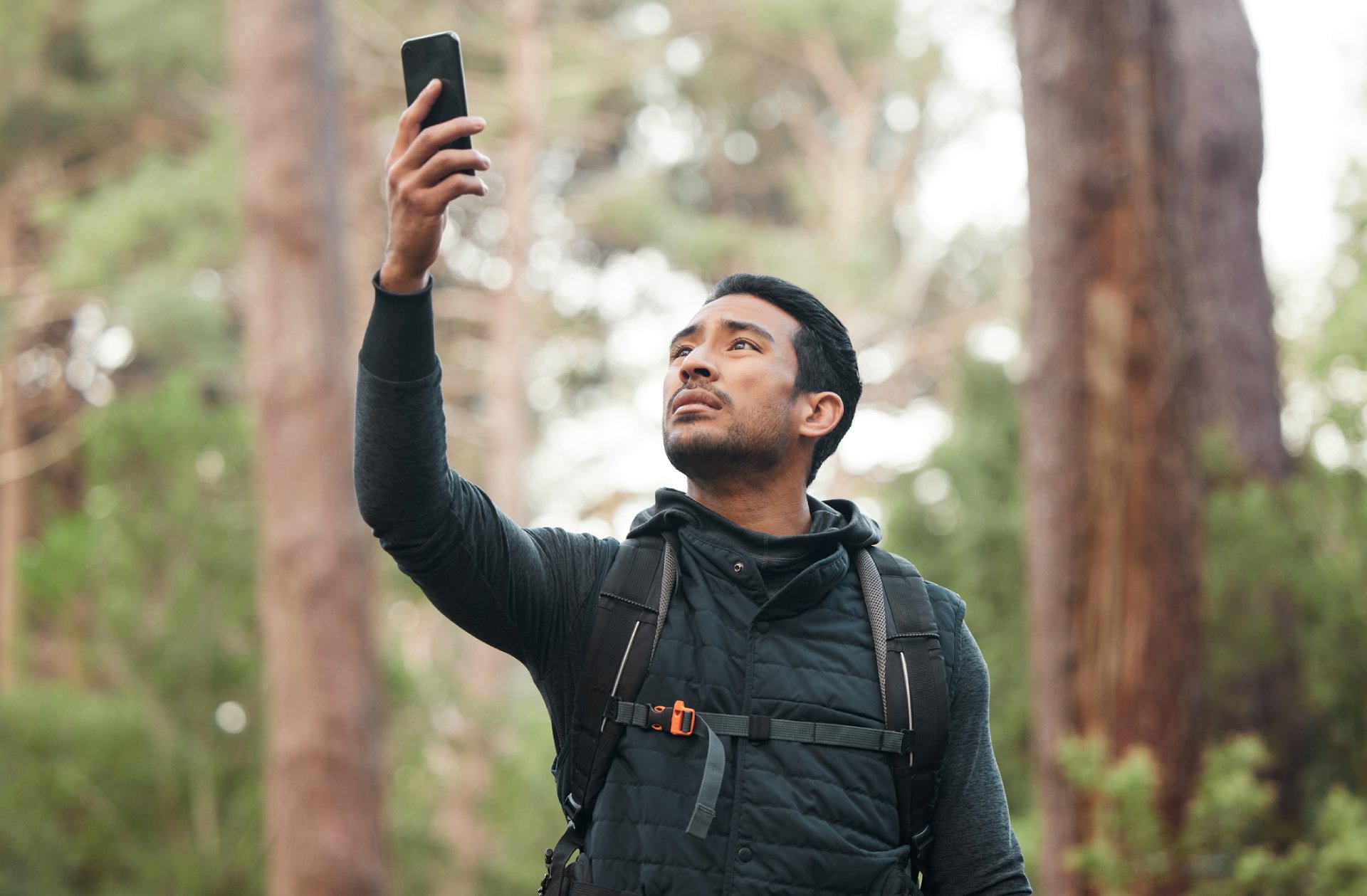
Travelers exploring remote or off-grid destinations know that cell coverage can vanish quickly when venturing beyond the usual paths. A satellite communication device becomes the essential backup for sending an SOS alert when emergencies strike. From wilderness treks to river expeditions, these devices serve as a lifeline to trigger search and rescue operations and medical emergency response. According to the survey, nearly half of travelers own a satellite phone or messaging device, with renting and borrowing also common.

Global Rescue receives hundreds of SOS alerts each month from travelers facing serious challenges. When an SOS is triggered, Global Rescue on-staff operations response teams connect with local authorities, coordinate emergency rescue missions and remain in contact until the individual is safe.

The following issue of Mission Briefs – SOS In Action shows how a single signal from a satellite device can activate lifesaving support across the world.


Article Highlights:

  • SOS alerts triggered emergency rescues in Australia, Canada, New Zealand, Norway, Sweden and the United States.
  • Members used satellite communication devices to report injuries from rafting accidents, mountain falls and ATV crashes.
  • Rescue operations included helicopter deployments, police coordination and maritime authority responses.
  • Medical emergency response ensured injured members were stabilized, transported and delivered to hospitals for care.


Head Trauma in Rum Jungle, Australia

A 56-year-old member from Mount Martha, Australia, activated her emergency satellite communications device after sustaining a head injury from a fall in Rum Jungle, Northern Territory. An SOS alert was relayed to the Australian Maritime Safety Authority, which began planning an emergency rescue. Global Rescue operations monitored the situation and coordinated with authorities to ensure a medical emergency response was in place.


Mountain Rescue in Norrbotten, Sweden

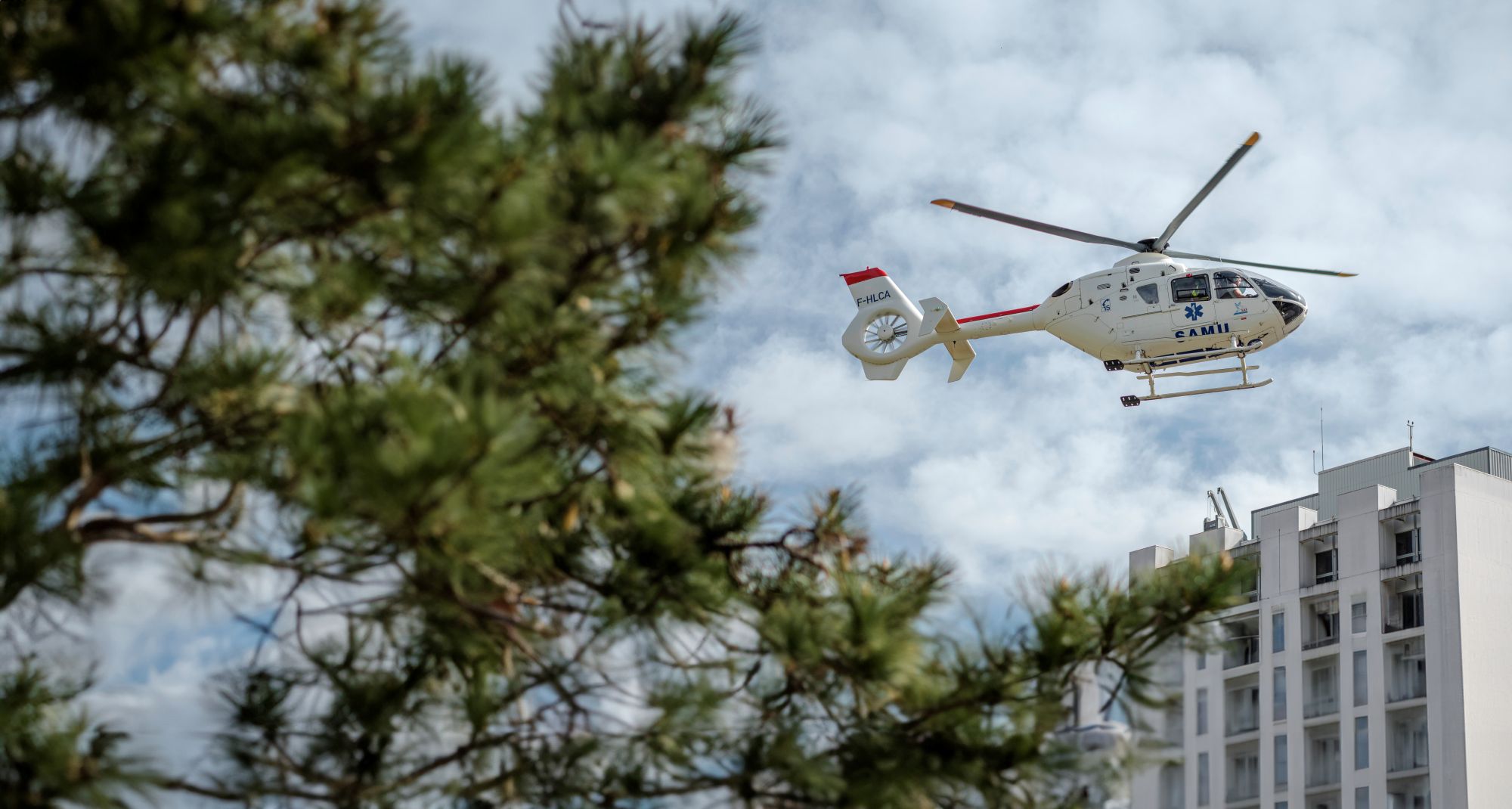
A Swedish climber activated their emergency satellite communications device while in Norrbotten County. Two-way communication could not be established, but Global Rescue escalated the SOS to the Sweden Joint Rescue Coordination Center. A police helicopter was dispatched and successfully rescued two individuals, including the SOS sender, who were then transported to a hospital.


Rafting Accident in Alaska

A US rafting guide sent an SOS alert using an emergency satellite communications device while on a trip in Alaska after the raft capsized, separating three people. The SOS alert was received, and Global Rescue contacted local authorities. The Alaska State Troopers and the 11th Alaska Rescue Coordination Center managed the rescue operation. All three individuals were recovered and transported to a hospital for evaluation and care.


ATV Crash in Princeton

A Canadian required help after an ATV accident in British Columbia. A companion activated an emergency satellite communications device, sending an SOS alert requesting an ambulance. Global Rescue contacted the Royal Canadian Mounted Police, who dispatched emergency services. The injured ATV rider was later confirmed to have received medical treatment following the medical emergency response.


Kayaker Missing in Shoalhaven

An Australian was reported missing during a kayaking trip on the Shoalhaven River near Bulee, New South Wales. An SOS alert was received from an emergency satellite communications device, but two-way communication could not be established. The alert was relayed to the Australian Maritime Safety Authority despite low confidence due to limited tracking data. Later confirmation showed that emergency responders had arrived at the scene and the missing kayaker was safely accounted for, ending the search and rescue operations.


Cold and Stranded in Snowdonia (Eryri National Park)

A UK emergency satellite communications device owner sent an SOS alert while hiking near Nant Peris, Wales. She and her companion were cold, wet and an hour from their vehicle. Global Rescue notified the UK Maritime and Coastguard Agency, which began coordinating a rescue. The hiker later confirmed she had safely reached her car at Pen y Pass, allowing emergency services to stand down and the SOS alert to be cancelled.


Broken Ankle in Vestland

A 67-year-old from the Netherlands was stranded on a mountain ledge in Vestland, Norway, after suffering a broken ankle. A companion activated their emergency satellite communications device and established two-way contact. Global Rescue relayed details to the Joint Rescue Coordination Center in Stavanger, which launched a helicopter. The injured person was airlifted from the ledge and transported to a hospital for medical treatment.


SOS in the Tasman Region

An SOS alert from New Zealand’s Tasman Region was received from an emergency satellite communications device located near Tākaka. Two-way communication could not be established, but the alert was transferred to the New Zealand Rescue Coordination Center, which launched a helicopter. Responders located a 70-year-old man with head and foot injuries and transported him to a hospital. The SOS had been triggered on his behalf, and the case was closed once local authorities assumed control of the medical emergency response.


How To Send an SOS to Global Rescue

Satellite communication device users should review their device’s SOS instructions carefully. Understand where the signal goes, what monitoring services are included, and how alerts are escalated. The most direct way to receive assistance is to contact Global Rescue at +1 (617) 459-4200 or through a messaging device at ops@globalrescue.com or operations@globalrescue.com. Having this information ready before departure ensures that an SOS alert can lead to the fastest possible emergency rescue.

Categories:

Travel
Share This:

Deer Hunting With Crossbows and More Global Rule Changes

The new gear, regulations and global debates reshaping the 2025 hunting season.

Article Highlights:

  • New Hampshire approves air rifles for deer and moose hunting in 2025
  • Crossbows are now allowed in archery deer season in New York and select NH areas
  • The National Wildlife Refuge System offers hunting at 436 units under state laws
  • Global developments include Angola reopening hunting and Latin American bans
  • KUIU waders, Hawk Warrior blinds and Black Label calls headline 2025 gear


New York officials introduced expanded weapon allowances for big game hunting, while gear manufacturers are releasing innovations that promise to reshape the experience in the field. At the same time, developments across Africa, Europe and Latin America highlight the increasingly global nature of debates around hunting’s role in conservation, economics and culture.


New Hampshire Regulations: Big Changes for Big Game

For the first time, hunters in New Hampshire can use air rifles for hunting large game species such as deer and moose. Once considered suitable only for small game, modern air rifles now deliver the power, velocity and accuracy needed for ethical harvests of larger animals.

Crossbows are also making a bigger entrance into the Granite State. Certain Wildlife Management Units (WMUs) will now permit crossbow use during the archery deer season, giving hunters more flexibility. This is a welcome update for those who prefer the stability of a crossbow or face physical limitations with vertical bows.

Additional updates include a new rule requiring hunters to register their first bear before taking a second one. Furthermore, all furbearer species must now be registered online, improving wildlife management and ensuring compliance.


New York Expands Crossbow Opportunities

In New York state, hunters will also find expanded opportunities. The Empire state now allows crossbows to be used in the same seasons, locations and manner as archery hunting when hunting deer. This regulatory shift simplifies archery rules and reflects the growing popularity of crossbows nationwide.

For hunters, this means more choices in equipment and greater inclusivity in archery seasons, ensuring that compound bows, recurves and crossbows can all be used in pursuit of deer across the state.


National Wildlife Refuge System: 436 Units Open to Hunters

While state-level changes draw headlines, federal lands also play a critical role in expanding access. The National Wildlife Refuge System, managed by the US Fish and Wildlife Service, now offers hunting opportunities at 436 refuge units nationwide.

Hunting on these refuges is conducted in accordance with state regulations, ensuring consistency across jurisdictions. The system provides diverse landscapes for hunters, from waterfowl-rich wetlands to forests supporting deer and moose. By aligning hunting with conservation, the refuge system strengthens both access and stewardship.


Global Hunting Developments: Conservation, Access and Debate

Beyond the US, hunting regulations and attitudes are evolving in ways that underscore the complex relationship between wildlife management, economics and public opinion.

In several European countries, including France, surveys published in 2024 and 2025 show that public support — or at least neutrality — toward regulated hunting remains strong. These results counter past claims of widespread European opposition to hunting. Instead, they highlight recognition of its conservation role, especially in managing game populations and funding habitat protection.

In Africa, developments illustrate both challenges and opportunities. South Africa entered its fifth consecutive year in 2025 without legally established hunting quotas for species like black rhino, leopard and elephant. Government administrative failures have prevented the publication of annual quotas, threatening conservation funding traditionally supported by hunting revenue.

In contrast, Angola is taking steps to reintroduce hunting after decades of conflict decimated wildlife populations. In July 2025, conservation groups and hunting organizations announced a partnership to create a framework for regulated hunting. The initiative aims to generate much-needed revenue for both conservation and community development, blending economic incentives with ecological restoration.

In Latin America, some countries are moving in the opposite direction. Colombia recently banned recreational hunting, following Costa Rica’s earlier example. These measures are driven by environmental and ethical concerns, marking a divergence from regions where regulated hunting is embraced as a tool for conservation.


The Bigger Picture: Tradition, Technology and Global Change

The 2025 season underscores hunting’s dynamic balance between tradition and innovation. US states like New Hampshire and New York are expanding equipment allowances, federal refuges continue to increase access and gear manufacturers are pushing the limits of design. Globally, debates in Africa, Europe and Latin America show that hunting’s role is far from uniform — sometimes embraced as a conservation tool, sometimes restricted on ethical grounds.

Hunters should approach the 2025 season with both excitement and responsibility. Understanding new state rules, exploring opportunities on federal refuges and staying aware of international trends can enrich the experience. Whether hunting deer in New York, moose in New Hampshire or waterfowl on a refuge, the combination of evolving regulations and cutting-edge gear promises a memorable season.


The Global Rescue Connection

Whether you’re hunting moose in New Hampshire with a newly approved air rifle, stalking deer with a crossbow in New York or exploring one of the 436 units in the National Wildlife Refuge System, today’s hunters are venturing farther, longer and often deeper into remote terrain. Regulations and gear updates make hunting more accessible and effective, but they don’t erase the risks that come with unpredictable wilderness environments.

Global Rescue case reports reveal how quickly a hunting trip can shift from recreation to survival.

  • In Botswana, a US hunter was bitten in the calf by a leopard. A pre-existing blood-clotting disorder turned the injury into a life-threatening emergency. Global Rescue coordinated an air ambulance to Johannesburg, where advanced treatment saved the hunter’s life.
  • Another case involved a US hunter on safari who developed a high fever that escalated into severe illness. After expedition members contacted Global Rescue, the organization arranged for evacuation and intensive medical treatment, including multiple surgeries and aggressive antibiotic therapy. Only after weeks of care was he cleared to return home to Michigan for continued recovery.
  • The most dramatic story may be that of John Abraham, a 47-year-old safari veteran. While hunting in South Africa, Abraham was ambushed by a leopard that shattered his femur and mauled his wrist. Although local doctors attempted surgery, infection soon set in. His family called Global Rescue, which arranged an emergency air evacuation to Johannesburg. There, surgeons corrected the initial treatment and ultimately saved his leg. Reflecting on the experience, Abraham wrote: “One phone call was all it took. They simply took over. A fully equipped medical plane was there for me, the paramedics were excellent, explaining everything to my wife and son while caring for me.”

These examples underscore the hard truth: from leopard encounters in Africa to accidents closer to home in the backwoods of New Hampshire or New York, hunting carries risks that cannot be fully predicted or prevented. Modern regulations and cutting-edge gear make the sport safer, but when the unexpected happens, preparation is everything.

A Global Rescue membership bridges that gap. With 24/7 access to medical advisory, emergency evacuations and field rescue capabilities, hunters can pursue their passion, whether in US forests, on federal refuges or on safari abroad, knowing expert help is always within reach. In the same way that new laws and innovations improve hunting every season, Global Rescue ensures every hunter has the ultimate safety net, no matter how far from home the trail leads.

Categories:

Press Release
Share This:

American Travelers, Women Worried About US Government Shutdown’s Travel Impact

(Lebanon, NH – October 13, 2025) – American travelers are more concerned than foreign travelers about how the ongoing US federal government shutdown could affect future travel plans, according to the latest Global Rescue Fall…

(Lebanon, NH – October 13, 2025) – American travelers are more concerned than foreign travelers about how the ongoing US federal government shutdown could affect future travel plans, according to the latest Global Rescue Fall 2025 Traveler Safety and Sentiment Survey of the world’s most experienced travelers.

“The data show that Americans are significantly more alert to the potential impact of the shutdown,” said Dan Richards, CEO of The Global Rescue Companies and a member of the US Travel and Tourism Advisory Board at the US Department of Commerce. “Concerns center on the possibility that prolonged closures—especially at smaller consulates and government offices—could delay essential documentation or disrupt travel planning.”

Among US respondents, nearly 40% said they were very or somewhat concerned about shutdown-related disruptions—compared to just 25% of foreign respondents. Roughly one in three Americans (32%) said they were not concerned, while nearly one-third of foreign travelers (32%) said the issue was not applicable to them, suggesting less direct exposure to the effects of a U.S. government closure.

Gender distinctions were modest but notable. Women were more than twice as likely as men to say they were very concerned about the shutdown’s travel impact (22% vs. 10%). However, when combining those who were somewhat or slightly concerned, attitudes were nearly identical—44% of women and 44% of men expressed moderate concern. Roughly a third of men (32%) and one in four women (25%) said they were not concerned.

“These findings underscore how government disruptions can shape traveler confidence,” Richards said. “Americans, more than foreign travelers, appear to be watching closely for signs that a prolonged shutdown could affect their mobility and travel security.”

###

For more information, contact:

Bill McIntyre | Email: bmcintyre@globalrescue.com | Phone: +1 202.560.1195 

About the Global Rescue Traveler Sentiment and Safety Survey 

Global Rescue, the leading travel risk and crisis response provider, surveyed more than 1,500 current and former members between October 7-13, 2025. The respondents revealed a variety of behaviors, attitudes and preferences regarding current and future travel.  

About Global Rescue

Global Rescue is the world’s leading provider of medical, security, evacuation and travel risk management services to enterprises, governments and individuals. Founded in 2004, Global Rescue has exclusive relationships with the Johns Hopkins Emergency Medicine Division of Special Operations and Elite Medical Group. Global Rescue provides best-in-class services that identify, monitor and respond to client medical and security crises. Global Rescue has provided medical and security support to its clients, including Fortune 500 companies, governments and academic institutions, during every globally significant crisis of the last two decades. For more information, visit www.globalrescue.com. 

Categories:

Travel
Share This:

Smart Glasses and Translation Apps: The Future of Travel?

Learn how new technology is revolutionizing travel, breaking down language barriers and helping travelers connect worldwide.

Article Highlights:

  • Nearly half of travelers are open to using smart glasses for translation, though only three percent use them today.
  • Younger and non-US travelers are the most eager to try smart glasses while older groups remain cautious.
  • Men are more likely than women to plan trips using smart glasses while women show higher concern over privacy.
  • Nearly 90 percent of travelers find smartphone translation apps useful for international travel.
  • Non-US travelers are slightly more enthusiastic about both smart glasses and translation apps than US travelers.


International travel has always promised discovery and connection, yet language barriers remain one of the most significant challenges. Ordering food, asking for directions or navigating a train station in a foreign language can be daunting. Now smart glasses and translation apps are revolutionizing how travelers communicate abroad. These tools remove friction, boost confidence and open doors to richer cultural exchanges.

A new Global Rescue survey of the world’s most experienced travelers explored attitudes toward smart glasses for live translation and smartphone translation apps integrated into calls and messaging. The results reveal a mix of excitement and caution shaped by age, gender and geography.


Smart Glasses: Translation Right in Front of Your Eyes

Smart glasses are wearable devices that display translations in real time. With embedded cameras and augmented reality, they can instantly overlay translations of signs, menus or even spoken conversations. For example, a traveler in Tokyo could look at a subway sign and see the English translation right in their line of sight.

Adoption remains small but growing. Just three percent of travelers say they already use smart glasses, though younger travelers under 35 are twice as likely (six percent) to have tried them. The bigger story is potential growth. Fourteen percent plan to explore smart glasses and 35 percent are considering them. Taken together, nearly half of global travelers see smart glasses as part of their future.


Who’s Most Interested?

Gender differences are modest but telling. Men (15 percent) are more likely than women (11 percent) to say they plan to explore smart glasses. Women, however, are slightly more represented among those still weighing the idea with 36 percent saying they’re considering it.

Age is a key factor. Younger travelers under 35 show the highest adoption and interest: six percent already use smart glasses and 12 percent plan to try them. Among those 55 and older only three percent use them and 12 percent plan to explore them, though 36 percent remain open to the idea.


Translation Apps: The Pocket-Sized Lifeline

While smart glasses are still emerging, translation apps on smartphones are already indispensable. Travelers use them daily to scan text, listen to speech or translate live conversations. Recently, companies have begun integrating these tools directly into messaging, video calls and phone calls.

Survey results show overwhelming support. Thirty-six percent of travelers say translation apps integrated into smartphone communication would be “extremely useful,” and 54 percent say “somewhat useful.” That means nearly 90 percent see translation apps as valuable for travel.

The strongest enthusiasm came from travelers aged 35 to 54 with 40 percent calling the features extremely useful. Younger travelers under 35 also responded positively with 35 percent rating them extremely useful and 57 percent somewhat useful. Even among those 55 and older, 89 percent rated translation apps as useful though fewer described them as “extremely” so.

Gender differences are minimal. Men and women alike see translation apps as critical, with more than 90 percent in each group rating them positively. Geographically, non-US travelers were slightly more enthusiastic: 38 percent called them extremely useful compared to 36 percent in the US.


The Future of Travel Communication

Despite the promise, not everyone is sold on smart glasses. Forty-four percent of travelers say they are not interested. Women (45 percent) were slightly more skeptical than men (43 percent), and older travelers showed greater resistance than younger ones.

Some hesitate over cost and privacy while others prefer the challenge of learning phrases or feel that translation apps on smartphones are enough. In contrast, resistance to smartphone-based translation was much smaller. Fewer than 10 percent said translation apps would not be useful and only two percent said “not useful at all.”

Taken together, the findings show translation apps are already mainstream while smart glasses are still in the early adoption phase. Younger and non-US travelers are leading the charge while older groups remain more cautious. Men are slightly more eager to experiment while women are weighing practicality.

What’s clear is that translation technology — whether on a smartphone or in smart glasses — is transforming global mobility. Travelers can engage more confidently, dive deeper into local cultures and overcome language barriers with ease.


The Global Rescue Connection

Every trip carries unknowns, from language barriers to unexpected emergencies. Past Global Rescue missions have shown that when travelers are far from home, reliable support makes all the difference.

Technology cannot replace the human connections at the heart of travel, but it can enable them. Translation apps and smart glasses make it easier for travelers to have authentic conversations, explore local traditions and move beyond surface-level tourism. From ordering a meal in Madrid to asking for directions in Hanoi, communication becomes seamless, opening new possibilities for discovery.

The survey shows travelers want these tools and are ready to use them. As technology advances, translation apps and smart glasses will become not just convenient but essential companions for international travel.

A Global Rescue membership provides more than evacuation and medical advisory; it also includes detailed destination reports to prepare before you go and translation services in an emergency to bridge communication gaps when they matter most. Together, these resources ensure members can travel with confidence knowing that help, clarity and guidance are always within reach.

Categories:

Travel
Share This:

Antarctica’s Golden Rule: No Insurance, No Expedition

Here’s why medical and evacuation protection are essential for every polar traveler.

Article Highlights:

  • All Antarctic tour operators require travel health and evacuation protection.
  • Evacuation costs from Antarctica can exceed $100,000.
  • Remote conditions mean no hospitals or permanent medical facilities on the continent.
  • Insurance must cover medical treatment, evacuation, and repatriation.
  • Global Rescue membership provides field rescue and evacuation beyond traditional insurance.


Antarctica, the Earth’s last true wilderness, is a dream destination for adventurers, scientists and explorers. With its towering icebergs, colonies of penguins and otherworldly landscapes, it promises experiences like nowhere else on the planet. But there’s one rule that every traveler must face before stepping onto the ice: you cannot travel to Antarctica without comprehensive medical and evacuation protection.

Unlike other continents, Antarctica has no permanent hospitals, no infrastructure to support large medical emergencies, and no easy way to transport the sick or injured. This is why expedition operators, governments and insurers enforce strict rules: all visitors must have travel health insurance with evacuation coverage.


The Harsh Reality: No Hospitals on Antarctica

Unlike other destinations, Antarctica offers no permanent medical facilities. Research stations may have small infirmaries, but they cannot handle serious illness or trauma.

If a traveler develops appendicitis, suffers frostbite or is injured in a fall, evacuation is the only option. This may involve a dangerous and expensive airlift from the continent to South America — often to Punta Arenas, Chile — or even farther.

The cost of such evacuations routinely exceeds $100,000. Without evacuation protection, this burden falls on the traveler or their family.


Mandatory Protections by Tour Operators

All reputable Antarctic expedition operators require travelers to carry proof of:

  • Medical insurance covering illness, injury and hospitalization.
  • Emergency evacuation protection, often with minimum coverage amounts of $100,000+.
  • Repatriation coverage, ensuring return to the traveler’s home country.

Passengers must present proof of coverage before boarding a ship or flight to Antarctica. Without it, they are denied entry. No exceptions.


Evacuation Challenges Unique to Antarctica

  1. Extreme weather – Evacuations may be delayed by storms, ice or polar night.
  2. Remote distances – The nearest advanced hospital is hundreds of miles away in Chile or Argentina.
  3. High costs – Air ambulance flights from Antarctica cost several times more than typical global evacuations.
  4. Limited resources – Even getting to an airstrip can involve hours of overland travel or sea transport.

This is why operators insist travelers hold robust insurance with dedicated evacuation benefits.


Traveler Mistakes To Avoid

  • Buying minimal coverage – Policies with low limits may not meet operator requirements.
  • Skipping evacuation protection – Standard medical policies aren’t enough.
  • Not covering adventure activities – Many Antarctic trips include kayaking, hiking or camping, which some insurers exclude.
  • Failing to carry proof – Operators will check documentation before departure.

When selecting protection, travelers should ensure it includes:

  • High-limit medical coverage (hospitalization, surgery, emergency care).
  • Evacuation protection specifically for Antarctica (minimum $100,000 coverage, though more is better).
  • Repatriation benefits for transport home.
  • Adventure activity coverage for excursions offered on most expeditions.
  • 24/7 global support for coordination in emergencies.


Beyond Antarctica: Other Polar Destinations

While Antarctica has the strictest rules, other polar destinations, including Greenland, Svalbard (Norway) and the Canadian Arctic, also strongly recommend or require proof of medical and evacuation protection.

Like Antarctica, these regions are remote, with limited medical facilities and high evacuation costs. For anyone traveling above the Arctic Circle or into the Southern Ocean, insurance is essential.


How Is It Enforced?

In Antarctica, enforcement is handled by tour operators, who require proof of medical and evacuation protection before booking expeditions. Boarding is not permitted without it.


The Global Rescue Connection

Traditional travel health insurance is a minimum requirement for Antarctica, but in such extreme conditions, it’s not enough. Policies may reimburse evacuation costs, but they don’t coordinate or execute the complex logistics needed for a polar rescue.

That’s where Global Rescue membership makes all the difference. Global Rescue provides field rescue, air evacuation and crisis coordination services, delivering real-time response in the world’s harshest environments.

If you suffer a medical emergency on the ice, Global Rescue can arrange extraction and evacuation to advanced medical care. No standard policy offers this level of support.

For Antarctica and other polar regions, the winning formula is clear: traditional travel insurance for compliance plus Global Rescue membership for evacuation. Together, they ensure travelers are protected in Earth’s most unforgiving frontier.

Categories:

Travel
Share This:

Overtourism-Proof Destinations and Their Strange Laws

Get to know some of the surprising legal quirks of lesser known countries travelers are now discovering.

Article Highlights:

  • Overtourism is pushing travelers toward offbeat, lesser-known destinations with fewer crowds and lower environmental impact.
  • Countries like Bhutan, Albania, Georgia and Namibia are becoming increasingly popular for their authenticity and natural beauty.
  • These destinations often come with unique legal systems and cultural taboos that can catch visitors off guard.
  • Travelers may face penalties for seemingly minor missteps like wild camping, public displays of affection or drone use.
  • Understanding and respecting these unusual laws is essential for ethical, responsible and hassle-free travel.


Travel in 2025 is no longer defined by checking off the Eiffel Tower or waiting in line at the Colosseum. Instead, a growing wave of travelers is opting for the road less traveled, literally. As overtourism continues to overwhelm iconic sites from Venice to Machu Picchu, seasoned travelers are seeking peace, authenticity and adventure in lesser-known corners of the world.

But escaping the crowds doesn’t mean escaping responsibility. Choosing emerging destinations like Bhutan, Albania or Mongolia often means facing legal systems that operate on entirely different assumptions. A seemingly harmless act in your home country could be illegal or deeply offensive somewhere else.

“One of the biggest mistakes travelers make is assuming that what’s permissible in their home country applies everywhere,” says Dan Richards, CEO of The Global Rescue Companies. “Not so. Which is why having some knowledge of your destination’s laws is critical before traveling.”


Bhutan, Namibia and Slovenia Protecting the Environment

The Himalayan kingdom of Bhutan has long promoted a “high-value, low-impact” tourism model. Entry isn’t just about flights and visas — it’s about philosophy. Travelers are required to pay a Sustainable Development Fee of $100 per day and book with licensed operators. Independent wandering is off-limits. It’s part of the country’s effort to preserve its environment and culture. Breaking these rules isn’t just frowned upon, it could lead to removal or denial of future entry.

Slovenia has emerged as an eco-tourism favorite in Europe. With that status comes rigorous environmental protection laws. Wild camping is illegal, and fines are common. Even minor infractions like dropping a candy wrapper in a forest can get you cited. The country’s pristine trails are beautiful, but they’re also closely monitored.

Namibia’s wildlife protections are strict. Stray from marked paths in national parks or disturb an animal, and you may find yourself paying dearly for that perfect photograph. The country’s red dunes and desert wildlife are a photographer’s dream, but not if you plan to use a drone. Flying one without government authorization can result in your gear being confiscated or a fine.


Albania and Georgia: Lights On, Smoking Out

Albania offers a Mediterranean escape without the Mediterranean price tag. Yet even this relaxed-seeming country has surprising rules. Headlights must be on at all times while driving, day or night. And mistreating the country’s beloved street dogs — whether intentionally or not — can provoke public backlash. You won’t find these laws on airport posters, but they’re deeply embedded in the culture.

Nestled at the crossroads of Europe and Asia, Georgia invites travelers with ancient churches and hearty feasts known as “supras.” But toasts here aren’t casual, they’re ceremonial. Disrespecting the tamada (toastmaster) or interrupting a formal dinner can come off as crude. Georgia also enforces a strict public indoor smoking ban.


Madagascar and Mongolia Cultural Taboo Territory

In Madagascar, laws aren’t just legal, they’re spiritual. Cultural taboos known as “fady” vary by region and can include restrictions on clothing colors, pointing at sacred sites or saying certain words. Violating a fady isn’t just impolite, it’s offensive. In addition, photography of government buildings and airports is strictly forbidden.

In Mongolia, social rules are clear but unspoken. Inside a traditional ger (yurt), pointing your feet at people or objects is disrespectful. Touching someone’s head is a serious taboo. Even offering something — money, food, or tea — should be done with the right hand or both hands. It’s not law, but it’s law-like in its importance.


Bolivia and Botswana: Leaf Legalities and Banned Plastic

In Bolivia, chewing coca leaves is a legal, traditional practice. But take those same leaves — even in tea form — across the border, and you’re breaking international drug laws. Travelers unfamiliar with the cultural context risk legal trouble when exporting products they assumed were harmless souvenirs.

Botswana has long led the charge in conservation, banning plastic bags years ago. Bringing one into the country? It’ll be confiscated. And in game parks, interfering with animal movement — even unintentionally — can result in stiff fines. It’s not just about rules but also respect.


Greenland and Laos Value Quiet

Greenland’s laws aren’t strange, but structural. The country has no roads connecting its towns. All inter-city travel must happen by air or sea. Visitors unaware of this often face logistical nightmares, especially in winter. In small villages, loud tourists or invasive behavior can also come across as jarring to locals who value quiet and personal space.

Laos is peaceful and spiritual but strict when it comes to etiquette. Women should never touch monks. Public displays of affection are frowned upon. In temples, exposed shoulders or knees can result in denied entry or public shaming. While Laos feels easygoing, its customs demand quiet observance and modesty.


Learning the Hard Way

Even seasoned professionals can stumble. Harding Bush, Global Rescue’s Associate Director of Security Operations and a former Navy SEAL, recalls one such moment in Jordan. “I had two-way radios in my carry-on,” he said. “Customs stopped me cold.” Radios are illegal there. “Luckily, I had a contact with the King’s security team. Without that card, I probably would’ve been sent to jail.”

Bush’s takeaway? “The US Department of State’s travel website makes it clear: you’re subject to local laws while abroad. Ignorance is not an excuse.”


The Global Rescue Connection

The trend toward off-the-map travel isn’t slowing down. But with every fresh passport stamp comes responsibility. Weird laws are more than quirky; they can become real problems for uninformed travelers.

The best travel stories come from respect. Respect for culture, for the environment and yes, for the law. Those who prepare, who read up and who travel with curiosity and care, will go further and avoid trouble along the way.

From wild camping fines in Slovenia to silent customs in Greenland, the world’s lesser-known destinations come with a rulebook of their own. These are less quirky laws than they are cultural touchpoints, environmental safeguards and in some cases, serious legal consequences.

A Global Rescue membership equips you with the knowledge and backup to travel confidently. Whether you’re planning a trip to Mongolia or Madagascar, our operations team can help you understand destination-specific customs and restrictions before you go. If things do go wrong — whether it’s a misunderstanding at customs or an accidental brush with a local law — our experts can assist with legal locator services, translation and emergency logistics. And if the situation turns critical, our field rescue and medical evacuation teams are ready to respond.

Traveling smart means knowing where you’re going, what’s expected of you and who to call when things get complicated. With Global Rescue, your trip doesn’t have to end with a legal mishap or a cultural misstep. It can continue safely, responsibly and with peace of mind.

Categories:

Health & SafetyTravel
Share This:

Reptiles That Bite, From Cobras to Mexican Bearded Lizards

Learn which reptiles bite, where they live and how travelers can stay safe while exploring their habitats.

Article Highlights:

  • Travelers face bite risks from snakes, lizards, turtles, crocodiles and alligators across multiple continents.
  • Venomous snakes like rattlesnakes, cobras, mambas and taipans cause the most medical emergencies worldwide.
  • Non-venomous reptiles, including iguanas, geckos and anoles, can still inflict painful bites when threatened.
  • Large reptiles such as Komodo dragons, crocodiles and snapping turtles use crushing jaws instead of venom.
  • Knowing where these reptiles live and how they behave is the best defense against dangerous encounters.


Reptiles fascinate travelers with their ancient lineage, striking appearances and powerful adaptations. Yet many of these cold-blooded creatures can also defend themselves with painful or even deadly bites. Whether trekking in the American Southwest, exploring the wetlands of Florida, or venturing into the jungles of Southeast Asia, travelers should know which reptiles pose risks, why they bite and where to expect them.


Snakes in the Americas: From Rattlers to Copperheads

Rattlesnakes are among the most iconic reptiles in North America, found from Canada to Argentina. They bite when startled or stepped on, warning intruders first with their telltale rattle. Venomous and dangerous, rattlesnake bites require immediate medical attention and antivenom.

Copperheads inhabit the eastern US, blending into forest floors with their copper-colored bands. Their venom is less potent than rattlesnakes, but a copperhead bite is still painful and requires treatment. Because their camouflage is so effective, accidental encounters are common.

Often found near swamps and rivers in the southeastern US, cottonmouths (also known as Water Moccasins) are notorious for their defensive open-mouth display. Their venom is strong enough to cause severe tissue damage, making a cottonmouth bite a serious medical emergency.

Coral snakes, with their red, yellow and black bands, inhabit parts of North and South America. They are highly venomous but reclusive, rarely biting unless provoked. A common rhyme, “Red touch yellow, kill a fellow; red touch black, friend of Jack,” helps distinguish them from harmless lookalike milk snakes and king snakes.


Snakes in Africa, Asia and Australia: From Black Mambas to Taipans

Mambas, especially the black mamba of sub-Saharan Africa, are among the fastest and deadliest snakes on Earth. Their venom acts quickly on the nervous system, and untreated bites are often fatal. Travelers in African savannas and rocky outcrops should give these snakes a wide berth.

Cobras, spread across Africa and Asia, are famous for their hood displays. Some species, like the spitting cobra, can project venom into the eyes, causing blindness. Cobra bites can be fatal without urgent antivenom, but many species prefer to flee rather than strike.

The risks are real, as one Global Rescue member discovered in Namibia. While preparing for bed, he was bitten on the foot by an African cobra, specifically the Angolan cobra (Naja annulifera anchietae), a species that kills hundreds each year. The guide rushed him to a local hospital where antivenom was administered, but the neurotoxic venom had already begun to destroy tissue, leaving necrotic skin across the top of his foot. To save his leg, doctors performed emergency surgery to remove the dead tissue, later attempting a skin graft that unfortunately failed.

After consulting with Global Rescue’s medical team and Johns Hopkins specialists, the decision was made to transport him to the US for advanced care. He was flown from Namibia to Washington, D.C., via Amsterdam, where surgeons in Virginia successfully reconstructed his foot with synthetic skin.

Cobras kill an estimated 50,000 people annually in Asia alone, making them one of the deadliest animals on the planet. This case demonstrates both the devastating effects of cobra venom and the critical importance of rapid evacuation and world-class medical care.

Native to Australia and Papua New Guinea, taipans produce some of the most toxic venom known. Inland taipans, often called “fierce snakes,” rarely encounter humans, but coastal taipans pose a bigger risk. A taipan bite requires rapid antivenom administration.


Venomous Lizards

One of only two venomous lizards in the world, the Gila monster lives in the deserts of the southwestern US and Mexico. Its bite delivers neurotoxic venom but rarely kills humans. Still, its strong jaws latch on stubbornly, making the bite painful and difficult to break. The Gila monster’s close cousin, the Mexican beaded lizard, is larger and also venomous. Found in western Mexico, its venomous bite is dangerous, though fatalities are rare.

Komodo dragons, the giants of Indonesia’s Lesser Sunda Islands, combine crushing bite force with venomous saliva. They can kill deer, pigs, and even water buffalo. While attacks on humans are rare, they are often fatal without immediate medical aid.

The Tree Crocodile, or Monitor Lizard, is also called the crocodile monitor. This massive lizard roams the forests of Papua New Guinea. Its long teeth can inflict deep, infected wounds. While not venomous, the size and strength of this monitor make it a reptile to avoid provoking.

Iguanas are often sold as pets and commonly spotted in Central and South America, but they can bite defensively. Their serrated teeth can cause deep cuts, but they are not venomous. Geckos and anoles are small, non-venomous lizards found worldwide in warm climates. While capable of biting if handled roughly, their tiny jaws cause little more than a nip.


Turtles and Crocodilians

Two species of snapping turtles dominate North America, the common snapping turtle and the alligator snapping turtle. Both are aquatic ambush predators with powerful jaws. Their bites can sever fingers and should never be underestimated, but they are not venomous.

Crocodiles are distributed across Africa, Asia, the Americas and Australia. They bite with some of the strongest forces in the animal kingdom. Unlike venomous snakes, crocodiles rely on ambush and sheer crushing power. Crocodile attacks on humans are most frequent in Africa and Southeast Asia.

Native mainly to the southeastern US and China, alligators are generally less aggressive than crocodiles but remain dangerous. Most incidents occur when humans intrude into nesting areas or attempt to feed them.


Biting Reptiles and What Travelers Should Know

Travelers venturing into reptile habitats should follow key precautions:

  • Stay on marked trails and avoid tall grass, riverbanks and murky waters where reptiles hide.
  • Wear boots and long pants in snake-prone regions.
  • Never attempt to handle or feed wild reptiles.
  • Learn the appearance of venomous species in your destination, especially where lookalikes exist.
  • Carry a first-aid kit and know the nearest hospital or clinic with antivenom if traveling in snake country.


The Global Rescue Connection

Reptiles bite not out of malice but as a means of survival. For travelers, the danger comes when curiosity or missteps place humans too close to these ancient predators. From venomous snake bites in Asia, Africa, the Americas and Australia to the crushing jaws of crocodiles in rivers and estuaries, every encounter underscores the need for preparation and respect. Knowing how to recognize species, avoid risky habitats and respond quickly can mean the difference between a scare and a serious medical emergency.

One recent incident highlights how critical a fast response to a snake bite can be. Global Rescue operations received an SOS alert from a satellite messaging device owner in Australia whose wife had been bitten on the foot by a black snake. She was already experiencing numbness, thirst and nausea, symptoms that can signal venom entering the bloodstream. Global Rescue coordinated with emergency authorities and confirmed that an ambulance had arrived to provide urgent care. The quick coordination among a traveler using an emergency satellite communications device, Global Rescue and first-responder teams ensured that lifesaving support was underway within minutes.

Every reptile-related emergency shows why specialized medical and rescue support matters. When a bite occurs far from hospitals, fast intervention can be the difference between recovery and tragedy. Global Rescue fills that gap, providing 24/7 emergency response, medical evacuation and field rescue nearly anywhere in the world. Whether it’s a venomous snake bite in the Australian outback, a crocodile attack in Africa or a Komodo dragon encounter in Indonesia, Global Rescue is the lifeline that connects travelers to safety.

A Global Rescue membership is more than peace of mind; it’s a guarantee that help is always within reach, no matter how remote your adventure.

Categories:

Press Release
Share This:

Overpacking: A Persistent Traveler Mistake

(Lebanon, NH – October 6, 2025) – Travelers may be logging more miles than ever, but one mistake continues to weigh them down—literally. According to the Global Rescue Traveler Sentiment and Safety Survey, which has…

(Lebanon, NH – October 6, 2025) – Travelers may be logging more miles than ever, but one mistake continues to weigh them down—literally. According to the Global Rescue Traveler Sentiment and Safety Survey, which has polled the world’s most experienced travelers for years, overpacking remains the most common traveler blunder.

A year ago, nearly one in three respondents (32%) admitted they brought too much luggage. That figure closely mirrors past results: 35% in September 2024, January 2024 and February 2023. The consistency underscores a persistent challenge—no matter how much travel evolves, packing light remains elusive.

“Overpacking is the single most consistent mistake we see, year after year. It’s a habit that adds stress and weight to a trip, when the real goal of travel should be freedom and discovery,” said Dan Richards, CEO of The Global Rescue Companies and a member of the U.S. Travel and Tourism Advisory Board at the U.S. Department of Commerce.

Psychologists and travel experts point to both practical and psychological reasons why travelers struggle to pack light. Anxiety about losing control, attachment to home, past negative experiences like forgotten essentials and unpredictable conditions all contribute to the habit of bringing more than necessary.

“Travelers often pack for their fears instead of their needs, and that’s why overpacking remains so persistent,” said Harding Bush, a former Navy SEAL and Global Rescue’s associate director of security operations.

Instead of reducing stress, overpacking often has the opposite effect. Heavier bags create physical burdens, extra luggage increases airline costs and delays, and the sheer volume of items to manage can overwhelm travelers.

“The irony is that overpacking, meant to reduce anxiety, often creates the very stress travelers are trying to avoid,” said Kelli Poole, Global Rescue sales manager and avid world traveler who has visited more than two dozen countries, including Kyrgyzstan, Tajikistan, Mozambique, Zambia, Canada, Norway, the Czech Republic and Iceland.

While overpacking is the most common mistake, underpacking can be equally disruptive if essentials are left behind. Experts agree that the best approach is to strike a balance: pack intentionally, prioritize versatile items, and include only the “just in case” extras that genuinely add value.

###

For more information, contact: Bill McIntyre | Email: bmcintyre@globalrescue.com | Phone: +1 202.560.1195

About the Global Rescue Traveler Sentiment and Safety Survey

Global Rescue, the leading provider of travel risk and crisis response, has conducted traveler surveys for decades. The Global Rescue Traveler Sentiment and Safety Survey collects insights from the world’s most experienced travelers—current and short-term members of Global Rescue – who share behaviors, attitudes and preferences regarding travel safety, planning and experiences.

About Global Rescue

Global Rescue is the world’s leading provider of medical, security, evacuation and travel risk management services to enterprises, governments and individuals. Founded in 2004, Global Rescue has exclusive relationships with the Johns Hopkins Emergency Medicine Division of Special Operations and Elite Medical Group. Global Rescue provides best-in-class services that identify, monitor and respond to client medical and security crises. Global Rescue has provided medical and security support to its clients, including Fortune 500 companies, governments and academic institutions, during every globally significant crisis of the last two decades. For more information, visit www.globalrescue.com.

Share This:

Trekking Aconcagua: Real-World Prep for South America’s Giant

Get training, acclimatization, gear, rescue and insurance tips to summit South America's highest peak safely.

Article Highlights:

  • Aconcagua is non-technical but serious: altitude, weather and heavy carries matter more than ropework.
  • Success hinges on conservative acclimatization; know AMS, HAPE and HACE signs and act early.
  • Train specifically: endurance under load, knee strength for descents and basic crampon/ice-axe skills.
  • Consider guided expeditions for logistics, safety systems and permit handling, especially on a first attempt.
  • Argentina now requires travel medical insurance; confirm mountaineering and evacuation coverage for your trip.


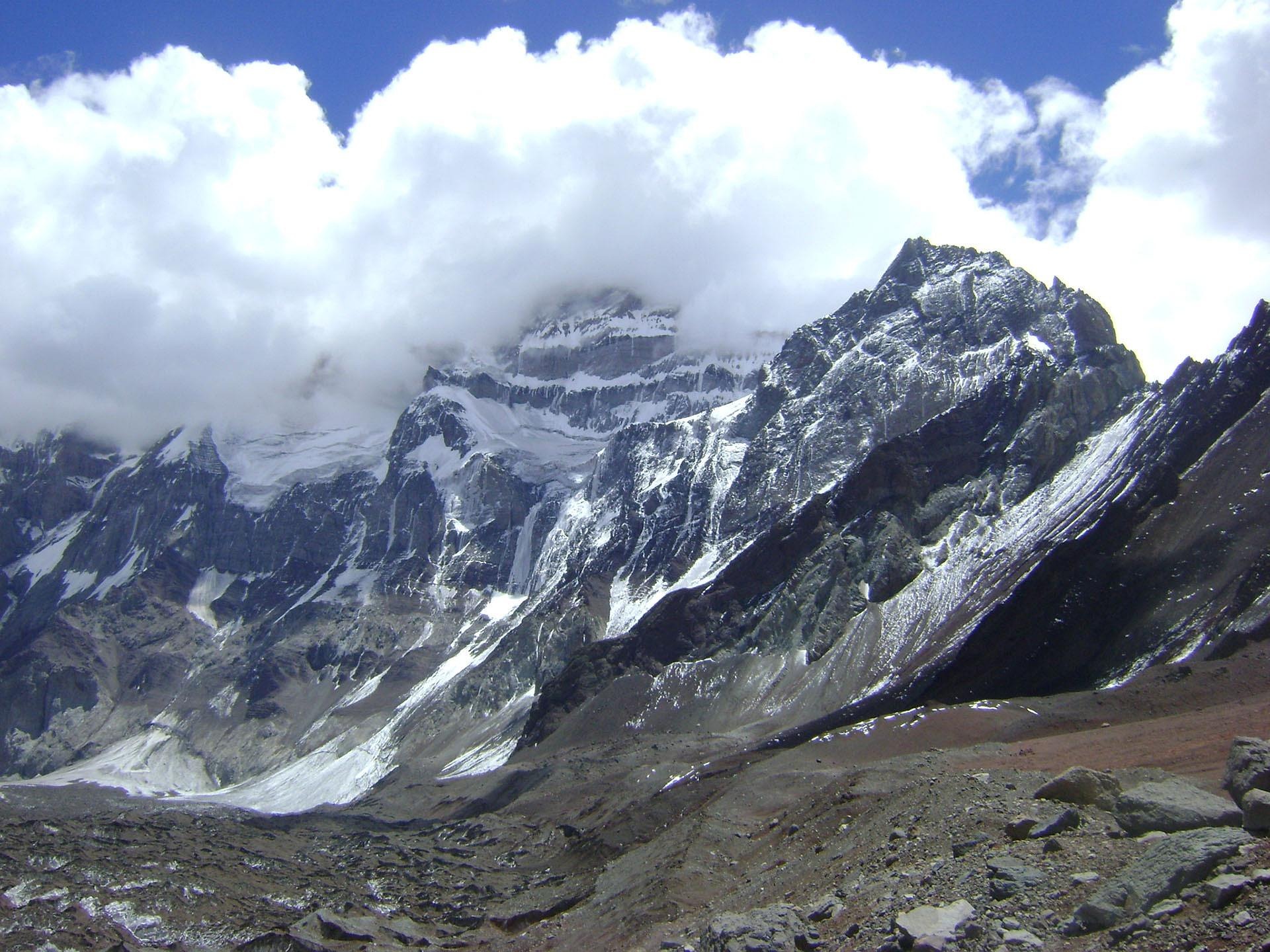
Mount Aconcagua (22,837 ft / 6,961 m) looms above Argentina’s Mendoza Province and the Central Andes as the highest summit outside the Himalaya and Karakoram. As one of the Seven Summits, it pulls in a vibrant mix of mountaineers and high-altitude trekkers every austral summer, generally from November to March. While the “normal route” is non-technical, Aconcagua is not a simple walk-up. Thin air, big weather, long carries and a long summit day turn a straightforward line into a serious high-altitude expedition.

Aconcagua’s appeal is clear: you can climb one of the world’s great peaks without sustained technical rock or ice. That makes it an ideal stepping stone for alpinists building to 8,000-meter objectives and for trekkers graduating from lower volcanic summits. Outdoor safety expert Jed Williamson calls Aconcagua “an ideal first high-altitude climb, provided climbers acclimate properly.” The emphasis is intentional. Success here depends more on physiology and preparation than on ropework.

Elite alpinists echo the point. Ed Viesturs — the only American to summit all 14 8,000-meter peaks without supplemental oxygen — has climbed Aconcagua with legendary local guide Cacho Beiza (who has more than 60 ascents). Both view Aconcagua as a superb training ground for bigger ranges. For those still building their altitude resume, they recommend progressive peaks such as Mount Baker (Washington), Pico de Orizaba and Iztaccíhuatl (Mexico), and Chimborazo (Ecuador). Each offers critical experience with glacier travel, crampons and high-camp routines before you climb Aconcagua.


Conditions: Snowier Seasons, Thinner Crowds, New Energy

Recent seasons have delivered changes on the mountain. Post-pandemic visitation has settled into a calmer rhythm and noticeably thinner crowds. Weather, however, remains Aconcagua’s wild card. January storms can turn typically dry scree slopes into firm, icy traverses that demand crampons and an ice axe. That variability underscores a central truth of Aconcagua mountaineering: bring the skills and kit for both trekking and basic alpine travel.

Another shift is demographic. Guides report more women on the mountain, including teams where half the members are female and many couples climbing together. The message is not that Aconcagua has gotten easier, but that access, training and mentorship have expanded, an encouraging development for the future of climbing in the Andes.


Logistics and What “Non-Technical” Really Means

The standard routes — the Normal (Horcones/Plaza de Mulas) and the Vacas/Plaza Argentina approach with the Guanacos or Polish Traverse — don’t require pitched climbing. But “non-technical” can be misleading. You’ll carry heavy loads at altitude, manage your own hydration and camp systems and grind through a summit push that commonly runs 8–12 hours to the top (plus the descent). As Cacho Beiza emphasizes, fitness and endurance are decisive. Expect biting wind, sub-freezing temps and long, dusty carries to high camps like Nido de Cóndores and Berlin/Colera.

Permits are mandatory and arranged through local operators, which is one reason many climbers choose guided expeditions. On guided trips, mule support eases the approach, basecamp services are more robust and professionals vet weather/health decisions. Self-guided parties retain independence and can lower their costs, but must own navigation, permit logistics, waste management, emergency planning and Spanish-language problem-solving. On Aconcagua, autonomy without experience can be expensive, physically and otherwise.


Expert Voices on What To Expect

Anatolii Foksha (Altezza Travel), who has led more than 400 Kilimanjaro climbs, frames Aconcagua among other “beginner high-altitude mountains” with nuance: while many of these peaks are approachable, Aconcagua and Nepal’s Island Peak demand more. Island Peak brings fixed lines and glacier skills; Aconcagua brings harsher weather, longer acclimatization and complete self-sufficiency at very high altitude. Mera Peak is taller than Island Peak but less technical; the big issue there and on Aconcagua is time at altitude.

From an operations perspective, Laura Gravino (Ian Taylor Trekking) draws a firmer line: she does not consider Aconcagua, Island Peak or Mera Peak “beginner” objectives. On Aconcagua, you carry your own gear high, face frequent high winds and bitter cold and cannot rely on the dense guide-to-climber ratios common on Kilimanjaro. Too many teams undertrain for heavy carries, leading to knee injuries and poor recovery during back-to-back high-camp days. Her advice: pre-acclimatize if possible and prepare meticulously — on stairs, hills and under load.

The team at Climbing the Seven Summits agreed that a significant barrier to climbing high mountains is self-doubt. “Perhaps the most universal barrier isn’t physical or financial at all; it’s mental. Many aspiring climbers question whether they’re too old, too inexperienced or simply not tough enough for high-altitude mountains. The reality is that the mountains reward preparation, patience and mindset, not age or bravado. Some of the strongest climbers in our community are those who started later in life, proving that determination and consistency matter more than raw youth.”


Acclimatization, Sprains and Dehydration

Most failures on Aconcagua trace back to altitude issues rather than route difficulty. Grajales Expeditions CMO Manu Bustelo said altitude sickness is “the most common ailment at high altitudes” and one of the top three problems climbers encounter during a summit approach.

“Beyond altitude sickness, climbers also face the risks of musculoskeletal injuries, like sprains or overuse, that can derail an expedition. Add to that the dangers of dehydration and hypothermia, which creep in quickly in the cold, dry mountain environment and it’s clear that discipline in hydration, layering and steady acclimatization is as vital as strength or endurance training,” he added.

Plan for a conservative itinerary with “climb high, sleep low” days between basecamp and Nido. Be disciplined about fluid intake (the air is very dry), electrolyte replacement and caloric density. Over-the-counter pain relievers can blunt headaches; prescription acetazolamide (Diamox) supports acclimatization and may be used preventively on medical advice.

Understand the red-flag progression:

  • AMS (Acute Mountain Sickness): headache, nausea, fatigue, insomnia, poor appetite — often above ~8,000 ft / 2,400 m, exacerbated by fast ascent. Slow down, hydrate, consider acetazolamide and don’t ascend with symptoms.
  • HAPE (High Altitude Pulmonary Edema): dangerous fluid accumulation in the lungs. Watch for breathlessness at rest, persistent cough, chest tightness, cyanosis and marked fatigue. Immediate descent and supplemental oxygen are critical; guides may administer nifedipine.
  • HACE (High Altitude Cerebral Edema): fluid accumulation in the brain. Symptoms include severe headache, confusion, ataxia (clumsiness), hallucinations or loss of consciousness. Treat as an emergency: dexamethasone, oxygen, rapid descent.

Carry a pulse oximeter for trending (not diagnosis), know your team’s baseline vitals and establish turnaround criteria before you leave basecamp. Some climbers also contend with GI illness (from contaminated water or poor hygiene), dehydration or allergic responses to dust and dry air. Water purification, oral rehydration salts and a modest medical kit are non-negotiable.


Risk and Rescue: Real-World Lessons

Aconcagua’s rescue infrastructure is limited by weather, altitude and distance. Helicopters do fly, but only when conditions allow and typically to/from lower camps and basecamps. Most evacuations are for genuine medical issues, not simple fatigue. Recent cases illustrate the spectrum: a 55-year-old climber with symptoms of pulmonary edema evacuated from Plaza de Mulas; North American climbers on the Guanacos side evacuated with suspected HAPE; a knee injury at Nido de Cóndores requiring immediate transport; and multiple evacuations for severe HAPE from both Plaza de Mulas and Valle Hermoso. In every instance, early recognition, oxygen therapy, and swift coordination made the difference between a scare and a catastrophe.

Training for Aconcagua means building trekking legs and mountaineering lungs. Over the 12 to 18 weeks leading up to departure, climbers should follow a focused plan that develops endurance, strength and high-altitude readiness.

Long, steady hikes and stair sessions with a 25–40 pound pack prepare the body for the grind of carrying loads between camps, while targeted strength work — such as deadlifts, step-downs and split squats — fortifies the posterior chain and knees for punishing descents. If possible, staged acclimatization or hypoxic training before arriving in Mendoza can give the body an early edge in adapting to thin air.

Technical preparation is equally important. Practicing crampon walking on moderate ice and snow, self-arrest techniques, and managing camp in cold, windy conditions ensures you won’t be learning under pressure at high altitude.

As expedition guide Laura Gravino emphasizes, the most significant barrier isn’t mystery or luck—it’s preparation. Aconcagua doesn’t reward wishful thinking; it rewards those who train deliberately, on steep gradients, under real weight, and with the patience to build resilience step by step.


Permits, Insurance and What Changed in Argentina

As of July 1, 2025, Argentina requires all non-resident visitors to carry valid travel medical insurance covering emergencies, hospitalization, repatriation and 24/7 assistance for the entire stay. You may be asked to show proof at departure gates and again on arrival. For high-altitude expeditions, that’s not just compliance — it’s common sense. Private care in Mendoza and air/ground transport add up quickly; confirm in writing that your policy covers mountaineering above 6,000 meters and medical evacuation.


Guided vs. Self-Guided: Matching Style to Objective

Guided trips mean certified guides, weather and health decision-making, group gear, better food and basecamp amenities and higher odds of summit success — especially for first-timers at this altitude. Self-guided trips promise independence and lower cost, but you’ll own every problem. If you’re new to high camps, cold wind or carrying heavy loads at 19,000 feet, guided is the more prudent pathway to climb Aconcagua safely.


The Global Rescue Connection

Aconcagua’s challenge isn’t technical difficulty — it’s exposure, altitude and time. That’s why preparedness and reliable emergency backup go hand in hand. Global Rescue’s medical and security evacuation services operate across the Andes, coordinating on-the-ground response, helicopter transport when conditions allow, and 24/7 medical advisory from the first crackling radio call to the hospital handoff in Mendoza. In recent seasons on Aconcagua, coordinated evacuations have moved climbers suffering from suspected HAPE from Plaza de Mulas and Guanacos camps, stabilized injuries at Nido de Cóndores and expedited care for altitude-related complications, all proof that early action and expert coordination save lives at extreme elevation.

For high-altitude objectives above 15,000 feet (4,600 meters), Global Rescue’s High-Altitude Evacuation Package extends that safety net to where it matters most. Pair it with travel medical insurance now required by Argentina, and you’ll cover both emergency costs and specialized evacuation — two different needs, one comprehensive plan. When you climb Aconcagua or trek Aconcagua, bring fitness, humility and a plan for when things go sideways. The mountain will always be there; with the right preparation and protection, you will be, too.

Categories:

Travel
Share This:

Lessons for International Travelers About the 2025 Floods

Learn how Global Rescue protects travelers as floods, hurricanes and typhoons rise worldwide.

Article Highlights:

  • Floods are the most frequent and destructive natural disaster affecting travelers, with 90% of U.S. disasters and 40% of Asian disasters involving flooding, underscoring the urgent need for awareness and preparedness.
  • Despite rising risks and recent catastrophic floods across India, Pakistan and the U.S., most travelers remain unconcerned, highlighting a gap between perception and reality as extreme weather increasingly disrupts global travel.
  • Global Rescue provides critical, real-time emergency support and evacuations during floods and other natural disasters, offering immediate assistance that traditional insurance cannot, ensuring travelers’ safety worldwide.


Of all natural disasters that impact travelers, floods are the most frequent and often the most devastating. In the US, officials report that 90% of natural disasters involve flooding, while in Asia, floods make up nearly 40% of all disasters. These staggering numbers reveal the scale of the danger and the importance of flood awareness for international travelers.

Vacations and international trips once promised culture, cuisine and carefree adventure. Today, they often come with caveats as global threats from hurricanes and typhoons to floods reshape how travelers think about safety. Comfort levels now hinge on risk awareness and response capabilities.

The Spring 2025 Global Rescue Traveler Sentiment and Safety Survey found that more than half of travelers are not significantly concerned about natural disasters disrupting their plans, despite forecasts of up to five major hurricanes in the 2025 Atlantic season and rising reports of weather-related interruptions.

“Travelers are proceeding with their plans despite the risks of natural disasters. This is a testament to the resilience of the travel industry,” said Dan Richards, CEO of The Global Rescue Companies. He noted that even among travelers who express little concern, many have already experienced the real-world consequences of wildfires, floods or hurricanes, rerouting or delaying their trips.

Nearly 40% of survey respondents reported having experienced a travel disruption due to extreme weather. Still, 52% said they were only “a little” or “not at all” concerned about future interruptions. “Risk is now a permanent part of the travel landscape,” he said. “The solution is not to stop traveling, it’s to travel smarter. That means understanding local environmental conditions, monitoring government advisories and having emergency support systems in place.”

The year 2025 underscored this reality with a series of catastrophic floods that struck across continents. India, Pakistan and the US all faced deadly flooding events that displaced communities, stranded visitors and caused billions of dollars in damage. When combined with the destructive power of hurricanes and typhoons, which bring storm surges and torrential rainfall, floods have become the most pressing natural disaster risk in modern travel.


2025’s Most Noteworthy Floods

India’s summer monsoon season in 2025 proved especially deadly. In northern states like Himachal Pradesh and Uttarakhand, relentless rain triggered flash floods that wiped out roads, bridges and entire villages. Popular tourist towns such as Manali were cut off for days, leaving both locals and travelers scrambling for higher ground. Trekkers in the Himalayas found themselves stranded with no way to access medical care or transportation, highlighting the vulnerabilities travelers face when floods strike remote regions.

Pakistan endured a similar fate when heavy rainfall devastated Sindh and Punjab. Karachi, one of the country’s busiest international hubs, saw entire neighborhoods submerged. The city’s overwhelmed drainage systems failed, airports were disrupted and hotels in low-lying areas were forced to evacuate. For visitors, simply finding safe shelter became a daunting challenge.

In the US, severe storms led to record flooding along the Mississippi and Missouri Rivers. Midwestern cities such as St. Louis and Davenport bore the brunt of the disaster, while flash floods swept through Nevada and Arizona, surprising tourists in desert camps and hiking trails. These events served as a reminder that flooding is not limited to coastlines or monsoon belts, but can appear suddenly in unexpected places.


Why Floods and Storm Surges Are So Dangerous for Travelers

Floodwaters present multiple dangers that travelers often underestimate. Just six inches of fast-moving water can knock down an adult, while 12 inches can sweep away a car. Beyond this immediate physical danger, floodwaters often carry contamination that spreads diseases like cholera, dysentery and other infections. For tourists unfamiliar with local terrain and infrastructure, the risks multiply when roads collapse, airports close and bridges are washed away.

Medical emergencies are another major concern. Injuries from debris, broken bones and untreated wounds can quickly worsen when hospitals are inaccessible. In some regions, floods also create security risks, sparking looting or unrest that places travelers in additional jeopardy.


Hurricanes, Typhoons and Their Flooding Impacts

Hurricanes in the Atlantic and typhoons in the Pacific are powerful storms that bring winds in excess of 74 mph. Yet it’s often not the winds but the storm surges that prove most dangerous. Entire coastal cities can be submerged within hours, forcing mass evacuations and stranding visitors.

“Weather tracking technology allows people to track hurricanes well before landfall, giving them time to prepare their homes and evacuate,” said Richards.  “Nevertheless, every year, there are some who stay put, facing the storm head-on, either because they are unwilling or unable to do otherwise.”

In 2025, hurricanes along the Gulf of Mexico and typhoons across Southeast Asia unleashed widespread destruction. In both cases, flooding was the primary cause of damage. Airports shut down, local infrastructure failed and international travelers were left isolated with limited options for evacuation. These events highlighted how hurricanes and typhoons, though predictable in their seasonality, still leave tourists vulnerable to sudden floods and logistical chaos.


Travel Preparedness in Flood-Prone Regions

For travelers visiting destinations where floods, hurricanes, or typhoons are common, preparation is crucial. Researching the flood or storm season at your destination should be the first step in planning any trip. Many countries publish advisories during monsoon or hurricane seasons, and travelers who stay informed can make safer choices.

Protecting essential documents is also vital. Passports, visas and identification should be stored in waterproof containers or sealed plastic bags to ensure they remain usable even if luggage is soaked. Packing a lightweight “go bag” with bottled water, portable chargers, a basic first aid kit and local maps can also be lifesaving if evacuation becomes necessary.

Knowing evacuation routes is equally important. Identifying higher ground and nearby emergency shelters before a disaster ensures that travelers are not left guessing when the situation turns critical. Finally, staying connected to local news and weather advisories, either through mobile apps or radios, can provide crucial warnings before floodwaters or storm surges arrive.


How Global Rescue Protects Travelers During Floods and Natural Disasters

While preparation is essential, floods and storm-related disasters often overwhelm even the most carefully laid plans. Traditional travel insurance typically offers reimbursement after the fact, but delays, claim forms and limited coverage provide little help in the middle of an emergency. Global Rescue, on the other hand, provides immediate action.

When a flood or hurricane makes a location unsafe, Global Rescue’s security operations teams can extract members and bring them to safety or arrange flights home. For travelers injured or stranded in remote, flooded areas, Global Rescue’s field rescue teams, comprising veteran military special forces and paramedics, can reach disaster zones where local emergency responders cannot.

One recent example demonstrates the impact of these services. A Global Rescue member using an SOS satellite device reported being trapped on the rooftop of their vehicle after it had been washed off the road and left half-submerged in floodwaters. Global Rescue immediately alerted the Australian Maritime Safety Authority (AMSA), which coordinated with police to reach the scene. Shortly afterward, confirmation arrived that the individual had been rescued and transported to safety. Without rapid coordination and intervention, the outcome could have been far worse.

When hospitals are inaccessible, Global Rescue members can consult with doctors, nurses and paramedics through telehealth services, receiving urgent medical advice wherever they are. Real-time intelligence and advisory services give members the ability to monitor flood levels, locate emergency shelters and receive instructions on evacuation routes.

Unlike insurance policies that require paperwork and reimbursements, Global Rescue membership eliminates claim forms altogether. The cost of extraction, evacuation and rescue is fully covered, giving travelers confidence that help will be immediate and direct.


The Global Rescue Connection

The floods of 2025 have shown the growing fragility of infrastructure in the face of natural disasters. Whether in the Himalayas of India, the cities of Pakistan or the river valleys of the US, travelers can no longer assume that modern systems will hold up against extreme weather. Hurricanes and typhoons only compound this risk by bringing the kind of torrential rains that fuel catastrophic floods.

Travelers must take personal responsibility for their safety by protecting documents, carrying emergency supplies and staying informed about regional weather. Yet even with these precautions, floods and other natural disasters can leave visitors stranded, injured or cut off from help.

A Global Rescue membership bridges that gap, offering worldwide protection, 24/7 expert support and guaranteed evacuation without claims or hidden fees. For anyone traveling internationally — whether trekking in flood-prone mountains, vacationing along hurricane coasts or working in typhoon-prone cities — Global Rescue provides a safety net no traveler should be without.

Categories:

Health & SafetyTravel
Share This:

Lime Scooters and Bicycle Accidents When Traveling Abroad

Learn the risks, recovery challenges and how to stay safe when using e-scooters or bikes.

Article Highlights:

  • Bicycle, e-scooter, and moped accidents among travelers are common and often severe, with e-scooter incidents alone contributing to up to 30% of some cities’ tourist ER visits.
  • The severity of micro-mobility accidents ranges from minor scrapes to life-threatening injuries requiring hospitalization and medical evacuation.
  • Travelers face logistical nightmares post-injury, including medical language barriers, transport approvals and uncertain diagnoses.
  • Global Rescue assists with field rescue and medical evacuation as needed, plus medical advisory, transfer of medical records and translation services, drastically reducing stress and improving outcomes.
  • Prevention is critical: helmets, awareness of local laws and micro-mobility-specific insurance or evacuation coverage are essential abroad.


When Craig and Jeri Cohen began their tandem bicycle tour in Upper Bavaria, Germany, they expected scenic views and a gentle challenge, not a hospital stay. But on a rainy morning during their first hour on the bike, their front wheel struck a subtle one-inch curb while transitioning from road to bike path. The resulting crash sent both riders to the pavement. Craig escaped with a bruise and scrape. Jeri, however, suffered a fractured pelvis and facial injuries from her smashed riding glasses.

It’s a scenario playing out with increasing frequency as travelers embrace micro-mobility options — escooters, mopeds, Voi scooters, pedal-assist e-bikes, and Lime rentals — to explore new cities. These convenient vehicles offer freedom and fun, but they also come with hidden hazards that too often send tourists from the handlebars to the hospital.


Scooter Accident Frequency

E-scooter accidents are among the most common travel-related injuries in urban areas. In cities like Paris and Rome, emergency departments report that as many as 30% of daily admissions during high tourist seasons involve e-scooter accidents. The U.S. and Europe average about one injury for every 1,500 e-scooter rides, often involving Lime, Apollo, Tier or Voi scooters.

Traditional bicycle accidents are also widespread. In cycling hotspots like Amsterdam and Copenhagen, they make up 10–15% of tourist ER visits. E-bikes, often chosen by older travelers in hilly cities like San Francisco and Tokyo, see a similar accident rate but with a greater risk of injury due to increased speed and weight.

Moped accidents abroad — especially in Thailand, Vietnam, Greece, and Italy — are a significant concern. In Southeast Asia, up to 70% of traffic incidents involve motorbikes or mopeds. Inexperienced riders often forgo helmets, misunderstand local traffic laws and face congested roads, leading to serious injuries or worse.


How Bad Are the Injuries?

The severity of injuries varies by vehicle and situation. About half of all incidents result in minor injuries such as scrapes, bruises and road rash. These are typically treated with first aid or a quick clinic visit.

Roughly 30% of cases are moderate, requiring hospital visits or emergency care for fractures, deep lacerations or dislocations. These often cause trip interruptions, require insurance claims or delay return travel.

The remaining 10% are severe. These include traumatic brain injuries, spinal cord damage, internal bleeding or compound fractures. High-speed crashes on mopeds or e-bikes are especially dangerous, and in many cases, travelers require medevac services, extended hospitalization or even international air ambulance transport.


What Happens After the Crash?

When a micro-mobility accident occurs, chaos often follows. Bystanders might assist, but language barriers can delay the response. In many countries, police may become involved, especially if traffic violations or property damage occurred. Scooters or mopeds may be impounded, and rental companies like Lime or Voi are not equipped to manage post-crash logistics.

Medical care can range from world-class to rudimentary, depending on location. Travelers might be treated in clinics or admitted to hospitals, but foreign languages, unfamiliar practices and unclear next steps complicate ongoing care. In Jeri Cohen’s case, Global Rescue coordinated with both local physicians and international specialists to confirm her diagnosis and ensure the care was appropriate, not excessive.

The logistical challenges often rival the medical ones. Travelers must secure airline approvals, arrange medical documentation and schedule transport, all while injured or caring for a loved one. For the Cohens, Global Rescue handled everything from coordinating hospital discharge and securing flight clearance to providing door-to-door ground transport in both Germany and the U.S.


The Hidden Costs of Scooter and Moped Accidents Abroad

Medical care isn’t the only expense. Without adequate medical insurance or traveler protection, injured travelers can face thousands of dollars in medical bills. Moreover, many face legal challenges, particularly in countries where riding without a helmet or license may carry fines. Some travelers are even sued for injuries to others or damaging property with rented vehicles. Global Rescue supports members with legal locator services.

Being stranded abroad in a hospital bed is stressful enough. Add in the need for medical translations, understanding local treatment plans and figuring out how to get home safely, and the situation becomes overwhelming.


How To Stay Safe on Two Wheels Overseas

There are a few simple ways to reduce risk dramatically. Always wear a helmet — yes, even on that short hop from Piazza Venezia to Piazza Navona in Rome on a Tier or Voi scooter. Stick to designated roads and avoid riding at night or under the influence. Research local traffic laws before hopping on that Apollo or Lime ride-share device.

Insurance is important, but it’s not enough. Most traditional travel insurance policies won’t provide medical evacuation or comprehensive care coordination. That’s where services like Global Rescue come in, offering everything from language support and physician oversight to hospital transfers and international flights home.


The Global Rescue Connection

The Cohens aren’t alone. Global Rescue has responded to micro-mobility accidents around the world, each with its own set of complexities.

In Italy, a Canadian traveler’s bike crash revealed a life-threatening heart condition. After her leg was treated and she was discharged, her condition rapidly deteriorated. Local doctors discovered she needed a pacemaker, but the facility wasn’t equipped to provide it. Global Rescue arranged an interfacility helicopter evacuation to a better-equipped hospital in Livorno. After surgery, Global Rescue transported her home to Alberta, Canada, where she completed her recovery.

From European bike paths to Southeast Asian mopeds and U.S. backcountry trails, micro-mobility accidents happen fast and can upend a dream vacation. But with proper precautions, thoughtful planning and trusted support like Global Rescue, the road to recovery becomes clearer, safer and far less lonely.

Categories:

Business Travel
Share This:

Business Travel and Family Vacations: How Business Travelers Can Find the Balance

Discover strategies, risks and family vacation deals to successfully combine business and leisure traveler.

Article Highlights:

  • Hybrid work has fueled a rise in combining business trips with family vacation packages.
  • Clear communication with employers avoids conflicts over expense rules and perceptions.
  • Keeping business and family costs separate is critical for compliance and clarity.
  • Safety is now a leading concern, with geopolitical risks topping traveler fears.
  • Business travelers may have traveler protections that do not include their family, making additional protection a requirement.


The surge in travel has given some business trips new meaning. No longer just about boardrooms, trade shows and client dinners, business trips are increasingly blending with family vacations. The Global Rescue Traveler Sentiment and Safety Survey shows that hybrid work models are enabling more families to join professionals on their trips, often turning part of the itinerary into a family getaway.

This trend, often called bleisure travel, is transforming how business travelers plan, communicate and balance responsibilities. While it offers exciting opportunities to maximize both professional and personal experiences, it also introduces unique challenges. For business travelers who value efficiency, safety and productivity, the key is preparation.


Business Travel and Family Trip Packages

The Global Rescue Traveler Sentiment and Safety Survey highlights how quickly business travel is evolving.

  • Remote work enables more “bleisure” trips: 59% of travelers say hybrid work models encourage them to travel more with family.
  • Families often join part of the trip: 83% report they would combine family and business on at least some trips.
  • Geopolitical instability dominates concerns: Nearly 80% remain worried about unrest or terrorism impacting travel plans.

These findings illustrate a powerful shift: while families are eager to join their traveling-for-work family member on the road, safety and preparedness must remain priorities.

Before booking family trip packages, business travelers must understand their company’s travel policies and procedures. Many corporate policies cover the employee but not family members. Some even prohibit family add-ons to corporate travel bookings. Knowing these rules upfront avoids confusion and ensures compliance.

Transparency matters. If your spouse and children are joining you for part of a business trip, inform your manager or HR department. Most organizations appreciate honesty, especially when costs are separated accurately. By communicating clearly, you prevent misunderstandings and avoid reputational risks.

The line between business travel and family vacation deals must remain crystal clear. Use separate receipts and payment methods for business versus personal expenses. When in doubt, consult your finance or accounting team for guidance on proper documentation. This protects both your reimbursement process and your credibility.

While travel with family is increasingly common, consider how clients or partners may perceive it. A client dinner is probably not be the right time to bring your children. Evaluate each scenario thoughtfully to maintain professionalism. Work boundaries matter more when family is present.


Business Travel and Family on Vacation

Before departure, set expectations with your family. Explain that certain hours are dedicated to business. Kids may get restless if they expect full vacation mode. Aligning expectations avoids frustration and maximizes enjoyment of family trip packages.

Hotels are more than just places to sleep. For business travelers, the right choice balances professional convenience with family-friendly amenities. Business-class hotels near meeting venues can also offer pools, kids’ clubs or access to family getaway packages. Selecting the right property sets the stage for both productivity and relaxation.

Family with you on a trip combining business and vacation means your schedule can quickly become packed. Establish boundaries: designate specific days or hours for work and specific times for family. This creates realistic expectations on both sides and ensures you don’t shortchange either your employer or your loved ones. Back-to-back meetings doesn’t leave room for family time. Build flexibility into your calendar. Even an afternoon free of calls can allow for a short excursion with your family. Many family trip packages are customizable, allowing you to plan excursions that accommodate your professional commitments.

Trying to fit work, travel and family vacations into a single itinerary can be exhausting. Avoid over-scheduling. Protect time for sleep, nutrition and quiet moments. Business travelers who neglect rest risk both their performance in meetings and the quality of their family experiences.


Emergency Readiness

Geopolitical instability has become the top concern for travelers, surpassing fears of accidents or illness. The latest Global Rescue surveys show that nearly 80% of travelers remain concerned about civil unrest, terrorism and political tensions disrupting plans. When selecting family package vacation deals, choose destinations and accommodations that meet both corporate and family safety standards.

Leverage technology to stay efficient. Mobile productivity tools, secure VPNs and collaboration platforms allow executives to check in with work quickly, leaving more time for family. At the same time, use tech to enhance family fun, from booking family vacation deals to planning last-minute activities.

Business pros prepare for corporate risks, but personal risks must also be addressed. If you have Global Rescue protection through your company, remember that it may not automatically extend to your spouse or children. Families should have coverage that includes emergency field rescue, medical evacuation, security extraction and medical advisory services. Planning for the unexpected ensures peace of mind.


Preparation, Awareness and Balance

At the core of any business travel is performance. Ensure that family presence doesn’t compromise your focus on key business objectives. Use designated workspaces, schedule calls when your family has their own activities and remain disciplined.

Not all countries welcome children at formal business functions. In some regions, bringing family may be seen as inappropriate, while in others, it may be a sign of respect. Research local customs before blending business with family to avoid missteps.

Despite the challenges, blending work and family can deliver extraordinary rewards. A morning presentation may be followed by an evening at a cultural landmark with your children. Cap off a productive week with a two-day escape the whole family can enjoy. When managed well, business travel with family enriches both professional and personal life.


The Global Rescue Connection

Traveling with family while on business is rewarding, but it’s also complex. From cost separation to cultural sensitivity, there are many factors to manage. Most importantly, safety concerns are changing the way business travelers plan trips. With geopolitical instability now a leading fear, it’s critical to have reliable protections in place.

Business pros may already benefit from corporate protections through Global Rescue, but those safeguards often do not cover spouses and children. For peace of mind, families should have access to emergency medical evacuation, field rescue, and security advisory services.

By combining a Global Rescue membership with traditional family vacation packages, business travelers can protect their loved ones while still maximizing the value of their professional travel. Today’s business travelers are finding smarter ways to mix work with family experiences.