Categories:
Business TravelApril 17, 2025
Article Highlights:
-
- Afghanistan, Venezuela and parts of Nigeria are among the most dangerous countries for business travel.
- Business executives face risks ranging from civil unrest to kidnapping, poor healthcare access and cyber threats.
- The oil, gas, mining, construction and NGO sectors most frequently operate in high-risk regions.
- Countries like Singapore, Switzerland and Japan offer the safest business travel experiences.
- Global Rescue’s GRID provides real-time intelligence, tracking and emergency communications to protect travelers.
In today’s fast-paced, globally connected economy, business travel is more essential than ever. Whether sealing cross-border deals, managing international operations or assessing new markets, business executives frequently travel to all corners of the globe. But with these expanded opportunities come heightened risks. While some countries are paragons of security and infrastructure, others present dangers ranging from political instability to limited access to emergency medical care.
Industries That Send Employees to Dangerous Countries
Certain industries are inherently global and often require employees to work in high-risk regions out of operational necessity rather than choice. These sectors face a tricky balancing act between business demands and personnel safety.
The oil, gas and energy industry is perhaps the most notable. Engineers, geologists and field operators are regularly dispatched to politically volatile or geographically remote Middle East, West Africa, North Africa and Central Asia locations. In these regions, workers must contend with everything from militant insurgencies to harsh desert climates, not to mention the isolation of living on offshore rigs or desert outposts with minimal medical access.
In the construction and infrastructure development sector, large multinational firms often win contracts to build transportation systems, housing developments or industrial plants in post-conflict or emerging economies. Executives and project managers traveling to these areas may encounter everything from bribery demands to risks from collapsing governments and exposure to poor sanitation and health conditions.
NGOs and humanitarian aid organizations frequently send personnel into active conflict zones, refugee camps or regions hit by natural disasters. These workers provide essential relief and reconstruction services. Still, due to political or ideological tensions, they also become vulnerable to threats ranging from disease outbreaks to hostage-taking or targeted violence.
The mining and natural resource extraction industry often operates in some of the world’s most remote and unstable areas, such as the Democratic Republic of Congo, Papua New Guinea and parts of South America. Employees in these roles may lack access to basic infrastructure and face a range of security challenges, from illegal armed groups to accidents exacerbated by outdated equipment or regulatory gaps.
Finally, defense and private security contracting places employees in active conflict zones or politically sensitive regions like Iraq, Afghanistan or Somalia. These professionals often work alongside military or diplomatic missions, requiring advanced security protocols and contingency planning to manage the extreme risk environments they face daily.
Traveling to dangerous countries is more than a possibility in these industries – it’s part of the job. This reality makes proactive risk mitigation strategies, intelligence systems and medical contingency planning critical.
Threats and Vulnerabilities Facing Business Travelers
Business executives traveling internationally are exposed to the external environment and become targets because of their visibility, value and influence. As a result, they face a unique set of threats and vulnerabilities.
Kidnapping for ransom remains a very real and persistent threat, particularly in countries where organized crime or militant groups operate with relative impunity. Executives are often perceived as high-value targets, and their travel patterns can easily be tracked if proper security protocols are not followed.
Cybersecurity is another major concern. Travelers using public Wi-Fi or unsecured networks at hotels and airports are vulnerable to cyberattacks, including phishing schemes and data breaches. For executives carrying sensitive corporate data, this risk can have devastating consequences.
Natural disasters also pose unpredictable threats. Events such as earthquakes, floods, hurricanes or volcanic eruptions can suddenly disrupt travel, destroy infrastructure or leave travelers stranded in unfamiliar territory without support.
Disease outbreaks further compound these challenges. In areas where diseases such as malaria, Ebola or new variants of COVID-19 are prevalent, lack of up-to-date health information or immunization can pose serious health risks.
Communication blackouts, often caused by natural disasters, government shutdowns or infrastructural collapse, can leave travelers isolated and unable to reach emergency services or corporate support. In high-risk areas, even a temporary loss of connectivity can escalate into a life-threatening situation.
For today’s international business traveler, situational awareness, rapid emergency response and secure communication are no longer optional — they are essential.
The Most Dangerous Countries for Business Travelers
While international business presents opportunities for growth and expansion, it also brings substantial risks, particularly in countries where safety and stability are not guaranteed. Business executives venturing into such regions may face threats ranging from violent crime to terrorism, civil unrest or lack of reliable infrastructure. These risks are often concentrated in a few specific categories of countries.
Some of the highest-risk regions are those suffering from ongoing political instability and armed conflict. Nations such as Afghanistan, Syria, Yemen, Sudan and parts of Iraq continue to grapple with war, terrorism and fragile governance structures. In these environments, governmental control may be inconsistent or nonexistent, and lawlessness creates a hazardous landscape for foreign business professionals, who may be perceived as targets by militant groups or criminal organizations.
Other nations pose threats due to their alarmingly high crime rates. In countries like Venezuela, Honduras, El Salvador and certain regions of Mexico, violent crimes such as armed robbery, kidnapping for ransom and extortion are common occurrences. These threats are often exacerbated by systemic corruption, weak law enforcement and high poverty rates, creating a volatile backdrop for anyone doing business on the ground.
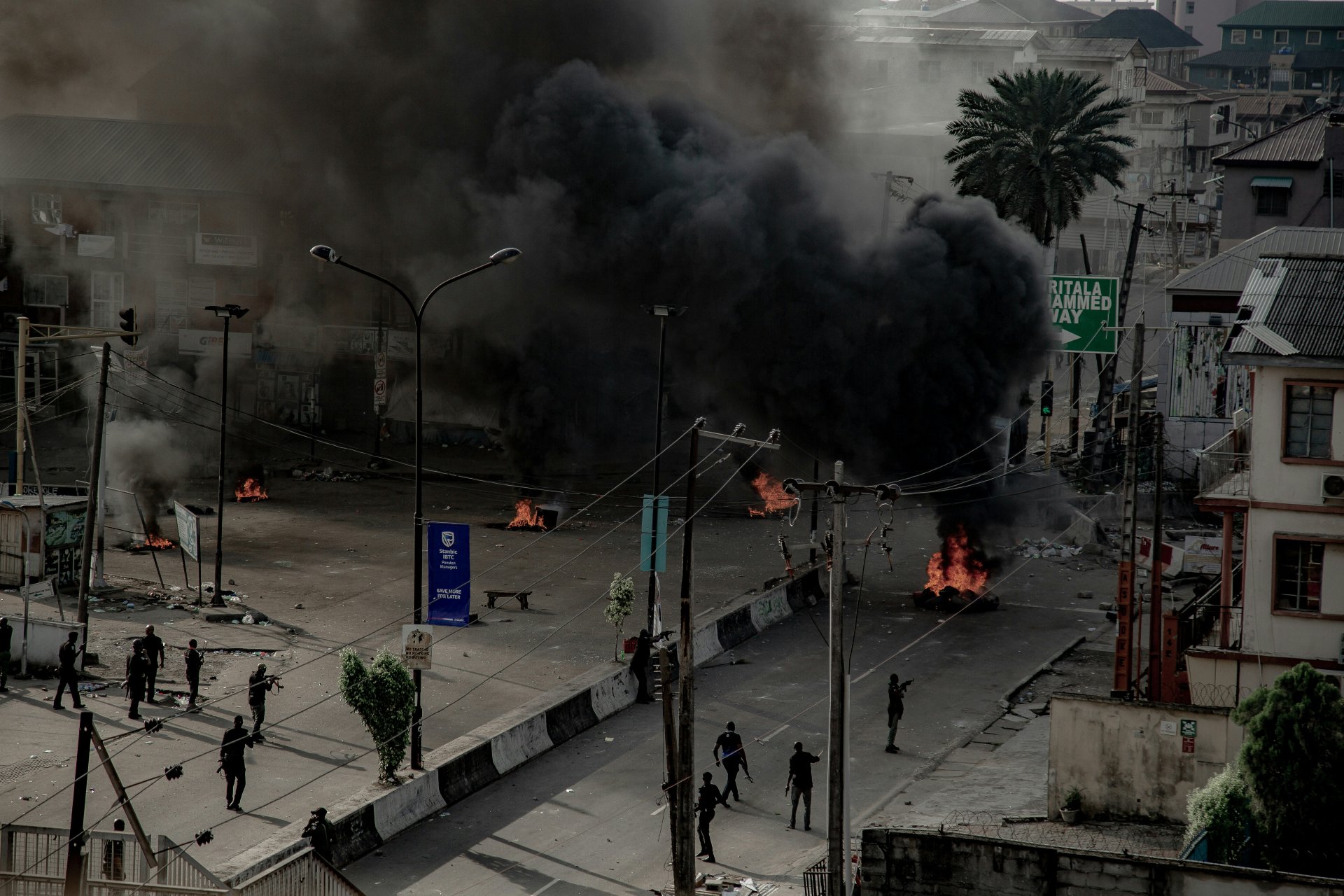
Civil unrest is another escalating threat to business travelers. Countries including Haiti, Myanmar and parts of Nigeria have experienced large-scale protests, strikes or anti-government demonstrations that can spiral into violent clashes. Foreigners caught in these disturbances often face restricted movement, curfews or outright threats to their safety.
Meanwhile, terrorism remains a persistent concern in countries like Pakistan, Somalia, Libya and across the Sahel region of Africa, including Mali, Niger and Burkina Faso. These areas are plagued by extremist groups that often target foreigners, viewing them as political symbols or bargaining chips.
The threat landscape can change rapidly and without notice for executives visiting or working in these dangerous countries. Adaptability, strong security protocols and access to real-time intelligence are vital for navigating these high-risk zones.
The Safest Countries for Business Travel
On the other end of the spectrum, some countries provide an environment of stability, security and preparedness, qualities that make them ideal for business travel. These destinations combine political reliability, low crime rates, modern infrastructure and efficient emergency services.
Singapore, for example, is consistently recognized as one of the safest countries in the world. Its zero-tolerance policy on crime, state-of-the-art medical facilities and highly efficient transportation system make it a top choice for international business meetings and regional headquarters.
Similarly, Switzerland and the Nordic nations, including Norway, Sweden, Finland and Denmark, stand out for their strong rule of law, excellent healthcare and highly ranked global safety indices. These countries have long histories of political neutrality and a strong social infrastructure that ensures rapid response to emergencies.
Japan is another exemplary destination. With reliable public transportation, meticulous cleanliness, and deep cultural respect for order, Japan offers one of the most secure and predictable environments for visiting professionals.
Finally, the United Arab Emirates, particularly Dubai and Abu Dhabi, has emerged as a regional hub for global business. The UAE boasts a well-maintained security framework, world-class medical services and a welcoming environment for expatriates and foreign business travelers.
While no destination is entirely risk-free, these countries provide some of the most secure environments for conducting business abroad.
Best and Worst Countries for Emergency Medical Care
Access to medical care during a crisis is a critical consideration for business travelers. Some countries offer world-class healthcare systems equipped with the latest technologies and highly trained professionals, while others struggle with underfunded, understaffed or inaccessible medical infrastructure.
Among the best countries for emergency medical care is Germany, which features a robust universal healthcare system, cutting-edge technology and a dense network of hospitals with multilingual staff. Singapore also shines in this area, with its globally accredited hospitals, rapid response services and seamless patient care experience.
Travelers to France and the United Kingdom benefit from strong public healthcare systems backed by consistent regulatory standards, centralized coordination and widespread access to emergency treatment.
By contrast, some countries offer dangerously inadequate medical support. In places like South Sudan, the Democratic Republic of Congo and the Central African Republic, hospitals are often overwhelmed or severely under-resourced. These nations suffer from a combination of conflict, poor infrastructure and a lack of trained medical personnel.
Remote regions in Afghanistan, Venezuela and Myanmar present additional challenges. Even when hospitals exist, their accessibility is hindered by poor roads, power outages or security concerns. In Haiti and rural parts of India, overburdened facilities and lack of modern equipment result in treatment delays that can prove fatal.
For executives facing a health emergency in these locations, the absence of immediate, high-quality care can dramatically increase the risks of traveling for business.
The Global Rescue Connection
As business travel increases globally, so do the challenges of balancing safety with operational demands. Travel disruptions from extreme weather, flooding threats and transportation delays now occur alongside escalating international violent conflicts, terrorism and civil unrest.
Most travelers lack immediate access to travel intelligence or communication capabilities that may be lifesaving during a medical or security emergency.
“The Global Rescue Intelligence Delivery system (GRID) changes that. In an emergency, the GRID app puts its users in immediate contact with the medical teams and military special operations veterans who staff Global Rescue’s global operations centers,” said Harding Bush, associate director for Global Rescue security operations.
GRID by Global Rescue, named one of the World’s Most Innovative Companies of 2024 by Fast Company, delivers critical travel intelligence to both leisure and business travelers.
The system distributes targeted alerts to individuals who could be impacted by civil unrest, disease outbreaks, safety issues, transportation disruptions, communications blackouts and natural disasters, including floods, hurricanes and earthquakes.
“It is the world’s only integrated medical and security mobile app for travel risk, asset tracking, intelligence delivery and crisis response management. Last year, more than a million targeted event alerts were distributed to individuals who could be affected by more than 10,000 global events reported,” said Dan Richards, CEO of The Global Rescue Companies.
With the GRID app, individual travelers can:
- Research destination-specific medical and security risks.
- Receive real-time destination reports and event alerts.
- Check-in with GPS location tracking.
- Communicate via secure in-app messaging, even in remote regions.
Company administrators using the GRID Desktop Control Center gain 24/7/365 situational awareness of global risks, a dynamic global risk map, real-time alerts and direct communication capabilities with individual travelers.
As the world becomes more unpredictable, Global Rescue and GRID offer an essential safety net for businesses and their executives, empowering them to travel confidently, prepared for whatever the world might bring.
Categories:
TravelApril 16, 2025
Article Highlights:
- Explore Asia’s vast and varied hunting landscape across over a dozen countries.
- Discover iconic game species like Altai ibex, argali, brown bear and Marco Polo sheep.
- Get insight into firearm transport regulations across Asian hunting destinations.
- Learn which countries welcome foreign hunters and which restrict hunting altogether.
- Uncover seasonal highlights for spring hunting in remote, rugged terrain.
Asia, the largest and most diverse continent on Earth, offers an unmatched array of game-hunting opportunities. From the sweeping Mongolian steppes to the towering Himalayas and the remote forests of Eastern Russia, hunting in Asia during spring unveils a thrilling mix of culture, adventure and world-class trophies. Whether you’re after a Caspian red deer stag in Kazakhstan, ibex on Mongolia’s cliffs or tracking brown bears in Kamchatka’s wilderness, Asia’s hunting regions are as varied as its cultures.
Asia is home to some of the planet’s most unique and sought-after game animals. In Mongolia, hunters travel from around the world to pursue the Altai Ibex and Argali — massive horned animals that roam the steep, windswept ranges of the Altai Mountains. These hunts often require high-altitude trekking and offer a true test of endurance and marksmanship.
Farther west, in Tajikistan and Kyrgyzstan, the legendary Marco Polo sheep draws serious mountain hunters with its impressively curled horns and elusive nature. The high elevations of the Pamir Mountains provide dramatic, rugged backdrops and challenge both physical stamina and logistical planning.
In the Himalayas, the blue sheep, also known as Bharal, can be found in Nepal and Pakistan. These species blend into the stark rock faces and high cliffs, making the pursuit visually spectacular and technically demanding. Pakistan also opens the door to other exciting opportunities, including hunting for the Sindh Ibex and Punjab Urial, expanding the country’s mountain hunting appeal.
Russia’s Kamchatka Peninsula stands out for its brown bear hunting in the spring when these massive predators emerge from hibernation. The coastal forests and snowy valleys of Kamchatka provide an unforgettable experience, where hunters may encounter bears weighing well over 1,000 pounds.
To the west in Azerbaijan, hunters scale the rugged Caucasus Mountains to pursue the Dagestan Tur, a mountain goat-like species known for its spiraling horns and agile climbing skills. Eastern Russia, too, draws attention to large-bodied Chukotka moose and the mighty Amur brown bear, both accessible to foreign hunters through regulated outfitters.
Western China, particularly the Xinjiang region, offers limited but prized hunting opportunities for Hume Argali. These rare mountain sheep are one of the largest-bodied argali species and require proper licensing and government coordination.
Where Hunting Is, and Isn’t, Allowed
With over 50 countries and territories, Asia presents a patchwork of laws and cultural attitudes toward hunting. Some nations, like Mongolia, Kyrgyzstan, Tajikistan, Russia and Pakistan actively support regulated hunting by foreigners, often as a key component of conservation funding and rural economic development.
Kazakhstan and Uzbekistan also allow game hunting, including for mountain species like ibex and wild sheep. Azerbaijan, Turkey (which spans Europe and Asia) and even China’s western provinces maintain controlled systems that permit trophy hunting under strict oversight.
On the other hand, many Asian nations have banned or heavily restricted hunting. India’s Wildlife Protection Act of 1972 effectively outlawed most hunting activities, and countries like Japan and South Korea allow only minimal, domestically regulated hunting. Southeast Asia, including Vietnam, Thailand, Laos and Cambodia, has essentially clamped down on legal hunting due to wildlife trafficking concerns and dwindling animal populations.
Firearm Transport Rules Across Asia
Traveling with firearms into Asia demands careful planning. Each country maintains its own rules and regulations regarding the transport and use of personal firearms, and failing to comply can result in confiscation, fines or denial of entry.
India, for example, has some of the strictest laws, essentially banning foreign firearm imports outright. Japan and South Korea maintain tight domestic gun control policies and do not allow foreign hunters to bring weapons, often requiring the use of licensed local firearms under supervision.
China’s firearm regulations are also severe. While certain regions permit hunting, foreign hunters typically use rifles provided by the outfitter. The red tape involved in personal weapon transport is extensive and rarely approved for civilians.
Russia offers a more streamlined, though still detailed, process. Hunters can bring their own rifles with proper documentation, including an invitation letter from a licensed outfitter and a firearm declaration form. The process is similar in Mongolia, where outfitters typically assist in obtaining a temporary firearm import permit. Tajikistan and Kyrgyzstan follow suit, allowing foreign hunters to bring firearms, provided permits are secured in advance.
Although Nepal and Pakistan offer remarkable mountain hunting, they often prefer hunters to use locally registered firearms. In these countries, the bureaucracy and safety concerns make transporting your gun cumbersome and unnecessary, especially with high-quality rental options available.
Most hunters will need to follow a multi-step process to legally transport a firearm into Asia. This typically begins with securing an invitation letter or hunting permit and applying for a temporary import license from the destination country’s consulate or embassy. Once approved, hunters must declare their firearm with the airline and adhere to its storage regulations. Lastly, they must ensure compliance with their home country’s export rules, especially important for hunters from the U.S., Canada or EU nations.
Despite the paperwork, many outfitters offer premium hunting rifles for rent, already zeroed and appropriate for the terrain, making it easier for international hunters to travel light.
Spring Season Advantages
Spring is a particularly rewarding season for hunting in Asia. The changing weather opens up access to high mountain passes and game species become more visible as they migrate or emerge from hibernation.
In Kamchatka, spring marks the prime season for brown bear hunting. As the snow melts, bears descend from higher elevations in search of food, making them easier to track. In Mongolia and Kyrgyzstan, ibex and argali can be hunted as they move through transitional zones at more manageable elevations. In Nepal and Pakistan, blue sheep appear along exposed ridges, where hunters can glass long distances to locate their quarry.
The season’s fresh vegetation and longer days add to the experience, offering better visibility and more favorable shooting conditions. Weather can still be unpredictable, particularly in the Himalayas or Siberia, so proper gear and fitness are crucial.
Responsible hunting practices are vital for conservation in Asia. In many regions, licensed hunting operations contribute significantly to protecting threatened species by funding anti-poaching programs and incentivizing communities to preserve wildlife habitats.
By choosing reputable outfitters who follow all local laws and prioritize sustainability, hunters can ensure their pursuit benefits both the land and the people who call it home.
The Global Rescue Connection
Spring hunting in Asia offers a rare combination of challenge, cultural richness and trophy potential. From the high-altitude haunts of Marco Polo sheep to the dense forests of the Russian Far East, each hunt is a test of skill and a journey into some of the most remote and unspoiled regions on Earth.
As with any international hunt, preparation is key, especially when navigating firearm laws, securing permits and selecting outfitters. But for those who put in the effort, the rewards are extraordinary: unforgettable landscapes, remarkable species and the thrill of the chase.
Global Rescue is an essential partner for anyone heading into the remote wilderness of Asia or any challenging environment. Even the most well-prepared hunters can face unexpected situations, from sudden illness to serious injury. Knowing that Global Rescue is ready to provide emergency medical evacuation and expert support offers unmatched peace of mind and can make all the difference when it matters most.
For example, a U.S. member was in a remote camp in Botswana when he suffered a leopard bite to his calf. He received multiple penetration wounds that were further complicated by the member’s history of a blood clotting disorder. He was taken to a nearby medical clinic that could perform basic wound care. Global Rescue medical operations staff initiated and completed a successful air ambulance medical evacuation flight transporting the member from Botswana to a Johannesburg, South Africa, hospital capable of a higher level of diagnostics and medical care. The member was treated and released.
This is one of many examples of how Global Rescue’s services are essential in the field. Whether it’s an emergency medical evacuation or expert guidance to determine if a seemingly minor health concern needs immediate attention, Global Rescue is the safety net that hunters rely on.
Categories:
TravelApril 15, 2025
Article Highlights:
- Discover what makes a bioluminescent beach glow with magical blue light.
- Explore the top destinations worldwide where you can witness this natural wonder.
- Learn how marine life contributes to this shimmering spectacle.
- Find out when and how to safely experience bioluminescent beaches through snorkeling and diving.
- Understand the risks and safety tips when visiting glowing shores.
A bioluminescent beach is one of nature’s most breathtaking spectacles. These glowing shorelines come to life at night when tiny marine organisms emit light, creating a dazzling blue or green glow in the water. Bioluminescence is a chemical reaction in certain marine creatures that produces light, similar to how fireflies glow.
The stars of this light show are typically dinoflagellates, a type of plankton that illuminates when agitated by motion, such as waves, footsteps or a swimming hand. Other glowing marine life includes jellyfish, crustaceans and certain algae and fungi.
The result? A glowing shoreline that seems lifted straight from a fantasy novel. Every splash, wave or movement turns into a sparkling light display.
Where Are the Bioluminescent Beaches Around the World?
Bioluminescent beaches are nature’s hidden treasures scattered across the globe, most often found in tropical and subtropical regions where warm waters create the perfect environment for glowing organisms to thrive. But these natural light shows also surprise visitors in unexpected places, from serene lagoons in the Caribbean to remote coastal bays in Asia and beyond. Here’s a journey through some of the most iconic and magical bioluminescent beaches in the world.
Mosquito Bay – Vieques, Puerto Rico
Tucked away on the small island of Vieques, off Puerto Rico’s eastern coast, Mosquito Bay holds the Guinness World Record as the brightest bioluminescent bay in the world. The bay’s spectacular glow is powered by an exceptionally high concentration of Pyrodinium bahamense, a species of dinoflagellate that lights up at the slightest movement in the water. Surrounded by mangroves and protected from winds, the bay’s still waters are a canvas for this vibrant light show. At night, every paddle stroke and fish ripple illuminates a trail of neon blue, creating a surreal experience for kayakers and onlookers alike.
Toyama Bay – Honshu, Japan
On Japan’s central Honshu coast lies Toyama Bay, which comes alive between March and June with an entirely different type of bioluminescent marvel. It’s not plankton but firefly squid (Watasenia scintillans) that steal the show. These tiny, deep-sea cephalopods migrate to the surface and along the shorelines during mating season, emitting a mesmerizing electric-blue glow. Local fishers and visitors gather early in the morning to witness the bay shimmering like a galaxy as thousands of these glowing creatures swarm the water. It’s a natural event so stunning, it’s celebrated with festivals and tours each spring.
Laguna Grande – Fajardo, Puerto Rico
Just a short drive from San Juan, nestled in the northeastern coastal town of Fajardo, lies Laguna Grande, a narrow, winding channel surrounded by dense mangrove forests. Unlike the open expanse of Mosquito Bay, this lagoon offers a more intimate bioluminescent experience. Kayaking through the narrow waterway at night feels like gliding through starlight. Your paddle’s motion activates the glowing dinoflagellates; the darker the night, the more vivid the glow. It’s an ideal excursion for eco-tourists looking to connect deeply with nature.
Luminous Lagoon – Falmouth, Jamaica
Located just outside the historic town of Falmouth on Jamaica’s northern coast, the Luminous Lagoon is one of only a few places where bioluminescence occurs year-round. The lagoon glows a bright, otherworldly blue when disturbed, whether by a boat’s wake or a swimmer’s hand. This shallow, brackish body of water is home to millions of bioluminescent microorganisms that thrive in the lagoon’s unique salt and fresh water mix. Guided boat tours often include jumping in and swimming as you watch your body glow with each movement.
Gippsland Lakes – Victoria, Australia
On the southeastern coast of Australia, the Gippsland Lakes occasionally dazzle visitors with a glowing show unlike any other. The bioluminescence here is triggered by Noctiluca scintillans, commonly known as sea sparkle, which blooms after periods of heavy rainfall or flooding that enrich the lakes with nutrients. When conditions are right, the waters glow with every disturbance, turning waves into glowing ribbons and footsteps into bright blue ripples. The phenomenon is rare and weather-dependent, but the lakes transform into a living lightscape beneath the Southern Hemisphere’s stars when it happens.
Holbox Island – Yucatán Peninsula, Mexico
North of the Yucatán Peninsula lies Isla Holbox, a peaceful island known for its laid-back atmosphere and glowing waters. From July to January, the beaches of Holbox come alive with bioluminescent plankton, offering travelers the chance to swim under the stars while surrounded by sparkling light. The best viewing spots are usually away from the town’s lights – quiet beaches where you can wade into the sea and watch every movement leave a glowing trail behind.
The Maldives – Vaadhoo Island
The Maldives is famous for its luxurious resorts and crystal-clear waters. Still, few know that some of its islands are home to spectacular bioluminescent displays, particularly Vaadhoo Island in Raa Atoll. Here, the beaches can light up with an electric blue glow caused by bioluminescent phytoplankton, creating the illusion of stars washing ashore. These glowing waves are incredibly stunning during warm, calm nights in late summer or early autumn, offering one of the world’s most photogenic examples of bioluminescence. It’s the perfect combination of tropical paradise and natural wonder.
Sam Mun Tsai – Hong Kong
Not far from the bustling city streets of Hong Kong lies a secret hidden in plain sight — Sam Mun Tsai, a tranquil village by the sea, occasionally experiences bioluminescent blooms that light up the shore. The plankton here, similar to those in other tropical waters, glow when disturbed, making the area a popular nighttime destination for photographers and locals. The contrast between the urban skyline and the glowing water creates a surreal, almost cinematic scene.
Leucadia Beach – California, USA
While less predictable than tropical spots, Leucadia Beach in Southern California has offered rare but jaw-dropping bioluminescent displays during seasonal algal blooms. In particular, the infamous 2020 “red tide” event created waves that glowed with an eerie blue light under the night sky. Swimmers, surfers, and beachgoers witnessed what looked like underwater lightning flashes every time the surf crashed—a powerful reminder that bioluminescence can dazzle even along temperate coastlines.
Is the Marine Life Different at a Bioluminescent Beach?
Bioluminescence doesn’t necessarily indicate that marine life is completely different at these beaches. These areas, however, often host dense populations of specific glowing organisms, particularly dinoflagellates and certain plankton species.
You may also find bioluminescent jellyfish, squid or crustaceans in some regions. In bays and lagoons, the conditions are often ideal for these creatures: calm waters, high salinity and nutrients that encourage blooms.
While the core marine ecosystem may be similar to non-glowing beaches, these concentrated clusters of glowing organisms create a unique experience and an incredible natural display.
Can I Snorkel or Scuba Dive at a Bioluminescent Beach?
Yes, you can, but with caveats.
Snorkeling at a bioluminescent beach is a surreal experience. As you move through the water, your hands and fins stir up glowing trails that follow your every motion. Many destinations offer night snorkeling tours specifically for this purpose.
Scuba diving is less common due to visibility challenges. Diving deep reduces the effect since bioluminescence is best observed in complete darkness. Plus, artificial lights used for diving can diminish the glow.
Safety tip: Avoid using sunscreen or lotions before entering the water, as chemicals may harm the sensitive bioluminescent organisms.
Also, check local regulations. Some protected areas restrict swimming to preserve the delicate ecosystems.
When Is the Best Time To Visit a Bioluminescent Beach?
Catching the magical glow of a bioluminescent beach is all about timing. While these natural phenomena can occur throughout the year in some locations, the intensity and visibility of the light depend on several key environmental factors.
In most parts of the world, the warmer months from spring through early fall are the most reliable times to witness bioluminescence. Warmer temperatures tend to support the growth and activity of the glowing microorganisms, particularly dinoflagellates and other plankton. In tropical destinations like Puerto Rico or the Maldives, you may find year-round opportunities to experience bioluminescence. Even in these areas, however, the brightness of the glow can vary from month to month.
The phase of the moon plays a crucial role in your viewing experience. A bright full moon may bathe the shoreline in light, diminishing the visibility of the glowing organisms. To truly appreciate the brilliance of the bioluminescent water, it’s best to visit during a new moon or when the sky is naturally dark. On moonless nights, the contrast between the inky black sea and the shimmering blue glow is most striking, transforming even a quiet ripple into a trail of electric light.
Weather conditions are equally important. Calm, clear nights offer the best possible environment for viewing. When the sea is still, the glowing organisms are more easily disturbed by small movements, such as a fish swimming or a hand gliding through the water, allowing you to experience the full glowing effect. On the other hand, wind and rain can disrupt the water’s surface, disperse the plankton or cloud the water, all of which can dull or eliminate the glow.
Finally, understanding the local bloom cycles is essential. Some bioluminescent locations, such as Mosquito Bay in Puerto Rico, glow consistently throughout the year due to a stable, protected ecosystem and high concentration of dinoflagellates. But in other regions, such as Gippsland Lakes in Australia or Leucadia Beach in California, the phenomenon may only occur sporadically, often triggered by environmental events like algae blooms, rainfall or shifts in water temperature. These occurrences are more challenging to predict and may only last a few nights or weeks.
To make the most of your trip, it’s wise to consult with local tour operators, marine biologists or tourism boards in advance. They can provide up-to-date information about bloom conditions, best viewing times and safety considerations. With the right planning and a little luck, you’ll witness one of nature’s most enchanting shows — an experience that stays long after the glow fades from the water.
The Global Rescue Connection
While bioluminescent beaches are generally safe and magical to experience, there are a few things to keep in mind:
- Harmful algal blooms (HABs): Not all glowing algae are harmless. Some dinoflagellates can be part of red tides, which produce toxins harmful to humans and marine life. Always verify with local authorities before swimming.
- Marine life: While rare, jellyfish or other sea creatures can be present at night with low visibility.
- Slippery or rocky terrain: Navigating beaches or shallow waters in the dark can be tricky. Use caution and appropriate footwear.
- Ecosystem damage: Touching or disturbing the water too much can stress or harm bioluminescent organisms. To preserve these ecosystems, practice responsible tourism.
Overall, if you follow guidelines, listen to local experts and respect nature, you’ll be safe.
When visiting bioluminescent locations anywhere, preparing for unexpected medical situations is essential. Global Rescue offers custom destination reports covering everything from local currency and common scams to health and safety advice. With a Global Rescue travel membership, you’ll have access to the following services at no charge:
- Field rescue from the point of illness or injury in case of a medical emergency.
- Medical evacuation to the nearest appropriate facility, if necessary.
- 24/7 medical advisory services to guide you through any health-related challenges while traveling.
A Global Rescue membership provides peace of mind. Whether you’re snorkeling the bioluminescent waters of Mosquito Bay, Vieques, Puerto Rico, the Raa Atoll on Vaadhoo Island in the Maldives or anywhere else, you’ll have access to the help you need.
Categories:
Press ReleaseApril 14, 2025
(Lebanon, NH – April 14, 2025)— Travelers are bracing for rising costs and rethinking their plans in response to recent US policy developments and economic uncertainties, according to the Spring 2025 Traveler Sentiment and Safety Survey conducted by Global Rescue, the world’s leading provider of medical, security, evacuation and travel risk management services.
The survey reveals that 83% of the world’s most experienced travelers expect travel costs to rise due to recent US policy initiatives, with nearly half (47%) saying travel costs will “definitely” increase and another 36% responding “probably.”
“Travelers are clearly feeling the impact of evolving US policies,” said Dan Richards, CEO of The Global Rescue Companies and a member of the US Travel and Tourism Advisory Board at the US Department of Commerce. “From anticipated cost hikes to shifting itineraries and delayed plans, US policy and economic signals are shaping traveler behavior and decisions for the rest of 2025.”
Economic uncertainty is also factoring into decisions—but not necessarily stopping travel. Nearly 65% of respondents said they have not canceled or postponed an international trip due to concerns about a possible recession. Similarly, 31% have not altered domestic travel plans, despite headlines warning of economic slowdown.
“There’s a degree of resilience in today’s traveler,” Richards added. “People may be modifying their destinations or delaying departures, but they are still prioritizing travel, especially internationally.”
According to the survey, more than half of travelers (55%) are changing which countries they visit and 34% are postponing international travel altogether due to international policy shifts. About one in four (24%) say they are not traveling internationally in 2025, while a slight but notable 5% opt out of domestic travel.
“With nearly half of travelers altering their destinations in response to US international policies, the ripple effects of government decisions are clear,” Richards said. “As a member of the US Travel and Tourism Advisory Board, I see the need for balanced policy approaches that support international trade and diplomacy without inadvertently deterring global mobility or discouraging tourism.”
For more information, contact Bill McIntyre at bmcintyre@globalrescue.com or +1 202.560.1195.
About the Global Rescue Traveler Sentiment and Safety Survey
Global Rescue, the leading travel risk and crisis response provider, surveyed more than 1,100 current and former members between April 8-12, 2025. The respondents revealed a variety of behaviors, attitudes and preferences regarding current and future travel.
About Global Rescue
Global Rescue is the world’s leading provider of medical, security, evacuation and travel risk management services to enterprises, governments and individuals. Founded in 2004, Global Rescue has exclusive relationships with the Johns Hopkins Emergency Medicine Division of Special Operations and Elite Medical Group. Global Rescue provides best-in-class services that identify, monitor and respond to client medical and security crises. Global Rescue has provided medical and security support to its clients, including Fortune 500 companies, governments and academic institutions, during every globally significant crisis of the last two decades. For more information, visit www.globalrescue.com.
Categories:
TravelApril 11, 2025
Article Highlights:
- Risky Travel Declines Sharply – 59% of travelers are avoiding riskier destinations in 2025, a 145% increase from 2023, indicating a growing preference for safety and stability.
- AI Usage in Travel Planning Rises – While 59% of travelers still avoid AI, its adoption has increased significantly since Fall 2024, with most users relying on it for itineraries, research and activity suggestions.
- Solo Travel Remains Popular – 35% of travelers plan to travel solo in 2025, with 60% planning at least one solo trip, reinforcing the trend of independent travel.
- Safety Tops Travel Priorities – Half (50%) of experienced travelers rank safety as the most important factor in choosing an international destination, outweighing cost, weather and accessibility.
- Travel Industry Poised for Growth – 61% of travelers believe the industry will not only recover fully but surpass pre-pandemic levels, signaling strong confidence in future travel opportunities.
The travel landscape is shifting dramatically in 2025. According to the Global Rescue Winter 2025 Traveler Sentiment and Safety Survey conducted between January 21-27, 2025, travelers are approaching their adventures with newfound caution, embracing technology in new ways and adjusting their trip-planning priorities. From a sharp decline in risky travel to the increasing role of artificial intelligence in trip planning, here’s what travelers need to know about the evolving travel landscape.
Risky Trips Nosedive
The desire for high-risk travel adventures is plummeting. More than half of surveyed travelers (59%) have no plans to visit riskier destinations in 2025. This represents a 145% spike in risk aversion when compared to just 24% of travelers who avoided riskier destinations in 2023.
Only 22% of travelers are planning high-adrenaline adventures this year – a significant 35% drop from the 34% who anticipated riskier trips in 2023.
“The data reflects a growing trend where travelers are prioritizing safety and predictability over thrill-seeking experiences,” said Dan Richards, CEO of The Global Rescue Companies and a member of the U.S. Travel and Tourism Advisory Board at the U.S. Department of Commerce. “Concerns about global instability, extreme weather, and health risks have led many travelers to rethink their destinations.”
AI’s Role in Travel Planning
Artificial intelligence is beginning to play a larger role in travel planning, although most travelers are still hesitant to fully adopt it. While 59% of travelers report that they will not use AI for their 2025 trip planning, this marks a 34% decrease from Fall 2024, when 90% avoided AI entirely.
Among those who do use AI, the majority rely on it for:
- General itineraries (82%)
- Basic destination research (79%)
- Activity suggestions (61%)
- Transportation and lodging recommendations (54%)
- Dining and restaurant suggestions (45%)
“The adoption of AI in travel planning is still in its early stages, but it’s clear that more travelers are exploring how AI-powered tools can simplify decision-making,” said Richards. “The real impact of AI will depend on how well it balances personalization with reliability.”
Solo and Group Travel Preferences
Family and friend group trips continue to dominate the travel space in 2025, with:
- 64% of travelers vacationing with family
- 38% traveling with friends
- 19% combining family and friends on the same trip
Meanwhile, solo travel remains a popular trend. 35% of travelers are planning to go completely solo, while 16% will travel solo but within an organized group of strangers.
When it comes to solo travel frequency:
- 60% plan at least one solo trip
- 42% expect to take one or two solo trips
- 12% plan three to four solo trips
- 6% are planning five or more solo trips
- 40% have no solo travel plans
Solo travel continues to be driven by a desire for self-discovery, flexibility and personal growth, but safety concerns remain a key consideration for those traveling alone.
Traveler Behaviors and Priorities
For experienced travelers, comfort and security remain top priorities. When it comes to premium travel upgrades, the most sought-after enhancement is a first-class flight upgrade (68%). Other desired upgrades include:
- Hotel suite upgrades (16%)
- Complimentary airport lounge access (10%)
- Luxury car rental upgrades (1%)
- Premium seating for events or concerts (1%)
Safety remains the number-one factor influencing international travel decisions, with 50% of travelers prioritizing safety over cost, weather, accessibility, and language barriers. Other major considerations include:
- Cost (19%)
- Weather conditions (15%)
- Ease of travel logistics (13%)
- Potential language barriers (3%)
Additionally, seasonal travel preferences remain fairly stable:
- 51% of travelers are maintaining a balance between peak and off-peak travel
- 22% are traveling only during shoulder (off-peak) seasons
- 19% will primarily travel off-peak but with some peak-season trips
- Only 5% are planning exclusively peak-season travel
Top Trip-Killers
While travelers are more eager than ever to explore the world, certain challenges continue to derail travel plans. The top trip-disrupting factors include:
- Major health issues (35%)
- Flight cancellations (25%)
- Poor planning (11%)
- Overly ambitious itineraries (8%)
- Bad weather (8%)
Other potential travel frustrations include financial constraints, inflexible schedules, miscommunication with travel companions, loneliness, and cultural misunderstandings.
The Travel Industry’s Future
The global travel industry suffered a 75% drop in value in 2020, but it has been making a remarkable comeback. According to the survey:
- 61% of travelers believe the industry will continue to grow and surpass pre-pandemic levels
- 26% think it will recover fully and then stabilize
- Only 4% believe it will fail to fully recover and may decline
“The travel industry is in a strong position to exceed pre-pandemic growth,” said Richards. “With increased consumer confidence, better travel infrastructure and evolving technology, we’re looking at an era of unprecedented travel opportunities.”
As 2025 unfolds, travelers are becoming more risk-conscious, technology-savvy and selective about their experiences. While adventure-seeking has declined, comfort, safety and strategic trip planning are now top priorities. AI is beginning to play a more prominent role in travel decision-making, and solo travel continues to be a major trend.
With the travel industry poised for continued growth, travelers can expect an exciting year ahead – one where safety, personalization and smarter travel planning will define the journey.
Categories:
Business TravelApril 10, 2025
Article Highlights:
- AI is transforming duty of care by providing real-time risk analysis and automated safety alerts for business travelers.
- Employers must use AI responsibly, ensuring data security, fairness and transparency in risk assessment and travel safety applications.
- AI-driven platforms enhance travel security by offering personalized safety recommendations and crisis response mechanisms.
- Legal frameworks around AI and duty of care are evolving, requiring businesses to navigate accountability and ethical considerations.
- AI’s future role in business travel includes predictive risk analysis, enhanced security protocols and seamless real-time communication.
Duty of care is the fundamental responsibility of businesses to protect their employees’ health, safety and well-being, particularly when they travel for work. Traditionally, this has meant providing secure work environments, complying with safety regulations and mitigating risks. As business travel becomes more complex and global, however, organizations are leveraging artificial intelligence (AI) to enhance their duty of care obligations, providing real-time risk assessment, automated alerts and data-driven decision-making to ensure traveler safety.
The Expanding Risks in Business Travel
Business travelers face a host of risks, including geopolitical instability, natural disasters, health crises, crime and cyber threats. Employers must assess and communicate these risks and implement protective measures. Even minor disruptions, such as airline strikes, extreme weather or political unrest can severely impact employee travel and business operations in an increasingly interconnected world. The COVID-19 pandemic underscored the need for real-time situational awareness as companies scrambled to track employees abroad, assess health risks and coordinate emergency evacuations.
AI is transforming how companies meet these obligations by analyzing vast datasets, predicting potential threats and offering actionable insights. AI-powered platforms can monitor global events in real time, send automated safety alerts and assist companies in responding rapidly to disruptions. These advancements mark a significant evolution in corporate duty of care policies, ensuring greater preparedness and responsiveness.
AI’s Role in Security, Compliance and Ethical Responsibilities
Beyond risk detection, AI plays a crucial role in security and compliance. Businesses deploying AI for duty of care must ensure that these technologies operate ethically, transparently and fairly. AI developers and users alike have a duty to prevent bias, maintain data security and ensure reliability. AI-based risk management systems must be regularly updated with accurate data to avoid misinterpretations that could lead to unnecessary panic or dangerous oversight.
If an AI system provides incorrect risk assessments, fails to notify travelers of emerging threats or misguides companies in crisis situations, it could constitute a breach of duty of care, leading to legal liability under traditional tort law. Employers must also be cautious about AI-powered surveillance tools, which, while useful for security, can raise employee privacy concerns. Transparency in AI decision-making is critical to building trust and ensuring that employees understand how their data is used to enhance their safety rather than monitor their every move.
AI-Driven Personalization: A Tailored Approach to Travel Safety
AI’s role extends to personalizing travel safety measures. Smart algorithms can tailor security protocols based on an individual’s itinerary, health profile and real-time location. For instance, AI can flag high-risk destinations, suggest safer travel routes and even provide localized safety recommendations, such as avoiding certain neighborhoods after dark. If a business traveler is heading to a high-risk area, AI can proactively adjust travel plans, recommend alternative routes or trigger emergency response mechanisms.
Wearable AI technology is also emerging as a key duty of care component. Devices that monitor health vitals, track location and detect abnormal patterns can alert employees and employers to potential medical or security risks. AI-driven chatbots and virtual assistants enhance traveler security by providing instant, location-specific assistance, whether navigating a foreign city, finding the nearest embassy or receiving medical guidance in an emergency.
Legal and Regulatory Frameworks: The Unresolved Challenges
Legal and regulatory frameworks surrounding AI-driven duty of care are still evolving. As AI systems grow more autonomous, questions arise about accountability – whether responsibility should lie with developers, users or the AI itself. Policymakers and businesses must collaborate to establish clear regulations that define liability and enforce ethical AI practices. Risk pooling schemes, mandatory oversight and transparency requirements could help businesses integrate AI into their duty of care strategies without unintended consequences.
Some argue that AI should be treated as an agent, where legal responsibility for its actions is attributed to those who deploy or develop it. Others suggest that new legal frameworks should be created to address AI liability, such as insurance models that distribute risks among multiple stakeholders. Regardless of the approach, businesses must stay ahead of evolving regulations to ensure compliance while leveraging AI responsibly.
The Future of AI in Business Travel
Looking ahead, AI will continue to revolutionize business travel safety. Organizations will deploy increasingly sophisticated AI models to analyze traveler behaviors, predict potential hazards and offer proactive risk mitigation strategies. AI’s predictive capabilities will allow businesses to preemptively adjust travel plans before a crisis occurs, reducing disruptions and enhancing employee safety.
The ability to track employees in real time, anticipate disruptions and automate emergency responses will become essential components of corporate travel programs. AI will likely integrate with biometric authentication and blockchain technology to enhance identity verification and secure sensitive travel data. Meanwhile, AI-driven predictive analytics will enable businesses to conduct more effective risk assessments by considering historical patterns and emerging global trends.
As AI capabilities expand, so too will the expectations surrounding employer responsibility, requiring businesses to adapt and implement robust, AI-driven duty of care measures. Companies that embrace AI as part of their corporate travel strategy will gain a competitive advantage by ensuring their employees’ safety while maintaining operational continuity in an unpredictable world.
The Global Rescue Connection
Taking these factors into account, organizations can start formulating a duty of care strategy that reflects their core values while meeting legal requirements. This process may include setting priorities, crafting actionable plans, identifying potential weaknesses and anticipating challenges such as budget constraints or disruptions to daily operations. Partnering with industry experts can further enhance these efforts.
Ensuring employees’ safety, health and well-being isn’t just a regulatory mandate – it’s a crucial aspect of fostering a supportive and responsible workplace. Viewing duty of care as more than a legal obligation can lead to a stronger, more resilient organization where employees feel protected and valued.
Categories:
TravelApril 9, 2025
Article Highlights:
- Sampling bizarre foods worldwide offers a thrilling culinary adventure but carries health risks like food poisoning and traveler’s diarrhea.
- Commonly consumed unusual foods include balut, surströmming, casu marzu, sannakji and fried spiders, each with unique flavors and risks.
- Traveler’s diarrhea affects up to 70% of travelers and is often caused by exposure to unfamiliar bacteria, viruses or parasites in food and water.
- Preventative measures include avoiding high-risk foods, carrying doctor-approved medications and seeking medical help when necessary.
- Global Rescue provides 24/7 medical assistance, ensuring travelers get proper treatment, medications and consultations abroad.
Food lovers around the world seek out new and exotic delicacies as a way to immerse themselves in different cultures. While some local specialties delight the palate, others challenge even the most adventurous eaters. From fermented shark to larvae-filled cheese, these dishes offer unique experiences, but sometimes at the cost of gastrointestinal distress. Knowing what to expect and how to recover from a bad food experience is essential for travelers.
Exploring Bizarre Foods From Asia
Pack your appetite and sense of adventure: we’re about to journey through Asia’s wildest culinary curiosities. For fearless foodies who love venturing off the eaten path, this lighthearted tour promises the thrill of tasting the unthinkable. No boring meals here. Instead, picture yourself slurping and crunching on snacks that might raise an eyebrow (or a goosebump) but will definitely give you a great story to tell.
On our culinary tour of odd delicacies, you’ll crack open a balut – the Philippines’ infamous fertilized duck egg savored straight from the shell, a street food so common that locals enjoy it as casually as pizza. Next, you’ll gnaw on saucy chicken feet (yes, chicken feet!) – a chewy, flavorful treat beloved from Chinese dim sum parlors to roadside stalls across Southeast Asia and even in Latin America. And for the regional grand finale, how about crunching on some fried spiders in Cambodia? These crispy eight-legged snacks (deep-fried tarantulas, to be exact) are a local delicacy, gladly munched on by bold locals and adventurous tourists alike.
Balut (Philippines) is a fertilized duck egg with a partially developed embryo and is a street food favorite in the Philippines. It’s often served with salt and vinegar, offering a mix of soft yolk, broth, and crunchy bits of duck. While it’s rich in protein, some travelers struggle with its texture and intense flavor. Gastrointestinal discomfort can occur, especially if the egg is not fresh.
Chicken Feet (China, Southeast Asia, Latin America) are often braised or deep-fried. They are a textural experience rather than a meaty dish. While safe when well-prepared, improperly cleaned feet may expose travelers to bacteria that cause food poisoning.
Spiders and Fried Spiders (Cambodia) are deep-fried tarantulas found in Cambodia. They’re a crispy delicacy packed with protein. While generally safe when properly cooked, some travelers experience stomach upset due to unclean preparation conditions or difficulty digesting the spider’s exoskeleton.
Europe’s Strange Foods
If your taste buds are feeling bold, Europe offers a range of time-honored delicacies that will test the limits of your culinary courage. Some of these dishes stem from a time when nothing went to waste, while others have been passed down as cultural treasures that remain as strong as ever. Whether it’s the pungent punch of fermented fish, the earthy depths of blood sausage, or the controversial crunch of insect-laden cheese, these bizarre European foods will either thrill your palate or challenge your stomach.
Hákarl (Iceland) is a fermented Greenland shark, considered a rite of passage for daring diners. It is cured for months to remove toxins, carries a strong ammonia aroma, and is notorious for its ammonia-rich smell, pungent taste and intimidating reputation. Though safe to eat, its fermentation process can be harsh on sensitive stomachs, leading to nausea or digestive issues in some visitors.
Haggis (Scotland) is the country’s national dish. It’s a mix of sheep’s heart, liver and lungs encased in a stomach lining. It’s loved by Scots but sometimes intimidating to first-timers. While it’s flavorful and nutrient-dense, the high-fat content can trigger digestive discomfort, especially for those unaccustomed to rich meats.
Surströmming (Sweden) is fermented herring and is infamous for its intense, putrid odor. It has been dubbed one of the world’s smelliest foods. If you can get past the overpowering odor, locals swear by its unique, briny flavor when paired with crispbread and onions. Traditionally eaten with flatbread and onions, its powerful fermentation can cause bloating or nausea in travelers unaccustomed to strong-smelling foods.
Casu Marzu (Italy) may be one of the most shocking delicacies of all. It’s a cheese filled with live insect larvae that assist in the fermentation process. While illegal in many countries, this Sardinian specialty remains a controversial and sought-after dish among extreme food lovers. The risk of intestinal infection makes it a controversial choice for daring food explorers.
Black Pudding (UK, Ireland) is a sausage made from pig blood and grains. Black Pudding lovers from the UK and Ireland boast that it is perhaps one of the more accessible bizarre international foods. Black pudding is packed with iron and has a distinct earthy flavor. It can be off-putting for new eaters, and the high-fat content might also lead to mild indigestion.
Escargots (France) are snails often prepared with butter and garlic. The dish is a classic French delicacy. Despite their unusual nature, Escargots are widely celebrated for their tender texture and rich taste. While safe, consuming snails from unreliable sources could risk parasitic infections.
Unusual Foods From Asia
Traveling the world is an adventure for all the senses, but few experiences are as daring, or delightfully bizarre, as diving into Asia’s most unusual delicacies. For the culinary thrill-seeker, the continent offers a menu that challenges taste buds and bravery, featuring dishes that wiggle, stare back or come with a surprise splash of unexpected texture.
Imagine sitting down at a cozy Japanese izakaya and being served a delicacy known as milt, a creamy, nutrient-packed dish that is fish sperm. Not for you? Perhaps Japan’s tuna eyeballs are more your style. It’s a rich, fatty morsel that may not blink but will undoubtedly leave an impression. No? How about steaming cups of beondegi – silkworm pupae – from South Korea? Looking for more? There’s sannakji, Korea’s infamous live octopus, whose tentacles may still be wriggling even as you lift them with your chopsticks, adding a thrilling challenge to an already chewy bite.
These bold bites aren’t just about shock value. They represent deep culinary traditions, a love for texture and flavor, and a test of how adventurous you’re willing to be.
Milt (Japan, Russia, Europe) is fish sperm served raw or cooked in Japan and a few other countries, such as Russia, the Czech Republic, Sicily and parts of Poland. While rich in nutrients, some people find its creamy texture off-putting, and raw seafood always carries a risk of parasites.
Tuna Eyeballs (Japan) are a fatty delicacy, often boiled and seasoned. While generally safe, the high-fat content can cause stomach discomfort in those unaccustomed to eating rich seafood parts.
Beondegi (South Korea) is silkworm pupae, a common street snack in Korea, steamed or boiled. Some travelers enjoy its nutty flavor, while others find the texture difficult. Those sensitive to shellfish may experience mild allergic reactions.
Sannakji (South Korea) is a live octopus served with its tentacles still moving. The most significant risk isn’t illness but choking; tentacles can stick to the throat if not chewed properly.
Weird Foods From North America
North America may be famous for burgers and barbecue, but for the true culinary adventurer, there’s a wilder side to the menu, one filled with unexpected textures, deep-fried surprises and a touch of insect intrigue. If you thought the continent’s most daring dishes involved extra-spicy hot wings, think again. Here, delicacies range from crispy, golden-brown bull testicles to buttery ant larvae, each offering a bold new experience for the fearless foodie.
Rocky Mountain Oysters (USA, Canada) are not bivalve mollusks but deep-fried bull testicles. The dish is often enjoyed at festivals but can be difficult to digest for those unfamiliar with organ meats, leading to bloating or mild stomach upset.
Escamol (Mexico) is Mexico’s so-called “insect caviar” – a buttery, nutty dish made of ant larvae that has been enjoyed for centuries but still gives some travelers pause. These ant larvae are considered a delicacy in Mexico and are usually sautéed with butter and garlic, but like many insect-based foods, they could cause allergic reactions in some travelers.
Huitlacoche (Mexico) is a fungus that grows on corn, creating a soft, truffle-like texture. It’s a sought-after delicacy in Mexican cuisine, though those unfamiliar with its earthy, mushroom-like flavor might struggle to enjoy it.
Strange Foods: Preventing a Gastrointestinal Revolution
If you’re traveling and willing to try some or all of the celebrated (or infamous) unusual international dishes, consider a couple of precautionary measures before eating. Traveler’s diarrhea (TD) affects 30-70% of travelers, according to the CDC. Many cases arise from consuming contaminated food or water, especially in high-risk areas. TD is often caused by bacteria like E. coli or parasites, leading to symptoms such as nausea, vomiting and stomach cramps.
Stick to reputable restaurants, avoid street food in unsanitary conditions and drink bottled or filtered water. Over-the-counter medications like Pepto-Bismol or Imodium can relieve you if you get sick, but severe cases may require antibiotics. Hydration is key, as is seeking medical attention if symptoms persist.
The Global Rescue Connection
Global Rescue’s 24/7/365 medical advisory service can help travelers find Pepto-Bismol, Imodium, or a local alternative, or find a doctor who speaks their language and a local pharmacy to fill a prescription for them.
Is your severely upset stomach due to food poisoning? As a member, we want you to contact us whether it’s a major emergency or something minor. You will get real-time access to doctors, paramedics and nurses who will help sort out the do’s and don’ts based on your unique situation and symptoms. It’s part of your membership services.
Before every trip, Global Rescue recommends getting a pre-travel consultation with a health professional to equip and prepare yourself with the necessary preventive measures and medications.
Categories:
TravelApril 8, 2025
Article Highlights:
- Ecotourism is growing rapidly as travelers seek responsible and sustainable travel experiences.
- Sustainable luxury combines high-end accommodations with eco-conscious travel practices.
- Technology is revolutionizing ecotourism through virtual guides, AI conservation tools, and energy-efficient accommodations.
- Authentic ecotourism benefits local communities, conserves wildlife, and reduces environmental footprints.
- Global efforts from travel companies and conservation groups help combat overtourism and promote responsible travel.
Ecotourism, a subset of sustainable travel, emphasizes responsible travel to natural areas that conserves the environment, sustains the well-being of local people, and involves interpretation and education. The core principle of ecotourism is to minimize the negative impact of tourism while fostering environmental and cultural awareness. Sustainable travel ensures that tourism activities do not harm the destinations but contribute positively to their preservation.
The global ecotourism industry has experienced remarkable growth, driven by travelers’ increasing awareness of environmental sustainability. More people prioritize low-impact travel experiences, seeking destinations that promote conservation, support local communities, and foster cultural exchanges. As sustainability in travel and tourism continues to evolve, eco-conscious travelers drive demand for more responsible tourism practices, influencing how travel companies, hotels, and tour operators operate worldwide.
Ecotourism and Sustainable Travel Trends
Sustainable Luxury: Luxury travel is no longer just about opulence; it now encompasses sustainability. High-end resorts and eco-lodges are implementing green initiatives such as solar power, water conservation systems, and plastic-free accommodations. Sustainable luxury also includes eco-conscious transportation options, from electric safari vehicles to carbon-neutral flights, ensuring a high-end experience with a minimal environmental footprint.
Technology and Conservation: Technology is transforming ecotourism, making it more accessible and sustainable. Innovations include virtual reality wildlife experiences, augmented reality guides, and AI-powered conservation tools that track endangered species. Smart energy-efficient accommodations, electric public transport, and digital carbon footprint trackers are also gaining popularity, helping travelers make informed and sustainable choices.
Adventure and Wellness Combined: A growing trend in ecotourism merges adventure with wellness. Travelers seek experiences that offer physical activity, mental rejuvenation, and nature immersion. Activities like eco-friendly yoga retreats, nature treks with guided meditation, and sustainable spa experiences in remote locations are gaining traction.
Focus on Local Communities: Ecotourism is shifting towards prioritizing local communities. Tour operators and sustainable travel organizations ensure that tourism revenue directly benefits local economies. Initiatives include locally owned accommodations, community-led tours, and programs that invest in cultural preservation and economic empowerment.
The Green Key and Real vs. Fake Ecotourism
The Green Key is an international eco-label for tourism facilities that meet stringent sustainability standards. Awarded to hotels, hostels, campsites, and restaurants, the Green Key certification ensures establishments adhere to environmental responsibility practices, including energy efficiency, waste management, and sustainable sourcing. Travelers looking for authentic ecotourism experiences should seek Green Key-certified accommodations, ensuring their stay aligns with sustainability goals.
Not all travel experiences marketed as “eco-friendly” are genuinely sustainable. Fake ecotourism, or greenwashing, occurs when businesses claim to be environmentally responsible without implementing genuine sustainable practices. To verify an authentic ecotourism experience, travelers should:
- Look for credible eco-certifications such as Green Key, Rainforest Alliance, or EarthCheck.
- Research tour operators’ environmental and social policies.
- Assess if accommodations use renewable energy, manage waste responsibly, and engage with local communities.
- Avoid experiences that exploit wildlife or disturb natural ecosystems.
Top 10 Destinations for Ecotourism
Costa Rica in Central America is a renowned haven for ecotourists. It boasts lush rainforests, rich biodiversity, and a variety of sustainable lodges. The country has been a leader in conservation, with national parks and wildlife reserves covering a significant portion of its land.
The Galápagos Islands in Ecuador, South America, are another prime ecotourism destination. Strict conservation measures ensure the protection of unique wildlife, including the famous giant tortoises. The islands operate under regulated tourism policies to preserve their fragile ecosystem.
In Europe, Norway stands out as a pioneer in green energy and sustainable tourism. Known for its breathtaking fjords, the country offers eco-lodges and is strongly committed to reducing carbon footprints in travel.
New Zealand in Oceania is a top choice for eco-conscious adventure travelers. The country emphasizes Maori cultural preservation, eco-friendly adventure tourism, and extensive conservation programs that protect its natural landscapes.
Bhutan, a carbon-negative Asian country, prioritizes environmental preservation in its tourism industry. With a unique “high-value, low-impact” tourism policy, Bhutan ensures visitors contribute positively to its sustainability efforts while enjoying its pristine landscapes and monasteries.
Kenya, in Africa, is world-famous for its sustainable safaris. The country has pioneered community-driven conservation, ensuring that wildlife protection efforts benefit local populations while providing exceptional opportunities to experience Africa’s iconic wildlife ethically.
Borneo in Malaysia, Asia, is a critical region for rainforest conservation and orangutan sanctuaries. Ecotourists visiting Borneo can engage in responsible wildlife experiences while supporting initiatives that protect its tropical rainforests.
Iceland, in Europe, is a geothermal energy powerhouse that leads in sustainable tourism. Committed to renewable energy and nature conservation, the country offers eco-friendly tours that highlight glaciers, volcanoes, and hot springs with minimal environmental impact.
Patagonia, spanning Chile and Argentina in South America, is an outdoor adventurer’s paradise. The region is dedicated to preserving its rugged wilderness with eco-lodges, conservation-driven tourism, and protected national parks offering breathtaking experiences for travelers.
Rwanda in Africa is home to one of the world’s most impactful conservation tourism initiatives—gorilla trekking. With tightly controlled tourism policies and significant reinvestment into wildlife conservation, Rwanda offers a meaningful and sustainable wildlife experience that benefits local communities and the environment.
Up-and-Coming Ecotourism Destinations
Slovenia in Europe is quickly emerging as a leader in green tourism, with a strong focus on eco-friendly hotels, sustainable gastronomy, and extensive protected natural areas. Its commitment to sustainable travel makes it an increasingly attractive destination for conscious travelers.
Madagascar in Africa is another rising ecotourism hotspot, thanks to its extraordinary biodiversity, unique wildlife species, and expanding eco-lodge accommodations. Conservation projects are central to tourism, ensuring that visitors contribute to preserving its delicate ecosystems.
Laos in Asia remains a hidden gem for community-based tourism. The country is known for its serene landscapes, cultural preservation efforts, and nature experiences that align with sustainable tourism principles.
Panama in Central America is gaining recognition for its rainforests, Indigenous cultural experiences, and commitment to ecotourism. Unlike some of its more over-touristed neighbors, Panama offers a more secluded and environmentally conscious travel experience.
Ecotourism: Expectations and Mistakes
Ecotourism offers immersive nature experiences such as wildlife tracking, guided hikes, and marine conservation activities. Accommodations are often in eco-lodges, treehouses, or glamping sites that prioritize sustainability. Many ecotourism trips include opportunities to engage with local communities through cultural exchanges, farm stays, or artisan workshops. The common denominator in an ecotourism trip is a lower environmental footprint with minimal single-use plastics, reduced energy consumption, and eco-conscious transportation.
The biggest mistakes travelers make in ecotourism include not researching whether their trip truly supports sustainability and booking tours that exploit wildlife rather than contribute to conservation. Travelers must prioritize adhering to local customs and sustainability practices. They must also avoid overpacking and bringing non-biodegradable items that can harm the environment.
The Global Rescue Fingerprint on Ecotourism
Global Rescue partners with Re:wild, an organization dedicated to protecting over 180 million acres and thousands of species in critical biodiversity areas. CEO Wes Sechrest emphasizes that Global Rescue ensures conservationists working in remote locations receive lifesaving help when needed.
&Beyond, a Global Rescue Safe Travel Partner, is a custom tour operator specializing in eco-conscious travel to Sub-Saharan Africa, Asia, South America, and Antarctica. CEO Joss Kent notes, “Travel has evolved from the adage of taking only photos and leaving only footprints. The world’s wild places need us to do better than that. Now it’s about taking memories and leaving a legacy.”
The Global Rescue Connection
Overtourism is a growing concern, with 73% of seasoned travelers worried about its impact. A third have experienced it firsthand, leading 53% to avoid overcrowded hotspots like France, Spain, Italy, Thailand, and Peru. Addressing overtourism requires cooperation between governments, businesses, and travelers.
Dan Richards, CEO of The Global Rescue Companies and member of the U.S. Travel and Tourism Advisory Board, states, “Governments can set visitor limits, promote off-peak travel, and invest in sustainable tourism infrastructure to preserve these destinations for future generations. Travelers can contribute by seeking lesser-known locales, traveling in off-peak seasons, and embracing responsible tourism practices.”
Every traveler has the power to create positive change through ecotourism. By making conscious travel choices, we can preserve the beauty and diversity of our planet for future generations.
Categories:
Places & PartnersApril 4, 2025
Article Highlights:
- Near Record Crowds Expected: Nepal may see over 650 summits in 2025, totaling 700-800 across both sides of Everest.
- Permit Fees Increase: Climbing fees rise by 36% to $15,000, sparking concerns about elitism but likely having little impact on overall numbers.
- Rising Alternative Peaks: Climbers frustrated with Everest’s commercialization are shifting to technical peaks like Ama Dablam and Cholatse.
- Stronger Rescue and Safety Measures: Global Rescue enhances its deployment with on-the-ground teams monitoring weather, coordinating helicopter rescues, and improving medical evacuation capabilities.
Thousands of mountaineers and trekkers will descend upon the Himalayas for the 2025 spring Mount Everest climbing season, eager to summit the tallest mountain in the world, as well as K2, Kanchenjunga, and Annapurna, some of the highest peaks in the Himalayas and the world.
It’s not easy. Frostbite, twisted ankles, gastrointestinal trouble, snow blindness, and many other ailments – especially high-altitude pulmonary edema (HAPE) and high-altitude cerebral edema (HACE) – will challenge climbers and trekkers at every step, uphill and down.
According to Dan Stretch of Global Rescue, one of the most common and avoidable climber and trekker mistakes is ignoring altitude sickness symptoms. Ascending despite warning signs can lead to severe health issues and even hospitalizations. He recommends adding acclimatization days, carrying essential medications like anti-diarrheal tablets and oral rehydration salts, and ensuring proper emergency communication devices.
Mount Everest Crowds
Climbing expert Alan Arnette expects Mount Everest to be crowded with 700 to 800 summits from the Tibet and Nepal sides. “Some feel the golden age of mountaineering has come and gone and that Mount Everest is a tourist trap,” he said, noting the totals will not surpass the pre-pandemic record set in 2019.
Tom Livingstone, an acclaimed outdoor writer and climber, lamented the overcrowding. “Unfortunately, the mountain resembles a theme park these days. Many people are put off by Mount Everest and go elsewhere for real climbing, trekking and mountaineering by finding quiet, unspoiled and wild areas.
Lukas Furtenbach, the owner of Austria-based Furtenbach Adventures, will have expedition teams attempting to summit the tallest mountain in the world from the South side in Nepal and the North side in Tibet. “I will be expedition leader on the South side. I am expecting a record number of climbers for the South side,” he said, adding that the rope fixing team is trying to complete the route as early as possible so that teams can spread out multiple summit attempts over a longer period.
With Mount Everest’s continuing popularity, some mountaineers are looking elsewhere. Furtenbach observes a growing demand for technical mountains like Ama Dablam, Cholatse, and Lhotse. Stretch suggests Mustang in Nepal for trekkers wanting a less touristy experience. Livingstone laments Mount Everest’s transformation into a “theme park” and sees climbers seeking more remote, untouched peaks. But Arnette points to record, or near-record, permit numbers and remains skeptical about climbers shifting away from Mount Everest.
Another way to reduce crowds and improve safety is to enforce mountaineering experience requirements and training. Arnette suggests that officials require climbers to demonstrate a high-altitude climbing experience before attempting the Mount Everest summit.
“The Chinese authorities require all foreign Mount Everest applicants to have climbed a 19,685 feet/6,000 meter peak and Chinese nationals to have climbed a 26,246 feet/8,000-meter peak. Nepal has no experience requirements,” Arnette said. “There is a lack of training for guides, including sherpas,” Arnette added. “There are not enough qualified support climbers for the growing number of foreigners, many of whom are inexperienced.”
Higher Prices, New Rules for Climbers
Nepal’s decision to raise climbing permit fees from $11,000 to $15,000 has sparked debate among mountaineering experts. Gordon Janow, director of programs at Alpine Ascents, expects the higher cost to have little impact. “Climbing Mount Everest is not something people usually do more than once in their life, so it’s not a matter of waiting for the price to go down,” he said.
Furtenbach believes it won’t deter climbers but hopes the additional revenue is used wisely for environmental and community support. Livingstone argues the price hike makes Mount Everest climbing more exclusive rather than reducing overcrowding or improving sustainability.
Livingstone, who won’t be climbing Mount Everest due to the expense, believes that increasing mountain climbing costs will drive away some climbers. “If you have money, you’ll pay regardless of a 36% increase, making this more like adventure tourism and less like mountaineering,” he said. “It will do nothing to alleviate traffic, reduce environmental damage or other stresses.”
Arnette agreed the price increase would have minimal impact on overall climber numbers, but he expressed concerns about rule changes in Sherpa requirements that could affect safety more than pricing. “The higher permit fees may impact price-sensitive climbers,” he said. “A more significant change is reducing the Sherpa requirement from one per climber to one for every two, which may affect safety more than it reduces crowds by raising fees,” he added.
Efforts to manage Mount Everest’s environmental impact continue. Nepal officials now require climbers to carry out their waste using WAG bags—a plastic bag used to carry human feces out of an area without toilets. “That was a good move, but it was just a start and must be enforced on the mountain,” Arnette said, adding that trekkers, climbers, government, local and community officials, and guide companies need to “step up to better care for the environment.”
The Global Rescue Connection
Global Rescue is deploying a four-person team led by Stretch to Nepal from April to May. They will monitor the weather, coordinate helicopter rescues, and facilitate hospital admissions. Stretch, an experienced high-altitude mountaineer, has managed over 500 Himalayan rescues.
With mountaineering and trekking gaining popularity, Global Rescue is expanding its services, extending in-field deployments, and launching the High-Altitude Evacuation Package. This package is recommended for anyone 16 years or older traveling above 15,000 feet (4,600 meters) and offers critical emergency response coverage.
“High-altitude outdoor activity worldwide is reaching unprecedented heights of participation,” said climbing legend Ed Viesturs, the only American to climb all 14 of the world’s 8,000+ meter peaks without supplemental oxygen.
Categories:
TravelApril 3, 2025
Article Highlights:
- 90% of U.S. natural disasters involve flooding, making it the most common and destructive hazard.
- Hurricane season lasts from June to November, peaking between August and October.
- Storm surges, not wind, are the most dangerous part of hurricanes, cyclones, and typhoons.
- Having a travel emergency plan, including evacuation routes and supply kits, is crucial.
- Traveling during storm season is possible with proper planning, flexible bookings, and awareness of local disaster risks.
Wherever you’re traveling during the summer, the potential threat of a natural disaster is constant in many popular travel destinations. Extreme storms like hurricanes, cyclones, and typhoons are a harsh reminder that Mother Nature reigns supreme. Fortunately, modern weather tracking technology allows us to identify, name, and monitor these destructive events well before they make landfall, giving travelers time to prepare and evacuate if necessary.
“Weather tracking technology allows people to track hurricanes well before landfall, giving them time to prepare their homes and evacuate,” said Dan Richards, CEO of The Global Rescue Companies. “Nevertheless, every year, there are some who stay put, facing the storm head-on, either because they are unwilling or unable to do otherwise.”
Understanding Hurricanes, Cyclones, and Typhoons
Hurricanes, cyclones, and typhoons are essentially the same type of storm, but their names depend on their location:
- Hurricanes – Atlantic Ocean or northeastern Pacific Ocean storms with sustained winds over 74 mph.
- Cyclones – The same weather phenomenon is in the Indian Ocean and the southwestern Pacific.
- Typhoons – Are found in the northwestern Pacific and mainly affect East Asia.
These powerful storms bring extreme winds, storm surges, and heavy rainfall, often causing severe damage to infrastructure and the environment. While hurricanes frequently strike North America’s Atlantic and Gulf of Mexico coasts, parts of the southwestern United States and Pacific Coast can also experience severe storm impacts, including tornadoes and floods.
Flooding from these storms is hazardous, leading to widespread destruction, water contamination, and even fires caused by downed power lines in pooling water.
In Canada, floods are the most frequent and expensive natural hazard. In the United States, officials report that 90% of all natural disasters involve flooding, causing more economic damage and loss of life than any other hazard. Meanwhile, in Southeast Asia, including Cambodia, Laos, Thailand, Vietnam, and the Philippines, flood disasters account for nearly 40% of all natural disasters.
Preparing for Natural Disasters: What You Need To Know
Proper preparation before the storm can make a critical difference in safety and survival when facing hurricanes, cyclones, typhoons, and floods. Follow these essential steps:
- Evacuate if Possible – Never ignore an evacuation order from local authorities. Delaying departure can put you in a life-threatening situation.
- Stay Informed – Monitor storm updates through official channels. In the U.S., the National Weather Service provides Wireless Emergency Alerts (WEA). In Asia, monitoring agencies include the Japanese Meteorological Agency and the Joint Typhoon Warning Center.
- Charge Your Devices – Power outages may last days or weeks, so ensure your mobile phone, tablets, and laptops are fully charged.
- Gather Emergency Supplies – FEMA recommends having an emergency kit with non-perishable food, water, flashlights, batteries, and first aid supplies. Stock up in advance to avoid shortages.
- Secure Important Documents – Keep valid identification, passports, and travel documents in a waterproof bag for easy access.
- Have Emergency Cash – ATMs and banking systems may be inaccessible after a disaster.
- Create a Family Emergency Plan – Determine meeting points and communication methods in case of separation.
- Designate a Shelter Location – Whether moving to higher ground for floods or securing a safe place for high winds, know where to go before disaster strikes.
During a severe storm, staying indoors and taking shelter in a secure interior room away from windows and potential flying debris is crucial. Keeping updated with emergency alerts is also essential, so keep a battery-powered radio with you so you can obtain the latest information and warnings.
One of the most dangerous aspects of hurricanes and typhoons is the storm surge, which can cause catastrophic flooding in coastal areas. If you are in a high-risk zone, evacuating early can be lifesaving. Additionally, when advised by authorities, shutting off gas, water, and electricity can help prevent further hazards such as fires and electrocution.
Once the storm has passed, waiting for official clearance before leaving your shelter is important, as lingering dangers such as downed power lines and unstable structures may still pose risks.
Floodwaters should be avoided at all costs, as they may be contaminated with debris, sewage, or hidden electrical currents. Checking yourself and those around you for injuries is a priority, and medical attention should be sought immediately for any wounds or infections. As you assess the aftermath, remain cautious of weakened buildings, bridges, and roads that may have sustained structural damage.
Finally, reaching out to emergency contacts, including family and friends, ensures that they are informed of your safety and can assist if necessary.
When Is Hurricane Season?
Summertime natural disasters vary by region. North America experiences hurricanes, tornadoes, tsunamis, floods, and fires, while Southeast Asia faces heavy rainfall, droughts, and flood disasters. Europe deals with heat waves, heavy rainstorms, and forest fires. Flooding is one of the most common and costly hazards worldwide, occurring as a result of storms, sudden heavy rainfall, and tsunamis.
Hurricane season typically lasts from June to November, with peak activity occurring between August and October. If you plan to travel during this period, consider:
- Choosing Lower-risk Locations – The ABC islands (Aruba, Bonaire, and Curaçao) and Barbados rarely experience hurricanes due to their southern location.
- Booking Flexible Travel – Opt for refundable airline tickets and accommodation policies that allow last-minute changes.
- Checking Hotel Disaster Plans – Call ahead to learn about hurricane readiness measures and available shelters.
- Bringing Emergency Cash – ATMs and card transactions may not be functional if power outages occur.
The Global Rescue Connection
Natural disasters like hurricanes, cyclones, typhoons, and floods are generally predictable, providing time to prepare and increase survival and safety. Staying informed, having an evacuation plan, gathering emergency supplies, and understanding the risks associated with your travel destination are critical steps in mitigating disaster impact.
If you’re planning a trip this summer, get in touch with Global Rescue to help equip you with up-to-date intelligence and ensure your safety and security, be it go-bag prep or other precautionary preparations.
While we cannot predict or prevent natural disasters, we can take proactive steps to prepare and respond effectively. When a hurricane, cyclone or typhoon threatens your vacation or work trip, Global Rescue’s expert team can help keep you abreast of its path and assist with your evacuation as the storm predictions grow ominous.