(Lebanon, N.H. – August 14, 2025) – Global Rescue, the world’s leading provider of medical, security, evacuation, and travel risk management services, announced today that its Global Rescue Intelligence Delivery system (GRID) has won the prestigious 2025 Skift IDEA Award in the Industry Innovators – Business Travel category.
The Skift IDEA Awards honor bold, mission-driven achievements that shape the future of travel. Out of an unprecedented 420 entries and 247 finalists, GRID stood out to an independent panel of judges for its groundbreaking approach to protecting business travelers in an unpredictable world.
“We are honored that Skift has recognized GRID with this award,” said Dan Richards, CEO of The Global Rescue Companies. “This achievement reflects our commitment to delivering innovative, real-world solutions that keep travelers safe and informed during crises anywhere in the world.”
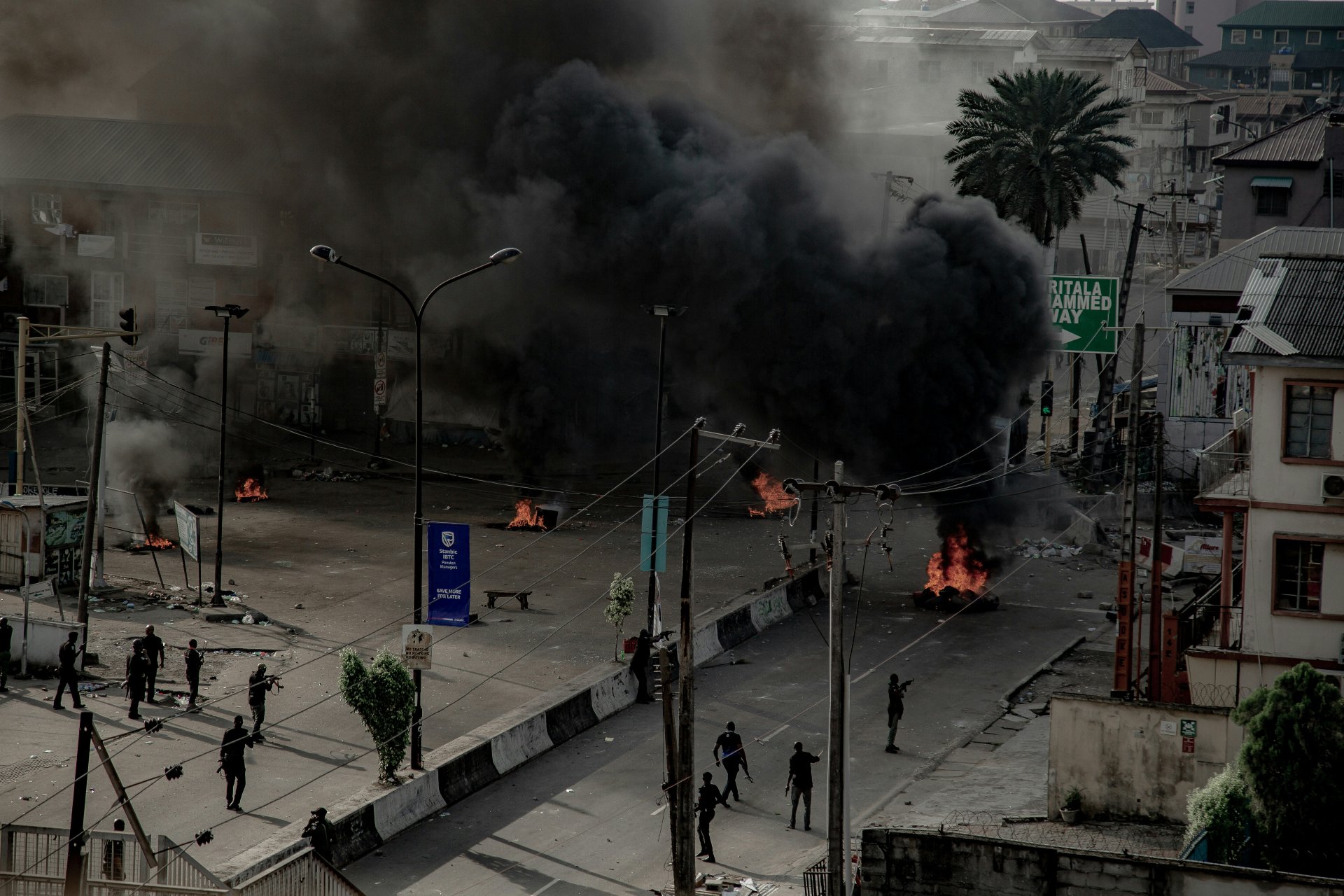
GRID is designed to minimize risk for business travelers through timely, targeted notifications about emerging or active crises. These include civil unrest, disease outbreaks, natural disasters such as floods, hurricanes, earthquakes, and volcanic activity, as well as transportation disruptions, communications blackouts, and security-related incidents.
In 2024 alone, GRID delivered more than half a million targeted alerts related to nearly 10,000 global events. Beyond alerts, GRID is the world’s only integrated mobile app combining medical and security risk intelligence, asset tracking, and crisis response. Its mobile app and desktop control center give users and administrators comprehensive situational awareness, GPS tracking, direct communication with Global Rescue’s Operations Centers, and tools for protecting, locating, and assisting employees, students, and travelers worldwide.
“We built GRID to keep travelers safe wherever they are,” said Harding Bush, associate director of Global Rescue Security Operations. “Winning this award affirms the value GRID brings to organizations and individuals who need immediate, reliable information and rapid response capabilities.”
The Industry Innovators – Business Travel category recognizes forward-thinking projects that drive a sector forward and make a measurable impact with consumers. GRID’s win underscores Global Rescue’s leadership in travel safety technology and its unwavering mission to protect travelers across the globe.
Contact: Bill McIntyre | Global Rescue | bmcintyre@globalrescue.com | +1 (202) 560-1195 (phone/text)
About Global Rescue:
The Global Rescue Companies are the world’s leading provider of medical, security, evacuation, and travel risk management services. Founded in 2004, Global Rescue partners with top organizations like the Johns Hopkins Emergency Medicine Division of Special Operations to provide unparalleled expertise in crisis response. For more information, visit www.globalrescue.com.
About the Skift IDEA Awards:
The Skift IDEA Awards spotlight the brands, agencies, and innovators shaping the next chapter of travel across seven distinct categories. Winners are chosen by an independent panel of experts for their innovation, creativity, and impact. For more information, visit Skift IDEA Awards.
Categories:
Health & SafetyTravelAugust 12, 2025
Article Highlights:
- The path of totality will cross the Arctic Ocean, Greenland, Iceland, the Atlantic Ocean, Portugal and northern Spain.
- Viewing conditions will depend heavily on weather, including cloud cover, rain and fog.
- Travelers should plan early to avoid transportation disruptions and overcrowded eclipse-viewing zones.
- Proper eyewear is essential to prevent permanent eye damage from solar rays; regular sunglasses are not enough.
- Global Rescue experts warn of health risks and offer safety tips for eclipse watchers and adventure travelers.
The countdown has started to August 12, 2026 when skywatchers around the world will turn their eyes upward to witness one of nature’s most awe-inspiring spectacles: a total solar eclipse. Known as the total solar eclipse 2026, this rare celestial event will darken skies and dazzle viewers along a narrow path stretching from the icy waters of the Arctic Ocean to the sunny hills of northern Spain.
As the countdown begins, now is the time to prepare for travel, viewing, and safety for eclipse 2026, a phenomenon that won’t come again to this region for decades.
Eclipse 2026 and the Path of Totality
The path of totality for the total eclipse 2026 will begin over the Arctic Ocean, sweeping across eastern Greenland, Iceland and the Atlantic Ocean before reaching northern Portugal and ending in northern Spain. Major cities, including Porto, Bilbao and León will experience a total eclipse, offering prime viewing spots for millions of locals and eclipse tourists.
This corridor of darkness, where the moon will completely block the sun for a few minutes, is where the full magic of the solar eclipse 2026 will be visible. Areas just outside this path will see a partial eclipse, with the sun only partially covered.
Total Solar Eclipse Travel Disruptions and Planning Ahead
If the 2024 North American total eclipse was any indication, expect travel routes in Europe and the North Atlantic to be heavily impacted. Hotels and flights along the eclipse 2026 path are already beginning to fill up. Local governments in Portugal and Spain are preparing for spikes in traffic, public safety needs and tourist congestion.
For eclipse chasers, planning is non-negotiable. Confirm your destination, secure lodging and be flexible with your transportation arrangements. Popular viewing locations may implement road closures, restricted access zones or permit requirements. With the path traversing remote areas, such as parts of Greenland and Iceland, travelers should expect limited infrastructure and prepare accordingly.
Solar Eclipse and Weather Conditions
Clouds are the eternal enemy of solar eclipse watchers. For the total solar eclipse of 2026, weather conditions will vary dramatically along the path.
- Greenland and Iceland may offer crisp, clear air but risk cloud cover and unpredictable summer weather.
- Portugal and Spain boast some of the driest climates in Europe during August, making them the most reliable bets for cloud-free viewing.
- The Atlantic Ocean offers a unique opportunity for eclipse cruises, but maritime weather can be changeable.
Check multi-year climatology data, consult with meteorologists and have backup plans in case clouds roll in minutes before the eclipse.
The Eclipse Experience: What You’ll Feel and See
A total eclipse is more than just a visual marvel. It’s a full-sensory experience that lasts only minutes, but feels like stepping into another world.
- Temperature Drops: As the sun is veiled, temperatures can drop sharply, especially in high altitudes or arid regions.
- Light Changes: The sky darkens dramatically, stars become visible and the sun’s corona — a ghostly white halo — shimmers into view.
- Animal Behavior: Birds go silent. Insects buzz. Nocturnal animals stir. Nature reacts instinctively to sudden darkness.
- Emotional Awe: Many viewers report chills, tears and an overwhelming sense of connection to the universe.
Even if you’ve seen a solar eclipse before, witnessing the 2026 total solar eclipse, especially along dramatic landscapes like Iceland’s lava fields or Spain’s historic cities, will be unforgettable.
Eclipse Safety and Eye Protection
Looking directly at the sun, even during an eclipse, can cause permanent eye damage or even blindness. The ultraviolet (UV) radiation is invisible but extremely harmful to the retina.
Here’s how to protect your eyesight during the solar eclipse 2026:
- Eclipse Glasses: Only use ISO 12312-2 certified eclipse glasses. Regular sunglasses, no matter how dark, will not protect your eyes.
- Solar Viewers and Filters: Telescopes, binoculars or cameras must have solar filters attached at the front, not the eyepiece.
- Pin-hole Projectors: Create a DIY viewing device to indirectly observe the eclipse safely.
- No Glasses During Totality: Once the sun is completely covered, it’s safe to look with the naked eye, but only during totality. Glasses must go back on the moment the sun re-emerges.
Children and elderly viewers may require additional supervision to prevent accidental exposure.
Emergency Preparedness Tips
If you’re traveling to a remote or international destination to witness the total eclipse of 2026, basic emergency preparedness is critical.
- Pack Essentials: Include water, food, first-aid supplies, and backup power banks.
- Know Your Coordinates: In rural areas, GPS or offline maps may be essential. Cell towers could be overloaded.
- Expect Delays: Treat the eclipse like a large public event. Prepare for long lines, crowded rest stops, and slow traffic.
- Medical Resources: Be aware of local hospitals, urgent care access, and emergency services at your location.
- Traveler Protection: International travelers should obtain travel risk and emergency response memberships, such as those provided by Global Rescue.
In short: don’t just prepare to watch the eclipse. Prepare to be safe, healthy and ready for anything that could go wrong.
The Global Rescue Connection
While a total solar eclipse may seem like a serene, celestial event, it carries a risk most people underestimate: photokeratitis — a painful eye condition caused by unprotected exposure to ultraviolet (UV) light. This condition, also known as solar keratitis or snow blindness, is more common than you might think. Global Rescue medical operations teams have responded to numerous cases involving high-altitude climbers and adventurers suffering from this exact affliction.
From the slopes of Everest to the base of Yala Peak, Global Rescue has treated members who’ve experienced eye injuries under extreme conditions. A Malaysian climber at Everest Camp I suffered from snow blindness and acute mountain sickness (AMS), while an Austrian adventurer at Camp III was immobilized due to solar keratitis. An Indian climber at Camp II reported severe eye pain and snow blindness, alongside life-threatening conditions like HAPE (high-altitude pulmonary edema) and AMS. Each of these cases illustrates how UV radiation, whether reflected off snow or directly from the sun, can harm the cornea and compromise vision, mobility and safety.
This same type of injury can occur during a total solar eclipse, especially when viewers look at the sun without proper eye protection. The UV rays emitted by the sun, even during partial eclipse phases, can burn the surface of the eye and cause symptoms such as pain, tearing, blurred vision and light sensitivity, all hallmarks of photokeratitis. It’s effectively a sunburn on your eye’s surface.
“Sun’s ultraviolet rays can burn the cornea of the eye, causing irritation, pain and blurred vision,” said Jeff Weinstein, medical operations manager at Global Rescue.
This condition doesn’t just affect high-altitude climbers. Anyone watching the solar eclipse 2026 without certified eclipse glasses or solar filters could suffer the same fate, especially if they’re unaware of the danger or misled into thinking the sun is safe to look at during partial phases.
Ancient communities understood these risks long before modern science. “Alaska’s indigenous people understood these risks and made snow goggles out of bone or wood to prevent glare and eye injuries,” said Weinstein. “Modern sports sunglasses and glacier goggles today serve the same purpose for winter adventurers.”
During the upcoming 2026 total solar eclipse, Global Rescue urges travelers to plan for eye safety as seriously as they do for transportation or lodging. Should symptoms of solar keratitis occur — such as burning, blurred vision or pain — Global Rescue’s expert medical team is equipped to provide rapid response, virtual consultations, and, when needed, evacuation to proper medical care.
“If your symptoms worsen or don’t improve within a few days, it’s essential to consult a healthcare provider immediately,” Weinstein added.
Whether it’s a fall on an icy trail, a torn tendon in the backcountry or a burnt cornea from watching an eclipse unprotected, Global Rescue’s experience treating real-world injuries in extreme environments means members are never alone, no matter what’s in the sky.
A once-in-a-lifetime solar eclipse deserves your full attention, and protection. Plan wisely, protect your eyes and consider travel protection services like Global Rescue to ensure the only thing that takes your breath away is the sky itself.
Categories:
NewsAugust 11, 2025
(Lebanon, N.H. – August 11, 2025) — Recent volcanic eruptions and earthquakes have done little to deter global travel plans, according to the Global Rescue Summer 2025 Traveler Safety and Sentiment Survey. Regardless of age, gender, or nationality, the overwhelming majority of the world’s most experienced travelers remain unfazed by natural disasters — although a cautious minority is selectively avoiding certain high-risk destinations.
After the Santorini, Greece, earthquake, nearly 9 out of 10 travelers said the incident had no effect on their willingness to visit destinations in active earthquake zones. A similar pattern emerged around volcanic activity. When asked if the Mount Etna and Lewotobi Laki Laki eruptions made them less willing to visit volcano sites, most travelers said no.
“The data shows that earthquakes and eruptions are not deterring most travelers,” said Dan Richards, CEO of The Global Rescue Companies and a member of the U.S. Travel and Tourism Advisory Board at the U.S. Department of Commerce. “But for a small group of travelers, concerns about environmental risk are real — and they’re choosing destinations more carefully as a result.”
Among travelers who said they are reconsidering trips to destinations in earthquake zones, Kathmandu, Los Angeles, San Francisco, Tokyo and Kyoto lead the list. By contrast, destinations in earthquake zone with the least concern among travelers include: Vancouver, Auckland, Wellington and Santiago.
Age played a modest role in shaping reactions. Travelers under 35 years old were more than twice as likely to say they were “much less willing” to visit volcano sites (7%) compared to older travelers.
Gender differences were also notable. Women were 44% more likely than men to say they were “a little less willing” to visit volcano sites (17% vs. 11%). When travel to destinations in earthquake zones nearly twice as many women said they would avoid Kathmandu compared to men (7% vs 4%), 50% more women would avoid Manila compared to men, and 25% more women would bypass Tokyo/Kyoto compared to men.
“Despite these distinctions, the overarching trend is clear: the vast majority of travelers are not letting isolated natural disasters derail their travel plans,” Richards said.
For more information contact: | Bill McIntyre | Email: bmcintyre@globalrescue.com | Phone: +1 202.560.1195
About the Global Rescue Traveler Sentiment and Safety Survey
Global Rescue, the leading travel risk and crisis response provider, surveyed more than 2,900 current and former members between June 24–30, 2025. The respondents revealed a variety of behaviors, attitudes, and preferences regarding current and future travel.
About Global Rescue
Global Rescue is the world’s leading provider of medical, security, evacuation, and travel risk management services to enterprises, governments, and individuals. Founded in 2004, Global Rescue has exclusive relationships with the Johns Hopkins Emergency Medicine Division of Special Operations and Elite Medical Group. Global Rescue provides best-in-class services that identify, monitor, and respond to client medical and security crises. Global Rescue has provided medical and security support to its clients, including Fortune 500 companies, governments, and academic institutions, during every globally significant crisis of the last two decades. For more information, visit www.globalrescue.com.
Categories:
TravelAugust 8, 2025
Article Highlights:
- The winter climbing season on Mount Everest runs from late December to February and is rarely attempted due to deadly conditions.
- Temperatures plunge to -40°C/-40°F with jet stream winds topping 100 mph, making summit opportunities extremely rare and dangerous.
- Winter climbers face limited rescue options and must endure high risk with minimal support, making preparation and resilience critical.
- Global Rescue has conducted hundreds of rescues during peak climbing seasons, including complex operations for HAPE, HACE, snow blindness and frostbite.
- Experts warn that over-reliance on helicopter rescues undermines the spirit of mountaineering; self-reliance must remain a core value.
Mount Everest, the highest point on Earth at 29,032 feet/8,848 meters, has long stood as the ultimate symbol of achievement in mountaineering. While thousands have reached its summit during the popular spring season, only a tiny fraction have dared to confront Everest during the harshest months of the year. The winter climbing season is a test of extreme endurance, mental fortitude and technical prowess. It is Everest stripped bare, absent the crowds, commercialization and relative weather stability that come with spring.
Summit Mount Everest in Winter
The official winter climbing season on Mount Everest begins in late December and extends through February, occasionally spilling into early March. During this time, only the most experienced climbers even consider attempting the ascent. Unlike the more generous summit windows in May, winter offers little to no predictability. The brief chance to summit often opens in late January or early February, if it opens at all.
This unpredictability demands an expedition-style approach: teams must prepare for weeks of waiting in brutal conditions, hoping for a narrow window in which the jet stream might briefly relent.
Winter on Everest is not just cold, it’s deadly. Summit temperatures routinely drop to –40°C (–40°F) and lower. Add wind chill and the exposure becomes life-threatening even with world-class gear. The winter jet stream remains fixed over the mountain, unleashing winds exceeding 160 km/h (100 mph), often for days at a time.
While the winter season is generally drier than the post-monsoon period, snowstorms and avalanches remain potent risks. Heavy snow accumulation can obscure crevasses, destabilize slopes and bury tents, posing significant risks. With limited daylight of just 10 hours or fewer, climbers must move efficiently and navigate in near-constant cold and low visibility.
The Elusive Winter Summit Window
In spring, Everest offers a predictable summit window — usually one to two weeks in May — when the jet stream lifts, allowing relatively calm weather. In winter, no such predictability exists. Climbers might wait six weeks and never get a safe opportunity to ascend. If a window does appear, it may last less than 24 hours.
Those attempting winter ascents must be capable of shifting quickly into summit mode at a moment’s notice. This requires not only elite conditioning and acclimatization but also a logistical setup that allows a team to move rapidly from base camp to the higher camps, even after days or weeks of inactivity.
Seasonal Distinctions on Mount Everest
Spring and winter on Mount Everest offer vastly different climbing experiences, each defined by unique challenges and opportunities. The spring season, running from April to May, is by far the most popular time to climb. The weather is relatively more forgiving, with temperatures ranging from –20°C to –30°C and the jet stream typically shifts away from the summit, opening up a predictable one- to two-week summit window in May. This stability attracts hundreds of climbers, leading to heavy crowding along the route. Rescue operations and commercial support are widely available, making it the preferred season for most guided expeditions.
In stark contrast, the winter season — from December through February — sees fewer than one percent of all Everest ascents. Temperatures can plunge to –40°C or lower and the relentless presence of the jet stream brings sustained high winds that make summit attempts extremely rare and unpredictable. There is virtually no crowding, but that also means limited rescue access. Winter climbing is a test of pure expedition-style mountaineering, requiring extreme self-reliance, technical expertise and the ability to endure some of the harshest conditions on Earth.
Winter ascents are so rare that each successful attempt makes headlines. The risks are significantly higher and the chances of success are dramatically lower. Still, for a small number of elite mountaineers, that’s the draw.
Rescue Realities and the Role of Global Rescue
In spring, helicopter rescues from Everest Base Camp and even Camp II are increasingly common. During winter, however, fewer flights operate, and even those that do can be grounded by storms or visibility issues.
Global Rescue, a leader in travel risk and crisis response, has provided up to 25 rescue missions per day during Everest’s peak spring summit window. These operations aren’t just simple extractions; they include pre-positioned medical teams across the Himalayas managing multi-phase rescues from Everest, Annapurna and Mera Peak. Climbers suffering from High Altitude Pulmonary Edema (HAPE), High Altitude Cerebral Edema (HACE), frostbite and trauma have been stabilized and evacuated thanks to these complex operations.
In winter, however, those services become significantly harder to access. Nepal’s evolving helicopter regulations, designed to prevent unnecessary flights and fraud, have added another layer of difficulty. This has raised the stakes for winter climbers, who must now rely even more on self-sufficiency and preparation.
Climbing at extreme altitudes like those found on Mount Everest exposes climbers to life-threatening conditions such as HAPE, HACE, severe frostbite and trauma from falls, all of which can become fatal without immediate intervention. In these remote, high-elevation environments, standard evacuation services are often unavailable or incapable of reaching affected climbers quickly.
That’s why Global Rescue’s High-Altitude Evacuation Package is essential. It provides climbers with access to specialized extraction capabilities, including helicopter evacuations from elevations above 15,000 feet and expert medical coordination tailored to altitude-related emergencies. For mountaineers operating in the death zone, this coverage isn’t just smart, it can be the difference between life and death.
Experts, including Global Rescue’s senior advisors, caution that over-reliance on rescue has become an issue in the Himalayas. The growing expectation of helicopter availability can lead some climbers to take greater risks or attempt ascents beyond their ability. But as winter climbers know, Everest can’t be negotiated. It must be respected.
Winter Mountaineering: No Margin for Error
Winter mountaineering on Everest requires a very different mindset than spring attempts. This is not a supported experience with pre-set ladders, Sherpa teams fixing lines and daily helicopter flights. This is pure, raw mountaineering: just you, your team, the cold and the wind.
Only a handful of climbers have successfully summited Everest in winter, including Polish mountaineer Krzysztof Wielicki in 1980, marking the first winter ascent. These pioneers pushed the boundaries of what humans can endure.
Modern winter expeditions require climbers to haul all their gear, fix their ropes, break trail through deep snow and weather week-long storms without outside support. The risk of frostbite, snow blindness, HACE and HAPE increases exponentially, particularly when the body’s ability to recover is compromised in extreme cold.
Many climbers retreat without even attempting the summit. And when they do, they do so without fanfare, because surviving Everest in winter is victory enough.
The Global Rescue Connection
The increasing normalization of helicopter rescues risks diluting the fundamental spirit of mountaineering — one built on grit, endurance, self-reliance and accountability.
Veteran climbers like Ed Viesturs, Tom Livingstone and Conrad Anker maintain that a climb isn’t complete until the climber returns to base camp on foot, unless a legitimate emergency requires otherwise. Everest chroniclers Alan Arnette and Gordon Janow agree, warning that “rescue services should support preparedness, not replace it.”
As Everest attracts larger crowds and higher ambitions, the true challenge of mountaineering risks being lost in the noise. The point of the climb isn’t just reaching the summit, it’s returning safely under your own power.
“Climbers must be prepared to rely on themselves if helicopters are grounded,” said Stretch, a rescue operations expert with Global Rescue. “Training, acclimatization and smart decision-making can be the difference between life and death.”
Winter climbing on Mount Everest is a rare and punishing pursuit. It strips the mountain down to its most elemental form and offers no forgiveness. For those who crave the truest form of mountaineering — a world without ladders, porters or luxury tents — this is where legends are made.
But it’s also where lives are lost if climbers underestimate the stakes. Whether during a spring summit with backup support or a solo winter attempt in -40°C wind, Everest demands respect. The climb is not just about the summit, it’s about survival, resilience and the journey back down.
Categories:
Places & PartnersTravelAugust 7, 2025
Article Highlights:
- Argentina and Chile have modern healthcare in cities, but limited emergency medical access in the remote regions of Patagonia.
- Upfront cash payment is often required, even in emergencies; travel insurance and evacuation coverage are therefore critical.
- Ambulance and first responder availability is delayed outside major urban centers; language barriers can complicate care.
- Crime is mostly non-violent, but it is prevalent in tourist zones. Travelers should take security precautions and avoid protests.
- Global Rescue provides 24/7 field rescue, medical advisory and evacuation services to bridge gaps in care and security.
Patagonia, straddling the southern reaches of Chile and Argentina, is one of the world’s most awe-inspiring regions. With its glacial lakes, jagged peaks, endless windswept plains and isolated beauty, it’s a dream for adventure travelers, hikers and photographers alike. But what happens if you get sick or injured while exploring this rugged frontier?
Understanding medical access and emergency protocols in both Chile and Argentina is essential, especially in remote regions like Patagonia. Here’s a comprehensive breakdown for international travelers seeking safe, healthy exploration across both sides of the Andes.
Is Argentina Safe?
Argentina is generally a safe and welcoming country for international visitors. But healthcare access and emergency response capabilities vary widely, especially outside major cities.
Argentina’s health risk rating is considered moderate. In cities such as Buenos Aires, Mendoza and Córdoba, private hospitals offer a high standard of care and many physicians are fluent in English. In Patagonia, however, medical resources can be limited. Towns like El Calafate or Bariloche have hospitals, but they may lack trauma units, specialists or advanced diagnostic equipment. In extreme cases, evacuation to Buenos Aires, or out of the country, may be necessary.
Ambulance services are accessed through the 911 system, but delays are common in rural areas. Even in emergencies, upfront cash payment may be required and public hospitals can be crowded and under-resourced. Travelers should not rely solely on public infrastructure in the event of an urgent medical need.
Pre-travel consultations should include vaccines for Hepatitis A and B, typhoid, rabies (for rural adventurers) and influenza. Counterfeit medications are a known problem, so travelers should bring enough prescription medication for the entire trip.
Altitude sickness is rare in Patagonia, but it can be a concern if you combine travel with higher Andes excursions. And while water is safe in many cities, caution is warranted in the countryside.
Security and Law Enforcement
The country’s primary threat to travelers is petty crime, including pickpocketing and bag snatching, especially in Buenos Aires. Some areas, like Retiro Station or San Telmo, are known for scams and theft. Express kidnappings, though rare, have occurred.
Police support can be inconsistent. While Buenos Aires has a dedicated Tourist Police Unit, enforcement elsewhere may be minimal. Travelers are advised to avoid public protests, exercise caution when interacting with the police and refrain from engaging in behavior that could be misconstrued as illegal.
Is Chile Safe?
Like Argentina, Chile has a moderate medical risk rating and is widely considered one of the safest countries in Latin America. But Patagonia’s remoteness poses unique challenges.
In Santiago and other urban centers, Chile’s healthcare system is modern and efficient. Once you enter Patagonia, however, particularly regions like Torres del Paine, Puerto Natales or Punta Arenas, access to advanced care becomes limited.
Emergency services can be reached via 131 (ambulance), 132 (fire) or 133 (police), but please note that these services may not be available in remote trekking zones. First responders do not commonly speak English and patients may be required to pay upfront for any treatment at private facilities. In serious cases, medical evacuation to Santiago or even outside the country may be the only viable option.
Recommended vaccinations mirror those for Argentina. Rabies protection is strongly advised for travelers engaging in outdoor activities, especially where contact with wildlife or dogs is likely. Water precautions are essential outside of cities and travelers should avoid raw or undercooked food in rural areas.
Risks Unique to Chile
Chile’s physical geography adds another layer of complexity. It sits along the Pacific Ring of Fire, making it prone to earthquakes, tsunamis and volcanic eruptions. Travelers should also be aware of natural hazards, such as landslides, forest fires and floods, particularly in the southern regions during the winter months.
Petty theft is the primary concern and most crimes target unattended bags or tourists who are distracted. Violent crime is rare but rising in cities like Valparaíso. Protests can turn violent, particularly on commemorative dates, so travelers should avoid political gatherings.
Chile’s national police, the Carabineros, are professional and less susceptible to corruption than other Latin American forces; limited English proficiency may, however, pose a barrier in emergencies. Bribery attempts can lead to arrest.
Patagonia and Its Specific Medical Challenges
Patagonia’s vast wilderness is breathtaking, but it’s also isolated. Medical care outside of regional hubs, such as Bariloche, Coyhaique or Punta Arenas, may be several hours, or even days, away. Cell service is patchy, emergency responders are few and severe weather can ground air ambulances.
For trekkers in Torres del Paine or climbers exploring the Southern Patagonian Ice Field, rescue infrastructure is minimal. If you sprain an ankle, suffer dehydration or experience altitude issues, self-evacuation or reliance on travel partners may be your only option, unless you have access to a medical evacuation provider.
Pack a well-stocked first aid kit and a satellite communication device and consider hiring a guide for multi-day treks. Weather delays, route confusion and injuries are common hazards. Even experienced hikers can get into trouble quickly in Patagonia’s unpredictable terrain.
What To Do If You Get Sick or Injured
- Assess the Situation: For minor illnesses or injuries, seek care at the nearest clinic or private hospital. For any serious situation, initiate an evacuation plan.
- Contact Help: Dial local emergency numbers (131 in Chile, 911 in Argentina). If you have a Global Rescue membership, contact their operations center immediately.
- Paying for Care: Be prepared to pay upfront at private hospitals. Keep local currency or a credit card on hand for emergencies.
- Evacuate if Needed: In Patagonia, a field rescue may be required before medical evacuation. This could mean helicopter transport to the nearest viable facility.
- Document Everything: Keep all receipts, diagnoses and contact info for medical personnel in case you need to submit claims or coordinate follow-up care.
Essential Tips for Travelers to Patagonia
- Don’t rely solely on government services. Private resources may be your only lifeline in remote areas.
- Always carry travel insurance with evacuation protection. Starting in July 2025, it will be mandatory for Argentina.
- Learn key medical phrases in Spanish or carry a translation card for quick reference.
- Download offline maps and GPS apps and keep a printed itinerary with emergency contacts.
- Bring all necessary medications with you, including those for altitude sickness and anti-diarrheal medications.
The Global Rescue Connection
When you’re thousands of miles from the nearest city and something goes wrong, help can feel impossibly far away. That’s where Global Rescue comes in.
With boots-on-the-ground field rescue services, medical advisory teams staffed by physicians and air evacuation capabilities across Chile, Argentina and beyond, Global Rescue bridges the gap between illness or injury and safety, particularly in remote areas like Patagonia. Whether you’re trekking the W Circuit or navigating the Carretera Austral, Global Rescue provides 24/7 assistance, ensuring that altitude illness, broken bones or sudden fevers don’t end in disaster.
Our in-house operations teams work with local authorities, coordinate helicopter evacuations and manage hospital transfers. Members also receive medical consultations and support in their language, eliminating the stress of language barriers and unclear protocols.
In short, when the unexpected happens in Patagonia, Global Rescue gets you home, or gets you help, fast.
Categories:
NewsAugust 7, 2025
Categories:
Places & PartnersTravelAugust 6, 2025
Article Highlights:
- Italy is a low-risk destination, but pickpocketing and scams are common in tourist areas.
- Italian food and tap water are generally safe, thanks to strict hygiene standards nationwide.
- Emergency healthcare is modern and reliable; 112 is the national emergency number.
- ZTL driving zones, dress codes at religious sites and local laws can surprise unprepared travelers.
- Global Rescue provides expert support when traditional travel insurance falls short, as demonstrated in a real-life Dolomites case.
Italy remains one of the most cherished travel destinations in the world, offering an irresistible blend of historic cities, Mediterranean coastlines, alpine adventures and renowned cultural treasures. From the canals of Venice and the ancient ruins of Rome to the sun-drenched Amalfi Coast and the rolling vineyards of Tuscany, travelers continue to ask: Is Italy worth it? The answer is a resounding yes. With modern infrastructure, excellent healthcare and a strong rule of law, Italy is generally considered a low-risk destination. But, as one traveler recently discovered, even in safe places, things can go wrong.
The Global Rescue Connection
While hiking the Dolomites, Global Rescue member David Lane suffered an immobilizing back injury. His travel insurance provider offered little more than red tape, leaving him in pain and without a plan. Unsure whether his situation warranted a call to Global Rescue, Lane reached out anyway and was quickly connected to a capable team member who arranged care at a nearby trauma clinic. Their swift coordination ensured he got the treatment he needed and could return home safely. Lane’s experience underscores the importance of expert, responsive assistance when unexpected events disrupt your journey, even in low-risk destinations like Italy.
Is Italy Safe?
For the vast majority of travelers, absolutely. It’s politically stable and welcoming, with low rates of violent crime. Petty crime, however, particularly pickpocketing and bag snatching, is a concern in major tourist destinations such as Rome, Milan, Florence and Naples. Travelers should be especially vigilant in busy train stations, on public transit and near popular attractions. Scams targeting tourists are also common, ranging from fake petitions and friendship bracelet tricks to overpriced taxi rides. Awareness is key: confirm fares in advance, ignore street solicitors and be cautious of distraction techniques.
Protests occasionally arise in response to political or labor issues and are generally peaceful. Still, they may temporarily disrupt transportation or access to government buildings. During religious holidays, major public events and football matches, security may be increased due to concerns about isolated terrorism incidents, although such events remain rare. Staying alert in crowded areas and staying informed about local news is always advisable.
Italian Food
Italian food is one of the country’s great joys. Italy is home to some of the world’s finest dining experiences, with over 380 Michelin-starred restaurants spread across the country — from legendary establishments like Osteria Francescana in Modena to innovative spots in Rome, Milan and Florence. These acclaimed restaurants showcase the depth and creativity of Italian cuisine, blending traditional flavors with modern techniques. But Italy’s culinary excellence isn’t confined to white-tablecloth venues.
The country’s vibrant street food scene is equally beloved, offering a diverse range of dishes, from arancini and porchetta to pizza al taglio and gelato. Street food in Italy is generally safe to eat, especially from vendors with high foot traffic and clean, well-maintained setups. As always, using good judgment, such as avoiding stalls with food that has been sitting out too long, can help ensure your tasting experience is both delicious and safe.
Fortunately, Italy’s food and water safety standards are among the highest. Tap water is safe to drink nationwide, and the country maintains strict food hygiene practices. Whether you’re enjoying a rustic trattoria in the countryside or sampling fresh seafood along the coast, you can savor authentic Italian food with confidence.
Traveler Tips – Dos and Don’ts
Italy enforces laws to protect its cultural landmarks and public order. Tourists have faced fines for swimming in historic fountains, vandalizing monuments or misbehaving in sacred spaces. Public drunkenness, drug possession and street solicitation are also prohibited. When visiting religious sites, such as the Vatican or major cathedrals, it is customary to wear modest attire; shoulders and knees should be covered.
Emergency services can be reached by dialing 112. The US Embassy in Rome can be reached at (+39) 06-46741, with Canadian, British and Australian embassies also located in the capital. Global Rescue members can call +1 (617) 459-4200 for 24/7 emergency medical or security assistance anywhere in Italy.
Italy’s healthcare system is modern and accessible. Emergency services are reliable and can be reached by dialing 112. English-speaking staff are common in hospitals that serve international visitors. No vaccines are required for entry, but routine immunizations should be up to date. Travelers planning extended outdoor excursions in northern regions may consider vaccination against tick-borne encephalitis (TBE), as the area reports seasonal cases of tick-borne and mosquito-borne illnesses such as West Nile virus. Insect repellent, protective clothing and post-hike tick checks are recommended for outdoor adventurers.
Transportation throughout Italy is excellent. High-speed trains, such as Frecciarossa and Italo, connect major cities, while regional trains and buses provide access to smaller towns and rural destinations. Taxis are regulated, but fares can be high. Confirm the price or ensure the meter is used to avoid overpaying. Rideshare apps such as Free Now and Uber operate in select cities. Driving is on the right and US travelers are required to carry an International Driving Permit. City centers often have ZTL (Zona Traffico Limitato) zones, where non-permitted vehicles are automatically ticketed. Motor scooters are popular, but they carry a higher accident risk. Helmets are mandatory and experience is strongly recommended.
Italy is widely regarded as LGBTQ+ friendly, especially in larger cities, but rural areas may be more conservative. As with many countries, discretion can reduce the risk of unwanted attention.
US citizens can visit Italy for up to 90 days visa-free within the Schengen Area. Passports must be valid for at least three months beyond your departure date. Standard customs regulations apply: amounts over €10,000 in cash must be declared, and travelers should avoid bringing in restricted goods such as meat or dairy products from non-EU countries, counterfeit items or unauthorized medications.
Italy is a vibrant and relatively safe destination, but successful travel requires planning and awareness. Keep your belongings secure in crowded areas, dress respectfully when visiting religious sites and avoid relying solely on traditional travel insurance. As David Lane’s story illustrates, having access to professional, proactive traveler support can transform a crisis into a manageable experience, and help you resume enjoying everything Italy has to offer.
Categories:
Places & PartnersTravelAugust 5, 2025
Article Highlights:
- Explore overlanding routes along the ancient Silk Road through Iran, Turkey and beyond.
- Traverse the Arabian Peninsula’s dramatic mix of deserts, coastlines and mountains.
- Use trusted GPS tools like Gaia or onX for offline maps and route planning.
- Prep your 4×4 for rough terrain and stay safe with satellite comms and emergency contacts.
- Global Rescue provides vital support in remote breakdowns and backcountry emergencies.
Overlanding in the Middle East is more than a journey. It’s an immersive experience that blends adventure travel with deep cultural exploration. From the historic Silk Road to the unspoiled beauty of the Arabian Peninsula, this region invites intrepid travelers to experience its landscapes one rugged mile at a time. Whether you’re navigating sun-scorched dunes or tracing ancient trade routes, overlanding across the Middle East requires preparation, curiosity and a thirst for the road less traveled.
Silk Road Is a Journey Through Time and Terrain
One of the most iconic overland routes in the world, the Silk Road offers an extraordinary path through the Middle East that once connected East to West. Traveling this route by 4×4 opens the door to a blend of archaeological treasures, bustling bazaars and ever-changing terrain.
A classic Silk Road overlanding trip might begin in Turkey, snake through Iran (currently a Level 4 – Do Not Travel advisory due to the risk of terrorism, civil unrest, kidnapping, arbitrary arrest of US citizens and wrongful detention) and then split toward Central Asia or down into the Arabian heartlands.
It is possible to travel the Silk Road while avoiding Iran. The traditional Silk Road route can be adapted to pass through Central Asia, typically traversing countries like Uzbekistan, Kazakhstan, Kyrgyzstan and potentially Turkmenistan, while bypassing Iran entirely.
Consider tracing the footsteps of Marco Polo or Alexander the Great, each route layered with historical context and rich storytelling opportunities. Turkey offers rolling highlands, ancient Roman ruins and mountain switchbacks that test both driver and vehicle.
Because many Silk Road segments are sparsely populated, especially in the more arid Middle Eastern regions, travelers must plan fuel stops and accommodations carefully. Political tensions or travel advisories may impact certain countries along the Silk Road, so checking regional updates before crossing borders is essential.
Arabian Peninsula and Its Endless Horizons and Ancient Cultures
The Arabian Peninsula is a paradise for overlanding enthusiasts seeking vast, challenging terrain. This expanse, which includes countries such as Saudi Arabia, Oman and the United Arab Emirates, presents a stunning mix of empty deserts, coastal roads and jagged mountain ranges.
In Oman, the Wahiba Sands and the Jebel Akhdar mountain range offer the perfect balance of sand driving and mountain climbs, often within a single day. Oman’s coastline along the Arabian Sea also rewards travelers with remote beaches and fishing villages where the pace of life slows dramatically. For those seeking solitude, the Rub’ al Khali (Empty Quarter) shared between Saudi Arabia, Oman, the UAE and Yemen, is the largest continuous sand desert in the world — a true endurance test for overland drivers.
Saudi Arabia, now open to broader tourism, is quickly becoming a hotbed for desert expeditions. Overlanders can explore the Hijaz Mountains or travel through ancient Nabatean sites like AlUla and the UNESCO-listed Madain Saleh. These locations showcase the Arabian Peninsula’s deep historic roots and emerging adventure travel scene.
On the flip side, these remote areas also present logistical challenges. Sandstorms, high temperatures and long distances between refueling points mean overlanders must be fully self-reliant, with enough water, fuel and mechanical know-how to handle trouble alone.
Planning and Preparation: The Key to a Safe Adventure
As exciting as overlanding in the Middle East can be, it demands thorough planning and preparation. These are not highways with easy exits and roadside cafes; many overland routes across the region are minimally marked and turn-by-turn navigation is unreliable at best.
According to Overland Journal, most routes are overviews rather than detailed instructions. You’ll need to do your homework before departure. Offline navigation apps like Gaia GPS and onX are invaluable for mapping terrain, tracking your progress and marking critical locations like fuel stops or campsites.
Always have a backup plan. This includes printed maps, a basic compass and a familiarity with your intended geography. Batteries die, satellites lose signal and water crossings or flash floods can make detours necessary. Have a plan B and even a plan C.
Vehicle readiness is just as critical. Make sure your 4×4 is suited for long-distance travel and off-road punishment. Bring extra spare parts (especially tires), recovery gear like sand ladders and winches and know how to use them. Consider the daily mileage you can reasonably cover based on your team’s experience and the terrain ahead. It’s better to be slow and steady than rushed and stranded.
Don’t forget safety communications. Inform someone of your itinerary, including border crossing estimates and your expected return date. Satellite messengers or personal locator beacons (PLBs) like Garmin inReach can be lifesaving in regions with no mobile coverage.
Cultural Considerations and Regional Realities
While overlanding across the Middle East opens you up to unmatched hospitality, scenic diversity and raw adventure, it’s important to be mindful of local customs and laws. Many regions are deeply conservative and may have strict dress codes or rules about where you can and cannot camp.
Before crossing any border, research visa requirements and travel advisories. Some countries may prohibit the import of certain equipment (like drones) and border crossings can vary dramatically in speed and process depending on your nationality and current events.
Also consider regional holidays like Ramadan, when services may be limited and daytime travel could require extra planning for fuel, food and rest.
Engaging with local communities is part of the beauty of overlanding and the Middle East is famed for its hospitality. From nomadic Bedouin tribes in Jordan to fishermen along the Omani coast, there are countless opportunities to learn from and connect with people who have lived in these landscapes for centuries.
The Global Rescue Connection
Overlanding sometimes goes off track, literally. A Global Rescue member experienced a vehicle rollover while driving off-road in the backcountry of British Columbia, Canada. Though unharmed, they were stranded and needed assistance. An SOS alert was transmitted to Global Rescue and operations personnel quickly jumped into action.
On behalf of the member, Global Rescue contacted local towing services to assist in righting the vehicle and ensuring the member could safely resume their journey. This case is a reminder that no matter how experienced or prepared you are, backcountry travel carries risk, and having expert emergency support can make all the difference.
Whether you’re chasing the echoes of the Silk Road or carving tracks through the Arabian Peninsula’s dunes, the Middle East offers some of the world’s most rewarding overlanding. With proper planning, cultural respect and a bit of grit, this region becomes not just a backdrop, but a co-navigator on an unforgettable journey.
(Lebanon, NH – August 4, 2025) – Flight delays and cancellations at major airports are prompting many travelers to adjust their plans — particularly US travelers — according to the Global Rescue Summer 2025 Traveler Safety and Sentiment Survey.
When asked if they are scheduling air travel to avoid specific airports reporting operational issues, such as Newark, LAX, Toronto Pearson, London Gatwick and Charles de Gaulle, 41% of all respondents said yes.
“Flight disruptions are frustrating and expensive, and travelers are adapting by planning around problem airports,” said Dan Richards, CEO of The Global Rescue Companies and a member of the US Travel and Tourism Advisory Board at the US Department of Commerce.
The likelihood of avoiding specific airports was consistent across gender and age. Women (43%) and men (41%) responded similarly, as did travelers aged 35–54 (38%) and those 55 and older (43%). The only notable exception was travelers under 35, who were about 25% less likely to avoid specific airports (31%) than older groups.
The biggest divide was between US and non-US travelers. US respondents were 42% more likely to avoid specific airports than their international counterparts (45% vs. 31%). Conversely, 31% of non-US travelers said they were comfortable using airports with reported issues, compared to just 25% of US respondents.
Additionally, nearly 1 in 4 travelers under 35 said they had “no choice” but to use certain airports — significantly more than older travelers. This may reflect fewer route options, budget constraints, or limited alternatives among younger respondents.
For more information contact: | Bill McIntyre | Email: bmcintyre@globalrescue.com | Phone: +1 202.560.1195
About the Global Rescue Traveler Sentiment and Safety Survey
Global Rescue, the leading travel risk and crisis response provider, surveyed more than 2,900 current and former members between June 24–30, 2025. The respondents revealed a variety of behaviors, attitudes and preferences regarding current and future travel.
About Global Rescue
Global Rescue is the world’s leading provider of medical, security, evacuation and travel risk management services to enterprises, governments and individuals. Founded in 2004, Global Rescue has exclusive relationships with the Johns Hopkins Emergency Medicine Division of Special Operations and Elite Medical Group. Global Rescue provides best-in-class services that identify, monitor and respond to client medical and security crises. Global Rescue has provided medical and security support to its clients, including Fortune 500 companies, governments and academic institutions, during every globally significant crisis of the last two decades. For more information, visit www.globalrescue.com.
Categories:
Security & IntelligenceTravelAugust 1, 2025
Article Highlights:
- Volcanic eruptions, pandemics, civil unrest and war are among the primary reasons for restricted or closed airspace. Aviation safety and protection of passengers, crew and aircraft is the primary reason.
- Rerouted flights due to restricted airspace result in longer journeys, increased fuel consumption and additional operational costs.
- Civil Aviation Authorities (CAA) have complete control over national airspace and work under International Civil Aviation Authority (ICAO) guidelines to manage safety.
- Airspace closures can leave travelers stranded, block humanitarian aid and disrupt global freight delivery.
- Global Rescue employs creative evacuation solutions — by sea, land or even mule — when traditional aviation is not feasible.
In a world where mobility defines our personal freedom and global commerce, few things are more disruptive than the sudden closure of airspace. Whether it’s volcanic ash, war or a pandemic, restricted airspace doesn’t just inconvenience travelers, it has a ripple effect across entire economies. Understanding why airspace is closed and how it affects both commercial and private aviation is essential for informed, prepared travel.
“People think of airspace as open and endless but it’s actually one of the most regulated domains on earth,” said Harding Bush, former Navy SEAL and associate director of security operations at Global Rescue. “When countries restrict their airspace, it’s almost always for safety or strategic reasons. But the impact on travelers and commerce can be massive.”
Restricted Airspace Triggers
Each country’s Civil Aviation Administration (CAA) governs its airspace, setting restrictions as necessary under international aviation law, particularly the guidelines of the ICAO as outlined in the Chicago Convention. Reasons for airspace restrictions are varied and often urgent:
Natural Disasters: Iceland’s 2010 Eyjafjallajökull volcano eruption launched ash six miles into the sky, forcing over 100,000 flight cancellations and impacting 10 million travelers. Volcanic ash, which damages engines and affects aircraft control, rendered European airspace unsafe for nearly a week. This event alone costs the global economy an estimated £2 billion per day.
Pandemics: During the height of the COVID-19 pandemic, many nations closed their airspace overnight. Travelers were trapped abroad, awaiting government repatriation flights and enduring quarantine protocols. It took months for air routes to resume and when they did, stringent health screenings and new procedures were in place.
Civil Unrest: Airspace restrictions during civil unrest are sometimes initiated by CAAs but often, airlines themselves voluntarily suspend flights. In 2023, during Hamas attacks in Israel, many carriers halted flights to Tel Aviv. In 2021, airlines suspended service to Washington, D.C. due to Capitol-related violence. Hong Kong, Haiti, Beirut and Santiago have all faced similar disruptions.
Armed Conflicts: Armed conflict almost always results in airspace closure. Prior to Russia’s full-scale invasion of Ukraine in 2022, separatist violence had already led to airspace restrictions. When war erupted, Ukraine’s airspace closed, forcing ground evacuations through neighboring countries.
In the June 2025 Israel-Iran conflict, Israeli airspace was completely shut down due to incoming ballistic missiles. Only a small percentage struck their targets. Most were intercepted. But falling debris still posed significant dangers to aircraft and those on the ground. “It’s not just the threat of a missile strike,” Bush emphasized. “The debris from defense systems and their targets can be equally deadly for aircraft.”
The Impact on Commercial and Private Aviation
When airspace is closed or rerouted, airlines are forced to adjust flight plans which can have serious ripple effects. A flight from Europe to Asia, for example, might detour thousands of miles around closed Russian or Middle Eastern airspace, turning an 8-hour flight into a 12-hour journey. These longer routes increase fuel usage, crew fatigue and operational costs.
Freight carriers are also impacted. Many commercial airlines transport international cargo especially perishables alongside passengers. Closed airspace affects this freight, disrupting supply chains and delaying aid shipments.
Private aircraft and government flights must adhere to the same restrictions. Diplomats, corporate executives and emergency medical flights may need special permissions or alternative routing. And while military aircraft might have exemptions, even they must carefully navigate international law.
Special Use Airspace and Environmental Restrictions
Some airspace is permanently designated as “Special Use Airspace” (SUA), where civilian access is restricted due to military training zones, missile testing or sensitive government operations. Overflying these zones without clearance is dangerous and may be considered a hostile act.
Environmental regulations also influence airspace restrictions. Germany limits flights during nighttime hours to reduce noise. Sweden incentivizes airlines to choose shorter, more efficient routes to cut emissions and optimize traffic flow.
Temporary Disruptions, Permanent Protections
As global aviation has expanded, so too has society’s reliance on fast and reliable air travel, for both passengers and cargo. The advent of the jet age revolutionized long-haul travel, enabling nonstop flights across continents and dramatically improving the efficiency of international freight transport. Today, commercial passenger flights carry not only travelers but also a significant share of global cargo. This interconnected system, while convenient, is also susceptible to disruptions in airspace access.
Airspace closures and restrictions, though inconvenient, are critical safety measures governed by each nation’s Civil Aviation Administration (CAA) under the guidance of the International Civil Aviation Organization (ICAO). CAAs have the authority to restrict flight paths and altitudes or even fully close national airspace in response to environmental threats, geopolitical conflicts or international sanctions. Understanding these temporary disruptions helps travelers better manage their impact and reinforces the vital role they play in protecting lives and maintaining secure skies.
The Global Rescue Connection
When airspace is closed and lives are on the line, organizations like Global Rescue step in.
“In the 2023 civil war in Sudan, we couldn’t use aviation assets because of the airspace closure,” said Bush. “We evacuated members by boat from Port Sudan to Egypt.”
Likewise, during the Israel-Lebanon war in 2006, Global Rescue transported Americans and other foreign nationals from Beirut to Cyprus via ferry. In the aftermath of the June 2025 Israel-Iran conflict, members were evacuated overland to Amman, Jordan and Sharm el-Sheikh, Egypt, where airspace remained open.
Not every rescue requires air travel. On the Quelccaya Glacier in Peru, Global Rescue responded to a stranded snow blind mountaineer. “The airspace was open but helicopters couldn’t reach that altitude,” said Bush. “So, we sent in a ground team, and a mule.”
Above all the inconveniences around airspace closures, it’s crucial to understand that the majority of airspace closures and restrictions or limitations are made with the safety and security of the flying public in mind. They save lives and ensure that travelers can place trust in any global aviation procedure that is compliant with the International Civil Aviation Organization’s mandates around flying.