Categories:

Travel
Share This:

The Traveling Hunter by the Numbers

Learn how modern hunters are prioritizing travel, managing risk and embracing tech.

Article Highlights:

  • 87% of hunters traveled to hunt, showing strong commitment despite rising costs and global instability.
  • Cost, landscape and adventure ranked highest in destination priorities, while nightlife and shopping barely registered.
  • Government travel advisories influence 65% of hunters to seek security extraction protection for high-risk regions.
  • Over half of hunters use translation apps and nearly half plan to carry satellite phones for safety and communication.
  • North America dominates as the top hunting region, but many also travel to Africa (28%) and South America (24%).


For today’s hunters, travel is more than bringing home a trophy. It’s an extension of identity, lifestyle and values. Recent survey data offers an in-depth look at how hunters think about travel, what drives their decisions and how they balance adventure with practicality. The data reveals how modern hunters navigate the world with intention and resilience; from the gear they pack to the regions they explore.

Hunters were evenly divided when asked whether travel has become a higher priority since the pandemic: 49% said yes, while 51% said no. Despite this split, there’s strong consensus on the importance of experience. A significant 79% said travel experiences matter more than material possessions. That belief translates into action — 87% of respondents traveled in 2024, reinforcing that travel remains central to the hunter lifestyle, even in the face of rising costs or logistical hurdles. With the rising cost of licenses and applications, and license availability, traveling to hunt in different countries for opportunities at a variety of game species is becoming more and more attractive to hunters.


Hunting Costs and Other Hunter Concerns

Cost is the top consideration when choosing where to go. For 37%, affordability — including flights, lodging and meals — was the primary factor. Still, the draw of rugged landscapes carries weight: 20% prioritized destinations for their natural settings, and 6% sought adventure activities like trekking, fishing or mountaineering. Urban comforts barely registered. Infrastructure and healthcare mattered to only 1% and nightlife, shopping and food each came in below 3%.

Even with financial pressures, hunters are committed to traveling. While 10% canceled or postponed travel in 2024 due to inflation and 35% considered it, 55% stuck to their plans. Though costs are rising, they’re not enough to ground most hunters.

Disruptions during travel are more of a concern. The top fear? Missed flights or lost luggage were cited by 41%. Medical issues followed: 18% worried about needing evacuation and 14% feared hospitalization abroad. Natural disasters were a concern for 7% and crime was named by just 5%. Looking ahead to the balance of 2025, hunters expect geopolitical instability to be the most significant risk (23%), followed by crime (17%), terrorism (15%) and travel in or near war zones (14%). Medical evacuation was a concern for 11%.

Government travel advisories do influence decision-making. If a country is listed at Level 3 (“Reconsider Travel”) or Level 4 (“Do Not Travel”), 65% of hunters would seek security extraction protection. Only 4% said they would acquire security extraction services if a travel advisory was at Level 1.


A female hunter rests with binoculars in hand in the brush in the mountains.
Glassing for a target.

Overpacking, TSA PreCheck, Global Entry and Game Choices

Overpacking was the most common travel mistake, cited by 18%. Others regretted focusing too much on schedules (16%) or skipping itineraries (15%). Traveling with the wrong people was an issue for 12%, while 10% admitted they didn’t research destinations enough. A smaller group made avoidable missteps: 3% forgot to exchange local currency, 3% neglected to check phone coverage and 2% skipped purchasing travel protection. Even seasoned travelers can overlook the basics.

Hunters are embracing tech in selective ways. Over half (56%) use translation apps, mainly to speak with locals (66%) or read signs and menus (26%). Satellite-enabled phones are gaining ground: 48% plan to get one and 4% already own one. Only 30% said they don’t need this level of connectivity. Among users, 24% rated satellite performance as fair, 18% as good and just 6% as excellent, suggesting plenty of room for improvement in backcountry communications.

Trusted traveler programs like TSA PreCheck and Global Entry are popular among hunters who join primarily to save time — 43% cited faster security screening and 41% mentioned quicker customs clearance.

Game preferences among hunters are diverse. Unguided or independent hunts were most common, chosen by 44%. Upland game followed at 42%, big game at 39%, waterfowl at 33% and predator species at 30%. North America dominates as the primary hunting region (74%), though many hunters also head to Africa (28%) and South America (24%).

Hunters today are more than outdoorsmen. They are planners, risk managers, gear strategists and global travelers who value experience over ease and preparation over spontaneity. They’re focused, self-reliant and always ready for the next challenge, whether it’s deep in the woods or across the globe.


The Global Rescue Connection

For hunters traveling far from home, whether deep in North America, across Africa, or in remote stretches of South America, having a trusted safety net is essential. Travel, especially the kind that takes hunters off the grid, comes with real risks. Even the best-prepared outdoorsmen can face sudden illness, injury, or logistical hurdles beyond their control.

That’s where Global Rescue makes the difference. When a 70-year-old hunter from Texas fell ill at a remote camp in Mozambique, it was Global Rescue that coordinated his transport to the nearest hospital in Maputo. When a leopard bit a hunter in Botswana in the bush, Global Rescue arranged a rapid air evacuation to Johannesburg for critical care. In both cases, time and expert coordination were everything.

Whether emergency medical evacuation, field rescue or expert guidance on whether a health issue warrants evacuation, Global Rescue provides the kind of support hunters can count on when every decision matters. For a community that thrives on self-reliance and calculated risk, having a partner like Global Rescue isn’t just helpful, it’s essential.

Categories:

Health & Safety
Share This:

Emergency Alert ID Bracelets Matter

Discover how medical alert bracelets and necklaces can save your life during emergencies and why they matter more when traveling.

Article Highlights:

  • Medical alert bracelets and necklaces are recognized by emergency responders in the US, Canada, Europe and worldwide.
  • First responders are taught to search for medical identification.
  • Custom medical ID bracelets can reduce medical errors when patients cannot speak for themselves.
  • Global Rescue members wearing IDs may trigger faster access to expert guidance.
  • These IDs are essential for travelers dealing with language barriers, allergies or chronic conditions.


One of the most common questions about medical alert identification is whether emergency responders check for it. The answer is yes, but with context. In the US, Canada, Europe and many other countries, paramedics, EMTs and first responders are instructed during training to look for medical alert bracelets and necklaces as part of their patient assessment. These IDs can silently communicate vital medical conditions, allergies or medications when someone is unconscious or unable to speak. It’s important to understand, however, that medical alert jewelry is helpful, but not a guarantee.

When first responders arrive at an emergency scene, they are focused on securing airways, checking for trauma or bleeding, starting IVs, applying cardiac monitors, capturing vitals and preparing the patient for transport. Their priorities are stabilization and survival. If time permits — and especially if the patient is non-verbal — first responders may scan for a medical alert bracelet or necklace. These identifiers can be incredibly valuable, but their visibility and accessibility matter. The more obvious and legible your medical ID, the more likely it is to be noticed amidst the urgency.

Globally, the MedicAlert Foundation maintains a presence with affiliates in several countries. Their IDs are standardized and linked to a secure database that emergency professionals can access. This international standardization means a medical ID wristband or medical ID necklace for men or women can speak a universal language of care and urgency.

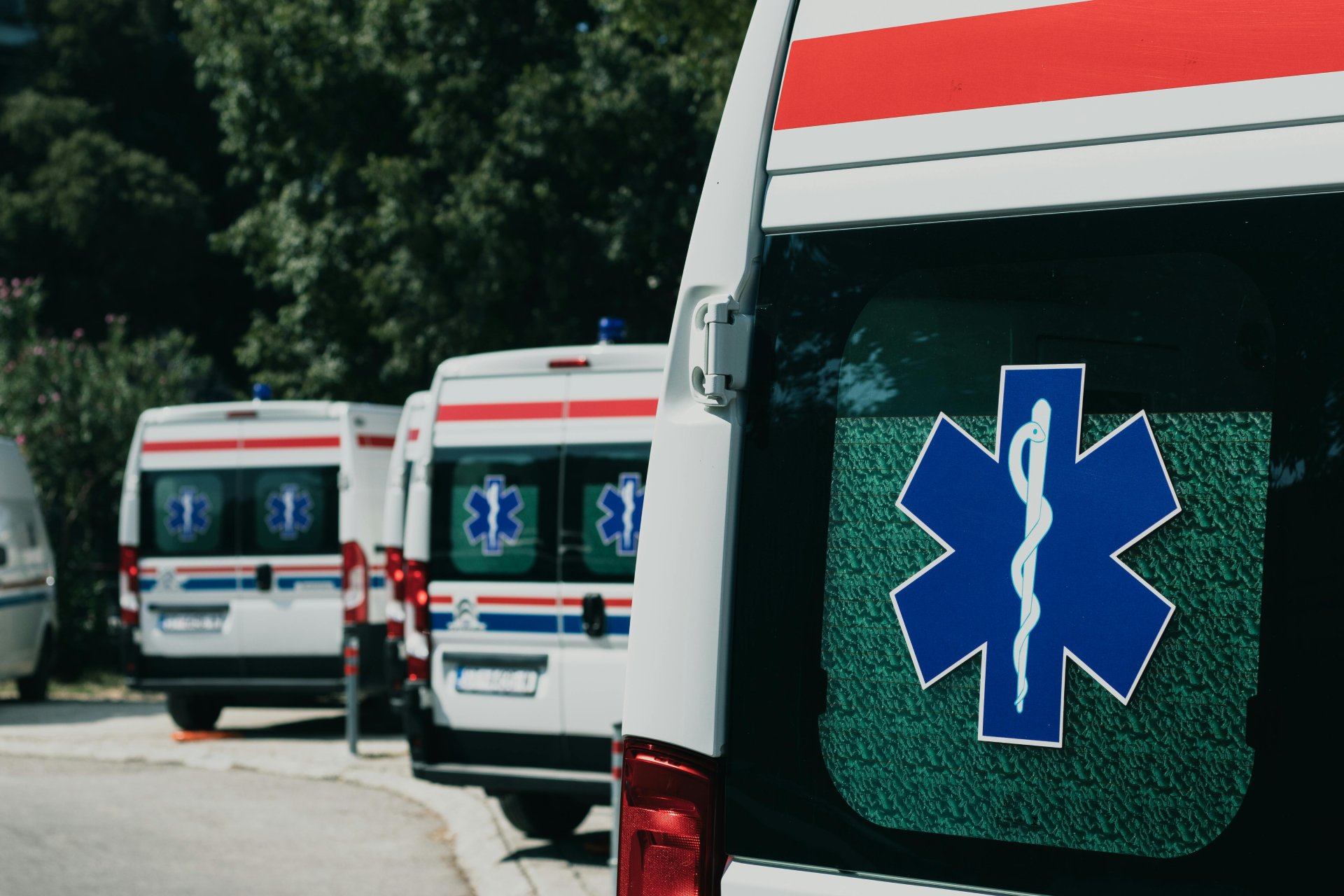
Across Europe, many organizations recognize the Star of Life symbol engraved on these bracelets as a universal call to action, prompting immediate attention to critical medical needs. In the UK, responders look for bracelets and necklaces during their assessments. Germany’s paramedic training includes thorough instruction on checking for medical alerts during patient evaluations.

According to the National Highway Traffic Safety Administration’s National Standard Curriculum for EMS training, US first responders are taught to search for medical identification on the wrist, neck and even shoes. MedicAlert, one of the world’s leading providers of custom medical ID bracelets and necklaces, offers free training to EMTs to help them spot these identifiers quickly.


A runner wearing a Medic Alert ID on his wrist ties his running shoes before a run.
Medic Alert IDs can be subtle, discreet accessories that integrate into watchbands or other jewelry.

Custom Medical ID Bracelet

Survey data from the Spring 2025 Global Rescue Traveler Sentiment and Safety Survey confirms that more than half of travelers (56%) already know that international paramedics and first responders are trained to look for medical alert bracelets and necklaces. More importantly, a substantial majority, 86%, say they would wear a medical alert bracelet or necklace while traveling, knowing this. The data also shows that 91% of respondents want the ID to include Global Rescue as the emergency contact and critical medical details like allergies or chronic conditions. These numbers reflect overwhelming support for medical alert jewelry as a vital tool for travel safety.

The value of wearing a medical alert bracelet or necklace becomes even more critical when traveling. International travel can expose individuals to unfamiliar environments, different medical systems and language barriers. A medical alert bracelet for seniors traveling alone or a medical ID necklace for people with life-threatening allergies can distinguish between swift, effective care and dangerous delays.


Generational Divide

Age plays a role in the awareness and adoption of medical alert jewelry. According to the survey, 64% of respondents under age 45 knew that first responders are trained to check for medical alert IDs, compared to just 55% of those aged 45 and older. Conversely, younger travelers are less likely to wear a medical ID while traveling, with 77% under 45 saying they would, compared to 86% of travelers 45 and older. While awareness may be higher among younger adults, older travelers appear more committed to wearing these life-saving accessories.

Both age groups support including Global Rescue as an emergency contact, with 89% of those under 45 and 90% of those 45 and older in favor. These findings suggest that younger travelers may be slightly more informed, but older travelers are more likely to act on that knowledge by incorporating medical alert jewelry into their routine.

A custom medical ID bracelet can prevent drug interactions, misdiagnoses or treatments that could be life-threatening for conditions like diabetes, epilepsy or heart conditions. A medical ID bracelet or necklace may hold essential information like blood type, allergies, diabetes, epilepsy, heart conditions, medications or emergency contact.


The Global Rescue Connection

For members of Global Rescue, medical IDs offer an additional layer of support. If you experience an emergency, contact Global Rescue promptly. A team of doctors, paramedics and nurses will be on standby to guide you in your care. Medical alert jewelry can expedite this process, especially if local responders speak a different language or operate under unfamiliar procedures. It might take just one glance at your wrist for a first responder to know they should call Global Rescue on your behalf.

The CDC recommends that travelers wear medical alert bracelets or necklaces, especially if they have chronic conditions or take critical medications. The Cleveland Clinic echoes this advice, noting that a well-marked medical ID can help bystanders and professionals offer appropriate help fast.

It’s important to remember that a medical ID can get Global Rescue on the line faster, ensuring you receive appropriate care, oversight and transportation without delay.

Wearing a medical alert bracelet or necklace is a simple step that can prevent serious complications and even save your life. Whether it’s a custom medical ID bracelet for daily use or a more formal medical alert bracelet for seniors with multiple health concerns, this accessory is a proactive way to take control of your safety. For international travelers and Global Rescue members, it’s a passport to faster help, accurate care and greater peace of mind.

Share This:

Global Rescue Conducting Security Extractions Amid Escalating Israel-Iran Conflict 

(Lebanon, NH — June 15, 2025) — Global Rescue, the world's leading provider of medical, security, evacuation, and travel risk management services, is actively conducting security extractions and providing real-time advisory for international travelers trapped…

(Lebanon, NH — June 15, 2025) — Global Rescue, the world’s leading provider of medical, security, evacuation, and travel risk management services, is actively conducting security extractions and providing real-time advisory for international travelers trapped in Israel due to the rapidly escalating conflict between Israel and Iran.

Despite airspace closures over Israel, Iran, and Iraq—and temporary restrictions over Jordan—Global Rescue is using multiple means of secure transport to evacuate travelers and support those sheltering in place. The company is currently assisting dozens of international travelers, including students, tourists, and business professionals.

“We are executing extractions in a highly dynamic and dangerous environment, using every available option to reach and protect those affected by the conflict,” said Harding Bush, associate director of Security Operations at Global Rescue. “Our teams are providing both remote guidance and on-the-ground support as we navigate rapidly shifting security conditions and regional restrictions.”

The conflict escalated dramatically on Friday following the exchange of drone, missile, and bombing attacks between Israel and Iran. The scale of the strikes marks one of the most intense periods of direct confrontation between the two nations in years and raises the threat level for travelers across the Middle East. Israel has long targeted Iranian proxies, while Iran supports militant groups such as Hamas.

“Our mission is to get people out of harm’s way—safely and quickly,” said Dan Richards, CEO of The Global Rescue Companies. “The airspace closures and targeting threats complicate movement, but our security operations teams are adapting in real-time to protect individuals.”

Global Rescue activated emergency protocols as the conflict intensified, deploying personnel and resources to support members in and around the conflict zone. Services include intelligence alerts, emergency action planning, and, when conditions permit, secure extraction from high-risk areas.

NOTE: Due to the sensitive nature of these operations and the risks of targeting by hostile actors, Global Rescue cannot disclose the specific details of its extractions or the identities of those receiving assistance.

###

Media Advisory:

To schedule an interview with Global Rescue CEO Dan Richards, contact Bill McIntyre at bmcintyre@globalrescue.com or +1 (202) 560-1195.

About Global Rescue

Global Rescue is the world’s leading provider of medical, security, evacuation, and travel risk management services to enterprises, governments, and individuals. Founded in 2004, Global Rescue has exclusive relationships with the Johns Hopkins Emergency Medicine Division of Special Operations and Elite Medical Group. Global Rescue has supported clients through every major global crisis in the past two decades. For more information, visit www.globalrescue.com.

Categories:

Health & SafetyTravel
Share This:

Natural Disasters, Hurricane Warnings, and the New Rules of Risk-Aware Travel

Navigate a shifting travel landscape shaped by natural disasters, civil unrest, and growing demand for safety.

Article Highlights:

  • Half of travelers remain unconcerned about natural disasters despite extreme weather forecasts.
  • 88% of travelers research political or social stability before booking a trip.
  • Over 30% of travelers have changed or canceled travel due to civil unrest or geopolitical risk.
  • 2025 Atlantic hurricane season expected to bring up to five major storms.
  • Security memberships have risen 17% as travelers seek smarter, safer solutions.


The idea of a vacation or international trip used to conjure thoughts of culture, cuisine and carefree adventure. Today, for many travelers, those plans come with caveats. The travel mindset has shifted with global threats ranging from wildfires to war zones. More than ever, comfort levels hinge on risk awareness and response capabilities.

According to the Spring 2025 Global Rescue Traveler Sentiment and Safety Survey, more than half of travelers say they are not significantly concerned about natural disasters disrupting their travel plans. This is despite official forecasts predicting up to five major hurricanes in the 2025 Atlantic hurricane season and a growing number of travelers reporting weather-related travel interruptions.


Natural Disasters

“Travelers are proceeding with their plans despite the risks of natural disasters. This is a testament to the resilience of the travel industry,” said Dan Richards, CEO of The Global Rescue Companies. He noted that even among travelers who express little concern, many have experienced the real-world effects of wildfires, floods or hurricanes rerouting or delaying their itineraries.

Nearly 40% of travelers surveyed said they had already experienced a travel disruption due to extreme weather. Still, 52% reported being only “a little” or “not at all” concerned about future disruptions. This attitude may reflect growing confidence in backup plans and emergency services or the belief that these threats remain unlikely to affect them directly. Yet, Richards sees an opportunity for stronger traveler education and more thoughtful planning.


Hurricane Season and Civil Unrest

“Risk is now a permanent part of the travel landscape,” he said. “The solution is not to stop traveling, it’s to travel smarter. That means understanding local environmental conditions, monitoring government advisories and having emergency support systems in place.”

While hurricane seasons and natural disasters have become more frequent and destructive, geopolitical instability and civil unrest are commanding even greater attention among travelers. According to the same Global Rescue survey, more than 85% of travelers expressed at least some concern that political turmoil or social unrest could affect their travel plans. These concerns are not abstract: over 30% of respondents admitted they had previously canceled or altered a trip due to instability.


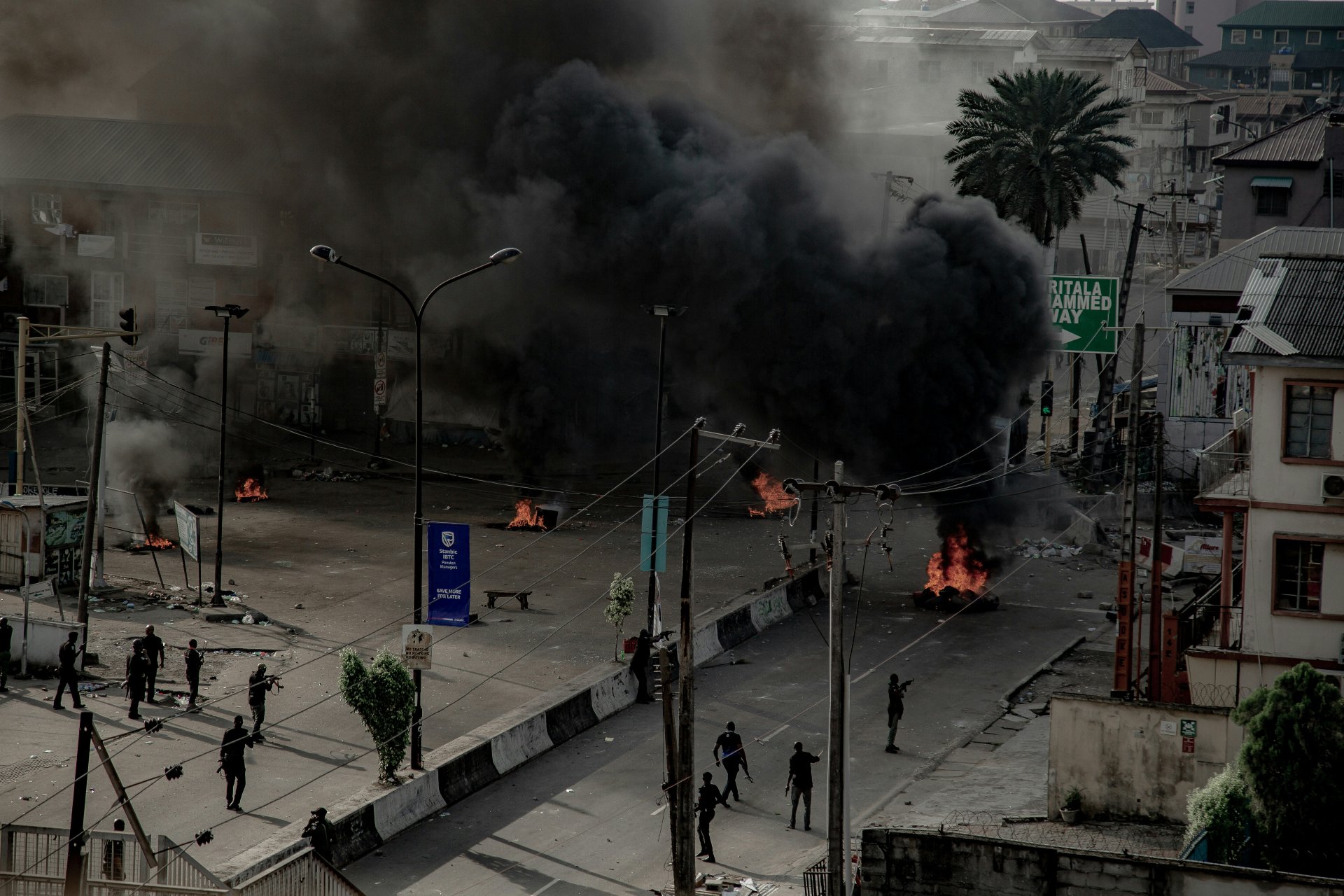
A large unit of law enforcement personnel shoot tear gas into a protesting crowd in an Asian city.

Travel Advisories and International Travel

A striking 88% of travelers say they now actively research a destination’s political or social environment before booking, a significant cultural shift from when weather and cost were the dominant planning factors. Government travel advisories play an influential role in shaping these choices. Two-thirds of respondents said such advisories affect their travel decisions at least moderately, while only 5% said they ignore them entirely.

This caution is mirrored in actual travel behavior. Roughly three-quarters of respondents said they would avoid destinations experiencing ongoing protests or civil unrest. Even countries rated safe by the US State Department may experience slumping interest if they are geographically close to conflict zones. When asked if a ceasefire in the Russia-Ukraine war would make them more likely to visit nearby countries such as Poland, Latvia or the Czech Republic, only 20% said yes. Forty-five percent said they had no plans to visit those countries in 2025, regardless of safety upgrades.

“Even in regions classified as safe, perception matters,” Richards explained. “A conflict next door can be enough to alter travel demand across an entire region. It’s why clarity, transparency and timely advisory updates are essential, not just for traveler safety but for the stability of global tourism economies.”

As risk becomes an unavoidable part of travel, the market responds. Security-related travel services are on the rise. According to Global Rescue, security program enrollments rose 17% in the last quarter alone, driven partly by increasing demand from leisure and business travelers who want access to emergency response in uncertain situations.


The Global Rescue Connection

Travel risk management has never been more critical. Whether it’s a hurricane, wildfire or street protest, modern travelers need the tools to plan, respond and recover. Global Rescue supports members in high-stakes situations, offering medical and security advisory, evacuation assistance and 24/7 crisis support.

Natural disasters like hurricanes, typhoons and floods are often predictable, offering time to prepare and respond. Earthquakes and flash events are not. The key is to plan. Travelers should monitor local conditions, pack emergency supplies and have an evacuation plan. When geopolitical instability is a factor, knowledge is power. Understanding local tensions, avoiding high-risk areas and having real-time support can be the difference between inconvenience and danger.

Global Rescue offers that support through expert advisory teams, veteran military specialists and an unwavering commitment to member safety. Preparation isn’t paranoia; it’s protection. With Global Rescue, travelers never have to face uncertainty alone.

Share This:

Global Rescue Supporting Travelers as Israel-Iran Conflict Intensifies; Tracking Evolving Threats Across the Region

(Lebanon, NH - June 13, 2025) — Global Rescue, the world's leading provider of medical, security, evacuation, and travel risk management services, is actively monitoring the escalating conflict between Israel and Iran and is providing…

(Lebanon, NH – June 13, 2025) — Global Rescue, the world’s leading provider of medical, security, evacuation, and travel risk management services, is actively monitoring the escalating conflict between Israel and Iran and is providing direct support to travelers in the region.

“We are actively tracking the safety and security of member students, multinational tourists and business travelers in Israel and the region,” said Harding Bush, a former Navy SEAL and associate director of Security Operations at Global Rescue. “Our security and intelligence operations teams are working to ensure the safety of our members as needed, but the situation is deteriorating rapidly and may escalate before stabilizing.”

The conflict intensified as Israel launched large-scale airstrikes on Iranian military and nuclear sites. In response, Iran launched more than 100 drones toward Israeli territory. The exchange marks one of the most severe escalations in Middle East hostilities in years, amid a long-running shadow war in which Israel has targeted Iranian proxies and Iran has backed groups like Hamas.

The violence has placed residents, religious pilgrims, tourists, students, and business travelers at growing risk across the region. Global Rescue has activated emergency protocols and coordinates real-time support for members in and around affected areas. Services include intelligence alerts, emergency response planning, and, where needed, secure movement or evacuation assistance.

“We’re doing everything we can in a tough and evolving situation,” said Dan Richards, CEO of The Global Rescue Companies. “Our security operations teams are working to secure the safety of our members, but the situation remains fluid.” Global Rescue will continue to monitor developments and stands ready to provide medical and security evacuations and crisis response for members impacted by the conflict.

Members in the region who require assistance should contact Global Rescue Operations immediately: operations@globalrescue.com or +1 (617) 459-4200

###

For more information, contact:

Bill McIntyre – bmcintyre@globalrescue.com | +1 202.560.1195

About Global Rescue

Global Rescue is the world’s leading provider of medical, security, evacuation, and travel risk management services to enterprises, governments, and individuals. Founded in 2004, Global Rescue has exclusive relationships with the Johns Hopkins Emergency Medicine Division of Special Operations and Elite Medical Group. Global Rescue has supported clients through every major global crisis in the past two decades. For more information, visit www.globalrescue.com.

Share This:

Know This Before Dialing Emergency Numbers in African Countries

Anticipate delays and challenges when seeking emergency assistance.

Article Highlights:

  • Emergency numbers differ by country and are not always reliable or universally accessible.
  • Satellite phones are restricted or require permits in Egypt, Morocco, Rwanda and Tanzania.
  • South Africa and Kenya have the strongest cellular networks among the destinations listed.
  • Police and ambulance response in rural areas is often delayed or nonexistent.
  • Travelers should carry backup communication options and research local laws before arrival.


In the iconic 1990 track “9-1-1 Is a Joke,” Public Enemy’s Flavor Flav calls out the systemic failures of emergency response in underserved US neighborhoods. For travelers heading to Africa’s most visited destinations, that message still resonates, though in a very different context.

From the bustling streets of Cairo to the beaches of Zanzibar, dialing an emergency number doesn’t always mean help is on the way, at least not quickly. In many parts of Africa, the infrastructure behind police, ambulance and fire services can be unreliable or entirely unavailable, especially outside urban centers. Some emergency numbers work only on mobile phones; others route to disconnected lines. Even in major cities, travelers may face long wait times, under-resourced responders or language barriers that delay urgent assistance.

Adding to the challenge, satellite communication devices — a lifeline in remote or unstable regions — are tightly regulated or outright banned in several countries, including Egypt, Rwanda and Morocco. And while cellular coverage in urban areas is often solid, remote locations may have little to no signal, rendering common safety apps or digital SOS systems useless.

Being informed about local emergency services and communication infrastructure is crucial when traveling in Africa. The Global Rescue intelligence team examined the leading African destinations for Westerners to determine the reliability of those essential emergency contact numbers, the legality of satellite communication devices and the reliability of cellular networks.


A South Africa ambulance driving in a city street.
Dial “10177” for a medical emergency in South Africa and Morocco.

South Africa and Morocco

South Africa uses 10111 for police, 10177 for ambulance and 112 for mobile emergencies. Cellular coverage is excellent in urban centers with robust 4G and growing 5G networks. Satellite phones are allowed but must be registered through ICASA; unlicensed use can lead to legal issues.

Law enforcement offices are understaffed, poorly trained and poorly equipped. Response times vary widely by province and the type of incident but are improving nationally. In affluent neighborhoods, using private security companies is normal as a first response to crime. South African police have a reputation for using excessive force and carrying out arbitrary arrests. Response times are particularly slow in Northern Cape province.

In Morocco, police can be reached at 190 (mobile) or 91 (landline), while ambulance and fire services use 150. Cell service is strong in most regions thanks to providers like Maroc Telecom. Satellite phones require prior authorization, and unregistered devices may be confiscated. In a medical emergency or serious traffic accident, immediate ambulance services are usually unavailable. Ambulances in Morocco often will not have a paramedic or Emergency Medical Technician (EMT) assigned to them.

Police generally respond effectively to a report of a foreign victim of crime. There have been limited instances where interactions with the police, particularly in smaller cities and rural areas, have not been positive for foreigners.


Egypt and Kenya

Egypt uses 112 for all emergency services; travelers can also call 126 for Tourist Police. Mobile coverage is reliable in major cities but weaker in remote areas. Satellite phones are heavily restricted and require government approval to import or use. Foreigners may experience varying levels of professionalism when dealing with the police. Police are generally responsive to visitors needing assistance and initiate investigations based on reports of criminal activity.

Emergency response times and the ability to conduct in-depth criminal investigations on petty crimes generally fall short of Western standards. While misdemeanor crimes may not receive the attention a visitor would expect, police tend to pursue felonies more assertively. Egyptian authorities take crime seriously and are proactive in helping where needed, but language barriers can sometimes hinder progress with reporting crimes promptly.

Emergency services in Kenya use 999, 112 or 911. Safaricom offers strong 4G and emerging 5G coverage even in rural regions. Satellite phones are not prohibited but require regulatory coordination for legal use. Ambulance services are nonexistent throughout the country or unreliable in most areas except Nairobi, Mombasa, Nakuru and Eldoret. They are also not equipped with state-of-the-art medical equipment. Those needing an ambulance may prefer to take a taxi or private vehicle to the nearest major hospital.


Tanzania, Ghana and Rwanda

Police can be reached at 111 or 112, ambulances at 114 and fire departments at 999 or 112. Mobile service is good in cities but patchy elsewhere. Satellite phone use is regulated and requires a permit from the Tanzania Communications Regulatory Authority. The police suffer from limited resources, low wages, an inadequate number of officers, limited vehicles, insufficient gasoline, few radios and many training needs.

Some officers may not be responsive to citizen complaints; others may take a report but fail to initiate an investigation. Resource limitations constrain the ability of authorities to investigate crimes and adjust expectations accordingly. Emergency service response times can be slow, and service may be unreliable. Ambulance services are unreliable and/or not easily accessible throughout the country. Travelers may prefer to take a taxi or private vehicle to the nearest major hospital. They are also not equipped with state-of-the-art medical equipment.

Ghana uses 191 for police, 112 for ambulance and 192 for fire. Mobile service is excellent in most regions, including rural areas, thanks to MTN. Satellite communication devices must be licensed through the National Communications Authority. Law enforcement has limited response capability, which diminishes with distance from Accra. Response times for medical and security emergencies may exceed two hours if police do respond.

Rwandan emergency numbers include 112 for police and fire and 912 for ambulance. Cellular networks are reliable in urban areas but can drop off in remote zones. Satellite phones are tightly restricted and require authorization from RURA. The Rwandan National Police (RNP) material resources are extremely limited; police cannot promptly respond to an emergency call. Adequate health facilities are available in Kigali and other major cities, but health care may be below US standards, especially in rural areas. Some public medical clinics lack basic resources and supplies.


The Global Rescue Connection

Travelers should always pre-program local emergency numbers, verify satellite phone regulations in advance and consider local SIM cards or eSIMs for better connectivity. In high-risk or remote travel scenarios, knowledge and preparation can differentiate between a successful rescue and being left on hold while chaos unfolds.

If you are ill or injured while traveling, a Global Rescue travel protection membership evacuates members from the point of illness or injury to the nearest appropriate hospital, clinic or medical provider. Perhaps the hospital doesn’t provide the care you need. Global Rescue will transport members to a vetted medical center or their home hospital of choice.

“Our team of medical professionals includes paramedics, nurses and doctors. We handle calls for cuts and stomach upsets to more severe illnesses and injuries, like chest pains and serious trauma,” said Michael Lovely, operations supervisor at Global Rescue.

Standard travel insurance often falls short during emergencies. Membership services like Global Rescue bridge the gap by offering comprehensive medical evacuation and field rescue options. Unlike traditional insurance, there are no claim forms, deductibles, or delays — just immediate, effective assistance when you need it most.

Share This:

A Guide to the 2025 Copa América Femenina in Quito

Navigate the tournament safely with tips for travelers and fans.

Article Highlights:

  • Quito, a UNESCO World Heritage Site, offers rich culture, historic sites and vibrant cuisine.
  • The 2025 Copa América Femenina features 10 CONMEBOL teams competing in three Quito stadiums.
  • The top teams will qualify for the 2028 Olympics and the 2027 Pan American Games.
  • Visitors should know about safety measures, local customs and travel requirements.
  • Global Rescue provides expert advice for staying safe during large events like Copa America.


The 2025 Copa América Femenina marks the 10th edition of South America’s premier women’s football (soccer) tournament. All 10 CONMEBOL member nations, including Brazil, Argentina, Colombia and host nation Ecuador, will participate. Matches will be held in three Quito stadiums: Estadio Banco Guayaquil, Estadio Gonzalo Pozo Ripalda and Estadio Rodrigo Paz Delgado.

The tournament format includes a group stage followed by knockout rounds. The top teams will secure qualification for the 2028 Summer Olympics in Los Angeles and the 2027 Pan American Games in Lima.


Copa America Safety Guide

Attending large-scale events like the Copa América Femenina can be exhilarating, but it’s essential to prioritize safety.

  • Familiarize yourself with stadium layouts, exits and meeting points.
  • Wear comfortable footwear and carry essentials like a fully charged phone and portable charger.
  • Stay with your group and establish check-in times and locations.
  • In case of emergencies, follow instructions from authorities and avoid panicking.
  • Maintain situational awareness and report any suspicious activity.

By taking these precautions, visitors can enjoy the excitement of the tournament while ensuring their well-being.


Quito: A Cultural and Historical Gem

As fans flock to Ecuador for the 2025 Copa América Femenina, many will find that Quito offers far more than world-class football. The city’s role as a host is more than logistical – it’s cultural.

Between matches, travelers can immerse themselves in the heart of the northern Andes, wandering through colonial streets lined with cathedrals, sampling highland cuisine or relaxing in thermal spas just outside the city. The passion on the pitch mirrors the vibrancy of Quito itself, where history, music, art and tradition come alive at every corner. For visitors, the tournament becomes a gateway not just to elite sport but to the soul of Ecuador.

Nestled in the Andean foothills at an elevation of 2,850 meters, Quito is renowned for its well-preserved colonial architecture and rich cultural heritage. The city’s historic center, a UNESCO World Heritage Site, boasts landmarks like the Basilica del Voto Nacional and the Church of San Francisco. Visitors can explore museums, art galleries and vibrant markets that showcase Ecuador’s diverse traditions.

Ecuadorian cuisine offers a variety of flavors, with dishes like ceviche, empanadas and locro de papa (potato soup) being local favorites. For relaxation, numerous spas provide traditional treatments and massages. Tap water is not recommended for drinking; bottled water is widely available.

Spanish is the official language and while English is spoken in tourist areas, learning basic Spanish phrases can enhance the travel experience. The local currency is the U.S. dollar, simplifying transactions for many visitors. Public transportation includes buses and taxis, but travelers should exercise caution and use reputable services.


A mask hangs outside a door in a narrow street in Quito, Ecuador.
Masks required (?) in Quito.


While Quito is generally safe for tourists, it’s important to stay vigilant, especially in crowded areas. Petty crimes, such as pickpocketing, can occur. Travelers should know local laws and customs, including restrictions on photographing certain government buildings. U.S. citizens do not require a visa for stays up to 90 days, but a valid passport is necessary.

Healthcare facilities in Quito are adequate, with several private hospitals offering quality care. Emergency services are available, but response times can vary. Travelers are advised to have comprehensive travel insurance.

The best time to visit Quito is during the dry season, from June to September, when the weather is mild and sunny. Due to its altitude, however, temperatures can fluctuate, so layered clothing is recommended. Natural disasters like earthquakes and volcanic eruptions are rare but possible; staying informed about local conditions is prudent.


The Global Rescue Connection

Quito’s historic charm and modern vibrancy make it an ideal 2025 Copa América Femenina host. As the city welcomes teams and fans from across the continent, it offers an opportunity to experience the passion of South American football and the rich tapestry of Ecuadorian culture.

If you are ill or injured while traveling, a Global Rescue travel protection membership evacuates members from the point of illness or injury to the nearest appropriate hospital, clinic or medical provider. Perhaps the hospital doesn’t provide the care you need. Global Rescue will transport members to a vetted medical center or their home hospital of choice.

“The closest medical facility isn’t always the right one. Global Rescue gets you to the most appropriate hospital for your illness or injury,” said Dan Stretch, operations manager at Global Rescue.

Sometimes, you have a question about a symptom. Available 24/7/365, a travel protection membership team can direct you to the best local medical resources worldwide, so you are not left guessing how to address your health concerns best.

“Our team of medical professionals includes paramedics, nurses and doctors. We handle calls for cuts and stomach upsets to more severe illnesses and injuries, like chest pains and serious trauma,” said Michael Lovely, operations supervisor at Global Rescue.

Standard travel insurance often falls short during emergencies. Membership services like Global Rescue bridge the gap by offering comprehensive medical evacuation and field rescue options. Unlike traditional insurance, there are no claim forms, deductibles, or delays — just immediate, effective assistance when needed most.

Categories:

Travel
Share This:

Travel Trends Reveal Key Gender Differences in Travel Plans and Behavior

Women are more likely to postpone, whereas men are more likely to spend and explore new destinations.

Article Highlights:

  • Men are leading the travel rebound in 2025, with more trips, more spending and greater destination flexibility than women.
  • Women are more cautious, with higher rates of postponed trips, increased concern over travel costs and avoidance of perceived unsafe destinations.
  • Safety drives female travel behavior, with 79% using security gear and nearly half avoiding certain countries when traveling solo.
  • Men report significantly higher confidence when traveling alone, with 74% saying they usually feel safe, compared to 51% of women.
  • Global perception matters, with over 70% of all travelers expecting Americans to be viewed more negatively abroad in 2025.


Global Rescue Traveler Sentiment and Safety Survey findings reveal significant gender-based differences in how Americans plan to travel in the year ahead. While overall travel enthusiasm is high, men and women are approaching their journeys with distinctly different priorities and comfort levels. From destination selection and spending to solo travel safety and geopolitical sensitivity, gender plays a defining role in 2025 travel behavior.

According to the survey of more than 1,100 current and former Global Rescue members conducted April 8–12, men are leading the rebound in active travel. 54% of male respondents reported they plan to take more trips in 2025 than in 2024, compared to 43% of women. The gap suggests that men are more eager to return to regular or increased travel routines.


Travel Trends

Spending patterns reinforce this trend: 31% of men said they plan to increase their travel budgets this year, compared to 21% of women. Whether for business, leisure or both, men are more willing to invest financially in travel, pointing to higher confidence levels or differing lifestyle goals.

Yet, while men may accelerate their travel, women are more cautious. Forty-four percent of women are postponing international trips this year, versus 32% of men. The data points to a stronger hesitation among female travelers, likely influenced by safety concerns, evolving geopolitical risks or travel infrastructure challenges.


Travel in Canada and the Welcome Wagon

One of the clearest gender divides emerged around the perception of being welcome abroad. When asked which countries they were avoiding due to being unwelcome as Americans, 25% of women listed Canada — more than eight times the number of men who said the same (3%). In contrast, 35% of men said they were avoiding Taiwan, compared to 19% of women.

The reasons behind these divergences are complex. While Canada has traditionally been seen as a friendly and accessible destination, women may perceive recent cross-border political tensions, healthcare limitations or social friction as reasons to reconsider travel. Men’s avoidance of Taiwan may reflect concerns about ongoing regional tensions and related media narratives.

Men also appear more fluid in their destination choices overall. Fifty-nine percent said they are changing the countries they plan to visit this year, compared to 42% of women. This suggests that men are more flexible in response to world events or more inclined to pursue new or less traditional destinations.


Travel Costs

Another point of division concerns travel cost expectations. Women are significantly more likely to believe that travel prices will rise dramatically in 2025: 56% say they “definitely” expect increases, compared to 42% of men. Conversely, men are more likely to express skepticism; 17% of men said they don’t really expect costs to rise, compared to only 5% of women.

Overall, both genders agree that travel prices are increasing, but women appear more resigned to, or aware of, those increases, perhaps reflecting more active budgeting or trip-planning habits.


A man walks outside of a train, pulling his suitcase. The sun is low and casts long shadows on the walkway.
Embarking on a solo adventure.

Solo Travel and Personal Safety

While spending and destination trends show sharp divides, none are as pronounced as the differences in solo travel confidence and safety practices. The survey highlights a gender gap not only in perception but also in preparation.

Seventy-nine percent of women use cross-body bags or fanny packs while traveling, compared to just 31% of men. This indicates a nearly 50-point gap in personal security habits, with women being far more proactive about preventing theft and safeguarding belongings.

When asked whether they feel safe traveling alone, 74% of men responded positively. Among women, only 51% said the same. Despite rising interest and participation in solo adventures, the 23-point gap underscores that solo travel still feels riskier for women.

Nearly half of women (49%) said they have avoided certain countries due to safety concerns while traveling alone, compared to 39% of men. In contrast, 57% of men said they have not avoided any destinations, versus just 39% of women. The difference reflects not just travel interest but real or perceived vulnerability.

“Solo travel is on the rise, but the experience is not equal for everyone,” said Dan Richards, CEO of The Global Rescue Companies and a US Travel and Tourism Advisory Board member at the US Department of Commerce. “Our findings highlight that while women are committed to exploring the world, they are far more likely to make deliberate safety decisions and avoid destinations they perceive as risky.”


Travel Trends Beyond Gender Preferences

The gender distinctions revealed by the survey occur against the backdrop of a global travel environment shaped by political shifts, economic uncertainty and surging wanderlust. More than 70% of survey respondents across all genders said they expect Americans to be perceived more negatively abroad in 2025 due to US international policy decisions.

As travel demand continues to rebound, perceptions of safety, welcome and political neutrality will play an even greater role in shaping where people go. The survey unveils a unique view of how those concerns play out differently between men and women.

The Spring 2025 Global Rescue Traveler Sentiment and Safety Survey paints a picture of a traveler population eager to continue world travel but on different terms, depending on gender. Whether through financial planning, destination flexibility or enhanced personal safety, travelers make intentional choices that reflect optimism and caution.

And as the year unfolds, those choices will shape not only travel trends but the very fabric of global tourism.


The Global Rescue Connection

The Spring 2025 Global Rescue Traveler Sentiment and Safety Survey findings confirm that while wanderlust remains strong, concerns about rising costs, regional tensions and personal safety are reshaping how and where people choose to travel.

With 56% of women and 42% of men expecting significant price increases, and nearly half of women actively avoiding destinations they consider unsafe, there is a renewed emphasis on preparation. Securing travel protection that includes medical and security evacuation services, monitoring destination-specific risk alerts and selecting reputable accommodations are becoming standard parts of the travel planning process.

“In today’s unpredictable environment, having access to safety advisory, security extraction and medical evacuation services is more than a precaution, it’s essential,” said Dan Richards, CEO of The Global Rescue Companies. “Travelers should expect the unexpected and make risk awareness a core element of their journey.”

Whether driven by gender-specific concerns or broader global events, the message is clear: informed, protected and prepared travel is the new normal.

Share This:

Survey Reveals Women Are More Cautious, Men Feel Safer When Traveling Alone

(Lebanon, NH – June 9, 2025) — Men and women approach solo travel with markedly different mindsets, according to the Spring 2025 Global Rescue Traveler Sentiment and Safety Survey. Women report taking significantly more safety…

(Lebanon, NH – June 9, 2025) — Men and women approach solo travel with markedly different mindsets, according to the Spring 2025 Global Rescue Traveler Sentiment and Safety Survey. Women report taking significantly more safety precautions, reflecting heightened concern and vigilance when traveling alone. In contrast, men express greater comfort and confidence navigating solo journeys, often with fewer safeguards in place.

Key Gender Differences:

  • Women Are More Likely to Avoid Destinations Alone: 49% of women said they have intentionally avoided certain countries due to safety concerns while traveling solo, compared to 39% of men. On the flip side, 57% of men said they have not avoided any destinations—versus just 39% of women—revealing a stronger tendency among men to travel solo without changing plans due to safety fears.
  • Men Feel Safer Traveling Alone: When it comes to solo travel, 74% of men said they usually feel safe on their own, while only 51% of women expressed the same level of confidence. This wide gap indicates that men are significantly more comfortable with independent travel.
  • Women Prioritize Personal Security: An overwhelming 79% of women reported using cross-body bags or fanny packs to safeguard their belongings while traveling—compared to just 31% of men. The nearly 50-point difference highlights that women are far more likely to take deliberate steps to prevent theft and enhance personal safety.

“Solo travel is on the rise, but the experience is not equal for everyone,” said Dan Richards, CEO of The Global Rescue Companies and a US Travel and Tourism Advisory Board member at the US Department of Commerce. “Our findings highlight that while women are committed to exploring the world, they are far more likely to make deliberate safety decisions and avoid destinations they perceive as risky.”

The 2025 data adds to a growing body of research showing that women are among the fastest-growing segments of global solo travelers, but they are also the most deliberate in how they assess risk, pack and choose destinations.

“These numbers reflect more than just personal preference—they reflect how gender shapes travel experiences,” Richards added. “Organizations, tour operators and even destination marketers need to understand and address the safety expectations of women if they want to earn their trust and their business.”

###

For more information, contact: | Bill McIntyre – bmcintyre@globalrescue.com | +1 202.560.1195

About the Global Rescue Traveler Sentiment and Safety Survey   

Global Rescue, the leading travel risk and crisis response provider, surveyed more than 1,100 current and former members between April 8-12, 2025. The respondents revealed a variety of behaviors, attitudes and preferences regarding current and future travel.  

About Global Rescue   

Global Rescue is the world’s leading provider of medical, security, evacuation and travel risk management services to enterprises, governments and individuals. Founded in 2004, Global Rescue has exclusive relationships with the Johns Hopkins Emergency Medicine Division of Special Operations and Elite Medical Group. Global Rescue provides best-in-class services that identify, monitor and respond to client medical and security crises. Global Rescue has provided medical and security support to its clients, including Fortune 500 companies, governments and academic institutions, during every globally significant crisis of the last two decades. For more information, visit www.globalrescue.com.  

Categories:

News
Share This:

How to Find a Safe Neighborhood for Your Next Vacation Rental

Categories:

News
Share This:

Taking Predictable Vacations Is Bad for Your Brain

Categories:

Places & Partners
Share This:

The Triumphs and Trials of Climbers on Mount Everest in 2025

Record-setting summits, extreme weather and rising helicopter rescues defined this year's climbing season.

Article Highlights:

  • Kami Rita Sherpa completed a record-breaking 31st summit of Mount Everest.
  • Over 100 Global Rescue operations were conducted in May, and more than 130 expected by season-end.
  • Climbers faced dangerous weather patterns, including jet stream winds and cyclone threats.
  • Permit fees and climber traffic hit new highs, sparking commercialization concerns.
  • Controversy grows over climbers faking illness for helicopter rescues.


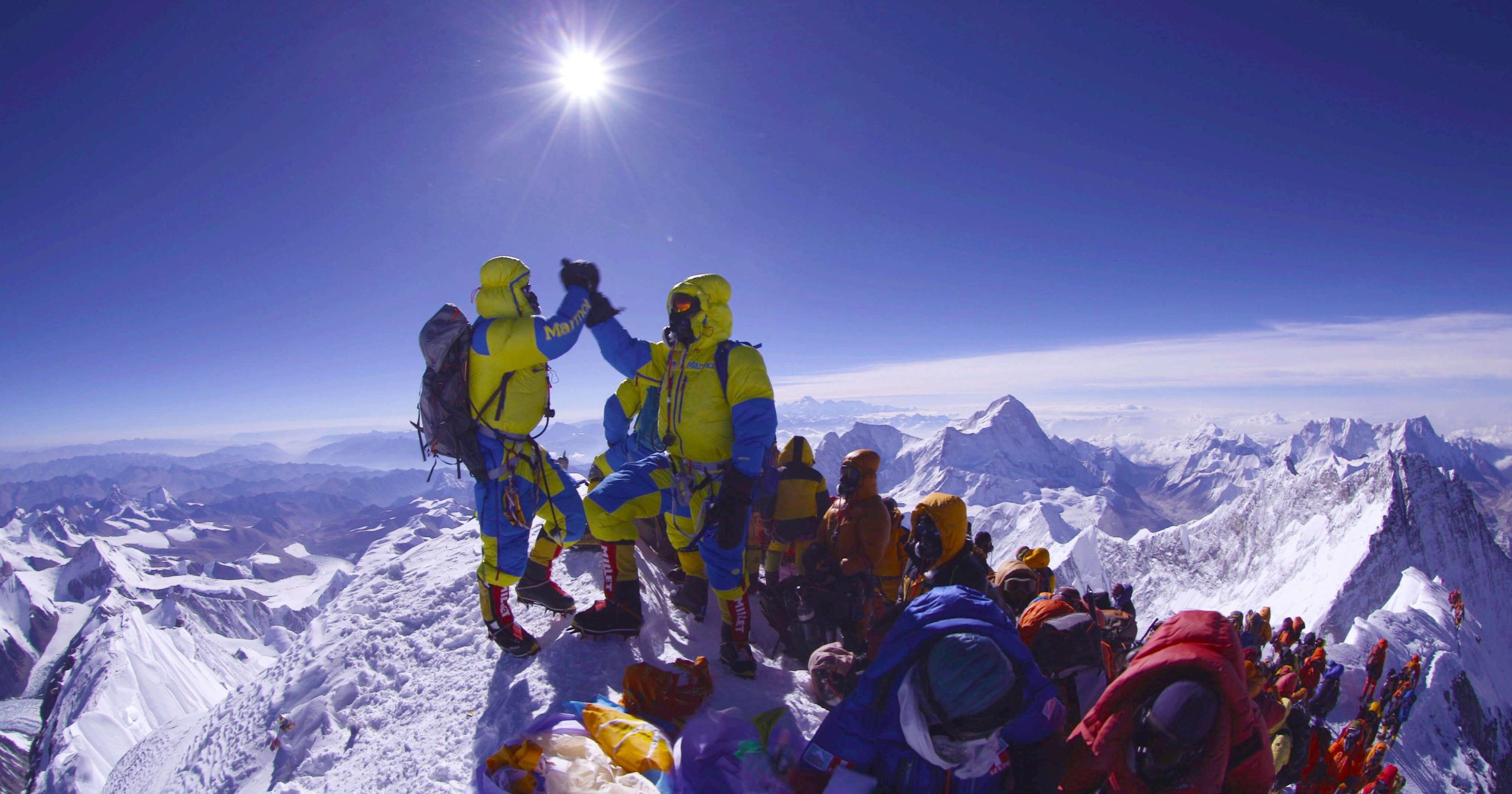
The 2025 Mount Everest climbing season has been one of the most dramatic in recent memory. From record-breaking ascents to complex rescues and shifting ethics, the Himalayas once again drew hundreds of mountaineers seeking glory at the top of the world. Yet, the season has also been marked by increasingly volatile weather, rising permit numbers and an evolving culture of reliance on aerial evacuation.


Himalaya Records

One of the most talked-about achievements came on May 27 when Kami Rita Sherpa summited Mount Everest for the 31st time, extending his own world record and solidifying his legendary status in high-altitude mountaineering. Just days prior, fellow Nepali climber Tashi Gyalzen Sherpa completed four successful Everest ascents in only 15 days, including guided and solo efforts. Sixteen-year-old Padakakanti Vishwanath Karthikey from Hyderabad became the youngest Indian and second youngest globally to complete the Seven Summits challenge, culminating with his ascent of Mount Everest.

Speedy peak-bagging is on the rise, too. A team of British Special Forces veterans summited Everest using advanced pre-acclimatization methods such as hypoxic tents and xenon gas after arriving from London just over four days earlier. Following that feat, a US-Ukrainian climber claimed he had gone from New York to the top of Everest in under four days.

While the triumphs were many, the risks were just as prominent. Unstable weather, including persistent jet stream winds and the looming threat of a tropical cyclone, forced many climbers to adjust plans or abandon summit pushes altogether. These hazards underscored the mountain’s unpredictability, a theme mountaineering expert Alan Arnette echoed. According to Arnette, Everest’s dangers are increasing as seasons shorten and more climbers push toward narrow summit windows.

This year also saw heightened scrutiny over the use of xenon gas in pre-acclimatization regimens. Though some claim it enhances safety and minimizes environmental impact, critics worry it strays too far from traditional mountaineering methods. Meanwhile, accessibility and affordability were again under debate as Nepal issued 517 climbing permits for the season and raised fees to $15,000, a 36% increase. Record traffic on the mountain sparked further concerns about overcrowding and commercialization.


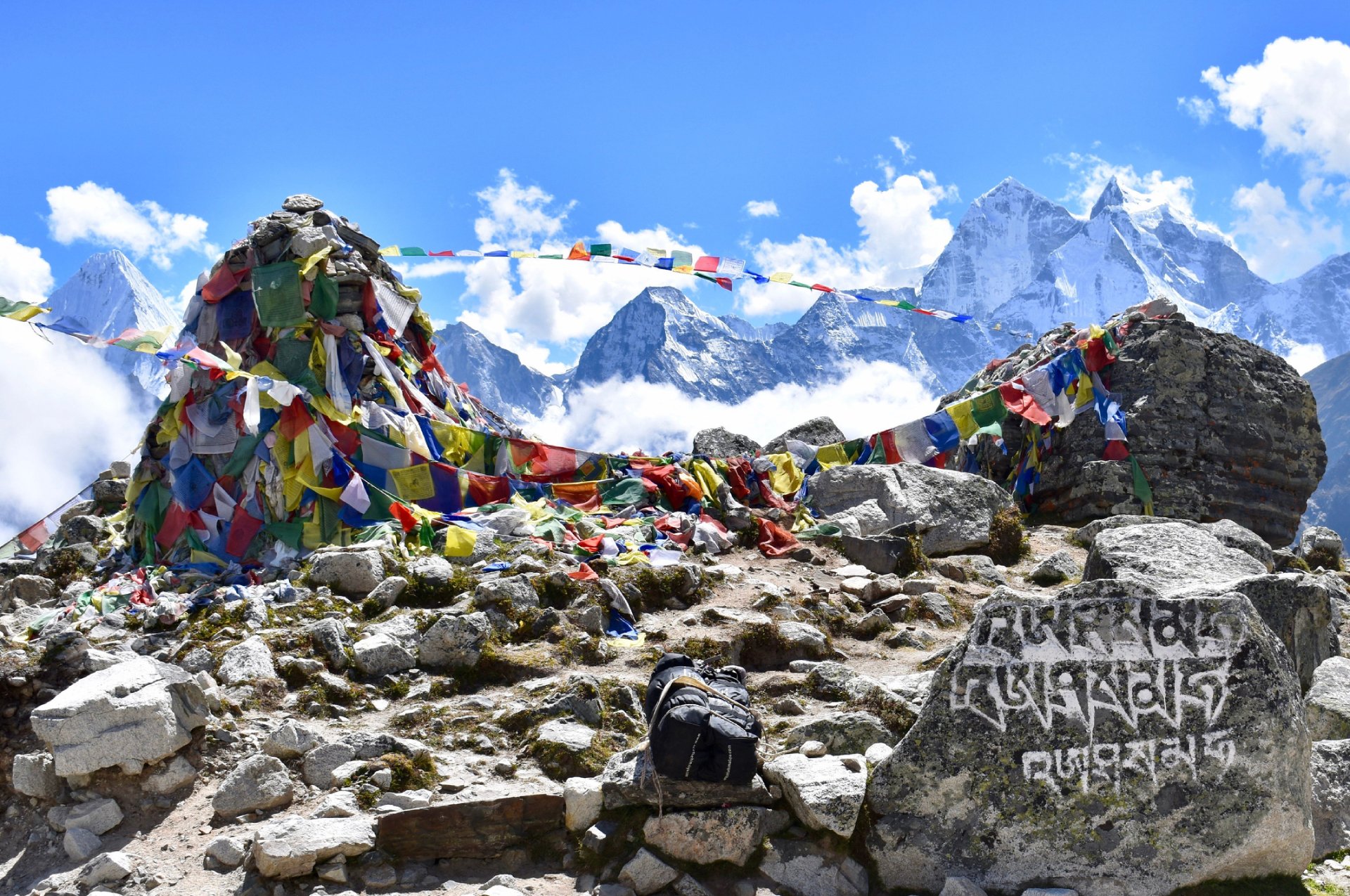
Strings of prayer flags above the rocks at a climbing base camp in the Himalayas.
Strings of Lungta, or horizontal prayer flags, crowd a base camp.

Mount Everest Risks and Rescues for Climbers

No season in the Himalayas is without danger. Climbers and trekkers face a daunting list of potential challenges: acute mountain sickness, extreme weather, avalanches, gastrointestinal illness, frostbite, twisted ankles, snow blindness and traumatic injuries from falls. Each step above the clouds demands resilience, preparation and often, emergency response.

To meet the growing demand for high-altitude assistance, Global Rescue deployed a specialized team of medical and rescue professionals to Nepal. The team responded to more than 100 rescue calls in May alone, and is on pace to surpass 130 rescues before the climbing season ends. These missions include long-line helicopter extractions from extreme altitudes, emergency responses to altitude illness and complex evacuations when conventional methods are unavailable.

“We handle several rescue operations every day throughout the spring Everest climbing season, keeping our team engaged from before sunrise well into the night,” said Dan Stretch, a Global Rescue operations manager who has overseen more than 500 evacuations and crisis responses in the Himalayas. “At peak activity, our medical and rescue teams have performed up to 25 rescues in a single day, sometimes more.”


Helicopter Rescue

In one example, a North African member experienced a severe medical emergency while descending from Everest Camp IV to Camp III in Nepal. She collapsed and was transported down by teammates who reported that she was semi-conscious and exhibiting symptoms consistent with high-altitude cerebral edema (HACE) and high-altitude pulmonary edema (HAPE). Oxygen support was being administered, but her team was physically exhausted and unable to continue assisting her on the eight-hour descent to Camp II.

Due to the seriousness of her condition and the remote altitude of 24,000 feet/7,315 meters, a helicopter long-line rescue was arranged from Camp III. She was stabilized at a hospital and then flown to a medical center in Kathmandu. There, she was treated for dehydration, hypokalemia (low potassium levels), a strained neck muscle, fascia and tendon damage and a sprained right ankle.

In another case, a European member required field rescue following a high-altitude incident after summiting Kangchenjunga in Nepal. He reported confusion, slurred speech, HACE symptoms, and visible frostbite on both hands. He initially remained at a high altitude of around 26,900 feet/8,200 meters, where he spent one night exposed above Camp IV with limited resources after injuring his hand during a rappel.

Poor weather delayed evacuation, so he descended with assistance from his guides to Camp III and then to Camp II. A helicopter evacuation was approved, and he was transported to a medical center in Kathmandu. He was diagnosed with Grade 2 to 3 frostbite on the fingers, Grade 3 frostbite on the toes and pulmonary fluid accumulation. Treatment included a five-dose course of Iloprost, after which he was discharged. He later received a fit-to-fly letter and returned home without further reported complications.

These operations emphasize the importance of timely response and the role of advanced rescue capabilities in ensuring climber safety.


The Global Rescue Connection

With mountaineering and trekking gaining popularity, Global Rescue continues to expand its services, extending in-field deployments and launching the High-Altitude Evacuation Package. This package is recommended for anyone 16 years or older traveling above 15,000 feet (4,600 meters) and offers critical emergency response coverage.

Mountaineering has long been defined as reaching the summit and safely returning to base camp. For experienced climbers, the descent is not an afterthought; it’s the most critical phase of any ascent. The adage “getting to the top is optional, getting down is mandatory” is a core belief many in the high-altitude climbing community share. Adequate preparation, physical endurance and a deep respect for the mountain are essential, especially when navigating unpredictable conditions and potential emergencies.

One member experienced severe respiratory symptoms at Everest Base Camp and was diagnosed with pneumonia and HAPE. After helicopter evacuation and treatment, she wanted to continue her expedition. Less than a month later, she required a second helicopter rescue following a fall at Camp II that left her unable to walk. She was treated for acute mountain sickness, lower back trauma and dehydration before being discharged with a physiotherapy plan.

This case is one of many raising alarm among veteran climbers. The increasing normalization of helicopter rescues risks diluting the fundamental spirit of mountaineering — one built on grit, endurance, self-reliance and accountability. Expert mountaineers like Ed Viesturs, Tom Livingstone and Conrad Anker maintain that a climb is only complete when a climber returns to base camp on foot, barring a legitimate emergency. Alan Arnette and Gordon Janow echo this, stressing that rescue services should support preparedness, not replace it. As Everest continues to attract larger crowds and higher ambitions, the question remains: is the summit the point or is the journey the purpose?