
Categories:
TravelNovember 27, 2024
Article Highlights:
- Book in Advance: Book reservations and prices early to avoid last-minute stress.
- Opt for Nonstop Flights: Reduce layover risks by flying direct when possible.
- Travel Light: Stick to carry-ons to avoid checked luggage complications.
- Stay Secure: Keep valuables close, especially if traveling alone.
- Plan for Delays: Look into lounge passes, sleep pods, and travel insurance for peace of mind.
The holiday season is one of the busiest travel periods of the year, with millions of people flocking to airports, train stations, and highways to reunite with loved ones or take a well-deserved vacation. While the festive spirit is in the air, so are the challenges of crowded airports, long security lines, flight delays, and cancellations.
Planning and taking a few simple precautions can make the difference between a stressful and smooth journey.
Book in Advance and Travel Smart
Booking flights well in advance can help lock in better prices and secure your preferred travel dates. As holiday travel demand spikes, airlines and hotels fill up quickly, and last-minute bookings can be expensive and limit options. Traveling during off-peak time, such as midweek instead of weekends or avoiding the days immediately before and after major holidays, can also help you avoid the worst crowds.
For those looking to escape the hustle and bustle, consider visiting off-the-beaten-path destinations. Exploring less traveled locales can mean smaller crowds, more availability, and even lower costs. Popular attractions during the holiday season can be overwhelming, so traveling to lesser-known spots is a great way to enjoy a more relaxed experience.

Tips To Avoid Travel Hassles
Opt for Nonstop Flights
Whenever possible, choose nonstop flights. This reduces the chances of getting stranded mid-journey due to flight delays or cancellations. Layovers add complexity and risk, especially if inclement weather or airline scheduling issues arise.
Carry-On Luggage Only
Skip checked luggage to avoid baggage delays or the risk of losing your bags. By packing light and taking only a carry-on, you’re more mobile and adaptable if you need to reschedule or change flights due to delays.
Use Travel Protection
With the holiday season’s unpredictability, purchasing travel insurance and traveler protection can provide peace of mind. Look for policies covering delayed or canceled flights, lost luggage, and trip cancellations. Obtain Global Rescue traveler protection for field rescue, medical evacuation and medical advisory services. “Traveler confidence is skyrocketing, and they are mitigating their worries by safeguarding their trips and safety with more protections like medical evacuation, trip protection, and travel health insurance,” said Dan Richards, CEO of Global Rescue.
Make Use of Trusted Traveler Programs
Security lines can be long and chaotic, especially during peak holiday travel days. Programs like TSA PreCheck and Global Entry help you bypass the longest lines, saving valuable time and making airport security a breeze. Investing in a Trusted Traveler Program can be especially helpful if you’re a frequent traveler or have a tight connection to make.
Avoid Packing Wrapped Gifts in Carry-Ons
Holiday travelers often bring gifts for family and friends, but avoiding wrapping presents before you fly is best. “If TSA cannot determine what’s inside a package, they will ask travelers to unwrap it or confiscate the item,” warned Harding Bush, a former Navy SEAL and associate director of security operations for Global Rescue. If you must bring wrapped items, use gift bags for easy inspection or wrap gifts upon arrival. Better yet, consider shipping gifts ahead of time to save space and reduce the risk of them being damaged.
How To Handle Flight Delays and Cancellations
Flight delays and cancellations are almost inevitable during holiday travel, but there are ways to make them more manageable:
Consider a Lounge Day Pass
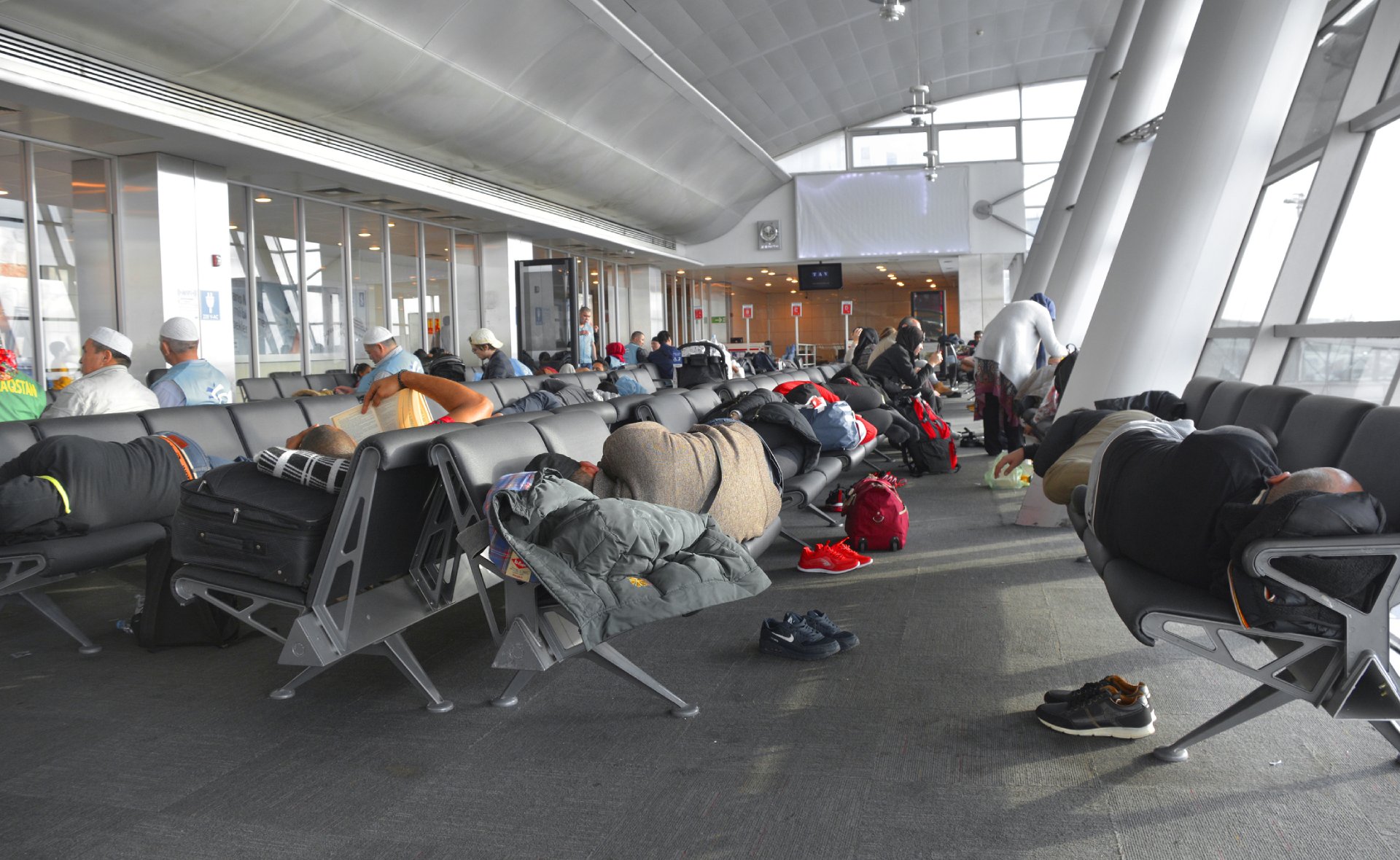
Airport lounges provide a quieter, more comfortable space to wait out delays. A day pass can give you access to WiFi, refreshments, and comfortable seating. Find a peaceful, secure spot if a lounge pass isn’t an option. “I once got stuck at Hartsfield Jackson in Atlanta overnight,” said Charles McCarthy, a Global Rescue marketing manager. “The international terminal was quieter than the domestic ones, even late into the evening.”
Look for Sleep Pods
Some airports offer sleep pods or private resting areas. “I was at the Charles de Gaulle Airport in Paris facing a delay and found a sleeping pod,” shared Meghan Mahoney, a Global Rescue marketing director. “It had a bed, a noise cancellation system, and was totally private—worth every penny.”
Stay Alert and Secure Valuables
If you’re traveling alone, keep your valuables close. “I carry a daypack with my valuables and use that as a pillow. Money and passport I keep in a waist or neck pouch under my shirt,” advised high-altitude climber and Global Rescue Mountain Advisory Council member Ed Viesturs. “Set an alarm so you don’t miss flight updates, especially if you plan to rest.”
Extra Tips for Solo and Family Travelers
Solo travelers, especially women, should take extra precautions to stay safe and alert. “I never cover more than one ear with headphones to remain aware of my surroundings,” said Josie Daigle, Global Rescue social media manager and solo traveler. Some airports even offer free layover tours, like the Incheon Airport in Seoul, South Korea, where Daigle enjoyed a free tour during an extended layover.
For family travelers, consider packing entertainment for kids and choosing family-friendly accommodations. If delays occur, having snacks, games, and movies ready can keep children occupied and help ease the stress of waiting.
Prepare for the Unexpected
The holiday season is unpredictable, from weather disruptions to unexpected health issues. Be proactive by researching healthcare options at your destination. “In today’s travel landscape, you may not want to travel to any destination where the level of medical care isn’t up to your standards unless you have medical evacuation services,” Richards said. This is particularly important if you’re visiting remote or unfamiliar locations.
Survival Essentials: Wraps, Blankets, and Other Must Haves
Airports can be chilly, and carrying a wrap or light blanket is wise. “I once got stuck in an airport overnight, freezing, and spent the night on a chair,” recalled Dianette Wells, a Global Rescue member. “Now, I always pack a wrap. It’s lightweight, travels well, and doubles as a blanket or pillow.”
Planning and preparation can turn holiday travel challenges into manageable experiences. With these tips, you can keep the festive spirit alive and ensure your trip is as enjoyable as the destination.
Categories:
Missions & Member TestimonialsNovember 26, 2024
Article Highlights
- Inflation Eases, Travel Rebounds: US inflation drops to 2.4%, its lowest since 2021, with 83% of travelers not canceling plans due to rising costs, marking a 40% decrease in inflation-related trip cancelations since 2022.
- High-Stakes Missions: From altitude sickness evacuations in Nepal to emergency medevacs on Mount Kilimanjaro, we’ve had several complex, life-savings operations worldwide recently.
- Expanded Services for High-Altitude Adventures: With the introduction of the High-Altitude Evacuation Package, we’ve enhanced support for climbers and trekkers traveling above 15,000 feet, ensuring more comprehensive coverage and rescue capabilities.
Inflation in the US is cooling off, and it’s contributing to fewer postponed or canceled trips, according to a survey of the world’s most experienced travelers. In September 2024, the annual inflation rate was 2.4%, which is the lowest it’s been since February 2021.
The lower inflation rate appears to contribute to increased travel. The Fall 2024 Global Rescue Traveler Sentiment and Safety Survey revealed that more than eight out of ten travelers (83%) did not cancel or postpone their travel plans due to inflation in 2024. More importantly, the 12% who pointed to inflation as a reason for canceling or postponing international trips this year is a dramatic 40% decrease compared to the same period in 2022 when a fifth of travelers said inflation prompted trip terminations.
“This decline in travelers putting off trips suggests that lower inflation and a stabilizing economy encourages more travel, especially among people with financial sensitivities,” said Dan Richards, CEO of The Global Rescue Companies and a member of the US Travel and Tourism Advisory Board at the US Department of Commerce.
Whether travelers are exploring uncharted destinations, seeking one-of-a-kind experiences, or returning to familiar places, Global Rescue supports them, delivering reliable services worldwide without interruption. In any given month, Global Rescue manages hundreds of operations across multiple countries and regions.
Here are a few standout examples of recent missions in diverse locations:
Mother and Daughter Trekkers Rescued
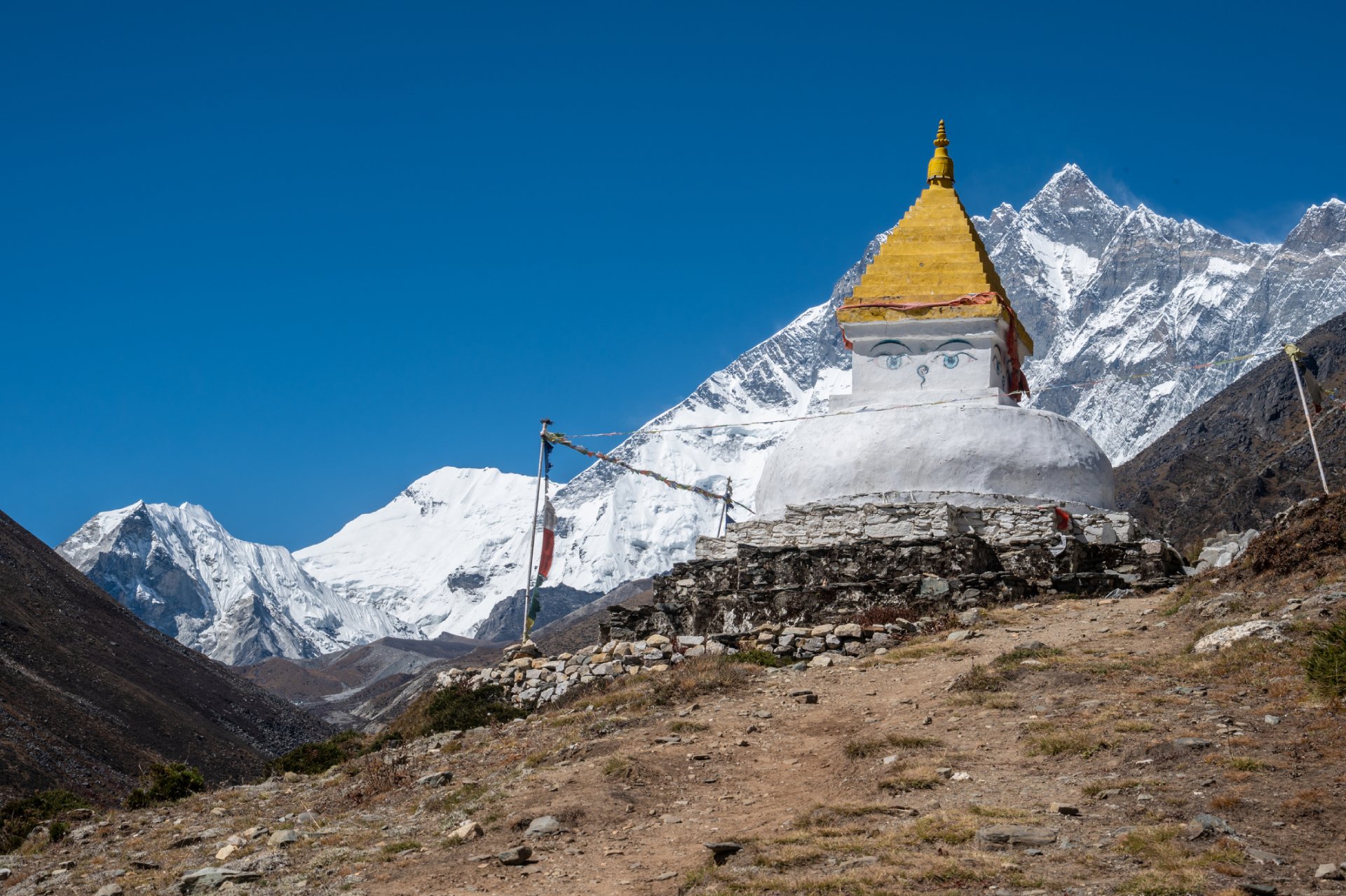
A mother and daughter from the US experienced altitude sickness while trekking in Dingboche, Nepal, with symptoms ranging from chest congestion to difficulty breathing. Global Rescue arranged for a helicopter to transport them to a nearby hospital, where they were treated for high-altitude pulmonary and cerebral edema. Both recovered well after receiving medications and a discharge plan that allowed them to continue their journey safely.
Bad Weather Hampers Kilimanjaro Rescue
While climbing Mount Kilimanjaro, a traveler from Dubai encountered severe symptoms of altitude sickness, particularly at the high altitude of Gilman’s Point. Suspecting high-altitude pulmonary edema (HAPE), Global Rescue’s medical operations team evaluated her condition and approved an urgent airlift to a hospital capable of treating her condition. Initially, the plan was to evacuate her from Barafu Camp, but worsening weather conditions and diminishing daylight postponed the rescue until the following day. With the help of her trekking guides, she self-descended to Camp Millenium, where a helicopter finally reached her. The evacuation team safely transported her to the hospital, where she was treated for HAPE. Thanks to the coordinated efforts, she received appropriate care and was eventually discharged to recover fully from her high-altitude ordeal.
Double Vision in Nepal
At Baruntse Base Camp, a Canadian climber developed troubling symptoms, including double vision, which suggested cranial nerve palsy. Global Rescue’s medical team assessed her case and recommended immediate evacuation to Kathmandu for specialist consultation. However, adverse weather delayed her airlift for two days, during which time her symptoms were monitored closely. Once the weather cleared, she was transported to a hospital where an MRI ruled out any acute brain injury. Diagnosed with high-altitude-induced diplopia, doctors advised that the condition would likely resolve over time. She returned home with a recommendation to consult a neurologist if symptoms persisted.
Foot Injury in Ama Dablam, Nepal
A trekker from Saudi Arabia sustained a severe foot injury while descending Ama Dablam after slipping on rocky terrain. Despite attempting self-care with painkillers, the discomfort and swelling in his foot persisted. Suspecting a fracture, Global Rescue arranged an air evacuation to a nearby medical center for further assessment. Doctors diagnosed a suspected fracture and provided him with a treatment plan, allowing him to return home to continue his recovery.
Helicopter Medevac in Nepal
Two Australian travelers were trekking in Dingboche, Nepal, when they experienced severe altitude-related symptoms, including respiratory infections and high-altitude pulmonary edema (HAPE). After contacting Global Rescue, they were evacuated via helicopter in a combined mission to Kathmandu. Both individuals were admitted to the hospital for comprehensive treatment. The timely intervention and medical support allowed them to recover safely, and they were discharged with medications and precautions for altitude sickness.
Bathroom Slip in Italy
A traveler from Colorado faced an unexpected mishap in Sorrento, Italy, after slipping in her bathroom late one evening. She fell, hitting her hip against the sink and bumping the side of her head. Concerned primarily about the intense pain in her left hip and her limited ability to move, she sought help through Global Rescue. Our medical operations team directed her to contact local emergency services, and she was quickly transported by ambulance to Sorrento Hospital. After undergoing x-rays, it was confirmed that she had ligament damage but no fractures, much to her relief. She was prescribed pain medication and a crutch for mobility, along with a recommendation to rest for at least ten days. Thankful for the support, she expressed confidence in managing her recovery, knowing that our team would be available for assistance around the clock if needed.
High-Altitude Rescues
Participation in mountaineering, trekking, and other high-altitude activities has increased rapidly in recent years. Global Rescue is expanding and enhancing our services for this community by increasing our capabilities to provide emergency services in more regions, committing to longer deployments of our medical operations personnel, and extending our in-field rescue operational durations.
Implementing the High-Altitude Evacuation Package and making it available to members 16 years of age and older who travel above 15,000 feet (4,600 meters) during any part of their trip (excluding airplane travel) and who require emergency transport due to injury or illness enables us to continue enhancing our current service capabilities for the climbing and trekking community worldwide.
Members can add a High-Altitude Evacuation Package to their membership by contacting our member services team. Please note that the package must be purchased before an illness or injury occurs during a high-altitude trip and is limited to Global Rescue members who are 16 years of age or older.
Categories:
Press ReleaseNovember 26, 2024
(Lebanon, N.H. – November 26, 2024) Nearly half of the world’s most experienced travelers will embark on a trip during the winter holiday season, and one out of 10 will mistakenly pack wrapped gifts in their carry-on luggage, according to the Fall 2024 Global Rescue Traveler Sentiment and Safety Survey.
The TSA doesn’t prohibit wrapped presents in carry-on baggage, but they recommend keeping gifts unwrapped in case TSA agents need to inspect them. “While it’s tempting to wrap presents before a trip and tuck them into your carry-on suitcase or backpack, it may cause delays at security checkpoints,” said Harding Bush, a former Navy SEAL and associate director of security at Global Rescue.
When TSA or other airport security personnel see a wrapped item, they may need to open it to inspect its contents. This can lead to frustration, delays, and destroyed wrapping. “The best approach is to pack wrapped gifts in checked bags or travel with unwrapped gifts in carry-on luggage and pack wrapping paper separately. You can easily wrap the items when you reach your destination,” says Bush.
“Security is always a top concern during peak travel seasons,” Bush added. “Minimizing unnecessary complications at checkpoints, such as unwrapping gifts, makes the process easier for travelers and airport staff.”
Contact
Bill McIntyre at bmcintyre@globalrescue.com or +1 (202) 560-1195 (phone/text) for more information.
About the Global Rescue Traveler Sentiment and Safety Survey
Global Rescue, the leading travel risk and crisis response provider, surveyed more than 1,100 current and former members between October 1-20, 2024. The respondents revealed a variety of behaviors, attitudes and preferences regarding current and future travel.
About Global Rescue
The Global Rescue Companies are the world’s leading provider of medical, security, evacuation and travel risk management services to enterprises, governments and individuals. Founded in 2004, Global Rescue has exclusive relationships with the Johns Hopkins Emergency Medicine Division of Special Operations and Elite Medical Group. Global Rescue provides best-in-class services that identify, monitor and respond to client medical and security crises. Global Rescue has provided medical and security support to its clients, including Fortune 500 companies, governments and academic institutions, during every globally significant crisis of the last two decades. For more information, visit www.globalrescue
Categories:
Press ReleaseNovember 25, 2024
(Lebanon, N.H. – November 25, 2024) The recent U.S. election results are impacting 2025 travel decisions, according to the Global Rescue Traveler Sentiment and Safety Survey. 30% of respondents expect more international travel next year, while 7% expect to take fewer foreign trips. More than half (55%) don’t expect changes to their 2025 international travel plans.
Travelers identified multiple reasons for increasing trips abroad. Many travelers unhappy with the election outcome revealed a desire to escape. “I want to spend as much time as possible outside the U.S. over the next four years,” confessed one survey respondent.
Many respondents pointed to the post-election bump in the economy as their expectation of increased international travel. “The economy should show signs of improvement, and if the new administration can make peace deals around the world, then travel will be as good or better next year.”
Most respondents said the election had no impact on their future travel expectations. Instead, they revealed their disposable income increased thanks to low inflation and had already booked their international trips for 2025. “I have a general feeling of being better off and secure. I anticipate increased disposable income available, and I’m already booked for 2025,” admitted another respondent.
One of the most notable shifts in traveler behavior is the reduced impact of rising costs on travel plans. “With inflation at a three-year low, fewer travelers are canceling or postponing trips,” said Dan Richards, CEO of The Global Rescue Companies and a member of the U.S. Travel and Tourism Advisory Board at the Department of Commerce. “In 2024, travelers embarked on their long-postponed dreams of global travel, fueled by a stabilizing economy and a renewed focus on meaningful experiences over material possessions.”
Fewer than a tenth of respondents (7%) expected less international travel in 2025. Many of these respondents expressed elevated personal safety concerns while in foreign countries due to the U.S. elections. “The change of U.S. Administration makes me more apprehensive about being in a foreign country with the risk of anger and animosity toward Americans being higher,” admitted one respondent.
But an equal number revealed their reduced foreign travel was not due to the election tally; instead, it was due to concern over ongoing geopolitical instability, from the current wars to terrorist activity.
Contact
Bill McIntyre at bmcintyre@globalrescue.com or +1 (202) 560-1195 (phone/text) for more information.
About the Global Rescue Traveler Sentiment and Safety Survey
Global Rescue, the leading travel risk and crisis response provider, surveyed more than 2,200 current and former members on November 20, 2024. The respondents revealed key insights to future travel in 2025 following the U.S. elections.
About Global Rescue
The Global Rescue Companies are the world’s leading provider of medical, security, evacuation and travel risk management services to enterprises, governments and individuals. Founded in 2004, Global Rescue has exclusive relationships with the Johns Hopkins Emergency Medicine Division of Special Operations and Elite Medical Group. Global Rescue provides best-in-class services that identify, monitor and respond to client medical and security crises. Global Rescue has provided medical and security support to its clients, including Fortune 500 companies, governments and academic institutions, during every globally significant crisis of the last two decades. For more information, visit www.globalrescue.com.
Categories:
Health & SafetyTravelNovember 22, 2024

Article Highlights
- Pack Essential Medications and Research Equivalents Abroad: Ensure child-specific meds are packed and check for available alternatives overseas.
- Opt for Nonstop Flights When Possible: Nonstop flights reduce stress and minimize logistical challenges when traveling with young kids.
- Understand Local Health, Safety, and Cultural Norms: Know destination-specific health and safety practices to secure your children.
- Choose Child-Friendly Accommodations: Book hotels with family amenities like cribs, high chairs, and play areas to enhance comfort.
- Prepare for Emergencies with Global Rescue Support: A Global Rescue membership ensures 24/7 medical, security, and evacuation services when needed.

Embarking on an international trip with your family is an exciting adventure. However, it also requires thorough planning to ensure the safety, comfort, and enjoyment of everyone, especially young children. From meeting passport requirements to locating reputable medical facilities, here’s how American families can best prepare for safe, smooth travels.
Passports and Visas for Kids
One of the first steps in international family travel is ensuring each family member has the required documentation. Regardless of age, every child needs a valid passport and possibly a visa, depending on the destination. Check passport expiration dates, as some countries require that passports be valid for six months beyond your intended return date. If a child is traveling solo, it’s also wise to carry printed copies of each child’s passport, birth certificate, and other necessary documents, such as consent letters.
Packing Essentials for Kids
Traveling with children means packing specific items that might not be readily available abroad. Essentials include enough diapers, formula, favorite snacks, medications, and comfort items like a beloved stuffed animal or blanket. Remember, it may be difficult to find familiar brands overseas, so bring enough of what you need to last the trip. Having these items on hand can help children feel more at ease in a new environment, making the journey smoother for everyone.
Staying Healthy and Vaccinated
Many international destinations have specific health requirements and recommendations, such as vaccinations or preventative medications. Before departure, check with your pediatrician and consult the CDC’s travel health page to learn which vaccinations are recommended for the country you’re visiting. It’s also helpful to bring a list of medications your children take regularly in case a refill is needed abroad.
OTC: Over-the-Counter Medicine Options Abroad
A well-stocked first aid kit is essential, but it’s also helpful to know the names of common medications in the local language, as brand names vary internationally. Here are a few substitutes for common over-the-counter (OTC) medications you may need:
- Ibuprofen (Advil, Motrin): Paracetamol (also known as Acetaminophen, like Tylenol) is widely available abroad.
- Diphenhydramine (Benadryl): Alternatives include cetirizine or loratadine for allergies.
- Loperamide (Imodium): Widely available in most countries to treat diarrhea.
In some countries, OTC medicines that are common in the US may be banned or regulated. For example, pseudoephedrine (found in Sudafed) and diphenhydramine are restricted in Japan. Before you travel, research your destination’s regulations or consider joining a travel assistance service like Global Rescue, whose experts can help you locate necessary medications abroad.
Invest in Comprehensive Traveler Protection
While traveler protection may not be the first thing on your mind, purchasing comprehensive travel insurance and traveler protection for all family members can be invaluable.
“Travel insurance protects your financial investment in your trip, offering support for canceled flights, delayed baggage, and more. However, only Global Rescue traveler protection services protect you directly, especially in critical medical or security emergencies,” according to Dan Richards, CEO of Global Rescue, their services provide extensive medical, security, and evacuation benefits for all ages, ensuring peace of mind in case of an emergency.

More Family Travel Tips
Safety and Security Precautions
It’s essential to research the safety of your destination. Familiarize yourself with local emergency contacts, hospital locations, and safety advisories. Keep emergency contact information, including the nearest US embassy, handy in urgent situations. A Global Rescue membership provides families 24/7 emergency assistance, which can be crucial in unfamiliar environments.
Choosing Child-Friendly Accommodations
Book accommodations with families in mind. Choose hotels with amenities like cribs, high chairs, or play areas. Resorts with kid-friendly programs or babysitting services can make family travel more accessible and enjoyable. Confirm these amenities in advance to avoid last-minute surprises.
Opt for Nonstop Flights
Whenever possible, choose nonstop flights, especially for long journeys with young children. Minimizing layovers reduces stress and makes it easier to maintain children’s routines. Bring snacks, toys, books, and games to keep them entertained, and remember to pack extra clothes for accidents or spills.
Plan for Jet Lag
Jet lag can be challenging, especially for younger children. Try to keep their sleep schedule regular and encourage naps if needed. Staying hydrated and spending time outside to adjust to the new time zone can also help ease the transition.
Water and Food Safety
Food and water safety vary by region, so it’s essential to exercise caution in countries with questionable water quality. To reduce the risk of illness, stick to bottled water, avoid ice cubes, and be cautious with raw or undercooked foods. Simple precautions like these can go a long way in protecting your family’s health.
Understanding Local Laws and Cultural Norms
Understanding local customs and regulations can prevent cultural misunderstandings when traveling internationally. This is particularly important if local laws about children’s behavior, dress, or public interactions differ from what you’re used to at home. Some countries may have rules about where children can play or what they should wear, so familiarize yourself with these to ensure a respectful visit.
Emergency Contact Information
Prepare a list of emergency contacts, including family members back home, your travel insurance provider, and local emergency services. Having these readily accessible ensures quick action in case of emergencies. Be sure your children understand where to go and who to contact if they accidentally get separated.
Keep Track of the Nearest Embassy
Knowing the location of the nearest US embassy or consulate is essential. Embassies can provide assistance if you lose your passport, face a legal issue, or experience another emergency. Note their contact details and address if you need support during your trip.
Flexible Itineraries Help Keep Things Manageable
Children’s needs and energy levels can vary day to day, so building flexibility into your travel schedule is helpful. Allow time for naps, snacks, and unplanned breaks, especially if traveling with younger children. This adaptability will help everyone enjoy the trip at their own pace.
The Global Rescue Connection: Services for Family Travel
No matter how much you plan, sometimes things go differently than expected. Global Rescue offers a range of support services tailored to travelers, including medical assistance, evacuation services, and travel guidance.
The Cann family, who experienced an urgent need for medical evacuation in Papua New Guinea when their son broke his jaw, found themselves grateful for Global Rescue’s ability to arrange transport and handle logistics in an unfamiliar region. “They took care of everything, allowing us to focus on our son’s wellbeing,” said Zach Cann, Jude’s father.
Traveling internationally with children can be one of the most rewarding experiences for a family, exposing them to new cultures, environments, and ways of life. With proper planning and support, families can focus on creating memories, confident they have the right resources to keep their children safe, healthy, and happy throughout the journey.
Article Highlights
- Vernon Naake fractured his clavicle during a motorcycle accident in the Northern Cascades while on a multi-day motorcycle tour.
- Global Rescue immediately arranged ground transportation and a business-class flight to ensure his safe return to Denver for surgery.
- Naake successfully underwent surgery after returning home and credited Global Rescue with making the process stress-free during a difficult time.
Vernon Naake, an avid motorcyclist from Denver, Colorado, experienced a sudden end to his annual motorcycle adventure when a crash left him with a fractured clavicle deep in the Northern Cascades. Luckily, Naake had a Global Rescue membership, a service he had signed up for in case of emergencies while on his many motorcycle travels.

A Passion for Motorcycle Touring
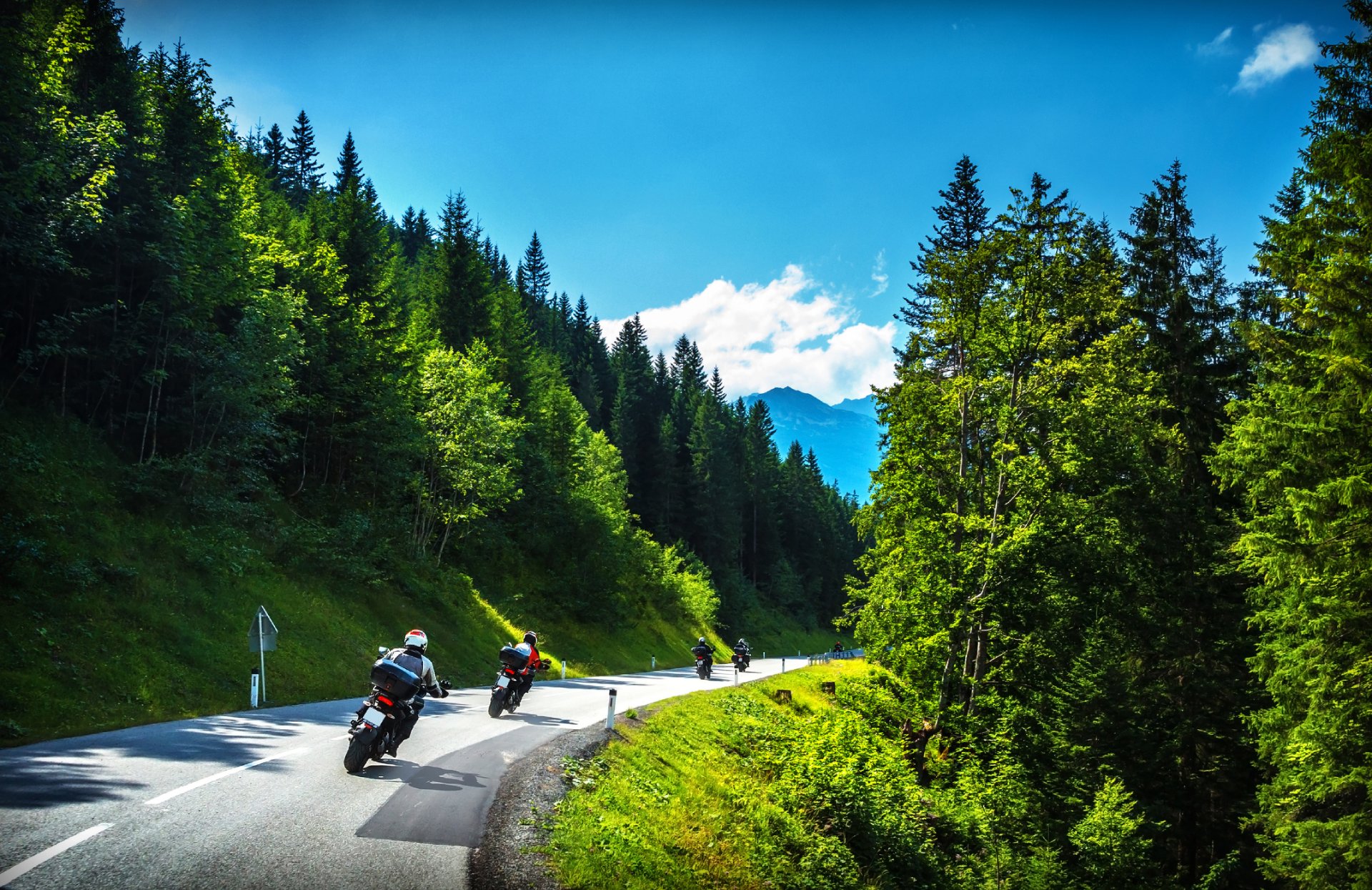
For Naake, motorcycle touring is more than just a hobby – it’s a lifestyle. Every year, he and his close friend plan a multi-day adventure on their bikes, traveling through some of the most remote and beautiful landscapes in North America. “This year, we planned a 12-day ride that started in Boise, Idaho, went north through Idaho and Canada, and then looped back down through Washington,” Naake recalled. The trip had gone smoothly, and they were on their ninth day when the unexpected happened.
While traveling along a narrow trail in the Northern Cascades, Naake encountered a truck coming the other way. “It was a small dirt road, more of a trail than a road, and I was going about 25 miles per hour when I saw the truck. I had to put my bike down to avoid a collision,” Naake explained. Unfortunately, Naake landed hard on a rock just off the trail, causing immediate pain in his shoulder.

After assessing the situation with the truck driver and his riding partner, Naake managed to get back on his bike and ride the six remaining miles of the trail, but the pain in his shoulder was growing worse. “We rode into Omak, Washington, and went straight to the local hospital. An X-ray confirmed that I had fractured my left clavicle,” Naake said. The injury brought the remaining three days of the motorcycle tour to an early end.
Calling Global Rescue: A Lifeline for Motorcycle Touring Riders
With his shoulder in bad shape, Naake needed to get back to Denver for surgery, but the logistics of traveling with a fractured clavicle posed a significant challenge. That’s when he remembered his Global Rescue membership. “This was my second year with Global Rescue,” Naake said. “I first signed up in 2023 for a 14-day motorcycle ride in Ecuador. Although I didn’t need them on that trip, I knew they’d be there if something went wrong. Now, I needed their help.”
Naake contacted Global Rescue, and the medical operations team immediately jumped into action. “I explained what had happened, sent them my X-rays and information from the ER, and they started coordinating everything from there,” Naake said. Global Rescue’s doctors reviewed his medical reports and recommended that he take a business class flight to minimize further injury to his shoulder. They arranged for a private car service to drive him from Omak to Spokane International Airport, about 2.5 hours away, where he would catch his flight home.
“The team at Global Rescue was incredibly efficient,” Naake said. “They found the driver, booked my flight, and kept checking in with me throughout the entire process.” The total cost of the ground transportation and flight from Spokane to Denver was nearly a thousand dollars, and it was all handled by Global Rescue. “It was such a relief not to worry about logistics or costs,” Naake added.
Smooth Transport and Constant Support
Global Rescue ensured that every part of Naake’s journey was as smooth as possible. “They followed me every step of the way,” Naake said. “From the moment I got picked up in Omak to when I landed in Denver, they were always checking in to make sure everything was going well.”
Naake’s transport to Spokane International Airport went off without a hitch. The car service driver ensured he arrived safely and on time for his flight. “The whole experience was seamless. I didn’t have to worry about a thing, which made a huge difference when dealing with a painful injury,” Naake recalled. Once Naake landed in Denver, his family was there to greet him, and Global Rescue stayed in touch until they knew he had made it home safely.
Shortly after returning home, Naake underwent surgery to repair his clavicle. “It was a pretty bad fracture, and they had to put a plate in,” Naake explained. “But I was relieved to be home and getting the care I needed.”
Trusting Global Rescue on Every Adventure
Naake’s experience with Global Rescue left a lasting impression. “You never know how valuable a service like this is until you need it,” Naake said. “When you sign up for something like Global Rescue, you hope you never have to use it. But when the time comes, you’re incredibly thankful it’s there.”
Naake and his friend, who had been traveling together on their motorcycles for years, always prepare for the unexpected. “We always travel in pairs for situations like this,” Naake explained. “And we’re both Global Rescue members. Knowing that we have that safety net gives us the confidence to go on more adventurous trips.”
For moto travelers like Naake, Global Rescue provides peace of mind that allows them to enjoy their adventures without worrying about what could go wrong. “It’s about being able to take on new challenges and know that if something happens, you’re protected,” Naake said. “My family would be a lot more nervous about me going on these motorcycle tours if I didn’t have Global Rescue backing me up.”

Looking Forward to the Next Ride
Despite the injury, Naake isn’t ready to give up his passion for traveling with his motorcycle. “I don’t think I’ll be ready to ride again before the season ends in October, but ski season is coming up, and I’m planning to hit the slopes this winter,” Naake said. “And next spring, I’ll be back on my bike, planning my next motorcycle tour.”
Naake’s experience highlights the importance of being prepared, especially for adventure travelers who take on remote and challenging locations. “When I tell my friends and family about Global Rescue, they’re amazed that there’s a service like this out there. But I always say I’m lucky I knew about it and signed up.”
For those who enjoy motorcycle touring or any adventurous travel, Naake’s story serves as a reminder that having a service like Global Rescue can make all the difference when the unexpected happens.
Categories:
TravelNovember 20, 2024
Article Highlights
- Comprehensive Medical Evacuation: Global Rescue traveler protection offers emergency medical evacuations when urgent emergency care is needed.
- Real-Time Security Response: Civil unrest or terrorism? Traveler security memberships include access to special forces military operations expertise for immediate advice and assistance.
- Protection for Extreme Activities: Global Rescue does not restrict activities, from mountain climbing to scuba diving, so you can enjoy your adventure without limits.
- Need 24-hour Urgent Care Near You? Obtain immediate access to medical experts and logistical support to ensure travelers receive help with everything from minor ailments to lost passports.
- Destination-Specific Information: Detailed reports covering health, security, and political risks for over 215 destinations help travelers make informed decisions and stay safe.
Let’s face it: the unpredictability of travel is real, and even seasoned travelers face unexpected challenges abroad.
Potential risks can quickly turn a dream vacation into a nightmare, from illness and injury to natural disasters and civil unrest. That’s where travel insurance and traveler protection services provide peace of mind and essential support.
Here’s why securing both travel insurance and traveler protection is crucial for every international trip.
Protection Against Illness and Injury
Even in the most developed destinations, you may need urgent medical care. A travel protection membership can evacuate you from the point of illness or injury to the nearest appropriate medical facility, ensuring you get the care you need when you need it.
Dan Stretch, operations manager at Global Rescue, explains: “The closest medical facility isn’t always the right one. Global Rescue gets you to the most appropriate hospital for your illness or injury.” In addition to providing emergency medical transport, these services ensure you’re treated in a vetted hospital, offering another layer of assurance that travel insurance alone might not cover.
Access to Medical Expertise for Non-Emergency Questions
Sometimes, travelers don’t need immediate evacuation but have questions about their symptoms. With 24/7 access to a team of medical professionals, traveler protection memberships provide peace of mind.
“Our team of medical professionals includes paramedics, nurses, and doctors. We handle calls for everything from cuts and stomach upsets to more severe illnesses like chest pains and serious trauma,” said Michael Lovely, operations supervisor at Global Rescue. This immediate access to expert advice can help you make informed decisions about your health while traveling.
Support in Travel-Related Issues
Beyond medical assistance, travel protection services help with various logistical and travel questions. Whether you need to replace a stolen passport, find a nearby pharmacy, or locate 24-hour urgent care, a travel protection service can provide the answers.
As Maredith Richardson, a traveler who had her passport stolen in France, noted, “The process to get an appointment for passport replacement could take weeks. The Global Rescue team handled it completely, got it hammered out within hours, and got me into the embassy for an urgent passport replacement appointment.”
Unpredicted Natural Disaster Coverage
Unpredictable natural disasters, such as earthquakes, can strike without warning. In their wake, they leave devastation directly in the strike zone or by setting off a catastrophic tsunami.
“Global Rescue members are experienced travelers, and careful pre-travel planning is not a new concept for them,” said Harding Bush, former Navy SEAL and Global Rescue security associate director. “Our members make themselves aware of all the significant threats and hazards so that they can avoid being caught up in an escalating incident.”
If you’re traveling and there’s a natural disaster, a Global Rescue security membership provides access to our expert team of veteran military special forces and their expertise. Traveling members who cannot evacuate following an earthquake can rely on our security operations teams to provide lifesaving advice, including where to shelter, and to extract them to safety.
Evacuation During Terrorism or Civil Unrest
Civil unrest or sudden terrorist attacks can create dangerous conditions for travelers heading to more volatile regions. Travel protection memberships offer rapid response from security experts, often with military special operations backgrounds, who can provide guidance on staying safe or evacuating if necessary.
Harding Bush advises, “You can’t just have one plan. You need to have secondary and tertiary plans in place. We develop redundant air providers and ground options for operations related to civil unrest or terrorism. Just in case.”
This type of preparedness is invaluable for anyone traveling to regions where safety conditions can change overnight.
Protection for High-Risk Activities
Adventure tourism is rising, and activities like mountain climbing, scuba diving, and extreme sports are becoming increasingly popular. Traditional travel insurance often excludes coverage for these high-risk activities, but many traveler protection memberships, such as Global Rescue, offer coverage with no limitations on these activities.
Dan Richards, CEO of Global Rescue, shared, “We’ve rescued injured climbers stuck in a remote Pakistan mountain range, an adventure racer suffering a dangerous infection in Fiji, and honeymooners from Nepal following a massive earthquake.” This illustrates the far-reaching capabilities of traveler protection memberships, especially for thrill-seekers.
Comprehensive Destination Information
Traveling requires thorough preparation, and having detailed information about your destination’s safety, health risks, and security status is invaluable. Traveler protection memberships often include access to destination reports covering over 215 countries, providing real-time updates on health alerts and political conditions.
“Travelers want to know what precautions and protections they need in the current environment. We know the must-haves for any trip in today’s world,” explained Jeff Weinstein, medical operations manager at Global Rescue. This proactive approach helps travelers stay safe and informed.
What Travel Insurance Covers
While traveler protection services focus on emergency response and specialized support, traditional travel insurance addresses more general travel-related incidents. When combined, travel insurance and traveler protection provide a comprehensive safety net.
Key Travel Insurance Benefits Include:
- Trip Cancelation and Interruption: Reimburses non-refundable costs if your trip is canceled or interrupted due to covered events.
- Lost or Delayed Luggage: If your baggage is lost or delayed, you will be reimbursed, covering the cost of replacing essentials.
- Travel Delay: Provides funds if a covered travel delay causes additional expenses.
- Rental Car Damage: This protection covers damage to rental vehicles, saving you from paying costly repair fees.
The Global Rescue Connection
Ultimately, travel insurance and traveler protection provide peace of mind. Whether you’re an occasional traveler or a digital nomad, knowing you have support in an emergency allows you to relax and focus on enjoying your trip. A traveler protection membership gives you access to a virtual team of experts — a doctor, paramedic, translator, logistics expert, intelligence analyst, and security advisor — all just a phone call away.
As UK businessman Michael Blease-Shepley recalled about a quarantine situation in Nigeria, “Global Rescue kept me settled, calm, and informed.” This level of support is essential in unpredictable travel environments where local resources might be insufficient.
A comprehensive approach that includes both is the best way to safeguard yourself against various potential challenges.
When planning an international trip, ensure you’re protected and supported from all angles. Travel insurance protects your financial investment in your trip, offering support for canceled flights, delayed baggage, and more. However, only traveler protection services can protect you directly, especially in critical medical or security emergencies.
As you plan your next journey, remember: Travel insurance protects your trip. Global Rescue protects you. With comprehensive coverage and on-demand assistance, you’ll be free to explore the world, knowing you have a dependable safety net.
Categories:
Business TravelTravelNovember 19, 2024
Article Highlights
- Versatile Wardrobes: The best travel dress shirts and dresses offer style and comfort for business meetings and leisure activities.
- Compression Socks on Planes: Wearing compression socks promotes circulation, reduces swelling, and helps travelers arrive refreshed.
- Socks for Every Occasion: Choose merino wool socks for business, athletic socks for adventures, and quick-drying socks for easy care.
- Survey Insights on Footwear: Hiking shoes and trail runners are the top choices for travelers and sneakers and walking shoes are also popular.
- Climate Flexibility: To stay comfortable on the go, pack moisture-wicking fabrics for warm climates and insulated layers for cold weather.
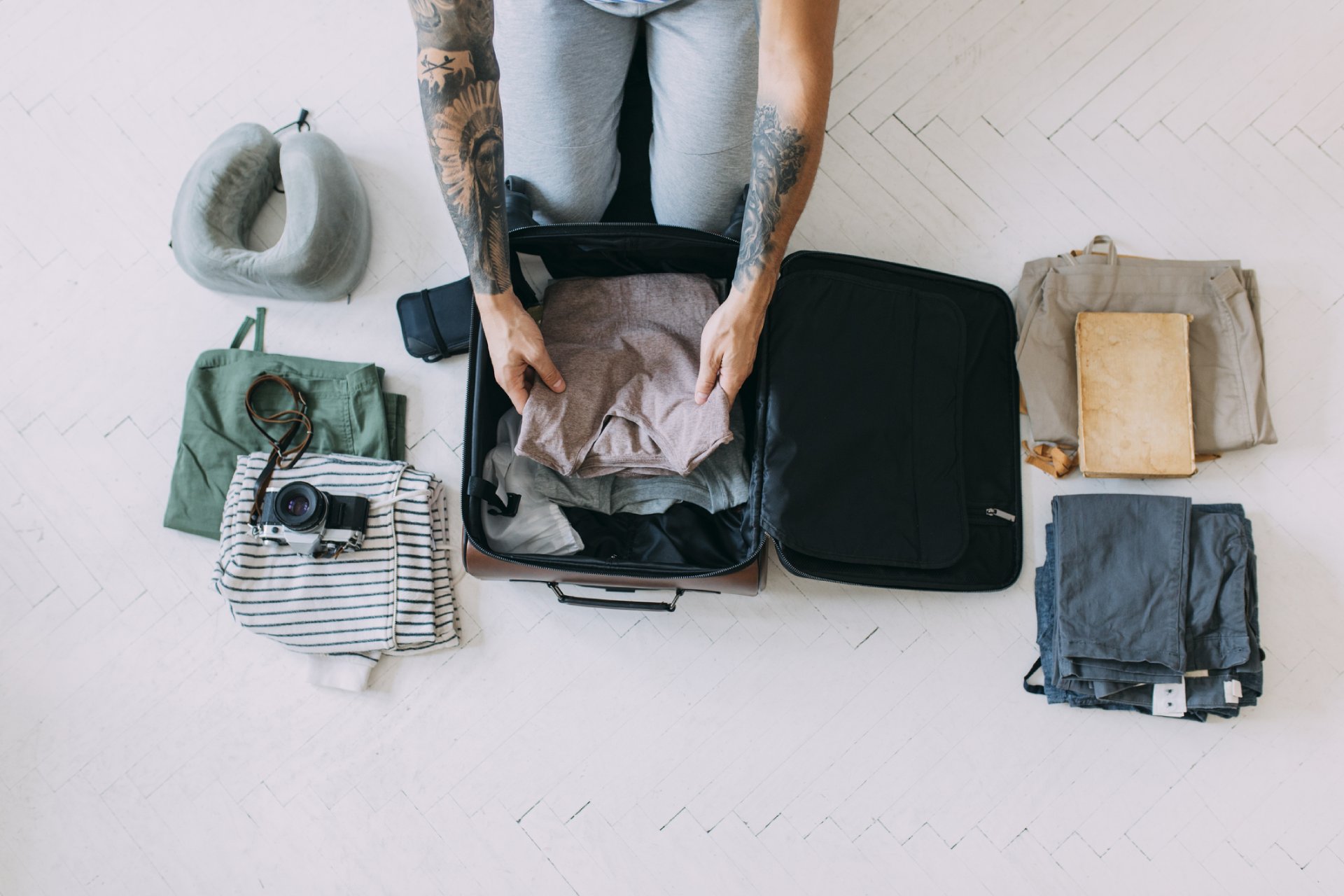
When packing for international travel, whether for business, leisure, or a blend of both (bleisure), the right clothing choices make all the difference, especially on a plane. Packing multipurpose clothing is essential for those seeking style, comfort, and versatility. From the best travel dress shirts to breathable compression socks, selecting outfits that are comfortable, easy to pack, and quick to care for can transform your travel experience.
Best Airline Outfits for Comfort and Style
The best airline outfits strike a perfect balance between comfort and style. Layering is essential when traveling between climates. Lightweight sweaters, cardigans, or wrinkle-free blazers can complement travel dress shirts or dresses. Comfortable bottoms, such as stretchy chinos or tailored joggers, are perfect for flights while maintaining a professional look for arrival.
Wearing compression socks on a plane isn’t just about comfort, it’s about health. Long flights increase the risk of blood clots, and compression socks promote circulation, reduce swelling, and prevent fatigue. Many travelers, including business professionals, now swear by wearing compression socks on a plane to arrive refreshed and comfortable. Look for graduated compression designs, which offer more pressure at the ankles to support proper blood flow during flights.
Footwear Tips
The summer 2024 Global Rescue Travel Safety and Sentiment survey revealed that hiking or trail running shoes are the top travel footwear choices. Over half of men (54%) prefer hiking shoes or trail runners, while a third of women (34%) also favor them. Sneakers rank high among women (33%) and men (20%), and walking shoes remain popular for both genders.
If you’re on a business trip and adding a few days for leisure travel without carrying extra shoes, look for stylish footwear for meetings, comfortable for exploring, and versatile enough to keep your luggage light.
Leather sneakers offer a polished, semi-casual look that works well for meetings and sightseeing tours. Chukkas – stylish ankle boots – bridge the gap between formal and casual. Suede or leather options pair well with chinos or jeans. They’re lightweight and durable and look good in business and casual settings.
Travel loafers are slip-on, breathable, and sophisticated. They’re ideal for business meetings without being overly formal. They’re also best for office environments and social events, and they slip on and off at airport security.
The best shoes for bleisure travel are those that adapt seamlessly between business meetings and leisure activities. Opt for lightweight, packable, and versatile shoes, such as leather sneakers or loafers for business-casual occasions and hiking shoes for adventurous excursions. With smart shoe choices, you’ll be ready for a client meeting or a spontaneous weekend hike.
Sock Selection: Dress Socks and Beyond
Did you pack the right socks? For business meetings, opt for lightweight dress socks made from bamboo or merino wool for odor control and moisture-wicking properties. When traveling for leisure or adventure, athletic socks and hiking socks made from synthetic blends or merino wool provide durability and comfort.
Quick-drying socks are also essential. Whether for hiking trails or urban exploration, ensure you always have a fresh pair ready. Travelers on long trips can rinse these socks in hotel sinks, allowing them to dry quickly overnight.
Best Travel Dress Shirts and Dresses for Versatile Trips
Packing versatile dress shirts and dresses is key for seamless transitions between business meetings and leisurely activities. The best travel dress shirts are wrinkle-resistant, lightweight, and breathable, ensuring you stay polished after long flights. For women, the best dresses for European travel offer a balance of elegance and comfort—think midi dresses in soft fabrics that you can accessorize for meetings or dress down with sandals for exploring.
Pro Tip: Neutral colors and wrinkle-free fabrics are ideal for mix-and-match outfits that work in various settings.
Warm and Cold Climate Essentials: Packable and Care-Free Clothing
Choose versatile, easy-to-pack clothing, which is crucial when traveling to destinations with varying climates. For warm climates, opt for moisture-wicking fabrics like linen and cotton. Pack lightweight, insulated jackets or layers made from merino wool in colder regions. These pieces are not only warm but also breathable and odor-resistant. Quick-drying fabrics are beneficial, as they reduce the need for frequent laundry and ensure you’re always prepared, whether catching a meeting or heading out for a scenic hike.
Pack It Up
Need help planning a versatile, efficient clothing packing list for carry-on luggage for a 7-day bleisure trip? Check out this list. It ensures you have business attire, comfortable leisure wear, and essentials to cover different activities and climates.
For Men
Business Wear (Four Days):
- 2 Dress Shirts (easy-iron or wrinkle-resistant)
- 1 Blazer (versatile and neutral color)
- 2 Pairs of Dress Pants (one dark, one light)
- 2 Ties or Pocket Squares (optional for formal events)
- 1 Pair of Loafers or Slip-On Dress Shoes
Leisure Wear (Three Days):
- 2 Polos or Henley Shirts (for semi-casual dinners)
- 1 Pair of Casual Pants (chinos or jeans)
- 1 Pair of Shorts (for warm climates or leisure outings)
- 1 Lightweight Jacket or Sweater (for cooler evenings)
- 1 Pair of Sneakers (for exploring)
Accessories and Extras:
- 1 Pack of Compression Socks
- Dress Socks + Walking Socks (quick-dry materials)
- 1 Lightweight Belt
- Swimwear (if leisure plans include swimming)
- Athletic Wear (if you plan to hit the gym)
- Undergarments (7 pairs)
- Sleepwear
For Women
Business Wear (Four Days):
- 2 Dresses
- 1 Blazer or Cardigan (neutral color)
- 2 Blouses or Button-Down Shirts (business appropriate)
- 1 Pair of Dress Pants or Skirt
- 1 Pair of Loafers or Flats
Leisure Wear (Three Days):
- 1 Sundress or Maxi Dress (for casual outings)
- 1 Pair of Comfortable Jeans or Linen Pants
- 2 Casual Tops (T-shirts or tank tops)
- 1 Pair of Sandals or Casual Sneakers (for walking)
- 1 Lightweight Jacket or Wrap (for varying temperatures)
Accessories and Extras:
- Compression Socks
- Dress Socks + Athletic Socks (quick-drying)
- Swimwear (if needed)
- Undergarments (7 pairs)
- Sleepwear
Packing Tips:
- Use packing cubes for business vs. leisure separation.
- Roll clothes to save space and prevent wrinkles.
- Wear bulkier items (like jackets or blazers) on the plane to save space.
- Plan to do laundry halfway if needed.
Remember To Pack a Global Rescue Membership
This packing list ensures a balanced wardrobe for business and leisure, minimizes bulk, and prioritizes comfort and style for meetings, leisure activities, and travel days. Always include a Global Rescue membership on your packing list for international travel. It takes up zero room in your luggage yet provides services for emergency field rescue from the point of illness or injury, medical advisory, traveler assistance, destination reports, event alerts, and medical evacuation transport home and (for applicable memberships) virtual healthcare access and security services.
You can access Global Rescue services directly from your smartphone using the My Global Rescue Mobile App. Browse destination reports and alerts, activate emergency assistance, schedule real-time virtual health visits, and keep track of the people you care about with GPS tracking and messaging. Download the My Global Rescue App for Apple devices or Android devices.
Categories:
Press ReleaseNovember 18, 2024
(Lebanon, N.H. – November 18, 2024) Nearly a third of the world’s most experienced travelers (31%) plan to obtain a satellite-enabled smartphone soon and 10% already have one, according to the Fall 2024 Global Rescue Traveler Sentiment and Safety Survey. The primary appeal of satellite-enabled smartphones is travelers’ ability to ensure safety in emergencies.
“Having a reliable way to communicate during emergencies, even when you’re in the most remote corners of the world, offers peace of mind,” said Harding Bush, former Navy SEAL and associate director of security operations at Global Rescue. “Being able to alert first responders or send out SOS signals could make all the difference during a crisis, whether travelers are experiencing a medical emergency or a natural disaster.”
Eight out of 10 travelers (82%) revealed they would feel safer with a satellite-enabled smartphone. Nearly half (49%) cited the ability to call for help when out of cellular range as the primary reason for wanting one. More than a third of respondents (37%) said having satellite communications capabilities would ease the anxiety of family and friends.
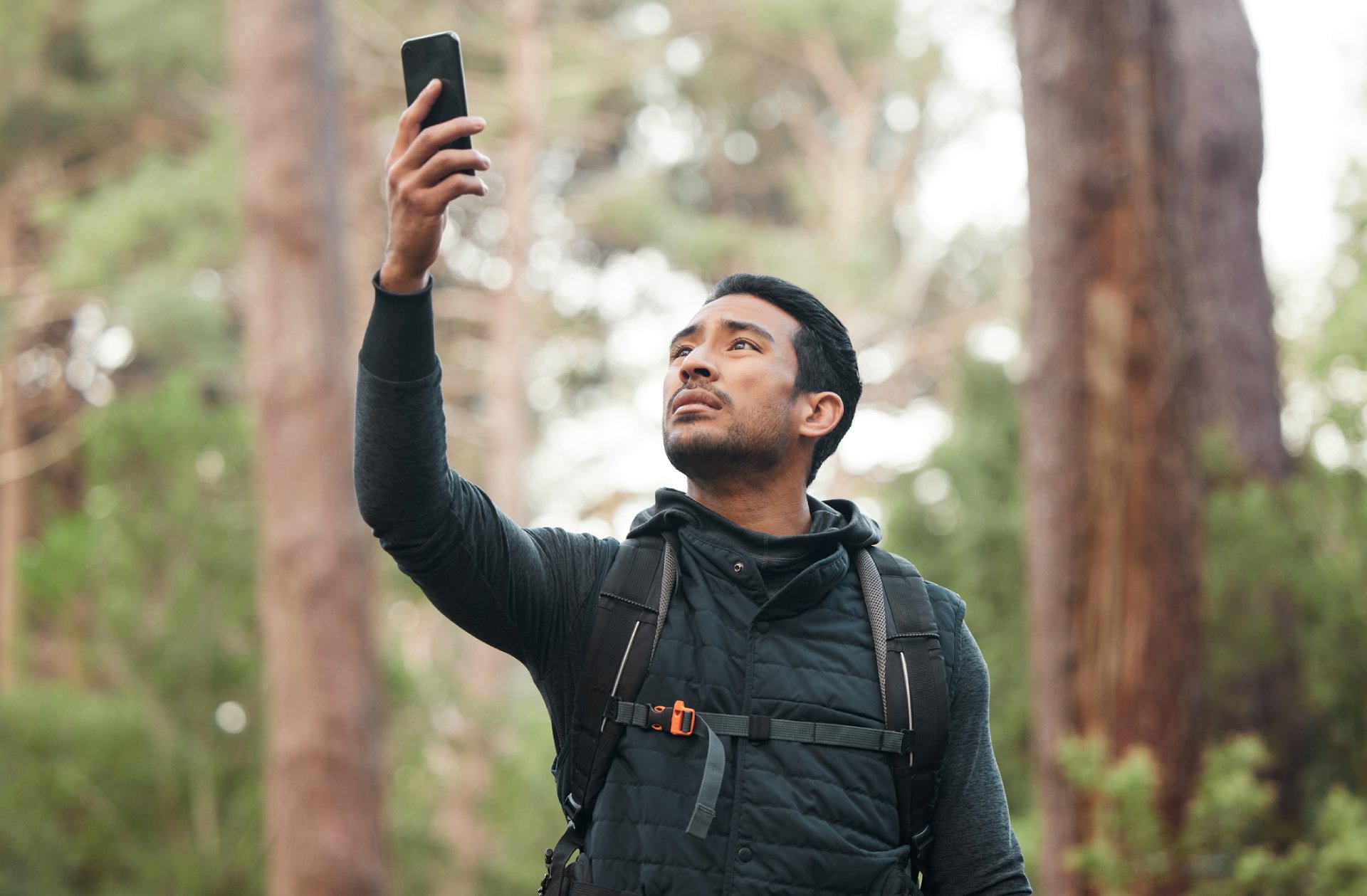
As travel becomes increasingly adventurous and remote destinations more accessible, satellite-enabled smartphones are rapidly gaining popularity. However, satellite communications connectivity is not guaranteed, especially if a clear view of the sky is obstructed. “Mountains, forests and urban with tall buildings have topography that can interfere with satellite signals,” Bush said.
Satellite-enabled devices are not all the same. “Satellite-enabled smartphones, like the iPhone, generally have less power and bandwidth compared to dedicated satellite communication devices like Zoleo or inReach,” added Bush. “While the technology is improving, travelers should be aware of these limitations to maximize their effectiveness.”
As more companies race to develop direct-to-cell satellite services, travelers can expect even better connectivity, allowing them to explore the world without losing the ability to stay in touch. “Satellite communication technology is transforming how people travel,” said Bush. “Whether you’re hiking in remote areas or sailing in the middle of the ocean, having the ability to reach first responders gives travelers the freedom to explore with confidence.”
Contact
Bill McIntyre at bmcintyre@globalrescue.com or +1 (202) 560-1195 (phone/text) for more information.
About the Global Rescue Traveler Sentiment and Safety Survey
Global Rescue, the leading travel risk and crisis response provider, surveyed more than 1,100 current and former members between October 1-20, 2024. The respondents revealed a variety of behaviors, attitudes and preferences regarding current and future travel.
About Global Rescue
The Global Rescue Companies are the world’s leading provider of medical, security, evacuation and travel risk management services to enterprises, governments and individuals. Founded in 2004, Global Rescue has exclusive relationships with the Johns Hopkins Emergency Medicine Division of Special Operations and Elite Medical Group. Global Rescue provides best-in-class services that identify, monitor and respond to client medical and security crises. Global Rescue has provided medical and security support to its clients, including Fortune 500 companies, governments and academic institutions, during every globally significant crisis of the last two decades. For more information, visit www.globalrescue
Categories:
Health & SafetyTravelNovember 15, 2024

Article Highlights
- Safety Matters: Solo female travelers should prioritize destinations with low crime rates and welcoming cultures to ensure a secure travel experience.
- Stay Informed: If you’re traveling alone as a woman, you should know the best solo female travel destinations to avoid dangerous areas and make informed decisions on where to travel.
- Pack Smart: Essential safety gadgets such as personal alarms, pepper spray, and portable chargers can significantly enhance personal safety while traveling alone as a woman.
- Balance Is Key: Finding a balance between safe and comfortable travel allows women to enjoy their adventures while remaining vigilant and secure.
- Empowerment Through Travel: Solo trips for women can be an empowering experience, helping women build confidence, independence, and a sense of adventure.
Traveling alone as a woman can be one of the most liberating and empowering experiences in life. However, with freedom comes safety concerns. It is essential to recognize that a safe destination doesn’t guarantee safety, nor does it mean crime is nonexistent. Wherever you go – solo or not – travelers will “encounter different cultural norms that make you uncomfortable,” said Kiersten Rich aka The Blonde Abroad.
For North American women, finding the right destinations that prioritize safety is crucial.
Safe Travel vs. Comfortable Travel
Safe travel focuses primarily on minimizing risks and ensuring personal security. Key behaviors that prioritize safety include choosing destinations with low crime rates, avoiding sketchy neighborhoods, and maintaining situational awareness. It often requires more planning and research to ensure that every aspect of the journey is as secure as possible.
Comfortable travel – distinct from safe travel – emphasizes relaxation and enjoyment. It allows travelers to immerse themselves in the culture without excessive worry. In addition to safe travel behaviors, comfort travel includes choosing accommodations with top-notch reviews and using reputable services for transportation and exploration.

20 Best Solo Female Travel Destinations
East and Southeast Asia
- Singapore is a city-state known for its cleanliness and safety, providing a comfortable environment for solo travelers.
- Taiwan is known for its safety and hospitality, offering a rich cultural experience without worrying about crime.
- Japan’s low crime rates and respectable culture make it a fantastic destination for women traveling alone. Cities like Tokyo and Kyoto offer a blend of modernity and tradition.
Nordic Countries
- Finland is known for its safety, cleanliness, and stunning natural beauty, ensuring a comfortable travel experience.
- Iceland is consistently ranked as one of the safest countries in the world due to its stunning landscapes and welcoming culture.
- Norway’s striking fjords and vibrant cities make it a safe destination for solo female trip-takers.
- Sweden’s progressive values and low crime rates make it a top destination for women traveling alone.
North America
- Canada’s diverse cities and natural beauty are not only safe but also incredibly welcoming to travelers.
Northwestern Europe
- Ireland’s welcoming nature and beautiful landscapes make it a safe and enjoyable destination.
Oceania
- Australia’s cities like Melbourne and Sydney are not only vibrant but also safe for women traveling on their own.
- New Zealand is known for its breathtaking scenery and friendly locals, making it a safe environment for solo adventurers.
Schengen States
- Austria has a rich history and low crime rates and is a haven for female travelers, especially in cities like Vienna.
- Belgium’s charming cities and low crime rates make it a safe destination for women traveling by themselves.
- The Netherlands is known for its open-minded culture and offers safe urban environments for women traveling alone.
- Spain’s vibrant culture and friendly locals, particularly in cities like Barcelona and Madrid, make it a popular destination for solo female travelers.
- Portugal is praised for its friendly locals, beautiful landscapes, and low crime rates, making it ideal for travelers on their own.
- Switzerland is renowned for its fabulous mountains and efficient public transport, making it an excellent choice for solo female travelers.
South America
- Costa Rica emphasizes eco-tourism and low crime rates and is perfect for adventurous solo women trip-takers.
- Chile’s striking landscapes and friendly locals have become a favorite among women traveling solo.
- Uruguay’s beautiful beaches and relaxed atmosphere equals a safe option for women traveling alone.
Most Dangerous Destinations for Solo Female Travelers
- Brazil has areas with high crime rates, particularly in urban settings, making it essential for travelers to be cautious.
- Colombia has improved in safety, but some regions still face issues with crime and violence.
- Egypt is historically rich, but the country has seen a rise in violence and harassment against women, making it less safe for solo travelers.
- Honduras has high crime rates and is considered unsafe for solo female travelers.
- India is rich in culture, but it has a high rate of violence against women, making it essential for female travelers to exercise caution.
- Indonesia can present safety risks in some parts, especially regarding harassment of women but Bali remains popular.
- Mexico is known for cartel violence and crime, which can pose risks to solo female travelers.
- South Africa has high crime rates, particularly in urban areas, which can be concerning for solo female travelers.
- Turkey has seen political instability and certain areas can be dangerous for solo female travelers.
- Venezuela faces severe economic and political issues, making it one of the most dangerous countries for travelers.

Essential Safety Gadgets for Solo Female Travelers
While the benefits of traveling solo as a woman include everything from building confidence to connectivity, there’s still concern this type of travel is too risky. But that risk is being mitigated.
“Any type of travel can be risky,” said Global Rescue member Amanda Burrill, a former Navy lieutenant turned global adventurer, travel writer, and food connoisseur. “But, if you do your research, follow customs, and take the proper travel safety measures, you can bring down the risk level.”
Global Rescue member Dianette Wells reflected on why she travels solo 90% of the time, something the 57-year-old adventure-chasing endurance athlete and world traveler has been doing since she was 18 when a college friend suddenly bailed on their Austria skiing vacation. “I had gotten my first passport and already invested the money,” she said. “So, I went anyway, alone, and I’m so glad I did. I learned early it’s not worth it to give up on these amazing travel experiences just because you think you need someone to go with you.”
Almost 70% of women don’t travel alone due to safety concerns. If you pack the right safety items in your travel kit, you’ll be more prepared. Here’s what Global Rescue recommends packing if you’re a solo traveler.
- Personal Alarm – Compact and easy to carry, a personal alarm can emit a loud sound to deter attackers and draw attention in emergencies.
- Pepper Spray – Effective for self-defense, pepper spray is a must-have for many solo female travelers. Ensure you check local laws regarding its use in your destination.
- Smartphone Safety Apps – Apps like Life360 or bSafe allow you to share your location with trusted friends or family and can even send emergency alerts.
- Portable Phone Charger – Keeping your phone charged is vital for communication and safety. A portable charger ensures you’re never stranded without a way to call for help.
- Travel Door Lock – A portable door lock provides an extra layer of security for hotel rooms or rented accommodations.
- Whistle – A simple yet effective tool, a whistle can alert others in case of danger, and it’s lightweight and easy to carry.
- Money Belt – A discreet safety belt can hide cash and valuables, making it harder for pickpockets to access your belongings.
“Don’t carry the big handbag, don’t wear elaborate jewelry, leave it all at home — it’s not necessary. When traveling alone, that can make you more of a target when what you want to do is blend in,” Wells said.
The Global Rescue Connection
The Global Rescue Traveler Sentiment and Safety Survey, which tallied 1,500 responses from the most experienced travelers in the world, reported seven out of ten women have traveled solo for leisure in their lifetime. Booking.com forecasts a notable surge in solo travel interest with 54% of women expressing plans to travel alone next year.
“Solo travel is absolutely returning,” said Beth Santos, founder and CEO of Wanderful, a global community and lifestyle brand that specializes in helping women travel the world. “People aren’t waiting for their travel partners; they’re just going.”
No matter who you are (male or female, young or old) or how you are traveling (solo or with family), you should travel prepared with a Global Rescue membership. Global Rescue is the world’s leading provider of medical, security, evacuation, travel risk, and crisis management services.
Do you need emergency help during a trip? A medical evacuation? Travel information, event alerts, or trip planning information? Your Global Rescue membership provides services for emergency field rescue from the point of illness or injury, medical advisory, traveler assistance, destination reports, event alerts, and medical evacuation transport home, and (for applicable memberships) virtual healthcare access and security services.
As a member, we want you to contact us whether it’s a major emergency or something minor.
Did you sustain a major injury or get sick? Head injury? Acute Mountain Sickness? Malaria? Heat exhaustion? Heart attack? Contact us immediately and an on-staff expert will answer and assess your circumstances and arrange for your medical evacuation, if necessary.
Do you have a twisted ankle or is it a fracture? Is your severely upset stomach due to food poisoning? Is that strange bug bite getting worse? It may seem like a minor injury or illness at first, but you can make certain by contacting Global Rescue. You will get real-time access to doctors, paramedics and nurses who will help sort out the do’s and don’ts based on your unique situation and symptoms. It’s part of your membership services.
Did you run out of a prescription, lose your passport or hear a flash flood warning? Maybe there’s a local language barrier you need to overcome. You’re just one call away from help from travel advice experts who will keep you safe and prepared, whether identifying where you can refill your prescription, changing your destination to avoid a natural disaster threat, or finding translation services. Again, it’s all part of your membership.
“A lot of solo travelers deal with ‘what ifs.’ ‘What if I get a stomach bug in Paris?’ ‘What if I lose my passport?’” said Wells. “Having Global Rescue takes so much of the stress associated with the ‘what ifs’ away because you know you’ll have 24/7 access to help.”
Categories:
Business TravelHealth & SafetyNovember 14, 2024

Article Highlights:
- OTC Remedies To Pack: Essential treatments include Pepto-Bismol, Imodium, ORS, probiotics, and activated charcoal.
- Know the Regulations: Some countries, like France and Germany, ban or limit certain anti-diarrheal medications.
- Prevention Is Key: To reduce risks, stick to bottled water, avoid raw foods, and sanitize hands frequently.
- Understand Symptoms and Treatment: TD lasts 3-5 days without treatment. OTC meds help, but antibiotics might be necessary for severe cases.
- Global Rescue Membership: This membership offers 24/7 medical support, evacuation services, and access to local pharmacies, ensuring peace of mind when traveling.
Traveler’s diarrhea (TD) is one of the most common illnesses among tourists. It can strike on any type of trip, whether for business, leisure, or adventure travel. According to the CDC, TD affects between 30% and 70% of international travelers, with risks especially high in developing regions. When it hits, having access to the right over-the-counter (OTC) medicines can make a significant difference in recovery.
Understanding Traveler’s Diarrhea: Causes and Symptoms
TD occurs when travelers ingest bacteria, viruses, or parasites in contaminated food or water. Pathogens such as E. coli, Salmonella, Giardia, and norovirus are common culprits. Poor hygiene practices in food preparation—especially at street markets or buffet settings—contribute to this illness.
Symptoms include:
- Diarrhea and abdominal cramping
- Nausea and vomiting
- Fever and fatigue
- Dehydration
If untreated, symptoms typically last three to five days. Although TD is rarely life-threatening, it can derail travel plans and, in severe cases, require medical evacuation.
Effective OTC Medicines for Traveler’s Diarrhea
These are the commonly used OTC medicines for treating TD, their active ingredients, and available brand names:
Bismuth subsalicylate (Pepto-Bismol, Kaopectate)
Action: Reduces diarrhea, nausea, and stomach upset by coating the stomach lining and killing bacteria.
Note: Avoid overuse as it may cause black stools or tongue.
Availability: Limited in some countries; banned in France and unavailable in Germany and Chile.
Loperamide (Imodium)
Action: Slows intestinal movement, reducing the frequency of diarrhea.
Note: Useful for short-term relief but should not be used if fever or bloody diarrhea is present.
Availability: Widely available but regulated in some regions.
Oral Rehydration Solutions (ORS) – Pedialyte, DripDrop
Action: Restores electrolytes and prevents dehydration caused by diarrhea.
Note: It is essential in severe cases to avoid dangerous fluid loss.
Activated Charcoal
Action: Absorbs toxins and gases in the digestive system, reducing bloating and discomfort.
Availability: Not as common but effective for mild symptoms.
Probiotics (Florastor, Culturelle)
Action: Replenish good bacteria in the gut and help prevent recurrent diarrhea.
Note: Probiotics are best used as a preventive measure or during recovery.
Antibiotics for Traveler’s Diarrhea Treatment
If OTC medications do not alleviate symptoms, antibiotics may be necessary. Antibiotics can treat diarrhea caused by certain bacteria or parasites but won’t help if a virus causes it.
When deciding whether to treat diarrhea with antibiotics, a clinician will consider several factors: the pathogen, how long it’s been since symptoms started, the patient’s other health conditions, the risk of serious infection or complications, and antimicrobial resistance.
While these are usually prescribed, some countries allow limited OTC access to antibiotics for TD. The most commonly prescribed antibiotics include:
- Ciprofloxacin: Effective for bacterial TD, especially against E. coli.
- Azithromycin: A good alternative in regions with drug-resistant strains or for travelers allergic to ciprofloxacin.
- Rifaximin: Particularly effective for non-invasive E. coli-related diarrhea.
In some countries, including the U.S., these antibiotics require a prescription, but other regions, like parts of Southeast Asia and Latin America, may allow OTC purchases.
Countries That Regulate or Ban Anti-Diarrheal Medications
Some countries enforce strict controls or outright bans on anti-diarrheal medications like bismuth subsalicylate and loperamide. Examples include:
- France: Pepto-Bismol is banned due to concerns about its salicylate content.
- Germany and Chile: Limited availability of bismuth subsalicylate products.
- India and Thailand: OTC antibiotics may be available, though misuse can contribute to antibiotic resistance.
Preventing Traveler’s Diarrhea
Preventive steps can help tourists avoid TD. Global Rescue medical experts recommend:
- Stick to bottled or purified water and avoid ice cubes.
- Choose freshly cooked food over room-temperature meals.
- Skip uncooked vegetables and pre-sliced fruits, as they may have been washed with contaminated water.
- Carry hand sanitizer and use it frequently, especially before eating.
- Research healthcare access and pharmacies at your destination in advance.
“When traveling to remote or high-risk destinations, the body can encounter unfamiliar pathogens,” says Jeff Weinstein, medical operations manager at Global Rescue. “Travelers should take precautions and always have medications like loperamide and rehydration solutions on hand.”
Medical Assistance and Digital Solutions for Tourists
Tourists with Global Rescue memberships have access to 24/7 medical advisory services, including assistance with finding doctors, locating pharmacies, and providing prescription support. Global Rescue’s experts are equipped to help travelers in emergencies, whether they need antibiotics, advice on hydration, or a nearby healthcare provider.
In severe cases of TD or if symptoms persist beyond a week, travelers should seek medical attention. Healthcare facilities may vary in quality across different regions, so having travel insurance with medical evacuation services ensures peace of mind. “When something goes wrong, having quick access to help is critical,” adds Weinstein.
The Global Rescue Connection
A Global Rescue membership offers more than just advice. With emergency field rescue and evacuation services available 24/7, members can receive medical support even remotely. Whether dealing with altitude sickness at Everest Base Camp or a case of TD in London, Global Rescue ensures that travelers receive the care they need, no matter where they are.
Traveler’s diarrhea can happen to anyone, anywhere, and at any time. Knowing how to treat it with the right over-the-counter (OTC) medicines is crucial for fast recovery and avoiding serious complications. From Pepto-Bismol to probiotics, tourists should pack a variety of treatments and understand local medication regulations. Antibiotics for travelers’ diarrhea may also be necessary for travelers visiting high-risk regions.
However, preparation doesn’t stop at medication. Global Rescue encourages travelers to research healthcare access at their destination and carry travel insurance for emergencies. With the proper precautions, a little planning, and access to the best treatments, tourists can stay healthy and enjoy their adventures worry-free.