Categories:
Security & IntelligenceTravelFebruary 12, 2026
Article Highlights:
- Satellite emergency communication is rapidly shifting toward direct-to-device integration in smartphones and wearables.
- Dedicated satcom devices remain more reliable for extended, remote and high-risk travel.
- Two-way Emergency SOS dramatically improves rescue outcomes but requires user responsibility.
- Satellite devices are illegal or restricted in several countries, including India, China and Russia.
- Satcom devices enhance safety, but do not replace preparation, training or professional rescue services.
For decades, satellite communication, often shortened to satcom, was the domain of polar explorers, offshore crews and government agencies. In 2026, that reality has changed dramatically. Emergency satellite communications devices are now mainstream travel safety tools, carried by adventure, business and leisure travelers, venturing beyond reliable cellular coverage.
Driven by advances in satellite networks like Iridium, Inmarsat, Globalstar and emerging platforms such as Skylo, the modern traveler has more options than ever for staying connected when the grid disappears. From rugged personal locator beacons to smartphones offering Emergency SOS via Satellite, this new generation of technology is reshaping how, and where, people travel.
Emergency SOS via Satellite Devices, From Basic to Specialized
The most significant shift in emergency satellite communication in 2026 is the move toward direct-to-device (D2D) connectivity. Instead of relying solely on dedicated hardware, travelers can now access satellite messaging through devices they already carry.
Apple’s iPhone 14 and newer models use the Globalstar network to deliver Emergency SOS via Satellite. Google’s Pixel 9 and 10 series, along with the Pixel Watch 4, integrate Skylo technology, enabling two-way emergency messaging from a phone, or even directly from a smartwatch. Samsung’s Galaxy S25 lineup and foldable devices now support satellite services through carrier partnerships with Verizon and T-Mobile, including Starlink-based trials.
This integration lowers the barrier to entry for travelers who may never have considered buying a standalone satcom device, while dramatically expanding access to emergency support in remote environments.
Dedicated Devices Still Matter
Despite smartphone innovation, dedicated satellite communication devices remain essential for serious travelers. These devices are purpose-built for reliability, battery life and harsh conditions.
Satellite messengers like the Garmin inReach Mini 2 and ZOLEO Satellite Communicator offer two-way messaging, GPS tracking and a dedicated Emergency SOS button. They operate primarily on the Iridium network, which provides truly global coverage, including polar regions. Battery life is measured in days or weeks, not hours, making them far more dependable during extended trips.
At the most specialized end of the spectrum are personal locator beacons (PLBs). Unlike messengers, PLBs are designed strictly for life-threatening emergencies. Once activated, they transmit a distress signal to international rescue authorities without requiring a subscription. Devices like the ACR ResQLink are simple, powerful and legally recognized by search-and-rescue agencies worldwide.
How Emergency SOS Really Works
Emergency SOS systems rely on orbital satellite constellations rather than cell towers. When activated, a distress signal is routed through the appropriate network, Iridium, Globalstar or Inmarsat, and passed to a coordination center. From there, the alert is escalated to local or national rescue authorities.
Two-way messaging has transformed emergency response. Instead of a blind rescue launch, responders can now gather critical details: injuries, weather conditions, terrain and exact location. This capability dramatically improves outcomes and reduces unnecessary deployments.
In Sweden’s remote Norrbotten County, a climber activated an emergency satellite communications device when conditions deteriorated. Two-way messaging failed due to environmental interference, but Global Rescue escalated the alert to the Sweden Joint Rescue Coordination Center. A police helicopter was dispatched and successfully rescued two individuals, who were transported to a hospital.
In Wales, a UK hiker triggered an SOS near Nant Peris after becoming cold and soaked. Global Rescue notified the UK Maritime and Coastguard Agency, which began coordinating a rescue. The hiker later confirmed she had safely reached her car, allowing emergency services to stand down and the alert to be canceled, an example of responsible follow-up preventing unnecessary risk to responders.
Emergency SOS Device Legal Risks for Travelers
Satellite communication devices are not universally legal. This reality has caught many travelers off guard, sometimes with severe consequences.
A Canadian ultrarunner, Tina Lewis, was detained in India for carrying a Garmin inReach Mini. Indian law requires individuals to obtain government permission before possessing or using a satellite communication device. Lewis was interrogated for hours, fined, paid thousands in legal fees and bail and spent days attempting to recover her passport. She was not alone. Multiple travelers, including Czech, American and European citizens, were detained in India within the same month for similar violations.
Countries with strict bans or heavy restrictions include India, China, North Korea, Cuba, Russia, Myanmar, Vietnam, Syria, Sudan and Iran. Some regions are also subject to US sanctions, meaning US-based satcom services may not function even if possession is legal.
For travelers, the lesson is clear: owning a device does not grant permission to carry or use it everywhere.
The Technical Reality Travelers Must Understand
Satellite communication is powerful, but it is not magic. Devices require a clear view of the sky. Messages can take several minutes to send, depending on satellite positioning. Heavy rain, snow or dense canopy can interfere with transmission. Batteries drain faster in cold conditions. Many devices rely on smartphone pairing, which introduces another point of failure.
Understanding these limitations, and practicing with a device before an emergency, often determines whether it becomes a lifesaving tool or a false sense of security.
The Global Rescue Connection
Emergency satellite communications devices are powerful tools, but they are not rescue services. Pressing an SOS button initiates a signal, it does not guarantee medical care, evacuation or advocacy in complex international environments.
This distinction becomes especially important for travelers living or retiring abroad. In many regions, first responders are limited, medical facilities are uneven and evacuation resources are scarce or nonexistent. Satellite communication may alert authorities, but it cannot coordinate medical extraction, arrange international evacuation or provide expert medical advisory support.
A Global Rescue membership bridges that gap. It ensures field rescue, medical evacuation and real-time medical and security advisory services anywhere in the world. When satellite devices trigger an alert, Global Rescue can coordinate with local authorities, escalate appropriately and advocate for the traveler, transforming a signal into an outcome.
In 2026, emergency satellite communication is more accessible than ever. Used wisely, and paired with professional rescue support, it allows travelers to explore farther, travel longer and live abroad with confidence rather than risk.
Categories:
Places & PartnersTravelFebruary 11, 2026
Article Highlights:
- Canada combines world-class cities with some of the most remote wilderness on earth.
- Montreal, Toronto and Vancouver anchor the country’s cultural and business travel appeal.
- Skiing, fishing and hunting in Canada often take place far beyond standard infrastructure.
- Northern lights, Arctic expeditions and fly-in lodges define Canada’s most extreme adventures.
- Global events like the FIFA World Cup will significantly impact travel demand in key cities.
Canada is absolutely worth visiting, offering a rare combination of vast, untamed wilderness and some of the world’s most livable, multicultural cities. From the cultural sophistication of Montreal and Toronto to the mountain-and-ocean drama of Vancouver and British Columbia, the country delivers year-round appeal for adventure seekers, business travelers, retirees and leisure travelers alike. Whether the draw is skiing in Canada’s legendary powder, fly-in fishing in remote northern lakes, hunting in Canada’s rugged backcountry or witnessing the northern lights in Canada’s far reaches, the country rewards travelers willing to explore both its cities and its wild spaces.
Canada’s sheer size shapes every aspect of the travel experience. It is the second-largest country in the world, stretching from the temperate rainforests of British Columbia to the Arctic tundra of Nunavut. This scale creates extraordinary diversity. One trip can include world-class dining in Toronto, European-style cafés in Montreal, coastal hiking in Vancouver and glacier-fed lakes in the Rocky Mountains. It also means that travel planning matters. Distances between regions are vast, weather can vary dramatically and reaching the most rewarding destinations often requires specialized logistics.
Montreal, Toronto and Vancouver: Canada’s Urban Anchors
Canada’s major cities are a major reason it consistently ranks among the best countries in the world to visit.
Montreal blends French and English influences into a cultural identity unlike anywhere else in North America. Its historic Old Montreal, vibrant arts scene, festivals and culinary culture make it one of the most compelling leisure cities in the country. It is walkable, lively and distinctly European in feel.
Toronto is Canada’s economic engine and most cosmopolitan city. As a global hub for finance, technology, film and business, it attracts international travelers year-round. The city’s neighborhoods reflect its multicultural population and its proximity to Niagara Falls adds an easy natural escape for visitors.
Vancouver offers one of the most dramatic urban settings in the world. Mountains rise directly from the ocean, creating instant access to skiing, hiking, kayaking and wildlife viewing. For travelers who want outdoor adventure without sacrificing urban sophistication, Vancouver and the surrounding areas of British Columbia are unmatched.
Adventure Travel in Canada: World-Class and Often Remote
Canada is one of the premier adventure travel destinations on the planet, largely because so much of the country remains undeveloped and wild.
Skiing in Canada is legendary. British Columbia alone offers some of the best terrain on earth, from major resorts like Whistler Blackcomb to remote heli-skiing operations in Bella Coola, Bell 2 Lodge and the Monashee and Selkirk Mountains. Quebec’s Chic-Chocs Mountains provide rugged backcountry skiing with a distinctly different, windswept character.
Fishing in Canada attracts anglers from around the world. Remote fishing destinations in northern Saskatchewan, Manitoba and the Northwest Territories offer fly-in lodge experiences focused on trophy northern pike, lake trout and arctic grayling. Along the British Columbia coast, remote wilderness lodges provide world-class salmon and steelhead fishing in pristine settings.
Hunting in Canada is equally iconic and often logistically demanding. The Yukon Territory, northern British Columbia, Nunavut and the Northwest Territories offer wilderness hunts for species such as Dall sheep, Stone sheep, caribou, muskoxen, moose and bear. These hunts take place far from infrastructure, often accessible only by bush plane or river travel.
For travelers seeking true isolation, Canada’s most remote destinations deliver once-in-a-lifetime experiences. Baffin Island in Nunavut is renowned for extreme Arctic expeditions. Torngat Mountains National Park in Newfoundland and Labrador offers isolated hiking in a stark, breathtaking landscape. The Great Bear Rainforest in British Columbia combines coastal fjords, old-growth forest and rare wildlife. Churchill, Manitoba is famous for polar bear viewing and northern lights in Canada’s remote tundra.
Leisure Travel and Seasonal Appeal
Canada offers strong seasonal variety. Summer brings hiking, whale watching, festivals and long daylight hours. Fall delivers spectacular foliage, especially in Quebec and Ontario. Winter transforms the country into a global destination for snow sports and northern lights viewing. Spring is quieter but rewarding in cities and coastal regions.
Leisure travelers benefit from Canada’s reputation as one of the safest and most welcoming countries in the world. Its national parks, clean cities and well-maintained infrastructure make it approachable even for first-time visitors.
Business Travel and Global Events
For business travelers, Canada’s major cities are globally connected and efficient. Toronto and Vancouver in particular serve as gateways between North America, Europe and Asia. Strong financial systems, stable governance and a skilled workforce make Canada a frequent destination for conferences and corporate travel.
Canada will also play a role on the world stage during the FIFA World Cup, with matches hosted exclusively in Toronto and Vancouver. This global event will significantly impact travel to Canada during the tournament period, increasing demand for flights, hotels and transportation in those cities. Travelers planning visits during that time should expect higher prices, limited availability and increased crowding, especially in downtown areas and near stadiums.
Pros and Cons of Traveling to Canada
Canada’s strengths are substantial, but travelers should consider a few practical realities.
On the positive side, the country offers stunning natural beauty, vibrant cities, safety and cultural diversity. Outdoor recreation opportunities are unmatched and infrastructure in major regions is excellent. Canada is also perceived as welcoming and easy to navigate for international travelers.
On the downside, the country’s size means travel times can be long and internal flights expensive. Major cities such as Toronto, Vancouver and Montreal can be costly, particularly during peak seasons. Weather is another factor; winters can be severe and even summer conditions can change quickly in mountain and northern regions. Remote adventure travel often requires specialized planning, guides and contingency support.
The Global Rescue Connection
Traveling in Canada often means venturing far beyond urban centers, especially for adventure travel, extended leisure stays, or retirement abroad. While Canada is known for high-quality healthcare in major cities, first responders and medical facilities may not be readily available in remote regions such as the Arctic, northern forests, backcountry ski zones, or fly-in fishing and hunting areas. Delays caused by weather, distance, or limited access can quickly turn otherwise manageable injuries or illnesses into serious medical events.
That reality becomes clear in real-world scenarios. A 38-year-old U.S. traveler sustained multiple rib fractures and a dislocated shoulder following a skiing accident in Alberta. After receiving an initial medical evaluation, he needed to return home to New York for further treatment. Global Rescue coordinated the logistics and provided a non-medical escort, ensuring a safe and seamless transfer back to the United States, where he was admitted for continued care.
In another case, an SOS device owner contacted Global Rescue operations from British Columbia after an individual suffered severe burns to his foot from a camp stove accident. While the injured person was stable and responsive, he was in a remote location with limited access to immediate care. Global Rescue coordinated with first responders, supported on-site first aid efforts, and assisted in the rescue and recovery process—bridging the gap between wilderness injury and definitive care.
For travelers in Canada’s most isolated regions, preparation can be the difference between delay and decisive action. That was the case for Louis Cairo, owner and managing partner of GWC Injury Lawyers in Chicago, who was injured while traveling in the remote Stikine Region of northwestern British Columbia, an area roughly the size of Alabama with a population of about 1,000 people. Cairo’s expedition involved daily horseback travel and mountain travel while living entirely off-grid.
When his horse fell down a steep incline, Cairo was thrown more than 15 feet and suffered significant leg and knee injuries. Medical help was more than six hours away, and the terrain made self-evacuation impossible.
“There was no way I could have possibly gotten back on a horse and ridden through mountains, bogs and rivers to get to the lake where a float plane could pick me up,” Cairo said.
Using a satellite phone, Cairo’s team contacted Global Rescue and soon after a helicopter reached a clearing near the camp and transported him to Dease Lake, where he was in an emergency room within an hour of landing.
“That speed to care made all the difference,” Cairo said, noting that without evacuation, his injuries could have been far more severe, or permanent.
A Global Rescue membership provides critical support in exactly these scenarios. Field rescue, medical evacuation, and medical advisory services become especially valuable when traveling or living in areas where local resources are limited or inaccessible. For travelers considering extended stays or retirement abroad in Canada’s quieter, more remote regions, Global Rescue adds an essential layer of preparedness, ensuring access to expert assistance when it matters most, no matter how far from help they may be.
Global Rescue memberships also include personalized advisory services and 24/7 emergency assistance, reinforcing peace of mind for travelers who understand that in remote environments, accidents don’t need to be dramatic to become dangerous—they just need to happen far from help.
Categories:
TravelFebruary 10, 2026
Article Highlights:
- One in three travelers are considering retiring abroad, signaling a major shift in retirement planning.
- Mexico and Costa Rica remain top retirement destinations due to affordability and healthcare access.
- European options like Portugal and Greece offer cultural richness with modern infrastructure.
- Financial flexibility strongly influences who is most likely to retire internationally.
- Retiring abroad increases the importance of medical evacuation and emergency preparedness.
For generations, retirement planning focused on domestic milestones: downsizing, relocating to a warmer state or settling closer to family. Today, that narrative is changing. Travel exposure, financial flexibility and shifting lifestyle priorities are driving more Americans to consider an international future. According to the latest Global Rescue Traveler Sentiment and Safety Survey, more than one in three travelers are actively thinking about retiring abroad, with interest strongest among younger, higher-income travelers who already see the world as accessible and familiar.
The idea of retiring internationally is no longer limited to adventurous outliers. Instead, it is becoming a mainstream aspiration tied to affordability, quality of life, healthcare access and cultural enrichment. Countries such as Mexico, Costa Rica, Portugal, Panama and Greece consistently appear on lists of the best places in the world to retire, offering a compelling mix of cost savings, lifestyle benefits and residency options. Yet retiring abroad also introduces real considerations around safety, healthcare access and emergency response, factors many retirees underestimate until they are living far from home.
A Global Trend Shaped by Experience and Income
The Global Rescue Traveler Sentiment and Safety Survey highlights a broader shift in how Americans view retirement. Interest in retiring abroad is highest among travelers under 55, particularly those aged 35 to 54, who have integrated global travel into their lifestyles. Higher-income respondents are leading this trend, with those earning over $150,000 annually showing the strongest interest in international retirement.
“Travel often sparks more than just short-term adventure, it opens people’s eyes to what life could look like elsewhere,” said Dan Richards, CEO of The Global Rescue Companies. These travelers are not chasing novelty alone; they are evaluating long-term sustainability, healthcare access and personal safety as part of their retirement planning.
Mexico: Familiar, Affordable and Close to Home
Mexico remains one of the most popular destinations for Americans looking to retire abroad and for good reason. Proximity to the United States allows retirees to stay connected to family while enjoying a significantly lower cost of living. Many expat-friendly cities offer modern infrastructure, private healthcare facilities and established English-speaking communities. For retirees asking whether they should retire in Mexico, the appeal often centers on affordability, climate variety and cultural familiarity.
Mexico’s advantages, however, are location-specific. While some regions boast excellent hospitals and international medical standards, others may have limited emergency response capabilities outside major urban centers. Public healthcare quality varies widely and retirees often rely on private providers. Security concerns also differ by region, requiring careful research before settling. Retiring in Mexico can be rewarding, but it demands thoughtful location selection and contingency planning.
Costa Rica: Stability, Healthcare and Natural Beauty
Costa Rica consistently ranks as a top choice for retirees seeking stability, environmental beauty and strong healthcare systems. The country’s long-standing democracy, lack of a standing military and emphasis on sustainability make it particularly attractive to retirees prioritizing safety and quality of life. For those considering whether to retire in Costa Rica, access to both public and private healthcare is a significant draw, along with a well-defined residency program for retirees.
That said, Costa Rica’s popularity has driven up costs in some areas, particularly coastal and expat-dense regions. Infrastructure can be inconsistent outside major cities and specialized medical care may require travel to San José. Retirees accustomed to immediate emergency services may find response times slower in rural or remote locations. Costa Rica offers a balanced lifestyle, but expectations around convenience and accessibility must be realistic.
Portugal: European Living With Financial Incentives
Portugal has emerged as one of the best countries to retire in Europe, combining Old World charm with modern infrastructure and strong healthcare access. Favorable residency programs, a relatively low cost of living compared to other Western European nations and a welcoming attitude toward foreigners have made Portugal especially appealing to retirees seeking cultural richness without excessive complexity.
The country’s public healthcare system is widely regarded and private options are readily available. Bureaucracy can be slow, however, and language barriers still exist outside major cities. Additionally, popular retirement hubs have seen rising housing costs. While Portugal offers security and quality of life, retirees should be prepared for administrative challenges and evolving tax policies that may impact long-term financial planning.
Panama: Financial Advantages and Strategic Location
Panama positions itself as a retiree-friendly destination through incentives such as pensioner discounts, favorable tax policies and modern infrastructure. Its strategic location and use of the US dollar add layers of familiarity and financial simplicity. For those searching for the best place to retire with a balance of urban convenience and tropical living, Panama frequently stands out.
Yet Panama’s benefits are unevenly distributed. Healthcare quality is excellent in Panama City but less consistent in rural regions. Cultural integration can take time and emergency services may be limited outside metropolitan areas. Retirees drawn by financial incentives must weigh these benefits against potential gaps in regional infrastructure and medical response.
Greece: Culture, Climate and Lifestyle Appeal
Greece offers retirees a lifestyle steeped in history, cuisine and Mediterranean living. Coastal towns and islands attract those seeking slower rhythms, scenic environments and strong community ties. Compared to other European destinations, Greece can be relatively affordable, making it an appealing option among the best places in the world to retire.
Greece’s healthcare system varies by region, however, with top facilities concentrated in larger cities. Island living, while idyllic, can mean delayed emergency care and limited specialist access. Bureaucracy and language barriers may also present challenges. Retiring in Greece offers profound lifestyle rewards, but it requires adaptability and careful healthcare planning.
The Global Rescue Connection
Retiring abroad offers freedom, affordability and access to new experiences, but it also introduces risks many retirees overlook. In many international destinations, first responders may not arrive quickly, emergency transport may be limited and advanced medical care may require travel across borders. These realities make preparation essential, not optional.
A Global Rescue membership provides field rescue, medical evacuation and medical advisory services that bridge the gap between aspiration and reality. Whether living in a coastal village, mountain town or emerging retirement hub, retirees benefit from knowing that expert help is available when local systems fall short. For those choosing the best country to retire beyond their home borders, Global Rescue adds a critical layer of security, ensuring that adventure, independence and peace of mind can coexist, no matter where retirement leads.
Categories:
Press ReleaseFebruary 9, 2026
(Lebanon, N.H – February 9, 2026) – International travelers express heightened concern about potential travel disruptions to FIFA World Cup host countries, according to the Global Rescue Winter 2026 Traveler Sentiment and Safety Survey, though other travelers say they are not significantly altering their travel plans because of the tournament,
Overall, 34% of respondents say they are not avoiding travel to any of the host countries — the US, Canada and Mexico — during the World Cup period. An additional 41% report they have no plans to travel to any of the host countries regardless of the event. Only 12% say they are undecided.
Avoidance varies notably by geography. Among non-US respondents, 45% say they are avoiding travel to the US during the World Cup, compared to just 2% of US-based travelers. Similarly, 13% of non-US travelers say they are avoiding Mexico, versus 6% of US respondents. Avoidance of Canada remains comparatively low overall at 4%, though non-US travelers are more than three times as likely as US travelers to avoid Canada (10% vs 3%).
Gender differences also emerge. Men are slightly more likely than women to say they are not avoiding travel to any host country (33% vs 35%), while women are more likely to report having no plans to travel to the host countries at all (47% vs 40%). Men show higher avoidance of the US during the World Cup period (11% vs 9%), while women are marginally more likely to avoid Canada (5% vs 3%).
“Mega-events like the World Cup create perceptions of congestion and complexity, even for travelers with no intention of attending matches,” said Dan Richards, CEO of The Global Rescue Companies and a member of the US Travel and Tourism Advisory Board at the US Department of Commerce. “The data shows that while most travelers are not overly concerned, non-US travelers are far more sensitive to the potential impacts on entry, mobility and crowding.”
Concerns about border delays and enhanced screening remain limited overall. More than half of all respondents (54%) say they are not at all concerned about delays, additional screening or entry issues when entering Canada, Mexico or the US during the World Cup. Another 24% say they are slightly concerned.
Non-US travelers, however, report higher levels of concern. While 56% of US respondents say they are not at all concerned, that figure drops to 45% among non-US travelers. Nearly 35% of non-US respondents describe themselves as moderately or very concerned, compared to 19% of US travelers. Men and women report similar concern levels overall, though women are more likely to say they are slightly concerned (28% vs 23%), while men are marginally more likely to say they are very concerned (8% vs 4%).
Despite the scale of the event, interest in attending matches is limited. Fully 84% of travelers say they are not planning to attend any World Cup matches. Only 4% plan to attend matches in a single host country and none report plans to attend matches in multiple countries. Non-US travelers are even less likely to attend, with 92% saying they do not plan to go to any matches, compared to 82% of US respondents.
“The World Cup’s impact extends well beyond ticket holders,” Richards said. “Even travelers with no interest in the games are factoring the event into their decisions, particularly when it comes to border crossings and destination choice.”
About the Global Rescue Traveler Sentiment and Safety Survey
Global Rescue, the leading travel risk and crisis response provider, surveyed more than 1,400 current and former members between January 13 – 17, 2026. Respondents shared their attitudes, behaviors and preferences related to travel safety, technology and global mobility.
About Global Rescue
Global Rescue is the world’s leading provider of medical, security, evacuation and travel risk management services to enterprises, governments and individuals. Founded in 2004, Global Rescue maintains exclusive relationships with the Johns Hopkins Emergency Medicine Division of Special Operations and Elite Medical Group. The company has provided medical and security support during every major global crisis over the past two decades.
Categories:
TravelFebruary 6, 2026
Article Highlights:
- The Bahamas offers far more than Nassau resorts, with Exuma and other islands delivering safer, quieter and more immersive travel.
- US citizens need a valid passport, proof of onward travel and completed customs forms to enter the Bahamas by air.
- The Bahamas and Exuma are generally safe, but medical infrastructure varies widely by island.
- Traditional travel insurance often fails where evacuation memberships excel.
- Global Rescue is especially valuable for older travelers, families and those leaving resort environments.
For US travelers, the Bahamas often feels familiar, close, English-speaking and visually iconic. Yet beneath the postcard imagery lies a diverse archipelago of more than 700 islands and cays, each offering a distinct experience. From the energy of Nassau to the serenity of Exuma, travel to the Bahamas rewards those who look beyond cruise ports and all-inclusive assumptions.
The Bahamas also occupies a unique place in international travel planning. While it’s geographically close to the US, often just a two- to three-hour flight from Florida, it is still a foreign country with different medical systems, infrastructure realities and emergency-response limitations once you leave major population centers. For serious international travelers, that distinction matters.
What Do You Need To Go to the Bahamas?
A common question is simply, what do you need to go to the Bahamas? For US citizens traveling by air, the requirements are straightforward but non-negotiable. You must have a valid US passport book that remains valid for the duration of your stay. You’ll also need proof of onward or return travel, such as a round-trip airline ticket.
Travelers must complete the Bahamas C17 customs form, which is now typically handled electronically prior to arrival. While visa-free entry is standard for tourism stays, immigration officials may ask about accommodations and length of stay. Nassau passport requirements follow these national rules and they apply equally whether you’re staying in a resort, visiting family or island-hopping through the Out Islands.
Cruise travelers should note that closed-loop cruises from Florida sometimes allow alternative documents, but air travel from the US to the Bahamas requires a passport. For travelers planning side trips or unexpected returns, especially due to weather or medical needs, a passport book is essential.
Is the Bahamas Safe?
Another frequent concern is safety. Broadly speaking, the answer to is the Bahamas safe is yes, for tourists who take standard precautions. Major resort areas, including Nassau and Paradise Island, maintain a strong security presence. Violent crime involving visitors is uncommon and most incidents are localized and avoidable with situational awareness.
That said, the Bahamas is not monolithic. New Providence (home to Nassau) is more urban and busy, while the Family Islands are quieter and more community-oriented. Travelers venturing outside resort zones should exercise the same awareness they would in any international destination.
Is Exuma Safe?
Travelers asking is Exuma safe are usually reassured to learn that Exuma is considered one of the safest areas in the country. With a low crime rate, welcoming local communities and limited urban congestion, the Exumas appeal to travelers seeking tranquility, boating, diving and pristine beaches. Safety concerns here are far more likely to involve boating mishaps, weather exposure or medical emergencies than crime.
Choosing the Best Islands in the Bahamas
There is no single answer to the best Bahama island to visit or even the best islands in the Bahamas, because the right choice depends on your travel style.
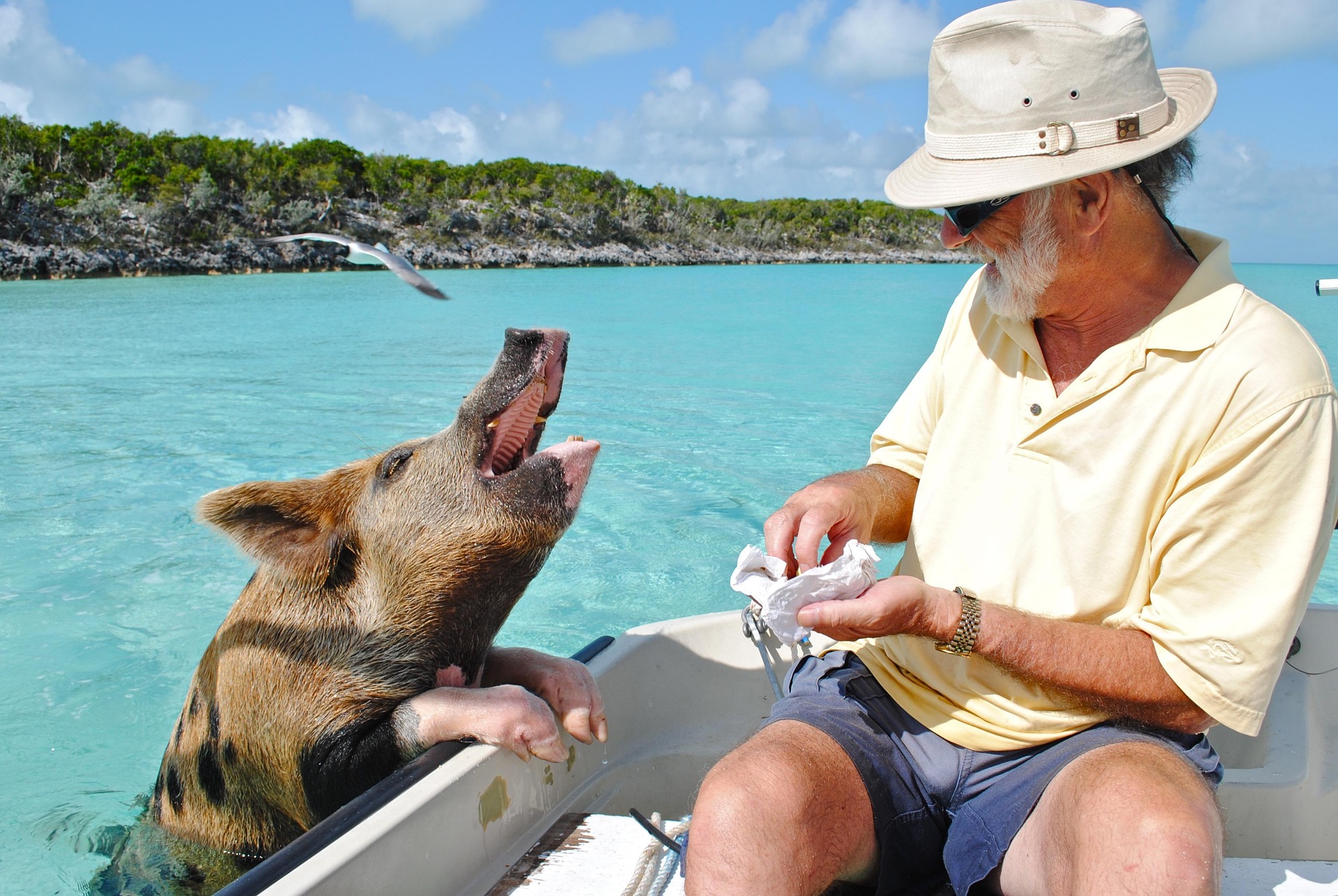
Nassau and Paradise Island suit travelers who want dining, nightlife, casinos and easy logistics. The Exumas are famous for crystal-clear water, uninhabited cays and experiences like swimming pigs, making them ideal for nature-focused travelers. Eleuthera and Harbour Island attract those seeking pink-sand beaches and boutique elegance, while islands like Andros appeal to divers and anglers.
The best places to visit in the Bahamas often involve combining one major hub with a quieter island, balancing convenience with immersion.
Travel Protection: Insurance vs. Evacuation Memberships
For serious international travelers, especially those leaving resort zones, traditional travel insurance often falls short. Insurance typically reimburses expenses after the fact and may exclude or delay approvals for medical evacuation. A dedicated medical and security evacuation membership, by contrast, focuses on extraction and transport, moving you to appropriate care quickly rather than reimbursing later.
Many US travelers ask whether Global Rescue is worth the money if they only take one or two major international trips annually. The answer depends on risk tolerance, destination profile and personal circumstances. For travelers visiting remote islands, engaging in boating or adventure activities or traveling during hurricane season, the value proposition is strong. One serious incident can outweigh years of membership costs.
Is Global Rescue a Good Fit for Older Travelers or Teens?
For US travelers aged 65+, concerns about age limits and medical restrictions are common. Global Rescue does not impose upper age limits and evaluates cases based on medical necessity rather than age alone. Older travelers often benefit the most, as they are statistically more likely to require medical transport and continuity of care back home.
Travelers who most often regret choosing standard insurance over Global Rescue include those who suffer orthopedic injuries, cardiac events or complications in destinations with limited medical infrastructure. Families, boaters, divers and travelers assuming resorts equate to US-level care frequently reassess after a single serious incident.
Parents sending teens on international study or exchange programs should insist on evacuation protection that includes medical, security and crisis-response coordination, not just insurance reimbursement. Programs should demonstrate clear protocols for extraction, communication and parental involvement during emergencies.
The Global Rescue Connection
The Bahamas may feel close to home, but medical realities can change quickly once an incident occurs, especially outside Nassau or Paradise Island.
While visiting Marsh Harbour, Bahamas, a Global Rescue member tripped, fell and suffered a severe knee injury. She contacted Global Rescue immediately while her friends arranged a taxi to a local medical center. An X-ray revealed a broken kneecap and the treating physician strongly recommended further evaluation and treatment in the United States.
Global Rescue medical operations reviewed the case and agreed that immediate treatment was necessary. With no further travel plans and a preference to receive care near her home in Miami, Global Rescue arranged two business-class seats for the member and her non-medical escort on a flight from the Bahamas to Miami. The team coordinated her hospital admission upon arrival and provided wheelchair and luggage assistance throughout the journey.
The member expressed her gratitude and confirmed no further assistance was required, but the outcome underscored a critical lesson echoed across Global Rescue’s case history: even in destinations as familiar and welcoming as the Bahamas, having a dedicated medical evacuation and support membership can make the difference between uncertainty and decisive care.
Categories:
TravelFebruary 5, 2026
Article Highlights:
- Visiting new destinations is the top 2026 travel resolution, despite growing uncertainty.
- Shoulder season travel is rising as travelers seek value and fewer crowds.
- More than half of travelers prefer lesser-known destinations over traditional hotspots.
- Most travelers believe international travel is more dangerous or unpredictable.
- Risk awareness is driving smarter planning, not less travel.
In 2026, travelers are asking a more pointed question than ever before: is it safe to travel? The answer, increasingly, is not a simple yes or no. Instead, travelers are weighing opportunity against uncertainty and choosing exploration, often to lesser-known destinations, even as they anticipate greater danger and unpredictability in international travel.
According to the Global Rescue Winter 2026 Traveler Sentiment and Safety Survey, visiting a new country, destination or continent is the top travel resolution for the year ahead. Overall, 41% of respondents say their most important 2026 travel resolution is to visit someplace new, signaling a sustained appetite for global mobility despite persistent security concerns, geopolitical instability and uneven access to medical care in many regions.
Rather than pulling back, travelers are recalibrating. They are traveling differently, selecting shoulder seasons, avoiding crowds and prioritizing destinations that feel undiscovered. The result is a travel environment where curiosity remains strong, but preparedness has become non-negotiable.
“Travelers are clearly prioritizing discovery in 2026,” said Dan Richards, CEO of The Global Rescue Companies and a member of the US Travel and Tourism Advisory Board at the US Department of Commerce. “Whether it’s a first-time destination or an entirely new region, that sense of exploration comes with added complexity, and it reinforces why medical, security and evacuation preparedness remain essential.”
New Destinations Top 2026 Traveler Resolutions
The desire to explore new destinations defines the 2026 traveler mindset. While 41% of all respondents rank visiting someplace new as their top resolution, the motivation is especially pronounced among women. Nearly half (46%) say new destinations are their top priority, compared to 40% of men.
Geographic differences are even more striking. Fifty-four percent of non-US travelers prioritize visiting new destinations, versus just 38% of US travelers. US respondents, instead, are more focused on traveling more often. Twenty-one percent cite increasing travel frequency as their top resolution, compared to 15% of non-US travelers.
This distinction suggests that while American travelers may favor repeat destinations or familiar regions, international travelers are more inclined to expand their geographic footprint, often into areas with fewer established tourism services and limited emergency response infrastructure.
Shoulder Season Travel
As travelers seek fewer crowds and better value, shoulder season travel, also known as hidden-season travel, is becoming the new normal. While 57% of travelers say they expect to travel internationally during off-peak periods about the same as before, 34% say they are more likely to do so in 2026.
Women again lead this trend, with 39% saying they are more inclined toward shoulder season travel, compared to 33% of men. US travelers remain more cautious, with 10% saying they are less likely to travel off-peak, compared to just 1% of non-US travelers.
“Hidden-season travel offers fewer crowds and often better value, but it can also mean limited infrastructure and reduced local services,” Richards said. “Travelers need to balance opportunity with risk awareness.”
Reduced airline schedules, weather volatility and limited access to hospitals or emergency transport can turn minor incidents into serious emergencies during shoulder seasons, particularly in remote destinations.
Lesser-Known Destinations Strongly Preferred
Destination choice further reinforces the shift toward exploration. More than half of travelers surveyed, 52%, say they prefer lesser-known international destinations with fewer crowds in 2026. Only 12% favor well-known destinations with established tourism infrastructure, while 27% report no strong preference.
Women overwhelmingly favor lesser-known destinations, with 63% selecting this option compared to 49% of men. Non-US travelers also demonstrate a stronger preference for emerging or less crowded destinations, at 55%, compared to 52% of US travelers.
“Travelers are pushing beyond traditional hotspots,” Richards said. “That trend increases the importance of having rapid access to medical care, evacuation services and real-time security intelligence, especially in destinations where resources may be limited.”
In many of these destinations, access to advanced trauma care, reliable emergency transport or timely medevac services can be limited or nonexistent, raising the stakes when something goes wrong.
Travelers Expect Greater Danger and Unpredictability
While exploration remains a priority, travelers are under no illusion about the risks. A majority believe international travel in 2026 will be either more dangerous or increasingly unpredictable compared to pre-2020 travel.
Overall, 38% of travelers say international travel danger will be unpredictable, while 36% believe it will be more dangerous. Only 1% believe travel will be less dangerous and 21% say it will be neither more nor less dangerous than before.
Men are more likely to describe travel as more dangerous, while women are significantly more likely to label it unpredictable. Non-US travelers express heightened concern overall, with 49% saying danger will be unpredictable compared to 34% of US travelers.
“Unpredictability is now viewed as the defining feature of international travel,” Richards said. “That has serious implications for preparedness and resilience.”
Concerns about kidnapping, extortion and violent crime are widespread. Eighty-two percent of travelers report some level of concern and women consistently report higher levels of anxiety than men. These concerns are shaping destination choices, timing decisions and the demand for professional support.
Selective Travel in High-Risk Regions
Expert warnings about ongoing conflict, organized crime and political instability are strongly influencing traveler behavior. Nearly 67% of travelers say they would avoid travel to Israel and neighboring states entirely or do not plan to travel there regardless of conditions.
Mexico and Colombia present more nuanced pictures. Many travelers say they would only visit specific areas with added precautions, while others have no plans to travel there at all. Very few say they would travel as normal and simply accept the risk.
“These regional responses reinforce why travelers view the global risk environment as unstable,” Richards said. “People are not disengaging from international travel, but they are far more selective, informed and risk-aware.”
When asked to rate their overall international travel safety confidence on a scale of 1 to 10, travelers clustered around 3 to 3.5, indicating moderate unease rather than fear-driven avoidance.
Medevac and The Global Rescue Connection
Travel safety depends on preparation, research, real-time intelligence and access to professional support, like medical evacuation, when conditions change suddenly due to illness, injury, unpredictable natural disaster or security.
As travelers venture into lesser-known destinations and shoulder seasons, the margin for error narrows. Limited medical facilities, delayed emergency response and logistical challenges can quickly escalate routine incidents into crises requiring medevac or security evacuation.
Global Rescue exists for precisely this environment. With integrated medical, security, medevac and intelligence services, Global Rescue provides travelers with the confidence to explore boldly while remaining prepared for the unexpected. In an era defined by unpredictability, the most resilient travelers are those who plan not just for the journey, but for what happens when plans change.
Categories:
Mission BriefsResourcesFebruary 4, 2026
A Canadian member crashed while snowmobiling and used his emergency satellite communications device to signal for help after striking a fallen tree hidden in the snow. Due to difficult terrain, rescue coordination involved air transport rather than ground access. He was evacuated by helicopter to an area where ambulance transfer was possible and taken to a hospital for evaluation.
Categories:
Mission BriefsResourcesFebruary 4, 2026
A US member was in Switzerland for a ski race where she sustained a complex pelvic fracture following a high-speed crash. Imaging confirmed the fracture without additional injuries, and she underwent pelvic stabilization surgery. A subsequent procedure was required to address retained fragments, which was completed successfully. After recovery and medical clearance, she traveled home with accommodations for her condition and arrived safely without complications.
Categories:
Mission BriefsResourcesFebruary 4, 2026
A US member was in Turks and Caicos when he developed severe pain in his right-side in addition to nausea, vomiting and blood in the urine. The symptoms were consistent with the member’s history of kidney stones. Due to persistent symptoms and inability to tolerate fluids, he was transported to a hospital for evaluation. Imaging identified a small kidney stone expected to pass without intervention. He was treated with pain medication and discharged with instructions for symptom monitoring.
Categories:
Mission BriefsResourcesFebruary 4, 2026
A teenage US member was visiting Jordan when he awoke with sudden, sharp pain in his right testicle. He was taken to a local clinic where testicular torsion was suspected. He was transported by ambulance to a medical center for urgent imaging, which confirmed the diagnosis. Emergency surgery was performed successfully, and he was discharged the following day.
Categories:
Mission BriefsResourcesFebruary 4, 2026
A UK member experienced sudden loss of vision in her right eye, accompanied by severe eye pain, headache and dizziness while ascending Mount Kilimanjaro. Due to concern for a serious neurological or ocular event, she was evacuated by helicopter to a hospital for evaluation. She was diagnosed with high altitude retinopathy and treated medically. Her condition improved, and she was advised to avoid further high-altitude exposure.