Share This:

Frozen Toes

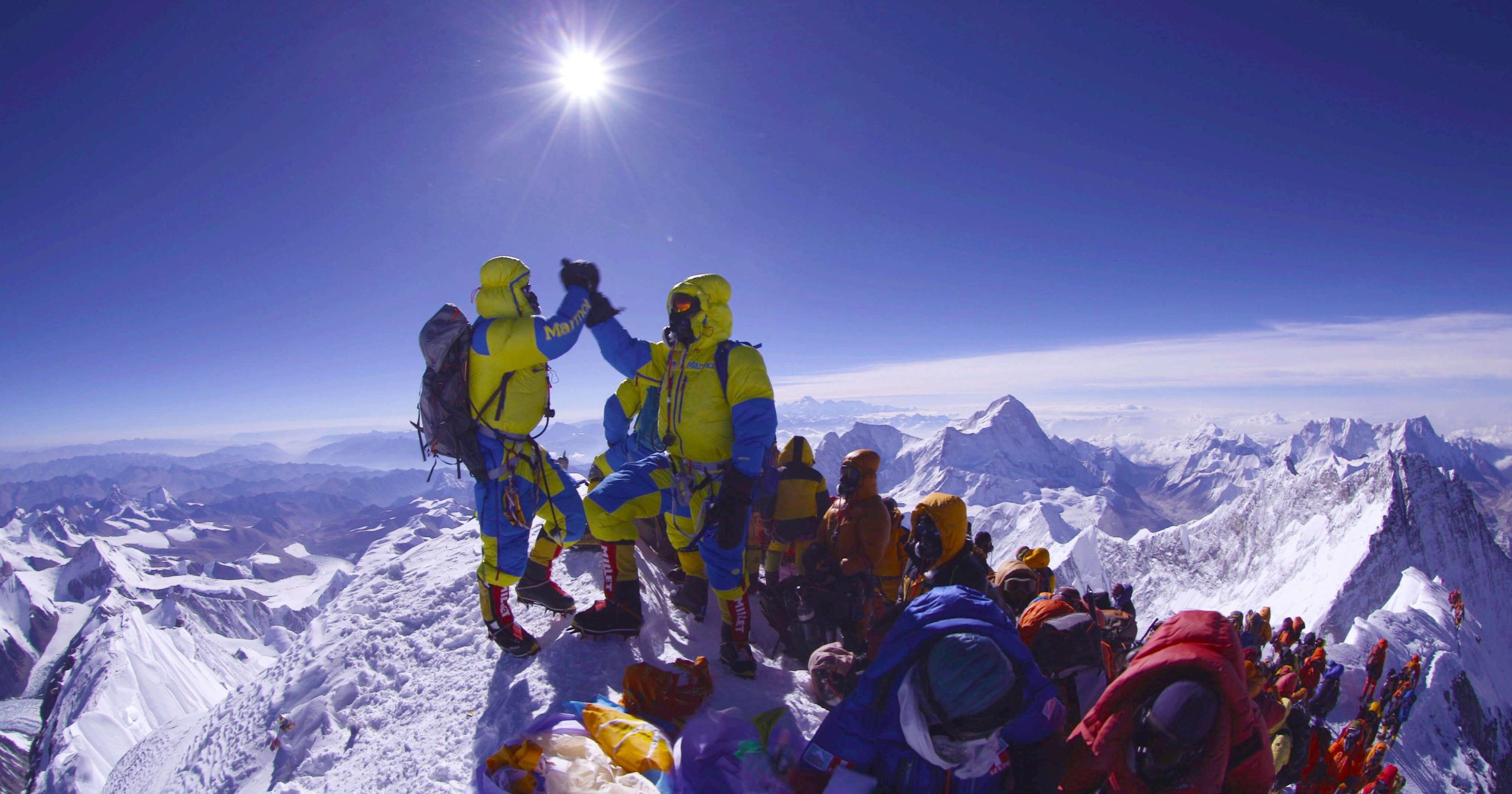
An Ecuadorian member attempting to summit Aconcagua but developed severe bilateral toe pain after prolonged cold exposure at approximately 14,400 feet/4,390 meters. A field assessment determined second-degree frostbite affecting all toes, with blistering, numbness and…

An Ecuadorian member attempting to summit Aconcagua but developed severe bilateral toe pain after prolonged cold exposure at approximately 14,400 feet/4,390 meters. A field assessment determined second-degree frostbite affecting all toes, with blistering, numbness and significant pain that prevented walking. She received rewarming measures and medication at a local clinic before being evacuated by air and then ground transport to a hospital. There, the diagnosis of second-degree frostbite was confirmed, and she was observed for continued rewarming and circulation monitoring. She was discharged after stabilization.

Share This:

Decompression Sickness Following Diving

A US member was diving in the Maldives to depths of 100 feet/30 meters with appropriate safety stops. After a dive, she developed blotchy skin, limb soreness, transient weakness and visual narrowing upon surfacing. She…

A US member was diving in the Maldives to depths of 100 feet/30 meters with appropriate safety stops. After a dive, she developed blotchy skin, limb soreness, transient weakness and visual narrowing upon surfacing. She was placed on supplemental oxygen but later experienced a severe headache. Medical consultation was arranged and hyperbaric capability was confirmed locally. Although her initial symptoms resolved, they later recurred, prompting ambulance transport to a medical center. She underwent hyperbaric oxygen therapy and recovered fully following treatment. She subsequently resumed travel without further reported issues. 

Share This:

Decompression Sickness After Diving

A 21-year-old US member was in Panglao, Philippines, free diving to approximately 100 feet/30 meters. She reported crackling sounds in her left ear and tenderness near her left temple. She was initially managed with first-aid…

A 21-year-old US member was in Panglao, Philippines, free diving to approximately 100 feet/30 meters. She reported crackling sounds in her left ear and tenderness near her left temple. She was initially managed with first-aid advice and evaluated in person by a nurse. As symptoms persisted, she was transported to a medical center where she was assessed by an ear, nose and throat specialist and prescribed oral antibiotics. Ongoing concern for pressure-related injury led to further evaluation at another medical center, where she was diagnosed with decompression sickness type 1 and treated with daily hyperbaric oxygen therapy for three days. Following treatment, she was cleared to fly and completed onward travel without complications. She was advised to arrange follow-up care after returning home. 

Categories:

Travel
Share This:

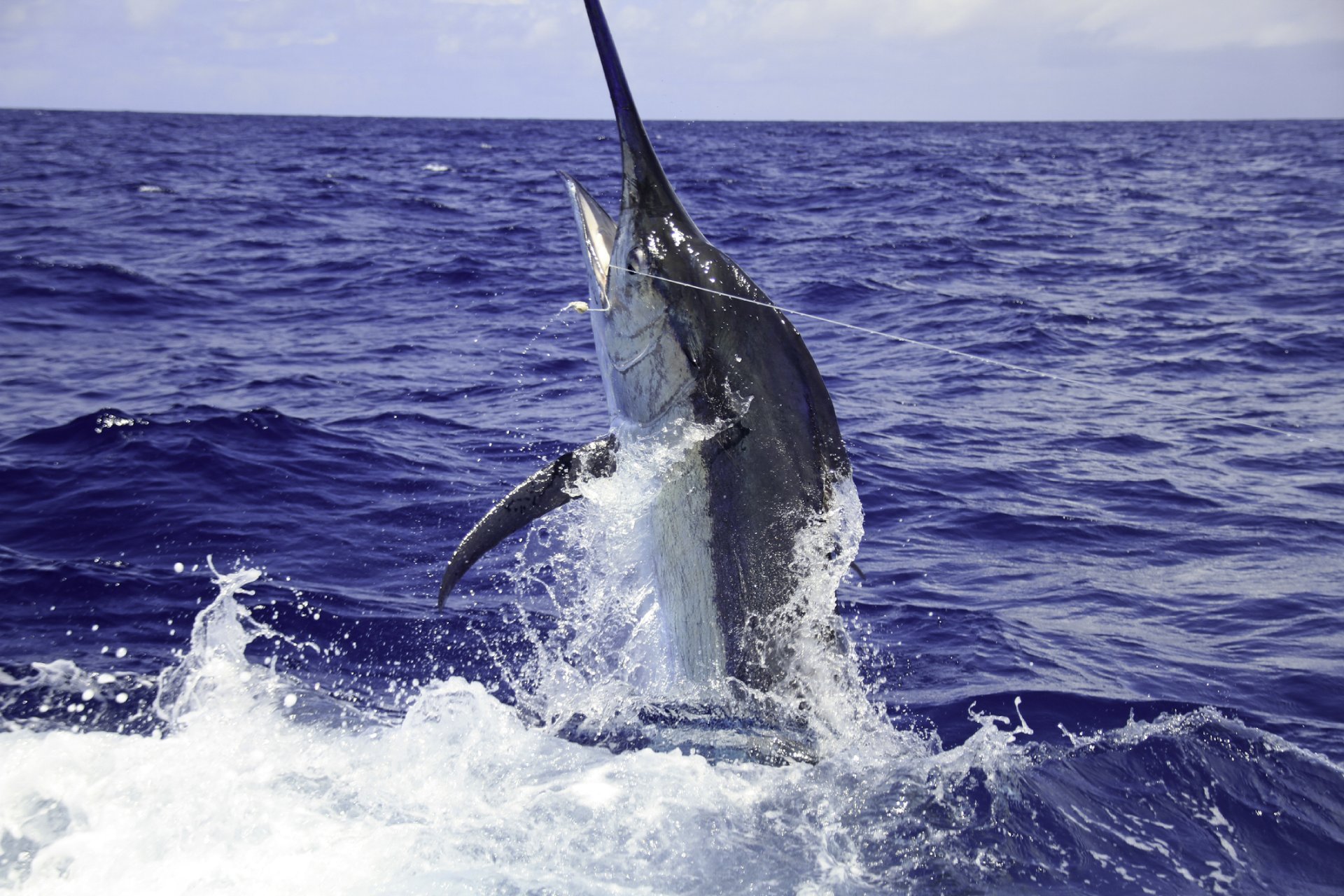
Best Fishing Destinations for Marlin, Mahi Mahi and More

Learn why May and June are some of the best times to fish, and what you need to know before casting off.

Article Highlights:

  • May and June align global fish migrations with optimal regional conditions, from tropical billfish to Arctic cod.
  • Offshore destinations often combine world-class fishing with limited medical and emergency response.
  • Weather variability and early storm seasons heighten operational risk during peak fishing months.
  • Fishing methods range from fly fishing and light tackle to deep-water offshore trolling, each with distinct safety considerations.
  • Remote fisheries demand advance planning for medical, evacuation and advisory support.


May and June represent one of the most dynamic periods on the global fishing calendar. Across hemispheres, warming waters trigger migratory movements of large pelagic species, tropical regions enter their productive “green season,” and high-latitude destinations open up under extended daylight.

For traveling anglers, this window delivers exceptional diversity, from offshore marlin grounds and reef-lined flats to cold-water cod fisheries and African river systems. It also introduces a common operational reality: many of the world’s best fishing destinations are remote, weather-exposed and lightly resourced from a medical and emergency-response standpoint.


What Fishing Destinations Matter?

The Bahamas for Marlin and More

The Bahamas, particularly Abaco, Grand Bahama and Chub Cay, anchor the early summer billfish season in the western Atlantic. These islands are synonymous with blue and white marlin, wahoo and a strong yellowfin tuna presence, especially around the Tongue of the Ocean. Fishing here is primarily offshore trolling and live-baiting, though light-tackle enthusiasts target smaller “rat” marlin during peak tournament weeks. Weather is generally stable in May, with rising humidity and the early edges of hurricane season appearing in June. Healthcare infrastructure varies widely: Nassau offers modern hospitals, but out islands rely on small clinics and air transport for serious care. First responders are limited outside population centers and offshore incidents can involve long response times. Security risks are generally low in the Abacos and Chub Cay, though standard maritime vigilance is advised.


Mahi Mahi in Mexico

Mexico offers two distinct May–June fisheries. Cabo San Lucas marks the beginning of blue marlin and black marlin season, with striped marlin still present and yellowfin tuna and mahi mahi mixed in. Fishing is predominantly offshore trolling and kite fishing in open Pacific conditions, where sudden weather shifts and heavy seas are not uncommon. Cabo’s private healthcare facilities are strong by regional standards, but evacuation is often required for trauma or cardiac events. On the opposite coast, the Yucatan and the Yucatan Channel come alive in June with mahi mahi, billfish and tarpon migrations along the flats and channels. Fly fishing and light spinning dominate inshore, while offshore boats pursue pelagics. Healthcare access outside Cancún and Mérida is limited and seasonal storms can complicate logistics.


Tarpon Migration in Belize

Belize is defined in May and June by its tarpon migration, one of the Atlantic’s most celebrated inshore events. Large tarpon move along the reef and river mouths, attracting fly anglers from around the world. Permit and bonefish round out the flats species, while offshore anglers encounter mahi mahi and occasional marlin. Weather is hot and humid, with afternoon storms common. Belize City has the country’s best hospitals, but care in fishing lodges and outer atolls is minimal. First responder capabilities are basic and evacuation is the primary option for serious injury. Crime risks exist in urban areas, though fishing regions are generally insulated.


Trolling in the Dominican Republic

The Dominican Republic’s north and east coasts see a strong presence of blue marlin and white marlin in late spring, with May and June producing consistent action on light tackle. Offshore trolling dominates, often within sight of land, but infrastructure drops off quickly outside major ports. Santo Domingo offers advanced medical facilities, while coastal towns rely on small hospitals and clinics. Weather risks include sudden squalls and the early Atlantic hurricane pattern. Security considerations vary by region, with travelers advised to rely on reputable operators.


Norway for Cod, Halibut and Haddock

Norway’s Lofoten Islands present a dramatic contrast. By June, the midnight sun enables around-the-clock fishing for cod, halibut and haddock in cold, nutrient-rich waters. Fishing styles include deep-water jigging and bait fishing from small boats in exposed seas. Weather can change rapidly, with cold water presenting hypothermia risks year-round. Norway’s healthcare system is world-class, but response times in Lofoten can be extended due to distance and weather. Maritime rescue is capable yet dependent on conditions, making risk planning essential.


Costa Rica Trolling for Wahoo and Dorado

Costa Rica’s Pacific coast enters its green season in May, bringing nutrient runoff that fuels dorado, yellowfin tuna, wahoo and marlin. Offshore trolling is the primary method, complemented by inshore roosterfish and snapper. Rainfall increases, but fishing quality remains high and crowds thin. Healthcare in San José is excellent, though coastal clinics are limited. Evacuation is often required for serious incidents offshore. Petty crime exists, but fishing regions are generally stable.


Blue Marlin in Hawaii

Hawaii, particularly Kona, is a global benchmark for blue marlin in June, along with mahi mahi and tuna. Calm seas and consistent currents define the season, with trolling and live baiting dominating. Healthcare access on the Big Island is adequate, though advanced care may require inter-island transfer. Offshore fishing distances are significant and response times at sea can be lengthy despite strong US Coast Guard capabilities.


Botswana Fly Fishing

Botswana’s Chobe River offers a freshwater counterpoint. June marks the dry season, concentrating tigerfish in receding channels and making for aggressive topwater and fly fishing. Conditions are hot but stable, with wildlife risks, hippos, crocodiles, present on the water. Healthcare infrastructure is limited outside major towns and evacuation to South Africa is common for serious cases. Security risks are low, but the remoteness of the river system defines the operational risk profile.


The Global Rescue Connection

Across all these destinations, natural hazards, storms, heat, cold exposure and wildlife, intersect with limited first responder coverage. May and June deliver exceptional fishing precisely because they place anglers where infrastructure is thinnest and conditions most dynamic.

International fishing in May and June often means operating far from population centers, hospitals and rapid-response services. Offshore incidents, injuries in remote lodges or sudden medical emergencies can quickly exceed local capabilities, particularly in developing regions or high-latitude environments.

A Global Rescue membership provides access to field rescue, medical evacuation and medical advisory services designed for precisely these scenarios. For anglers pursuing marlin off remote islands, tigerfish in African rivers or cod under the midnight sun, the ability to coordinate expert evacuation and care can be as essential as the right tackle, transforming risk exposure into managed adventure.

Categories:

Travel
Share This:

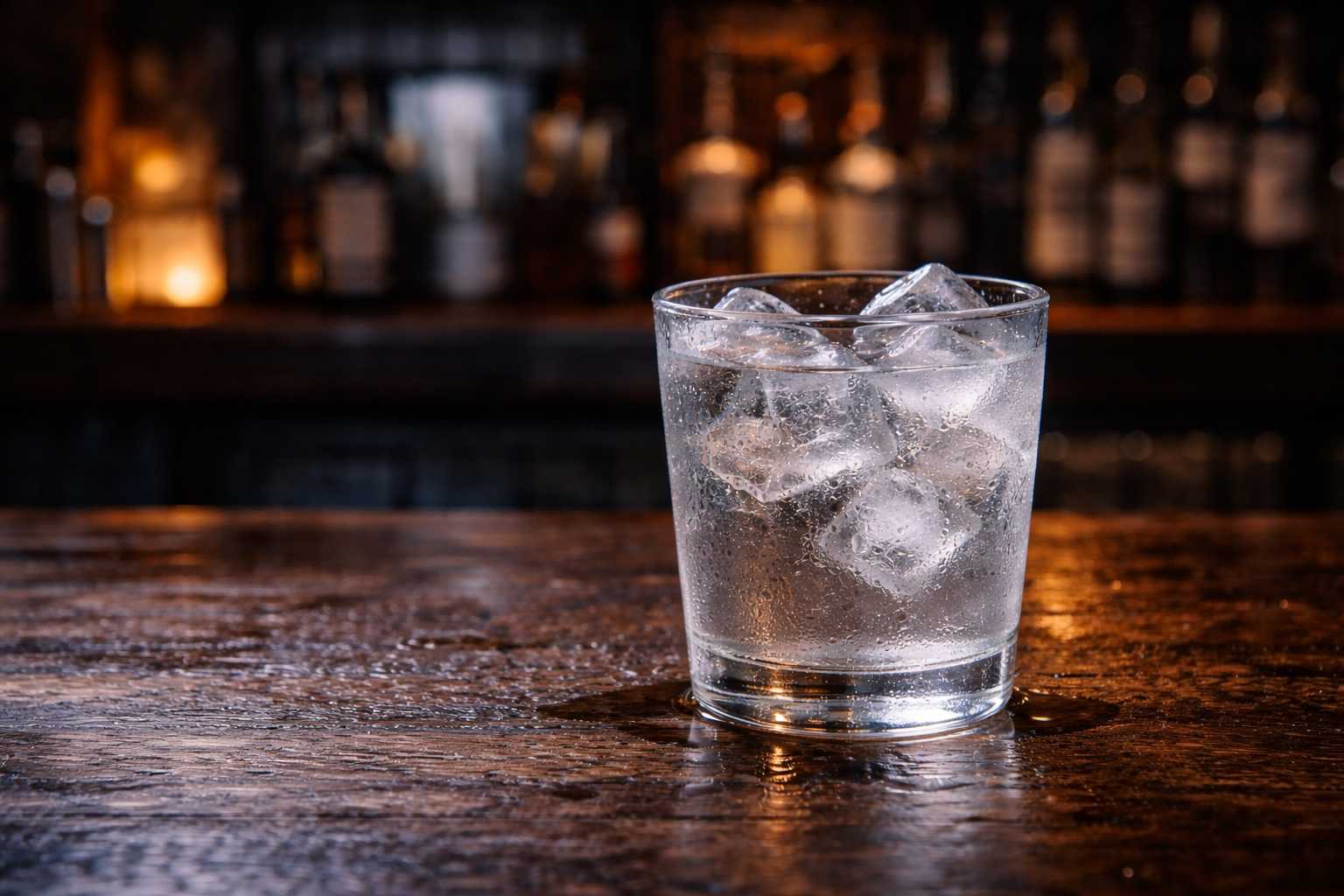
Is a Vodka World Tour Worth It?

Explore vodka’s global appeal, its history, rivalries and what travelers should know before tasting abroad.

Article Highlights:

  • Vodka originated in Northeastern Europe around the 1400s and was first used as medicine before becoming a global spirit.
  • Swedish vodka leads global exports, while French vodka redefined the category as a luxury product.
  • American vodka emphasizes scale and innovation, while Irish vodka is a fast-growing newcomer.
  • Wars, state monopolies and modern boycotts have repeatedly reshaped vodka’s global distribution.
  • Travelers must understand customs limits, healthcare access and safety conditions when buying vodka abroad.


Vodka is often described as neutral, but its global story is anything but. Few spirits are so deeply entwined with national identity, political power, trade disputes and cultural ritual. From medieval medicinal use to modern cocktail culture, vodka reflects centuries of rivalry, innovation and resilience. A global vodka tour is not about hopping distilleries in sequence; it is about understanding how different countries shaped the spirit and how travelers today can experience those places safely and responsibly.

Historically, vodka was used as medicine, preservative and tincture long before it became a recreational beverage. Today, its lack of aging requirements and versatility in cocktails have made it one of the most consumed spirits in the world.


Rivalries, Wars and Boycotts

Vodka’s history is inseparable from conflict. Poland and Russia have disputed vodka’s origins for centuries, with both claiming cultural ownership dating back to the 15th century. Wars, state monopolies and taxation shaped production and consumption across Eastern Europe.

More recently, Russia’s invasion of Ukraine triggered widespread boycotts of Russian-branded vodka in North America and Europe. Retailers removed bottles and consumers gravitated toward Swedish, Polish, Ukrainian and Western alternatives. Ukrainian producers faced production disruptions but gained symbolic and commercial support abroad.

Vodka has also been subject to social and political boycotts, including protests against Russian domestic policies and international actions. These events underscore how a seemingly neutral spirit can become a geopolitical symbol.


How Vodka Is Made and Why It Matters

Vodka is produced by fermenting starch- or sugar-rich raw materials — most commonly rye, wheat, corn or potatoes — followed by distillation to a high level of purity. Traditional vodka production relied on pot distillation, a batch process requiring frequent cleaning and resulting in lower-proof spirits with more impurities. Modern vodka, by contrast, typically uses column distillation, allowing continuous production, higher alcohol content (often 95–96% ABV before dilution) and a smoother profile.

After distillation, vodka is filtered — often through charcoal — to remove congeners before being diluted with water to bottling strength, usually 40% ABV.


The Vodka Giants

Swedish Vodka

Sweden is the world’s largest vodka exporter by value, accounting for more than 17% of global exports in 2024. Swedish vodka evolved from brännvin, a broad category of distilled spirits, into a global benchmark for purity and branding. The launch of Absolut Vodka in 1979 transformed vodka marketing, emphasizing transparency, minimalist design and consistency.

For travelers interested in Swedish vodka, Stockholm and southern Sweden are the primary focal points. Absolut Vodka’s origins in Åhus make the Absolut Home and visitor center one of the most recognizable vodka-related attractions in the world, offering insight into production methods, branding and Sweden’s role in shaping modern vodka’s global image. Beyond Absolut, smaller craft distilleries in regions such as Skåne produce high-quality spirits that reflect Sweden’s emphasis on purity and precision, though visits are typically structured and educational rather than informal tasting experiences.

Local vodka customs in Sweden reflect a restrained and ritual-driven drinking culture. Vodka, historically referred to as brännvin, is traditionally consumed neat and well-chilled, most often in social or ceremonial settings rather than casual occasions. It plays a central role in seasonal celebrations such as Midsummer, Christmas and crayfish parties, where it is paired with food and accompanied by snapsvisor, short traditional drinking songs sung before each sip. Flavored vodkas infused with herbs, spices or citrus are common and cocktails tend to be simple, allowing the spirit’s clean profile to remain the focus.

Sweden is considered a very safe destination for travelers. Most visitor risks are limited to petty theft in busy urban areas such as Stockholm and Gothenburg. Alcohol sales are strictly regulated through the state-run retailer Systembolaget, which shapes how tourists encounter vodka in the country and reinforces Sweden’s controlled, responsible approach to consumption.


French Vodka

French vodka represents a modern reinterpretation of the category, often produced from wheat or grapes and marketed as a luxury product. Brands such as Grey Goose positioned French vodka as a premium alternative, leveraging France’s culinary reputation rather than vodka’s Eastern European roots.

For travelers interested in French vodka, the experience is less about long-standing tradition and more about modern luxury and refinement. Vodka production in France, the second largest global producer, is concentrated in regions known for wheat cultivation and premium spirits, with notable producers located in northern France and Cognac-adjacent areas. Distillery visits tend to be highly curated, focusing on raw ingredients, water quality and branding rather than historical ritual and are often paired with broader gastronomic or wine-focused tourism rather than standalone vodka trails.

Local customs surrounding vodka in France reflect its positioning as a premium, international spirit rather than a cultural staple. Vodka is most commonly consumed in cocktails — particularly martinis and contemporary bar creations — rather than neat. French drinking culture emphasizes balance and pairing, so vodka is typically enjoyed in upscale bars, restaurants or lounges where mixology and presentation take precedence. It does not occupy a ceremonial role and is rarely associated with traditional celebrations in the way wine or brandy is.

France is a generally safe destination for travelers, most risks to visitors involve petty crime such as pickpocketing in major cities. Alcohol export rules are clearly defined and travelers should comply with customs declaration requirements when returning home with vodka purchased in France.


American Vodka

The US ranks third globally in vodka exports and is home to both industrial-scale production and a growing craft movement. Vodka’s rise in the US after World War II was closely tied to cocktails and marketing rather than tradition. Today, flavored vodkas and ready-to-drink beverages are driving growth. Much American vodka is produced from neutral grain spirits sourced from large agricultural processors, then filtered, branded and bottled by individual producers.

For travelers interested in American vodka, the experience is defined by scale, diversity and innovation rather than a single geographic heartland. Major vodka production is concentrated in states such as Kentucky, Indiana, Texas and California, where large distilleries produce neutral spirits at industrial scale, alongside a growing number of craft producers focused on regional grains and water sources. Visitor experiences range from polished, brand-driven tours at major facilities to smaller, appointment-only tastings at craft distilleries that emphasize experimentation and filtration techniques rather than tradition.

Vodka customs in the US are closely tied to cocktail culture. Vodka is rarely consumed neat and is instead most often served in mixed drinks such as martinis, vodka tonics, Moscow mules and a wide range of flavored or ready-to-drink beverages. This versatility has made vodka a staple of bars, restaurants and events, particularly in urban centers. Unlike in Europe, vodka in the US carries little ceremonial or cultural symbolism, functioning instead as a neutral base spirit designed to adapt to trends and consumer preferences.

Alcohol laws vary by state, including regulations on distillery visits and direct sales and travelers should be aware of strict customs rules when exporting spirits internationally or returning home with purchased vodka.


Polish Vodka

For travelers interested in Polish vodka, the country offers one of the most historically rich and immersive vodka experiences in the world. Among the top producers of Vodka globally, its production is deeply embedded in Polish culture, with notable distilleries and museums in cities such as Warsaw, Kraków and Poznań. The Polish Vodka Museum in Warsaw provides an authoritative introduction to centuries of production, while active distilleries producing traditional styles — often from rye or potatoes — offer guided visits that emphasize heritage, appellation-style standards and legally protected production methods unique to Poland.

Local customs around vodka in Poland remain strongly traditional. Vodka is commonly consumed neat and well-chilled, often alongside food and plays a central role in social gatherings, celebrations and formal occasions. Toasting rituals are important and vodka is typically drunk in small shots rather than sipped. Flavored vodkas, including herb- and bison grass–infused varieties such as żubrówka, are widely consumed and considered part of Poland’s national identity rather than novelty products. Cocktail use exists but is secondary to traditional service.

Poland is generally a safe destination for travelers, but shile Poland is politically stable, its proximity to regional geopolitical tensions can influence public demonstrations, though these are usually peaceful. Alcohol laws are clearly enforced and travelers should follow customs regulations closely when exporting vodka, as Poland strictly protects its vodka designations and enforces EU export and declaration rules.


Irish Vodka

Ireland, better known for whiskey, has quietly become a major vodka exporter. Irish vodka often emphasizes local grains, clean water and small-batch production, appealing to travelers interested in emerging spirits scenes.

For travelers curious about Irish vodka, the experience is closely tied to Ireland’s broader distilling revival rather than a long-standing vodka tradition. Distilleries producing vodka are typically located alongside or within facilities better known for whiskey, particularly in Dublin and across the eastern and southern counties. These visits emphasize craftsmanship, local grain and water quality, offering guided tours that explain how vodka fits into Ireland’s modern spirits portfolio rather than presenting it as a standalone heritage product.

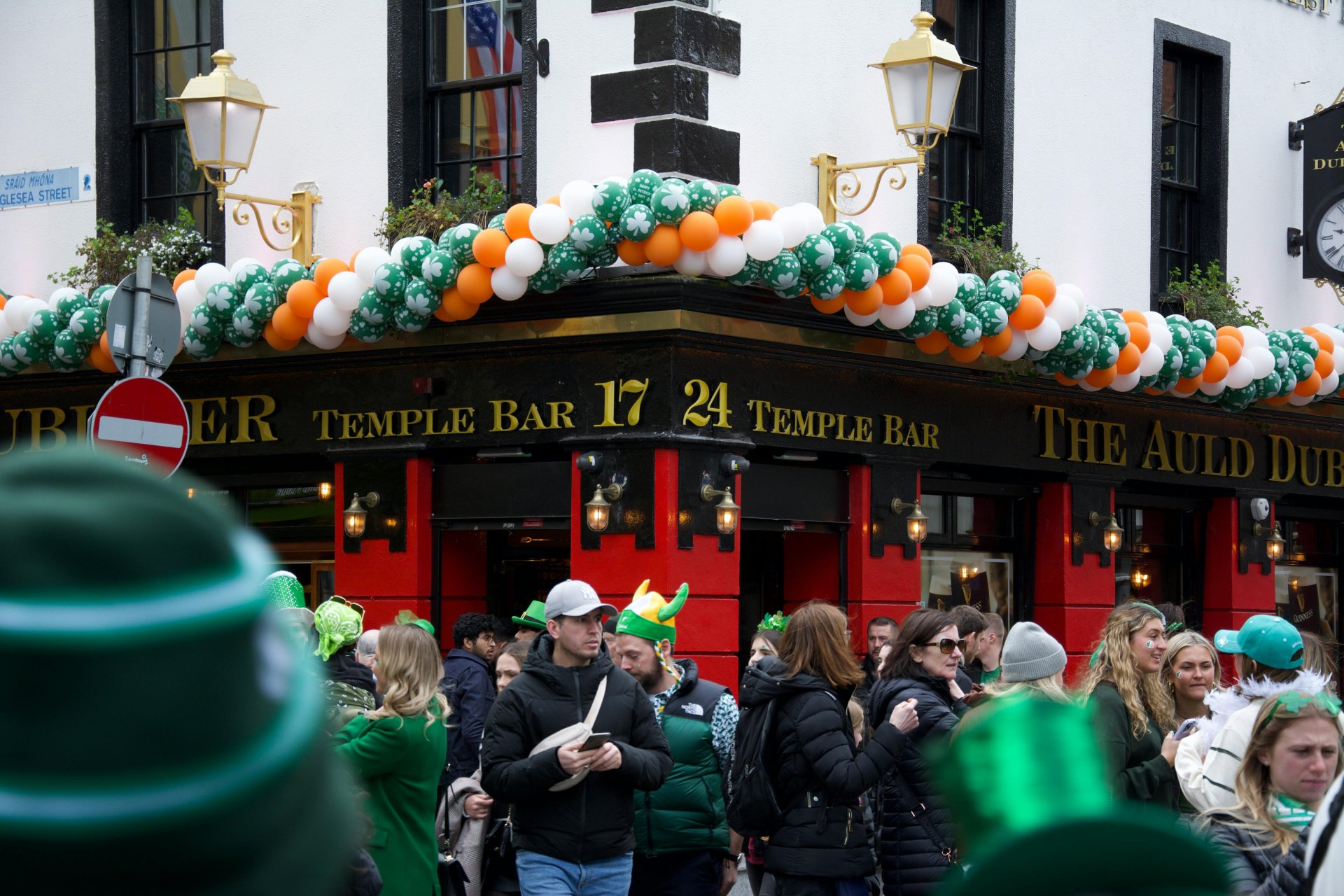
Local customs around vodka in Ireland are informal and contemporary. Vodka is most commonly consumed in cocktails or mixed drinks rather than neat, reflecting Ireland’s pub culture and social drinking norms. Classic serves such as vodka tonic or vodka soda dominate, while flavored and small-batch vodkas appeal to younger drinkers and visitors seeking something beyond traditional beer or whiskey. Vodka rarely plays a ceremonial role, instead occupying a flexible place within Ireland’s evolving nightlife and dining scene.

Ireland is a safe and well-regulated destination for travelers. Tourist-related crime is generally limited to minor theft in busy city centers, particularly in Dublin. Visitors should be aware of strict alcohol export rules and customs declarations when returning home, as Ireland enforces clear limits on the amount of spirits travelers may legally carry abroad.


Dutch Vodka

The Netherlands is a leading producer of vodka and has long been a global trading hub for spirits, dating back to genever (or jenever) and early distillation expertise. Dutch vodka benefits from this technical heritage and the country’s role as a logistics and export center.

For travelers interested in Dutch vodka, the Netherlands offers a quieter but historically significant spirits experience rooted in centuries of distilling and global trade. Vodka production is most commonly associated with Amsterdam and Schiedam, cities long linked to genever and early neutral spirits that helped shape modern distillation techniques. While vodka does not have the same tourist prominence as genever, select distilleries and spirits houses welcome visitors for guided tastings that place vodka within the broader Dutch tradition of precision distilling and international commerce.

Local customs around vodka in the Netherlands are understated and contemporary. Vodka is more commonly consumed in cocktails or simple mixed drinks rather than neat, reflecting a practical, no-frills approach to spirits. Dutch drinking culture places greater emphasis on moderation and social settings such as cafés and bars, with vodka serving as a versatile option rather than a ceremonial drink. When consumed neat, it is typically chilled and enjoyed in small pours, without the formal rituals seen in Nordic or Eastern European countries.

The Netherlands is considered one of the safest destinations in Europe. Tourist risks are largely limited to pickpocketing and bicycle-related incidents in busy areas such as Amsterdam. Alcohol regulations are clear and well enforced and travelers should observe customs rules carefully when transporting spirits internationally, as Dutch authorities apply standard EU export and declaration requirements.


Vodka Today: Versatility and Global Appeal

Vodka’s popularity rests on its adaptability. It mixes easily, carries flavors well and fits modern preferences for lighter, cleaner spirits. From freezer-chilled shots in Nordic countries to cocktails like the martini, the cosmopolitan and Bloody Mary, vodka has transcended its regional origins.

At the same time, illegal and black-market vodka remains a serious issue in some countries, posing risks of poisoning from industrial alcohol substitutes. Travelers should only purchase spirits from reputable retailers.


The Global Rescue Connection

Travelers exploring vodka-producing countries often move between urban centers, rural distilleries and international borders — each presenting distinct risks. While countries such as Sweden, France, Ireland, the Netherlands and the US have strong healthcare infrastructure, medical care abroad can still be complex, expensive or difficult to access in emergencies. Petty crime targeting tourists is common in major cities and civil unrest — while usually limited — can disrupt travel plans.

Equally important are customs regulations. Travelers returning to the US or Canada face strict limits on alcohol imports. Exceeding duty-free allowances can result in confiscation, heavy fines or additional taxes. Failing to declare alcohol purchases accurately is a punishable offense and some countries impose severe penalties for improper export of spirits. Regulations vary by jurisdiction and can change with little notice.

A Global Rescue membership provides free destination reports to assist navigating international regulations in addition to critical traveler support for emergency field rescue, medical evacuation and medical advisory services. For travelers following vodka’s global trail, Global Rescue helps ensure that curiosity and exploration never turn into costly or dangerous situations.

Categories:

Press Release
Share This:

US Ski & Snowboard Olympic Team Protected by Global Rescue; Longstanding Support Continues Ahead for…

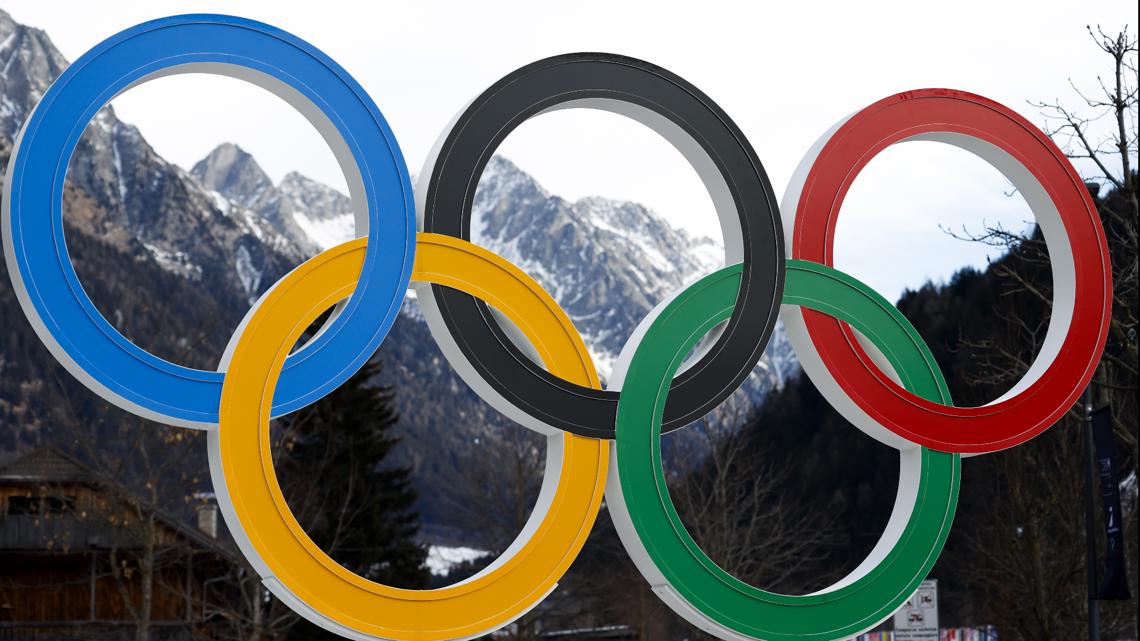
(Lebanon, NH – February 2, 2026) – As the world looks ahead to the 2026 Milano Cortina Winter Olympics, Global Rescue continues its long-standing role supporting the health, safety and emergency preparedness of US Ski…

(Lebanon, NH – February 2, 2026) – As the world looks ahead to the 2026 Milano Cortina Winter Olympics, Global Rescue continues its long-standing role supporting the health, safety and emergency preparedness of US Ski & Snowboard athletes competing on the world’s biggest stage. The partnership, which dates back to 2006, reflects nearly two decades of experience managing medical and security risk for elite athletes competing in alpine ski, snowboarding and freestyle skiing events across multiple Olympic host countries.

“Elite winter sport is inherently dangerous and that reality does not change just because the athletes are the best in the world,” said Dan Richards, CEO of Global Rescue. “In many ways, Olympic competition amplifies risk because athletes are operating at maximum speed, maximum height and maximum physical demand.”

Since first supporting US Ski & Snowboard athletes in 2006, Global Rescue has provided emergency action planning, medical advisory services and evacuation expertise through every Winter Olympic Games. Over time, the scope of Olympic risk management has evolved, shaped by changing venues, geopolitical considerations, environmental conditions and most dramatically, the COVID-19 pandemic.

“In the early years, our focus was primarily on traumatic injury and evacuation logistics,” Richards said. “When an athlete crashes at speed, what matters is immediate medical expertise and the ability to get them to the right level of care without delay.”

As Olympic host locations grew more complex, security and situational risk also became part of the equation. Different countries brought different challenges, from infrastructure limitations to broader security concerns.

“A threat is a threat, whether it comes from injury, illness or instability,” Richards said. “The critical factor is having a plan that allows someone to leave a situation quickly and safely if circumstances demand it.”

The 2022 Winter Olympics in Beijing marked a turning point in Olympic medical support. China’s closed-loop COVID-19 system restricted movement and prevented Global Rescue medical and security experts from being physically on-site. Despite those limitations, Global Rescue remained fully integrated into US Ski & Snowboard’s emergency preparedness strategy.

“Beijing forced everyone to rethink how medical support works when access is restricted,” Richards said. “Physical presence is valuable, but expertise, decision-making and real-time medical advisory are indispensable.”

During the Beijing Games, US Ski & Snowboard athletes and staff had direct access to Global Rescue’s on-staff physicians for real-time consultations covering injuries, illness and COVID-related concerns. In serious cases, Global Rescue worked alongside official Olympic and host-nation resources to assess treatment options and evacuation pathways.

“The pandemic made it clear that Olympic medical planning must function under worst-case constraints, not ideal conditions,” Richards said. “That lesson now informs how we prepare for every major event.”

Looking ahead to the 2026 Milano Cortina Winter Olympics, Global Rescue expects a renewed set of challenges. Events will take place across northern Italy, with Alpine Skiing in Bormio and Cortina d’Ampezzo and Snowboarding and Freestyle Skiing in Livigno. Snowboarding disciplines will include slalom, cross, halfpipe, slopestyle and big air, while Freestyle Skiing will feature moguls, aerials, halfpipe and slopestyle. Ski Mountaineering will debut as a new Olympic discipline, highlighting endurance and technical skill in high-alpine terrain.

“These are iconic venues, but they are also demanding and unforgiving,” Richards said. “Courses like the Stelvio downhill are famous for a reason. Weather variability, ice, wind and mixed snow conditions can change risk profiles overnight.”

Richards also pointed to the weather as an ever-present factor in winter sports competition and safety.

“Weather shifts are always a challenge for winter athletes. Wind, temperature and precipitation changes introduce unpredictability into snow quality and course preparation,” he said. “That affects speed, control and ultimately athlete safety.”

While the final US Ski & Snowboard Olympic rosters are still being determined, several prominent athletes are emerging as contenders. Alpine stars such as Mikaela Shiffrin and Ryan Cochran-Siegle, snowboarders Jamie Anderson and Julia Marino and freestyle athletes including Alex Hall, Alex Ferreira and Jaelin Kauf are among those expected to compete as qualification continues through the season.

“These athletes are pushing the limits of what’s physically possible,” Richards said. “Our role is to make sure that if something goes wrong, there is immediate access to expert medical guidance and a clear path to definitive care.”

Global Rescue notes that the same risks faced by Olympians, including high-speed crashes, traumatic injuries, remote venues, severe weather and complex evacuation logistics, are regularly encountered by travelers, adventurers and professionals operating worldwide.

“The Olympics are the most visible example of high-risk travel and performance, but they are not unique,” Richards said. “What we do for elite athletes mirrors what we provide every day to our members around the world.”

As preparations continue for Milano Cortina 2026, Global Rescue emphasizes that experience, adaptability and proactive planning remain the foundation of effective risk management.

“After nearly twenty years of Olympic support, one lesson stands above all others,” Richards said. “Hope is not a strategy. Preparation is.”

###

About Global Rescue

Global Rescue is the world’s leading provider of medical, security, evacuation and travel risk management services to enterprises, governments and individuals. Founded in 2004, Global Rescue maintains exclusive relationships with the Johns Hopkins Emergency Medicine Division of Special Operations and Elite Medical Group. The company has provided medical and security support during every major global crisis over the past two decades. 
For more information, visit www.globalrescue.com. 

Categories:

News
Share This:

4 Places Travelers Commonly Hide Valuables that Pickpockets Check First

Categories:

News
Share This:

Ski Patrol Won’t Save You From A $30,000 Rescue Bill. But This Might

Categories:

Health & Safety
Share This:

Can a Pre-Travel Health Check Protect You From Illness and Injury Abroad?

Learn why early health preparation can prevent illness and improve emergency response abroad.

Article Highlights:

  • A pre-travel health check reduces risk from illness, injury and medical emergencies abroad.
  • Traveler’s diarrhea and respiratory infections remain the most common travel-related illnesses.
  • A pre-travel health check helps travelers identify destination-specific risks before departure.
  • Knowing how to access quality medical care abroad can significantly reduce response time in an emergency.
  • Medical advisory and evacuation services provide critical support when preparation is not enough.


Travel planning today extends far beyond flights and accommodations. As international travel grows more complex and global risks more unpredictable, travelers are increasingly recognizing that health preparation is foundational. A pre-travel health check is one of the most effective steps travelers can take to protect their well-being, reduce disruption and ensure they are prepared to manage illness or injury far from home.

According to a Global Rescue survey of the world’s most experienced travelers, nearly a third of respondents identified injury or illness as their biggest concern during international travel. Health risks ranked above crime, political instability and logistical disruptions. While safety has always been part of travel decision-making, today’s environment has elevated health preparedness to a top priority.

“Whether it’s falling ill or experiencing an injury abroad, travelers are becoming more aware of the importance of having robust support systems in place,” said Dan Richards, CEO of the Global Rescue Companies. “Having the right resources available, whether that’s safety advisory or medical evacuation, can make all the difference when facing an emergency abroad.”


What’s in a Pre-Travel Health Check?

A pre-travel health check is not a single appointment or checklist item. It is a process that builds resilience into an itinerary before departure. It begins with a medical consultation to review chronic conditions, current medications and overall fitness for the journey ahead. This is particularly important for travelers heading to remote regions, developing countries or destinations with limited healthcare infrastructure.

Vaccinations are a critical component of this preparation. Beyond routine immunizations, travelers may require protection against hepatitis A and B, typhoid or yellow fever depending on destination. Some countries mandate proof of vaccination for entry, while others strongly recommend it due to regional disease prevalence. Timing matters, as certain vaccines require multiple doses or weeks to become fully effective.

Medication planning is equally important. Travelers should carry both printed and digital copies of prescriptions and confirm that their medications are legal in the destination country. Many nations restrict stimulant medications, opioids or certain anxiety treatments, even when legally prescribed at home. Packing a double supply of essential medications and splitting them between carry-on and checked baggage reduces the risk of loss or delay.


Common Illnesses and Injuries Among Travelers

Illness remains one of the most common disruptions to international travel, with traveler’s diarrhea consistently ranking as the leading complaint. It affects a significant percentage of travelers visiting regions with inadequate sanitation or water treatment. Caused by bacteria, viruses or parasites in contaminated food and water, traveler’s diarrhea can range from mild discomfort to severe dehydration requiring medical attention.

Respiratory infections are another frequent issue. Long-haul flights, crowded airports and close-contact environments increase exposure to influenza and the common cold. These illnesses often spread quickly and can derail travel plans within days of arrival.

Vector-borne diseases pose additional risks in tropical and subtropical regions. Mosquito-transmitted illnesses such as malaria, dengue fever, chikungunya and Zika remain prevalent across parts of Africa, Asia and Latin America. Prevention depends heavily on advance awareness, proper use of insect repellent and protective clothing and in some cases, prophylactic medication.

While infectious diseases receive significant attention, injuries represent the greater threat to traveler safety. Injuries cause more deaths among healthy US citizens abroad than all infectious diseases combined. Motor vehicle crashes are the leading cause of non-natural death for international travelers, particularly in countries where road safety standards differ from those at home. Drowning, falls and trauma related to adventure activities or unsafe infrastructure also account for a substantial number of serious injuries.

A pre-travel health check addresses these risks through informed planning. Travelers are advised to research local transportation conditions, avoid nighttime driving where appropriate and choose reputable transport providers. Understanding environmental hazards, emergency response capabilities and local laws further reduces exposure to preventable harm.


Upon Arrival

Preparation does not end upon arrival. Travelers should approach healthcare access with the same precision they apply to choosing lodging or dining options. Identifying a capable hospital within a reasonable distance, saving local emergency numbers and ensuring mobile connectivity are practical steps that enable rapid response when time matters most. Keeping essential documents, medications and assistance information readily accessible allows travelers to act decisively in an emergency.

This shift toward proactive planning reflects a broader change in traveler behavior. International trip preparation is no longer focused solely on experiences and reservations. Increasingly, travelers are relying on destination reports and professional advisories to understand health risks, security conditions and infrastructure limitations before departure.

“More travelers are proactively seeking advice and protection even before departure,” Richards emphasized. “They want to ensure they are ready to respond to unpredicted crises.”

The value of a pre-travel health check lies in its ability to replace uncertainty with informed decision-making. It empowers travelers to mitigate common risks, recognize symptoms early and navigate unfamiliar healthcare systems with confidence. However, even the most thorough preparation cannot eliminate every contingency. When serious illness or injury occurs abroad, access to expert medical guidance and evacuation services becomes essential.


The Global Rescue Connection

People traveling internationally for leisure or adventure must tailor their health precautions to the realities of each destination. Effective preparation means staying current on required and recommended vaccinations, practicing rigorous hygiene and taking preventive measures such as using insect repellent, maintaining hydration and understanding how to access medical care in an emergency. Recognizing the health risks unique to each region is what transforms preparation into meaningful protection.

Preventing and managing the illnesses and injuries most commonly linked to international travel requires advance planning and a thoughtful approach supported by reliable intelligence. Global Rescue Destination Reports provide in-depth insights for more than 200 countries and territories, covering health risks, entry requirements, security considerations and local infrastructure that can affect a traveler’s safety and response options.

Global Rescue is recognized worldwide for its expertise in travel risk management and delivers far more than information. Members gain access to field rescue, medical evacuation, medical advisory services and legal support when it matters most. With clear insight before departure and responsive assistance in the field, Global Rescue enables travelers to reduce risk and focus on their trip with confidence, knowing that expert help is always within reach, wherever their travels may lead.

Categories:

Travel
Share This:

Whiskey a Go-Go? Why Distillery Destinations Are a Cultural Travel Type

Trace how heritage, competition and geography are redefining whiskey travel.

Article Highlights:

  • Modern travelers increasingly plan trips around experiences, from food and sport to vineyards and distillery destinations.
  • Scotch and Irish whiskey regions established the competitive foundations of global whiskey culture.
  • Japan, Taiwan and India are reshaping the hierarchy through precision and climate-driven innovation.
  • Kentucky and Tennessee anchor American whiskey through heritage and internal rivalry.
  • Whiskey travel requires careful planning around customs, health and international logistics.


Travel has become increasingly experience-driven, with travelers designing trips around personal passions rather than passive sightseeing. Set-cations to iconic film locations, tee times at legendary golf courses, reservations at Michelin-starred restaurants, and access to rare cultural events now define how and why people move through the world. In that context, distillery destination touring feels less like a niche interest and more like a natural evolution of experiential travel. They offer something modern travelers crave: immersion in craft, history, place and flavor, all grounded in a tangible sense of identity.

At the same time, parts of the global whiskey industry are undergoing a period of recalibration. Shifting trade relationships and changing drinking habits have led to some production pauses. Nevertheless, these circumstances have not dampened the surge in distillery destination touring and the traveler demand for authentic, immersive experiences that go beyond the bottle. The result is a clear shift from passive consumption to active exploration, where travelers seek deeper connection, context and meaning by engaging directly with the places, people and traditions that define the whiskey world.

Whiskey tourism today extends far beyond tasting rooms and gift shops. Travelers seek context as much as flavor; learning how geography, climate, regulation and rivalry influence regional styles and production philosophies. From the peat-driven coastlines of Scotland to the meticulous precision of Japanese distilling and the limestone-rich landscapes of Kentucky, these destinations offer layered narratives that reward exploration.

In an era of changing availability and evolving habits, the desire to travel the whiskey world is less about consumption and more about connection to history, to place, and to the stories that endure long after the last dram.


Scotland: The Benchmark and Its Internal Rivalries

Scotland remains the spiritual heart of scotch, and its regional rivalries form the backbone of global whiskey culture. More than any other country, Scotland illustrates how competition preserves identity and defines style.

The rivalry between Islay and Speyside is foundational. Islay distilleries such as Laphroaig, Lagavulin and Ardbeg are known for heavily peated, smoky whiskies shaped by maritime conditions and rugged landscapes. These bold profiles inspire fierce loyalty and equally strong resistance. Speyside takes the opposite approach. Producers like Macallan, Balvenie and the Glenfiddich distilleries emphasize fruit-forward elegance, sherry cask influence and balance.

Within Speyside, rivalry becomes commercial as well as philosophical. Macallan positions itself as ultra-premium and luxury-focused, while Glenfiddich emphasizes innovation, scale and global accessibility. Campbeltown adds another dimension, with Springbank maintaining traditional, labor-intensive production methods that stand in contrast to more industrialized Scotch operations. For travelers, Scotland offers an education in how rivalry reinforces authenticity.


Ireland: Revival Fueled by Competition

Ireland’s whiskey renaissance has reignited historic rivalries that once defined the category. Jameson Irish Whiskey, produced at the Midleton Distillery in County Cork, dominates globally through its smooth, triple-distilled blended style. Midleton also produces Redbreast and Midleton Very Rare, demonstrating the breadth of modern Irish whiskey.

The Bushmills Distillery in County Antrim represents the counterpoint, emphasizing single malt heritage and its status as the world’s oldest licensed distillery. This rivalry reflects deeper contrasts between blend versus malt and south versus north. Travelers encounter a whiskey culture grounded in hospitality, literary tradition and renewed confidence driven by competition.


Japan: Precision and Philosophical Rivalry

Japan’s rise as a whiskey powerhouse is defined by internal rivalry and disciplined craftsmanship. Suntory, operating Yamazaki and Hakushu, emphasizes harmony, balance and refinement. Nikka, founded by Masataka Taketsuru, often produces bolder, Scotch-influenced expressions.

This rivalry mirrors broader Japanese values of interpretation versus tradition. Distilleries are frequently located in forested or mountainous settings, reinforcing the connection between environment and spirit. For travelers, Japanese whiskey destinations offer meticulous experiences where restraint and precision shape every detail.


Taiwan: Climate as Competitive Advantage

Taiwan’s Kavalan Distillery has introduced a disruptive rivalry into the global whiskey conversation. Operating in a hot, humid climate, Kavalan accelerates maturation while maintaining balance through cask management. Its international recognition challenges assumptions that great whiskey requires decades in cool climates.

Visitors encounter a modern, innovation-driven distillery culture that contrasts sharply with Old World traditions. Taiwan’s success places it in quiet competition with established Scotch and Japanese producers.


India: A New Voice in Global Whiskey

India’s Paul John Distillery represents the growing confidence of emerging whiskey nations. Tropical aging produces rich, intense flavors in a fraction of the time required elsewhere, challenging traditional definitions of maturity and aging. For travelers, Indian whiskey tourism blends global technique with local identity, offering a distinctive experience shaped by climate, cuisine and rapid evolution.


Kentucky Bourbon vs. Tennessee Whiskey

While Scotch and Irish whiskey established early dominance, Kentucky now anchors American whiskey on the global stage. The Kentucky Bourbon Trail winds through historic distilleries and small towns where Kentucky straight bourbon whiskey defines regional pride. Buffalo Trace, Woodford Reserve and Heaven Hill’s Bernheim Distillery emphasize scale, consistency and legacy. Maker’s Mark distillery offers a contrasting narrative focused on craftsmanship, flavor philosophy and visual identity. These internal rivalries between heritage scale and perceived craft enrich the visitor experience.

Tennessee whiskey asserts its identity through process rather than regulation. The Jack Daniel’s distillery in Lynchburg exemplifies this approach, highlighting the Lincoln County Process of charcoal filtration. The rivalry with Kentucky bourbon is subtle but persistent, centered on definitions of authenticity. Tennessee whiskey’s smoother profile and strong Americana identity appeal to travelers seeking a quieter, more reflective distillery experience.


The Global Rescue Connection

Distillery travel often crosses borders and regulatory environments. Customs and Importation rules vary by country. Alcohol and spirits can be confiscated by customs officials if bottles are not labeled according to specific country standards such as in the US or Canada or if travelers exceed duty-free limits. Travelers to Germany, for instance, must declare large quantities of alcohol or tobacco.

Health considerations also matter. Health and altitude sickness guidance strongly recommends travelers on high-altitude trips, such as hiking or climbing, to avoid alcohol and sleeping pills for the first few days to help prevent altitude-related illness. A Global Rescue membership provides field rescue, medical evacuation, medical advisory, legal services and more, offering essential protection for travelers exploring distillery destinations around the world.

As experiential travel continues to evolve, distillery destinations stand alongside great restaurants, iconic courses and cultural landmarks. With preparation and perspective, whiskey travel becomes not just a journey of taste, but one of place, rivalry and lasting connection.

Share This:

Protecting the Winter Olympic Ski and Snowboard Team

How Global Rescue safeguards US Ski & Snowboard athletes at the 2026 Winter Olympics.

Article Highlights:

  • Global Rescue has supported US Ski & Snowboard athletes through every Winter Olympics since 2006.
  • COVID-19 fundamentally reshaped Olympic medical response, accelerating remote medical advisory and evacuation planning.
  • The risks of alpine ski, snowboarding and freestyle skiing demand rapid-response expertise beyond venue-based care.
  • Milano Cortina 2026 introduces new venues, new disciplines and renewed safety challenges in the Italian Alps.
  • Global Rescue’s Olympic model mirrors the same protection available to travelers and athletes worldwide.


At the highest level of winter sport, Olympic medals are decided by fractions of a second, inches of air and the athlete’s ability to manage risk at extreme speeds. For nearly two decades, Global Rescue has played a critical role behind the scenes, supporting US Ski & Snowboard athletes and coaches as they compete in the Winter Olympics across alpine ski, snowboarding and freestyle skiing disciplines. From traditional concerns such as traumatic injury and evacuation logistics to the unprecedented challenges of the COVID-19 pandemic, Global Rescue’s Olympic mission has evolved alongside the Games themselves.


A Longstanding Partnership Built on a Risky Reality

Global Rescue’s support of US Ski & Snowboard dates back to the 2006 Winter Olympics and has continued through every Games since. This continuity reflects a shared understanding between elite sport organizations and medical-security professionals: winter Olympic competition environments are inherently high risk. Alpine ski racing involves downhill speeds exceeding 80 miles per hour. Snowboarding and freestyle skiing push aerial progression with massive jumps, spins and rotations. Crashes are not hypothetical; they are expected contingencies.

As international competition expanded and venues grew more complex, US Ski & Snowboard recognized the need for global medical advisory and evacuation expertise that extended beyond local organizers and host-nation systems. Global Rescue filled that gap by developing emergency action plans tailored to each Olympic host country, venue cluster and geopolitical context.


Pre-COVID Olympics: Injury, Security and Rapid Evacuation

Before 2020, Olympic medical planning for winter sports focused primarily on traumatic injury, rapid stabilization and evacuation. High-speed alpine ski events, aerials and slopestyle routinely produced concussions, fractures, ligament injuries and dislocations. While Olympic venues maintain on-site medical teams, complex injuries often require higher-level care or transport to facilities outside the host region.

Security considerations also varied by Games. During events such as Sochi, geopolitical tensions and terrorism concerns shaped emergency planning. Global Rescue’s role extended beyond medical response to include security advisory, extraction planning and coordination with international authorities if athletes or staff needed to leave a situation on short notice. Whether the trigger was injury, political instability or environmental risk, the operational principle remained the same: speed, clarity and medical continuity.


The COVID-19 Turning Point in Beijing

The 2022 Winter Olympics in Beijing marked the most dramatic shift in Olympic risk management in modern history. The COVID-19 pandemic transformed health risk from an individual medical issue into a systemic threat capable of sidelining entire teams. China’s closed-loop system restricted movement, limited outside access and prohibited on-site support from foreign medical and security personnel.

Despite those constraints, Global Rescue remained fully integrated into US Ski & Snowboard’s safety strategy. Athletes and staff had direct access to Global Rescue’s on-staff medical experts for real-time consultations with US-based physicians. These consultations extended beyond COVID-19 to include head injuries, orthopedic trauma and illness management within a highly restricted environment.

In cases of serious injury or illness, Global Rescue medical professionals worked alongside official Olympic and host-nation resources to assess evacuation options and continuity of care. The Beijing Games demonstrated that modern Olympic support must function even when physical access is limited, accelerating the importance of remote medical advisory, teleconsultation and contingency evacuation planning.


Post-Pandemic Evolution: From Crisis Response to Integrated Risk Management

The lessons learned during COVID now define how Global Rescue approaches Olympic support heading into the next winter cycle. Medical risk is no longer viewed in isolation. It intersects with extreme weather shifts, travel disruption, evolving security conditions and increasing physical demands driven by progression in snowboarding and freestyle skiing.

Athletes now face more unpredictable course conditions due to weather variability, artificial snow dependence and temperature swings. Venues such as steep alpine downhill courses amplify risk when ice, wind or mixed snow surfaces are present. Meanwhile, freestyle skiing and snowboarding continue to push trick difficulty, increasing impact forces even with advances such as airbag technology in speed events.

Global Rescue’s Olympic support reflects this reality by combining medical advisory, evacuation readiness and situational awareness into a single operational framework. That same framework is used daily for expedition athletes, adventure travelers and professionals operating in remote or high-risk environments worldwide.


Looking Ahead to Milano Cortina 2026

The 2026 Milano Cortina Winter Olympics will bring the Games back to iconic alpine terrain, with events spread across northern Italy. Alpine Skiing will take place in Bormio for men and Cortina d’Ampezzo for women, while Snowboarding and Freestyle Skiing will be hosted in Livigno. Disciplines will include slalom, cross, halfpipe, slopestyle and big air, alongside the Olympic debut of Ski Mountaineering.

These venues present a unique blend of beauty and danger. Courses like the Stelvio downhill are notoriously demanding, while freestyle venues require precise snow quality and wind management. The weather is an ever-present factor in winter sports competition and safety. Weather shifts are always a challenge for winter athletes. Wind, temperature and precipitation changes introduce unpredictability into snow quality and course preparation. It affects speed, control and ultimately athlete safety.

Although the 2026 US Ski & Snowboard Olympic teams are still being finalized, familiar names are emerging. Alpine Skiing stars such as Mikaela Shiffrin, Ryan Cochran-Siegle, Bryce Bennett and River Radamus headline a deep roster. Snowboarding features athletes like Jamie Anderson, Julia Marino, Hailey Langland and Redmond Gerard. Freeski and freestyle skiing contenders include Alex Hall, Alex Ferreira, Jaelin Kauf and Quinn Dehlinger. Each competes in disciplines where the margin for error is razor thin.


The Global Rescue Connection

While the Winter Olympics represent the pinnacle of competitive sport, the risks faced by Olympic athletes mirror those encountered by travelers and adventurers worldwide. The same factors apply: remote locations, severe weather, traumatic injury, illness and the need for rapid, expert response.

The 2026 Milano Cortina Winter Olympics will feature Alpine Skiing in Bormio (men’s) and Cortina (women’s), plus Snowboarding and Freestyle Skiing events in Livigno, with Snowboarding including Slalom, Cross, Halfpipe, Slopestyle and Big Air disciplines. A new addition is Ski Mountaineering, debuting with sprint and individual races for men and women, plus a mixed relay, highlighting endurance in the Italian Alps. Alpine Skiing venues include the Stelvio Ski Centre for men and the Tofane Alpine Skiing Centre for women, with traditional races alongside a new team alpine combined event.

The biggest dangers for 2026 Winter Olympians involve high-speed crashes, severe injuries such as concussions and fractures, unpredictable weather and snow conditions, challenging terrain and the extreme physical demands of elite performance. These risks are compounded by climate impacts and the progression of aerial disciplines.

Global Rescue’s long-standing support of US Ski & Snowboard demonstrates what comprehensive protection looks like at the highest level. That same model is available to individuals through Global Rescue membership, providing field rescue, medical evacuation, medical advisory and security support anywhere in the world. Whether on an Olympic course, a backcountry descent or an international journey, having expert medical and evacuation resources in place before something goes wrong is not a luxury. It is a critical component of responsible travel and performance in high-risk environments.

Categories:

Travel
Share This:

What To Pack for the Perfect Cycling Adventure

Learn what gear, clothing and essentials help prevent problems on the road.

Submitted by Thomson Bike Tours, one of the world’s leading providers of premium guided cycling adventures.


Article Highlights:

  • Mountain weather can shift fast; smart layering keeps you safe from hypothermia in cold rain and overheating in the sun.
  • Dehydration and low visibility can quickly turn a great ride into a dangerous one.
  • Lights, basic tools, chargers and adapters prevent minor issues from becoming ride-stopping problems.
  • The right post-ride layers, footwear and essentials help you recover and enjoy each day.
  • When the unexpected happens, Global Rescue provides peace of mind so you can focus on the ride ahead.


A great cycling adventure begins long before you make the first turn of your wheels. It starts at home while you pack your bag. Good planning helps you stay safe, comfortable and ready for whatever each day brings. At Thomson Bike Tours, we see riders who arrive fully prepared, and we see riders who learn the hard way. The good news is that a little thought and preparation can prevent most problems later down the road.

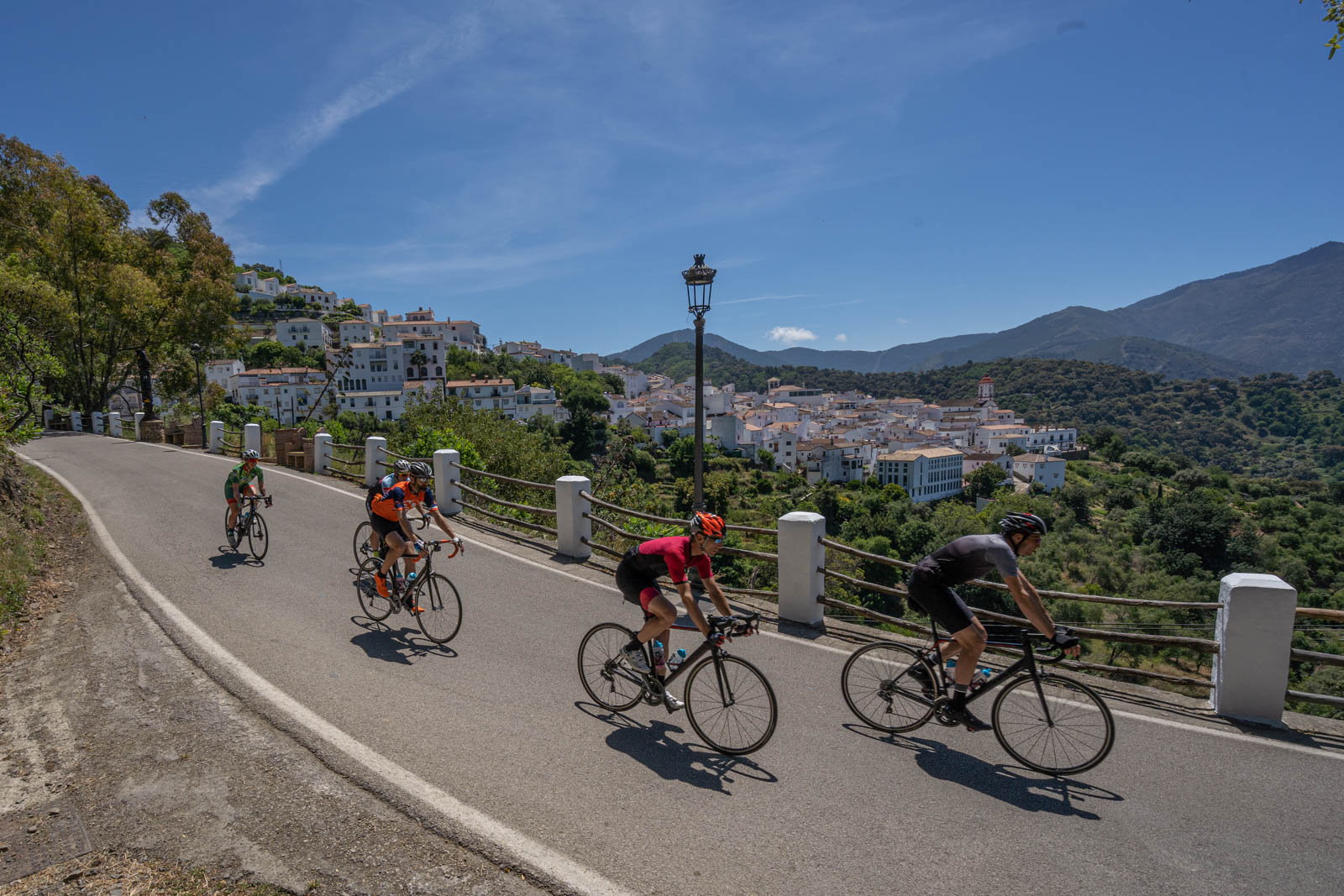
Packing smart starts with knowing how quickly conditions can change. Our most popular trips include the high mountains of Europe – the Pyrenees, Dolomites and Alps, where weather can shift from warm sun to cold rain in minutes. A wind vest, a light rain jacket, warm gloves and a skull cap can make the difference between a smooth climb and a rough one. When riders dress too light, the cold can lead to hypothermia. You lose heat fast, your hands get stiff and your legs slow down. It’s not only unpleasant, it’s unsafe for you and your fellow riders. The right layers help your body stay steady when the weather does not.


Layering, Hydration and the Weather Factor

Warm days bring their own challenges, so you also need gear that helps you stay cool. Light jerseys, shorts, sleeves, a bandana and sunscreen keep the heat from building up. If you overdress when the sun is strong, your body can trap too much warmth. This can lead to hyperthermia, where you feel dizzy, confused or drained. Once that happens, it becomes hard to enjoy the ride. Simple choices, like starting out in adaptable clothing, will keep your mind clear and body strong.

Hydration is another key part of any cycling trip. Long climbs, steady miles and bright sunlight take water from your body much faster than you expect. Have two bottle cages on your bike, pack bottles you like to use at home and bring a drink mix and salty snacks. Drinking often keeps your muscles working well and your mind sharp. Riders who forget to drink begin to feel slow and foggy, and crushing headaches can spring from nowhere. Dehydration makes reaction time drop, which can make handling the bike harder, especially on hairpin roads.


The Gear That Keeps Small Problems From Becoming Big Ones

Safety gear is just as important as clothing and drink. A small set of lights help other riders and drivers see you, even on quiet roads. Shade, tunnels and the dappled light of late afternoons can all hide a cyclist from view. Without lights, a driver may only notice you at the last moment, raising the risk of a collision. Good visibility is simple to pack and even easier to use.

Small tools also play a big part in a smooth ride. A seat bag with a spare tube or liquid sealant, tire levers and a CO2 adapter is enough for most quick fixes. Add your pedals, your shoes and your helmet, and you are ready to roll. But don’t forget your bike computer, charger, mount and a power adapter suitable for your destination. One strip with several plugs is even better. Riders who leave these out often lose half a day sorting out problems that could have been solved in minutes. A little kit can save a lot of time.

After the ride, comfort matters too. Bring layers: something light for the warm evenings and a warm fleece for the cooler ones, plus comfy shoes, and clothes for relaxing. Pack a swimsuit too, as many hotels will have a pool or you might even feel tempted to try a lake or river dip as you cycle by.


Planning for Comfort, Safety and the Unexpected

Travel basics should stay at the top of your list. Keep your passport, phone, charger cables, a battery pack, credit cards and any medicine in a waist pack so that it’s all easy to reach. Keeping these travel essentials close to hand makes travel smooth and helps you make good decisions at your destination, even after a long flight.

The final choice is how much you want to carry yourself. Some riders enjoy packing every item and heading out alone, otherwise known as bikepacking. Others prefer the ease of a group trip where a support van carries extra water, food and spare clothing. Either way, the goal is to enjoy the ride and good planning gives you freedom to do that.

But, even with the best planning, travel can still bring surprises. Weather can shift, luggage can get lost and small oversights can lead to bigger problems. Many of our guests choose to add Global Rescue travel assistance for extra peace of mind. It’s the “red button” you push in an emergency and it helps you stay focused on the adventure ahead instead of the what-ifs. With support ready when you need it, you only need to worry about the next climb. If your legs feel strong, the rest is covered.


The Global Rescue Connection

Bicycle accidents are down in the United States and Germany, but they still happen. Global Rescue received an urgent call about a New Hampshire woman who sustained a fractured pelvis following a serious bicycle accident during a bike tour in Upper Bavaria, Germany. Thankfully, there were no signs of a concussion or head injury, but she could not stand or walk. She was admitted to a local medical care center and discharged several days later. After advising her to use crutches and keep pressure off her right hip, the Global Rescue operations team coordinated the member’s return home and provided the necessary ground transportation in Germany and the U.S. Be prepared. Add Global Rescue to your trip and make your next Thomson Bike Tours adventure the best yet.