
Categories:

News
Share This:

What are the biggest travel dangers of 2025?

Share This:

Mission Briefs: Global Rescue In Action – Issue 53 – The Himalaya Special Edition

A brief overview of recent standout operations involving Global Rescue.

Article Highlights

  • Specialized High-Altitude Rescues: Global Rescue collaborates with expert pilots in Nepal to perform challenging helicopter evacuations in remote, high-altitude environments.
  • Himalaya Mission Highlights: November had Global Rescue operations perform rescues for people suffering from acute mountain sickness, frostbite, and severe injuries.
  • Expanding Support for Climbers: Global Rescue’s High-Altitude Evacuation Package and extended deployments enhance safety and emergency response for adventurers in extreme mountain conditions.


High-altitude helicopter rescues are dangerous, and the potential for extreme weather changes compounds the risks. Helicopter rescues at high elevations involve risks. However, Global Rescue minimizes them by working with pilots and helicopter companies in Nepal that have exceeded our rigorous vetting processes that examine their safety records, pilot experience, and safety management systems.

The pilots are drawn to this risky work by the challenges of flying in high-altitude, remote mountains. We work with the best pilots in the world who are extraordinarily experienced at high-altitude rescues, often landing in risky areas or using long-line tactics to recover sick or injured climbers.

An actual rescue is straightforward. Once an airborne evacuation off the mountain is activated, Global Rescue coordinates with various rescue resources, including helicopter transport, ground transport to the hospital, and ongoing patient monitoring.

We have had challenging cases where people were stuck for several days due to extreme weather preventing all airborne flights, but this is an unavoidable condition of the environment. Overwhelmingly, our rescue cases are quick airborne interventions that have saved thousands of lives.

In a typical 30-day period, Global Rescue executes hundreds of operations in dozens of countries and principalities. But for this special edition of Global Rescue’s Mission Briefs, we are exclusively highlighting a few of the many Himalaya rescue operations completed in November 2024.


Long Line Rescue Saves a US Mountaineer

A member from the US exhibited acute mountain sickness (AMS) symptoms, including severe headache, dizziness, and difficulty breathing, while at Ama Dablam Camp 2, Khumjung, Nepal. A long-line helicopter evacuation was arranged, transporting the member to CIWEC Hospital in Kathmandu. After treatment, including oxygen and medications, the member was discharged in improved condition and later reported full recovery.


Frostbite at Camp 3 on Ama Dablam

A member from Ireland sustained severe frostbite on all fingers while at Ama Dablam Camp 3, Khumjung, Nepal. Due to the severity of the injury, a long-line helicopter evacuation to CIWEC Hospital in Kathmandu was approved. The member underwent Iloprost treatment and was discharged after completing therapy, expressing gratitude for the assistance.


Severe Ankle Injury Ends Summit Attempt

A member from Norway sustained a right ankle injury after slipping on ice during a Lobuche summit attempt in Khumjung, Nepal. Initial treatment involved reducing the dislocation on-site, but due to limited mobility, a helicopter evacuation to PLNN Hospital was arranged. An X-ray confirmed no fractures, but the member later experienced a second dislocation. Further evaluation in Kathmandu revealed ligament tears requiring knee immobilization and a recommendation for surgery. The member returned home with a business class upgrade arranged for comfort.


Canadian Climber Suffers Acute Gastroenteritis

A member from Canada suffered from acute gastroenteritis, experiencing severe vomiting and diarrhea, while in Kothe, Nepal. Due to the lack of local medical care, a helicopter evacuation to Lukla Hospital was arranged. After treatment, the member recovered and declined further follow-up, continuing onward travel arrangements.


Acute Mountain Sickness on Ama Dablam

A member from the US experienced worsening symptoms, including severe headache, fatigue, and frequent diarrhea, while at Camp 3 during an attempt to summit Ama Dablam in Khumjung, Nepal. Despite initial treatment with NSAIDs and Loperamide, her condition did not improve, prompting her husband to contact Global Rescue. She was evacuated by helicopter from Ama Dablam Base Camp to PLNN Hospital in Lukla, where she was diagnosed with Acute Mountain Sickness (AMS) and Acute Gastroenteritis. After evaluation and treatment, Ms. Sims was discharged with home medications.


HAPE, HACE Prompt Medevac

A member from Australia suffered severe symptoms, including persistent cough, weakness, and breathing difficulties, while trekking in Ama Dablam, Khumjung, Nepal. Medical evaluation determined high-altitude pulmonary edema (HAPE) and high-altitude cerebral edema (HACE). A helicopter evacuation was approved, and the member was transported to CIWEC Hospital in Kathmandu, treated with IV fluids, and discharged with medications and recovery instructions.


Trekker Suffers from AMS and Sunburn

A member from the US experienced severe symptoms of AMS, including uncontrollable cough, headache, and dizziness, while trekking in Lobuche, Khumjung, Nepal. A helicopter evacuation was arranged, and the member was transported to CIWEC Hospital in Kathmandu. The member was diagnosed with AMS and sunburn, treated with hydration and topical applications, and discharged for further rest.


Chest Pains at Base Camp

A member from the United Kingdom reported chest pain, dizziness, and body weakness while at Ama Dablam Base Camp, Khumjung, Nepal. Despite prior treatment, symptoms worsened, prompting a helicopter evacuation to PLNN Hospital in Lukla. The member was diagnosed with post-AMS and discharged with minor residual symptoms and recovery instructions.


Dingboche Trekker Requires Airborne Rescue

A member from the US developed symptoms of AMS, including headache, chest tightness, and insomnia, while trekking near Dingboche, Nepal. After symptoms persisted, a helicopter evacuation was arranged to PLNN Hospital in Lukla. The member was diagnosed with acute mountain sickness, treated, and advised to rest at a lower altitude for recovery.


Deep Vein Thrombosis Causes Helicopter Rescue

A member from the United Kingdom experienced swelling in the left calf, suspected to be deep vein thrombosis (DVT), while at Ama Dablam Base Camp, Khumjung, Nepal. A helicopter evacuation to CIWEC Hospital in Kathmandu was arranged. The member was diagnosed with a thrombus in the medial gastrocnemius vein, treated with anticoagulants, and deemed fit to fly back home after monitoring.


Blurred Vision, Slurred Speech on Ama Dablam

A member from Australia experienced vision issues and slurred speech, potentially due to high-altitude retinopathy, while at Ama Dablam Camp 3, Khumjung, Nepal. A long-line helicopter rescue was arranged, transporting the member to CIWEC Hospital in Kathmandu. The member received treatment, showed improvement, and was advised to follow up with an ophthalmologist.


Fainting Spells in Dughla

A member from the US reported multiple episodes of syncope, also known as fainting or passing out due to a sudden drop in blood pressure, while trekking in Dughla, Khumjung, Nepal. A helicopter evacuation to PLNN Hospital was arranged. The member was diagnosed with syncope related to low oxygen saturation and was advised to follow up with a cardiologist upon returning home.


The Global Rescue Connection

Participation in mountaineering, trekking and other high-altitude activities has seen rapid increases in recent years. Global Rescue continues to expand and enhance its services for this community by increasing our capabilities to provide emergency services in more regions, committing to longer deployments of our medical operations personnel, and extending our in-field rescue operational durations.

Implementing the High-Altitude Evacuation Package and making it available to members 16 years of age and older who travel above 15,000 feet (4,600 meters) during any part of their trip (excluding airplane travel) and who require emergency transport due to injury or illness enables us to continue enhancing our current service capabilities for the climbing and trekking community worldwide. For example, we deploy operations professionals to Nepal during the climbing season and will do so for longer periods and in other locations popular with climbers.

Categories:

Health & SafetyTravel
Share This:

Tips for Long-Haul Travelers: How To Manage Body Clocks and Jet Lag

Expert tips on sleep, food, hydration, and tools for a seamless recovery if traveling across multiple time zones.

Article Highlights

  • Jet lag is more severe when traveling eastward due to the body’s difficulty adjusting to an earlier schedule.
  • Common mistakes include dehydration, excessive alcohol and caffeine, irregular meals, and long naps.
  • Foods like bananas, cherries, and lean proteins can aid in managing jet lag.
  • Tools like blackout shades, earplugs, and melatonin effectively support recovery.
  • Planning sleep schedules and exposure to natural light upon arrival can help reset the body clock.

How To Minimize Jet Lag When Crossing More Than 5 Time Zones

Traveling across multiple time zones can disrupt your body clock, leading to jet lag, a temporary sleep disorder causing fatigue, insomnia, and disorientation. Jet lag tends to be more severe when traveling eastward than westward because the body naturally adjusts better to staying up later than going to bed earlier. Understanding the causes, remedies, and preventive measures can significantly reduce jet lag’s impact.


Understanding Jet Lag

Jet lag occurs when your internal body clock, or circadian rhythm, is misaligned with the time at your destination. Your body struggles to adjust to the new schedule, affecting sleep patterns, digestion, and overall energy levels. Traveling east accelerates your day, shortening the natural 24-hour cycle, while traveling west lengthens it, making adaptation easier.


Jet Lag Tips and Pitfalls

Jet lag can be a frustrating side effect of crossing multiple time zones, leaving travelers tired, disoriented, and struggling to adjust to a new schedule. Unfortunately, common mistakes like dehydration, consuming excessive caffeine or alcohol, skipping meals, and taking naps at the wrong times can intensify these symptoms. Staying hydrated, adjusting your schedule gradually, and prioritizing light exposure and sleep hygiene are essential preparations to minimize jet lag and help your body adapt. By understanding what worsens jet lag and implementing strategies to counter its effects, you can enjoy smoother transitions and more productive, enjoyable travel experiences.


Common Mistakes That Worsen Jet Lag

  • Not Staying Hydrated: Dehydration, exacerbated by dry airplane cabin air, worsens fatigue. Drink water consistently throughout your flight and avoid excessive caffeine or alcohol, which dehydrate the body and disrupt sleep.
  • Consuming Excessive Alcohol and Caffeine: While a glass of wine or coffee may seem tempting, both can interfere with your ability to sleep and adjust to the new time zone.
  • Irregular Meals: Skipping meals or eating heavy food at odd hours can confuse your digestive system, further unsettling your body clock.
  • Taking Long Naps: Overly long naps during the day can delay your body’s adaptation to the local schedule.
  • Not Adapting Quickly: Failing to adjust to the destination’s time zone, either before or immediately upon arrival, prolongs jet lag symptoms. Gradual changes to your sleep and meal times ahead of your trip can ease the transition.


Best Practices To Avoid Jet Lag

  • Stay Hydrated: Drink plenty of water before, during, and after your flight to combat the dehydrating effects of air travel.
  • Plan Your Sleep: Use the flight to align your sleep with the destination’s time zone. For eastward travel, try sleeping on the plane; for westward travel, stay awake longer.
  • Adapt to the New Time Zone: Upon arrival, spend time outdoors to expose yourself to natural light, which helps reset your body clock. Eat meals according to local times and avoid heavy food late at night.
  • Use Blackout Shades and Earplugs: These tools create an optimal sleep environment by blocking out light and noise.
  • Exercise: Light physical activity, especially in the morning or afternoon, can help regulate energy levels and improve sleep.


Foods To Help Combat Jet Lag

Adjusting your internal body clock can be challenging when crossing multiple time zones. Certain foods can naturally support your body’s transition by promoting better sleep, regulating energy levels, and reducing common jet lag symptoms like fatigue and digestive discomfort.

Incorporating specific nutrient-rich foods, such as those high in melatonin, tryptophan, or magnesium, into your meals can help you fall asleep faster, stay asleep longer, and wake up refreshed.

Whether you’re preparing for a long-haul flight or settling into a new destination, these dietary choices can significantly reduce jet lag.

  • Bananas: Rich in potassium, magnesium, and tryptophan, bananas support relaxation and sleep.
  • Cherries: A natural source of melatonin, they help regulate your sleep-wake cycle.
  • Lean Proteins: Foods like chicken and fish are high in tryptophan, aiding sleep quality.
  • Carbohydrates: Eating carbs like rice, potatoes, or quinoa at dinner can help you wind down.
  • Kiwi: Packed with serotonin, kiwi may improve sleep onset and quality.
  • Ginger: Helps alleviate nausea, a common jet lag symptom, and can be consumed as tea.
  • Oatmeal: A low-GI carb that helps regulate energy levels and reset your biological clock.

Plan your meals according to your destination’s time zone to further align your body’s rhythm.


Effective Medications for Jet Lag

While lifestyle adjustments and strategic planning are vital for managing jet lag symptoms, certain medications can provide additional support in aligning your body clock with a new time zone. Options range from over-the-counter melatonin supplements, which naturally regulate sleep cycles, to prescription sleep aids like nonbenzodiazepines (zolpidem, eszopiclone) and benzodiazepines (temazepam), which can help manage severe sleep disturbances.

However, it’s crucial to understand their proper use, availability, and restrictions in the destination country to ensure safe and effective relief from jet lag. Always consult a healthcare professional before using medications to address jet lag.

Melatonin

  • Availability: Over-the-counter (OTC) in the U.S.
  • Description: Melatonin is a natural hormone secreted by the pineal gland that helps regulate sleep-wake cycles. Experts regard it as one of the most effective and safest treatments for jet lag. Taking melatonin in the evening at your destination can help reset your body clock to align with the local time zone.
  • Usage: Typically, 0.5 to 5 mg is recommended an hour or two before bedtime at your destination.
  • International Regulations:
    • In many countries, melatonin is available OTC, but in places like the UK and parts of the European Union, it is regulated and available only by prescription.
    • In Japan, melatonin is classified as a drug and is not available OTC. Travelers should verify local regulations before carrying it abroad.


Nonbenzodiazepines

Examples: Zolpidem (Ambien, Edluar, ZolpiMist), Eszopiclone (Lunesta), Zaleplon (Sonata)

  • Availability: Prescription-only in the U.S. and most countries.
  • Description: These medications are sedative-hypnotics that target specific brain receptors to induce sleep with fewer side effects than traditional benzodiazepines. They generally help travelers sleep during their destination’s nighttime hours, especially when struggling to fall asleep due to jet lag.
  • Usage: Take immediately before bedtime as prescribed by your doctor. Avoid use if a full night’s sleep (7–8 hours) isn’t possible, as they may cause grogginess or memory issues if you wake up too early.
  • International Regulations:
    • Restricted in Japan and Singapore: Carrying these medications into the country without proper documentation can lead to legal issues.
    • Controlled in the UAE: Requires a medical prescription and prior approval for import.
    • Check local restrictions before traveling, as penalties for carrying these medications vary widely.


Benzodiazepines

Examples: Temazepam (Restoril), Midazolam (Nayzilam)

  • Availability: Prescription-only in the U.S. and globally.
  • Description: These are strong sedative medications used for short-term relief of severe jet lag symptoms, especially in cases of prolonged insomnia or anxiety. They act quickly to promote sleep by calming the central nervous system.
  • Usage: Take as prescribed by a healthcare provider, generally for no more than a few days. Prolonged use is discouraged due to risks of dependency and side effects, including drowsiness and impaired coordination.
  • International Regulations:
    • Highly Regulated in the EU: Many countries require a specific prescription and documentation for import.
    • It is prohibited in Japan and some Middle Eastern countries unless accompanied by detailed medical documentation.
    • Always declare benzodiazepines at customs when traveling internationally.


Key Considerations When Using Medications for Jet Lag

  • Consult a Healthcare Professional: Before starting any medication, discuss your symptoms, medical history, and travel plans with a doctor. They can provide tailored guidance.
  • Adhere to Local Laws: Research the specific medication regulations for your destination. Carry prescriptions, labels, and doctor’s notes to avoid legal complications.
  • Monitor Usage: Avoid long-term reliance on these medications to prevent tolerance, dependency, or adverse effects.
  • Alternative Strategies: For maximum effectiveness in overcoming jet lag, use medications alongside natural methods, such as adjusting your sleep schedule, staying hydrated, and using light therapy.

By choosing the proper medication and using it responsibly, travelers can manage jet lag effectively while minimizing risks.


Tools To Ease Jet Lag and Enhance Recovery

A range of practical tools can help ease the effects of jet lag and support recovery upon arrival. Blackout shades in your hotel room, blue light-blocking glasses, earplugs and eye shades are invaluable for ensuring uninterrupted sleep by reducing noise and light distractions. These tools, combined with smart travel strategies, can help you adjust more quickly to a new time zone and enjoy a more comfortable transition.

  • Blackout Shades: Block out sunlight for uninterrupted sleep.
  • Blue Light Blocking Glasses: Reduce exposure to blue light from screens, which disrupts melatonin production.
  • Earplugs and Eye Shades: Minimize noise and light to promote better rest during flights or at your destination.

The Global Rescue Connection

Global Rescue members have access to medical advisory services that can help locate a pharmacy when traveling internationally, allowing access to medical guidance and finding nearby pharmacies to purchase necessary medications, including those that might help alleviate jet lag symptoms, even if you need to find over-the-counter products in a foreign country.

Categories:

Travel
Share This:

Overpacking and Overtourism: Travel’s Biggest Foes

Stabilizing inflation, overtourism, overpacking, and nonstop flights are transforming travel behavior. 

Article Highlights:

  • Overpacking – A Persistent Problem: Nearly a third of travelers overpack, leading to excess baggage fees and unnecessary stress during their journeys.
  • Overtourism Concerns Rise: 76% of travelers worry about overtourism, and solutions include off-peak travel and exploring lesser-known destinations.
  • Nonstop Flights Simplify Travel: Direct flights reduce the risk of delays, missed connections, and lost luggage, making for smoother travel experiences.
  • Inflation Stabilization Drives Travel: Lower inflation has led to fewer trip cancellations, encouraging more travelers to explore the world.


As inflation stalls, travel is increasing. It’s sparking concerns about overtourism and shading the evolving landscape of international travel.

With inflation cooling to a three-year low, fewer travelers are canceling or postponing trips due to financial concerns. In 2024, only 12% of surveyed travelers cited inflation as a reason for canceling or postponing international trips, a sharp decrease from 2022, when 20% of travelers did the same. The stabilizing economy encourages more travel, especially among individuals previously constrained by budget concerns.

As the Global Rescue Traveler Sentiment and Safety Survey revealed, travel is becoming a higher priority for many. Over half of respondents (53%) stated that travel holds greater significance today than it did less than a year ago, marking a 71% increase from six months ago. This surge reflects a societal shift toward valuing experiences over material possessions, as nearly 80% of travelers preferred meaningful travel over acquiring physical assets.

But the travel surge draws attention to overtourism in a few destinations, including Machu Picchu, Peru; Cozumel, Mexico; the Great Barrier Reef, Australia; Sintra, Portugal; and Florence, Italy.


Addressing Overtourism

Overtourism—a situation where too many tourists visit a specific destination—is a rising concern. The Global Rescue Traveler Sentiment and Safety Survey found that 76% of travelers worry about overtourism, and 31% have experienced its effects firsthand in 2024. Women express greater concern (83%) than men (74%), although slightly more men report experiencing overtourism this year.

The rebound in travel and insufficient government action are contributing factors to overtourism. Popular destinations are often overwhelmed, leading to environmental degradation and strained local resources. To combat overtourism, local governments can set visitor limits, promote sustainable tourism practices, and educate travelers on responsible behaviors.

Travelers can make a difference by visiting during off-peak seasons, exploring lesser-known regions, and adopting sustainable practices. Solutions like these ensure popular destinations remain enjoyable for future visitors while respecting the needs of local communities.


Avoiding Common Travel Mistakes

Despite increased travel confidence, travelers continue to make common mistakes that can impact their experiences. Overpacking remains the top blunder, with 32% of respondents admitting they bring too much. Overpacking leads to excess baggage fees and makes navigating airports and accommodations unnecessarily stressful. Packing light is a simple yet effective strategy to streamline travel.

Booking flights with connections rather than nonstop options was the second most common mistake. Connections increase the likelihood of missed flights, longer travel times, and the potential for lost luggage. Opting for nonstop flights whenever possible minimizes disruptions and provides a more seamless travel experience.

Overambitious itineraries rounded out the top three mistakes. Packing too much into a trip often leaves travelers exhausted and unable to enjoy their destinations fully. Immersive, slower-paced travel allows for richer experiences and deeper connections with the places visited.


Travelers Navigating Risks

While overtourism and logistical challenges dominate travel conversations, geopolitical instability and health risks remain top concerns. According to the Global Rescue survey, 30% of travelers identified geopolitical instability as their most significant perceived risk, followed by economic instability (12%) and terrorism (11%). Travelers are increasingly paying attention to official travel advisories and preemptive emergency planning, with 51% of respondents opting for security extraction services when visiting high-risk regions.

Health risks are the leading issue for nearly half of travelers (45%), underscoring the importance of comprehensive preparation. Injury or illness abroad is a major concern, and having access to medical evacuation and advisory services can make all the difference during an emergency.


The Resurgence of Travel

The robust recovery of the travel sector continues in 2024, with 95% of survey respondents having already traveled this year. TSA passenger volumes have increased by 7% compared to the same period in 2019, signaling growing traveler confidence and a resurgent desire to explore the world.

This resurgence demands that destinations adapt to the increasing influx of visitors. Managing the tourism boom requires responsive staffing, improved infrastructure, and strategic promotion of off-peak travel to balance growth and sustainability. By involving local communities in tourism planning, destinations can address overtourism and ensure a positive experience for travelers and residents.


The Future of Traveler Behavior

As travel continues to evolve, travelers’ behaviors and priorities are shifting. The increasing emphasis on immersive experiences, sustainable tourism, and thoughtful planning reflects a deeper understanding of travelers’ impact on the world. By addressing overtourism, avoiding common mistakes like overpacking, and prioritizing nonstop flights, travelers can enhance their experiences while contributing to the preservation of the destinations they love.

These changes in traveler attitudes are driven by a stabilizing economy, increasing travel confidence, and awareness of global issues. With careful planning and a commitment to sustainable practices, the future of travel looks promising for adventurers and destinations alike.


Share This:

How New Technology Is Transforming Airport Security and Traveler Experience

Discover how AI, self-service security, and Global Rescue's GRID 2.0 transform holiday travel with safer and more efficient experiences.

Article Highlights:

  • Self-service security screening speeds up airport processes for holiday travel.
  • High-tech screening wands offer faster, privacy-respecting security checks.
  • GRID 2.0 provides real-time risk alerts for a safer travel experience.
  • AI simplifies trip planning, helping travelers save time and reduce travel stress.
  • Translation apps make communication easier, breaking down language barriers.


The global travel landscape is rapidly evolving, with cutting-edge technology reshaping the way we plan, experience, and stay secure on trips. From artificial intelligence (AI) for personalized trip planning to self-service airport security screening, digital passport stamps, and Global Rescue’s GRID 2.0 Intelligence Delivery system, these advancements are making travel safer and more efficient.


Self-Service Airport Security Screening: Faster and More Independent

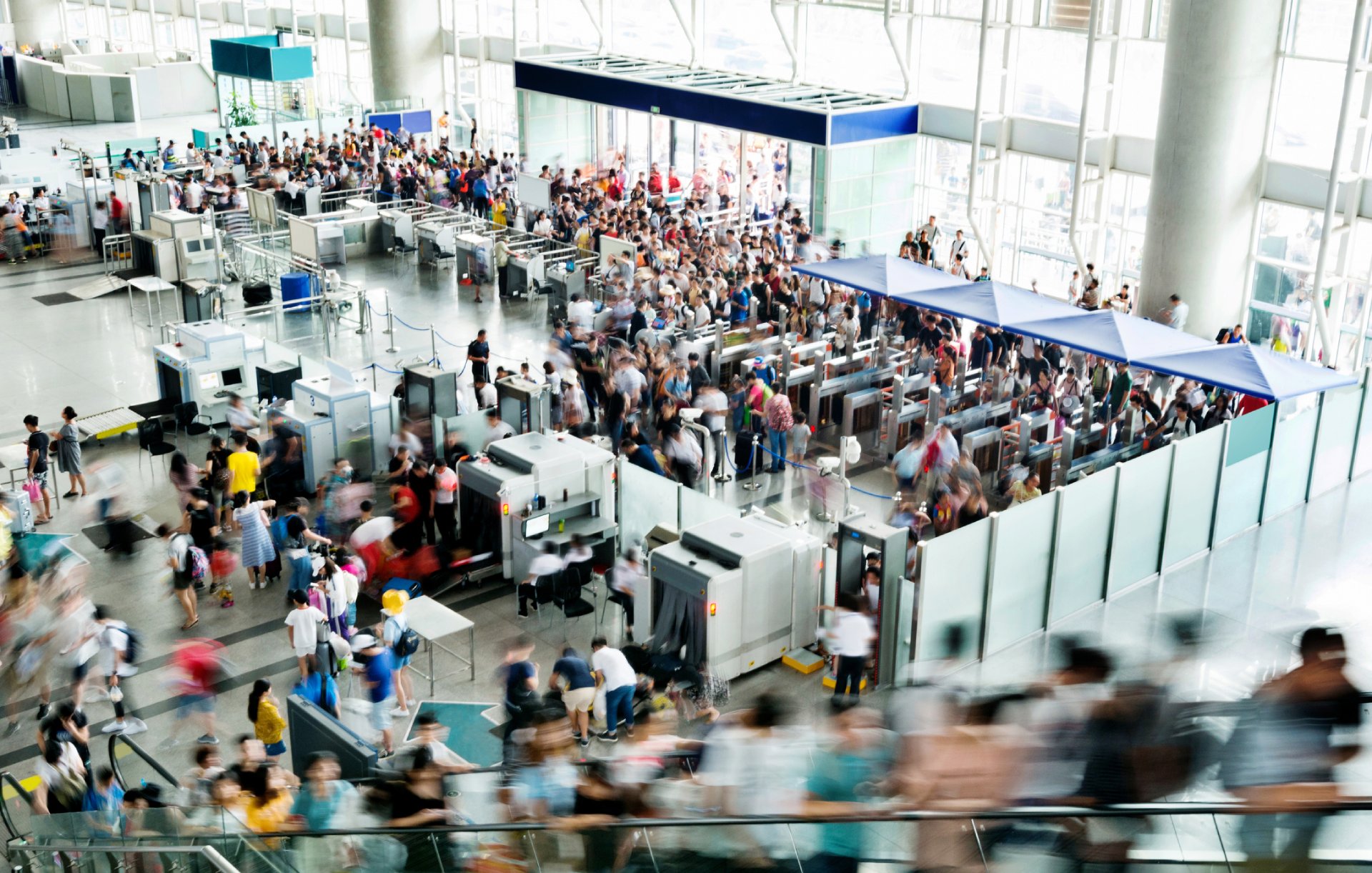
Many people prioritize minimizing wait times at airport security. Self-service security screening, currently being tested at Harry Reid International Airport in Las Vegas, allows passengers to scan their carry-on bags, reducing the need for TSA officer involvement. Like a grocery store self-checkout, this process could speed up airport security, enabling travelers to manage their screening process more efficiently.

This self-service approach could be especially beneficial for members of known traveler programs like TSA PreCheck and Global Entry, which already streamline security procedures for trusted travelers. The added convenience aligns perfectly with busy travel periods, helping travelers get through airport security with minimal delays.


High-Tech Screening Wands: Enhanced Security and Privacy

Another game-changer in airport security is the new millimeter-wave handheld screening wand, developed by the Screening at Speed Program in partnership with the TSA. Unlike traditional metal-detecting wands, this advanced device can detect both metallic and non-metallic items and distinguish between clothing and skin. Equipped with a viewing screen, it pinpoints the location of potential threats, reducing the need for invasive pat-downs.

Designers created the wand for increased privacy and security. It provides more accurate results, especially for travelers with limited mobility, who often require additional screening assistance. This innovation not only speeds up security checks but also enhances traveler security and comfort, especially during busy periods like Christmas travel.


Global Rescue’s GRID 2.0: Real-Time Intelligence for Travelers

Global Rescue’s GRID 2.0 Intelligence Delivery system offers real-time information on potential risks for travelers. GRID 2.0 provides integrated travel risk management, crisis response, asset tracking, and intelligence delivery, giving travelers instant access to information that can help them stay safe.

The system distributes alerts about incidents like civil unrest, disease outbreaks, natural disasters, and travel disruptions, making it essential for those traveling to high-risk or unfamiliar destinations. Travelers today are better equipped to navigate international challenges, thanks to tools like GRID 2.0 and trusted traveler programs, said Richards. With 24/7 access to medical and security experts, travelers can confidently navigate holiday travel, knowing they are prepared for unexpected situations.


Digital Passport Stamps: Speeding Up Border Crossings

The EU’s new Entry/Exit System (EES) eliminates traditional passport stamps in the Schengen Area, replacing them with digital records. While 54% of Global Rescue’s travelers say they’ll miss the passport stamps, the transition to digital documentation is expected to make border crossings faster and more efficient.

Dan Richards, CEO of The Global Rescue Companies, said the green, blue, black, and red passport stamps are nostalgic reminders for many travelers. But digitizing these stamps is part of the larger move toward seamless, secure travel. This shift speeds up international travel and adds a layer of digital security, making it easier for authorities to monitor and manage travel records.


Artificial Intelligence (AI): A New Tool for Trip Planning

AI is quickly becoming a go-to resource for travelers, simplifying trip planning. According to the Global Rescue Fall 2024 Traveler Sentiment and Safety Survey, 11% of experienced travelers use AI tools to streamline travel preparation, with nearly 70% finding it highly beneficial for research, itinerary suggestions, and flight booking. AI cuts down the time spent sifting through endless information and provides customized travel plans based on budget, trip length, and desired activities.

Richards said AI for travel is no longer a futuristic concept; it’s a practical tool for travelers looking to streamline their trip planning. However, travelers should be cautious of potential tech scams like deepfakes, identity impersonation, and misleading advice generated by bots. As AI adoption grows, Richards expects even more travelers will turn to it for quicker and smarter travel planning solutions.


Translation Apps: Breaking Language Barriers Worldwide

Language barriers are a common challenge for international travelers. Translation apps now bridge these gaps, making travel more accessible for millions. The Global Rescue survey found that over half (55%) of respondents rely on translation apps to communicate abroad, using them to translate conversations, read traffic signs, and interpret menus. Translation apps have simplified global travel, enabling travelers to communicate effectively with people who don’t speak the same language and to understand foreign language traffic signs, menus and more, said Richards.

With real-time translation capabilities, these apps remove much anxiety about navigating unfamiliar places. They empower travelers to connect with locals, understand directions, and enjoy a more immersive experience in new countries, making every trip smoother.


The Global Rescue Connection

As travel continues to increase, new technologies, like GRID, are paving the way for a safer, more streamlined traveler experience. GRID gives travelers access to real-time information about global security and medical risks, allowing them to stay informed and take necessary precautions while traveling in potentially dangerous areas, minimizing travel risks through tracking, event monitoring, and emergency alerts. Other technologies – like AI, translation apps, self-service airport security screening, and advanced screening wands – are the latest innovations that make it easier for travelers to navigate international trips with greater ease and safety.

Share This:

The World’s Most Experienced Travelers Name the Best Songs Inspiring Travel

(Lebanon, N.H. – December 17, 2024) The world's most experienced travelers named "On the Road Again" and Willie Nelson as their top travel song and musical artist for the fourth consecutive year, according to the…

(Lebanon, N.H. – December 17, 2024) The world’s most experienced travelers named “On the Road Again” and Willie Nelson as their top travel song and musical artist for the fourth consecutive year, according to the Global Rescue Traveler Sentiment and Safety Survey. Following “On the Road Again” as the favorite traveling song was “Africa” by Toto, “Leaving on a Jet Plane” by John Denver and, making the list for the first time, “Lovely Day” by Bill Withers.

“Listening to music while traveling enhances the experience by reducing stress, uplifting mood, and creating a positive atmosphere, even during challenges like traffic or crowded airports,” said Dan Richards, CEO of The Global Rescue Companies and a member of the U.S. Travel and Tourism Advisory Board at the Department of Commerce.

The survey also revealed travelers’ favorite musicians or bands. Nelson topped the list followed by Toto, Jimmy Buffett, Fleetwood Mac, Bill Withers, Lynyrd Skynyrd, Vivaldi, Tom Petty, Elton John, Coldplay and ABBA.

The Annual List of Top Songs Inspiring Travel includes perennial favorites like “Take It Easy” by the Eagles, “Vacation” by the Go-Gos, and “Margaritaville” by Buffett, as well as new list entries like “Lose Control” by Teddy Swims and “Around the World” by Daft Punk. You can find the complete list of the top travel-inspiring songs from the past several years here. 

“A carefully curated travel playlist becomes the soundtrack of your journey, enriching each experience as the melodies intertwine with moments to create lasting memories,” said Joseph Lambert, musician and creative design manager for Global Rescue, the world’s leading provider of medical, security, evacuation and travel risk management services. “Traditional music from your destination bridges the local culture, connecting you to its rhythms and stories while sharing cherished. Songs from home can provide comfort or spark meaningful connections with fellow travelers.”

###

Contact Bill McIntyre at bmcintyre@globalrescue.com or 202.560.1195 (phone/text) for more information. 

About the Global Rescue Traveler Sentiment and Safety Survey  

Global Rescue, the leading travel risk and crisis response provider, surveyed more than 1,100 current and former members from October 1-20, 2024. The respondents revealed a variety of behaviors, attitudes and preferences regarding current and future travel. 

About Global Rescue  

The Global Rescue Companies are the world’s leading provider of medical, security, evacuation and travel risk management services to enterprises, governments and individuals. Founded in 2004, Global Rescue has exclusive relationships with the Johns Hopkins Emergency Medicine Division of Special Operations and Elite Medical Group. Global Rescue provides best-in-class services that identify, monitor and respond to client medical and security crises. Global Rescue has provided medical and security support to its clients, including Fortune 500 companies, governments and academic institutions, during every globally significant crisis of the last two decades. For more information, visit www.globalrescue.com. 

Categories:

Health & SafetyTravel
Share This:

From Medevac to Minor Illnesses: Navigating Medical Help During Travel

What to do if you get sick while traveling.

Article Highlights:

  • Travel insurance policies often require travelers to arrange transport to a hospital before benefits apply.
  • Global Rescue provides direct field rescues and medical evacuations without claim forms or deductibles.
  • AMEX, Chase, and Capital One travel insurance offer emergency medical assistance but require prior approval and claims processing.
  • Medical evacuations can cost up to $300,000 without proper protection—be prepared with a comprehensive Global Rescue membership and travel insurance.


Health emergencies while traveling can turn a dream vacation into a nightmare. Knowing what steps to take can make all the difference, whether a minor illness or a life-threatening condition.

When illness or injury strikes while traveling, getting help quickly is crucial. If you experience a life-threatening emergency and are within the range of an emergency service — like 911 in North America, 112 in the EU or 999 in the U.K. — contact them immediately.

If you experience an emergency after you are safe and stabilized and need to communicate with Global Rescue, you must contact Global Rescue directly by phone at +1 (617) 459-4200 or by sending an email to operations@globalrescue.com.

Some travel insurance policies offer emergency medical evacuation coverage, and fewer provide emergency field rescue from the point of illness or injury. Additionally, the difference in the level of service outlined by travel insurance policies compared to Global Rescue is significant. Travel insurance policies require you to find your way to the nearest hospital before benefits kick in. This can be particularly challenging during a traveler’s medical emergency, especially in remote areas with limited or non-existent transportation options.


Field Rescues and Medevac Services

Unlike standard insurance policies, Global Rescue specializes in field rescues and medical evacuations, providing assistance from the point of injury or illness using helicopters, jets, or even on-foot rescue teams. Global Rescue’s direct approach eliminates the need for travelers to confer with insurance benefits managers, complete a bevy of claim forms and arrange their own medical transport.

Without such services, travelers may face astronomical costs. A medical evacuation, for instance, can cost up to $300,000, depending on the location and severity of the situation.


Travel Insurance Options: What’s Covered?

Travel insurance policies from companies like AMEX, Chase Sapphire, and Capital One Venture offer emergency medical assistance but come with caveats.

  • AMEX Travel Insurance: Offers reimbursement for medical expenses, but travelers must coordinate through a benefits administrator and complete claim forms.
  • Chase Sapphire Travel Insurance: Includes emergency medical coverage but requires pre-approval and detailed documentation for reimbursement.
  • Capital One Venture Card Travel Insurance provides emergency assistance, but only after claim approval and coordination with the benefits team.

While these credit card insurances can be helpful, they require meticulous planning and adherence to policy rules. Global Rescue is a membership with service benefits; it is not an insurance company. Global Rescue does not require claim forms, deductibles, or co-pays, ever. Global Rescue members simply contact the medical operations team for immediate assistance.


Quick Guide: Using Global Rescue Services

Global Rescue designs its membership services to make emergency medical assistance seamless. Here’s how members can access their benefits:

  • Contact Immediately: If you experience a severe injury or illness like a head injury, acute mountain sickness, or heart attack, contact Global Rescue at +1 (617) 459-4200 or via email.
  • Access Expert Advice: Members can consult real-time medical professionals to assess their symptoms, even for minor concerns like a twisted ankle or bug bite.
  • Leverage Additional Support: Need help finding a pharmacy, navigating a language barrier, or changing travel plans due to weather? Global Rescue provides round-the-clock assistance.

Members should remember that services must be arranged directly through Global Rescue for service benefits to apply. Self-arranged rescues are not reimbursed.


The Global Rescue Connection

If you are ill or injured while traveling, a Global Rescue travel protection membership evacuates members from the point of illness or injury to the nearest appropriate hospital, clinic or medical provider. Perhaps the hospital doesn’t provide the care you need. Global Rescue will transport members to a vetted medical center or their home hospital of choice.

“The closest medical facility isn’t always the right one. Global Rescue gets you to the most appropriate hospital for your illness or injury,” said Dan Stretch, operations manager at Global Rescue.

Sometimes, you have a question about a symptom. Available 24/7/365, a travel protection membership team can direct you to the best local medical resources worldwide, so you are not left guessing how to address your health concerns best.

“Our team of medical professionals includes paramedics, nurses and doctors. We handle calls for cuts and stomach upsets to more severe illnesses and injuries, like chest pains and serious trauma,” said Michael Lovely, operations supervisor at Global Rescue.

Standard travel insurance often falls short during emergencies. Membership services like Global Rescue bridge the gap by offering comprehensive medical evacuation and field rescue options. Unlike traditional insurance, there are no claim forms, deductibles, or delays — just immediate, effective assistance when you need it most.

Share This:

Family Travel Made Easy: The Best and Worst Kid-Friendly Airports in the World

From play areas to family restrooms to nursing rooms, these are the airports to use or avoid if traveling with the kids.

Article Highlights:

  • Best Airports for Families: Singapore Changi, Incheon, and Munich stand out for their kid-friendly amenities, such as playgrounds, cinemas, and nursing rooms.
  • Family-Friendly Features: Look for airports with stroller rentals, family restrooms, and clear signage for a smoother travel experience.
  • Plan Around Layovers: Prioritize kid-friendly airports for layovers to make delays stress-free with play areas and engaging activities.
  • What To Avoid: Airports like LaGuardia (LGA) and Charles de Gaulle (CDG) are less accommodating for families and lack key amenities.
  • Unique Offerings: From airport cinemas to interactive museums, top airports turn layovers into opportunities for learning and fun.


Traveling with children can be as rewarding as it is challenging. The right airport, with family-friendly amenities and thoughtful services, can make all the difference. Many international airports are stepping up to accommodate families, offering unique features like airport playgrounds, nursing rooms, and even cinemas. Here’s an in-depth look at how airports cater to families, what to look for when planning your trip, and which airports rank best—and worst—for family travel.


What Makes an Airport Kid-Friendly?

A kid-friendly airport goes beyond just accommodating families; it anticipates their needs. Features like airport playgrounds, family restrooms, and nursing rooms provide convenience and comfort. Airports with stroller rentals, family security lanes, and clear signage make navigating terminals easier, while entertainment options like cinemas and museums help keep children engaged during layovers or delays.


Family Travel: Planning Around Kid-Friendly Airports

When planning a family trip, consider connecting through airports known for their family-friendly features. Schedule layovers at airports with plenty of entertainment options to make delays less stressful for everyone. For example, airports like Changi in Singapore or Munich, Germany, can turn a long layover into an adventure.


Features to Look for in a Family-Friendly Airport

  • Airport Playgrounds: Spaces for kids to expend energy before boarding.
  • Family Restrooms: Facilities designed to accommodate parents and children together.
  • Nursing Rooms: Private, comfortable areas for breastfeeding or bottle-feeding.
  • Stroller Rentals: Convenient for families traveling without their stroller.
  • Family Security Lanes: Dedicated lanes to reduce stress during screening.
  • Clear Signage: Easy-to-follow directions for navigating terminals.
  • Restaurants With Free Kids’ Meals: Dining options catering to children.
  • Shops With Kids’ Items: Stores sell toys and games to entertain kids during flights.
  •  

A man-made vortex waterfall flows from the glass ceiling into a lush room in an airport.
The Jewel Vortex Waterfall at Changi International Airport in Singapore.

The Best International Airports for Families

Singapore Changi Airport (SIN): Often ranked as one of the best airports globally, Changi offers everything a family could dream of, including multiple playgrounds, a butterfly garden, a rooftop swimming pool, and an in-airport cinema. Parents can relax in lounges while kids burn off energy in play zones.

Incheon International Airport (ICN), South Korea: With nursing rooms, family restrooms, stroller rentals, and kids’ zones throughout the terminal, Incheon is a haven for traveling families. Unique features include cultural museums, ice skating rinks, and an airport golf course.

Zurich Airport (ZRH), Switzerland: Zurich Airport shines with its Family Services Center, with playrooms, baby-changing facilities, and free stroller rentals. The airport’s outdoor observation deck is perfect for aviation-enthusiast children.

Munich Airport (MUC), Germany: Munich boasts family-friendly play areas, family restrooms, and Kinderland—a dedicated childcare space where kids can play under professional supervision while parents shop or relax.

Doha Hamad International Airport (DOH), Qatar: Hamad International stands out with its colorful play areas, family rooms, and interactive art installations designed to entertain children of all ages.


The Least Family-Friendly Airports

Unfortunately, not all airports rise to the occasion. Airports with minimal family facilities, long security lines, and limited dining options can make travel challenging. Some notoriously less family-friendly airports include:

New York LaGuardia Airport (LGA): Known for crowded terminals and a lack of family-friendly amenities.

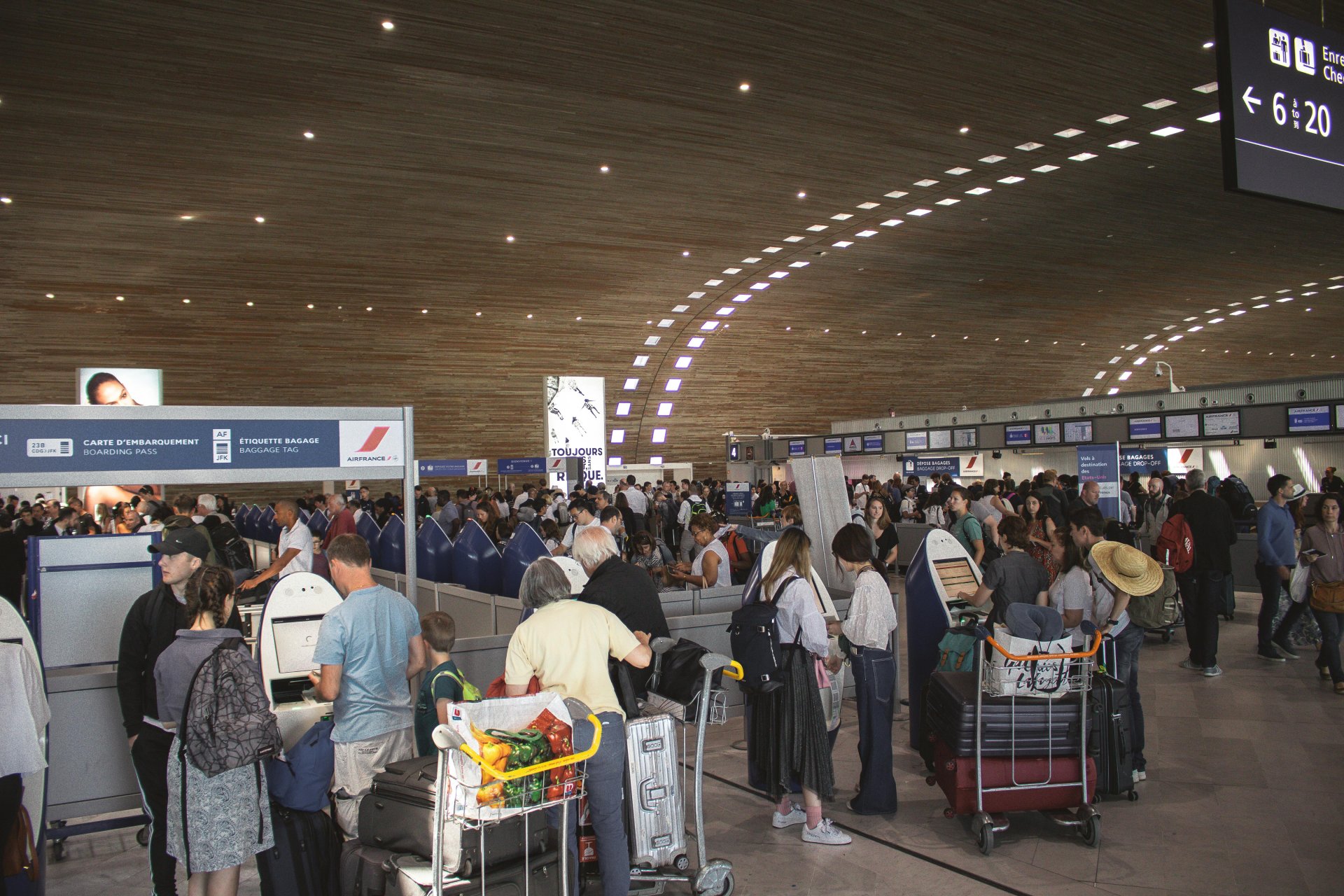
Charles de Gaulle Airport (CDG), France: Difficult to navigate and lacking robust options for families.

Los Angeles International Airport (LAX): Often crowded and confusing for families without designated play areas.


Rows of seats, dark lighting, and an animated movie playing at an airport movie theater.
Some airports now offer movie theaters to entertain travelers with longer layovers.

Airports with Unique Amenities for Families

  • Airport Cinemas: Singapore Changi and Munich airports offer free or low-cost movie theaters where families can relax during layovers.
  • Museums and Art Installations: Incheon and Hamad International provide cultural exhibits and interactive art displays for educational entertainment.
  • Guided Tours: Zurich Airport offers family-friendly guided tours of the airport, perfect for curious kids and parents alike.


Traveling With Small Children

Preparation is vital for families with young children. Bring their favorite toys and snacks, and use features like nursing rooms and stroller rentals to make your journey smoother. Plan for extra time at every stage of the trip, whether navigating security or finding your gate.


Tips for Traveling With Teens

Traveling with teens presents its challenges. Involve them in planning the trip and selecting destinations. Many airports now offer digital kiosks and tech-friendly lounges, which appeal to older kids who want to stay connected during layovers.


The Global Rescue Connection

Family travel can be stress-free, especially with a Global Rescue family membership. A family membership means all members have access to Global Rescue’s medical, security, evacuation, travel risk, and crisis management services.

Does your family qualify for a Global Rescue family membership? Some providers aren’t as inclusive with the definition of  ”family members” for a family plan. Many family memberships only recognize a “spouse,” and not a partner. They also limit the number of children, have lower age limits for those children, or insist that they be in college.

A Global Rescue family membership does not require marriage; cohabitation is sufficient. As for your dependents, you may add up to six (other providers only protect up to five unmarried dependent children) up to the age of 26 (other providers only go up to the age of 23 and require they be in college; Global Rescue does not).

Traveling with children doesn’t have to be daunting, especially when you choose to protect your family with a Global Rescue membership and seek out airports to handle family needs. The right facilities can transform your travel experience, from airport playgrounds and cinemas to family restrooms and stroller rentals. Researching and planning around kid-friendly airports can turn layovers into exciting adventures and ensure your family vacations start and end smoothly. With more airports stepping up to accommodate families, traveling with kids has never been easier or more enjoyable.

Categories:

Travel
Share This:

Satellite Smartphones: Your Lifeline in Remote Destinations

Stay connected for safer travel in remote areas thanks to advancements by Skylo, SpaceX, and Global Rescue.

Article Highlights:

  • Verizon and Skylo Lead the Way: Launching a satellite-based messaging service for Android phones, including emergency messaging and text capabilities.
  • SpaceX and T-Mobile Expand Coverage: Beta testing Starlink cellular service for text, voice, and internet with plans for full launch by 2025.
  • Satellite Communications for Safety: Global Rescue uses satellite devices to coordinate hundreds of life-saving rescues every month in remote locations.
  • Growing Popularity of Satellite Phones: One-third of travelers plan to acquire smartphones with satellite capabilities for peace of mind in emergencies.

As technology advances, smartphones with satellite communications capabilities (SATCOMs) transform how travelers, adventurers, and business professionals stay connected in remote locations. These devices enable two-way communication, SOS alerts, and peace of mind, even in areas without cellular service. Key players like Apple, Verizon partnering with Skylo, SpaceX teaming up with T-Mobile, and AT&T joining forces with AST SpaceMobile, are revolutionizing the SATCOMs field and changing the landscape of satellite-enabled smartphone capability.


New Developments in SATCOMs: The Future of Connectivity

  • Verizon and Skylo: Verizon and Skylo will launch a satellite-based messaging and location-sharing service compatible with select Android devices in early 2025. Emergency messaging will be available this fall, with text messaging features arriving next year. Devices like the Google Pixel 9 and Samsung Galaxy S25 will be among the first to support the service, allowing users to send texts even to those without satellite-enabled devices.
  • SpaceX and T-Mobile’s Starlink Partnership: SpaceX and T-Mobile are beta testing their Starlink cellular service, expected to debut in late 2024 or early 2025. Initially supporting SMS, MMS, and select messaging apps, the service aims to expand to voice calls and internet data by 2025. With 192 satellites currently in orbit, SpaceX plans to deploy 300 satellites to offer comprehensive coverage in the U.S. upon receiving FCC clearance.
  • AT&T and AST SpaceMobile’s BlueBird Satellites: AT&T, in partnership with AST SpaceMobile, launched its first five commercial BlueBird satellites in September 2024. These satellites provide direct-to-smartphone connectivity, expanding cell coverage in remote areas. This development marks a significant step in bridging the gap between traditional cellular networks and satellite technology.
  • Apple and Google’s Satellite Innovations: Apple’s iOS 18 update extends satellite messaging capabilities beyond emergencies, allowing users to send messages when cellular and Wi-Fi are unavailable. Similarly, Google’s Pixel 9 series connects to satellites for emergency notifications, enhancing security and connectivity for users in remote locations.


Why SATCOMs Matter

Cellular coverage can be unreliable, particularly in remote areas, during natural disasters, or when traveling internationally. Satellite communication devices and smartphones bridge this gap, offering connectivity where traditional networks fail.

Global Rescue coordinates hundreds of monthly rescues using satellite devices. These devices have facilitated rescues ranging from hiker evacuations in remote mountains to life raft rescues at sea. The ability to send SOS alerts via satellite has saved countless lives by enabling timely emergency interventions.


The Role of Satellite Messaging in Safety

According to a Global Rescue survey, 82% of respondents feel safer with smartphones equipped with satellite messaging. The top reasons include:

  • Calling for help in areas without cell service (49%).
  • Providing reassurance to family and friends during travel (37%).
  • Reducing anxiety and stress by staying connected in emergencies.
  • Satellite-enabled smartphones empower users with confidence and security, making them essential for business travelers, adventurers, and leisure travelers venturing into uncharted territories.


Navigating Limitations of Satellite Devices

While satellite-enabled smartphones offer invaluable benefits, they come with limitations:

  • Topography: A clear view of the sky is required for connectivity, which can be difficult in dense forests, mountainous areas, or urban environments with tall buildings.
  • Weather and Environment: Adverse weather conditions or high altitudes can weaken signal strength.
  • Regulations: Many countries, including India, China, and Myanmar, require permits for satellite devices. Violating these regulations can result in fines or detention.

Travelers should familiarize themselves with these limitations and ensure their devices are fully charged, preloaded with essential contacts, and equipped with an active subscription plan before departure.


The Future of Satellite Communications

As more companies invest in satellite-to-cell technology, travelers can expect more coverage, features and access.

  • Expanded Coverage: Experts expect SpaceX, Skylo, and AST SpaceMobile services to cover more remote areas and provide universal connectivity soon.
  • Advanced Features: Upcoming developments include voice calls, internet data, and higher bandwidth for satellite-enabled devices.
  • User Accessibility: Satellite-enabled smartphones will become more affordable and widely available, further integrating into mainstream use.


DIY Tips for Maximizing Satellite Device Use

  • Learn Device Features: Practice using SOS functions, messaging tools, and navigation features before your trip.
  • Carry Backup Power: Bring power banks or spare batteries to avoid running out of charge in critical moments.
  • Test Coverage: Familiarize yourself with the device’s coverage areas and limitations so you can plan accordingly.


The Global Rescue Connection

Members should review the instructions regarding their device’s SOS features and procedures before contacting Global Rescue through a satellite device. They need to know who receives the SOS message signal when it is sent and what services the SOS monitoring provider offers. The most straightforward way of obtaining service is to contact Global Rescue directly at +1 (617) 459-4200 or through a messaging device at operations@globalrescue.com.

As satellite communications technology continues to evolve, it promises everyone a safer and more connected travel experience. Whether hiking remote trails, traveling for business, or venturing into areas with limited cellular coverage, satellite-enabled smartphones and devices provide the peace of mind needed to explore boldly.

Categories:

Business TravelTravel
Share This:

Packing Right: A Traveler’s Guide To Mastering Carry-On Rules and DIY Luggage Repairs

Discover the latest carry-on luggage rules for domestic and international travel, damaged luggage DIY fixes, and smart packing tips.

Article Highlights:

  • Ensure carry-on luggage complies with TSA guidelines and airline-specific size restrictions for seamless domestic and international travel.
  • Know what items set off airport scanners, such as liquids over 3.4 ounces, battery devices, and sharp objects, to avoid delays at security checkpoints.
  • Random security checks may occur even for TSA PreCheck or Global Entry members, packing smartly can reduce the likelihood of extra screenings.
  • Global Rescue memberships provide travelers with critical support, including translation services, prescription assistance, and disaster alerts.
  • DIY fixes for luggage issues like broken wheels, zippers, and handles can save the day and keep your trip on track.

Understanding Carry-On Luggage Rules: Domestic and International Travel Essentials

Navigating the rules surrounding carry-on luggage can be confusing, especially when traveling across borders or through airports with varying security measures. Whether you’re flying domestically or internationally, being aware of TSA guidelines for carry on size restrictions and security processes, can save time and reduce stress.


A purple carry-on suitcase stored in the overhead bin on an airplane.
Check with your airline for carry-on bag rules.

What’s New in Carry-On Luggage Rules?

In recent years, stricter enforcement of carry-on luggage size rules has become common as airlines optimize cabin space. Domestic flights within the US typically allow carry-on baggage with dimensions not exceeding 22″ x 14″ x 9″, including handles and wheels. For international travel, size restrictions can vary, often leaning toward smaller limits. Check with your airline to confirm their carry-on bag size rules, as exceeding them could result in hefty fees.

Additionally, many airlines now include weight restrictions for carry-on bags on international flights, which are rare for US domestic travel. Airlines like Air France and Lufthansa often cap carry on baggage weight at 7kg (15lbs).

For frequent flyers enrolled in TSA PreCheck or Global Entry, expedited security processes still apply. These programs allow you to keep liquids and electronics in your bag during screening, making compliance with size restrictions and TSA guidelines for carry-on luggage more seamless.


What Can’t Go in Your Carry On?

Packing your carry on wisely can help you avoid delays at security checkpoints. Here’s what commonly sets off airport scanners and should be avoided or packed in checked baggage:

  • Liquids Over 3.4 Ounces (100ml): Ensure all liquids, gels, and aerosols adhere to the TSA 3-1-1 rule: bottles no larger than 3.4 ounces must fit in a single quart-sized, clear zip-top bag.
  • Sharp Objects: Items like scissors, knives, and nail clippers are scrutinized. TSA allows certain small scissors but prohibits blades longer than 4 inches.
  • Battery-Powered Devices: Loose lithium-ion batteries or power banks should meet airline watt-hour limits and be carried in your hand luggage, not checked.
  • Unusual Items: Powders over 12 ounces (e.g., baby formula or protein powder) may trigger extra screening. Always declare these items at security.
  • Prohibited Foods: Spreads like peanut butter or hummus often confuse travelers. If they’re more than 3.4 ounces, they’re considered a liquid and must be in your 3-1-1 bag.


Are Random Security Checks Really Random?

Random security checks are often determined by algorithms built into the TSA’s screening system. These algorithms identify potential risks based on real-time passenger data, including travel patterns, destination, and ticketing anomalies. Even frequent travelers with TSA PreCheck or Global Entry can be subject to random checks, emphasizing the importance of following all carry-on baggage size rules and TSA guidelines for carry-on items.

Travelers who consistently set off scanner alarms, often due to electronics or overpacked bags, may be more likely to undergo these checks. Packing smartly can help minimize disruptions.


A well-used, terracotta-colored carry-on suitcase on the ground next to its passenger who is holding a passport while she waits for a plane.
Luggage gets beat up quickly. But there are plenty of DIY fixes to keep your bags in operation.

DIY Repairs for Common Carry On Luggage Issues

No matter how well-prepared you are, luggage damage can happen. Here’s how to fix common problems on the go:

  • Broken Wheels: If a wheel on your luggage gets stuck or breaks, a travel-size wrench or screwdriver can tighten loose screws or remove a damaged wheel entirely. If the bag has wheels made of silicone, remove the damaged part of the wheel and use duct tape (split to match the wheelbase). Then, wrap the tape around the wheelbase until it matches the thickness of the other wheels.
  • Zipper Malfunctions: Stuck or broken zippers are common nuisances. To smooth a stuck zipper, apply a bit of lip balm, soap, or candle wax. As a temporary fix for broken pulls, use a keyring or a paperclip.
  • Torn Fabric: If your bag’s fabric tears, use a sewing kit or duct tape to patch the hole from the inside to prevent further damage. Some travelers swear by superglue for quick fixes.
  • Handle Troubles: A wobbly or jammed handle can often be adjusted by loosening screws, realigning, and retightening. Be sure to carry a small toolkit for these minor adjustments.

Investing in quality luggage can minimize these issues, but knowing how to fix them can save your trip in a pinch.

How a Global Rescue Membership Helps

Do you need to fix your broken luggage during travel but don’t speak the local language? Do you need legal support due to an airport security issue? Global Rescue memberships provide services that go far beyond medical evacuation and field rescue, including translation and legal locator services to provide contact information for translators or local lawyers in the area where a member is currently located while traveling abroad.

Categories:

News
Share This:

How to Avoid Pickpockets and Street Scams While Traveling

Categories:

Travel
Share This:

Tech-Savvy Travels: A List of Apps That Make Business Trips a Breeze

These are the must-have apps for business travelers .

Article Highlights

  • Apps like GRID and MyGlobalRescue provide business travelers with unparalleled safety and real-time travel intelligence.
  • Expense management apps like Expensify and Zoho simplify tracking and reimbursement for corporate trips.
  • Hotel apps like HotelTonight and Booking.com cater to last-minute and budget-conscious travelers.
  • Security apps like Mobile Passport Control streamline airport customs processes, saving valuable time.
  • Navigation and flight tracking apps like Citymapper and FlightView keep business trips on schedule.


Business travel can be both exciting and challenging, but with the right apps, you can make your trips smoother, safer, and more productive. Whether you need help managing expenses, finding the best hotels, staying updated on security threats, or planning the perfect itinerary, there’s an app for that.


Travel Planning Apps

TripIt: TripIt is a travel organizer that consolidates all your travel plans into one easy-to-access itinerary. Forward your booking confirmations, and the app does the rest. It remains a staple for business travelers.

  • TravelPerk: A newer contender, TravelPerk simplifies business trip planning with booking tools, expense management, and traveler support.
  • PackPoint Travel Packing List: This app generates customized packing lists based on your trip details, ensuring you don’t overpack or forget essentials.
  • Citymapper: Ideal for navigating public transport in major cities, Citymapper provides real-time transit information, route planning, and updates for business travelers.


Expense Management Apps

  • SAP Concur: This comprehensive expense tracking and reporting tool integrates travel bookings and allows seamless reimbursement processing for business trips.
  • Expensify – Expense Tracker: Expensify simplifies expense tracking with features like receipt scanning and mileage tracking. Its intuitive design has made it a favorite among frequent travelers.
  • Zoho Expense – Expense Reports: Zoho Expense automates travel expense management, integrates with major business tools, and has excellent user reviews for reliability.
  • Fyle: Fyle’s AI-powered system tracks expenses in real time, providing actionable insights and seamless integration with accounting software.


Hotel and Accommodation Apps

  • HotelTonight: Perfect for last-minute bookings, HotelTonight offers deals on quality accommodations. Business travelers rave about its reliability and ease of use.
  • Booking.com: A trusted platform for finding hotels, apartments, and more. The app includes filters for business-friendly amenities like meeting rooms and Wi-Fi.
  • Hotel Engine: Specializing in discounted rates for business travelers, Hotel Engine allows companies to save on accommodations without compromising quality.


Security and Safety Apps

  • Mobile Passport Control: This app allows you to skip the customs line at participating U.S. airports by submitting passport and customs declaration information in advance.
  • WeatherPro: Stay updated on weather conditions with WeatherPro, which is essential for business travelers needing accurate forecasts to avoid delays.


Flight and Transportation Apps

  • FlightView: This real-time flight tracker provides live updates, gate information, and delay notifications to help travelers stay on schedule.
  • Apple Wallet: The ultimate convenience tool for storing boarding passes, hotel keys, and payment methods in one app, making travel seamless.
  • SpotHero: Find and reserve parking spots near airports or meeting venues, ensuring you never waste time searching for parking.
  • FREENOW: A ridesharing app available in Europe, FREENOW lets you book taxis and e-scooters, ideal for business travelers needing flexible transport.


Productivity Apps

  • CamCard: Digitally scan and save business cards with CamCard, ensuring you never lose a connection after a meeting.
  • Postagram: Send personalized postcards from anywhere worldwide, combining personal touches with professional connections.
  • Timeshifter: This app helps travelers adjust to new time zones and combat jet lag.
  • ClassPass: This flexible membership app allows you to maintain your fitness routine on the road by finding nearby gyms, yoga classes, or wellness centers.


Corporate Travel Management Apps

  • Corporate Traveller: This app provides end-to-end travel management, including bookings, policy compliance, and traveler support.
  • Melon – Business Travel: Melon focuses on creating stress-free corporate travel experiences with innovative features like AI booking assistance and expense tracking.
  • ITILITE: ITILITE combines travel booking and expense management, offering insights into cost savings and travel efficiency.

Specialized Travel Apps

  • AroundMe: Find nearby businesses and services, from ATMs to coffee shops, perfect for navigating unfamiliar cities.
  • AwardWallet: Track your loyalty points and miles with AwardWallet to ensure you receive all the rewards and travel benefits.
  • GetYourGuide: This app allows you to book local activities, tours, and experiences directly. It’s an excellent tool for business travelers who want to extend their trips for leisure.


The Global Rescue Connection

Access Global Rescue services directly from your smartphone using the My Global Rescue Mobile App. This app provides 24/7 access to medical and security resources, including telemedicine consultations, geo-fencing alerts for family members, and one-touch emergency assistance. Download the My Global Rescue App for Apple devices and Android devices.

The GRID 2.0 app is a cutting-edge solution for travel intelligence and safety. It offers real-time alerts for civil unrest, natural disasters, and health threats. It also provides GPS-enabled check-ins, destination reports, and direct communication with Global Rescue’s operations centers.