Categories:
NewsJune 27, 2023
Categories:
Business TravelHealth & SafetyTravelJune 27, 2023
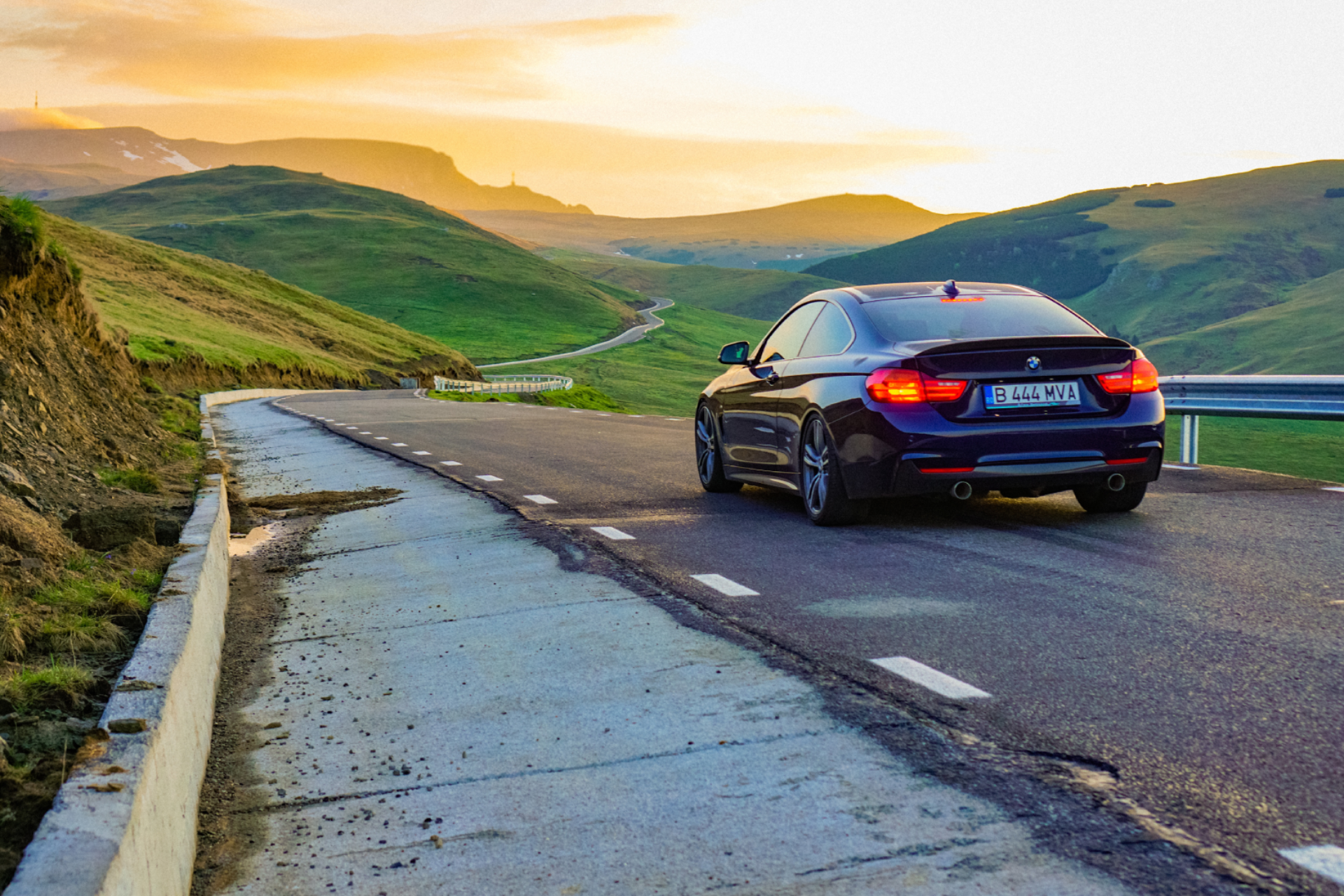
Driving in a foreign country can be a challenge for North Americans visiting destinations where most rental cars feature manual transmission, a gear-shifting system rejected by the overwhelming majority of U.S. and Canadian drivers.
In the U.S., only four percent of drivers use manual transmission, or stick shifting, while 96% drive automatic transmission vehicles, according to a report by the largest used car dealership in the U.S. In Canada, only nine percent of cars available use manual transmission, a massive decrease since the 1980s.
A vacation is not an ideal time to learn how to drive a stick shift. “It can take some getting used to before it becomes intuitive. Stalling is common when you’re starting out, which is why it’s best to get in some driving time before you start trying to navigate congested intersections and early evening traffic,” according to a transmission service company.
[Related Reading: Rent a Car Abroad? Read This First]
The challenge only increases when driving on the left-hand side of the road – and not the right – is the rule, especially if the driver is not used to it.
But there’s some good news. Many rental car companies in Europe now offer a range of automatic transmission vehicles in addition to their manual fleet, particularly in England and Ireland where driving on the left-hand side of the road is the norm.

Speaking of the U.K. and Ireland, they’re not the only countries that drive on the left-hand side of the road. Some 76 countries do the same including India, Japan, Australia, Kenya, Bahamas, Bermuda and many more.
Following are the tips, tricks and pitfalls from Global Rescue’s expert staff, partners and the most experienced travelers in the world to help you adapt to driving on the left-hand side of the road:
- Familiarize yourself with the rules of the road – In many countries the driver’s seat is on the right side of the car, and traffic moves on the left side of the road. Before driving, make sure you understand the rules, such as how to use roundabouts, yield to traffic on the right, and overtake on the right.
- Rent a car with an automatic transmission –-If you’re not used to driving on the left side of the road, it might be easier to rent a car with an automatic transmission. You won’t have to worry about shifting gears with your left hand, and you can focus on driving on the left side of the road. “I drive a manual transmission car in the U.S. so when I first drove one in London, I had to get used to the stick shift on my left. Thankfully the shift pattern is the same, too,” said Bill McIntyre, the Global Rescue communications director who has rented cars in seven different counties.
- Take time to practice – Before driving on busy roads or highways, take some time to practice driving on the left side of the road in a quiet area. This will help you get used to the new perspective and build your confidence.
- Keep your distance – Keep a safe distance from the car in front of you, especially when driving on highways or in heavy traffic. This will give you enough time to react if something unexpected happens. “Lane changes in Africa look a whole lot different than Kansas and could get you arrested in America. Some countries are like the wild west and have no rules at all. Whenever possible, travelers should hire local, trusted transportation. Automobile accidents pose the largest risk to travelers across the world. One of the best ways to mitigate that risk is to avoid driving altogether,” said Adam Bardwell, a Global Rescue security operations supervisor.
- Use GPS or a map – Make sure you have a GPS or a map with you to help you navigate. It’s easy to get disoriented when driving on the left side of the road, especially when you’re not familiar with the area.
- Stay focused – Always stay focused on the road and be aware of your surroundings. Keep your eyes on the road, watch out for pedestrians, and be prepared for unexpected situations. “Driving on the left side of the road on the coast of Ireland with the cliffs on one side and massive tourist buses coming at you from the other direction was scary,” said Meghan Mahoney, a Global Rescue marketing director who has driven on both sides of the road in several countries.
- Follow the traffic flow – Try to follow the flow of traffic and stay in the left lane unless you need to overtake or turn right. This will help you avoid confusion and make your driving experience much smoother. “The biggest challenge of learning to drive on the left-hand side of the road was navigating roundabouts,” said Charles McCarthy, a Global Rescue associate marketing manager reflecting on a trip he took to South Africa. “In the U.S., we head right in a counterclockwise direction, but in countries where you drive on the left-hand side of the road, you enter roundabouts to the left and drive clockwise. And because roundabouts were far more common in South Africa than they were in the U.S. when I was there, I was lacking a general familiarity with them, compounded especially by multi-lane roundabouts, which were everywhere on the major routes.”
- Be mindful of blind spots – When driving on the left side of the road, the driver’s seat is on the right side of the car, which can cause blind spots. Be mindful of this and take extra care to check your mirrors and blind spots before changing lanes.
- Be patient and take breaks – Driving on the left side of the road can be stressful and exhausting if you’re not used to it. Be patient and take breaks, especially when navigating unfamiliar roads or intersections.
Driving on the left side of the road can be challenging for North Americans, but with practice and patience, it can be done safely and effectively.
Driving on the Right Side of the Road
The challenges for travelers who are used to driving on the left side of the road but have to switch to driving on the right side of the road while in North America are similar. Following are tips to overcome the distinctions:

- Different driving laws and road signs – The United States has different driving laws and road signs than many other countries, which can be confusing for foreign drivers who are not familiar with them. For example, speed limits are typically posted in miles per hour rather than kilometers per hour. There are also different rules for turning, passing and merging.
- Different road layout – The road layout in the United States is different from many European countries. For example, many American roads have multiple lanes and are wider than European roads. This can be intimidating for European drivers who are not used to driving on such roads.
- Different driving culture – The driving culture in the United States is different from many European countries. For example, American drivers may be more aggressive and less patient than European drivers, especially in urban areas, which can be stressful for European drivers who are not used to this type of driving culture.
- Different types of vehicles – American cars are typically larger and more powerful than many European cars. This can be intimidating for European drivers who are not used to driving such vehicles, especially if they are used to driving smaller cars.
Overall, driving on the right side of the road can be difficult for anyone used to driving on the left side of the road, and vice versa Again, practice and patience are the keys to minimizing the challenges so you can enjoy the drive and your travels.
Do You Need an International Driving Permit?
The countries that require an International Driving Permit (IDP) can vary, and it depends on the country you plan to visit and your country of origin. The U.K., Ireland, and Cyprus do not require an IDP for visitors who hold a driver’s license from most countries, including the U.S., Canada, Australia and New Zealand.
[Related Reading: Driving Safely Abroad]
Most European countries recognize and accept the IDP including Japan, South Korea, Thailand, Indonesia, Vietnam, Malaysia, India and China.
If you live in the United States or Canada, you can get an International Driving Permit (IDP) from either the American Automobile Association (AAA) or the Canadian Automobile Association (CAA).
Be aware that specific requirements can vary based on each destination, so it’s best to check with the embassy or consulate of the country you plan to visit to confirm whether you need an IDP. Some rental car companies may require an IDP, even if it’s not legally required in the country you’re visiting. Check with your rental car company to see if they have any specific requirements.
Motor vehicle crashes—not crime or terrorism—are the number one cause of nonnatural deaths among US citizens living, working or traveling abroad. While car accidents cannot be fully predicted or prevented, preparation can help avert unfortunate situations. Whether you’re seeking advice or immediate medical or security assistance, Global Rescue operations centers are staffed 24/7/365 to assist our members. Click here to contact us about the benefits of membership.
Categories:
NewsJune 26, 2023
Categories:
NewsJune 21, 2023
Categories:
NewsJune 15, 2023
June 15, 2023
No one likes discrimination, unfair bias or injustice and, according to world-renowned author Mark Twain (or Samuel Clemens, if you want to be precise), travel is a remedy.
“Travel is fatal to prejudice, bigotry, and narrow-mindedness, and many of our people need it sorely on these accounts,” he said. That’s important tourist information. If anyone was a fan of bold travel and curious journeys, it would be Twain.
“Broad, wholesome, charitable views of men and things cannot be acquired by vegetating in one little corner of the earth all one’s lifetime,“ he said.
An important part of travel is the responsibility each traveler bears at every destination. Are you dressed inoffensively? Is your behavior appropriate for the region? How you present yourself in foreign localities reflects on your homeland, but it also stirs reactions from the local population that could be helpful or provocative. First impressions are lasting impressions. That means travelers should do the research to know and understand the little things about the customs and culture of your destination.
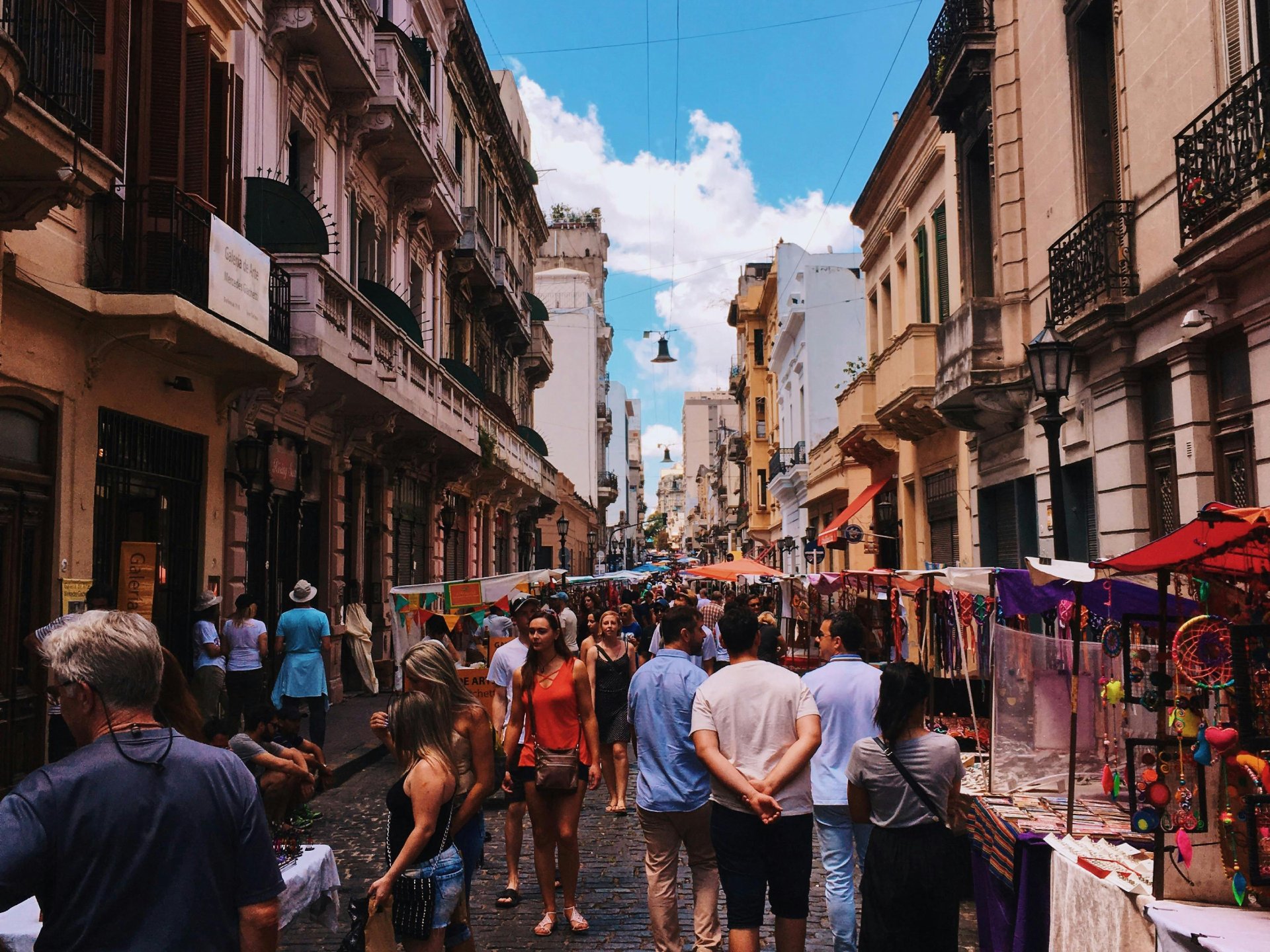
Do you look and act like a tourist? If so, it can produce assumptions that you are inexperienced, naive, lacking cultural awareness, and wealthy. Standing out as a tourist can make you appear vulnerable and an easy target for scams, pickpockets and other types of crime. By blending in you reduce the risk of local criminals or scam artists spotting you as a foreign traveler and targeting you for fraudulent schemes or petty crimes.
[Related Reading: How To Travel Today? Plan Ahead and Be Patient]
Global Rescue members and our intrepid staff are among the world’s most experienced travelers. They have summited the tallest Himalayan peaks, visited world-famous museums, dived in the deepest underwater caves, cruised the Nile River, fished far-flung waterways, toured the Colosseum in Rome, and traversed vast arctic tundra. Along the way, they have experienced the new and the strange. They have occasionally bungled interactions, suffered accidental slip-ups and mistakenly goofed up a social custom or two. Above all, they listened and learned the do’s and don’ts of world tourism – and how not to look like a tourist.

So, we asked them to share what they’ve learned. Here are some pro tips that will keep you safe and get you closer to Twain’s “bold, wholesome, charitable view” of the world we live in and share.
Behavior
- Stature and Purpose: Always look like you know where you’re going, even if you don’t. If you must look at a phone app, do it discreetly and in a way that others don’t think you’re looking at a map.
- Public Transportation: Use public transportation like the locals. Be certain to read and understand the bus routes and metro train schedules before you go and have the correct currency or pass for the fare. Using public transportation is a great way to blend in with the community and save money. It is also a fun and smart way to explore a city’s neighborhoods and get a sense of the local way of life.
- Hide the Map: Holding a map in the street is a tell-tale sign you are a tourist. Familiarize yourself with a local map before leaving your hotel room and plot your route ahead of time using Google Maps (or similar).
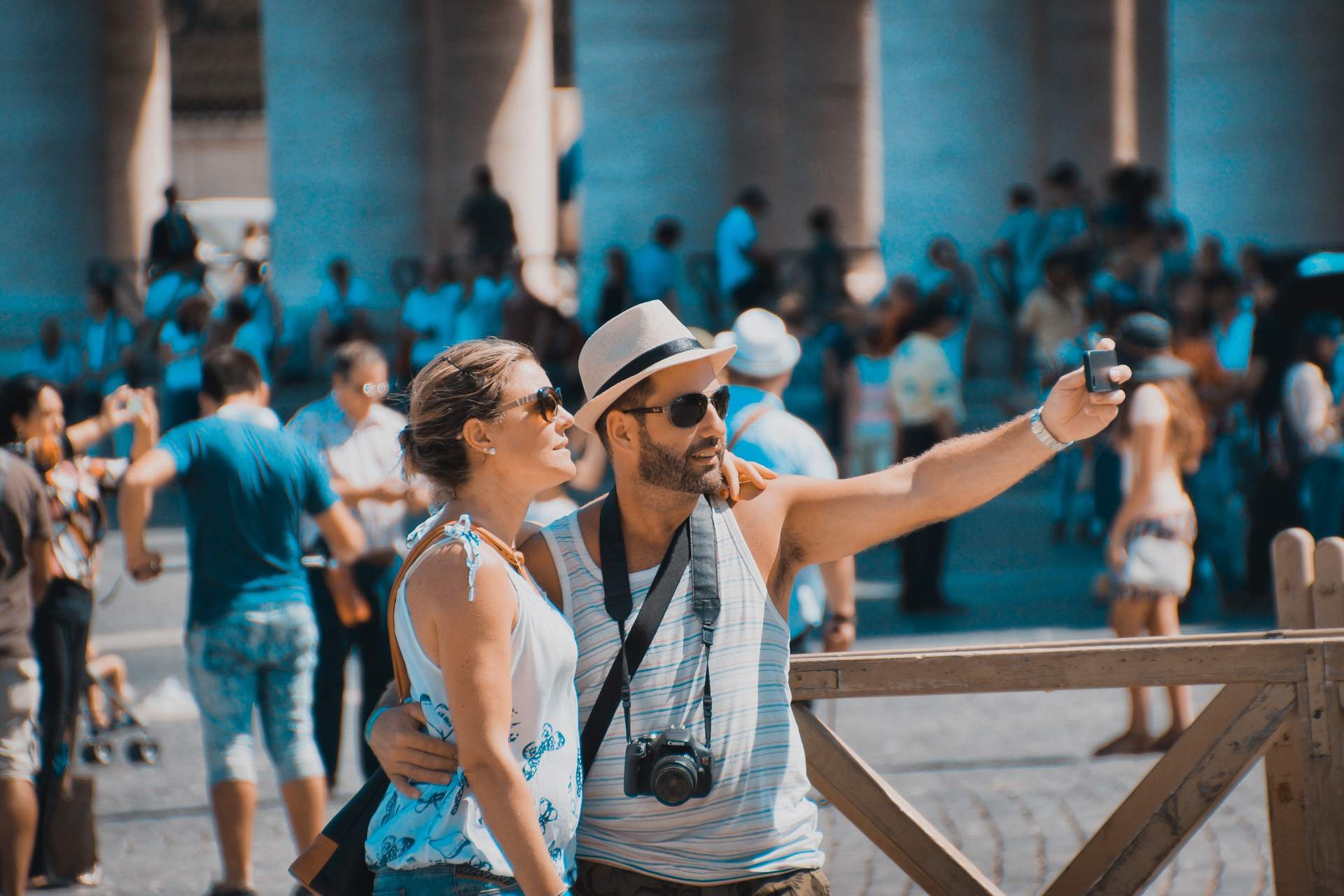
- Go Anti-Selfie: Leave the selfie stick at home. Avoid taking selfies, especially in crowded touristy areas. Not only will you reduce your “I’m a tourist” signature but you’ll also be part of a trendy anti-selfie movement.
- Be Quieter: Are you too loud? Many tourists are. It’s why they’re often perceived as being obnoxious. Be mindful of your volume and avoid drawing attention to yourself.
Appearance
- Modest Clothing: While traveling in conservative destinations avoid skin-revealing clothing. It’s important to blend in with residents and behave in a way that shows respect for their culture and way of life. Don’t try to be what you’re not. If dressing like a local means wearing clothing that doesn’t fit your ethnicity, then don’t do it. Avoid brightly colored clothing since it attracts more attention than wearing more muted tones.
- Casual Here Is Slobby There: Most countries are more formal than the U.S. Gym gear, yoga garb, sweats and anything that looks like you just rolled out of bed or came from a workout is offensive in most other cultures.

- Avoid Certain Imagery and Words: Religious or provocative imagery, curse words, profanity, sports teams, political brands and national flags are all potentially offensive, disrespectful or confrontational. Don’t wear it, if possible.
- Bling, Bezzle and Ice: Jewelry, especially flashy jewelry for men or women, stands out wherever you’re traveling. Tone it down or, better yet, opt for costume jewelry, less showy watches, necklaces and bracelets.
- Cameras: Leave your camera at home. Not only does an expensive camera provide a thief or mugger with a target, but it also draws attention to you and clearly signals that you’re not from the area and makes you an easy mark.
- Backpacks and Large Purses: Backpacks, knapsacks, shoulder bags and large purses are heavy and unwieldy for touring around town. They’re also easy targets for bad guys to snatch, grab or pick. Better options are cross-body bags or sling bags (if you must).
- Passport Holders. Wearing a passport holder with a cord around your neck makes you easily identifiable as a tourist. If you do have one, wear it under your top layer.
- White Sneakers: This one is a bit of a head-scratcher if you’re from the U.S., but white, lace-up tennis shoes or sneakers with Velcro on them not only mark you as a tourist but an “American tourist.” Pick appropriate footwear for your destination and if you wear sneakers, avoid the white ones.
Observe, Respect Local Customs
When you’re visiting a new country, it’s essential to respect the local culture and customs. Behaving like a tourist can be seen as disrespectful and offensive to locals. Try to learn about local customs to show respect for the local culture. Here are a few examples of destinations’ customs that may seem unusual for your home country.
- Tipping: Tipping in Japan is considered rude, and there’s no need to tip at restaurants in Denmark. Meanwhile, and a 20% gratuity is expected in the United States.
- Cab and Taxi Rides: While it’s normal, even required, to sit in the back of a cab in the U.S. it’s different in Australia, New Zealand, parts of Ireland, Scotland, and the Netherlands where it’s considered rude not to ride shotgun.
- Thumbs Up? If you’re trying to say, “Awesome” with a thumbs-up hand sign be careful in countries like the Middle East, Latin America, Western Africa, Russia, and Greece where it has the same meaning as holding up your middle finger in the U.S.
- From America? Are you an American traveling in South America? Be careful. Telling someone from South America that you’re from America, rather than the United States, can be seen as arrogant and offensive since it implies that only the U.S. should be considered America and that South America is unworthy of the label.
Making an international faux pas by not being aware of cultural differences and similarities in the country you’re visiting could ruin a trip. A fifth of Global Rescue members admits being unintentionally culturally insensitive is their biggest worry.
[Related Reading: Expert Tourists Reveal Their Top Travel Mistakes]
They know that looking or behaving like a tourist sometimes can hurt their travel experience. But, by blending in with regional inhabitants and respecting the local culture, you can avoid looking and acting like a vulnerable traveler and have a more authentic and enjoyable travel experience.
Categories:
Business TravelJune 15, 2023

Business travel is predicted to surge and “bleisure” travel has taken off, according to the Global Rescue Spring 2023 Travelers Sentiment and Safety Survey.
Seventy percent of business travelers responding say their work-related travel will match or exceed pre-pandemic levels in 2023.
The majority of business travelers taking the survey (65%) will include bleisure travel, adding extra days to their business trip for personal or leisure activities.
[Related Reading: How To Get the Most Out of Your Bleisure Travel Trip]
More than half of responding business travelers (55%) will travel both domestically and internationally for business compared to a year ago when nearly three-out-of-four respondents (72%) had not traveled abroad for business or did not have plans to do so.

“The business traveler mindset has changed, and employer attitudes have shifted, too. Face-to-face meetings are more effective at establishing and maintaining relationships than virtual meetings. It’s no surprise that domestic and international work-related travel is rising along with bleisure travel,” said Dan Richards, CEO of The Global Rescue Companies, the world’s leading provider of medical, security, evacuation and travel risk management services.
As business travel increases, so do the challenges facing employers, especially following the pandemic and the rise of remote work. “The biggest management challenge in this evolving environment will be how duty of care plays a role in protecting a location-independent workforce. They have to ask themselves if a set of rules or policies designed to maintain their health, safety and well-being while working is in place,” Richards said.
The overwhelming majority of business travelers surveyed (72%) say they do not have or do not know if they have a duty of care policy in place.
The majority of the 28% of business travelers who say they have duty of care provisions in place have trouble listing what the plan includes.
More than half say their policy includes pre-trip destination planning and health alerts. However, fewer than half say security, travel tracking and alerts were available during the trip.
“Corporate leaders carry a duty of care responsibility to their employees, to take care of them and avoid exposing them to any unnecessary or undue risk. As more workers become location-independent and include bleisure in their business travel trips, the more the firm’s duty of care policies must evolve,” Richards said.
June 13, 2023
Longer vacations, less overpacking, more small ship cruising and an uptick in bleisure travel are the post-pandemic behaviors the world’s most experienced travelers revealed in the recent Global Rescue survey. Travelers are making up for lost time due to the pandemic. Despite higher prices and frequent flight disruptions, people are not only scheduling trips for 2023 but many are planning longer ones.
Some travelers are going to more remote places while others are seeking high adventure in less forgiving environments. Many travelers are discovering new destinations to avoid crowds while some are returning to the tried-and-true locations after a multi-year pandemic pause.
Wherever you go, Global Rescue services are not only for medical emergencies. Global Rescue members get real-time access to doctors, paramedics and nurses who will help sort out minor injuries or illnesses like a twisted ankle, upset stomach or snake bite. Membership also includes travel advice. Concerned about a flash flood warning? Need help with a local language barrier? Run out of a prescription? Global Rescue members are one call away from expert help.
Global Rescue has responded to the needs of travelers at home and abroad since 2004. In a typical month, Global Rescue performs hundreds of operations in dozens of countries. Below are highlights from some of our most recent operations in various locations.

Fractured Patella in Portugal
Slips and falls happen on vacation. It happened to a U.S. member during a trip to Portugal. The member fell on steps fracturing her patella, commonly known as the knee cap. Following the required surgery, the member and her spouse contacted Global Rescue for assistance getting to their home in Virginia. Global Rescue medical operations procured a return flight and seats with extra legroom to allow the member to keep her leg elevated and straight. Global Rescue services also arranged ground transportation from the airport to the member’s home. The couple arrived home safely and without incident.
Finger Frostbite in Nepal
Frostbite is damage to skin and tissue caused by exposure to freezing temperatures – typically any temperature below 31 F/-0.55 C. When exposed to cold, the body will draw warm, oxygenated, blood away from the extremities and concentrate it into the body’s core. This allows key systems such as the heart, lungs and brain to stay warm and oxygenated for as long as possible, helping you survive. The effect of this process, however, is that extremities – like the fingers, nose, toes and ears – now lack warm, oxygenated blood, leaving them vulnerable to freezing.
[Related Reading: Frostbite: What You Should Know]
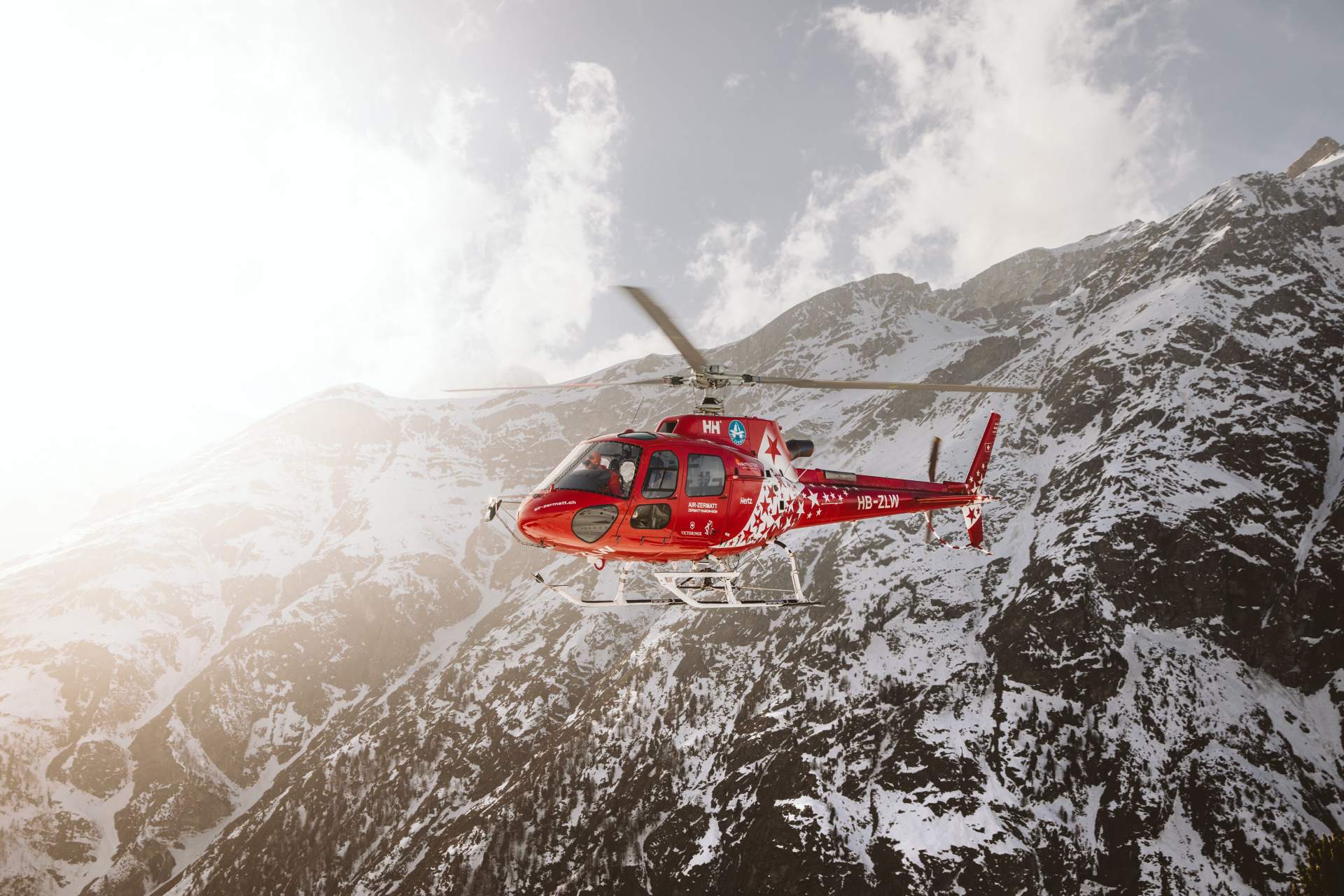
That was the experience of a Global Rescue member from South Africa who had successfully summited Mount Everest but now suffered frostbite on three of his right-hand fingers while at Mount Everest Base Camp II. Global Rescue initiated a helicopter field rescue and airborne transport of the member to a hospital in Kathmandu for medical evaluation and treatment. The transport was successful. Medical personnel diagnosed the member with frostbite. He was admitted to the hospital for treatment. Following appropriate care, the member was discharged for continued treatment as an outpatient before departing home on his scheduled flight.

Motorcycle Accident in Australia
Motorcycle accidents often result in more serious injuries than automobile accidents. So, when an Australian member sustained multiple bone injuries after a motorcycling accident, Global Rescue was contacted by the member’s parent for advisory. The treating hospital stabilized the member and completed multiple surgeries on his left shoulder, elbow, and right femur. Upon release from the hospital, Global Rescue recommended upgraded seating for the member’s mother and his return flight home to provide extra room for positioning and comfort. The member and his mother arrived safely and without incident at their home in Melbourne.
HAPE at 21,000 Feet
The amount of oxygen in the human bloodstream begins to decrease beginning after you go beyond 6,900 feet/2,100 meters. The human body can adapt to higher altitudes and partially compensate for the lack of oxygen. But there is a limit. Mountaineers refer to altitudes above 26,000 feet/8,000 meters as the death zone, where almost no human body can acclimatize. A member from Switzerland was at Mount Everest Camp 2 (21,000 feet/6,400 meters) when he suffered the onset of High-altitude pulmonary edema (HAPE), chest pain, shortness of breath, mild headache and frostbite on his toes and fingers. Global Rescue recognized the severity of the member’s condition and initiated an airborne rescue and transport to a hospital. Following a successful transport, a hospital physician evaluated the member whose vital signs were stable. The member elected to leave the hospital and receive further treatment at his home of residence if needed.
Tick Bite Fever in South Africa?
When a member traveling in Komga, South Africa, began experiencing fever, signs of dehydration, nausea, vomiting, loose bowel movements, body weakness, and stiff neck and joints he call Global Rescue. The member wasn’t certain if his condition was the result of tick-bite fever. African tick bite fever (ATBF) is a bacterial infection spread by the bite of a tick. Symptoms may include fever, headache, muscle pain and a rash. Complications are rare but may include joint inflammation. Global Rescue physicians advised that the member’s symptoms and medical history warranted transport to the closest medical facility for evaluation along with laboratory tests and possible intravenous therapy.
[Related Reading: Are You Rescue Ready?]
Global Rescue medical operations staff arrange ground conveyance for the member who was safely transported to the hospital where he was discharged the following morning after receiving treatment and medications. Global Rescue medical operations personnel continued to follow up with the member for post-discharge updates. The member’s recovery progressed, and he arrived safely at his home in Florida.
Rescue From Mount Everest
A member from Mexico began suffering from chest pain, fever and shortness of breath after returning from Mount Everest Camp 4 to Camp 3. His breathing labored without supplemental oxygen, and he complained of general body weakness. Able to stand but not walk, the member was carried by Sherpas from Camp 3 to Camp 2. Due to his Acute Mountain Sickness (AMS) symptoms, ongoing difficulty breathing and need for continuous supplemental oxygen, Global Rescue operations initiated a helicopter transport from Mount Everest Camp 2 to a hospital in Lukla. The member was successfully evacuated to the hospital where he was diagnosed and prescribed antibiotics. Global Rescue medical support personnel visited the member in the hospital to help manage his care until his discharge.

Helicopter Transport Off Mount Everest
When a mountaineer starts physically suffering from an ascent, it’s wise to turn around. That’s what a member from India did while at Mount Everest Camp 2. He was experiencing a cough and sore throat and agreed to descend the next day to Mount Everest Base Camp where his condition could be monitored. Unfortunately, the following day his symptoms became more serious. He started to experience shortness of breath and his oxygen saturation was 70% with supplemental oxygen. Due to his worsening condition, Global Rescue medical operations personnel initiated a helicopter field rescue from Mount Everest Camp 2 to a hospital in Kathmandu. The member was successfully transported to the hospital where he was examined and diagnosed with High-altitude cerebral edema and HAPE. Hospital officials admitted him for observation. He was discharged the following day for follow-up treatment at a hospital at his home of record.
Categories:
NewsJune 12, 2023
Categories:
NewsJune 9, 2023
June 8, 2023
An employee of an international animal conservation group was detained at a police station in New Dehli, India, for illegally bringing a satellite phone into the country. A senior executive for the organization contacted the U.K. and U.S. embassies as well as a local law firm that specializes in this type of case. Fortunately, the organization and its employees are members of Global Rescue and an official for the company immediately contacted our security operations experts for help.
“Satellite phones are illegal for foreigners to bring into India, but they are legal in India if registered and licensed by the government,” said Harding Bush, a former Navy SEAL and senior manager for security operations at Global Rescue.
He should know. Years ago, Bush was in a similar jam in Jordan. He flew into the country on a military aircraft to provide protection for the prime minister of Iraq. But his departure was on a commercial flight. While he was on his way out, customs officials stopped him.

“I had two-way radios in my carry-on,” he said, which are usually illegal to have in that country. “I was sent to a small secondary room and questioned. Luckily, I was working with the Jordanian secret service and had the business card of the King’s security detail leader as proof. Without it, I probably would have been sent to jail.”
The animal conservation employee was fortunate, too. Guided by security intelligence from Global Rescue, input from local legal specialists, and assistance from the embassies, local police released him from detention after he paid a fine for bringing a satellite phone into the country. The employee returned to the U.K. the next morning and the case was resolved.
[Related Reading: Satellite Phones – The Basics]
“When civilian travelers arrive in a country with an item that is illegal to have there, it could be confiscated. The individual also could be slapped with a fine, arrested, expelled and even jailed,” Bush said.
India has specific regulations regarding satellite phones. “That’s because satellite phones circumvent India’s cellular phone system and are difficult for the government to surveil or track,” Bush explained.
It has been illegal for foreigners to bring satellite phones and devices into India for many years under the Indian Telegraph Act. And, after the Mumbai terror attack in 2008 was coordinated with satellite phones, stricter regulations around these devices were put into place. It is also important to note that the use of satellite phones in India can raise suspicion among authorities, particularly in sensitive areas or regions with ongoing conflicts. The Indian government has previously banned the use of satellite phones in various regions, including parts of Jammu and Kashmir.
Satellite phones are regulated by India’s Department of Telecommunications (DoT) and require a special license to operate. The DoT regulates the use of satellite phones to ensure that they do not pose a security threat or interfere with the country’s communication networks.
If you are traveling to remote regions in the country, satellite phones can be e-registered and licensed with the Department of Telecommunications. “You should check with your guide or tour service regarding cellular phone connectivity, and if they have satellite phones themselves for emergency communications,” Bush said.

Satellite phones and devices are also illegal or strictly regulated in China, Cuba, Bangladesh, Myanmar, Nigeria, North Korea, Chad, Russia, Sri Lanka, Sudan and Pakistan. Here’s a rundown by satellite communications providers on why certain countries ban or restrict satellite phone use.
- In China, satellite phone use has been banned for more than 25 years. The Chinese government has taken several steps to prevent the use of satellite phones, including the installation of jammers and the blocking of satellite phone signals.
- Many electronics are forbidden in Cuba, including satellite phones, according to a Canadian satellite communications provider. You cannot bring or ship a satellite phone into Cuba unless you have a permit from the Cuban Ministry of Informatics and Communications. Cuba restricts the use of satellite phones because they’re seen as tools for subversive purposes; being caught with one can lead to arrest, time in prison or an espionage charge.
- Possessing a satellite phone is illegal in Bangladesh and can lead to jail time.
- In 2011, Libya banned satellite phones made by the Thuraya company; if you’re caught with one, you could be arrested for espionage. Currently, though, the law is unclear and subject to circumstance, so it’s best to contact the Embassy of Libya for more information.
- Myanmar (formerly Burma) had a long period of unrest under a military government. To prevent information leakage, most communication means were disabled. After military rule was replaced with democratically-elected leadership, many reforms were made to those restrictions. For current satellite phone laws, contact the Embassy of the Republic of the Union of Myanmar before traveling.
- Satellite phones were banned in Borno, Nigeria, after militants were found using their phones to plan attacks. Currently, the law about satellite phones throughout the rest of the country is unclear. It’s best to contact the Consulate General of Nigeria with questions.
- Satellite phones are banned in North Korea, and many devices are subject to monitoring and search, as there is no right to privacy in North Korea.
- Chad is a landlocked country in Central Africa and is undergoing a constant threat of terrorism, which has led authorities to ban satellite communication devices. If you’re found with a satellite phone, confiscation of the phone, as well as an arrest, is possible. Nobody can get a permit for a satellite phone under any circumstances.
- Russia blocks access to certain satellite phone companies and imposes restrictions on their use. The Russian government is concerned that satellite phones could be used to transmit information to hostile foreign powers. In addition, satellite phones are seen as a threat to national security, as they could be used to organize protests or public gatherings without the knowledge of the authorities.
- Satellite phones are banned in some areas of Pakistan, such as tribal regions, due to fears that they could be used to contact militant groups or to transmit sensitive information.
- In Sri Lanka, journalists and other media personnel can have their equipment, including satellite phones, after they are cleared for use in advance. A license from the Sri Lanka Telecommunications Regulatory Commission is required.
- Most electronic devices are restricted in Sudan, so it’s best to ask specifically about satellite phones when applying for your visa. Also, be prepared for your devices to be taken by customs and held indefinitely for inspection.
Before traveling to any foreign country, including the ones listed above, it’s important to research the most current laws regarding satellite phone usage. A country’s current political situation or a state of unrest can affect communication laws, and restrictions can change frequently.
How Do You Prep Your Satellite Phone for Travel?
Practice with the phone or device before taking it on a trip. Understand the dialing instructions and pre-load essential phone numbers in the contacts. Be familiar with how to send and check text messages. Know how all the charging equipment, external antenna and other accessories work.
[Related Reading: Quick Start Guide – How to Use Your Global Rescue Membership]
“You should be familiar with the use and features of your satellite phone or messaging and tracking device before taking it on any trip. An emergency is not the time to learn how to use a satellite phone,” Bush said.
Just as you store the essential contact information in your smartphone, the same information should be stored in satellite messaging devices, especially for the models with standalone messaging capability, which means you can use the device to send a custom message.

Practice making calls, sending text messages and e-mails, and activating the tracking feature, if there is one. Ensure essential emergency contacts recognize calls or messages from the phone or device.
You should review the instructions regarding your device’s SOS features and procedures. Understand who receives the SOS message signal when it is sent and what services the SOS monitoring service provides.
When you register and set up your device, there is a section for SOS information. In this section, you’ll provide specific information that may be helpful when organizing a rescue, including any medical conditions and emergency contacts. If you are a Global Rescue member, you should include Global Rescue’s phone number and your membership number. You can configure your device to send an email to operations@globalrescue.com or ops@globalrescue.com to contact our operations team directly in the event of an emergency. You are welcome to send a test email at any time.