Categories:
Health & SafetyMissions & Member TestimonialsOctober 4, 2022
Flight interruptions and rising travel costs are making news headlines, but travel statistics show it’s not impacting travel plans as severely as you might think.
U.S. airline travelers are returning to the skies at near pre-pandemic levels, according to the TSA. Road trips set records despite high gas prices, reported AAA. According to the Global Rescue Travel Safety and Sentiment Survey, most travelers (79%) report inflation won’t change their plans.
Whether you’re traveling near or far, nobody wants to imagine a medical or security travel emergency. But when the unexpected happens, you want the team of medical and security experts at Global Rescue to be there for you.
Whether you’re a leisure or business traveler or an extreme adventurer, we deliver when it matters most. Global Rescue has answered the needs of travelers at home and abroad without any disruption of service since 2004. In a typical 30-day period, Global Rescue executes hundreds of operations in dozens of countries and principalities. Below are highlights from some of our most recent operations in various locations.
Hernia in Canada
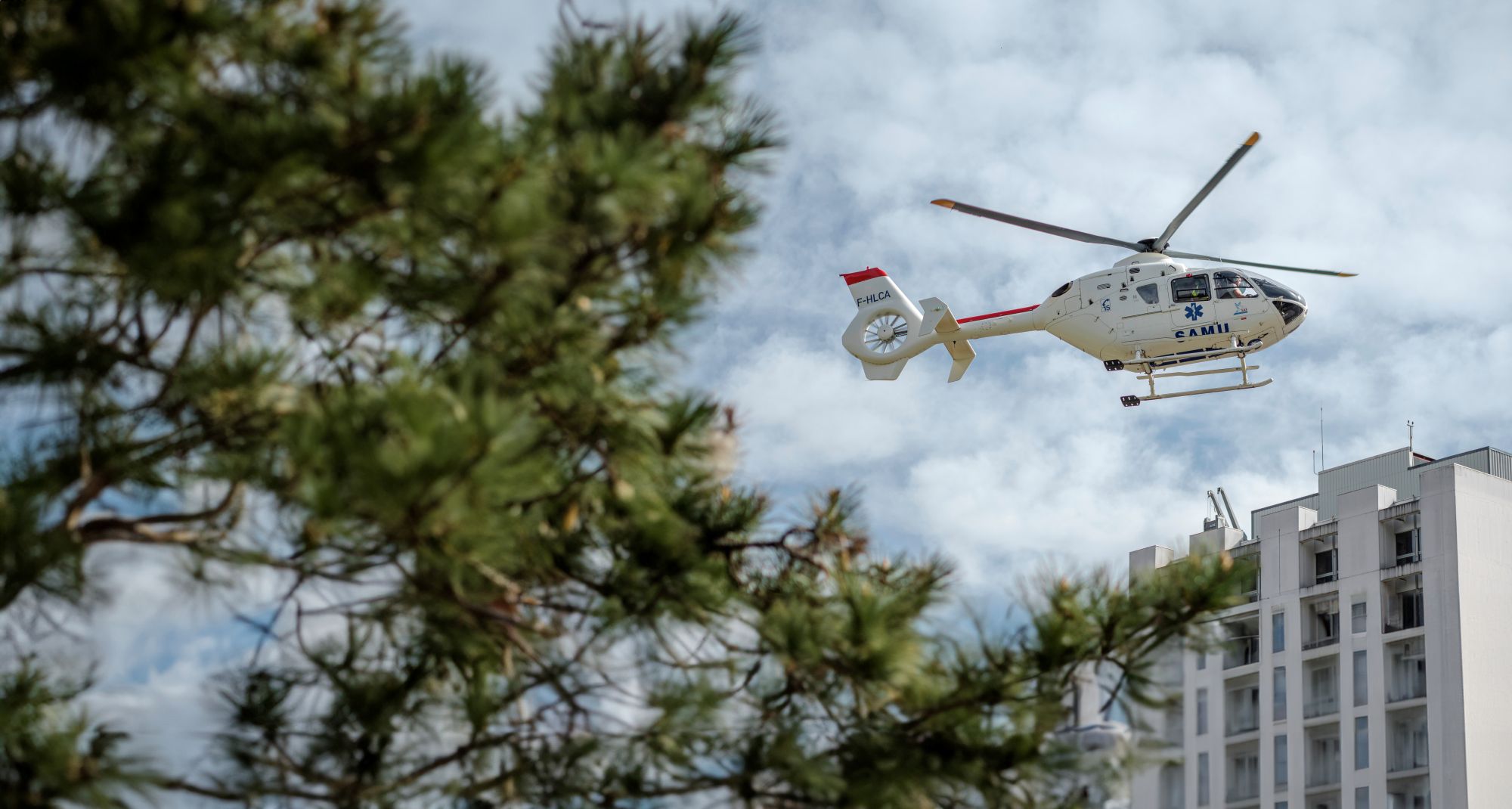
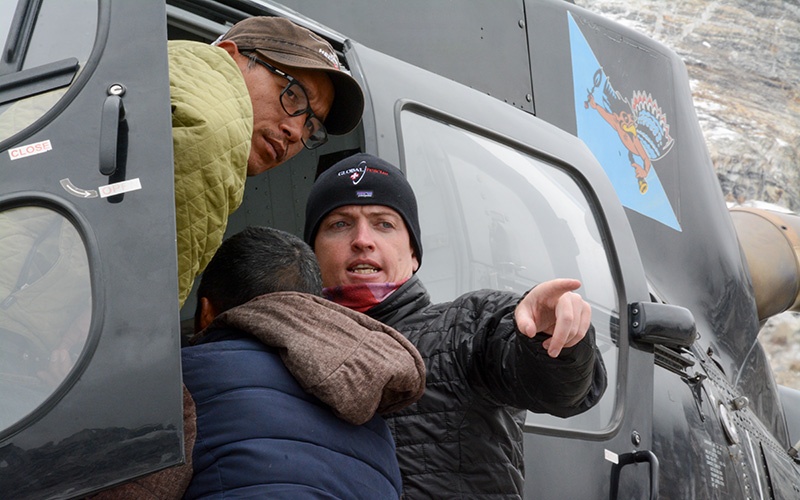
A Newport Beach (USA) member was in Dean River, British Columbia suffering from a hernia with severe visceral pain that was radiating to his groin. Global Rescue medical operations was contacted and, after concurring with the local physician, a helicopter medical evacuation to a medical facility 232 nautical miles away was initiated due to the seriousness of the member’s pain level, the unknown etiology and unpredictability of the unstable hernia, and remoteness of the area. Medical staff were able to reduce the hernia and lower the member’s pain level but the facility lacked appropriate diagnostic equipment and further treatment capabilities. The member was transported by air ambulance to support medical recommendation for a “lay-flat” transport to a Seattle, Washington hospital for emergency surgery. Medical staff discharged the member a few days after the surgery and arranged his flight home to continue his recovery.

Torn Ligaments in Switzerland
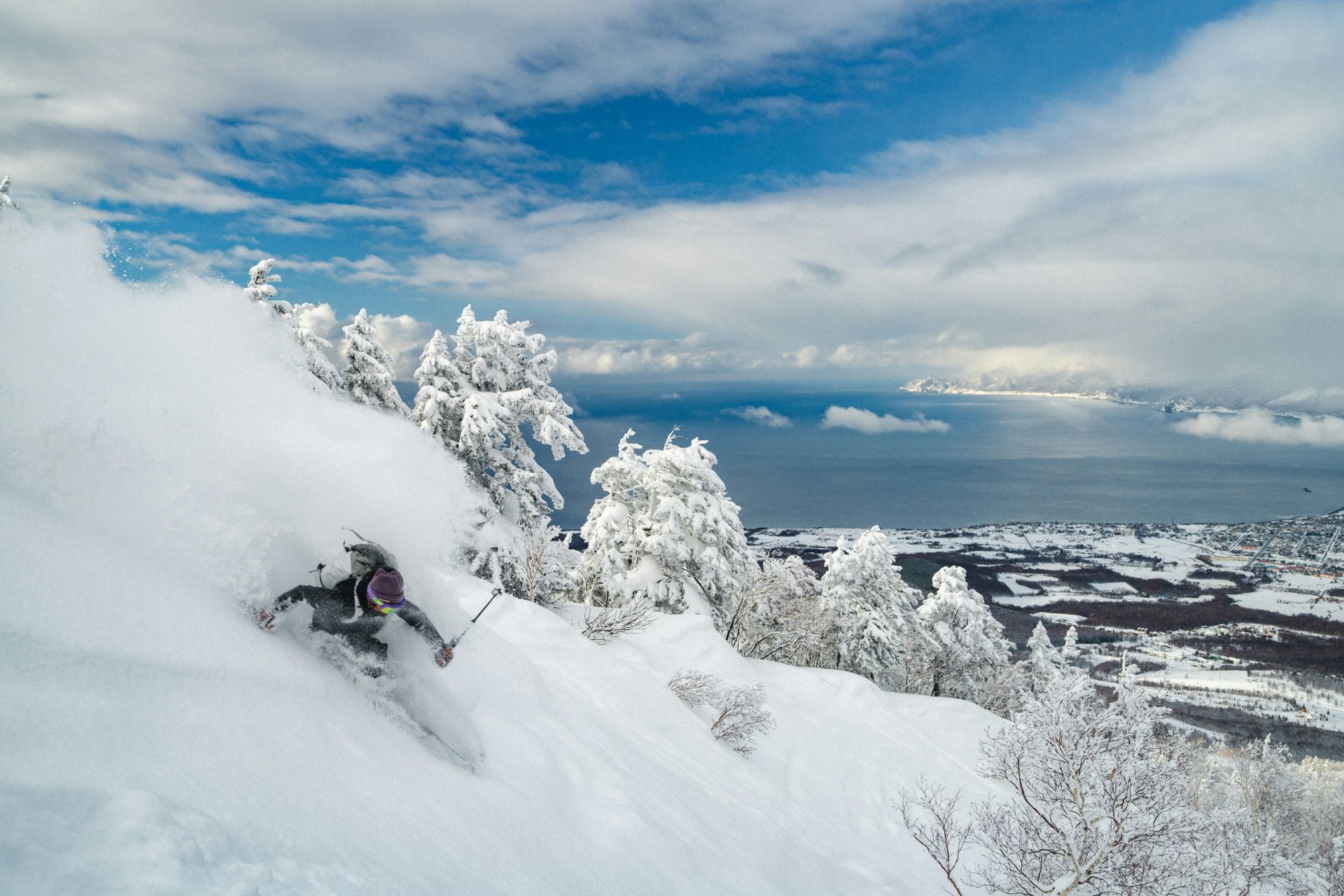
Skiing in Switzerland sounds like a wonderful activity, at least until the unexpected occurs. That’s what happened to a Colorado teenager who tore ligaments in his right foot while skiing. Fortunately, he was quickly transported to an emergency medical facility for immediate care, and a follow-up visit later. He suffered no other injuries and was scheduled to fly back to the United States. Global Rescue medical operations managed a request to arrange for wheelchair assistance for the young man for his return flight as well as an upgraded seat to keep his leg elevated. The member successfully returned home where he continues his recovery.
Medevac in Anguilla
The Valley is the capital of Anguilla, a Caribbean Island known for its colonial buildings and panoramic coastal views. But for a U.S. member it’s where “Oh, wow!” turned to “Oh, no!” Global Rescue medical operations was contacted by the member who was experiencing left upper and lower extremity paralysis. Physicians at the local hospital recommended medical transport to a Houston, Texas medical center. Global Rescue’s medical team concurred and arranged air ambulance transport with a trained medical crew in case of deterioration due to the member’s prior neurosurgical history. The member was transported successfully and admitted to the hospital for treatment.

Bike Accident in Kyrgyzstan
A member from Australia contacted Global Rescue requesting assistance after a bicycling event. He was suffering from lower extremity swelling and shortness of breath in Sarybulak, Kyrgyzstan. Due to the severity and urgency of his condition, Global Rescue arranged immediate ground transport to the nearest medical facility. The member was admitted to a local medical facility for a battery of diagnostic tests including ECG, heart ultrasound and lab work. All findings were within normal limits, except for his liver enzymes which were three times above normal. The member was stable, had no contraindication for commercial air travel, and was released from the hospital with a treatment plan. The member remained in his rental apartment to rest while waiting for a scheduled flight home.
Severe Allergy Emergency in Switzerland
A Global Rescue member and a member of the U.S. Ski and Snowboard Team was in Switzerland when she suffered an allergic reaction while on a ski trip. Global Rescue was contacted and notified that the member was exhibiting life-threatening symptoms. An emergency ambulance was dispatched and immediately brought the member to a local hospital for emergency treatment. She recovered immediately following treatment and was subsequently discharged.
Get a price estimate
Estimate
$0.00
Please answer all questions for estimate.
Categories:
NewsSeptember 30, 2022
Categories:
Business TravelHealth & SafetyTravelSeptember 29, 2022
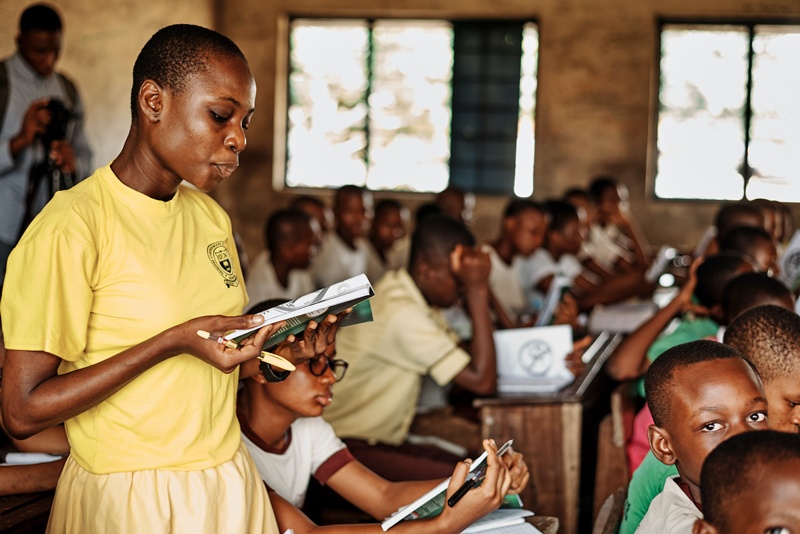
They are a team of 14, ages 16 to 83, traveling to the Caribbean, not to relax on the beach or enjoy the local cuisine, but to volunteer in Haiti at a local elementary school and another school for children with disabilities.
Or, they are a family of eight, who have given up the comforts of the United States to help more than 14,000 children in Zambia receive an education, counseling, spiritual teaching, food and more.
These are not ordinary travelers. They are missionaries who have felt a call to serve those in need in far-off places, often sacrificing safety, medical care and security. And they are just two examples of the millions of people doing missionary work at any given moment.
If you or your loved ones are considering missionary work, whether short or long-term, smart preparation and on-the-ground awareness can go a long way in mitigating those risks. Global Rescue’s seasoned travel safety experts, as well as missionaries, weigh in on the best ways to stay safe for this unique and noble type of traveler.
Preparation is Everything
“You have to understand the threats and vulnerabilities. And then make a plan to mitigate,” said Harding Bush, manager of operations at Global Rescue. “You can’t get rid of the threat but you can get rid of a complacent approach to planning. You can reduce your vulnerability.”

Start With Your Sending Organization
Ask what resources they have for preparation, which could include anything from write-ups about the current realities of life on the ground or even cultural training classes so you can interact respectfully and effectively with locals on the ground.
“Ask people from the organization who have been there what the three worst things that could happen to a missionary in your field and the three best things that could happen,” Bush said.
Missionaries often must navigate volatile political climates and religious persecution, so it is imperative to understand those dynamics before touching the ground.
Read the News
This may seem obvious, but people often stick to their usual news sources, even when researching current events in other countries. Bush recommends reading from a wider set of sources.
“Know the latest news on your destination country, not just from the U.S. papers,” Bush said. “Read the local news and the news from surrounding countries or major publications from elsewhere in the world.”

Understand the Medical Risks
If you’re traveling to a remote location, chances are your medical care will be spotty, and you need to make sure you have a plan if something serious happens.
“When people go to dangerous places they often think about terrorism,” Bush said. “But the odds are higher that they will get sick or injured.”
“Check with your health insurance provider to see what the limits are with coverage of medical services as well as emergency medical flights,” said Danny Lightner who moved with his family to Zambia six years ago to serve with a non-profit called Family Legacy. “Our experience is that most health insurance companies do not include reimbursement for emergency medical flights, or the services are very limited.”
There may also be some new illnesses you have not encountered before, and with the right preparation, you could bring medicine (like an antimalarial pill) to help you avoid getting sick. However, remember that not all medications are legal in every country. So confirm with your sending organization that your medications are acceptable.
“Do your research when it comes to the typical diseases where you live, how to spot the symptoms, and how to treat those illnesses,” Lightner said. “For example, we didn’t know much about cholera, malaria or tuberculosis when we lived in the USA, but when we moved to Zambia, we needed to understand how to avoid and potentially treat illnesses that we were formerly ignorant about.”
Prepare Your Devices
Depending on where you are going, there could be heavy government surveillance of your devices. You might accidentally put yourself, or others, at risk with something you thought was innocent on your phone or social media.
“Wipe your laptop and cell phone clean and get off social media,” Bush said. “Many missionaries these days are going low tech, focusing on human interaction.”
If you are in an area with high surveillance, get a local phone, he recommends. If you don’t change your number, people will start to wonder why there are so many calls from an international number. Note that satellite phones are illegal in some countries.
Bush also suggests downloading Signal, instead of Whatsapp, because it is a more secure platform for messaging.
Staying Safe in the Field
Once you’re on the ground, there are a few foundational basics to abide by, said Bush: keep your passport, or a copy, on you at all times, make sure you always can contact someone in and out of the country if you need something and try not to attract attention.
After all, no matter how long you are in a place, it is not your home country and not your culture. Your differences will make you stick out in a crowd and draw attention to you and those you are with. This could pose a security risk not just to you, but to those around you.
“If you are doing something the government does not approve of, keep a low profile,” Bush said. “Focus on the least controversial parts of your mission when you share what you do and closely follow your organization’s guidelines.

Have a Plan for the Unexpected
Rev. Cheryl Meinschein, a Global Rescue member, never could have anticipated that her mission trip would coincide with one of Haiti’s most devastating earthquakes in recent history.
“The important question was: are we going to be able to get home? How are we going to be able to get home?” Rev. Meinschein said.
The team at Global Rescue met Rev. Meinschein and her fellow missionaries, who were also Global Rescue members, in Haiti, made sure everyone was safe and then chartered a flight to get them out of the country to the Dominican Republic. They stayed there for two days and then caught a flight back to Philadelphia.
“I would not hesitate to take a mission trip anywhere in this country or out abroad, but I would certainly want the protection of Global Rescue to go along with me,” she said.
Natural disasters can be a risk, but so can seemingly harmless illnesses or injuries. That’s why it’s important to have someone you can call right away if something seems off.
“Communicate with your sending organization or Global Rescue as soon as there is even a remote hint that there might be something medically wrong,” said Jeff Weinstein, a paramedic and medical operations supervisor for Global Rescue. “Resources do not come out of thin air, so they need to be aware early on to be ready.”
For Danny Lightner, and his wife and children, living in Zambia comes with inherent risks that could necessitate medical care or an emergency evacuation.
“We wanted a plan that will pay for medical services whether we were on the mission field or back home in the USA,” he said. “And will also pay for emergency medical flights globally—making sure we are covered no matter where we are in the world.”
Global Rescue: an Affordable Solution
Global Rescue’s in-house medical team, along with its security experts and emergency evacuation services offer short and long-term missionaries valuable support at a reasonable cost, which can be important for missionaries who often raise support and have limited funds.
“What was really amazing to me was that there was no cost to us for the hotel or the flight back,” Rev. Meinschein said
“For missionaries doing tough work with no budget…they can’t support an emergency rescue,” Bush said. “It’s much less expensive to get a membership.”
Remember, setting yourself up to be safe and secure on your mission trip is not an example of a lack of faith or a waste of funds. Rather, it is faithful stewardship of the resources you have.
Get a free quote for a membership with Global Rescue today.
Categories:
NewsSeptember 29, 2022
Categories:
Health & SafetyPlaces & PartnersTravelSeptember 27, 2022

Why is Japan so cautious? In August 2021, Japan had more than 25,000 new COVID cases daily and the medical system was stretched to its limits, according to NPR. The hope was that planned, structured opening — with only 20,000 approved arrivals each day — would curb any coronavirus spread moving forward.
The government raised the daily ceiling of inbound travelers to 50,000 from 20,000 and scrapped a requirement for visitors as well as returning residents to undergo pre-departure COVID-19 tests, easing what have been among the most restrictive border measures among major economies, according to a Reuters report. Starting October 11, individual tourists may visit Japan — and tourists with U.S. passports no longer need a visa to stay up to three months.
Although the government may change it’s policies for tourist entries, traveling to Japan with a safety net — such as the expertise of a tour organization or travel agent and the peace of mind provided by a travel protection plan — is a wise choice for many tourists.
“Group tours, with an itinerary, are best for families who are traveling for the first time. That way you don’t have to figure out the trains and their schedule, and you they will have structure during vacation,” says Abbe Lane Imperial, BSN, RN, senior specialist in the operations department at Global Rescue.
You’ll also have the backup of an expert guide.
“Few locals speak English — thank goodness for Google Translate — and we are glad Japan changed the road signs to English,” Imperial said.

Japan Tour Package Ideas
If you are looking to visit Japan, several Global Rescue Safe Travel Partners offer Japan tour packages.
Skiing in January 2023: PowderQuest has three Japan bBackcountry sSki tTrips and sSplitboard tTours scheduled for January and February. Professionally certified ski guides host backcountry tours for small groups of advanced skiers.
SASS Global Travel also provides a full-service, guided, backcountry ski experience at Kiroro, a resort with fewer crowds than other Hokkaido resorts.
Japanese Culture: Remote Lands offers a 17-day heritage tour of Kyushu and Shikoku islands. A local guide takes visitors off the tourist trail to experience unique landscapes, architectural wonders and Japanese cuisine.
What is it about Japan that resonates with travelers? Imperial shares her thoughts.
“Japan is the mix of old and new. You can go to different parts of Tokyo and you will be amazed with the harmony of the traditional and pop culture,” Imperial said. “If you are a fan of anime, there is a dedicated street in Akihabara where you can shop to your heart’s content. There are also stores where you can go shopping for vintage bags and watches.”
It’s also a safe destination for travelers. Japan has a moderate health risk rating (due to COVID) and a low security risk rating (low levels of crime and civil unrest), according to Global Rescue’s destination report for Japan. Destination reports include entry requirements and required immunizations for 215 countries and principalities worldwide. With 125.8 million residents living in this island country, visitors may want to brush up on their crowd safety skills.
“Visiting Japan is a must,” Imperial said. “The food and the culture are great, but mostly you will feel secure because the people are polite and respectful. You can leave your phone, come back to where you left it and it will still be there.”

Japan Travel Checklist
The Japanese National Tourism Organization (JNTO) provides a trip checklist:
Before Departure
- Book a guided package tour or book a trip with a travel agent.
- Apply for a Visa.
- Get a Covid-19 Negative Test Certificate, which will end ended on September 7 for inbound travelers who have been fully vaccinated including the booster dose.
- Go to Visit Japan Web for Immigration and Customs. Later, you will show your QR codes at the arrival airport.
After Arrival
No matter where you are visiting in Japan, JNTO recommends these preventative measures:
- Wearing masks
- Sanitizing hands
- Avoiding the 3 Cs: closed spaces, crowded places and close-contact settings
You should also follow the instructions given by your tour operator or travel agent.
Returning Home
Check the restrictions and requirements of your country of residence.
When traveling to Japan — or any other country — Global Rescue members are already in the know with 24/7 travel advisory services. With one phone call, our Global Rescue medical and security travel experts can help you find COVID-capable health care providers or testing locations; review medical records virtually and, if needed, from your bedside; or access translation services. And you’ll always have access to destination reports, travel alerts, field rescue and medical evacuation.
Then you’ll be prepared to visit Japan any time of the year.
“April or May is the best season for Sakura (Cherry Blossom) viewing, and people gather around parks to experience the blossoms,” said Imperial, who has traveled to Japan four times to experience all four seasons. “When you visit in the winter, experiencing the onsen (hot springs) is relaxing after having fun at the ski slopes. Viewing the beautiful Mt. Fuji is perfect for all seasons.”

Categories:
Press ReleaseSeptember 27, 2022
Lebanon-based Travel Risk Company Celebrates Resilient Spirit and Enduring Strength Through International Travel Images Since the Pandemic
Lebanon, N.H. – September 26, 2022 – Following more than two years of extraordinary travel restrictions, challenges and prohibitions due to the COVID-19 pandemic, an international collection of images on display at the AVA Gallery and Art Center (AVA) captures the irrepressible soul and abiding toughness of travelers who have ventured near and far.
“The main aspiration of travel photography is to awaken people to the world beyond the borders of their imagination and see all that it has to offer. It is an intimate, safe and engaging way to enlighten individuals about other cultures’ traditions and highlight how they differ from their own,” said Samantha Eckert, AVA Exhibition Manager.
“Everyone was impacted by the pandemic, some more severely than others. Travelers were, and are, eager to fight back to regain their family vacations, business trips and adventure travels,” said Dan Richards, CEO of Lebanon-based Global Rescue, the world’s leading provider of medical, security, evacuation and travel risk management services. “The flexibility and toughness demonstrated by travelers and the travel and tourism industry can only be defined as resilience.”
The annual Global Rescue photo contest began in 2013 to showcase the amazing expeditions and journeys of travelers.
“Amateur and professional photographers from all over the world submitted nearly 500 images for consideration in the 2021 Photo Contest. While all were outstanding, the 24 images on display serve as the most moving testaments to traveler tenacity during the pandemic,” said Chelsea Bakos-Kallgren, an award-winning graphic designer and design head for Global Rescue.
- The Global Rescue Travel Photo Exhibition at AVA Gallery and Art Center runs from October 7th to November 5th, 2022.
- AVA’s Carter-Kelsey Gallery, located 11 Bank Street in Lebanon, NH, is open 11 am to 5 pm Tuesday through Saturday.
- Entry to the exhibit is free and open to the public.
- Call 603-643-4120 for details.
The contest featured four categories: togetherness, landscape, outdoor activity and animal travel companions.
- The grand prize winner and first place winner of the Togetherness category was Mithail Afrige Chowdhury for his photograph “COVIID-Negative Celebration” – a Bangladeshi birthday celebration for a 12-year-old girl who had just beaten her battle with coronavirus.
- Skier and photographer Chuck Evans sacrificed a ski run to capture his winning image in the Landscape category. “Pure Bliss” captured Evans’ friend and professional skier, Ricky Ceccant, during an April 2021 heli-ski trip to Haines, Alaska.
- In the Outdoor Action Category, first place was awarded to Har Rai Khalsa, an Oregon native who grew up snowboarding, windsurfing and surfing and later fell in love with photography in high school. His photograph – “Immersed in Brazil” – depicts a submerged Italian windsurfer, Greta Marchegger.
- “Best Friends” by Joshua Tobey – a wildlife sculptor whose work is on display in four states – won the Animal Travel Companion category. During a September 2021 family trip in Wyoming’s Green Mountain, Indy – a Parson Russell terrier – climbed up and perched on the shoulder of a family member who was tracking elk using binoculars.
“The photographers found strength, spirit, courage, character, flexibility and determination in their subjects during a time when we all needed it,” Richards said.
The judges’ panel included: Mark Edward Harris, who has visited and photographed in more than 100 countries; Lydia Schrandt, who serves as the first chair of the Editors Council of the Society of American Travel Writers; Paul Shoul, photographer for GoNomad.com; and Bakos-Kallgren.
“The resilience captured in these images highlights the flexibility and toughness of travelers during a period when the whole world shared the same challenge,” said Michael Holmes, VP Marketing at Global Rescue.
About Global Rescue
Global Rescue is the world’s leading provider of medical, security, evacuation, and travel risk management services to enterprises, governments, and individuals. Founded in 2004, Global Rescue has exclusive relationships with the Johns Hopkins Emergency Medicine Division of Special Operations and Elite Medical Group. Global Rescue provides best-in-class services that identify, monitor, and respond to client medical and security crises. Global Rescue has provided medical and security support to its clients, including Fortune 500 companies, governments, and academic institutions, during every globally significant crisis of the last two decades. For more information, visit www.globalrescue.com.
Contact Bill McIntyre at bmcintyre@globalrescue.com or 202.560.1195 (phone/text) for more information.
Categories:
NewsSeptember 26, 2022
Categories:
Press ReleaseSeptember 26, 2022
Lebanon, NH – August 29, 2022 – The International Business Awards named Global Rescue a Silver Stevie® winner for Most Valuable Corporate Response To The Pandemic. The category honors exemplary responses by companies to the pandemic to ensure the well-being of their employees, customers and communities.
“It’s gratifying to be recognized for supplying unparalleled resources to address the increasingly challenging and complex world in which we live,” said Global Rescue CEO Dan Richards who is a member of the U.S. Department of Commerce U.S. Travel and Tourism Advisory Board.
Global Rescue provides travelers a better way to get help when they experience a medical or security emergency while away from home. When the pandemic started, travelers and expats found themselves trapped in an escalating series of government directives and medical orders to contain the sweep of the virus. Soon government authorities and public health officials restricted nearly all flights.
“From the first day of the pandemic, our mission expanded to include COVID-19 medical rescue and transport services,” Richards said. “The unprecedented circumstances made efforts to return travelers to their homes more challenging, but didn’t prevent Global Rescue’s experienced security and intelligence teams from conducting thousands of operations helping return individuals home,” he said.
Stevie® Award Judges’ comments praised the “complete plan to support the pandemic through great strategy” and called Global Rescue’s service “a shining light in the darkness during times of need.” Stevie® Awards president Maggie Miller called this year’s class of honorees “as innovative, adventuresome, persistent, and successful as we’ve ever had.”
Global Rescue’s pioneering methods and model have secured its reputation as the most forward-thinking service of its kind.
More than 3,700 nominations from organizations of all sizes and in virtually every industry were submitted this year for consideration. Stevie® Award winners were determined by the average scores of more than 300 executives worldwide who participated in the judging process in June and July.
For more information contact: Bill McIntyre at bmcintyre@globalrescue.com or +1 (202) 560-1195.
About Global Rescue
Global Rescue is the world’s leading provider of medical, security, evacuation and travel risk management services to enterprises, governments and individuals. Founded in 2004, Global Rescue has exclusive relationships with the Johns Hopkins Emergency Medicine Division of Special Operations and Elite Medical Group. Global Rescue provides best-in-class services that identify, monitor and respond to client medical and security crises, including COVID-19. Global Rescue has provided medical and security support to its clients, including Fortune 500 companies, governments and academic institutions, during every globally significant crisis of the last two decades. For more information, visit www.globalrescue.com.
About the Stevie Awards and the International Business Awards
Stevie Awards competitions receive more than 12,000 nominations each year from organizations in more than 70 nations. Honoring organizations of all types and sizes and the people behind them, the Stevies recognize outstanding performances in the workplace worldwide. Learn more at www.StevieAwards.com. The International Business Awards are the world’s premier business awards program. All individuals and organizations worldwide – public and private, for-profit and non-profit, large and small – are eligible to submit nominations. The 2022 IBAs received entries from organizations in 67 nations and territories.
Categories:
Places & PartnersTravelSeptember 22, 2022

Although U.S. consumers are worried about rising costs, travel statistics show they are not letting it impact their travel plans.
In 2022 so far, the global vacation rentals marketplace has recorded an overall 60% annual uplift in searches for vacation rentals for the summer season, and a 9% observed increase in the average length of stay.
Drivers hit the road for the Fourth of July in record numbers, according to AAA, one of North America’s largest leisure travel agencies. Despite high gas prices, car travel set a new record with 42 million people driving over the holiday weekend.
By the end of August, 2.3 million people took to the skies daily for travel, according to the Transportation Security Administration. That’s about 90% of pre-pandemic levels.
What are savvy travelers doing to keep travel plans intact? Cutting corners on other expenditures. Three in five travelers (61%) will reduce the amount of money they spend on eating out before cutting back on holidays and travel. According to Skift, they’ll do the same during travel: eating out less and choosing cheaper alternatives for their transportation and accommodation.
According to the Global Rescue Summer 2022 Travel Safety and Sentiment Survey, most travelers (79%) report inflation won’t change their plans, but 21% say it will. Their trip adjustments include:
- Traveling for fewer days (21%)
- Flying on less expensive plane tickets (19%)
- Lodging at less costly places (15%)
- Eating out less or at less expensive restaurants (12%)
- Greatly reducing or not buying souvenirs or gifts during their trip (6%)
[Related Reading: How to Beat Travel Inflation]
These alternatives will counterbalance rising travel costs — and the scarcity of travel deals.
“There really aren’t any travel deal trends anymore,” said Kimberly Franke, director of Kanna Travel Services, a full-service travel agency in Bozeman, Montana that specializes in trip logistics for adventure and sports travel. “If a traveler is able to access deals in a post-COVID world, the savings are often offset by expensive or cumbersome flights.”
With the current travel landscape in mind, we asked Global Rescue experts and Safe Travel Partners how to save money while traveling.
Be Selective about Flight Schedules
If you do find a cheaper fare, Franke advises travelers to select a route with fewer connections.
“Smaller airlines and shorter routes are the ones usually being cut by airlines because their pilots need to be used for the long-haul flights. It is wise for travelers to select more stable routes,” she said.
The city you fly out of will also make a difference. For example, you’re in New York City and want to travel to Miami for a weeklong vacation. You can fly out of a larger airport — like JFK — nonstop to Miami for $288 roundtrip per person. Choose a smaller airport, like White Plains/Westchester in metro NYC, and a roundtrip, nonstop flight is $2,038 per person.
“Larger cities can offer better routes and rates. Smaller cities or towns are currently suffering from routes being cancelled and higher cost tickets,” said Franke.
Plan Ahead
While planning ahead may not save you as much money as it did in the past, it is still worth doing.
“Airline tickets will not go on ‘super sale’ as the dates get closer,” Franke said. “Airlines are selling out the lower fare class options first and, from there, the fare class only gets more expensive. This is not a trend that is likely to change anytime soon given staff shortages and gas prices.”
Every airline has a different nomenclature for seating — saver, basic economy, main cabin, first class — but you can typically count on the economy/main cabin seats selling out first, then the business class or first-class seats selling out next. If you’re booking on a discount carrier, like Spirit or Frontier, your seat is assigned at the gate.
In general, you should book six weeks in advance for domestic flights and four months in advance for international flights. Flights are typically less expensive on a Tuesday or Wednesday.
Booking in advance is also a good idea for hotels.
“By planning ahead, you have all options on the table — and you aren’t stuck getting a higher priced room or a more expensive hotel because yours is sold out,” said Mimi Lichtenstein, owner of Truvay Travel. “Some hotels, like Four Seasons and Marriott, use dynamic pricing — the higher the projected occupancy, the higher the price for the available rooms.”
Not all hotels are able to offer discounts, but it is worth inquiring about upgrades or negotiating prices for a longer stay. You could also work with a travel advisor, who may be able to secure complimentary breakfasts, credits, upgrades and often knows about unpublished specials.
Leverage Your Memberships
Members of hotel loyalty clubs, such as Windham Rewards or World of Hyatt, can earn points and cash them in for upgrades like free internet, room upgrades and free nights. But be sure to take advantage of your membership programs.
“Many travelers are like me — just accumulating points and never using them,” Lichtenstein said. “It is good to use them as they devalue over time.”
Tack Travel on to a Business Trip
Business trips are back, according to the U.S. Travel Association. Companies are planning in-person meetings as the top travel expense for 2022.
Corporate travelers are taking advantage of this opportunity by tacking leisure days onto a work-related trip, a growing trend called “bleisure travel.”
“I love efficiency so, from the standpoint of already being somewhere new for work, it makes sense to take advantage of that already paid for flight,” Lichtenstein said. “You can also decide to stay put or venture to a new destination.”
Digital nomads are also using the work-from-anywhere trend to their vacation advantage. About 1 in 4 travelers will work remotely on their vacation to avoid using vacation days, including more than a third of millennials. Overall, Travel Edge Network has noted a 25% increase in interest for workcations and bleisure trips compared to recent years.
[Related Reading: Are Digital Nomads Here to Stay?]
Check the Foreign Exchange Rate
A strong American dollar may make up for the rising costs of travel overseas, according to The New York Times. This means spending abroad is cheaper. You can make your travel dollars go further in these countries:
- Canada is a good deal with $1 U.S. translating to $1.29 Canadian.
- “Countries with the Euro are a ‘deal’ because of the recent historic low against the USD,” Lichtenstein said.
- A U.S. dollar in Vietnam goes a long way, and $100 will get you 5 to 8 nights in a three-star accommodation in Hanoi, 15 to 20 mid-priced restaurant meals, and a one-way trip from Hanoi to Da Nang via Livitrans luxury train, according to TripSavvy.
- A trip to Bangladesh, often forgotten over its neighbors India and Nepal, costs on average BDT4,540 (48USD) per day.
- Your dollar will go far in Peru (1USD = 3.25PEN) and you’ll enjoy beautiful sights, including Machu Picchu, and cities such as Arequipa, Ica, Cusco and Lima.
“Be sure to exchange your money prior to returning home,” said Adam Bardwell, medical operations supervisor at Global Rescue. “Many currencies are unable to be exchanged after you depart the country or can be difficult to locate a facility that will exchange a specific currency. For example, the West African franc is extremely hard to exchange to USD in the states.
Travel Protection Memberships and CFAR Insurance
Two sure-fire ways to save money: purchase a travel insurance plan and a Global Rescue membership. Travel insurance will protect the value of your trip up to $100,000 with cancellation options including Cancel For Any Reason, accident and sickness medical insurance, and baggage loss.
If you’re ill or injured abroad, a Global Rescue membership covers the price of a field rescue or medical evacuation, which could cost up to $300,000. For members, the cost is $0 and there are no deductibles, claims or co-pays. That’s money you’ll be saving for your next vacation.