
Categories:
NewsJune 1, 2022
Categories:
Press ReleaseJune 1, 2022
Traveler Comfort for Cruising Increases
A fifth of travelers feel safer today compared to a year ago.
Lebanon, NH – May 31, 2022 – Cruising is making a comeback, according to the most recent Global Rescue Traveler Sentiment and Safety Survey.
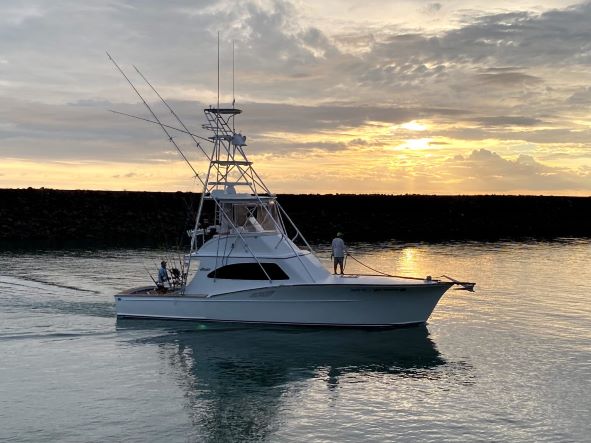
“Nineteen percent of survey takers say they feel safer – or much safer – about taking a cruise compared to last year,” said Dan Richards, CEO of Global Rescue and a member of the U.S. Travel and Tourism Advisory Board at the U.S. Department of Commerce.
Despite 30% of survey respondents experiencing some travel hesitancy about where to go, or when to get back to travel after two years of pandemic-related travel restrictions, the majority of the world’s most experienced travelers (70%) are not experiencing any re-entry to travel anxiety in general or on cruise ships, according to the survey.
Call it boldness or acquiescence, travelers are returning to cruise ships under the watchful eye of the Centers for Disease Control and Prevention (CDC) because of potential coronavirus outbreaks. According to a recent CDC analysis, 91 ships are sailing in U.S waters of which seven reported no cases of coronavirus on board and four reported 0.3% or fewer cases on board. The remaining 80 ships reported 0.3% or more cases on board, triggering a CDC investigation which includes reminding the cruise ships of the CDC’s guidance on preventive measures and possible in-person inspections, passenger testing and mask-wearing requirements.
“I think we’ve gotten to the point where no one expects that they’ll go anywhere and be perfectly insulated from COVID,” said Colleen McDaniel, editor in chief of Cruise Critic.
The survey results are driven by the combination of the majority of foreign borders opening to international travelers, revenge travel, and elevated comfort levels travelers have for taking trips. Eighty-four percent of travelers are less – or much less – concerned about travel today compared to the beginning of the pandemic, according to the survey.
The top travel anxiety continues to be centered on COVID. “Thirty-five percent of travelers say testing positive for COVID-19, having symptoms and being stranded away from home is their biggest fear about international travel,” Richards said. Fifteen percent of travelers say producing a negative COVID-19 test to meet U.S. re-entry requirements is their main concern.
About the Global Rescue Traveler Sentiment and Safety Survey
Global Rescue, the leading travel risk and crisis response provider, conducted a survey of more than 1,200 of its current and former members between April 5 and 9, 2022. The respondents exposed a significant range in travel confidence and international travel activity as well as preferences for international travel policies.
Contact Bill McIntyre at bmcintyre@globalrescue.com or 202.560.1195 (phone/text) for more information.
About Global Rescue
Global Rescue is the world’s leading provider of medical, security, evacuation and travel risk management services to enterprises, governments and individuals. Founded in 2004, Global Rescue has exclusive relationships with the Johns Hopkins Emergency Medicine Division of Special Operations and Elite Medical Group. Global Rescue provides best-in-class services that identify, monitor and respond to client medical and security crises. Global Rescue has provided medical and security support to its clients, including Fortune 500 companies, governments and academic institutions, during every globally significant crisis of the last two decades. For more information, visit www.globalrescue.com.
Categories:
Missions & Member TestimonialsMay 31, 2022
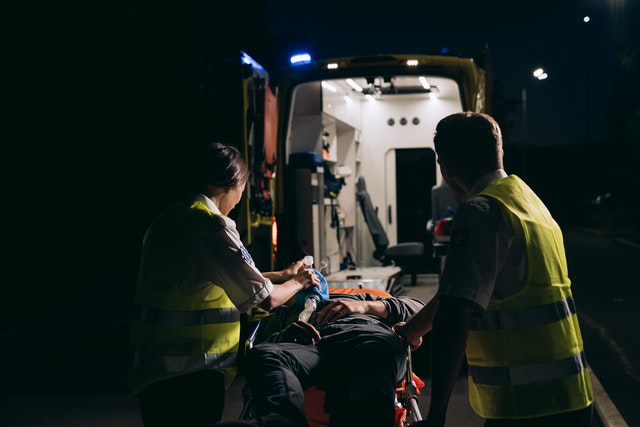
April was a busy month for field rescues and medical evacuations for Global Rescue — so busy we split our Mission Briefs into two parts. The first brief was focused on the Himalayas; this mission brief highlights some of our recent operations in other parts of the world.
Today’s travel includes a new threat matrix: pandemics, staffing shortages and flight cancellations, civil unrest and natural disasters. The traveler mindset made a tectonic shift, moving travel protection for emergency medical services and evacuation from “optional” to “obligatory.” Most travelers learned the limitations of traditional travel insurance and the value of stand-alone medical assistance and evacuation safety nets.
Travelers also learned the beauty and convenience of local travel and exploration. The pandemic increased everyone’s recognition and admiration of nearby wilderness and local remote areas, and the masses flowed into the outdoors. Outside activity worldwide is reaching unprecedented heights of participation as travelers learn to take advantage of local, outdoor activities.
[Related Reading: Mission Briefs April – The Himalayas Special Edition]
Global Rescue continues to answer the needs of travelers at home and abroad without any disruption of service. In a typical 30-day period, Global Rescue executes hundreds of operations in dozens of countries and principalities. Below are highlights from some of our most recent operations in various locations.
Botswana: Seizures in the Wilderness
A member from New York experienced seizure-like episodes while in a remote location in Botswana. At one point the member lost consciousness and later complained of severe abdominal pain and weakness. Fortunately, the member was traveling with a paramedic who helped get the member and his family to a medical facility in Kasane where he was evaluated and admitted to the ICU. The Global Rescue medical operations team was contacted and, after reviewing the medical records and reports, recommended an immediate medical evacuation to a hospital capable of a higher level of care. The member was transferred to a hospital in Johannesburg, South Africa, where he was admitted into the ICU, treated and discharged to his hotel to continue his recovery. Several days later, the member was cleared fit to fly home via commercial airline in a business class seat without a medical or non-medical escort required. The member arrived home safely without incident.
The Bahamas: Seizures at Sea
It was late afternoon when a member who was fishing on a boat in Acklins, Bahamas experienced sudden weakness on his right side. He was examined in nearby Chester Bay by a nurse but there was no physician available on the island. Global Rescue was contacted and able to review the information provided by the nurse and quickly determined that a medical evacuation to a hospital capable of a high level of care was needed. An airborne medevac transported the member from Acklins to a hospital in Nassau where the member was evaluated, received a CT head scan and underwent blood tests. The treating physician reviewed the test results and cleared the member fit to fly home for continued care.
Rwanda: Blocked Intestine
A U.S. member was traveling in Rwanda when she was admitted to a hospital for an intestinal obstruction. Surgery was recommended but the member opted to undergo the procedure in the U.S. and contacted Global Rescue. The medical operations team advised against flying and recommended continuing care locally and referred the member to a local surgeon. During her post-surgical evaluation, the surgical team continued to monitor the member’s condition which improved over the next few days. Her vital signs stabilized and she started on oral fluids. She was discharged with a lay-flat seating recommendation for medical transport from Rwanda to her home in San Francisco. The member arrived home safely with no incidents.
Philippines: In-Flight Abdominal Pain
A member traveling from the U.K. to the Philippines for a travel and tourism conference experienced abdominal pain and rectal pain during a layover en route to Manila and contacted Global Rescue. After arrival, Global Rescue arranged for the member’s transport to a medical center where he was diagnosed with hemorrhoids and required surgical treatment. The member remained admitted to the hospital following his surgery until his recovery and pain were manageable and was able to pass stool comfortably without bleeding. He was discharged fit to fly after a few days and flew back to his home without incident.
Categories:
Missions & Member TestimonialsMay 26, 2022
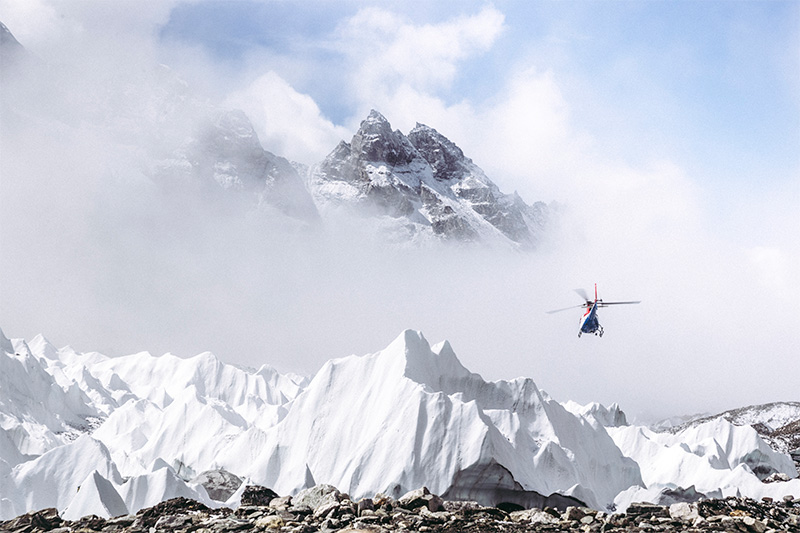
In a typical 30-day period, Global Rescue executes hundreds of operations in dozens of countries and principalities. But for this special edition of Global Rescue’s Mission Briefs, we are exclusively highlighting a few of the many Himalaya rescue operations completed in April.
Following a two-year, pandemic-related disruption in trekking and mountaineering in the Himalayas, the return to the famous mountain range is breaking records for the spring climbing season. “The overall number of permits for climbing in the Himalayas is a record this year, and we’ve seen a corresponding record number of rescues throughout the region,” said Dan Richards, CEO of Global Rescue.
Global Rescue deploys medical operations and emergency rescue teams to the area to help save lives. The Global Rescue deployment team remains on-site for the duration of the two-month climbing season.
“The days are long, often lasting up to 16 hours. We are flexible and physically fit to be efficient on the ground. We make certain to have a plan B that includes a sleeping bag, portable oxygen canisters and special high-altitude equipment when we pack — in case we have to overnight on the mountain at Mount Everest Base Camp (17,598 feet/5,364 meters) to support emergency rescue operations,” said David Koo, a former combat medic and the associate director of operations for Global Rescue.
In a typical 30-day period, Global Rescue executes hundreds of operations in dozens of countries and principalities. But for this special edition of Global Rescue’s Mission Briefs, we are exclusively highlighting a few of the many Himalaya rescue operations completed in April.
ANAPURNA
HAPE on Descent
After summiting Annapurna 1, a member experienced shortness of breath, hypothermia, an inability to walk and was severely exhausted during his descent. Stuck at Camp 4 (26,000 feet/7,924 meters) at night, Global Rescue coordinated with a Sherpa who was able to help the member descend to 23,000 feet/7,010 meters. The member remained weak, hypothermic and sleepy despite receiving oxygen support. With no helicopter landing zone available due to the terrain, a long-line rescue was the only way to evacuate the member. Global Rescue’s Koo met the member at Annapurna 1 Base Camp following the long-line rescue and escorted him to the hospital. The member was diagnosed with high-altitude pulmonary edema (HAPE). He was admitted and treated overnight before recovering and being discharged by his treating physician.
Broken Ribs After a Fall
During a routine acclimatization descent from Annapurna Base Camp, a member fell and landed on a stone and suffered a large bruise on his back and a laceration near his left eye. Following the accident, the member had difficulty breathing, especially when mobile. Global Rescue activated a helicopter field rescue based on the potential of a lung and head injury. Following the medical evacuation, the member was examined and diagnosed with two rib fractures, partial lung collapse, a mild buildup of fluid between the layers of tissue lining the lungs and chest cavity, and mild hepatomegaly. The member was cleared fit to fly to his home in India.
Snow Blind and Frostbitten
A member from Ireland required an airborne field rescue after arriving at Camp 4 where he began suffering from altitude sickness, snow blindness, and frostbite in the face. Due to the severity of the symptoms, Global Rescue organized a helicopter rescue and evacuation to a hospital where the member was evaluated and diagnosed with sunburn, snow blindness and high-altitude cerebral edema (HACE). He was treated and discharged with a prescription for medications and a follow-up appointment.
HIMLUNG HIMAL
Artrial Fibrillation and HACE
Experiencing difficulty breathing, a member contacted Global Rescue operations for help. She was examined by a nearby doctor who noted the member had low blood pressure, serum sodium, calcium and other electrolytes. She also received an ECG that showed signs of atrial fibrillation. She was provided with oral medications for rehydration and electrolyte replenishment. Unfortunately, her condition worsened and a medical evacuation was activated. She was transported to a hospital in Kathmandu and admitted to the ICU where she received further evaluation and treatment. Ultimately diagnosed with rate-controlled atrial fibrillation, HACE, dehydration and hypokalemia, her condition improved after a few days and she was discharged with home medications.
MERA PEAK
Three Members Airlifted to Safety
Three members were transported by helicopter from Mera Peak High Camp in a single field rescue to a hospital. One member fell on his left knee while on his descending trek down. He was examined by an orthopedic specialist and diagnosed with a soft tissue injury. Another member was suffering from high altitude sickness and was later diagnosed with AMS and kidney stones. He was prescribed medication and subsequently discharged. The third member had a fever and cough. His oxygen saturation level was 67% with a heart rate of 122 bpm. The member was medevaced to a hospital where he was diagnosed with AMS and systemic hypertension. He was treated and released to rest and recover in his hotel.
MAKALU
Dehydration on the Ascent
A U.S. member climbing Makalu, the fifth highest mountain in the world (27,838 feet/8,485 meters), was experiencing fever, mild headache and diarrhea. His condition did not improve despite taking Diamox and Azithromycin. Global Rescue was contacted and a helicopter was initiated for a field rescue of the member. The member tested negative for COVID-19 twice. At the hospital, he was placed under observation and given oral and IV fluids. The final determination was the member had acute diarrhea with dehydration. He was discharged with treatments for home recovery.
MOUNT EVEREST
Skin Infection and Massive Swelling
A member reported severe pain and swelling due to an abscess that developed where his leg connected to his prosthesis which could no longer fit due to swelling. The medical resource personnel at Mount Everest Base Camp advised the member’s further ascent or descent was not recommended. The member also started to manifest AMS symptoms. Global Rescue medical operations recommended and activated a helicopter evacuation to a hospital for evaluation. The member was diagnosed with a skin infection on the leg and acute sinusitis. He was discharged on the same day and advised to rest and recover until his flight back home.
HAPE and HACE at Camp 1
After reaching Mount Everest Camp 1 (19,900 feet/6,065 meters) a member from Japan was lethargic, short of breath and experiencing chest tightness. He was placed on oxygen support before in advance of an airborne medical evacuation to a nearby hospital. He was admitted and diagnosed with HACE, HAPE and dehydration. He recovered and was discharged the next day.
Gastroenteritis Proves Too Much
A member from New Zealand became ill at Mount Everest Base Camp. Several episodes of vomiting, diarrhea and stomach cramps contributed to overall weakness and an inability to trek without assistance. Despite receiving medication, his symptoms did not improve. Global Rescue medical operations activated a field rescue. The member was brought to a hospital emergency room where he was diagnosed with acute gastroenteritis with dehydration. He was treated and released.
Optic Disc Edema at Mount Everest Base Camp
A member from the U.K. started experiencing blurred vision and pain in his left eye. He was examined by medical staff at Mount Everest Base Camp and was immediately recommended for an airborne evacuation. Global Rescue activated a helicopter transport for the member to a hospital for evaluation by an ophthalmologist. The member was diagnosed with mild optic disc edema. Fortunately, no surgical interventions were required. The member was subsequently discharged and advised to remain in his hotel while his vision improved before returning to his home for reevaluation.
Dangerously Low O2 Levels at 17,598 Feet
After ascending to Mount Everest Base Camp, a member was suffering from shortness of breath. His oxygen saturation levels were 50% (for most people a normal pulse oximeter reading for oxygen saturation level is between 95 and 100%). The member was placed on supplemental oxygen. He was evaluated and diagnosed with HAPE by medical staff at base camp who also recommended a helicopter evacuation to a hospital for additional treatment. Following his airborne transport to the medical facility, the member was diagnosed with HAPE. The member elected to recover at his hotel before returning to his home in Mexico.
HACE Happens Near Camp 2
Two days before reaching Mount Everest Camp 2 (20,997 feet/6,400 meters), a Global Rescue member needed medical evacuation after showing symptoms of AMS, including shortness of breath, headache, dizziness, blurred vision and unsteady feet. He received oxygen support and had been taking Diamox for a couple of days without relief. Global Rescue activated an airborne evacuation and successfully transported the member to Lukla (9,383 feet/2,860 meters) where he was re-examined and, based on his medical records, re-evaluated and diagnosed with mild HACE. The member recovered in his hotel where his condition significantly improved.
Severe Acute Mountain Sickness
A member from Mexico battled altitude sickness while at Mount Everest Base Camp. Symptoms, including worsening headache that didn’t abate despite rest, hydration and taking medication. Global Rescue medical operations initiated a helicopter evacuation for the member to a hospital where he was diagnosed with HACE, severe AMS, acute bacterial dysentery and dehydration. He was admitted for further care and treatment and then released with home medications. Unfortunately, the member reported having severe abdominal cramps with diarrhea. He was re-admitted to the hospital with a diagnosis of bloody diarrhea, cramps and anal fissure. A day later he was released with medications and advised to follow up with his home doctor after a few days.
Kidney Problems at Camp 2
A 34-year-old member from the U.K. was unable to urinate, her body temperature was decreasing, and her breathing was labored. Her oxygen saturation levels were in the low-to-mid 40s while on supplemental oxygen. She was lethargic and unable to talk while at Mount Everest Camp II (21,000 feet/6400 meters). She was exhibiting signs of HAPE and HACE and Global Rescue activated a helicopter rescue. Upon examination at the hospital, the member showed evidence of an enlarged right kidney and a viral infection. Physicians prescribed medication with a recommendation for reevaluation after two days. The member decided to have her follow-up consult for her kidney in Kathmandu.
HAPE, HACE and Dehydration
A member from India reached Mount Everest Camp 2 when she became weak, exhausted and unable to keep up with her group while on the ascent. She then developed headaches, dizziness, facial swelling and a wobbly gait. Her oxygen saturation level was 41%. The combined symptoms were clear signs of HACE, triggering an airborne field rescue. The member was airlifted to a hospital where she was diagnosed with HAPE, HACE and dehydration. She was admitted overnight and discharged in stable condition after IV hydration and medication treatment.
Categories:
Health & SafetySecurity & IntelligenceTravelMay 24, 2022

Travelers have to find bits and pieces of information on various online resources to develop a full pre-travel picture of the risks and requirements of the destination. Not anymore. Introducing Global Rescue’s Travel Intelligence Center
Travelers have to find bits and pieces of information on various online resources to develop the full pre-travel picture of the risks of the destination. Some web sites are reputable, such as the CDC for COVID information or U.S. Department of State for security risks. On other sites, there’s no telling if the information is reliable or kept up to date.
“We in the travel industry are so used to telling people ‘Check the U.S. Department of State’s website.’ It has been our go-to default answer for decades. But the country you’re going to might have different requirements listed on their government website,” said David Leopold, director of enterprise sales at Global Rescue.
How do travelers manage the ever-changing entry and exit requirements? Coronavirus restrictions? Or security risks, like natural disasters and civil unrest?
“We’ve seen real-life examples of websites not being updated and people relying on old information,” Leopold said. “You need to have a plan — and you need to have a plan that’s going to be up to the minute.”
[Related Reading: Do Not Travel Advisories, Explained]
Everyone — tour providers, travel agents, tourism boards, airlines, companies with business travelers and individual trip takers, to name a few — is looking for risk mitigation information to help them make that go/no go travel decision. With the new Travel Intelligence Center, Global Rescue experts tell you where to find it.
Research until Time of Travel
If you’re a business traveler, you might belong to a subscription service or benefit from a travel management company partnership to get the latest travel information. But who is ultimately responsible if travel plans go awry?
“Even if you have a contract with a travel management company, does your company have an obligation to still meet the duty of care? Yes, you can’t just absolve yourself of all responsibility,” said Jeffrey Ment, managing partner of The Ment Law Group and Global Rescue advisor. “You can try to mitigate or lessen your risk by having a contract that puts travel risk management on somebody else, but it’s still your company, your employee, your trip.”

Individual travelers, travel planners, tour operators and smaller businesses often do the research themselves, checking and double-checking travel information right up until the time of travel.
“There are so many good ways to stay informed,” said Ment, who has three decades of experience in the travel industry with crisis management, travel contracts, litigation and compliance with national and international laws. “There are travel updates from different companies, like the Travel Market Report. Open Jaw is another website with an update on travel issues occurring in Canada and the U.S. For business travelers, The Points Guy has a blog with news and stories about travel.”
Ment’s advice: Do not rely on just one website.
“You have to find multiple different sources of information to understand the current risks of travel,” Ment said. “Start with the government website, the airline website, the daily updates on travel blogs, and use all these sources in conjunction with each other.”
When there is conflicting information, find the original source. “Japan is a great example: only 10,000 tourists can enter per day. Well, are you going to be in the 10,000? What does a company do to make sure they can get their people in amongst the 10,000? What are going to be the requirements for them? What’s really the answer if there’s different things that are out there?”
If you’re looking for Japan entry requirements, Ment suggests checking the consular services at the Ministry of Foreign Affairs in Japan as well as your home country government site (like the U.S. Department of State if you live in the U.S. and the U.K. Government website if you live in the U.K.).
You should also touch base with the airline to see what information they have. ANA, for example, includes information about travel to and from Japan from other countries on its website.

If you have a travel insurance provider or a travel protection membership, give them a call or email, too.
“There are countries still restrictive about who can come in, and it’s been difficult for companies to figure out. It’s getting better, and one day we won’t need guys like me, but that seems far off in the future,” Ment said.
Global Rescue Resources
We cut through all the clutter with the Travel Intelligence Center. Our in-house Intelligence Team tracks worldwide travel risk, health and safety information, all day, every day. They are continually monitoring global events and sharing information with members.
It started with our Coronavirus Intelligence Center, rolled out in the early days of the pandemic in 2020. Our in-house Intelligence Team created a free daily report with information which includes outbreak locations, outbreak data, signs and symptoms and medical advice for travelers. It was made available to the public, and updated every 24 hours with solid, reliable information.
Now that the pandemic is transitioning to an endemic, travelers are still searching for information for pre-trip planning, during trip safety information and a worry-free return home. Our new Travel Intelligence Center is the ultimate hub of health, security and weather resources to serve as a traveler’s one-stop information source. It includes:
- Daily travel alerts: The COVID-19 pandemic has shown us just how quickly guidelines and advisories can swing in one direction one day, the other the next. Most travel risk companies charge for travel alerts; we provide them for free on social media as well as in the Travel Information Center. No other company shares this valuable information with the general public.
- Free destination report: Global Rescue creates destination reports for 215 countries and principalities worldwide, harnessing up-to-date intel on everything from entry requirements, currency and common scams to travel health and personal security advice. Travel Intelligence Center visitors can request a complementary report to help them plan travel.
- COVID-19 travel intelligence: You can click back and forth between the Coronavirus Weekly Update and the Travel Intelligence Center. A link is provided at the top of the page and in the health section, respectively. Links to health, security and weather resources: We’ve vetted web sites and compiled the top choices to help travelers research every aspect of a trip from start to finish: COVID-19 requirements, health considerations (Malaria, Ebola), security risks (civil unrest or natural disasters) as well as weather patterns and upcoming seasons.
- Universal safety advice: Our blogs provide a wealth of educational information from seasonal threats to outdoor how-tos to travel inspiration. Each travel risk area — health, security, weather and COVID — is updated with links to the most current blogs on the topic. Blogs are written by travel experts and include Global Rescue’s medical, operational and safety expertise as well as insight from our Safe Travel Partners.
- Interactive risk map: The map shows travelers in an instant what areas might pose a risk to travel. Hover over a country to assess overall risk rating related to civil unrest, terrorism, crime, diseases, scams and more
Global Rescue’s Travel Intelligence Center is available to members and nonmembers.
Categories:
Press ReleaseMay 23, 2022
More mountaineering rescues are expected as the Mount Everest Summit Window Opens
Lebanon, NH – May 20, 2022 – A record number of high-altitude mountaineers and trekkers are in the Himalayas for the spring climbing season and it’s driving a corresponding record number of rescues.
“We’ve already seen an uptick in rescues this year. While the number of climbing and trekking permits issued for Mount Everest is lower than they were last year, the overall number of permits for climbing in the Himalayas is a record for 2022,” said Dan Richards, CEO of Global Rescue, the world’s leading provider of medical, security, evacuation and travel risk management services.
“There have been nearly 700 permits issued throughout the Himalayas as of the last count. With an increase in mountaineering activities, there is a parallel need for rescue services. We’ve seen a record number of rescues so far this year throughout the Himalayas, and we’re expecting more as the summit window opens over the next week to 10 days depending on the weather,” he said.
Mountaineers and high-altitude trekkers are eager to return to Mount Everest and the Himalayas following two years of COVID-related travel restrictions. But the two-year shut-out from climbs above 20,000 feet/6,000 meters may have left people less prepared.
“The higher number of rescue operations may be the result of people not being in quite as good condition, or as fit, as they might otherwise have been before coming to the Himalayas to climb. There are also more people and, when you have greater populations who may not be as well-conditioned as usual, especially in these high-altitude environments, you are going to have more rescues,” Richards said.
There is good news for high peak climbers. The weather conditions are forecast to be favorable and may provide a longer summit window for Mount Everest and other peaks in the range. “The Jetstream has moved off of Mount Everest where it usually likes to sit, making summits more likely to be successful. It’s been drier, warmer and a little less windy than normal,” he said.
A longer-lasting favorable weather window will create conditions to help avert traffic jams on Mount Everest. When there’s a short weather window, everyone tries to scramble up the mountain and take advantage of that weather window and get their summit. But if the weather is good and stable – and if expedition groups stagger their summit attempts – then overcrowding will be minimized or prevented.
“Organized summits are best for everyone. Mount Everest and other popular mountains can accommodate quite a few people. Climbing organizations must work together to sequence ascents properly. When people get bunched up you start seeing crazy conga lines going right to the summit. It’s also when you have the risk for a mass casualty event with a lot of people being stuck in the death zone, the altitude above 26,000 feet/8,000 meters where there is insufficient oxygen for the human body to survive,” Richards said.
As in many past years, Global Rescue has deployed its medical operations team to support our mountaineering and trekking members in the event of a medical emergency. “Anytime you are exerting yourself at high altitudes, especially above 18,000 feet/5,500 meters, you are at risk for acute mountain sickness, high-altitude pulmonary edema, high-altitude cerebral edema, frostbite, injuries due to trips and falls, and avalanches,” he said.
“Providing nonstop, 24/7 medical emergency support for a massive number of people taking part in extreme, high-altitude activities is not for the faint of heart. You need to be flexible and physically fit to be efficient on the ground,” said David Koo, associate director of operations for Global Rescue, a former combat medic and emergency nurse, and a member of Global Rescue’s Mountain Advisory Council.
Rescue operations are complicated and dangerous. The operating ceiling for most helicopters is about 22,000 feet, which is roughly Camp 2 on Mount Everest. “Anything above that altitude requires a ground rescue and because of the altitude and the limited oxygen, rescue teams have to acclimatize before going. You cannot simply drop a crew that isn’t acclimatized into this part of the mountain. That’s why we have acclimatized teams already there. Even then, a rescue is dicey,” Richards said.
Contact Bill McIntyre at bmcintyre@globalrescue.com or 202.560.1195 (phone/text) for more information.
About Global Rescue
Global Rescue is the world’s leading provider of medical, security, evacuation and travel risk management services to enterprises, governments and individuals. Founded in 2004, Global Rescue has exclusive relationships with the Johns Hopkins Emergency Medicine Division of Special Operations and Elite Medical Group. Global Rescue provides best-in-class services that identify, monitor and respond to client medical and security crises. Global Rescue has provided medical and security support to its clients, including Fortune 500 companies, governments and academic institutions, during every globally significant crisis of the last two decades. For more information, visit www.globalrescue.com.
Categories:
NewsMay 23, 2022
Categories:
Health & SafetyPlaces & PartnersTravelMay 20, 2022
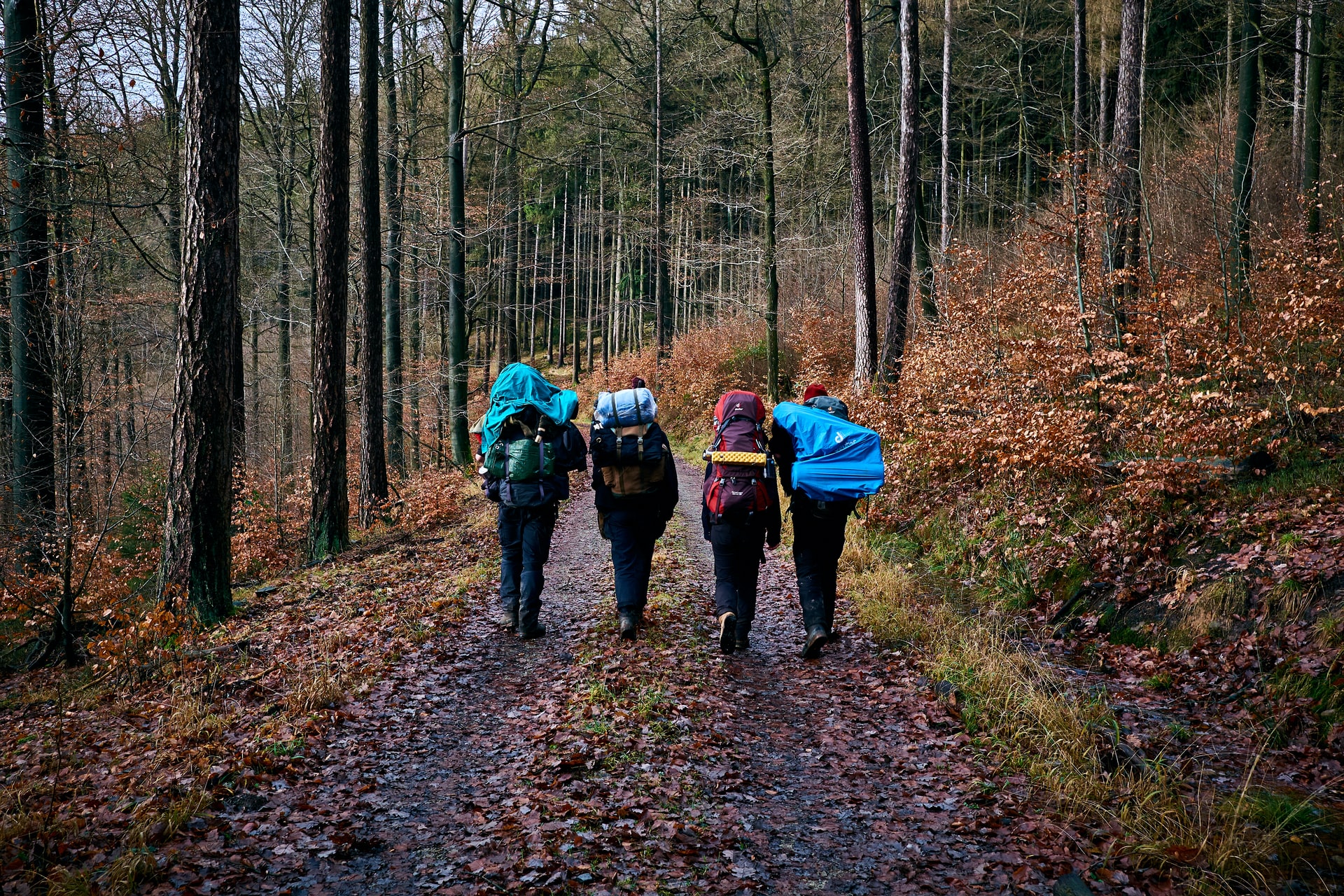
A poorly loaded backpack can put a serious strain on your adventure in the backcountry. Here’s how to pack a hiking backpack with efficiency, convenience and comfort in mind.
There’s a scene early in the 2014 film, Wild, where Cheryl Strayed (Reese Witherspoon’s character) prepares her pack before setting out on her three-month, 1,100-mile-long solo trek along the Pacific Crest Trail (PCT). With little outdoors experience, she makes a big mistake: She overpacks — so much she can hardly stand, let alone walk, with the pack holstered to her back.
About 100 miles into her journey, a fellow camper helps her strategically “prune” her bulging pack of unnecessary items. The backpack — which earns the nickname “Monster” from fellow PCT thru-hikers — has etched deep, dark bruises on her shoulders, back and stomach.
“Overpacking is just as bad as under packing,” said Becki Rupp of Colorado-based Trailblazer Wellness and a Global Rescue Safe Travel Partner.
She should know because it’s exactly the kind of thing she teaches. As an avid hiker with a background in search and rescue, a certified health coach and a personal trainer, she specializes in helping people get physically and mentally prepared to make the most of their next adventure trip – whether they’re hiking Kilimanjaro or a section of the Inca Trail.
“Carrying all that extra weight drains your energy and you just can’t go as far or enjoy it as much,” she added. “It’s about finding a delicate balance.”
How do you ensure you’re packing the gear you need — not too much and not too little — prior to taking to the trail? And how to pack a backpacking pack? It may not seem particularly important, but strategic packing makes all the difference in terms of being comfortable — and safe — on the trail.
Research and Match Your Gear
Rupp actually creates a master list of all the gear she might need. Then, based on the research she’s done around the weather and terrain of the area she’s headed, she crosses items off she won’t need.
A few examples of what she takes into account:
- What will the range of temperatures be (how much will the temp drop when the sun goes down)? This informs the number of extra layers she brings, plus the kind of tent (three-season versus a four-season tent).
- How about the possibility of precipitation? While Rupp always packs a rain jacket (even if no rain in the forecast), she’ll also pack rain pants or her gaiters if expecting rain.
- Will the terrain be rolling with big climbs and descents or relatively flat? How about the distance and weight of the load she’ll be carrying? This indicates whether she needs hiking poles or not.
“Doing your research and packing accordingly is important — especially as any extra room you have can be put toward bringing a couple creature comforts, like a thicker sleeping pad,” Rupp said. “Every ounce really does count.”
[Related Reading: Pro Tips for Hiking Safety]
And if you’re going to have a hiking partner, remember to confer with them about bringing items that can be shared between the two of you. “There are certain pieces of equipment — like kitchen equipment or a first aid kit — that you can share, so you won’t need duplicates as long as you’re planning to stick together the entire time.”
Consider a Packing System
Harding Bush, Global Rescue’s operations manager, always stresses pre-planning and being organized whenever you’re headed into the backcountry. Which is why he, personally, loves a good packing system.
“Before filling my rucksack or backpack with items, I use stuff sacks to separate and organize — I put underwear in one, toiletries in another, food in another. And every sack is waterproof,” he said. “You don’t want a bag of electronics or your first aid kit getting moisture damage.”
If you’re tight on space, compression stuff sacks can help reduce the bulk of clothing or sleeping bags.
How to Pack a Hiking Backpack
When it comes to actually packing your backpack, it’s all about two things: comfort, meaning your gear must be packed well, so it doesn’t interfere with your center of gravity or randomly poke you in the back; and convenience, so you can get the gear you need easily, without having to empty everything out.
Think of your backpack as divided into four zones — bottom, middle front, middle back and top (see diagram below) — and store accordingly to these rules:
- Bottom (1): Medium-weight gear and the items you need the least access to while out on the trail, like your sleeping bag or pad, pillow and camp clothes.
- Middle Back (2): Heaviest items (cookware, stove, tent, hydration reservoir) close to your back for a stable center of gravity.
- Middle Front (3): Lighter gear: first aid kit, towel, other light-weight clothes.
- Top (4): Smallest and lightest items — like snacks, your lighter, extra layers — you’ll need easy access to.

“The gear you need the most often needs to be most accessible. The items you don’t need as much — say your sleeping bag, which you only pull out once a day — can be down at the bottom of your pack,” Bush said. “But, if hiking in an environment where you know there’s going to be a temperature drop, you’re going to want your warming layer — your down layer or your wool hat — to be very accessible.” The same goes for snacks and water since it’s important to keep your energy up.
And don’t let those little hip pockets go unused if you have them on your pack.
“I keep my lip balm, sunscreen and toilet paper in there, so I don’t even have to take my pack off to get to them,” Rupp said.
Hiking Hydration
It may seem obvious, but Rupp is keen to underscore the importance of water. “Water is life,” she said. “And you’re getting nowhere without it. Carry enough with you — not just your pack’s hydration bladder, but extra bottles if you’re in an area where water is scarce. And always have ways to treat or access more.”
[Related Reading: Filter or Purify? How To Treat Water]
Note she says “ways.” She means carrying multiple water treatment options, like the bottles with a built-in filter, pump-style filters and even purification tablets.
“When it comes to water, you need to make sure you have a plan b and c,” Rupp said.
Categories:
Health & SafetyTravelMay 17, 2022
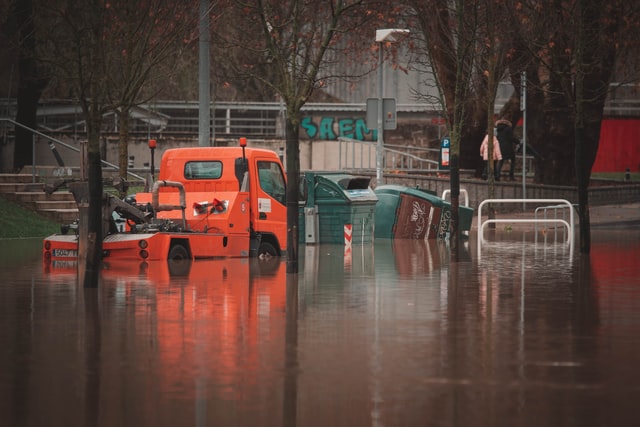
Summer travel is all about sunshine and warmth, but, if you don’t research your destination, your trip could be more about tropical cyclones, hurricanes, tornadoes and wildfires. Global Rescue experts provide advice to help travelers prepare for wild weather.
There was much more to watch on the news than the numbers of rising and falling coronavirus cases in 2021. Wild weather — from storms and flooding to heatwaves and wildfires to drought — wreaked havoc across the globe and many travelers had a front row seat.
Who can forget tropical storm Grace flooding Haiti just days after an earthquake? Then the shocking videos of flooded roads and buildings courtesy of Typhoon In-fa in China, which forced one million people to relocate and killed 300. Other parts of the world — Siberia, Pakistan, northern India and parts of the Middle East — were subject to persistent heatwaves, with temperatures hitting 52 degrees Celsius/125 degrees Fahrenheit in some areas. In Madagascar, a widespread drought caused food shortages.
Urban areas, coastal communities and underdeveloped countries are often the most affected by natural disasters. More people and more buildings increase the likelihood of extreme weather resulting in devastation.
“The human population of an urban environment presents an enhanced level of risk,” said Harding Bush, operations manager at Global Rescue. “The character of commercial, industrial and residential sprawl can increase the effects of a natural disaster, such as a flood, fire or earthquake.”
[Related Reading: Four Ways to Survive a Hurricane]
It is possible to predict some weather patterns, but 2022 is already proving to be a challenge. One example: A widespread drought caused food shortages in Madagascar in 2021, but the world’s second-largest island country suffered flooding in late January 2022. NASA has already tracked three volcanic eruptions, two cyclones, two tropical storms and several disastrous floods between January and April.
On average, there about 6,800 natural disasters worldwide annually. Between 1994 and 2013, natural disasters affected 218 million people and claimed 68,000 lives per year. Earthquakes (including tsunamis) killed more people than all other types of disaster put together. In the United States, Texas experienced the most natural disasters (between 1980 to 2020), according to Climate.gov.
2022 Weather Predictions
Wild summer weather will depend on where you are in the world; latitudinal location and local geography (distance from the ocean and nearness to mountains) are two of the factors determining weather. Central United States (located between two air systems) will be watching out for tornadoes in May; Belize, with a 174-mile coastline, has a wet season between June to July; and the official hurricane season in Puerto Rico, an exposed island in the hurricane belt, is August and September.
“Some predictable potential disasters are seasonal; hurricane season lasts from June to November. The rainy season in Africa lasts from June to October,” Bush said. “Typhoons in Thailand are more likely to occur between June and December. Hot summer days are usually followed by late afternoons with thunder and lightning storms.”
Be on the lookout for these natural disaster possibilities during the summer months:
May
- Floods: The spring melt is over, so the floods you will see in May occur after heavy rains or when ocean waves come on shore.
- Tornadoes: May and June are peak months for tornadoes. According to the National Center for Atmospheric Research, tornadoes are caused when dry cold air moving south meets warm moist air traveling north.
June
- Hurricanes: In the North Atlantic, hurricane season is from June 1 to November 30. Heavy rainfall and excessive winds can cause severe damage for hundreds of miles inland. Since 1971, August has been the worst month for hurricanes with an average of 74 every year.
July
- Cyclones: Tropical cyclones occur during the late summer to early fall — July to September — in the Northern Hemisphere.
August
- Wildfires: Heat waves and droughts set the stage for wildfires (unplanned fires burning in natural areas like forests, grasslands or prairies). Lightning, volcanic eruption and human error provide the ignition.
Anytime
- Earthquakes: Earthquakes don’t have a season and, according to U.S. Geological Survey, no one has ever predicted a major earthquake.
- Tsunamis: Tsunamis produce unusually strong currents, rapidly flood land, and devastate coastal communities. Tsunami Warning Centers know which earthquakes are likely to generate tsunamis and issue warnings when a tsunami is possible. If there’s time, scientists can forecast wave height, arrival times, location and amount of flooding.

Do Your Homework
The best safety advice is to do your homework. Research whether your island destination is prone to hurricanes, or if tropical cyclones typically cross your cruise line’s path.
“Global Rescue members are experienced travelers, and careful pre-travel planning is not a new concept for them. Our members make themselves aware of all the significant threats and hazards so that they can avoid being caught up in an escalating incident,” Bush said.
This includes weather reports and patterns. Wild weather will ground a plane every time, but so will other external conditions, like extreme heat. Hot air is thinner and makes it harder for airplanes to create enough lift to leave the ground. Temperatures in excess of 48 degrees Celsius/118 degrees Fahrenheit will cancel flights. In general, bad weather means less reliable flights.
If you are ill or injured, you certainly do not want a flight delayed or cancelled. A Global Rescue member vacationing on a remote island experienced a deep laceration to his hand and received care from a local medical provider. When the hand became infected, extreme weather delayed travel to a higher level of care on the main island, placing his health at risk.
Wild weather will affect travel on many levels. Depending on the type and extent of the disaster, critical infrastructure could be compromised. No electricity? No ATMs. Flooding? No transportation or an increase in transportation time. In all weather safety situations, Global Rescue suggests:
- Remaining calm and alert
- Monitoring local reports
- Knowing where the emergency shelters are located
- Following an evacuation order, if announced
A Global Rescue membership is also a good idea. Global Rescue members have access to real-time information on more than 215 countries and principalities worldwide. Our in-house travel experts are also available 24/7/365 to answer questions and offer advice on what to do in any medical emergency, security risk or natural disaster. You can also check out our Travel Intelligence Center, a new one-stop information resource providing daily travel alerts, COVID-19 information, universal safety advice and links to travel resources.