Categories:
NewsJune 2, 2026
Categories:
TravelJune 2, 2026
Article Highlights:
- Travelers are fully subject to local laws abroad regardless of home-country norms.
- Medication and cannabis laws vary dramatically worldwide.
- Seemingly minor behavior can trigger fines, detention or arrest overseas.
- Ignorance of local law is rarely accepted as a defense.
- Destination intelligence and legal awareness significantly reduce travel risk.
One of the biggest mistakes international travelers make is assuming that the laws and cultural norms of their home country apply everywhere they go. They do not. Travelers crossing international borders become subject to local laws immediately, even when those laws conflict sharply with expectations formed at home.
Something considered routine in one country may trigger fines, detention or arrest in another. Understanding these differences is not merely cultural courtesy. It is a fundamental part of travel safety.
Many international legal issues arise not from malicious behavior, but from assumptions.
Travelers often believe that: prescription medications are universally legal; cannabis laws abroad mirror domestic reforms; public behavior standards are flexible; or tourism zones tolerate rule-breaking. In reality, local governments enforce laws according to their own cultural, political and historical priorities.
As Dan Richards, CEO of Global Rescue, explains, travelers must understand that their home-country permissions do not travel with them.
Medication Restrictions Surprise Many Travelers
Prescription and over-the-counter medications represent one of the most common legal traps. Drugs that are legal and routinely prescribed in the US may be prohibited elsewhere. Examples include Ambien in Nigeria and Singapore, Sudafed in Japan and Greece, tramadol and codeine in multiple countries and ADHD medications in parts of Asia and the Middle East. Travelers carrying prohibited medications can face confiscation, fines or arrest.
Even legal medications should remain in original packaging accompanied by prescriptions.
Cannabis Laws Remain Highly Inconsistent
Cannabis legalization in parts of North America has created widespread confusion. Many travelers incorrectly assume marijuana products are tolerated internationally. In reality, cannabis remains illegal in more than 100 countries. Some destinations impose severe penalties for possession, including imprisonment.
The arrest of WNBA player Brittney Griner in Russia highlighted how seriously some countries enforce drug laws, even involving medically prescribed products. Travelers should never assume legalization at home offers protection abroad.
Dress Codes and More
Some countries regulate clothing and appearance in ways travelers may not expect.
Examples include: camouflage clothing bans in parts of the Caribbean; public modesty expectations in the Middle East; restrictions on nudity or toplessness; Thailand technically requires underwear in public; and Switzerland has fined hikers for public nudity under indecency laws.
While enforcement varies, travelers remain subject to local authority interpretation.
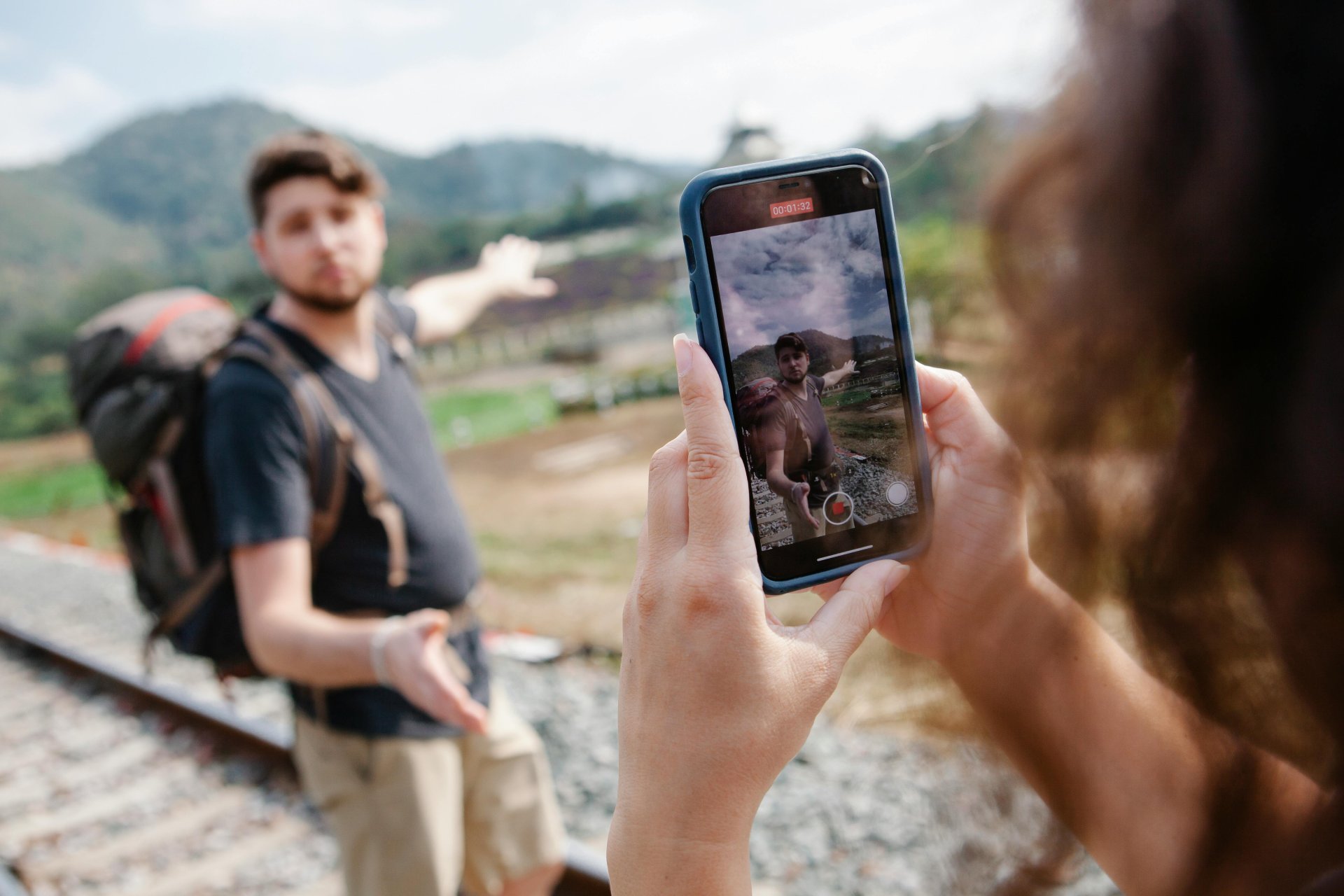
Photography restrictions also create problems. Taking photos of military sites, police or sensitive infrastructure can trigger detention in some countries. In Amsterdam’s red-light district, photographing sex workers is prohibited. Swearing in public in the UAE can result in fines or imprisonment. Social media posts critical of governments or religious institutions may also violate local laws.
Driving laws vary substantially. In Cyprus, eating or drinking while driving is illegal. Many European countries prohibit right turns on red lights. Running out of fuel on Germany’s Autobahn can itself be considered an offense. Phone use while driving is aggressively enforced in the United Kingdom. Travelers renting vehicles should research local traffic laws carefully.
Tourism-heavy destinations increasingly regulate visitor behavior to protect cultural sites and ecosystems. Examples include: sand and shell collection bans in Sardinia; feeding pigeons restrictions in Venice; high-heel bans at the Acropolis in Greece; and public alcohol restrictions in Amsterdam.
These rules may appear unusual but are often strictly enforced.
Ignorance Is Rarely Accepted as a Defense
Travelers frequently believe authorities will excuse accidental violations. Most countries do not. Travelers are fully bound by local law regardless of intent. Embassies also have limited ability to intervene when local laws are violated.
Traveler preparation dramatically reduces exposure. Travelers should: research destination-specific laws; verify medication legality; understand cultural norms; avoid assuming domestic standards apply abroad; and monitor local advisories. Destination intelligence resources help travelers identify legal and cultural pitfalls before arrival.
The Global Rescue Connection
Arrests overseas often involve: language barriers; different legal systems; limited due-process protections; difficulty contacting family; and complex bail or detention procedures. Even minor incidents can escalate into major logistical and financial challenges. Travelers should never underestimate the seriousness of foreign legal systems.
International travel exposes travelers to unfamiliar laws, cultural expectations and legal systems that can quickly become overwhelming during emergencies.
A Global Rescue membership provides destination intelligence, medical advisory support, field rescue and security advisory services that help travelers navigate international risk more confidently.
Destination Reports help members understand local laws, customs, healthcare quality and regional security conditions before departure. If travelers encounter serious disruptions, legal complications or emergencies abroad, Global Rescue’s operations and advisory teams help coordinate logistical support and guidance.
Traveling internationally rewards curiosity and exploration, but preparation remains essential. Understanding local laws before departure is one of the simplest and most effective ways travelers can protect themselves abroad.
Get a price estimate
Estimate
$0.00
Please answer all questions for estimate.
(Lebanon, NH – June 1, 2026) – International travelers are actively reshaping where they go, and where they won’t, in 2026, avoiding regions tied to active conflict, geopolitical instability and persistent security risks, according to new data from the Global Rescue Spring 2026 Traveler Sentiment and Safety Survey.
The findings reveal a clear hierarchy of avoidance led by the world’s most volatile regions. Nearly three-quarters of travelers (73%) say they are avoiding countries in the Middle East adjacent to Israel, Syria and Iran. Pakistan follows at 50%, along with African nations near conflict zones such as Sudan, Libya and Somalia (45%). Central European countries bordering Russia and Ukraine are also widely avoided (40%).
“These results show that travelers are not retreating from international travel, they’re becoming more selective and risk-aware,” said Dan Richards, CEO of The Global Rescue Companies. “Active conflicts and geopolitical instability are directly influencing where people are willing to go.”
Beyond active war zones, avoidance extends to regions associated with crime, instability and governance concerns. Approximately one-third of travelers (33%) report avoiding Mexico, while 31% are steering clear of parts of South and Central America near Venezuela, Honduras, Guatemala and Colombia.
Caribbean destinations near Haiti, Cuba and Jamaica are being avoided by 23% of travelers, and 20% report avoiding India. In contrast, traditional low-risk destinations remain largely unaffected, with fewer than 2% of travelers avoiding Canada or Australia/New Zealand.
Gender Differences in Risk Perception
The data reveals a consistent pattern of higher risk sensitivity among female travelers, particularly in regions associated with conflict or instability. Women are significantly more likely than men to avoid the Middle East (79% vs. 72%), Central Europe near Russia and Ukraine (45% vs. 37%) and parts of South and Central America (38% vs. 28%).
“Women are demonstrating heightened sensitivity to geopolitical and regional instability, particularly where conflicts are active or evolving,” said Richards. “That aligns with broader trends in risk perception and travel planning behavior.”
Differences are narrower in destinations such as Mexico and the Caribbean, where avoidance rates between men and women are relatively aligned.
US-based and non-US-based Travelers Diverge
Geography plays a defining role in how travelers assess risk. US-based respondents are significantly more likely to avoid destinations in Mexico (37% vs. 21% of non-US-based travelers), Pakistan (52% vs. 43%), African conflict-adjacent countries (46% vs. 39%) and India (23% vs. 12%).
At the same time, non-US-based travelers are far more likely to avoid the United States itself, with 31% indicating avoidance compared to less than 1% of US-based respondents, one of the most pronounced perception gaps in the data.
“This is a clear example of how risk perception is shaped by perspective and proximity,” Richards said. “What feels familiar to one group may feel uncertain or risky to another.”
A More Selective Global Traveler
The data reinforces a broader shift in traveler behavior: rather than avoiding international travel altogether, travelers are actively managing risk through destination selection.
“Travelers are not standing still—they’re adapting,” Richards added. “Understanding where risks are increasing and adjusting accordingly has become a fundamental part of modern travel planning.”
About the Global Rescue Traveler Sentiment and Safety Survey
Global Rescue, the leading travel risk and crisis response provider, surveyed more than 1,200 current and former members between April 7 – 13, 2026. Respondents shared their attitudes, behaviors and preferences related to travel safety, technology and global mobility.
About Global Rescue
Global Rescue is the world’s leading provider of medical, security, evacuation and travel risk management services to enterprises, governments and individuals. Founded in 2004, Global Rescue maintains exclusive relationships with the Johns Hopkins Emergency Medicine Division of Special Operations and Elite Medical Group. The company has provided medical and security support during every major global crisis over the past two decades.
Categories:
NewsMay 30, 2026
Categories:
Security & IntelligenceTravelMay 29, 2026
Article Highlights:
- More than 77% of international travelers now consider security extraction services important when traveling abroad.
- Women and non-US travelers show significantly higher sensitivity to security and traveler protection risks.
- Real-time intelligence increasingly influences willingness to visit remote or high-risk destinations.
- Travelers prioritize physical extraction, extortion response and crisis intervention over traditional advisory services.
- Demand for professional security services and traveler protection memberships is rapidly increasing worldwide.
International travel has entered a new era defined not only by exploration and global mobility, but by heightened awareness of security risk, geopolitical instability and the limits of local emergency infrastructure. Travelers today are more informed, more experienced and more conscious that modern travel safety extends beyond health concerns or basic trip insurance. Increasingly, they are evaluating whether they can receive immediate extraction, expert crisis support and actionable intelligence if conditions deteriorate abroad.
New findings from the Global Rescue Spring 2026 Traveler Sentiment and Safety Survey reveal that security extraction capabilities and real-time intelligence are no longer viewed as niche services reserved for diplomats or executives. Instead, they are becoming baseline expectations among serious international travelers seeking comprehensive traveler protection.
The survey, conducted among more than 1,200 current and former Global Rescue members, highlights a clear shift in traveler priorities. Security services once associated primarily with hostile environments are now viewed as practical safeguards for ordinary international travel. At the same time, the data exposes meaningful differences in how travelers perceive risk based on gender and geography.
International Travelers Reveal Core Security Needs Include Extraction and Intelligence
The strongest finding from the survey is the overwhelming importance travelers place on security extraction services. More than three-quarters of respondents, 77%, say extraction services are either very important or important when traveling internationally. Among them, 44% classify extraction capabilities as very important.
This reflects a broader transformation in traveler mindset. Modern travelers increasingly recognize that emergencies abroad can escalate rapidly and that local authorities or infrastructure may not always provide timely assistance. Political unrest, organized crime, civil instability, targeted violence and environmental disasters have become persistent considerations in travel planning.
“Extraction is no longer viewed as an extreme or niche capability, it’s becoming a baseline expectation for serious international travelers,” said Dan Richards, CEO of The Global Rescue Companies. “What’s particularly important is how clearly the data shows different traveler segments evaluating risk through different lenses.”
Travelers are prioritizing operational response over theoretical preparedness. When respondents ranked the most important security capabilities, physical extraction during bodily threat emerged as the top priority by a wide margin. Sixty-two percent selected it as the single most important service.
Additional priorities included:
- Comprehensive kidnapping, extortion and violent crime support ranked highly, with 47% identifying these services as most important.
- Expert-led security incident response and negotiation capabilities followed closely at 41%.
- Traditional advisory services ranked significantly lower, reinforcing that travelers increasingly value decisive intervention over passive guidance.
This hierarchy signals a major shift in how travelers define security services. Preparedness matters, but the ability to act during a crisis matters more.
Women Show Higher Sensitivity to Travel Risk
One of the most striking patterns in the survey is the significant difference between male and female respondents regarding travel risk perception.
A majority of women, 53%, consider extraction services very important compared to 38% of men, representing a nearly 15-point gap. Women also demonstrate stronger responsiveness to real-time intelligence tools that reduce uncertainty and improve situational awareness.
When asked whether access to real-time security intelligence would increase willingness to travel internationally, 25% of women answered “yes, definitely,” compared to 21% of men.
At the same time, women also expressed greater caution overall. Twenty percent reported they were unlikely to be significantly influenced by real-time intelligence alone, compared to 14% of men. This polarization suggests that female travelers often approach risk through a more nuanced lens, balancing opportunity with contingency awareness.
These findings align with broader trends in traveler behavior. Women frequently conduct deeper destination research, pay closer attention to local conditions and prioritize communication tools and support infrastructure more heavily than male travelers. Rather than avoiding travel, many are seeking stronger traveler protection mechanisms that allow them to explore with greater confidence.
Non-US Travelers Demonstrate Higher Risk Awareness
The survey also revealed important geographic distinctions between US-based and non-US-based travelers.
Half of non-US travelers, 50%, rate extraction services as very important compared to 43% of US respondents. Non-US travelers also appear more likely to be influenced by access to real-time intelligence. Twenty-six percent say such information would absolutely increase their willingness to travel internationally, compared to 21% of US travelers.
These differences may reflect broader international exposure to political volatility, infrastructure inconsistency and travel disruptions. Travelers based outside the US often navigate more complex border environments, regional instability or less predictable emergency response systems as part of normal international mobility.
This heightened sensitivity also appears in how travelers evaluate destination risk. When asked what factors would most influence the decision to obtain professional security services, the leading trigger was travel to a high-risk destination.
Overall, 31% identified high-risk destinations as the primary reason they would seek traveler protection services. Among non-US travelers, that figure rose to 36%, compared to 30% of US travelers.
Additional triggers included spikes in threats targeting foreigners and destinations with weak emergency response infrastructure.
“These triggers reinforce a key point: demand for security services is highly contextual,” Richards explained. “It’s not just who the traveler is — it’s where they’re going and what’s happening on the ground in real time.”
Real-Time Intelligence Is Reshaping Travel Decisions
Real-time intelligence has become one of the most influential tools shaping international travel behavior. More than 81% of survey respondents say access to live security intelligence would increase their willingness to travel to foreign or remote destinations.
This reflects the growing recognition that situational awareness directly affects traveler confidence. Travelers increasingly want immediate updates regarding protests, transportation disruptions, civil unrest, severe weather, terrorism threats and medical infrastructure limitations before problems escalate.
Importantly, travelers are no longer relying solely on government advisories or news headlines. They want curated, destination-specific intelligence that translates rapidly changing events into actionable decisions.
This trend mirrors developments across the broader travel industry. Hidden-season travel, remote destination exploration and adventure tourism continue to expand, placing travelers in environments where traditional support systems may be limited or delayed. Real-time intelligence helps bridge that gap by allowing travelers to adapt proactively instead of reactively.
Rising Demand for Security Memberships Reflects Global Anxiety
Growing concern about travel security is already translating into purchasing behavior. Global Rescue reports a 30% increase in security membership purchases during the first part of 2026 compared to the same period in 2025.
This increase reflects broader global realities. Travelers are increasingly aware that traditional trip insurance does not provide operational security response. Insurance may reimburse losses after an incident, but it rarely coordinates extraction, field rescue or crisis negotiation in real time.
Professional traveler protection services fill that operational gap by combining intelligence, extraction capabilities, medical advisory services and crisis-response coordination into one support system.
The survey suggests travelers are moving beyond financial protection toward functional resilience. They are asking not whether they will be reimbursed after an emergency, but whether someone can intervene while the emergency is unfolding.
The Global Rescue Connection
International travel today rewards curiosity and global mobility, but it also requires more sophisticated preparation than ever before. As travelers increasingly venture into unfamiliar regions, off-peak seasons and destinations with evolving risk profiles, access to professional traveler protection becomes critical.
A Global Rescue membership provides access to field rescue, medical evacuation, medical advisory services and security extraction support during crises ranging from political unrest to natural disasters. Real-time intelligence and destination reports help travelers understand local laws, healthcare quality, transportation reliability and emerging threats before departure and while abroad.
In an environment where extortion risks, infrastructure failures and geopolitical instability increasingly shape travel decisions, professional security services are no longer viewed as optional luxuries. For many travelers, they are becoming essential components of responsible international travel planning.
Get a price estimate
Estimate
$0.00
Please answer all questions for estimate.
Categories:
NewsMay 29, 2026
Categories:
TravelMay 28, 2026
Article Highlights:
- Prescription liquids and medically necessary liquids are exempt from standard TSA 3-1-1 liquid restrictions.
- Cannabis products over 0.3% THC is not permitted under US federal law, TSA rules and may be illegal internationally.
- Some stimulant ADHD medications, including amphetamine-based drugs, are prohibited or tightly controlled in countries such as Japan and Singapore.
- Travelers should always carry prescription drugs in original containers with documentation.
- Global Rescue Destination Reports help travelers identify medication restrictions before departure.
For many travelers, packing medications feels routine. A bottle of over-the-counter (OTC) cold medicine, prescription drugs for chronic conditions or a sleep aid tossed into a carry-on rarely seems risky. Yet international travel with OTC and prescription medicine has become increasingly complicated due to evolving TSA rules, country-specific drug laws and stricter customs enforcement worldwide.
What’s perfectly legal in the US can trigger confiscation, fines, denied entry or even arrest abroad. Common medications containing pseudoephedrine, diphenhydramine, codeine or THC are heavily restricted in several countries. Even prescription medicine prescribed legally at home may violate local laws overseas.
Understanding how TSA rules intersect with international drug regulations is now an essential part of travel preparation.
The International Travel Medication Rules Travelers Keep Overlooking
One of the most misunderstood TSA rules involves prescription liquids and medically necessary liquids. Contrary to common belief, prescription medications, liquid medicines and medically necessary liquids do not have to comply with the standard TSA 3-1-1 liquid rule (the requirement that carry-on liquids, gels and aerosols must be 3.4 ounces/100ml or less per container).
Travelers may carry medically necessary liquids exceeding 3.4 ounces in carry-on luggage. TSA officers may inspect them separately, but they are permitted when properly declared during screening. This exemption applies to prescription liquid medications, liquid nutritional supplements and medically necessary gels or cooling packs.
However, many travelers still assume all liquids must fit into quart-sized bags, leading some to improperly pack essential prescription medicine in checked luggage where it can be delayed or lost.
At the same time, TSA rules around hand sanitizer changed in 2023. During the pandemic, TSA temporarily allowed larger quantities of hand sanitizer in carry-on bags. That exemption no longer exists. Hand sanitizer must now comply with the standard 3-1-1 liquid limits unless medically necessary documentation applies.
Travelers carrying oversized sanitizer bottles without a qualifying exemption risk confiscation at screening checkpoints.
Cannabis and THC Remain a Major International Travel Risk
Despite growing legalization in parts of the US and Canada, cannabis remains one of the biggest international travel mistakes travelers make.
Under federal TSA rules, cannabis products containing more than 0.3% delta-9 THC remain prohibited for air travel under federal law. TSA itself focuses primarily on security threats, but when illegal substances are discovered, officers may refer cases to law enforcement.
The greater danger often comes after arrival abroad.
Many countries enforce zero-tolerance drug policies regardless of prescriptions or medical marijuana authorizations issued in the US. Even trace amounts of THC in oils, gummies, creams or vape cartridges may create severe legal consequences depending on the destination country.
Countries including Singapore, Japan, the United Arab Emirates and Indonesia maintain especially strict drug laws. In some destinations, possession of cannabis products can result in imprisonment, heavy fines or deportation.
Travelers should also remember that some CBD products may still contain enough THC to violate local laws or trigger customs scrutiny.
ADHD Medicine Can Trigger Serious Problems in Asia
Prescription ADHD medicine presents another major international travel issue, particularly in parts of Asia.
Some stimulant ADHD medications, including amphetamine-based drugs such as Adderall, are prohibited or tightly controlled in countries including Japan and Singapore. Travelers have been detained for carrying legally prescribed ADHD medicine into these countries without prior authorization.
Japan, in particular, maintains extremely strict pharmaceutical import rules. Certain stimulant medications cannot legally enter the country under any circumstance, while others require advance approval through the Japanese Ministry of Health’s Yakkan Shomei process.
Singapore and the United Arab Emirates also heavily regulate stimulant medications. Travelers carrying ADHD medicine should verify rules directly with embassy officials before departure and carry physician documentation, original prescription labels and copies of prescriptions listing generic medication names.
Failure to do so can result in confiscation or criminal investigation.
Sleep Aids and Allergy Medicine May Be Restricted
Many travelers rely on OTC sleep aids during long-haul international travel. However, common sleep medications may be restricted depending on the ingredients.
In Singapore, some sleeping pills, sedatives, antidepressants and stimulant medications may require prescriptions or advance approval. Travelers carrying stronger prescription sleep medications, including benzodiazepines, should review local import regulations before departure.
Japan also restricts several sleep-related OTC ingredients that Americans commonly use without concern.
Diphenhydramine, widely recognized under brands such as Benadryl and many nighttime cold medicines, may be restricted or treated differently abroad depending on the destination country and formulation. Travelers should verify active ingredients carefully before departure rather than relying solely on familiar brand names.
Travelers should carefully review active ingredients instead of relying solely on brand names because formulations differ internationally.
Pseudoephedrine, Codeine and Diphenhydramine Face Global Restrictions
Several of the most common OTC and prescription drugs in the US face restrictions internationally.
Pseudoephedrine, found in many decongestants such as Sudafed, is prohibited in Japan and heavily restricted in Australia and the United Kingdom. Because pseudoephedrine can be used in methamphetamine production, many governments regulate it aggressively.
Codeine-based medications face similar restrictions. Japan prohibits many codeine-containing medications. Australia and New Zealand now classify codeine as prescription-only. French Polynesia and Mauritius also tightly regulate codeine-containing medicine.
Diphenhydramine-containing products may face restrictions in destinations including Singapore and the United Arab Emirates, particularly in larger quantities or specific formulations.
Dextromethorphan, another common ingredient in OTC cough suppressants, may also be prohibited or restricted in destinations such as Japan and New Zealand.
Travelers often assume OTC medicine is universally accepted because it does not require a prescription at home. Internationally, that assumption can become dangerous.
Why Brand Names Create Confusion Abroad
Even when medications are legal, finding familiar brands overseas can be difficult.
Common American OTC products often appear under different names or contain different formulations internationally. Ibuprofen may remain available, but allergy medicine, cold medicine and gastrointestinal treatments often vary significantly by country.
For example, travelers searching abroad for Benadryl may instead need cetirizine or loratadine alternatives. Sudafed substitutes may contain phenylephrine instead of pseudoephedrine due to local restrictions.
Researching active ingredients before departure is far more reliable than depending on familiar brand names.
Travelers should also pack sufficient quantities of essential prescription drugs because some medications may not exist locally or may require local physician approval.
Documentation Matters More Than Travelers Realize
Regardless of destination, travelers should always carry prescription medicine in original packaging with visible pharmacy labels.
Customs officials are more likely to question unlabeled pills or medications transferred into travel organizers. Carrying copies of prescriptions, physician letters and generic medication names can significantly reduce complications during inspections.
This becomes particularly important for injectable medications, controlled substances and medically necessary liquids exceeding TSA liquid limits.
Digital backups of prescriptions stored securely online can also help if medications are lost or stolen abroad.
The Global Rescue Connection
Medication mistakes during international travel can escalate quickly, especially when travelers face unfamiliar laws, language barriers or limited healthcare infrastructure. A Global Rescue membership provides an additional layer of protection through medical advisory services and detailed Destination Reports that help travelers understand medication restrictions before departure.
Destination Reports are especially valuable for travelers carrying prescription drugs, OTC medicine or specialized medical supplies because they provide country-specific guidance on what is permitted, restricted or prohibited. Travelers can identify potential problems before arriving at customs checkpoints or airport screenings.
A Global Rescue membership offers more than just advice. With emergency field rescue and evacuation services available 24/7, members can receive medical support even remotely. Whether dealing with altitude sickness at Everest Base Camp or a case of TD in London, Global Rescue ensures that travelers receive the care they need, no matter where they are. Understanding international medication laws before departure reduces the risk of confiscation, detention and medical disruption abroad while allowing travelers to move confidently through increasingly complex global travel environments.
Get a price estimate
Estimate
$0.00
Please answer all questions for estimate.
Categories:
Health & SafetyTravelMay 27, 2026
Article Highlights:
- Dengue remains a widespread global threat following record-setting recent outbreaks
- Daytime-biting mosquitoes and urban spread increase exposure risk for travelers
- Measles resurgence is rising in major transit hubs due to declining vaccination rates
- Polio remains a global concern with active transmission in select regions
- Pre-travel health screening and Global Rescue services help close critical safety gaps
International travel in 2026 is shaped by a new health reality. While global mobility continues to expand, so does exposure to infectious disease risks that are evolving in both scale and geography. Two overlapping forces define this environment: the sustained global threat of dengue and other mosquito illness risks following recent record outbreaks, and a widening vaccine gap contributing to the reemergence of diseases such as measles and, in select regions, polio.
For travelers, these are not abstract risks. They are practical considerations that influence where you go, how you prepare and how you respond if something goes wrong.
Dengue Fever and the Vaccine Lag Facing Modern Travelers
Dengue fever continues to represent one of the most significant mosquito-borne illness threats worldwide. Each year, an estimated 400 million people are infected, with approximately 100 million developing symptomatic illness. Recent years have seen unprecedented global activity, including record case counts, underscoring how rapidly dengue is expanding beyond traditional geographic boundaries.
Outbreaks remain concentrated in Southeast Asia, Latin America, the Caribbean and parts of Africa, but risk is no longer limited to these regions. Climate change, urbanization and increased global mobility are enabling mosquito populations to expand into new areas.
Research from the London School of Hygiene & Tropical Medicine suggests that under high-emissions scenarios, up to 8.4 billion people could be at risk of mosquito-borne diseases like dengue and malaria by the end of the century. While this represents a future projection, it highlights the trajectory already underway.
For travelers, the implication is clear: dengue risk is persistent, global and increasingly difficult to predict.
What Travelers Need To Understand
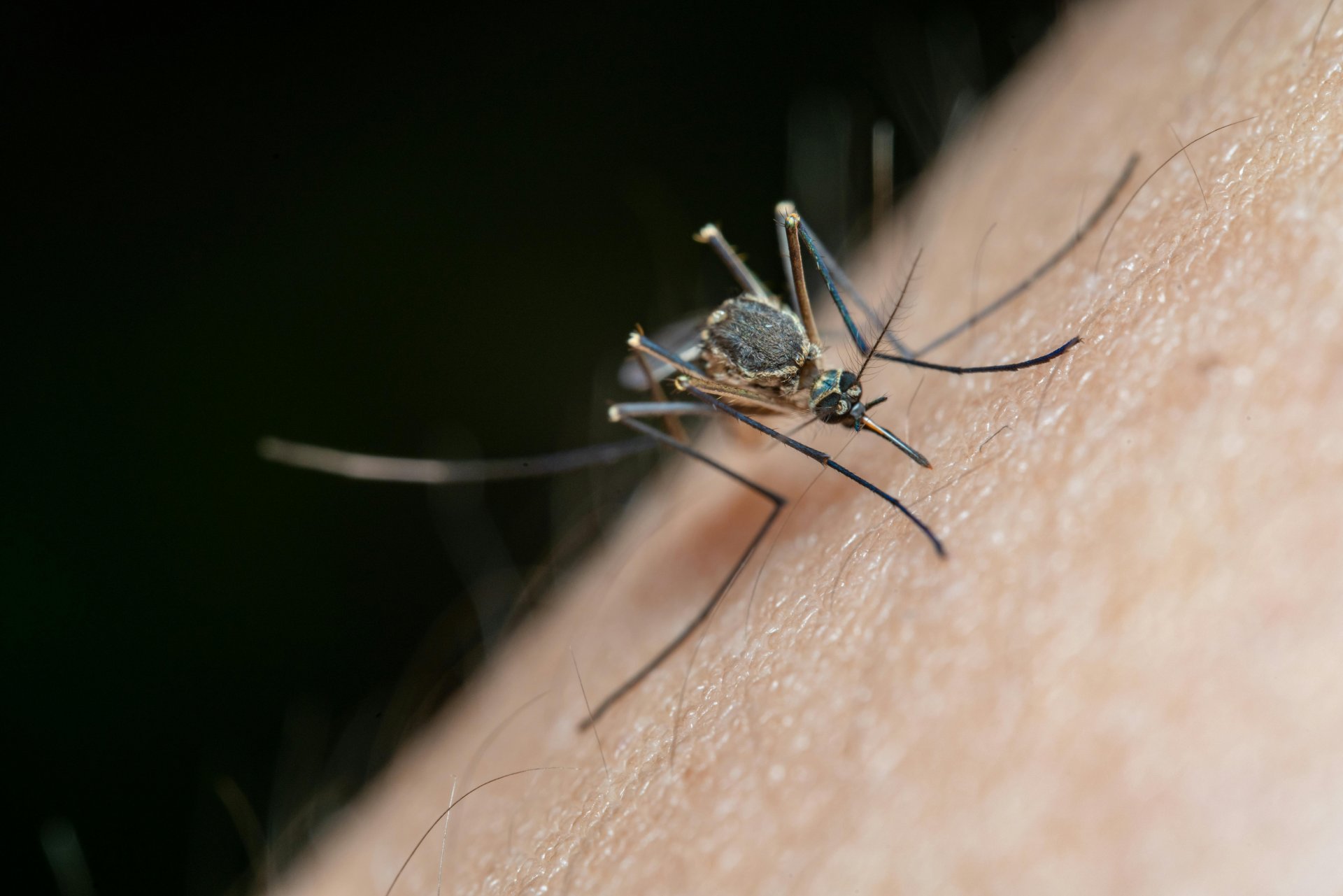
Dengue fever differs from other mosquito-borne diseases in ways that directly affect traveler behavior. Unlike malaria, dengue is a viral infection and is transmitted by mosquitoes that bite primarily during the daytime. These mosquitoes are commonly found in urban environments, not just rural or jungle settings.
Symptoms typically appear within four to seven days after infection and include fever, headaches, muscle and joint pain, and rash. While most cases resolve with rest and hydration, approximately 20% of patients develop more severe illness.
The most serious form, dengue hemorrhagic fever, can involve bleeding, reduced platelet counts and organ complications. Adults and individuals previously exposed to dengue are at greater risk for severe outcomes.
There is no medication available to prevent dengue. Treatment focuses on managing symptoms, maintaining hydration and avoiding certain medications such as ibuprofen or aspirin due to bleeding risk. Prevention, therefore, remains the most effective strategy.
Mosquito Illness Prevention Requires Consistency
Preventing dengue and other mosquito illness exposure requires disciplined behavior. Travelers should approach mosquito protection as a constant, not situational, precaution.
Wearing long sleeves and pants, using EPA-registered insect repellent and securing sleeping areas with mosquito netting significantly reduce risk. Travelers should also be aware that mosquito exposure can occur in cities, hotels and transportation hubs, not just outdoor environments.
Mosquito populations increase during rainy seasons and in areas with standing water, making late spring and early summer higher-risk periods in many regions. These same conditions support the spread of other diseases such as malaria, Zika and West Nile virus, reinforcing the importance of consistent prevention.
The Vaccine Lag, The Resurgence of Measles and Polio Persistence
While dengue reflects environmental and climate-driven risk, another trend is driven by human behavior: declining vaccination coverage.
In 2026, measles is resurging in multiple regions, including North America and Europe. The disease remains highly contagious, capable of spreading through brief exposure in crowded environments such as airports, train stations and public transit systems.
Even short travel itineraries can involve multiple exposure points. Travelers who are not fully immunized are at significantly higher risk, particularly in transit hubs where global populations intersect.
The issue is not the absence of vaccines, but gaps in immunization. Many travelers assume prior vaccination provides lifelong protection, but incomplete vaccination schedules, missed boosters or waning immunity can leave individuals vulnerable.
Polio remains a global health concern, though its risk profile differs from measles. Active transmission continues in specific regions, and international travel contributes to its spread across borders.
Health authorities maintain travel advisories for polio, particularly for travelers visiting or transiting through affected countries. While the risk to most travelers remains low, ensuring polio vaccination is current is a standard component of pre-travel health preparation.
Pre-Travel Health Screening: A Strategic Requirement
The convergence of mosquito illness risk and vaccine-preventable disease resurgence makes pre-travel health screening essential.
Travelers should confirm they are up to date on routine vaccinations, including measles, mumps and rubella, as well as diphtheria, tetanus and polio. Additional vaccines may be required depending on destination, including yellow fever, hepatitis A and B, typhoid and Japanese encephalitis.
Timing is critical. Many vaccines require days or weeks to become fully effective. Measles protection typically develops within two weeks, while others require multi-dose schedules over months.
A comprehensive health review should also include medical history, current medications and destination-specific risks such as altitude exposure, malaria zones and foodborne illness.
According to Merck Manuals, approximately one in 30 travelers requires emergency medical care abroad. Despite this, many travelers fail to research healthcare availability at their destination, leaving them unprepared for emergencies.
What distinguishes travel health risk in 2026 is not any single threat, but the interaction of multiple risks. A traveler moving through Southeast Asia may face dengue exposure while also passing through international hubs where measles outbreaks are occurring. This layered risk environment requires layered preparation. Preventive behavior, vaccination and contingency planning must work together.
The Global Rescue Connection
Health risks rarely occur in ideal conditions. When illness strikes abroad, particularly in remote or resource-limited environments, access to care becomes the defining factor.
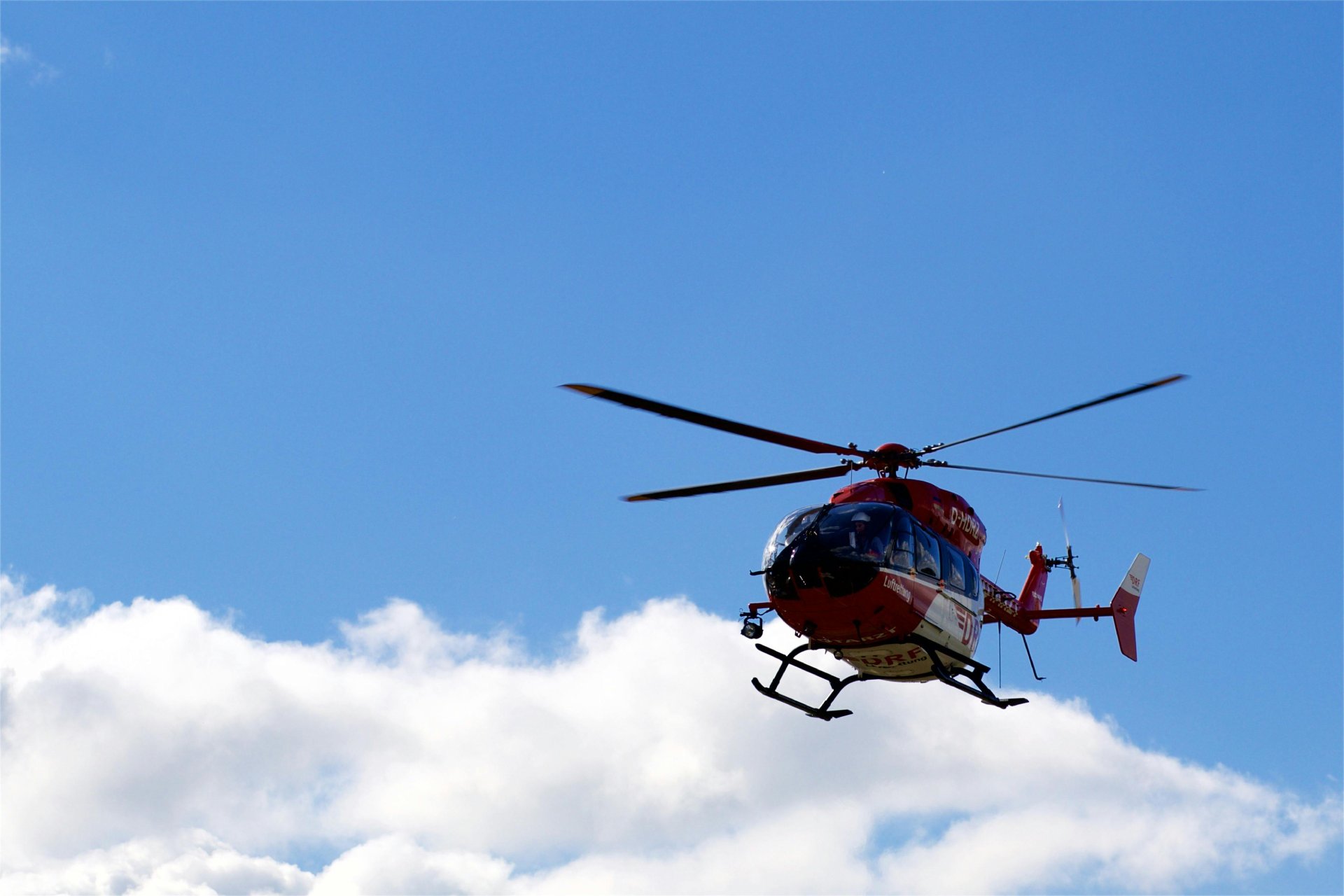
A case involving dengue fever in Nepal illustrates this reality. A Global Rescue member trekking in a remote Yak territory experienced persistent fever, headaches and muscle pain. When symptoms failed to improve, Global Rescue initiated a helicopter field rescue and transported the member to a hospital in Kathmandu. Dengue fever was confirmed through testing, and with proper care, hydration and rest, the member recovered successfully.
This example underscores how quickly a mosquito illness can escalate into a situation requiring evacuation and coordinated care.
A Global Rescue membership provides critical support in these scenarios. Field rescue enables extraction from remote or hard-to-reach locations. Medical evacuation ensures transport to the most appropriate facility, not simply the nearest one. Medical advisory services connect travelers with experienced professionals who can guide decisions in real time.
Members also have access to Global Rescue destination reports, which outline required vaccines and immunizations, as well as the risk of diseases like dengue and others before travel begins. In a travel environment defined by persistent mosquito illness risk and gaps in vaccination coverage, preparation is no longer optional. It is the foundation of safe, confident travel.
Get a price estimate
Estimate
$0.00
Please answer all questions for estimate.
(Lebanon, NH – May 26, 2026) – Security extraction capabilities and real-time intelligence are emerging as foundational expectations among international travelers, according to new data from the Global Rescue Spring 2026 Traveler Sentiment and Safety Survey. The findings reveal not only strong overall demand for security support, but also meaningful differences in how risk is perceived across genders and between US-based and non-US-based travelers.
More than three-quarters of respondents (77%) say security extraction services are either very important (44%) or important (33%) when traveling internationally. However, the intensity of that concern varies significantly. A majority of women (53%) rate extraction as very important, compared to just 38% of men — a nearly 15-point gap that underscores a higher level of risk sensitivity among female travelers.
Geographic differences are also notable. Half of non-US-based travelers (50%) consider extraction services very important, compared to 43% of US-based respondents, suggesting heightened awareness or exposure to travel risk outside the United States.
“Extraction is no longer viewed as an extreme or niche capability, it’s becoming a baseline expectation for serious international travelers,” said Dan Richards, CEO of The Global Rescue Companies. “What’s particularly important is how clearly the data shows different traveler segments evaluating risk through different lenses.”
Access to real-time security intelligence is also a powerful enabler of travel. More than 81% of respondents say such intelligence would increase their willingness to travel to foreign or remote destinations, including 54% who say they would be very likely or 100% willing to travel with access to that information.
Women again show more sensitivity to risk mitigation tools: 25% say real-time intelligence would definitely increase their willingness to travel, compared to 21% of men. Non-US-based travelers are also more responsive, with 26% indicating “yes, 100%,” versus 21% of US-based respondents.
At the same time, women are more likely to express hesitation overall, with 20% saying they are not very likely to be influenced by real-time intelligence, compared to 14% of men—highlighting a more polarized risk posture.
Growing concerns about safety in international travel are already translating into action. Global Rescue reports a 30% increase in security membership purchases so far this year compared to the same period in 2025, underscoring rising demand for professional travel risk management services.
When ranking specific protections, travelers overwhelmingly prioritize outcomes over advisory services. Physical extraction in response to bodily threat ranks as the most important capability by a wide margin, with 62% selecting it as their top priority.
Other high-ranking services include:
- Comprehensive kidnapping, extortion and violent crime support (47% most important)
- Expert-led security incident response and negotiation (41%)
- Security advisory services (33%)
Notably, traditional preparedness measures such as training rank lower, reinforcing that travelers place the highest value on immediate, decisive intervention during crises.
When asked what would most influence their decision to obtain security services, travelers point primarily to situational risk:
- Traveling to a high-risk destination (31%) is the leading trigger, especially among non-US-based travelers (36% vs. 30% US-based)
- Spikes in threats targeting foreigners (20%)
- Destinations with inadequate emergency response infrastructure (17%)
“These triggers reinforce a key point: demand for security services is highly contextual,” Richards added. “It’s not just who the traveler is—it’s where they’re going and what’s happening on the ground in real time.”
About the Global Rescue Traveler Sentiment and Safety Survey
Global Rescue, the leading travel risk and crisis response provider, surveyed more than 1,200 current and former members between April 7–13, 2026. Respondents shared their attitudes, behaviors and preferences related to travel safety, technology and global mobility.
About Global Rescue
Global Rescue is the world’s leading provider of medical, security, evacuation and travel risk management services to enterprises, governments and individuals. Founded in 2004, Global Rescue maintains exclusive relationships with the Johns Hopkins Emergency Medicine Division of Special Operations and Elite Medical Group. The company has provided medical and security support during every major global crisis over the past two decades.
Categories:
TravelMay 26, 2026
Article Highlights:
- African nations are tightening and closely monitoring CITES quotas for elephants, leopards and black rhinos.
- USFWS and CITES permit requirements are becoming more complex for hunters importing trophies.
- European countries are expanding or considering trophy import bans for protected species.
- Improper documentation or unauthorized quotas can lead to immediate seizure of hunting trophies.
- Global Rescue memberships provide field rescue, medical evacuation and destination intelligence for hunters operating in remote regions.
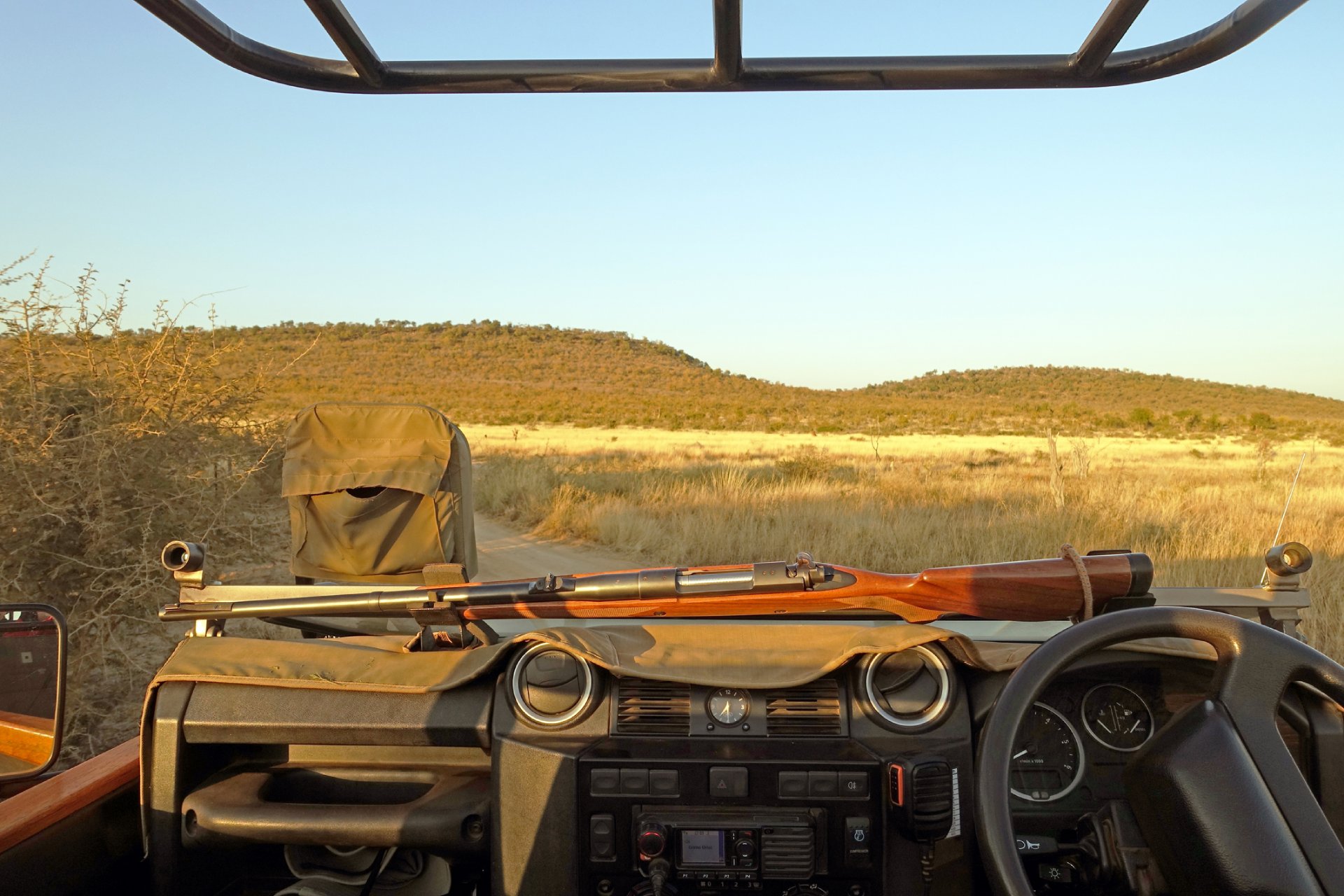
International hunting travel is entering a new era of regulation, scrutiny and logistical complexity. For the 2026-2027 hunting seasons, hunters pursuing big-game expeditions abroad are facing evolving trophy import laws, tighter enforcement of CITES permits, shifting wildlife quotas and increasingly restrictive government oversight.
What once involved primarily outfitter coordination and firearm transport paperwork now requires a far deeper understanding of international wildlife law, federal permit systems and cross-border compliance. The stakes are high. Mistakes involving permits, export documentation or trophy processing can result in confiscated trophies, denied imports, financial penalties and potentially criminal violations.
The most significant changes center on African wildlife quotas, stricter US Fish and Wildlife Service oversight and growing European resistance to trophy imports involving protected species. For hunters planning international expeditions, particularly in Africa, understanding these developments is no longer optional.
African Wildlife Quotas Are Under Intensifying Scrutiny
Southern Africa remains the center of the global hunting industry for species such as elephants, leopards, buffalo and black rhinos. Countries including South Africa, Namibia, Botswana and Zimbabwe continue to rely on carefully managed hunting revenue to support conservation programs, anti-poaching operations and local economies.
However, international pressure surrounding trophy hunting has intensified dramatically. Conservation groups, foreign governments and wildlife advocacy organizations continue to challenge quota systems, leading to greater oversight and more aggressive enforcement.
For the 2026-2027 seasons, updated CITES export quotas have been implemented across several Southern African range states. These quotas regulate how many animals from protected species may legally be hunted and exported each year.
The critical issue for hunters is verification. Hunters must ensure their outfitter is operating directly through the relevant state wildlife management authority and using officially authorized quota allocations. Unauthorized or improperly documented quotas can trigger immediate seizure of trophies at border inspections or denial of export permits.
This is especially important for highly scrutinized species such as: elephants, leopards, black rhinos and Appendix-I listed wildlife. Even when hunts are legally conducted within the host country, discrepancies in documentation or quota authorization can create major problems during export or reentry into the United States or Europe.
The days of relying solely on an outfitter’s assurances are effectively over. Hunters now need independent confirmation that quota allocations are legitimate and properly documented.
USFWS and CITES Requirements Are Becoming More Demanding
For American hunters, importing trophies into the US has become significantly more complex. The US Fish and Wildlife Service now applies heightened scrutiny to ESA-listed species and Appendix-I wildlife under the Convention on International Trade in Endangered Species of Wild Fauna and Flora, commonly known as CITES.
Import approvals increasingly depend on demonstrating what regulators call an “enhancement of survival” finding. In practical terms, this means hunters and outfitters must show that the hunt directly contributes to legitimate wildlife conservation efforts.
Federal authorities are looking more closely at: how hunting revenue supports conservation; whether local communities benefit economically; what anti-poaching funding structures are in place; what are the wildlife population management plans and evidence of scientific sustainability data. This documentation burden falls heavily on both outfitters and hunters.
For many species, importing trophies now requires permits for original CITES exports and USFWS imports. Officials are also seeking ESA compliance documentation, proof of legal harvest and verification of conservation enhancement. Failure to secure original documentation before shipment can create severe delays or outright denial of import approval.
Hunters should also understand that photocopies or digital scans are often insufficient. Original paperwork remains essential for many trophy imports.
Dip-and-Pack Rules Are Receiving Greater Enforcement
Another major area of enforcement involves USDA processing requirements commonly referred to as “dip and pack” rules. Raw or unfinished hunting trophies, particularly skulls, hides, horns and capes, present biosecurity concerns tied to animal diseases and agricultural contamination.
As a result, US authorities require certain trophies to undergo sterilization and preparation procedures before entering the country. This process typically includes: chemical sterilization; boiling and cleaning; salting and preservation, packaging by approved facilities and shipment to USDA-approved taxidermists. Hunters attempting to shortcut these requirements face substantial risks. Improperly processed trophies may be quarantined, denied entry or destroyed.
The enforcement environment surrounding animal imports has become far less forgiving, particularly following increased global attention on zoonotic disease transmission and agricultural protection. For international hunters, working with experienced import brokers and taxidermists is becoming nearly as important as selecting the right professional hunting outfitter.
Tariff Rules Are Changing How Trophies Must Be Classified
An overlooked but increasingly important issue involves tariff classification. Sport-hunted trophies imported for personal use generally remain exempt from reciprocal trade tariffs. However, hunters must ensure customs paperwork clearly identifies trophies as legally harvested sport-hunted items. Problems emerge when customs officials believe imported wildlife products resemble commercial goods or purchased curios.
Incorrect classification can trigger: significant tariffs; import penalties; extended customs holds; additional inspections; and potential seizure. Hunters transporting processed ivory, mounted trophies or decorative wildlife products should be especially cautious about documentation accuracy. Clear chain-of-custody records and professional import brokerage support are becoming increasingly valuable safeguards.
Europe Is Becoming Far More Restrictive
Perhaps the most significant philosophical shift in international hunting regulation is occurring in Europe. Several European countries, including Belgium, France, Italy and Poland, have tightened restrictions or are actively considering broad bans on hunting trophy imports involving protected species.
The movement reflects changing public attitudes toward trophy hunting within parts of Europe and growing political pressure from conservation advocacy groups. For European hunters, this creates substantial uncertainty.
Even legally harvested trophies may face import denials depending on: species classification; country of origin; conservation status; national wildlife policy changes and individual permit reviews. Hunters residing in EU countries should consult their national wildlife authorities before booking hunts abroad. In some cases, import permits may not be granted at all, regardless of whether the hunt itself is legal.
This evolving regulatory environment is forcing hunters to think strategically about destination selection, species choices and long-term trophy import feasibility.
International Hunting Travel Still Carries Significant Medical and Security Risks
Regulatory complexity is only one challenge facing international hunters. Many hunts occur in remote regions where medical infrastructure is limited, evacuation routes are difficult and communication systems may be unreliable. Cardiac events, orthopedic injuries, infections, dehydration and vehicle accidents remain among the most common medical emergencies during international hunts.
Wildlife encounters, environmental exposure and remote terrain add further risk. For aging hunters or those with preexisting medical conditions, the margin for error narrows significantly in isolated regions of Africa, Central Asia or remote wilderness environments. These realities make emergency planning just as important as permit compliance.
The Global Rescue Connection
International hunting expeditions often take place far from advanced hospitals, paved roads or reliable emergency response systems. A Global Rescue membership provides hunters with a critical layer of protection when medical or security emergencies occur in remote environments.
Membership services include field rescue, medical evacuation, 24/7 medical advisory support and Destination Reports that help hunters understand local medical capabilities, regional security conditions and infrastructure limitations before departure.
These services become especially important during hunts conducted deep in wilderness areas where local evacuation capabilities may be minimal.
In Mozambique, a 70-year-old Texas hunter with a history of congenital heart disease began experiencing symptoms consistent with a heart attack while on a remote hunting expedition in southeast Africa. Despite receiving clearance from his cardiologist before travel, he developed leg edema and difficulty breathing roughly one week into the hunt.
After consultation with a TotalCare Consult physician, Global Rescue determined that the member required immediate in-person evaluation and conducted a field rescue from the remote hunting camp to Instituto Do Coração in Maputo. Following treatment for congestion, the member was discharged to his hotel while Global Rescue medical personnel continued monitoring his recovery until he was medically cleared to return home to Texas.
In Ethiopia, another hunter faced an equally dangerous emergency while on safari in a remote mountain region. Although surrounded by dangerous wildlife including lions, leopards, elephants and buffalo, the greatest threat emerged from a sudden medical crisis. The hunter began displaying classic stroke symptoms including slurred speech and impaired motor function.
His professional hunting guide transported him to a basic local clinic before contacting Global Rescue. With local medical resources limited and conditions unstable, Global Rescue rapidly coordinated an air ambulance evacuation to a neurological facility in Nairobi, Kenya, where the member was treated by a US-trained neurosurgeon and monitored by a deployed Global Rescue paramedic. Once stabilized, the member was medically evacuated back to the United States for continued recovery and care.
These incidents underscore a reality many hunters underestimate: even expertly planned expeditions can deteriorate quickly when serious medical emergencies occur far from advanced care.
A Global Rescue membership ensures hunters have direct access to field rescue, medical evacuation to the hospital of their choice, real-time medical advisory support and security advisory services during natural disasters, political instability or transportation disruptions.
As international hunting regulations become more complicated and hunts continue pushing deeper into remote regions, preparation must extend beyond permits and trophies. The modern international hunter needs both regulatory readiness and operational protection.
Global Rescue helps provide both the confidence to explore and the ability to respond when conditions change unexpectedly.
Get a price estimate
Estimate
$0.00
Please answer all questions for estimate.