Article Highlights:

  • Dengue remains a widespread global threat following record-setting recent outbreaks
  • Daytime-biting mosquitoes and urban spread increase exposure risk for travelers
  • Measles resurgence is rising in major transit hubs due to declining vaccination rates
  • Polio remains a global concern with active transmission in select regions
  • Pre-travel health screening and Global Rescue services help close critical safety gaps


International travel in 2026 is shaped by a new health reality. While global mobility continues to expand, so does exposure to infectious disease risks that are evolving in both scale and geography. Two overlapping forces define this environment: the sustained global threat of dengue and other mosquito illness risks following recent record outbreaks, and a widening vaccine gap contributing to the reemergence of diseases such as measles and, in select regions, polio.

For travelers, these are not abstract risks. They are practical considerations that influence where you go, how you prepare and how you respond if something goes wrong.


Dengue Fever and the Vaccine Lag Facing Modern Travelers

Dengue fever continues to represent one of the most significant mosquito-borne illness threats worldwide. Each year, an estimated 400 million people are infected, with approximately 100 million developing symptomatic illness. Recent years have seen unprecedented global activity, including record case counts, underscoring how rapidly dengue is expanding beyond traditional geographic boundaries.

Outbreaks remain concentrated in Southeast Asia, Latin America, the Caribbean and parts of Africa, but risk is no longer limited to these regions. Climate change, urbanization and increased global mobility are enabling mosquito populations to expand into new areas.

Research from the London School of Hygiene & Tropical Medicine suggests that under high-emissions scenarios, up to 8.4 billion people could be at risk of mosquito-borne diseases like dengue and malaria by the end of the century. While this represents a future projection, it highlights the trajectory already underway.

For travelers, the implication is clear: dengue risk is persistent, global and increasingly difficult to predict.


What Travelers Need To Understand

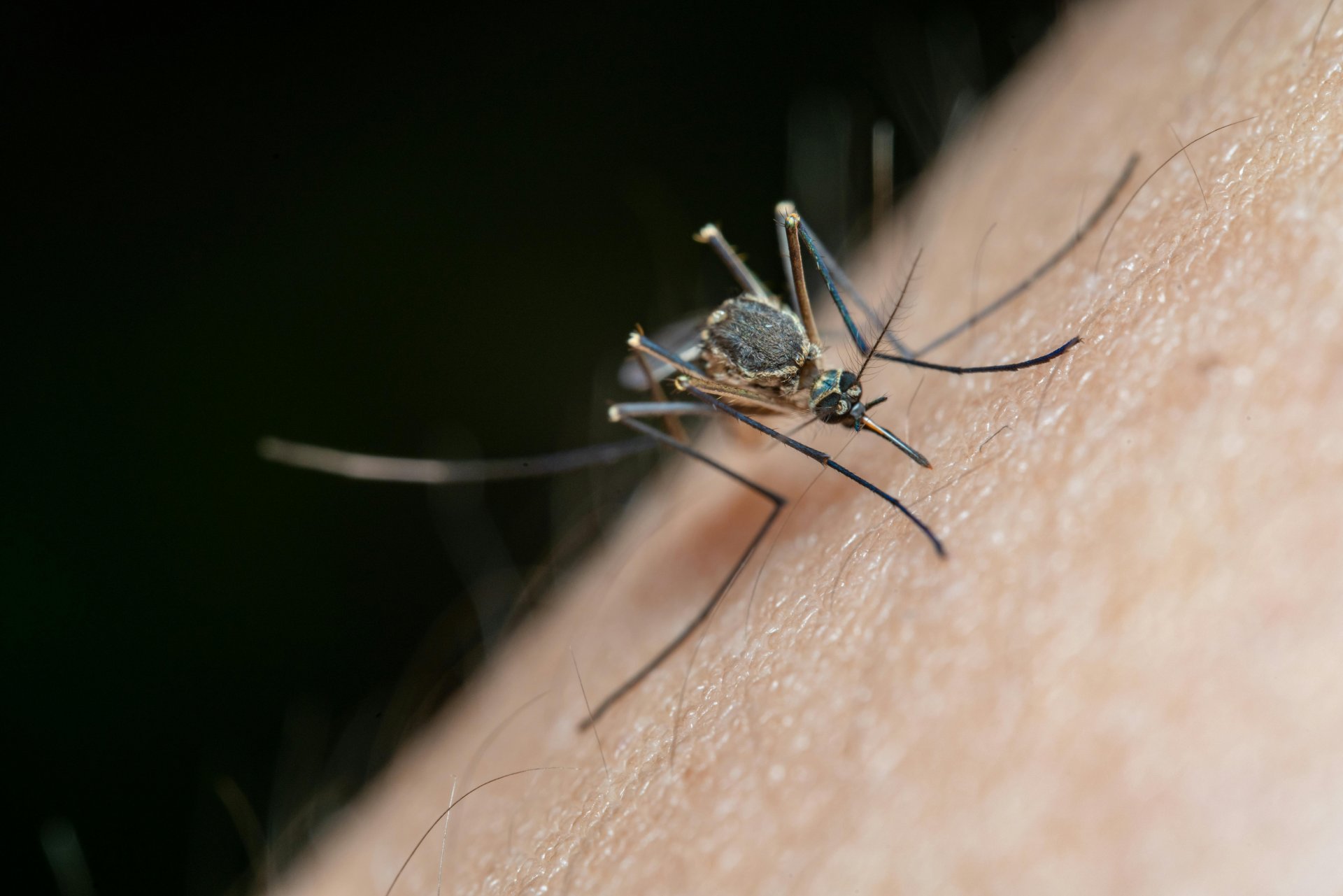
Dengue fever differs from other mosquito-borne diseases in ways that directly affect traveler behavior. Unlike malaria, dengue is a viral infection and is transmitted by mosquitoes that bite primarily during the daytime. These mosquitoes are commonly found in urban environments, not just rural or jungle settings.

Symptoms typically appear within four to seven days after infection and include fever, headaches, muscle and joint pain, and rash. While most cases resolve with rest and hydration, approximately 20% of patients develop more severe illness.

The most serious form, dengue hemorrhagic fever, can involve bleeding, reduced platelet counts and organ complications. Adults and individuals previously exposed to dengue are at greater risk for severe outcomes.

There is no medication available to prevent dengue. Treatment focuses on managing symptoms, maintaining hydration and avoiding certain medications such as ibuprofen or aspirin due to bleeding risk. Prevention, therefore, remains the most effective strategy.


Mosquito Illness Prevention Requires Consistency

Preventing dengue and other mosquito illness exposure requires disciplined behavior. Travelers should approach mosquito protection as a constant, not situational, precaution.

Wearing long sleeves and pants, using EPA-registered insect repellent and securing sleeping areas with mosquito netting significantly reduce risk. Travelers should also be aware that mosquito exposure can occur in cities, hotels and transportation hubs, not just outdoor environments.

Mosquito populations increase during rainy seasons and in areas with standing water, making late spring and early summer higher-risk periods in many regions. These same conditions support the spread of other diseases such as malaria, Zika and West Nile virus, reinforcing the importance of consistent prevention.


The Vaccine Lag, The Resurgence of Measles and Polio Persistence

While dengue reflects environmental and climate-driven risk, another trend is driven by human behavior: declining vaccination coverage.

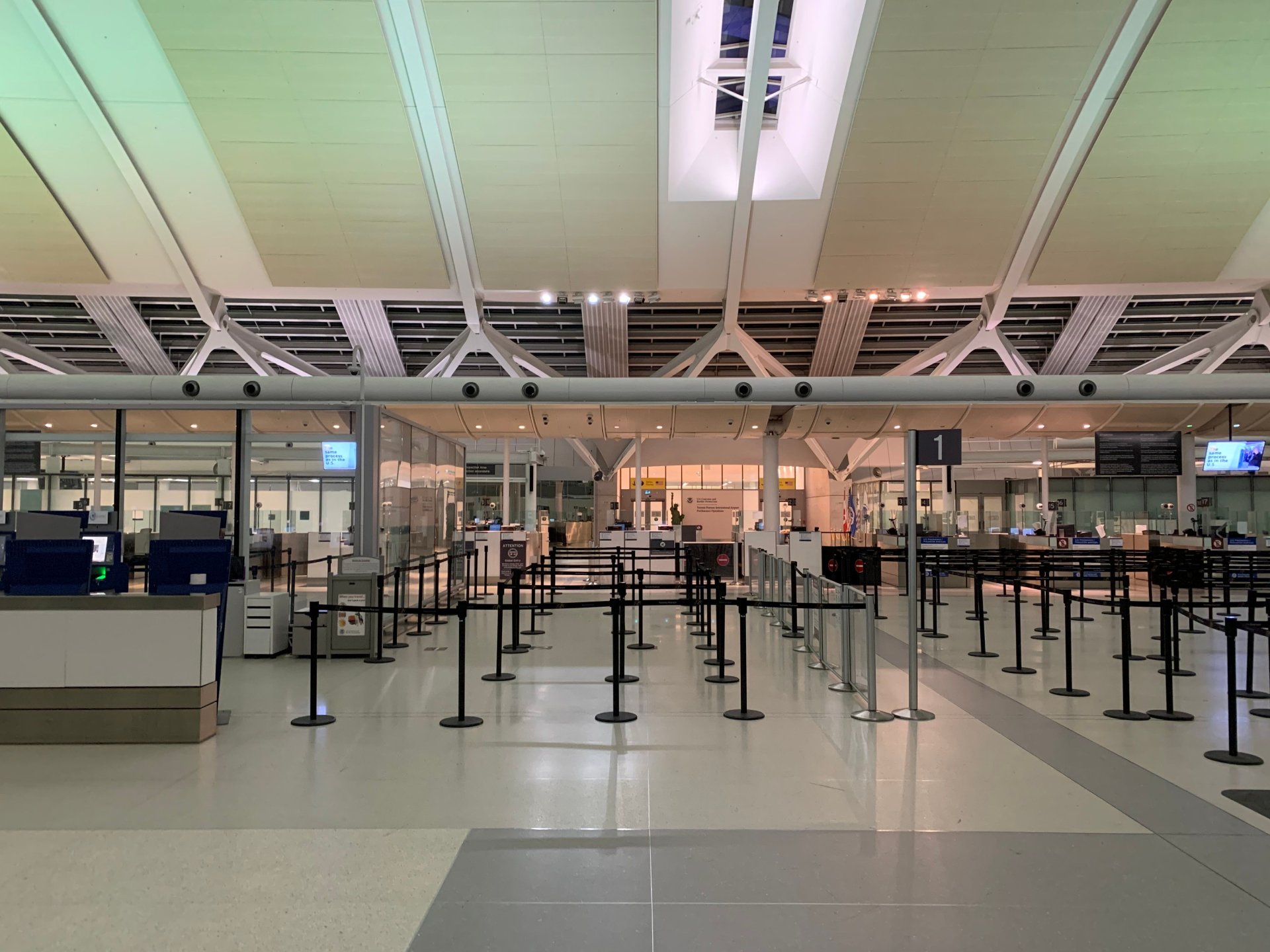
In 2026, measles is resurging in multiple regions, including North America and Europe. The disease remains highly contagious, capable of spreading through brief exposure in crowded environments such as airports, train stations and public transit systems.

Even short travel itineraries can involve multiple exposure points. Travelers who are not fully immunized are at significantly higher risk, particularly in transit hubs where global populations intersect.

The issue is not the absence of vaccines, but gaps in immunization. Many travelers assume prior vaccination provides lifelong protection, but incomplete vaccination schedules, missed boosters or waning immunity can leave individuals vulnerable.

Polio remains a global health concern, though its risk profile differs from measles. Active transmission continues in specific regions, and international travel contributes to its spread across borders.

Health authorities maintain travel advisories for polio, particularly for travelers visiting or transiting through affected countries. While the risk to most travelers remains low, ensuring polio vaccination is current is a standard component of pre-travel health preparation.


Pre-Travel Health Screening: A Strategic Requirement

The convergence of mosquito illness risk and vaccine-preventable disease resurgence makes pre-travel health screening essential.

Travelers should confirm they are up to date on routine vaccinations, including measles, mumps and rubella, as well as diphtheria, tetanus and polio. Additional vaccines may be required depending on destination, including yellow fever, hepatitis A and B, typhoid and Japanese encephalitis.

Timing is critical. Many vaccines require days or weeks to become fully effective. Measles protection typically develops within two weeks, while others require multi-dose schedules over months.

A comprehensive health review should also include medical history, current medications and destination-specific risks such as altitude exposure, malaria zones and foodborne illness.

According to Merck Manuals, approximately one in 30 travelers requires emergency medical care abroad. Despite this, many travelers fail to research healthcare availability at their destination, leaving them unprepared for emergencies.

What distinguishes travel health risk in 2026 is not any single threat, but the interaction of multiple risks. A traveler moving through Southeast Asia may face dengue exposure while also passing through international hubs where measles outbreaks are occurring. This layered risk environment requires layered preparation. Preventive behavior, vaccination and contingency planning must work together.


The Global Rescue Connection

Health risks rarely occur in ideal conditions. When illness strikes abroad, particularly in remote or resource-limited environments, access to care becomes the defining factor.

A case involving dengue fever in Nepal illustrates this reality. A Global Rescue member trekking in a remote Yak territory experienced persistent fever, headaches and muscle pain. When symptoms failed to improve, Global Rescue initiated a helicopter field rescue and transported the member to a hospital in Kathmandu. Dengue fever was confirmed through testing, and with proper care, hydration and rest, the member recovered successfully.

This example underscores how quickly a mosquito illness can escalate into a situation requiring evacuation and coordinated care.

A Global Rescue membership provides critical support in these scenarios. Field rescue enables extraction from remote or hard-to-reach locations. Medical evacuation ensures transport to the most appropriate facility, not simply the nearest one. Medical advisory services connect travelers with experienced professionals who can guide decisions in real time.

Members also have access to Global Rescue destination reports, which outline required vaccines and immunizations, as well as the risk of diseases like dengue and others before travel begins. In a travel environment defined by persistent mosquito illness risk and gaps in vaccination coverage, preparation is no longer optional. It is the foundation of safe, confident travel.