Categories:
TravelOctober 8, 2026
Article Highlights:
- Gen Z preferences emphasize culturally immersive, budget-conscious and adventure-oriented experiences in destinations such as Japan, Mexico City and Lisbon.
- Millennial preferences combine adventure, wellness, food and relaxation, with Costa Rica and the Amalfi Coast among the leading destinations.
- Gen X preferences emphasize premium relaxation, outdoor escapes, cultural experiences and destinations suitable for multigenerational travel.
- Baby Boomer preferences favor comfortable, structured and bucket-list travel, including European river cruises, Alaska journeys and luxury rail trips.
- Regardless of generation, knowing the quality of local medical facilities and emergency healthcare before departure can be as important as choosing where to stay.
American travelers do not necessarily want the same things from a vacation. Generational travel preferences can reflect differences in budgets, travel goals and life stages, producing noticeably different combinations of destinations and activities. The distinctions are not absolute. Travelers of any age can enjoy any destination or travel style. But looking at the leading preferences associated with Gen Z, Millennials, Gen X and Baby Boomers reveals some useful patterns in what each group is seeking from a trip.
Gen Z: Culture, Adventure and Shareable Experiences
Born between 1997 and 2012, Gen Z travel preferences tend to be budget-conscious, socially influenced, culturally immersive and adventure-oriented. Cultural immersion, set-jetting and bucket-list experiences are among the principal motivators associated with this generation.
Japan, particularly Tokyo and Kyoto, fits those interests through pop-culture exploration, street food and viral digital art exhibits. The combination gives travelers access to both highly contemporary experiences and some of Japan’s best-known cultural destinations.
Mexico City offers another strong mix of culture and entertainment. Culinary crawls, nightlife and institutions such as the Frida Kahlo Museum combine food, history and social experiences within one major urban destination.
Lisbon provides a relatively budget-friendly entry point to European travel, with cafe-hopping, urban exploration and access to coastal surfing. San Juan, Puerto Rico combines tropical beaches with bioluminescent bay kayaking and music events.
Washington, D.C. offers another affordable city option. Free Smithsonian museums, food trucks and numerous attractions allow travelers to build an activity-rich itinerary while limiting admission costs.
Across these five destinations, the strongest themes are cultural exploration, distinctive experiences, affordability and active participation.
Millennials: Experience, Wellness and Flexibility
Born between 1981 and 1996, Millennials are associated with an experience-focused, wellness-oriented and family-friendly approach to travel. Their leading motivators include work-life balance, eco-tourism and wellness experiences, which are reflected in destinations offering both activity and opportunities to relax.
Costa Rica is a particularly strong example. Rainforest ziplining, eco-lodge stays, volcano hikes and yoga retreats create several different ways to experience the destination within a single trip. The Amalfi Coast in Italy combines boat excursions, food and wine tastings and dramatic coastal scenery. Maui offers snorkeling, beach relaxation, the Road to Hana and luxury resort stays.
Reykjavik and the surrounding areas of Iceland introduce a more adventure-oriented combination, including thermal lagoons, Northern Lights excursions and glacier hiking. Charleston, South Carolina provides a domestic alternative centered on boutique hotels, farm-to-table dining and historic walking tours.
Together, these destinations illustrate a preference for trips that can combine memorable experiences, wellness, food, nature and relaxation rather than focusing on only one type of activity.
Gen X: Relaxation, Culture and Outdoor Experiences
Gen X, born between 1965 and 1980, is associated with premium relaxation, multigenerational balance and cultural depth. The group’s principal travel motivators include unwinding, spending time outdoors with family and culinary travel.
Tuscany reflects those priorities through private villa rentals, vineyard visits and regional cooking classes. The destination offers both a relaxed setting and opportunities to engage directly with local food and culture. The Scottish Highlands provide a different kind of cultural experience through historic castle tours, Scotch whisky distillery tastings and scenic road trips.
Lake Tahoe combines outdoor recreation and group travel. Depending on the season, visitors can pursue water sports, hiking or skiing while using family cabin stays as a base. Banff National Park in Canada also emphasizes outdoor experiences, including kayaking, wildlife spotting and mountain photography, alongside luxury lodge accommodations. The Outer Banks of North Carolina is particularly suited to multigenerational trips, with beach house rentals, deep-sea fishing, beaches and lighthouse tours offering different activities within the same destination.
The common thread is a combination of comfort, culture, outdoor recreation and opportunities for groups to spend time together.
Baby Boomers: Comfort, Bucket Lists and Structured Travel
Baby Boomers, born between 1946 and 1964, are associated with comfortable luxury, bucket-list fulfillment and guided or structured travel. Their principal motivators include leisure, history, soft adventure and easier logistics.
European river cruises along waterways such as the Rhine and Danube closely match those preferences. Travelers can pass castles and historic landscapes while participating in guided medieval city tours and wine tastings, all within an itinerary where transportation and accommodations are largely integrated.
Japan also appears among Baby Boomer preferences. High-end cultural tours, bullet train travel, temple visits and garden strolls provide a structured way to experience Tokyo, Kyoto and other major destinations. Alaska cruise-and-rail itineraries combine glacier viewing, whale watching, wildlife excursions and scenic train rides. They provide access to wilderness experiences while retaining a relatively structured travel format.
Hilton Head Island, South Carolina emphasizes leisure through championship golf, tennis, pickleball, beach relaxation and upscale seafood dining. The Canadian Rockies offer another scenery-focused experience, particularly through rail journeys such as the Rocky Mountaineer, with mountain views and national park sightseeing forming much of the attraction.
These preferences point toward travel that combines significant destinations and experiences with comfortable transportation, accommodations and organized logistics.
Different Generations, Overlapping Interests
The distinctions among generations are useful for identifying trends, but they should not be treated as rigid descriptions of individual travelers. The destinations themselves demonstrate considerable overlap. Japan appeals to both Gen Z and Baby Boomers, although the activities associated with each group differ. Outdoor recreation appears in Millennial, Gen X and Baby Boomer preferences. Food and cultural experiences appear across nearly every generation.
What changes most is the combination of priorities.
Gen Z preferences emphasize budget consciousness, cultural immersion and adventure. Millennial preferences bring together experiences, wellness and eco-tourism. Gen X preferences emphasize relaxation, family-oriented outdoor experiences and culinary travel. Baby Boomer preferences place greater emphasis on leisure, history, soft adventure and structured logistics.
Those patterns can help travelers, travel planners and tourism providers understand how different types of trips may appeal to different audiences without assuming that age alone determines how someone wants to travel.
One consideration, however, applies regardless of generation: understanding what happens if illness, injury or another emergency interrupts the trip.
The Global Rescue Connection
Choosing Tokyo instead of Tuscany or Costa Rica instead of the Canadian Rockies is the exciting part of planning a trip. Understanding what medical care would look like after an unexpected illness or injury deserves just as much attention.
Medical capability can vary significantly not only from country to country, but within the same destination. A sophisticated urban medical center and a healthcare facility near a remote beach, national park, mountain region or cruise port may offer very different emergency capabilities.
Global Rescue Destination Reports help travelers evaluate those differences before departure. The reports provide destination-specific information that can help travelers understand local medical facilities, healthcare capabilities, security conditions and other factors that could become critical during an emergency. Destination-specific medical infrastructure is an important consideration when travelers increasingly seek new or less familiar places.
That information can be useful whether the itinerary involves surfing near Lisbon, hiking in Costa Rica, exploring Banff, traveling through the Scottish Highlands or taking an Alaska cruise-and-rail journey. The relevant question is not the traveler’s generation but whether appropriate medical care will be available if something goes wrong.
Global Rescue membership also includes field rescue, medical evacuation to the hospital of the member’s choice, 24/7 medical advisory support and security advisory services during natural disasters or disruptions. Expert medical teams can help members evaluate symptoms, understand local treatment options and determine whether available facilities are capable of providing the necessary care.
Global Rescue memberships are not insurance. There are no claim forms, deductibles or extra costs for covered services. Unlike reimbursement-oriented travel insurance, Global Rescue provides direct rescue, evacuation and medical support services when members need assistance.
Whether a traveler is exploring Tokyo street food, hiking through a Costa Rican rainforest, staying at a Tuscan villa or viewing glaciers in Alaska, preparation should extend beyond reservations and activities. Know the destination. Know the available medical resources. Know how you will get help if local capabilities are not enough.
Get a price estimate
Estimate
$0.00
Please answer all questions for estimate.
Categories:
Places & PartnersTravelOctober 7, 2026
Article Highlights:
- Greece’s Oxi Day is generally very safe, but parades, rallies, street closures and transit disruptions can complicate travel in central Athens.
- Castanyada celebrations in Catalonia pose little physical danger, though crowded areas of Barcelona can create opportunities for pickpocketing and purse snatching.
- Samhain celebrations in Ireland and Scotland bring weather-related risks, particularly wet roads, cold temperatures, darkness and rural driving hazards.
- Ireland is currently a Level 1 destination, while Scotland falls under the United Kingdom’s Level 2 advisory, making destination-specific planning important even during the same cultural celebration.
- Global Rescue Destination Reports can help travelers understand local medical infrastructure and emergency healthcare capabilities before an incident occurs.
Europe’s late-October calendar offers travelers something far richer than a conventional Halloween vacation. Within just a few days, visitors can experience a national commemoration of wartime resistance in Greece, an autumn food tradition deeply embedded in Catalan culture and celebrations rooted in the ancient Gaelic festival of Samhain across Ireland and Scotland.
Oxi Day on October 28, Castanyada on October 31 and Samhain observances around October 31 are very different events, but they share one important characteristic for international travelers: the greatest risks are generally not extraordinary threats. They are the everyday complications created by crowds, transportation disruptions, opportunistic crime, weather and unfamiliarity with local emergency resources.
Understanding those risks before departure can make the difference between a memorable cultural experience and an avoidable travel disruption.
Oxi Day: When Greece Stops to Remember
Ochi Day, commonly transliterated as Oxi Day, commemorates Greece’s refusal on October 28, 1940, to accept an ultimatum from Axis-aligned Italy demanding access to strategic Greek territory. The refusal became a defining moment of Greek national resistance during World War II. Today, October 28 is a national holiday filled with military and student parades, flag displays, cultural events and civic ceremonies. For international visitors, the celebration offers an opportunity to see a side of Greece that extends far beyond beaches, archaeological sites and island vacations.
Greece is currently under a US State Department Level 1 advisory, meaning travelers are advised to exercise normal precautions. The State Department describes Greece as generally safe while noting that petty crime occurs and demonstrations can disrupt transportation and essential services. For Oxi Day visitors, disruption is generally a bigger issue than danger.
Central Athens can experience significant street closures and public transportation changes around major parade routes and gatherings. Travelers trying to move between hotels, airports, archaeological attractions and restaurants should expect normal routes to change. A short taxi ride on an ordinary day could become substantially longer, while buses or other ground transportation may be rerouted.
The smart approach is logistical rather than defensive. Travelers should confirm transportation schedules before leaving their hotel, allow extra time between activities and avoid scheduling tight airport or rail connections around major events. Large civic gatherings also deserve basic situational awareness. Travelers should distinguish between ceremonial crowds and political demonstrations, particularly because demonstrations in Greece can develop with little notice. Enjoy the celebration, but avoid becoming unintentionally caught in a protest that has nothing to do with the holiday itself.
Castanyada: Tradition Meets Barcelona Crowds
Three days later, Catalonia celebrates Castanyada, a traditional autumn observance associated with All Saints’ Day. Roasted chestnuts, sweet potatoes and pastries are central to the experience, making Castanyada one of the region’s most accessible cultural traditions for visitors. The event itself poses relatively little physical danger. The more realistic concern is what happens when large numbers of residents and tourists converge in central Barcelona.
Spain is currently at Level 2 – Exercise Increased Caution due to terrorism and unrest. The State Department also advises travelers to remain aware of their surroundings, avoid demonstrations and prepare to adjust plans when gatherings disrupt normal activity. For a Castanyada visitor, however, opportunistic theft is likely to be a more immediate concern than the advisory’s broader national security issues.
Crowded streets, transit stations, markets and nightlife districts give pickpockets favorable conditions. A traveler focused on buying roasted chestnuts, taking photographs or navigating through a crowded pedestrian zone may become less attentive to a phone, purse or wallet.
Barcelona travelers should treat crowded festival environments the same way they would a busy train station or major tourist attraction. Keep phones and wallets secured rather than in open pockets, carry bags where they can be seen and avoid placing valuables on restaurant tables or hanging purses loosely from chairs. The objective is not to become suspicious of everyone around you. It is simply to remove the easy opportunities that petty thieves look for.
Samhain: When Weather May Be the Biggest Threat
Samhain has deep roots in Gaelic tradition and helped shape many customs associated with modern Halloween. Contemporary observances vary widely, from bonfires and storytelling to historic reenactments, cultural programs and outdoor pageants.
For travelers, Samhain offers something especially appealing: many events take place outside conventional tourism settings and connect visitors with landscapes, folklore and communities.
That can also introduce the most consequential travel risk among these three celebrations: weather. By late October, Ireland and Scotland can bring rain, cold temperatures, strong winds, darkness and deteriorating road conditions. Rural routes that appear easy on a map may be narrow, poorly illuminated and unfamiliar to travelers accustomed to driving on the right side of the road. A daytime journey to a rural celebration may become a very different drive several hours later in darkness and rain. Wet leaves, standing water and freezing conditions in colder areas can further complicate travel.
The advisory picture also deserves clarification. Ireland is currently Level 1 – Exercise Normal Precautions, with the State Department identifying petty crime, particularly crimes of opportunity such as pickpocketing and purse snatching, as a concern in popular tourist locations. Scotland, however, is part of the United Kingdom and therefore falls under the UK’s current Level 2 – Exercise Increased Caution advisory due primarily to terrorism. The State Department also advises awareness around crowded public venues and notes risks including pickpocketing, mugging and snatch-and-grab theft.
The distinction is important for travelers combining Ireland and Scotland in one Samhain itinerary. A single cultural tradition can cross political borders, healthcare systems and advisory environments.
Festival Travel Requires a Different Kind of Planning
None of these celebrations should discourage travelers. In fact, Oxi Day, Castanyada and Samhain can provide exactly the kind of authentic cultural experience many international travelers increasingly seek.
But festival travel changes normal assumptions. Transportation that works reliably on October 27 may operate differently on October 28. A Barcelona street that feels manageable during an ordinary afternoon may become packed during a holiday celebration. A scenic route through rural Ireland or Scotland can become considerably more difficult after sunset in heavy rain.
Medical planning deserves equal attention. A traveler who becomes sick or injured in central Athens, Barcelona, Dublin or Edinburgh may have access to significant healthcare infrastructure. Someone attending a remote Samhain event, driving through rural countryside or traveling outside a major metropolitan area may face a very different emergency-care environment.
That is why travelers should research not simply whether a country has “good healthcare,” but what medical capabilities exist where they will actually be traveling.
The Global Rescue Connection
Travel preparation is most valuable before an emergency occurs. One of the most useful Global Rescue resources for international travelers is its Destination Reports, which provide destination-specific intelligence to help members better understand local risks, medical infrastructure and emergency healthcare capabilities.
That information can be especially valuable on an itinerary spanning several countries. A traveler visiting Athens, Barcelona, Ireland and Scotland may encounter very different hospital systems, emergency-response capabilities and transportation considerations. Knowing what resources are available before becoming ill or injured can eliminate critical uncertainty when decisions must be made quickly.
A Global Rescue membership also gives travelers access to field rescue, medical evacuation to the hospital of their choice, 24/7 medical advisory support and security advisory services during natural disasters or serious disruptions.
Global Rescue memberships are not insurance. There are no claim forms, deductibles or extra costs for covered membership services. Instead of reimbursing a traveler after an emergency, Global Rescue provides operational assistance when help is needed. That distinction matters whether a traveler is injured on a remote road after a Samhain celebration, becomes seriously ill in Spain or needs medical guidance while navigating holiday disruptions in Greece.
Global Rescue supports travelers through expert medical and advisory teams, veteran military specialists and destination intelligence designed to help members make informed decisions before and during a trip. Oxi Day, Castanyada and Samhain demonstrate why preparation does not have to mean expecting the worst. It means understanding the destination, knowing where appropriate medical care is available and having a plan if local circumstances change.
Preparation isn’t paranoia; it’s protection. And when the unexpected strikes, travelers should not have to navigate unfamiliar medical systems, emergency transportation or rapidly changing conditions alone.
Get a price estimate
Estimate
$0.00
Please answer all questions for estimate.
Categories:
TravelOctober 6, 2026
Article Highlights:
- Rum’s global identity is shaped by geography, colonial history and local culture.
- Each rum-producing destination offers distinct styles tied to production methods and terroir.
- Iconic cocktails like the Mojito and Mai Tai act as cultural signatures of place.
- Rivalries between regions and brands influence how rum is made and marketed.
- Traveling to rum destinations requires awareness of health care access and security risks.
Rum is one of the most geographically diverse spirits in the world, rooted in sugarcane but shaped by centuries of trade, migration and cultural exchange. Unlike whiskey or wine, rum has no single homeland. It belongs to warm climates, colonial history and coastal cultures, thriving wherever sugarcane grows or molasses can be imported. A global rum tour is not about checking off distilleries but about understanding how place, people and history shape what ends up in the glass.
The origins of rum stretch far beyond the Caribbean. Fermented sugarcane beverages existed in India and China as early as 350 BC, with ancient texts referencing early cane spirits. Marco Polo later described “wine of sugar” in Persia, and by the 16th century similar drinks were known in Brazil. Modern rum, however, emerged decisively in the 17th-century Caribbean, when enslaved workers on sugar plantations discovered that molasses, a byproduct of sugar refining, could be fermented and distilled into a potent spirit known as rumbullion or kill-devil. From there, rum became a cornerstone of the transatlantic trade and a staple for sailors, colonists and empires.
Islands of Caribbean Rum
The Caribbean remains the spiritual heart of rum production. Jamaica is renowned for its powerful, high-ester rums, often described as funky, with intense aromas of tropical fruit and spice. These bold profiles reflect traditional pot stills and fiercely protected local methods. Barbados, often considered the birthplace of rum, offers a more restrained style. Its rums are elegant, balanced and blended with precision, emphasizing harmony rather than excess. The contrast between Jamaican intensity and Bajan smoothness is one of the great stylistic debates in the rum world.
Cuba’s rum culture centers on light, refined Spanish-style rums designed for clarity and balance. These styles underpin classics such as the Mojito, Daiquiri and Cuba Libre, cocktails that rely on clean rum to let citrus and sugar shine. Despite political complexities surrounding Cuban rum exports, the country’s influence on global cocktail culture is undeniable. Martinique offers a strikingly different experience through rhum agricole, distilled directly from fresh sugarcane juice rather than molasses. These rums are grassy, vegetal and terroir-driven, governed by strict production rules that mirror French wine appellations.
Puerto Rico stands as one of the world’s most important rum hubs and is home to Bacardi, the largest rum producer globally. Often called the Rum Capital of the World, Puerto Rico’s rums emphasize technical consistency and scalability while maintaining strong ties to cocktail culture. The Piña Colada, the island’s official drink, showcases how rum, coconut and pineapple became synonymous with tropical indulgence. Trinidad adds further diversity, producing both light column-still rums and richer components used extensively in blends across the globe.
Central and South American Rums
Beyond the Caribbean, Central and South America expand the rum narrative. Guyana is famous for its dark, robust Demerara rums, historically distilled using wooden stills that impart deep, molasses-rich character. Panama produces smooth, approachable rums that appeal to fans of aged spirits, often using unrefined cane sugar to achieve roundness. Belize represents a growing farm-to-bottle movement, with single-estate rums distilled from locally grown sugarcane juice, appealing to travelers interested in transparency and sustainability.
Rum’s global reach continues into regions less commonly associated with the spirit.
Rums of Australia, India and the Philippines
Australia has developed a fast-growing craft rum scene supported by extensive sugarcane agriculture, with distillers experimenting with climate-driven aging and innovative cask finishes. India and the Philippines are both major producers and consumers, with massive domestic markets. The Philippines, in particular, has reshaped global rum economics, with brands achieving dominant volume sales and challenging the Caribbean’s historical monopoly on rum identity.
Cocktails and Rivalries
Cocktails serve as rum’s most accessible ambassadors. The Mojito and Daiquiri reflect Cuban simplicity and balance, while the Piña Colada captures Puerto Rico’s tropical exuberance. The Mai Tai, though born in American tiki culture, draws heavily on Caribbean rum traditions. Drinks like the Hurricane, Jungle Bird, Planter’s Punch and Rum Runner showcase rum’s versatility, blending fruit, spice and bitterness in ways that mirror the climates and cultures where rum thrives. These cocktails are not just beverages but cultural expressions that anchor rum to place.
Rivalries play a central role in rum’s modern story. Economic battles such as the so-called Rum Wars between Puerto Rico and the U.S. Virgin Islands highlight how tax incentives and political decisions influence production. Brand rivalries, particularly between Bacardi and Captain Morgan, shape consumer perception and marketing narratives. At the regional level, debates over Jamaican funk versus Barbadian balance or Martinique’s agricole purity underscore how deeply rum is tied to cultural pride and identity.
Today’s rum industry faces significant pressure. Inflation, supply chain disruptions and climate-related impacts on sugarcane yields have increased costs. At the same time, consumer habits are shifting toward premiumization, craft production and authenticity. Distillers are investing in longer aging, sustainable practices and compelling origin stories to attract a more discerning audience. For travelers, this evolution means richer, more educational experiences, but also greater complexity behind the scenes.
The Global Rescue Connection
Exploring rum-producing countries often means traveling beyond major urban centers into rural or coastal regions where healthcare infrastructure may be limited. In parts of the Caribbean, Central America and South America, advanced medical facilities are concentrated in a few cities, and serious illness or injury may require evacuation to another country. Travelers should also be aware that civil unrest, labor strikes and political demonstrations can occur periodically, particularly in regions facing economic pressure. Crime targeting tourists, including theft and robbery, remains a concern in popular rum destinations where visitors are perceived as affluent.
A Global Rescue membership provides essential support for travelers navigating these environments, offering field rescue, medical evacuation, medical advisory services and access to legal assistance when language barriers or unfamiliar legal systems complicate emergencies. For travelers pursuing a global rum tour, where curiosity often leads far from home and familiar infrastructure, comprehensive protection is a critical part of traveling safely and responsibly while enjoying the world through one of its most storied spirits.
Get a price estimate
Estimate
$0.00
Please answer all questions for estimate.
Categories:
Places & PartnersTravelOctober 2, 2026
Article Highlights:
- The 2026 Albuquerque International Balloon Fiesta runs October 3–11, combining spectacular ballooning with cold mornings, altitude and weather-dependent operations.
- Albuquerque sits more than 5,000 feet above sea level, which can leave some visitors dehydrated or unusually fatigued.
- The Alba White Truffle World Market opens October 10 in Piedmont, drawing culinary travelers to one of Italy’s most celebrated food destinations.
- Travelers in Alba face comparatively modest physical security risks but should remain alert for questionable vendor pricing, petty theft and vehicle break-ins.
- Destination-specific medical intelligence can be as important as knowing the weather, transportation and security environment before attending a major event.
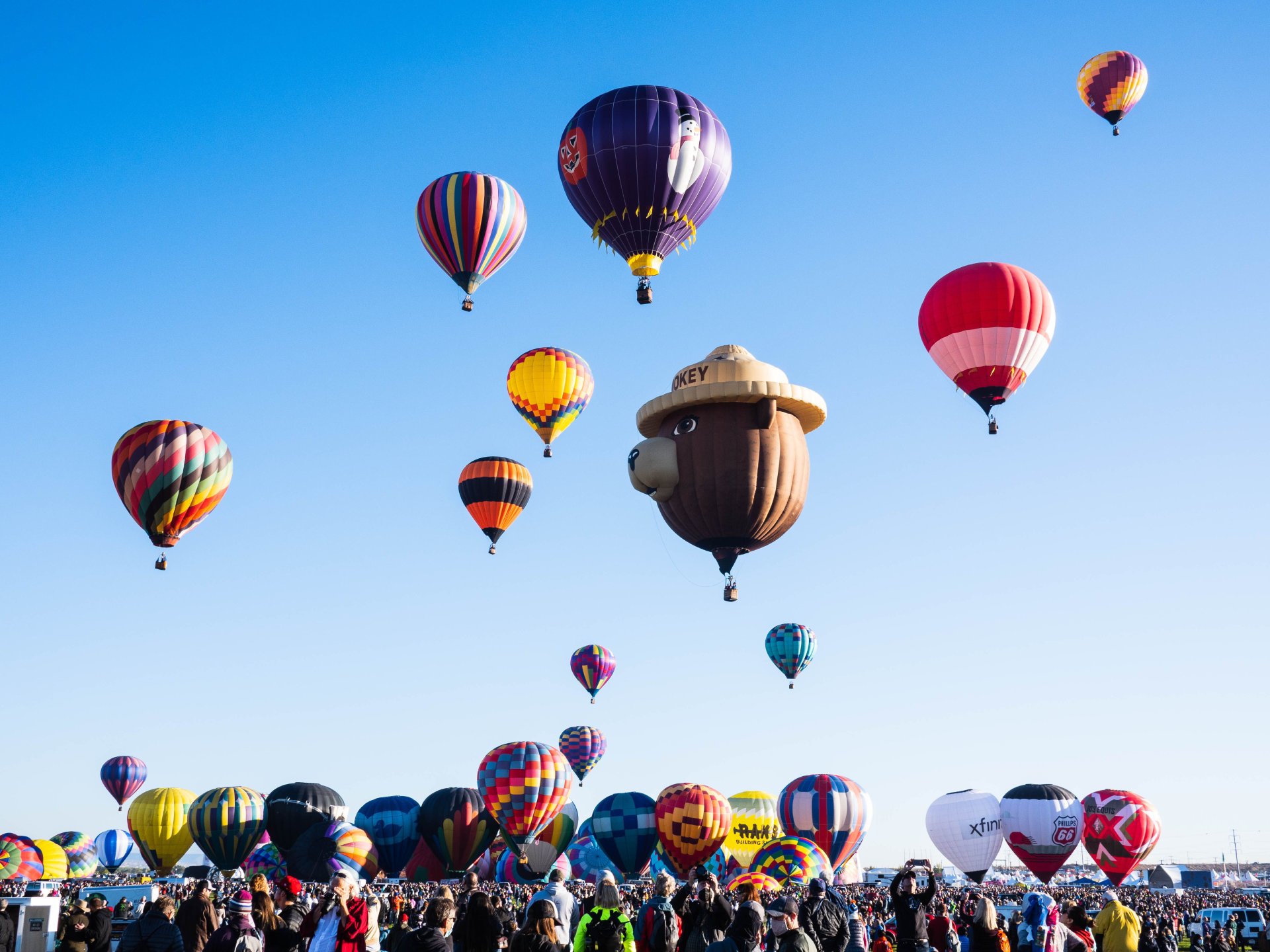
Every autumn, two very different experiences draw travelers to opposite sides of the Atlantic. In New Mexico, more than 500 hot air balloons are expected to rise over Albuquerque during the 54th Albuquerque International Balloon Fiesta, turning the desert sky into one of travel’s most recognizable spectacles. In northern Italy, the International Alba White Truffle Fair celebrates one of the world’s rarest and most expensive foods through markets, tastings and culinary events.
Both are powerful reasons to travel in October. Neither is especially intimidating from a security standpoint. But they illustrate an important lesson: even seemingly low-risk destinations can present challenges involving weather, health, transportation, crowds and access to appropriate medical care. The smartest festival travelers prepare for the destination surrounding the event, not simply the event itself.
What Makes the Albuquerque Balloon Fiesta So Extraordinary?
The 2026 Albuquerque International Balloon Fiesta is scheduled for October 3–11 at Balloon Fiesta Park. Organizers expect more than 500 balloons during the nine-day event, which includes mass ascensions, balloon glows and other activities. The visual spectacle is only part of what makes Albuquerque special for ballooning. Local geography and wind patterns can create the famous “Albuquerque Box,” which sometimes allows pilots flying at different altitudes to encounter winds moving in different directions. Under the right conditions, pilots can use those patterns to maneuver back toward their original flight area.
For spectators, however, weather is more than part of the scenery. Ballooning is highly dependent on wind speed and direction. Conditions can change rapidly, altering launches, landing locations or the timing of events. Visitors need flexibility rather than assuming every scheduled flight will occur exactly as planned. That also means paying attention when driving anywhere near Balloon Fiesta Park. Thousands of spectators moving through the area can create significant traffic bottlenecks while balloons overhead can become an irresistible distraction for drivers. The basic rule is simple: the passenger takes the pictures. The driver watches the road.
Can Albuquerque’s Altitude Affect Festival Visitors?
One of Albuquerque’s less obvious travel considerations is elevation. The city sits at more than 5,000 feet above sea level. Visitors arriving from lower elevations may experience increased thirst, fatigue or reduced exercise tolerance while their bodies adjust. Albuquerque’s dry, high-desert environment can also accelerate dehydration.
That matters during the Balloon Fiesta because some of the most popular activities begin exceptionally early. Travelers may leave hotels well before sunrise, spend extended periods standing outdoors and encounter very cold, sometimes freezing, morning temperatures before the desert warms later in the day.
Layered clothing is essential. So is hydration. Travelers should avoid interpreting altitude-related fatigue as simply a consequence of waking up early. Visitors with pre-existing medical concerns or unusual symptoms should take them seriously, particularly when symptoms do not improve with rest and hydration. The reassuring part of the Albuquerque medical picture is the availability of advanced emergency care. University of New Mexico Hospital is the state’s only Level I Trauma Center and provides 24/7 emergency and critical-care capabilities.
That is exactly the kind of information travelers should know before they need it.
Why Is Alba a Completely Different Festival Experience?
A week after the Balloon Fiesta begins, northern Italy offers an experience built around aroma rather than altitude. The Alba White Truffle World Market opens October 10 and operates on Saturdays and Sundays through December 6, 2026. Held in Alba in the Piedmont region, the market brings together truffle hunters, merchants, chefs and visitors celebrating the prized white truffle.
Unlike Albuquerque, weather-related aviation risks are not part of the equation. The dominant concerns are more conventional European travel issues: crowds, valuables, vehicles, transportation and knowing what you are buying.
White truffles can command extraordinary prices, making informed purchasing particularly important. Travelers should understand pricing before agreeing to expensive purchases, use established vendors and be cautious when an offer seems inconsistent with market norms. The excitement of buying a rare culinary product should not replace ordinary consumer judgment.
Vehicle security also deserves attention, particularly for visitors exploring rural Piedmont by rental car. Do not leave luggage, electronics, passports or shopping bags visible inside a parked vehicle. Organized parking areas and garages are preferable to isolated or poorly monitored locations.
Is Italy Safe for Travelers Attending the Fair?
Italy is currently listed by the US Department of State at Level 2, Exercise Increased Caution, due to terrorism. The advisory notes that potential targets can include tourist locations, transportation centers, markets, hotels, restaurants and cultural events. That does not mean travelers should treat the Alba fair as a high-risk event. It means normal situational awareness remains appropriate even in an idyllic culinary destination.
Keep wallets, phones and passports secured in crowded areas. Avoid leaving valuables unattended. Know where you parked and choose well-traveled routes when returning to accommodations at night. Travelers driving through wine country should also remember that celebratory meals involving Barolo, Barbaresco or other regional wines require the same transportation planning they would use at home. The larger lesson is that low-risk does not mean no-risk.
What Happens if You Need Medical Care Near Alba?
Festival planning often concentrates on hotels, restaurants and transportation while ignoring one question that can suddenly become more important than all the others: What medical care is actually available nearby?
For visitors to Alba, the Ospedale Michele e Pietro Ferrero in nearby Verduno provides a useful example. The modern hospital operates a 24-hour emergency department and has emergency medicine beds, CT, MRI, interventional radiology and other hospital-level diagnostic and specialty services. Its emergency department receives both walk-in patients and patients transported through Italy’s 118 emergency system. In March 2026, the hospital also received authorization for a helipad capable of supporting emergency helicopter operations 24 hours a day, further strengthening emergency capabilities in southeastern Piedmont.
This is the kind of destination intelligence that can materially change a traveler’s decisions during an illness or injury. A hospital icon on a map tells you where a facility is. It does not necessarily tell you whether that hospital has an emergency department, advanced imaging, intensive care, surgical capabilities or other resources appropriate for a specific condition.
The Global Rescue Connection
The Albuquerque Balloon Fiesta and Alba White Truffle Fair demonstrate why travel preparation should extend beyond crime statistics and government advisories. Albuquerque has sophisticated medical resources but also altitude, cold-weather exposure, massive crowds and weather-dependent activities. Alba presents a comparatively relaxed security environment but places travelers in a smaller regional destination where knowing the capabilities of nearby emergency facilities can become critical.

That is where Global Rescue Destination Reports become especially valuable.
Destination Reports help travelers understand not only security conditions and transportation considerations but also the medical environment at a destination, including the capabilities and limitations of local healthcare facilities. Before an emergency occurs, that intelligence can help travelers understand where appropriate care may be available and whether more advanced treatment could require movement elsewhere. This destination-specific approach reflects Global Rescue’s broader emphasis on medical infrastructure and preparedness.
A Global Rescue membership adds operational support when preparation alone is no longer enough. Members have access to field rescue, medical evacuation to the hospital of their choice and 24/7 medical advisory support. Security advisory services are also available during natural disasters or major disruptions.
Global Rescue memberships are not insurance. There are no claim forms, deductibles or extra costs for covered membership services. Instead of submitting expenses after an emergency, members can contact Global Rescue for direct assistance and coordination.
Whether a traveler becomes seriously ill after arriving at altitude in Albuquerque, suffers an injury while exploring Piedmont or needs help determining whether a nearby hospital has the appropriate capabilities for a medical emergency, access to experienced medical professionals and destination-specific intelligence removes much of the guesswork. Global Rescue provides that support through expert advisory teams, veteran military specialists and an unwavering commitment to member safety.
Preparation isn’t paranoia; it’s protection. The balloons, truffles and unforgettable experiences are why travelers make the trip. Knowing what happens if something goes wrong is what allows them to enjoy it with greater confidence.
Get a price estimate
Estimate
$0.00
Please answer all questions for estimate.
Categories:
Health & SafetyTravelOctober 1, 2026
Article Highlights:
- Begin medical planning four to six months before departure so there is time for vaccinations, specialist visits and treatment adjustments.
- Confirm that prescription and over-the-counter medications are legal at every destination and transit point.
- Carry organized medical records, physician letters, allergy documentation and sufficient medication in original containers.
- Evaluate destination hospitals, emergency-response capabilities, accessibility and specialty care before traveling.
- Build a response plan that includes 24/7 medical consultation, hospital selection, field rescue and medical evacuation support.
The best time to prepare for a medical problem overseas is long before one occurs. Four months before an international trip may sound early, but that lead time gives travelers room to complete vaccination schedules, address unresolved health or dental issues, refill prescriptions, obtain medical documentation and determine whether a destination can support their individual needs.
As global mobility increases, so do the health risks associated with crossing climates, time zones and unfamiliar healthcare systems. For travelers managing a pre-existing condition, the margin for error narrows significantly. The Centers for Disease Control and Prevention recommends meeting with a healthcare provider or travel medicine specialist at least four to six weeks before departure. Starting several months earlier provides a wider margin for travelers who need specialist clearance, medication changes, multiple appointments or vaccines administered in a series. A pre-travel consultation should consider not only the destination, but also the itinerary, season, trip length, accommodations and planned activities.
Four to Six Months Before Departure: Build the Medical Foundation
Begin with a comprehensive health review. Schedule appointments with a primary care physician and, when appropriate, a travel medicine specialist. Travelers managing heart disease, diabetes, asthma, arthritis, immune disorders or other chronic conditions should also consult the specialists who routinely manage those conditions.
The objective is not simply to obtain permission to travel. Travelers and their clinicians should consider how long flights, high altitude, heat, strenuous activities, interrupted sleep and limited medical access could affect an existing condition. The trip’s physical requirements should be compared with the traveler’s current health rather than with what the traveler could comfortably do several years ago.
Review routine vaccinations first. Travelers should be current on vaccines normally recommended for their age and health status before considering destination-specific recommendations or entry requirements. The World Health Organization advises travelers to review both routine and travel-related vaccinations with a healthcare practitioner, while the CDC emphasizes that recommendations should reflect the traveler’s itinerary, health history and planned activities.
This is also the right time to address persistent tooth pain, damaged crowns, cracked teeth or overdue dental work. A manageable problem at home can become a significant disruption in a destination where dental care is difficult to locate or where treatment standards vary.
Travelers with mobility needs should verify accessible airport transfers, hotel rooms, bathrooms, restaurants, tours and transportation. They should not rely on a general statement that a property is accessible. Disability laws, building standards and transportation infrastructure differ substantially by country.
Research destination healthcare capabilities with the same care used to compare hotels. Identify reputable hospitals near each major stop and determine whether advanced trauma, cardiac, pediatric or other specialty care is available. Medical services can vary sharply within the same country, especially between major cities and rural, island or mountain destinations. Some hospitals also require a deposit or payment before providing treatment. (CDC)
Two to Three Months Before Departure: Secure Medications and Documentation
Review every prescription, injectable medication, medical device and over-the-counter product you intend to carry. A medicine commonly prescribed or purchased without a prescription in the United States may be restricted, unlicensed or classified as a controlled substance elsewhere.
Medication laws can also apply in countries where a traveler is only changing planes. Review official destination information and contact the relevant embassy or consulate when a medication’s legal status is unclear. Even familiar sleep aids, pain relievers, stimulants and anxiety medications may be regulated differently abroad.
Ask the prescribing physician and pharmacy about obtaining enough medication for the entire trip, plus an additional supply for reasonable delays. Keep medications in their original labeled containers and include generic drug names in medical records because brand names vary internationally. Travelers should not assume a foreign pharmacy will stock the same formulation, dosage or delivery device.
Request a physician letter on professional letterhead describing the medical condition, each required medication, its generic name, dosage, frequency and medical purpose. This documentation can help during airport screening, customs inspections and medical treatment. The CDC provides a template for this type of letter and recommends detailed documentation when travelers carry medications that may attract regulatory scrutiny.
Create a concise medical summary containing diagnoses, allergies, current medications, prior surgeries, implanted devices, physician contact information and emergency contacts. Carry both paper and securely stored digital copies.
Travelers with severe allergies should obtain translated allergy documentation, carry prescribed emergency medication and review their emergency action plan with an allergist or physician. The CDC recommends that severely allergic travelers arrange pre-travel medical appointments at least four to six weeks before departure. (CDC)
One Month Before Departure: Test the Plan
One month before departure, confirm that vaccinations are complete or proceeding on schedule, prescriptions have been filled and physician letters are accurate. Review how medications must be stored during flights, road transfers and hotel stays. Travelers using insulin, biologic drugs or other temperature-sensitive treatments need a reliable cooling plan that does not accidentally freeze the medication.
Reassess the itinerary against the traveler’s physical capacity. A trip may appear accessible yet still involve long walks, steep stairs, unstable boat transfers or extended periods without convenient restrooms. Confirm wheelchair dimensions, mobility-device battery rules, charging requirements and handling procedures directly with transportation providers.
Prepare a compact travel health kit based on the destination and personal medical needs. It should support routine care and temporary stabilization, not encourage self-treatment of serious symptoms.
This is also the time to understand the differences among trip insurance, travel health coverage and emergency evacuation services. These products perform different functions. A reimbursement policy may cover eligible expenses without providing real-time medical coordination, hospital selection or rescue from the location where the illness or injury occurs.
During the Final Week: Protect Access and Continuity
Place essential medications, medical documents and medically necessary devices in carry-on baggage. Divide critical supplies when practical so that one lost or delayed bag does not eliminate access. Confirm that a trusted emergency contact has the itinerary, medication list, medical summary and contact information for the traveler’s emergency assistance provider.
Check current destination health notices, entry requirements and transportation disruptions. Save local emergency numbers, the addresses of appropriate medical facilities and emergency assistance contact information in both the phone and a printed document.
Travelers should also understand the limits of consular assistance. A US embassy or consulate may help identify medical resources and communicate with family, but the US government does not pay a traveler’s hospital bills or medical evacuation expenses.
While Traveling: Maintain the Routine
Travel can destabilize an otherwise well-controlled condition. Continue medications according to the prescribing clinician’s instructions, accounting for time-zone changes when necessary. Stay hydrated, protect sleep, avoid exceeding known physical limitations and monitor symptoms that could indicate a worsening chronic condition.
Keep medications secure and do not transfer them into unmarked containers. Carry allergy information and emergency medication on your person instead of leaving them in a hotel room or checked bag.
Travelers with mobility, hearing, vision or other accessibility needs should reconfirm assistance before each flight, rail segment, excursion or transfer. Arrangements made with one provider do not always transfer automatically to the next.
The Global Rescue Connection
Medical preparation is not merely a checklist of vaccines, prescriptions and physician appointments. It is a plan for obtaining expert help when distance, language barriers or uneven healthcare capabilities complicate an illness or injury.
Global Rescue’s pre-travel medical advisory services help members evaluate health concerns before departure. While traveling, members have access to 24/7 medical consultation, assistance identifying appropriate hospitals and coordination with local treating clinicians.
When an emergency occurs in a remote or difficult-to-reach location, field rescue can bridge the critical gap between the point of illness or injury and medical care. When a local facility cannot provide necessary treatment, Global Rescue can coordinate medical evacuation to an appropriate hospital. These operational services complement rather than replace trip insurance, which primarily protects the financial investment in travel.
Four months of preparation cannot prevent every illness or injury. It can reduce avoidable problems, improve treatment decisions and ensure travelers know exactly whom to contact when the unexpected happens.
Get a price estimate
Estimate
$0.00
Please answer all questions for estimate.
Categories:
Business TravelTravelSeptember 30, 2026
Article Highlights:
- Gateside by TSA PreCheck allows eligible non-flyers to pass through security at participating airports without an airline ticket
- TSA PreCheck Touchless ID is expanding through Google Wallet, making facial identity verification easier for eligible travelers
- State-issued mobile driver’s licenses are being accepted at a growing number of TSA checkpoints
- A new CBP Trusted Traveler app will replace separate Global Entry and Trusted Traveler Programs apps beginning September 15, 2026
- Faster airport processing does not eliminate the need to understand destination-specific medical capabilities and emergency resources
For decades, the basic airport routine hardly changed: arrive with a ticket, show identification, pass through security and keep your documents handy until you reach the gate. In 2026, that model is changing quickly.
New programs from the Transportation Security Administration (TSA) and US Customs and Border Protection (CBP) are expanding who can go beyond airport security, how travelers prove their identity and how members manage Trusted Traveler services. The common theme is clear: less dependence on physical documents and more reliance on digital credentials, biometrics and integrated mobile technology.
For US travelers, several of the most significant changes are happening almost simultaneously.
Can You Go Through TSA Security Without a Plane Ticket?
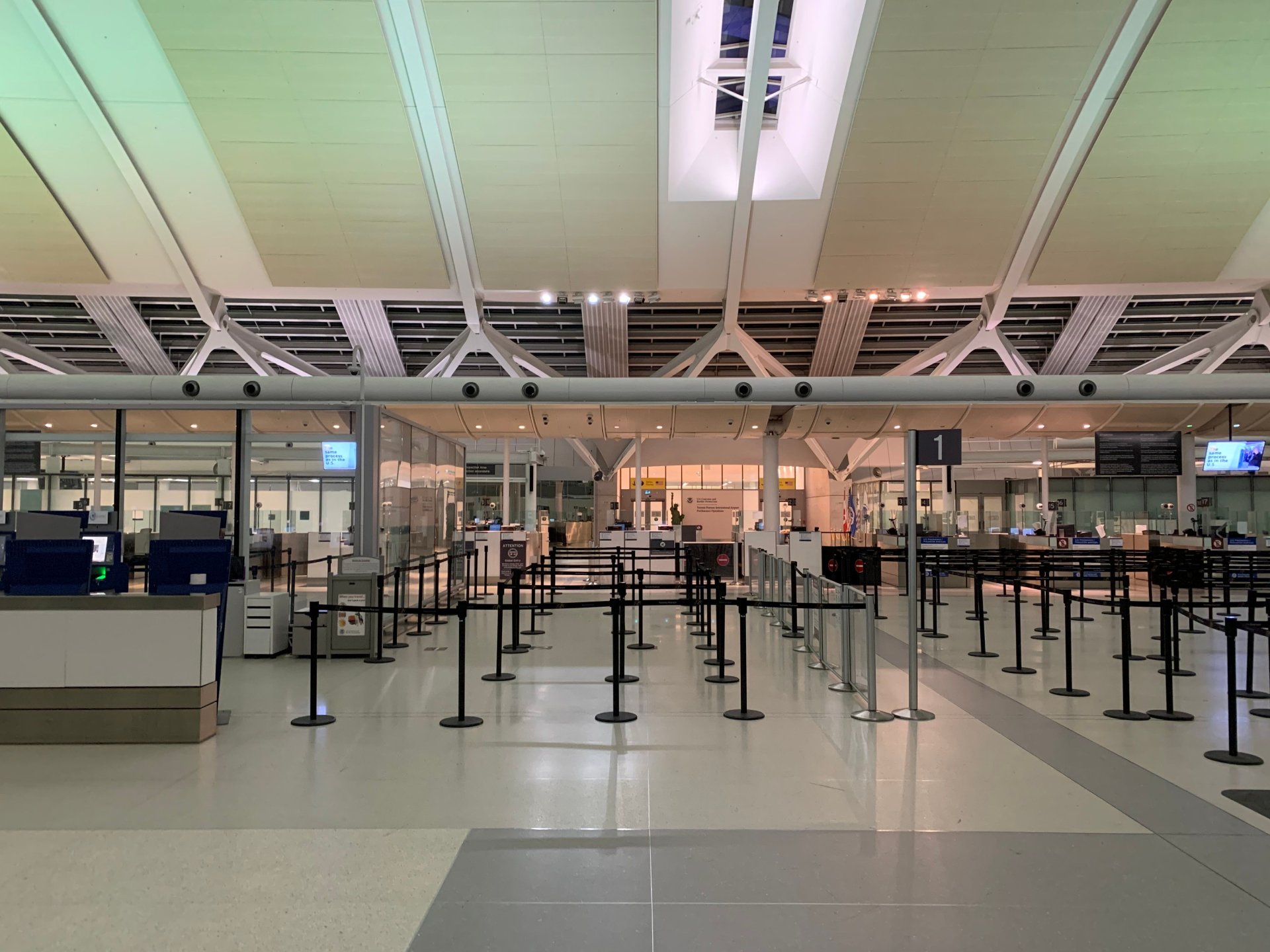
As of September 1, TSA has begun rolling out Gateside by TSA PreCheck, a program designed to bring back something largely lost after 9/11: the ability for non-ticketed visitors to accompany friends or relatives beyond the security checkpoint. Eligible TSA PreCheck members and others who qualify for TSA PreCheck screening through a Known Traveler Number can apply for a Gateside pass and, if approved, enter the secure side of participating airports even though they are not flying.
That could mean walking a family member to a gate, greeting someone arriving from a trip, having lunch with a friend during a long layover or simply visiting airport restaurants and shops located beyond security. TSA launched the program at 14 airports (see list below), with availability subject to capacity and local operating conditions.
AZA (Mesa), CMH (Columbus), DFW (Dallas-Fort Worth), DTW (Detroit), ICT (Wichita), IND (Indianapolis), LAS (Las Vegas), LAX (Los Angeles), LIT (Little Rock), MDW (Chicago), OKC (Oklahoma City), OMA (Omaha), SAN (San Diego), SLC (Salt Lake City).
TSA says this is the initial rollout and additional airports will be added in phases. Availability may also be limited during peak travel periods. The concept effectively turns TSA PreCheck from strictly an expedited passenger-screening program into something broader: a trusted-access credential.
Visitors still undergo security screening and airport security rules remain fully in force. Gateside users generally enter through TSA PreCheck lanes, but TSA specifically notes that Gateside passes cannot be used in TSA PreCheck Touchless ID lanes. That distinction matters because the two programs solve different problems: Gateside determines whether a non-passenger may enter the terminal while Touchless ID streamlines identity verification for actual travelers. (
TSA PreCheck Touchless ID Is Getting Easier To Use
The second major change may be more consequential for frequent flyers. TSA PreCheck Touchless ID uses facial comparison technology to verify an eligible traveler’s identity without requiring the traveler to routinely hand a physical driver’s license or passport to the TSA officer. The traveler opts into the program and, at participating checkpoints, a camera verifies identity through facial comparison.
The technology itself is not brand new. What is changing is accessibility. In June, TSA and Google announced that Google Wallet would become the first digital wallet integrated with TSA PreCheck Touchless ID. Eligible travelers can save their boarding pass in Google Wallet, follow the Touchless ID enrollment process and authorize their digital identity and boarding-pass information to be shared with TSA for that trip. Once approved, a Touchless ID indicator appears with the boarding pass. Google says TSA PreCheck Touchless ID is available at more than 65 major airports, although actual availability still depends on the checkpoint and participating infrastructure.
Are Physical Driver’s Licenses Becoming Optional?
Mobile driver’s licenses, or mDLs, represent another piece of that transition. Unlike a photograph of a driver’s license stored on a phone, an mDL is a digitally issued credential designed to securely transmit verified identity information. TSA’s newer Credential Authentication Technology, particularly CAT-2 equipment, incorporates digital ID readers and cameras that can compare a live image of the traveler with the credential presented.
The number of usable state credentials continues to grow. Colorado, for example, recently introduced its myColorado mDL for TSA use. Colorado says the credential can be presented at Denver International Airport and more than 250 participating airports outside the state where mDLs are accepted.
That does not mean travelers should leave their physical identification at home. Digital ID acceptance varies by location and TSA continues to advise travelers to be prepared to present physical identification when requested. Traditional acceptable documents, including REAL ID-compliant licenses, passports and DHS Trusted Traveler cards, remain part of the identification system.
For now, think of digital identification as an expanding convenience rather than a universal replacement.
What Is Changing for Global Entry Members?
International travelers have another change coming almost immediately. Beginning September 15, 2026, CBP will replace both its current Global Entry mobile app and Trusted Traveler Programs mobile app with a single Trusted Traveler mobile app. Existing memberships are not being replaced. Global Entry, NEXUS, SENTRI and FAST remain separate Trusted Traveler Programs with their existing purposes and benefits. The change consolidates the mobile experience used to interact with those programs.
Current users will be able to sign into the new application using existing credentials, with profile and membership information transferring to the replacement app. CBP says the existing Global Entry and Trusted Traveler Programs mobile applications will stop functioning September 15. Current mobile capabilities will move into the new platform, although specific services will continue to depend on eligibility and location.
For Global Entry users in particular, mobile processing has already changed the international arrival experience. At supported airports, eligible members can use their phone to submit a photograph and travel information rather than relying exclusively on a Global Entry portal or kiosk. The unified app should make that ecosystem easier to understand.
What Do These Changes Mean for Travelers?
Taken together, Gateside, Touchless ID, mDL acceptance and the consolidated Trusted Traveler app point toward a different airport experience. The boarding pass, plastic driver’s license and airport kiosk are no longer the only gateways to travel. Identity is increasingly becoming digital, portable and biometric.
That can produce real benefits. Travelers may spend less time retrieving documents, interaction at identity checkpoints can become faster and Trusted Traveler members can manage more functions from one device. But convenience also creates a new planning requirement: know what actually works at your airport before you arrive.
A mobile driver’s license accepted at one checkpoint may not work everywhere. Touchless ID requires an eligible traveler and participating location. Gateside access is currently limited to selected airports and approval is not the same as possessing a flight reservation. The new Trusted Traveler app does not change the underlying rules of Global Entry, NEXUS or SENTRI.
Technology is simplifying travel, but it has not made travel uniform.
Airport Convenience Is Only One Part of Travel Preparedness
There is another important distinction for international travelers. These innovations primarily make the airport portion of the trip easier. They do not change what happens after arrival.
A traveler may move through a US checkpoint using facial verification, clear immigration rapidly through Global Entry and manage credentials from a smartphone, then arrive somewhere where ambulance response is limited, the nearest hospital lacks advanced trauma care or specialized medical treatment requires transport to another city or country. That makes destination knowledge increasingly important.
The more frictionless the journey becomes, the easier it can be to overlook the fact that emergency healthcare capabilities vary dramatically around the world. Knowing where the nearest hospital is tells only part of the story. Travelers should also understand whether that facility has emergency medicine specialists, advanced imaging, surgical capabilities, intensive care, blood products and the ability to manage a serious illness or injury.
The Global Rescue Connection
The newest TSA and Trusted Traveler innovations can make getting through an airport easier. Global Rescue addresses a different question: what happens when something goes wrong after you get there? A Global Rescue membership provides field rescue from the point of illness or injury, medical evacuation to the hospital of the member’s choice when medically necessary, 24/7 medical advisory support and security advisory services during natural disasters or significant disruptions.
Especially valuable for international travelers are Global Rescue Destination Reports, which provide advance intelligence about local conditions, including the capabilities of destination medical facilities and emergency healthcare systems. Knowing that a hospital exists is useful. Knowing whether it can competently treat a serious trauma, cardiac emergency or complicated illness can be far more important.
That distinction becomes critical when travelers venture beyond major cities or into destinations where advanced care is concentrated in only a few facilities. Global Rescue memberships are not insurance. There are no claim forms, deductibles or extra costs for covered services. Whether a member requires field rescue after an injury, medical evacuation when local care is inadequate or medical advice from abroad, Global Rescue provides operational support rather than simply reimbursing expenses afterward.
TSA and CBP are making the journey more digital, streamlined and convenient. Travelers should use those advantages. But faster checkpoints and smarter apps should be paired with equally smart preparation for the destination itself. Getting through the airport is becoming easier. Knowing what happens when the unexpected strikes after you leave it remains just as important.
Get a price estimate
Estimate
$0.00
Please answer all questions for estimate.
Categories:
Places & PartnersTravelSeptember 29, 2026
Article Highlights:
- The astronomical 2026 winter solstice occurs on December 21, while Stonehenge’s special winter solstice opening is scheduled for December 22
- Stonehenge’s alignment with the midwinter sunset suggests winter may have held exceptional significance for its Neolithic builders
- Archaeological evidence from nearby Durrington Walls points to enormous midwinter feasts featuring pork, beef and dairy products
- Approximately 8,500 people attended the 2025 winter solstice gathering, making transportation and crowd planning important
- Cold, darkness, wet ground and limited immediate access to advanced medical care make preparation essential
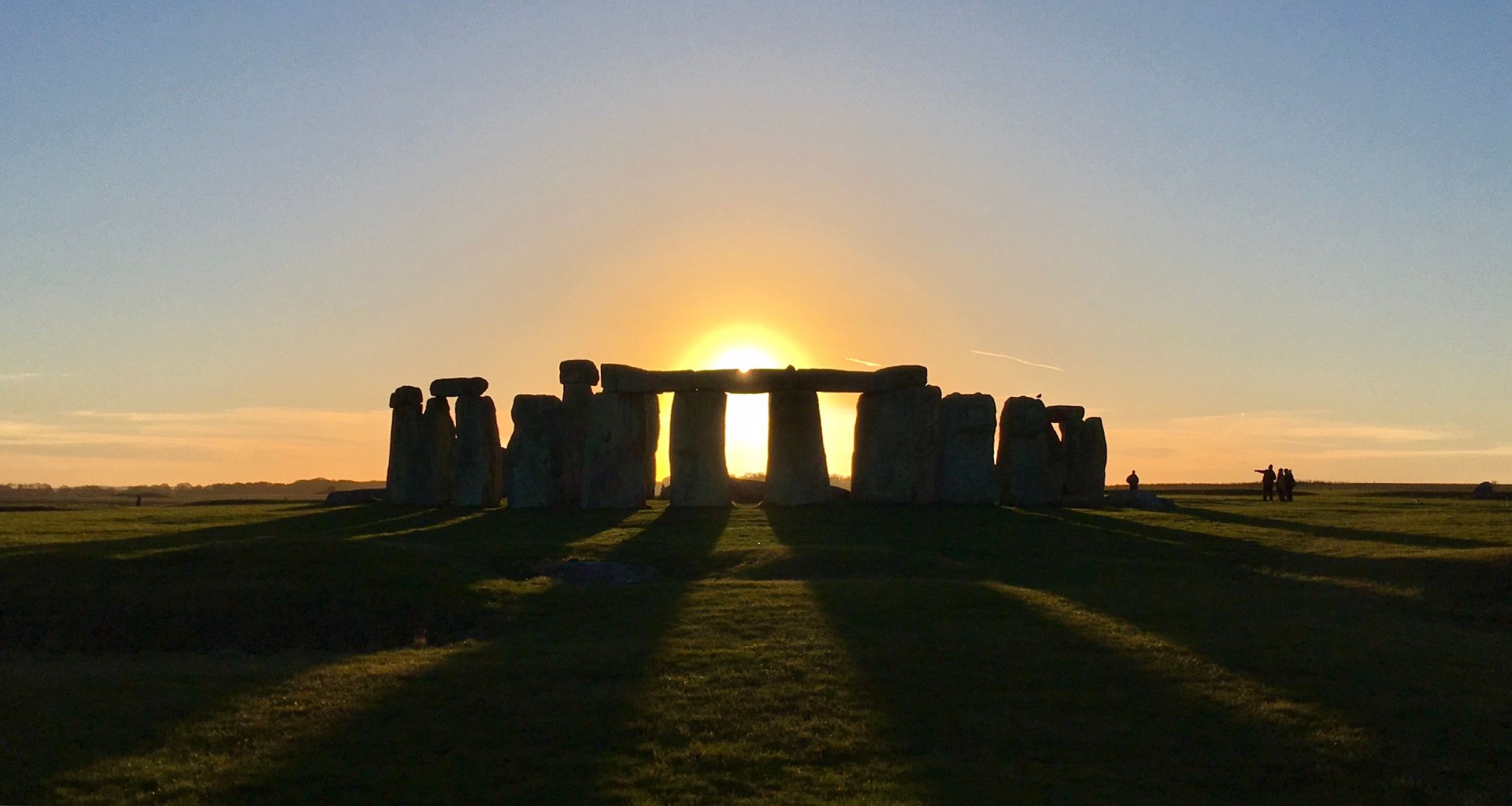
On the shortest days of the year, when darkness dominates northern Europe and the sun barely rises above the horizon, Stonehenge becomes something more than one of the world’s best-known prehistoric monuments. It becomes a gathering place again. The astronomical winter solstice occurs on Monday, December 21, 2026, marking the shortest day and longest night of the year in the Northern Hemisphere. But the Stonehenge gathering is observed at sunrise on December 22, when Druids, Pagans and other visitors welcome the first new day after the astronomical turning point.
The two dates exist because the exact winter solstice occurs on Monday, December 21 at night, approximately 8:50 PM UK time, when the Northern Hemisphere reaches its maximum tilt away from the sun. Because that moment happens after sunset, the first opportunity to mark the sun’s return comes at dawn the following morning. For travelers willing to arrive on Salisbury Plain before dawn in late December, the reward is an extraordinary combination of archaeology, spirituality, history and living tradition.
Was Winter More Important Than Summer at Stonehenge?
Stonehenge developed over many centuries, with its familiar arrangement of massive sarsen stones erected around 2500 BC. One of the monument’s defining characteristics is its deliberate relationship with the sun. At the summer solstice, the monument is famously associated with sunrise. But the opposite end of the solar alignment points toward the midwinter sunset, and archaeological evidence has led researchers to believe winter may have been particularly important to the people who built and used Stonehenge.
English Heritage notes that the ceremonial approach along the Avenue directed people toward the southwest and the setting midwinter sun, supporting the idea that the winter alignment carried special significance. For Neolithic agricultural communities, the meaning would have been profound. Daylight had been shrinking for months. Temperatures were falling and survival depended on stored food, livestock and preparation.
Then the shortening of the days stopped. After the solstice, the sun slowly began its return. For people whose lives were governed by seasonal cycles, the moment may have represented renewal, continuity and the rebirth of the sun.
What Did Ancient People Do at Midwinter?
Some of the strongest clues come from Durrington Walls, a large Neolithic settlement about two miles from Stonehenge that is closely associated with the people who built or gathered around the monument. Excavations have uncovered enormous quantities of animal remains, particularly pigs and cattle. Analysis of pig bones indicates that many animals were slaughtered at an age consistent with midwinter consumption, supporting the idea that people gathered for large seasonal feasts. These were not modest family dinners.
Archaeological evidence suggests pigs were roasted, cattle were butchered and dairy products were consumed from distinctive Grooved Ware pottery. Animals came from considerable distances, suggesting people traveled across Britain to participate. The scene was remarkably familiar in one respect: people made long journeys to gather together, share food and participate in an important seasonal celebration. The difference is that they were doing it more than 4,000 years ago.
What Is the Winter Solstice Like Today?
Modern visitors continue the tradition in a very different form. Druids, Pagans, spiritual groups, photographers, history enthusiasts and international travelers gather around Stonehenge before dawn. Drumming, chanting, horn-blowing, dancing and quieter ceremonies all contribute to the atmosphere as the crowd waits for daylight. Winter is often described as more reflective than the huge summer solstice gathering, but travelers should not mistake that for an empty field.
English Heritage reported that approximately 8,500 people attended the December 21, 2025 winter solstice celebration, gathering for the sunrise and traditional celebrations around the stone circle. For 2026 visitors, that means transportation, security lines and pedestrian congestion should be treated as meaningful planning considerations.
It is also important to remember that Stonehenge is not simply a sightseeing venue during the solstice. For many attendees, the occasion carries genuine spiritual or religious significance. Travelers can enjoy the spectacle while remaining respectful during rituals and ceremonies.
Can You Actually Walk Inside Stonehenge?
Solstice access is unusual because visitors can get much closer to the stones than during a standard daytime visit. Normally, most tourists view Stonehenge from pathways surrounding the monument. Managed solstice access has traditionally allowed people into the stone-circle area, creating a rare opportunity to experience the monument from inside its immediate landscape.
Travelers should nevertheless check English Heritage shortly before departure. The organization has already identified December 22 for its special 2026 winter solstice opening, but its published schedule states that opening times are subject to change. Close access also carries responsibility. Visitors should not climb, sit on or lean against the ancient stones. Stonehenge is both a World Heritage Site and a fragile archaeological monument.
Stonehenge is in Wiltshire, roughly 80 miles west of London, with Salisbury serving as the most practical transportation hub for many international visitors. Direct trains connect London Waterloo with Salisbury. From there, buses, special event transportation or taxis can provide onward travel toward Stonehenge. Special solstice transportation arrangements can differ from normal visitor operations, so travelers should confirm December schedules before leaving London or booking overnight accommodations. Staying in Salisbury the night before can eliminate the stress of an extremely early departure from London and makes a predawn arrival significantly easier.
Once at Stonehenge, travelers may still face a substantial outdoor walk. Darkness, uneven ground, mud and crowds can turn what seems like a simple approach into the most physically challenging portion of the morning. A compact flashlight or headlamp is useful before sunrise. Watching the sun emerge over Stonehenge can feel timeless. The weather is considerably less romantic. Salisbury Plain is exposed and December conditions can include cold temperatures, rain, strong wind and saturated ground. Visitors may spend hours outdoors before and after sunrise. Thermal base layers, a waterproof outer layer, gloves, warm socks and sturdy waterproof boots are more valuable than fashionable winter clothing. Wet feet and wind exposure can quickly make a memorable morning miserable. Darkness and slippery ground also increase the risk of trips, falls, ankle sprains and other injuries, particularly when thousands of people are moving through the area simultaneously. Travelers with mobility limitations should investigate accessible transportation options in advance rather than assuming they can comfortably complete every portion of the predawn walk. Visitors should also travel light. Major solstice events operate under special security rules and restrictions may apply to alcohol, glass containers, drones, oversized bags and other items. Final rules should be checked before departure.
Neolithic Menu?
Anyone hoping for a literal recreation of a Neolithic midwinter feast beside the stones will need to adjust expectations. Food options around the monument itself are limited during the predawn gathering and visitors should review event rules before bringing food or beverages into the solstice area. The Stonehenge Visitor Centre normally offers food and hot drinks during standard operating periods, while Salisbury provides far more substantial choices for breakfast and meals.
Yet food remains one of the most fascinating links between the ancient and modern celebrations. Thousands of years ago, visitors came to the Stonehenge landscape and consumed pork, beef and dairy foods during communal gatherings. Today’s visitors may arrive clutching coffee rather than Grooved Ware pottery, but the instinct to mark an important seasonal moment by gathering with others remains strikingly recognizable.
The Global Rescue Connection
A winter solstice visit to Stonehenge is not a remote expedition, but cold weather, darkness, slippery terrain and dense crowds can turn a routine injury or medical problem into a complicated situation away from a traveler’s normal healthcare network.
A Global Rescue membership provides field rescue, medical evacuation to the hospital of the member’s choice when medically necessary and 24/7 medical advisory support. Members can speak with experienced medical professionals for guidance when illness or injury occurs and receive coordinated assistance when local care is insufficient.
Destination Reports add an important layer of preparation before departure. They provide intelligence about local conditions, including the capabilities of destination medical facilities, emergency healthcare resources and other health and security considerations travelers should understand before arriving. Global Rescue delivers that support through expert advisory teams, experienced medical professionals and veteran military specialists focused on helping members navigate emergencies wherever they travel.
For the 2026 winter solstice at Stonehenge, preparation means understanding that December 21 is the astronomical solstice while December 22 is the date currently identified by English Heritage for special Stonehenge winter solstice opening arrangements. It also means checking final access rules, planning transportation, dressing for Salisbury Plain in December and understanding available medical resources before joining thousands of people before dawn.
Stonehenge’s builders looked to the solstice as a turning point when darkness stopped advancing and daylight began to return. More than four millennia later, travelers still gather in the same landscape to experience that moment, only now they can do it with a far more sophisticated plan for when the unexpected happens.
Get a price estimate
Estimate
$0.00
Please answer all questions for estimate.
(Lebanon, NH – September 29, 2026) More than one-third of experienced international travelers (36%) say they are most likely to plan their next international trip around a secluded destination for rest and relaxation, making it the clear leading travel preference, according to the latest Global Rescue Traveler Sentiment and Safety Survey. Another 16% are most likely to choose destinations offering exceptional value because of favorable exchange rates, while 12% say major concerts, sporting events or natural phenomena are most likely to shape their travel plans.
“Experienced international travelers haven’t stopped traveling despite the first half of 2026 recording the most severe and widespread disruption to international flights since the pandemic, instead they’ve become smarter about how they travel,” said Dan Richards, CEO of The Global Rescue Companies and a member of the US Travel and Tourism Advisory Board at the US Department of Commerce. “They’re choosing destinations that help them recharge while recognizing that flexibility and preparation have become essential parts of every international itinerary.”
The survey findings come as airline disruptions remain a reality for many international travelers. Nearly two in five respondents (39%) report experiencing at least one significant flight disruption, including a delay of more than three hours, a cancellation or a missed connection, during the past year.
Flight Delays Remain a Concern, But Not a Crisis
While airline disruptions remain common, the survey suggests experienced travelers have become more accepting of the realities of international air travel.
Just over half of respondents (52%) say they are either somewhat worried (35%) or slightly worried (29%) about flight delays or cancellations affecting their international travel plans this year. Another 17% say they are very or extremely worried, while 19% report no concern at all.
Non-US travelers express higher levels of concern than US-based travelers. More than one-quarter (26%) say they are very or extremely worried about flight disruptions compared with 16% of US travelers. US respondents, meanwhile, are more likely to describe themselves as somewhat worried (36% versus 29%), suggesting concern without significant anxiety. Non-US travelers are also slightly less likely to say they are not worried at all (15% versus 20%).
“The most seasoned travelers understand that disruptions have become part of international travel,” Richards said. “They build flexibility into their itineraries, avoid overly tight flight connections and prepare backup options before they leave home. Planning for disruptions is now just as important as planning the destination.”
Travelers Adapt to Airline Disruptions While Planning Meaningful Trips
Despite increased international flight unreliability, travelers remain focused on where they want to go rather than the challenges of getting there. A secluded destination for rest and relaxation is the leading inspiration for future international travel among both US-based (36%) and non-US-based (38%) travelers.
Destinations offering favorable exchange rates rank second among defined travel motivations, with 16% of travelers saying exceptional value will influence their plans. Non-US travelers are somewhat more likely than US travelers to prioritize exchange-rate advantages (18% versus 15%).
Non-US travelers also show greater interest in shorter, event-driven travel. Sixteen percent say they are likely to plan an international “micro-cation,” compared with 9% of US travelers. The same percentage (16%) would plan travel around a major concert, sporting event or natural phenomenon, versus 11% of US respondents.
“Experienced travelers understand that flight disruptions are an inconvenience, not necessarily a reason to stay home,” Richards said. “They’ve learned to build flexibility into their itineraries and focus on the experiences that make international travel worthwhile. The destination still outweighs the disruption.”
About the Global Rescue Traveler Sentiment and Safety Survey
Global Rescue, the leading travel risk and crisis response provider, surveyed the world’s most experienced international travelers between June 30 – July 6, 2026. Respondents shared their attitudes, behaviors and preferences related to travel safety, technology and global mobility.
About Global Rescue
Global Rescue is the world’s leading provider of medical, security, evacuation and travel risk management services to enterprises, governments and individuals. Founded in 2004, Global Rescue maintains exclusive relationships with the Johns Hopkins Emergency Medicine Division of Special Operations and Elite Medical Group. The company has provided medical and security support during every major global crisis over the past two decades.
Categories:
NewsSeptember 25, 2026
Categories:
Security & IntelligenceTravelSeptember 25, 2026
Article Highlights:
- Losing a smartphone, laptop or tablet is now the leading travel technology fear among experienced international travelers.
- US and non-US travelers worry about different digital threats, reflecting evolving cybersecurity and border security risks.
- Public Wi-Fi, charging stations, banking security and two-factor authentication failures can disrupt an international trip as quickly as illness or injury.
- Good travel planning now includes protecting your digital identity as carefully as your passport and finances.
- Global Rescue helps travelers prepare for international travel with expert advisory services, destination intelligence and emergency medical support.
International travel has never been more connected. A single smartphone now serves as a passport wallet, airline ticket, hotel key, navigation system, translator, banking terminal, camera, emergency contact list and communication hub. Travelers depend on technology at every stage of the journey, often without realizing how vulnerable they have become when that technology fails.
According to the latest Global Rescue Traveler Sentiment and Safety Survey, more than one in five experienced international travelers (21%) identify losing or having a smartphone, laptop or other digital device stolen as their greatest travel technology concern. The finding reflects a fundamental shift in how people prepare for international travel. While travelers once worried primarily about losing passports or luggage, today the greatest concern is losing the device that controls nearly every aspect of the trip.
“The modern traveler carries an entire trip inside a single device,” said Dan Richards, CEO of The Global Rescue Companies and a member of the US Travel and Tourism Advisory Board at the US Department of Commerce. “When that device is lost, stolen or compromised, the disruption extends far beyond replacing a phone. Travelers can suddenly lose access to transportation, accommodations, financial accounts and critical communications when they need them most.”
The survey reveals that travel technology has become both an extraordinary convenience and a growing vulnerability. As international travel becomes increasingly digital, travel safety now extends well beyond physical security. Protecting your digital identity, online accounts and access to critical information has become an essential component of modern travel planning.
Your Entire Trip Lives Inside One Device
It wasn’t long ago that international travelers carried paper airline tickets, printed hotel confirmations, travelers checks and folded maps. Today, nearly everything resides on a smartphone.
Boarding passes are delivered electronically. Hotels encourage digital check-in and mobile room keys. Banking applications replace cash. Ride-share services eliminate the need to hail taxis. Translation apps bridge language barriers. Even immigration forms and customs declarations are increasingly completed online before arrival.
The convenience is undeniable. The risk is equally significant.
Losing a smartphone overseas no longer means simply replacing an expensive piece of hardware. It can instantly separate travelers from reservations, payment systems, family members, business contacts, medical information and emergency resources. Without careful preparation, recovering access to these services from another country can be difficult, time-consuming and expensive.
This dependence on technology explains why device theft or loss now surpasses more traditional technology concerns among experienced international travelers. The phone itself is valuable, but the information stored inside it is often worth far more.
Don’t Abandon Your Smartphone, Reimagine How You Use It
With so much discussion about digital wellness combined with a fear of losing an expensive technology device, some travelers intentionally leave their smartphones behind to prevent loss, theft or to disconnect completely during vacation. While reducing screen time can make a trip more enjoyable, abandoning your phone altogether can eliminate one of your most valuable travel safety tools.
A smarter approach is to practice a selective digital detox, and store your phone safely with you. Think of your smartphone less as an entertainment device and more as a piece of safety equipment. Turn off social media notifications, email alerts and other distractions, but keep the features that support safe, efficient international travel. In unfamiliar destinations it provides navigation, access to emergency services, medical information, digital payment options and critical travel documents. It may also become your primary communication tool during flight disruptions, severe weather or other unexpected events.
By silencing distractions instead of disconnecting completely, travelers gain the mental benefits of a digital detox without sacrificing the connectivity that can prove essential during an emergency. The goal isn’t to use your smartphone less; it’s to use it more intentionally.
Other Digital Threats Perspectives
American travelers are considerably more concerned about cyberattacks involving public Wi-Fi networks and compromised charging stations. Fourteen percent of US respondents identified malicious public Wi-Fi networks and so-called “juice jacking” attacks at public charging stations as their greatest technology concern compared with just 1% of non-US travelers.
The concern is understandable. Airports, train stations, hotels and cafés routinely offer free internet access, but unsecured networks remain attractive targets for cybercriminals seeking passwords, financial information and personal data.
“Cybercriminals increasingly target travelers who connect to unsecured public networks or charging stations in airports, hotels and transportation hubs,” Richards said. “Using a VPN, avoiding sensitive financial transactions on public Wi-Fi and carrying your own charging equipment are simple precautions that dramatically reduce digital risk.”
Many cybersecurity professionals debate how common juice-jacking attacks actually are, but the broader lesson remains valid. Travelers should assume that unfamiliar networks and charging stations deserve caution until proven otherwise.
Using a VPN whenever connecting through public Wi-Fi creates an encrypted tunnel that protects sensitive information from interception. Likewise, carrying a portable battery pack or personal charging cable reduces reliance on unfamiliar charging stations.
US travelers also expressed somewhat greater concern about electrical compatibility damaging expensive electronics while traveling internationally, reflecting the practical realities of using devices across countries with different voltage standards and plug configurations.
Why Non-US Travelers Worry About Different Risks
After device theft, non-US-based travelers reveal their greatest concerns involve banking security systems that lock accounts because transactions originate from unexpected foreign locations. Fraud prevention systems have become increasingly sophisticated, but they occasionally mistake legitimate travel activity for criminal behavior.
Imagine arriving in another country only to discover your credit cards have been suspended, online banking access has been blocked and customer verification requires a phone number that no longer functions overseas. While financial institutions have dramatically improved fraud detection, travelers continue to encounter these frustrating scenarios.
Non-US respondents also expressed greater concern about government digital inspections at border crossings. Device confiscation and digital border searches concerned 12% of non-US travelers compared with 8% of US travelers.
Similarly, geographic restrictions on websites, applications and online services generated more concern among non-US respondents. Some countries restrict access to familiar search engines, messaging platforms, cloud storage services or social media applications. Travelers who rely heavily on these tools may suddenly discover that essential digital services simply do not function after crossing a border.
Two-factor authentication presents another increasingly common challenge. Many financial institutions and online services verify user identities by sending authentication codes through text messaging. Unfortunately, those messages may never arrive if travelers change SIM cards, experience roaming issues or lose cellular connectivity.
Eleven percent of non-US respondents cited failures involving two-factor authentication as a primary concern compared with 6% of US travelers, illustrating how security systems designed to protect users can occasionally prevent legitimate access during international travel.
Digital security has become a balancing act between protecting information and maintaining access when circumstances change unexpectedly.
Technology Is Now Part of Travel Safety
The survey demonstrates that international travelers increasingly recognize that travel safety is no longer limited to avoiding crime, accidents or illness. Today’s risks include digital vulnerabilities that can affect every stage of a journey.
A stolen smartphone can expose personal information. A compromised laptop can jeopardize business data. An inaccessible banking app can leave travelers without funds. A failed authentication system can prevent access to airline reservations or hotel bookings. Even something as simple as an expired password can become a significant problem when customer service operates in another time zone.
Fortunately, many of these risks can be reduced through thoughtful travel planning before departure.
One of the most effective precautions is creating multiple layers of access to essential information. Travelers should store encrypted copies of passports, visas, insurance information and travel itineraries in secure cloud storage while also keeping printed copies separate from their primary luggage. If a device disappears, those documents remain accessible.
Travelers should also review account recovery procedures before leaving home. Email addresses, backup authentication methods and recovery codes should all be verified before departure rather than during an emergency overseas.
Financial institutions should be notified of international travel plans to reduce the likelihood that legitimate transactions trigger fraud alerts. Likewise, travelers should consider adding secondary payment methods that remain available if one account becomes temporarily inaccessible.
Building Better Digital Security Abroad
Cybersecurity experts emphasize that successful digital security depends less on expensive software than on consistent habits.
Using a VPN whenever connecting through public Wi-Fi remains one of the simplest and most effective safeguards. Encrypted connections make it significantly more difficult for cybercriminals to intercept passwords, financial information or confidential communications.
Travelers should also disable automatic connections to unfamiliar Wi-Fi networks and Bluetooth devices. What appears to be a legitimate airport or hotel network may actually be a fraudulent hotspot established to collect user credentials.
Strong, unique passwords combined with authentication applications provide better protection than relying exclusively on text-message verification. Authentication apps continue generating security codes even when cellular service is unavailable, making them particularly valuable during international travel.
Automatic cloud backups should be enabled before departure so photographs, contacts and documents remain protected if a device is lost or stolen. Travelers should also update operating systems and applications before leaving home, ensuring devices contain the latest security patches.
Charging deserves attention as well. Carrying a personal power bank and charging cable reduces dependence on unfamiliar charging stations while providing additional convenience during long travel days.
These precautions require relatively little effort, yet they substantially reduce digital risk throughout an international journey.
Preparing for the Unexpected
Technology failures rarely occur at convenient times. A phone is more likely to disappear while navigating a crowded train station than while sitting comfortably at home. A banking app may malfunction just before checking into a hotel. Internet access may disappear immediately before downloading a boarding pass.
Preparing for these possibilities doesn’t require assuming the worst. It simply means acknowledging that digital systems, like transportation systems and weather, occasionally fail.
Experienced international travelers often develop redundancy into every aspect of their planning. They carry backup payment cards stored separately from their wallets. They maintain printed copies of essential documents. They memorize or securely record important telephone numbers. They establish alternative communication methods with family members before departure.
These habits transform inconveniences into manageable situations rather than trip-ending crises. As Richards noted, “As governments strengthen border inspections, financial institutions tighten fraud protections and cyber threats continue to evolve, international travelers need to think beyond physical safety. Preparing your digital life before departure, backing up devices, enabling secure authentication methods, notifying financial institutions of travel plans and carrying redundant access to critical information, is now an essential part of responsible international travel.”
Technology has become indispensable to international travel, but resilience comes from ensuring that no single device controls every aspect of the journey.
The Global Rescue Connection
Preparing for digital threats is only one part of comprehensive travel planning. International travelers must also be prepared for medical emergencies, security incidents and unexpected disruptions that technology alone cannot solve.
A Global Rescue membership complements good digital security by providing expert support when travelers face challenges beyond their devices. Members have access to 24/7 medical advisory services staffed by experienced medical professionals who can help assess illnesses, injuries and treatment options anywhere in the world. If a medical emergency requires a higher level of care, Global Rescue coordinates medical evacuation to the hospital of the member’s choice, not simply the nearest available facility.
Equally valuable are Global Rescue’s comprehensive Destination Reports, which help travelers prepare before they leave home. These reports provide detailed intelligence about local medical facilities, emergency healthcare capabilities, security conditions, infrastructure, environmental hazards and other destination-specific considerations. Understanding the strengths and limitations of local hospitals and emergency medical services enables travelers to make better-informed decisions before an emergency occurs.
For travelers facing natural disasters, civil unrest or other security events, Global Rescue also provides security advisory services and, when necessary, field rescue and security evacuation support delivered by experienced military and security professionals.
Unlike traditional travel insurance, Global Rescue memberships are not insurance. There are no claim forms, deductibles or reimbursement delays. Whether members need field rescue after an accident, medical evacuation following a serious illness, expert medical guidance or security assistance during a rapidly changing situation, Global Rescue provides direct operational support when it matters most.
In today’s connected world, protecting your smartphone, laptop and digital identity has become an essential part of travel safety. Pairing those precautions with expert medical, security and destination intelligence gives international travelers something equally important: the confidence to explore the world knowing they are prepared for both the expected and the unexpected.
Get a price estimate
Estimate
$0.00
Please answer all questions for estimate.