Article Highlights:

  • Greece’s Oxi Day is generally very safe, but parades, rallies, street closures and transit disruptions can complicate travel in central Athens.
  • Castanyada celebrations in Catalonia pose little physical danger, though crowded areas of Barcelona can create opportunities for pickpocketing and purse snatching.
  • Samhain celebrations in Ireland and Scotland bring weather-related risks, particularly wet roads, cold temperatures, darkness and rural driving hazards.
  • Ireland is currently a Level 1 destination, while Scotland falls under the United Kingdom’s Level 2 advisory, making destination-specific planning important even during the same cultural celebration.
  • Global Rescue Destination Reports can help travelers understand local medical infrastructure and emergency healthcare capabilities before an incident occurs.


Europe’s late-October calendar offers travelers something far richer than a conventional Halloween vacation. Within just a few days, visitors can experience a national commemoration of wartime resistance in Greece, an autumn food tradition deeply embedded in Catalan culture and celebrations rooted in the ancient Gaelic festival of Samhain across Ireland and Scotland.

Oxi Day on October 28, Castanyada on October 31 and Samhain observances around October 31 are very different events, but they share one important characteristic for international travelers: the greatest risks are generally not extraordinary threats. They are the everyday complications created by crowds, transportation disruptions, opportunistic crime, weather and unfamiliarity with local emergency resources.

Understanding those risks before departure can make the difference between a memorable cultural experience and an avoidable travel disruption.


Oxi Day: When Greece Stops to Remember

Ochi Day, commonly transliterated as Oxi Day, commemorates Greece’s refusal on October 28, 1940, to accept an ultimatum from Axis-aligned Italy demanding access to strategic Greek territory. The refusal became a defining moment of Greek national resistance during World War II. Today, October 28 is a national holiday filled with military and student parades, flag displays, cultural events and civic ceremonies. For international visitors, the celebration offers an opportunity to see a side of Greece that extends far beyond beaches, archaeological sites and island vacations.

Greece is currently under a US State Department Level 1 advisory, meaning travelers are advised to exercise normal precautions. The State Department describes Greece as generally safe while noting that petty crime occurs and demonstrations can disrupt transportation and essential services. For Oxi Day visitors, disruption is generally a bigger issue than danger.

Central Athens can experience significant street closures and public transportation changes around major parade routes and gatherings. Travelers trying to move between hotels, airports, archaeological attractions and restaurants should expect normal routes to change. A short taxi ride on an ordinary day could become substantially longer, while buses or other ground transportation may be rerouted.

The smart approach is logistical rather than defensive. Travelers should confirm transportation schedules before leaving their hotel, allow extra time between activities and avoid scheduling tight airport or rail connections around major events. Large civic gatherings also deserve basic situational awareness. Travelers should distinguish between ceremonial crowds and political demonstrations, particularly because demonstrations in Greece can develop with little notice. Enjoy the celebration, but avoid becoming unintentionally caught in a protest that has nothing to do with the holiday itself.


Castanyada: Tradition Meets Barcelona Crowds

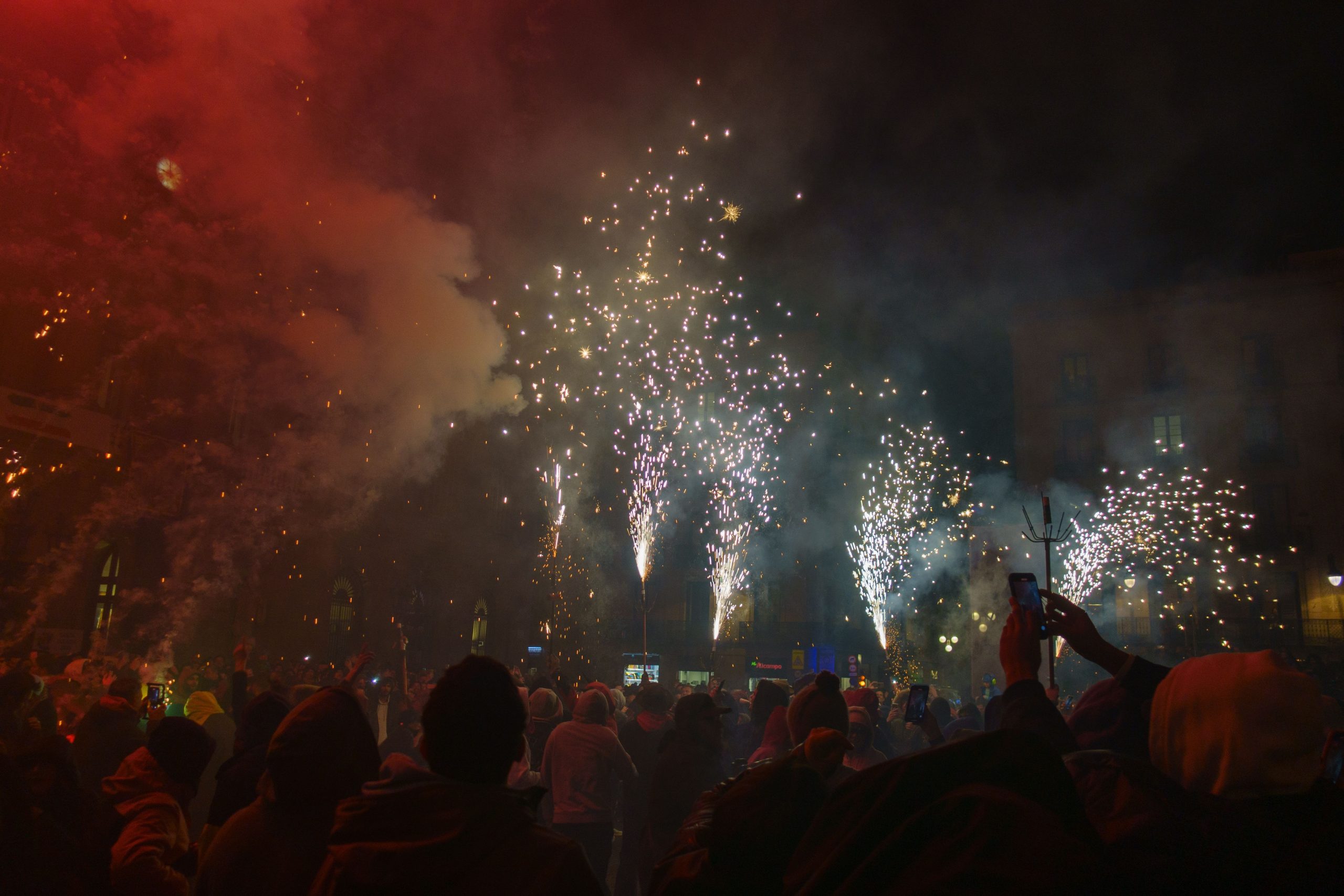
Three days later, Catalonia celebrates Castanyada, a traditional autumn observance associated with All Saints’ Day. Roasted chestnuts, sweet potatoes and pastries are central to the experience, making Castanyada one of the region’s most accessible cultural traditions for visitors. The event itself poses relatively little physical danger. The more realistic concern is what happens when large numbers of residents and tourists converge in central Barcelona.

Spain is currently at Level 2 – Exercise Increased Caution due to terrorism and unrest. The State Department also advises travelers to remain aware of their surroundings, avoid demonstrations and prepare to adjust plans when gatherings disrupt normal activity. For a Castanyada visitor, however, opportunistic theft is likely to be a more immediate concern than the advisory’s broader national security issues.

Crowded streets, transit stations, markets and nightlife districts give pickpockets favorable conditions. A traveler focused on buying roasted chestnuts, taking photographs or navigating through a crowded pedestrian zone may become less attentive to a phone, purse or wallet.

Barcelona travelers should treat crowded festival environments the same way they would a busy train station or major tourist attraction. Keep phones and wallets secured rather than in open pockets, carry bags where they can be seen and avoid placing valuables on restaurant tables or hanging purses loosely from chairs. The objective is not to become suspicious of everyone around you. It is simply to remove the easy opportunities that petty thieves look for.


Samhain: When Weather May Be the Biggest Threat

Samhain has deep roots in Gaelic tradition and helped shape many customs associated with modern Halloween. Contemporary observances vary widely, from bonfires and storytelling to historic reenactments, cultural programs and outdoor pageants.

For travelers, Samhain offers something especially appealing: many events take place outside conventional tourism settings and connect visitors with landscapes, folklore and communities.

That can also introduce the most consequential travel risk among these three celebrations: weather. By late October, Ireland and Scotland can bring rain, cold temperatures, strong winds, darkness and deteriorating road conditions. Rural routes that appear easy on a map may be narrow, poorly illuminated and unfamiliar to travelers accustomed to driving on the right side of the road. A daytime journey to a rural celebration may become a very different drive several hours later in darkness and rain. Wet leaves, standing water and freezing conditions in colder areas can further complicate travel.

The advisory picture also deserves clarification. Ireland is currently Level 1 – Exercise Normal Precautions, with the State Department identifying petty crime, particularly crimes of opportunity such as pickpocketing and purse snatching, as a concern in popular tourist locations. Scotland, however, is part of the United Kingdom and therefore falls under the UK’s current Level 2 – Exercise Increased Caution advisory due primarily to terrorism. The State Department also advises awareness around crowded public venues and notes risks including pickpocketing, mugging and snatch-and-grab theft.

The distinction is important for travelers combining Ireland and Scotland in one Samhain itinerary. A single cultural tradition can cross political borders, healthcare systems and advisory environments.


Festival Travel Requires a Different Kind of Planning

None of these celebrations should discourage travelers. In fact, Oxi Day, Castanyada and Samhain can provide exactly the kind of authentic cultural experience many international travelers increasingly seek.

But festival travel changes normal assumptions. Transportation that works reliably on October 27 may operate differently on October 28. A Barcelona street that feels manageable during an ordinary afternoon may become packed during a holiday celebration. A scenic route through rural Ireland or Scotland can become considerably more difficult after sunset in heavy rain.

Medical planning deserves equal attention. A traveler who becomes sick or injured in central Athens, Barcelona, Dublin or Edinburgh may have access to significant healthcare infrastructure. Someone attending a remote Samhain event, driving through rural countryside or traveling outside a major metropolitan area may face a very different emergency-care environment.

That is why travelers should research not simply whether a country has “good healthcare,” but what medical capabilities exist where they will actually be traveling.


The Global Rescue Connection

Travel preparation is most valuable before an emergency occurs. One of the most useful Global Rescue resources for international travelers is its Destination Reports, which provide destination-specific intelligence to help members better understand local risks, medical infrastructure and emergency healthcare capabilities.

That information can be especially valuable on an itinerary spanning several countries. A traveler visiting Athens, Barcelona, Ireland and Scotland may encounter very different hospital systems, emergency-response capabilities and transportation considerations. Knowing what resources are available before becoming ill or injured can eliminate critical uncertainty when decisions must be made quickly.

A Global Rescue membership also gives travelers access to field rescue, medical evacuation to the hospital of their choice, 24/7 medical advisory support and security advisory services during natural disasters or serious disruptions.

Global Rescue memberships are not insurance. There are no claim forms, deductibles or extra costs for covered membership services. Instead of reimbursing a traveler after an emergency, Global Rescue provides operational assistance when help is needed. That distinction matters whether a traveler is injured on a remote road after a Samhain celebration, becomes seriously ill in Spain or needs medical guidance while navigating holiday disruptions in Greece.

Global Rescue supports travelers through expert medical and advisory teams, veteran military specialists and destination intelligence designed to help members make informed decisions before and during a trip. Oxi Day, Castanyada and Samhain demonstrate why preparation does not have to mean expecting the worst. It means understanding the destination, knowing where appropriate medical care is available and having a plan if local circumstances change.

Preparation isn’t paranoia; it’s protection. And when the unexpected strikes, travelers should not have to navigate unfamiliar medical systems, emergency transportation or rapidly changing conditions alone.