Article Highlights:

  • The 2026 Albuquerque International Balloon Fiesta runs October 3–11, combining spectacular ballooning with cold mornings, altitude and weather-dependent operations.
  • Albuquerque sits more than 5,000 feet above sea level, which can leave some visitors dehydrated or unusually fatigued.
  • The Alba White Truffle World Market opens October 10 in Piedmont, drawing culinary travelers to one of Italy’s most celebrated food destinations.
  • Travelers in Alba face comparatively modest physical security risks but should remain alert for questionable vendor pricing, petty theft and vehicle break-ins.
  • Destination-specific medical intelligence can be as important as knowing the weather, transportation and security environment before attending a major event.


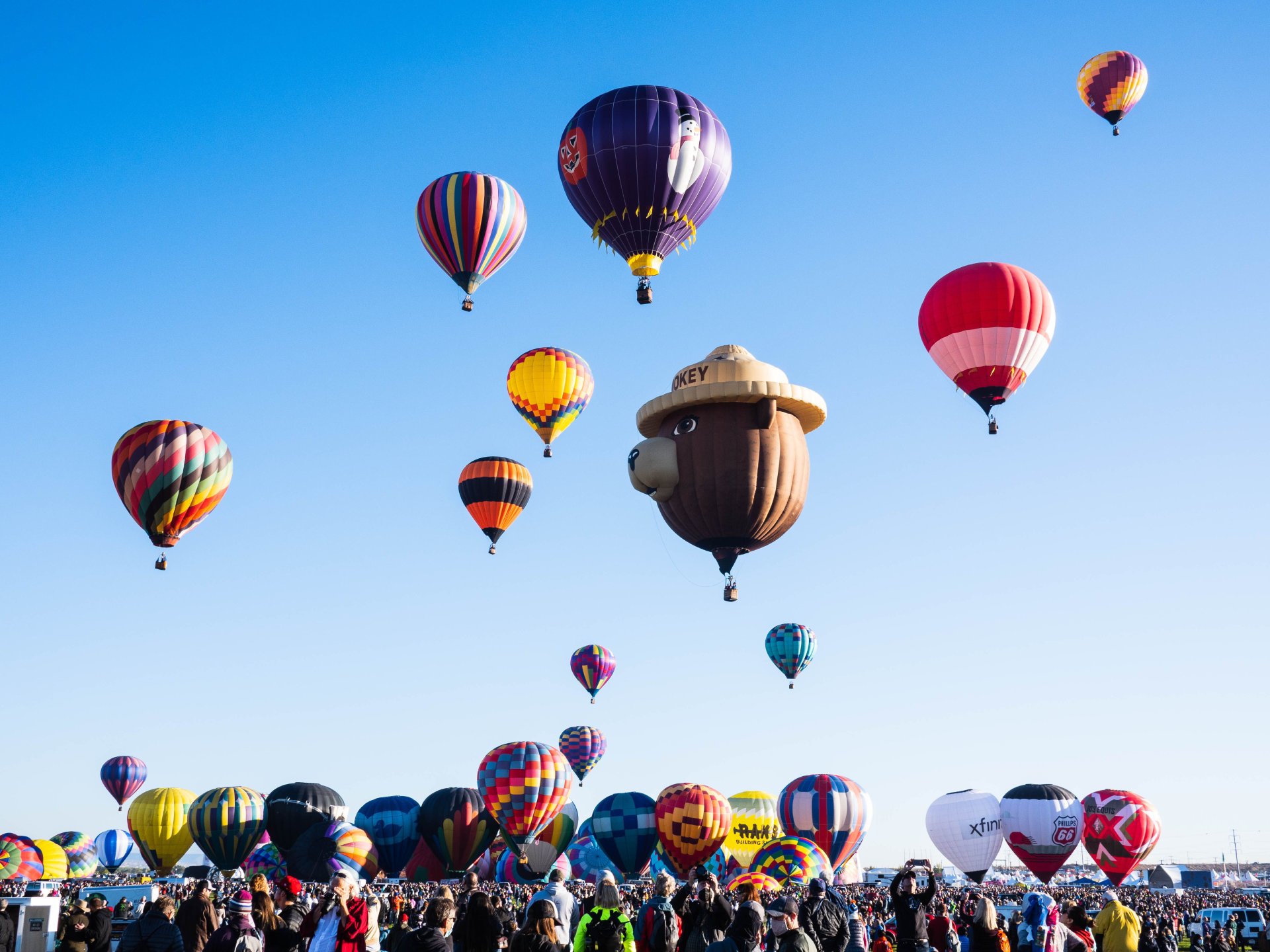
Every autumn, two very different experiences draw travelers to opposite sides of the Atlantic. In New Mexico, more than 500 hot air balloons are expected to rise over Albuquerque during the 54th Albuquerque International Balloon Fiesta, turning the desert sky into one of travel’s most recognizable spectacles. In northern Italy, the International Alba White Truffle Fair celebrates one of the world’s rarest and most expensive foods through markets, tastings and culinary events.

Both are powerful reasons to travel in October. Neither is especially intimidating from a security standpoint. But they illustrate an important lesson: even seemingly low-risk destinations can present challenges involving weather, health, transportation, crowds and access to appropriate medical care. The smartest festival travelers prepare for the destination surrounding the event, not simply the event itself.


What Makes the Albuquerque Balloon Fiesta So Extraordinary?

The 2026 Albuquerque International Balloon Fiesta is scheduled for October 3–11 at Balloon Fiesta Park. Organizers expect more than 500 balloons during the nine-day event, which includes mass ascensions, balloon glows and other activities. The visual spectacle is only part of what makes Albuquerque special for ballooning. Local geography and wind patterns can create the famous “Albuquerque Box,” which sometimes allows pilots flying at different altitudes to encounter winds moving in different directions. Under the right conditions, pilots can use those patterns to maneuver back toward their original flight area.

For spectators, however, weather is more than part of the scenery. Ballooning is highly dependent on wind speed and direction. Conditions can change rapidly, altering launches, landing locations or the timing of events. Visitors need flexibility rather than assuming every scheduled flight will occur exactly as planned. That also means paying attention when driving anywhere near Balloon Fiesta Park. Thousands of spectators moving through the area can create significant traffic bottlenecks while balloons overhead can become an irresistible distraction for drivers. The basic rule is simple: the passenger takes the pictures. The driver watches the road.


Can Albuquerque’s Altitude Affect Festival Visitors?

One of Albuquerque’s less obvious travel considerations is elevation. The city sits at more than 5,000 feet above sea level. Visitors arriving from lower elevations may experience increased thirst, fatigue or reduced exercise tolerance while their bodies adjust. Albuquerque’s dry, high-desert environment can also accelerate dehydration.

That matters during the Balloon Fiesta because some of the most popular activities begin exceptionally early. Travelers may leave hotels well before sunrise, spend extended periods standing outdoors and encounter very cold, sometimes freezing, morning temperatures before the desert warms later in the day.

Layered clothing is essential. So is hydration. Travelers should avoid interpreting altitude-related fatigue as simply a consequence of waking up early. Visitors with pre-existing medical concerns or unusual symptoms should take them seriously, particularly when symptoms do not improve with rest and hydration. The reassuring part of the Albuquerque medical picture is the availability of advanced emergency care. University of New Mexico Hospital is the state’s only Level I Trauma Center and provides 24/7 emergency and critical-care capabilities.

That is exactly the kind of information travelers should know before they need it.


Why Is Alba a Completely Different Festival Experience?

A week after the Balloon Fiesta begins, northern Italy offers an experience built around aroma rather than altitude. The Alba White Truffle World Market opens October 10 and operates on Saturdays and Sundays through December 6, 2026. Held in Alba in the Piedmont region, the market brings together truffle hunters, merchants, chefs and visitors celebrating the prized white truffle.

Unlike Albuquerque, weather-related aviation risks are not part of the equation. The dominant concerns are more conventional European travel issues: crowds, valuables, vehicles, transportation and knowing what you are buying.

White truffles can command extraordinary prices, making informed purchasing particularly important. Travelers should understand pricing before agreeing to expensive purchases, use established vendors and be cautious when an offer seems inconsistent with market norms. The excitement of buying a rare culinary product should not replace ordinary consumer judgment.

Vehicle security also deserves attention, particularly for visitors exploring rural Piedmont by rental car. Do not leave luggage, electronics, passports or shopping bags visible inside a parked vehicle. Organized parking areas and garages are preferable to isolated or poorly monitored locations.


Is Italy Safe for Travelers Attending the Fair?

Italy is currently listed by the US Department of State at Level 2, Exercise Increased Caution, due to terrorism. The advisory notes that potential targets can include tourist locations, transportation centers, markets, hotels, restaurants and cultural events. That does not mean travelers should treat the Alba fair as a high-risk event. It means normal situational awareness remains appropriate even in an idyllic culinary destination.

Keep wallets, phones and passports secured in crowded areas. Avoid leaving valuables unattended. Know where you parked and choose well-traveled routes when returning to accommodations at night. Travelers driving through wine country should also remember that celebratory meals involving Barolo, Barbaresco or other regional wines require the same transportation planning they would use at home. The larger lesson is that low-risk does not mean no-risk.


What Happens if You Need Medical Care Near Alba?

Festival planning often concentrates on hotels, restaurants and transportation while ignoring one question that can suddenly become more important than all the others: What medical care is actually available nearby?

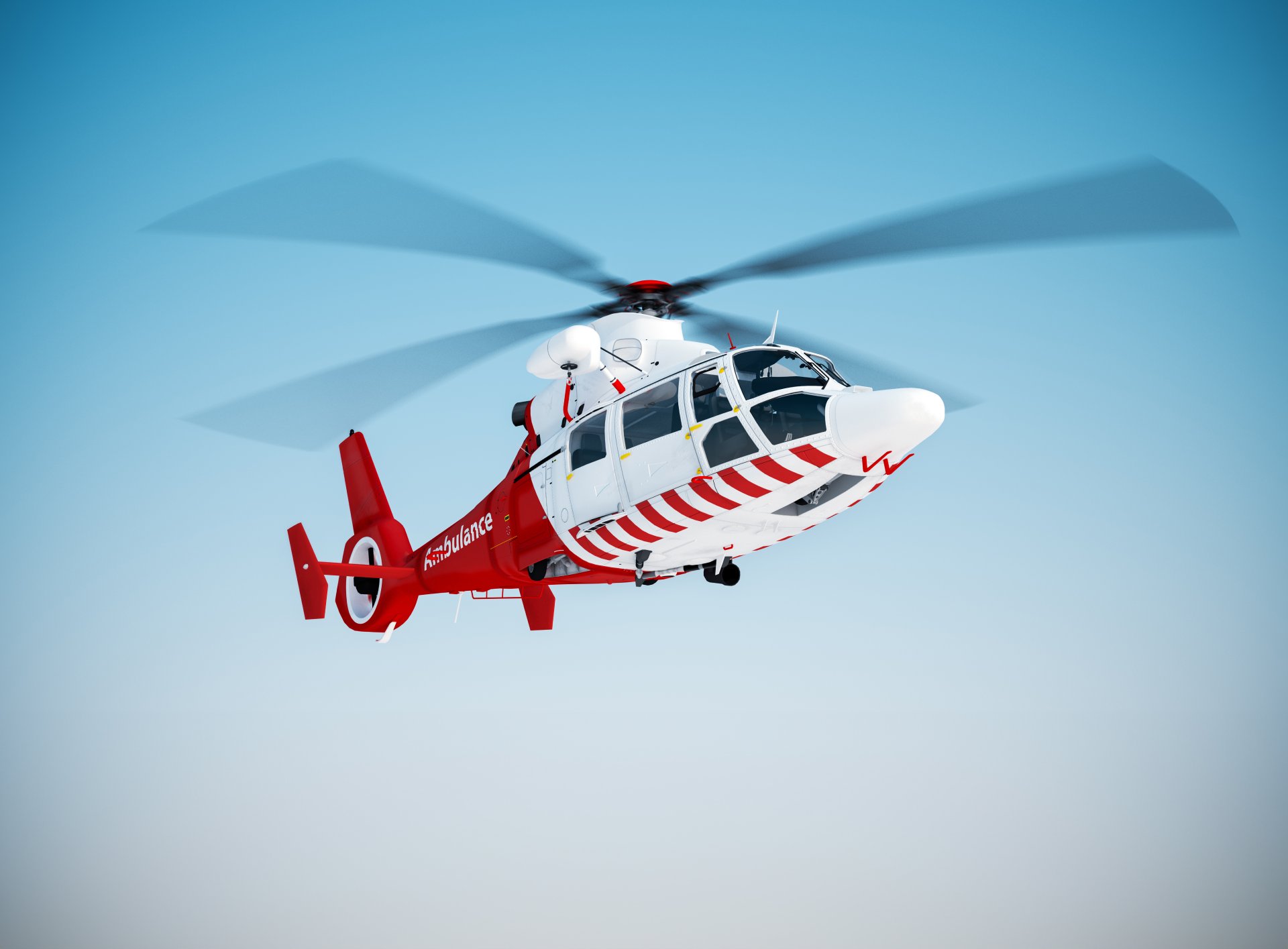
For visitors to Alba, the Ospedale Michele e Pietro Ferrero in nearby Verduno provides a useful example. The modern hospital operates a 24-hour emergency department and has emergency medicine beds, CT, MRI, interventional radiology and other hospital-level diagnostic and specialty services. Its emergency department receives both walk-in patients and patients transported through Italy’s 118 emergency system. In March 2026, the hospital also received authorization for a helipad capable of supporting emergency helicopter operations 24 hours a day, further strengthening emergency capabilities in southeastern Piedmont.

This is the kind of destination intelligence that can materially change a traveler’s decisions during an illness or injury. A hospital icon on a map tells you where a facility is. It does not necessarily tell you whether that hospital has an emergency department, advanced imaging, intensive care, surgical capabilities or other resources appropriate for a specific condition.


The Global Rescue Connection

The Albuquerque Balloon Fiesta and Alba White Truffle Fair demonstrate why travel preparation should extend beyond crime statistics and government advisories. Albuquerque has sophisticated medical resources but also altitude, cold-weather exposure, massive crowds and weather-dependent activities. Alba presents a comparatively relaxed security environment but places travelers in a smaller regional destination where knowing the capabilities of nearby emergency facilities can become critical.

That is where Global Rescue Destination Reports become especially valuable.

Destination Reports help travelers understand not only security conditions and transportation considerations but also the medical environment at a destination, including the capabilities and limitations of local healthcare facilities. Before an emergency occurs, that intelligence can help travelers understand where appropriate care may be available and whether more advanced treatment could require movement elsewhere. This destination-specific approach reflects Global Rescue’s broader emphasis on medical infrastructure and preparedness.

A Global Rescue membership adds operational support when preparation alone is no longer enough. Members have access to field rescue, medical evacuation to the hospital of their choice and 24/7 medical advisory support. Security advisory services are also available during natural disasters or major disruptions.

Global Rescue memberships are not insurance. There are no claim forms, deductibles or extra costs for covered membership services. Instead of submitting expenses after an emergency, members can contact Global Rescue for direct assistance and coordination.

Whether a traveler becomes seriously ill after arriving at altitude in Albuquerque, suffers an injury while exploring Piedmont or needs help determining whether a nearby hospital has the appropriate capabilities for a medical emergency, access to experienced medical professionals and destination-specific intelligence removes much of the guesswork. Global Rescue provides that support through expert advisory teams, veteran military specialists and an unwavering commitment to member safety.

Preparation isn’t paranoia; it’s protection. The balloons, truffles and unforgettable experiences are why travelers make the trip. Knowing what happens if something goes wrong is what allows them to enjoy it with greater confidence.