Article Highlights:

  • St. Patrick’s Day began as a Christian feast day and evolved into a global cultural celebration on March 17.
  • Dublin hosts the largest events in Ireland, but smaller towns often provide more manageable experiences.
  • Northern Ireland and the Republic share the holiday date but differ in historical and cultural context.
  • Worldwide celebrations range from Caribbean commemorations to parades in Japan and Australia.
  • Smart crowd safety planning is essential when navigating high-density public events.


St. Patrick’s Day, observed each year on March 17, commemorates the death of Saint Patrick, the missionary traditionally credited with bringing Christianity to Ireland. What began as a religious feast day in the early 17th century gradually evolved into a broader celebration of Irish heritage, identity and culture.

Today, St. Patrick’s Day — or St. Paddy’s Day — is celebrated in more countries than any other national festival. From Dublin to Sydney, from Montreal to Tokyo, the shamrock and the color green have become global symbols of participation.

For international travelers, March 17 presents both opportunity and complexity: cultural immersion, large public gatherings, altered transport schedules and concentrated crowds.

Understanding the holiday’s origins helps frame what you’re experiencing on the ground.


Who Was Saint Patrick?

Saint Patrick was not Irish by birth. Tradition holds that he was born in Roman Britain in the fourth century. As a teenager, he was kidnapped and taken to Ireland, where he spent years in captivity before escaping. Later, he returned as a Christian missionary. Over centuries, legend amplified his legacy and he became Ireland’s foremost patron saint.

March 17 marks the day he is believed to have died. In liturgical churches — including the Catholic Church, the Anglican Communion, the Lutheran Church and the Eastern Orthodox Church — it remains a recognized feast day.

For travelers, this means St. Patrick’s Day still carries religious meaning, even where modern celebrations feel more like festivals.

Why Are the Shamrock and Wearing Green Important?

One of the most recognizable symbols of St. Patrick’s Day is the shamrock. According to tradition, Saint Patrick used the three-leafed plant to illustrate the concept of the Holy Trinity. Whether legend or teaching tool, the shamrock became intertwined with Irish identity.

The association with green developed over centuries. Though blue was historically linked to Saint Patrick, green became politically and culturally associated with Ireland in the 18th century. Today, “wearing the green” is a simple way for visitors to participate respectfully.

A small shamrock pin or green accessory is more appropriate than costume-style outfits, especially in Ireland.


Ireland: The Heart of the Celebration

In Ireland, St. Patrick’s Day is a public holiday in both the Republic of Ireland and Northern Ireland. Government offices close. Many businesses adjust hours. Public transport operates on modified schedules.

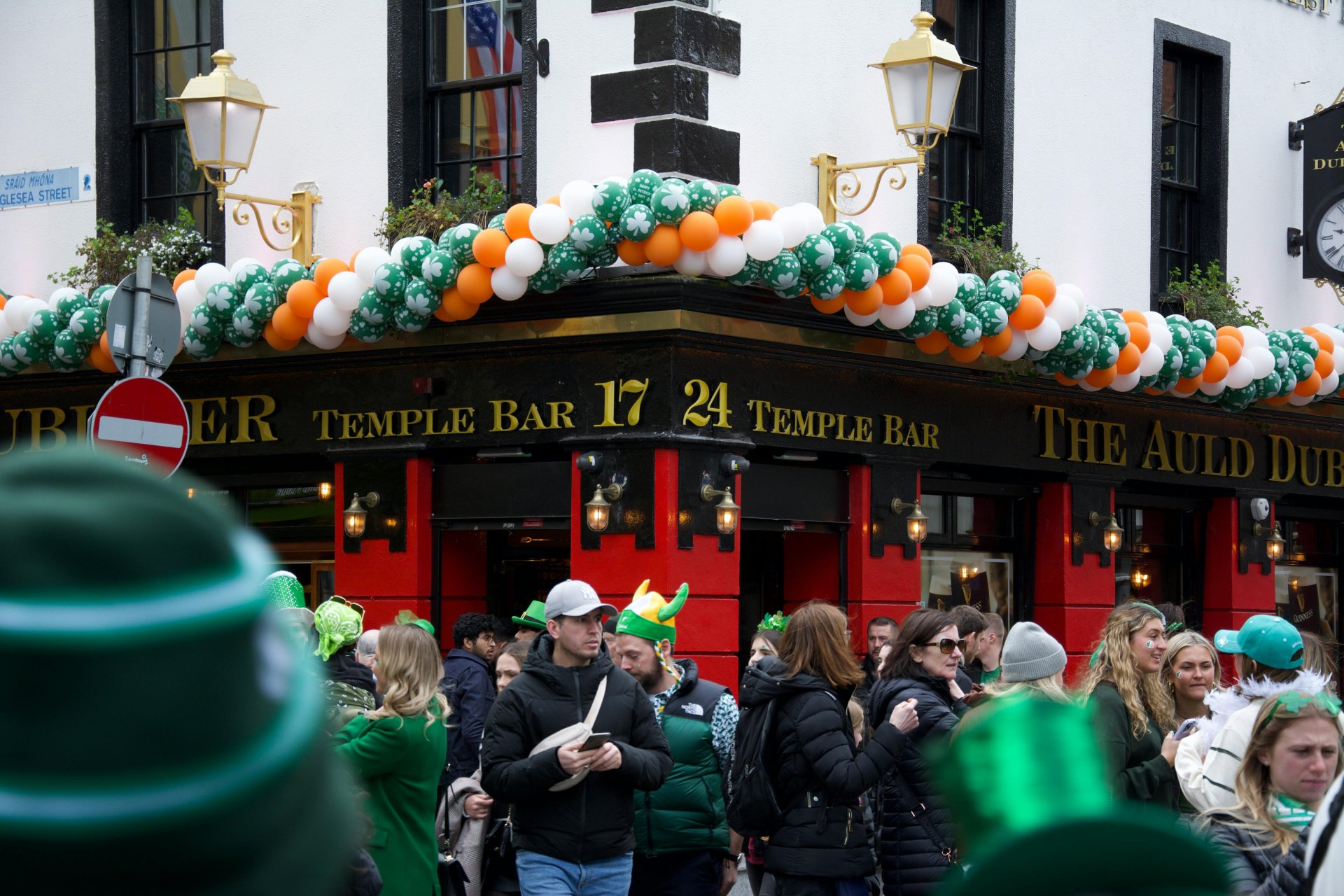
Dublin hosts the largest national parade and festival events. Expect large crowds, road closures and dense pedestrian traffic throughout the city center. Accommodation books months in advance. Restaurants and pubs reach capacity quickly.

Dublin, however, is not the only way to experience the holiday. Smaller cities such as Galway, Cork and Limerick — and even rural towns — often provide a more community-centered celebration. These events may feel less commercial and easier to navigate.

Historically, the holiday in Ireland was once a relatively subdued religious observance. Alcohol sales were even restricted until the mid-20th century. The modern festival format developed gradually, particularly in the 1990s, when Ireland began promoting St. Patrick’s Day as a showcase of national culture.


Ireland and Northern Ireland: Similar Date, Different Context

International travelers often combine Dublin and Belfast in one itinerary. While March 17 is a public holiday in both jurisdictions, historical context differs.

In Northern Ireland, the holiday historically intersected with sectarian divisions. Public celebrations were at times closely associated with community identity. Since the peace process of the late 1990s, many towns have emphasized cross-community participation.

For travelers moving between the Republic of Ireland and Northern Ireland:

  • Expect heavy transport demand on March 16–18.
  • Confirm bus and rail schedules in advance.
  • Allow extra time for intercity travel.
  • Remain culturally aware; celebrations may carry different tones in different neighborhoods.

Understanding context enhances your experience and reduces missteps.


Celebrations Beyond Ireland

Canada: St. Patrick’s Day is a government holiday in Newfoundland and Labrador and widely celebrated across Canada. Montreal hosts one of the longest-running parades in North America. Cities such as Toronto, Vancouver and Saint John hold major events. Travelers should confirm which services operate on holiday schedules, particularly in provinces where government offices close.

Montserrat: Montserrat, often called the “Emerald Island of the Caribbean,” recognizes St. Patrick’s Day as a public holiday. The celebration uniquely commemorates both Irish heritage and a historic 1768 uprising. It is one of the few places where March 17 blends Irish and local Caribbean history.

Australia and New Zealand: Major cities such as Sydney, Brisbane, Melbourne and Auckland host parades and weekend festivals near March 17. Events are often scheduled on the closest weekend rather than strictly on the date itself.

Europe: Across England, Scotland and other European countries, Irish diaspora communities organize parades, concerts and festivals. London and Birmingham host large-scale events. Glasgow has a significant Irish heritage presence. In Lithuania, the Vilnia River is dyed green. In Norway, Oslo holds an annual parade.

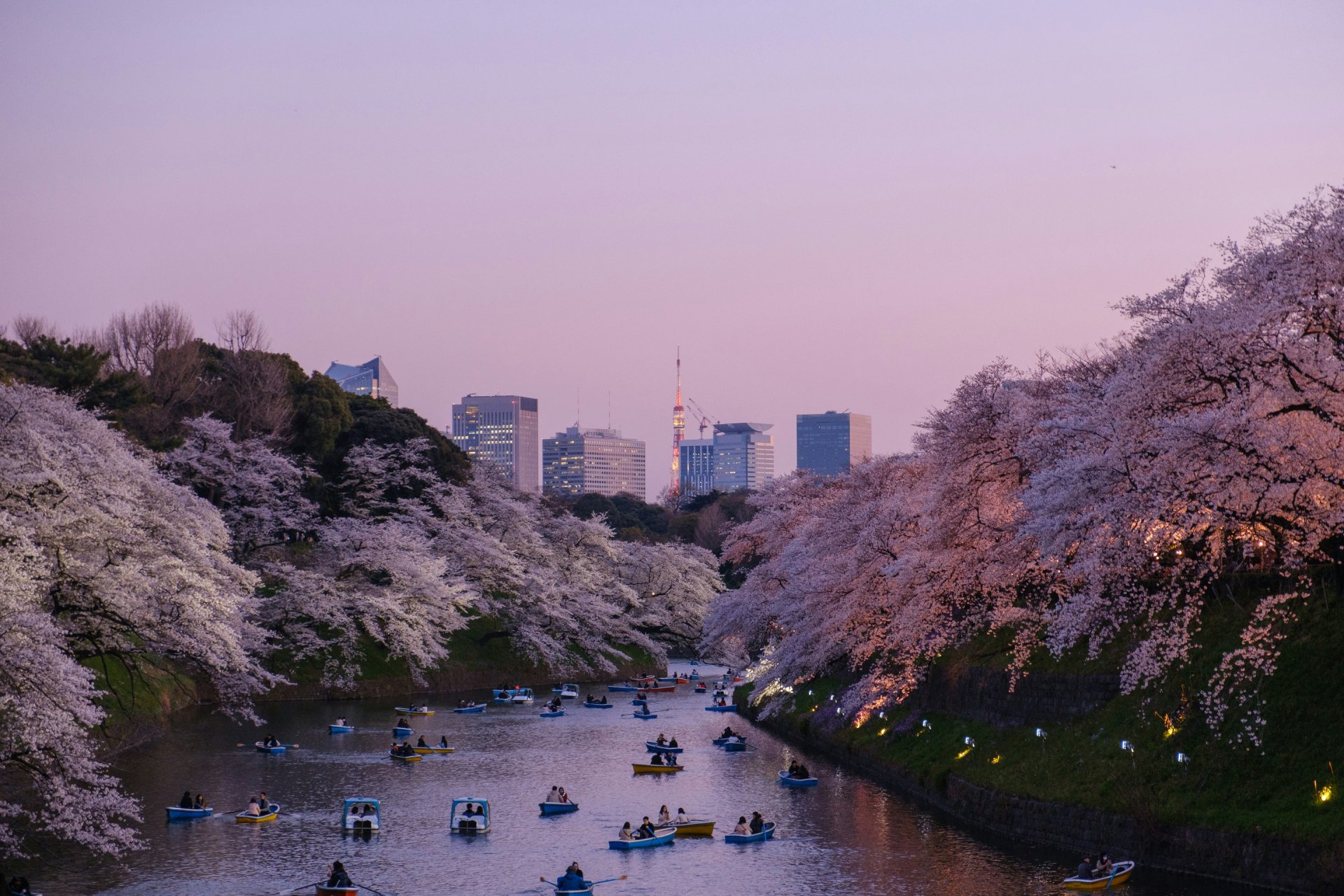
Asia: Tokyo has hosted St. Patrick’s Day parades since the early 1990s. Seoul, Busan and parts of Malaysia hold Irish cultural events and celebrations organized by Irish associations and embassies. In many destinations, landmarks illuminate in green as part of global recognition of the holiday.


Crowd Safety: Managing Risk During Major Public Events

St. Patrick’s Day celebrations often involve high-density gatherings. Large parades, festivals and nightlife concentrations compress thousands — or even hundreds of thousands — of people into small geographic areas.

Crowds create predictable challenges:

  • Reduced mobility
  • Increased pickpocketing and opportunistic theft
  • Limited emergency access
  • Transportation disruptions

Dense environments make it easier for criminals to operate unnoticed and harder for visitors to respond quickly.

Travelers should take practical precautions:

  • Use clothing with interior or zippered pockets.
  • Avoid displaying expensive jewelry or large amounts of cash.
  • Keep phones secure and avoid handling them loosely in packed areas.
  • Establish a meeting point if traveling with companions.
  • Screenshot maps and hotel addresses in case mobile networks slow down.

Situational awareness is critical. Monitor crowd tone and movement. Sudden pushing, rapid directional shifts or visible agitation can signal instability. Upon entering a dense area, identify at least two exit routes. Avoid standing near barricades, dead-end streets or tightly compressed areas near stage fronts.

Transportation disruptions are common. Roads may close for parade routes. Public transit can be delayed or rerouted. Build buffer time into all movements.

If driving in a foreign city during a major event, consider using vetted transportation or a knowledgeable local driver. Confusion behind the wheel in congested areas increases vulnerability.

Crowd safety is about anticipating predictable friction points and planning accordingly.

The Global Rescue Connection

Large-scale events like St. Patrick’s Day combine travel complexity with crowd density. Medical incidents, automobile accidents, lost documentation or sudden illness can be more difficult to manage when city centers are congested and services operate on modified schedules.

A Global Rescue membership provides an added layer of preparedness. Field rescue services can assist in difficult-to-access areas. Medical evacuation ensures transport to appropriate facilities when local care is insufficient. Medical advisory services help travelers interpret symptoms, identify treatment options and coordinate care within unfamiliar healthcare systems. Destination Reports provide pre-trip intelligence about medical infrastructure, security conditions and logistical considerations.

Celebrating St. Patrick’s Day abroad should be memorable for the right reasons. Preparation, awareness and access to professional support allow travelers to enjoy the music, culture and atmosphere of March 17, without unnecessary risk.