Article Highlights:

  • Political instability is reshaping international travel, forcing travelers to think like strategists, not tourists.
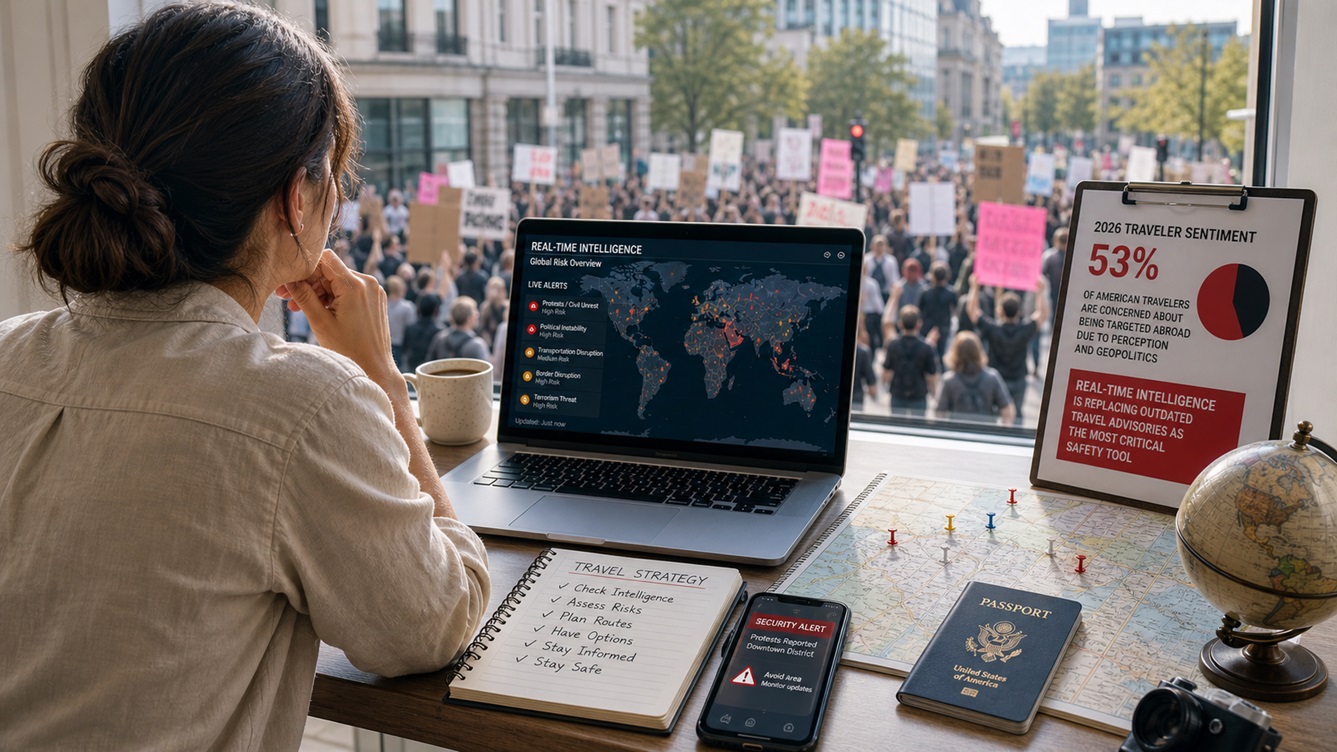
  • 53% of American travelers are concerned about being targeted abroad due to perception and geopolitics.
  • Real-time intelligence is replacing outdated travel advisories as the most critical safety tool.
  • Technology alone cannot replace preparation, awareness and professional support.
  • Demand for security-focused travel protection is rising as travelers adapt rather than retreat.


In Revenge of the Sith, the galaxy doesn’t collapse overnight. It fractures slowly. Alliances shift. Systems become contested. Travel routes once considered safe become unpredictable. By the time most citizens realize what’s happening, the environment has already changed.

That narrative feels less like science fiction and more like a framework for understanding international travel in 2026.

Today’s international travelers are not navigating hyperspace lanes, but they are moving through a world increasingly defined by political instability, regional conflict and shifting perception risk. The question is no longer whether travel is safe or unsafe. It is whether travelers understand how quickly conditions can change — and how to respond when they do.


Would You Travel During a Galactic Conflict? A Real-World Guide to Political Risk

Han Solo didn’t avoid risk. He managed it. That distinction matters.

Modern international travel is experiencing a similar shift. Travelers are not abandoning global mobility. They are recalibrating how they move through it. According to recent Global Rescue survey data, more than half of American travelers (53%) are now concerned about being targeted abroad due to anti-American sentiment. At the same time, 85% express concern about disruptions tied to global conflict, from airspace closures to sudden rerouting.

Yet nearly two-thirds are still traveling. This is not retreat. It is adaptation.

Travelers today behave less like passive tourists and more like operational planners. They are weighing risk, perception and logistics simultaneously. That evolution mirrors the kind of decision-making seen in contested Star Wars systems, where movement requires awareness, timing and contingency planning.


Galactic Conflict vs. Political Instability

In the Star Wars universe, the Galactic Civil War creates zones of control, influence and uncertainty. Some planets remain stable. Others become flashpoints. The risk is not evenly distributed, and it changes quickly. The same is true in real-world travel.

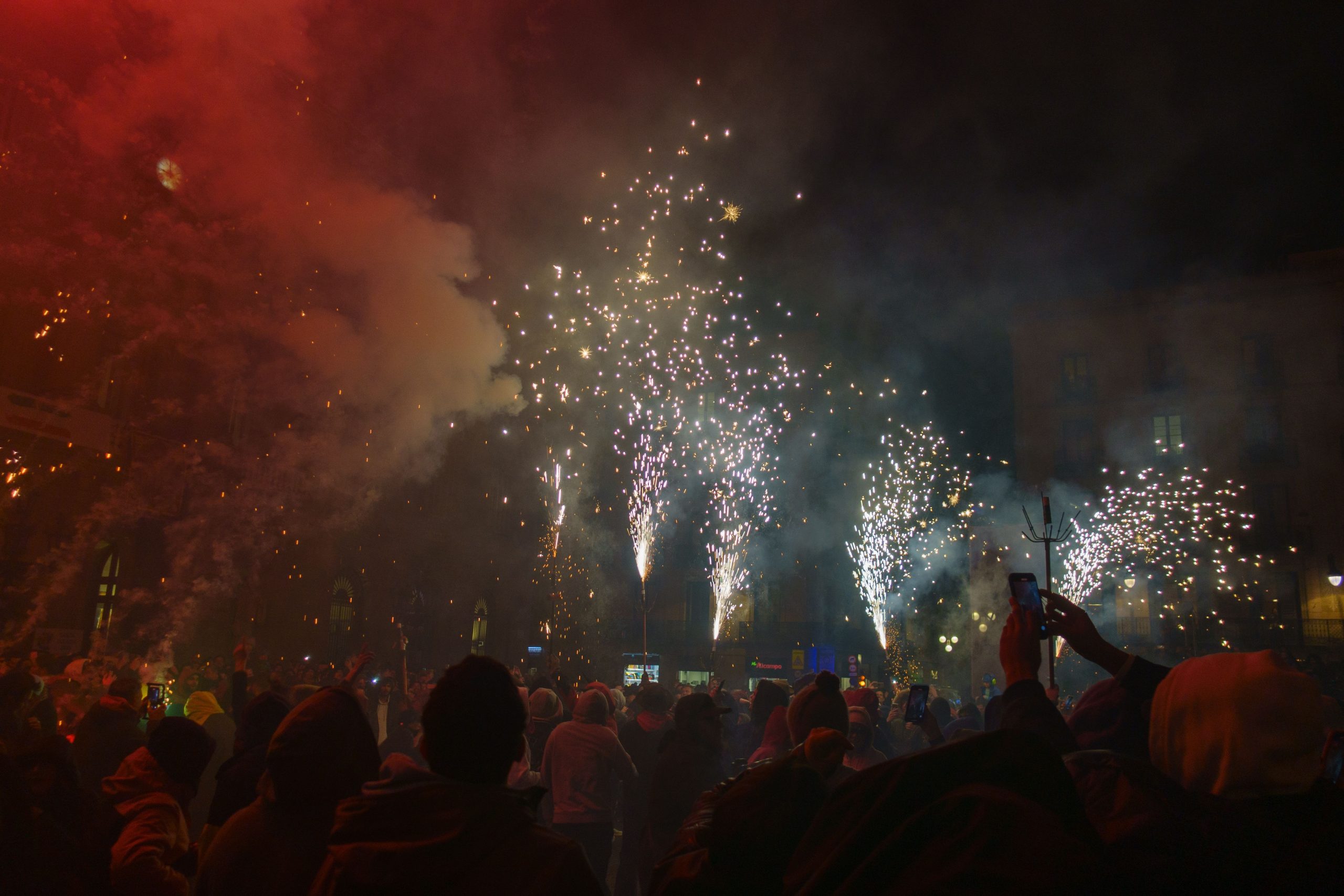
Political instability rarely affects entire countries uniformly. Instead, it concentrates in regions, cities or specific transit corridors. Border tensions can escalate without warning. Civil unrest can disrupt transportation networks overnight. Elections, economic crises or regional conflicts can shift a destination’s risk profile in days, not months.

This fragmentation is one of the most misunderstood aspects of international travel risk. Travelers often rely on broad country-level assessments, when the reality on the ground is far more nuanced. Understanding that nuance is the difference between confident travel and exposure.


Travel Advisories: The Galactic Senate of Modern Travel

If the Galactic Senate issued travel warnings during the Clone Wars, most citizens would have paid attention — but not always understood the full picture.

That dynamic closely mirrors how government-issued travel advisories function today.

For decades, travel advisories have been a foundational input in international travel planning. But in an era defined by political instability, regional conflict and rapid information cycles, their influence has intensified. According to the Global Rescue Summer 2025 Traveler Safety and Sentiment Survey, 63% of the world’s most experienced travelers say government advisories affect their destination choices to at least a moderate degree.

Safety information is no longer a background consideration. It is a primary decision driver.

Travelers are increasingly using advisories to evaluate risks tied to political unrest, natural disasters and health-related crises before departure. These official signals shape not only where travelers go, but where they choose not to go.

But advisories have limitations.

They are often broad, slow to evolve and structured at the country level, even when real conditions vary dramatically within regions. A destination flagged at a higher advisory level may still contain stable areas, while lower-risk countries can experience sudden localized disruptions.

This creates a paradox for modern travelers.

Advisories are essential, but they are not sufficient.

Safety information from official sources now plays a decisive role in travel planning, but it is only the starting point. It identifies where risk exists. It does not explain how that risk evolves or how it affects individual itineraries in real time.


Real-Time Intelligence vs. Static Advisories

One of the most critical gaps in travel safety is the reliance on outdated information.

Traditional travel advisories are static by design. They provide broad, country-level assessments that are updated periodically, often lagging behind rapidly evolving conditions on the ground. In a world shaped by political instability, civil unrest and sudden disruptions, that delay creates real exposure for international travelers.

Modern travel requires real-time intelligence.

Conditions can shift in hours, not days. Protests can emerge and escalate quickly. Airspace can close. Communications networks can be disrupted. Border crossings can tighten without warning. Travelers relying solely on pre-departure research or static advisories are making decisions based on incomplete, and sometimes obsolete, information.

In a contested galaxy, outdated intelligence isn’t just inconvenient, it’s dangerous. The same applies to international travel.

Global Rescue’s Intelligence Delivery system (GRID) represents a fundamental shift in how travelers access and act on risk information. Recognized with the 2025 Skift IDEA Award for Industry Innovation, GRID was designed to bridge the gap between static advisories and real-world conditions. It delivers targeted alerts on emerging threats including civil unrest, natural disasters, disease outbreaks, transportation disruptions and security incidents.

In 2024 alone, GRID delivered more than half a million alerts tied to nearly 10,000 global events.

More importantly, GRID integrates intelligence with action. It combines real-time alerts, GPS tracking, direct communication with operations centers and coordinated response capabilities into a single system. Travelers are not just informed, they are connected.

This changes how international travelers operate. Instead of reacting after events unfold, they can anticipate disruption, adjust routes and avoid emerging hotspots. The shift is from awareness to action.


Adaptation, Not Avoidance

Despite rising instability, international travel demand remains resilient.

More than 40% of travelers expect no change in their travel frequency, while others are making targeted adjustments — changing destinations, postponing trips or modifying itineraries. The behavior reflects a strategic mindset rather than emotional reaction.

Travelers are not abandoning the journey. They are choosing different paths through it.

This mirrors a central theme in Star Wars: movement continues even in conflict, but it requires awareness, preparation and support.

As global uncertainty increases, traveler behavior is evolving.

Security-focused travel protection is rising significantly, with a 29% increase in combined medical and security memberships in early 2026. This reflects a broader shift toward proactive risk management. Travelers want more than reimbursement after an incident. They want real-time support, intelligence and response capability.

Preparation is no longer a checklist. It is a strategy.

Travelers are recognizing that geopolitical instability is not temporary. It is an enduring condition of modern international travel. Navigating it effectively requires access to better information, stronger support systems and the ability to respond quickly when conditions change.


The Global Rescue Connection

In a world increasingly defined by instability, the difference between confidence and vulnerability often comes down to preparation and support.

A Global Rescue membership provides international travelers with access to 24/7 teams of military special operations veterans, intelligence analysts and medical professionals. Members receive real-time alerts, destination-specific intelligence and immediate guidance when conditions evolve.

With the Security Add-On, travelers gain access to crisis response capabilities designed for high-risk environments. This includes security extraction services, support during civil unrest or political instability and direct coordination with professionals trained to operate in complex global scenarios.

Equally important is integration. Medical evacuation, field rescue and security intelligence operate as a unified system. Whether facing a sudden health emergency, border closure or escalating unrest, members have a single point of contact and a coordinated response.

In a world that increasingly resembles contested systems rather than predictable destinations, that level of support is no longer optional for serious international travelers.

Because whether you are navigating a distant planet or a real-world destination, the principle remains the same: Travel is still possible. But how you prepare determines how well you move through it.