Article Highlights:

  • Hurricanes, typhoons and cyclones are the same type of storm but occur in different regions of the world.
  • More than 90% of Atlantic hurricane activity occurs between August and the end of October.
  • Storm surge and flooding cause more deaths and destruction than hurricane-force winds.
  • Travelers increasingly continue their trips despite growing natural disaster risks.
  • Preparation, evacuation planning and expert support significantly improve traveler safety during major storms.


The modern traveler faces a very different world than travelers did just a generation ago. Natural disasters are more visible, global weather events dominate headlines and travelers are venturing farther from home than ever before. Yet despite growing awareness of environmental risks, people continue to travel internationally in record numbers.

According to a Global Rescue Traveler Sentiment and Safety Survey, more than half of travelers reported they were not significantly concerned about natural disasters disrupting their travel plans. This comes despite increasingly frequent reports of hurricanes, floods, wildfires and other weather-related events affecting popular destinations worldwide.

“Travelers are proceeding with their plans despite the risks of natural disasters. This is a testament to the resilience of the travel industry,” said Dan Richards, CEO of The Global Rescue Companies.

One reason hurricanes, typhoons and cyclones are different from many other natural disasters is their predictability. Modern meteorological satellites, aircraft reconnaissance, ocean buoys and computer modeling allow forecasters to identify and track tropical systems days, and often more than a week, before landfall. While forecasts are not perfect, travelers typically receive substantial advance warning of a storm’s projected path, giving them time to change travel plans, evacuate vulnerable areas, secure accommodations or relocate to safer regions. Unlike earthquakes, which strike without warning, tropical cyclones are among the most closely monitored natural hazards on Earth.

Understanding hurricanes, typhoons and cyclones is no longer just useful knowledge for meteorologists. It has become an essential component of travel planning, especially for travelers visiting coastal regions during peak storm seasons.


Hurricanes, Typhoons and Cyclones: What Every International Traveler Needs To Know

Many travelers assume hurricanes, typhoons and cyclones are different weather events. In reality, they are all tropical cyclones, massive rotating storm systems fueled by warm ocean water. The difference is geographic.

A hurricane is the term used for storms that form in the Atlantic Ocean and the northeastern Pacific Ocean. A typhoon is the name given to the same type of storm in the northwestern Pacific Ocean, particularly near Japan, Taiwan, China and the Philippines. A cyclone refers to these storms when they occur in the Indian Ocean and the South Pacific.

Regardless of the name, these storms can produce devastating winds, torrential rainfall, destructive storm surges, tornadoes and catastrophic flooding.


Where Do These Storms Form?

Tropical cyclones form over warm ocean waters where sea surface temperatures generally exceed 80°F (26.5°C). They also require abundant atmospheric moisture, converging winds and relatively low wind shear. Earth’s rotation provides another critical ingredient through the Coriolis Effect, which helps create the storm’s characteristic spin. This is why hurricanes never form directly on the equator.

Major tropical cyclone regions include:

  • The North Atlantic Ocean, stretching from the west coast of Africa through the Caribbean and Gulf of Mexico
  • The Eastern and Central North Pacific, off the coasts of Mexico and Central America
  • The Western North Pacific, including the Philippines, Taiwan, Japan and parts of China
  • The North Indian Ocean, particularly the Bay of Bengal and Arabian Sea
  • The South Indian Ocean and South Pacific, including waters near Madagascar, Australia and numerous Pacific island nations

These regions experience tropical cyclones annually, although storm frequency and intensity vary from year to year.


Understanding the Atlantic Hurricane Season

The official Atlantic hurricane season runs from June 1 through November 30. Tropical activity occasionally occurs outside those dates, but the vast majority of storms develop during this six-month period. The season reaches its peak around mid-September. August marks the transition from the relatively quiet early season into the most active months. Historically, August through October produces approximately 11 to 12 named storms, representing nearly 92% of all seasonal hurricane activity. Even more significant for travelers, approximately 93% of hurricane landfalls along the US Gulf Coast and East Coast occur during this period.

NOAA’s outlook for the 2026 Atlantic hurricane season predicts: a 55% chance of a below-normal season; a 35% chance of a near-normal season; a 10% chance of an above-normal season. Forecasters expect between 8 and 14 named storms during the season.

While these numbers suggest a relatively moderate season, travelers should remember that it takes only one storm making landfall in the wrong place at the wrong time to create significant disruptions.


Why Hurricane Activity Peaks in Late Summer and Secondary Threats

Several environmental factors combine to make August, September and October the most dangerous months. Tropical waves emerging from Africa become more organized and are more likely to develop into named storms. Dry Saharan air outbreaks diminish, allowing moisture-rich environments to dominate the tropical Atlantic. Wind shear decreases, allowing storms to maintain their structure rather than being torn apart by changing winds at different altitudes. Sea-surface temperatures reach their warmest levels of the year, providing enormous amounts of energy to developing storms. Atmospheric instability increases, encouraging persistent thunderstorm activity that helps tropical systems strengthen. Together, these ingredients create ideal conditions for hurricane formation.

When travelers think about hurricanes, they usually picture violent winds. However, the deadliest and most destructive consequences often come from secondary impacts.

Storm surge is frequently the greatest threat. As a storm approaches land, powerful winds push seawater inland, creating sudden flooding that can inundate entire communities. Storm surge accounts for many hurricane fatalities. Flooding remains one of the most common and costly natural hazards worldwide. In the United States, approximately 90% of natural disasters involve flooding. Similar patterns exist throughout Southeast Asia, where floods account for nearly 40% of all natural disasters.

Tornadoes often develop within hurricanes, particularly after landfall. These fast-forming storms can cause localized devastation far from the hurricane’s center. Power failures create cascading effects. Hospitals, transportation systems, communications networks, fuel distribution and water treatment facilities may all be compromised. Fire can also become a significant concern. Downed electrical lines interacting with floodwaters or damaged infrastructure have triggered major fires following hurricanes.


How Hurricanes Affect Travelers

Travelers frequently underestimate how quickly conditions can deteriorate before a storm even arrives. Airlines cancel flights days before landfall. Cruise ships reroute or alter itineraries. Hotels reach capacity as residents evacuate vulnerable areas. Roads become congested or impassable. Medical facilities may become overwhelmed. Communication networks can fail.

Nearly 40% of travelers surveyed by Global Rescue reported experiencing travel disruptions caused by extreme weather. Yet many travelers remain surprisingly unconcerned about future disruptions. This disconnect often reflects confidence that modern forecasting technology will provide enough warning to avoid danger. While forecasts have improved dramatically, preparation remains essential.

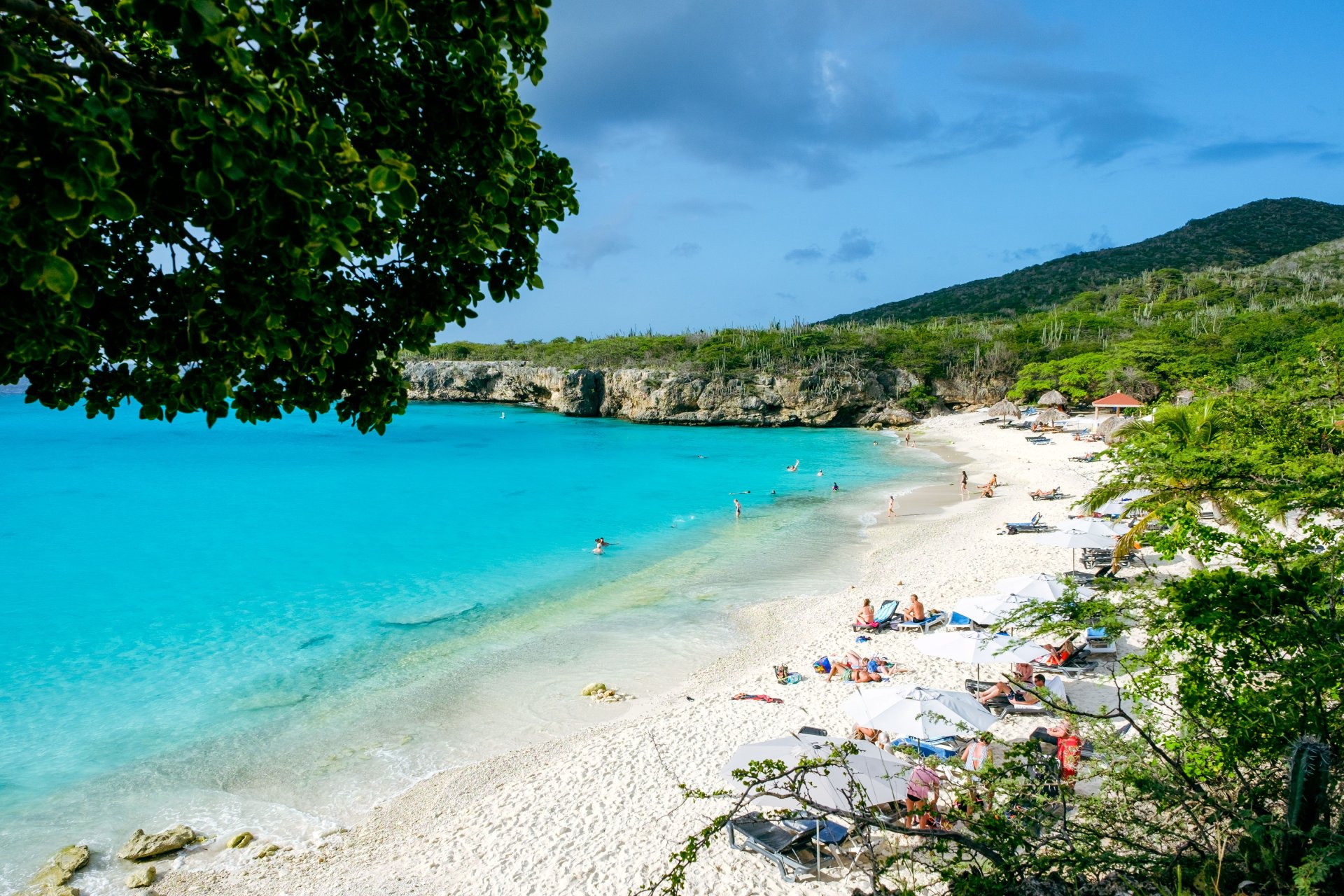
The best hurricane preparedness begins before departure. Research your destination’s storm season and historical weather patterns. Consider destinations located outside major hurricane corridors. Caribbean islands such as Aruba, Bonaire and Curaçao are located near the southern edge of the hurricane belt and rarely experience direct hurricane impacts.

Book refundable or flexible airline tickets whenever possible. Ask your hotel about emergency procedures, backup power systems and sheltering capabilities. Monitor weather forecasts regularly throughout your trip. Maintain sufficient cash reserves in case electronic payment systems become unavailable. Keep passports, identification and travel documents accessible in waterproof storage.

Extreme storms such as hurricanes, cyclones and typhoons are a powerful reminder that Mother Nature remains in control. Fortunately, today’s weather-tracking technology allows meteorologists to identify, name and monitor these storms long before they reach land. For travelers, that advance warning can mean the difference between a minor itinerary change and a life-threatening emergency. The key is acting on official forecasts early rather than waiting until airports close, roads become congested or evacuation orders are issued.


The Global Rescue Connection

Natural disasters like hurricanes, typhoons and cyclones are among the few major threats that often provide advance warning. Travelers who monitor conditions, understand risks and prepare accordingly can dramatically improve their safety.

Unlike earthquakes and other sudden-onset disasters, hurricanes, typhoons and cyclones generally provide travelers with valuable time to prepare and move to safety. The challenge is not a lack of warning, but taking decisive action before conditions deteriorate.

Yet preparation extends beyond weather forecasts. Travel risk management has never been more critical. Whether the threat is a hurricane, flood, wildfire or other natural disaster, travelers need reliable access to intelligence, medical support and evacuation resources.

Global Rescue supports members through medical advisory services, destination reports, field rescue capabilities and medical evacuation assistance. Members have access to experienced medical professionals and security specialists who provide guidance before, during and after emergencies.

When severe weather threatens a destination, Global Rescue helps travelers understand evolving risks, evaluate evacuation options and coordinate medical transport when local resources become overwhelmed or unavailable.

A Global Rescue membership provides access to field rescue, medical evacuation to the hospital of choice, 24/7 medical advisory support and security advisory services during natural disasters and travel disruptions.

Hurricanes, typhoons and cyclones may be unavoidable realities of global travel, but uncertainty does not have to be. Preparation, awareness and expert support remain the most effective tools travelers can carry wherever their journeys take them.