Article Highlights:

  • Religious pilgrimages can be deeply meaningful, but holiday crowds can strain transportation, hotels, emergency services and local medical systems.
  • Jewish, Muslim and Christian travelers face different entry rules, calendars and site restrictions, yet share many crowd, health and security risks.
  • Early reservations, correct documentation and group communication plans are essential when roads close and pedestrian congestion increases.
  • Heat, dehydration, fatigue and mobility limitations can turn a demanding itinerary into a medical emergency.
  • Security intelligence, medical advice, field rescue and evacuation support provide critical protection when local resources are disrupted or insufficient.


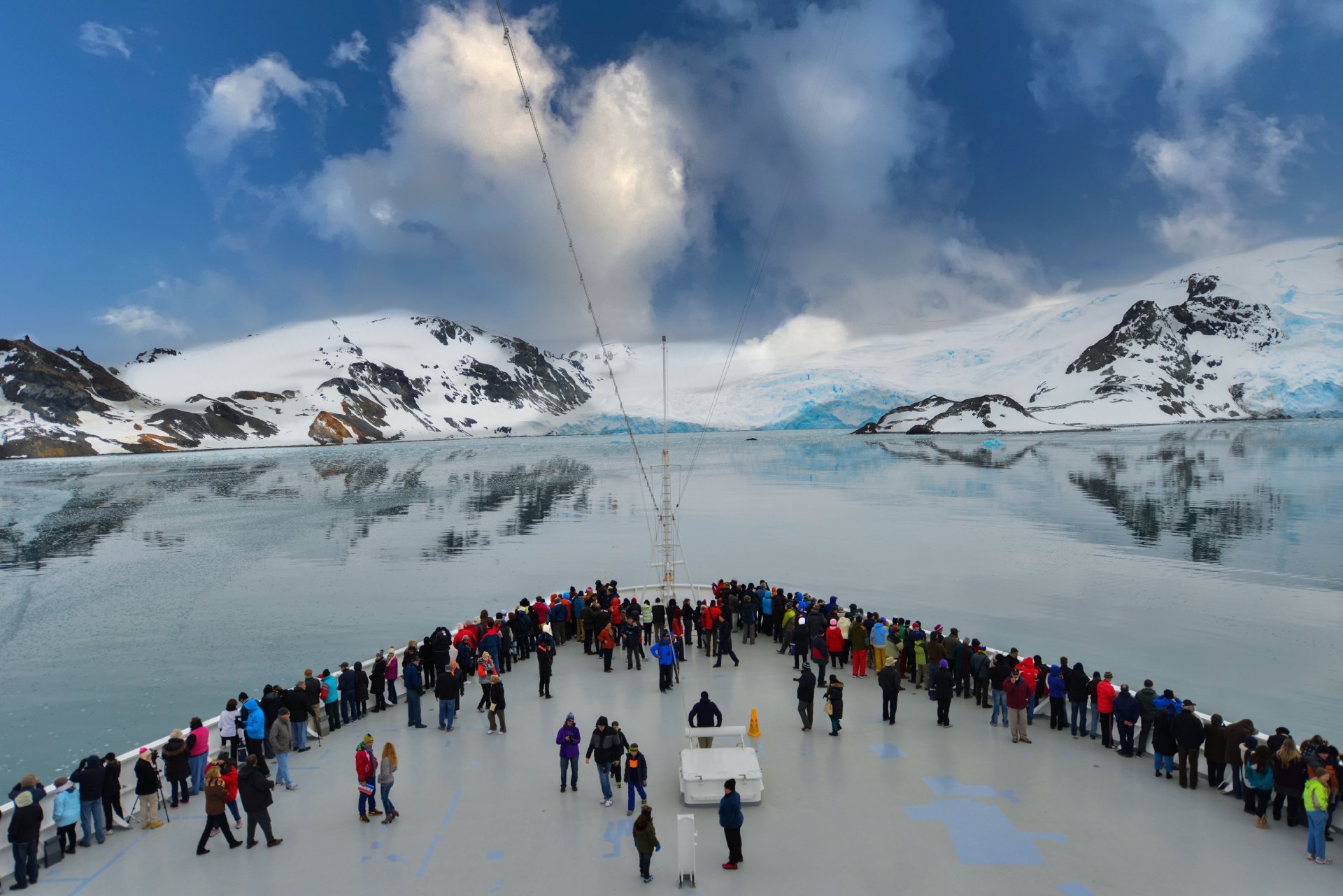
Religious pilgrimage travel can be safe, rewarding and profoundly memorable, but it requires more preparation than an ordinary sightseeing trip. Sacred destinations often draw their largest crowds during fixed observances, concentrating thousands or even millions of visitors in historic districts, plazas, shrines, mosques, churches and narrow pedestrian corridors. The calendar that creates spiritual meaning can also produce sold-out hotels, road closures, security checkpoints, transportation delays and reduced access to medical care.

Mass gatherings can strain local resources and increase exposure to communicable illness, temperature extremes, crowd compression and difficult security conditions. Travelers should evaluate a pilgrimage not only by its destination, but also by its date, physical demands, crowd profile, healthcare capacity and current security environment.


Understand the Religious Calendar Before Booking

The safest pilgrimage plan begins with the calendar. Jewish holidays, Ramadan, Umrah periods, Easter, Holy Week and major Marian observances can transform transportation schedules, operating hours and room availability. A destination that is manageable during an ordinary week may become congested and heavily controlled during a major observance.

Reservations should begin four to six months before departure, and sometimes earlier for high-demand dates. Secure lodging near reliable transportation, determine whether religious sites require timed entry or permits and identify backup routes in case streets close.

Groups should establish meeting places, assign a communications leader and agree on what to do if members become separated. Every traveler should carry copies of passport, visa, medical and emergency-contact information, with digital backups stored securely.

Saudi Arabia uses the Hijri calendar for official pilgrimage matters, making it important to review visa dates carefully. Hajj requires a specific Hajj visa and permit through the official Nusuk system, while Umrah follows separate visa and seasonal rules. Non-Muslims may not enter Mecca or the Prophet’s Mosque and its surrounding courtyard in Medina.


Jewish Heritage and Pilgrimage Travel

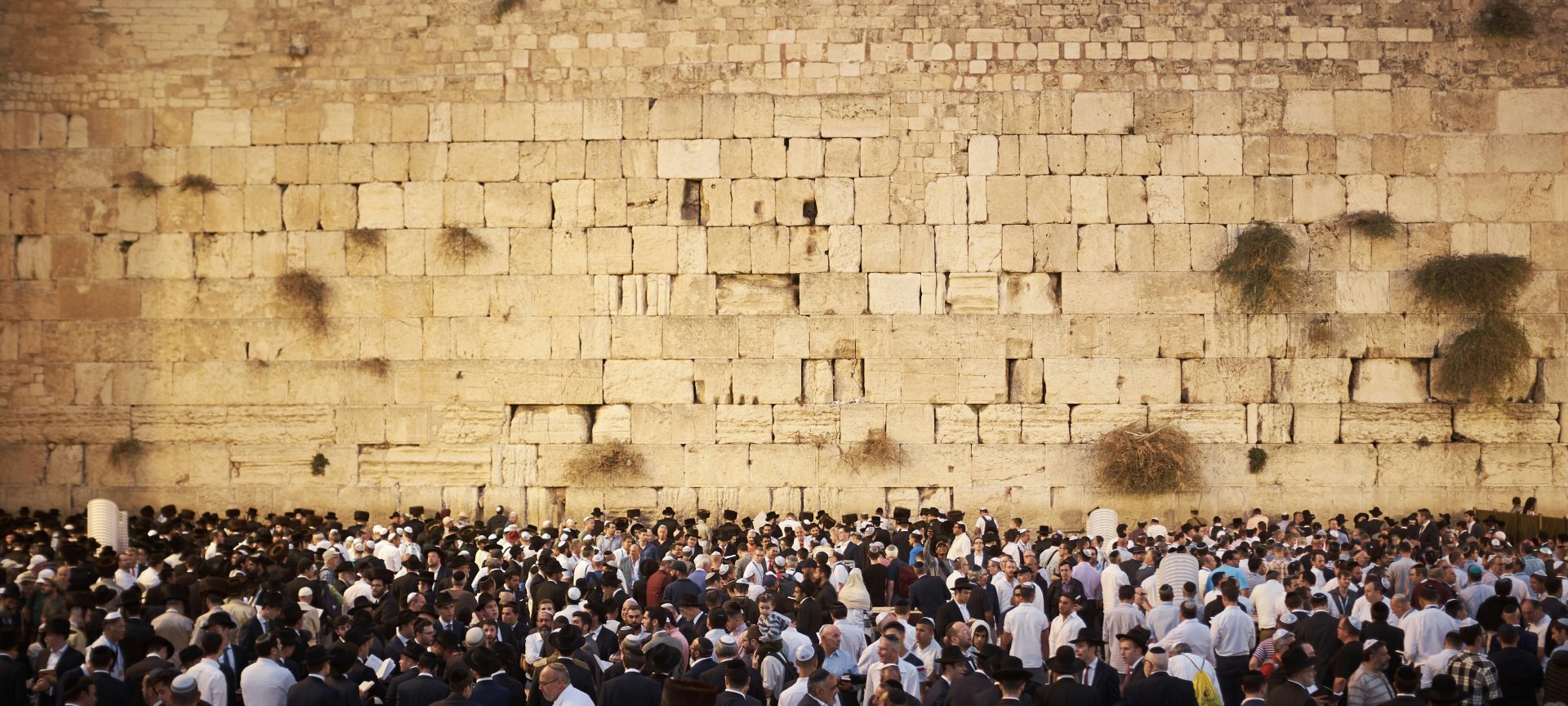
For Jewish travelers, Jerusalem can combine prayer, history and family identity in a uniquely concentrated setting. Visits may include the Western Wall, synagogues, cemeteries, museums and historic neighborhoods. Jewish heritage travel in Europe may involve synagogues, former Jewish quarters, Holocaust memorials and historic cemeteries.

Jerusalem’s Old City presents narrow passages, steep surfaces, security screening and intense pedestrian congestion. Religious demonstrations, political events or security incidents can prompt sudden closures and transportation changes. Travelers should avoid demonstrations, follow instructions from local authorities and build flexibility into each day.

Security conditions in Israel, the West Bank and the wider region can change quickly. Potential disruptions include canceled flights, altered border access and elevated risks near tourist sites, transportation hubs and places of worship. Pilgrims should review official advisories before booking, immediately before departure and throughout the trip.

They should also have an independent departure plan rather than assuming an embassy, tour company or airline will be able to move them immediately during a crisis. At European synagogues and memorial sites, travelers should respect appointment requirements and security procedures. Valuables should remain secured in crowded historic districts, where distraction makes pickpocketing easier.


Muslim Travel for Ramadan and Umrah

Ramadan travel can offer a powerful cultural and religious experience, but daily rhythms change. Restaurant hours, traffic patterns, business schedules and public activity may shift, with especially heavy movement before sunset and following evening prayers. Travelers should plan meals, medication timing and transportation around local practice rather than assuming normal tourist schedules. Those who are fasting should consider how heat, exertion, health conditions and medication schedules could affect their safety.

Umrah in Mecca and visits to Medina require additional preparation. Travelers should use official platforms for visas, packages and permits and verify the latest health requirements before departure. Saudi health authorities publish annual Hajj and Umrah requirements that include vaccination and disease-prevention guidance.

Crowd density, heat and exertion are major medical concerns. Long periods of walking and standing can aggravate heart disease, diabetes, kidney disease, arthritis and other chronic conditions. Dehydration is a major contributor to heat illness, and older travelers or people taking certain medications may be especially vulnerable.

Pilgrims should consult a physician early, carry an adequate medication supply, use mobility assistance when needed, rest before exhaustion develops and drink sufficient non-alcoholic fluids when they are not fasting. Accessibility should be confirmed rather than assumed. Major holy sites may offer accessible features, but hotels and transportation vary considerably. Travelers using wheelchairs, walkers or supplemental oxygen should obtain written confirmation from airlines, hotels and ground operators before paying nonrefundable deposits.


Christian Pilgrimage During Easter and Holy Week

Christian pilgrimage itineraries may include Jerusalem, Rome, Vatican City, Seville, Lourdes, Fátima and the Camino de Santiago. Easter and Holy Week can bring processions, outdoor liturgies, police barriers, closed roads and exceptionally dense crowds.

Seville’s processions move through the historic center, potentially limiting access across parts of the city. Events around St. Peter’s Square and Rome’s major basilicas can produce long waits, extensive walking and heightened security.

Lourdes and Fátima receive organized groups that may include older adults, people with disabilities and travelers managing serious illnesses. Both destinations offer pilgrimage infrastructure, and Lourdes specifically promotes services for visitors with reduced mobility. Individual medical, transportation and accessibility needs still require advance coordination.

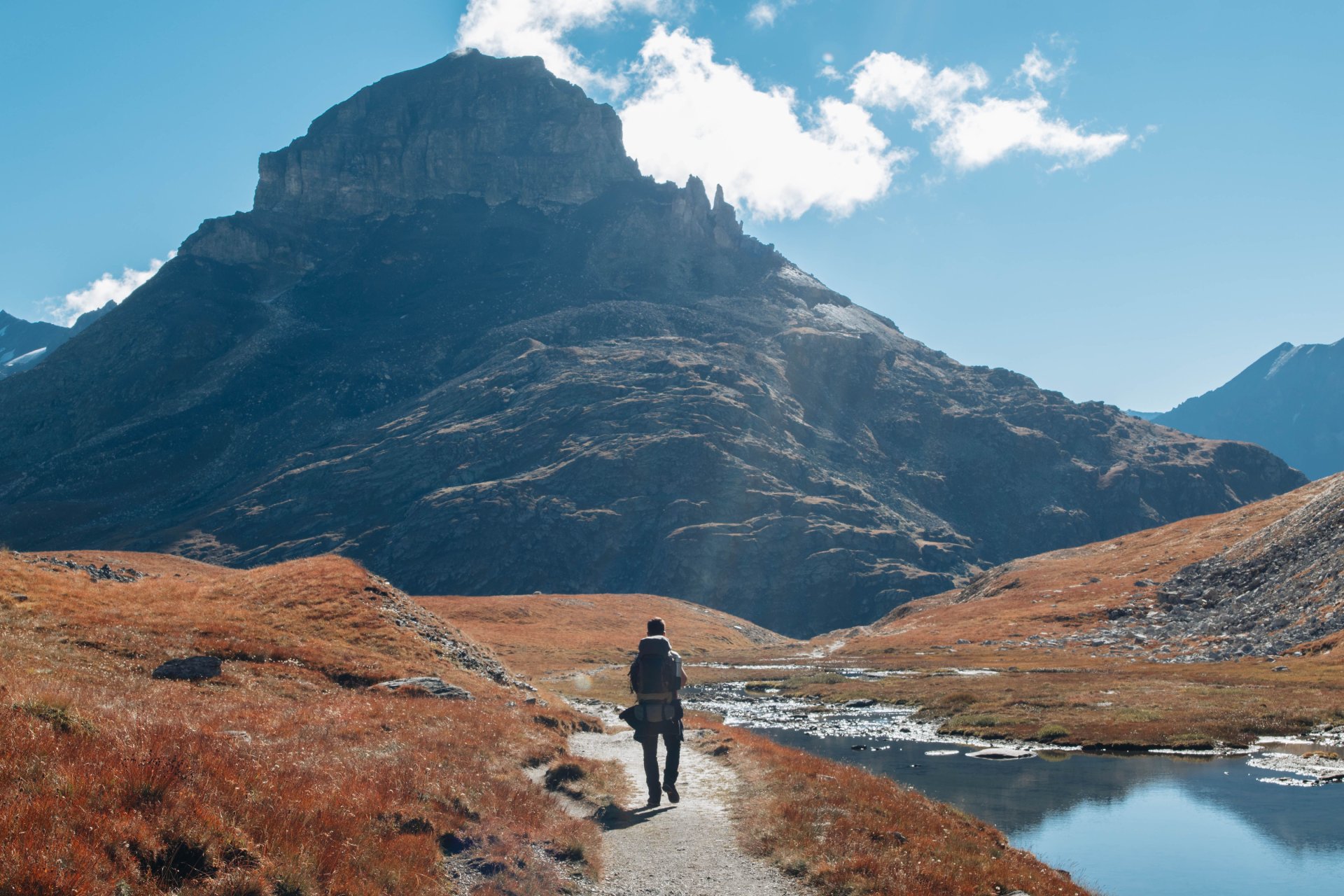
The Camino de Santiago presents a different risk profile. It distributes pilgrims across long walking routes instead of concentrating everyone in one plaza, but repetitive strain, falls, blisters, dehydration, traffic exposure and overuse injuries can interrupt the journey. Travelers should train gradually, test footwear before departure, reduce pack weight and schedule rest days. The official Pilgrim’s Reception Office welcomes walkers, cyclists and horseback travelers in Santiago de Compostela, underscoring the route’s varied physical demands.

A Global Rescue member hiking the Camino suffered a serious knee injury after a fall and required coordinated hospital care, medical equipment, physician clearance and specialized return travel. The case shows how a seemingly ordinary incident can create complicated medical and transportation needs.


Protect Health, Mobility and Group Communication

Pilgrims frequently underestimate fatigue. Early services, overnight travel, fasting, long lines, uneven stone streets and hours of standing can overwhelm even healthy travelers. Physical preparation should match the itinerary. A Camino traveler needs progressive walking training, while someone attending crowded ceremonies needs the endurance to stand, walk and wait without immediate access to seating.

Group leaders should collect emergency contacts, mobility limitations, allergies and essential medical information with each traveler’s consent. The group should use one messaging platform, establish daily check-in times and designate a physical meeting point that remains useful when cellular service is overloaded. Everyone should know the hotel’s name and address without relying solely on a phone.

Pickpocketing becomes easier in dense crowds, particularly when attention is focused on a ceremony. Passports, cash and phones should be carried in secured, front-facing compartments. Bags should never be left unattended near places of worship or transportation hubs.


The Global Rescue Connection

During major religious observances, ambulances may encounter blocked streets, hospitals may experience increased demand and tour leaders may have limited authority to arrange advanced medical care. Travelers should know the nearest appropriate medical facility, carry a current medication list and understand how medical payment and transportation work at the destination. Minor symptoms can become serious when combined with heat, dehydration, fasting, infection or chronic disease. Chest pain, confusion, fainting, severe shortness of breath, signs of heat stroke or a serious allergic reaction require immediate medical evaluation.

Religious pilgrimage is about faith, reflection and connection, not anxiety. Preparation protects that purpose. Global Rescue members have access to 24/7 medical advisory services, field rescue and medical evacuation when illness or injury exceeds local capabilities. Travelers with the Global Rescue Security Add-On have access to security intelligence, security advisory services and security evacuation support when civil unrest, terrorism or sudden regional instability threatens an itinerary.

These services are especially valuable when road closures, crowds, language barriers or limited medical resources complicate a response. Field rescue can help move a member from the point of illness or injury, while medical evacuation coordination can transport the traveler to an appropriate medical facility when local care is insufficient.

Traditional trip insurance may protect the financial investment in a pilgrimage. Global Rescue is designed to provide operational assistance when the traveler needs help.

A journey of faith should begin with spiritual intention and practical readiness. By understanding religious calendars, reserving early, preparing physically, protecting documents, establishing group communications and arranging professional medical and security support, Jewish, Muslim and Christian travelers can approach pilgrimage with greater confidence and resilience.