Article Highlights:

  • Bahrain packs archaeological sites, Gulf culture, modern dining, motorsports and water activities into a remarkably compact destination.
  • Adventure travelers will find unusual experiences such as pearl diving and track driving, but limited wilderness and punishing summer heat.
  • Leisure travelers benefit from luxury hotels, strong dining and significant cultural attractions, although Bahrain is less compelling as a pure beach destination.
  • Business travelers gain access to an established financial center and a gateway to Saudi Arabia, but regional security conditions can complicate schedules and transportation.
  • Local laws and cultural expectations involving modesty, alcohol, public behavior, LGBTQ+ travelers, photography and social media make pre-trip destination intelligence especially valuable.


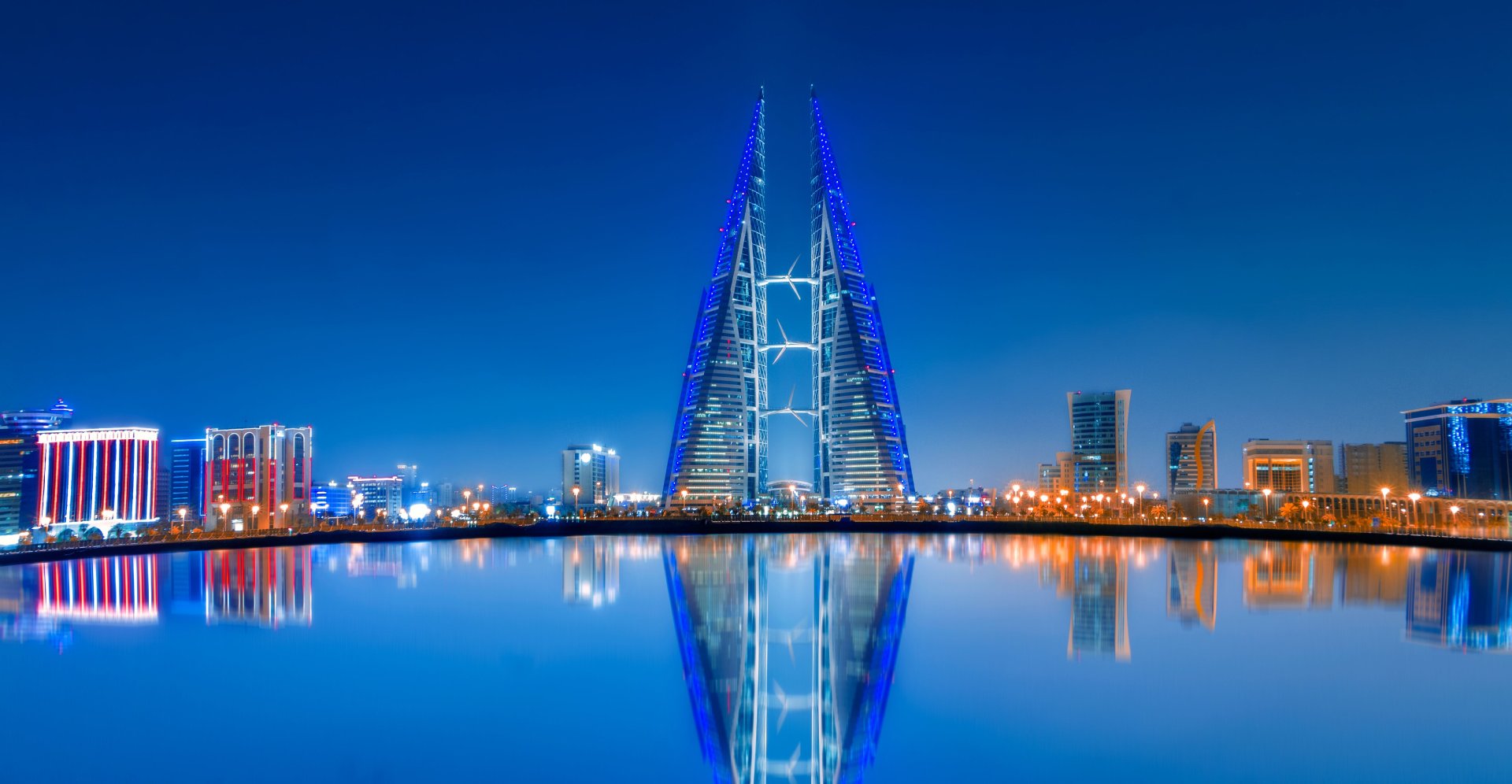
Bahrain can be easy to underestimate. The compact Persian Gulf kingdom occupies far less geographic space than neighboring Saudi Arabia and lacks the international tourism profile of Dubai, yet centuries of trading, pearling, religion and regional commerce have created a destination where an archaeological site can sit within sight of a modern skyline and a traditional souq is only a short drive from luxury hotels, international banks and a Formula 1 circuit.

For North American travelers, Bahrain is not necessarily an obvious standalone vacation. Getting there can require 15 hours or more of travel, depending on origin and connections, making a short, dedicated trip difficult to justify. As a two-to-four-day stopover, business destination or addition to a broader Middle East itinerary, however, Bahrain becomes far more compelling.

The important qualification in 2026 is security due to the US Department of State currently classifying Bahrain as Level 3: Reconsider Travel due to continuing threat of Iranian drone and missile attacks and disruption to commercial aviation following the outbreak of US-Iran hostilities earlier in the year. That advisory does not erase what Bahrain offers. It does mean that travelers should evaluate the destination through two lenses: what makes Bahrain interesting and whether the timing, activities and individual travel profile make the trip appropriate.


Bahrain’s Strength Is Its Combination of Old and New

Few destinations make it easier to move between several thousand years of history and a highly modern Gulf economy in the same day. Qal’at al-Bahrain, or Bahrain Fort, preserves an archaeological landscape associated with the ancient Dilmun civilization, while the Bahrain National Museum traces roughly 6,000 years of the country’s history. Bahrain’s official tourism authority also highlights the UNESCO-listed Pearling Path and Dilmun Burial Mounds as defining cultural attractions.

The Pearling Path in Muharraq is particularly useful for understanding Bahrain before oil transformed the Gulf. The approximately three-kilometer route links historic houses, majlises, commercial buildings and sites associated with Bahrain’s pearl trade, while the broader UNESCO property also incorporates offshore pearl beds and Bu Maher Fort.

Then there is modern Bahrain. Bab Al Bahrain provides the gateway to Manama’s traditional market environment, while contemporary neighborhoods deliver luxury hotels, international restaurants and malls. The Bahrain International Circuit, about 35 kilometers from Manama, is not merely a Formula 1 venue; visitors can participate in driving and karting experiences during other parts of the year.

That concentration is one of Bahrain’s great advantages. Travelers do not need to spend days crossing the country to experience very different sides of it.


Adventure Travel: Unusual Experiences, Limited Wilderness

Bahrain makes more sense for the traveler who defines adventure as trying something distinctive rather than disappearing deep into wilderness. Pearl diving is the standout example, connecting a modern recreational activity directly to the island’s historic economy and identity.

Licensed tourism operators take visitors by boat to Bahrain’s oyster beds for snorkeling or diving experiences. Certified divers can search at greater depths, while beginners have snorkeling options, turning an important chapter of Bahraini history into a participatory experience rather than something seen only in a museum.

Water sports around Bahrain’s islands, including kayaking and jet skiing, expand the possibilities, while the Bahrain International Circuit appeals to travelers who prefer horsepower to hiking boots. Indoor skydiving also offers an adrenaline option when outdoor temperatures become oppressive.

What Bahrain does not offer is substantial backcountry terrain. Travelers seeking high mountains, extended desert expeditions, technical trekking or large-scale wilderness will find more options in destinations such as Oman or Jordan. Bahrain’s physical compactness, which works beautifully for sightseeing, limits it as an expedition destination.

Heat is the other major constraint. Bahrain’s tourism authority says summer temperatures hover around 45°C, or approximately 113°F, while fall and winter average closer to 25°C, or 77°F. That makes winter, early spring and late fall much better suited to outdoor activities.

For adventure travelers, therefore, Bahrain is best treated as a destination for niche experiences rather than extreme ones. Pearl diving, motorsports and water activities can make a short trip memorable, but serious outdoor athletes may exhaust the possibilities comparatively quickly.


Leisure Travel: Culture, Hotels and Dining Over Endless Beaches

Leisure travelers arguably have the broadest case for visiting Bahrain. The combination of luxury accommodations, heritage attractions, markets, restaurants and manageable distances makes it possible to build a varied itinerary without changing hotels repeatedly or spending hours in transit.

A traveler could visit Bahrain Fort and the National Museum one day, explore the Pearling Path and traditional neighborhoods of Muharraq the next, then shift to Manama Souq, Bab Al Bahrain, Amwaj Islands or a resort experience. Outside the urban core, the Tree of Life offers one of Bahrain’s most unusual sights: a centuries-old tree surviving in an otherwise arid landscape. Bahrain’s tourism authority describes it as approximately 440 years old.

Traditional cuisine adds another layer. Rice, fish, meat, dates and Gulf spices reflect Bahrain’s maritime trading history and connections with Arabia, Persia and the Indian subcontinent. For travelers who use food as a way to understand a destination, Bahrain rewards exploration beyond the hotel restaurant.

Social life can also feel comparatively accessible for foreign visitors. Alcohol is legal in Bahrain, although public drunkenness is illegal and can lead to detention, fines or deportation. That distinction matters: availability in licensed settings should never be interpreted as a relaxation of public-conduct laws.

The shortcomings are equally clear. Bahrain has attractive coastal resorts and water activities, but travelers dreaming primarily of broad, undeveloped natural beaches may find other destinations more compelling. Bahrain tourism promotes its beaches and 36 islands, but much of the leisure appeal comes from combining the coast with culture, food, hotels and urban attractions rather than treating the destination as a conventional tropical beach escape. For North Americans, Bahrain becomes more attractive when history and Gulf culture are part of the objective.


Business Travel: Small Country, Significant Commercial Role

For business travelers, Bahrain’s modest physical size disguises a much larger economic role. The kingdom has long been a Gulf financial center and has positioned itself in conventional banking, Islamic finance, fintech, manufacturing, logistics, ICT and other sectors.

US government investment reporting has described Bahrain as business-friendly and notes particular foreign-investment activity in financial services, manufacturing, real estate and ICT. The same reporting identifies Bahrain as an important Islamic-finance market and notes its efforts to develop fintech through regulatory initiatives and startup investment.

Geography is another advantage. The King Fahd Causeway connects Bahrain directly with Saudi Arabia, giving companies a relatively compact operating base alongside access to the Gulf’s largest economy. For organizations with personnel or customers in eastern Saudi Arabia, that proximity can materially influence travel planning.

There are tradeoffs. Dubai has a considerably larger international corporate ecosystem, while Riyadh has expanded aggressively as Saudi Arabia encourages multinational companies to establish regional operations there. Bahrain’s case is therefore less about sheer corporate scale and more about specialization, connectivity and an established financial and regulatory environment.


The Biggest Cultural Mistake Is Assuming “More Liberal” Means Anything Goes

Bahrain is frequently described as comparatively liberal within the Gulf, but that phrase can mislead travelers. Social life may feel familiar in international hotels, restaurants and business settings, while the legal and cultural environment outside those spaces remains considerably more conservative than in the US or Canada.

Modest dress is expected in public, particularly at religious locations. UK travel guidance advises visitors to dress appropriately in malls, restaurants and parks and notes that clothing considered revealing or inconsistent with Islamic values may cause offense. Expectations become especially important during Ramadan.

Religious sensitivity should be treated seriously. Disrespect toward religious beliefs or practices can bring legal consequences, and travelers should be particularly cautious around religious commemorations, mosques and politically sensitive gatherings. During Ramadan, eating, drinking or smoking publicly during daylight hours can also violate local rules.

Photography deserves similar restraint. Photographing or publishing images involving security and military sites, operations or incidents is prohibited, and travelers accustomed to documenting everything on a smartphone should not assume that an interesting scene is automatically appropriate to photograph.


Travelers Need To Understand the Difference Between Law and Social Acceptance

Bahrain requires particular nuance for LGBTQ+ travelers. UK guidance states that same-sex sexual activity between consenting adults aged 21 or older is not prohibited, while US guidance similarly notes that there are no explicit legal restrictions on same-sex relations. That does not mean LGBTQ+ expression is treated in the same way socially or legally as it would be in many Western countries. Public displays of affection can cause offense and may violate local law.

This distinction is precisely why destination-specific research matters. Travelers need information more precise than either “Bahrain is liberal” or “Bahrain is conservative” because neither description adequately explains how laws, social norms and individual circumstances interact.


Online Speech Can Become an Offline Legal Problem

Travelers should apply similar care to social media. Online posts, photographs or videos that criticize the Bahraini government or monarchy, ridicule the country or are deemed culturally insensitive may amount to criminal offenses. For leisure travelers, that may simply mean thinking twice before posting commentary about a protest, police activity or security incident. For journalists, executives, consultants and other business travelers who regularly discuss regional affairs online, it deserves considerably more attention before departure.


Medical Care Is Available, but Emergency Response Has Limitations

Bahrain has hospitals and medical facilities throughout the country, including public hospitals with trauma and intensive-care units. The availability of private facilities and English-speaking medical staff in several hospitals is reassuring for travelers requiring routine or urgent treatment. Emergency response is another matter. The US State Department says ambulance services are widely available but notes that response times may be poor and that ambulances can have less advanced medical equipment than their US counterparts. In some circumstances, severely ill or injured travelers may reach a major hospital more quickly by private vehicle or taxi than by waiting for an ambulance.

Travelers should also anticipate payment requirements. Medical facilities may request payment before treatment or admission, and US health insurance, Medicare and Medicaid generally should not be assumed to pay for treatment abroad.


The Global Rescue Connection

Bahrain works particularly well for curious leisure travelers, Gulf-focused business travelers and experienced international travelers who enjoy destinations where history, food and modern development intersect. It is also well suited to travelers already visiting the region who can devote several days to something different from the mega-city experience associated with Dubai or Doha.

Bahrain demonstrates why understanding a destination involves much more than knowing where the attractions are. A traveler can easily research Bahrain Fort, Formula 1 tickets or the best restaurant in Manama while missing information that could have a far greater effect on the trip: how modestly to dress, where alcohol is permitted, how public displays of affection are viewed, what LGBTQ+ travelers should know, what can legally be photographed and what kinds of online speech may create problems.

Global Rescue Destination Reports give members a more complete picture before they travel. Rather than relying on scattered searches after an issue arises, travelers can use destination-specific intelligence to understand cultural expectations, security conditions, transportation considerations, local laws, medical capabilities and other practical risks that influence how they should prepare and behave once they arrive. This type of pre-trip intelligence is particularly useful in places such as Bahrain, where a sophisticated tourism and business environment exists alongside laws and social expectations that may differ substantially from those at home.

Destination intelligence also matters because conditions are not static. Bahrain is currently under a Level 3 US travel advisory amid heightened regional geopolitical risks, demonstrating how the profile of an otherwise accessible destination can change quickly. Understanding both the persistent considerations, such as modesty, alcohol rules, LGBTQ+ sensitivities and medical infrastructure, and the developing ones, such as armed conflict, aviation disruption or civil disturbances, allows travelers to make better-informed decisions.

For Global Rescue members, that intelligence is backed by 24/7 access to medical and security expertise when circumstances change or a traveler needs assistance. Bahrain’s appeal comes from navigating the intersection of ancient culture and modern Gulf life; knowing the destination before arrival helps travelers experience that intersection with fewer surprises and a much clearer understanding of the environment around them.