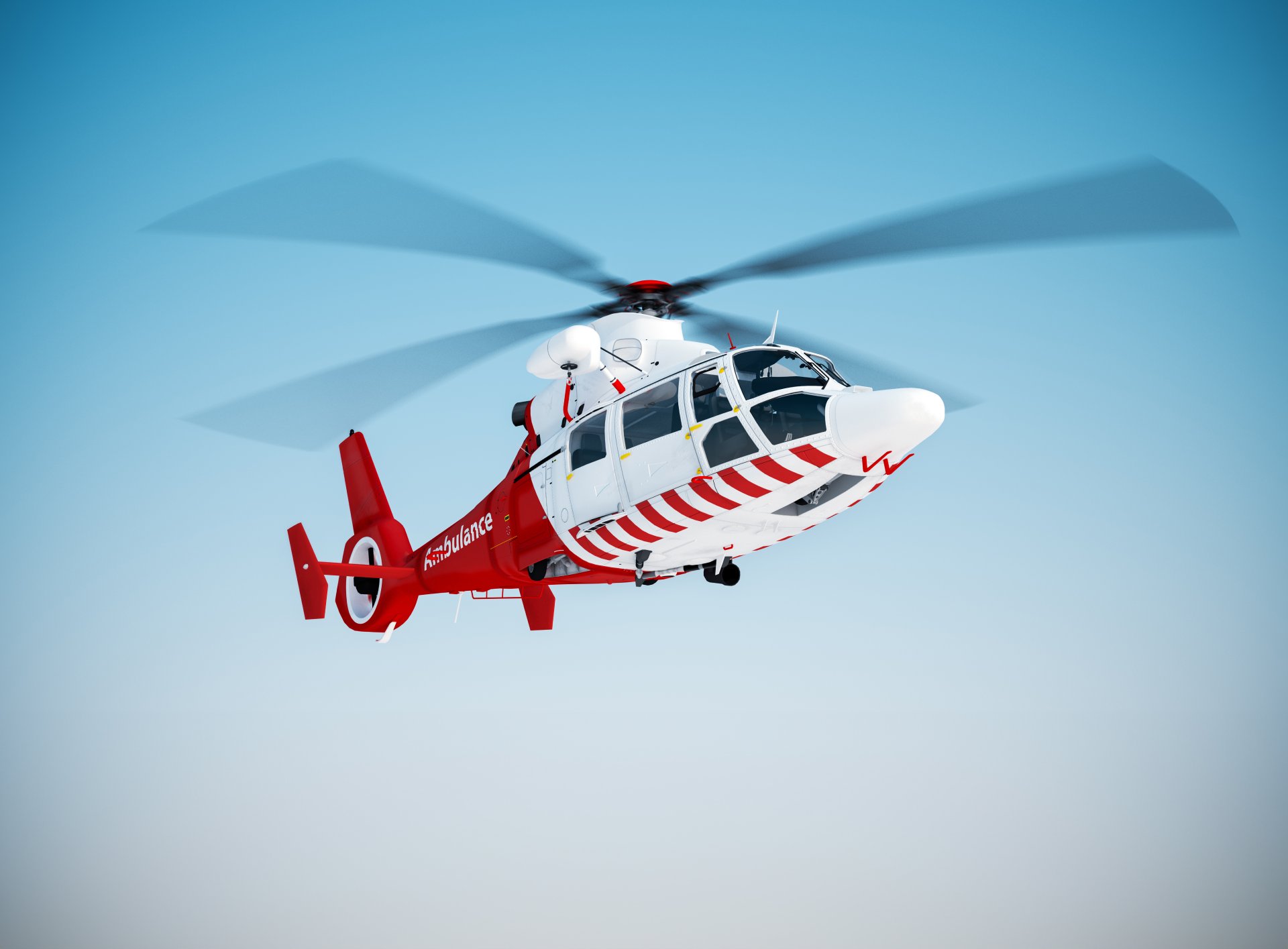
Air ambulance services play a pivotal role in emergency medical transport, offering rapid and specialized care when time is of the essence. This article delves into the various facets of air ambulance services, including the types of aircraft used, their importance, cost considerations, and how Global Rescue memberships can provide a cost-effective alternative for medical evacuations.


The Lifesaving Role of Air Ambulances

In medical emergencies, every second counts. When ground transportation provided by ground ambulances is too slow or inaccessible, air ambulance planes offer a vital alternative for ensuring timely medical intervention. These specialized medical flights are equipped to transport critically ill or injured patients to advanced medical facilities, with support from a skilled medical crew. Sometimes, they must cross borders or even continents to ensure the best patient care. The combined expertise of the medical and flight crews ensures that every measure is taken to save lives.


How Medical Jets Work

Air ambulance flights are equipped with advanced medical equipment and staffed by highly trained medical professionals, often including paramedics, nurses, and doctors. These aircraft function as flying intensive care units (ICUs), providing life-sustaining care en route to medical facilities. The process involves several steps:

  • Assessment and Coordination – A medical team evaluates the patient’s condition and determines if air transport is necessary.
  • Flight Planning – Coordinators handle logistics, including flight routes, permissions, and clearances for international travel.
  • Medical Transport – The patient is stabilized and transported to the aircraft via ground vehicles or helicopters.
  • In-Flight Care – Critical care continues in the air, with ventilators, cardiac monitors, and other medical equipment ensuring patient stability.
  • Hospital Transfer – Upon landing, the patient is taken to the receiving medical facility.


Types of Air Ambulance Aircraft

  • Rotary-Wing Helicopters: Ideal for short-distance emergency evacuations, especially in urban areas or terrains inaccessible by road. They can land in confined spaces, providing immediate medical attention.
  • Fixed-Wing Airplanes: Used for longer distances, these aircraft offer greater speed and range, making them suitable for inter-hospital transfers or international repatriations. Examples include the Piper Cheyenne, which is known for its reliability and extended range.
  • Medical Jets: These are specialized fixed-wing aircraft equipped with advanced medical facilities, offering rapid and comfortable transport over long distances. They are part of a modern air ambulance fleet designed for critical care scenarios.


Importance of Air Ambulances

  • Rapid Response: They significantly reduce transport time, which is critical in life-threatening situations like severe trauma, heart attacks, or strokes.
  • Access to Specialized Care: Patients in remote or underserved areas can be swiftly transported to facilities offering specialized treatments not available locally.
  • Disaster Response: In natural disasters or mass casualty events, air ambulances facilitate quick evacuation and distribution of patients to various medical centers, alleviating the burden on local healthcare facilities.
Interior of a medevac aircraft equipped with a stretcher, medical supplies, and monitoring equipment, ready for patient transport.
Inside a medevac aircraft prepared for critical patient transport.

Common Use Cases for Air Ambulances

  • Urgent Medical Emergencies: They provide rapid transport for patients experiencing life-threatening conditions like severe trauma, heart attacks, or strokes.
  • Patient Repatriation and Medical Transfers: They facilitate the return of patients to their home country or transfer between medical facilities for specialized care.
  • International Medical Evacuation: When a traveler falls critically ill abroad and needs to be transported home, air ambulance services ensure safe and efficient medical repatriation.


Equipment and Medical Capabilities on Air Ambulances

  • Advanced Life Support (ALS) Equipment: Ventilators, defibrillators, oxygen tanks, and suction units, including enclosed suction canisters and portable suction devices.
  • Patient Monitoring Systems: Continuous tracking of vital signs, ECG, and blood pressure monitoring.
  • Emergency Medications: A stocked pharmacy with essential drugs for pain management, sedation, and life support.
  • Critical Care Specialists: Highly trained medical teams with ICU-level expertise to provide specialized in-flight care.


When Is an Air Ambulance Necessary?

  • Severe Trauma or Injury: Accidents in remote areas with no quick access to hospitals.
  • Stroke or Heart Attack: Rapid transport to a facility equipped for immediate cardiac intervention.
  • International Medical Evacuation: When a traveler falls critically ill abroad and needs to be transported home.


Who Uses Air Ambulance Planes?

  • Travelers and Tourists: Individuals exploring remote locations with limited access to medical infrastructure.
  • Military Personnel: Soldiers injured in the line of duty who require urgent evacuation.
  • Critical Patients: Those needing transfer to top hospitals for specialized treatment essential to recovery.


Cost Considerations for Air Ambulance Services

  • Distance and Duration: Longer flights mean higher fuel and staffing costs.
  • Aircraft Type: Helicopters may cost $12,000–$25,000 per flight; fixed-wing or medical jets range from $20,000–$80,000 or more.
  • Medical Staff and Equipment: The level of care required affects the total price.


Benefits of Air Ambulance Services

  • Speed: Rapid transport can be lifesaving in critical situations.
  • Access: They connect patients to specialized medical care not available nearby.
  • Quality Medical Care: Services follow strict protocols and treat thousands annually with high standards of care.


Global Rescue Membership: A Cost-Effective Alternative

Given the high costs associated with air ambulance companies, Global Rescue offers a membership program that provides medical evacuation and advisory services without the exorbitant fees typically associated with such transports. Members pay a subscription fee, and in the event of a medical emergency requiring evacuation, Global Rescue coordinates and covers the costs, potentially saving members tens of thousands of dollars.


Conclusion

Air ambulance services are a critical component of emergency medical care, providing rapid and specialized air ambulance transport for patients in need. Utilizing both helicopters and air ambulance airplanes, these services ensure that individuals receive prompt medical attention when required.

The success of these missions heavily depends on the dedicated emergency professionals involved, including the medical flight crew, air ambulance dispatchers, and respiratory therapists, who work together as part of a coordinated emergency communications team to provide exceptional patient care during transit.

Understanding the types of aircraft used in critical care air ambulance operations, the factors influencing their selection, and the associated costs can help individuals and organizations make informed decisions when planning for medical emergencies. Health insurance may cover some of these costs, but verifying the extent of coverage in advance is always advisable.

For those who travel frequently, engage in high-risk activities, or work in remote areas, having a reliable medical evacuation plan is crucial. Dedicated emergency resources, whether it’s through a specific air ambulance service or Global Rescue membership, play a pivotal role in ensuring timely and effective medical care.

In situations where commercial airlines may not be an option due to medical conditions, choosing the right air ambulance service — or opting for a Global Rescue membership — can make all the difference in ensuring the patient receives the necessary care without delay.