Article Highlights:

  • Canada ranks first among countries where experienced international travelers felt safest, while Mexico leads destinations where respondents felt least safe.
  • US and non-US travelers agree on Canada’s safety appeal but differ considerably in how they perceive Mexico and other destinations.
  • Canada offers reliable infrastructure, political stability and high-quality healthcare, although wilderness hazards and extreme weather remain concerns.
  • Mexico combines exceptional cultural attractions, beaches and affordability with regional security threats, organized crime and uneven emergency medical capabilities.
  • Global Rescue provides destination intelligence, medical advisory services, field rescue and evacuation capabilities that help travelers prepare for emergencies in both countries.


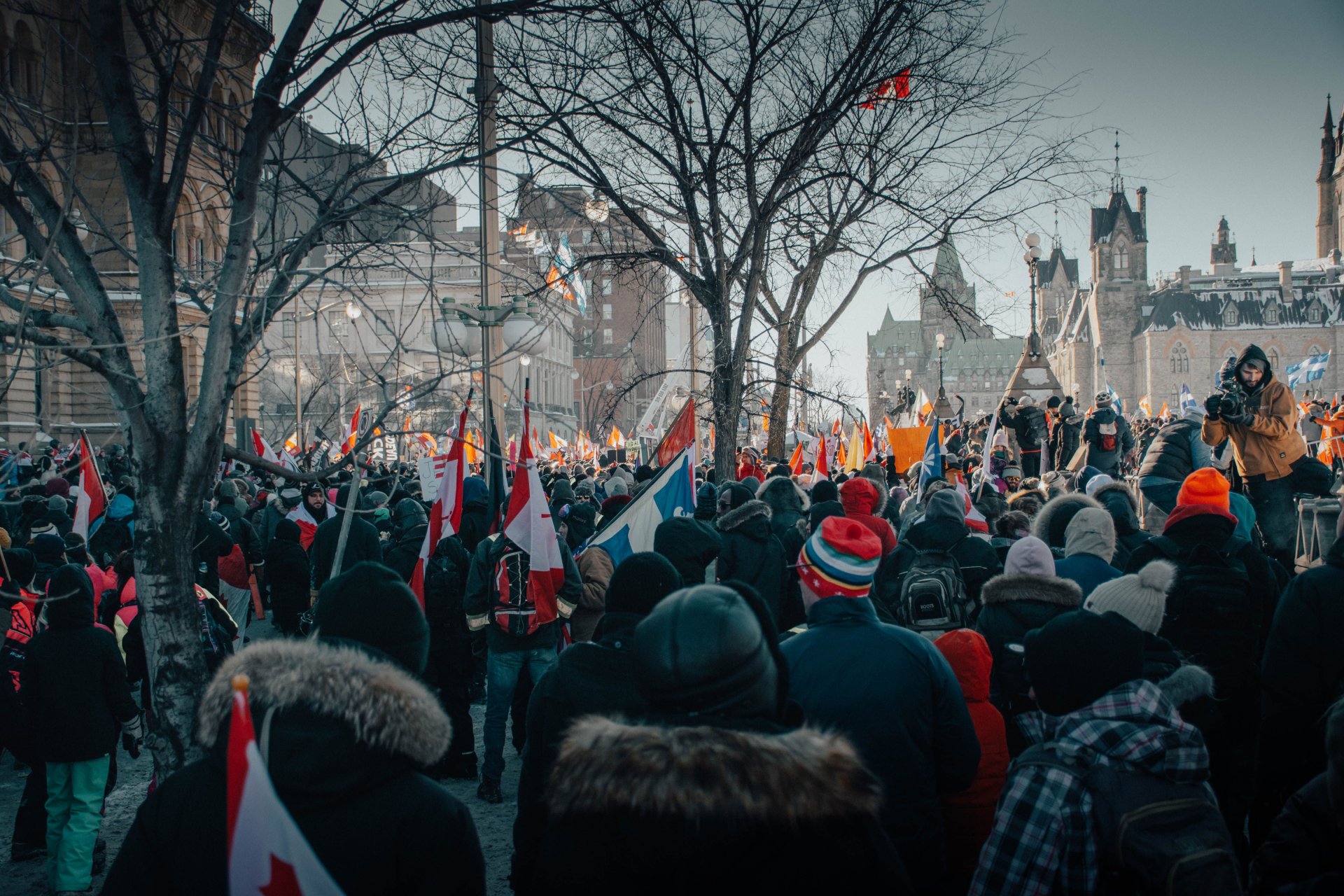
Canada and Mexico share an important distinction: both are among North America’s most compelling international travel destinations. Yet experienced international travelers have dramatically different perceptions of their safety. According to the Global Rescue Fall 2026 Traveler Sentiment and Safety Survey, Canada ranked first among countries where respondents reported feeling safest. Mexico ranked first among destinations where travelers reported feeling least safe.

The findings reveal more than a contrast between two neighboring countries. They illustrate how travelers evaluate personal security, political stability, crime, medical infrastructure and the predictability of their surroundings. They also raise an important question: Does feeling safe necessarily mean a destination is safe? The answer depends on where travelers go, what they do and how prepared they are when circumstances change.


What Does the Global Rescue Survey Reveal About Traveler Safety?

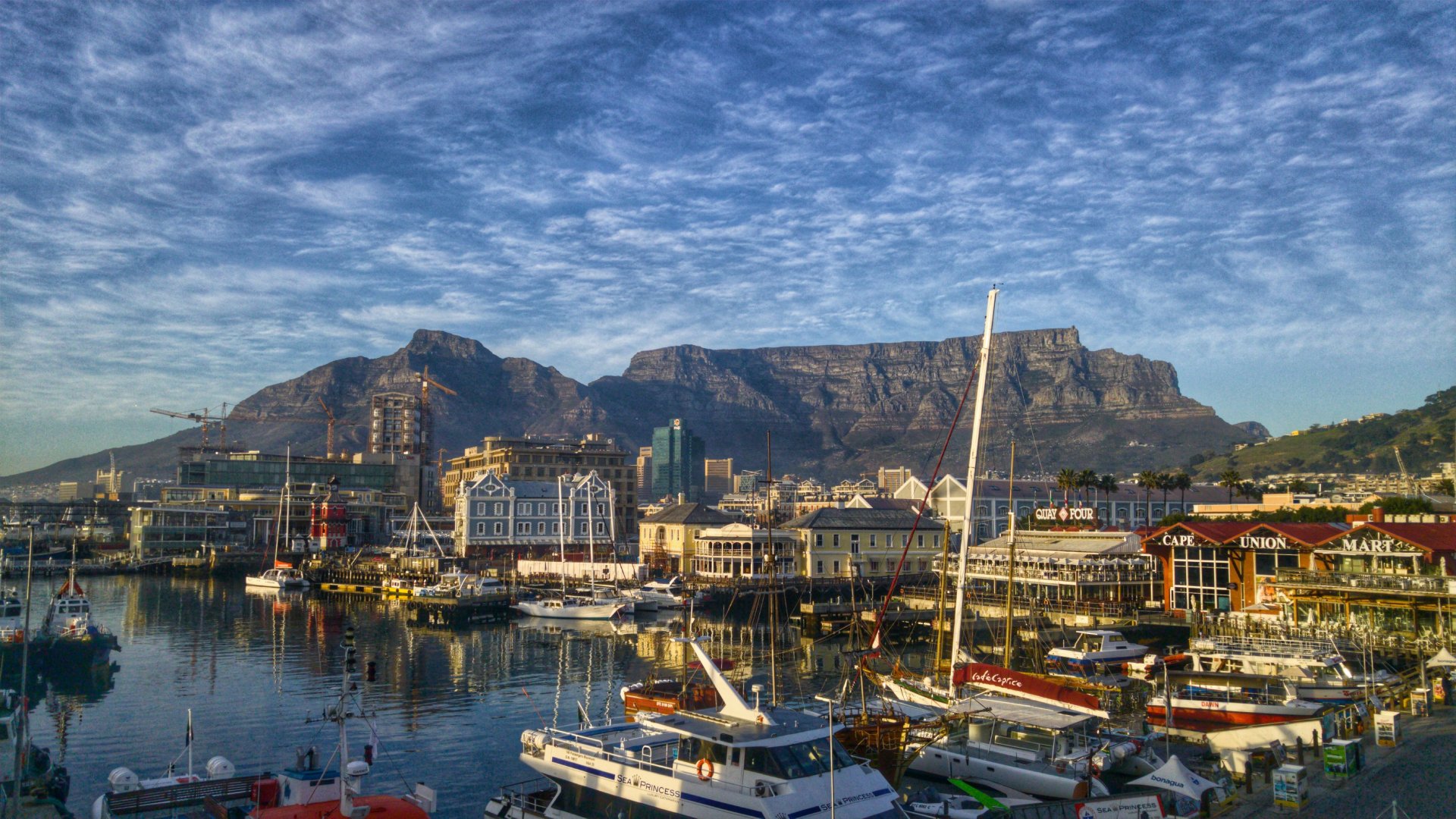
Canada topped the overall ranking of countries where experienced international travelers felt safest, followed by New Zealand, the United Kingdom, Japan and Switzerland. Mexico led the least-safe ranking, followed by South Africa, France, Brazil and Egypt.

Importantly, these results reflect travelers’ reported experiences and perceptions. They are not objective measurements of national crime rates or statistical probabilities of experiencing an emergency. The distinction matters because a traveler who feels uncomfortable navigating an unfamiliar city may evaluate safety differently from someone who encounters a serious security incident.

The survey also revealed significant differences based on nationality and gender. Both United States and non-US respondents selected Canada as the country where they felt safest. However, their remaining preferences diverged. US travelers next selected New Zealand, the United Kingdom, Japan and Argentina. Non-US respondents favored Singapore, Japan, Switzerland and Norway.

On the least-safe side, US travelers selected Mexico first, followed by South Africa, France, Russia and Egypt. Non-US respondents ranked South Africa first and Brazil second, with France, Kenya and Mexico tied for third. US respondents were nearly four times as likely as non-US respondents to identify Mexico as the destination where they felt least safe.

Gender also influenced perceptions. Men ranked Canada first for safety, while women selected New Zealand. Both groups identified Mexico as the least-safe destination, although men were more than twice as likely as women to make that selection.

These differences reinforce a fundamental principle of international travel: Safety perceptions are influenced by personal experience, familiarity and the environments travelers encounter.


Why Does Canada Inspire So Much Confidence?

Canada’s reputation for safety is supported by political stability, established legal institutions, relatively low levels of violent crime and dependable public infrastructure. For international travelers, these characteristics create an environment where daily activities often feel predictable.

Cities such as Toronto, Vancouver and Montréal offer extensive public transportation, modern accommodations, established emergency services and diverse international communities. Travelers can explore museums, historic neighborhoods, restaurants and cultural attractions without routinely confronting the security complications present in some higher-risk destinations.

Canada’s appeal extends well beyond its cities. Banff and Jasper national parks showcase dramatic mountain landscapes, turquoise lakes and alpine wilderness. British Columbia’s Sea-to-Sky Highway offers spectacular coastal and mountain scenery, while Nova Scotia’s Cabot Trail delivers some of Atlantic Canada’s most memorable driving experiences.

Visitors can experience Indigenous cultures and traditions, explore the fishing villages of Canada’s eastern provinces, watch whales along its coastlines or observe the northern lights in Yukon and the Northwest Territories. Winter sports enthusiasts are drawn to destinations such as Whistler Blackcomb, while wildlife travelers visit Churchill, Manitoba, for opportunities to observe polar bears.

These attractions demonstrate an important advantage: Canada offers world-class adventure travel within a country that generally maintains strong public institutions and emergency response capabilities. However, that reputation should not be mistaken for an absence of risk.


Is Canada Safe for Every Type of Traveler?

Canada’s overall security and health risk ratings are low, according to the destination risk information provided by Global Rescue. Petty theft and crimes of opportunity are the principal criminal threats facing most visitors. Pickpocketing, vehicle break-ins and property theft can occur in major cities and tourist areas.

For adventure travelers, however, environmental conditions can present considerably greater dangers. Canada’s vast geography includes remote wilderness areas where emergency response may be complicated by distance, terrain and weather. Avalanches, sudden snowstorms, extreme cold and rapidly changing mountain conditions can turn routine outdoor excursions into medical emergencies. Heavy snowfall can close highways, while wildfires may disrupt access to national parks and remote communities.

British Columbia lies within an active earthquake zone. Tornadoes can affect various parts of the country, particularly between May and September, while Atlantic provinces occasionally experience hurricanes. Wildlife encounters also require preparation. Bears, moose and other large animals can present serious hazards when travelers approach too closely or fail to follow local guidance.

Canada’s reputation for safety is therefore best understood as a combination of reliable institutions and generally manageable risks, rather than a guarantee against emergencies.


How Good Is Medical Care in Canada?

Canada’s medical facilities and services generally meet international standards, particularly in major metropolitan areas. Hospitals in Toronto, Vancouver, Montréal and other large cities offer sophisticated diagnostic equipment, specialized physicians and advanced treatment capabilities.

However, Canada’s publicly funded healthcare system does not mean international visitors receive medical treatment free of charge. Foreign travelers may face substantial medical expenses and should understand payment requirements before departure. Emergency department waiting times can also be lengthy, depending on location and medical urgency.

In remote communities, advanced medical care may be hours away. Travelers injured while hiking, skiing, hunting or exploring wilderness areas may require specialized transportation before reaching an appropriate hospital.

The distinction between healthcare quality and healthcare accessibility is particularly important. A country can have excellent hospitals while still presenting significant evacuation challenges for travelers injured far from those facilities.


Why Does Mexico Rank as the Least-Safe Destination?

Mexico presents a more complicated security environment. The country attracts international visitors with extraordinary cultural heritage, ancient archaeological sites, celebrated cuisine, beautiful beaches and comparatively affordable accommodations. Destinations such as Mexico City, Cancún, Riviera Maya and Los Cabos support sophisticated tourism industries.

Mexico’s appeal is undeniable. Travelers can explore ancient Maya ruins, experience the culinary traditions of Oaxaca, visit colonial cities or enjoy luxury resorts along the Caribbean and Pacific coasts. Yet Mexico also faces persistent security challenges involving organized crime, drug trafficking, kidnapping, extortion and violent competition between criminal organizations.

These threats are not distributed evenly across the country. Some regions experience serious criminal violence, while established tourism destinations may operate with comparatively stable security environments. Nevertheless, incidents involving roadblocks, armed confrontations and highway crime can disrupt transportation and occasionally expose visitors to danger. Travel advisories issued by the US Department of State distinguish between Mexican states and may recommend reconsidering travel or avoiding particular locations entirely.

For experienced international travelers, this geographic variability creates uncertainty. A destination may offer world-class hospitality and modern tourism infrastructure while still requiring considerable attention to transportation routes, neighborhood conditions and local security developments.


Is Mexico Unsafe for Tourists?

Describing Mexico as universally unsafe would be misleading. Millions of travelers visit the country for leisure, adventure, cultural exploration and business. Many complete their trips without encountering serious security problems. However, the Global Rescue destination risk information characterizes Mexico’s overall security risk as moderate, with considerable regional variation.

Petty theft, scams and opportunistic crime are concerns in crowded tourist areas. More serious risks include armed robbery, kidnapping and organized criminal violence in certain locations. Travelers should be especially cautious when traveling by road outside established tourism corridors. Driving after dark can increase exposure to criminal activity, poor road conditions and limited emergency assistance. Demonstrations and civil disturbances may also disrupt transportation, sometimes involving roadblocks or confrontations with authorities.

The most effective approach is not to avoid Mexico indiscriminately, but to assess risks at the state, city and neighborhood level. Travelers should use reputable transportation providers, avoid unnecessary nighttime highway travel, monitor official advisories and remain informed about developing security conditions.


How Do Medical Risks in Mexico Compare With Canada?

Medical infrastructure represents another important distinction. Mexico City and several major tourism destinations offer modern private hospitals and experienced medical specialists. However, the quality and availability of medical care vary considerably across the country.

According to Global Rescue’s destination information, healthcare within Mexico City is generally acceptable, while facilities outside major urban centers may be less capable of treating complex emergencies. Emergency medical response may not meet international standards in some locations. Private hospitals may require advance payment or financial guarantees before providing certain services, creating additional complications for international travelers.

Mexico’s geography introduces further complications. Hurricanes affect coastal regions during the June-to-November Atlantic hurricane season, while earthquakes and volcanic activity create additional hazards in certain areas. The Popocatépetl and Colima volcanoes are active, and seismic activity can affect southern and central Mexico. For travelers exploring remote archaeological sites, mountains, coastal wilderness or rural communities, accessing advanced medical care may require considerable coordination.

The principal difference is not that Mexico lacks quality healthcare. It is that access, capabilities and emergency response resources are considerably less consistent from one location to another.


What Can Experienced Travelers Learn From These Safety Rankings?

The Global Rescue survey illustrates how confidence and caution influence destination choices. Canada’s strong performance suggests that travelers value predictability, reliable infrastructure and the expectation that professional assistance will be available during an emergency. Mexico’s ranking demonstrates how regional security concerns can influence perceptions of an entire country, even when many individual destinations remain attractive and accessible.

Neither result should substitute for current destination intelligence. Experienced travelers should examine local security conditions, transportation infrastructure, medical capabilities and environmental threats before departure. They should also consider whether their planned activities increase exposure to risks that ordinary tourists may rarely encounter. For example, wilderness hiking in Canada may require more sophisticated rescue planning than a city vacation in Mexico. Conversely, driving through an area experiencing criminal violence in Mexico may present substantially greater security concerns than visiting a Canadian national park.

Understanding those distinctions allows travelers to make informed decisions without unnecessarily limiting their opportunities for exploration.


The Global Rescue Connection

Canada and Mexico demonstrate why international traveler protection must extend beyond broad assumptions about destination safety. A country with excellent infrastructure can still present serious challenges when a traveler is injured in a remote location. A destination with elevated security concerns can still offer rewarding experiences when travelers have reliable intelligence, appropriate precautions and access to professional assistance.

Global Rescue memberships provide medical advisory services, field rescue and medical evacuation capabilities for qualifying emergencies, subject to membership terms. Members have access to experienced medical professionals who can evaluate an illness or injury, provide guidance and help coordinate appropriate treatment.

When a traveler requires emergency transportation, Global Rescue can arrange field rescue from remote locations and medical evacuation to an appropriate healthcare facility. When medically necessary and consistent with membership terms, further transportation to a vetted medical center or the member’s home hospital of choice may be arranged.

Global Rescue Destination Reports provide valuable information about local security conditions, medical facilities, emergency healthcare capabilities and other destination-specific risks. For travelers visiting Mexico, a Global Rescue membership with security services can also provide access to professional security advisors and applicable security evacuation services during qualifying events.

Unlike traditional travel insurance, Global Rescue membership services are designed to deliver direct assistance rather than simply reimburse expenses. For included services, there are no claim forms, deductibles or additional service charges.

Canada may inspire greater confidence and Mexico may require more extensive security planning, but both destinations demonstrate the importance of preparation. The safest international travelers are not necessarily those who choose the destinations perceived as safest. They are those who understand the risks, prepare accordingly and know where to turn when something goes wrong.