Article Highlights:

  • Earthquakes can occur at any time without warning, making them one of the most unpredictable natural disasters travelers face.
  • Many of the world’s most popular tourist destinations sit directly within major seismic zones such as the Ring of Fire and Alpide Belt.
  • Recent 2026 earthquakes in Tonga, Japan, Indonesia and Malaysia demonstrate the continuing global threat.
  • Scientists are making progress with AI and advanced monitoring systems, but reliable earthquake prediction remains impossible.
  • Preparation, emergency planning and expert support services can dramatically improve traveler safety during a seismic crisis.


Unlike hurricanes, typhoons, cyclones and many other natural disasters, earthquakes provide no reliable warning. There is no such thing as an “earthquake season.” They can strike in January or July, during the day or in the middle of the night, while travelers are sightseeing, hiking, sleeping or flying into a destination.

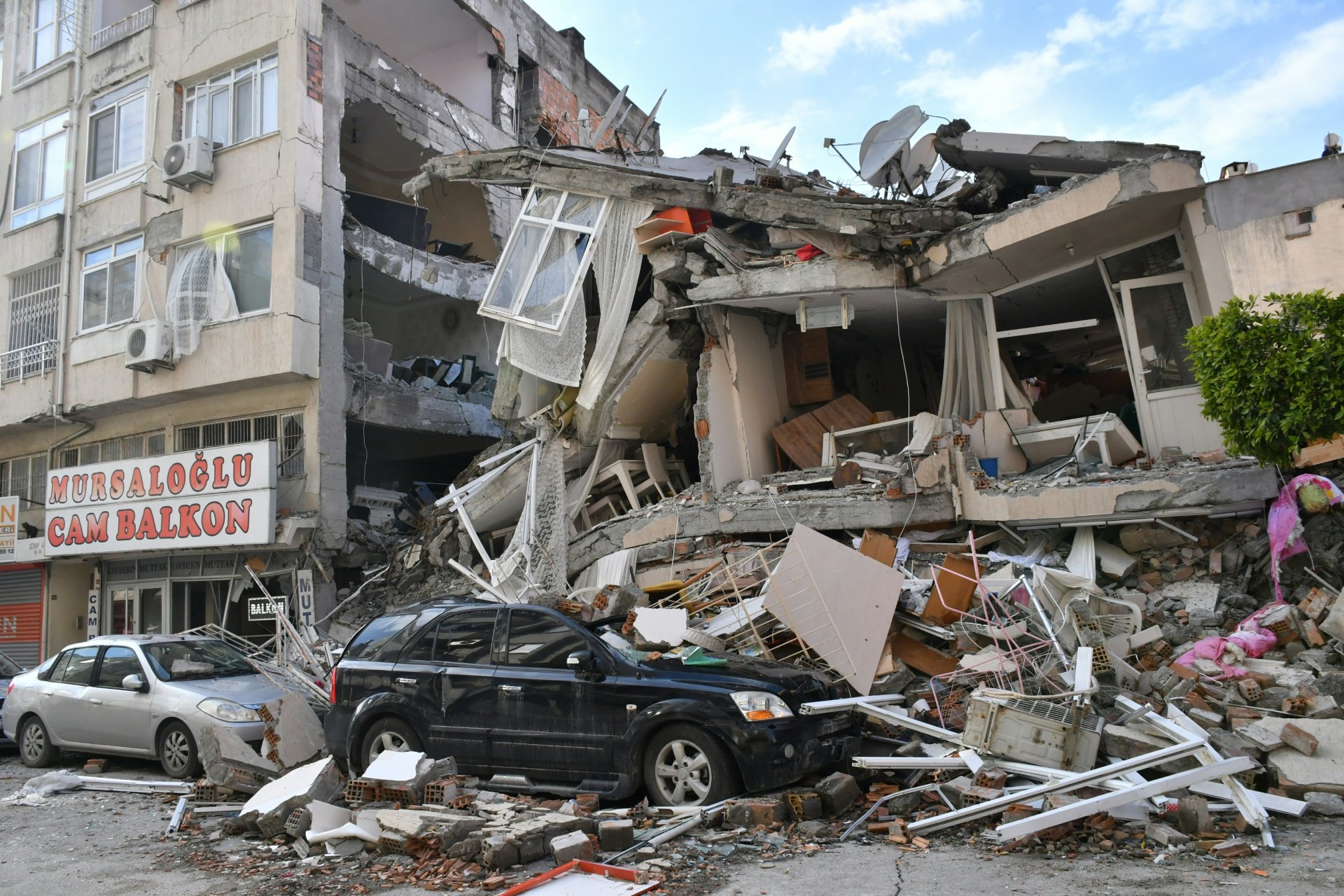
This unpredictability makes earthquakes one of the most dangerous natural hazards facing international travelers. A devastating quake can instantly transform a bustling tourist district into a disaster zone, damaging transportation networks, overwhelming hospitals, disrupting communications and triggering secondary threats such as landslides, fires and tsunamis.

For tourists, understanding where earthquakes occur, how to prepare and how to respond can mean the difference between chaos and survival. The seismic activity recorded so far in 2026 serves as a reminder that earthquake risk remains a global concern.

Among the strongest earthquakes recorded this year were a magnitude 7.5 earthquake near Tonga in the South Pacific during March, another one with the same magnitude occurred off the east coast of Honshu, Japan in April, a third in North Maluku, Indonesia with a magnitude 7.4 and a magnitude 7.1 earthquake in Malaysia.

These powerful earthquakes occurred across different regions and months, reinforcing a critical reality for travelers: earthquakes do not follow a schedule. They can strike at any time and often occur in places that attract millions of visitors annually.


The World’s Most Dangerous Earthquake Zones

Scientists know where earthquakes are most likely to occur, even if they cannot predict exactly when they will happen. More than 80% of the world’s largest earthquakes occur along the Pacific Ring of Fire, a massive horseshoe-shaped belt that surrounds the Pacific Ocean. This region marks the boundaries where tectonic plates collide, slide past each other or dive beneath neighboring plates.

Many countries located along the Ring of Fire experience frequent seismic activity, including Japan, Indonesia and the Philippines. Japan alone records more than 1,500 tremors annually and remains one of the most seismically active countries in the world. Indonesia experiences some of the highest numbers of earthquakes globally because of its enormous size and position atop multiple tectonic plate boundaries. The Philippines is similarly vulnerable and is often ranked among the world’s most disaster-prone nations.

Other countries facing significant earthquake risks include China, Iran and Türkiye. China has suffered some of history’s deadliest earthquakes due to its large population and exposure to inland fault systems. Iran experiences frequent seismic activity because it straddles several active plate boundaries. Türkiye remains vulnerable to powerful fault ruptures capable of causing extensive damage and casualties.

A second major seismic corridor, known as the Alpide Belt, stretches from Indonesia through the Himalayas, across the Middle East and into Southern Europe. Together, these two regions account for the overwhelming majority of the world’s strongest earthquakes.


Tourist Hotspots Built on Shaky Ground

Many travelers are surprised to learn that some of the world’s most iconic destinations sit directly within active earthquake zones. The Ring of Fire includes major tourist centers such as Tokyo and Kyoto in Japan, Bali in Indonesia, Santiago in Chile, Mexico City in Mexico and both San Francisco and Los Angeles in the United States. The Alpide Belt includes destinations such as Istanbul, Athens, Rome, Naples and Kathmandu.

Millions of visitors travel safely to these locations every year. The existence of earthquake risk does not mean travelers should avoid them. Instead, it means travelers should understand the hazard and prepare appropriately. The same way travelers prepare for hurricane season in the Caribbean or monsoon season in Asia, visitors to earthquake-prone regions should understand local emergency procedures and evacuation plans before arrival.

One of the most common questions travelers ask is whether scientists can predict earthquakes. Historically, the answer has been no. According to the US Geological Survey, a successful earthquake prediction must accurately identify the date, time, location and magnitude of an earthquake. No system has consistently achieved that standard.

However, recent scientific advances suggest researchers may be moving closer to useful short-term forecasting. A University of Texas at Austin study published in 2023 used artificial intelligence trained on China’s extensive AETA seismic monitoring system. During a seven-month test period, the AI correctly identified approximately 70% of earthquakes up to one week in advance.

Meanwhile, researchers at the University of Southern California have developed physical models that measure subtle changes in fault behavior and rupture mechanics. Their work may eventually improve early-warning capabilities. Additional emerging technologies include AI-assisted ionospheric monitoring, improved seafloor sensor networks and integrated physics-based forecasting models.

While these developments are promising, no technology currently provides reliable earthquake prediction. Travelers should continue operating under the assumption that earthquakes can occur without warning.


What To Do During an Earthquake

When an earthquake strikes, immediate action matters. The most widely recommended response is simple: Drop, Cover and Hold On. Drop to your hands and knees before the shaking knocks you down. Cover your head and neck beneath sturdy furniture if available. Hold on until the shaking stops.

If you are indoors, remain inside. Running outside during an earthquake often increases risk because falling glass, debris and building materials cause many injuries. Stay away from windows, elevators, shelves and heavy furniture that could collapse. If you are outdoors, move to an open area away from buildings, utility poles and trees. If you are near the coast and experience a strong earthquake, immediately move to higher ground. Earthquakes can trigger tsunamis, sometimes within minutes.

Remain alert for aftershocks, which can be nearly as dangerous as the initial quake.


How Travelers Should Prepare Before a Quake Happens

Preparation starts long before the ground begins shaking. Travelers visiting earthquake-prone destinations should keep passports and travel documents easily accessible and protected in waterproof containers. Emergency cash should be available because banking systems and ATMs may become inaccessible.

A compact emergency kit should include water, snacks, a flashlight, medications, a portable phone charger and basic first-aid supplies. Travelers should also familiarize themselves with local emergency numbers, nearby hospitals and evacuation routes.

Communication planning is equally important. Families and travel groups should establish meeting points and identify an out-of-area contact who can coordinate information if communications become disrupted. Power outages frequently follow major earthquakes. Keeping phones fully charged and carrying backup batteries can be invaluable.

Earthquake preparedness is about understanding threats before they become emergencies. Experienced travelers make themselves aware of hazards so they can avoid being caught off guard when conditions deteriorate.


Lessons From Real Earthquake Disasters

Global Rescue has repeatedly responded to major seismic disasters worldwide. The organization closely monitored and prepared response resources during the recent earthquake swarms affecting Santorini, Greece. Global Rescue has also deployed personnel and coordinated assistance during major disasters in Haiti and Nepal.

Following Nepal’s devastating magnitude 7.8 earthquake in 2015, Global Rescue activated crisis operations, deployed additional personnel and coordinated evacuations throughout the country. Among those assisted were newlyweds Brittany and Noah Myers, who were trekking independently in Nepal’s remote Gokyo Valley when the earthquake struck. Isolated from reliable information, they relied on Global Rescue’s intelligence updates to understand conditions and make informed decisions about their departure from the country.

When Brittany later became ill during the crisis, Global Rescue also helped connect her with available medical resources. Their experience illustrates how information, communication and expert support can become just as important as physical evacuation during a disaster.


The Global Rescue Connection

Earthquakes remain one of the few major natural disasters that strike without warning. Unlike hurricanes, cyclones and typhoons, there is often no time to evacuate before impact. The best defense is preparation, situational awareness and access to expert support when conditions rapidly deteriorate.

A Global Rescue membership provides travelers with a powerful safety net before, during and after a disaster. Members have access to field rescue, medical evacuation to the hospital of their choice, 24/7 medical advisory support and security advisory services during natural disasters and other disruptions.

Global Rescue also provides Destination Reports and real-time intelligence that help travelers understand risks before departure and make informed decisions while abroad.

While no organization can predict or prevent earthquakes, preparation dramatically improves outcomes. Whether you’re exploring Tokyo, hiking in Nepal, relaxing in Bali or visiting Istanbul, understanding earthquake risk and having expert support available can help ensure that an unexpected disaster does not become a personal catastrophe. With Global Rescue, travelers never have to face uncertainty alone.