Article Highlights:

  • Middle East instability increasingly disrupts international travel and mobility.
  • Airspace closures create cascading effects across global travel routes.
  • Travelers are balancing geopolitical risk with continued demand for international travel.
  • Security intelligence and extraction planning have become operational necessities.
  • Travelers increasingly factor perception risk into destination decisions.


International travel through the Middle East has always required awareness, but recent geopolitical escalation has transformed security planning into a core component of international mobility.

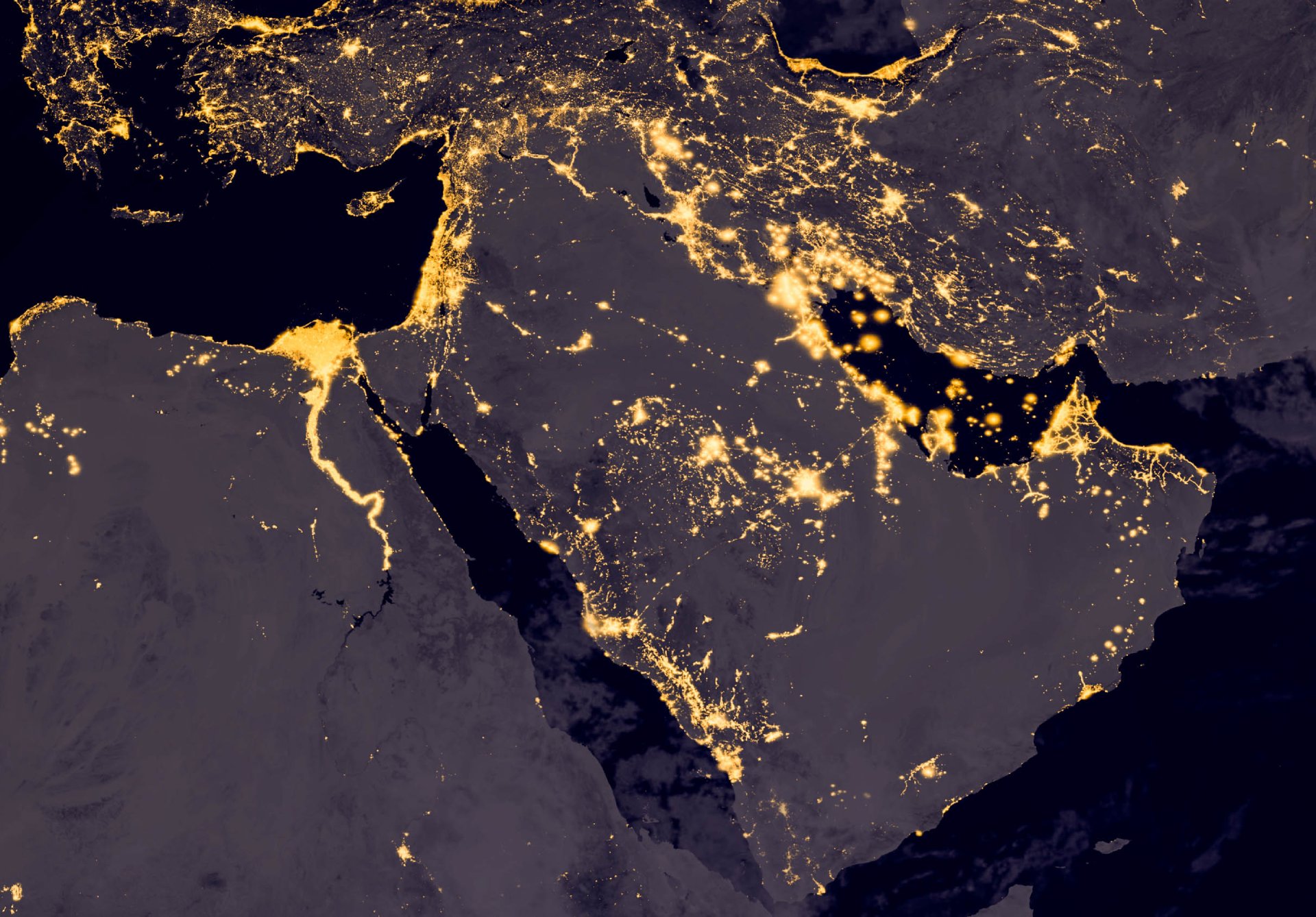
The escalating conflict involving the United States, Israel and Iran demonstrates how quickly regional instability can disrupt global movement.

Airspace closures across Iran, Iraq, Israel, Jordan, Qatar, Kuwait and the United Arab Emirates created immediate operational consequences for travelers and airlines alike. Flights were rerouted or canceled entirely. Travelers became stranded with little notice. Regional mobility became highly unpredictable.

In this environment, real-time intelligence matters more than static planning.


Why Middle East Instability Has Become a Major Travel Variable

Global Rescue activated emergency response protocols and began delivering direct advisory support, threat monitoring and extraction planning for affected travelers. Depending on conditions, security specialists coordinated secure ground transportation and alternative routing to move travelers toward safer locations.

This type of operational response highlights the new reality of international travel.

Geopolitical instability no longer remains confined to isolated incidents. It reshapes air corridors, transportation systems, traveler perception and destination viability simultaneously.

Fernando Lopez Medina, Global Rescue security operations supervisor and former US Army Special Forces Green Beret, emphasized that operations teams were working within a highly dynamic and dangerous environment while leveraging every available resource to safeguard travelers.

This environment requires flexibility. Traditional travel planning assumed relatively stable infrastructure and predictable transportation. Modern geopolitical crises no longer support those assumptions.

Airspace can close instantly. Flight operations may stop despite technically open airports. Retaliatory strikes can occur without warning. Travelers need continuous intelligence updates and contingency planning.

The modern traveler increasingly understands this. Global Rescue survey data from March 2026 found that 85% of travelers expressed concern about disruptions caused by global conflicts, including flight rerouting, airport delays and airspace closures. Yet travelers are not retreating from international mobility. Nearly two-thirds of respondents reported no change to their travel plans. Instead, travelers are recalibrating risk.

Global Rescue CEO Dan Richards described this shift clearly: travelers are navigating around risk rather than abandoning international travel altogether.


Traveler Attitude Shift and Overlapping Concerns

This recalibration extends beyond physical safety. One of the most significant emerging trends is concern about anti-American sentiment abroad. According to Global Rescue survey data, 53% of American travelers report moderate or high concern about being targeted or encountering anti-American sentiment while traveling internationally.

This represents a major psychological shift. Travelers increasingly recognize that global perception can influence personal security, interactions and destination comfort. Risk assessment now includes not only physical infrastructure and crime levels but also broader geopolitical attitudes.

Travelers are therefore balancing three overlapping considerations: physical safety, operational disruption and perception risk. This complexity requires more sophisticated preparation.

The Middle East remains strategically important for business, diplomacy, energy and tourism. Travelers continue moving through the region despite elevated tension. However, they increasingly demand access to real-time intelligence and professional guidance.

Global Rescue advises travelers in active conflict environments to shelter in place when movement increases exposure risk. Ground evacuation may remain possible depending on timing and location, but unnecessary movement during active strikes can become more dangerous than temporary sheltering.

This level of nuanced decision-making requires expertise. The Global Rescue Security Add-On provides travelers with access to former military and special operations professionals who assess conditions continuously and advise members accordingly. Importantly, the Middle East also demonstrates how interconnected global mobility has become.


Ripple Effect

A conflict involving Israel and Iran affects airlines worldwide. Travelers transiting through Gulf hubs experience delays and cancellations. Insurance policies may contain exclusions tied to conflict zones. Business operations become more complicated even far from active fighting.

Preparation must therefore extend beyond destination-specific concerns. Travelers increasingly need dynamic situational awareness. This includes understanding alternative routes, secure transportation options, infrastructure reliability and contingency planning if airports close suddenly.

The Security Add-On addresses this gap by combining advisory support, intelligence monitoring and extraction capability. Travelers also face rising financial consequences tied to instability.

Survey respondents increasingly report higher airfare costs, rerouting expenses and operational complications associated with geopolitical uncertainty. More than half say rising costs tied to instability could alter future travel decisions. Yet despite these pressures, international travel demand remains resilient.

Travelers continue prioritizing global mobility because personal, professional and cultural motivations remain strong. The difference is that travelers now approach international movement with greater discipline and awareness. Modern travel security therefore becomes proactive rather than reactive. The question is no longer whether instability exists. It is whether travelers possess the intelligence, preparation and operational support required to manage it.


The Global Rescue Connection

A Global Rescue membership provides travelers with field rescue from the point of illness or injury, medical evacuation to the hospital of their choice, 24/7 medical advisory support and Destination Reports that deliver critical intelligence on healthcare systems, transportation infrastructure and regional risk.

The Security Add-On expands this support through real-time intelligence monitoring, security advisory services, extraction planning and coordinated evacuation during geopolitical instability, terrorism, civil unrest and natural disasters.

As instability increasingly shapes global mobility, Global Rescue helps travelers remain informed, adaptable and protected no matter how quickly conditions change.