Article Highlights:

  • Tihar exposes travelers to Nepal’s hazardous road infrastructure, seasonal Kathmandu Valley smog and limited emergency healthcare outside the capital.
  • Loy Krathong’s greatest risks involve crowded riverbanks, water hazards, candles and opportunistic theft.
  • Yi Peng adds significant fire hazards, severe traffic congestion and potential aviation disruptions around Chiang Mai.
  • Understanding the capability of local hospitals and emergency medical systems can be as important as understanding crime or transportation risks.
  • Global Rescue Destination Reports, medical advisory services, field rescue and medical evacuation provide travelers with critical preparation and response resources.


Festivals of light can transform familiar streets, temples, rivers and neighborhoods into extraordinary travel experiences. In November 2026, travelers to Nepal and Thailand can witness three of Asia’s most visually compelling celebrations: Tihar in Nepal, Loy Krathong throughout Thailand and Yi Peng in Chiang Mai.

Each festival is rooted in a different cultural tradition, but all three combine light, community and ceremony on a spectacular scale. Tihar illuminates homes and streets while honoring animals, family relationships and the goddess Laxmi. Loy Krathong sends candlelit baskets floating across Thailand’s waterways. Yi Peng fills the northern Thai sky with glowing paper lanterns.

For travelers, the celebrations can be unforgettable. They also introduce risks that may not be obvious from photographs: dangerous roads, poor air quality, overcrowded riverbanks, open flames, disrupted transportation and significant differences in access to emergency medical care.


Tihar: Five Days of Lights in the Himalayas

Tihar begins November 6, 2026, bringing five days of illumination and ceremony to communities across Nepal. The US State Department advisory supplied for the festival is Level 2: Exercise Increased Caution.

Sometimes compared with Diwali, Tihar has its own distinctly Nepalese traditions. Different days honor animals including crows, dogs and cows, while other observances celebrate family bonds and Laxmi, the goddess associated with prosperity. Homes and businesses glow with oil lamps and decorative lights, while elaborate floral displays and colorful patterns transform entrances and public spaces. For international travelers, however, one of the greatest risks may have little to do with the festival itself.

Road travel in Nepal can be hazardous. Infrastructure varies considerably, traffic can be unpredictable and travel outside major urban centers may involve narrow, poorly maintained or mountainous roads. Holiday traffic can increase congestion and make already difficult journeys more complicated.

Environmental conditions create another concern. Seasonal smog can become severe in the Kathmandu Valley, reducing air quality and visibility. Travelers with respiratory sensitivities should pay attention to local conditions, limit strenuous outdoor activity when pollution is particularly heavy and consider how air quality could affect planned excursions.

Healthcare capability is an equally important planning consideration. Kathmandu offers the country’s strongest concentration of medical resources, but emergency and advanced healthcare options become more limited outside the capital. A traveler injured in a road accident or suffering a serious medical problem in a rural area may require stabilization followed by transportation to a higher-level medical facility. That makes understanding where appropriate care is available before traveling particularly valuable.


Why Medical Infrastructure Matters in Nepal

Travelers often research crime, weather and transportation without spending much time considering local medical capabilities. Yet the quality and location of healthcare can determine what happens after an illness or injury. The important question is not simply, “Is there a hospital nearby?” Travelers should also understand whether nearby facilities can adequately diagnose, stabilize and treat serious trauma, cardiac conditions, neurological problems or other medical emergencies.

This is particularly relevant in countries where sophisticated medical resources are concentrated in one or two major cities. Knowing those limitations in advance helps travelers make better decisions about itineraries, transportation and remote excursions. It also helps establish what might be required if an emergency exceeds the capabilities of the nearest medical facility.


Loy Krathong: Beauty at the Water’s Edge

On November 24, 2026, Thailand celebrates Loy Krathong, one of the country’s most recognizable festivals. The U.S. State Department advisory supplied for Thailand is Level 1: Exercise Normal Precautions.

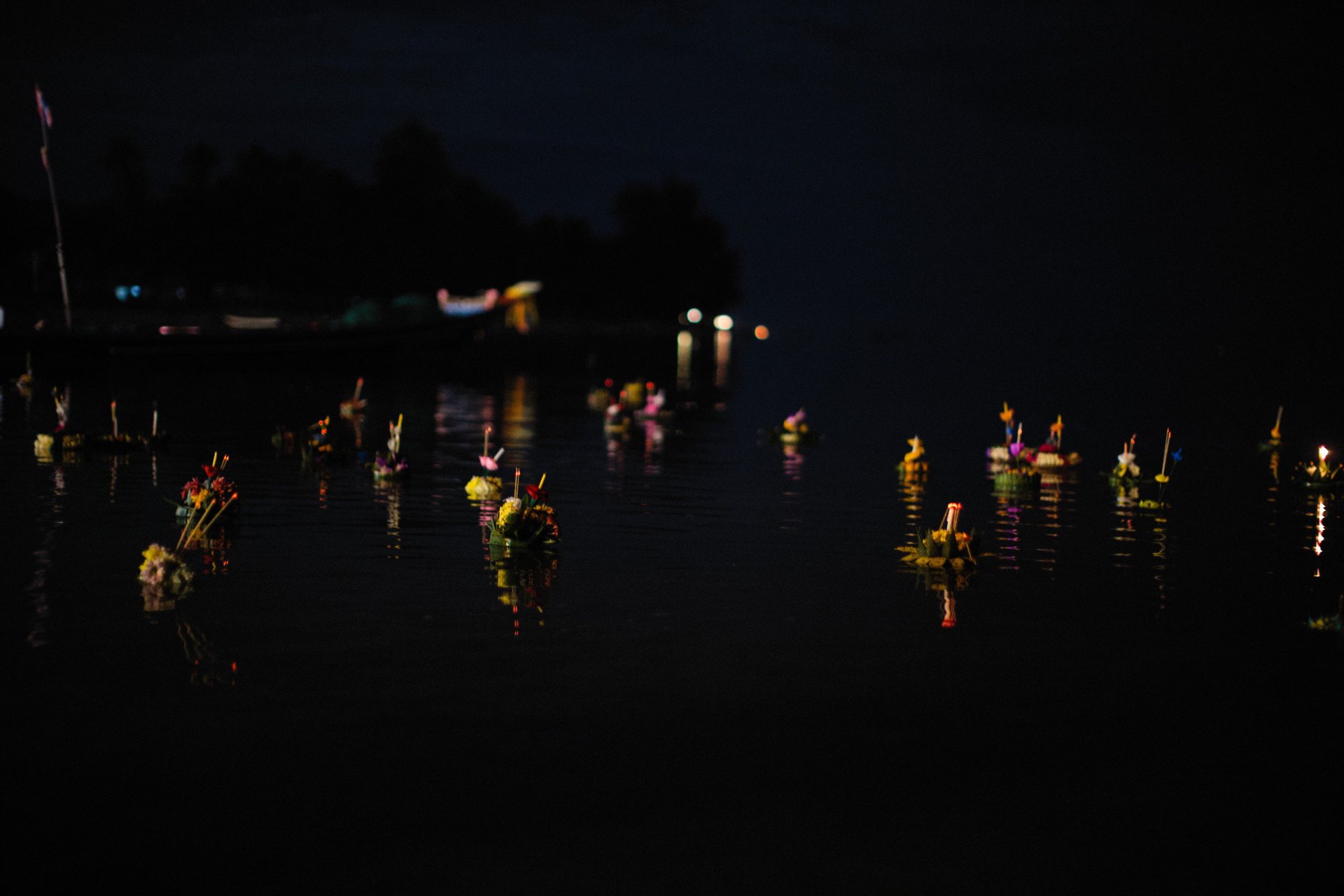
During the festival, thousands of people gather along rivers, canals, lakes and other waterways to release small decorated baskets called krathongs. Traditionally made with natural materials and decorated with flowers, candles and incense, the illuminated offerings create dramatic scenes as they drift across the water. The obvious attraction also creates the festival’s principal physical hazard: people congregating very close to water.

Crowded riverbanks can become slippery and difficult to navigate, especially after dark. Families traveling with children should be particularly cautious, while anyone consuming alcohol should maintain additional distance from the water. Travelers should also resist the temptation to climb onto unstable structures, embankments or boats merely to obtain a better photograph.

Candles introduce a smaller but still noteworthy burn risk. Loose clothing, crowded conditions and people carrying or lighting open flames can create opportunities for accidental contact. The crowds also provide favorable conditions for pickpockets. Phones, wallets and purses deserve particular attention when travelers are focused on taking photographs or watching the ceremony.


Yi Peng: When the Lights Take to the Sky

Yi Peng, also celebrated November 24, is associated particularly with Chiang Mai and northern Thailand. It often overlaps with Loy Krathong, creating one of Southeast Asia’s most distinctive festival experiences. Instead of concentrating exclusively on waterways, Yi Peng is famous for paper lanterns released into the night sky. The effect can be mesmerizing. Thousands of glowing lanterns rising against the night have turned Yi Peng into an internationally recognized travel spectacle.

But those lanterns contain open flames. Lanterns can descend unexpectedly, become caught in trees or structures or fall while still burning. Travelers should remain aware of what is happening overhead as well as around them, particularly at crowded launch areas. Hair, loose clothing and combustible materials should be kept away from lantern flames. Travelers also should follow local rules governing where and when lantern launches are permitted rather than attempting independent releases in unauthorized areas.

Transportation may be an even more predictable problem. Popular gathering areas around Chiang Mai can experience massive traffic congestion, making ordinary trips take far longer than anticipated. Roads may become extremely difficult to navigate before and after major events.

Lantern activity near Chiang Mai International Airport can also require flight reroutings or operational adjustments. Travelers flying during the festival should build additional flexibility into arrival and departure plans and monitor airline communications carefully.


The Shared Festival Risk: Crowds Change Everything

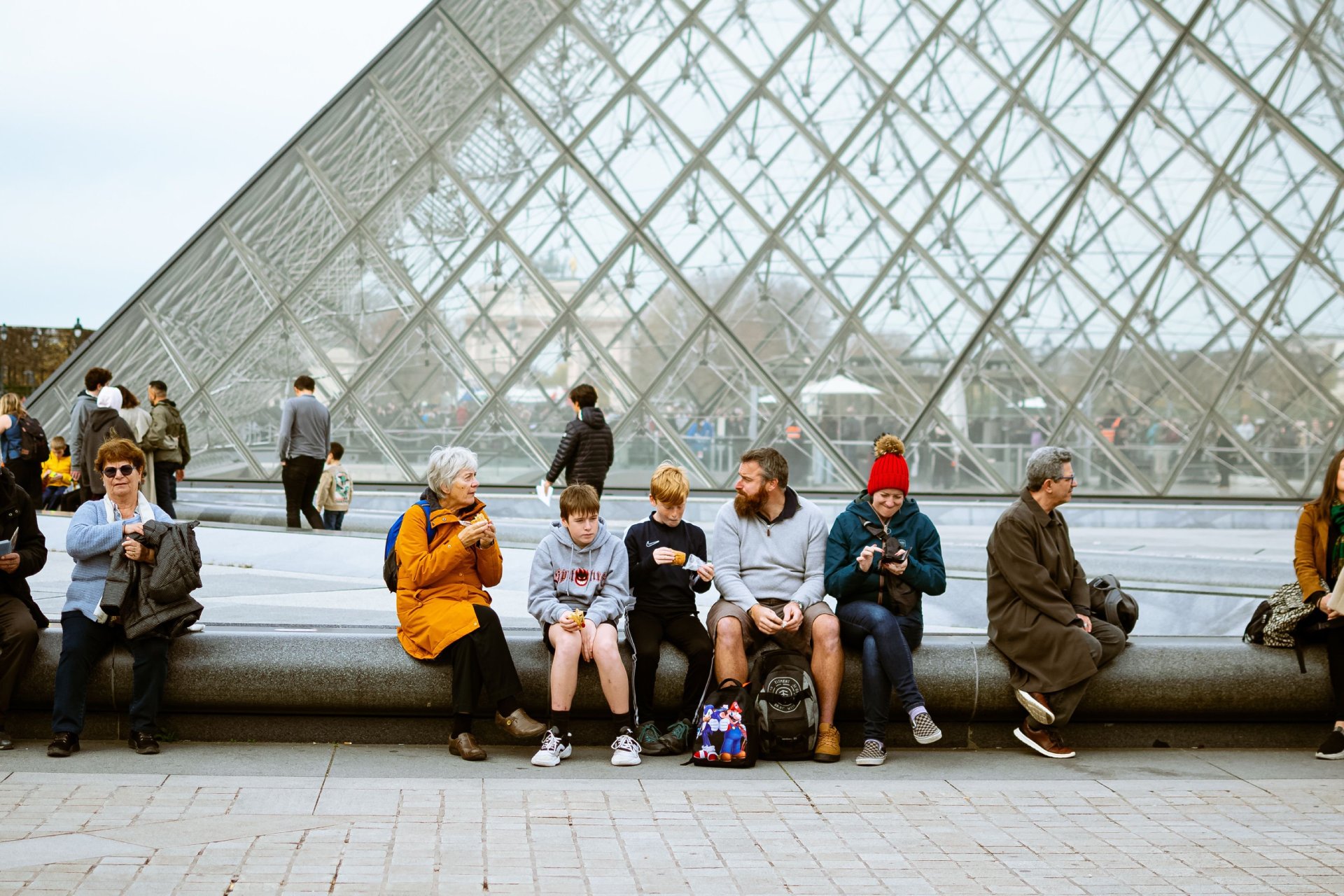
Despite their cultural differences, Tihar, Loy Krathong and Yi Peng illustrate an important principle of festival travel: ordinary destination risks can become more significant when thousands of people gather simultaneously.

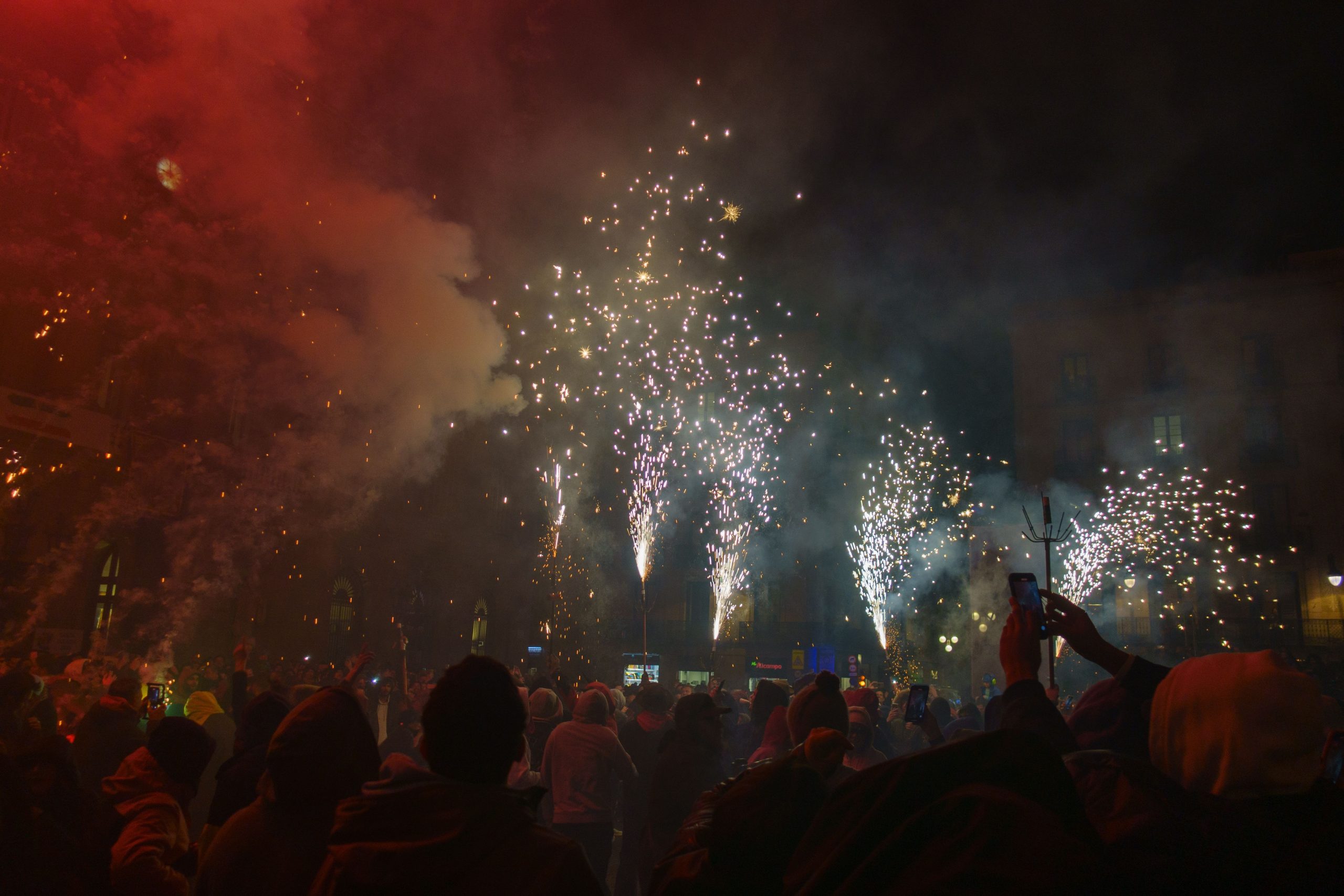
Traffic intensifies. Transportation slows. Emergency responders may take longer to reach an incident. Mobile networks may become congested. Pickpockets gain more opportunities. Open flames that would normally be easily avoided can suddenly be surrounded by people.

Travelers should identify primary and alternate transportation routes before major events and establish meeting locations when traveling with companions. Keeping a charged phone and avoiding unnecessary valuables in dense crowds can reduce common problems.

Medical planning should receive the same attention. A minor injury in central Chiang Mai may be relatively straightforward to manage. A serious medical event in a less developed part of Nepal could require entirely different logistics. The destination, location within that destination and sophistication of available medical care all influence the response. That is why effective preparation should include understanding not only where hospitals are located, but what those hospitals are actually capable of doing.


The Global Rescue Connection

Festivals like Tihar, Loy Krathong and Yi Peng demonstrate why destination intelligence matters before an international trip. Global Rescue Destination Reports provide travelers with detailed destination-specific information, including insight into security conditions, transportation concerns, health risks and the capability and availability of medical facilities. That information can be especially important in destinations such as Nepal, where emergency and advanced medical resources outside Kathmandu may be limited.

Knowing in advance where appropriate medical care is located gives travelers a clearer picture of what might happen if an illness or injury occurs. Destination Reports can help travelers assess whether nearby facilities have appropriate capabilities and whether an emergency could require transportation to another city, region or country. If an incident does occur, Global Rescue members have access to 24/7 medical advisory support from medical professionals who can help evaluate the situation and coordinate appropriate care.

Membership also includes field rescue when a traveler becomes ill or injured in a location requiring extraction and medical evacuation when local medical capabilities are insufficient. When medically necessary, Global Rescue can transport members to the hospital of their choice.

That combination of preparation and response is particularly valuable when traveling to major international festivals. Before departure, Destination Reports can help travelers understand the healthcare, transportation and security environment they are entering. During an emergency, medical advisors, rescue personnel and security specialists can help members determine what to do next.

Tihar, Loy Krathong and Yi Peng invite travelers into some of Asia’s most memorable cultural traditions, but the experience is better when travelers understand what lies beyond the spectacle. A glowing riverbank in Thailand and an illuminated street in Kathmandu may look equally inviting, yet the transportation networks, emergency response systems and medical capabilities behind them can be very different.

That is where Global Rescue adds value before an emergency ever happens. Destination Reports help travelers identify those differences in advance, including where capable medical facilities are located and what level of care they can provide. If something does go wrong, members can turn to Global Rescue for 24/7 medical advisory support, field rescue, medical evacuation and security assistance. The goal is not to make travelers more cautious about experiencing the world’s great festivals. It is to give them the information and resources to experience them more intelligently.