Article Highlights:

  • Traditional “strange” foods often evolved from necessity, preservation techniques and local culture rather than novelty.
  • Several famous international foods carry legitimate health risks if improperly prepared.
  • Many globally recognized “national dishes” are actually modern inventions or heavily counterfeited products.
  • Choosing reputable restaurants and vendors dramatically reduces food safety risks abroad.
  • Adventurous eating is one of travel’s greatest rewards when balanced with smart preparation and awareness.


Food is often the quickest path into another culture. Every country has dishes that locals treasure but visitors may initially find surprising, unsettling or even shocking. What seems unusual to one traveler often represents centuries of history, survival, resourcefulness and regional pride to another.

Some of these foods developed because preserving meat without refrigeration demanded creative solutions. Others make use of ingredients that were abundant locally but unfamiliar elsewhere. A few remain genuinely hazardous unless prepared by experienced specialists.

Not every famous food, however, is authentic. Some dishes marketed as national specialties were invented for tourists, while others are so widely counterfeited that most people have never tasted the real thing.

Would you eat the world’s 25 strangest national dishes? Whether you’re an adventurous foodie or simply curious, these remarkable dishes illustrate just how diverse, and occasionally bizarre, the world’s culinary traditions can be.


Europe

Black Pudding (United Kingdom & Ireland): Made from pork blood, pork fat and grains, black pudding has been a breakfast staple for centuries. Although the ingredient list surprises many visitors, it is simply another type of sausage. When properly prepared and cooked, it presents no unusual health concerns beyond those associated with any processed meat.

Haggis (Scotland): Scotland’s national dish combines sheep heart, liver and lungs with onions, oatmeal, spices and suet before being cooked inside a casing. While many travelers hesitate because of the ingredients, haggis is fully cooked, flavorful and perfectly safe when prepared by reputable producers.

Stargazy Pie (England): Perhaps Britain’s most visually unusual pie, Stargazy Pie features whole pilchards (small, oily fish) baked with their heads protruding through the pastry as if gazing skyward. Despite its theatrical appearance, it’s simply a traditional fish pie and carries no unusual food safety risks beyond ensuring the seafood is fresh.

Khash (Armenia & Turkey): A winter tradition throughout parts of the Caucasus, khash is a rich soup made by slowly boiling cow or sheep feet, and sometimes the head, for many hours. The lengthy cooking process makes it safe to eat, although its appearance and texture can challenge first-time diners.

Surströmming (Sweden): Fermented Baltic herring has become infamous worldwide for its overpowering odor. The fish continues fermenting inside the can, causing many containers to bulge noticeably. Commercially produced surströmming is safe to consume, but opening the can outdoors is considered common courtesy.

Smalahove (Norway): A whole sheep’s head, singed, salted, dried and boiled, remains a cherished Norwegian holiday tradition. While its presentation is startling, the meat is thoroughly cooked and safe to eat. Most locals consider the cheeks and tongue the finest cuts.

Zwiebelmettwurst (Germany): This seasoned raw pork spread is served on fresh bread and topped generously with raw onions. Because the pork is uncooked, freshness is essential. Travelers should eat it only from reputable butchers or restaurants that maintain strict refrigeration and hygiene standards.

Casu Marzu (Italy): Sardinia’s infamous sheep’s milk cheese deliberately contains live insect larvae that accelerate fermentation and create its exceptionally soft texture. Although celebrated as a cultural delicacy, health authorities have questioned its safety because the larvae can survive digestion. Authentic Casu Marzu is difficult to obtain legally.

Hákarl (Iceland): Often considered Europe’s most challenging food, hákarl is made from Greenland shark, whose fresh meat naturally contains toxic compounds. The shark must be buried, fermented for months and air-dried before becoming edible. Properly prepared hákarl is safe, but incorrectly fermented shark can remain dangerous.


Asia

Century Egg (China): Despite the name, century eggs are preserved for only weeks or months. The curing process transforms the yolk into a creamy green and the white into a translucent amber jelly. Commercially produced century eggs are safe and remain a favorite throughout China.

Durian (Southeast Asia): Known as the “King of Fruits,” durian is famous for its sulfur-like aroma, which has led many hotels and public transportation systems to ban it indoors. Despite the smell, durian is nutritious and perfectly safe for most travelers.

Airag (Mongolia): Mongolia’s national drink consists of fermented mare’s milk that has nourished nomadic cultures for centuries. Slightly fizzy and mildly alcoholic, it contains beneficial bacteria from fermentation. Travelers with lactose intolerance should proceed cautiously.

Balut (Philippines & Vietnam): A fertilized duck egg incubated for nearly three weeks before boiling, balut contains a partially developed chick. While many visitors struggle with its appearance, millions enjoy it regularly. Buying freshly cooked balut from reputable vendors greatly minimizes food safety concerns.

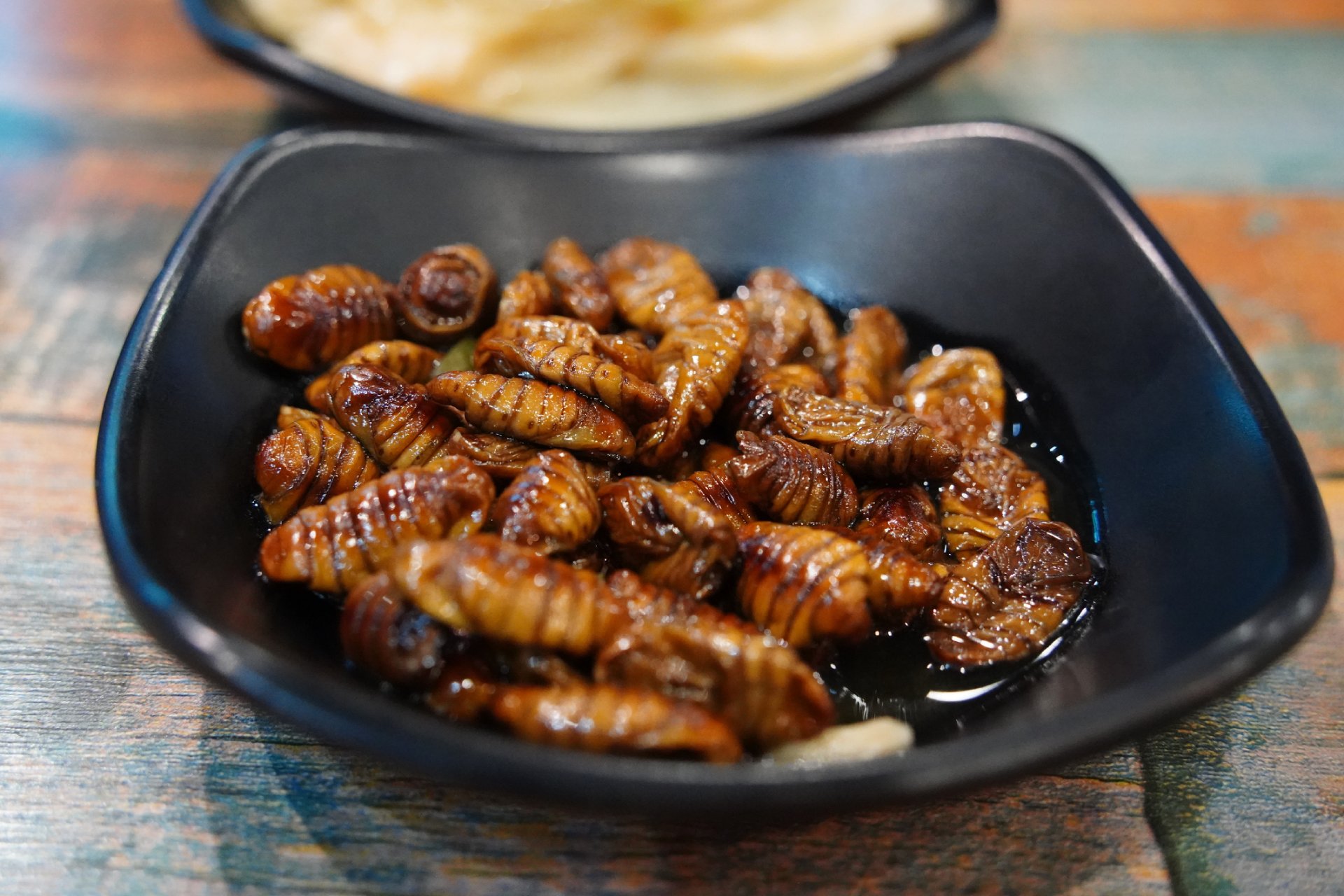
Beondegi (South Korea): Steamed silkworm pupae remain a popular Korean street snack with a distinctive earthy flavor. As with any street food, travelers should choose busy vendors that maintain good food handling practices.

Shirako (Japan): Made from the reproductive glands of male cod or anglerfish, shirako is prized for its creamy texture and delicate flavor. Because it is frequently served raw, choosing reputable restaurants with excellent seafood handling practices is essential.

Tuna Eyeballs (Japan): Served steamed or simmered, giant tuna eyeballs contain collagen-rich muscles and fat that many diners compare to squid. Freshness is the key safety factor, making trusted restaurants the safest choice.

Sannakji (South Korea): Fresh octopus cut immediately before serving continues moving on the plate as its suction cups remain active. The dish carries a genuine choking hazard because the tentacles can adhere to the throat if not thoroughly chewed. Several fatalities have been documented over the years.

Fugu (Japan): Perhaps the world’s most dangerous delicacy, pufferfish contains tetrodotoxin, a poison hundreds of times more lethal than cyanide. Japanese chefs undergo years of specialized training before earning licenses to prepare it. Travelers should never eat fugu anywhere except certified restaurants.


North America

Escamoles (Mexico): Known as “insect caviar,” escamoles are the edible larvae and pupae of ants harvested from the roots of agave plants. Their buttery texture and nutty flavor have made them a prized delicacy since Aztec times. When harvested and cooked hygienically, they pose little more risk than any other cooked protein.

Chapulines (Mexico): Grasshoppers toasted with chili, garlic and lime are a popular snack throughout Oaxaca and beyond. Packed with protein and minerals, chapulines have become an increasingly sustainable food source. Travelers with shellfish allergies should use caution because insects contain proteins similar to shellfish that may trigger allergic reactions.

Muktuk (Greenland & Arctic Canada): Muktuk consists of raw or frozen whale skin and blubber and has sustained Inuit communities for centuries by providing vitamin C and essential nutrients in harsh Arctic environments. Travelers should consume it only from trusted local sources because marine mammals can accumulate environmental contaminants depending on where they were harvested.

Rocky Mountain Oysters (United States): Despite their seafood-sounding name, Rocky Mountain oysters are deep-fried bull testicles. Born from the practical traditions of cattle ranching, they remain a novelty menu item across parts of the American West. Proper cooking makes them no riskier than other fried meat dishes.

Stinkheads (Alaska & Northern Canada): Also known as Tepa, this Indigenous delicacy involves fermenting salmon or whitefish heads underground or in wooden barrels for several weeks before eating them. Traditional preparation requires considerable expertise because improper fermentation can create conditions favorable for botulism. Visitors should only sample stinkheads prepared by experienced community members.


South America

Cuy Chactado (Peru & Ecuador): For centuries, guinea pigs have been raised as livestock throughout the Andes, making roasted or fried cuy one of the region’s oldest traditional foods. Although many visitors associate guinea pigs with household pets, locals view them much like rabbits or chickens. Properly cooked cuy presents no greater health concerns than any other roasted meat.


Africa

Bunny Chow (South Africa): Although Bunny Chow isn’t strange because of its ingredients, it earns a place on this list because of its unusual presentation and misleading name. A loaf of bread hollowed out and filled with spicy curry, it originated in Durban’s Indian community and has become one of South Africa’s signature comfort foods. When freshly prepared, it carries no unusual food safety risks.


The World’s Biggest Culinary Myths and Counterfeit Foods

Not every internationally famous food is what it appears to be. Some “national dishes” were invented thousands of miles from the countries they supposedly represent, while others have become victims of widespread counterfeiting.

Spaghetti with Meatballs (Italy/United States): Many travelers are surprised to learn that towering plates of spaghetti topped with giant meatballs are virtually nonexistent in Italy. The dish is an Italian-American creation developed by immigrants adapting traditional recipes to abundant American ingredients. Authentic Italian cuisine serves meatballs and pasta separately or pairs pasta with finely prepared meat ragù.

General Tso’s Chicken (China/United States): One of America’s favorite Chinese dishes was never a traditional Chinese specialty. It was created in 1952 by a Hunanese chef in Taiwan before evolving into the sweeter, crispier version popularized in New York. While restaurants throughout China may now serve it to tourists, it remains an export rather than a national classic.

Wagyu and Kobe Beef (Japan): Authentic Kobe beef is among the world’s rarest foods, with fewer than 5,000 certified cattle qualifying annually. Yet restaurants worldwide advertise “Kobe” or “Wagyu” far beyond the available supply. Much of what is marketed internationally as Wagyu contains little or no verified Japanese genetics. Travelers seeking the genuine experience should look for official certification.

Wasabi (Japan): The odds are surprisingly high that you’ve never tasted real wasabi. Experts estimate that roughly 99% of the “wasabi” served outside Japan consists primarily of dyed horseradish, mustard and food coloring. Authentic Wasabia japonica is expensive, difficult to cultivate and typically grated fresh moments before serving.

Parmigiano-Reggiano (Italy): Italy fiercely protects genuine Parmigiano-Reggiano, which can only be produced in specific regions under strict standards. Nevertheless, supermarket shelves worldwide are filled with imitation “Parmesan” cheeses. Some counterfeit products have even been found to contain cellulose, commonly known as wood pulp, to prevent clumping.

Fish and Chips (United Kingdom): Fish and chips is unquestionably British, but its reputation as Britain’s everyday national meal is somewhat exaggerated. The dish rose to prominence during the Industrial Revolution as inexpensive fast food and later became deeply embedded in tourism marketing. Modern British cuisine is far more diverse than this single iconic meal suggests.

Truffle Oil (France & Italy): One of fine dining’s biggest deceptions is truffle oil. Most commercially available bottles contain no truffles whatsoever. Instead, they rely on synthetic aromatic compounds originally developed through chemical manufacturing to imitate the earthy fragrance of real truffles. Authentic truffle-infused oils exist but are comparatively rare and expensive.


Eat Adventurously, But Eat Smart

The world’s strangest foods tell remarkable stories about geography, climate, history and human ingenuity. Many developed because communities learned to preserve scarce food, survive harsh environments or make use of every available resource. What appears shocking to outsiders often represents generations of culinary tradition.

Fortunately, the greatest food risks for international travelers usually have little to do with exotic ingredients. Foodborne illness is far more commonly caused by poor hygiene, improper refrigeration, contaminated water or unsafe preparation practices than by the foods themselves. Travelers should choose busy restaurants with strong local reputations, avoid foods that have been sitting at room temperature, drink safe water, and carry allergy translation cards if they have dietary restrictions.

Being adventurous doesn’t mean abandoning common sense. The best culinary experiences happen when curiosity is paired with informed decision-making.


The Global Rescue Connection

Sampling local cuisine is one of the greatest rewards of international travel, but even the most memorable meal can occasionally result in an unexpected medical emergency. Severe allergic reactions, foodborne illness, choking incidents or poisoning from improperly prepared foods can require immediate medical attention, especially in remote destinations where healthcare infrastructure is limited.

A Global Rescue membership provides travelers with 24/7 medical advisory services, field rescue and medical evacuation when local resources cannot provide the appropriate level of care. Members also have access to detailed Destination Reports that outline country-specific health risks, medical capabilities and food safety considerations before they travel.

Exploring the world’s culinary traditions should be exciting, not intimidating. With thoughtful preparation, smart food choices and access to expert medical support if the unexpected occurs, travelers can confidently discover the extraordinary flavors that make every destination unique.