Article Highlights:

  • Fall delivers ideal sightseeing weather, warm seas and significantly fewer crowds across Greece.
  • September and early October are the best months for island vacations, swimming and coastal exploration.
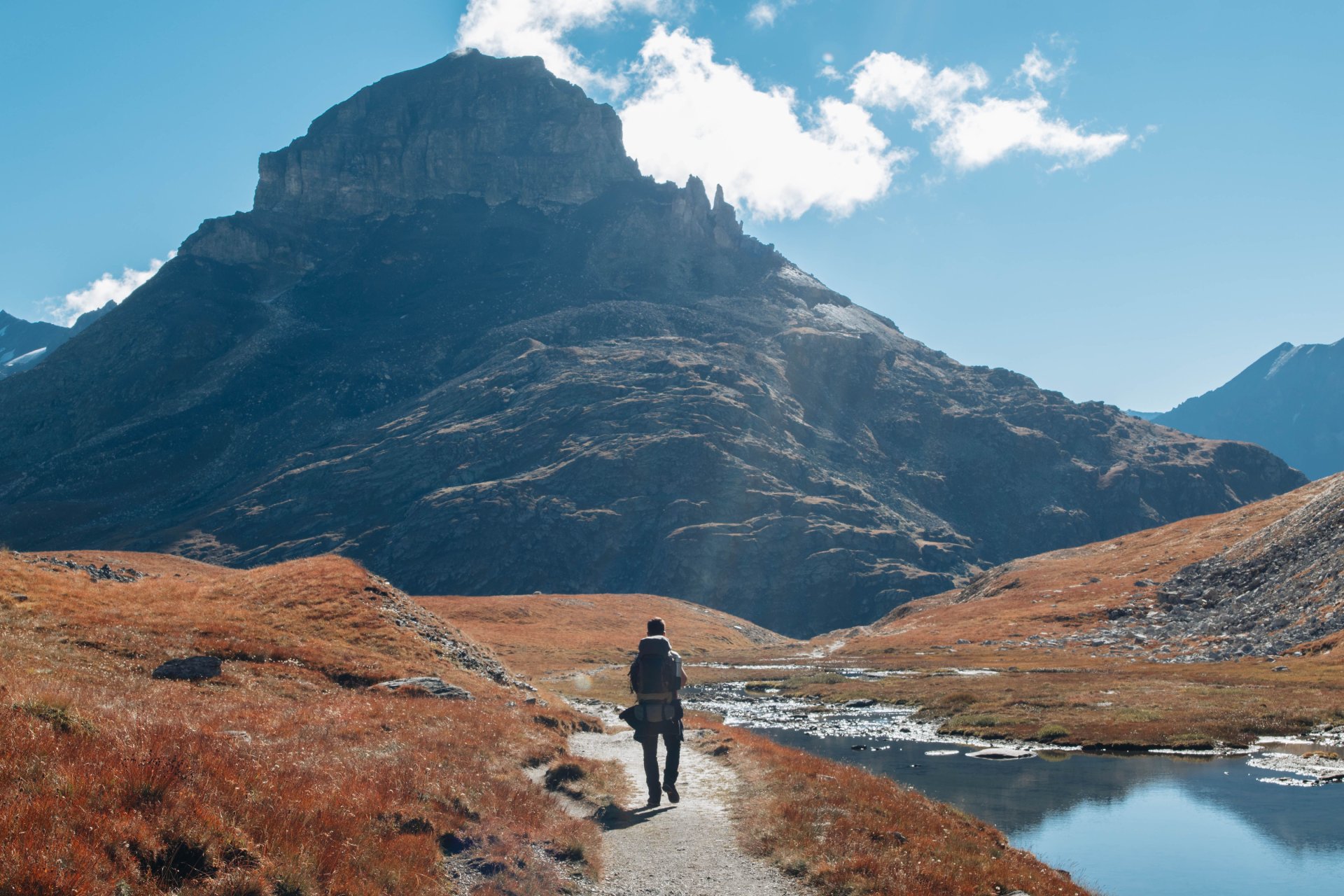
  • Mid-October through November is ideal for history, hiking and cultural travel on the Greek mainland.
  • Travelers benefit from lower hotel rates, easier access to attractions and authentic local experiences.
  • Medical and security preparedness remain important, particularly when visiting remote islands or rural regions.


Greece has long ranked among the world’s most desirable travel destinations. Its combination of ancient history, Mediterranean beauty, island culture, world-famous cuisine and welcoming hospitality attracts millions of visitors each year. Yet many experienced travelers argue that the best time to visit Greece is not during the peak summer season when temperatures soar, cruise ships flood popular destinations and hotel prices reach their highest levels.

Instead, seasoned globetrotters increasingly view autumn as Greece’s hidden sweet spot.

Fall offers many of the same advantages that draw visitors during summer—beautiful beaches, stunning archaeological sites, vibrant culture and exceptional food—but with fewer crowds, lower prices and a more authentic atmosphere. However, not all fall travel in Greece is the same. The experience changes dramatically between early fall and late fall, making timing one of the most important decisions travelers can make.

Understanding the differences between September, October and November can help travelers maximize everything Greece has to offer.


Why Greece Remains One of Europe’s Most Popular Destinations

Greece occupies a unique position in global tourism. Few destinations offer such a concentrated combination of history, culture, scenery and recreation.

The country is often described as the birthplace of Western civilization. Ancient Athens gave rise to democracy, philosophy and many of the ideas that continue to influence modern society. Travelers can walk among landmarks such as the Acropolis, the Parthenon and the Ancient Agora while experiencing a living city that seamlessly blends antiquity with modern European life.

Beyond Athens, Greece offers remarkable geographic diversity. More than 6,000 islands and islets are scattered across the Aegean and Ionian seas, creating an endless variety of landscapes and experiences. Santorini’s volcanic cliffs, Mykonos’ whitewashed villages, Crete’s rugged mountains and Rhodes’ medieval architecture each reveal a different side of Greece.

Meanwhile, the mainland offers equally compelling attractions, including the monasteries of Meteora, the mountain villages of Zagorochoria, the Peloponnese peninsula and the archaeological treasures of Delphi and Olympia.

This diversity is one reason Greece consistently appeals to luxury travelers, adventure seekers, families, food enthusiasts and history lovers alike.


Early Fall: Greece at Its Finest

For many travelers, September through the first half of October represents the ideal time to visit Greece. The oppressive heat of July and August largely disappears. Instead of temperatures exceeding 100°F (38°C), visitors typically encounter pleasant daytime highs ranging from the mid-70s to low-80s Fahrenheit (24°C to 29°C).

This weather creates nearly perfect conditions for sightseeing. Climbing the Acropolis becomes enjoyable rather than exhausting. Exploring the ruins of Delphi no longer requires seeking constant shade. Walking through Athens’ historic neighborhoods feels comfortable even during midday.

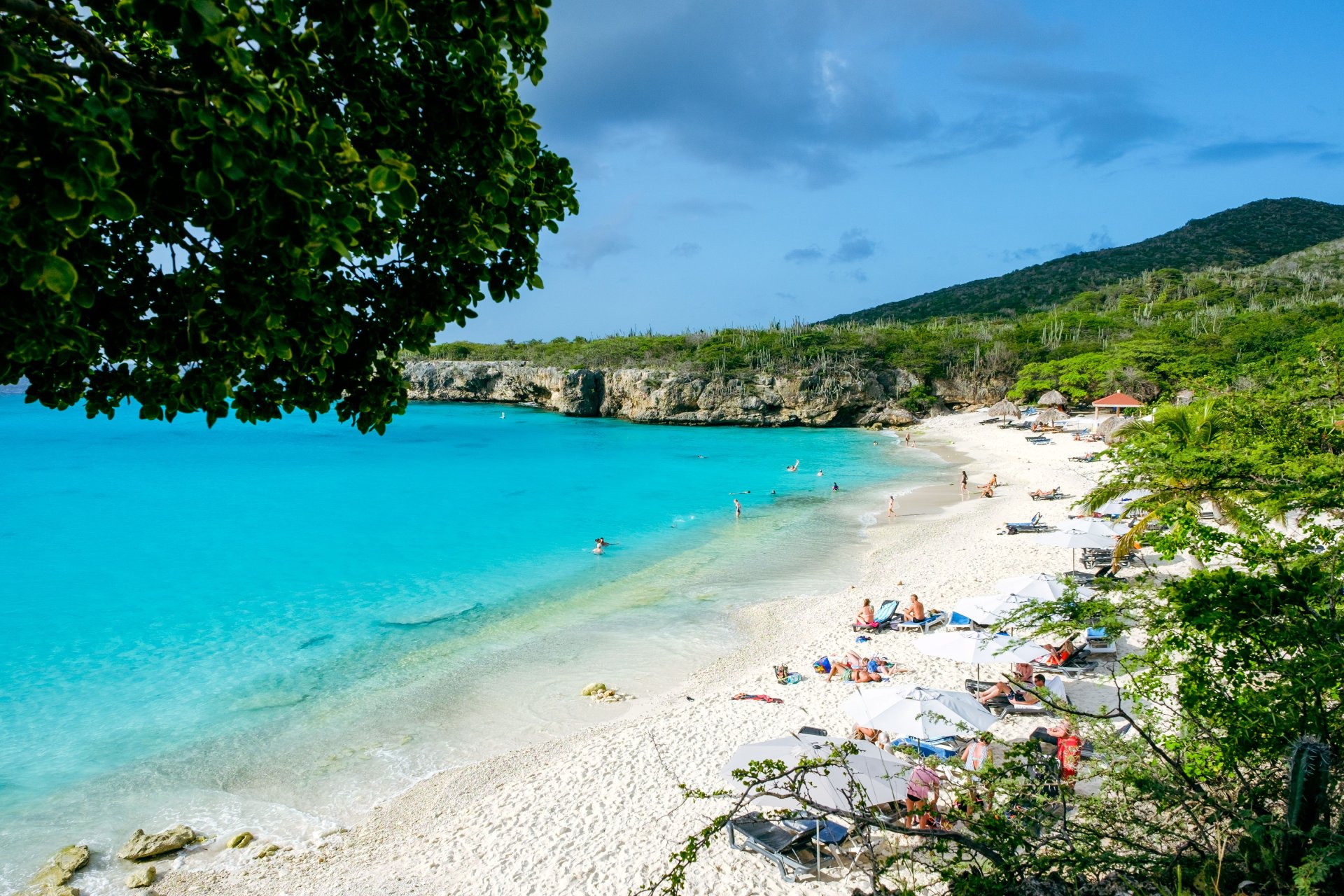
One of fall’s biggest surprises is the sea itself. The Aegean and Ionian waters have absorbed heat throughout the summer and often reach their warmest temperatures in September and early October. Many travelers are surprised to discover that swimming conditions can actually be better than in late spring.

Beach lovers benefit from warm water, comfortable air temperatures and dramatically reduced crowds. Popular destinations such as Santorini, Mykonos, Crete and Rhodes remain vibrant but feel far less congested than during peak season.

Restaurants have availability. Ferry terminals are less chaotic. Photography becomes easier without massive crowds occupying every viewpoint. For travelers seeking a balance between beach relaxation and cultural exploration, early fall offers the best of both worlds.


The Financial Advantage of Fall Travel

Cost savings represent another major advantage of visiting Greece during autumn. As schools reopen across Europe and North America, demand drops significantly. Hotels, resorts and vacation rentals often reduce rates substantially after August. In many cases, luxury accommodations can be secured for nearly half the price charged during peak summer weeks.

Airfares also tend to become more affordable. Rental car availability improves while prices decline. Popular restaurants that require reservations months in advance during summer often have same-day availability. For travelers seeking luxury experiences without peak-season pricing, fall may represent the strongest value proposition of the entire year.


Harvest Season and Culinary Experiences

Food plays a central role in Greek culture, and fall coincides with some of the country’s most important agricultural traditions. September marks the beginning of the grape harvest. Vineyards across regions such as Nemea, Crete and Santorini become active with winemaking activities. Visitors can participate in tastings, vineyard tours and harvest celebrations while learning about Greece’s growing reputation as a premium wine destination.

Later in autumn, olive harvesting begins throughout many regions of the country. The olive tree has been central to Greek civilization for thousands of years, and witnessing the harvest provides insight into one of Greece’s most enduring traditions. Seasonal produce also reaches its peak during autumn. Fresh figs, pomegranates, chestnuts and mushrooms appear in local markets and restaurant menus.

Traditional dishes become heartier as temperatures cool. Stews such as kota stifado and other slow-cooked specialties reflect the seasonal shift while offering visitors a deeper connection to local culinary culture.


Oxi Day: A Unique Cultural Experience

Travelers visiting Greece on October 28 encounter one of the country’s most important national holidays. Known as Oxi Day, or “No Day”, the holiday commemorates Greece’s refusal to surrender to Axis powers during World War II.

Cities and towns across the country host military parades, student processions and patriotic celebrations. For visitors, Oxi Day provides a unique opportunity to witness contemporary Greek identity and national pride. An additional benefit is that entry to many state-run museums and archaeological sites is often free during the holiday, creating added value for cultural travelers.


The Challenges of Late Fall

While early fall offers near-universal appeal, conditions begin changing noticeably by late October and November. The most significant shift occurs on the islands. Tourism-dependent destinations gradually enter winter mode. Beach clubs close. Seasonal restaurants shut down.

Many luxury resorts suspend operations until spring. Mykonos, famous for its nightlife and summer energy, can feel remarkably quiet by November. Travelers seeking vibrant island life may find the atmosphere disappointing.

Weather also becomes increasingly unpredictable. Although pleasant days remain common, gray skies, strong winds and rainstorms become more frequent. Travelers should prepare for rapidly changing conditions by packing layers and rain gear.

Transportation becomes another consideration. As visitor numbers decline, ferry schedules are reduced. Some routes operate only a few times per week. Domestic flight frequencies also decrease. Island-hopping that feels effortless in September can become a logistical challenge later in the season.

Daylight hours shorten as well. By November, sunset occurs around 5:00 PM local time, reducing time available for outdoor activities and sightseeing.


Why the Mainland Shines in Late Fall

Although island travel becomes less attractive in November, the Greek mainland often reaches its peak. Athens remains lively year-round and benefits from cooler temperatures that enhance sightseeing. The mountain villages of Zagorochoria become particularly beautiful as autumn foliage transforms the landscape.

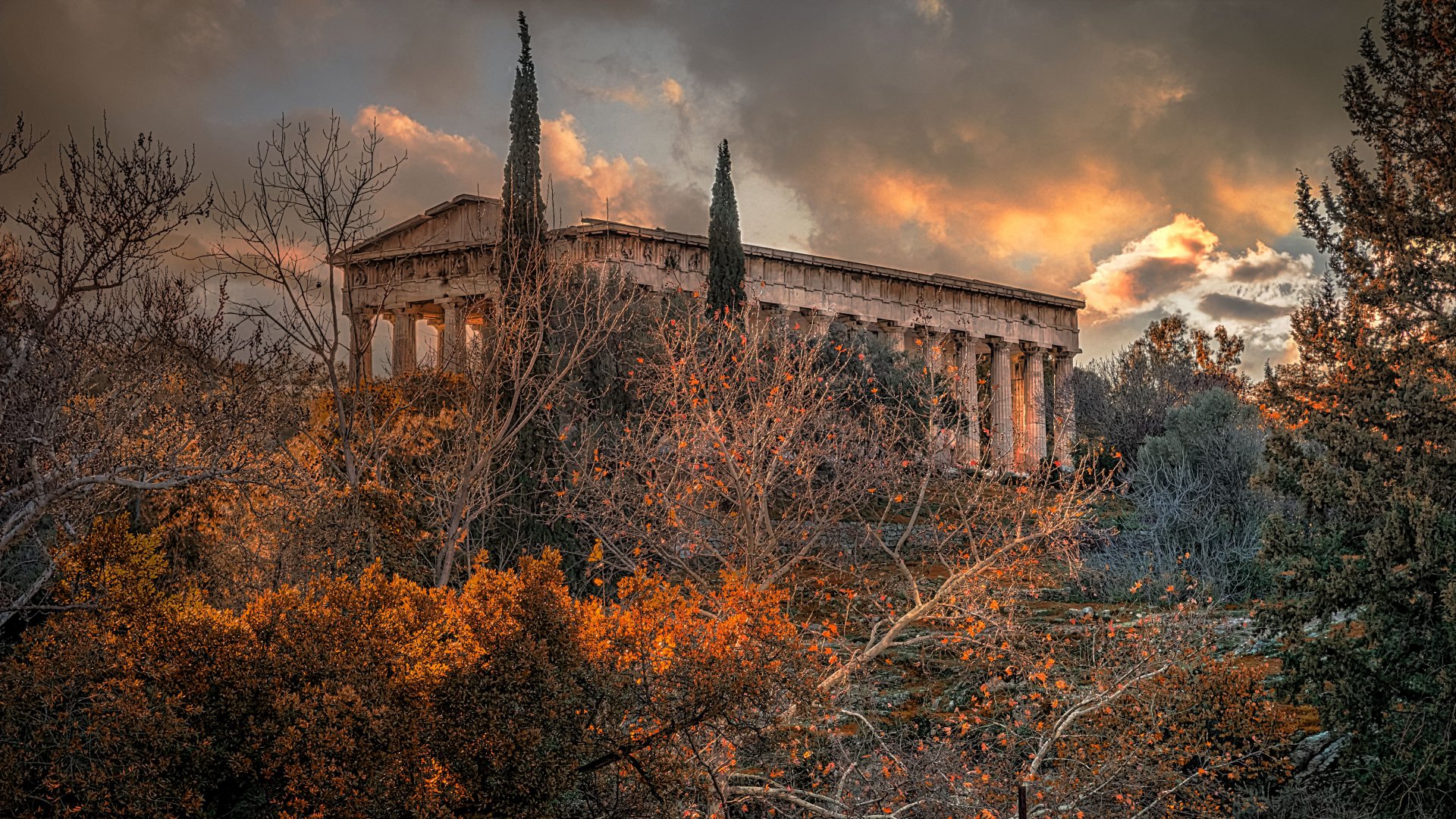
Meteora’s dramatic monasteries appear even more striking against the season’s changing colors. Historic towns such as Nafplio offer cozy atmospheres, local traditions and a slower pace that many travelers find deeply rewarding. For history enthusiasts, photographers and hikers, late autumn may actually surpass summer as the best time to explore mainland Greece.


Safety, Health and Travel Considerations

Greece remains one of Europe’s safer travel destinations. Violent crime affecting tourists is relatively uncommon, although petty theft and pickpocketing can occur in crowded areas, transportation hubs and major tourist attractions. Healthcare standards are generally high, particularly in Athens and other major cities. However, medical capabilities can vary considerably on smaller islands and in remote rural regions.

Travelers exploring isolated beaches, hiking trails or lesser-visited islands should understand that emergency medical response may take longer than it would in major urban centers. Weather-related disruptions, ferry cancellations and transportation delays can also occur during late fall storms.

Preparation remains one of the most effective tools for reducing travel risk and ensuring a smooth experience.


The Global Rescue Connection

Greece offers extraordinary rewards for travelers, whether exploring the Acropolis in Athens, swimming in the warm waters of the Aegean, hiking through Meteora or discovering authentic village life on the mainland. Even in well-developed destinations, however, emergencies can occur unexpectedly.

While we cannot predict or prevent natural disasters, we can take proactive steps to prepare and respond effectively. Understanding risks, creating emergency plans and staying informed can minimize the impact of unexpected events.

A Global Rescue membership ensures travelers are not alone when challenges arise. Members have access to field rescue, medical evacuation to the hospital of their choice, 24/7 medical advisory support and security advisory services during natural disasters, civil disruptions or other emergencies.

Global Rescue memberships are not insurance. There are no claim forms, deductibles or surprise costs. Whether a traveler is injured while hiking in a remote mountain region, experiences a medical emergency on a Greek island or encounters a major transportation disruption, Global Rescue provides expert support and coordination.

Global Rescue’s teams, including medical professionals, security specialists and veteran military personnel, deliver advisory services, evacuation assistance, destination intelligence and crisis response when travelers need it most. Preparation is protection, and a Global Rescue membership helps ensure travelers can experience Greece with greater confidence, no matter where their travels leads.