Article Highlights:

  • Greenland offers world-class muskox and newly recognized barren-ground caribou trophy opportunities.
  • Many outfitters report exceptionally high muskox success rates due to strict hunting concessions and low pressure.
  • Summer and spring hunts provide dramatically different Arctic hunting experiences.
  • Inuit-guided spot-and-stalk hunts combine traditional culture with modern expedition logistics.
  • Greenland’s remote terrain makes medical evacuation and travel preparedness critically important.


Few hunting destinations in the world combine prehistoric wildlife, untouched Arctic wilderness and authentic indigenous culture the way Greenland does. For serious hunters seeking adventure beyond traditional North American big game territories, Greenland has rapidly emerged as one of the most exotic and rewarding hunting experiences available anywhere on earth.

Hunting muskox and Greenland barren-ground caribou is not simply about harvesting trophy animals. It is about entering one of the planet’s last truly wild frontiers, where towering fjords, drifting icebergs and sprawling tundra create a landscape that feels frozen in another era. Despite Greenland’s remote reputation, modern hunting logistics, experienced Inuit guides and carefully regulated concessions have made these expeditions surprisingly accessible and remarkably successful.

For many hunters, Greenland represents the perfect balance between adventure and attainability.


Why Greenland Has Become a Premier Arctic Hunting Destination

Greenland sits between the Arctic and North Atlantic Oceans east of Canada and remains one of the least populated places on earth, with just over 57,000 residents spread across an island larger than Western Europe. Though geographically part of North America, Greenland maintains political ties to Denmark while increasingly emphasizing its Inuit Greenlandic identity and traditions.

The island’s economy still depends heavily on fishing and hunting, making wildlife conservation and sustainable harvest practices central to local life. Strict hunting concessions and remote territories have kept hunting pressure extremely low, allowing muskox and caribou populations to thrive in ways rarely seen elsewhere. That abundance is one of Greenland’s greatest attractions for hunters.

Many outfitters routinely report near-perfect muskox success rates because hunters encounter large herds daily. Instead of rushing opportunities, guides can carefully glass multiple groups and select mature trophy bulls with massive horn bosses and thick capes.

The Greenland barren-ground caribou has also gained major attention following Safari Club International’s 2025/2026 decision to recognize animals north of 66 degrees north as a distinct category. This new classification has transformed Greenland into one of the most sought-after Arctic hunting destinations for trophy collectors looking for an alternative to increasingly expensive Canadian and Alaskan hunts.


Hunting the Ancient Muskox

The muskox may be Greenland’s most iconic animal. Massive, shaggy and seemingly unchanged since the Ice Age, mature bulls appear almost prehistoric when viewed against Greenland’s stark Arctic terrain.

Unlike many mountain hunts that demand brutal elevation gains, muskox hunts are often surprisingly manageable physically. The animals commonly feed near valleys, low tundra and shorelines, allowing hunters to approach from fjords or river systems using boats or UTVs depending on the season.

For bowhunters, Greenland offers exceptional opportunities. Muskox often form defensive circles rather than immediately fleeing danger, giving experienced archers opportunities to stalk within 20 to 40 yards using natural terrain features such as glacial boulders, rolling hills and creek beds.

The trophy quality is exceptional. Mature Greenland bulls develop sweeping horn bosses and extraordinarily thick underwool known as qiviut, one of the warmest natural fibers in the world.


Greenland’s Barren-Ground Caribou Opportunity

While muskox dominate the imagery of Greenland hunting, the barren-ground caribou hunt has become equally compelling.

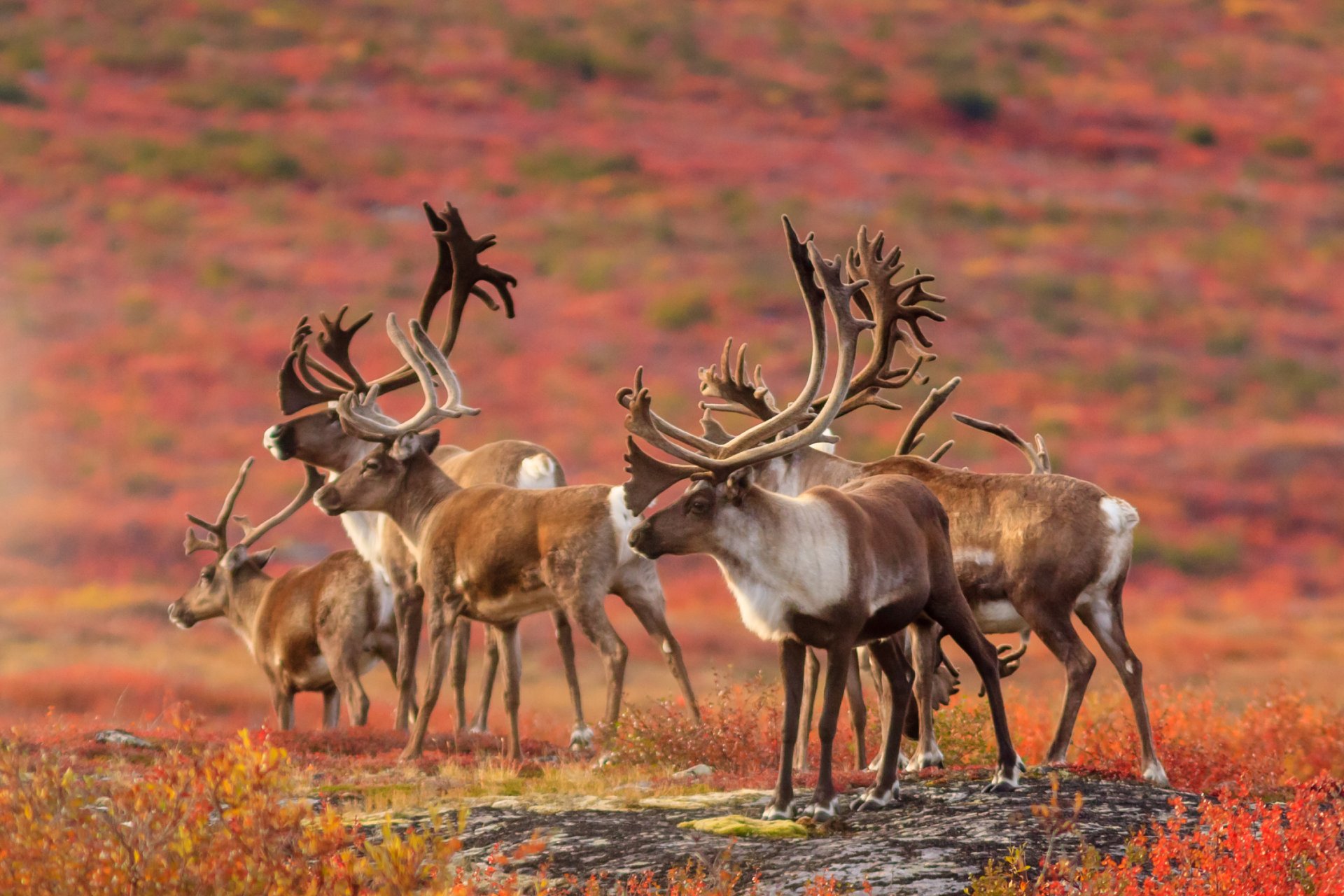
Greenland’s caribou inhabit rolling hills and rocky ridges above the fjords, often requiring more hiking and glassing than muskox hunts. The physical demands are higher, but so are the rewards. During late August and September, bulls transition from velvet into hard-horned trophies and roam vast untouched landscapes with minimal hunting pressure.

Unlike many heavily pressured North American herds, Greenland caribou often behave naturally and predictably, creating classic spot-and-stalk hunting scenarios in open country.

The recent SCI recognition has elevated the prestige of these hunts considerably. Hunters who once focused exclusively on Alaska or northern Canada are increasingly turning to Greenland for both trophy quality and affordability.


Two Completely Different Arctic Hunting Seasons

One of Greenland’s most unique advantages is the contrast between its hunting seasons.

Late summer and early fall, typically August through September, offer the classic combo hunt experience. Hunters can pursue both muskox and caribou while enjoying relatively mild temperatures often ranging through the 50s and 60s Fahrenheit. Ice-free fjords allow guides to use boats to glass mountain slopes and transport hunters directly into productive valleys. These hunts combine breathtaking scenery with comfortable conditions and active game movement.

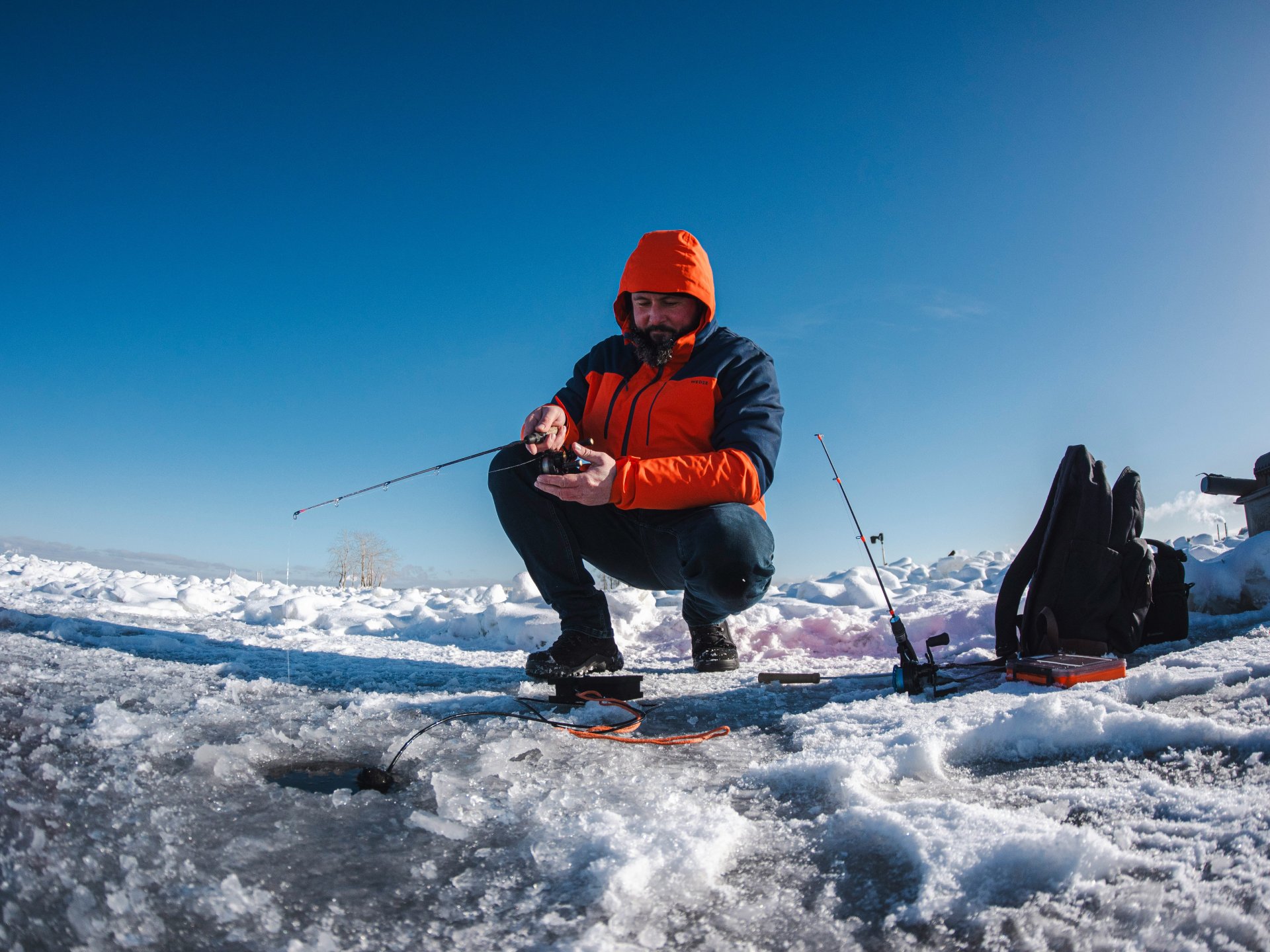
Spring hunts, usually conducted from March through April, provide an entirely different Arctic experience focused primarily on muskox and small game. During this season, Greenland becomes a frozen wilderness of snowfields, sea ice and subzero winds.

The muskox coats are at their peak during spring, making this the preferred season for hunters prioritizing hide quality. Transportation methods also shift dramatically. Instead of boats, hunters may travel by snowmobile, ATV or even traditional Inuit dogsled teams across frozen terrain. For many adventurers, the spring hunt feels like stepping directly into a polar expedition.


Inuit Guides and Authentic Arctic Culture

One of Greenland’s greatest strengths is its cultural authenticity. Hunters are not entering mass tourism operations or luxury hunting compounds disconnected from local life. Most Greenland hunts are guided by Inuit families whose ancestors have hunted these same fjords and valleys for generations.

That connection shapes every aspect of the experience, from tracking knowledge to camp life.

Meals often include fresh muskox steaks, caribou burgers, Arctic char and traditional Greenlandic foods such as muktuk, whale blubber historically consumed for calories and survival in Arctic conditions.

Many outfitters also include small-game hunting and Arctic char fishing after big-game tags are filled, turning a hunting expedition into a broader wilderness immersion.


Greenland Travel Risks Hunters Should Understand

Despite its beauty, Greenland remains one of the world’s most remote environments and travelers must approach it with respect. Most visits are free of serious crime or civil unrest. Violent crime levels remain low and terrorism risks are minimal. The true dangers come from geography, weather and limited infrastructure.

Greenland’s Arctic climate rarely exceeds 50 degrees Fahrenheit even during warmer months. Hypothermia, severe winds and sudden weather shifts create genuine hazards, especially for hunters traveling by boat or venturing deep into the tundra.

Medical infrastructure outside Nuuk is extremely limited. Serious injuries often require evacuation to another country entirely. Search and rescue resources are sparse and weather delays can complicate emergency response dramatically.

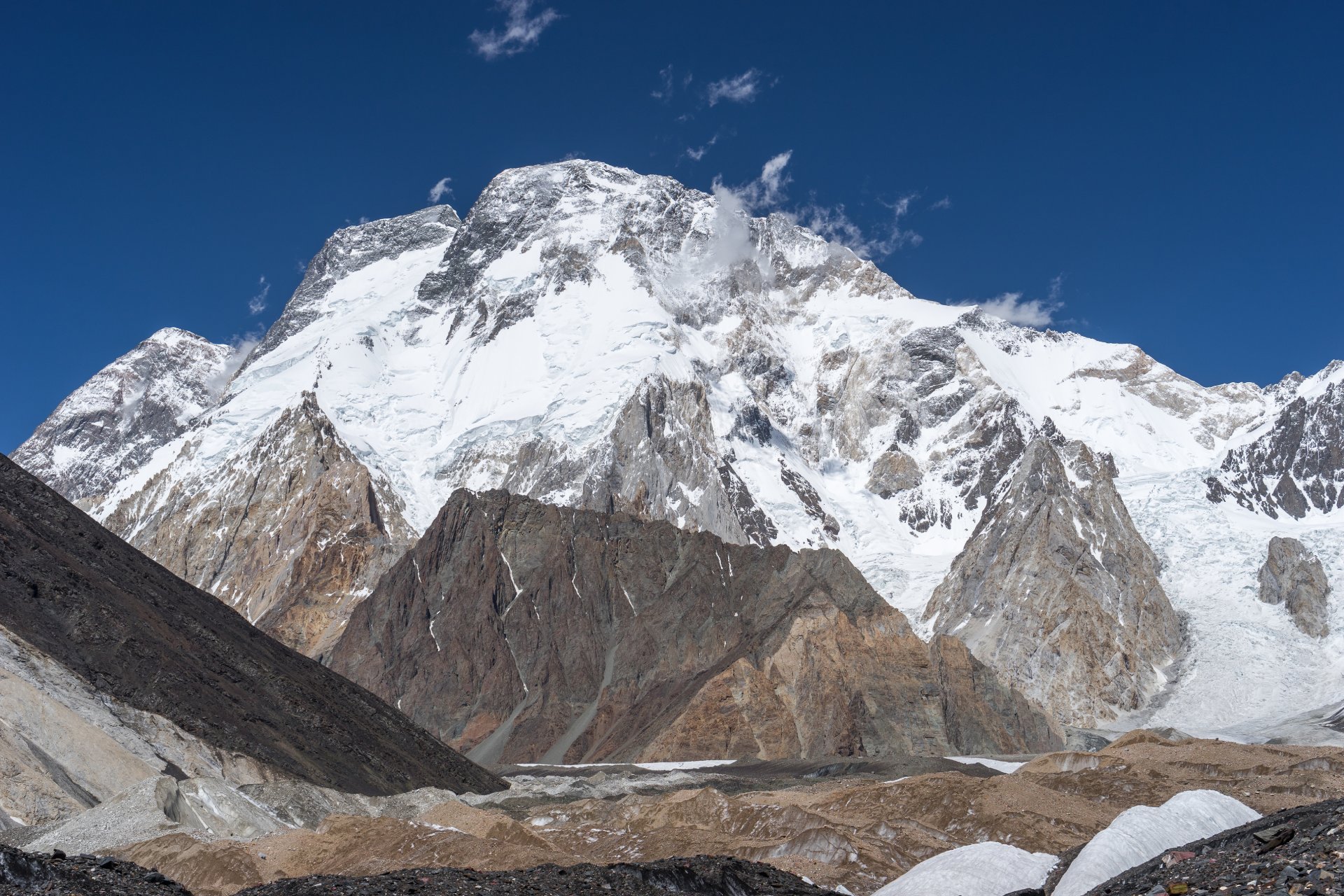
Hunters traveling in glaciers, mountains or remote ice fields are advised to work only with experienced guides and approved operators. Transportation infrastructure also remains minimal. Greenland has no passenger rail system and very few connecting roads between towns. Air travel is the primary method of moving throughout the country.

These realities make preparation absolutely essential for expedition hunters.


The Global Rescue Connection

Greenland delivers one of the most extraordinary hunting adventures available anywhere in the world, but its remoteness also means small problems can escalate rapidly into life-threatening emergencies.

Global Rescue operations responded to one emergency satellite phone call from Greenland involving a member who suffered head and hip injuries after a fall in a remote location. Although the traveler remained conscious, a Global Rescue physician immediately recognized the potential severity of the injuries and advised urgent radiological evaluation. Operations personnel coordinated a helicopter transfer to the nearest airport, followed by commercial airline transport to a hospital in Nuuk. After evaluation and stabilization, the traveler continued onward to Copenhagen and eventually home to Seattle for further medical assessment.

In another Greenland operation, a Norwegian endurance athlete collapsed unconscious during severe Arctic conditions after 16 days on the ice. Global Rescue coordinated a helicopter evacuation to a hospital in Nuuk, where she recovered fully before returning home.

A Global Rescue membership provides hunters and expedition travelers with critical services including medical evacuation, 24/7 medical advisory support and detailed Destination Reports that help travelers understand local infrastructure, medical limitations and evolving environmental risks before departure.

Importantly, travelers should understand that Global Rescue’s Field Rescue services are currently suspended in Greenland. However, Global Rescue operations teams still maintain the ability to coordinate and execute medical evacuations from Nuuk and Greenland’s major airfields, ensuring members can still access higher levels of care when emergencies occur.

In a destination where weather, isolation and limited medical resources can quickly complicate even minor injuries, professional evacuation coordination can mean the difference between controlled recovery and catastrophic delay.

For hunters pursuing muskox and barren-ground caribou across Greenland’s immense Arctic frontier, preparation is every bit as important as marksmanship.