Article Highlights:

  • International travel accelerates the global spread of infectious diseases.
  • COVID-19, SARS and MERS changed how travelers evaluate health risks abroad.
  • Remote destinations often lack advanced infectious disease care.
  • Medical evacuation and repatriation are critical during localized or global outbreaks.
  • Real-time intelligence is essential for navigating shifting border policies and health risks.


The recent spike in hantavirus activity, most notably the May 2026 outbreak linked to a cruise ship in the South Atlantic, has renewed global focus on the Andes virus strain. This particular strain is uniquely dangerous because, unlike most hantaviruses that are strictly zoonotic, it is capable of person-to-person transmission through close contact.

Carrying a staggering fatality rate of 30% to 50%, the virus typically causes Hantavirus Pulmonary Syndrome (HPS), which begins with flu-like fatigue before rapidly progressing to severe respiratory failure. Because there is currently no vaccine or specific cure, medical intervention is limited to intensive supportive care, making early detection critical as cases rise in South America due to shifting rodent habitats.


How Travel Accelerates Virus Transmission

The virus originates in various rodent species, such as deer mice and rice rats, which shed the pathogen in their urine, saliva and droppings. Humans primarily become infected by inhaling aerosolized dust contaminated by these waste products, often during the cleaning of infested spaces like sheds or cabins. While the virus was first named after the Hantan River following an outbreak during the Korean War, the current regional surge in Argentina and Chile is largely driven by climate-induced changes in rodent populations, pushing these carriers into more frequent contact with human environments.

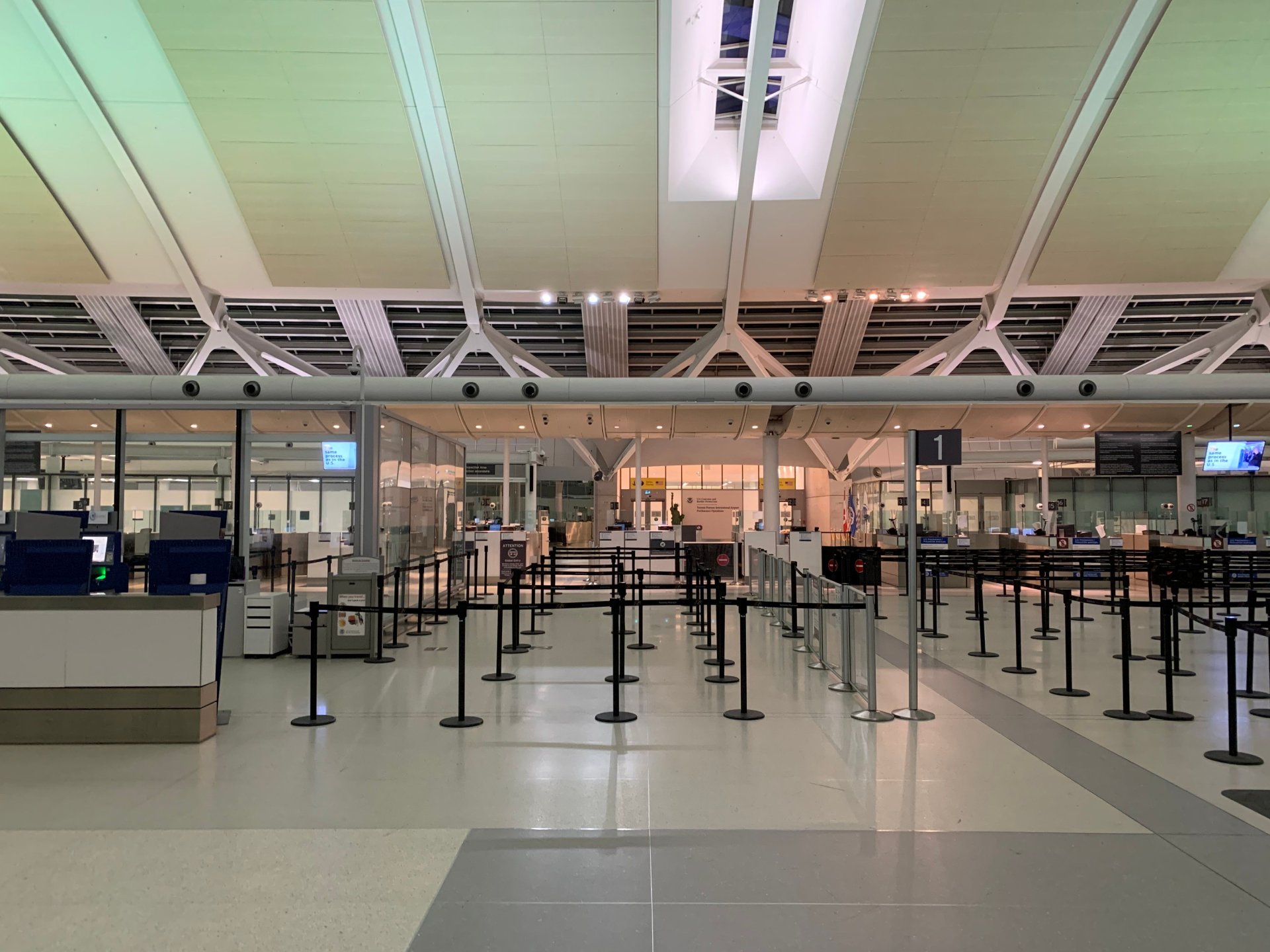
Global mobility has fundamentally changed how viruses spread. In previous centuries, infectious disease outbreaks often remained localized for months or years; today, international air travel can transport pathogens across continents within hours. Airports, cruise ships, hotels and mass transit systems create ideal environments for transmission. Travelers move rapidly through crowded, enclosed spaces while interacting with people from multiple regions, allowing a localized outbreak to quickly become international.

Respiratory illnesses spread especially efficiently during travel because symptoms may not appear immediately. Infected individuals can board flights before realizing they are contagious. Furthermore, modern tourism increases exposure to remote ecosystems and wildlife reservoirs where new pathogens—like Hantavirus or Marburg virus—frequently emerge.


The New Era of Travel Health Awareness

The COVID-19 pandemic permanently reshaped traveler awareness, demonstrating how quickly global travel systems can be disrupted. Border closures, quarantines and overwhelmed healthcare systems affected nearly every country simultaneously. This era underscored the critical importance of real-time medical intelligence, reliable evacuation capability and access to professional medical advisory services. Even as the acute phase of the pandemic subsided, COVID-19 remains a permanent fixture of the global travel-health landscape, influencing how we assess risk and plan medical responses.

Before COVID-19, SARS and MERS offered early warnings. Severe Acute Respiratory Syndrome (SARS) emerged in 2002 and spread internationally through air travel, exposing weaknesses in global screening. Middle East Respiratory Syndrome (MERS-CoV), identified in 2012, demonstrated the persistent threat of zoonotic viruses. Both outbreaks reinforced a critical lesson: travelers often encounter diseases not commonly seen in their home countries, requiring specialized knowledge and preparation.

While some viruses remain geographically concentrated, they still present meaningful risks. Marburg virus outbreaks in Africa highlight the ongoing danger of hemorrhagic diseases in regions with limited healthcare infrastructure. Similarly, the Zika virus became a major concern for travelers in the Americas due to its link with birth defects. These diseases vary in transmission and fatality rates, but they share a common factor: international travel increases the opportunity for exposure.


Healthcare Limitations and the Need for Evacuation

One of the greatest challenges during an outbreak is healthcare system strain. Even strong medical systems can face bed shortages and delays during a surge. In remote destinations, infectious disease expertise may be non-existent. For travelers, this is compounded by language barriers and shifting quarantine restrictions that can hinder mobility.

During these emergencies, evacuation planning becomes complex. Commercial flights may be suspended and some hospitals may refuse foreign patients. Medical evacuation and repatriation services become essential to bridge the gap, ensuring travelers are moved to facilities capable of providing advanced care or returned to their home country for continuity of care.


The Global Rescue Connection

In an era where infectious disease can reshape travel overnight, preparation is practical risk management. A Global Rescue membership provides travelers with field rescue, medical evacuation and 24/7 access to medical professionals who monitor viral outbreaks in real-time.

If local hospitals cannot provide adequate care, Global Rescue coordinates transport to a more appropriate facility or the traveler’s hospital of choice, allowing you to move through uncertainty with expert guidance and operational support.

For example, a Montana woman who contracted COVID-19 during a fly-fishing trip to the Bahamas was medically evacuated to Miami by Global Rescue after local healthcare providers determined the remote island’s clinic could not provide adequate treatment.

Dolly Webster tested positive shortly before returning to the United States despite following strict pandemic precautions. As her symptoms worsened and her oxygen levels dropped, Global Rescue coordinated an emergency air ambulance transfer from Great Inagua Island to Miami, where she received monoclonal antibody treatment. Webster later recovered and credited the evacuation team’s rapid response with saving her life.