Article Highlights:

  • Manaus serves as the primary gateway to remote Amazon peacock bass fisheries.
  • The Rio Negro basin offers some of the world’s most explosive freshwater fishing.
  • Amazon fishing expeditions involve complex logistics and remote wilderness conditions.
  • Tropical illness, injury and transportation disruptions remain serious concerns.
  • Global Rescue memberships provide evacuation and medical coordination in isolated environments.


Manaus occupies a singular position in global sportfishing. Located deep within the Brazilian Amazon where the Rio Negro meets the Amazon River, the city functions as the operational gateway for anglers pursuing giant peacock bass in one of the planet’s most remote ecosystems.

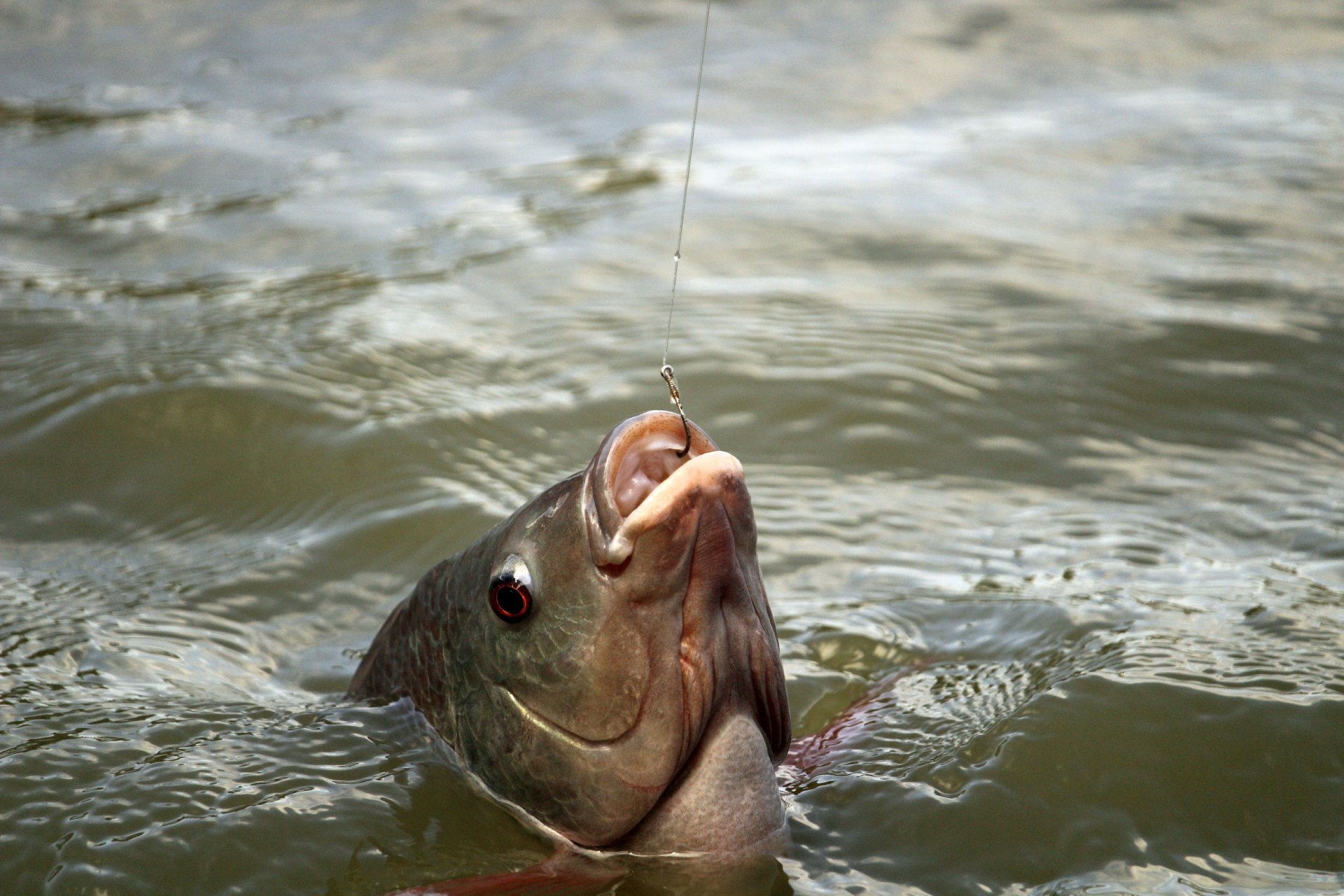
For many fishermen, Amazon peacock bass represent the ultimate freshwater predator. Explosive strikes, violent surface attacks and extraordinary size make them among the most sought-after sportfish in the world. Yet the experience extends far beyond the fish themselves. Traveling into the Amazon means entering a region defined by isolation, immense biodiversity and logistical complexity.

Fishing in the Amazon is about far more than catching fish. The environment itself becomes part of the experience. “It’s like you are in a National Geographic show every day,” said Guy Schoenborn, President and Host at Fishing with Larry. From pink river dolphins and colorful macaws to flooded forests and remote jungle tributaries, anglers are immersed in one of the most biodiverse ecosystems on Earth.


Gateway to Amazon Fishing

Most international anglers begin their journey in Manaus, a sprawling city surrounded by jungle and connected to remote fisheries primarily by floatplanes, riverboats and small charter aircraft. From there, anglers disperse into the Rio Negro basin and its tributaries, often traveling hours or even days deeper into the rainforest.

Unlike destination fisheries supported by roads and nearby towns, Amazon fishing infrastructure is intentionally remote. Floating mothership operations and jungle lodges position anglers near productive waters far from urban development. That remoteness creates much of the appeal.

Peacock bass thrive in flooded forests, blackwater lagoons and winding tributaries where anglers cast surface lures into submerged timber and hidden structure. During low-water periods, fish become concentrated and aggressive. Conditions can change rapidly based on rainfall patterns and seasonal river fluctuations.

Timing is one of the most important variables in any Amazon fishing trip. Water levels can dramatically affect access, fish behavior and overall success. “The biggest mistake that people make when fishing in the Amazon Jungle is not doing enough research on the best time of year for both the destination they are visiting and the fish species they want to target. Water levels and seasonal conditions can vary widely throughout the Amazon, and timing can make a huge difference in the fishing experience,” said Brad Staples, Agent and Host at Fishing with Larry.

Gear preparation matters just as much. Amazon peacock bass are notorious for their strength and aggression. “Anglers can’t believe they need to use 40–60 lb. leaders for a 10–20-lb fish and they don’t bring enough rods. Peacocks break a lot of rods,” Schoenborn added.


Peacock Bass Fishing Risks

The physical demands of Amazon fishing are substantial. Temperatures frequently exceed 90 degrees with oppressive humidity. Anglers cast continuously for long hours while exposed to intense equatorial sun. Hydration, heat management and physical conditioning become critical components of success.

Medical infrastructure becomes increasingly limited the farther anglers travel from Manaus. Most lodges maintain basic first-aid capabilities, but serious injuries or illnesses often require evacuation by boat or aircraft. Tropical infections, dehydration, cardiac events and orthopedic injuries represent genuine risks.

The importance of evacuation planning becomes clear when examining Global Rescue’s fishing-related cases worldwide. While en route to a steelhead fishing trip in British Columbia, Global Rescue member William Mitchell suffered a heart attack during a connection in Vancouver. After emergency stabilization, Global Rescue coordinated aeromedical evacuation to California, ensuring immediate specialty cardiac care.

The lesson applies directly to Amazon travel. Remote fishing trips involve long flights, physical strain and limited access to advanced medicine. A medical emergency in the jungle can escalate far more quickly than many travelers anticipate.


Protect Communication Capabilities

Communication presents another challenge. Satellite phones and satellite communication devices are increasingly common among experienced Amazon outfitters because cellular networks disappear quickly outside Manaus. Weather can ground aircraft and isolate fishing camps temporarily.

Global Rescue member John Bates experienced similar communication challenges during a fishing trip to Christmas Island in the Pacific. When he became severely ill, limited communications complicated rescue coordination. Ultimately, Global Rescue arranged evacuation to Honolulu for advanced care.

Amazon anglers face comparable realities. Tropical storms, aviation disruptions and jungle geography can slow emergency response dramatically. Travelers who assume help is easily accessible often misunderstand the operational realities of wilderness fishing.

Despite these risks, Amazon fishing continues to grow in popularity because the experience remains unmatched. Peacock bass strike with astonishing aggression. Explosive topwater attacks occur against a backdrop of macaws, monkeys and dense rainforest. Every cast feels unpredictable.


The Attraction of Manaus Beyond Fishing

Manaus itself also offers cultural depth beyond its role as a transit hub. The city rose to prominence during the rubber boom of the late nineteenth century, and remnants of that era remain visible in landmarks such as the ornate Teatro Amazonas opera house. Local markets, riverfront districts and Amazonian cuisine provide travelers with a glimpse into one of South America’s most distinctive urban environments.

The appeal of Amazon fishing has also broadened considerably. While hardcore anglers still make up a large portion of visitors, today’s operations attract a wide variety of travelers. “Fishing the Amazon for peacock bass is not an exclusive destination. There are families, groups of fishing buddies and couples looking to experience the Amazon Jungle. We have a mix of clients who have fished with us in the past, who return to the same operation, and who are looking for a new adventure in the jungle,” said Staples.

This growing diversity of travelers has helped transform portions of the Amazon fishing industry into a premium adventure travel sector that blends world-class angling with wildlife viewing, cultural experiences and luxury accommodations.

Many outfitters now combine luxury accommodations with expedition-style fishing logistics. Air-conditioned floating lodges, professional guides and helicopter-supported operations have transformed portions of Amazon fishing into a premium adventure travel sector.


The Global Rescue Connection

Fishing the Amazon is an extraordinary experience, but it unfolds in one of the most remote environments accessible to international travelers. Medical infrastructure outside Manaus can be extremely limited, communications unreliable and transportation heavily dependent on weather.

A Global Rescue membership provides anglers with access to field rescue, medical evacuation and 24/7 medical advisory services capable of bridging those gaps. Whether dealing with tropical illness, orthopedic trauma or a serious cardiac emergency, members receive coordinated operational support from extraction through hospital transfer.

Global Rescue also provides Destination Reports and security intelligence that help travelers understand regional healthcare standards, transportation limitations and environmental risks before departure. For anglers investing heavily in Amazon expeditions, that support transforms uncertainty into preparedness.

The Amazon rewards adventurous travelers with some of the world’s greatest freshwater fishing. Having the right rescue and evacuation resources ensures that the adventure remains memorable for the right reasons.