Article Highlights:

  • Patagonia combines world-class trout fishing with extraordinary wilderness scenery.
  • Argentina and Chile offer distinct fishing cultures and river systems.
  • Remote lodges and wilderness access create logistical and medical challenges.
  • Weather, transportation delays and isolation can complicate emergencies.
  • Global Rescue memberships help anglers manage risk during remote international expeditions.


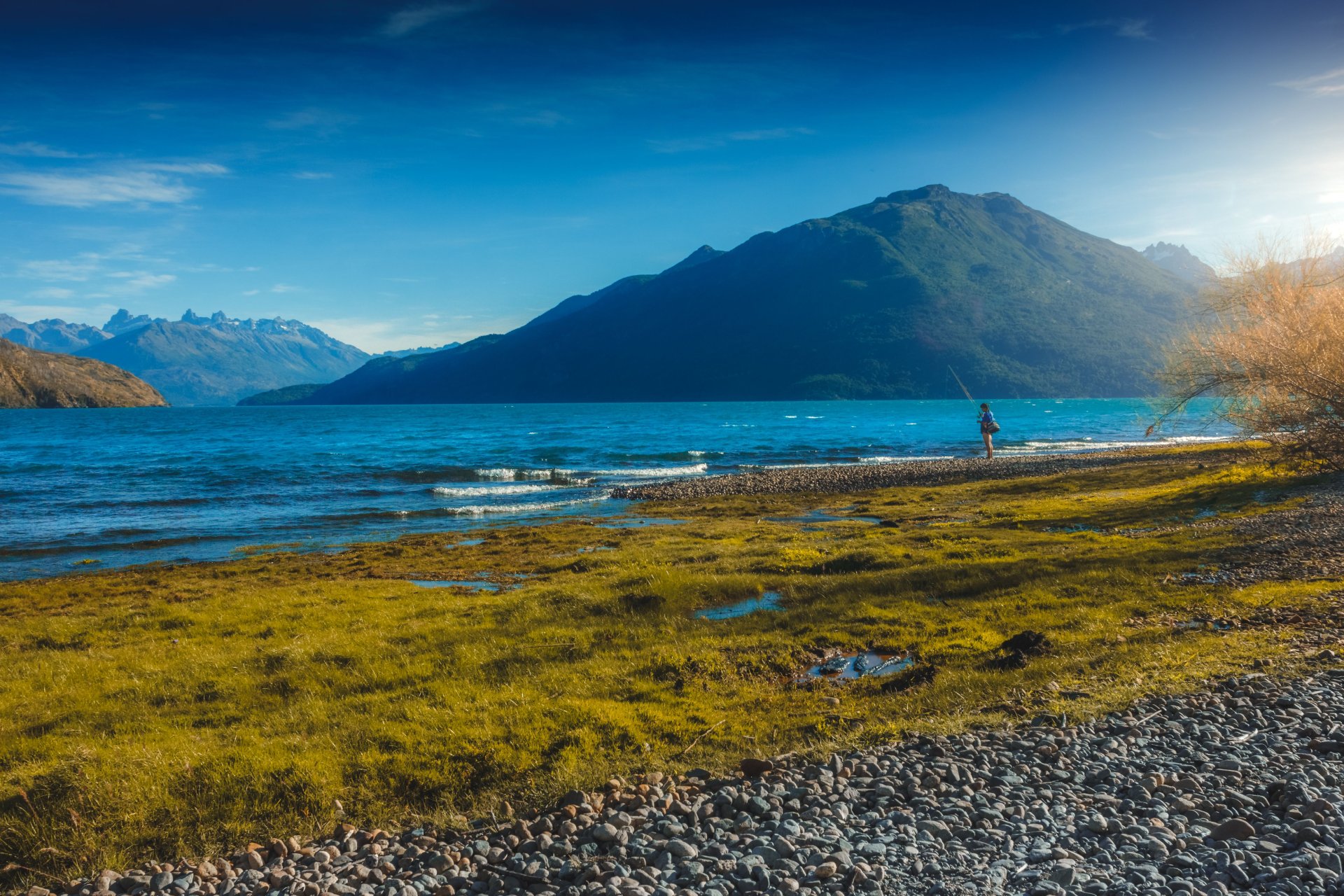
Patagonia occupies an almost mythical position within fly fishing culture. Stretching across southern Argentina and Chile, the region combines glacial rivers, snowcapped mountains and vast wilderness landscapes with some of the finest trout fisheries on earth.

For many anglers, Patagonia represents the pinnacle of destination fly fishing. Massive brown trout, crystal-clear rivers and dramatic scenery create an experience that feels closer to exploration than tourism.

Unlike more crowded fishing destinations, Patagonia retains a sense of scale and isolation that defines the experience. Anglers may drift through broad valleys beneath towering Andean peaks or hike into spring creeks where condors circle overhead.


Argentina and Chile Offer Distinct Fishing Culture

Argentina is particularly famous for large brown trout fisheries. Rivers such as the Limay, Chimehuin, Collón Curá and Malleo have become internationally recognized among fly fishermen pursuing trophy fish. Northern Patagonia around San Martín de los Andes and Junín de los Andes combines sophisticated lodge infrastructure with easy access to productive rivers.

Further south, Tierra del Fuego has earned legendary status among sea-run brown trout anglers. Rivers such as the Río Grande produce enormous migratory fish that attract serious fly anglers from around the globe.

Chile offers a slightly different atmosphere. The country’s Patagonia region combines rainforest valleys, glacial lakes and fast-moving rivers with a more rugged frontier character. Rivers such as the Futaleufú, Baker and Palena deliver extraordinary trout fishing alongside whitewater scenery that feels largely untouched.


Risks of Remote Fishing

Travel through Patagonia requires patience and flexibility. Weather can shift rapidly, grounding flights and isolating lodges. Gravel roads stretch across remote terrain where fuel stations and medical facilities may be hours apart.

Many lodges rely on bush planes, long overland transfers or boat access to reach productive fisheries. These logistics contribute heavily to Patagonia’s allure but also create vulnerabilities when emergencies occur.

Fishing itself can be physically demanding. Wading swift rivers, hiking uneven terrain and spending long days exposed to wind and cold place real stress on the body. The risks associated with destination angling are not theoretical. Global Rescue has coordinated numerous fishing-related evacuations worldwide.

While traveling to a steelhead fishing trip near Smithers, British Columbia, Global Rescue member William Mitchell suffered a heart attack in Vancouver. After stabilization, Global Rescue physicians coordinated aeromedical transport to California so Mitchell could continue advanced cardiac treatment near home.

The case highlights a broader reality relevant to Patagonia travel. Remote fishing trips often involve long-haul flights, physical exertion and limited access to specialty care.

Another Global Rescue member became seriously ill during a fishing expedition on Christmas Island in the Pacific Ocean. Limited communications and remote geography complicated the response, yet Global Rescue successfully coordinated evacuation to Honolulu for advanced treatment.

Patagonia presents similar challenges. Cellular coverage disappears quickly outside population centers. Severe storms can disrupt transportation for days. Medical facilities capable of advanced trauma or cardiac care are concentrated in larger cities such as Bariloche, Puerto Montt and Santiago.

Fishing injuries themselves are common. Slips on wet rocks, shoulder strain from repetitive casting and boating accidents occur regularly. During a deep-sea fishing trip in Costa Rica, a Global Rescue member suffered fractured ribs and compressed vertebrae after an accident. Local facilities lacked advanced imaging capabilities, requiring evacuation to San José.

The lesson resonates strongly in Patagonia, where remote clinics may provide stabilization but not specialized diagnostics or surgical care.


Patagonia Beyond Fishing

Despite these realities, Patagonia continues to attract anglers because the environment itself feels increasingly rare in the modern world. Rivers remain largely uncrowded compared to famous fisheries in North America or Europe. Wildlife encounters, including guanacos, foxes and condors, reinforce the sense of immersion.

Fishing culture in Patagonia also emphasizes hospitality and conservation. Estancias and lodges often combine refined cuisine, local wines and traditional Argentine or Chilean hospitality with highly personalized guide services.

The region’s culinary traditions further elevate the experience. Argentine Patagonia is famous for grilled lamb, Malbec wines and trout prepared over open fire. Chilean Patagonia incorporates seafood, king crab and indigenous culinary influences.

Travelers should nevertheless prepare carefully. Patagonia’s weather can produce extreme wind, sudden snowfall and dangerous river conditions even during peak fishing season. Travel insurance alone may not adequately address operational rescue realities in isolated environments.

Experienced anglers increasingly carry satellite communication devices, layered technical clothing and contingency plans for transportation disruptions. Evacuation planning is now considered standard practice among many outfitters serving remote waters.

Patagonia ultimately rewards anglers who embrace unpredictability. Some days bring fierce winds and difficult fishing. Others deliver sight-fishing opportunities against some of the most dramatic scenery in the world.

The combination of wilderness, trout quality and cultural depth explains why Patagonia remains one of fly fishing’s defining destinations.


The Global Rescue Connection

Patagonia’s extraordinary fishing opportunities are inseparable from its remoteness. Rivers, lodges and wilderness camps often operate far from advanced healthcare infrastructure and dependable transportation networks.

A Global Rescue membership provides anglers with access to field rescue, medical evacuation and 24/7 medical advisory support throughout international travel. Members can be evacuated from remote areas and transported to the most appropriate medical facility, including repatriation to their home hospital when necessary.

Destination Reports and security advisory services also help travelers understand regional risks, healthcare quality, transportation reliability and environmental conditions before departure.

For anglers investing in remote expeditions across Argentina and Chile, Global Rescue adds a critical layer of operational preparedness that traditional reimbursement-based travel insurance may not provide.

Patagonia offers some of the world’s finest trout fishing experiences. Proper preparation ensures anglers can focus on the rivers, landscapes and adventure itself with greater confidence and peace of mind.