Article Highlights:

  • Día de los Muertos celebrations are generally well-patrolled, but massive crowds increase pickpocketing and transportation risks.
  • Guy Fawkes Night combines spectacular fireworks with genuine burn, eye injury, smoke and traffic hazards.
  • Diwali can produce dramatic short-term air pollution spikes, particularly in densely populated Indian cities.
  • Crowds, disrupted transportation and unfamiliar emergency systems can turn relatively minor incidents into serious travel problems.
  • Destination-specific medical intelligence can help travelers know where quality emergency care exists before they need it.


November 2026 gives international travelers three extraordinary opportunities to experience traditions that could hardly be more different: cemetery vigils surrounded by marigolds in Mexico, enormous bonfires illuminating cold autumn nights in Britain and millions of lamps transforming Indian homes and cities during Diwali. What they share is scale.

Major cultural celebrations change the normal operating environment of a destination. Streets close. Public transportation becomes crowded or unreliable. Emergency departments see different types of injuries. Smoke can affect air quality. Large concentrations of visitors create opportunities for petty criminals. And a hospital that looks reasonably close on a map may not have the specialty care a traveler needs. That doesn’t make these festivals reasons to stay home. It makes advance destination intelligence especially valuable.


Día de los Muertos: Mexico, November 1–2

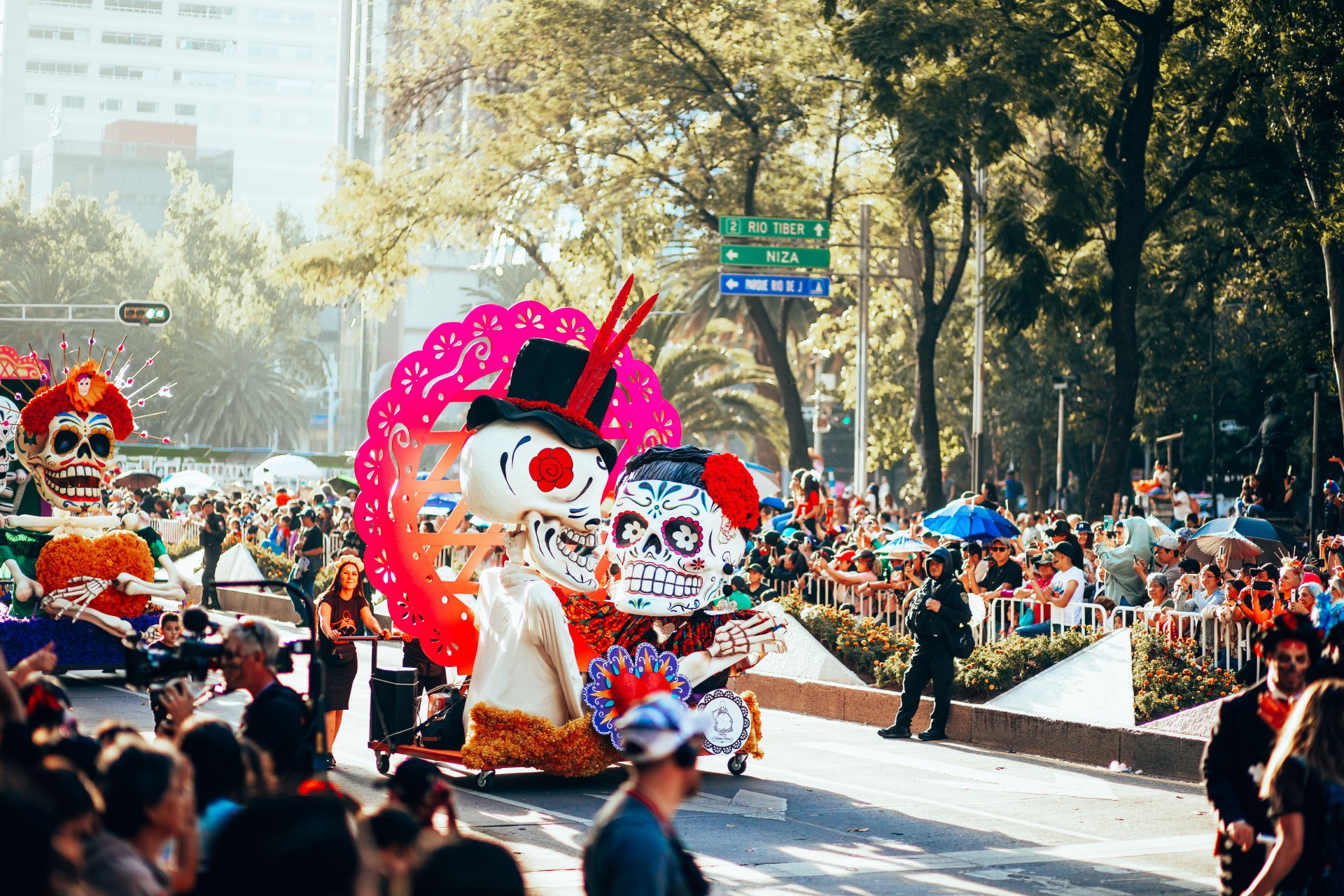
Día de los Muertos is one of Mexico’s most culturally significant traditions, bringing families together to remember deceased relatives and friends through ofrendas, photographs, food, candles, cempasúchil marigolds and cemetery visits. Although November 1 is commonly associated with the start of the observance, the celebration traditionally continues through November 2.

For travelers, Oaxaca and Mexico City offer some of the most visually memorable celebrations, from public altars and costumed processions to nighttime gatherings. Mexico currently carries a US State Department Level 2 advisory, meaning travelers should exercise increased caution. Importantly, conditions vary substantially by state and region. Oaxaca state is designated for increased caution, but the State Department places no specific US government employee travel restrictions on Oaxaca City, Monte Albán, Puerto Escondido or Huatulco. Other parts of the state do carry restrictions. That distinction matters during Día de los Muertos.

The largest organized festival areas typically have substantial police, municipal and tourism activity. For many visitors, the more likely problem is opportunistic theft created by dense crowds. A packed procession or plaza allows a thief to remove a phone or wallet with far less chance of detection.

Transportation deserves equal attention. Travelers interested in visiting smaller villages, remote cemeteries or celebrations outside major tourism centers should understand the route as carefully as the destination. Avoid improvising late-night overland transportation through unfamiliar or poorly monitored areas simply because a festival recommendation appears on social media.

Respect is another component of safety. Día de los Muertos is not simply a Mexican version of Halloween. Cemeteries and family ofrendas (offerings) may be deeply personal spaces. Asking before photographing people, graves or private altars helps travelers participate without turning remembrance into spectacle.


Guy Fawkes Night: United Kingdom, November 5

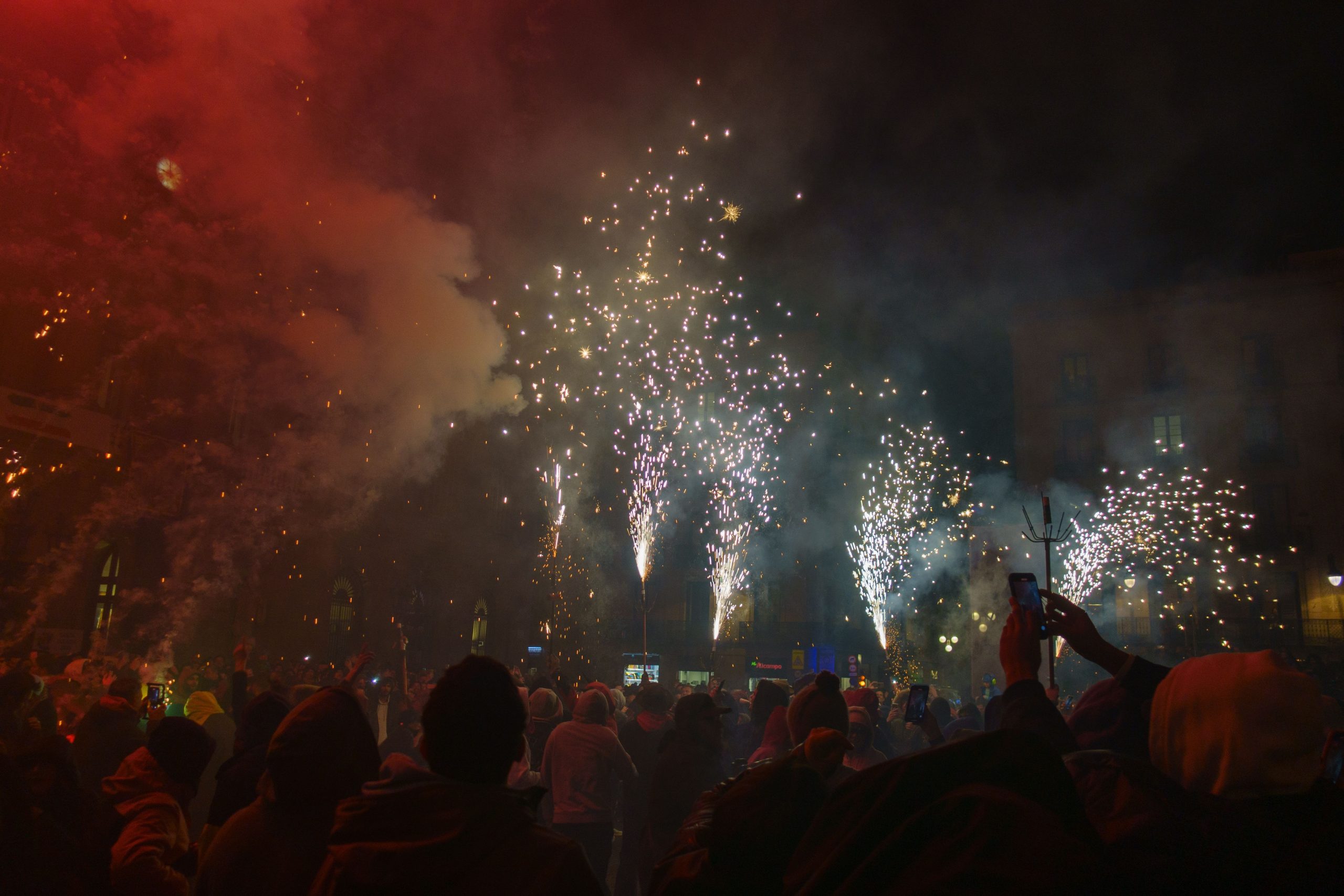
Every November 5, communities throughout the United Kingdom commemorate the failed Gunpowder Plot of 1605 with bonfires, fireworks and, traditionally, the burning of Guy Fawkes effigies. The UK currently carries a US State Department Level 2 advisory, with travelers advised to exercise increased caution because of terrorism risk. For the typical Bonfire Night visitor, however, the most immediate festival-specific danger is much more ordinary: fire.

The National Health Service (NHS) has repeatedly warned about the surge in burn-related concerns surrounding Bonfire Night. Its burns and scalds information receives thousands of additional visits during the firework weekend and British safety authorities advise spectators to favor large organized displays, where the risk of injury is lower than at smaller private events. Fireworks can produce burns, hand injuries and serious eye trauma. Smoke from large bonfires can also irritate the eyes and respiratory tract, particularly when spectators stand downwind for prolonged periods.

For travelers, distance is protection. An organized public display with controlled spectator areas is preferable to an improvised neighborhood celebration where fireworks may be discharged close to crowds. Traffic may be the less dramatic but more predictable problem. Popular event sites can create road closures, overloaded transit stations and exceptionally slow vehicle movement before and after displays. Travelers should decide how they are getting back to their hotel before joining the crowd rather than trying to arrange transportation after tens of thousands of spectators begin leaving simultaneously.


Diwali: India and Worldwide, Main Celebration November 8

Diwali, the festival of lights, is celebrated by hundreds of millions of people through illuminated homes, diyas, religious observances, family gatherings, sweets and fireworks. Celebrations extend across several days and vary by region and tradition. In 2026, the principal Diwali date falls on Sunday, November 8.

India currently carries a US State Department Level 2 advisory, with increased caution advised because of crime and terrorism and higher-risk designations applying to certain regions. For travelers in major Indian cities, Diwali introduces a different environmental risk: air quality.

Fireworks can cause extreme short-term concentrations of particulate pollution. A 2026 study examining 14 cities in the Indo-Gangetic Basin found particulate matter concentrations during the Diwali period substantially exceeded air-quality guidelines, with most of the cities studied moving into severe or hazardous health-air-quality categories. Weather conditions can compound the problem by trapping pollutants near the surface. That makes checking the air-quality index as important as checking the weather, particularly for travelers sensitive to smoke and particulate pollution.

Crowds are the second challenge. Markets, temples, shopping districts and transportation hubs can become extraordinarily congested. In a dense crowd, a minor fall, separation from companions or difficulty reaching transportation can escalate quickly. Travelers should establish meeting points, keep phones charged and avoid becoming trapped deep inside moving crowds with limited exits.

Medical planning also deserves attention. India has sophisticated hospitals and world-class physicians in major metropolitan centers, but capability varies dramatically by location. Outside large cities, the nearest facility may lack advanced imaging, trauma resources or a specialty service required for a particular illness or injury. That distinction is easy to overlook until care is urgently needed.


Festival Safety Starts Before the Festival

The common lesson across all three celebrations is that a country’s overall travel advisory tells only part of the story. A Level 2 designation does not mean every neighborhood, highway, hospital or festival venue presents the same risk. Día de los Muertos may create an enormous but well-controlled crowd in central Oaxaca while a regional transit route presents a very different security environment. A British city may have superb emergency medicine, but getting across town can become difficult when roads surrounding a major fireworks display close. India may offer excellent tertiary hospitals in major cities while the healthcare capability at a more remote destination is substantially different.

Travelers should therefore ask more specific questions before departure: Where is the nearest capable emergency department? What specialty services does it provide? How long would it realistically take to reach it? What happens if local care is inadequate? Those questions become particularly important when millions of people are celebrating at the same time.


The Global Rescue Connection

Global Rescue Destination Reports give travelers information they can use before an emergency occurs, including destination-specific medical resources, healthcare capabilities, security conditions and other regional risks. That intelligence can help a traveler distinguish between merely finding a nearby clinic and identifying a facility capable of treating a serious medical emergency.

That capability is especially valuable during major festivals. If a firework causes a serious eye injury during Guy Fawkes Night, a traveler becomes ill amid severe Diwali pollution or an injury occurs outside Oaxaca during Día de los Muertos, knowing the strengths and limitations of nearby medical facilities can accelerate better decisions.

A Global Rescue membership also provides field rescue, medical evacuation to the hospital of the member’s choice when medically appropriate, 24/7 medical advisory support and security advisory services during natural disasters or disruptions. Unlike traditional travel insurance, Global Rescue membership services are delivered directly rather than through a reimbursement model involving claim forms, deductibles and co-pays.

Medical evacuation is particularly important when the local facility cannot provide the necessary level of care. Medical advisory teams can evaluate the situation, coordinate with treating physicians and help determine whether additional treatment or transportation is warranted.

Día de los Muertos, Guy Fawkes Night and Diwali are precisely the kinds of experiences that make international travel worthwhile. Travelers shouldn’t avoid them because something could go wrong. They should understand the destination well enough to know what happens if it does.

Preparation isn’t paranoia; it’s protection. Knowing where capable medical care exists, how to reach it and who can help when local resources fall short lets travelers focus on what brought them there in the first place: experiencing extraordinary traditions safely and confidently.