Article Highlights:

  • Thailand offers exceptional value through affordable food, lodging and transportation without sacrificing cultural depth or beach appeal.
  • Bangkok and Phuket showcase Thailand’s signature contrast between vibrant city energy and relaxing tropical escape.
  • Thai culture shines through landmarks like Wat Arun, renowned hospitality and one of the world’s most celebrated food scenes.
  • Travelers should plan for moderate risks including petty theft, hazardous roads, monsoon weather and regional security concerns.
  • Strong pre-trip health planning, food and water precautions and evacuation support can significantly improve travel safety in Thailand.


Thailand has long held its position as one of the most compelling destinations in global travel and for good reason. Few countries deliver such a balanced combination of affordability, cultural depth, culinary excellence and geographic diversity. Whether you’re navigating the vibrant streets of Bangkok, relaxing on the beaches of Phuket or exploring ancient landmarks like Wat Arun, Thailand offers a layered experience that appeals to first-time travelers and seasoned explorers alike.

At its core, Thailand remains a high-value destination. Even as tourism demand increases and prices rise in popular areas, the country continues to deliver exceptional experiences at a fraction of the cost of comparable destinations. For travelers seeking both energy and escape, Thailand provides a rare duality: a place where bustling city life and tranquil island retreats coexist seamlessly.


Why Thailand Is Worth Visiting

Thailand’s appeal begins with accessibility and value. Accommodation ranges from budget-friendly guesthouses to luxury resorts, transportation is efficient and inexpensive and food — arguably the country’s greatest asset — is both affordable and world-class. A simple street-side serving of pad thai can rival meals at high-end restaurants anywhere in the world.

But cost alone does not define Thailand’s appeal. Its diversity is what sets it apart. In a single trip, travelers can experience dense urban energy, mountainous landscapes in the north and pristine tropical coastlines in the south. Bangkok delivers sensory overload — markets, temples, nightlife and modern infrastructure — while Phuket and other islands offer a slower pace defined by beaches and ocean views.

Culturally, Thailand is deeply rooted in tradition. Buddhist temples, royal palaces and historic sites provide a tangible connection to the country’s past. Landmarks such as Wat Arun, with its striking riverside spires, exemplify Thailand’s architectural and spiritual identity. Festivals, rituals and daily customs reflect a society that balances modernity with heritage.

Equally important is the country’s reputation as the “Land of Smiles.” Thai hospitality is widely recognized and for many travelers, interactions with locals become a defining part of the experience.


Bangkok: The Gateway to Thailand

Most journeys begin in Bangkok, a city that functions as both a gateway and a destination in its own right. It is a place of contrasts — where ancient temples stand alongside skyscrapers and luxury malls.

Bangkok’s appeal lies in its intensity. Street markets buzz late into the night, food vendors line nearly every street and cultural landmarks are woven into the urban fabric. Wat Arun, located along the Chao Phraya River, is one of the city’s most iconic sites. Its intricate design and riverside setting make it a must-visit for travelers seeking both history and visual impact.

Beyond temples, Bangkok offers a dynamic culinary scene. From street food stalls to Michelin-starred restaurants, the city is a global food capital. Pad Thai, green curry and mango sticky rice are just entry points into a much broader culinary landscape.

Bangkok, however, is not without its challenges. Traffic congestion, heat and crowds can be overwhelming, particularly in peak travel seasons. Navigating the city effectively requires patience and planning.


Phuket and Thailand’s Island Escape

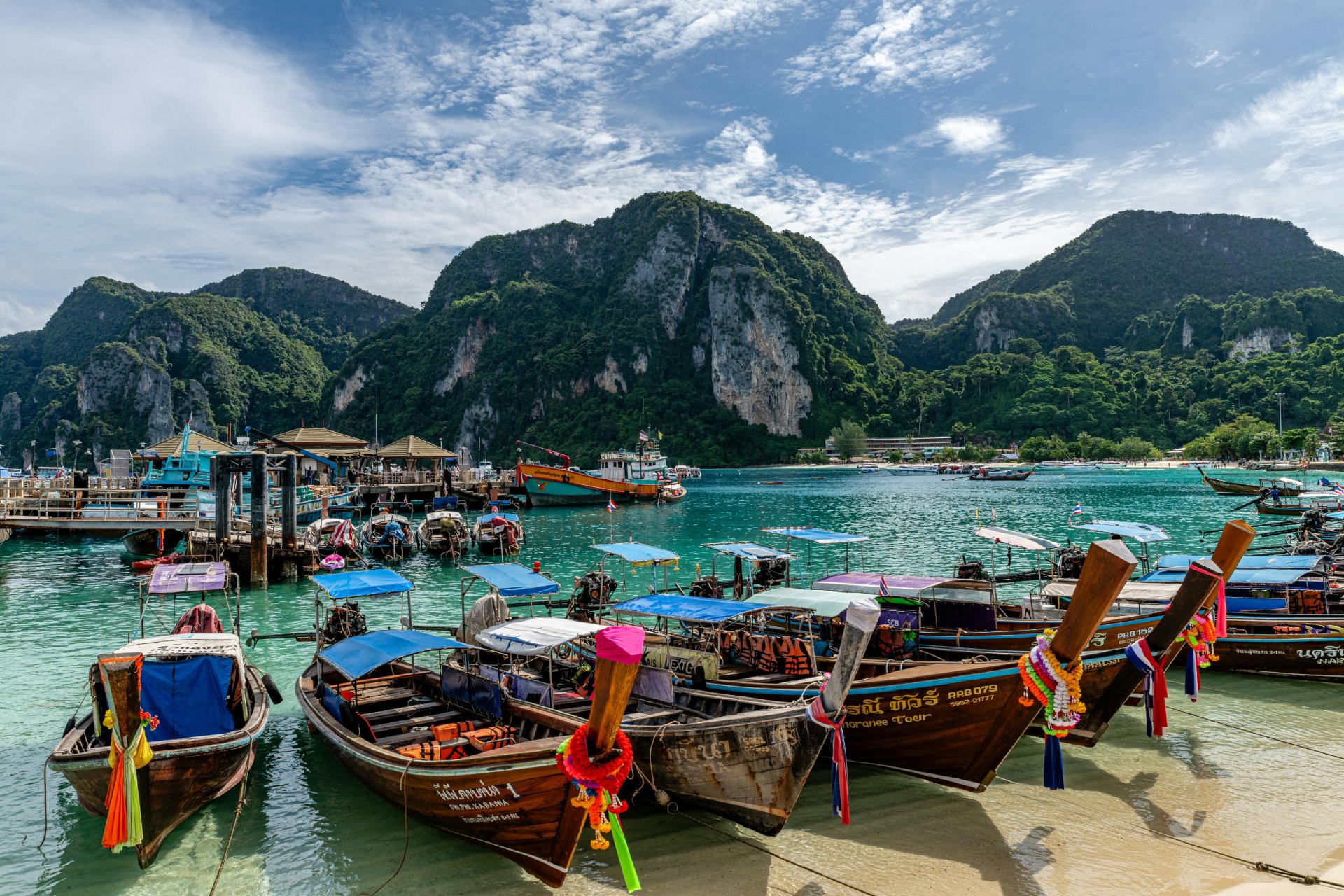
If Bangkok represents energy, Phuket represents escape. As Thailand’s largest island and one of its most visited destinations, Phuket offers a mix of developed tourism infrastructure and natural beauty.

Beaches remain the primary draw. White sand, turquoise water and a wide range of accommodations make Phuket accessible to nearly every type of traveler. Activities range from snorkeling and diving to island-hopping excursions and luxury spa experiences.

That said, Phuket also highlights one of Thailand’s key trade-offs: popularity brings crowds. High-traffic areas can feel commercialized, particularly during peak season. Travelers seeking quieter experiences often explore nearby islands or less-developed coastal regions.

Even so, Phuket remains a cornerstone of Thailand travel. Its accessibility, amenities and scenery make it an essential part of the country’s tourism ecosystem.


Timing, Duration and Travel Strategy

Timing plays a critical role in shaping the Thailand experience. The most favorable conditions typically occur between November and February, when temperatures are more moderate and rainfall is limited. This period also coincides with peak tourist season, meaning higher prices and larger crowds.

Travelers visiting during the monsoon season may encounter heavy rains and occasional flooding, particularly in coastal regions. Off-peak travel, however, can also offer advantages, including fewer crowds and lower costs.

Duration is another consideration. While some argue that a week is too short to fully experience Thailand, even a limited visit can be worthwhile. The key is to prioritize regions rather than attempting to cover the entire country in one trip.


Safety, Risk and Realities

Thailand is generally considered safe for travelers, but it carries a moderate risk profile that requires awareness. Petty crime, including pickpocketing and theft, is most common in tourist-heavy areas such as Bangkok and Phuket. Road travel presents a more significant risk due to inconsistent driving practices and infrastructure challenges.

Political dynamics also matter. Thailand operates under a constitutional monarchy and strict laws limit criticism of the monarchy. Violations can result in serious legal consequences, making cultural awareness essential.

There are also regional risks. The southernmost provinces experience periodic violence due to insurgent activity and border areas with neighboring countries can be unstable. While these issues rarely impact mainstream tourism, they reinforce the importance of staying informed.

Health risks are another factor. Vector-borne diseases, foodborne illness and environmental hazards such as monsoons all require attention. Travelers should take preventive measures and understand that medical care varies significantly by location.


Immunizations and Health Risks

Travelers to Thailand should ensure routine vaccinations are up to date, including MMR, DPT and polio, while also considering additional protection against diseases such as hepatitis A and B, typhoid, influenza and region-specific risks like Japanese encephalitis or rabies depending on itinerary and exposure; consulting a travel health professional before departure is strongly advised.

Thailand presents a wide range of health risks including mosquito-borne diseases such as dengue and malaria, food- and waterborne illnesses like traveler’s diarrhea and typhoid, environmental hazards such as air pollution and flooding and exposure-related risks from contaminated water, animals or unsafe medical practices; most risks can be mitigated through preventive behavior, hygiene, insect protection and informed decision-making.

Medical care in Thailand varies widely. Bangkok and major tourist centers offer high-quality private hospitals with English-speaking staff, while rural areas may lack advanced facilities and timely emergency response. Payment is often required upfront and travelers should verify insurance coverage before treatment.

Food and water safety also require discipline. Tap water is not considered potable and travelers should rely on bottled or purified sources. Avoiding undercooked foods, unpasteurized products and improperly stored meals reduces the risk of illness.


The Global Rescue Connection

Thailand delivers extraordinary value, diversity and cultural depth, but it also presents a complex operating environment where medical, environmental and security variables can shift quickly. For travelers moving between urban centers, remote islands and rural regions, preparation is essential.

A Global Rescue membership provides a critical layer of protection beyond traditional travel insurance. Services include field rescue, medical evacuation, real-time medical advisory and access to vetted healthcare resources. When local systems fall short, Global Rescue coordinates care and transport to the most appropriate facility.

For example, Global Rescue facilitated the medical care of a member suffering from pericardial effusion while in Udon Thani, ensuring access to appropriate treatment. In another case, the organization provided medical advisory services and arranged a hospital referral in Bangkok for a member experiencing chest pain, demonstrating how rapid coordination can significantly improve outcomes.

Thailand remains one of the most rewarding destinations in the world, offering a rare combination of affordability, culture, cuisine and natural beauty. From the energy of Bangkok to the beaches of Phuket and the timeless presence of Wat Arun, the country delivers experiences that resonate long after the journey ends.

But Thailand is not a frictionless destination. It requires awareness, preparation and a realistic understanding of its risks. For travelers willing to approach it thoughtfully, the reward is a trip that feels both expansive and deeply personal — one that continues to define what international travel can be.