Article Highlights:

  • Travelers are increasingly sensitive to geopolitical instability and climate disruptions.
  • Safety perception strongly influences destination demand.
  • Travelers increasingly prefer less crowded and easier-to-navigate destinations.
  • Boutique lodging and self-contained accommodations are growing in popularity.
  • Medical infrastructure quality now influences traveler decision-making.


Global instability continues shaping traveler psychology in 2026. Climate events, transportation disruptions, geopolitical tension and overtourism increasingly affect where travelers feel comfortable visiting. A Global Rescue survey revealed more than half of US travelers (53%) are concerned about being targeted abroad because of anti-American sentiment, while 85% report concerns about travel disruptions linked to global conflict and instability.

Despite these risks, 67% are continuing with international travel plans, although one-third are adjusting trips by changing destinations, postponing, or canceling travel altogether, signaling that rising geopolitical tension is reshaping how travelers evaluate security, cost, and risk at the same time. “Travelers are not seeing improvement in the global risk environment,” said Dan Richards, CEO of The Global Rescue Companies. “What we’re observing is a split between those who feel conditions are worsening and those who believe risks remain persistently elevated—but almost no one sees the world as getting safer.”

Security extraction capabilities and real-time intelligence are emerging as foundational expectations among international travelers, according to data from a Global Rescue survey. The findings reveal not only strong overall demand for security support, but also meaningful differences in how risk is perceived across genders and between US-based and non-US-based travelers.

More than three-quarters of respondents (77%) say security extraction services are either very important (44%) or important (33%) when traveling internationally. The intensity of that concern, however, varies significantly. A majority of women (53%) rate extraction as very important, compared to just 38% of men — a nearly 15-point gap that underscores a higher level of risk sensitivity among female travelers.

Travelers increasingly prefer destinations perceived as politically stable, environmentally manageable and operationally reliable. Crowding, transportation uncertainty and infrastructure strain now discourage some travelers from visiting historically popular tourism hotspots.

Accommodation preferences reflect this desire for greater control. Private villas, boutique hotels and self-contained lodging continue gaining popularity because travelers value privacy, predictability and flexibility.

Travelers are also paying closer attention to healthcare infrastructure and emergency response capability, particularly when considering remote or emerging destinations. The result is a traveler mindset that prioritizes control, preparation and resilience alongside adventure.


Safety, Stability and Control Matter More

Safety is increasingly viewed as part of the travel experience itself rather than a background concern. Travelers no longer separate enjoyment from security. Instead, they increasingly evaluate whether a destination feels manageable, stable and operationally reliable before committing financially.

“Extraction is no longer viewed as an extreme or niche capability, it’s becoming a baseline expectation for serious international travelers,” said Dan Richards, CEO of The Global Rescue Companies. “What’s particularly important is how clearly the data shows different traveler segments evaluating risk through different lenses.”

Geopolitical instability has become one of the most significant psychological influences shaping destination demand. Travelers are more aware than ever of how quickly protests, regional conflicts or diplomatic tensions can disrupt transportation systems and tourism infrastructure.


Weather and Airline Disruptions Drive Traveler Behavior

Climate concerns also play a larger role in traveler decision-making. Heat waves, flooding, wildfires and hurricanes increasingly influence not only destination choice but also travel timing. Many travelers now intentionally avoid periods associated with severe weather risk or excessive heat. This shift has contributed to the growing popularity of cooler destinations, shoulder-season travel and less densely populated regions.

Transportation reliability has also become a critical consideration. Airline disruptions, strikes and airport congestion have made travelers more cautious about tight connections and overly complex itineraries. Many travelers increasingly favor destinations with strong rail systems, efficient airports and reliable local transportation.

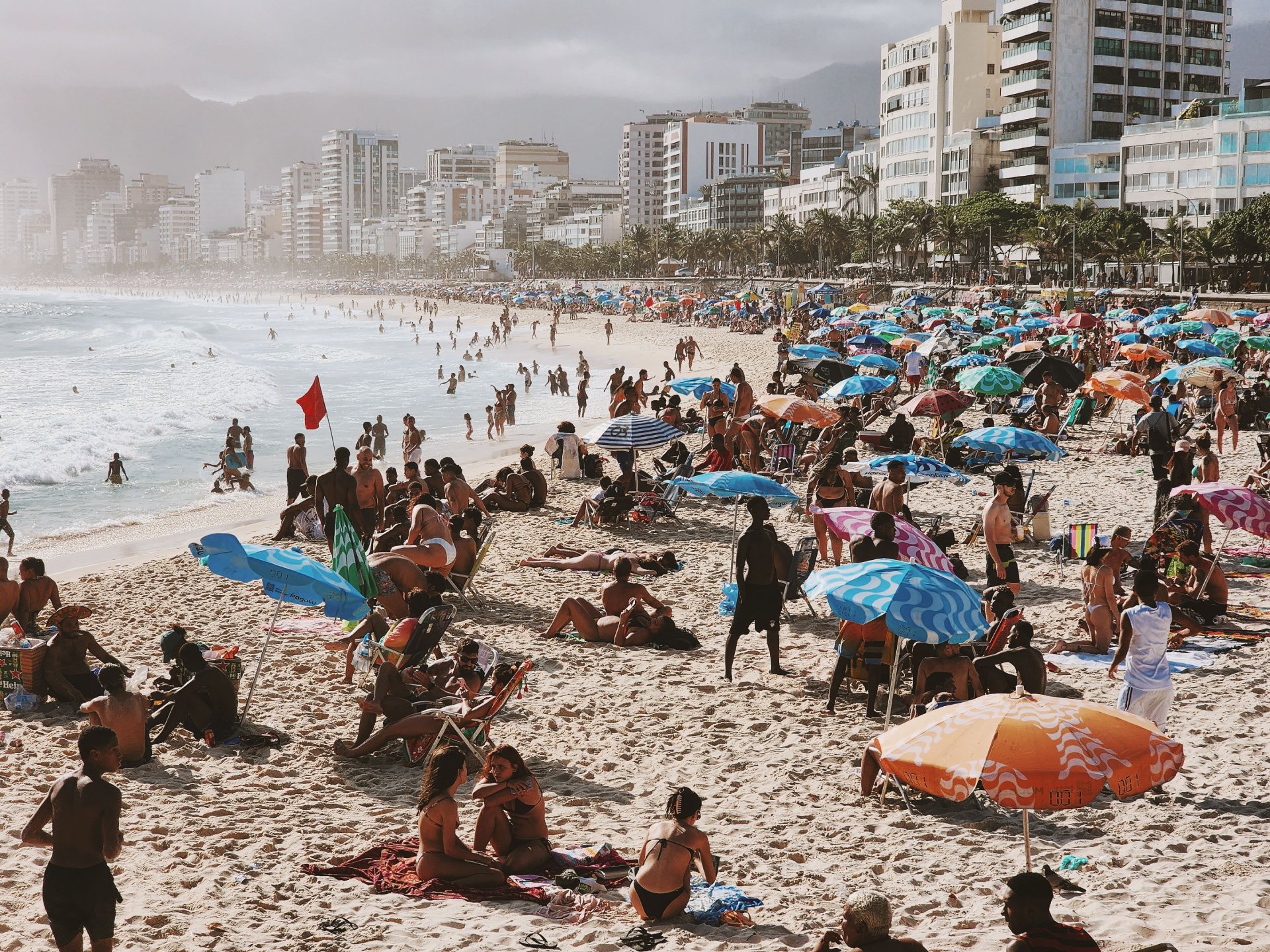
Overtourism remains another major behavioral driver. Crowded destinations can create frustration, reduce perceived authenticity and increase safety concerns. Travelers increasingly seek places that feel manageable and less chaotic.

The desire for control extends into lodging selection as well. Boutique hotels, villas and apartment-style accommodations allow travelers to regulate food preparation, cleanliness, privacy and social exposure more effectively than large-scale resort environments.


Emergency Medical Care Capabilities and Intelligence Warnings Are a Rising Concern

Medical infrastructure quality is another increasingly important factor. Travelers are more likely to research hospitals, emergency-response capability and healthcare accessibility before departure. This behavior is especially common among travelers with families, pre-existing medical conditions or plans to visit remote destinations. Technology supports this heightened awareness. Real-time alerts, government advisories, weather tracking and social media updates allow travelers to monitor evolving conditions continuously.

At the same time, constant access to global information can amplify anxiety. Travelers may perceive risks more intensely because disruptions receive immediate worldwide visibility online. As a result, preparation and flexibility have become core travel behaviors rather than optional precautions. Travelers increasingly build contingency plans into itineraries, purchase refundable bookings and prioritize destinations with strong infrastructure resilience.

The broader implication for the travel industry is profound. Safety, reliability and operational transparency are becoming competitive advantages alongside scenery, luxury and cultural appeal. Modern travelers increasingly expect destinations and travel brands to help reduce uncertainty while preserving freedom and exploration.


The Global Rescue Connection

When conditions change unexpectedly, access to rapid emergency support matters. A Global Rescue membership provides medical evacuation, field rescue, medical advisory support and security advisory services during natural disasters, civil unrest and transportation disruptions. Destination Reports provide critical intelligence on local healthcare systems, regional security risks and emergency-response conditions, helping travelers make informed decisions before and during travel.