Categories:
NewsApril 1, 2021
Categories:
Health & SafetyPlaces & PartnersTravelMarch 31, 2021
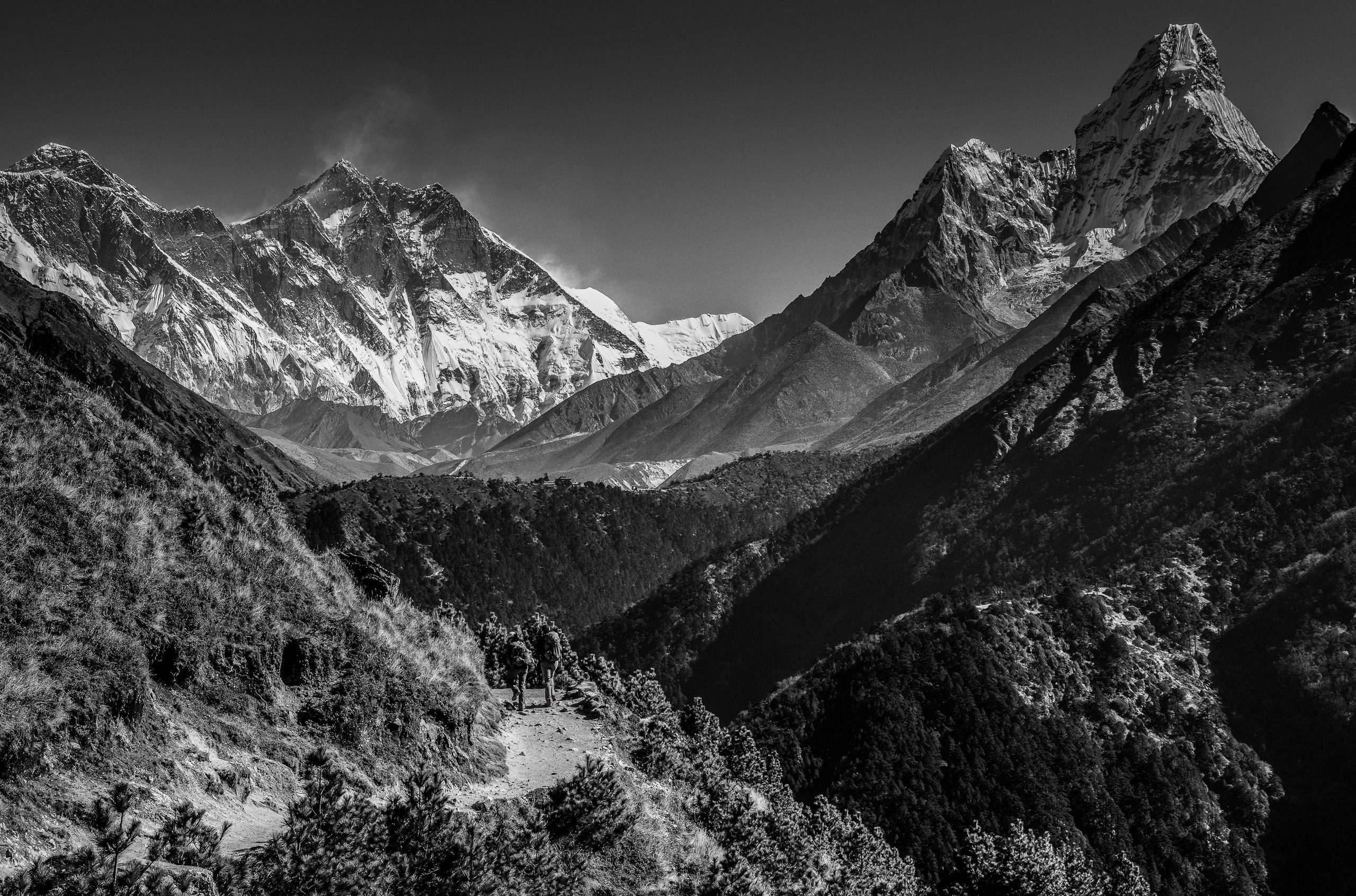
Spring climbing season is here, Mount Everest is open and the pandemic looms. Climbers, expedition guides and many others are eager to return to the Himalayan range but without a clear and reliable coronavirus outlook, no uniform approach is coming soon.
“There will most likely only be half of the normal numbers of climbers on the Nepal side of Everest compared to last season prior to the pandemic onset,” said Ed Viesturs, a member of the Global Rescue Mountain Advisory Council. “The reason is simple: many outfitters remain apprehensive about bringing teams to Mount Everest. They ultimately decided to postpone or cancel until the 2022 season.”
Extra Risk with COVID-19
Expedition guides choosing this path is certainly understandable. Guide services expect to take on the responsibility associated with the inherent risks and challenges of climbing an 8,000-meter peak. But the additional full or partial obligation associated with clients traveling to Nepal in the midst of a pandemic is too much for many.
China, the country where the Northeast Ridge route to summit Mount Everest is located, is prohibiting foreigners into Tibet, eliminating all the expedition teams that were planning on climbing the north side Mount Everest, Cho Oyu and Shishapangma.
Lukas Furtenbach, a Mount Everest guide already in Nepal and set to lead expeditions, agreed the tallest mountain in the world will not be very crowded.
“I expect fewer climbers than normal on the south side in Nepal. China is closed for foreigners. There are still uncertainties about the immigration and quarantine protocol in Nepal but, overall, the situation looks promising,” he said.
Less Crowded Doesn’t Mean Less Busy
Less crowded? Yes. But the mountain will be very busy, according to Global Rescue Operations Manager Dan Stretch, who is based in Nepal during the Mount Everest climbing season.
“There are 289 permits being processed for Mount Everest – the record was 381 in 2019. If all those permit holders travel and you include all the support staff and climbing guides then you can expect in excess of 700 to 1,000 people potentially on the mountain,” Stretch said. “It will be quieter than 2019, but still potentially very busy and with risks of overcrowding if the climbing groups are not well managed.”
That is potentially good news for climbers attempting to summit Mount Everest this season.
“Camps won’t be as crowded, perhaps there will be shorter lines to stand in the icefall and hopefully fewer crowds going to the summit on the same day. That definitely makes things more enjoyable and safer. But do not be lulled into a false sense of security. There will be a fair number on the mountain, making the potential for a crowded summit day a real possibility,” Viesturs said.
Furtenbach admitted the pandemic protocols like physical distancing will make climbing Mount Everest this spring very different from the past.
“The social part during the approach and in basecamp will be limited for clients and staff, but it`s necessary. We will stay in our own bubble and we will be testing,” he said.
Gordon Jasnow, an expedition guide with Alpenglow who will lead Mount Everest climbs this year, concurred.
“As our climbing teams move up to Base Camp, they will all be in a pod. We are not staying in lodges,” he said. “We will be tenting along the way and making our own food.”
Back to Business in Nepal
Climbing Mount Everest is certainly a tremendous challenge. Getting to Nepal to make the attempt to summit the mountain or trek to Base Camp, will be a challenge, too. The pandemic makes international travel tough for some.
“You will see a higher ratio of U.S., Indian and Asian climbers able to get to Nepal compared to European mountaineers due to pandemic-related travel restrictions,” Stretch said.
But the playing field levels out once people arrive in Nepal.
“Everyone has to comply with new entry rules that include obtaining $5,000 (USD) in medical insurance including coverage for COVID-19, presenting a negative PCR test 72 hours prior to travel and five to 10 days quarantine in Kathmandu,” he said.
The Nepalese economy relies heavily on the tourist industry and Mount Everest expeditions are a major part of the annual business. Nevertheless, some businesses are closed while others are re-opening.
“Hotels, bars and restaurants in Kathmandu have resumed near normal operations with standard precautions for hand washing and face masks requirements. Visitors can be arrested for failure to wear a mask,” Stretch said.
“It comes as little surprise to me that people with a desire to climb the tallest mountain in the world are equally as eager to prepare and overcome the pandemic challenges standing in their way,” Viesturs said.
“Everyone is keen to climb, to get out, to travel again after this long year of lockdowns. But everyone understands the situation and the limitations,” Furtenbach said.
“I am not surprised that people are willing to go through the extra expense and hassle to go ahead with their expeditions. With 2020 cancelled, there will be lots of people willing to make the effort, lots of expedition companies keen to resume business,” Stretch said.
Categories:
NewsMarch 27, 2021
Categories:
Missions & Member TestimonialsPlaces & PartnersMarch 24, 2021
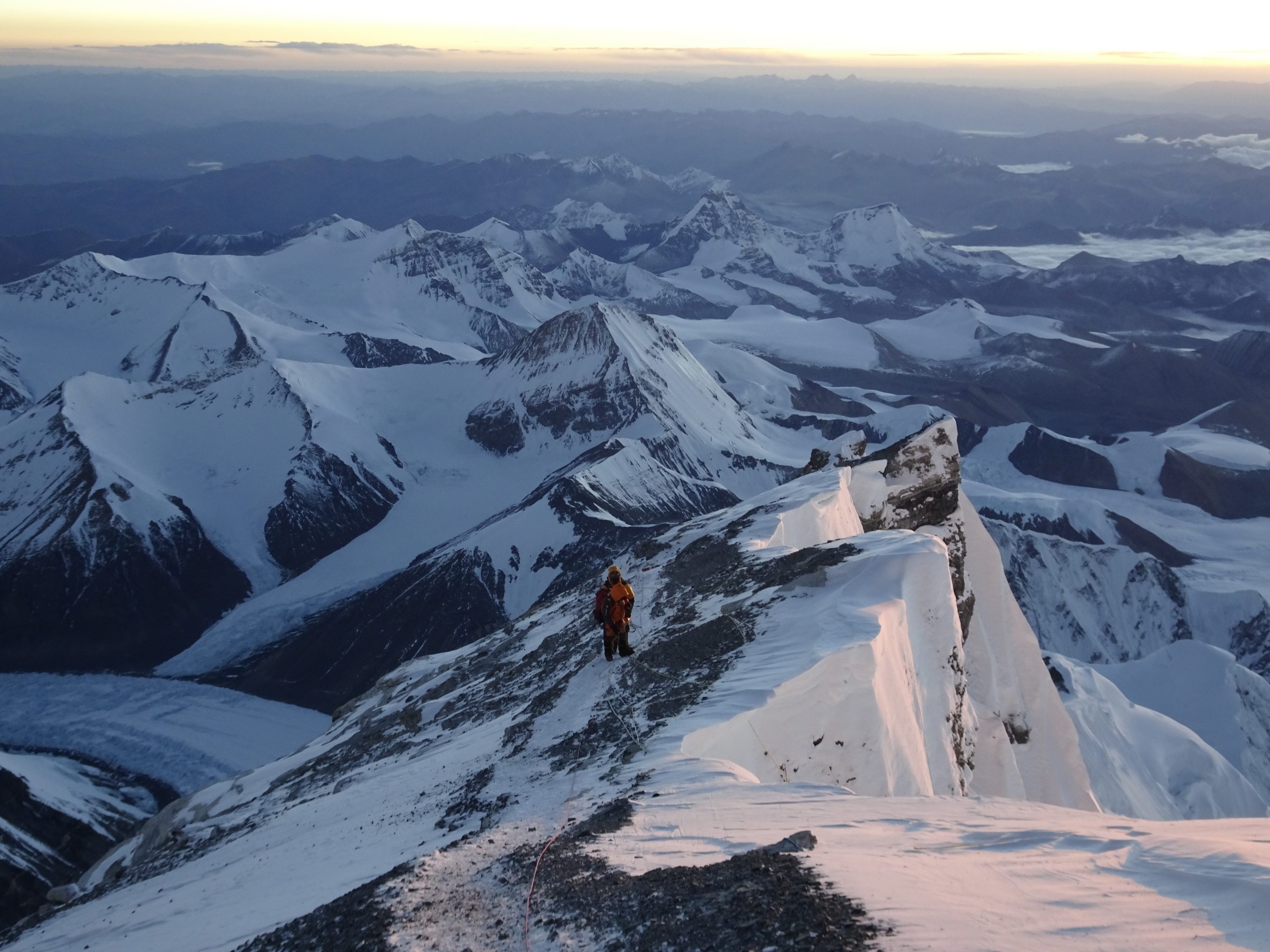
Ricky Munday watched Global Rescue in action when his climbing teammate needed a rescue from the north side of Everest. Now this Global Rescue member and founder of Inspire Alpine is a Global Rescue Safe Travel partner.
Ricky Munday set off on his first Mount Everest climb from China in 2017.
“I turned back at Camp 2 on the north side of Mount Everest due to low energy levels, concerns about oxygen levels and a suboptimal weather forecast,” said Munday, a United Kingdom resident and Global Rescue member. “An unfavorable weather forecast meant I would spend two nights at 7,900 meters (25,918 feet) instead of one.”
It was a wise choice for Munday to return to Base Camp (5,200 meters/17,060 feet). That morning, a windstorm hit the upper mountain and Munday’s teammates were caught in the storm.
“We saw tents being blown off the mountain by the storm at Camp 2,” he said.
Rescue on Mount Everest
During the emergency descent, one of Munday’s teammates, Mike, became separated at the back of the group and ran out of oxygen at 7,500 meters/24,606 feet.
“In the process of adjusting his head torch, it slipped off along with his hat and his goggles. The wind damaged his eyes and he became wind-blind. He collapsed onto his stomach and began dragging himself headfirst down the fixed ropes. His mitts were now touching the snow, his hands and fingers froze and he suffered severe frostbite,” Munday said.
[Related Reading: Protecting Your Eyes from Snowblindness]
“At midnight, he was rescued by two climbers who tied a rope around his legs and dragged him down to the North Col. Over the next two days, he was supported by two Sherpas from the North Col to Advanced Base Camp, then on an agonizing 22 kilometer walk down to base camp.”
That evening, Munday checked his satellite phone and found a text message from the expedition leader: “Serious rescue of Mike last night frostbite, snow blindness…you have been promoted to chief assistant leader, hope you don’t mind.”
Mike arrived at base camp supported by two Sherpas.
“It took them 13 hours to walk the 22 kilometer distance,” Munday said. “His fingers were badly frostbitten, he had ongoing problems with his vision and had developed a persistent cough.”
24/7 Medical Advisory Services
Mike was also a Global Rescue member. Munday, tasked with coordination of Mike’s evacuation, called Global Rescue for medical advisory and an evacuation request.
“Global Rescue medical staff provided precise treatment instructions,” he said.
The Chinese authorities do not permit helicopter operations so an evacuation directly from base camp was not possible. Munday liaised with the China Tibet Mountaineering Association liaison officer to request vehicle support to drive to Lhasa, where they would stay overnight before flying into Kathmandu.
“Global Rescue arranged for an ambulance to pick us up at Kathmandu Airport with a Global Rescue staff member in person. They took us directly to the hospital in Kathmandu, where Mike received his first professional assessment and treatment,” Munday said. “He had suffered nine pulmonary embolisms and had half of one finger amputated six months after the expedition.”
Glad to Have Global Rescue
Being a Global Rescue member was a huge comfort.
“If Mike had not been a Global Rescue member, we would not have received such timely advice on how to initially treat his injuries and we would have been far more anxious and stressed about what would happen when we arrive in Kathmandu, for example, which medical facility to take him to,” Munday said. “Knowing you had professional staff on hand to take responsibility for Mike’s care took a huge weight off our minds. We knew he would be in the best hands and receive the care he needed.”
[Related Reading: More than Medevac]
Munday, with his Global Rescue membership renewed, returned to Mount Everest in 2018 for a successful second summit attempt from the north side. That was also the year Munday, a full member of the Mountain Training Association and the British Mountaineering Council, founded Inspire Alpine® as a social enterprise to help close the attainment gap faced by disadvantaged young people.
“At Inspire Alpine, we dream of a world where all young people have the opportunity to succeed. Yet, there is a persistent gap in progress through school between young people from our richest and poorest areas,” Munday said. “This attainment gap has a profound impact on young people’s future career options and income levels. We believe your economic background should never define your future.”
Inspire Alpine offers purposeful outdoor adventures and free inspirational talks — Munday has spoken at more than 160 schools and to more than 25,000 young people — to help raise aspirations and build confidence. This social mission is funded by UK mountain events, overseas trekking and climbing expeditions, outdoor skills courses and virtual challenge events.
Of course, Inspire Alpine is a Global Rescue Safe Travel Partner, providing their clients with medical, security, travel risk and crisis response services.
“We partnered with Global Rescue last year after running our first two international expeditions to Kilimanjaro and Everest Base Camp,” Munday said. “We wanted reassurance that our clients would receive a world-class rescue service and professional medical care in case of an emergency. I had seen first-hand how professional and efficient Global Rescue is with remote advice and on-ground support. In the worst-case scenario, you want partners you can truly rely upon.”
Categories:
NewsMarch 18, 2021
Categories:
NewsMarch 17, 2021
Categories:
Health & SafetyTravelMarch 15, 2021

With more than a million members, you can imagine the number of calls at Global Rescue. Not every call is a distress signal from the top of Everest. Some questions, like, “my son was stung by a nonvenomous jellyfish” or “I have severe abdominal pain” arise during typical travel situations.
Global Rescue’s member services team — on the job 24/7/365 — triages calls and gets the medical questions immediately to the Global Rescue medical operations (med ops) team: the critical care paramedics, nurses and physicians on site at Global Rescue and offsite at Elite Medical Group, the Johns Hopkins Emergency Medicine Division of Special Operations, and Partners HealthCare.
“Not all medical cases require the deployment of a paramedic or a nurse. Many services can be provided remotely,” said Garret Dejong, senior specialist in medical operations at Global Rescue.
Medical advisory services are included with every Global Rescue travel protection services membership.
“Medical advisory services provide medical advice to travelers to decrease environmental risks and increase prevention of injury and/or infectious disease during travel,” Dejong said. “Global Rescue’s medical advisory service is here to answer questions and provide guidance for our members’ concerns.”
[Related Reading: More than Medevac — The Range of Global Rescue Services]
Ask Immediately
No request is too small. A spreading rash or an infected cut while traveling can make even a great trip feel uncertain and the next leg of a journey a stressful expectation.
“Call us whenever you have a medical question during your travels. Ask immediately before the situation or the symptoms get worse,” Dejong said, who provides examples of recent medical advisory services calls.
“Global Rescue’s medical operations team recently helped a member locate over-the-counter medication at a Tunisian pharmacy,” he said. “A member studying abroad in London required a last-minute vaccine before starting the academic term. Global Rescue located a private physician who administered the vaccine, enabling our member to continue their studies.”
Another Global Rescue member traveled with his family 110 miles from his New York City home to isolate during the pandemic. While no one in his family exhibited any COVID-19 symptoms, he called on Global Rescue to help identify local urgent care centers where he, and members of his family, could be tested for virus antibodies and infection. The Global Rescue medical operations team investigated the area, vetted multiple resources, and provided the member with the needed information.
“When you are ill and alone in a foreign country, finding yourself in need of medical care can be a daunting and stressful experience,” said Eliah English, a graduate student who became ill in Northern India. “Global Rescue alleviated all of my worries, and provided the best possible support that one could ever ask for.”
Cases Reviewed by Doctors
Traveling members should never wait to call Global Rescue.
“When people wait to contact Global Rescue, their health problem often requires more aggressive treatment, which can result in travel plans having to be changed or lifelong health consequences,” said Carlene Merola, senior specialist in medical operations at Global Rescue. “The medical operations team wants members to call with any medical concern as soon as someone has a medical concern or becomes ill or injured.”
There are many ways to contact Global Rescue for medical advisory services: an email, a phone call or a quick message on the Global Rescue Mobile App.
“Global Rescue members regularly call and send in pictures of cuts and rashes to monitor,” Merola said. “Each member’s case is reviewed by Elite Medical Group doctors and their guidance is used to advise the member on proper care, over-the-counter medication use and when an in-person assessment by a local doctor is required.”
If travelers wait to call until their cut becomes infected or rash becomes unbearable, they might end up losing more time on the trip and possibly risk their health.
“Some travel locations are very remote. The sooner we can monitor your injury or illness and determine how best to manage your concern, the safer it is for you,” Dejong said.
Medical Operations Supervisor Ralf Hilber agrees. “If people don’t call us in a timely manner, their condition may escalate beyond the capabilities of local medical providers and result in a longer, more difficult recovery,” he said.
He provides an example. “A member vacationing on a remote Island delayed contacting Global Rescue after experiencing a deep laceration to their hand and seeking care from a local medical provider. The member contacted Global Rescue after their hand became severely infected,” Hilber said. The member had to change their travel plans to seek advanced medical care on the main island. Weather further delayed travel to the main island, placing their health at risk. “Ultimately, Global Rescue was able to safely get the member to high level of care.”
[Related Reading: The International Fishing Trip That Got Away]
Healthy Travel with Global Rescue
The only time you should not call Global Rescue’s medical advisory services is when you are at home.
“If you’re at home, medical concerns should be addressed by local health providers,” Merola said. “Do not delay calling 9-1-1 or local emergency services for an emergency.”
Global Rescue members with TotalCare SM can call from home or from a hotel room. A TotalCare membership provides immediate access to a team of medical experts for real-time video consultations and treatment — right from your home. The med ops team facilitates TotalCare telemedicine consultations and second option services from Partners HealthCare.
Global Rescue’s med ops team also provides:
- Hospital referrals to more than 200 international Centers of Excellence and over 5,000 clinics and care facilities
- Medical intelligence services to help members plan travel Logistics management for field rescue and patient transfers to a higher level of care
- Deployment of highly trained medical professionals to oversee treatment and coordination of patient relocation Pharmacy locater services
- Security operations support. “Med ops offers a medical component to security services when it is needed,” Merola said.
It’s not often the medical operations team can’t answer a question, but “if we are unable to answer your questions or assist you, we will help you locate someone who can,” Dejong said.
A Global Rescue travel protection services membership means members can access 24/7/365 advisory services staffed by experienced nurses, paramedics and military special operations veterans. Global Rescue also has partnerships with the Johns Hopkins Emergency Medicine Division of Special Operations, Elite Medical Group and Partners HealthCare, the Harvard Medical School affiliate.
Categories:
Places & PartnersTravelMarch 12, 2021
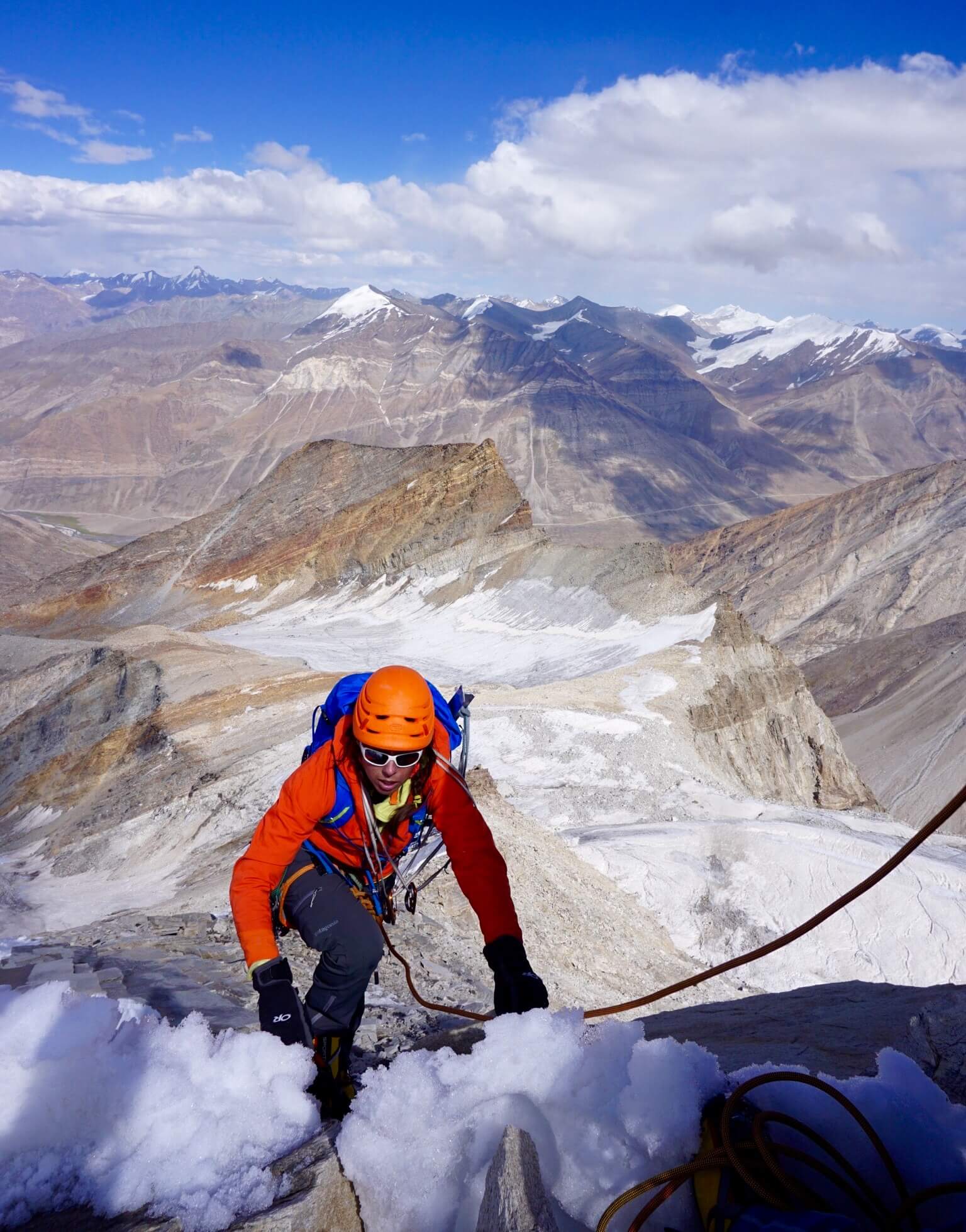
Finding the best high-altitude, technically challenging mountains to climb sounds simple until you overlay your goals with pandemic restrictions.
The highest peaks and the toughest climbs are concentrated in the Himalaya, a range stretching through Nepal, China, India and Pakistan. Getting there during a pandemic is either difficult or impossible, especially for high-altitude climbers from North America, Europe and pretty much anywhere else in the world, except Asia.
Eager climbers are looking for alternatives within the countries where they live or regions where they can travel. Whether you’re an expert mountaineer or relatively new to the sport, there is an abundance of pandemic alternatives for technical and high-altitude climbs.
The Alaska Range is a 400-mile-long mountain range stretching from southcentral Alaska to the White River in Canada’s Yukon Territory. The Cascades extend from southern British Columbia, Canada through Washington, Oregon and into the northern tip of California. The Alps extend through France, Italy, Germany, Austria, Slovenia, Switzerland and Liechtenstein.
The Alaska Range and Denali
If you’re looking for big peak mountain climbing alternatives to the Himalaya or Karakoram ranges, Denali is a superlative option. It carries similar risks and challenges associated with high altitude dangers and weather hazards – and it’s the only U.S. peak surpassing 6,000 meters/20,000 feet.
“The Alaska Range is amazing,” said Ed Viesturs, a member of the Global Rescue Mountain Advisory Council and the only American to have climbed all 14 of the world’s 8,000+ meter peaks. “I went back to Denali after 20 years in the Himalaya and Denali is just like the Himalaya in feel. It’s just as cold, remote and challenging.”
John “Jed” Williamson agreed. He has been collecting data on mountaineering accidents In North America for 40 years. He highlights the Alaska Range for providing good, high-altitude challenges that can be relatively safe.
“Denali sees a bit over 1,000 attempts each year, mostly on the West Buttress,” he said. “Mount Foraker (17,402 ft) is the next highest and a good choice – along with Mount Deborah (12,339 ft) – they’re both classics yet not often climbed.”
The Cascades
Viesturs recommends the Cascades, too, since they are affectionately called the American Alps.
“The approaches make it feel like its remote. There’s lots of technical climbs. You can spend a lifetime there and be happy,” he said.
In Canada, the Yukon – adjacent to Alaska – is home to Mount Logan (nearly 6,000 meters/20,000 feet) and nine other mountains each extending about 4,500 meters/15,000 feet or more.
“I’d consider going to the border peak region – going in from Kluane National Park and Reserve – the usual jumping off place for Mount Logan. Also, take a look at Mount Vancouver and Good Neighbor Peak, which can be done as one climb,” Williamson said.
The Alps
Europe’s high mountains are located in two ranges. The Alps hosts Mont Blanc (4,804 meters/15,774 feet), Monte Rosa (4,634 meters/15,203 feet) and The Dom (4,545 meters/14,911 feet). The Pyrenees is home to more than 120 mountain summits greater than 3,000 meters/9,843 feet, the highest of which is Aneto (3,404 meters/11,168 feet).
“The Alps are a mountaineer’s dream. It’s like Disneyland for climbers. Some of the best technical climbs are in the Alps,” Viesturs said.
The options for North Americans and Europeans seeking challenging technical mountain ascents within regions accessible to them are ample.
“Technical climbs are steeper, icier, the angles are sharp and it’s all rock and ice. It’s not a walk up. You’re putting in anchors, belaying, using ice tools. It’s steep, mixed climbing,” Viesturs said.
The Eiger, located in the Bernese Alps, appears small compared to other huge mountains but its north face (The Nordwand) is an 1,800 m/5,905 ft wall of shattered limestones. It has several technical sections and a high risk of rock falls, ice falls and avalanches.
Other Options
In the U.S. a few of the most challenging technical climbs include Washington’s Mount Baker (3,286 meter/10,781 feet), featuring several 60 to 70-degree ice pitches and the north ridge of Mount Stuart (2,870 meter/9,416 feet), containing a steady ascent up immaculate cracks, over knife-edge ridges and imposing pinnacles to the summit. In Wyoming, the Tetons are a respected training ground for technical climbs. Further southwest, the sheer face of El Capitan (2,308 meter/7,573 feet) in Yosemite Park, California was once considered impossible to climb and is now considered a classic technical ascent around the world.
Williamson suggested Denali as an option since it offers an ageless, yet difficult, route that is less frequently climbed.
“Denali’s classic routes include the great – technically challenging – Cassin Ridge to the Pioneer Route over on the Muldrow Glacier,” he said. The Alaska range includes many other excellent peaks like Hunter, Huntington, Foraker, Mooses Tooth and Braille.
Canada’s Mount Logan is similar to Denali in its expedition character, length, high elevation risks and ever-changing weather threats. British Columbia’s Mount Robson (3,954 meter/12,972 feet) is known as one of the difficult climbs in Canada and noted as an ideal ascent advanced mountaineers looking to challenge themselves and test their skills.
Mountaineers in North America and Europe looking for high-altitude expeditions or technically challenging ascents in the Himalaya range may have to wait a season or more before conditions change and access eases. Until then the Alps, the Pyrenees, Alaska and the Yukon have plenty to offer high-peak summit baggers and mountaineers looking for technical trials.
About the Global Rescue Mountain Advisory Council
The Mountain Advisory Council provides advice and guidance from world-class experts to ensure enterprise-level member services and overall sport improvement. Council members shared their favorite technical and high-altitude climbs.
Categories:
Health & SafetySecurity & IntelligenceTravelMarch 10, 2021
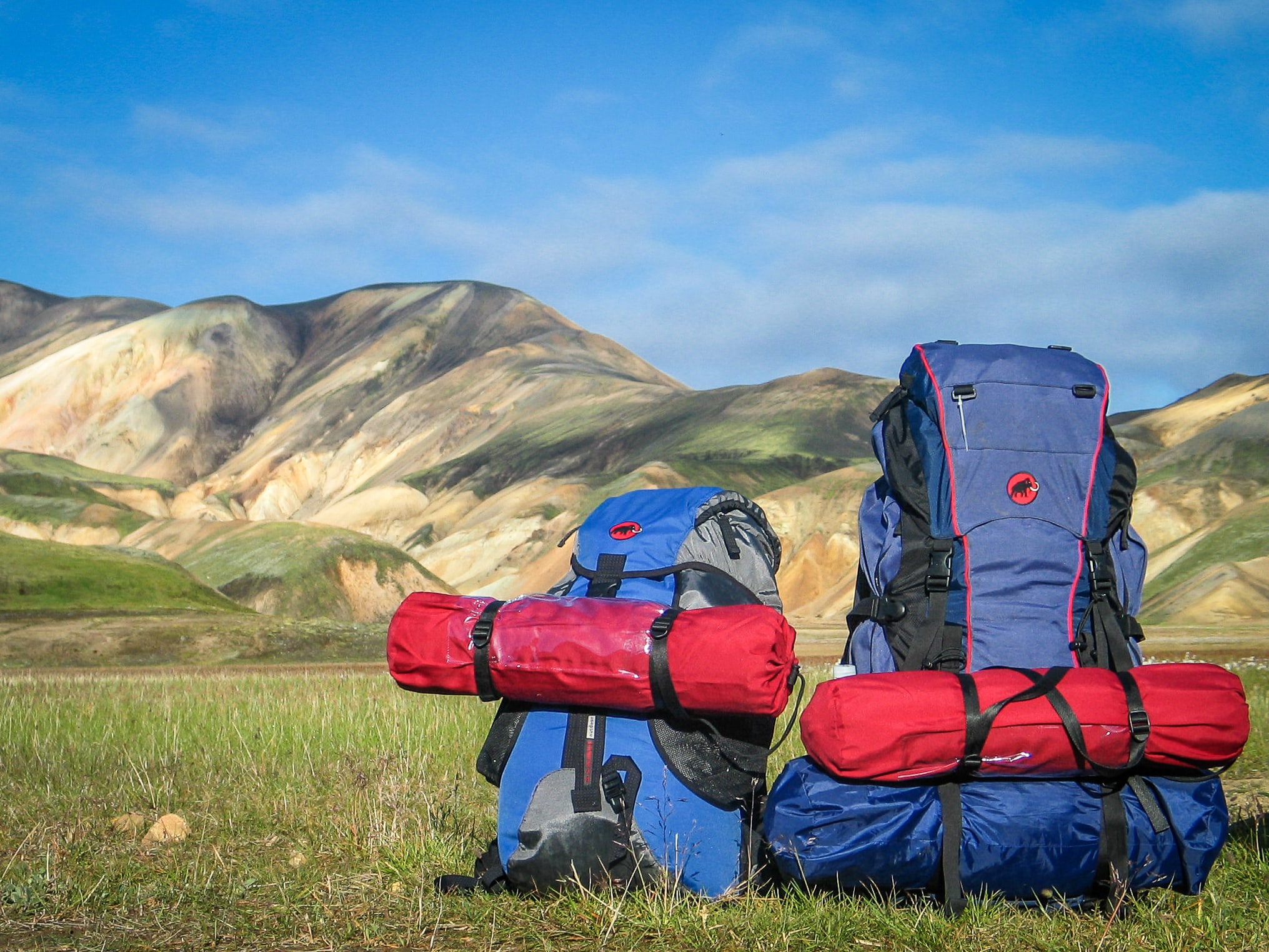
Traveler mishaps, maladies and mistakes can happen on any trip: personal, adventure, business, solo or family. They can occur close to home or 100 miles or more away from home. Here’s where a Global Rescue travel protection membership can help.
Not every call is a distress signal from the summit of Nanga Parbat or a request for evacuation from a coronavirus outbreak country.
Traveler mishaps, maladies and mistakes can happen on any trip: personal, adventure, business, solo or family. They can occur close to home or 100 miles or more away from home.
That’s why a travel protection services membership is a necessity. Global Rescue pioneered the concept of field rescue in 2004 to give travelers a better way to get help when they experience a medical or security emergency while traveling away from home.
“The unexpected can happen on any trip,” says Harding Bush, associate manager of operations at Global Rescue. “From ‘I lost my passport’ to ‘I have severe abdominal pain’, Global Rescue membership takes every situation into account and offers assistance at any point in a trip.”
Many people associate Global Rescue with rescue from remote or dangerous locations, but there’s much more to a travel protection services membership. Here’s how you can make every trip, domestic and abroad, a safer one.
[Related Reading: 10 Reasons You Need Travel Protection]
Lost Passport
Wallet stolen while overseas? Global Rescue can walk you through the process of police reports and embassy appointments to expedite the passport replacement process.

Translation Services
You need to go to the hospital while you’re traveling abroad, but you don’t speak the language of your destination country. Members can call the Global Rescue operations center 24/7/365 for translation help in more than 190 languages. Our experts set up a conference call with the member and an interpreter or translator.
Legal Referrals
If you face challenges overseas that require legal support, Global Rescue could be your one call. Our operations experts have a list of legal representation in 160 countries and we can point you in the right direction for help.
Travel Planning
You’ve spent all this time researching the location of your next vacation. You know which hotel you want to stay in, which museums you want to visit, and what guided tours will be of interest to your family. But have you investigated the location’s safety issues or health risks?
Global Rescue has. On the web or via our app, members can access destination reports for more than 215 countries and principalities worldwide. A quick risk overview for Brazil, for example, covers security risks (crime levels and protests), weather risks (landslides and flash floods), and health risks, particularly with Amazonian travel. Drill a little deeper and you’ll find information on law enforcement standards, transportation options, entry and exit requirements, and recent events that might affect your vacation.
“Every member has different needs, but the information is universal: proactive travel risk information and area assessments to keep people safe while traveling,” Bush said.

Travel Alerts
You’re on your trip and you’re not going to be watching or listening to the news. If you want to know what is happening, you can set up automatic alerts for events — customized for the locations that matter to you — that might impact travel.
On the Global Rescue app, go to destinations, find the country you are visiting, and click on the down arrow to set up an alert. You can also click on the region if you want alerts for nearby countries. Members also have access to Global Rescue’s award-winning Coronavirus Intelligence Center with daily updates on restrictions, bans and outbreaks.
[Related Reading: What Are Travel Alerts?]
Security Advisory Services and Extraction
How safe is an area for your family? Is it prone to natural disasters, civil unrest or terrorism?
Ask Global Rescue to review your travel plans and give advice about staying safe in that location. If the Global Rescue Operations Team thinks there might be any security or safety issues, they will let you know pre-trip — and be available during your trip in case the need arises for evacuation services for events like natural disasters, terror attacks and civil unrest when you are in danger.
Medical Advice
Members can call 24/7/365 with any medical question and be able to speak to a critical care paramedic on the first call. “Please call. We want you to call us before symptoms get worse,” says Matt Napiltonia, a senior operations manager at Global Rescue. “Many of the medical rescues happen because of a failure to call Global Rescue at first chance — not five days later.”
Joelle Halperin of New Jersey called Global Rescue from her hotel in Zimbabwe when she had a question on the malaria medication she was taking.
“I was pleased I could count on Global Rescue to answer a medical question,” said Halperin. “Global Rescue would be valuable in a crisis — but I hope to never have to call on them for that.”
Medical Evacuation to Home Hospital of Choice
If you do have to be hospitalized, we have the ability to transport our members back to their home hospital of choice. Global Rescue’s in-house staff can travel to your bedside to help improve your care and coordinate your transportation.
Field Rescue
Global Rescue pioneered the concept of Field Rescue in 2004 to help travelers when they experience a medical or security emergency while traveling away from home.
“There are many scenarios under the field rescue umbrella,” said Jeffrey Weinstein, operations supervisor at Global Rescue. “This could be someone trekking on a remote trail and starts to have heart attack symptoms or a climber in the high mountains with severe frostbite. Neither are accessible by standard emergency services and require specialty rescue services.”
A Field Rescue starts with a call to Global Rescue. The medical operations team provides immediate medical advice and works up the logistics to execute a Field Rescue based on geographic location, means of transport, local resources and the safest way to move the injured or ill individual.
A trip doesn’t have to mean 100 or more miles away. You could be traveling locally. And if you are ill and injured and unable to get to help on your own, Global Rescue’s Local Field Rescue will be by your side.
Categories:
Health & SafetyPlaces & PartnersTravelMarch 8, 2021
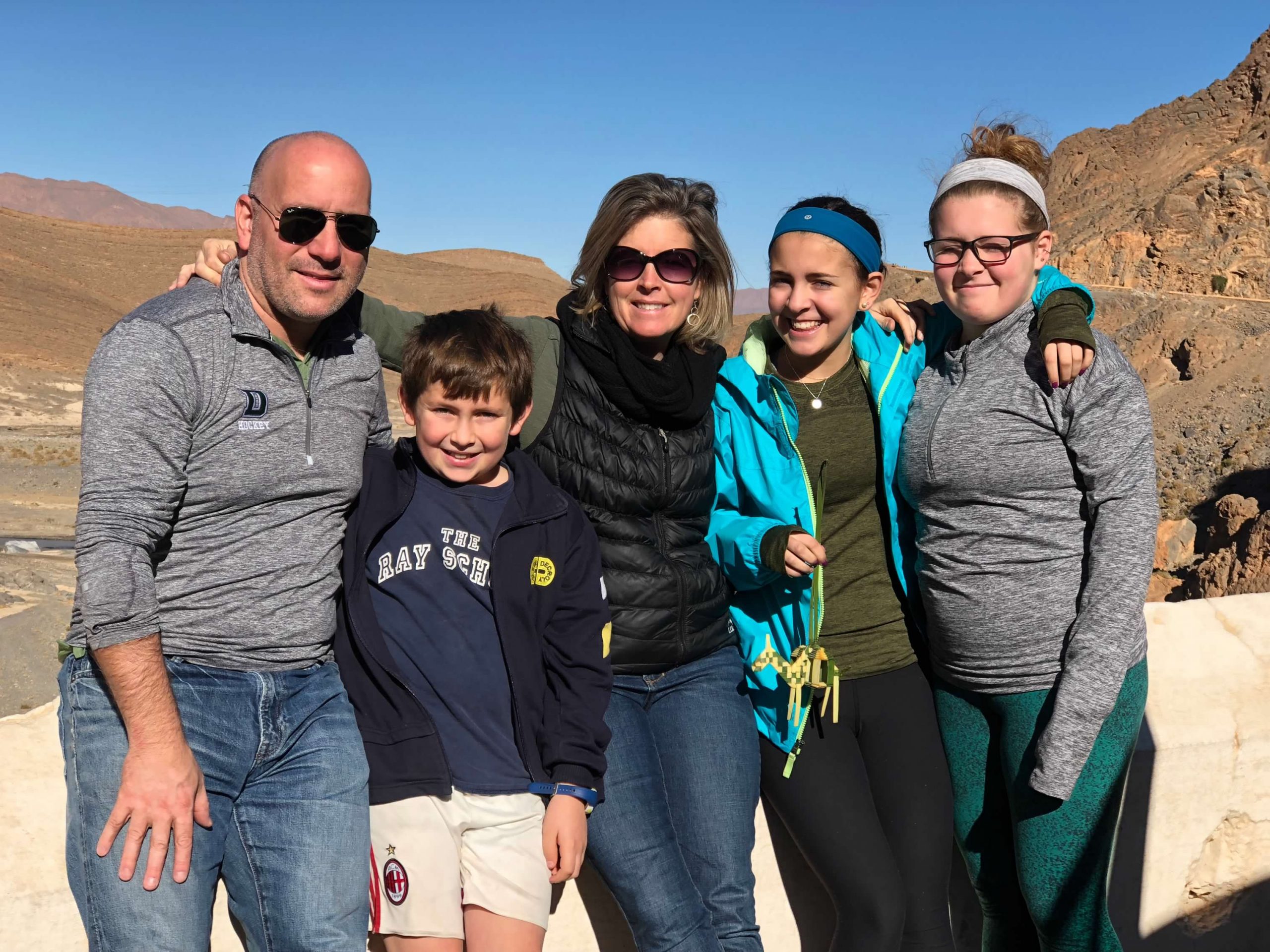
Close your eyes and think “luxury travel.” What do you see?
Maybe you are imagining a month-long European chateau rental with a full staff to take care of your every need. Or perhaps an adventure sail aboard a private yacht, island hopping from one high-end villa to the next. No matter the destination, your luxury trip comes with a customized itinerary with every detail strategized and executed flawlessly to provide the journey of a lifetime.
Now, close your eyes and think “luxury travel during coronavirus.”
Has your trip changed? Quite possibly. From the number of locations to the number of staff on hand, COVID-19 has altered what luxury travel means to affluent travelers. It has also increased the demand for travel protection services.
The Luxury Market
Travel and tourism were one of the hardest hit industries during the pandemic. But luxury tourism, an industry designed to satisfy the lavish travel expectations of high-net-worth individuals, appears to be more resistant to the pandemic than tourism in general, according to Statista. Travel industry experts predict the luxury travel market will be the first to start traveling again.
“Luxury travelers include vacations as a standard part of their life to decompress or spend quality time with family and friends,” said Mimi Lichtenstein, founder and custom travel advisor of Truvay Travel and Global Rescue Safe Travel partner. “That’s been disrupted and there’s pent-up demand.”
“The first thing out of the gate will be private trips — family bubbles and small groups with high confidence,” said Jim Sano, a former tour operator and Global Rescue advisor. He provides an example: “High-end safaris. People are booking seven-figure trips to fly in and camp with a private group.”
Allied Market Research predicts the global luxury travel market is expected to generate $1,614 billion by 2026, growing at a rate of 7.9% during 2019-2026. According to Amadeus Travel Intelligence, North America and Western Europe account for 64% of global outbound luxury trips, despite making up only 18% of the world’s population.
Lichtenstein notes many luxury travelers were insulated from the negative economic impact of the pandemic and will fulfill their need for travel as soon as possible. But the definition of luxury is evolving.
“It’s become more of a reflection of an individual than of the typical definition of extravagance,” Lichtenstein said.
Here are a few ways luxury travel has changed as a result of the coronavirus pandemic and how Global Rescue can help.
One-of-a-kind Experiences
Luxury travel is defined less by Michelin stars and more by access to the people, places and experiences representing the authenticity of a destination. Artisans of Leisure will tailor trips according to traveler interest; for example, history buffs traveling to Vietnam can meet with a well-known historian in Hanoi to learn the history of the country through the eyes of a local expert.
“Luxury is about the experience — the personalization of experiences to be in line with what they love,” Lichtenstein said.
Remote — But Not Too Remote
An isolation vacation — a trip to a remote destination — sounds like the perfect COVID-19 trip. But travelers want to be in touch with the latest travel changes from weather to public demonstrations to coronavirus hotspots.
“Some people want to check out of the real world, but most want to be able to check in once a day. Communication ability is important,” Lichtenstein said.
Off-the-grid is preferred for adventure travelers, but they still need access to information and assistance.
“Smart travelers know situations can change at a moment’s notice,” Sano said.
This is where a satellite phone and a travel protection membership are necessary. Satellite networks are more reliable than cellular networks, which are typically the first to crash or become overloaded in an emergency or disaster situation. And, if you ever need a medical or security evacuation, you will need a sat phone for two-way communication. Travel protection services companies, like Global Rescue, require two-way communication with members.
Travel Bubbles
Today’s trips are kept small. It’s safer to stay with people you know to limit your risk of coronavirus contagion. Families are limiting near-term trips to immediate household members and the intergenerational travel trend has temporarily come to halt since grandparents are in the high-risk category due to age or pre-existing conditions.
“The popularity of group trips has declined, and many clients stopped traveling all together,” said Vitalij Kovalysin, director of ELVIT LTD, a property and lifestyle concierge based in the United Kingdom and Global Rescue Safe Travel partner. “Clients do not want to take unnecessary risks.”
The pandemic has also reformatted group trips — trips with like-minded people. Vans or busses adhere to the “middle seat empty” standard and admission tickets are provided to ensure fewer points of contact.
High Health And Safety Standards
Travelers have always inquired about health and safety measures from cleanliness of the hotel to the safety of their belongings to the qualifications of their drivers. Health and safety are still important to European travelers, especially luxury travelers. This includes an emphasis on cleanliness — from the room’s frequently touched surfaces to the hotel’s high-trafficked areas — and strict adherence to coronavirus protocols.
“All clients are asking the same questions about coronavirus rules and restrictions, as well as the safety of a particular destination,” Kovalysin said. “The United Kingdom has very strict rules.”
According to a survey by Booking.com, 68% will only book a particular accommodation if it’s clear what health and hygiene policies it has in place and 75% favor accommodations that have antibacterial and sanitizing products.
If luxury travelers want to track coronavirus hotspots and testing requirements, Global Rescue offers a free coronavirus intelligence center, updated weekdays. Members can also call, email or send a message via the My Global Rescue App to ask for travel information about their specific destination or the nearest health care facility with testing capabilities.
A Preference For Private Trips
Private jets, private yachts, private islands, private guides. Exclusivity lends itself well to coronavirus social distancing protocols. With your own private transfer or personal guide, you are not sharing space or items with a group of strangers.
Even if you don’t book a private trip, you can schedule a private tour with your own personal guide and/or driver to limit points of contact. You will be able to see the city on your own time and your own schedule, adapting the day to your interests and safety standards.
More Demand For Travel Designers
Travel designers know the ins and outs of travel from who to work with, where to go, when to book and which restaurant provides the most authentic cuisine. They have cultivated a vast, exclusive network and relationships and knowledge to provide the best of the best to clients.
“My relationships with trusted partners in every country give me up-to-date, local knowledge and insider access to un-Google-able experiences, such as glamping or fishing on private lands, a tour of a private vineyard and wine tasting with a member of the Spanish royal family, hearing stories from a member of an iconic family in Sydney with access to the vault of the rarest pearls on Earth, or sea bobbing with a pod of dolphins,” Lichtenstein said.
Luxury travel designers get to know their clients on a personal level and create a one-of-a-kind trip designed to their needs, interests and dreams.
“I’m focused on a long-term relationship. I invest time getting to know my clients – what they love, where they’ve been, the pace they like to travel, and their families, too,” Lichtenstein said. “If they are looking for fun, then that is the lens I use to select places and experiences. If they are looking for romance, adventure, activity or introspection, then I curate places and experiences based on that.”
Request For Travel Protection Services
Many luxury travel designers automatically include travel insurance with any trip. Travel insurance offers protection against trip cancellations, interruptions and delays as well as baggage loss and delays. Some travel designers go one step further and provide travel protection services to offer clients’ additional protection in the event of an emergency.
“We advise clients who are looking for extreme travel — such as fishing, hunting, mountain climbing, trekking or risky destinations — to buy Global Rescue,” Kovalysin said.
“Global Rescue is a great choice for travelers going on active, adventurous vacations, and those are the types of trips I love to plan,” Lichtenstein said.
What’s the importance of having travel protection services on a luxury trip? After all, you’re spending a large amount of money on the best of the best and there shouldn’t be any worries.
Travel protection services are like having a personal assistant available for your health and safety. A Global Rescue membership is there for the small asks — such as expediting a lost passport to finding the nearest health care facility — as well as the big asks: field rescue, medical evacuation and security issues/civil unrest.
One of those big asks includes managing coronavirus bans, advisories and testing requirements.
“Whether business or leisure, travelers will want a total solution,” Sano said. “This means services at every point in the arc of the traveler experience, from the beginning all the way to the end of the trip. This might include testing capabilities, which will greatly reduce risk and increase comfort levels.”
This is where Global Rescue can step in and help manage the process. If members need testing for COVID-19 before taking a flight, they can call Global Rescue to find the nearest and most appropriate health care facility. If a life-threating illness or injury occurs, Global Rescue’s medical team can help with case management, translation services or advisory services and, if need be, our operations team will handle the logistics of getting a member home safely. When the emergency medical situation includes COVID-19, all aspects of ground and air evacuation are in compliance with CDC regulations.
Click here to learn more about the benefits of a travel protection services membership.