
Categories:
Missions & Member TestimonialsSeptember 25, 2020
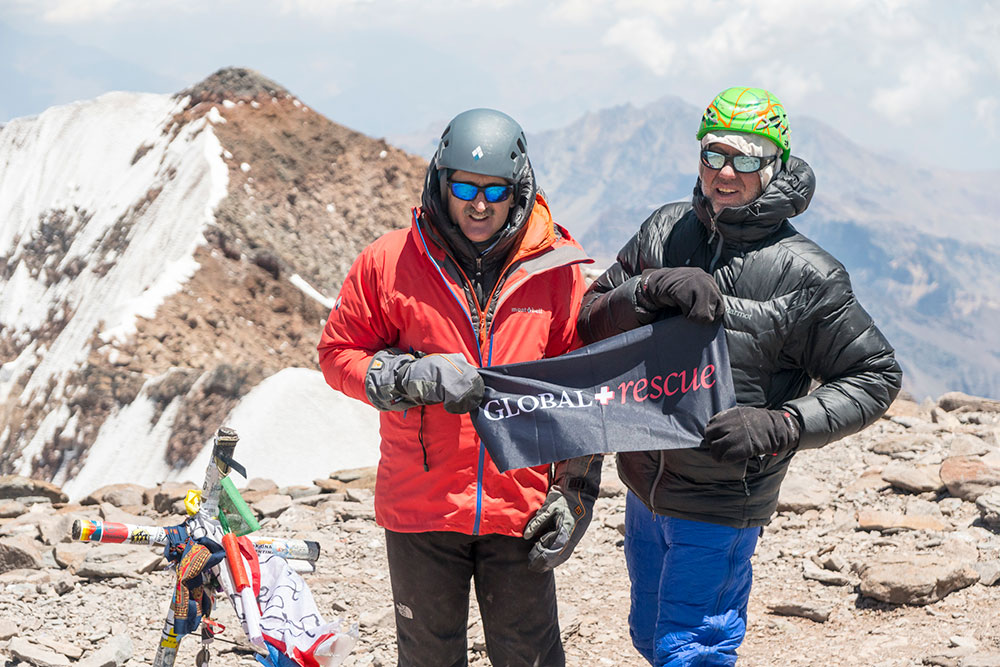
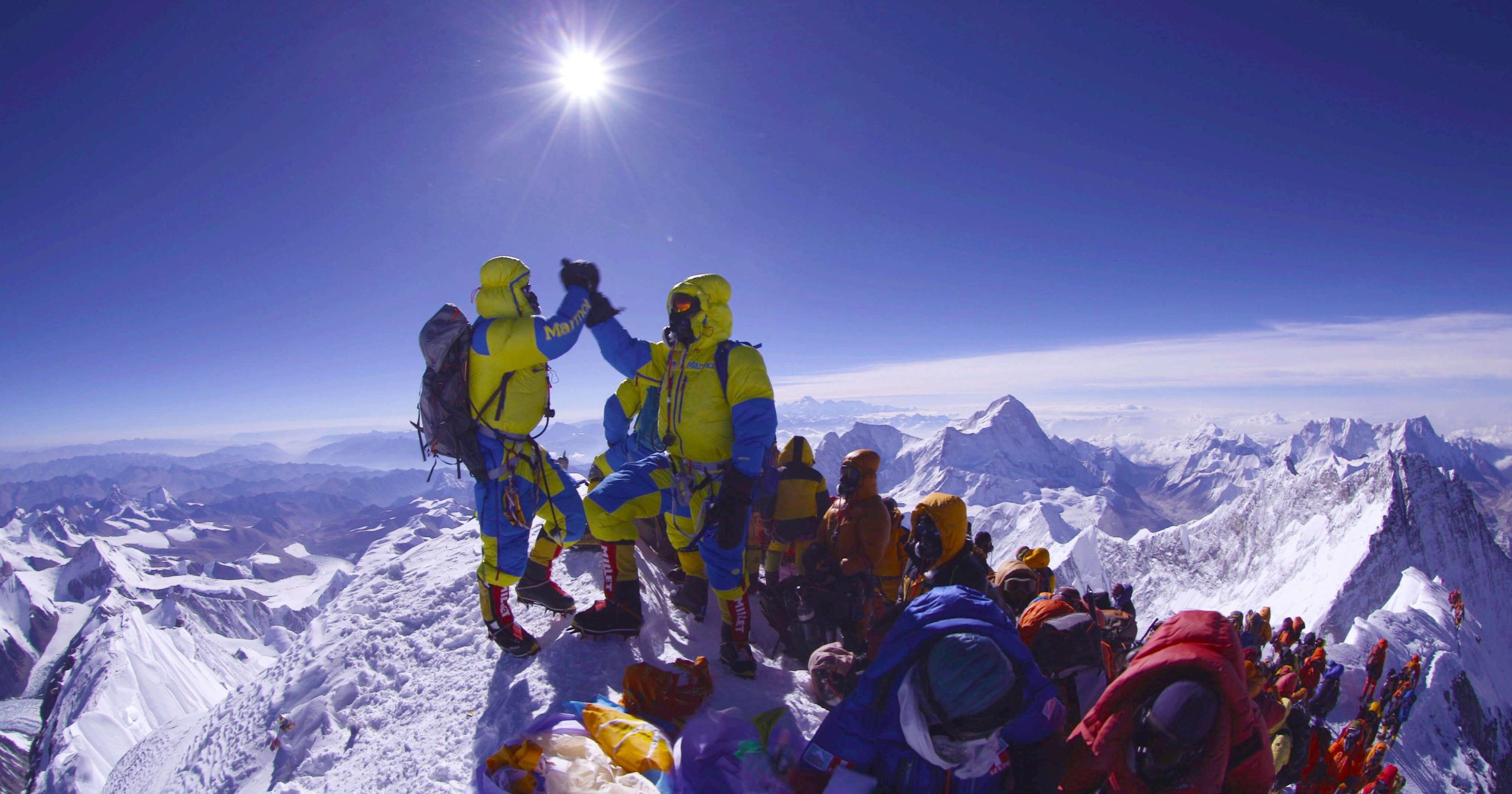
Nearly a decade and a half after an accident permanently blinded him, Lonnie Bedwell, a veteran Navy submariner and single father of three daughters, decided to climb one of the highest mountains on earth.
His purpose?
“I had to try. I had to push. It was truly to prove to these guys and gals [wounded veterans] what was possible.”
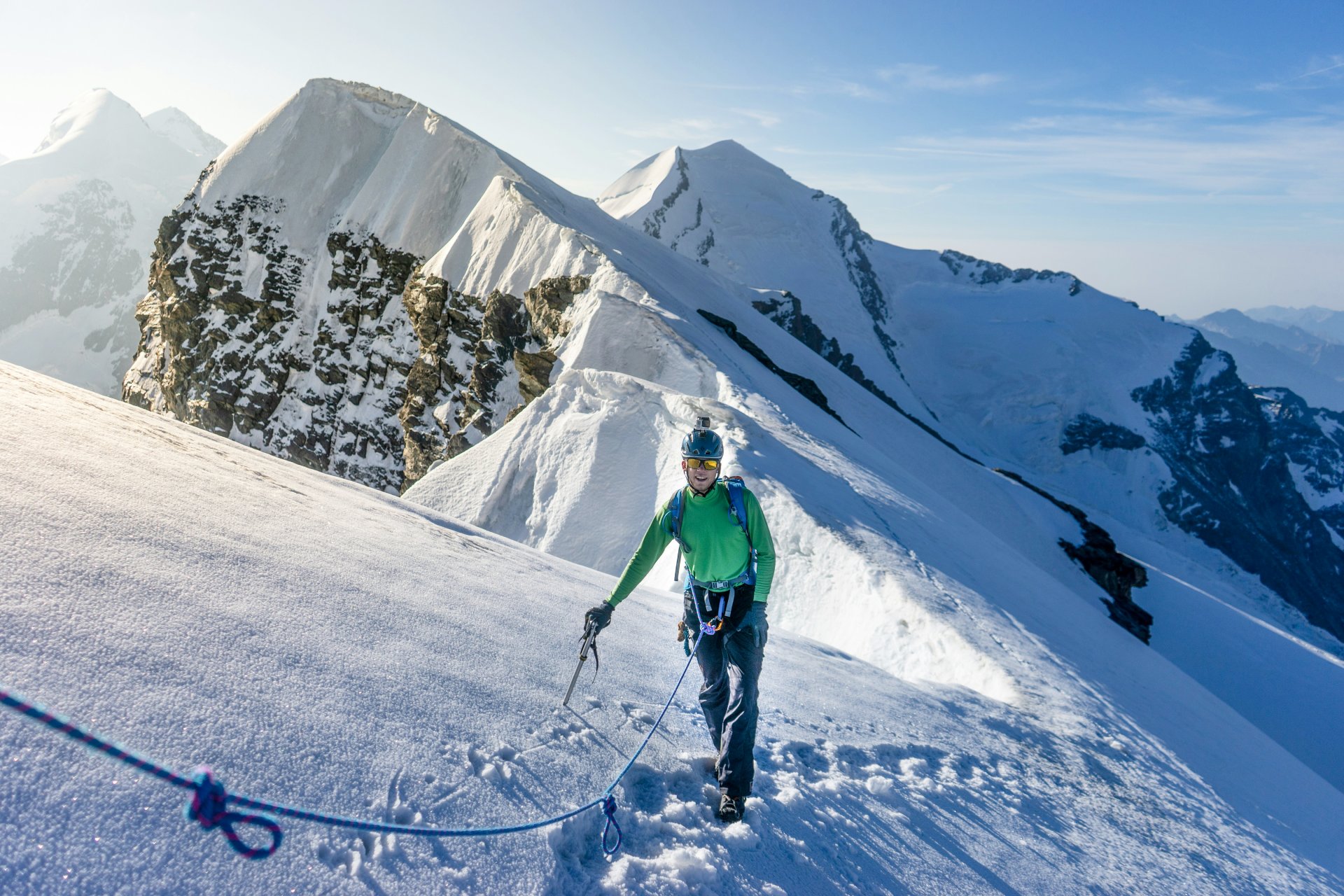
Bedwell pushed and successfully summitted Mount Kilimanjaro (19,308 feet/5,885 meters) a few years ago and Aconcagua (22,841 feet/6,960 meters) in February 2020 — the tallest mountains in Africa and South America, respectively. But his path to — and passion for — mountaineering didn’t grow from a childhood of hiking or a desire for comradery. Rather, it sprung from the newly found free time following the high school graduation of his youngest daughter.
“I got into building houses that was something I didn’t do before losing my eyesight,” Bedwell said. “My aunt and uncle were having a new home built. I was sitting around, not doing a whole lot. I told my aunt that I wanted to help, but the workers said no, fearful of the liability.”
Unbeknownst to Bedwell at the time, his aunt gave the builders an ultimatum.
“She told them to give me a two-week trial, or she’d find another homebuilder to do the job,” he said.
Since then, Bedwell has helped these same construction workers build more than thirty homes.
“I can do anything from roofing, siding, framing, wiring and decks,” he said.
The next step for Bedwell came when his daughters aged up and were moving out of the house. He realized he’d be living by himself and would require additional training for running a household on his own. He connected with a Chicago-based resource center for the blind where a number of returning veterans who’d lost their eyesight in combat were getting similar skills training.
By then his reputation was growing for breaking the traditional limits associated with blindness. Program managers at the resource center asked Bedwell if he’d be willing to try skiing in the hopes it would become an adaptive, recreational activity for others.
“They asked if I’d be their guinea pig since they knew I was doing all this other stuff,” he said. “That’s when I went skiing for the first time.”
Word spread quickly and soon Bedwell was being invited by several organizations to speak about and demonstrate, what he’d been able to accomplish and what he wanted to achieve next — becoming the first blind person to navigate a kayak through 226 miles of dangerous whitewater river flowing through the Grand Canyon and ascending two of the tallest mountains in the world.
Bedwell’s preparation was atypical, especially considering the highest point in his home state of Indiana is Hoosier Hill at 1,257 feet (383 meters) above sea level.
“I climbed a few 13 and 14-thousand-foot tall mountains across the western U.S. But here at home I walked between six and 14 miles a day with a pack and spent a lot of time on the stair climber at the gym,” he said.
When it came to high altitude preparation, Bedwell built in extra days to complete the climb.
“We gave ourselves plenty of time to acclimate on the mountain.”
But there was one area where Bedwell did not prepare. He hadn’t any medical or rescue protection services before climbing Aconcagua.
“I’ve fallen a few times, twisted my ankle once and I even saw people on Mount Kilimanjaro getting evacuated. It was then that I realized the necessity for having rescue protection. I realized I needed to get something in place in case something happens to me,” he said.
Bedwell asked his climbing partners, who had both summitted major peaks and his climbing guides. Their response was unanimous.
“They told me Global Rescue is the best out there. It’s tried and proven. It’s available and affordable. It’s the best all the way around,” he said.
The Aconcagua climb held a few surprises for Bedwell, including the heat, the lack of snow and the unstable footing on the stones.
“There were places where you would literally take a six-inch step up and your foot would slide two feet down over the stones,” he said. On summit day, the wind kicked up to more than 40 mph and turned a number of other climbers back.”
But Bedwell and his group pushed on.
“We slowly made our way up to the top,” he said.
Bedwell has more expeditions in mind. He pushes himself so others are inspired to push through tough, life-changing experiences.
“Every one of us, disabled or not, is capable of so much more than they believe. If we help each other and work together then we can achieve almost anything,” he said.
Categories:
Health & SafetyPlaces & PartnersSeptember 23, 2020
In March, the Centers for Disease Control and Prevention listed three symptoms for coronavirus: coughing, shortness of breath and fever.
By June, the CDC’s list expanded to include fatigue, muscle or body aches, headache, new loss of taste or smell, sore throat, congestion or runny nose, nausea or vomiting and diarrhea.
Some of these symptoms can be attributed to different conditions. With flu, allergy and climbing seasons on the way, how do you make sense of all the symptoms?
Advice from the Experts
The American Medical Association advises physicians to “watch for patients presenting with fever or signs of lower respiratory illness — especially in those who may have been exposed to the virus. Decisions on testing may be made based on local epidemiology of COVID-19. Clinicians are strongly encouraged to test first for other causes of respiratory illness, including infections such as influenza.”
Looking at local epidemiology — evaluating the risk in your own community — is something you can do as well.
“We are in a phase of this pandemic where we have to balance a communitywide assessment of risk and our individual assessment of risk,” said Global Rescue Medical Director Dr. Claudia Zegans.
“Check the numbers of what is happening in your community, balance the data with your chance of exposure and use the information to guide your decision making.”
She provides an example using the rate of positivity, defined as the percentage of people who test positive for the virus out of those who have been tested.
“If your community has a rate less than 5%, it means there is little community spread of coronavirus and any outbreak can be quickly contained by maintaining health and safety practices,” Zegans said.
You can check the rate of coronavirus positivity numbers for your state using a tracker updated by Johns Hopkins University of Medicine.
In New Hampshire, where the positivity rate is less than 2% and in Vermont, less than 1%, those fall symptoms could more likely be related to an allergy, cold, flu or GI illness. But that doesn’t mean treating yourself automatically for whatever ailment you think you have.
“Given the current ongoing concern about control of COVID-19, you should consider being tested,” Zegans said. “Seek medical advice from a health care professional to determine the best course of action to get yourself back on the mend.”
With the coronavirus pandemic in the background this fall, travelers and non-travelers should be aware of seasonal ailments, such as influenza and seasonal allergies and their symptoms.
Influenza
Influenza viruses circulate year-round, but peak activity occurs at different times across the globe. The CDC notes the flu season runs from October to April in the Northern Hemisphere, April to September in the Southern Hemisphere and year-round in the tropics.
According to the CDC, “Influenza (Flu) and COVID-19 are both contagious respiratory illnesses, but they are caused by different viruses. COVID-19 is caused by infection with a new coronavirus (called SARS-CoV-2) and flu is caused by infection with influenza viruses.”
Because some of the symptoms of flu and COVID-19 are similar, it may be hard to tell the difference between them based on symptoms alone. Contacting your primary care physician will be important, and testing may be needed to help confirm a diagnosis.
Overall, it is best to remember that the flu virus is fast — symptoms will show up in one to four days after infection— and there are antiviral drugs available. Coronavirus takes longer, seven days or more, and there is currently no vaccine or standard treatment.
With COVID-19 continuing to surge, the AMA states “it will be more important than ever to vaccinate patients against the flu to reduce the number of people using the nation’s health resources that are so heavily taxed during the pandemic.”
“The more people we can get vaccinated and protected and get them out of the health care system, wonderful,” said L.J. Tan, chief strategy officer of the Immunization Action Coalition. “That’s one less diagnostic criterion that we can look at as people come in with respiratory illness.”
Allergy Season
According to the American College of Allergy, Asthma and Immunology, allergy symptoms occur when your immune system overreacts to something harmless to most people but triggers a reaction in anyone sensitive to it.
The symptoms of that reaction can be similar to coronavirus, including shortness of breath, cough, fatigue and headache. You’ll know it is more likely allergies when you have a runny nose, itchy eyes and frequent bouts of sneezing.
It is an easy call to your primary care provider to confirm the local allergy season and seek appropriate treatment. For example, if you are allergic to ragweed, a wild plant prominent in North America, you’ll be aware September is typically a hard month for you because that is when it releases most of its pollen.
Anxiety and Stress
It’s no surprise: emotional distress and anxiety are common during pandemics. Anxiety, specifically generalized anxiety disorder, can result in physical symptoms such as fatigue, shortness of breath, headache and nausea — symptoms which may overlap with coronavirus.
“The rates of depression, anxiety, substance abuse, domestic violence and all mental health issues have been greatly exacerbated by this pandemic and the stress surrounding it,” said Dr. Bill Brandenburg of Wander Medicine and Global Rescue Safe Travel partner. “I see more admission related to these issues than COVID-19 in the rural hospitals where I work.”
Touching base with your doctor is important. Health care professionals are trained to look for signs of stress and anxiety and it is part of a standard patient/physician visit. The American Medical Association recommends physicians help patients recognize stress and help them normalize it with basic strategies: exercise, healthy diet, keeping a schedule and meditation, to name a few.
If you are looking for additional resources, try the National Institute of Mental Health’s page of shareable resources on coping with COVID-19 or these tips for talking to your kids about coronavirus, which has insight for mitigating anxiety.
Acute Mountain Sickness
While climbing, acute mountain sickness (AMS) can strike at any time, in any level of severity, because everyone acclimatizes to elevations differently. If you ignore the signs and keep climbing to elevations of over 2,440 meters (8,000 feet), AMS complications can include high-altitude pulmonary edema (HAPE).
HAPE is when the vessels in the lungs constrict in response to the low-oxygen environment. Fluid leaks from the blood vessels into the lung tissues and accumulates, causing a life-threatening situation for otherwise healthy people.
Symptoms feel like a bad hangover: headache, dizziness, shortness of breath, trouble sleeping. As the condition worsens, so do the symptoms: nausea and vomiting, fatigue or weakness, reduced exercise tolerance and a nonproductive cough.
With a coronavirus pandemic in the background, this is where diagnosis gets tricky. The American Thoracic Society warns “the compelling need to quickly identify treatment options [for COVID-19] … have led to erroneous and potentially dangerous comparisons between COVID-19 and other respiratory diseases like HAPE.”
Supplemental oxygen will improve both HAPE and COVID-19, according to a report published in High Altitude Medicine & Biology, but it won’t remove the inflammation from coronavirus. And that inflammation won’t just be in the lungs, but throughout the body — any internal organ is at risk.
Coronavirus presents differently in each person and physicians will prescribe treatments for excessive inflammation, such as hospitalization, assisted ventilation and steroids.
How Global Rescue Can Help
Travelers this fall will want access to Global Rescue travel health protection services, to provide rescue from the point of illness or injury for any serious medical emergency.
Even if you are traveling relatively close to home or climbing in a remote destination, membership provides access to destination reports and event alerts, including coronavirus hotspots, as well as medical advisory services.
Add on a TotalCareSM membership and you’ll have immediate access to a team of medical experts for real-time video consultations and treatment — right from your hotel room, living room or base camp.
LEBANON, NH, September 22, 2020 –
Travelers overwhelmingly want mandatory COVID-19 protections and services — and they are willing to pay for it, according to a Global Rescue survey of its current and former members, who are among the most experienced travelers in the world.
The survey found more than 60% of travelers are willing to pay from $50 to $100 or more for screening and testing services to minimize the effects of COVID-19 and – in the event of an infection – mitigation and remediation provisions for isolation accommodations, quarantine facilities, and ground or air transport.
“The pandemic has taken an unprecedented toll on the world’s population and its economies. COVID-19 understandably tops the list of all traveler concerns. But the survey results send a clear message that travelers are eager to fight back with an overwhelming willingness for comprehensive, mandatory COVID-19 protections for themselves and all travelers. And they are willing to pay for it,” said Global Rescue CEO Dan Richards.
Travelers agreed by wide margins (94%) they would feel safer if they had services and protections that cover pre- and on-trip COVID-19 testing, required quarantines, evacuation costs in the event of exposure or infection, and door-to-door travel insurance.
“The majority (91%) of responding travelers were equally adamant in their support for mandating all travelers obtain the same COVID-19 protections for their personal safety, the safety of others, and to prevent adverse selection,” Richards said.
“Eighty-eight percent of travelers want governments or organizations to step in and systematize programs calculated to beat COVID-19. But not every government or organization has the resources or the expertise to provide screening, testing, triage, quarantine facilities, ground and air transport, data collection and case management,” Richards said.
“At the onset of the pandemic, Global Rescue recognized the threat and developed a new services program designed to defeat the threat of COVID-19 on behalf of governments and organizations,” said Global Rescue Vice President of Operations Scott Hume.
The Global Rescue complete COVID-19 solutions program provides customizable COVID-19 case management remedies including:
- Planning & Staffing: Emergency action planning, training, staffing and itinerary support; COVID-19-specific destination reports; triage and disposition facilities with medical and security personnel and equipment
- Testing & Tracking: Access to rapid COVID-19 testing capabilities, screening and secure collection and retention of traveler history and test results.
- Response & Remediation: Quarantine and isolation accommodations, management of all ground and air medical evacuation, treatment for COVID-19 positive individuals, and real-time access to doctors for virtual consultations
“Testing for active COVID-19 infection is a key part of the public health response to bring this pandemic under control. Travelers are right to recognize this fact, and to want access to reliable testing with results that come back in a timely manner to facilitate safe travel for themselves and others,” said Global Rescue Medical Director Claudia Zegans.
Global Rescue’s medical and crisis response capabilities are supported by the Johns Hopkins Emergency Medicine Division of Special Operations, Partners HealthCare and Elite Medical Group to provide a depth of expertise unparalleled in the travel risk management and crisis response industry.
Traveler Safety Preferences
- What Would It Take to Feel Safe Enough to Travel Domestically? (Respondents checked all that apply)
-
- 46% – government officials would need to lift lock down/isolation/stay-at-home orders
- 41% – a COVID-19 vaccine would have to be available
- 28% – a COVID-19 treatment would need to be available
-
- 23% – they would need to feel secure in their health, job, and/or finances
- 23% – they would need access to COVID-19 testing
- 17% – they would need to have the necessary insurance in case they get quarantined
- 16% – international health authorities would have to declare the end of the pandemic
- What Would It Take to Feel Safe Enough to Travel Internationally? (Respondents checked all that apply)
-
- 68% – governments would have to lift travel restrictions and their preferred destinations would have to re-open their borders
- 50% – a COVID-19 vaccine would have to be available
- 35% – a COVID-19 treatment would need to be available
- 30% – they would need to have the necessary insurance in case they get quarantined
- 25% – access to COVID-19 testing would be necessary
- 25% – international health authorities would have to declare the end of the pandemic
- 22% – they would need to feel secure in their health, job, and/or finances
- Would travelers feel safer during an international trip if they had medical/security safeguards that included: protection for any required quarantine; evacuation in the event of exposure or infection; pre- and on-trip COVID-19 testing; and door-to-door travel insurance.
-
- 94% agree – 54% strongly agree, 28% agree, 12% somewhat agree
- 6% disagree – 2% somewhat disagree, 2% disagree, 2% strongly disagree
- Would travelers feel safer if everyone traveling to an international destination had the same medical/security safeguards that included: protection for any required quarantine; evacuation in the event of exposure or infection; pre- and on-trip COVID-19 testing; and door-to-door travel insurance.
-
- 91% agree – 43% strongly agree, 29% agree, 19% somewhat agree
- 8% disagree – 3% somewhat disagree, 3% disagree, 2% strongly disagree
- Should governments and organizations provide required visitor programs designed to minimize the effects of COVID-19 and other medical emergencies?
-
- 87% agree – 34% strongly agree, 32% agree, 21% somewhat agree
- 13% disagree – % somewhat disagree, 4% disagree, 3% strongly disagree
Traveler Expectations
The survey results revealed that travelers lost a wide range of personal and professional opportunities due to the pandemic.
- 64% gave up a bucket list/adventure trip
- 53% missed out on a family vacation
- 32% relinquished a business trip
- 28% surrendered a couples’ getaway
- 21% skipped an anniversary, wedding, honeymoon or birthday trip
- 10% lost an ecotourism or humanitarian excursion
- 9% missed out on a wellness trip
- 21% responded “other”
Travelers expect to make up for the travel they missed out on in a number of ways. According to the survey results, when travelers (who could choose all options that apply) think about their future travel plans between now and the end of 2021:
- 52% expect to travel internationally where possible
- 35% plan to go to more remote, less crowded destinations
- 32% anticipate taking fewer trips
- 22% said they’ll only travel domestically
- 22% look forward to taking more time, or a longer trip
- 20% think they’ll take advantage of discounts, deals and specials
- 18% count on taking an extra trip
- 13% look forward to traveling only to places with modern health care facilities
- 5% said they were taking less expensive trip
- 14% responded “other”
Travelers envision making domestic trips sooner than international excursions. The survey found 60% of respondents said they would make a domestic trip before the end of the year, 13% said they would travel internationally by then. However, 86% of respondents indicated they would travel internationally in 2021.
Contact
Bill McIntyre at bmcintyre@globalrecue.com or 202.560.1195 to arrange an interview or for more information.
About the Global Rescue Traveler Survey
Global Rescue, a leading travel risk and crisis response provider, conducted a survey of more than 2,200 of its current and former members between Sept. 15-20, 2020. The respondents revealed a range of support for a variety of precautionary and protective safety measures in anticipation to a return to leisure and business trips domestically and internationally.
About Global Rescue
Global Rescue is the world’s leading provider of medical, security, evacuation and travel risk management services to enterprises, governments and individuals. Founded in 2004, Global Rescue has exclusive relationships with the Johns Hopkins Emergency Medicine Division of Special Operations and Elite Medical Group. Global Rescue provides best-in-class services that identify, monitor and respond to client medical and security crises. Global Rescue has provided medical and security support to its clients, including Fortune 500 companies, governments and academic institutions, during every globally significant crisis of the last decade. For more information, visit www.globalrescue.com.
Categories:
NewsSeptember 22, 2020
Categories:
Places & PartnersTravelSeptember 21, 2020
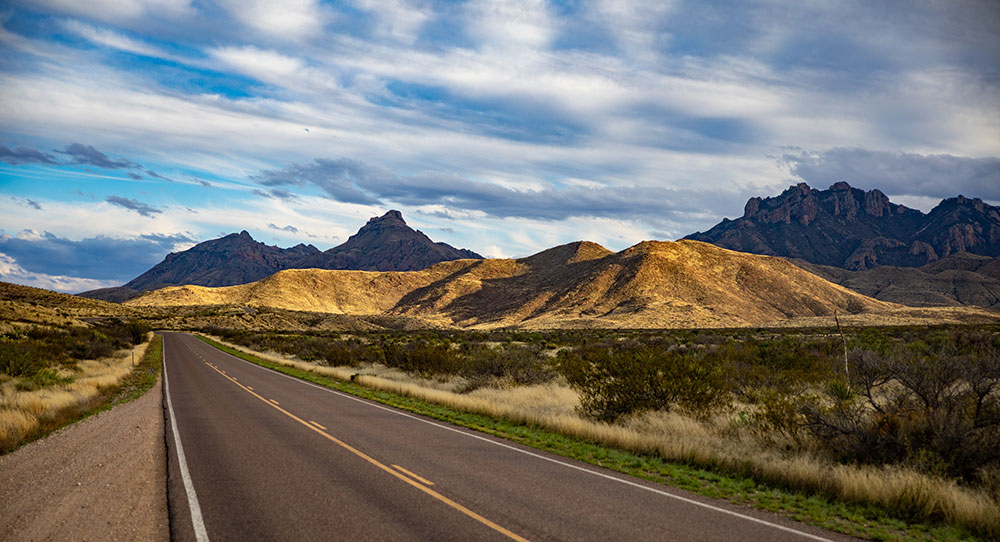
Travelers are torn between the safety of staying home and the necessity of traveling for business, or the joy of traveling for pleasure. According to the AAA 2020 Summer Travel Forecast Report, trips are being booked last minute, there’s more driving than air travel and a week of vacation is more likely to be a long weekend. Families waffle over the decision to take a vacation, make a last-minute selection and opt for driving on a weekend versus flying for a longer stay.
“With domestic travel, there is less oversight on who comes and goes to a certain destination,” said Michael Lovely, operations supervisor at Global Rescue. “Travelers should make sure they have done their pre-travel research before heading out for a domestic adventure.”
Global Rescue is monitoring some trends providing safer options. Some examples include social distancing on scenic byways, hiking off the beaten track, fishing in Alaska and mountain biking in Colorado.
Traveling the Scenic Byways
RVs and other retro forms of travel, such as houseboats and Airstreams, are now back in style, according to the VRBO 2020 Trend Report. VRBO, a global community of homeowners and travelers with unique properties around the world, notes travel demand for houseboats, yachts, RVs and Airstreams is up 30% year-over-year. Other popular non-traditional vacation rentals include barns, farms and tree houses.
Sound appealing? You can always rent an RV, but practice and plan before you travel in one.
There are numerous rental companies, such as Cruise America, which rents and sells RVs in 128 locations in the U.S. and Canada and Outdoorsy, which rents privately owned RVs in 11 countries, including the U.S. and Canada.
AARP suggests several scenic byways suitable for social distancing, including the Selma to Montgomery March Byway, a 43-mile stretch in Alabama that follows Martin Luther King Jr.’s march in 1965 and Michigan’s Copper Country Trail, a 47-mile stretch on US-41 highlighting the triumphs and tragedies associated with copper mining.
Hiking Close to Home
The 52 Hike Challenge is a movement to get people outdoors for one hike a week for a year. The website provides the resources (hikes in every state and hiking logs to track hikes) and the motivation (Facebook chapters and local groups). During the pandemic, they’ve been posting education opportunities via their blog, including hiking 101 classes on YouTube.
“Right now, more than ever, walking and being outside can help you and your loved ones, release some stress, decrease feelings of boredom and give you some peace of mind during these uncertain times,” said Karla Amador, founder of 52 Hike Challenge and Global Rescue Safe Travel partner.
She notes hikers need to follow the local rules and enforcement so the opportunity to hike isn’t taken away for everyone.
“Following local rules will help us keep trails open and each other safe when it comes to hiking in this pandemic,” said Amador. “Let’s be courteous and mindful of our actions.”
Harding Bush, associate manager of operations at Global Rescue, suggests experienced hiking enthusiasts seek out less popular trails.
“If you decide to go hiking, especially in more accessible areas within two hours of a major city, do not expect an isolated, pleasant and serene experience in the backcountry,” he said. “With more people than ever taking the hike option to escape COVID-19 confinement, hiking areas have become overcrowded.”
Hiking the National Parks
According to FlashpackerConnect Adventure Travel, off-the-beaten-track adventures are naturally social distancing.
“Throughout the coronavirus epidemic, people have been hiking and walking in areas where they are not likely to see other trekkers, or where they can easily maintain a safe six-foot distance,” said Brandon Morris, owner and founder.
He suggests domestic adventures found closer to home, such as exploring the smaller, less-visited national parks.
California’s Lassen Peak National Park gets only 500,000 visitors a year and Big Bend National Park in Texas about 400,000. Morris also recommends one of Flashpacker’s customized trips where clients can curate self-drive adventures linking America’s greatest national parks.
Do your research before you go. “Many state parks require an advance reservation to be made online,” Bush said.
Fishing in The Last Frontier
Despite a July surge of coronavirus cases driven partly by outbreaks aboard a seafood industry trawler and at a plant operated by a Juneau fish processor, Alaska still has one of the lowest coronavirus death rates in the country, second only to Hawaii, according to the Anchorage Daily News.
Visitors this summer will have to follow a new mask policy and stricter social distancing guidelines to enjoy the beauty of The Last Frontier.
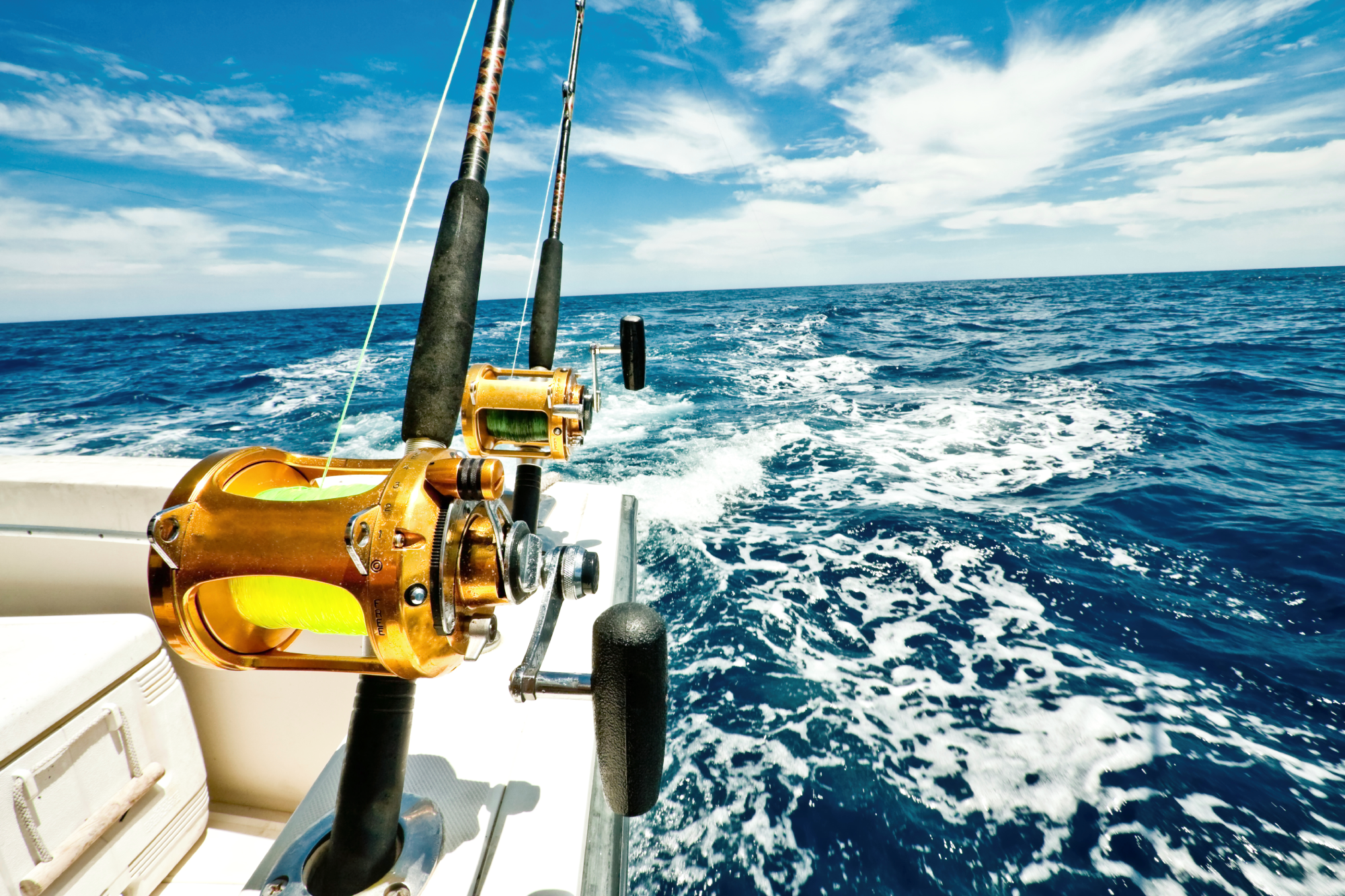
Frigate Adventure Travel, a fishing guide service and a Global Rescue Safe Travel partner, was able to start their season on the Nushagak River in June. Limiting a salmon fishing trip to four anglers, testing for coronavirus before visiting Alaska and mandatory mask use all helped ease the worry of contagion for clients and tour operators.
“Please wear a mask to help protect yourself and others who may be more vulnerable. Leading experts are saying this is one of the best ways to stop the spread,” said co-founder Kate Crump. “If those working have people at home who are immunocompromised and me wearing a mask helps lessen their fears of getting loved ones sick, then it feels pretty kind to take this step.”
More trips are planned for August, September and October and it’s a great time to enjoy the beauty and solitude of Alaska.
“To fish with hardly any boats around on this river is truly wild,” said co-founder Justin Crump.
Mountain Biking in Colorado
H+I Adventures Co-founders Catherine Shearer and Euan Wilson offer small group opportunities to explore an area of the world on a mountain bike, including six days of mountain biking through alpine meadows, aspen groves, mountain forests and desert in Colorado.
“We are finding that fresh mountain air, getting outdoors, and getting the heart pumping is exactly what people need right now,” says Shearer. “Our main goal is to provide that opportunity for our guests while keeping them safe and healthy. Riding a bike is about as safe as you can be right now.”
Limiting group sizes reduce coronavirus risk, but H+I Adventures has also instituted additional protocols to keep clients safe. According to Shearer, the protocols include:
- Masks must be carried at all times and are required to be worn anytime a guest is inside a public space or inside our transportation vehicles. “We ask guests to always have a mask available, but they do not need to be worn while outdoors or riding,” Shearer said.
- Our vehicles are operated at 50% capacity and we maintain maximum amount of airflow while moving between destinations or shuttling to trailheads. All vehicles are sanitized at the end of each day.
- We encourage all guests to use and handle their own equipment and gear as much as possible. Sharing of gear is not allowed and, if our guides are washing bikes for guests, loading/unloading or have extended contact with their equipment, they will do a quick wipe down.
- Hand sanitizer is available in all vehicles and we are giving each guest on multi-day tours their own personal hand sanitizer.
- We are following all current state and local guidelines at all times.
Travel Protection Services
Travel protection service memberships aren’t only for international travel. They can be extremely helpful for those planning a trip 100 miles from home or traveling within America’s borders.
During a pandemic, travel restrictions and changing quarantine requirements make a travel protection service membership a necessity, especially for medical advisory, evacuation services, and up-to-the-minute travel information. Learn more by clicking here.
Categories:
Health & SafetyPlaces & PartnersTravelSeptember 16, 2020
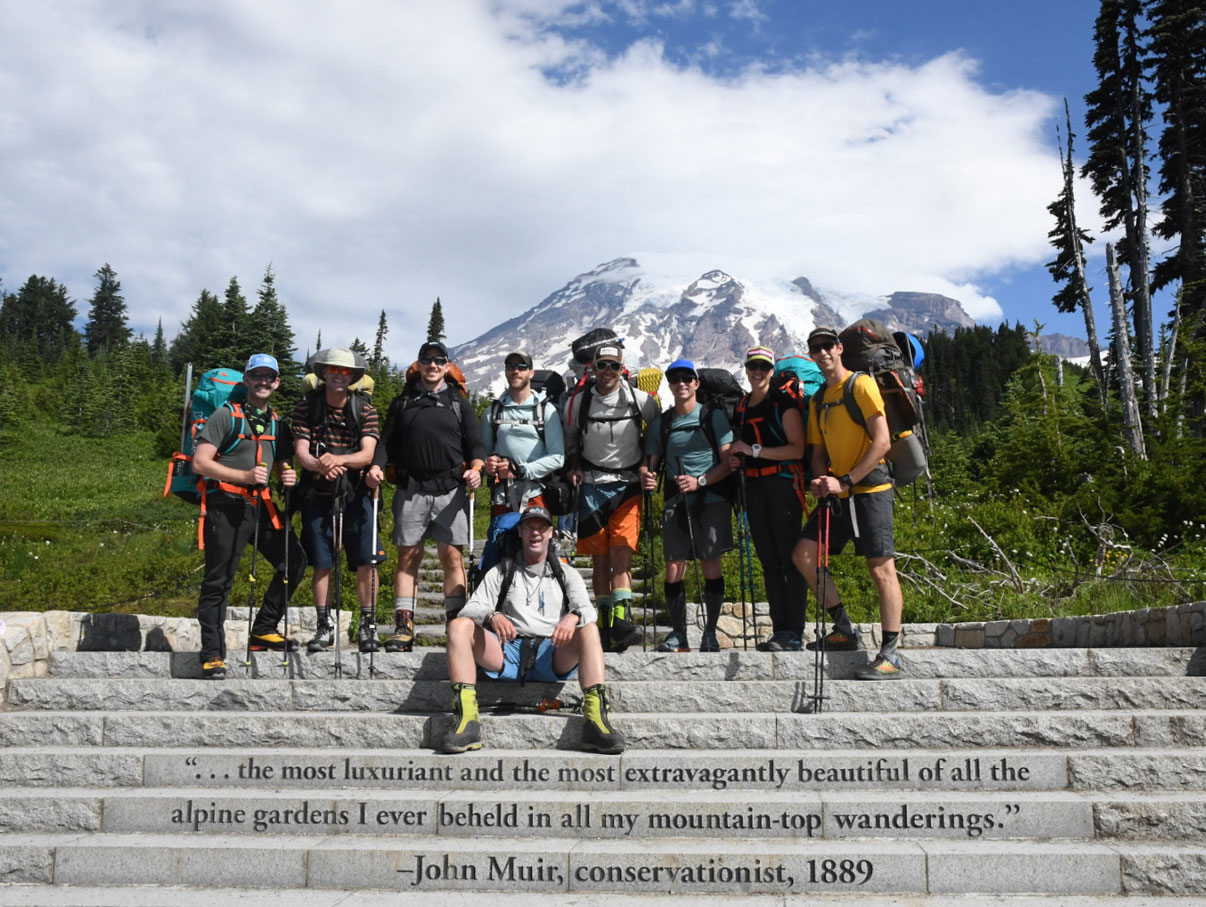
There’s a certain allure to an international climb, but the pandemic has reminded climbers of the excellent options available in the United States.
Hikers can choose to traverse flat terrain along a mountain or a coastline. Trekkers hike for a longer period of time, setting up camp or staying at a lodge along the way. Climbers trek at a higher altitude, exploring rugged terrain at low levels of oxygen.
With international travel unpredictable, many American climbers and trekkers – and some international ones, too – are looking at options in the U.S.
Gordon Janow of Alpine Ascents said his domestic programs are doing well.
“We’re full for Mount Rainier, which is a three-day climb. We’re full for Mount Baker and Denali is almost full for next year,” he said.
Lukas Furtenbach, owner of Furtenbach Adventures based in Innsbruck, Austria and a Global Rescue Safe Travel partner, believes U.S. peaks offer almost everything.
“Many of them are a perfect training ground for the bigger international peaks. Customers who planned international expeditions for 2021 are using this year to gain some more experience,” Furtenbach said. “For climbers and mountaineers, it is not too bad not being able to travel abroad.”
Penn Burris, a senior advisor at Global Rescue and former director of operations/CFO of the American Alpine Club, agrees.
“The Sierra Nevada, the Teton Range, The Needles, the Adirondack Mountains — there are all these places in the U.S. where you can practice your craft whether it be hiking, climbing or trekking,” he said.
How US Peaks Differ
Comparing U.S. peaks to their international counterparts exposes some distinctions and many similarities.
“Our mountains in the Pacific Northwest are very similar to that of the European Alps, however the lack of infrastructure in the U.S. provides a level of remoteness and solitude not often experienced in popular venues in the Alps and Nepal,” said Mark Allen, owner and lead IFMGA guide at The Mountain Bureau based in Seattle, Washington. Allen is referring to the custom of using Sherpas and other support personnel for non-U.S. mountaineering.
“Many mountains in the United States are remote compared to international peaks, where you can walk out the front door of your five-star hotel, put on a backpack and take a rail car into a Swiss Alp,” Burris said. “A climb in the Grand Tetons, however, there’s a six- or seven-hour approach to get to the base of the mountain. It takes a lot of effort to pack in before you even start climbing.”
Burris, who has more than three decades of mountaineering, guide and wilderness medicine experience with the American Alpine Club and the Colorado Mountain Club, notes climbs at lower altitude can provide the same experience as a higher altitude climb, minus the altitude.
“There’s a certain excitement going to Europe for a climb, but U.S. peaks will get you ready for your next international climb. Conditioning, strength, mental training, solo camping, practicing with your gear — efficiency translates into speed and that’s the safest way to climb in the outdoors,” Burris said. “You don’t have to practice at 18,000 feet; you can be at 7,000 feet. It’s a great time to explore your own backyard.”
The U.S. may not offer as many high-altitude choices, but there are some rugged options.
“In the White Mountains of New Hampshire or Green Mountains of Vermont, the vertical rise can be significant,” Burris said.
While Denali in Alaska is currently closed for 2020, the Sierra Nevada range in California is another U.S. example of a fast vertical rise, rising around 8,000 feet in 10 miles.
The North Cascades, a glaciated volcano with lots of snow coverage, is also considered an excellent training ground for any glaciers you might climb overseas.
“Many people don’t realize how world class the North Cascades experience is and they may be a Washington resident,” Allen said.
COVID-19 Protocols
Regardless of where climbs and treks are taking place, everyone is putting COVID-19 protocols in place.
Whether you solo or with a guide, Global Rescue members also have access to services for pre-trip planning and risk assessment, such as coronavirus hotspots and testing facilities. During the trip, if illness or injury occurs while you are 100 miles away from home, field rescue and emergency medical evacuation services are available.
Furtenbach Adventures offers a 100% refund policy for cancelled trips, as well as enforcing physical distancing, reliance on small groups, use of masks during transport, gear disinfection and insurance.
“For our basecamps for international expeditions in 2021 we are testing on location with FDA-approved equipment. We plan to run our basecamps as closed systems with every person that enters being tested on the spot by our team doctor,” Furtenbach said.
Greg Vernovage, program director and Everest expedition leader at International Mountain Guides and a Global Rescue Safe Travel partner, has put in more than two dozen protocols for his Mount Rainier climb.
“We would always drive people to Mount Rainier, now you have to self-drive. We have a gear check at our office, which is done outside in groups of four or less. We’re not cooking for clients anymore; instead we’re providing hot water for freeze-dried meal prep,” he said.
So, how do climbers and trekkers feel about all this? Customer attitudes have been understanding and positive.
“People are excited to get back to doing the things they love. People recognize and appreciate the lengths we go to in order to mitigate exposure to programs. Feedback has been good,” Allen said.
Click here to learn more about Global Rescue travel services memberships.
Categories:
Health & SafetySeptember 14, 2020
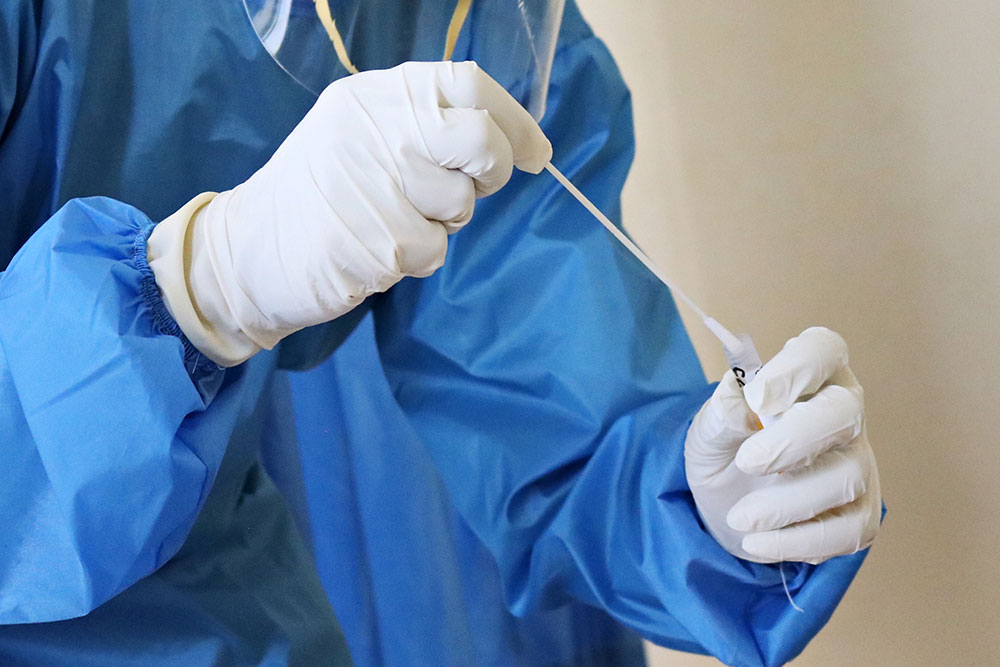
More than nine out of 10 travelers grounded due to the pandemic declared their willingness to subject themselves to screening and testing if it meant a return to leisure and business trips domestically and internationally. That’s according to a Global Rescue survey conducted in the spring when COVID-19 testing methods were in their infancy and screening was increasing in complexity as new symptoms were identified.
No one knows, yet, how long the pandemic will last or when definitive treatments and vaccines will be available. What we do know is that traveling outside your home, your state or your country is a viral risk exposure that’s largely mitigated through well-known behaviors – like physical distancing, hand sanitizing and mask-wearing.
Beyond those personal conduct measures there are checks available and even required, that are important for minimizing or even eliminating the risk of COVID-19 infection.
“Unfortunately, there is tremendous public confusion about the needs, effectiveness and purposes among the various tests and screenings: viral tests, nasal or oral swabbing versus saliva tests and anti-body testing,” said Medical Director Dr. Claudia Zegans.
They are not all the same, but each contributes to the effort to control the spread of the virus.
Screening vs. Testing
Screenings are not tests, but a screening could lead to a test. Testing can be a part of a screening process and with some organizations or medical facilities, it may be the primary mode of screening.
A COVID-19 screening can be as discreet as completing an online questionnaire – like this one by the Mayo Clinic – or a hybrid of online and in-person screening – like this one for hair salons and barbershops in California or this one for travelers to Hawaii.
Screenings typically include a series of questions for individuals about their current health, exposure to an infected person and COVID-19 symptoms including: fever, cough or sore throat, shortness of breath or trouble breathing, chills or repeated shaking with chills, muscle aches, nausea, vomiting or diarrhea, loss of smell or taste, or headache.
Temperature checks for fever are increasingly common, especially in schools, businesses and airports. Yet Dr. Anthony Fauci, director of the National Institute of Allergy and Infectious Diseases, said the White House and the National Institutes of Health abandoned temperature checks as they’re “notoriously inaccurate.”
Antigen vs. Antibody
If someone displays COVID-19 symptoms, screening programs will either urge the individual to obtain a COVID-19 test or conduct one on the spot. But screening for symptoms is not fool proof.
According to NBC News, the majority of people who tested positive for the virus were asymptomatic. Screenings are an important line of defense against viral spread, but there are huge gaps in their effectiveness.
Testing closes many of the gaps screening leaves open. There are two different types of tests – diagnostic tests and antibody tests.
“An antibody test uncovers whether you had a COVID-19 infection. It can take as long as several weeks for antibodies related to a viral infection to develop and – once they do surface – they can remain in your system for several more weeks or longer,” Zegans said.
The Food and Drug Administration (FDA) reported researchers don’t know if the existence of antibodies means you are immune to the coronavirus in the future. The main takeaway, however, is that antibody tests are not the tool to use to diagnose whether someone has a coronavirus infection.
A diagnostic test can show if you have an active coronavirus infection, regardless of your symptoms.
Currently there are two types of diagnostic tests which detect the virus. One kind are the molecular tests, like RT-PCR tests, that detect the virus’s genetic material. Results are sometimes available within a day or two, but time frames up to a week or more are not unusual.
The other type are antigen tests which detect specific proteins on the surface of the virus. The antigen test can be done at the point-of-care with results typically available in less than an hour of the test.
“Diagnostic testing may sound simple, but it’s not. The cost of different tests varies widely. A recently announced antigen test claims to cost about $5 per test. Other tests are ranging between about $10 to as much as $119 per test or more, but test makers are finding ways to bring the cost down and for good reason. Widespread testing needs to be affordable to make certain the expense is not a barrier to testing and ultimately controlling the outbreak,” Zegans said.
The method of specimen collection is important, too, as is the speed of delivering results. For example, deep nasopharyngeal swabbing is less comfortable than anterior nasal or oropharyngeal swabbing.
Collecting saliva for testing from someone who spits into a sterile container can be done with minimal discomfort – a welcome alternative to the uncomfortable four-inch nasopharyngeal swab inserted into your nostril or throat.
There are breathalyzer tests currently under development that simply require individuals to blow into a tube or similar sample collection container.
Some molecular tests can deliver results at the point of care in less than one hour. PCR tests – a specific type of molecular test commonly used to detect COVID-19 infection – done at labs, hospitals and research facilities can deliver results in one to two days but long delays have been noted.
Antigen tests results can be ready within an hour. One pharmaceutical company announced recently an antigen test delivering results in 15 minutes.
Accuracy, False Positives and False Negatives
“There are more tests in various stages of development and availability – each with different levels of accuracy, such as the likelihood of false positive results or the percentage of false negative results,” Zegans said.
Some tests are less accurate than others, delivering a percentage of false positives or false negatives ultimately requiring more testing. Interpretation of the accuracy of test results is also complicated by how much disease is circulating in the community (i.e., the likelihood of having the infection) and whether you have symptoms or not.
For example, molecular diagnostic tests – the ones that typically require nasal or oral swabbing although there are a few molecular tests using saliva specimens – are generally highly accurate and usually do not need to be repeated.
Comparatively, antigen tests, requiring nasal or oral swabbing but delivering results in 15 minutes, usually have adequate results for positive indications of infection but unfortunately, also tend to deliver false negative results, often requiring confirmation using a molecular test.
Developing tests, let alone vaccines, for a new and dangerous virus requires resources, time and cooperation among the researchers, the manufacturers, the government and the public.
To help move the process along more quickly and as safely as possible, the FDA issues Emergency Use Authorization, or EUA, “to provide more timely access to critical medical products that may help during the emergency when there are no adequate, approved, and available options.”
The EUA process is not the same as full FDA approval, rather it’s a speedier FDA evaluation of the options and evidence available. The FDA has issued hundreds of EUAs for diagnostic tests and antibody tests.
The Travel New Normal
As travel re-opens caution and concern will be top-of-mind among travelers. Global Rescue provides a broad set of services designed to minimize the risk of COVID-19 exposure and in the event of an infection, provide mitigation and remediation assistance by implementing guidelines from the leading health and medical authorities.
“Screening, testing and triage for all travelers before, during and after their journey is the gold-standard protocol for the safety of tourists and the people they’re visiting,” said Global Rescue CEO Dan Richards.
Global Rescue offers a complete COVID-19 solution that includes end-to-end COVID-19 planning, testing, monitoring, response and emergency action plans for governments, organizations and businesses to implement.
The program includes triage and testing for symptomatic travelers, housing resources to accommodate traveler quarantines, coordination of hospital admission, ground and air medical evacuations for COVID-19 positive travelers, and monitoring and data collection for all COVID-19 positive travelers from diagnosis through repatriation. Click here for more information.
Categories:
Health & SafetyMissions & Member TestimonialsSeptember 10, 2020
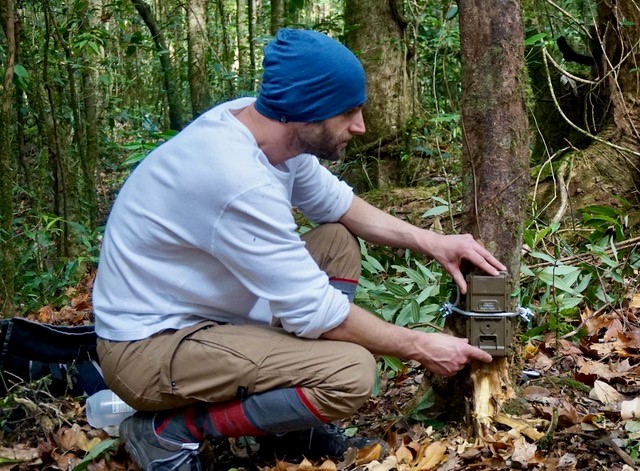
Andrew Tilker is used to traveling for work. He’s the Asian Species Officer at Global Wildlife Conservation (GWC), a Texas-based organization focused on protecting and recovering endangered wildlife and habitats through science-based field action.
“I oversee conservation projects in Southeast Asia, focusing mostly on Vietnam, Philippines and Indonesia,” Tilker said. “Usually this position requires extensive travel to Asia, although for the past few months it has not been possible.”
Tilker is an American citizen based full-time in Berlin, Germany. In July, he was asked to attend a work meeting near Lyon, France.
“Of course, given the COVID-19 situation, I wanted to get more background information on travel risks before making a final decision,” Tilker said.
GWC has been a Global Rescue member since 2016 and its staff members are able to access Global Rescue’s travel protection services from trip advisory to medical evacuation. A membership is a great way for enterprises of all sizes to ensure the safety and well-being of employees.
For Tilker, getting the data he needed was as easy as one email.
“I was looking for information on COVID-19 cases in France. I was surprised at how quickly I got a reply — within the hour,” he said.
Global Rescue’s operations team reviewed medical, security and intelligence data regarding the COVID-19 pandemic in France. This included public health information regarding U.S., French and EU guidance for travel to the region, as well as forecasted behavior of the COVID-19 pandemic for the region and available health infrastructure. Global Rescue personnel summarized the current and forecasted risks of travel for Tilker’s review.
It was exactly the kind of information Tilker was looking for.
“The information I received helped me make a more informed decision regarding whether to take the trip or not,” he said. “I have decided to go.”
Tilker plans to use his Global Rescue membership when he is back to traveling to Southeast Asia, saving the tropical forests and its multitude of threatened species, including the antelope-like Saola (the Asian “unicorn”) discovered in 1992.
“It is nice to have such a professional and quick-to-respond organization behind me,” Tilker said. “In the future, I will rely on Global Rescue more often, especially when I travel to remote areas in Southeast Asia. Global Rescue is an excellent resource, worth investing in.”
Categories:
Places & PartnersTravelSeptember 8, 2020
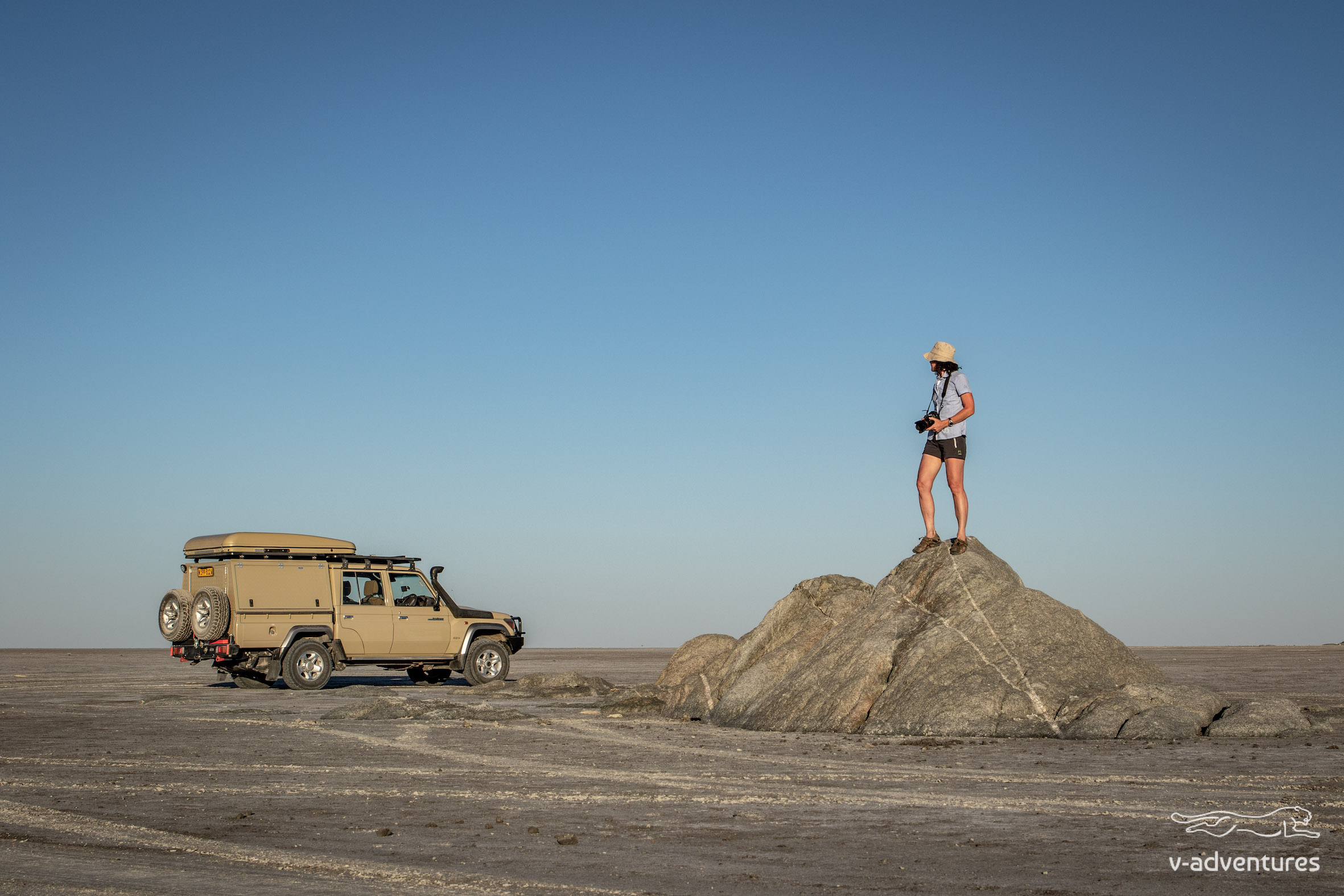
Remote. Secluded. Nature based. These are the top three recommendations for outdoor activity during a coronavirus pandemic — and three reasons why African safaris are popular among travelers, especially now as the pandemic has defined “the travel new normal.”
But the last few months of almost no travel has changed the savannah landscapes.
“The parks of Africa have been quietly minding their own business since April and the animals have taken over. Main roads have become tracks, with big cats ambling along looking for breakfast. Airstrips are now prime grazing grounds and the sun rises and sets over the wilderness,” said Charles Norwood, owner of Self Drive Safari Resource and Global Rescue Safe Travel partner.
Africa’s Tourism Economy
Norwood jokes the tourist is the rarest sighting in Africa right now. International travel restrictions have made it difficult for many adventure travelers to go on safari in 2020 and it has taken a toll on the African economy.
Africa received 71.2 million tourists in 2019 and the sector employed nearly 25 million people, according to the World Tourism Organization. Reuters reports the safari industry generates $12.4 billion in annual revenues for Africa’s top wildlife tourist destinations: South Africa, Botswana, Kenya, Rwanda, Tanzania, Uganda and Zambia.
Similar to the Ebola outbreak in West Africa in 2014, coronavirus brought tourism to a halt. An August 2020 survey by online safari travel platform Safaribookings asked more than 300 tour operators about their business and found almost 93% reported a drop in bookings and at least 75% due to the pandemic.
“Safari destination countries base most of their economy on tourism. Each person involved in tourism supports five to six members of his family and this pandemic is having a terrible effect on the African people,” said Valentina Vallinotto of v-adventures in New York and a Global Rescue Safe Travel partner.
“Poaching is picking up due to the absence of hunters and travelers,” said Chris du Plooy, owner of Chris du Plooy Safaris in Limopo, South Africa and Global Rescue Safe Travel partner.
Many protected areas, national or private, rely on tourism to fund their operations. “Due to the COVID-19 pandemic, many rangers have reported a significant drop in tourism, which has led to a lack of funds for operations, resources and even salaries,” said James Slade, Wildlife Crime Prevention Officer at Global Wildlife Conservation. “GWC is currently working with a number of organizations to determine the scale and impact a crash of tourism is having on protected areas around the world.”
“Without tourists, revenue to the National Parks dries up with dire consequences for conservation, anti-poaching and park maintenance,” Norwood said.
Slow Openings
The safari industry, with multiple suppliers in various territories, is banding together to bring back safaris as a high-value and less risky ecotourism option during the coronavirus pandemic.
“International guests can already go on safari in East Africa, with Tanzania, Kenya and Rwanda open for international guests. Zambia recently opened its borders and Seychelles is also open for selected countries,” said Robin Mcleod, operations and product manager at Timeless Africa Safaris and Global Rescue Safe Travel partner. Tanzania, for example, received clearance from the World Travel and Tourism Council in August.
Vallinotto’s v-adventures clients did not cancel, but postponed their trips.
“They have already made bookings for fall 2020 and are ready to travel as soon as possible,” she said. “At our Ndutu Safari Lodge in Tanzania, I prepared a checklist for our staff members. We are also following Tanzania’s national standard operating procedures.”
South Africa is the last to open, but the tourism industry is lobbying the government for an opening earlier than 2021.
“We are hoping international travel to South Africa will be in full swing by the end of September 2020, but our government is very unpredictable and can only hope for the best,” du Plooy said.
“South Africa will take a little longer, it is very hard to predict when exactly this will be,” Mcleod said. “The government is doing a staged opening, so all practices will be in place and tested as soon the South African government opens the international borders, which we think will be any time from November 2020, although the industry is lobbying for it to be earlier.”
With restrictions changing in Africa almost daily, travellers should research the latest testing and screening requirements, curfews, quarantine lengths and allowed countries.
“Africa has varying degrees of travel advice but, in practical terms, the East African countries seem to have land borders open while South Africa still seems closed to foreigners,” says Norwood. “It’s a disaster for tourism and the sooner we get to testing people off international flights the sooner countries will feel they are able open up to tourism.”
What You Can Do Now
Safaris are perhaps the only vacation where tourists can make a difference by just going on a holiday. Not only do incoming dollars support local economies, tourism also ensures ongoing conservation efforts so wildlife can continue to live and thrive in their natural habitats.
Most safaris are planned well in advance, so travelers should book now for late 2020 or 2021.
“I want to think positive and say we passed the worst. We learned the value of accurate risk analysis, proper terms and conditions and insurance to protect us as tour operators and protect our guests. We learned how to set, log and check reasonable coronavirus safety protocols,” Vallinotto said. “It is not a solution but, with a collective effort, it mitigates the diffusion and helps the tourism business.”
Vallinotto emphasizes lodges, ground transfer operators and local flight carriers are publishing their protocols and procedures.
Mcleod finds the same is true in South Africa, with the tourism industry producing a detailed protocol as to how to best operate during COVID-19.
“This includes airports, transfers, accommodation, tourist attractions, safari and other activities,” he said. “In East Africa, which is already open for international guests, operators and accommodations have implemented detailed operating procedures to safeguard guests.”
“The real game changer will be a vaccine, worldwide and affordable,” Vallinotto said.
But, for now, Mcleod does see a change in customer behavior which will influence how customers travel in the future.
“There will be a need for wide open spaces, remote locations, having fewer people around and getting more in touch with nature and wildlife, all of which Africa can offer in abundance,” Mcleod said. “We definitely believe clients will become more conscious about their health and safety as well as their financial security when booking a holiday.”
“We would love to encourage everyone to support boots-on-the-ground conservation initiatives to help preserve all our wilderness areas, at least until the world settles down,” Norwood said. “And, when you are ready to travel, The Serengeti will be here waiting, in all its bright-eyed and bushy-tailed glory.”
For the latest information on Africa’s risk levels, coronavirus hotspots and country openings, check Global Rescue’s Coronavirus Report.
Categories:
Health & SafetySecurity & IntelligenceTravelSeptember 4, 2020

Coronavirus is a significant threat to digital security.
Criminals are leveraging elevated interest in COVID-19 to send emails to unsuspecting people to infect computers with ransomware, malware or other computer viruses. And why not?
There’s a tremendous curiosity for coronavirus information — so people are more likely to click without checking the credibility of the source.
According to Forbes, the COVID-19 crisis has turned the U.S. workforce into a work-from-home army, giving cybercriminals new, less secure, access points for cyber viruses and phishing attacks, revealing vulnerabilities in cybersecurity strategies for the coronavirus crisis.
The health care, manufacturing and pharmaceutical industries have been the primary targets, but any industry could be compromised by cybercrime.
An article in Computerweekly noted there used to be one criminal campaign a day worldwide; now there are three to four a day. Between March 1 and May 15, research by IBM Security Systems noted a 5,000-plus percent increase in COVID-19 spam. All it takes is one accidental click to give a criminal access to your computer and company data, compromising your information security.
So how do you remain cyber safe while traveling and, now due to coronavirus pandemic, working from home? Knowledge. When you are aware of the specific threats to your information and your associated devices, you’ll be less vulnerable to digital threats.
Cyber Safety in Any Location
Digital security is the protection of all your information stored in the virtual world and your devices, which you use to access the information. Personal data includes your identity, your personal and business correspondence and your financial information. Corporate data includes intellectual property, trade secrets and contact lists.
When traveling, we always think about our valuables: we protect our passport, wear pickpocket-proof clothing and leave the expensive watch at home. In reality, your digital information — stored in your laptop, smartphone, tablet and USB drive — is far more valuable than any material item you might have.
If your company had traveling employees, most likely you were ready for the work-from-home shift. Travelers were aware of all the digital tools at their disposal to stay connected and company IT departments had already boosted security measures and systems to accommodate.
Organizations with mainly on-site employees may need a quick primer on cybersecurity during coronavirus.
How Crime Happens
Few crimes are “random.” Even the smallest crimes require some surveillance. Criminals want to choose the easiest, yet most lucrative, target. In the physical world, you can be a difficult target by being heads up, streamlined and confident.
This concept is more difficult in the virtual world. An experienced traveler may easily recognize a criminal conducting surveillance or “casing” potential victims in a hotel café, but are they able to realize that the person sitting next to them is collecting crucial personal information about you on the Internet?
This could include eavesdropping to hear a phone number, photographing a luggage tag with an address, or keeping a discarded boarding pass with your name and flight schedule. Addresses, phone numbers and names are examples of information that with a simple internet search, could provide a vast amount of detail about you and your family’s personal life. This information could provide amplifying details to enhance the success of a virtual criminal scam or lead to a physical crime.
Criminals choose the digital platform for many reasons: the criminal does not need to be physically present, the associated anonymity and the limited enforceability of cyber laws. Threats in the virtual world are also more difficult to recognize and their methods and recognizable characteristics change and adapt when challenged.
This makes digital security more than complex passwords, not connecting to random Wi-Fi networks and turning off Bluetooth when not in use.
Before You Travel or Work Remotely
You should address digital security concerns during your pre-travel planning and research. A personal security risk assessment needs to include:
- A review of the devices you’ll bring with you
- How to protect your devices
- The information on your devices
- The laws of your destination
Review the Technology You’ll Bring
Ask yourself what devices you will need for the trip, prioritize and customize your digital needs. The priority of your requirements depends on the location, duration and purpose of your trip.
Let’s take a look at your cell phone. What email accounts do you need to have on your smartphone? What text messages should you delete? What applications will you use most?
Some examples of essential applications may be airlines, weather, expense management, exchange rate and translation apps. Configure your phone so this information is readily accessible and you do not have to have your eyes on your phone for extended periods, reducing your overall awareness.
If you are going to need to make a lot of local calls, buying a local phone is a better idea than replacing your mobile phone Sim card with a local Sim card. But keep your own phone in case of an emergency, as the new local number may be unrecognizable to those back home.
For higher-risk or privacy-adverse regions, consider taking a new laptop containing minimal information. You may choose to create new email accounts for the trip. Inform important contacts with the changes before travel.
How to Protect Your Devices
Most data breaches in digital security can be linked to a human mistake, whether an accident or through negligence. Digital security products and procedures will improve — but only to the level of the people who employ them. Human error is always the weak spot in any travel security plan. You can mitigate this vulnerability through effective pre-travel planning.
- All information and files should be backed up and stored separately back at home and or in the cloud.
- Passwords for devices and accounts should be reviewed and changed. If passwords are due to expire, you can be assured they will terminate at the most inconvenient and critical portion of the trip.
- Check cell phone or email service coverage in your destination to make sure you will have access to the devices or methods you have designated for two-factor authentication.
- Have the ability to remotely delete data from your devices if they become lost or stolen.
- Do not use public computers, printers or fax machines and do not plug into public charging ports.
Be conscious of digital as well as physical threats to your devices and data. Protection for your devices should include hard cases, screen protectors and waterproof protection, if necessary.
Remember the insurance policy you have on your device is useless while abroad — you won’t be able to do anything until you return home.
A Self-Assessment of Your Information
It is essential to review and update all the privacy information on your social media accounts. It is not uncommon that they change from device to device without the user noticing.
Check to see if you have location services running and on what applications — there are both advantages and disadvantages to this feature.
The Laws of Your Destination
What are the information technology, internet and privacy laws at your destination? Why are these laws in effect? Would any of your information raise the interest of law enforcement?
Keep in mind you are subject to the laws of the countries you visit. When entering those countries, you enter an agreement to obey and be accountable to those laws. As a foreigner asking to enter a country, your privacy rights are limited and your entry may be contingent on a digital inspection that includes password-protected devices and accounts.
While You Work Remotely
The ability to stay connected to home or the office while off site has never been easier than it is now. Regardless of your chosen level of connection — a complete mobile office set up versus a cell phone with email capabilities — there are travel digital safety considerations unique from the procedures and requirements for digital security in your home or at the office.
Connecting To The Internet
Be selective with how you access the internet. The critical nature of the information accessed or transmitted on a connection should be balanced with the security characteristics of the connection.
All internet connections are not equally secure and while traveling, your options to connect to the internet will vary. You should be aware of which ones are safer than others and establish boundaries for what sort of activity you do while connected.
An excellent general rule while abroad is to assume that no internet connection is completely secure — especially from government monitoring.
Wired internet (or ethernet) connections are the most secure. With this sort of connection, the number of users is significantly reduced and a higher level of skill is required to capture information.
The next safest connection is the data connection through your phone, supported by Wi-Fi. Of course, all Wi-Fi is not equally secure.
WPA-2 (Wi-Fi Protected Access 2) with a unique password is likely more secure than WPA-2 with a shared password. Wired Equivalent Privacy (WEP) connections are less safe and require a less sophisticated criminal to breach. Open or free Wi-Fi is the least secure. This is a Wi-Fi system accessed through a website rather than a traditional selection and log on process.
You should be especially cautious about connecting to the internet at your hotel. Hotels present attractive targets for criminals. There is a large amount of valuable sensitive information passing through a hotel and much of it is poorly protected. All of this information, combined with a large number of tourists or business travelers expecting convenient internet connections, provides a “perfect storm” of conditions for digital theft.
Here’s one example. Spoofed, fake or disguised Wi-Fi connections are connections purposely set up by criminals to steal your data. These connections are set up by criminals in areas highly trafficked with persons looking for an internet connection. The name of the network may be similar to the legitimate system and the criminal who set up the spoofed system is hoping a user’s requirements for convenience outweighs their knowledge or concern for safety.
Some other tips for safely managing Wi-Fi use while traveling includes:
- Turning off the auto-connect feature on any of your devices
- Logging off and then logging on for each connection
- Using the “forget network” feature
- You should avoid public Wi-Fi just as you would avoid a dark alley near a bus station
Encryption
Encryption is a process where a clear or plain text message is encoded into cipher text so that only the intended recipient can decode and read the original plain text message. Encryption assures that you — and only those you wish to share digital data with — will receive the original message in a readable form.
There are many levels and methods of encrypting devices, networks, messages, emails and applications. Ensure you can recognize encrypted and unencrypted websites, messages and emails and then manage the use of those systems accordingly. If a website is encrypted, “https” will precede the web address. You should look for this at every page you visit within the site, not just at the login page.
It is more difficult to determine if a mobile app is using encryption because it requires additional research. Rather than using a questionable app on a less secure connection, switch to the application’s corresponding website or switch to a more secure Internet connection, such as a cellular data or wired network.
Encryption is illegal in many countries, so do not attempt to hide the fact you are running encryption systems when clearing customs. Customs agents can and often ask to inspect devices. You will need to provide them with the passwords for devices, email accounts and applications. Be aware of this possibility ahead of time.
Virtual Private Networks
Virtual Private Networks (VPNs) can disguise your IP address and your location, making it difficult for websites, advertisers, governments and criminals to identify your specific information or data.
A VPN can enhance your security if you must use a less secure or open Wi-Fi connection. The less safe the internet connection is, the more you should think about using a VPN.
While the VPN can increase security, it can somewhat decrease capability or speed. If the signal is weak, it may be challenging to connect while running a VPN. VPNs usually have a separate sign-on process, so it may be a good idea to ensure that it is working correctly before accessing or transmitting important information.
VPNs can circumvent internet restrictions placed by governments, yet by using a VPN you may be restricted from important local information. VPNs are illegal or heavily regulated in many countries, such as China, Russia, Iraq, North Korea, Belarus, Oman and the United Arab Emirates.
VPNs do not make you, your computer, or your computer activity anonymous. A VPN can protect you from hackers and other digital surveillance, but VPN service companies are aware of your identity, log activity and additional account information.
Two-Factor Authentication
An increase in hacker and other criminal capability has led to a requirement for additional procedures for logging into a device, internet, or email account. There are several ways login passwords can be stolen:
- unencrypted, open Wi-Fi connections
- keylogger software
- brute-force attack programs (programs that submit passwords until one works)
- shoulder surfing (spying on a user to obtain personal access information)
- social engineering attacks, like phishing or tailgating, where the attacker relies on the negligence of the user.
With two-factor authentication, a password and an additional authorization factor is required before access is granted. Two-factor authentication is more secure because it requires a knowledge factor (a password) and a possession factor (something the user has or receives). For travelers, this could be a time-sensitive code delivered by SMS or a code generated by an authenticator application.
Two-factor authentication seems simple until you arrive overseas and realize you are out of your cellular service coverage, do not have an international plan, or the email service you are logging on to cannot send an SMS text to a phone abroad.
Before heading overseas, you should contact your cellular provider and ensure your phone is compatible with the region you are visiting. You can also change the method of the possession factor to an authenticator application that does not rely on a cellular or internet connection.
Additional Work from Home Suggestions
All of the recommendations for cyber safety while traveling are applicable for cyber safety while working from home. Global Rescue security experts offer these reminders to keep your computer COVID-19 proof:
- Even though you really might want to know if you’ve come in contact with someone infected with coronavirus, don’t open anything from an unknown or untrusted source.
- It is important to keep your computer updated, but check with IT before downloading any software updates or patches. Everyone is on camera thanks to Skype and Zoom.
- Make sure you set your laptop up in an area that provides no details about who you are or where you live. And don’t post your passwords where people can see it.
- Back up all your important files and store them independently from your system.
Check with your IT department to make sure you understand any new security requirements while working remotely from home. There may be additional requirements because of the expanded volume of personnel working remotely.
A little knowledge can go a long way. By expanding your knowledge about digital safety, hopefully to the same level of your understanding of physical security, will protect your information security while traveling or working remotely.
Whether your work force is on the road or set up at home, Global Rescue’s comprehensive consulting services provide enterprise clients with travel risk management assessments and enterprise wide protocols to keep employees safe through every part of a travel experience.
To learn more about Global Rescue’s capabilities, click here.
Categories:
Health & SafetyTravelSeptember 2, 2020
You’ve made a decision: defer college this fall and take a gap year.
This wasn’t the only decision you made — you considered international versus domestic travel, evaluated programs to find one matching your career goals and interviewed like-minded students, faculty and potential employers to determine your focus.
Now that you are packed and ready to go, you realize a gap year is a lot like a solo travel adventure. In either situation, you’ll be traveling to, living in and exploring an unfamiliar environment. You might not have left your country’s borders, but you may be 100 miles or more from home — and outside your safety zone.
During the coronavirus pandemic, a gap year can be a little risker: the U.S. Department of State notes students “may face unpredictable circumstances, travel restrictions and challenges in returning home or accessing health care while abroad.”
Global Rescue experts know the ins and outs of travel safety and it’s easy to adapt those concepts to gap year safety. Whether you are volunteering with the Red Cross, hiking the Pacific Crest Trail or working on a farm in Montana, here are seven gap year safety tips to help you have the best year possible.
1. Check in with your primary care provider
Make sure your body is ready for whatever you have planned. If you are traveling, this appointment is called a travel health consultation, an appointment with a health care provider to discuss the health concerns that might pop up during a trip and what steps they can take to decrease the risk. On campus, you’ll check in with health services and at home you’ll contact your primary care provider. Let the doctor know your destination, bring your itinerary if you have one and ask about immunizations and vaccines needed.
2. Conduct pre-travel research
Smart travelers research a destination weeks before a scheduled trip. You’ll want to collect information from a variety of sources — state department, people who have been there, online research, foreign and local news reports, CDC coronavirus information — and take it all into account for the gap year you have planned. Check crime rates, research local culture and customs and use Google Maps to get a closer view of where you are staying. You’ll want to know as much about your location as you can before you get there.
3. Pack well
No matter where you’re traveling, you’ll want to carry a first aid kit, perhaps starting with an off-the-shelf commercial kit and adding the items appropriate for your location. Traveling internationally? You might want a water purifier or iodine tablets. Staying in a remote location? A clinic or hospital could be miles away, so pack a few extras — compass, tourniquet, splint — to turn your first aid kit into a wilderness first aid kit. You’ll also need a COVID-19 travel bag with the essentials: face masks, hand sanitizer and disinfectant wipes.
4. Determine your finances
A gap year is more than a week-long travel adventure, so be sure you’ve planned for any contingency. You could be spending a year without money, spending a year on borrowed money (school loans), or earning money through an internship. In all cases, it’s a good idea to set up a daily budget to keep yourself on track.
International gap year programs recommend limiting the amount of cash you carry and using a prepaid cash card, which isn’t linked to any bank account. Pay attention to the exchange rates and check if your credit card or debit card has foreign transaction fees.
5. Map out a communication strategy
Harding Bush, associate manager of operations at Global Rescue, shares his safety advice for students traveling during a gap year.
- Purchasing or renting a local mobile phone is a good idea. It’s easier for people supporting your trip to contact you on a local phone rather than calling your U.S. phone; they may not have international service. It also keeps your own number private.
- Keep your own cell phone as a backup. Make sure it will work in your destination, check for international roaming packages, and turn off cell data. You’ll also want to delete as much personal information from your phone as possible, such as saved passwords, social media accounts and photos.
- A fully charged phone is critical. “When it’s not in use, make sure it is charging and have a spare battery/charging device,” Bush said. “Also remember to bring the appropriate electrical outlet adapters.”
- Share your itinerary with folks at home and update them with scheduled text messages or phone calls. “They should know how to get hold of you while you’re away: cell phone, hotel, work and the program coordinator’s contact info,” he said.
- Let someone know if you’re going off schedule or plan to do a little exploring.
6. Have an emergency plan
Even if you’re not particularly far from home, things can still happen — and being in the United States doesn’t always mean it’s easy to get help. The coronavirus pandemic has limited access to park ranger offices (if you’re climbing or hiking), many countries have mandatory quarantines for visitors (if you’re traveling) and health care providers, like clinics or pharmacies, may have reduced hours.
Students and parents should sit down to develop a gap year emergency plan which will include advance preparation for possible health and safety emergencies. This is more than just memorizing important contacts or making copies of important documents; it is knowing what health care facilities are nearby, what your health insurance covers and if you can get home if you need to.
7. Enroll in a travel protection membership
Whether you are on the other side of the world or the other side of the country as part of your gap year, managing a serious emergency in an unfamiliar hospital can be a difficult process. Lily Goodman, a 16-year-old student traveling abroad in China, began to vomit blood. With a language barrier and her parents an ocean away, her Global Rescue membership saved the day and her semester.
Tenn Hildebrand, studying abroad during a gap year, was bitten by a wild dog shortly after he arrived in India. Global Rescue provided translation services, reviewed medical records, and “advised him on how to obtain the medication he needed and how to seek assistance administering immediate treatment,” says Beth Hildebrand, Tenn’s mother. “Big thanks to Global Rescue and especially to the paramedic who was kind, compassionate and professional.”
The situation doesn’t have to be life or death to warrant a call to Global Rescue. Maredith Richardson lost her passport in Paris the day the pandemic lockdown ended and Global Rescue streamlined the replacement process for her.
A Global Rescue travel membership provides peace of mind for gap year students, parents, program coordinators and employers. Students will have access to updates on restrictions, quarantines and hotspots; experts who can provide immediate information regarding appropriate nearby health care facilities all over the world and emergency medical evacuation services to a hospital of choice.