Categories:
NewsJanuary 29, 2020
Categories:
NewsJanuary 27, 2020
January 27, 2020
Our in-house operations teams are closely monitoring ongoing developments.
October 1 – Canada has returned to Pre-COVID-19 border restrictions. The following changes have occurred:
- Canadian officals no longer track vaccination status.
- Canadian officials no longer require PCR or antigen test results.
- Canadian officials no longer conduct health screening upon arrival at port of entry.
- Registration in Canada’s electronic tracking system, ArriveCAN, is optional.
- The Canadian Government recommends but does not require masks on airlines and public transportation.
August 23 – CDC updated COVID-19 guidance in August 2022, recommending that people exposed to COVID-19 wear a high-quality mask for 10 days and get tested on day 5. Quarantining is no longer recommended or necessary. You should isolate, regardless of vaccination status, if:
- You have COVID-19.
- You are sick and suspect that you have COVID-19 but do not yet have test results.
- When test results are negative, you can end your isolation.
CDC recommends that if you test positive for COVID-19:
- You stay home for at least 5 days and isolate from others in your home. You are likely most infectious during these first 5 days.
- You should wear a high-quality mask when you must be around others at home or in public.
- If, after 5 days you are fever-free for 24 hours without the use of medication, and your symptoms are improving, or you never had symptoms, you may end isolation after day 5.
- You should avoid being around people who are more likely to get very sick from COVID-19 until at least day 11.
- You should wear a high-quality mask through day 10.
- If you had moderate illness (if you experienced shortness of breath or had difficulty breathing) or severe illness (you were hospitalized) due to COVID-19 or you have a weakened immune system, you should isolate through day 10.
- If you had a severe illness or have a weakened immune system, consult your doctor before ending isolation.
- Ending isolation without a viral test may not be an option for you. If you are unsure if your symptoms are moderate or severe or if you have a weakened immune system, talk to a health care provider for further guidance.
- After you have ended isolation, if COVID-19 symptoms worsen, restart your isolation at day 0. Talk to a health care provider if you have questions about your symptoms or when to end isolation.
July 26 – Canada has moved random mandatory testing out of airports at Toronto Pearson, Vancouver, Calgary and Montréal-Trudeau airports. Travelers arriving in Canada selected for random testing will receive an email within 15 minutes of completing their customs declaration to test either via an in-person appointment at select testing provider locations and pharmacies or a virtual appointment for a self-swab test.
CDC’s COVID-19 Program for Cruise Ships is no longer in effect. CDC will continue to publish guidance to help cruise ships continue to provide a safer and healthier environment for passengers, crew and communities.
Canada:
- As of October 1st 2022, Canada has returned to pre-COVID-19 border restrictions. The following changes occured:
- Canadian officals no longer track vaccination status.
- Canadian officials no longer require PCR or antigen test results.
- Canadian officials no longer conduct health screening upon arrival at port of entry.
- Registration in Canada’s electronic tracking system, ArriveCAN, is optional.
- The Canadian Government recommends but does not require masks on airlines and public transportation.
European Union:
- The European Council, a non-legislative body that defines the EU’s overall political direction and priorities, removed the US from their list of epidemiologically safe countries. In doing so, the council issued a non-binding recommendation for member states to update entry restrictions for travelers from the US.
- Since the guidance is non-binding, member states will make their own decisions on which travelers may enter from the US.
- Some member states may close to unvaccinated US travelers only, while others might close to all US travelers.
- EU approved vaccinations include Comirnaty (Pfizer), COVID-19 Vaccine Moderna, Vaxzevria (previously COVID-19 Vaccine AstraZeneca), and COVID-19 Vaccine Janssen (Johnson and Johnson).
- Exactly what constitutes proof of vaccination has not been universally established and appears to vary from country to country. US CDC vaccination cards may or may not be sufficient. We recommend you check with your airlines for a determination.
United Kingdom:
-
- Travelers aged 12 and over, regardless of vaccination status, must show proof of a negative PCR test taken within 48 hours of departure for the UK.
- UK citizens and residents who have been in the prohibited countries within the last ten days must book a quarantine hotel package for ten nights. The package must include two COVID-19 tests.
-
- A number of countries have changed entry requirements for travelers originating in or traveling through the UK to include additional testing requirements, self-isolation rules, and mandated quarantines.
- Some countries have prohibited passenger flights and/or travelers whose travel originates in the UK (with exceptions such as citizenship). Please check with your airlines to see if flights are possible from the UK to your preferred destination.
United States Government Guidance
The Department of State currently advises all U.S. citizens to read the country-specific DOS Travel Advisories. DoS Travel Advisories can be accessed here. An interactive map is posted here.
Most US embassies are providing passport and visa services on a non-emergency basis.
DoS is conducting a three-phase reopening of passport agencies and centers in the US. A list of the agencies and their current phase of reopening is available here.
US Citizenship and Immigration Services (USCIS) resumed in-person services on 4 June. Further information is available here.
CDC Cruise Ship Guidance
As of July 18, 2022, CDC’s COVID-19 Program for Cruise Ships is no longer in effect. CDC will continue to publish guidance to help cruise ships continue to provide a safer and healthier environment for passengers, crew and communities. Guidance can be found here.
Eventual Ease of Travel Advisories and Restrictions
- For US Travelers: When CDC and DoS begin to change travel advisories levels, they will likely do so on a country by country basis, taking a number of factors into consideration including COVID-19 infection rates in the destination country, testing/reporting status, quality of medical care, regional rates of infection, and the potential for travelers to bring coronavirus back into the US.
- Destination countries will continue to impose various levels of restrictive measures in an attempt to keep infection and reinfection rates low.
References
The following sources provide additional information related to guidelines and advice for the general public, as well as US Department of State travel advisory information and two sources for case tracking.
- Centers for Disease Control and Prevention Coronavirus Guidelines
- WHO Coronavirus Guidelines
- US Department of State Travel Advisories
- Johns Hopkins University Case Tracker
- BBC Pandemic Tracking
- Schengen Area Information

United States Entry Restrictions
On 12 January 2021, CDC issued an order requiring a negative pre-departure COVID-19 test result or documentation of recovery from COVID-19 for all airline or other aircraft passengers arriving into the United States from any foreign country. The effective date is 26 January. The order makes no distinctions between citizens, non-citizens, residents, or non-residents.
Legend: Few or no cases | Falling | About the Same | Slowly Rising | Moderate Rise | Rising Quickly | Record Highs
*Map courtesy of the New York Times
International Restrictions
*Map courtesy of the New York Times
To view country specific restrictions click below
VIEW INTERNATIONAL RESTRICTIONS
A note for the country restrictions matrix: The category of “Lockdowns, Curfews, or Stay‐at‐Home Orders” includes any government‐imposed measure that grants authority to security personnel to prevent people from leaving the home, bans nonessential movement, restricts entry or exit from certain areas, limits the use of private transportation, or imposes other restrictions on movement. Not included in this category are measures such as closures of parks or certain businesses, bans on mass gatherings, and “safer‐at‐home” orders which are not enforced.Countries are now arranged alphabetically within the following regional groupings:
- Africa
- Asia
- Australia and Oceania
- Central and South America
- Europe
- Middle East
- North America and Caribbean
Each country is now assigned a Travel Restriction Status (first column). Status definitions are:
- R=Red Status – Fully Closed Nation – all borders closed to non-citizens or non-residents. No routine crossing of borders allowed except for commerce and medical support.
- Y=Yellow Status – Partially Open Nation – entry allowed to some or all non-citizens or non-residents. COVID-19 restrictions are in place but may be easing.
- G=Green Status – Fully Open Nation – no travel restrictions in place they were not in existence prior to the COVID-19 pandemic.
Signs and Symptoms of Novel Coronavirus (COVID-19)
The majority of cases related to this coronavirus outbreak have reported fever, cough and respiratory difficulties (distress, rapid breathing and shortness of breath).General symptoms related to coronavirus infection can also include, but are not limited to
- Runny nose
- Headache
- Cough
- Sore throat
- Fever
- Loss of smell and/or taste
- Diarrhea
- Aches and pains
- General feeling of being unwell
Medical Advice for Travelers
Avoid contact with sick people. Avoid animals (alive or dead), animal markets and products that come from animals (such as uncooked meat). Wash hands often with soap and water for at least 20 seconds. Use an alcohol-based hand sanitizer if soap and water are not available. Older travelers and those with underlying health issues may be at risk for more severe disease.
Our Coronavirus Quarantine Policies
In an attempt to control the spread of the COVID-19 outbreak, several countries including the U.S. are enforcing a mandatory 14-day quarantine for travelers who may have been exposed to the virus.
Global Rescue recommends that before departure, travelers carefully review the coronavirus control policies of their destination and defer travel if there is a chance of being quarantined. Global Rescue strongly supports the international effort to control the spread of coronavirus. If a Global Rescue member is quarantined, Global Rescue will continue to provide medical and other advisory services. However, medical evacuation is not possible during a mandated quarantine period.
* Data based on press reporting and subject to further verification.
Click below to sign up for daily alert updates.
Categories:
TravelJanuary 24, 2020
You’re backpacking through Banff National Park in Alberta, Canada. You’ll be getting your drinking water from Lake Louise, a glacial lake surrounded by hiking trails.
You’re on a safari in Ghana, Africa to see the elephants and antelopes. On the last night of your trip, you’re staying at a hotel and drinking tap water.
Clean drinking water is critical. When do you filter the water you’ll be drinking and when do you go one step further and purify it?
“Filtering and purifying water are two different, yet important things,” said Dave Keaveny, Medical Operations Specialist at Global Rescue. “It is important for the user to understand the difference and importance of both.”
The difference between filters and purifiers
When you say you are going to “treat” your water, what does that really mean? The definition of water purification — the process of removing chemicals, contaminants, suspended solids and gases from water — doesn’t hold true for all commercial products. There’s a difference between filters and purifiers:
- Filters strain out protozoan cysts (such as Giardia lamblia which causes abdominal pain and nausea) and bacteria (such as Cholera which causes extreme diarrhea). Filters will also remove dirt, plastic and other sediments.
- Purifiers catch viruses, like hepatitis A and norovirus, which are too small for most filters.
Consideration 1: Filter
Consider the backpacking trip in Canada. There’s less human traffic, meaning less human waste and less bacteria and viruses. If you need to treat water while traveling through the national park, you may only need to filter your water.
Water filters provide different levels of protection. There are products that can provide 0.1 micron filtration for bacteria, while others filter to 0.2 microns and remove bacteria, parasites and microplastics. Then there are filters that just make your water taste better, so read the product details carefully before selecting one.
Jeff Weinstein, Medical Operations Supervisor at Global Rescue, warned that “buying a filter and sticking it in the water to drink is a good way to get sick and possibly need a medical evacuation. It will not catch viral contaminants at an infected source.”
He recommended looking for a source “that has running water and no animals are living, dying or pooping upstream.”
Consideration 2: Purify
In Ghana, more than half the people have limited sanitation services. In this case — and even though you’ll be drinking tap water — you’ll want to purify it. When traveling in less developed countries where the sanitation is suspect, it’s more likely that pathogens will make their way to the faucet. Lifewater offers some startling statistics on water safety worldwide in the Global Water and Sanitation Crisis: 2019 Update.
“Water purification can occur through the use of chemicals (such as chlorine and iodine), by boiling water, or by utilizing UV rays,” Weinstein said.
Boiling will kill all the bacteria, viruses and protozoa swimming around in the water. If done properly, the radiation from UV light will also destroy bacteria and other organisms. Chlorine dioxide or iodine tablets will also help, but some strains are extremely resistant to chemical disinfectants.
“Iodine tablets are for emergency purification of water; they shouldn’t be the primary plan for having clean water,” says Harding Bush, associate manager of operations at Global Rescue.
There are water purification methods that don’t rely on commercial gadgets. Weinstein recommended using a large, black garbage bag as a “transformation bag to get drinking water out of trees. You wrap the bag around the branches with duct tape, put leaves in the bag, and evaporation happens in the bag, instead of the atmosphere.”
He added that placing clear water bottles in direct sunlight for eight to 12 hours would help purify water as well.
REI breaks down which type of water purification products will help you avoid intestinal roulette and, worst case scenario, a medical evacuation. Wilderness Today has a breakdown of all three water purification methods.
Consideration 3: Filter and Purify
Keaveny and Weinstein, who both have Advanced Wilderness Life Support (AWLS) certification, recommended combining step one and step two to treat water while traveling — every single time you drink from a water source.
“It’s what we learned in wilderness school. There are two means of treating water for drinking purposes: filter it, then purify it. Period,” Weinstein said. There are products, like the MSR Guardian, that do both at the same time.”
Keep in mind you might be treating water several times a day, so look for a product that will work for you and your type of trip. Also make sure the water purifier is approved by the Environmental Protection Agency, which has a standard protocol for testing microbiological water purifiers.
Categories:
Missions & Member TestimonialsJanuary 22, 2020

A typhoon near Japan forced the largest privately-owned residential yacht, The World, to make a mid-October run to escape the impending rough seas. It wasn’t the planned itinerary but everyone, including longtime ship residents Dr. Harris Silverman and his wife, understood the necessity.
The ship successfully escaped the hurricane, reaching Shanghai, China for a short time before heading to Hong Kong. But Silverman was unable to dodge something insidious, and potentially more dangerous.
“By the time we left Shanghai, we all felt particulate in our throats. I assumed it was from the air pollution,” said Silverman, a retired ophthalmologist from Florida. “My sore throat ended up evolving into something like a cold, and then something like bronchitis. My bronchial tube was secreting, and I was unable to bring up any of the phlegm.”
Silverman checked in with the ship’s doctor and quickly learned it wasn’t just a cough or a sore throat.
“My oxygen saturation level started to plummet, so I suggested we take a chest X-ray,” he said.
The results showed a collapsed right lower lung lobe with what appeared to be a fluid level.
“That’s where it got really interesting,” he said.

Call In Global Rescue
The ship’s doctor told Silverman his condition prohibited further travelling or flying back to his Florida home. “He said, ‘It’s time to call in Global Rescue.’ So, we made the call,” he said.
Global Rescue arranged transportation for Silverman off the ship to a medical facility and selected a pulmonologist.
“What was so interesting was how quickly Global Rescue took over. The doctor they recommended was outstanding in every way. Her care was spot on, a good communicator. She made frequent rounds and used state-of-the-art medical technology. From the moment that the phone call was made until the moment I was discharged, Global Rescue was really fantastic,” he said.
Silverman had never used Global Rescue in the past and he’d never been hospitalized either. The ship’s leadership and residents picked Global Rescue long ago as the company to provide services should something bad happen anywhere on a voyage.
“If you travel around the world you sometimes find yourself in places that are far off the beaten track. Global Rescue was the company to get us to a facility where we could be evaluated with more equipment and more expertise than is available on the ship,” he said.
But Silverman, an experienced doctor, got more than he expected.
“My assumption was that Global Rescue’s responsibility would be to get me from the ship to a hospital. But it was far more than that. My expectations were exceeded in a major way,” he said.
Global Rescue arranged for a local nurse to assist with Silverman’s case.
“She ran interference between me and the nursing staff at the hospital. She tracked everything with great attention to detail. She made sure nothing was lost in translation. She was quite amazing,” he said.
There is an expression, doctors make the worst patients, but that was not the case for Silverman, who admitted, “It was unusual to be a patient [but] I could not have had better care even if I was home.”
Categories:
Health & SafetySecurity & IntelligenceTravelJanuary 21, 2020
Did the company laptop make it through security? How much time do I have after landing to get to my hotel to change my clothes and charge my phone? What time is my first meeting? Did I bring the right presentation with me?
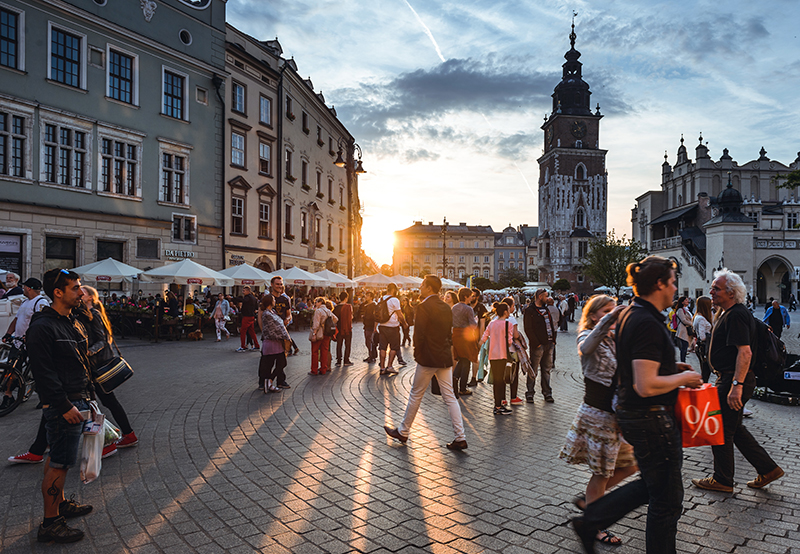
There’s a lot going through your mind when you are traveling for business. You’re probably not as aware of your surroundings as you would be at home and it didn’t cross your mind to research your destination(s) for health or safety risks. But there are ways to reduce your risk while traveling for business — such as practicing your situational awareness skills.
“Situational awareness is being alert to your immediate environment,” said Harding Bush, associate manager of operations at Global Rescue. “It is training your eye to actively observe your surroundings.”
This might mean, at the very minimum, putting your cell phone down. On the other side of the spectrum, this could mean mentally planning an exit strategy when a street-side protest starts to spiral out of control.
Even if your company has conducted a site assessment and has risk management protocols in place, you can also boost your own personal safety by improving your situational awareness.
Bush, a 20-year special operations forces veteran with an additional nine years of experience in international and corporate travel security, offered these travel safety tips to help you be more aware of your surroundings while traveling.
1. Use All Your Senses
Get your eyes off the phone (or laptop) until you are familiar with your surroundings. You need all your senses to be aware.
2. Establish Normalcy
Establish a baseline of activity for your area. If you’re in an unfamiliar area, this will take some extra time. For example, avoid a laptop snatch-and-run by staying in the cab until you are completely ready. Make sure your phone is away, the driver is paid, your wallet is secure and the sidewalk and entrance to the building appears clear.
3. Conduct Baseline Strategy
Conduct the same baseline strategy when you enter a room. Note the location of people, chairs, tables and exits. It’s what you do while driving: you note other cars, how fast they are going and the next off or on ramp. Employ this tactic whether you are at a restaurant, in a hotel or taking public transportation. The more aware you are of your surroundings, the more likely you will be able to prevent dangerous situations from occurring.
4. Always Know Which Way Is North
This is easy in a city laid out in a grid like New York City. In an unfamiliar city, do a map study and be aware, for example, that the airport is south of your hotel and the office is north of the hotel, about a half mile past the river. Be able to describe your location in reference to a common recognizable feature. This will help when you need to let someone know your location or provide an accurate description of an incident.
5. Pay Attention
People’s attire, body language and behavior should be consistent with where they are and what they are doing. For example, uniformed building maintenance crew should not appear lost in their own building. A bike messenger should not get out of a taxi and a jogger shouldn’t stretch on a street corner for 30 minutes. Although these examples do not necessarily indicate surveillance, they require a second or extended look.
6. Enhance Memory And Recall
Practice memorization drills and exercises to enhance memory and recall. Start committing phone numbers (work, home, primary care provider, emergency contacts), addresses (work, home, embassies, local hospital) and other important numbers (social security number, Global Rescue phone number) to memory. Make a game of it. You won’t always have access to your cell phone in an emergency.
7. Have Something To Record Details
Always have a small notebook. You probably have a camera and a voice recorder on your mobile phone. Use them to record details. But be careful taking pictures, especially in other countries, as it could lead to a confrontation or arrest.
8. Be Alert
You don’t have to be on a high level of alert at all times, but you do need to be alert. This might mean slowing down and paying attention to your surroundings. Practicing situational awareness will not cause paranoia or fear — it will increase your confidence.
9. Observe Locals
During international travel, watch what the locals do. They know to stand behind the sidewalk because the busses stop on top of the curb. Ask the concierge for recommendations — without sounding like a cop.
“Drive the conversation naturally to elicit information from someone,” Bush said.
10. Watch for “Piggybacking”
You’ve swiped your card for entry, so do you hold the door open for the person behind you? If you’re practicing situational awareness, the answer is no.
When a person tags along with another person who is authorized for entry into a restricted area or pass a certain checkpoint, they are “piggybacking” or “tailgating.” Be aware of who is around you when entering a hotel, airport, parking garage or hospital.
When in doubt, always use common sense.
“Keen observation abilities will provide the necessary insight to mitigate risk,” Bush said. “Trust your gut. If something or someone seems out of place, you’re probably right.”
Regardless of where you travel, it’s critical to be prepared for the travel safety risks involved. Global Rescue offers integrated travel risk and crisis management solutions to corporations, governments, academic institutions and NGOs. Click here to learn more.
Get a price estimate
Estimate
$0.00
Please answer all questions for estimate.
Categories:
Health & SafetyTravelJanuary 17, 2020

“I’m traveling to Rwanda,” you say to your doctor. “What immunizations do I need?”
If your health care provider has global travel experience, the answer will most likely be: “Let’s talk about your health and the risks you might encounter on your trip to East Africa.”
Dr. Claudia Zegans, medical director at Elite Medical Group, is a firm believer in a travel health consultation four to six weeks before travel. What is a travel health consultation? It’s an appointment with a health care provider where a traveler can discuss the health concerns that might pop up during a trip and what steps they can take to decrease the risk.
Before joining Global Rescue, Zegans worked at the Dartmouth College Health Service providing primary care to undergraduate and graduate students from all over the globe.
“There were at least two travel health consults every day,” she said. “And vaccination recommendations are the smallest part of a pre travel health consultation.”
Zegans offers these tips for making the most of your travel health consultation.
1. Know Your Health Status
Don’t travel if you are sick or recovering from surgery.
“Certain health conditions and medications can increase your health risks for travel,” Zegans said. “These risks will vary by destination, activities and mode of travel. You should have your complete immunization record available so your travel health care provider can accurately determine if you need certain vaccines. Know what medications or other treatments you will need to take with you and be sure to bring an adequate supply of each of them.”
2. Bring Your Itinerary
To make sure you get the best advice possible, Zegans recommended bringing your travel itinerary with you.
“When I look at the itinerary, I’ll see you are flying into Sao Paulo then traveling to the Amazon for three-day fishing trip. You won’t have significant malaria exposure in Sao Paulo, but you will need to prepare for the Amazon, which has a risk of malaria,” she said. “When do you start malaria preventive medications: in the United States, or do you wait until you arrive at your destination? The itinerary helps me provide the best advice during a pre travel health consultation.”
3. Bring a Destination Report
Global Rescue members have access to detailed destination reports with helpful information like health and security assessments and required immunizations.
Other helpful sites with travel health information include:
- World Health Organization — explore health topics by country International
- Society of Travel Medicine — browse a directory of clinics across the world
- CDC — view current travel health notices at three levels (1, 2 and 3, which is avoid all non-essential travel)
4. Ask for Individual Recommendations
According to Zegans, destination reports have information and lists for all travelers.
“This might be all the information a sophisticated traveler needs,” Zegans said. “But other travelers with certain health concerns or specific itineraries may need more.”
This “more” might mean individual recommendations customized to your own health history, travel plans and activity itinerary.
Say you are traveling to India. At your pre travel health consultation, your provider has your medical records (you have asthma) and knows your destination (air pollution is an issue in New Delhi and other Indian cities).
“Your travel health provider will want to make sure your asthma is under 100% best control before you travel and you are traveling with enough medications,” Zegans said. “You should also have an asthma action plan to reduce or prevent flare ups and avoid situations that might require an emergency room visit.”
Travel recommendations vary widely. While one website might suggest practicing mosquito bite precautions in India, another might strongly recommend taking malaria prophylaxis for any Indian destination.
An experienced travel health provider will be able to understand the differences in guidelines, match the information to the traveler’s needs and convey informed advice customized to the person and the trip.
5. Develop a Travel Tool Kit
Information plus tools equals self-care capabilities.
“The travel health provider will provide as much information as he or she can, so travelers can make decisions,” Zegans said. “Maybe you are prone to altitude sickness and part of your trip is at a higher elevation. Do you need to carry preventative medicine? You want to get the most out of your travel health consultation, so you have all the tools with you on your trip and can maximize your chances of being successful with self care.”
This does require “knowing yourself,” Zegans said. “Maybe you brought the Imodium but didn’t bring the antibiotics because you don’t do well with them. Everyone is different, so every travel tool kit will be different.”
6. Have an Emergency Plan
Even if you’ve had a travel health consultation, packed the right medications and took the right precautions, a medical emergency might still occur on your trip. That’s where Global Rescue comes in for its members.
“You are following your asthma action plan but are not sure what the next step should be. Global Rescue can help you decide if you need to continue your albuterol for your asthma, or if you need to go to the hospital,” Zegans said. “And we can also help you find a hospital with X-ray capabilities in case you have pneumonia.”
Global Rescue is the leading provider of worldwide evacuation, field rescue and advisory services. With operations teams standing by 24/7/365, travel assistance and advisory are just a few services included in membership. Click here to learn more.
Categories:
NewsJanuary 16, 2020
Categories:
Places & PartnersTravelJanuary 13, 2020
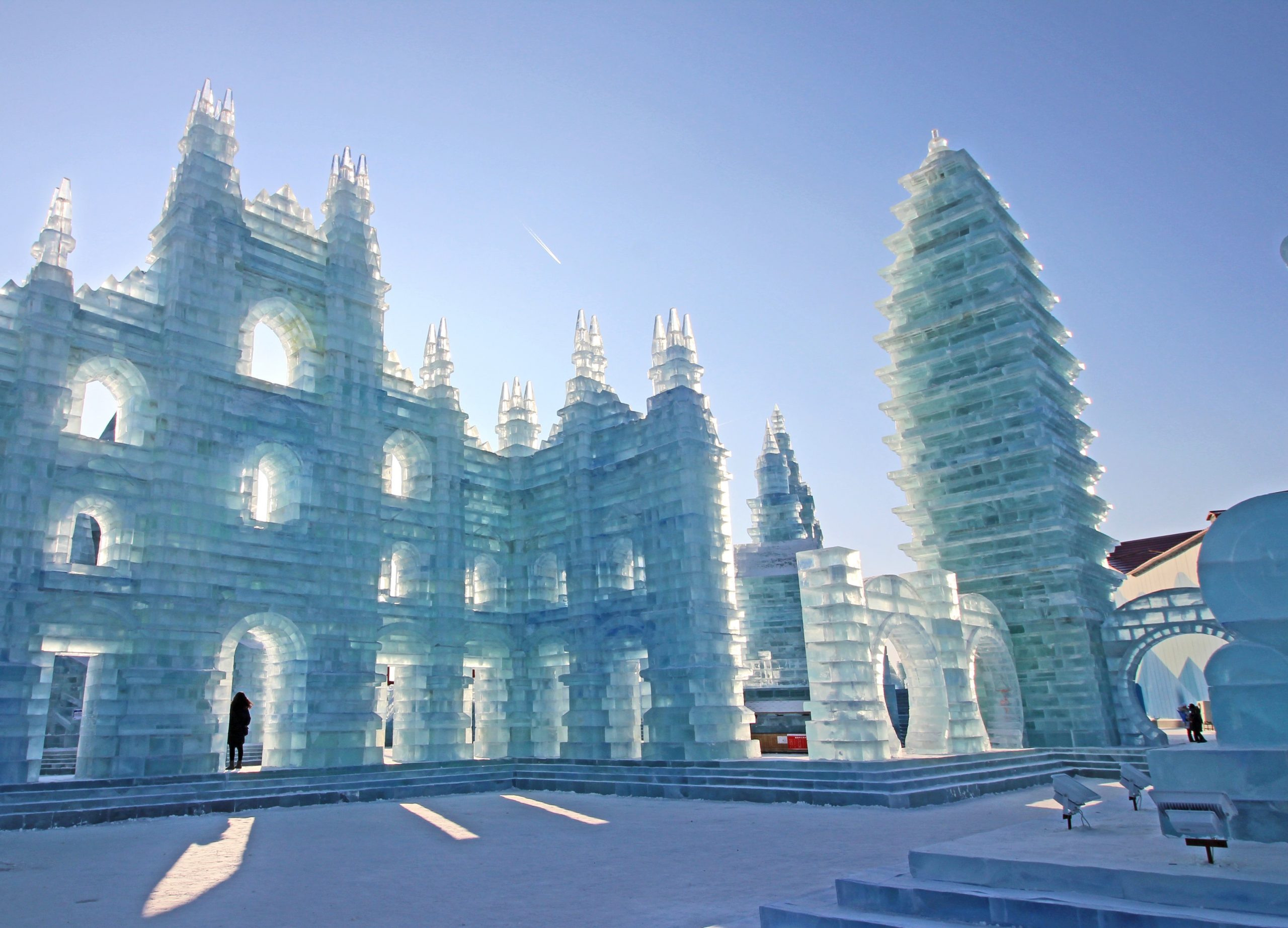
Take a vacation in a bitterly cold, arctic environment? Wholeheartedly yes — if you’re planning to go to the Harbin International Ice and Snow Sculpture Festival in Heilongjiang, China. Harbin is considered one of the world’s top winter festivals and has been described as an “ice and snow Disneyland.”
The Harbin International Ice and Snow Festival is based on a tradition that began during the Qing dynasty when peasants and fisherman placed candles inside blocks of ice to create makeshift lanterns.
Inspired by a piece of history, the festival originated as an ice lantern show in 1963. It was interrupted for a few years but resumed in 1985 and merged with the Heilongjiang International Ski Festival in 2001. It is typically held in January for a month. HarbinIce.com offers a schedule online.
Originally, festival participants were mainly Chinese. Harbin is, after all, located in the very Northeast of China and known as “Ice City.” But as the festival grew in popularity, visitors from all over the world came to see the world’s biggest ice sculpture festival and artists came to win the annual competition.
Harbin is also one of the world’s biggest snow sculpture festivals. Last year, Harbin Ice and Snow World spanned more than 600,000 square meters, including more than 100 landmarks, according to CNN Travel.
This included snow sculptures 46 meters (151 feet) high and 2019 snowmen of all shapes and sizes built along the river.
The stunning, frozen scenery is why people travel to Harbin, but there are also activities for all ages, food, music and dance, ice skating and sledding. Here’s some of what you’ll find in the three main venues:
- Sun Island Scenic Area displays snow sculptures that can be only visited during daytime. This area is not lit up like other parts of the festival and it is so bright you will need to wear sunglasses. There is also an indoor ice and snow art museum.
- The Ice and Snow World offers a city of ice where visitors walk in between buildings, churches, palaces and towers as if they are walking through a small town. This ice architecture park is lit up with computer-controlled LEDs, sparkling multicolor lights and other lighting into a beautiful night display. There’s even an ice maze, ice bar and ice hotel.
- Zhaolin Park displays thousands of ice lanterns, lit by candles or other glowing lights, as part of the Ice Lantern Garden Party. Ice sculptors from about 20 countries carve and display their ice art and it is best seen at night.
And, if you time your travel for January 25, you’ll be able to participate in Chinese New Year festivities which last for seven days. 2020 is the year of the rat, a sign of wealth and surplus. Harbin is one of the top places to travel for this annual event, which includes colorful fireworks and red Chinese New Year decorations amidst ice and snow sculptures.
Travel & Safety Tips
Global Operations Security Department reminds travelers to practice situational awareness and smart travel habits in order to ensure a safe and enjoyable trip. This starts with being prepared and making an effort to understand your destination environment before you travel.
This includes checking trusted travel resources. The U.S. Department of State risk rating for China is a level 2, exercise increased caution, because of exit bans randomly imposed by Chinese authorities and restrictions on dual nationals. Canada gives this location a higher risk rating — exercise high degree of caution — as does Britain.
The real safety risk is the teeth-chattering temperatures. Siberian air currents sweep across Mongolia and China, leaving behind severe winter cold and dry conditions with little snow. The average winter temperature is -14.2 degrees Celsius (6 degrees Fahrenheit). To avoid frostbite, Global Rescue recommends:
- Wearing layers: down coat, thick jacket, wool pants, thermal underwear, gloves, hat, scarves and wool socks
- Wearing a mask to warm the air you breath to protect your bronchial passages
- Wearing boots that are waterproof and have good traction
- Leaving expensive camera equipment at home because of the extreme cold (or wearing a loose coat to wear your camera close to your body and keep it relatively warm)
Don’t forget to wear sunglasses or wrap-around goggles to prevent snowblindness, a sunburn on your eyes from ultraviolet rays reflecting off the snow.
Headed to China? We’ve done all your travel research
Global Rescue in-house experts build custom destination reports covering everything from currency and common scams to travel health and personal security advice.
If you’re planning to travel to China for the Harbin ice festibal, a Global Rescue travel membership is a perfect way to travel prepared. Click here to learn more.
Categories:
NewsJanuary 8, 2020
Lebanon, N.H. – Attacks and counter-attacks between Iranian and U.S. forces have escalated tensions in the region and put Westerners—particularly U.S. nationals—traveling or working in the Persian Gulf region at risk of retaliatory attacks.
“Leaders of both countries appear to be stepping away from further escalation. Nevertheless, violence directed at Westerners by individuals or groups sympathetic to Iran is possible, particularly in the vicinity of demonstrations. Threats are especially acute for expatriates working for Western transnational companies that have operations in the Middle East, namely Iraq, Iran, Saudi Arabia, Oman, Kuwait, Bahrain, the United Arab Emirates and Qatar,” said Global Rescue CEO Dan Richards.
Global Rescue, the world’s leading medical, security, evacuation, travel risk and crisis management services firm, issued an alert to its members detailing the circumstances, current conditions, anticipated threats, and providing advice to exercise extreme caution.
“If you’re planning to travel to the region you should weigh the risks carefully. If you’re in Iraq, the U.S. Department of State has advised all U.S. citizens to leave. If you’re already in the region outside of Iraq then you should ensure you have functional communications, avoid traveling alone, keep a low profile, stay away from all protests and demonstrations to minimize the risk of exposure to incidental violence, and if you encounter unrest then exit the area as quickly as possible or seek shelter until the situation stabilizes,” Richards said. “Airports in the region are currently operating. You should have a plan in place for departure should the situation warrant,” he added.
About Global Rescue
Global Rescue is the world’s leading provider of medical, security, evacuation and travel risk management services to enterprises, governments and individuals. Founded in 2004, Global Rescue has exclusive relationships with the Johns Hopkins Emergency Medicine Division of Special Operations and Elite Medical Group. Global Rescue provides best-in-class services that identify, monitor and respond to client medical and security crises. Global Rescue has provided medical and security support to its clients, including Fortune 500 companies, governments and academic institutions, during every globally significant crisis of the last decade. For more information, visit www.globalrescue.com.