Categories:

Travel
Share This:

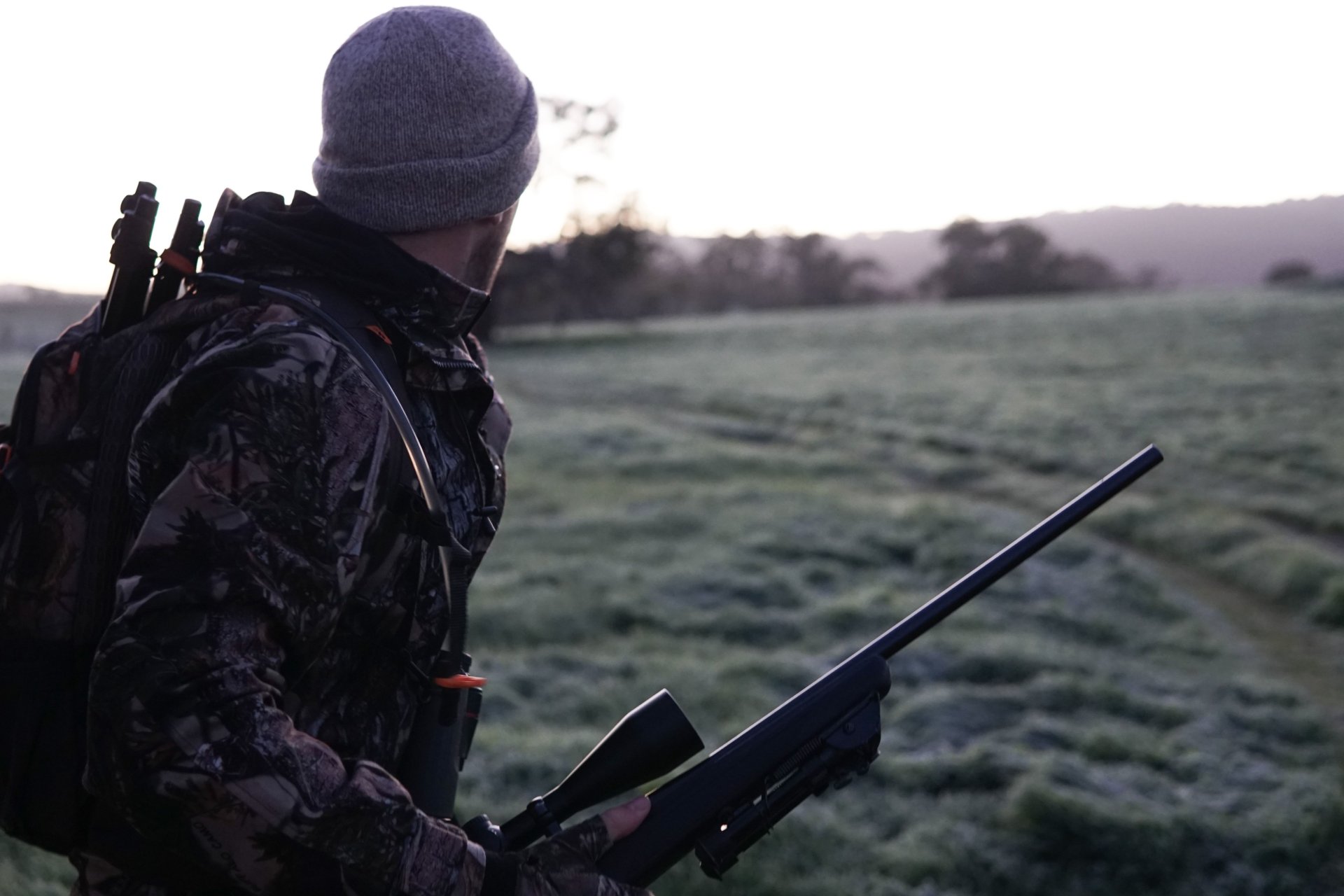
Why Is International Hunting Demand Reaching New Heights?

Explore top destinations, booking trends and how digital tools are reshaping overseas hunts.

Article Highlights:

  • Premier international hunting outfitters are increasingly booking sought-after hunts two to four years in advance.
  • Africa remains the center of international hunting, but Argentina, Australia, New Zealand and Central Asia are attracting strong interest.
  • Younger hunters are discovering overseas opportunities through streaming platforms, social media and digital marketplaces.
  • Remote mountain and wilderness expeditions require substantially more physical, logistical and emergency preparation.
  • Reputable outfitters, verified references and early planning are increasingly important in a competitive global market.


International hunting has entered a period of renewed demand, expanding destination options and rapidly changing technology. Experienced hunters are returning to Africa, South America, Australia and Central Asia, while a new generation of sportsmen and women is discovering international hunting through streaming media, social platforms and online outfitter marketplaces.

For hunters who postponed major expeditions during the pandemic, the opportunity to return to the field has created a surge in bucket-list travel. Premier safari concessions, mountain hunts and specialty wingshooting lodges are reporting reservations extending years into the future. In some destinations, booking two or three seasons ahead is no longer unusually cautious. It is becoming a practical requirement.

The appeal is understandable. International hunting combines wildlife, physical challenge, culture and travel in ways few other experiences can match. A Cape buffalo safari in southern Africa, a red stag hunt in New Zealand, a dove shoot in Argentina or an ibex expedition in Central Asia offers far more than the pursuit of game. Each journey provides access to landscapes, traditions and communities that most travelers will never encounter.

Yet the market is also becoming more sophisticated. Hunters now have more information, more destinations and more opportunities than ever before, but they also face greater competition for reputable outfitters and desirable concessions. The hunters who plan early, conduct thorough research and prepare for remote travel will be best positioned to benefit from this new era.


Why International Hunting Demand Is Rising

The rebound in international travel has been a major catalyst for hunting demand. Many hunters accumulated savings or postponed long-planned trips during the pandemic. As international routes reopened and border restrictions eased, those delayed expeditions returned to the calendar alongside newly planned adventures.

The result has been a wave of interest in established hunting regions. Respected operators in South Africa, Namibia, Zimbabwe and Tanzania frequently reserve sought-after dates and species several seasons ahead. Hunters pursuing Cape buffalo, leopard or highly limited concession opportunities may discover that the outfitter they want has little availability for the next two to four years.

Demand is not limited to Africa. Argentina’s famous dove lodges continue attracting international wingshooters, while New Zealand remains a premier destination for red stag. Australia’s buffalo, banteng and feral game opportunities are drawing hunters interested in free-range experiences set in remote and visually dramatic country.

Several forces are reinforcing the trend. Improved air service has restored access to destinations that were previously complicated to reach. Digital media has introduced younger hunters to international opportunities. Experienced travelers are also placing greater value on memorable, once-in-a-lifetime experiences rather than postponing ambitious plans indefinitely.

For hunters considering an overseas trip, the practical lesson is clear: waiting until the year before departure may sharply limit the available outfitters, dates and concessions. Early research and advance reservations provide a better chance of matching the hunt to the traveler’s physical abilities, expectations and preferred season.


Africa Remains the Center of International Hunting

Africa continues to hold a singular position in the international hunting world. The continent offers an extraordinary range of landscapes, species and hunting traditions, from the plains and private wildlife properties of South Africa to the large concessions of Zimbabwe, Namibia, Botswana and Tanzania.

South Africa remains one of the most accessible entry points for hunters taking their first African safari. The country offers well-developed tourism infrastructure, experienced professional hunters and opportunities ranging from plains game to dangerous game. Private wildlife management has also created a broad selection of properties, accommodations and hunt formats.

Namibia appeals to hunters seeking expansive landscapes, strong community involvement and carefully managed wildlife areas. Zimbabwe remains known for traditional safari experiences, extensive wilderness and demanding dangerous-game hunts. Tanzania offers some of Africa’s largest and most storied concessions, although the cost and logistical complexity generally place it within the market for experienced safari hunters.

Botswana’s carefully controlled hunting opportunities also continue attracting attention, particularly as officials balance wildlife management, community needs and tourism. Across these destinations, the quality of the experience depends heavily on the concession, professional hunter, seasonal conditions and the outfitter’s ability to manage complicated logistics.

Africa’s continued popularity means the best-known operators can be highly selective about dates and availability. Hunters should discuss not only the target species but also the size and character of the concession, expected daily travel, camp conditions, physical demands and realistic trophy expectations.


Argentina Offers More Than High-Volume Wingshooting

Argentina remains one of the world’s leading wingshooting destinations. Agricultural regions, particularly around Córdoba, support enormous dove populations and can produce shooting volumes rarely encountered elsewhere.

For many visitors, however, the attraction extends beyond the number of birds. Argentina has developed a sophisticated hunting hospitality sector combining skilled field staff, comfortable lodges, excellent cuisine and renowned wine. The format is well suited to groups, corporate travelers and hunters accompanied by spouses who may want cultural or culinary experiences in addition to time in the field.

Depending on the region and season, hunters may also pursue pigeons, ducks, geese and other game. This allows travelers to build a broader itinerary rather than basing an entire trip on a single species.

High-volume shooting introduces its own preparation requirements. Hunters must consider firearm rental or import procedures, ammunition availability, shoulder fatigue and the physical effects of repeated shooting. Selecting appropriate equipment and discussing realistic daily volume with the outfitter can improve both safety and enjoyment.

Argentina’s combination of accessible travel, sporting tradition and hospitality is likely to keep it near the top of the international wingshooting market.


Australia Is Gaining Global Attention

Australia offers some of the most distinctive free-range hunting opportunities in the world. Northern Australia is particularly well known for water buffalo, banteng and wild boar, while other regions offer sambar deer, rusa deer, camels, scrub bulls and additional introduced species.

The scale of the landscape is central to the experience. Hunts may take place across enormous cattle stations, tropical wetlands or rugged wilderness where high temperatures, rough roads and long travel distances become part of the challenge.

Australia’s firearm import process requires careful coordination. International hunters may need temporary permits, supporting documentation and sufficient lead time for approval. Airline policies and connections can introduce additional requirements, making an experienced outfitter invaluable.

Some travelers choose to rent firearms from the outfitter rather than transport their own. That option can simplify travel, but hunters should confirm firearm models, calibers, optics and ammunition well before arrival.

Australia rewards hunters who arrive prepared for environmental extremes. Heat, dehydration, insects, difficult terrain and distance from advanced medical facilities can be more consequential than the hunt itself. The outfitter’s vehicles, communications equipment and emergency procedures should therefore receive the same scrutiny as the hunting program.


Central Asia Represents the Adventure Frontier

For hunters seeking a more physically demanding expedition, Central Asia and Mongolia represent the upper tier of international mountain hunting. Pursuing ibex, argali or Marco Polo sheep may involve horseback travel, primitive camps, steep climbs and elevations exceeding 12,000 feet.

These hunts require more than ordinary fitness. Thin air, rapidly changing weather, loose terrain and extended days in the mountains can challenge even experienced hunters. Physical conditioning should begin months before departure and should reflect the actual movements required during the hunt, including climbing, hiking with equipment and spending long periods at altitude.

Equipment must also be selected for a wide range of conditions. A hunt may begin in relatively mild weather and progress into snow, high winds or subzero temperatures. Boots, layering systems, sleeping equipment and optics can determine whether a hunter remains effective and safe.

The cultural dimension is equally significant. Mountain hunts often bring travelers into contact with remote communities, local horsemen and traditions that have endured for generations. The experience can be as much about the landscape and people as the animal being pursued.

Those rewards come with reduced access to transportation, communications and advanced medical care. A small problem that would be manageable near a city can become a major emergency in a distant mountain valley. The farther the expedition travels from developed infrastructure, the more detailed the contingency plan must become.


The Future of International Hunting

The outlook for international hunting remains strong. Established regions continue attracting experienced travelers, emerging destinations are generating new interest and technology is connecting hunters with outfitters more efficiently.

Demand will also continue placing pressure on premium dates and limited concessions. Hunters who begin planning years ahead will have more flexibility than those searching for immediate openings. They will also have additional time to improve their conditioning, assemble equipment and understand the culture and environment of the destination.

International hunting has always required patience and preparation. Today, those qualities extend well beyond marksmanship. The modern international hunter must be an informed traveler, careful researcher and realistic planner.

The reward is access to some of the world’s most remarkable wildlife landscapes and sporting traditions. With the right outfitter and sufficient preparation, an overseas hunt can become far more than a successful pursuit. It can become one of the defining journeys of a lifetime.


The Global Rescue Connection

Many of the qualities that make international hunting memorable also make it logistically demanding. The finest wildlife habitat is often located far from commercial airports, advanced hospitals and conventional emergency services. Hunters may travel by four-wheel-drive vehicle, horseback, boat or aircraft before reaching camp, then continue even farther into the field.

A Global Rescue membership provides 24/7 access to medical advisory services, field rescue from the point of illness or injury and medical evacuation when local care is inadequate. These services can be especially valuable during remote safaris, mountain hunts and wilderness expeditions where an injured traveler may be hours or days from advanced treatment.

Members can also access destination intelligence and security guidance when political unrest, border closures, severe weather or transportation disruptions affect a trip. Security extraction services are available with the Security Add-On for qualifying events.

International hunters invest substantial time and resources selecting the right destination, outfitter and equipment. Including emergency response planning in that process helps protect the experience as well as the traveler. A Global Rescue membership provides an additional layer of confidence, allowing hunters to focus on the expedition knowing experienced medical, rescue and security professionals are available when the unexpected occurs.

Categories:

News
Share This:

“Revealed: Travellers’ Worst Travel Mistakes — and Their Best Hacks”

Share This:

Nearly One-Third of International Travelers Change 2026 Travel Plans Due to Global Conflict and Political…

(Lebanon, NH – August 26, 2026) — Escalating geopolitical tensions, civil unrest and armed conflicts around the world are reshaping international travel decisions, with nearly one-third (29%) of the world's most experienced international travelers canceling,…

(Lebanon, NH – August 26, 2026) — Escalating geopolitical tensions, civil unrest and armed conflicts around the world are reshaping international travel decisions, with nearly one-third (29%) of the world’s most experienced international travelers canceling, postponing or changing an international trip in 2026 because of destination safety concerns, according to the latest Global Rescue Traveler Sentiment and Safety Survey.

The survey found that 72% of experienced international travelers say geopolitical tensions, civil unrest and security concerns influence where they travel at least a moderate amount, including 42% who say those issues influence their destination choices a great deal or a lot. Only 8% report that security concerns play no role in selecting international destinations.

Among travelers who changed their plans, 9% selected an alternative destination, 7% postponed an international trip and 6% canceled a trip altogether. A

nother 71% have continued with their original travel plans despite the increasingly uncertain global security environment.

“International travelers are adapting to a world where geopolitical instability has become part of the travel planning process,” said Dan Richards, CEO of The Global Rescue Companies and a member of the US Travel and Tourism Advisory Board at the US Department of Commerce. “Conflicts in the Middle East and Ukraine, civil unrest, terrorism concerns and regional security issues are causing experienced travelers to reassess destinations that may have seemed routine only a few years ago. Travelers aren’t giving up on international travel, they’re making more informed decisions about where and when to go.”

While concern is widespread, differences emerge between US-based and non-US-based travelers.

Among US-based travelers, 72% say geopolitical tensions and security concerns influence their destination choices at least a moderate amount, including 44% who say those factors influence them a great deal or a lot. Twenty-eight percent have already changed, postponed or canceled an international trip in 2026 because of destination safety concerns.

Among non-US-based travelers, 74% say security concerns influence their destination choices at least a moderate amount, while 40% report those issues influence them a great deal or a lot. Nearly 29% have also altered their travel plans, but they are significantly more likely than US travelers to change destinations rather than cancel trips. Nearly 14% of non-US travelers selected a different destination compared with 8% of US-based travelers.

Traveler Decision-Making Tools

When assessing destination safety, experienced travelers overwhelmingly rely on authoritative sources. Nearly 49% identify government travel advisories as their most important source of information before traveling internationally. Another 21% rely primarily on news reports, while 16% turn first to travel security providers.

US-based travelers are more likely to rely on government travel advisories (52% versus 41%), while non-US-based travelers place greater emphasis on news reports (28% versus 19%). Only 5% of experienced travelers say they typically do not research destination safety before departing.

“The quality of information matters as much as the destination itself,” Richards said. “Experienced travelers don’t rely on headlines or social media alone. They compare government advisories, monitor credible news reporting and seek professional security intelligence to understand what’s happening on the ground before they commit to an itinerary.”

Richards said today’s international travelers recognize that geopolitical conditions can evolve rapidly and affect transportation, border crossings, demonstrations, curfews and access to medical care.

“The question is no longer simply, ‘Where do I want to travel?’ It’s ‘What risks exist there today, and how quickly could conditions change?'” Richards said. “Experienced travelers understand that informed destination selection is one of the most effective ways to reduce travel risk while still enjoying the world.”

###

About the Global Rescue Traveler Sentiment and Safety Survey

Global Rescue, the leading travel risk and crisis response provider, surveyed the world’s most experienced international travelers between June 30 – July 6, 2026. Respondents shared their attitudes, behaviors and preferences related to travel safety, technology and global mobility.

About Global Rescue

Global Rescue is the world’s leading provider of medical, security, evacuation and travel risk management services to enterprises, governments and individuals. Founded in 2004, Global Rescue maintains exclusive relationships with the Johns Hopkins Emergency Medicine Division of Special Operations and Elite Medical Group. The company has provided medical and security support during every major global crisis over the past two decades.

Categories:

Travel
Share This:

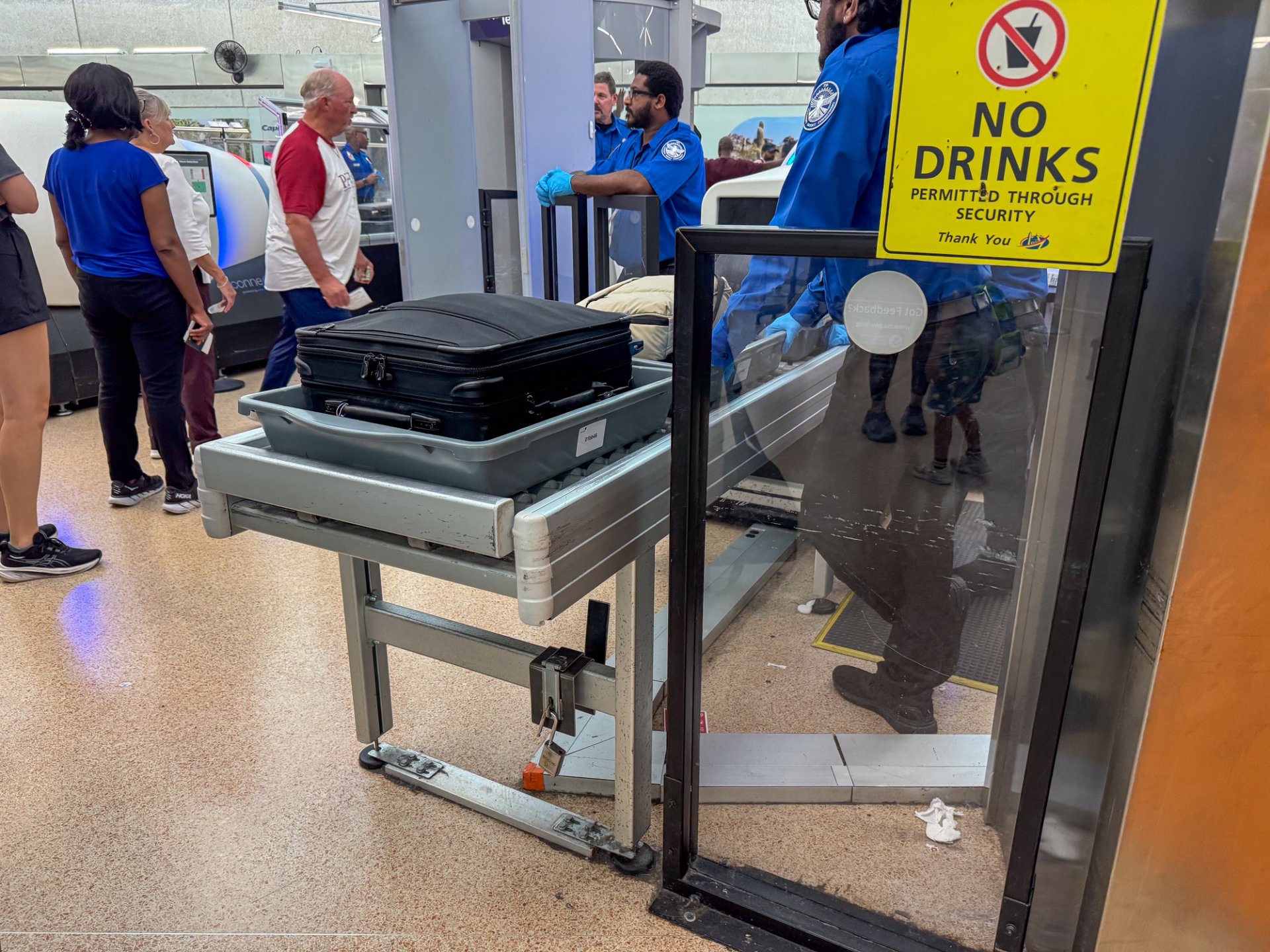
What Are Travelers Throwing Away Most Often at TSA Security Checkpoints?

Learn which items are tossed most into the airport security garbage bin and how to pack smarter every trip.

Article Highlights:

  • Travelers surrender thousands of perfectly good items every day because they overlook TSA security rules.
  • Liquids over 3.4 ounces remain the single most common reason personal items are discarded.
  • Everyday objects such as pocket knives, sports equipment and pepper spray frequently surprise travelers at airport checkpoints.
  • Most confiscations are entirely preventable with smarter packing and better preparation.
  • Knowing TSA rules before leaving home saves time, money and unnecessary travel stress.


Every day, travelers across the United States arrive at airport security checkpoints only to discover that something in their carry-on bag cannot continue with them. The result is a familiar scene: overflowing collection bins filled with water bottles, oversized sunscreen, expensive toiletries, pocket knives, sporting equipment and other personal belongings that must be abandoned before passengers can proceed to their gates.

While some travelers choose to return prohibited items to their vehicles or check them with their airline, countless others simply throw them away. Collectively, these discarded items represent thousands of dollars in unnecessary losses every day, and nearly all of them are avoidable.

Most confiscated items aren’t dangerous in everyday life. They’re simply packed in the wrong place or exceed Transportation Security Administration (TSA) regulations designed to keep commercial flights safe. Understanding these rules before arriving at the airport can save travelers time, money and the frustration of starting a trip on the wrong foot.


Why Travelers Keep Making the Same Mistakes

Airport security officers see the same prohibited items day after day, even among experienced travelers.

The problem usually isn’t intentional rule-breaking. Instead, travelers are often distracted by flight schedules, family logistics, hotel reservations or work responsibilities. A pocket knife that’s been riding in a backpack for months or a bottle of sunscreen tossed into a carry-on at the last minute can easily go unnoticed until it reaches the X-ray machine.

“People seem to forget some of the more common and routine steps that they need to take when packing for a flight or when they are going through a checkpoint, perhaps because they’re focused on being at their destination and not focusing on what needs to happen before getting there,” said TSA Officer Christopher Kirchein of John F. Kennedy International Airport.

Developing a consistent pre-travel packing routine dramatically reduces these mistakes and helps keep security lines moving efficiently for everyone.


Oversized Liquids Still Top the List

The most commonly surrendered items remain liquids, gels and aerosols that exceed TSA’s long-standing 3-1-1 rule.

Under current regulations, travelers may carry liquids only in containers of 3.4 ounces (100 milliliters) or less, all of which must fit inside a single quart-sized, clear plastic bag. Larger containers, even if they’re only partially full, must be packed in checked baggage unless they qualify for a medical or other TSA exception.

Oversized liquids and gels remain the most commonly surrendered items at airport security. These include water bottles, coffee, soft drinks, sports drinks, shampoo, conditioner, sunscreen, lotion, toothpaste, hair styling products, melted ice packs and reusable insulated drink containers that still contain liquid. Any container larger than 3.4 ounces (100 milliliters) must be packed in checked baggage unless it qualifies for a TSA exception.

Fortunately, travelers may carry an empty reusable water bottle through security and fill it after reaching the secure side of the airport, a simple habit that saves both money and plastic waste.


Could the 3-1-1 Rule Finally Change?

There is growing speculation that the TSA’s nearly two-decade-old liquids rule could eventually be updated. As airports install advanced computed tomography (CT) scanners capable of producing much more detailed three-dimensional images of carry-on baggage, TSA officials have acknowledged that future screening technology may allow larger liquid containers to pass through security. Several airports have already deployed these scanners as part of a gradual modernization effort.

The rule, however, has not changed. Until TSA officially announces broader nationwide revisions, travelers should continue following the existing 3-1-1 requirements. Assuming the rules have already been relaxed remains one of the easiest ways to lose expensive toiletries, cosmetics or beverages at the checkpoint.


Pocket Knives Continue To Catch Travelers by Surprise

Pocket knives consistently rank among the most commonly confiscated prohibited items. Because many people carry them every day for opening packages, camping, fishing or general utility, they often become “invisible” to their owners. Travelers may use the same backpack for work, hiking and travel without realizing a folding knife remains tucked inside a pocket.

Weapons and sharp objects are another frequent surprise for travelers. Pocket knives consistently top the list of confiscated items, followed by box cutters, utility knives, scissors with blades longer than four inches and multi-tools that contain blades. Pepper spray, although commonly carried for personal protection, is generally prohibited in carry-on luggage and is subject to strict restrictions even in checked baggage.

Fortunately, most of these items may be transported safely inside checked baggage when packed properly. The problem isn’t necessarily possessing them, it’s attempting to carry them into the aircraft cabin.


Sporting Equipment Belongs in Checked Baggage

Travelers heading to golf resorts, ski destinations or outdoor adventures are frequently surprised when security officers stop their carry-on bags.

Sporting goods also routinely end up at the checkpoint. Baseball bats, golf clubs, hiking poles, ski poles and similar equipment cannot be carried into the aircraft cabin because they could potentially be used as weapons. Travelers who accidentally bring these items typically have the option of checking them with the airline, returning them to their vehicle or surrendering them to TSA.

Planning ahead is especially important when traveling with specialized gear. Reviewing airline baggage policies before arriving at the airport can prevent last-minute surprises and additional baggage fees.


Recreational Hazards and Hazardous Materials

Some prohibited items are far less common, but they present obvious safety risks aboard an aircraft.

Recreational hazards and hazardous materials are prohibited because they present fire or explosion risks during flight. Fireworks, flare guns, lighter fluid, fuels and other combustible or explosive materials are not permitted through security and, in many cases, cannot be transported on commercial aircraft at all. Travelers returning from camping trips, holiday celebrations or outdoor excursions are especially prone to forgetting these items remain tucked inside backpacks or luggage.


Don’t Forget Your Pockets

Not every checkpoint delay involves prohibited items. One of the most common reasons travelers require additional screening is failing to empty their pockets before entering the body scanner.

Loose pocket contents, while not prohibited, frequently slow the screening process and sometimes end up in airport trash bins. Travelers are often reminded to remove everything from their pockets before entering the body scanner, including non-metallic items such as tissues, lip balm, breath mints, receipts, earbuds and loose change. Emptying pockets completely before reaching the scanner helps avoid delays and secondary screening.

Airport security involves much more than prohibited items. One surprisingly common mistake is arriving without acceptable identification. Travelers should verify that they have a valid driver’s license, passport or another approved form of identification before leaving home. Those flying domestically should also ensure their identification complies with current REAL ID requirements.


Rx Permission, and More?

Medication is another area that causes confusion. Unlike ordinary liquids, medically necessary liquid medications are permitted in quantities larger than 3.4 ounces. Travelers simply need to declare these items to TSA officers before screening so they can receive separate inspection.

Checked baggage also deserves attention. TSA recommends using TSA-compatible locks, allowing officers to inspect luggage without damaging the lock if additional screening is required.

Families traveling with children should also familiarize themselves with TSA PreCheck policies. Children ages 12 and younger traveling with an enrolled parent may accompany them through TSA PreCheck lanes, while older children may qualify under certain reservation conditions. Even so, PreCheck does not exempt travelers from prohibited item restrictions. Liquids, weapons and other banned items remain subject to the same security rules.

Nearly every item surrendered at airport security shares one thing in common: it could have been avoided.

Experienced travelers often develop a simple pre-departure checklist. Before leaving for the airport, they inspect every compartment of their carry-on bag, empty reusable water bottles, verify that toiletries comply with the 3-1-1 rule, remove forgotten pocket knives from backpacks, separate medications, confirm identification is packed and ensure sporting equipment is checked instead of carried aboard.

Airport security is designed to protect passengers, not inconvenience them. Understanding the rules before arriving at the checkpoint allows travelers to spend less time throwing away belongings and more time looking forward to their destination.


The Global Rescue Connection

Preparing for airport security is one of the simplest ways to avoid unnecessary travel disruptions, but it’s only the beginning of a successful international journey. Once abroad, travelers may face medical emergencies, civil unrest, severe weather, transportation disruptions or other unexpected events that no packing checklist can prevent.

A Global Rescue membership complements smart travel planning by providing members with 24/7 access to experienced medical and security professionals before, during and after travel. Members receive medical advisory services, field rescue, medical evacuation, security extraction and destination intelligence when conditions deteriorate or local resources are inadequate. Clearing the TSA checkpoint gets your trip started, but having expert support available throughout your journey provides confidence that you’re prepared for whatever lies ahead.

Categories:

News
Share This:

Why a hurricane that misses you can still ruin your vacation — and what to…

Categories:

Travel
Share This:

Why Isn’t International Travel Slowing Despite Flight Disruptions and Rising Travel Costs?

Explore the motivations, tradeoffs and planning strategies shaping traveler decisions.

Article Highlights:

  • Experienced travelers continue international travel despite flight disruptions and rising travel costs.
  • Rest and relaxation remain the leading motivation for international travel.
  • Travelers protect their travel budget by adjusting spending rather than canceling trips.
  • Exchange rates increasingly influence travel planning and destination selection.
  • Travel safety and preparation are becoming as important as the destination itself.


The headlines suggest international travel should be struggling. Flight disruptions continue to frustrate passengers, airfare remains stubbornly high and rising travel costs have forced travelers to pay more for nearly every part of a trip. Yet experienced international travelers continue booking overseas vacations, proving that the desire to explore the world remains stronger than the obstacles involved in getting there.

According to the latest Global Rescue Traveler Sentiment and Safety Survey, travelers are adapting rather than abandoning their plans. Instead of canceling trips, they’re becoming more disciplined about travel planning, protecting their travel budget and choosing destinations that deliver the experiences they value most. The survey paints a picture of travelers who have accepted that today’s international travel environment requires more preparation, more flexibility and smarter decision-making.

More than seven in ten experienced travelers say rising travel costs have not changed their international travel plans. Rather than eliminating trips, most are making practical adjustments once they arrive. Some reduce discretionary spending while others look for destinations where favorable exchange rates stretch their travel budget farther. These decisions allow travelers to preserve what matters most: the opportunity to experience another country.

Airfare continues to be the biggest financial challenge. Nearly eight in ten travelers identify airfare as the travel expense that increased the most during the past year, well ahead of accommodations and dining. Yet even these increases have not fundamentally changed traveler behavior. Instead, experienced travelers are placing greater emphasis on travel planning, comparing exchange rates, booking earlier and evaluating the total cost of a destination rather than focusing solely on the price of a plane ticket.


Travelers Are Adapting to Flight Disruptions

The same practical mindset is evident when it comes to flight disruptions. Nearly two in five travelers experienced a significant disruption during the past year, whether a lengthy delay, cancellation or missed connection. While these problems remain common, they are no longer viewed as reasons to avoid international travel.

Instead, experienced travelers have incorporated flight disruptions into their travel planning. Flexible itineraries, longer connection times and realistic expectations have become part of modern international travel. Most travelers acknowledge the inconvenience without allowing it to dictate where—or whether—they travel.

That resilience reflects experience. Frequent international travelers understand that disruptions can occur for countless reasons, from weather and staffing shortages to air traffic control restrictions. They recognize that preparation offers more value than frustration. Building flexibility into an itinerary has become almost as important as selecting the destination itself.


Rest and Relaxation Continue To Drive International Travel

While airfare and flight disruptions dominate travel headlines, they are not driving travel decisions. What motivates travelers remains remarkably consistent.

More than one-third of respondents say their next international travel plans will focus on destinations offering rest and relaxation, making it the leading travel motivation by a wide margin. Exchange rates rank second as travelers increasingly seek destinations where their travel budget provides greater value without sacrificing the overall experience.

The findings suggest that experienced travelers increasingly view international travel as an investment in personal well-being. They are less interested in rushing from one attraction to another and more interested in meaningful experiences that justify the time and expense of traveling abroad. Rising travel costs may influence how much they spend after arrival, but they rarely change the decision to travel in the first place.

This evolution also explains why travel planning has become more sophisticated. Travelers are researching destinations more thoroughly, comparing exchange rates, evaluating overall costs and building additional flexibility into their itineraries. Careful planning has become one of the best ways to maximize both value and enjoyment.


The New Reality of International Travel

The Global Rescue Traveler Sentiment and Safety Survey demonstrates that international travel remains remarkably resilient despite persistent challenges. Rising travel costs, expensive airfare and recurring flight disruptions have changed how experienced travelers plan their trips, but they have not diminished the desire to explore the world.

Instead, today’s travelers have become more deliberate. They manage their travel budget more carefully, rely on better travel planning and seek destinations that deliver genuine rest and relaxation. They understand that disruptions are temporary, while the experiences gained through international travel last a lifetime.


The Global Rescue Connection

Successful international travel depends on more than finding affordable airfare or navigating flight disruptions. Smart travel planning also includes understanding local medical capabilities, monitoring travel advisory information and preparing for unexpected events before departure.

Global Rescue helps travelers make informed decisions through comprehensive Destination Reports that provide detailed intelligence about local healthcare systems, emergency medical capabilities and travel safety conditions. These reports complement official travel advisory information by giving travelers practical insight into the quality of medical facilities and emergency resources available at their destination.

If a serious medical emergency occurs, Global Rescue provides medical evacuation, field rescue and 24/7 medical advisory support. During natural disasters, civil unrest or other major disruptions, members also have access to experienced security professionals who provide timely travel safety guidance and assistance.

Unlike traditional travel insurance, Global Rescue memberships are not based on reimbursement. Members receive immediate support from medical and security experts when they need it. In an era defined by rising travel costs, flight disruptions and increasingly complex international travel, preparation remains one of the best investments a traveler can make.

Categories:

Health & SafetyTravel
Share This:

The World’s Strangest National Dishes: Are They Safe To Eat?

"Strange dishes," famous food myths and how to safely enjoy unusual cuisine while traveling abroad.

Article Highlights:

  • Traditional “strange” foods often evolved from necessity, preservation techniques and local culture rather than novelty.
  • Several famous international foods carry legitimate health risks if improperly prepared.
  • Many globally recognized “national dishes” are actually modern inventions or heavily counterfeited products.
  • Choosing reputable restaurants and vendors dramatically reduces food safety risks abroad.
  • Adventurous eating is one of travel’s greatest rewards when balanced with smart preparation and awareness.


Food is often the quickest path into another culture. Every country has dishes that locals treasure but visitors may initially find surprising, unsettling or even shocking. What seems unusual to one traveler often represents centuries of history, survival, resourcefulness and regional pride to another.

Some of these foods developed because preserving meat without refrigeration demanded creative solutions. Others make use of ingredients that were abundant locally but unfamiliar elsewhere. A few remain genuinely hazardous unless prepared by experienced specialists.

Not every famous food, however, is authentic. Some dishes marketed as national specialties were invented for tourists, while others are so widely counterfeited that most people have never tasted the real thing.

Would you eat the world’s 25 strangest national dishes? Whether you’re an adventurous foodie or simply curious, these remarkable dishes illustrate just how diverse, and occasionally bizarre, the world’s culinary traditions can be.


Europe

Black Pudding (United Kingdom & Ireland): Made from pork blood, pork fat and grains, black pudding has been a breakfast staple for centuries. Although the ingredient list surprises many visitors, it is simply another type of sausage. When properly prepared and cooked, it presents no unusual health concerns beyond those associated with any processed meat.

Haggis (Scotland): Scotland’s national dish combines sheep heart, liver and lungs with onions, oatmeal, spices and suet before being cooked inside a casing. While many travelers hesitate because of the ingredients, haggis is fully cooked, flavorful and perfectly safe when prepared by reputable producers.

Stargazy Pie (England): Perhaps Britain’s most visually unusual pie, Stargazy Pie features whole pilchards (small, oily fish) baked with their heads protruding through the pastry as if gazing skyward. Despite its theatrical appearance, it’s simply a traditional fish pie and carries no unusual food safety risks beyond ensuring the seafood is fresh.

Khash (Armenia & Turkey): A winter tradition throughout parts of the Caucasus, khash is a rich soup made by slowly boiling cow or sheep feet, and sometimes the head, for many hours. The lengthy cooking process makes it safe to eat, although its appearance and texture can challenge first-time diners.

Surströmming (Sweden): Fermented Baltic herring has become infamous worldwide for its overpowering odor. The fish continues fermenting inside the can, causing many containers to bulge noticeably. Commercially produced surströmming is safe to consume, but opening the can outdoors is considered common courtesy.

Smalahove (Norway): A whole sheep’s head, singed, salted, dried and boiled, remains a cherished Norwegian holiday tradition. While its presentation is startling, the meat is thoroughly cooked and safe to eat. Most locals consider the cheeks and tongue the finest cuts.

Zwiebelmettwurst (Germany): This seasoned raw pork spread is served on fresh bread and topped generously with raw onions. Because the pork is uncooked, freshness is essential. Travelers should eat it only from reputable butchers or restaurants that maintain strict refrigeration and hygiene standards.

Casu Marzu (Italy): Sardinia’s infamous sheep’s milk cheese deliberately contains live insect larvae that accelerate fermentation and create its exceptionally soft texture. Although celebrated as a cultural delicacy, health authorities have questioned its safety because the larvae can survive digestion. Authentic Casu Marzu is difficult to obtain legally.

Hákarl (Iceland): Often considered Europe’s most challenging food, hákarl is made from Greenland shark, whose fresh meat naturally contains toxic compounds. The shark must be buried, fermented for months and air-dried before becoming edible. Properly prepared hákarl is safe, but incorrectly fermented shark can remain dangerous.


Asia

Century Egg (China): Despite the name, century eggs are preserved for only weeks or months. The curing process transforms the yolk into a creamy green and the white into a translucent amber jelly. Commercially produced century eggs are safe and remain a favorite throughout China.

Durian (Southeast Asia): Known as the “King of Fruits,” durian is famous for its sulfur-like aroma, which has led many hotels and public transportation systems to ban it indoors. Despite the smell, durian is nutritious and perfectly safe for most travelers.

Airag (Mongolia): Mongolia’s national drink consists of fermented mare’s milk that has nourished nomadic cultures for centuries. Slightly fizzy and mildly alcoholic, it contains beneficial bacteria from fermentation. Travelers with lactose intolerance should proceed cautiously.

Balut (Philippines & Vietnam): A fertilized duck egg incubated for nearly three weeks before boiling, balut contains a partially developed chick. While many visitors struggle with its appearance, millions enjoy it regularly. Buying freshly cooked balut from reputable vendors greatly minimizes food safety concerns.

Beondegi (South Korea): Steamed silkworm pupae remain a popular Korean street snack with a distinctive earthy flavor. As with any street food, travelers should choose busy vendors that maintain good food handling practices.

Shirako (Japan): Made from the reproductive glands of male cod or anglerfish, shirako is prized for its creamy texture and delicate flavor. Because it is frequently served raw, choosing reputable restaurants with excellent seafood handling practices is essential.

Tuna Eyeballs (Japan): Served steamed or simmered, giant tuna eyeballs contain collagen-rich muscles and fat that many diners compare to squid. Freshness is the key safety factor, making trusted restaurants the safest choice.

Sannakji (South Korea): Fresh octopus cut immediately before serving continues moving on the plate as its suction cups remain active. The dish carries a genuine choking hazard because the tentacles can adhere to the throat if not thoroughly chewed. Several fatalities have been documented over the years.

Fugu (Japan): Perhaps the world’s most dangerous delicacy, pufferfish contains tetrodotoxin, a poison hundreds of times more lethal than cyanide. Japanese chefs undergo years of specialized training before earning licenses to prepare it. Travelers should never eat fugu anywhere except certified restaurants.


North America

Escamoles (Mexico): Known as “insect caviar,” escamoles are the edible larvae and pupae of ants harvested from the roots of agave plants. Their buttery texture and nutty flavor have made them a prized delicacy since Aztec times. When harvested and cooked hygienically, they pose little more risk than any other cooked protein.

Chapulines (Mexico): Grasshoppers toasted with chili, garlic and lime are a popular snack throughout Oaxaca and beyond. Packed with protein and minerals, chapulines have become an increasingly sustainable food source. Travelers with shellfish allergies should use caution because insects contain proteins similar to shellfish that may trigger allergic reactions.

Muktuk (Greenland & Arctic Canada): Muktuk consists of raw or frozen whale skin and blubber and has sustained Inuit communities for centuries by providing vitamin C and essential nutrients in harsh Arctic environments. Travelers should consume it only from trusted local sources because marine mammals can accumulate environmental contaminants depending on where they were harvested.

Rocky Mountain Oysters (United States): Despite their seafood-sounding name, Rocky Mountain oysters are deep-fried bull testicles. Born from the practical traditions of cattle ranching, they remain a novelty menu item across parts of the American West. Proper cooking makes them no riskier than other fried meat dishes.

Stinkheads (Alaska & Northern Canada): Also known as Tepa, this Indigenous delicacy involves fermenting salmon or whitefish heads underground or in wooden barrels for several weeks before eating them. Traditional preparation requires considerable expertise because improper fermentation can create conditions favorable for botulism. Visitors should only sample stinkheads prepared by experienced community members.


South America

Cuy Chactado (Peru & Ecuador): For centuries, guinea pigs have been raised as livestock throughout the Andes, making roasted or fried cuy one of the region’s oldest traditional foods. Although many visitors associate guinea pigs with household pets, locals view them much like rabbits or chickens. Properly cooked cuy presents no greater health concerns than any other roasted meat.


Africa

Bunny Chow (South Africa): Although Bunny Chow isn’t strange because of its ingredients, it earns a place on this list because of its unusual presentation and misleading name. A loaf of bread hollowed out and filled with spicy curry, it originated in Durban’s Indian community and has become one of South Africa’s signature comfort foods. When freshly prepared, it carries no unusual food safety risks.


The World’s Biggest Culinary Myths and Counterfeit Foods

Not every internationally famous food is what it appears to be. Some “national dishes” were invented thousands of miles from the countries they supposedly represent, while others have become victims of widespread counterfeiting.

Spaghetti with Meatballs (Italy/United States): Many travelers are surprised to learn that towering plates of spaghetti topped with giant meatballs are virtually nonexistent in Italy. The dish is an Italian-American creation developed by immigrants adapting traditional recipes to abundant American ingredients. Authentic Italian cuisine serves meatballs and pasta separately or pairs pasta with finely prepared meat ragù.

General Tso’s Chicken (China/United States): One of America’s favorite Chinese dishes was never a traditional Chinese specialty. It was created in 1952 by a Hunanese chef in Taiwan before evolving into the sweeter, crispier version popularized in New York. While restaurants throughout China may now serve it to tourists, it remains an export rather than a national classic.

Wagyu and Kobe Beef (Japan): Authentic Kobe beef is among the world’s rarest foods, with fewer than 5,000 certified cattle qualifying annually. Yet restaurants worldwide advertise “Kobe” or “Wagyu” far beyond the available supply. Much of what is marketed internationally as Wagyu contains little or no verified Japanese genetics. Travelers seeking the genuine experience should look for official certification.

Wasabi (Japan): The odds are surprisingly high that you’ve never tasted real wasabi. Experts estimate that roughly 99% of the “wasabi” served outside Japan consists primarily of dyed horseradish, mustard and food coloring. Authentic Wasabia japonica is expensive, difficult to cultivate and typically grated fresh moments before serving.

Parmigiano-Reggiano (Italy): Italy fiercely protects genuine Parmigiano-Reggiano, which can only be produced in specific regions under strict standards. Nevertheless, supermarket shelves worldwide are filled with imitation “Parmesan” cheeses. Some counterfeit products have even been found to contain cellulose, commonly known as wood pulp, to prevent clumping.

Fish and Chips (United Kingdom): Fish and chips is unquestionably British, but its reputation as Britain’s everyday national meal is somewhat exaggerated. The dish rose to prominence during the Industrial Revolution as inexpensive fast food and later became deeply embedded in tourism marketing. Modern British cuisine is far more diverse than this single iconic meal suggests.

Truffle Oil (France & Italy): One of fine dining’s biggest deceptions is truffle oil. Most commercially available bottles contain no truffles whatsoever. Instead, they rely on synthetic aromatic compounds originally developed through chemical manufacturing to imitate the earthy fragrance of real truffles. Authentic truffle-infused oils exist but are comparatively rare and expensive.


Eat Adventurously, But Eat Smart

The world’s strangest foods tell remarkable stories about geography, climate, history and human ingenuity. Many developed because communities learned to preserve scarce food, survive harsh environments or make use of every available resource. What appears shocking to outsiders often represents generations of culinary tradition.

Fortunately, the greatest food risks for international travelers usually have little to do with exotic ingredients. Foodborne illness is far more commonly caused by poor hygiene, improper refrigeration, contaminated water or unsafe preparation practices than by the foods themselves. Travelers should choose busy restaurants with strong local reputations, avoid foods that have been sitting at room temperature, drink safe water, and carry allergy translation cards if they have dietary restrictions.

Being adventurous doesn’t mean abandoning common sense. The best culinary experiences happen when curiosity is paired with informed decision-making.


The Global Rescue Connection

Sampling local cuisine is one of the greatest rewards of international travel, but even the most memorable meal can occasionally result in an unexpected medical emergency. Severe allergic reactions, foodborne illness, choking incidents or poisoning from improperly prepared foods can require immediate medical attention, especially in remote destinations where healthcare infrastructure is limited.

A Global Rescue membership provides travelers with 24/7 medical advisory services, field rescue and medical evacuation when local resources cannot provide the appropriate level of care. Members also have access to detailed Destination Reports that outline country-specific health risks, medical capabilities and food safety considerations before they travel.

Exploring the world’s culinary traditions should be exciting, not intimidating. With thoughtful preparation, smart food choices and access to expert medical support if the unexpected occurs, travelers can confidently discover the extraordinary flavors that make every destination unique.

Share This:

Is Your Next Business Trip Taking You to These Kidnap-and-Ransom Hotspots?

Learn where risks are highest and how travelers can prepare and respond wisely.

Article Highlights:

  • Latin America, parts of Africa and select regions of Asia remain the world’s highest-risk areas for kidnap-and-ransom incidents involving international business and leisure travelers.
  • Criminal organizations increasingly favor fast-moving “express kidnappings” that demand immediate digital payments instead of prolonged hostage situations.
  • Preparation, situational awareness and professional security planning significantly reduce kidnapping risk during international business travel.
  • Travelers should understand how kidnappers select victims, what to do during an incident and why family members should never negotiate independently.
  • Global Rescue’s Security Add-On provides real-time security intelligence, crisis management and security extraction services when situations deteriorate.


International business travel opens doors to new markets, strategic partnerships and economic growth. It also exposes executives, entrepreneurs and corporate employees to security risks that simply do not exist at home. Among the most serious is kidnap and ransom (K&R), a crime that remains concentrated in specific regions where organized criminal networks, political instability and weak law enforcement create favorable conditions for abduction.

Although dramatic kidnappings involving wealthy executives often capture headlines, today’s kidnapping landscape is far more complex. Criminal groups increasingly target professionals, engineers, consultants, aid workers, contractors and entrepreneurs whose employers or families are perceived to have the resources to pay a ransom quickly.

Fortunately, kidnapping remains relatively rare for most international travelers. Understanding where the greatest risks exist—and how criminals operate—can dramatically reduce the likelihood of becoming a target.


Where Are Kidnap-and-Ransom Risks Highest?

Kidnap-and-ransom incidents are heavily concentrated in a relatively small number of countries and regions. While incidents occur worldwide, most cases involving foreign nationals occur where organized crime, insurgencies or prolonged instability have weakened public security.

Latin America continues to experience some of the world’s highest kidnapping activity.

  • Mexico remains one of the most significant concerns for business travelers. Criminal organizations employ a wide range of tactics, from carefully planned executive kidnappings to “express kidnappings,” in which victims are forced to withdraw cash from ATMs, transfer funds electronically or authorize immediate wire payments before being released within hours.
  • Colombia has made remarkable progress over the past two decades in reducing politically motivated kidnappings associated with insurgent groups. Nevertheless, criminal organizations continue to target business executives, contractors and foreign professionals, particularly in rural areas and regions where organized crime remains active.
  • Venezuela continues to experience elevated kidnapping risks fueled by economic instability, political uncertainty and organized criminal networks. Business owners and foreign nationals remain attractive targets, especially in and around Caracas.


Sub-Saharan Africa presents a complex security landscape where organized criminal gangs, militant groups and economic inequality combine to create persistent kidnapping risks for international business travelers. While the threats vary by country, foreign executives, contractors and business owners are often viewed as high-value targets because of their perceived ability to pay substantial ransoms.

  • Nigeria remains one of Africa’s most challenging security environments. Criminal gangs and militant organizations routinely kidnap foreign workers, executives and employees in the oil, energy and infrastructure sectors. Some incidents are financially motivated while others are tied to regional insurgencies.
  • South Africa has also experienced a troubling increase in kidnappings, particularly in major economic centers including Johannesburg and Cape Town. While many victims are local business owners, foreign executives and entrepreneurs are increasingly viewed as lucrative targets because of their perceived financial resources.


Asia-Pacific present a diverse kidnapping risk landscape, with threats ranging from extremist and separatist violence in certain regions to opportunistic criminal activity in densely populated urban centers. While most international business travelers complete their trips without incident, destination-specific security awareness remains essential in higher-risk areas.

  • The Philippines presents elevated risks primarily in the southern regions of Mindanao and the Sulu Archipelago, where extremist organizations and separatist groups have historically conducted kidnappings involving foreign nationals.
  • India experiences thousands of kidnappings annually, although the overwhelming majority involve domestic criminal matters or family disputes. Foreign business travelers generally face a much lower risk, but commercial hubs such as Mumbai and Delhi continue to require heightened awareness due to criminal activity.


Many countries in the Middle East and Central/South Asia including Afghanistan, Iraq, Syria and Yemen continue to experience prolonged armed conflict. These countries present severe kidnapping risks for diplomats, journalists, humanitarian workers, contractors and business travelers. Pakistan also remains a high-risk environment in several provinces and border regions where extremist groups and criminal organizations operate with varying degrees of freedom.


Why Official Statistics Don’t Tell the Whole Story

One of the greatest challenges in understanding global kidnapping trends is that many incidents are never publicly reported. Corporations often avoid publicity to protect victims, reduce the likelihood of copycat crimes and preserve sensitive negotiations. Families likewise prefer confidentiality, while governments may restrict public disclosure during ongoing investigations. As a result, publicly available statistics almost certainly underestimate the true number of kidnappings involving international travelers and business professionals.

Hollywood often portrays kidnappings as lengthy hostage situations involving remote jungle camps and months of negotiations. While those incidents still occur, today’s criminals increasingly favor speed. Express kidnappings have become especially common in Latin America. Victims are abducted, forced to surrender bank cards, authorize digital transfers or contact relatives for immediate payments before being released once criminals believe they have extracted maximum financial value.

Technology has accelerated these crimes. Mobile banking applications, instant payment systems and cryptocurrency platforms allow criminals to receive funds far more quickly than traditional ransom negotiations. Business travelers carrying multiple electronic devices, corporate credentials and access to financial accounts may become especially attractive targets.


How Criminals Choose Victims

Most kidnappings are crimes of opportunity rather than elaborate conspiracies. Criminals typically seek individuals who appear affluent, predictable or isolated. Travelers increase their exposure when they routinely use the same transportation, advertise expensive jewelry or watches, publicly display wealth, reveal travel itineraries on social media or move through unfamiliar neighborhoods without local guidance. Business travelers attending conferences, negotiating major contracts or visiting industrial sites may unintentionally attract attention if their movements become predictable.

Professional security planning seeks to eliminate these vulnerabilities before criminals can exploit them.


Reducing Your Risk

The most effective kidnapping prevention strategy begins long before departure. Travelers should research destination-specific security conditions, understand local crime patterns and identify neighborhoods that should be avoided. Secure transportation arranged through trusted providers is generally preferable to accepting unsolicited rides.

Maintaining a low profile is equally important. Conservative clothing, discreet electronics and avoiding public displays of wealth help reduce unwanted attention. Situational awareness remains one of the strongest defenses. Criminals often spend time observing potential victims before acting. Travelers who remain alert to unusual behavior, avoid isolated areas and vary routines become considerably more difficult targets.

Organizations operating in higher-risk destinations frequently supplement these measures with professional security briefings, journey management protocols and real-time intelligence monitoring.

Although every incident differs, security professionals generally emphasize several principles. The first priority is survival. Victims should remain calm, avoid provoking captors and comply with reasonable instructions unless immediate resistance clearly offers a greater chance of escape. Attempting heroics or sudden resistance after an abduction has been completed often increases danger.

Families should avoid independently negotiating with kidnappers. Emotional decisions, inconsistent communication or unauthorized payments can unintentionally complicate professional negotiations and law enforcement efforts. Instead, experienced crisis managers coordinate communications, assess credibility, advise families and work with local authorities to pursue the safest possible outcome.

Preparation before travel, including emergency contact procedures and crisis response planning, often proves invaluable during these situations.


Business Travelers Face Unique Challenges

Executives traveling internationally frequently operate under demanding schedules that include multiple meetings, unfamiliar transportation, public appearances and rapidly changing itineraries. These conditions create opportunities for surveillance and targeting.

Corporate travel policies increasingly incorporate advance intelligence briefings, secure ground transportation, communication protocols and contingency planning for higher-risk destinations. These measures are not signs of paranoia. They reflect prudent risk management in environments where criminal organizations actively study potential victims.

Kidnapping risk rarely develops in isolation. Political unrest, organized crime, corruption, terrorism and deteriorating economic conditions often combine to increase threats against foreign travelers. Real-time security intelligence helps travelers understand changing conditions before they become emergencies. Route changes, demonstrations, transportation disruptions or emerging criminal trends may significantly alter a destination’s risk profile within hours.

Access to current intelligence allows organizations and travelers to adjust plans before problems escalate.


The Global Rescue Connection

Kidnapping and ransom incidents are among the most complex security emergencies international travelers can face. While careful planning, situational awareness and conservative travel practices significantly reduce risk, no traveler can completely eliminate exposure in high-risk destinations.

Global Rescue’s Security services provide additional layers of protection including; real-time security intelligence, destination-specific risk assessments and direct access to experienced security professionals. When security conditions deteriorate due to civil unrest, political instability, terrorism or other dangerous events, the Global Rescue’s Security services provide access to security extraction services coordinated by former military and special operations professionals. For organizations and individuals traveling to higher-risk regions, that operational capability provides confidence that extends far beyond traditional travel insurance.

Categories:

Travel
Share This:

Are “Coolcations” the Smartest Way to Beat the Heat?

Escape the heat with cool-weather destinations offering stable temperatures, plus expert tips for staying safe and healthy abroad.

Article Highlights:

  • Travelers increasingly seek destinations with naturally cool, stable climates to avoid extreme summer heat threats.
  • High-altitude cities and maritime destinations offer some of the world’s most comfortable year-round temperatures.
  • Global Rescue survey data show travelers worry more about access to quality medical care than heat-related illness.
  • Climate-aware travel planning includes monitoring weather, understanding local healthcare and staying hydrated.
  • Cool-weather destinations still require the same thoughtful medical and travel safety preparation as any international journey.


Summer has traditionally meant beach vacations, tropical escapes and soaring temperatures. But a growing number of international travelers are turning that idea upside down. Instead of chasing the sun, they’re chasing comfort.

The travel industry even has a name for it: the Coolcation. Rather than enduring increasingly frequent heat waves across Southern Europe, the Middle East or parts of North America, travelers are choosing destinations where temperatures remain remarkably consistent throughout the year. These places offer pleasant days, cool evenings and little seasonal variation, making sightseeing, hiking, dining outdoors and simply enjoying the destination far more comfortable.

The trend comes as climate change continues to reshape how people think about international travel. Record-breaking temperatures have become increasingly common across Europe, Asia and North America, prompting many travelers to reconsider where—and when—they travel.

Interestingly, experienced international travelers appear less worried about extreme heat than many might expect. According to the latest Global Rescue Traveler Sentiment and Safety Survey, only 12% of experienced international travelers say they are extremely or very concerned about extreme heat and weather-related health risks during international travel. Another 52% are somewhat or slightly concerned, while 36% say they are not concerned at all.

The survey suggests experienced travelers recognize that weather is simply another travel variable that can be managed through preparation.

“Experienced international travelers understand that unpredictable weather changes are one of many travel risks that can be managed with preparation,” said Jeff Weinstein, a paramedic and medical operations manager for Global Rescue. “They recognize that staying hydrated, adjusting itineraries and understanding local conditions significantly reduce the likelihood of heat-related illness.”


Where Can You Beat the Heat

Choosing naturally cooler destinations represents one of the easiest ways to put that philosophy into practice. Comfort isn’t just about avoiding sweat.

Moderate temperatures allow travelers to spend more time outdoors, explore cities on foot, enjoy hiking trails and archaeological sites, and remain active throughout the day instead of hiding indoors during scorching afternoons. Destinations with stable climates also simplify packing. Travelers need fewer wardrobe changes and can plan outdoor activities with greater confidence because dramatic seasonal swings are uncommon.

The world’s most comfortable climates generally fall into two categories. The first includes high-altitude cities located near the equator, where elevation offsets tropical sunshine. The second consists of maritime destinations whose temperatures are moderated by surrounding oceans. Both produce climates that many travelers consider nearly ideal.


Quito: Spring Every Day

Few places illustrate climate perfection better than Quito, Ecuador. Situated nearly 9,400 feet (2,850 meters) above sea level directly on the equator, Quito experiences virtually no traditional seasons. Instead, elevation keeps temperatures consistently comfortable throughout the year.

Daytime highs generally remain around 65°F (18°C), while nighttime temperatures cool to approximately 50°F (10°C). Monthly averages vary only a few degrees. This remarkable consistency allows visitors to explore Quito’s UNESCO World Heritage historic district, nearby volcanoes and Andean landscapes without worrying about oppressive heat or winter cold.


Medellín: The City of Eternal Spring

Just north of Quito lies another climate favorite. Medellín, Colombia, has earned the nickname “The City of Eternal Spring.” Situated about 5,000 feet above sea level, Medellín maintains comfortable temperatures year-round, typically ranging between 60°F and 82°F.

Unlike many tropical cities, the weather rarely becomes excessively hot, making outdoor cafés, botanical gardens, museums and hillside neighborhoods enjoyable throughout the year. The city’s dramatic transformation over the past two decades has also made it one of Latin America’s most dynamic cultural destinations.


San Francisco: Nature’s Air Conditioner

Not every cool-weather destination lies overseas. San Francisco possesses one of the world’s most stable urban climates thanks to the Pacific Ocean and the California Current.

Summer temperatures frequently remain in the mid-60s while winter afternoons often reach the upper 50s or low 60s. Seasonal variation is surprisingly small, particularly compared with much of the United States. Morning fog may surprise first-time visitors expecting California sunshine, but many travelers quickly appreciate the city’s naturally comfortable climate.


Norway’s Lofoten Islands

Travelers seeking dramatic scenery without summer heat often discover the Lofoten Islands in northern Norway. Located well above the Arctic Circle, the islands remain surprisingly mild because of the Gulf Stream.

Summer temperatures generally stay in the 50s and low 60s while offering nearly continuous daylight during portions of the season. Jagged mountains, picturesque fishing villages and spectacular coastal scenery create one of Europe’s most distinctive cool-weather destinations.


Patagonia’s Southern Charm

For travelers visiting during the Northern Hemisphere’s summer, Punta Arenas, Chile, offers another refreshing alternative. Located deep in Patagonia, temperatures generally range from the mid-40s to upper-50s, even during the Southern Hemisphere’s warmest months.

The region serves as a gateway to glaciers, wildlife, national parks and some of the world’s most spectacular wilderness landscapes. For travelers seeking relief from July or August heat elsewhere, Patagonia offers a literal change of season.


Climate Comfort Doesn’t Eliminate Risk

Choosing cooler destinations can reduce the likelihood of heat exhaustion and heat stroke, but it doesn’t eliminate other travel health considerations. In fact, the Global Rescue survey found travelers are significantly more concerned about other medical issues.

Twenty-seven percent identified access to quality medical care as their greatest health concern while traveling internationally. Foodborne illness ranked second at 17%, followed by accidental injuries at 16%, infectious diseases at 14% and medical evacuation needs at 12%. Only 3% identified heat-related illness as their primary concern.

“The survey suggests experienced travelers aren’t dismissing extreme weather, they’re putting it into context,” Weinstein said. “Their greatest concern isn’t necessarily avoiding every risk. It’s knowing they’ll have access to quality medical care and, if necessary, medical evacuation should something serious occur.”

Those concerns remain relevant whether traveling to tropical beaches or cool mountain cities.


Smart Planning Makes Every Climate Better

Even naturally cool destinations deserve thoughtful preparation. Weather conditions can still change rapidly at higher elevations. Rain, strong winds and sudden temperature drops are common in mountainous regions, while maritime climates often produce fog and changing coastal conditions. Travelers should continue monitoring forecasts, carrying appropriate clothing and remaining hydrated, even when temperatures are pleasant.

Weinstein also recommends recognizing the early signs of heat exhaustion and heat stroke, avoiding excessive exertion during unusually warm days and understanding local healthcare options before they become necessary. Climate-conscious travel should also include researching medical facilities, transportation options and local emergency resources. Preparation remains the common denominator regardless of destination.


The Rise of Climate-Conscious Travel

The growing popularity of cool-weather destinations reflects a broader shift in travel behavior. Instead of building vacations around predictable seasonal assumptions, travelers increasingly evaluate destinations based on comfort, sustainability and resilience. High-altitude cities, northern coastlines and maritime climates offer an appealing alternative to increasingly hot traditional summer destinations. They allow travelers to spend more time outdoors, enjoy cultural experiences at a comfortable pace and reduce exposure to prolonged extreme heat.

As climate patterns continue evolving, destinations once considered niche may become some of the world’s most desirable places to visit during peak travel seasons.


The Global Rescue Connection

Choosing a cooler destination can make international travel more comfortable, but comfort should never replace preparation. Medical emergencies, injuries and unexpected health issues can occur anywhere, regardless of temperature.

A Global Rescue membership provides 24/7 access to medical advisory services, field rescue, medical evacuation and Destination Reports that help travelers evaluate local healthcare systems, medical capabilities and destination-specific risks before departure. Whether exploring Quito’s colonial streets, hiking Norway’s Lofoten Islands or venturing into Patagonia, travelers benefit from expert guidance and rapid response when local resources fall short.

As more travelers embrace coolcations and climate-conscious travel, the best itinerary combines comfortable temperatures with thoughtful preparation. Beating the heat may begin by choosing the right destination, but traveling confidently always starts with knowing expert help is available wherever your journey takes you.

Categories:

Travel
Share This:

Packing Light, Smart Travel Clothing and Other Tips To Make International Travel Safer

These tips will improve international travel, safety and moving through airport security.

Article Highlights:

  • Packing light remains the biggest mistake experienced international travelers continue to make.
  • Practical travel clothing and understanding local dress code expectations help travelers avoid unnecessary problems.
  • Excessive carry-on luggage slows travelers, increases fatigue and can complicate emergencies.
  • Packing light makes moving through airport security and adapting to changing travel conditions easier.
  • Global Rescue helps travelers prepare for the unexpected with expert medical, security and evacuation services.


Experience doesn’t always eliminate bad habits. According to the latest Global Rescue Traveler Sentiment and Safety Survey, experienced international travelers continue to make the same mistake year after year: bringing too much. At the same time, most travelers choose their travel clothing based on practicality rather than trying to blend in with local residents. Together, these findings reveal an important truth about successful international travel. Packing light, selecting appropriate travel clothing and understanding local dress code expectations can make travel easier, safer and more enjoyable.

Today’s international travel environment demands flexibility. Flight disruptions, changing weather, evolving security conditions and unfamiliar transportation systems all require travelers to adapt quickly. Whether navigating crowded train stations, moving through airport security, walking across cobblestone streets or responding to an unexpected emergency, travelers carrying less are almost always in a better position than those burdened by excessive luggage.


Why Is Packing Light Still So Difficult for Experienced International Travelers?

The survey found that 38% of experienced international travelers identify carrying too much luggage as their biggest travel mistake. That figure has risen from 32% in 2025 after remaining at 35% during both 2023 and 2024, demonstrating that even seasoned travelers continue to struggle with packing light. Before the COVID-19 pandemic, nearly three-quarters of travelers admitted overpacking was their biggest mistake, underscoring just how persistent the habit remains.

“Overpacking is the single most consistent preventable mistake we see, year after year,” said Dan Richards, CEO of The Global Rescue Companies and a member of the US Travel and Tourism Advisory Board at the US Department of Commerce. “It’s a habit that adds stress, weight and unnecessary complexity to every stage of a trip, when the real goal of travel should be freedom, flexibility and discovery.”

Many travelers think carrying extra bags is simply an inconvenience. In reality, excessive carry-on luggage and heavy checked bags affect nearly every part of a journey.

Lifting overloaded bags into overhead bins, dragging them through airports and train stations and carrying them over uneven streets increases fatigue and places unnecessary strain on the body. Travelers rushing through airport security or trying to make a tight connection while managing multiple heavy bags are more likely to become stressed, delayed or injured.


Heavy Luggage Can Also Become a Serious Liability During Emergencies

Whether travelers must evacuate because of a wildfire, hurricane, political unrest or another crisis, those carrying multiple bags move more slowly and tire more quickly. In many situations, they may ultimately abandon luggage altogether in order to reach safety.

“Whether evacuating ahead of a wildfire, hurricane or civil unrest, travelers burdened with oversized or multiple bags move more slowly, tire more quickly and may have to abandon their luggage altogether,” Richards said. “In a crisis, the ability to move quickly can be just as important as what you packed.”

Ironically, experienced travelers already know many of the techniques that support packing light. According to the survey, their favorite travel hacks include placing smart tags in checked luggage, emailing copies of travel documents to themselves, using compression packing cubes and rolling clothes instead of folding them. Yet despite embracing technology and better organization, many still begin every international travel adventure with more luggage than necessary.

The reason is understandable. Many travelers pack for every possible situation instead of the situations they are most likely to encounter. They prepare for dramatic weather changes, formal dinners, unexpected invitations and every imaginable contingency. The result is luggage filled with items that are rarely used.

Packing light requires a different mindset. Instead of asking, “What might I need?” experienced travelers ask, “What will I actually use?” Choosing versatile travel clothing that layers easily, works in multiple settings and dries quickly allows travelers to carry less without sacrificing comfort or appearance.


Does Your Travel Clothing Matter More Than You Think During International Travel?

The survey also revealed more than half (54%) of experienced international travelers said they dress primarily for the practical needs of their trip. Whether sightseeing, attending business meetings, hiking or exploring cities, functionality outweighs fashion. Another 25% intentionally try to avoid attracting attention, while 13% prioritize packing light by minimizing the amount of clothing they bring. Only 5% said they choose clothing primarily to reflect local dress code expectations as a sign of respect. Responses were remarkably similar among both US-based and non-US-based travelers.

Practical travel clothing makes sense. Comfortable shoes, breathable fabrics and lightweight layers help travelers remain comfortable through changing temperatures, long walking days and multiple transportation modes.

But travel clothing also communicates. The objective isn’t to pretend to be a local. Most international visitors are recognizable through language, behavior or other characteristics. Instead, travelers should avoid clothing that unnecessarily attracts attention or creates the wrong impression.

Large luxury logos, expensive jewelry, flashy accessories and clothing displaying political messages or offensive images can make travelers stand out for reasons unrelated to their destination. Simple, understated travel clothing often proves both more versatile and more appropriate in a wider range of settings.

“The goal isn’t to disguise yourself as a local,” Richards said. “It’s to dress appropriately for your destination, your activities and the local culture while avoiding unnecessary attention.”


Dress Code Expectations Also Deserve Careful Attention Before Departure

While casual clothing may be perfectly acceptable in one country, it may be considered disrespectful inside religious sites, government buildings or even certain restaurants in another. Researching dress code expectations before departure helps travelers avoid uncomfortable situations and demonstrates respect for the places they are visiting.

Travel success also extends beyond what travelers wear.

Courtesy, patience and situational awareness influence experiences just as much as clothing. Observing how local residents interact, following posted rules and behaving respectfully often lead to better interactions while reducing unwanted attention.

Ultimately, experienced travelers discover that freedom—not possessions—is one of international travel’s greatest luxuries.

Every unnecessary item left at home makes moving through airport security easier. Every lighter bag simplifies changing flights, boarding trains, climbing hotel stairs and responding when plans unexpectedly change. Packing light creates flexibility, and flexibility creates better travel experiences.


The Global Rescue Connection

Researching a destination’s culture should be as routine as checking the weather forecast or reading the latest travel advisory. Whether you’re planning a vacation, seeking business opportunities or simply wanting confidence that you’re not inadvertently offending the locals by the way you dress. Understanding regional culture distinctions from your home country is essential.

A Global Rescue membership helps travelers make informed decisions through comprehensive Destination Reports that evaluate local culture, vaccination requirements, healthcare systems, emergency medical infrastructure and assess destination-specific health and security risks. When necessary, Global Rescue coordinates field rescue from the point of illness or injury and arranges medical evacuation to the hospital of the member’s choice when medically appropriate, not simply the closest facility. Additionally, Global Rescue provides members 24/7 access to experienced physicians, nurses and paramedics for real-time medical advisory support before and during travel.

Unlike traditional travel insurance, Global Rescue memberships are not insurance. There are no claim forms, deductibles, reimbursement delays or surprise out-of-pocket costs for covered services. Members receive immediate operational support from medical professionals and, when conditions warrant, security specialists who oversee every stage of the response.

The world’s best hospitals can provide exceptional care, but only if travelers can reach them. By combining destination intelligence, medical advisory services, field rescue and medical evacuation, Global Rescue bridges the gap between local healthcare resources and world-class medical treatment. The best international trips are remembered for extraordinary experiences, not medical emergencies. Preparation doesn’t diminish adventure, it gives travelers the confidence to explore the world knowing expert help is always within reach.

Share This:

Overpacking Remains the Travel Mistake Experienced International Travelers Just Can’t Shake 

(Lebanon, NH – August 17, 2026) — Despite years of international travel experience and countless packing tips, overpacking remains the biggest mistake travelers continue to make, according to the latest Global Rescue Traveler Sentiment and…

(Lebanon, NH – August 17, 2026) — Despite years of international travel experience and countless packing tips, overpacking remains the biggest mistake travelers continue to make, according to the latest Global Rescue Traveler Sentiment and Safety Survey.

Today, 38% of experienced international travelers identify bringing excess luggage as their single biggest international travel mistake. That’s an increase from 32% in 2025 and 35% in both 2024 and 2023, suggesting the problem is resurging after a brief decline.

The finding continues a pattern Global Rescue has tracked for years. In February 2020, just before the COVID-19 pandemic dramatically changed international travel, 74% of travelers identified overpacking as their biggest travel mistake. While today’s figure is nearly half that level, overpacking has remained the No. 1 mistake every year, underscoring a persistent challenge: no matter how much international travel evolves, packing light remains elusive.

“Overpacking is the single most consistent preventable mistake we see, year after year,” said Dan Richards, CEO of The Global Rescue Companies and a member of the US Travel and Tourism Advisory Board at the US Department of Commerce. “It’s a habit that adds stress, weight and unnecessary complexity to every stage of a trip, when the real goal of travel should be freedom, flexibility and discovery.”

Travelers may be overlooking the more serious consequences of overpacking. “Heavy luggage increases fatigue, reduces balance and raises the risk of falls, back strains and other orthopedic injuries while navigating airports, cruise terminals, cobblestone streets or rugged trails,” Richards said.

Overpacking can also become a liability during emergencies. “Whether evacuating ahead of a wildfire, hurricane or civil unrest, travelers burdened with oversized or multiple bags move more slowly, tire more quickly and may have to abandon their luggage altogether. In a crisis, the ability to move quickly can be just as important as what you packed,” Richards added.

The survey also found that non-US-based travelers are even more likely than US-based travelers to identify overpacking as their biggest mistake. Forty-two percent of non-US respondents cited carrying too much luggage compared with 37% of US-based travelers.

While overpacking tops the list, experienced travelers identified several other common mistakes. Nineteen percent said booking excessively tight layover connections caused the greatest problems on international trips, including 20% of US-based travelers compared with 16% of non-US travelers. Another 10% regretted over-scheduling their itineraries with no buffer time, while 8% cited traveling without downloading offline maps and digital booking documents. Another 8% pointed to exchanging currency at expensive airport kiosks instead of planning ahead.

Ironically, the same survey found that experienced travelers already know many of the solutions. Their favorite travel hack is placing smart tags in checked luggage, selected by 31% of respondents, followed by emailing digital copies of passports and identification documents to themselves (16%). Other popular techniques include using compression packing cubes (10%), rolling clothes instead of folding them (10%), using a multi-port wall charger (9%), bringing an empty reusable water bottle through airport security (7%) and downloading entertainment before departure (6%).

Travelers on opposite sides of the Atlantic share many of the same habits but with subtle differences. US-based travelers are more likely to rely on smart luggage tags (34% versus 22%), while non-US-based travelers are more likely to email passport copies to themselves (20% versus 16%), use compression packing cubes (13% versus 10%) and download entertainment before leaving home (9% versus 5%).

“The irony is that experienced travelers have become exceptionally good at using technology to solve travel problems,” Richards said. “They track their luggage, digitize important documents and prepare for disruptions. Yet many still start every trip with the same mistake—bringing more than they need.”

Richards said lighter packing delivers benefits that extend far beyond avoiding baggage fees.

“A lighter bag makes every part of international travel easier, from navigating airports and train stations to changing flights, climbing hotel stairs or adapting when plans suddenly change,” he said. “Experienced travelers know flexibility is one of the greatest luxuries in travel, and packing less is one of the simplest ways to achieve it.”

###

About the Global Rescue Traveler Sentiment and Safety Survey

Global Rescue, the leading travel risk and crisis response provider, surveyed the world’s most experienced international travelers between June 30 – July 6, 2026. Respondents shared their attitudes, behaviors and preferences related to travel safety, technology and global mobility.

About Global Rescue

Global Rescue is the world’s leading provider of medical, security, evacuation and travel risk management services to enterprises, governments and individuals. Founded in 2004, Global Rescue maintains exclusive relationships with the Johns Hopkins Emergency Medicine Division of Special Operations and Elite Medical Group. The company has provided medical and security support during every major global crisis over the past two decades.