Categories:
TravelApril 14, 2026
Article Highlights:
- Ticket fraud remains the most common and costly scam facing World Cup 2026 fans.
- AI-generated confirmations and deepfake customer support represent a new generation of highly convincing fraud.
- Accommodation scams are expected to surge in secondary host cities across Mexico, Canada and the United States.
- Visa, transport and credential phishing scams exploit the tournament’s multi-country format.
- Early planning, verified platforms and secure payment methods dramatically reduce risk.
The FIFA World Cup 2026 will be the largest sporting event ever held, spanning Mexico, Canada and the United States and drawing millions of international fans for more than a month of matches, festivals and global celebration. With unprecedented scale comes unprecedented opportunity, not just for travel and sport, but for fraud.
History shows that every mega-event attracts sophisticated scam operations. From counterfeit tickets at Qatar 2022 to accommodation fraud during the Olympics and identity theft surrounding major football tournaments in Europe and South America, criminal networks refine their tactics with every cycle. Early indicators suggest World Cup 2026 will be no exception.
Understanding the most common and emerging scams and how to prevent becoming a victim is now a critical part of travel planning for the FIFA World Cup 2026.
The Most Common FIFA World Cup 2026 Scams
Fake or Invalid Tickets (Primary Risk)
Ticket fraud remains the single most common scam associated with the world cup. Fraudsters sell counterfeit tickets, duplicate QR codes or tickets obtained through compromised accounts that are later voided. In many cases, victims do not realize they have been scammed until they are denied entry at the stadium. Warning signs include tickets offered before FIFA’s official sales phases, sellers providing PDF files or screenshots instead of official mobile transfers and individuals claiming affiliation with FIFA, host committees or sponsors. In reality, only FIFA’s official ticketing platform and authorized resale partners guarantee ticket validity and even polished, professional-looking secondary marketplaces can carry significant risk.
Accommodation Scams
Short-Term Rentals and Hotels: Lodging fraud typically spikes during major international events and the FIFA World Cup 2026 will be no exception. Scammers create fake short-term rental listings, clone legitimate hotel websites or advertise real properties without the owner’s knowledge, often directing travelers to pay outside trusted booking platforms. Red flags include requests for wire transfers or cryptocurrency, prices that are far below market value, limited or unverifiable reviews and vague property descriptions. This type of scam is expected to increase in secondary host cities, where accommodations are scarce and visitors may be unfamiliar with local neighborhoods.
Credential and Fan ID Phishing
Phishing scams target personal and travel credentials by impersonating FIFA, ticketing partners or immigration authorities through email or text messages. These messages request passport details, login credentials or payment information, frequently using urgent language that threatens ticket cancellation or travel disruption. Suspicious links that do not resolve to official FIFA or government domains and unsolicited requests for sensitive information are key warning signs. The consequences can include identity theft, ticket account takeovers and the resale of stolen tickets on secondary markets.
ATM Skimming and Payment Fraud
Payment fraud remains a persistent risk in tourist-heavy areas and near fan zones. Criminals use skimming devices or compromised point-of-sale terminals to capture credit card information, often without the victim’s immediate awareness. Travelers can reduce exposure by using contactless payments whenever possible, avoiding standalone ATMs in high-traffic tourist districts and closely monitoring bank and credit card statements throughout their trip.
AI-Generated Ticket and Booking Confirmations
The extended planning horizon and multi-country format of the FIFA world cup have opened the door to more sophisticated scams, including AI-generated ticket and booking confirmations. Advances in artificial intelligence allow fraudsters to create highly convincing documents featuring realistic barcodes, seat maps, airline branding and official-sounding language. These confirmations can pass casual inspection and may only be identified as fraudulent during final verification at a stadium or airport, making them particularly dangerous.
Deepfake Customer Support Impersonation
In this emerging scam, victims are redirected to fake customer service agents via platforms such as WhatsApp, Telegram or fraudulent call centers. Voice cloning technology and scripted responses are used to closely mimic legitimate customer support. A common scenario involves a claim that a ticket payment failed and must be re-verified, prompting victims to disclose payment or account information.
Border and Visa Fast-Track Scams: Some fraudulent services claim they can expedite visas for travel to the United States, Canada or Mexico by citing special FIFA-approved immigration lanes or World Cup-related fast-track processes. In reality, there is no guaranteed expedited visa program tied to match attendance and all visa requirements and processing timelines are determined solely by government authorities.
Host City Transport and Shuttle Scams
Transportation-related scams exploit the complexity of moving between host cities spread across three countries. Fake shuttle passes, parking permits or so-called “official fan transport” offers are sold online, often accompanied by QR codes that fail when scanned at pickup locations. With long distances and unfamiliar transit systems, fans are especially vulnerable to this type of fraud, making verification of transport providers essential.
Practical Risk Mitigation for World Cup 2026 Attendees
To reduce the risk of fraud, travelers should follow a disciplined approach throughout the planning process. Tickets should only be purchased through FIFA or officially authorized resale platforms and payments should never be sent via wire transfer, cryptocurrency or peer-to-peer apps to unknown parties.
Verifying website domains carefully before entering any personal or payment information is essential, as is using credit cards for major purchases to preserve chargeback and dispute rights. Extra vigilance is especially important during high-risk periods, including ticket release phases, group draw announcements, team qualification milestones and the final 90 days before matches, when scam activity typically peaks.
The scale, duration and geographic spread of the world cup 2026 make it uniquely attractive to organized fraud networks. Scams are expected to peak months before kickoff and again in the final weeks leading up to matches. Fans traveling across borders, juggling tickets, accommodations and transportation in unfamiliar cities face a broader threat landscape than ever before.
The Global Rescue Connection
Even the most prepared travelers can encounter unexpected risks during an event as large and complex as the FIFA World Cup 2026. Beyond fraud, medical emergencies, security incidents and logistical disruptions can arise far from home.
A Global Rescue membership provides critical support when it matters most, including field rescue, medical evacuation, real-time medical advisory services and global security assistance. For fans traveling across borders and navigating unfamiliar environments, Global Rescue offers an added layer of protection, expertise and peace of mind, so the focus remains on the game, not the risks.
Get a price estimate
Estimate
$0.00
Please answer all questions for estimate.
Categories:
Places & PartnersTravelApril 10, 2026
Article Highlights:
- Security conditions vary significantly across Mexico, making risk awareness and destination selection essential for World Cup 2026 travelers.
- Mexico will host the FIFA World Cup 2026 at Estadio Azteca, Estadio Akron and Estadio BBVA, with Mexico City opening the tournament.
- Travel risks vary widely by region, making destination choice and preparation essential.
- Mexico City offers the strongest healthcare infrastructure, while rural areas remain limited.
- Transportation, water safety and medical planning are critical for international travelers.
Mexico offers extraordinary travel experiences, but security — not scenery — is the first variable serious travelers should evaluate. Conditions are not uniform. They shift by state, city and even neighborhood, requiring a more granular approach than many visitors expect.
For World Cup 2026, major host cities — Mexico City, Guadalajara and Monterrey — will operate under heightened security protocols. Expect increased police presence, controlled stadium access and reinforced tourist zones. These measures reduce risk inside event corridors, but they do not eliminate broader environmental factors.
Petty crime such as pickpocketing and theft is common in crowded environments, particularly public transit hubs and large gatherings like matches. More serious risks, including organized crime and express kidnapping, remain localized but real in certain regions. The practical takeaway is straightforward: where you go and how you move matters.
Travelers who treat Mexico as a single, uniform destination often underestimate this variability. Those who approach it as a collection of distinct risk environments tend to navigate it far more effectively.
Mexico and the FIFA World Cup 2026
Mexico will once again take center stage in global football, hosting matches across three iconic venues.
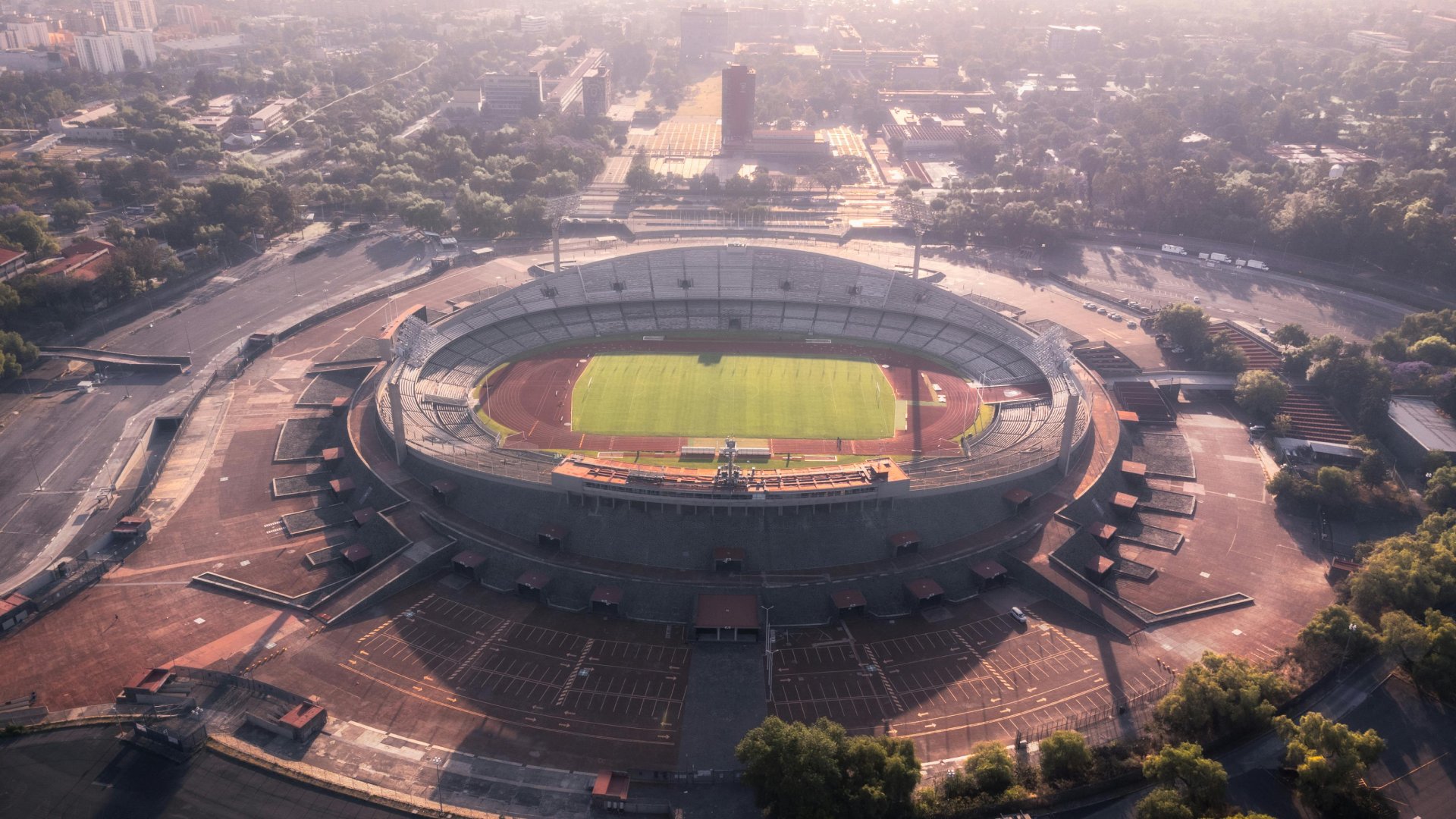
Mexico City will anchor the tournament at Estadio Azteca, the only stadium in history to host three World Cups. It will also host the opening match, placing the capital at the center of global attention. Guadalajara’s Estadio Akron brings modern design and one of the most passionate fan bases in the country, while Monterrey’s Estadio BBVA represents one of Latin America’s most advanced stadium environments.
For travelers, these venues offer world-class experiences, but they also concentrate crowds, increase movement complexity and elevate opportunistic crime risk. Planning transportation and arrival logistics in advance is not optional during major match days.
Mexico City: Infrastructure, Altitude and Urban Complexity
Mexico City is the country’s most developed urban environment and offers the strongest combination of infrastructure, healthcare and international accessibility.
Private hospitals meet high standards, making the city the safest location in Mexico from a medical standpoint. That distinction becomes critical in emergencies, especially compared to rural or coastal regions where capabilities drop significantly.
Mexico City, however, introduces its own challenges. At over 7,300 feet, altitude can affect visitors, particularly during physically demanding activities like navigating stadium crowds or long walking days.
Urban density also creates layered security considerations. Crowded metro systems, traffic congestion and large public gatherings increase exposure to petty crime. Rideshare platforms such as Uber and Didi are generally more controlled and reliable than street taxis or public transit during peak periods.
Food, Mezcal and Water Safety
Mexico’s cultural appeal is inseparable from its cuisine. From Mexico City’s fine dining to Oaxaca’s traditional kitchens, food is a central part of the experience.
Oaxaca stands out for its culinary heritage and its deep connection to mezcal (also spelled mescal), a spirit rooted in regional identity. Visitors often tour distilleries and explore traditional production methods, adding depth to the travel experience.
Yet food and water safety remain operational concerns. Tap water is not safe to drink due to contamination risks within distribution systems. Bottled or purified water is essential, and ice or raw foods should be approached cautiously. Street food can be exceptional, but vendor selection matters. High turnover, visible hygiene practices and local popularity are useful indicators of safety.
Transportation and Movement Risk
Mobility in Mexico requires more planning than many travelers anticipate. Public transportation systems are extensive but crowded, making them prime environments for theft. For World Cup travelers, this risk increases significantly around match venues and transit corridors.
Driving introduces additional variables. Road conditions vary, signage can be inconsistent and nighttime travel — particularly on highways — is strongly discouraged due to both safety and security concerns. The most reliable approach is controlled transportation: hotel-arranged vehicles, vetted private drivers or established rideshare platforms.
Emergency services are accessible via 911, but response times and capabilities can vary. Travelers should not assume US-level consistency, particularly outside major cities.
Risk Overview: A Layered Environment
Mexico’s overall risk profile is best described as moderate, but that classification masks important nuances. Security risks range from petty theft in tourist zones to organized crime activity in specific states. Demonstrations occur regularly and can escalate quickly, disrupting transportation and access.
Health risks also vary. Mexico City offers reliable care, but outside major urban centers, medical infrastructure can fall below international expectations. Many facilities require upfront payment before treatment, which can delay care in urgent situations.
Natural hazards further complicate planning. Hurricanes affect coastal regions, earthquakes occur periodically and volcanic activity remains an ongoing consideration in certain areas.
For travelers attending the FIFA World Cup 2026, the intersection of large crowds, infrastructure strain and regional variability makes preparation a critical component of the experience.
Before You Go: Entry and Preparation
Travel requirements are straightforward. US and Canadian citizens do not need a visa for stays under 180 days but must carry a valid passport and complete the Forma Migratoria Múltiple upon arrival. Customs regulations are strict. Firearms are prohibited, and certain medications or cash amounts must be declared.
Preparation should extend beyond documentation. Travelers benefit from pre-planning transportation, understanding regional risks and identifying medical facilities in advance — particularly if traveling beyond major cities.
The Global Rescue Connection
Mexico delivers culture, energy and once-in-a-generation events like the FIFA World Cup 2026 — but it also presents a layered risk environment where medical and security variables can change quickly.
A Global Rescue membership addresses the gaps that traditional travel planning cannot. Members receive field rescue from the point of illness or injury, medical evacuation to the most appropriate facility and 24/7 access to medical advisory services. Whether navigating altitude in Mexico City, traveling between host cities or exploring Oaxaca, expert support is always within reach.
The Security Add-On becomes especially valuable in a destination like Mexico. It provides real-time intelligence, security advisory support and, if conditions deteriorate, coordinated security extraction. Staffed by former military and special operations professionals, these teams monitor evolving threats, guide decision-making and assist with safe movement when environments become unstable.
For World Cup travelers, this combination matters. Large-scale events amplify both opportunity and risk. Crowds surge, infrastructure strains and situational awareness becomes harder to maintain.
Global Rescue transforms that uncertainty into structure. Instead of reacting to problems, members operate with a defined safety net — medical, logistical and security — already in place.
In a destination as dynamic as Mexico, that difference is operational.
Get a price estimate
Estimate
$0.00
Please answer all questions for estimate.
Categories:
NewsApril 9, 2026
Categories:
Places & PartnersTravelApril 9, 2026
Article Highlights:
- Japan ranks among the safest countries in the world but medical costs and evacuation risks still affect travelers.
- US health insurance rarely works overseas, leaving visitors responsible for hospital bills in Japan.
- Earthquakes, typhoons and mountain adventures introduce risks many travelers underestimate.
- Standard travel insurance often reimburses expenses but may not coordinate rescues or evacuations.
- Medical evacuation from Japan can cost tens or hundreds of thousands of dollars depending on the situation.
Japan sits at the top of many travelers’ dream lists. According to recent traveler surveys, it consistently ranks as the destination people most want to visit if they could take one ideal international trip. The appeal is obvious: futuristic Tokyo skylines, centuries-old temples in Kyoto, iconic climbs on Mount Fuji and culinary traditions that range from street ramen to world-class sushi.
Few countries combine modern efficiency, cultural depth and natural beauty as seamlessly. Visitors can ride high-speed trains between historic cities, soak in volcanic hot springs, explore bamboo forests and dine at Michelin-starred restaurants, all within a single trip.
But the question travelers often ask before departure is surprisingly practical: Do you really need travel insurance or traveler protection for Japan?
The short answer is yes. Not because Japan is dangerous, but because even in one of the safest countries in the world, medical care, natural hazards and evacuation logistics can become expensive and complex for international visitors.
Understanding why requires looking beyond Japan’s reputation for safety.
Japan: The Dream Trip Travelers Want Most
Japan’s popularity has surged among international travelers in recent years. It offers a rare blend of tradition and innovation that feels both accessible and immersive.
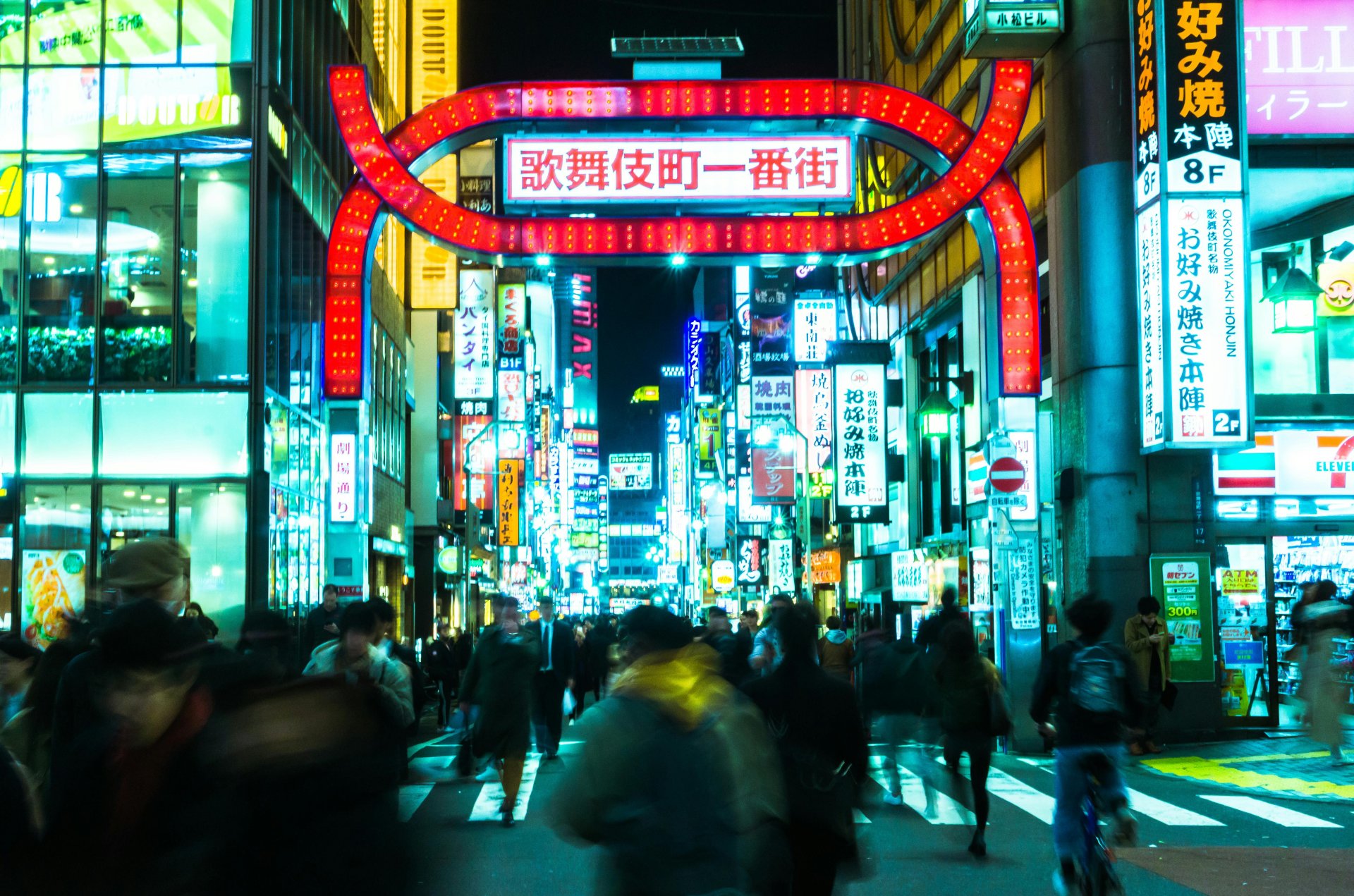
In Tokyo, neon-lit neighborhoods coexist with quiet shrines and centuries-old markets. Bullet trains connect the capital to Kyoto in a matter of hours, allowing visitors to step into another era of temples, tea houses and lantern-lit streets.
Kyoto in particular holds a special place in the travel imagination. It consistently ranks among the world’s top destinations for first-time international travel. Visitors can walk through the endless vermilion gates of Fushimi Inari Shrine, watch sunlight reflect off the Golden Pavilion and wander through the historic district of Gion.
The culinary experience is equally compelling. Japan’s food culture spans everything from casual ramen counters to meticulously prepared sushi served by master chefs.
Adventure travelers find plenty to explore as well. Mount Fuji, the country’s most famous peak, draws climbers during the summer season. Skiers flock to the powder-heavy slopes of Hokkaido and the Japanese Alps. Coastal regions and islands offer diving, kayaking and marine exploration.
Japan works just as well for business travelers. Cities like Tokyo and Osaka are global economic hubs with infrastructure that runs with near-perfect reliability.
In short, Japan delivers the kind of travel experience people imagine when they dream about exploring the world.
But that dream trip still requires practical preparation.
Is Travel Insurance or Traveler Protection Required for Japan?
Japan does not require travel insurance or traveler protection for entry. Visitors can enter the country without showing proof of insurance or evacuation coverage. That doesn’t, however, mean travelers should skip it.
Japan’s healthcare system is excellent, but tourists are not part of the national insurance program. That means visitors are responsible for paying medical costs themselves. And those costs can add up quickly.
Japan’s medical system ranks among the best in the world. Hospitals are modern, physicians are highly trained and public health standards are extremely high.
But international travelers often misunderstand how medical treatment works there.
First, most Japanese hospitals expect proof of payment before providing care. That means travelers without insurance may need to pay upfront. Next, not every hospital has English-speaking staff. While major urban hospitals in Tokyo or Kyoto may offer language support, smaller clinics or rural facilities may not. Third, US health insurance usually does not cover treatment abroad.
Even policies that claim international coverage often reimburse expenses later rather than paying the hospital directly. For travelers, this creates a common scenario: a medical emergency abroad followed by unexpected bills and complicated reimbursement claims.
While healthcare in Japan is often less expensive than in the US, it still carries significant costs for visitors. Examples can include: emergency room treatment, diagnostic imaging such as CT scans or MRIs, hospital stays, specialist consultations and surgical procedures.
Without insurance or evacuation coverage, travelers must typically pay these costs themselves before leaving the hospital. The financial exposure grows dramatically if evacuation becomes necessary.
Natural Disaster Risks Travelers Overlook
Japan’s safety reputation is well earned when it comes to crime. Violent crime rates are extremely low, public transportation is safe and cities are remarkably orderly.
The country sits on the Pacific Ring of Fire, however, one of the most seismically active regions on Earth. Japan experiences thousands of earthquakes each year, though most are minor. Still, travelers should understand the risks. Earthquakes can disrupt transportation or infrastructure. Large quakes may trigger evacuations or tsunamis. Typhoons affect Japan regularly during late summer and early autumn.
Hotels and buildings are engineered for seismic resilience and Japan’s disaster response systems are among the most advanced in the world. But disruptions still happen. Flights may be canceled. Transportation networks can shut down temporarily. Access to certain areas may become restricted.
Travel insurance can help cover trip interruption costs and traveler protection can when evacuations and security are needed during such events.
Adventure Risks: Mount Fuji and Beyond
Many travelers visiting Japan add outdoor activities to their itineraries. Climbing Mount Fuji, skiing in the Japanese Alps or trekking along historic trails like the Nakasendō route can be unforgettable experiences.
But these adventures carry risks that travelers sometimes underestimate.
Altitude sickness can affect climbers on Mount Fuji. Sudden weather changes can complicate descents. Skiing injuries are common in alpine resorts. In rural areas, medical facilities may be smaller and evacuation to a larger hospital could be required.
When Travel Insurance Isn’t Enough
Travel insurance is helpful for covering trip cancellations, lost luggage and some medical expenses. But many travelers assume it also covers rescue and evacuation services. Often, it does not.
And if standard travel insurance policies do reimburse for field rescue and medical or security evacuation expenses, it happens long-after after the event and requires some of all of the following: claim forms, benefit committee approval, co-pays and deductibles.
This can create a gap in situations such as: injuries on mountain trails, accidents during outdoor adventures or medical emergencies in remote towns.
Specialized rescue services, like a Global Rescue membership, fill this gap by coordinating extraction from the point of injury and transporting travelers to appropriate care. Travel insurance handles the financial side. Rescue services handle the operational response. Understanding the difference can be critical during emergencies.
What Medical Evacuation From Japan Costs
Medical evacuation is one of the most expensive travel emergencies.
If a traveler requires specialized treatment not available locally, or prefers to recover in their home country, evacuation may involve: air ambulance flights, medical teams onboard aircraft, ground ambulance transfers, and coordination between hospitals.
Costs vary widely depending on distance and medical complexity. Evacuations can reach tens or even hundreds of thousands of dollars. For travelers visiting major cities like Tokyo or Kyoto, advanced hospitals are usually available. But serious injuries, complex surgeries or language barriers may still lead travelers to seek care closer to home.
The Global Rescue Connection
No matter how safe a destination may be, emergencies still happen, especially in a country where earthquakes, typhoons and remote mountain trails are part of the landscape. A slip on a Mount Fuji descent, a skiing injury in the Japanese Alps or a sudden illness in a rural town without English-speaking physicians can change travel plans quickly.
A Global Rescue membership helps travelers manage these situations with direct support rather than reimbursement.
Members have access to: field rescue from the point of illness or injury to a medical facility capable of appropriate care, medical evacuation to the hospital of their choice if needed, 24/7 medical advisory support, and security advisory services during catastrophes or disruptions caused by unpredictable natural disasters like earthquakes and tsunamis.
Real-world cases show how quickly these services can become essential.
In one case, a US member from Seattle slipped on stairs in Nakatsu, Japan, and suffered a patella fracture and tendon injury. After evaluation at a local hospital confirmed the damage, Global Rescue coordinated transportation and flight assistance so the member could return to the US for continued treatment.
In another case, a motorcyclist crashed in Hokkaido and suffered multiple fractures and a traumatic brain injury. After emergency stabilization in Japan, Global Rescue physicians coordinated a medical evacuation to Taiwan for advanced care.
These incidents illustrate an important reality: even in countries with excellent healthcare, complex injuries may require international coordination.
For travelers planning to explore Tokyo’s vibrant neighborhoods, wander Kyoto’s temples, climb Mount Fuji or savor perfect sushi, preparation matters.
Pairing a dream trip to Japan with Global Rescue ensures travelers can experience the country with confidence, knowing expert help is available if the unexpected happens.
Get a price estimate
Estimate
$0.00
Please answer all questions for estimate.
Categories:
TravelApril 8, 2026
Article Highlights:
- High-altitude climbing and trekking participation is growing rapidly worldwide, especially in the Himalaya and on Mount Everest.
- Rescue operations above 15,000 feet/4,600 meters require specialized teams, aviation logistics and medical expertise.
- Traditional travel insurance often excludes field rescue and high-risk mountaineering activities.
- Global Rescue deploys medical and rescue teams to key regions like the Himalaya during peak climbing seasons.
- Specialized services such as the High-Altitude Evacuation Package provide added protection for climbers and trekkers.
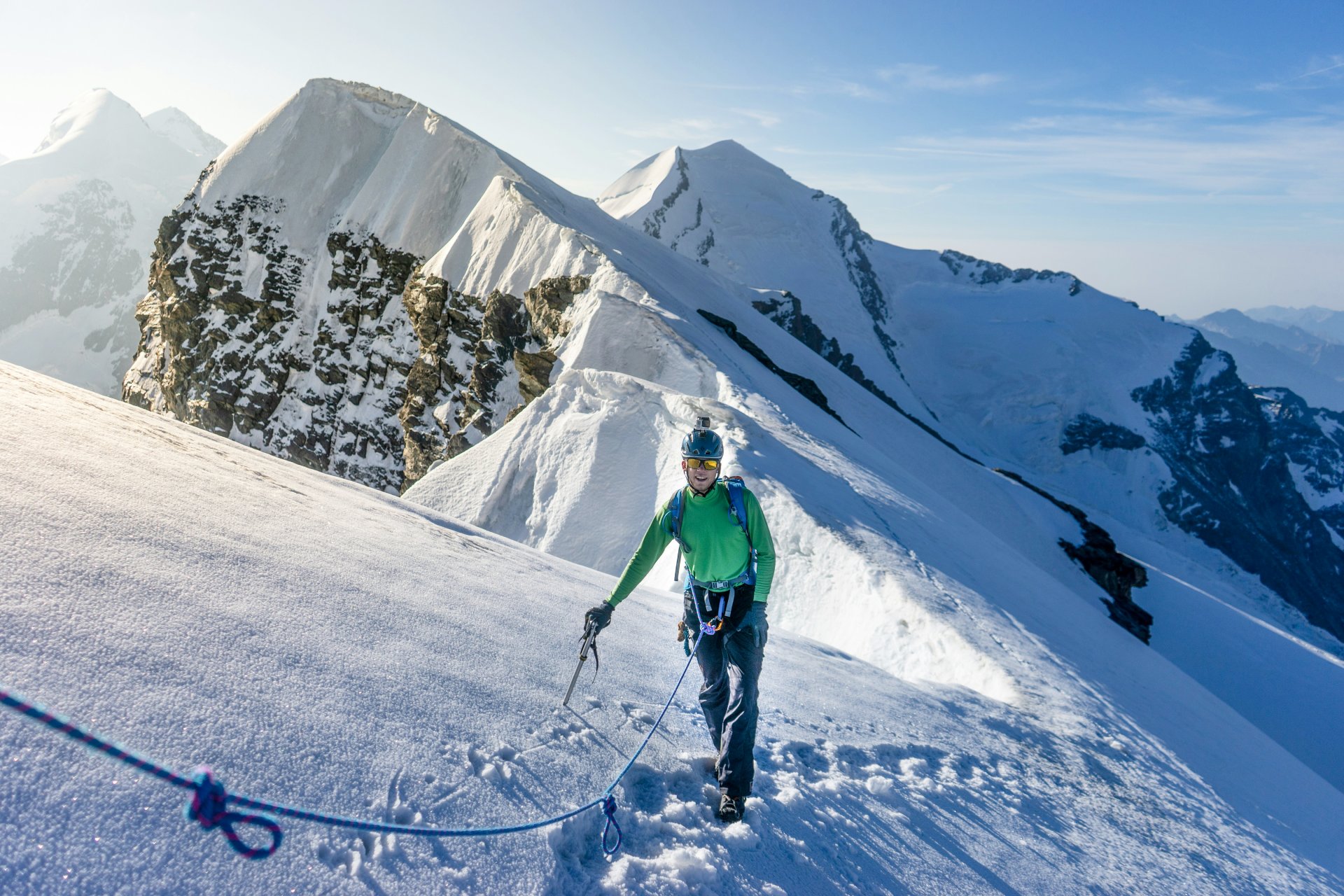
From the icy slopes of Mount Everest to remote trekking routes across the Himalaya, the world’s highest mountains continue to attract thousands of mountaineers, climbers and trekkers every year. Whether attempting the tallest mountain in the world or exploring high-altitude trails beneath it, today’s adventurers face a unique combination of physical challenges, environmental hazards and logistical risks.
Mountaineering has evolved dramatically in recent decades. Advances in equipment, weather forecasting and guided expedition services have made high-altitude climbing more accessible to a broader range of participants. At the same time, participation in trekking and expedition travel has surged, drawing first-time climbers and experienced mountain climbers alike to remote regions around the world.
Yet the mountains remain inherently unpredictable. Altitude illness, avalanches, extreme weather and simple missteps can quickly turn an expedition into a medical emergency. In environments where helicopters may struggle to fly and hospitals are often days away, preparation and traveler protection become essential components of any climbing plan.
Why High-Altitude Climbing Is Inherently Risky
Even the most experienced mountaineers cannot eliminate the risks associated with climbing at extreme elevations. At altitudes above 15,000 feet (4,600 meters), oxygen levels drop significantly, affecting the body’s ability to function normally.
Common high-altitude medical conditions include:
- Acute Mountain Sickness (AMS), characterized by headaches, nausea and fatigue.
- High-Altitude Pulmonary Edema (HAPE), a life-threatening condition where fluid accumulates in the lungs.
- High-Altitude Cerebral Edema (HACE), a severe swelling of the brain caused by extreme altitude exposure.
Beyond altitude illness, climbers must contend with severe weather, avalanches, rockfall, crevasses and exhaustion. Even well-planned expeditions can encounter unexpected complications. Remote geography compounds the danger: rescue resources are limited, weather conditions may ground aircraft and communication infrastructure can be unreliable.
These realities make rapid emergency response capabilities crucial for anyone climbing abroad.
The Limits of Traditional Travel Insurance
Many climbers assume that standard travel insurance will protect them in the mountains. In reality, most policies are designed to reimburse financial losses such as trip cancellations, lost baggage or medical expenses after treatment has occurred.
What traditional insurance rarely provides is real-time operational support in remote environments.
Many policies exclude high-risk activities such as technical climbing or mountaineering altogether. Others limit medical evacuation benefits or require the traveler to reach a hospital before evacuation coverage begins.
This creates a dangerous gap. If a climber breaks a leg on a remote glacier or develops severe altitude illness on a trekking route, simply reaching medical care can be the most difficult part of the rescue.
Specialized evacuation and field rescue services are designed to fill that gap.
What Field Rescue Means in the Mountains
Field rescue refers to the extraction of an injured or ill climber directly from the location where the emergency occurs. This could involve helicopters, specialized ground teams or a combination of both.
In high-altitude environments, rescue operations often require complex coordination involving aviation crews, medical personnel and local support teams. Weather conditions, altitude limitations and terrain all influence how a rescue unfolds.
For example, helicopter operations become increasingly difficult above 23,000 feet (7,010 meters). At these elevations, aircraft performance declines dramatically and rescue flights may only occur with pilot approval and favorable weather conditions. When helicopters cannot reach a patient, ground evacuation becomes necessary for the initial phase of the rescue.
The logistical challenges of high-altitude rescue illustrate why specialized planning and operational support are essential for climbers and trekkers.
The High-Altitude Evacuation Package
One of the most specialized forms of traveler protection available to climbers is the High-Altitude Evacuation Package offered by Global Rescue.
Designed for members traveling above 15,000 feet (4,600 meters), this service provides emergency transport for injuries or illness occurring during high-altitude activities anywhere in the world.
Participation in mountaineering, trekking and other high-altitude activities has increased significantly in recent years. To support this growing community, Global Rescue has expanded deployments of medical operations personnel and rescue teams in regions popular with climbers, including the Himalaya.
These teams coordinate evacuations, medical stabilization, hospital admissions and ongoing care for injured climbers. Their work goes far beyond simply dispatching a helicopter. Rescue operations often include ground transport, medical triage, hospital coordination and logistical support throughout recovery.
This comprehensive approach helps ensure climbers receive appropriate care quickly and safely.
Real-World High-Altitude Rescue Examples
High-altitude rescues illustrate how quickly conditions can deteriorate in the mountains.
In one case, a climber trekking near Gokyo, Nepal at approximately 15,584 feet developed symptoms of altitude sickness and severe shortness of breath. After evaluation at a local altitude clinic, medical staff recommended immediate descent. Global Rescue coordinated a helicopter extraction to Lukla where medical teams reassessed the climber and provided treatment before discharge.
Another member descending from the Mera Summit experienced worsening respiratory distress, dizziness and hallucinations after reaching more than 21,000 feet. Medical personnel identified signs of high-altitude pulmonary edema and arranged an emergency helicopter evacuation to Lukla, where the climber received treatment and recovered.
In Dingboche, Nepal, an Australian trekker suffering from severe altitude sickness required immediate evacuation after supplemental oxygen failed to stabilize her condition. She was transported to Kathmandu where physicians diagnosed HAPE, pneumonitis and high-altitude cerebral edema. After treatment and observation, she was released to continue recovering.
These cases highlight how rapidly altitude illness can escalate, even among experienced trekkers.
Mount Everest and Other High Mountain Rescue Operations
The Mount Everest region is among the busiest high-altitude rescue environments in the world. During the spring climbing season, hundreds of climbers attempt the summit of the highest peak in the world within a narrow weather window.
During peak periods, rescue operations can occur almost continuously. Deployment teams often begin before sunrise and continue late into the evening.
Rescue cases in the Everest corridor commonly involve altitude illness, respiratory infections, dehydration, trauma injuries and severe fatigue. Climbers have been evacuated for conditions including HAPE, HACE, bronchitis, pneumonia and cardiovascular complications.
The complexity of these operations illustrates the importance of having trained rescue personnel stationed in strategic locations throughout the region.
Expertise Behind High-Altitude Rescue
Global Rescue’s high-altitude operations are guided by a Mountain Advisory Council composed of world-class mountaineers, medical experts and operations specialists.
The council is led by legendary climber Ed Viesturs, the only American to have climbed all fourteen of the world’s 8,000-meter peaks without supplemental oxygen. His experience in extreme environments helps shape operational planning and safety protocols for climbers worldwide.
Other council members include wilderness medicine experts, former military operations planners, experienced expedition leaders and medical professionals specializing in high-altitude care.
Their combined expertise ensures rescue capabilities remain aligned with the realities of modern mountaineering.
Preparing for High-Altitude Expeditions
Protection services are only one component of safe expedition planning. Climbers and trekkers should also prioritize proper preparation.
Acclimatization remains the most important factor in preventing altitude illness. Climbers must ascend gradually, allowing the body time to adjust to reduced oxygen levels. Ignoring symptoms of altitude sickness can quickly turn manageable discomfort into a life-threatening emergency.
Physical conditioning is equally important. High-altitude climbing requires exceptional endurance, strength and mental resilience. Expedition teams should also carry appropriate medical supplies, communication equipment and emergency contingency plans.
Ultimately, safety in the mountains depends on preparation, experience and the ability to respond quickly when conditions change.
The Global Rescue Connection
For mountaineers, climbers and trekkers exploring the world’s highest regions, preparation must extend beyond gear and training. It must include access to professional rescue and medical support.
A Global Rescue membership provides a comprehensive safety net that includes field rescue from the point of illness or injury, medical evacuation to the most appropriate hospital, 24-hour medical advisory services and detailed Destination Reports that help climbers assess risks before their expedition begins. These services address the most critical gaps left by traditional travel insurance.
The High-Altitude Evacuation Package adds an additional layer of protection specifically designed for climbers traveling above 15,000 feet. The program enables Global Rescue to deploy rescue teams for longer periods in key climbing regions and expand in-field rescue capabilities for the mountaineering community.
The package has earned industry recognition, including a Silver Magellan Award in the “Marketing with a Purpose” category. As Dan Richards, CEO of The Global Rescue Companies, explains:
“High-altitude field rescue and evacuation have always been central to Global Rescue’s services. But with the rapid growth and participation of mountaineering, trekking and other high-altitude activities, we expanded our capabilities through the High-Altitude Evacuation Package to provide emergency services in more regions, committing to longer deployments of our medical operations personnel, and extending our in-field rescue operational durations.”
For those pursuing the world’s great peaks—from trekking routes beneath Mount Everest to expeditions on the highest mountains on Earth—the difference between a successful adventure and a crisis often comes down to preparation.
When climbers venture into the Himalaya or any remote mountain range, having a trusted rescue capability can transform uncertainty into confidence.
And in the mountains, confidence can save lives.
Get a price estimate
Estimate
$0.00
Please answer all questions for estimate.
Categories:
Places & PartnersTravelApril 7, 2026
Article Highlights
- Climate change is shifting Everest’s climbing season earlier and making conditions more unstable.
- Improved short-term weather forecasting is helping climbers better time narrow summit windows.
- Modern acclimatization techniques are making expeditions faster and more efficient but not less risky.
- Demand for Everest remains high despite rising costs and increasing congestion.
- Increased reliance on helicopter rescues is raising concerns about climber preparedness and ethics.
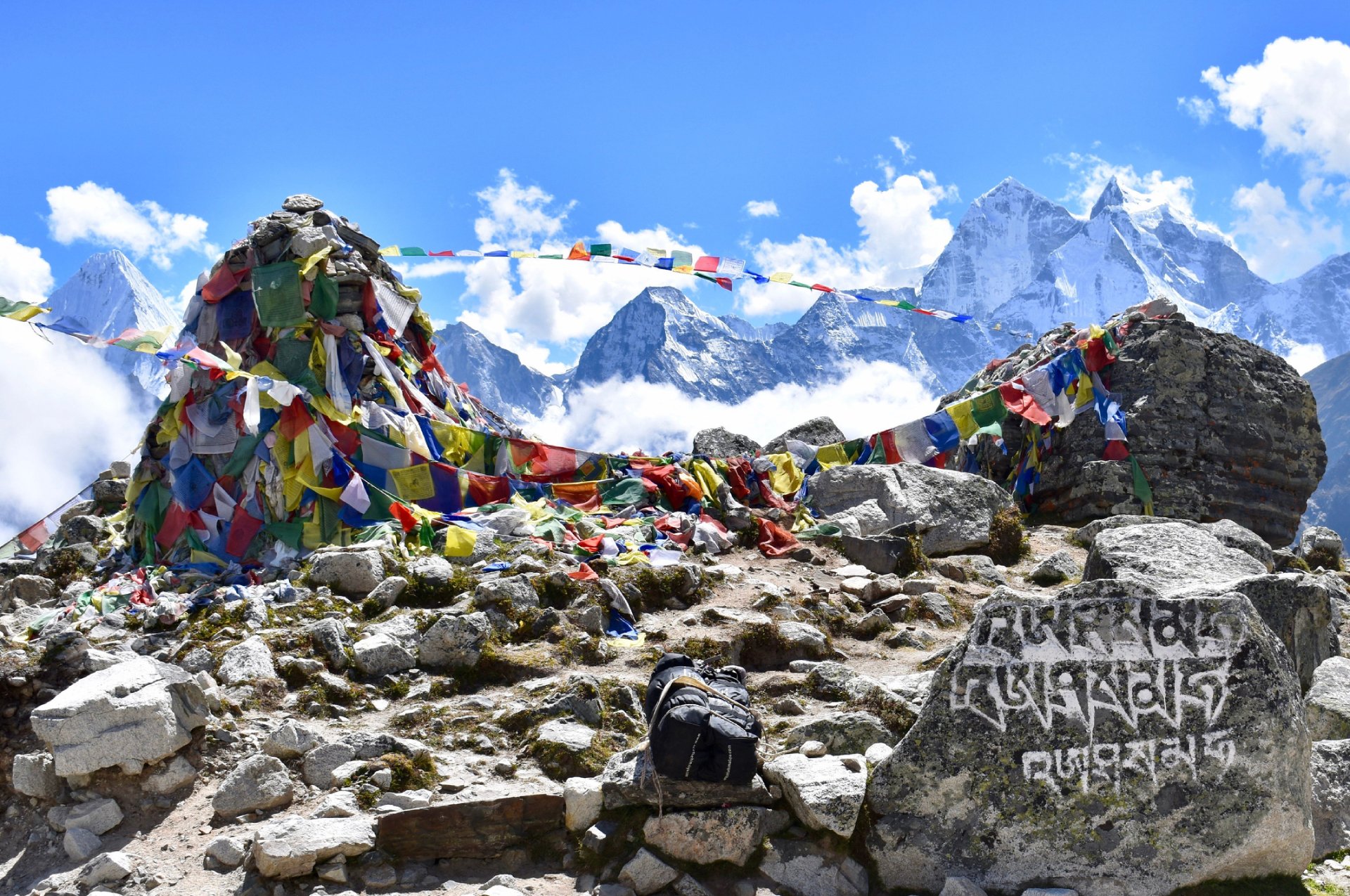
The spring climbing season in the Himalaya is once again approaching, and Mount Everest will draw hundreds of climbers, mountaineers and trekkers from across the globe. But while the summit remains the objective, the environment in which that objective is pursued is changing.
Weather variability, accelerated glacial melt, more efficient acclimatization strategies, rising permit fees and increased oversight of environmental practices are reshaping how mountain climbers approach Everest and surrounding peaks. The 2026 season will demand sharper timing, stronger preparation and more disciplined judgment than ever before.
Weather Trends and Shifting Summit Windows
Weather in the Himalaya has always been volatile. “Weather patterns are always variable and mostly unpredictable,” said legendary mountaineer Ed Viesturs. “Long-term forecasting is still challenging, but short-term forecasting has improved dramatically. That’s allowing teams to make smarter, safer decisions about upcoming weather windows.”
Advances in short-term meteorological modeling now allow expedition leaders to identify narrow summit windows with greater precision. This is particularly critical when coordinating summit attempts on Mount Everest, where timing can mean the difference between success and catastrophe.
Yet Viesturs notes a more profound shift underway. “We’re seeing melting happen earlier each year,” he said. “As a result, climbers are starting expeditions earlier in the spring and wrapping up earlier in the summer. Faster melt cycles can make conditions more unstable and more dangerous.”
The Khumbu Icefall — one of the most hazardous sections of the standard South Col route — appears to destabilize earlier each season. Crevasses widen faster. Ice bridges weaken sooner. Seracs collapse as temperatures rise. The traditional climbing calendar is compressing and shifting forward. Teams that fail to adapt risk encountering deteriorating surface conditions later in the season, when objective hazards intensify.
Acclimatization: Faster, Smarter, More Strategic
Altitude adaptation is also evolving.
“There is definitely a trend toward more efficient acclimatization schedules,” Viesturs said. “Through years of trial and error, teams are figuring out the most effective and fastest ways to adapt to altitude.”
Modern expedition strategy emphasizes conserving energy for summit pushes rather than exhausting climbers during extended rotation cycles. Refined acclimatization plans allow climbers to maintain strength reserves while still reducing the physiological risks associated with rapid ascent.
Pre-acclimatization at home is becoming standard among serious Everest aspirants. “More climbers are sleeping in hypobaric tents before they ever leave home,” Viesturs explained. “It reduces the amount of time they need to spend on the mountain, allows them to stay connected with family and work longer, and helps them arrive better prepared physically.”
These hypobaric systems simulate high-altitude environments, allowing the body to begin producing red blood cells weeks before departure for the Himalaya. The benefits are logistical and physiological. No technology, however, eliminates the inherent stress of climbing at extreme altitude.
The mountain still demands respect. Efficiency cannot replace judgment.
Traffic Patterns and Permit Pressures
Everest will again see the heaviest traffic this spring. The season remains optimal for summit bids and for trekkers heading to Everest Base Camp. Crowding on trails, in teahouses and at base camp is expected.
Other 8,000-meter peaks are typically more active in autumn, though Manaslu and Makalu will attract some spring climbers. Popular trekking and climbing objectives such as Lobuche, Gokyo Ri and Island Peak will also experience heavy visitation.
The Nepal government has raised the Everest permit fee to $15,000. Despite the increase, demand remains strong. Financial barriers do not appear to be discouraging committed climbers.
There is also discussion of a potential rule requiring Everest aspirants to first climb a 7,000-meter peak in Nepal. If implemented, such a policy would likely increase traffic on intermediate peaks, particularly during autumn seasons, and could recalibrate preparation standards across the region.
Objective Hazards: Icefall, Rockfall and Rapid Melt
The Khumbu Icefall appears to fragment earlier each spring. Rockfall zones expand as permafrost weakens. Snow stability shifts more rapidly. These environmental changes are compressing safe climbing windows and increasing objective hazards.
Comparable patterns are evident elsewhere. In the Pacific Northwest, peaks such as Mount Rainier and Mount Baker are experiencing earlier crevasse openings, accelerated glacial retreat and shorter stable climbing seasons. The Himalaya is not isolated in this transformation.
Route timing has become as critical as route selection. Climbers must move through dangerous sections strategically, often earlier than historical norms would suggest.
Environmental Oversight and Sustainability
Environmental stewardship at base camp is also under increasing scrutiny.
“The rules and oversight around waste and garbage management are getting tighter,” Viesturs said. “There has to be a sustainable system if we want to keep climbing these mountains year after year.”
Regulatory frameworks are becoming more stringent, and enforcement is more visible. Many professional outfitters recognize that sustainability aligns with their long-term interests. “They want a clean base camp to return to season after season,” Viesturs noted.
Standards, however, are not universally embraced. “Not every team or nationality approaches environmental responsibility the same way,” he said. “Ultimately, it’s up to the expeditions at these larger base camps to hold themselves and each other accountable.”
Sustainability in the Himalaya depends on collective discipline, not isolated compliance.
Essential Advice for Climbers and Trekkers
Spring in the Himalaya is crowded. Trekkers should expect full lodges and congested trails near Everest Base Camp. Climbers should anticipate bottlenecks at high camps during summit windows. Physical preparation remains the most controllable variable. Whether attempting a trekking peak or Mount Everest itself, arriving in peak aerobic and muscular condition significantly enhances safety margins.
Training under load, building cardiovascular capacity and preparing for sustained effort at altitude are non-negotiable. There is ample lead time before departure. Use it. Technology, forecasting and improved logistics have made climbing more strategic. They have not made it easy.
The Global Rescue Connection
As helicopter rescues become increasingly common on Mount Everest, some veteran mountaineers are voicing concern. The availability of rapid extraction has saved lives. But overreliance risks altering the fundamental ethic of climbing, a discipline built on resilience, endurance and accountability.
Expert alpinists including Ed Viesturs, Conrad Anker and others have long emphasized that a climb is truly complete only when a climber returns safely to base camp on foot, barring a legitimate emergency. Rescue systems are designed to support preparedness, not replace it.
One recent case illustrates the tension. A climber developed pneumonia and high-altitude pulmonary edema (HAPE) at Everest Base Camp and required helicopter evacuation. After treatment, she chose to resume her expedition. Less than a month later, she required a second helicopter extraction following a fall at Camp II, suffering acute mountain sickness, lower back trauma and dehydration.
Helicopters are indispensable when descent is no longer possible. But they are not a substitute for disciplined acclimatization, training and decision-making.
Global Rescue provides a critical safety net for climbers and trekkers operating in the Himalaya. Membership includes field rescue from remote mountain environments, medical evacuation to appropriate facilities, real-time medical advisory services and in-depth Destination Reports that outline local infrastructure and risk conditions.
High-altitude incidents are complex and time-sensitive. In consolidated cases from the Everest region, members experiencing severe altitude illness above 14,000 feet were evacuated by helicopter after developing symptoms of acute mountain sickness and HAPE. Global Rescue coordinated airborne extraction, ground medical teams and hospital care in Lukla or Kathmandu, ensuring continuity of treatment and recovery.
For those climbing above traditional helicopter limits, the High-Altitude Evacuation Package adds an additional layer of protection, covering the complexities and costs associated with extreme-elevation rescue logistics.
As Everest continues to attract larger crowds and higher ambitions, climbers must confront a fundamental question: Is the summit the objective, or is the journey the purpose?
“Climbers must be prepared to rely on themselves if helicopters are grounded,” one veteran guide warned. Training, acclimatization and sound judgment remain the difference between survival and tragedy.
In the Himalaya, success is not measured solely by standing atop the tallest mountain in the world. It is measured by returning safely , with strength, humility and respect for the mountain that will always have the final say.
Get a price estimate
Estimate
$0.00
Please answer all questions for estimate.
(Lebanon, N.H. — April 7, 2026) — Most US travelers are well aware of REAL ID requirements, but fewer feel fully prepared for airlines’ stricter enforcement of carry-on size and weight limits, according to the Global Rescue Winter 2026 Traveler Sentiment and Safety Survey. The findings highlight important differences in awareness, compliance strategies and real-world experience across gender and geography.
Awareness of Stricter Carry-On Enforcement Is Mixed
Airline carry-on size limits haven’t changed in general, but enforcement has. Gate agents are now measuring full exterior bag dimensions at the gate including; wheels, handles and protruding pockets, and if the bag doesn’t fit the sizer, it gets checked.
Overall, awareness of airlines’ stricter enforcement of carry-on size and weight limits is moderate. About 27% of travelers say they are not at all aware of the tighter rules, while 25% report being slightly aware. Another 27% say they are moderately aware and 19% say they are very aware.
Women demonstrate higher awareness than men. Nearly 35% of women say they are moderately aware of stricter carry-on enforcement, compared to 25% of men. Men are more likely to say they are not at all aware, at 29%, compared to 20% of women.
Geographically, non-US travelers show greater awareness. About 31% of non-US respondents say they are not at all aware, compared to 25% of US travelers, but US travelers cluster more in the moderate awareness category, reflecting more frequent exposure to domestic airline policy changes.
“Airlines are enforcing carry-on rules more aggressively, and many travelers are still catching up,” said Dan Richards, CEO of The Global Rescue Companies and a member of the US Travel and Tourism Advisory Board at the US Department of Commerce. “These policies may seem minor, but they can cause significant disruption if travelers are unprepared.”
How Travelers Plan to Comply with Carry-On Rules
When asked how they would comply if airlines strictly enforce carry-on limits, a majority of travelers (52%) say they would obtain or use luggage that meets airline requirements. About 23% say they would forgo a carry-on and check their bag, while 18% say they would pay additional fees if necessary.
Women are far more likely to adapt proactively. More than 68% of women say they would obtain compliant luggage, compared to 47% of men. A fifth of men are more willing to pay additional fees compared to 10% of women.
REAL ID Awareness Is Extremely High
Awareness of the fully enforced REAL ID requirement is nearly universal. Overall, 87% of travelers say they are very familiar with REAL ID rules, while fewer than 5% say they are not at all or only slightly familiar. Awareness is consistent between men and women.
“REAL ID messaging has clearly reached travelers,” Richards said. “The challenge now is ensuring travelers consistently carry compliant identification, especially as enforcement becomes routine.”
Few Travelers Personally Impacted, but Many Have Observed Issues
Actual disruption due to non-compliant identification remains limited. Only 2% of travelers say they personally experienced additional screening, and less than 1% report travel delays. Most travelers (68%) say the issue is not applicable because they always carry compliant identification.
Observation of problems among other travelers is more common. About 16% say they have seen another traveler undergo additional screening, 10% have observed delays and 4% have seen someone denied access to security or boarding. Nearly 74% say they have not observed any disruption.
“These issues may affect a small percentage of travelers, but the consequences can be severe when they occur,” Richards said. “Preparation remains the most effective way to avoid airport stress and missed flights.”
About the Global Rescue Traveler Sentiment and Safety Survey
Global Rescue, the leading travel risk and crisis response provider, surveyed more than 1,400 current and former members between January 13 – 17, 2026. Respondents shared their attitudes, behaviors and preferences related to travel safety, technology and global mobility.
About Global Rescue
Global Rescue is the world’s leading provider of medical, security, evacuation and travel risk management services to enterprises, governments and individuals. Founded in 2004, Global Rescue maintains exclusive relationships with the Johns Hopkins Emergency Medicine Division of Special Operations and Elite Medical Group. The company has provided medical and security support during every major global crisis over the past two decades. For more information, visit www.globalrescue.com.
Categories:
NewsApril 6, 2026
Categories:
TravelApril 3, 2026
Article Highlights:
- July hosts the Blue Marlin World Cup and peak marlin tournaments in Hawaii, Bermuda and Cape Verde.
- Blue water hotspots produce blue marlin, yellowfin tuna, wahoo and Bluefin tuna at prime seasonal weights.
- The Mediterranean and Balearic Islands offer elite Bluefin tuna action during regulated summer windows.
- Central America and the Caribbean deliver world-class tarpon fishing alongside billfish opportunities.
- Remote trophy destinations from Canada to West Africa demand serious safety and evacuation planning.
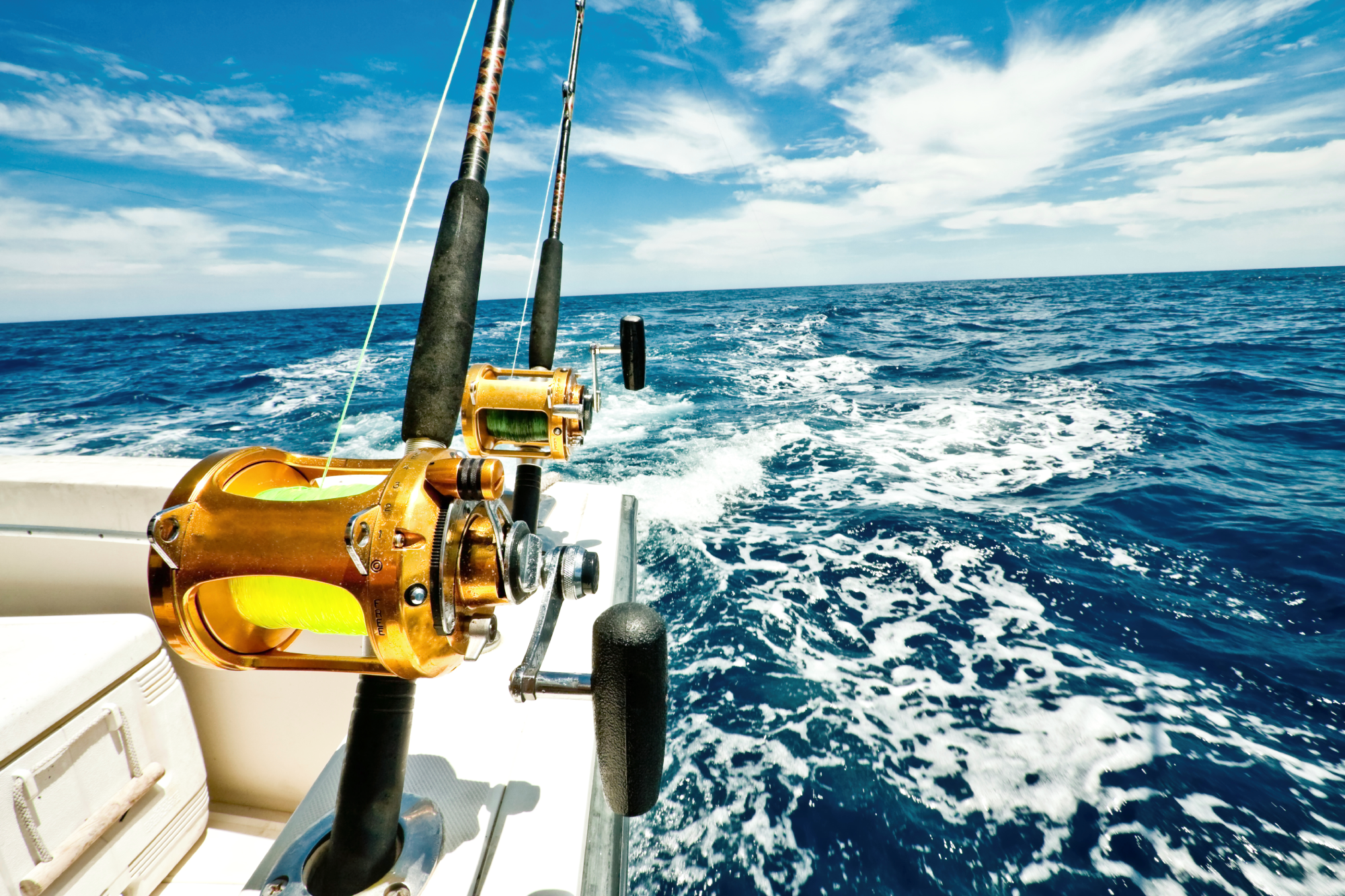
July occupies a rare position on the international sport fishing calendar. It is a convergence point: warm-water currents stabilize, bait schools concentrate, offshore pelagic species migrate aggressively and tournament circuits reach full throttle. For serious anglers, July is not just another productive month. It is the operational center of global big-game fishing.
From the Atlantic to the Pacific, from the Mediterranean to subarctic Canada, July delivers density: density of fish, density of tournaments and density of opportunity. It is when blue marlin crash teasers in cobalt-blue water, when yellowfin tuna push bait to the surface in foaming chaos and when elite crews compete across time zones in the Blue Marlin World Cup.
The Blue Marlin World Cup and Global Tournament Season
July 4 marks one of the most ambitious single-day fishing tournaments on the planet: the Blue Marlin World Cup. Boats from Bermuda to Hawaii to Cape Verde compete simultaneously, each team chasing a single qualifying blue marlin that could secure a global purse. The format is simple. The execution is not.
Hotspots often include Bermuda’s offshore banks, Kona’s legendary ledges and the volcanic drop-offs of Cape Verde, where monster blue marlin exceeding 1,000 pounds are realistic targets. Bermuda in July is particularly dynamic, producing not only blue marlin but also white marlin, wahoo and yellowfin tuna in the same offshore corridors.
Hawaii’s Kona Coast enters the height of its tournament season in July, including the Skins Marlin Derby and the Hawaiian International Billfish Tournament in late July and early August. The bathymetry here is critical. Deep water lies close to shore, allowing crews to transition from harbor to fishing grounds in minutes. Calm seas and stable weather windows create consistent opportunities for billfish encounters.
Wahoo and Yellowfin Tuna in Peak Form
“Blue water” fishing defines July. The term refers to offshore pelagic environments where currents, temperature breaks and underwater structure converge. In these zones, apex predators dominate.
Blue marlin remain the headline species, but wahoo and yellowfin tuna are equally significant. Wahoo thrive in warm currents and are notorious for blistering initial runs. Their speed demands wire leaders and precise drag management. July water temperatures across the Caribbean and Atlantic create ideal feeding conditions.
Yellowfin tuna, often in the 50- to 150-pound class in places like Guatemala, feed aggressively on bait schools pushed toward the surface. Central America becomes a multi-species arena during this period. Guatemala’s Pacific coast is renowned for blue marlin and sailfish, while Costa Rica and Panama offer consistent pelagic action alongside inshore opportunities.
In the Northeast United States, canyon fishing produces yellowfin tuna and, in certain regulated windows, Bluefin tuna. Bluefin tuna represent a different class of combat entirely. Heavier tackle, strict regulatory compliance and quota management define this fishery. In Europe, particularly around the Balearic Islands, summer marks a critical season for Bluefin tuna under tightly controlled frameworks designed to sustain stocks.
The Balearic Islands and the Caribbean
The Balearic Islands off Spain’s eastern coast offer a distinctive July fishery. Here, anglers pursue Bluefin tuna in deep Mediterranean waters where baitfish aggregate along thermal lines. This is highly regulated fishing, often catch-and-release or subject to limited harvest tags. Precision electronics, sonar interpretation and teamwork are essential.
Unlike tropical billfish fisheries, Mediterranean tuna fishing emphasizes endurance and tactical boat handling. Long runs and deep vertical fights test both angler and crew. The environment is visually serene, but operationally intense.
While offshore pelagics dominate headlines, tarpon fishing in July commands equal respect in specific regions. Belize and parts of Mexico produce excellent tarpon opportunities during this period. Tarpon are acrobatic, powerful and unforgiving. Hook-up ratios are notoriously low compared to strikes, making technique paramount.
Inshore Caribbean waters offer a diversified fishery. Anglers may pursue tarpon in the morning, transition offshore for yellowfin tuna or wahoo by midday and target snapper or grouper on reef structures in the afternoon. This diversity is part of July’s appeal. Weather stability expands daily tactical options.
West Africa and the South Pacific
Cape Verde stands among the most consistent destinations for trophy-class blue marlin in July. The confluence of Atlantic currents and underwater volcanic structure creates ideal hunting grounds for large females. Anglers targeting granders — marlin exceeding 1,000 pounds — often circle this destination on their calendars years in advance.
In the South Pacific, Tahiti enters its dry season, offering favorable conditions for blue marlin and yellowfin tuna. Calm seas improve lure presentation and trolling efficiency. Remote logistics, however, require planning. Mechanical reliability, medical preparedness and crew coordination become critical far from major ports.
Freshwater Contrast: Canada’s Trophy Pike Fishing
July is not exclusively saltwater territory. In Canada’s Northwest Territories, Manitoba and northern Ontario, pike fishing peaks during summer months. Trophy northern pike inhabit cold, clear systems where daylight stretches long into the evening.
Unlike offshore pelagic pursuits, pike fishing emphasizes structure — weed beds, drop-offs and submerged timber. Heavy leaders prevent bite-offs and topwater strikes can be explosive. While operational risks differ from offshore big-game fishing, remoteness remains a shared variable. Floatplanes, bush lodges and limited medical infrastructure define many Canadian fisheries.
Is Sport Fishing in July Worth It?
The biodiversity within a single month underscores July’s strategic sport fishing value. But big-game fishing is physically demanding. Heat stress, dehydration, hook injuries, falls on wet decks and repetitive strain injuries are common. More serious scenarios include cardiac episodes, spinal trauma from rough seas and remote-location delays in medical response.
Remote fisheries amplify exposure. Offshore vessels may be hours from port. Tropical heat accelerates dehydration and fatigue. In subarctic Canada, environmental exposure and limited transport infrastructure complicate emergencies.
Preparation in July is not theoretical. It is procedural. Crews carry satellite communications, EPIRBs, medical kits and contingency fuel planning. Professional captains treat safety as parallel to fishing performance.
The Global Rescue Connection
Bella Coola, located in the heart of British Columbia’s Great Bear Rainforest, exemplifies how quickly a fishing trip can pivot from recreation to emergency. During a summer stay at a remote lodge, a 56-year-old U.S. member developed chest pains. He was evacuated by helicopter during a 45-minute transport to a regional hospital.
Global Rescue’s medical operations team monitored the case and coordinated directly with hospital physicians. While the local facility offered advanced capabilities, critical coronary interventions such as angiograms, PCI and open-heart surgery were only available 12 hours away by ground ambulance.
Due to unstable acute coronary syndrome symptoms and limited regional capabilities, Global Rescue physicians arranged fixed-wing air ambulance transport to a center of excellence in Seattle. The member was admitted directly to the catheterization lab in the Interventional Cardiac Recovery Unit, underwent angiography and received definitive treatment.
That sequence — field evacuation, medical oversight, aircraft coordination and direct admission — illustrates the operational difference between local stabilization and comprehensive evacuation.
Whether you are fly fishing in the Seychelles, trolling for blue marlin in Cape Verde, pursuing Bluefin tuna in the Balearic Islands or targeting pike fishing in northern Canada, distance from advanced care is a constant variable.
A Global Rescue membership provides field rescue, medical evacuation to the most appropriate facility, 24/7 medical advisory services and detailed Destination Reports that assess infrastructure, medical capabilities and regional risks before you travel. In environments where WiFi is absent, distances are vast and conditions change quickly, that layer of operational support transforms risk into manageable contingency.
As veteran outfitter Jim Klug advises: travel smart and be prepared. In July’s global arena of big-game sport fishing, preparation is not optional. It is part of the tackle.
Get a price estimate
Estimate
$0.00
Please answer all questions for estimate.
Categories:
TravelApril 2, 2026
Article Highlights:
- More than half of US travelers (53%) are concerned about being targeted abroad due to anti-American sentiment.
- 85% of travelers report concern about travel disruptions tied to global conflict and instability.
- Despite security concerns, 67% of travelers are continuing with international travel plans.
- One-third of travelers are modifying trips by changing destinations, postponing or canceling.
- Rising geopolitical tension is reshaping how travelers assess security, cost and risk simultaneously.
International travel in 2026 is no longer shaped solely by destination appeal or price. It is increasingly defined by security awareness, driven by geopolitical instability, active conflicts and a growing sensitivity to how Americans are perceived abroad.
The latest Global Rescue SNAP Survey, based on responses from more than 1,000 experienced travelers, captures a clear inflection point. Security is no longer a background consideration. It is a primary filter influencing destination choice, trip design and preparedness.
Travelers are not stepping back from the world. They are moving through it differently — with sharper awareness, more deliberate planning and a clearer understanding of exposure.
Security Has Become a Mainstream Travel Consideration
Concern about being targeted abroad has moved firmly into the mainstream. According to the SNAP Survey, 53% of American travelers report moderate to high concern about anti-American sentiment when traveling internationally. Only 12% express no concern at all.
Security considerations now extend beyond traditional threats like crime or terrorism. Perception risk has entered the equation — how nationality, language and global politics shape interactions on the ground.
Travelers are paying closer attention to local sentiment, cultural dynamics and geopolitical context. These factors increasingly influence where travelers feel comfortable going, not just where they want to go.
Security Risk Now Includes Disruption, Not Just Danger
Modern travel security is no longer defined by isolated threats. It operates across a broader spectrum that includes:
- Political instability and regional conflict
- Civil unrest and demonstrations
- Airspace closures and flight rerouting
- Infrastructure strain and logistical breakdowns
- Perception-driven targeting risks
The SNAP Survey shows that 85% of travelers are concerned about disruptions tied to global conflict, including delays, rerouting and airport congestion.
For many travelers, disruption has become the most immediate and likely risk. A delayed flight, closed air corridor or unexpected border restriction can quickly escalate into missed connections, extended stays or limited access to support, particularly in regions with weaker infrastructure.
Security, in this context, is as much about continuity as it is about safety.
Travelers Are Adjusting, Not Withdrawing
Despite elevated concern levels, international travel demand remains intact. Two-thirds of travelers (67%) have not changed their plans. Travel remains a priority, but execution is more selective and intentional. Among those who have adjusted:
- 16% postponed trips
- 9% changed destinations
- 9% canceled travel
These adjustments reflect controlled decision-making rather than reactive behavior. Travelers are redirecting plans toward more stable regions, adjusting timing and avoiding emerging risk zones. The pattern is consistent: mobility continues, but routes are being recalculated.
Travelers are now balancing multiple variables at once:
- Security exposure, including geopolitical and perception-based risks
- Cost volatility driven by rerouting and operational disruptions
- Personal travel priorities and objectives
This layered decision-making reflects a more disciplined approach to international travel. Risk is being evaluated alongside cost and experience, rather than considered in isolation. Travelers are no longer passive participants moving through uncertain environments. They are actively managing their exposure with greater precision.
Cost Pressures Are Reinforcing Security Decisions
Geopolitical instability is not only influencing safety considerations — it is driving cost. Two-thirds of travelers report noticeable increases in travel expenses tied to global conflict. Airspace restrictions and longer routing are pushing fares higher and complicating itineraries. More than half of respondents indicate that rising airfare could influence future travel decisions, including delays or cancellations.
Security and cost are now tightly linked. A destination perceived as unstable often becomes more expensive to reach, less predictable to navigate and harder to justify overall. Travel decisions increasingly reflect this combined assessment of risk and value.
Demand Remains Strong, But Expectations Have Shifted
International travel demand continues to show resilience:
- 41% expect no change in travel frequency
- 29% anticipate only a slight reduction
Interest in global travel remains durable, but expectations have evolved. Travelers are placing greater emphasis on predictability, infrastructure reliability and access to support if conditions change. The focus has shifted from simply reaching a destination to maintaining control throughout the journey.
Security Is Now Embedded in Every Travel Decision
Security considerations are now integrated into every phase of travel:
- Destination selection
- Route planning
- Timing and seasonality
- On-the-ground movement
- Emergency preparedness
Travelers are evaluating whether a trip can be executed reliably under current conditions, not just whether it is desirable. Destinations that offer stability, transparency and strong infrastructure are gaining an advantage. Predictability and responsiveness are becoming as important as experience and cost.
The Global Rescue Connection
International travel today requires more than awareness. It requires capability.
A Global Rescue membership provides a structured response framework for medical and security incidents, including:
- Field rescue from the point of illness, injury or crisis
- Medical evacuation to the most appropriate facility or hospital of choice
- 24/7 access to medical professionals for advisory support
- Real-time intelligence and destination-specific risk analysis
These services address the operational gaps that emerge when local systems are strained, delayed or insufficient.
The Global Rescue Security Add-On extends that capability further, providing:
- Security evacuation and extraction from unstable or hostile environments
- Access to experienced security professionals, including former military and intelligence personnel
- Continuous threat monitoring with actionable guidance
- Support for secure movement and contingency planning during deteriorating conditions
In an environment where security concerns are elevated but travel demand persists, preparedness defines the difference between disruption and control.
Travelers are still going. They are simply going better equipped.
Get a price estimate
Estimate
$0.00
Please answer all questions for estimate.