Categories:
TravelAugust 13, 2026
Article Highlights:
- Access to quality medical care is the leading health concern among experienced international travelers.
- Europe, Japan, Singapore, Australia, the US and Canada consistently rank among the world’s strongest healthcare systems.
- Many popular vacation destinations offer excellent private hospitals but uneven public healthcare and limited emergency services.
- Island destinations and remote adventure regions frequently depend on medical evacuation for serious illnesses and injuries.
- Travelers should research healthcare infrastructure with the same care they devote to hotels, attractions and weather.
Choosing an international destination has traditionally meant comparing airfare, attractions, weather and exchange rates. Today, experienced travelers are adding another criterion to that list: the quality of local healthcare.
According to the latest Global Rescue Traveler Sentiment and Safety Survey, access to quality medical care is now the single greatest health concern for international travelers. Nearly one-third (31%) of respondents ranked it as their top worry, more than twice as many as those concerned about injuries from accidents (16%), and well ahead of infectious diseases (15%), foodborne illness (14%) and even the possibility of requiring a medical evacuation (12%).
The survey reflects a significant shift in traveler thinking. Rather than fearing exotic diseases or dramatic emergencies, experienced travelers increasingly recognize that the greatest risk is whether quality medical care will be available when they need it. That concern is well founded.
The quality of healthcare varies dramatically around the world. Some countries offer internationally accredited hospitals, cutting-edge technology and specialists whose expertise rivals or exceeds that found in the United States and Western Europe. Others have healthcare systems that are underfunded, overcrowded or concentrated in a handful of major cities, leaving travelers in resort destinations or remote regions with limited options beyond emergency stabilization and medical evacuation.
Popular Destinations Don’t Necessarily Mean Top-Notch Urgent Care
Global healthcare rankings from organizations including the World Health Organization, the Legatum Prosperity Index and the CEOWORLD Health Care Index consistently place countries with well-funded universal healthcare systems, such as Switzerland, Singapore, Japan, the US and much of Europe, among the world’s highest performers. At the same time, many of the world’s most popular vacation destinations occupy a middle ground, offering excellent private hospitals for tourists while struggling with uneven public healthcare infrastructure. Still others remain under-resourced enough that a serious illness or injury may require evacuation to another country for definitive treatment.
Understanding those differences has become just as important as researching crime rates, weather patterns or local customs.
For American international travelers, Europe continues to set the global benchmark for healthcare. Switzerland, Denmark, Finland, Austria, Portugal, Iceland, the Netherlands, Ireland, Norway and Sweden consistently rank among the world’s top healthcare systems, combining modern hospitals, highly trained physicians, sophisticated emergency medicine and comprehensive specialty care. Whether visiting Zurich, Vienna, Copenhagen, Reykjavik or Lisbon, travelers can generally expect medical treatment comparable to, or better than, that available in North America.
Several destinations deserve special recognition. Switzerland routinely ranks among the world’s best for healthcare quality, while Austria, Finland and Denmark consistently score near the top for patient outcomes, physician availability and emergency services. Greece, despite occasional public-sector administrative delays, maintains excellent emergency care throughout Athens, Crete, Santorini and Mykonos. Croatia, the Czech Republic and Estonia also deliver healthcare that exceeds many visitors’ expectations.
Europe’s integrated transportation infrastructure provides another advantage. Even if a local hospital cannot provide specialized treatment, patients can often be transferred quickly to another world-class medical center within the European Union.
Outside Europe, several countries consistently rank among the world’s elite healthcare systems.
Canada offers exceptional healthcare throughout destinations such as Vancouver, Toronto, Montreal, Quebec City and Banff. Australia and New Zealand likewise provide first-rate emergency care, modern hospitals and highly-trained medical professionals throughout Sydney, Melbourne, Auckland and Queenstown.
Asia’s undisputed healthcare leader is Singapore. Frequently ranked as the finest healthcare system in Asia, Singapore combines internationally accredited hospitals, advanced medical technology, short wait times and physicians trained at many of the world’s leading medical schools.
Japan follows closely behind. Tokyo, Kyoto and Osaka offer sophisticated hospitals supported by one of the world’s most efficient universal healthcare systems, while South Korea continues to build an international reputation through Seoul and Jeju Island’s advanced medical infrastructure.
Taiwan also deserves recognition. Its National Health Insurance system is widely regarded as one of the world’s most efficient, combining affordability, accessibility and outstanding clinical outcomes.
World-Class Care in Unexpected Places
Not every outstanding healthcare system exists in a wealthy North American, European or Asian nation. Several destinations have become global leaders in private healthcare and medical tourism by investing heavily in modern hospitals and internationally trained physicians.
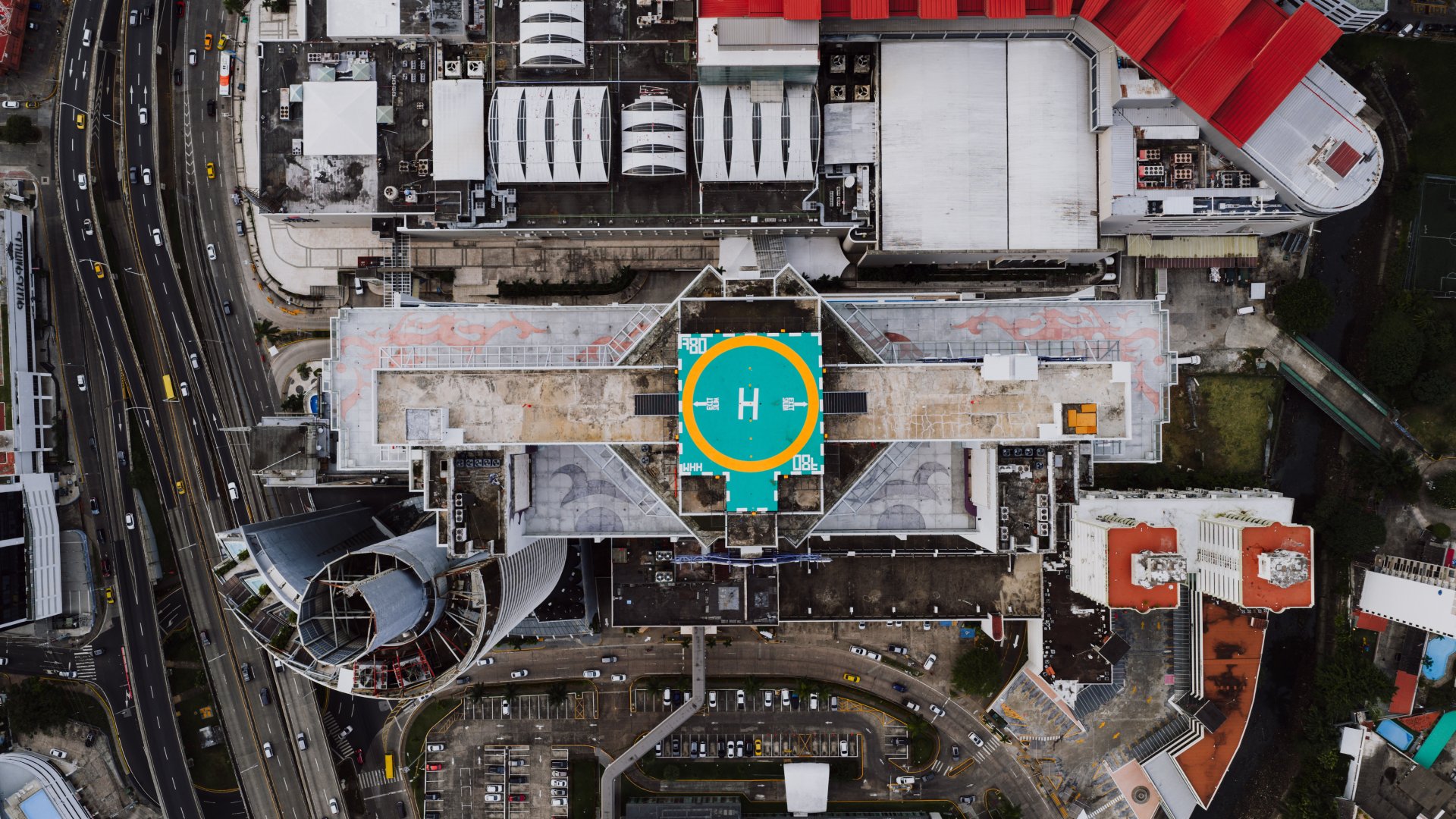
Costa Rica has earned worldwide recognition for its private hospitals in San José and Liberia, attracting international patients seeking everything from orthopedic surgery to dental procedures. Panama City has followed a similar path, developing sophisticated private healthcare anchored by internationally affiliated medical centers.
Chile’s capital, Santiago, boasts one of Latin America’s highest-performing healthcare systems, while Buenos Aires combines excellent private hospitals with experienced specialists despite financial challenges affecting portions of Argentina’s public sector.
Thailand has become one of the world’s premier medical tourism destinations. Bangkok’s internationally accredited hospitals routinely treat patients from around the globe seeking advanced cardiac care, orthopedic surgery, cancer treatment and elective procedures. Chiang Mai has developed a similar reputation, offering excellent private medical facilities despite its smaller size.
Dubai has invested billions in healthcare infrastructure over the past two decades, creating state-of-the-art medical cities staffed by physicians recruited from Europe, North America and Asia.
These destinations demonstrate an important lesson: healthcare quality does not always correlate directly with geography or national income.
Excellent Private Healthcare, but Uneven Public Systems
Many of the world’s most popular tourist destinations occupy a middle ground. They provide excellent private hospitals serving international visitors while their public healthcare systems struggle with funding, staffing or significant regional disparities.
Mexico illustrates this distinction perfectly. Cities including Mexico City, Cancun, Cabo San Lucas, Puerto Vallarta, Oaxaca and San Miguel de Allende feature modern private hospitals capable of managing most illnesses and injuries encountered by travelers. Many physicians have trained internationally, English-speaking staff are common and facilities frequently meet international accreditation standards.
Yet public hospitals often face overcrowding, staffing shortages and limited resources. Serious trauma or highly specialized cases may require transfer to larger metropolitan medical centers.
Vietnam presents a similar picture. Hanoi and Ho Chi Minh City have rapidly expanded private healthcare capable of providing excellent treatment for international visitors. Outside those urban centers, however, public healthcare resources become considerably more limited.
Peru follows much the same pattern. Lima offers high-quality private hospitals, but travelers injured while visiting Cusco or trekking to Machu Picchu often receive initial stabilization locally before being transported to the capital for advanced treatment.
Brazil’s healthcare system also reflects significant contrasts. Rio de Janeiro contains some of South America’s finest private hospitals, while many public facilities continue to struggle with chronic overcrowding and resource shortages.
Even Marrakech, Morocco, provides capable private clinics serving visitors while much of the country’s regional public healthcare network remains under-resourced.
Island Paradise Doesn’t Always Mean World-Class Healthcare
One of the biggest surprises for many international travelers is discovering that some of the Caribbean’s most beautiful destinations have relatively limited healthcare infrastructure. Tourism may be the backbone of these economies, but that doesn’t necessarily translate into advanced trauma centers, cardiac specialists or comprehensive neurological care.
Antigua, Barbados and St. Lucia provide competent treatment for routine illnesses and injuries, but patients experiencing major cardiac events, severe orthopedic trauma or complex neurological emergencies frequently require air ambulance transportation to larger regional medical centers.
The Bahamas presents a similar situation. Nassau maintains capable hospitals for emergency care, but patients requiring sophisticated surgery or highly specialized treatment are commonly transferred to Florida.
Turks and Caicos offers modern stabilization facilities, yet many complex medical cases also depend on evacuation to Miami.
Belize represents one of the region’s greatest healthcare challenges. Belize City has limited public healthcare resources, making medical evacuation an important consideration for travelers venturing beyond routine tourism.
These destinations remain outstanding places to visit. However, they also reinforce an important reality: a five-star resort and spectacular beaches do not necessarily mean a destination has five-star healthcare.
When Travel Advisories Don’t Tell the Whole Healthcare Story
One of the biggest misconceptions among international travelers is that a US State Department Level 3 (“Reconsider Travel”) advisory automatically means a country has poor healthcare. In reality, Travel Advisories measure overall travel risk, including crime, civil unrest, terrorism and political instability, not the quality of hospitals or physicians. Some countries with elevated security concerns actually boast some of the best hospitals in the world, while seemingly tranquil vacation destinations may have only basic emergency care.
Colombia illustrates the distinction. Bogotá and Medellín have developed internationally recognized private hospital networks featuring advanced diagnostic technology, highly trained specialists and sophisticated trauma centers. The country’s reputation for medical tourism continues to grow because of both the quality and affordability of care. Travelers are generally more likely to encounter security-related issues than deficiencies in the healthcare system itself.
Quito provides capable private medical facilities, although healthcare resources become increasingly limited outside Ecuador’s major cities.
Nepal represents the opposite end of the spectrum. Kathmandu contains the country’s leading hospitals, yet they remain constrained by limited resources, aging infrastructure and shortages of specialized equipment. Physicians routinely perform remarkable work under difficult circumstances, but serious trauma, neurological emergencies and complex surgical cases often require medical evacuation to Thailand, Singapore or another regional medical center. For trekkers in the Himalayas, evacuation planning isn’t simply prudent, it’s an essential component of expedition planning.
Jamaica presents another challenge. Montego Bay’s public hospitals routinely struggle with equipment shortages, staffing limitations and overcrowding. While visitors can receive competent emergency stabilization, severe injuries or complicated illnesses frequently require transfer to larger Caribbean medical centers or hospitals in the United States.
The takeaway is straightforward: healthcare quality and security conditions are separate considerations. Travelers should evaluate both independently before choosing a destination.
Research Healthcare Before You Book
Most travelers spend weeks comparing hotels, restaurants and sightseeing opportunities. Far fewer devote the same effort to understanding where they would receive emergency medical care if something went wrong. That research may be one of the most valuable parts of trip planning.
Before booking, determine whether internationally accredited hospitals are located near your destination and whether they provide comprehensive emergency medical services around the clock. Many countries have outstanding hospitals in their capital cities while offering only basic urgent care in resort towns, mountain villages or remote islands. A destination may have an urgent care clinic near me when you search online, but that clinic may only be equipped to treat minor illnesses and injuries rather than major trauma, cardiac emergencies or complex surgical cases.
Geography matters just as much as hospital quality. Hiking Patagonia, exploring Peru’s Sacred Valley, diving Indonesia’s outer islands or trekking in Nepal can place travelers hours, or even days, from advanced medical care. In those situations, field rescue and medical evacuation often become the critical first steps in treatment.
It is equally important to understand whether you’ll have access to private healthcare. In many countries, private hospitals serving international visitors offer dramatically higher standards than public facilities, shorter wait times and English-speaking physicians. Many of these institutions have become internationally recognized centers for medical tourism, attracting patients seeking specialized procedures from around the world. Knowing where these hospitals are located before departure can save valuable time during an emergency.
Finally, remember that even countries with some of the best hospitals in the world cannot overcome geography. An excellent hospital provides little benefit if you’re injured on a remote hiking trail, aboard a dive boat or on an isolated Caribbean island several hours away.
The Global Rescue Connection
Researching a destination’s healthcare system should be as routine as checking the weather forecast or reading the latest travel advisory. Whether you’re planning a vacation, seeking medical tourism opportunities or simply wanting confidence that quality emergency medical services are available, understanding local healthcare capabilities before departure is essential.
A Global Rescue membership helps travelers make informed decisions through comprehensive Destination Reports that evaluate local healthcare systems, identify hospitals and clinics, explain emergency medical infrastructure and assess destination-specific health and security risks. These reports help travelers understand not only where the nearest hospital or urgent care facility is located, but whether that facility can provide the level of care needed for a serious illness or injury.
If a medical emergency occurs, Global Rescue provides services that traditional travel insurance generally does not. Members have 24/7 access to experienced physicians, nurses and paramedics for real-time medical advisory support before and during travel. When necessary, Global Rescue coordinates field rescue from the point of illness or injury and arranges medical evacuation to the hospital of the member’s choice when medically appropriate, not simply the closest facility.
Unlike traditional travel insurance, Global Rescue memberships are not insurance. There are no claim forms, deductibles, reimbursement delays or surprise out-of-pocket costs for covered services. Members receive immediate operational support from medical professionals and, when conditions warrant, security specialists who oversee every stage of the response.
The world’s best hospitals can provide exceptional care, but only if travelers can reach them. By combining destination intelligence, medical advisory services, field rescue and medical evacuation, Global Rescue bridges the gap between local healthcare resources and world-class medical treatment. The best international trips are remembered for extraordinary experiences, not medical emergencies. Preparation doesn’t diminish adventure, it gives travelers the confidence to explore the world knowing expert help is always within reach.
Get a price estimate
Estimate
$0.00
Please answer all questions for estimate.
Categories:
TravelAugust 12, 2026
Article Highlights:
- Japan combines ancient Buddhist temples and tea ceremonies with futuristic cities and transportation systems.
- Tokyo, Kyoto, Osaka and Hiroshima each deliver distinct cultural experiences.
- Japanese cuisine extends far beyond sushi, including ramen, okonomiyaki and yakitori.
- Natural disasters remain the country’s primary travel risk despite exceptionally low crime rates.
- Global Rescue memberships provide evacuation and advisory support during medical emergencies and disasters.
Japan delivers one of the world’s most immersive travel experiences, combining centuries-old traditions with astonishing modern efficiency. Visitors encounter ancient Buddhist temples, high-speed rail systems, mountain villages and some of the world’s greatest food culture within a single trip.
Regional Highlights of Japan
Tokyo serves as the gateway for many travelers. The city is massive, energetic and meticulously organized. Districts such as Shinjuku, Ginza and Akihabara showcase Japan’s modern identity while quieter neighborhoods reveal shrines, gardens and local traditions hidden between skyscrapers.
Few places symbolize Tokyo more than Shibuya Crossing, where thousands of pedestrians cross simultaneously beneath towering digital billboards. Despite the density and speed of the city, Tokyo remains remarkably safe and clean.
Kyoto provides a dramatically different atmosphere. Once Japan’s imperial capital, the city contains countless Buddhist temples, traditional wooden houses and carefully preserved districts where geishas still move quietly through lantern-lit streets. Tea ceremonies remain an important cultural tradition, emphasizing ritual, precision and mindfulness.
Cuisine, Culture and History
Japan’s culinary reputation alone justifies a visit. Ramen shops range from tiny counter stalls to Michelin-recognized restaurants. Osaka is famous for okonomiyaki, savory pancakes filled with seafood, vegetables and sauces, while yakitori restaurants specialize in grilled skewered chicken paired with beer or sake.
Regional food culture is deeply important in Japan. Travelers often structure itineraries around culinary exploration as much as sightseeing.
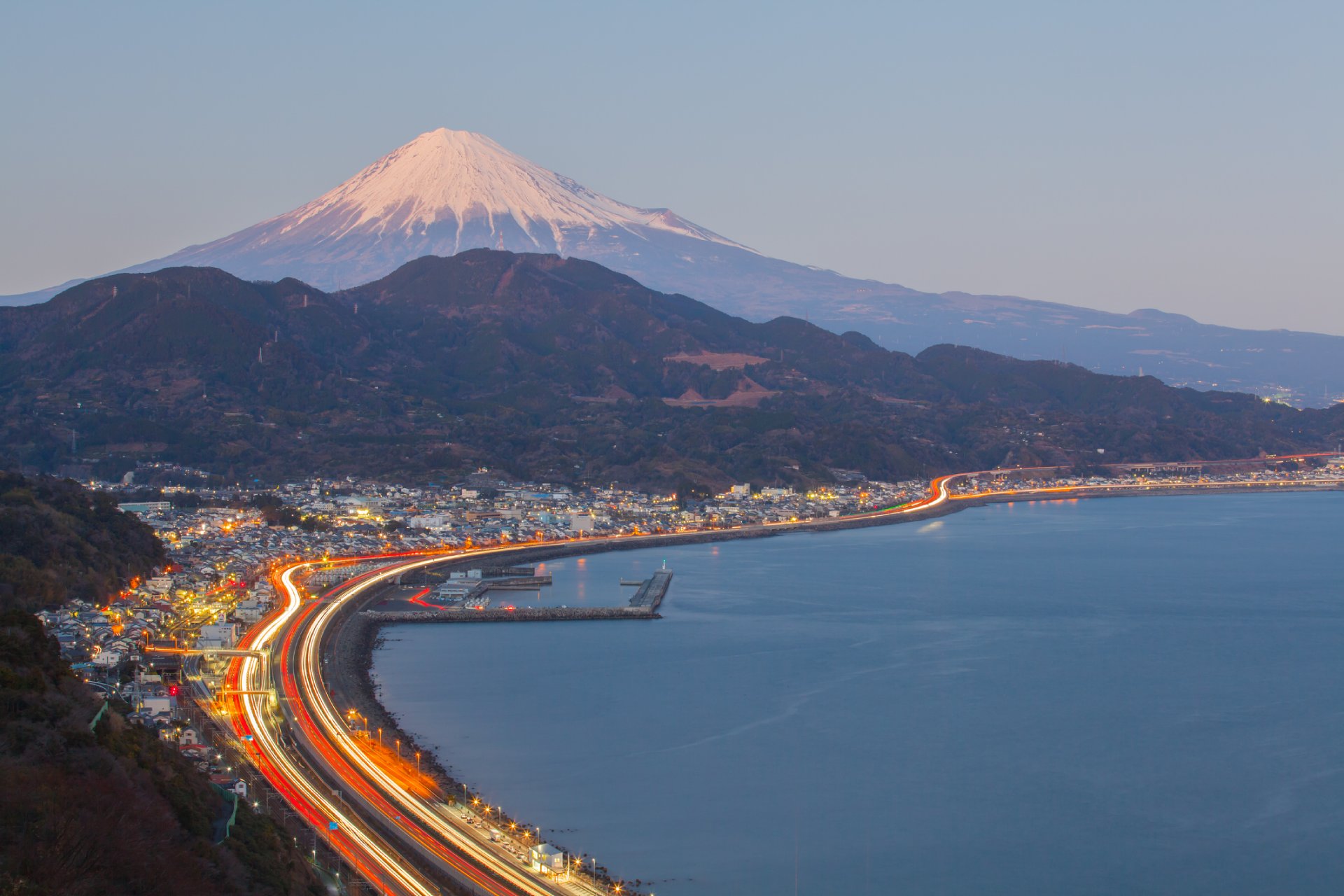
Transportation efficiency also shapes the Japanese travel experience. The Shinkansen bullet train network allows travelers to move rapidly between cities with extraordinary punctuality. Riding the train past Mount Fuji remains one of the country’s iconic experiences.
Beyond urban centers, Japan offers stunning rural destinations. Shirakawa-go, known for its steep-roofed farmhouses, preserves traditional architecture and seasonal beauty. During winter, heavy snow transforms the village into a postcard landscape.
Hiroshima stands as both a memorial and a symbol of resilience. The Hiroshima Peace Memorial Park and museum provide sobering insight into World War II while emphasizing reconciliation and peace.
Pros and Cons of Visiting Japan
Japan offers extraordinary safety, cleanliness, efficiency and hospitality. Public transportation is world-class, food quality is exceptional and cultural experiences are deeply authentic. Travelers can comfortably explore both cities and rural regions independently. Japan can be expensive, particularly in major cities. Language barriers occasionally create challenges outside tourism areas. Summer humidity can be intense and some travelers may find cultural etiquette expectations intimidating.
Japan’s seasonal changes define much of its tourism appeal. Cherry blossom season peaks between March and April attracting millions of travelers each spring, while autumn foliage offers equally stunning scenery with fewer crowds. Spring and fall are widely considered the best seasons. Winter is ideal for skiing and fewer crowds. Summer brings festivals but also heat, humidity and typhoon risk.
Japan remains one of the safest countries in the world regarding crime. Natural disasters represent the primary security concern, including earthquakes, typhoons and occasional volcanic activity. Violent crime against tourists is rare. Lost items are frequently returned and public transportation remains highly secure. Travelers should still exercise normal situational awareness. Petty theft exists but occurs at very low levels compared to many global destinations. Scams targeting tourists are relatively uncommon.
Earthquakes, tsunamis and typhoons represent significant risks. Japan maintains sophisticated emergency response systems and infrastructure designed for disaster resilience.
Japan’s healthcare system is advanced and modern. Urban hospitals provide excellent care, though language barriers may exist. Travelers should carry medications in original packaging and verify prescription legality before arrival.
The Global Rescue Connection
No matter how safe a destination may be, emergencies still happen, especially in a country where earthquakes, typhoons and remote mountain trails are part of the landscape.
A US member wiped out on a curve while riding his motorcycle in Bisuka, Hokkaido, Japan. The member was taken to an emergency facility in Nayoro City before another transport to a hospital in Asahikawa where a higher level of care was available. The member received surgery and was admitted to the ICU suffering multiple fractures, renal injury and traumatic brain bleed. Treating physicians recommended transport to Taiwan for definitive care. Global Rescue coordinated the evacuation and transfer for continued treatment.
In another case, a US member from Seattle sustained a patella fracture and tendon injury after slipping on stairs in Nakatsu, Japan. After stabilization and medical clearance to fly, Global Rescue arranged transportation and flight assistance for the member’s return to the United States.
A Global Rescue membership provides field rescue, medical evacuation, medical advisory support and Destination Reports for travelers throughout Japan. Whether navigating Tokyo, hiking near Mount Fuji or exploring rural villages, Global Rescue ensures travelers have access to expert coordination and emergency response when conditions change unexpectedly.
Get a price estimate
Estimate
$0.00
Please answer all questions for estimate.
(Lebanon, NH – August 11, 2026) — Artificial intelligence (AI) use among experienced international travelers for trip planning has increased 64% in just six months, while resistance to the technology continues to soften, according to the latest Global Rescue Traveler Sentiment and Safety Survey.
Since January 2026, the percentage of experienced international travelers using AI to help plan international trips has risen from 22% to 36%, a 14 percentage-point increase, representing 64% growth in traveler adoption. During the same period, the share of travelers unwilling to use AI declined by 12%, falling from 40% in January to 35% today, while many previously undecided travelers have begun experimenting with the technology.
Today, 36% of experienced international travelers report using AI to help plan international trips, including 14% who use it frequently, 11% occasionally and 11% once or twice. Another 29% have not yet used AI but are interested, while 35% remain uninterested.
“Experienced travelers are becoming more comfortable with AI, but they’re embracing it on their own terms,” said Dan Richards, CEO of The Global Rescue Companies and a member of the US Travel and Tourism Advisory Board at the US Department of Commerce. “Over the past six months we’ve seen a significant shift from curiosity to adoption. Travelers increasingly trust AI to research destinations, compare options and build itineraries, but they still want to make the important decisions themselves.”
AI adoption varies significantly between US-based and non-US-based travelers.
Among US-based travelers, 33% have used AI to plan an international trip, while 31% are interested but have not yet tried it and 36% remain uninterested.
Non-US-based travelers are adopting AI much more rapidly. Nearly 48% have already used AI for trip planning, compared with 19% who are interested but have not yet used it and 32% who are not interested.
“The adoption gap is striking,” Richards said. “Experienced travelers outside the United States are leading AI adoption, particularly for information-intensive tasks such as destination research, itinerary development and navigating international entry requirements.”
Travelers overwhelmingly use AI as a planning and research tool rather than an automated booking agent. The most common application is destination research (30%), followed by building itineraries (22%), flight or hotel recommendations (19%), visa and entry requirement research (18%) and transportation planning (14%). Additional uses include restaurant recommendations (11%), translation assistance (10%) and travel budgeting (3%).
Non-US-based travelers consistently report greater AI use across nearly every planning function. They are more likely than US-based travelers to use AI for destination research (37% versus 27%), building itineraries (28% versus 21%), flight or hotel recommendations (26% versus 17%), translation assistance (15% versus 8%) and visa or entry requirement research (23% versus 17%).
When asked which AI capability would be most valuable during an international trip, respondents again favored information-driven assistance over automation. The most valuable AI feature is destination research (18%), followed by building itineraries (16%), translation assistance (10%), visa and entry requirement research (7%) and flight or hotel recommendations (5%). Even so, 26% say they still would not use AI for travel, underscoring that many experienced travelers remain cautious about relying on artificial intelligence.
“The evolution over the past six months has been remarkable but the story isn’t that AI is replacing travel advisors or traveler judgment,” Richards said. “It’s becoming another indispensable planning tool. Experienced travelers are finding it useful for research and planning while recognizing that international travel often requires experience, context and human judgment that technology alone cannot provide.”
“AI is becoming another valuable tool in the travel planning process,” Richards added. “But when conditions change unexpectedly due to severe weather, geopolitical tensions or infrastructure collapse, experienced travelers still rely on professional advice, real-time intelligence and expert human support to make the right decisions.”
About the Global Rescue Traveler Sentiment and Safety Survey
Global Rescue, the leading travel risk and crisis response provider, surveyed the world’s most experienced international travelers between June 30 – July 6, 2026. Respondents shared their attitudes, behaviors and preferences related to travel safety, technology and global mobility.
About Global Rescue
Global Rescue is the world’s leading provider of medical, security, evacuation and travel risk management services to enterprises, governments and individuals. Founded in 2004, Global Rescue maintains exclusive relationships with the Johns Hopkins Emergency Medicine Division of Special Operations and Elite Medical Group. The company has provided medical and security support during every major global crisis over the past two decades.
Categories:
TravelAugust 11, 2026
Article Highlights:
- Clothing often signals nationality, travel experience and cultural awareness before a traveler speaks.
- Many common clothing choices immediately identify tourists regardless of their nationality.
- Dressing appropriately for local customs and dress codes can reduce unwanted attention and improve interactions.
- Experienced international travelers favor understated, versatile clothing that respects local expectations.
- Behavior and cultural awareness ultimately matter more than clothing, but first impressions still count.
One of the first decisions many international travelers make is whether to try blending in at all.
Some travelers make a deliberate effort to avoid looking like tourists. They want to reduce attention from pickpockets, avoid tourist traps, show respect for local customs or simply experience a destination without immediately announcing they’re visitors. Others take the opposite view. They figure that speaking English with an American, Canadian or Australian accent, stopping to photograph famous landmarks or consulting maps on their phones already makes them obvious tourists, so why bother changing their wardrobe?
Most travelers fall somewhere between those extremes. They prioritize comfort and practicality while avoiding clothing that screams “vacation.” They may leave the oversized logo T-shirts at home, choose neutral-colored clothing instead of bright athletic wear and wear comfortable but understated walking shoes rather than bulky running shoes.
One Style Does Not Fit All
For travelers who intentionally try to blend in, the effort extends well beyond clothing. They research local dress codes before departure, understanding that gym clothes may be perfectly acceptable in one country but look out of place in another. They know that covering shoulders and knees is expected when visiting religious sites in much of the Middle East, Southern Europe and parts of Asia. They observe how residents behave, speaking quietly on public transportation, avoiding loud conversations in public squares and following local customs that visitors often overlook.
Situational awareness also matters. Experienced travelers avoid stopping in the middle of busy sidewalks to study maps, waving guidebooks in the air or loudly announcing plans in crowded tourist districts. Many also make an effort to learn a few simple words in the local language. A sincere “hello,” “please” and “thank you” often earns more goodwill than perfectly matching the local fashion.
The goal isn’t to fool anyone into believing you’re a local. That’s rarely possible. Instead, experienced international travelers understand that dressing appropriately and respecting local customs helps them avoid unnecessary attention while demonstrating that they’re guests who appreciate the culture they’re visiting.
What travelers wear abroad often communicates far more than personal style. Clothing can signal nationality, wealth, cultural awareness, travel experience, political attitudes or whether someone is likely a first-time visitor. While these are stereotypes, not reliable indicators, they are commonly held perceptions that can influence how travelers are treated by hotel staff, shopkeepers, restaurant employees, taxi drivers and even criminals looking for easy targets.
Before you say a single word, your clothing has already started the conversation.
North American Dress Styles
American travelers are perhaps the easiest nationality to identify abroad, especially in Europe. Athletic clothing, baseball caps, logo T-shirts, running shoes, cargo shorts and athleisure dominate many American wardrobes. The style emphasizes comfort, practicality and function over fashion.
To many locals, this projects an image of friendliness and confidence. Americans are often perceived as approachable and affluent. At the same time, the casual appearance sometimes reinforces stereotypes that Americans are less concerned with local customs or dress expectations.
That perception may be unfair, but it exists.
A family walking through Florence wearing matching vacation T-shirts, white athletic socks and baseball caps immediately signals “tourist,” regardless of whether they’re actually from Boston, Brisbane or Birmingham.
Canadians often dress similarly to Americans, although generally with fewer prominent logos and greater use of outdoor brands. Internationally, Canadians are commonly viewed as outdoorsy, polite and low-key. Although maple leaf patches on backpacks once became a common way to distinguish themselves from Americans, many Canadians today avoid displaying obvious national symbols.
Overall, Canadian travelers often blend into crowds more easily because their clothing tends to be understated.
Europeans: Tailored Without Trying Too Hard
Travelers from many European countries typically place greater emphasis on fit than on brand names. French travelers often wear tailored jackets, scarves, neutral colors and stylish footwear. Athletic clothing is generally reserved for exercise rather than sightseeing. Italian travelers are similarly appearance-conscious. Well-fitted clothing, quality shoes and tasteful accessories communicate confidence without appearing flashy. Italians frequently dress more formally than visitors, even for casual activities like shopping or dining. British travelers often favor smart casual clothing with darker colors and practical but fashionable shoes. Younger travelers, in particular, frequently blend into other European cities because their clothing closely matches local urban fashion.
These differences are subtle, but they contribute to the common perception that European travelers are experienced, sophisticated and culturally aware.
Practicality takes a different form in northern Europe. German travelers are frequently associated with technical outdoor clothing, hiking brands and practical footwear. Waterproof jackets, fleece layers and multifunctional clothing appear everywhere—even in cities where sunshine is abundant. Scandinavian travelers generally embrace minimalist fashion built around muted colors, simple designs and high-quality basics. To many observers, these travelers appear organized, prepared, environmentally conscious and understated.
Australia and Asia Travel Dress Styles
Australians are known for carrying their relaxed coastal lifestyle almost everywhere they travel. Shorts, sandals and lightweight outdoor clothing remain common even in destinations where locals dress more formally. The style projects confidence, adventure and an easygoing personality. Like Americans, Australians sometimes stand out because they remain comfortable in casual clothing even in upscale settings.
Travelers from Japan often dress neatly, conservatively and with remarkable attention to detail. Clean lines, coordinated outfits and modest presentation are common. Clothing rarely appears wrinkled or overly casual. South Korean travelers frequently embrace contemporary street fashion with coordinated outfits and current trends. Internationally, both groups are often perceived as respectful, detail-oriented and fashion-conscious.
Clothing That Instantly Identifies Tourists
Nationality isn’t always the easiest thing to spot. Being a tourist is. Experienced locals often recognize visitors within seconds regardless of where they come from.
Hiking boots in major cities rarely indicate someone preparing for a mountain expedition. Convertible zip-off pants, oversized cameras hanging around the neck and money belts worn outside clothing immediately suggest sightseeing rather than daily life.
Cruise ship lanyards, matching family T-shirts and excessive destination merchandise, like “I ♥ Paris,” “Rome” or “Santorini” emblazoned across clothing, announce visitor status just as clearly. Large daypacks carried everywhere also stand out in many cities where residents typically use smaller bags or briefcases.
These items aren’t inherently bad. They simply make travelers easier to identify.
What Clothing Communicates
Clothing choices often trigger predictable assumptions. Athletic wear suggests practicality and comfort and is commonly associated with American or Australian travelers who prioritize function over appearance. Luxury designer brands often communicate wealth. While stylish, conspicuous luxury accessories may also attract unwanted attention from pickpockets and scammers looking for affluent targets.
Muted, tailored clothing often suggests business travel or extensive international experience. Neutral colors rarely attract attention and tend to blend naturally into urban environments. Outdoor technical gear implies preparedness and adventure travel. While perfectly appropriate in mountainous regions or unpredictable climates, full hiking gear can appear out of place in city centers. Bright vacation clothing often signals a leisure traveler staying at a resort or taking a first international trip.
Again, these are stereotypes rather than facts, but they influence first impressions around the world.
Dressing Like an Experienced International Traveler
Frequent international travelers rarely try to look like locals. Instead, they try to avoid looking conspicuously out of place.
Their wardrobes typically rely on neutral colors such as black, navy, gray and olive that work across a variety of destinations. Clothing is comfortable but well-fitted rather than oversized or overly athletic. Logos are kept to a minimum, and versatile layers replace bulky jackets that quickly become cumbersome during long travel days.
Footwear is another giveaway. Experienced travelers often choose understated walking shoes or comfortable leather sneakers instead of brightly colored running shoes. Crossbody bags and anti-theft backpacks are favored over oversized daypacks that immediately identify someone as sightseeing.
Perhaps most importantly, seasoned travelers understand that every destination has its own dress code, whether formal or informal. They know that beachwear belongs at the beach, athletic clothing belongs in the gym and modest attire is expected in many religious, cultural and government settings around the world. Rather than packing for home, they pack for the expectations of the places they’re visiting.
The objective isn’t to disguise their nationality. It’s to appear respectful, practical and culturally aware while remaining comfortable enough to enjoy the journey.
Regional Expectations Matter
Some destinations place greater importance on dress codes than others. In Southern Europe, people generally dress more formally than many North Americans. Athletic wear is less common away from beaches and gyms, especially during the evening.
Across much of the Middle East, modest clothing is more than a cultural preference, it’s often an expected dress code, particularly at religious sites and government buildings. Covering shoulders, knees and, in some locations, hair demonstrates respect and may reduce unwanted attention.
Throughout East Asia, neat, clean and coordinated clothing is widely appreciated. Extremely casual attire may appear sloppy rather than relaxed. In many urban areas across Latin America, residents often dress more stylishly than visitors. Flip-flops and beachwear generally belong at the beach rather than restaurants, shopping districts or city streets.
Across much of sub-Saharan Africa, lightweight, practical and modest clothing suited to the climate is appropriate. Travelers should also know that military-style clothing and camouflage are prohibited for civilians in some countries.
Researching local dress codes before departure is one of the easiest ways to show respect, avoid unintentionally drawing attention and prevent awkward situations at museums, religious sites and government buildings.
Behavior Always Matters More
Clothing creates first impressions. Behavior creates lasting ones. Speaking quietly, respecting local dress codes, observing local customs, asking permission before photographing people and making an effort to learn a few words of the local language will almost always matter more than the brand of shoes you’re wearing.
A traveler dressed impeccably who behaves disrespectfully will leave a poor impression. Conversely, someone wearing comfortable, practical clothing who demonstrates humility, curiosity and cultural awareness is likely to be welcomed warmly.
For international travelers, the best approach is to dress appropriately for the destination, climate and local dress code. Doing so not only shows respect but can also help travelers blend in, avoid unwanted attention and enjoy a more comfortable experience abroad.
The Global Rescue Connection
Packing the right clothing is only one part of preparing for an international trip. Understanding local dress codes, cultural customs, medical capabilities and security conditions is equally important.
Before departure, Global Rescue Destination Reports help travelers understand local expectations, including appropriate attire for religious sites, cultural events and government buildings, as well as country-specific security concerns, healthcare resources and other practical information that can make travel safer and more enjoyable.
Even the most experienced travelers can’t prevent every emergency. An accident while sightseeing, an unexpected illness or a security incident can quickly change the course of an otherwise well-planned trip. Global Rescue members have access to 24/7 medical advisory services from experienced medical professionals who can provide guidance before and during travel.
When emergencies become serious, Global Rescue goes far beyond traditional travel insurance. Members receive field rescue from the point of illness or injury, medical evacuation to the most appropriate medical facility and security extraction when conditions warrant. Whether you’re exploring a bustling European capital, hiking in a remote national park or visiting a developing country with limited medical infrastructure, Global Rescue provides the expertise and operational support to help you travel with confidence.
Looking like a respectful traveler begins with what you wear. Traveling confidently, however, comes from being informed, prepared and knowing expert assistance is available wherever your journey takes you.
Get a price estimate
Estimate
$0.00
Please answer all questions for estimate.
(Lebanon, NH – August 11, 2026) — Artificial intelligence (AI) use among experienced international travelers for trip planning has increased 64% in just six months, while resistance to the technology continues to soften, according to the latest Global Rescue Traveler Sentiment and Safety Survey.
Since January 2026, the percentage of experienced international travelers using AI to help plan international trips has risen from 22% to 36%, a 14 percentage-point increase, representing 64% growth in traveler adoption. During the same period, the share of travelers unwilling to use AI declined by 12%, falling from 40% in January to 35% today, while many previously undecided travelers have begun experimenting with the technology.
Today, 36% of experienced international travelers report using AI to help plan international trips, including 14% who use it frequently, 11% occasionally and 11% once or twice. Another 29% have not yet used AI but are interested, while 35% remain uninterested.
“Experienced travelers are becoming more comfortable with AI, but they’re embracing it on their own terms,” said Dan Richards, CEO of The Global Rescue Companies and a member of the US Travel and Tourism Advisory Board at the US Department of Commerce. “Over the past six months we’ve seen a significant shift from curiosity to adoption. Travelers increasingly trust AI to research destinations, compare options and build itineraries, but they still want to make the important decisions themselves.”
AI adoption varies significantly between US-based and non-US-based travelers.
Among US-based travelers, 33% have used AI to plan an international trip, while 31% are interested but have not yet tried it and 36% remain uninterested.
Non-US-based travelers are adopting AI much more rapidly. Nearly 48% have already used AI for trip planning, compared with 19% who are interested but have not yet used it and 32% who are not interested.
“The adoption gap is striking,” Richards said. “Experienced travelers outside the United States are leading AI adoption, particularly for information-intensive tasks such as destination research, itinerary development and navigating international entry requirements.”
Travelers overwhelmingly use AI as a planning and research tool rather than an automated booking agent. The most common application is destination research (30%), followed by building itineraries (22%), flight or hotel recommendations (19%), visa and entry requirement research (18%) and transportation planning (14%). Additional uses include restaurant recommendations (11%), translation assistance (10%) and travel budgeting (3%).
Non-US-based travelers consistently report greater AI use across nearly every planning function. They are more likely than US-based travelers to use AI for destination research (37% versus 27%), building itineraries (28% versus 21%), flight or hotel recommendations (26% versus 17%), translation assistance (15% versus 8%) and visa or entry requirement research (23% versus 17%).
When asked which AI capability would be most valuable during an international trip, respondents again favored information-driven assistance over automation. The most valuable AI feature is destination research (18%), followed by building itineraries (16%), translation assistance (10%), visa and entry requirement research (7%) and flight or hotel recommendations (5%). Even so, 26% say they still would not use AI for travel, underscoring that many experienced travelers remain cautious about relying on artificial intelligence.
“The evolution over the past six months has been remarkable but the story isn’t that AI is replacing travel advisors or traveler judgment,” Richards said. “It’s becoming another indispensable planning tool. Experienced travelers are finding it useful for research and planning while recognizing that international travel often requires experience, context and human judgment that technology alone cannot provide.”
“AI is becoming another valuable tool in the travel planning process,” Richards added. “But when conditions change unexpectedly due to severe weather, geopolitical tensions or infrastructure collapse, experienced travelers still rely on professional advice, real-time intelligence and expert human support to make the right decisions.”
About the Global Rescue Traveler Sentiment and Safety Survey
Global Rescue, the leading travel risk and crisis response provider, surveyed the world’s most experienced international travelers between June 30 – July 6, 2026. Respondents shared their attitudes, behaviors and preferences related to travel safety, technology and global mobility.
About Global Rescue
Global Rescue is the world’s leading provider of medical, security, evacuation and travel risk management services to enterprises, governments and individuals. Founded in 2004, Global Rescue maintains exclusive relationships with the Johns Hopkins Emergency Medicine Division of Special Operations and Elite Medical Group. The company has provided medical and security support during every major global crisis over the past two decades.
Categories:
NewsAugust 8, 2026
(Lebanon, NH – August 7, 2026) – With only a few days remaining before the August 12 total solar eclipse, travelers heading into the path of totality should prepare for more than finding the perfect place to watch. Global Rescue medical and travel risk experts are urging eclipse watchers to plan for transportation disruptions, unpredictable weather, crowded viewing locations, limited communications and serious eye injuries from improper solar viewing.
“Looking directly at the sun without proper protection can injure the retina and cause solar retinopathy, potentially resulting in blurred or distorted vision, dark spots in the center of the visual field or permanent vision loss,” said Jeff Weinstein, medical operations senior manager at Global Rescue.
The August 12 eclipse will sweep across parts of northern Russia, Greenland, Iceland, the Atlantic Ocean, Spain and a small corner of Portugal. Much of the rest of Europe, along with portions of North America and northwestern Africa, will experience a partial eclipse.
“Regular sunglasses, regardless of how dark they are, are not adequate for directly viewing the eclipse. Safe direct viewing requires eclipse glasses or handheld solar viewers that comply with the ISO 12312-2 international standard,” he added, noting that eclipse glasses should be obtained from a reputable manufacturer or supplier rather than relying solely on an ISO marking.
For international travelers chasing totality, the event combines the challenges of a major public gathering with the complications of travel to destinations where weather, infrastructure and medical resources may vary considerably.
Travelers should expect heavy traffic around popular viewing areas, crowded public transportation, pressure on cellular networks and possible access restrictions. Those traveling to remote areas of Greenland or Iceland should be especially prepared for limited infrastructure and potentially lengthy travel times to medical care.
Global Rescue Eclipse Safety Tips
- Use proper eclipse glasses. Use solar viewers obtained from a reputable supplier or manufacturer that comply with ISO 12312-2 requirements. Ordinary sunglasses are not sufficient. Supervise children to make certain they are using solar viewers properly.
- Inspect glasses before use. Do not use eclipse glasses that are scratched, punctured, torn or otherwise damaged.
- Protect cameras, binoculars and telescopes. These devices require special-purpose solar filters secured over the front of the optics. Looking through an unfiltered optical device can cause severe eye injury, even when wearing eclipse glasses. Eclipse glasses are not a substitute for a solar filter secured over the front of the optics. Never look through an unfiltered optical device, even while wearing eclipse glasses.
- Remove eclipse glasses only during totality and only if you are within the path of totality. Travelers within the path of totality may view the eclipse without protective glasses only during the brief period when the moon completely covers the sun. Eye protection must be replaced immediately when any portion of the bright sun reappears.
- Use indirect viewing when necessary. Pinhole projectors and other indirect methods allow travelers to observe the eclipse without looking directly at the sun.
- Prepare for crowds and delays. Carry water, food, essential medications, first-aid supplies and backup battery power. Allow extra time for transportation before and after the eclipse.
- Download offline maps. Cellular systems may become congested in heavily attended or remote viewing areas.
- Know where medical help is available. International and adventure travelers should identify nearby medical facilities and understand how they would obtain assistance or evacuation if a serious illness or injury occurs.
“A total solar eclipse is extraordinary, but travelers shouldn’t allow the excitement of the moment to override basic safety,” Weinstein said. “Prepare for the crowds, know what you will do if weather forces you to change locations, and protect your eyes every second the sun is visible.”
About Global Rescue
Global Rescue is the world’s leading provider of medical, security, evacuation and travel risk management services to enterprises, governments and individuals. Founded in 2004, Global Rescue maintains exclusive relationships with the Johns Hopkins Emergency Medicine Division of Special Operations and Elite Medical Group. The company has provided medical and security support during every major global crisis over the past two decades.
Categories:
TravelAugust 7, 2026
Article Highlights:
- Remote Michelin-star restaurants are redefining luxury travel by combining world-class cuisine with extraordinary wilderness settings.
- Elite travelers increasingly seek destinations that blend fine dining, luxury accommodations and unforgettable adventure experiences.
- Reaching these destinations often requires helicopters, boats, private guides or challenging overland treks.
- Even sophisticated destinations carry medical, environmental and logistical risks that demand careful preparation.
- Global Rescue memberships provide expert medical advisory, field rescue and evacuation services where traditional travel insurance often falls short.
Luxury travel has evolved far beyond five-star hotels and private beach resorts. Increasingly, affluent international travelers are pursuing what might best be described as the Travel Triple Play: an exclusive combination of Michelin-star cuisine, extraordinary luxury experiences and unforgettable outdoor adventure — all in some of the world’s most remote destinations.
The appeal is obvious. Travelers no longer want to simply visit beautiful places. They want stories few others can tell.
That means dining at a two-star Michelin restaurant perched on a windswept North Atlantic island, kayaking beneath towering sea cliffs in the afternoon, then returning to an architect-designed lodge overlooking the ocean. Or cycling across Japanese island bridges before enjoying an intimate sushi experience sourced entirely from local waters. Luxury today is increasingly defined by exclusivity, authenticity and access rather than extravagance alone.
Ironically, some of the world’s finest restaurants are found nowhere near culinary capitals like Paris, New York or Tokyo. Instead, visionary chefs have deliberately abandoned major cities to create unforgettable dining experiences surrounded by wilderness.
These destinations demand commitment but they reward travelers with experiences impossible to duplicate elsewhere.
Faroe Islands: Michelin Dining at the Edge of the North Atlantic
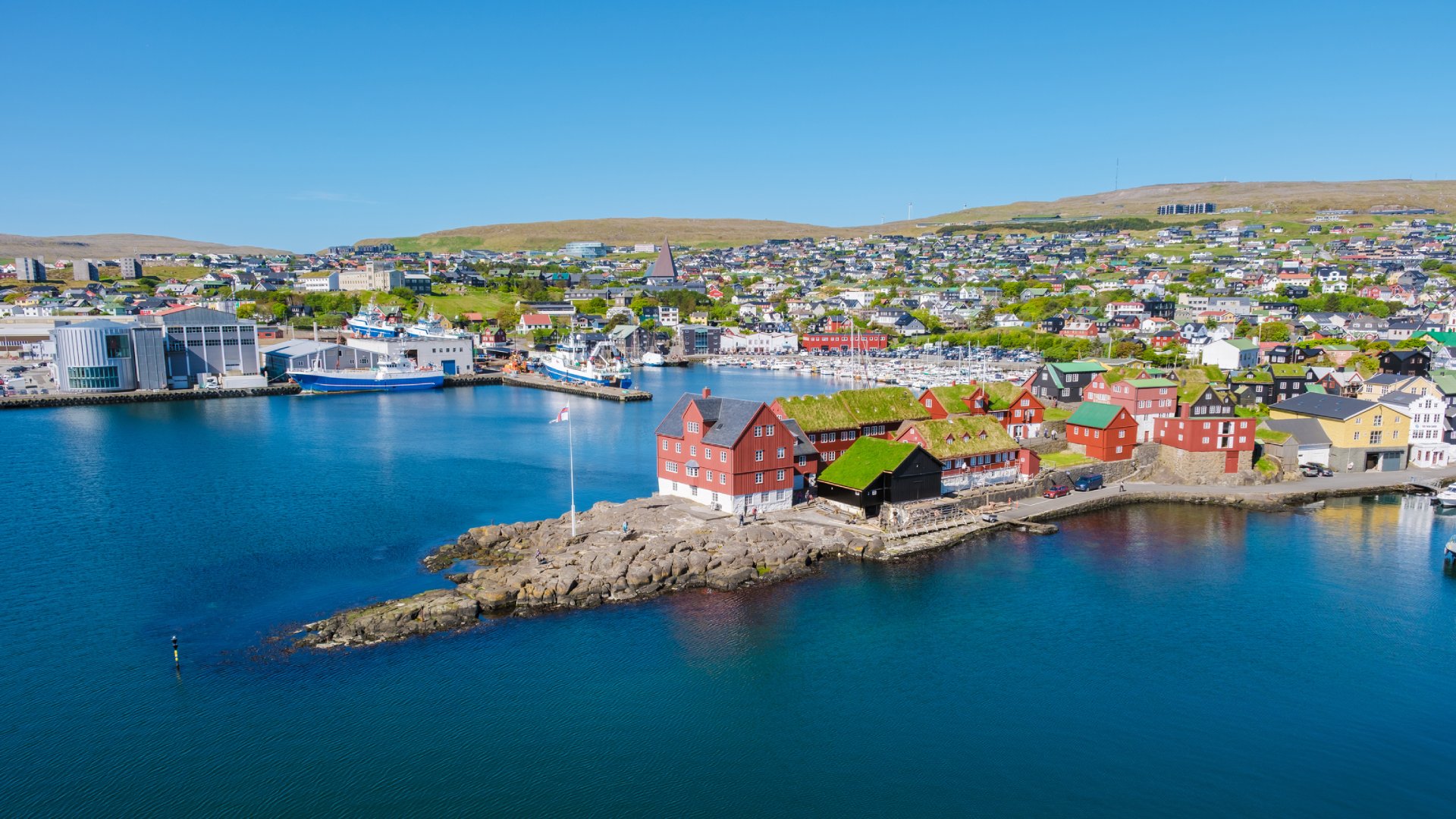
Among culinary experts, PAZ in the Faroe Islands is widely regarded as one of the world’s most remote Michelin-starred restaurants. Led by celebrated Faroese chef Poul Andrias Ziska, the restaurant embraces extreme locality through ingredients harvested from the harsh North Atlantic environment.
Menus showcase fermented foods, pristine seafood, native herbs, seabirds and ingredients that reflect centuries of Arctic survival traditions.
Even reaching the Faroe Islands feels like part of the experience. Located between Iceland and Norway, the rugged volcanic archipelago is defined by dramatic fjords, towering cliffs, waterfalls plunging directly into the sea and tiny villages connected by tunnels and winding roads.
Luxury here isn’t measured by marble lobbies. Instead, visitors charter helicopters, private yachts and RIB boats to explore isolated islands inaccessible to most tourists. Contemporary Nordic lodges and restored grass-roof homes offer complete privacy amid spectacular landscapes.
Adventure opportunities rival the cuisine. Travelers hike to Sørvágsvatn, the famous “floating lake,” paddle through sea caves beneath immense cliffs, or surf the surprisingly powerful cold-water breaks near Tjørnuvík.
The environment also presents genuine hazards. Rapid weather changes, powerful Atlantic winds, slippery trails and cold-water immersion create real risks. Medical facilities are modern but limited compared with major European cities. Serious injuries or illnesses may require evacuation to Denmark or elsewhere in Scandinavia. Gastrointestinal illness, including travelers’ diarrhea, remains possible despite exceptional restaurant standards, particularly after consuming unfamiliar fermented foods or untreated water during outdoor excursions.
Norway: Dining Beneath the North Sea
Norway’s Under transforms fine dining into an architectural experience unlike anywhere else. Half-submerged beneath the North Sea near Lindesnes, diners enjoy panoramic underwater views while sampling hyper-seasonal menus sourced almost entirely from surrounding waters.
The restaurant itself has become an international destination, complemented by boutique coastal hotels, luxury cabins overlooking rugged shorelines and private marine excursions.
Adventure seekers extend their visit with wreck diving, coasteering, sea kayaking and exploration of Norway’s dramatic southern coastline.
The North Sea, however, demands respect. Water temperatures remain dangerously cold throughout much of the year, storms develop rapidly and rocky coastlines increase the risk of falls. Hypothermia, orthopedic injuries and boating accidents represent the primary concerns. Norway maintains excellent healthcare, but remote coastal rescues often require helicopters or specialized marine response teams.
Seafood safety is generally excellent, although raw seafood always carries a small risk of foodborne illness, particularly for travelers with compromised immune systems.
France: Haute Cuisine Above the Clouds
France boasts hundreds of Michelin-starred restaurants, yet Bras stands apart because of its remarkable isolation atop the Aubrac Plateau.
Surrounded by volcanic highlands, grazing cattle and seemingly endless rolling landscapes, Sébastien Bras creates one of Europe’s most celebrated tasting menus using herbs, flowers and ingredients gathered directly from the surrounding countryside.
Luxury here embraces tranquility rather than glamour. Travelers stay in elegant châteaux, visit renowned Laguiole knife workshops, indulge in thermal spa retreats and explore centuries-old villages that have changed remarkably little over generations.
Adventure opportunities include mountain biking across ancient volcanic terrain, canyoning through rushing rivers and hiking long stretches of the historic Camino de Santiago and Tour des Monts d’Aubrac.
Although France possesses world-class healthcare, the Aubrac Plateau remains sparsely populated. Weather changes rapidly, especially during shoulder seasons. Long hikes expose visitors to dehydration, falls, sprains and fractures, while tick-borne illnesses are possible during warmer months. Travelers’ diarrhea is uncommon but remains a possibility whenever dietary habits change or regional cheeses and meats are consumed by those unaccustomed to local bacteria.
Sweden: Fire, Forest and Scandinavian Luxury
Deep within Sweden’s Halland forests, Knystaforsen proves that world-class dining doesn’t require crystal chandeliers.
Located inside a restored nineteenth-century sawmill, nearly every course is prepared over open wood fires using locally foraged ingredients, wild game, mushrooms and river fish.
Luxury complements rather than overwhelms nature. Guests retreat to secluded forest cabins featuring private saunas, outdoor hot tubs and panoramic woodland views. Guided canoe expeditions, private foraging excursions and floating saunas complete one of Scandinavia’s most distinctive luxury experiences.
Outdoor enthusiasts can spend days paddling isolated rivers, cycling endless forest roads or, during winter, combining ice swimming with traditional Scandinavian sauna rituals.
Remote forests inevitably present risks. Navigation errors, falls, insect bites, hypothermia and water-related accidents become more likely once travelers leave developed areas. Moose collisions while driving are also a seasonal hazard. Sweden’s healthcare system is outstanding, but emergency response times increase significantly in remote forests. Wild foods are generally safe when prepared professionally, although foraged mushrooms consumed outside guided experiences can present poisoning risks.
Japan: Sushi at the End of the Inland Sea
Japan’s Michelin reputation extends far beyond Tokyo. Akakichi, located on Hakata Island within the Seto Inland Sea, offers one of the country’s most intimate sushi experiences.
Reaching the restaurant requires trains, buses and crossings over the spectacular Shimanami Kaido bridge system before guests finally arrive at a tiny sushi counter overlooking calm blue waters.
The surrounding islands have quietly become one of Japan’s premier luxury destinations. Visitors stay in traditional ryokans with private onsens, charter yachts through the Inland Sea and cycle across some of the world’s most beautiful island-hopping routes.
Adventure revolves around movement — cycling 43 miles across suspension bridges, jet boating through the whirlpools of the Kurushima Strait and climbing coastal granite cliffs overlooking the sea.
Japan’s healthcare system ranks among the world’s best, although language barriers can complicate treatment outside major cities. Summer heat and humidity increase dehydration risks, while typhoons occasionally disrupt transportation throughout the region. Raw seafood is exceptionally fresh but still carries the small inherent risk associated with consuming uncooked fish. Travelers with shellfish allergies should exercise particular caution because ingredients are frequently incorporated into broths and sauces.
Why This New Luxury Travel Model Is Growing
The Travel Triple Play reflects a broader transformation in luxury tourism. Affluent travelers increasingly prioritize memorable experiences over possessions. Michelin stars alone are no longer enough. Nor are luxury accommodations or adventure excursions by themselves.
Instead, travelers seek destinations where every element reinforces the others. The remote setting enhances the cuisine. The cuisine reflects the surrounding environment. Luxury accommodations deepen the sense of place. Adventure transforms the trip into something profoundly personal.
The result is a journey that cannot simply be replicated somewhere else.
The Global Rescue Connection
The very remoteness that makes these destinations extraordinary also makes them more complicated when emergencies occur. Helicopter access may be limited by weather. Specialized trauma care may require transport across regions or even international borders. Serious illnesses, orthopedic injuries, allergic reactions, severe travelers’ diarrhea, hypothermia, boating accidents and climbing injuries can quickly overwhelm local medical resources despite the high standards of care found in these countries.
A Global Rescue membership helps close that gap. Members have access to 24/7 medical advisory services before and during travel, allowing them to consult experienced medical professionals whenever health concerns arise. Travelers can also use Destination Reports to better understand local medical capabilities, environmental hazards, seasonal weather, political conditions and other destination-specific risks before departure.
If a serious emergency occurs, Global Rescue provides field rescue, dispatching response teams to the point of illness or injury when local resources cannot. When medically necessary, Global Rescue coordinates medical evacuation to the hospital of the member’s choice, ensuring continuity of care rather than simply transporting travelers to the nearest available facility.
For travelers facing natural disasters, transportation disruptions or security concerns, Global Rescue also provides security advisory services, helping members navigate rapidly changing situations with expert guidance.
Importantly, Global Rescue memberships are not insurance. There are no claim forms, deductibles or reimbursement delays. Whether travelers are injured on a Swedish wilderness trail, become seriously ill in the Faroe Islands, require evacuation from Norway’s rugged coastline or face an emergency while exploring Japan’s remote islands, Global Rescue delivers direct operational support when the unexpected happens.
For travelers embracing the Travel Triple Play, where exceptional cuisine, unforgettable adventure and remote luxury intersect, preparation becomes every bit as important as the destination itself. The world’s most extraordinary travel deserve equally extraordinary protection.
Get a price estimate
Estimate
$0.00
Please answer all questions for estimate.
Categories:
Places & PartnersTravelAugust 6, 2026
Article Highlights:
- Verdun and Normandy remain the most powerful battlefield destinations in Europe, offering unforgettable perspectives on the world wars.
- Belleau Wood and the Meuse-Argonne region provide some of the most important American military history experiences outside the United States.
- Remote sites such as Peleliu and the Hürtgen Forest preserve battlefields largely unchanged since World War II.
- Military tourism often combines history, culture and stunning landscapes, from Monte Cassino’s mountaintop monastery to Portugal’s Lines of Torres Vedras.
- Travelers should plan carefully, hire local guides when appropriate and remain aware of unexploded ordnance risks in former combat zones.
For many travelers, history becomes far more meaningful when experienced in the places where it unfolded. Standing on a battlefield transforms names, dates and statistics into something tangible. The terrain, distances, weather and geography reveal realities that books and documentaries can never fully capture.
International battlefield and military tourism continue to grow as travelers seek deeper, more educational experiences. Shattered landscapes of World War I France. Remote Pacific islands where relics remain exactly where they fell. These destinations provide a powerful connection to the people and events that shaped the modern world.
While famous battlefields such as Normandy deserve their legendary status, some of the most memorable military tourism experiences are found at lesser-known locations where crowds are sparse and history feels remarkably intact.
Must-See and Hidden Gems for History Buffs
No battlefield better captures the scale and horror of World War I than Verdun in northeastern France. The Battle of Verdun lasted for most of 1916 and became one of the longest and most devastating battles in human history. More than 700,000 casualties were suffered during the campaign, leaving scars on both the land and the national consciousness of France.
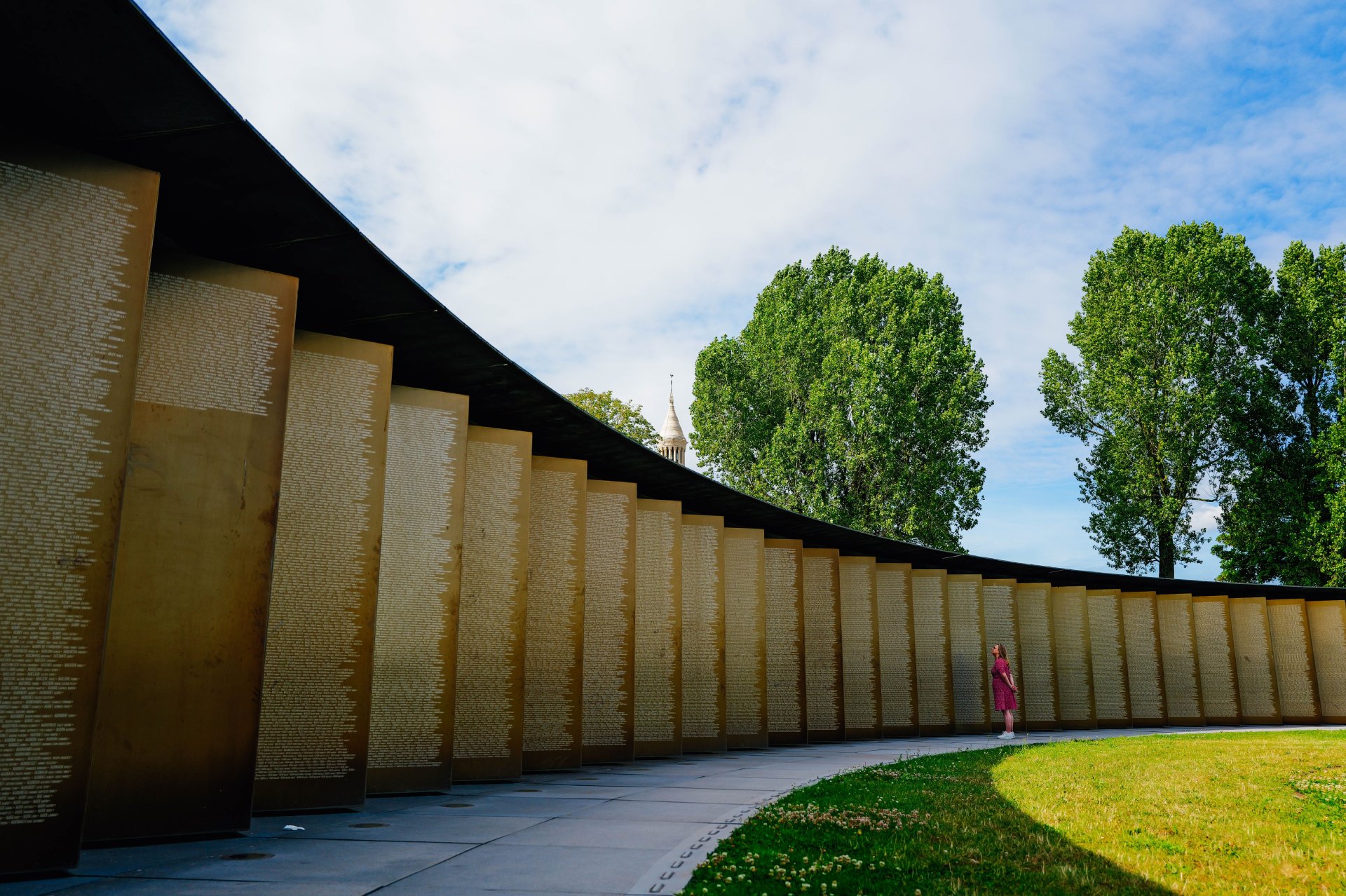
The centerpiece of any visit is the Douaumont Ossuary, which contains the remains of more than 130,000 unidentified French and German soldiers. The atmosphere is profoundly moving, especially when combined with nearby cemeteries and memorials.
Perhaps even more striking is the surrounding landscape. Vast sections of the former battlefield remain permanently altered by artillery bombardment. Forests and fields are still pockmarked with shell craters, creating an almost lunar terrain known as the Zone Rouge, or Red Zone. More than a century later, nature has never fully reclaimed the battlefield.
Belleau Wood and Meuse-Argonne: A Forgotten World War I Legacy
Many Americans visit Normandy but never make the journey to Belleau Wood or the Meuse-Argonne region. That is a mistake for anyone interested in U.S. military history. Belleau Wood occupies a special place in Marine Corps lore. During the summer of 1918, US Marines fought a brutal series of engagements against German forces in terrain that remains surprisingly recognizable today. The battle helped establish the reputation of the modern Marine Corps and became one of the defining moments of American participation in World War I.
Visitors can walk through portions of the forest, see preserved trenches and discover remnants of wartime fortifications hidden among the trees. The nearby Devil Dog Fountain commemorates the fierce fighting associated with the legendary “Devil Dogs” nickname.
A short distance away lies the Meuse-Argonne American Cemetery, the largest American military cemetery in Europe. Thousands of U.S. service members rest here, yet the site receives only a fraction of the visitors who travel to Normandy.
Normandy: The Ultimate World War II Pilgrimage
For military tourism, Normandy remains the gold standard. The beaches where Allied forces landed on June 6, 1944, continue to attract visitors from around the world. Yet even with its popularity, the experience remains deeply emotional. Walking Omaha Beach at low tide offers a sobering perspective on the challenges faced by American troops. The distance between the shoreline and the bluffs appears daunting even today.
Nearby, the Normandy American Cemetery at Colleville-sur-Mer stands as one of the most moving military memorials in the world. Thousands of white crosses and Stars of David overlook the English Channel, honoring those who never returned home.
Pointe du Hoc provides another unforgettable experience. Here, U.S. Army Rangers scaled steep cliffs under enemy fire to eliminate German artillery positions. The massive bomb craters that still dominate the landscape vividly demonstrate the intensity of the fighting.
Hürtgen Forest: America’s Forgotten Battle
While Normandy and the Battle of the Bulge dominate popular memory, the Battle of Hürtgen Forest remains one of the most overlooked campaigns involving American forces. Fought along the German-Belgian border, the battle became one of the longest and costliest engagements ever fought by the US Army.
The forest itself contributes to the experience. Dense pine trees, steep terrain and limited visibility help visitors understand why the battle became such a nightmare for Allied troops. Hiking trails around Vossenack and Schmidt reveal moss-covered Dragon’s Teeth anti-tank obstacles, abandoned bunkers and remnants of Germany’s Siegfried Line. Many features remain largely untouched, creating one of Europe’s most immersive battlefield experiences.
Monte Cassino and the Forgotten Beachhead at Paestum
Italy offers some of the most dramatic battlefield scenery anywhere in the world. Monte Cassino sits atop a mountain overlooking a strategic valley that Allied forces desperately needed to break through during the Italian Campaign. The imposing Benedictine monastery dominates the landscape and serves as a reminder of one of the war’s most controversial battles. The nearby military cemeteries are equally impressive, particularly the Polish and Commonwealth cemeteries that highlight the multinational nature of the Allied effort.
Less well known is the Operation Avalanche landing area near Paestum. In September 1943, American forces landed on these beaches as part of the Allied invasion of mainland Italy. Today, visitors can stand on the same shoreline while also exploring one of the world’s finest collections of ancient Greek temples. The juxtaposition is remarkable. Few destinations allow travelers to experience both classical antiquity and modern military history in a single afternoon.
Corregidor Island: America’s Last Stand in the Philippines
Located at the entrance to Manila Bay, Corregidor Island played a central role during the opening months of the Pacific War. Following the Japanese invasion of the Philippines, American and Filipino forces mounted a desperate defense before ultimately surrendering in 1942.
Today, Corregidor feels like a tropical military museum frozen in time. Visitors can explore bomb-damaged barracks, artillery batteries and defensive positions scattered across the island. The highlight is Malinta Tunnel, the underground headquarters used by General Douglas MacArthur and later by Japanese forces. The island’s preservation makes it one of the most accessible and informative Pacific War sites for American travelers.
Peleliu: The Most Untouched Battlefield in the Pacific
For serious military history enthusiasts, Peleliu in Palau may represent the ultimate hidden gem. The battle was expected to last only a few days but evolved into a brutal campaign of cave warfare that continued for more than two months. Because Peleliu remains remote and lightly visited, the battlefield has changed very little since 1944.
Visitors encounter rusting amphibious vehicles, aircraft wreckage, artillery positions and cave systems scattered throughout the island. The jungle has reclaimed much of the landscape, creating an atmosphere unlike any conventional museum. Peleliu offers one of the closest experiences possible to stepping directly into World War II history.
Waterloo and the Lines of Torres Vedras
Military tourism extends far beyond the world wars. Belgium’s Waterloo battlefield remains one of the most famous military sites in history. From atop the Lion’s Mound, visitors can survey the terrain where Napoleon’s final defeat reshaped Europe. The restored Hougoumont Farm and excellent visitor center help bring the campaign vividly to life.
For a lesser-known experience, Portugal’s Lines of Torres Vedras provide a fascinating glimpse into Napoleonic warfare. Constructed secretly to defend Lisbon, these extensive fortifications successfully halted French ambitions in the Iberian Peninsula.
Today, travelers can explore remarkably preserved forts, trenches and military roads while enjoying beautiful Portuguese countryside largely free from tourist crowds.
The Global Rescue Connection
Battlefield tourism often takes travelers far beyond traditional tourist infrastructure and into rugged environments that still reflect the realities of war. The same terrain that once provided tactical advantages, i.e. steep cliffs, dense forests, remote islands, cave systems and defensive fortifications – can present serious risks for modern visitors.
Many medical emergencies on historic battlefields involve common orthopedic injuries rather than dramatic wartime hazards. Uneven ground, hidden shell craters, slippery trails and deteriorating bunkers can quickly lead to fractures, sprains and lacerations. At sites such as Pointe du Hoc, Verdun, the Hürtgen Forest and the Lines of Torres Vedras, visitors often become absorbed in the historical experience and overlook the hazards beneath their feet. Remote Pacific battlefields such as Peleliu add additional challenges, including extreme heat, dehydration, difficult terrain and limited access to medical care.
Even today, former battlefields can present unique dangers. Rusted metal, collapsed structures, hidden barbed wire and other remnants of war remain scattered throughout many historic sites. In some regions, unexploded ordnance from World War I and World War II continues to surface through erosion and weathering. Travelers should always stay on designated paths, avoid entering unstable structures and never touch suspicious military relics or munitions.
A Global Rescue membership provides an important layer of protection for travelers exploring these historic destinations. Members have access to 24/7 medical advisory services, field rescue capabilities and medical evacuation to the hospital of their choice if a serious illness or injury occurs. Global Rescue also provides destination reports and expert guidance to help travelers understand local conditions before departure.
For travelers visiting remote battlefields, isolated islands or rugged military sites, Global Rescue’s security and medical teams provide experienced support when local resources are limited. Membership benefits include field rescue, medical evacuation, 24/7 medical advisory services and security support during major disruptions or emergencies.
History may be the reason for the journey, but preparation remains essential. Whether exploring Verdun’s cratered forests, hiking through the Hürtgen Forest, descending into Corregidor’s tunnels or trekking across Peleliu’s jungle-covered ridges, Global Rescue helps ensure travelers can focus on the past without facing modern emergencies alone.
Get a price estimate
Estimate
$0.00
Please answer all questions for estimate.
Kimmy Fasani’s story of how a family travel membership became lifesaving support for her two-year-old son.
Kimmy Fasani and her husband, Chris Benchetler, built their lives around mountain travel. As elite professional athletes, they understood risk. They understood injuries. They understood what it meant to be far from home when something went wrong.
“We became Global Rescue members because we had injuries in foreign countries,” Fasani said. “It was always a question of how can we get the choice of medical care needed and wanted.”
Years earlier, Benchetler had broken his collarbone in Japan. Doctors there wanted to operate, but the language barrier and uncertainty made an already stressful situation harder. Fasani had also watched friends face the burden of arranging and paying for flights out of foreign countries after medical emergencies. Her experience begged a serious question: “How could we get out of these countries quicker to get to our hospital of choice at home and be able to start our recovery?”
That question eventually led them to Global Rescue. At the time, Fasani thought of the membership as protection for herself and her husband. They were high-caliber athletes who traveled into remote mountain environments. They knew that if one of them was hurt in the backcountry, access to the right medical care could define the recovery.
“We’ve always been very forward with how we manage our injuries,” Fasani said. “Because we’re high-caliber athletes, we knew that the best medical care to get us back into our performance shape was necessary.”
But the first person in their family to need Global Rescue was not Fasani. It was not Benchetler. It was their two-year-old son.
A Small Symptom That Became a Medical Emergency
Fasani had purchased the family’s Global Rescue membership just a few months before their winter travel began. She was driving to Canada with her son and a caretaker so she could work in the backcountry. During the drive, she noticed her son had diarrhea.
“It was as simple as that,” Fasani said. “He was a healthy kid, never sick.”
As a new mother, she tried not to panic. Children get stomach viruses. Toddlers have off days. At first, nothing suggested a life-threatening illness. When they arrived in Canada, her son was still a little lethargic, but not in a way that seemed dramatically unusual. Fasani felt comfortable enough to leave him with the caretaker while she went into the mountains.
Then the weather changed. A storm was coming in, so Fasani returned to the hotel instead of staying overnight in the backcountry.
“I get back to the hotel and my son is extremely lethargic and pale,” she said. “Something just wasn’t sitting completely right.”
The next morning, her son woke up vomiting bright green bile. Fasani took him to a clinic. He slept through the entire appointment. The doctor told her that if he did not urinate twice by the end of the day, she should take him to the emergency room.
“Those few words were foreshadowing for me,” Fasani said.
She called her pediatrician in California and sent videos so the doctor could see how her son looked. The pediatrician was concerned, too. By bedtime, he still had not urinated. Fasani had spent the day forcing fluids, coconut water and electrolytes, hoping dehydration was the issue. At the hospital, doctors still could not immediately tell what was wrong.

Around midnight, bloodwork revealed the truth: her son had HUS, Hemolytic Uremic Syndrome, a rare and potentially life-threatening illness that can develop after certain bacterial infections. The condition damages red blood cells and can cause acute kidney failure, particularly in young children. In her son’s case, his kidneys were shutting down, and he needed specialized medical care immediately. The local hospital called BC Children’s Hospital.
“BC Children’s Hospital says this blood work shows that he’s in kidney failure,” Fasani said. “And I’m in a very small mountain rural hospital. And I’m about eight hours driving from BC Children’s Hospital. And it’s midnight.”
And a major storm was moving in.
The doctor told her, “We need to get your son out of here immediately.”
Global Rescue Steps In
The local doctor began working through the Canadian medical evacuation system. Fasani, meanwhile, insisted they call Global Rescue.
“I had never used the Global Rescue membership before,” she said. “I had no idea what to expect or how to navigate the process.”
The physician called Global Rescue on Fasani’s behalf while Fasani stayed with her son.
“It was so efficient and so quick that they were able to give us directions,” Fasani said.
Global Rescue gathered the medical information, reviewed the lab work, brought physicians into the case and began coordinating the next steps. Fasani had expected a transport service. What she experienced was much more.
“I was just expecting the nurse to call and somehow there was going to be a plane to take him away,” Fasani said. “But instead, it was full service. It was this trusted, reliable care.”
That distinction mattered immediately. The situation was urgent. Her son was critically ill. The hospital was rural. The specialist care he needed was hours away. The storm threatened to limit transportation options. Global Rescue’s team worked quickly to understand the medical condition and logistics.
“There was so much advocacy with Global Rescue that I had so much confidence that my son was going to be in the best hands possible,” Fasani said. “There was so much due diligence.”
By early morning, Fasani knew her son would be transported first because of the severity of his illness and the incoming weather.
“[Global Rescue was] able to shift their schedule and prioritize different patients to make sure that my son got to the best hospital for what he was facing,” she said.
“Because of Global Rescue, I Wasn’t Alone”
Looking back, Fasani believes the timing was critical.
“I truly feel like the way Global Rescue prioritized getting my son out of there before the storm was the number one detail,” she said. “I don’t think we would have been put on a priority list.”
In the middle of the night, while most of the world was sleeping, Fasani was navigating the most frightening experience of her life.
“Because of Global Rescue, I wasn’t alone,” she said.
That may be the clearest way to understand the value of the membership. The medical transport mattered. The logistics mattered. The financial protection mattered. But for Fasani, the emotional impact was equally as powerful.
“I felt like there were other people advocating for me at Global Rescue versus just being another patient in a foreign country,” she said.
Global Rescue paid for and coordinated the flight and ambulance transport to BC Children’s Hospital. Once there, Fasani’s son was admitted to intensive care and placed under the care of specialists. Global Rescue had removed the massive upfront burden of emergency medical transport. And in this case, getting to the right hospital made all the difference. The nephrologist at BC Children’s Hospital had deep experience treating HUS.
“There was so much confidence when I arrived at that hospital,” Fasani said. “It was almost like I drove to Canada with my son sick to end up at the right hospital.”
The Support Continued
Global Rescue’s role did not end once Fasani and her son arrived at BC Children’s Hospital.
“Every day I was in the hospital, Global Rescue was checking in,” Fasani said.
The team reviewed labs, spoke with doctors, offered opinions and made sure their guidance aligned with the treating physicians. “Again, continued advocacy,” she said.
Eventually, Global Rescue coordinated a second medical transport home to California. Fasani and her son flew with medics and were able to choose the hospital where he would continue care.
“We got to choose our hospital in California, and that made it so much easier because we were able to have family come and help,” she said. “You guys did exactly what you said. You got us back to our hospital of choice.”

Not Just for Adventure Travelers
Before this emergency, Fasani associated Global Rescue with the kind of risks she and her husband faced as professional athletes. “If I broke my leg in the backcountry,” she said, “that’s what I thought it was for.”
Her son’s illness changed that completely.
“Global Rescue to me now is the thing, number one, when I’m booking a trip or if I hear friends booking a trip, it’s the one thing that I recommend,” she said. “It’s for the entire family. It’s for any time you leave the country.”
Her son was not injured skiing or climbing. He was not in the backcountry. He was a toddler who became critically ill during family travel. That experience reshaped how she talks about travel protection.
“To anybody that is traveling, Global Rescue creates a peace of mind so that if an emergency happens, you’re not stuck there alone,” she said. “You have somebody to help you navigate that challenge.”
A Lesson Fasani Wants Other Families To Know
Fasani had learned the hard way what it’s like to be injured overseas without Global Rescue. The year before her son’s emergency, she broke her arm in Japan while traveling with an 11-month-old baby.
“My husband had just left,” she said. “I have a broken arm. I need to go home for surgery. I’m packing up with an 11-month-old baby. And I’m like, oh my gosh, this is so complicated.”
That earlier experience was difficult. But her son’s medical crisis was different.
“When I actually needed it during a life-threatening situation, I was really lucky,” Fasani said. “Not having to learn the hard way is so much easier.”
That is why she wanted to share her story.
“For the minimal charge that we pay per year, the annual membership, the amount that it saved us in stress and financial was massive,” she said.
Her son recovered. Her family returned home. But the experience permanently changed the way Fasani thinks about travel. Global Rescue was not just a membership. It was a safeguard for her entire family.
“It saved my son’s life to be able to have this service,” Fasani said. “Global Rescue is a resource for each member of your family when you’re traveling.”
Categories:
TravelAugust 4, 2026
Article Highlights:
- The Pacific Northwest remains one of the world’s premier steelhead fishing regions.
- The Skeena and Bulkley systems in British Columbia attract serious anglers pursuing trophy fish.
- Pulaski, New York, continues to dominate East Coast steelhead and salmon fishing culture.
- Remote fishing destinations can expose travelers to serious medical and logistical risks.
- Global Rescue memberships provide field rescue, medical evacuation and destination intelligence for anglers traveling far from home.
Steelhead fishing occupies a unique place in North American angling culture. Unlike stocked trout or predictable freshwater species, steelhead demand patience, endurance and adaptability. These ocean-running rainbow trout migrate immense distances before returning to rivers where anglers pursue them in rugged, cold and often isolated environments. From the rain-soaked Olympic Peninsula of Washington to the glacier-fed Skeena and Bulkley systems in British Columbia, steelhead fishing is as much an expedition as it is a sport.
For many anglers, the pursuit becomes lifelong. Conditions change hourly. Rivers rise and fall with storms. Fish behavior shifts with water temperature, light and migration timing. Success is never guaranteed. That uncertainty is exactly what draws anglers back.
The Iconic Olympic Peninsula
The Olympic Peninsula in Washington remains one of the most iconic steelhead destinations in the United States. Rivers such as the Hoh, Sol Duc, Bogachiel and Quinault flow through dense temperate rainforest landscapes that feel largely untouched by modern development. Winter steelhead season transforms these rivers into pilgrimage sites for fly anglers and drift fishermen seeking aggressive wild fish in dramatic surroundings.
The peninsula’s weather and geography contribute heavily to the experience. Heavy rainfall can rapidly alter river levels and create dangerous wading conditions. Roads into remote access points may be vulnerable to flooding or washouts. Cell service disappears quickly outside larger towns. For anglers traveling from other states or countries, preparation matters as much as tackle selection.
Steelhead of Oregon’s Columbia River
Farther south, the Columbia River system in Oregon represents another cornerstone of steelhead culture. The Columbia itself and tributaries such as the Deschutes, John Day and Grande Ronde offer expansive fishing opportunities that combine scenic canyon landscapes with highly technical fishing conditions. The Deschutes in particular is revered among spey anglers for its broad runs and powerful summer steelhead.
Fishing the Columbia Basin often involves long distances between services, rapidly shifting weather and physically demanding access points. Anglers may float remote stretches for hours or spend days camping along isolated river corridors. These environments reward preparation and punish complacency.
The Skeena River in British Columbia
British Columbia elevates the experience further. The Skeena River watershed and its tributaries, especially the Bulkley, Kispiox and Morice Rivers near Smithers, attract anglers from across the globe searching for some of the largest wild steelhead on earth. The region’s scale is difficult to overstate. Massive valleys, glacial rivers and rugged wilderness define the landscape.
The Skeena system offers a combination of trophy fish potential and isolation that few fisheries can rival. Lodges and outfitters operate in remote terrain where medical resources may be limited and transportation options constrained by weather. Anglers frequently travel through Vancouver before continuing north toward Smithers or Terrace, creating complex itineraries that involve multiple flights and wilderness transfers.
One such journey became life-threatening for Global Rescue member William Mitchell. While traveling through Vancouver en route to a steelhead fishing trip near Smithers, British Columbia, Mitchell suffered a heart attack and collapsed in the airport. Medical personnel revived him using a defibrillator before transporting him to a Vancouver hospital.
Once stabilized, Global Rescue physicians reviewed his case, coordinated directly with treating cardiologists and arranged aeromedical evacuation to California, where Mitchell was transferred to a facility near his home and placed under the care of a heart surgeon. The case underscored an often-overlooked reality of destination angling: the greatest risks are not always tied to the river itself. Long-distance travel, remote infrastructure and delayed specialty care can quickly escalate routine medical emergencies.
Pulaski’s Legendary Steelhead Fishing
On the opposite side of North America, Pulaski, New York, offers one of the East Coast’s most famous steelhead and salmon fisheries. Located along the Salmon River near Lake Ontario, Pulaski has evolved into a destination synonymous with migratory fishing culture.
Every autumn and winter, anglers descend on the region to target salmon and steelhead moving upriver from Lake Ontario. Unlike the wilderness environments of British Columbia or Washington, Pulaski combines accessibility with highly concentrated fish populations. Lodges, guide services and fly shops support a thriving local economy built almost entirely around migratory fishing.
Yet even accessible destinations carry risk. Cold water immersion, slippery banks, hypothermia and overexertion are common hazards. Anglers often underestimate how quickly conditions can deteriorate during shoulder-season weather. Snow, freezing rain and icy riverbanks transform minor mistakes into serious injuries.
Fishing travel has also expanded far beyond North America. Anglers increasingly pursue remote species in destinations where healthcare infrastructure may be inconsistent or limited. A Global Rescue member fishing on Great Inagua Island in the Bahamas experienced this firsthand when a required COVID-19 test returned positive. The island’s medical clinic lacked the capabilities needed for appropriate treatment.
Global Rescue coordinated immediate air ambulance transport to Miami, where the member received advanced care and monoclonal antibody treatment. The incident illustrated how rapidly a routine fishing trip can become medically complex, especially in isolated environments.
Prepare for the Risks of Remote Fishing
Remote angling environments also introduce communication challenges. Global Rescue member John Bates experienced this during a fishing trip to Kiritimati, also known as Christmas Island, one of the most isolated fishing destinations in the Pacific Ocean. Bates became seriously ill at his lodge, suffering weakness, breathing difficulties and symptoms consistent with life-threatening infection.
Communication on the island was extremely limited, yet Global Rescue coordinated a medical evacuation to Honolulu for advanced treatment. Bates later emphasized that anyone traveling to remote fishing destinations should seriously consider both evacuation support and communication planning, including satellite devices.
Fishing-related injuries are not always dramatic but can still require sophisticated care. During a deep-sea fishing trip in Costa Rica, another Global Rescue member suffered fractured ribs and compressed vertebrae after a back injury. Local medical facilities lacked advanced imaging capabilities, prompting Global Rescue to coordinate evacuation to San José for CT and MRI evaluation.
These scenarios reflect the broader reality of modern angling travel. Today’s fishermen routinely travel into environments where logistics become as important as fishing conditions. Medical systems vary widely. Severe weather can disrupt transportation. Emergency response may be delayed by geography or infrastructure.
At the same time, the appeal of these destinations continues to grow. Steelhead anglers pursue more than fish. They pursue solitude, challenge and immersion in landscapes that still feel genuinely wild.
The Olympic Peninsula offers rainforest rivers surrounded by towering spruce forests. Oregon’s Columbia tributaries combine technical fishing with high-desert scenery. British Columbia’s Skeena watershed delivers some of the planet’s last truly large-scale wild steelhead ecosystems. Pulaski offers East Coast anglers a uniquely accessible migratory fishery steeped in tradition.
Each destination rewards preparation differently. On the Olympic Peninsula, waterproof layering systems and flexible itineraries matter because storms can dramatically alter river conditions. In British Columbia, anglers must prepare for airline disruptions, wildlife encounters and limited medical access. In Pulaski, understanding river etiquette and cold-weather safety becomes essential during peak season crowds.
Experienced anglers increasingly recognize that travel protection is part of responsible trip planning, particularly when venturing into remote or international fisheries.
The Global Rescue Connection
Fishing destinations are often located far from advanced medical infrastructure, reliable transportation and immediate emergency response. Whether pursuing steelhead in British Columbia, floating rivers in Oregon or exploring remote lodges abroad, anglers face risks that traditional travel insurance may not adequately address.
A Global Rescue membership provides field rescue, medical evacuation and 24/7 medical advisory support designed specifically for travelers operating in remote environments. Members can be extracted directly from the point of illness or injury and transported to the most appropriate medical facility, not simply the nearest clinic.
Global Rescue also provides Destination Reports and security advisory services that help anglers understand local infrastructure, transportation limitations, environmental risks and emergency response realities before departure. For fishermen investing significant time and money into remote expeditions, that level of preparedness can prove invaluable.
From the rivers of Washington and Oregon to the wilderness systems of British Columbia and the steelhead runs of Pulaski, preparation allows anglers to focus on the experience itself, knowing expert support exists if conditions suddenly change.
Get a price estimate
Estimate
$0.00
Please answer all questions for estimate.