Categories:
Press ReleaseMay 7, 2024
Lebanon, NH – May 6, 2024 – Hundreds of the world’s most experienced travelers have been warned, fined, detained or arrested during international travel for rules they were unaware existed. Seven percent of travelers responding to the Global Rescue Spring 2024 Traveler Sentiment and Safety Survey reported receiving a warning, a ticket or worse for breaking a rule or law in another country that they didn’t realize was prohibited. Infractions included drinking in public, speeding, illegal turns, parking violations, not wearing a seatbelt, and skiing off-piste.
A few respondents reported stiff fines or detainment by law enforcement for littering in Bangkok, taking a picture of a police station in Morocco, jay walking in Krakow, vaping in Singapore and being naked on a Brazilian beach.
“It is critical to have some knowledge of your destination’s laws before traveling,” said Dan Richards, CEO of The Global Rescue Companies, the world’s leading provider of medical, security, evacuation and travel risk management services and a member of the U.S. Travel and Tourism Advisory Board at the U.S. Department of Commerce.
Travelers’ increasing appetite for less popular, more remote destinations has many benefits: authentic experiences, reduced crowds and more adventure, to name a few. But it also has some downsides, including a higher probability of accidentally violating lesser-known laws and customs.
Many travelers are going to Italy and Greece, destinations ranked among the most frequently mentioned international destinations travelers are planning to visit in 2024. “Whether it’s a new locality or a reliable region within those countries, tourists should know that visiting historic sites in Italy, Greece or Vatican City comes with rules that may seem odd but are nevertheless enforced,” Richards said.
For example, it is prohibited to wade or dive in Rome’s Trevi Fountain, feed the birds in Piazza San Marco in Venice or take photos inside the Vatican’s Sistine Chapel. Officials in Greece banned high-heeled shoes at the Acropolis to protect it and other antiquities from wear and tear.
Unusual rules, however, are not limited to historic sites and landmarks. Tourists traveling to Thailand and touring in a rental car, zipping through city streets on a scooter, taking a scenic ride on a bike or exploring with the public transportation system should keep their shirts on at all times. It is illegal to drive without one.
You can take your shirt off when driving along Germany’s Autobahn, relishing sections with no speed limits. But there are other restrictions for this European freeway. Pulling over onto the shoulder, stopping, parking, backing up and making U-turns on the freeway is completely prohibited. Running out of gas on the Autobahn is considered a preventable circumstance and not an excusable reason to stop on the roadway, unlike experiencing a breakdown and pulling onto the shoulder.
Knowing the local laws of your destination is critical before traveling. The U.S. Department of State’s travel information web page for overseas travel advice explains how travelers are subject to local laws while abroad. “You are bound by those laws. Ignorance is not an excuse,” Richards said.
Contact Bill McIntyre at bmcintyre@globalrescue.com or +1 (202) 560-1195 (phone/text) for more information.
About the Global Rescue Traveler Sentiment and Safety Survey
Global Rescue, the leading travel risk and crisis response provider, surveyed more than 2,000 of its current and former members between April 16-20, 2024. The respondents revealed a variety of behaviors, attitudes and preferences regarding current and future travel.
About Global Rescue
The Global Rescue Companies are the world’s leading provider of medical, security, evacuation and travel risk management services to enterprises, governments and individuals. Founded in 2004, Global Rescue has exclusive relationships with the Johns Hopkins Emergency Medicine Division of Special Operations and Elite Medical Group. Global Rescue provides best-in-class services that identify, monitor and respond to client medical and security crises. Global Rescue has provided medical and security support to its clients, including Fortune 500 companies, governments and academic institutions, during every globally significant crisis of the last two decades. For more information, visit www.globalrescue.com.
Categories:
Places & PartnersTravelMay 1, 2024
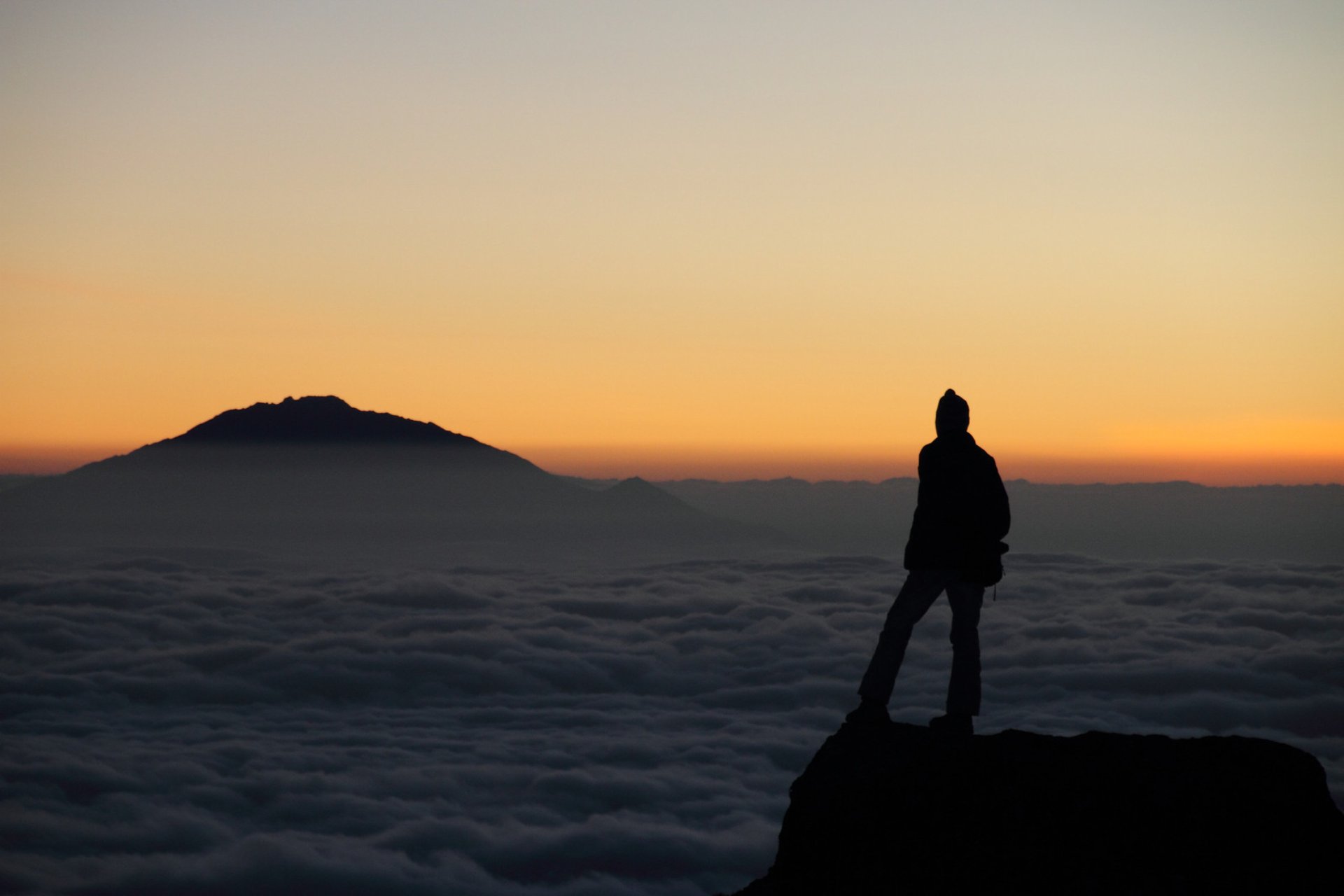
Kilimanjaro (19,341 feet/5,895 meters) may be considered a high-altitude “starter mountain” for climbers, but summiting the “Mountain of Greatness” is no easy task.
It doesn’t require technical climbing skills, ropes, ice axes, harnesses, or other specialized equipment. Depending on the season and the weather, micro-spikes may be needed by individuals reaching the upper slopes if they are snow-covered.
The greatest challenge for most climbers to reach the top of Africa’s highest peak is the altitude.

“While it’s true that Kilimanjaro is accessible to a wide range of people, adequate physical preparation is essential, especially for those without a background in hiking,” said Alex Altezza, CEO of Altezza Travel.
“On Kilimanjaro, climbers typically walk six to eight miles daily, and on the summit night, this can extend to 10 to 15 miles, with much of it uphill. Achieving this feat requires at least an average level of fitness,” he said.
Rescue operations on Kilimanjaro by Global Rescue’s expert medical rescue personnel have been taking place for years, many of the rescue operations triggered by respiratory problems brought on by the altitude.
In 2011, Global Rescue executed a field rescue for a physician experiencing severe shortness of breath, chest pains and other signs of life-threatening illness as she was climbing the mountain.
[Related Reading: A Field Rescue on Kilimanjaro]
About two-thirds of the way to the summit, Michele Donsky complained of tightness in her chest and extreme difficulty breathing. The 55-year-old marathon runner could only speak one or two words at a time before she began wheezing. Her climbing guide, Eddie Frank, owner of Tusker Trail, contacted Global Rescue and an airborne medical evacuation was initiated.
Donsky was transported to a nearby hospital whereupon her condition improved quickly at the lower altitude. She was evaluated by local doctors and maintained regular communication with Global Rescue medical operations staff.
“It was very reassuring to be able to hear the Global Rescue doctor’s voice on the satellite phone and to know that he was making sound decisions for me,” Donsky said. “I had the utmost trust and confidence in him and his team. I would never want to be without this kind of help in this situation, and it would not have been possible had I not signed up with Global Rescue.”

In 2024, A U.S. member needed field rescue after experiencing shortness of breath and vomiting blood while in Karanga Camp, Tanzania, for a Kilimanjaro summit attempt. Global Rescue medical operations spoke with him and the expedition guide and confirmed the member’s cough produced blood-tinged phlegm, and that his breathing difficulty had started earlier in the day.
Due to the severity of his condition, Global Rescue medical operations personnel initiated a helicopter field rescue. The member was successfully evacuated and evaluated at a local hospital in Arusha where he was diagnosed with pneumonia and prescribed antibiotics. He was scheduled to return home to the U.S. to continue his recovery.
Even legendary high-altitude mountaineer, Ed Viesturs, and his Kilimanjaro expedition team opted for Diamox – a common prescription medicine that prevents symptoms of altitude sickness — during his inaugural Kilimanjaro summit in the early spring of 2024.
Viesturs’ team climbed during the rainy off-season and made a rapid, four-day ascent. “Diamox was used prophylactically by the team to help prevent any altitude-related issues. This is not a recommended way to shorten an ascent of a high peak, but we understood the risks. In the end, all went well, and we had no issues,” he said.
[Related Reading: Essential Climbing Tips: 7 Rules of Engagement]
Underestimating the altitude impact and the physical challenges of Mount Kilimanjaro is one of the biggest mistakes new climbers make, according to Altezza.
“Many companies market Kilimanjaro as an easy climb, attracting individuals who are not adequately prepared for the mountain’s demands. This often leads to individuals making impulsive decisions to sign up, without properly preparing themselves physically for the trek.”
Altezza, who has been leading Kilimanjaro expeditions since 2014, said summitting the mountain is a feat that “requires at least an average level of fitness.”
Despite the challenges, participation in mountaineering, trekking and other high-altitude activities has seen rapid increases in recent years in the Rockies, the Himalayas, the Andes and Kilimanjaro.
Altezza’s business records reflect the same escalation in the number of climbers on Kilimanjaro. His data also shows a steady uptick in women climbing.
“Among the 2,997 climbers we examined in 2023, 40% (1,204) were women. This distribution indicates that while men continue to represent the majority of climbers, the proportion of female climbers is on a steady rise compared to previous years,” Altezza said.

Considering a High-Altitude Climb?
Traveling for a trek or a mountain climb? Include a travel protection services membership. Are you already a member? Get a refresher on how to use your Global Rescue membership by reviewing the Quick Start Guide.
Whether you’re climbing Mount Kilimanjaro, heli-skiing in the Andes or trekking the Camino de Santiago, you’ll have access to 24/7/365 medical advisory services, field rescue from the point of injury, and medical evacuation to the nearest hospital or home hospital of choice.
Planning a high-altitude climb or trek? Be certain to obtain a High-Altitude Evacuation Package, available to members 16 years of age or older.
Categories:
Press ReleaseApril 30, 2024
(Lebanon, N.H. – April 29, 2024) Hybrid and remote work models are motivating more travel, according to a survey of the world’s most experienced travelers. More than half (59%) of respondents revealed that a remote or hybrid workplace model encourages them, their friends and family to travel more, according to the 2024 Spring Global Rescue Traveler Sentiment and Safety Survey.
“It’s a boon for the travel industry, and one reason why travel growth continues to surpass pre-pandemic levels,” said Dan Richards, CEO of The Global Rescue Companies, the world’s leading provider of medical, security, evacuation and travel risk management services, and a member of the U.S. Travel and Tourism Advisory Board at the U.S. Department of Commerce.
Nearly a third (30%) of survey respondents reported they travel for work. Of those, seven out of 10 (71%) are working remotely – either part- or full-time. A new, key finding is that since January 2024, business travelers’ expectations of work-related travel exceeding pre-pandemic levels have doubled, based on a comparison of results between the January and April surveys. In January, only 11% of surveyed individuals who travel for work predicted business travel to exceed pre-pandemic levels. Today, that percentage has nearly doubled to 21%.
The increase may be attributed to a nascent trend reported by the Oxford Economics survey revealing that employers are encouraging remote and hybrid workers to travel, largely for business-related reasons but also to satisfy employee travel desires.
“Call it FOMO Travel or YOLO Travel, individuals productively working remotely, part- or full-time, are renewing meaningful business and personal connections here and abroad. It’s fostering soul-enriching journeys,” Richards said. “Vacations used to be all about a complete escape from work, but now you can check emails from a hammock in the Maldives, take a break from a video conference to surf the incoming tide in Rincon, or finish the workday in Sweden and have plenty of time to view the Northern Lights,” Richards said.
Contact Bill McIntyre at bmcintyre@globalrescue.com or +1 (202) 560-1195 (phone/text) for more information.
About the Global Rescue Traveler Sentiment and Safety Survey
Global Rescue, the leading travel risk and crisis response provider, surveyed more than 2,000 of its current and former members between April 16-20, 2024. The respondents revealed a variety of behaviors, attitudes and preferences regarding current and future travel.
About Global Rescue
The Global Rescue Companies are the world’s leading provider of medical, security, evacuation and travel risk management services to enterprises, governments and individuals. Founded in 2004, Global Rescue has exclusive relationships with the Johns Hopkins Emergency Medicine Division of Special Operations and Elite Medical Group. Global Rescue provides best-in-class services that identify, monitor and respond to client medical and security crises. Global Rescue has provided medical and security support to its clients, including Fortune 500 companies, governments and academic institutions, during every globally significant crisis of the last two decades. For more information, visit www.globalrescue.com.
Categories:
TravelApril 24, 2024
The short answer? Yes, they are.
A survey by the travel organization Road Scholar, a leader in educational travel for older adults, released a report on trends in solo travel and revealed that up to 85% of the company’s tour participants who travel solo are women, and at least 60% were married but traveling without their spouse.
Why? Part of the reason is life expectancy. Married women outlive their husbands by half a dozen years.
Another reason is interest level. Four-out-of-10 women surveyed said their spouse isn’t interested in traveling, while a nearly equal percentage said they have different interests when it comes to travel.
Global Rescue member Dinette Wells reflected on why she travels solo 90% of the time – something the 56-year-old adventure-chasing endurance athlete and world traveler has been doing since she was 18 when a college friend suddenly bailed on their Austria skiing vacation.
“I had gotten my first passport and already invested the money,” said the longtime Global Rescue member. “So, I went anyway — alone, and I’m so glad I did. I learned early it’s not worth it to give up on these amazing travel experiences just because you think you need someone to go with you.”
More and more women feel the same way, too. While all forms of travel obviously came to a standstill in 2020, prior to the pandemic, the stats had been showing solo female travel was on the rise. Now, as travel has fully rebounded and grown past pre-pandemic levels, solo travel is one of the strongest growth segments, with tour operators reporting an uptick in solo female travel bookings. The Global Rescue Traveler Sentiment and Safety Survey, which tallied 1,500 responses from the most experienced travelers in the world, reported seven-out-of-ten women have traveled solo for leisure in their lifetime.
But solo female travel is not limited to older travelers. Booking.com forecasts a notable surge in solo travel interest for 2024, with 54% of women expressing plans to travel alone next year.
“Solo travel is absolutely returning,” said Beth Santos, founder and CEO of Wanderful, a global community and lifestyle brand that specializes in helping women travel the world. “I think the pent-up desire to travel is overriding the need to go with a travel partner. People aren’t waiting for their travel partners; they’re just going.”

While the benefits of traveling solo as a woman include everything from building confidence to connectivity, there’s still concern this type of travel is too risky. But that risk is being mitigated.
[Related Reading: Solo or Not: Fears and Opportunities Abound for Traveling Women]
“I think that’s a false blanket statement,” said Global Rescue member Amanda Burrill, a former Navy lieutenant turned global adventurer, travel writer and food connoisseur. “Any type of travel can be risky. But, if you do your research, follow customs, and take the proper travel safety measures, you can bring down the risk level.”
Technology has made solo travel easier, according to University of Florida tourism professor Heather Gibson, who began researching solo women travel in 1998.
“When we first started our solo women research back in the late 1990s, there wasn’t a mobile phone. And so, one of the things that many of the women spoke to us about was fleeting loneliness, for example, or needing to find a way to share their experiences back home,” said Gibson in an interview with PBS. Today, smartphones mean communications, maps, GPS, booking accommodations and social media, all at travelers’ fingertips.
Here are eight essential ways these expert female travelers do just that:
1. Tap into Other Women Travelers
Researching the destination before travel is one of the first things any traveler should do to assess the level of safety and familiarize yourself with customs and traditions. While that can include any number of resources, from simple Internet searches and travel blog reading to consulting Global Rescue destination reports (non-members have access to one free report). It’s also a good idea to tap into other female travelers who have been to the destinations you’re considering (the more recent, the better).
So how do you do that? Facebook offers a plethora of public and private groups, like The Solo Female Traveler Network (470K members), She Goes Places (3K members), Conde Nast’s Women Who Travel Solo (150K members), Solo Women Travelers (32K members) and dozens more. You can raise pointed questions to fellow travelers and share insights from your recent wanderings.
You can also consider joining a membership-based travel organization like Wanderful, a membership site that connects thousands of travel-loving women virtually and in-person. Other membership-based options include The Solo Female Traveler Network, which is free to join, and Girls LOVE Travel, offering resources for nearly every subset of women: moms, women over 60, vegan women, etc.
2. Start Small If You’re New to Solo Travel
If you have zero travel experience, then journeying across international borders shouldn’t be your first solo trip. “Start with a place in your home country you’ve always wanted to see — maybe it’s a city, a national park, a landmark — and ease yourself in,” suggested Wells.
Burrill also suggests enlisting the use of a travel agent or meeting with a group of other solo travelers during part of your trip. “That can take off some of the first-timer anxiety because you’re not alone.”
3. Always Have Your Accommodations Booked
While Wells, Santos and Burrill suggest packing your itinerary loosely so it leaves room for spontaneity (that’s where the best part of your trips can happen). One thing they don’t like to leave to chance: where you’re sleeping at night. “I always have my hotels booked each night, especially if I’m traveling in high season,” said Wells.

Santos agrees: “It’s important that someone always knows, at some point during the day, where you physically are. Before you go, always provide a loved one with a listing of your accommodations and the nights you’ll be at each.”
4. Use Day One To Get Your Bearings
“Every traveler should practice their situational awareness skills by getting familiar with their surroundings, establishing a baseline of activity for your area, paying attention to people’s attire, body language and behavior and more,” said Harding Bush, associate director of security operations at Global Rescue.
Santos calls this “day zero,” where, if staying in a city for a few days, she likes to purposely have nothing planned for the first full day — apart from signing up for a walking tour if she’s able.
“This is where I geographically get familiar with the place by walking everywhere, taking note of landmarks, as well as observing the locals. For example, how they get on a bus or hail a cab,” she said.
5. Obey Cultural Rules and Traditions
Paying attention to local customs is a sign of respect. It also ensures you don’t stand out or advertise you’re a tourist.
“I do my research and make sure I dress appropriately,” said Wells. “Don’t carry the big handbag, don’t wear elaborate jewelry, leave it all at home — it’s not necessary. When traveling alone, that can make you more of a target when what you want to do is blend in.”
When you look like you know what you’re doing, people are less likely to think they can mess with you.

6. Lighten Your Load
Packing light means better maneuverability through crowded spots, less time tracking gear and the ability to make last-minute plans without worrying about what to do with your stuff.
“In the early days, I made the mistake of traveling with a heavy piece of luggage and the handle broke,” said Burrill. “Since then, one of the things I’ve perfected is packing light and having high-quality travel items, like clothing with extra pockets or a suitcase that glides effortlessly.” Again, if you’re struggling with luggage, it can make you look like an easy target.
[Related Reading: 11 Things Expert Solo Female Travelers Never Travel Without]
Or ditch the baggage altogether when you can. If Burrill has time to do some sightseeing around a city before a flight, she happily asks her hotel to hold onto her bag (they’re usually accommodating even after you’ve checked out) or she stows it at the airport (some do still maintain lockers, but usually the lost luggage counter can accommodate for a fee). Santos suggests checking out services like LuggageHero, which is like Airbnb for bags, offering storage in vetted public venues (think retail outlets, hotels, cafes, and more) in 40 major cities across the US and Europe. Luggage Forward, a Global Rescue Safe Travel Partner, also allows you to ship luggage ahead instead of checking bags, enabling you to streamline your trip.
7. Be Open to Others, But Retain Privacy
You shouldn’t be afraid to talk to locals because that’s how you get the best insider travel tips and to-dos. “More often than not, these locals are so proud of their countries and want to show it off,” said Wells. “These are the folks with the best tips and the best restaurants and the best sights to see. They never steer me wrong.”
But she stresses using your common sense: Don’t reveal you’re traveling alone. “You can throw in the term ‘we’ as you are chatting — ‘we’re thinking about going here,’ ‘we tried this,’” said Wells.
“It might be my military mindset, but when I talk to people, I make very direct eye contact, and I sound confident,” said Burrill. “I also never divulge too much, like where I’m going next or where I’m staying.”
8. Get Travel Protection With Global Rescue
“A lot of solo travelers deal with ‘what ifs.’ ‘What if I get a stomach bug in Paris?’ ‘What if I lose my passport?’” said Wells. “Having a Global Rescue membership takes so much of the stress associated with the ‘what ifs’ away because you know you’ll have 24/7 access to help.”
It also takes stress off your loved ones. Santos once surveyed her 3,000 Wanderful members and found 40% had, at one time, canceled a solo trip they had already booked because a family member said they didn’t want them to go alone.
“It doesn’t just give yourself peace of mind,” said Santos. “But your families and friends feel assured, too.”
Categories:
Press ReleaseApril 22, 2024
(Lebanon, N.H. – April 22, 2024) Travelers are prioritizing leisure trips more than ever, and the overwhelming majority of them consider travel experiences to be more important than material possessions, according to a survey of the world’s most experienced travelers.
“People are changing their spending habits, taking advantage of remote work models, and beefing up their security precautions in an effort to find ways to travel more often, and for longer durations,” said Dan Richards, CEO of The Global Rescue Companies, the world’s leading provider of medical, security, evacuation and travel risk management services, and a member of the U.S. Travel and Tourism Advisory Board at the U.S. Department of Commerce.
More than a third of travelers (39%) responding to the 2024 Spring Global Rescue Traveler Sentiment and Safety Survey said travel is a higher priority today than it was pre-pandemic. Three-out-of-four respondents (75%) said travel experiences are more important than material possessions.
More than 70% of respondents said they are decreasing discretionary spending to enable more travel. Respondents are delaying purchases of things like an additional car, a second home, tickets for sporting events, concerts or shows, jewelry, and expensive restaurants. Some are holding off on starting a family or getting a pet to save for travel, according to the survey results.
“New car sales have dipped, second home ownership has plummeted, jewelry purchases are down and travel continues to increase beyond pre-pandemic levels. People are trading off material possessions for passport entry stamps and the memories that come with traveling boldly,” Richards said.
More than half of traveling respondents (51%) plan on more trips in 2024, 38% plan longer trips and an equal percentage (38%) plan to spend more money compared to pre-pandemic behavior, according to survey results.
Travelers expect the travel surge to continue. Nearly half (48%) of respondents believe travel will continue to grow at higher levels. More than a third (35%) said travel growth will level off but remain above pre-pandemic levels. Only a fifth (20%) predicted travel would level off and then dip below pre-pandemic levels.
Contact Bill McIntyre at bmcintyre@globalrescue.com or +1 (202) 560-1195 (phone/text) for more information.
About the Global Rescue Traveler Sentiment and Safety Survey
Global Rescue, the leading travel risk and crisis response provider, surveyed more than 1,900 of its current and former members between April 16-20, 2024. The respondents revealed a variety of behaviors, attitudes and preferences regarding current and future travel.
About Global Rescue
The Global Rescue Companies are the world’s leading provider of medical, security, evacuation and travel risk management services to enterprises, governments and individuals. Founded in 2004, Global Rescue has exclusive relationships with the Johns Hopkins Emergency Medicine Division of Special Operations and Elite Medical Group. Global Rescue provides best-in-class services that identify, monitor and respond to client medical and security crises. Global Rescue has provided medical and security support to its clients, including Fortune 500 companies, governments and academic institutions, during every globally significant crisis of the last two decades. For more information, visit www.globalrescue.com.
Categories:
Missions & Member TestimonialsPlaces & PartnersApril 18, 2024
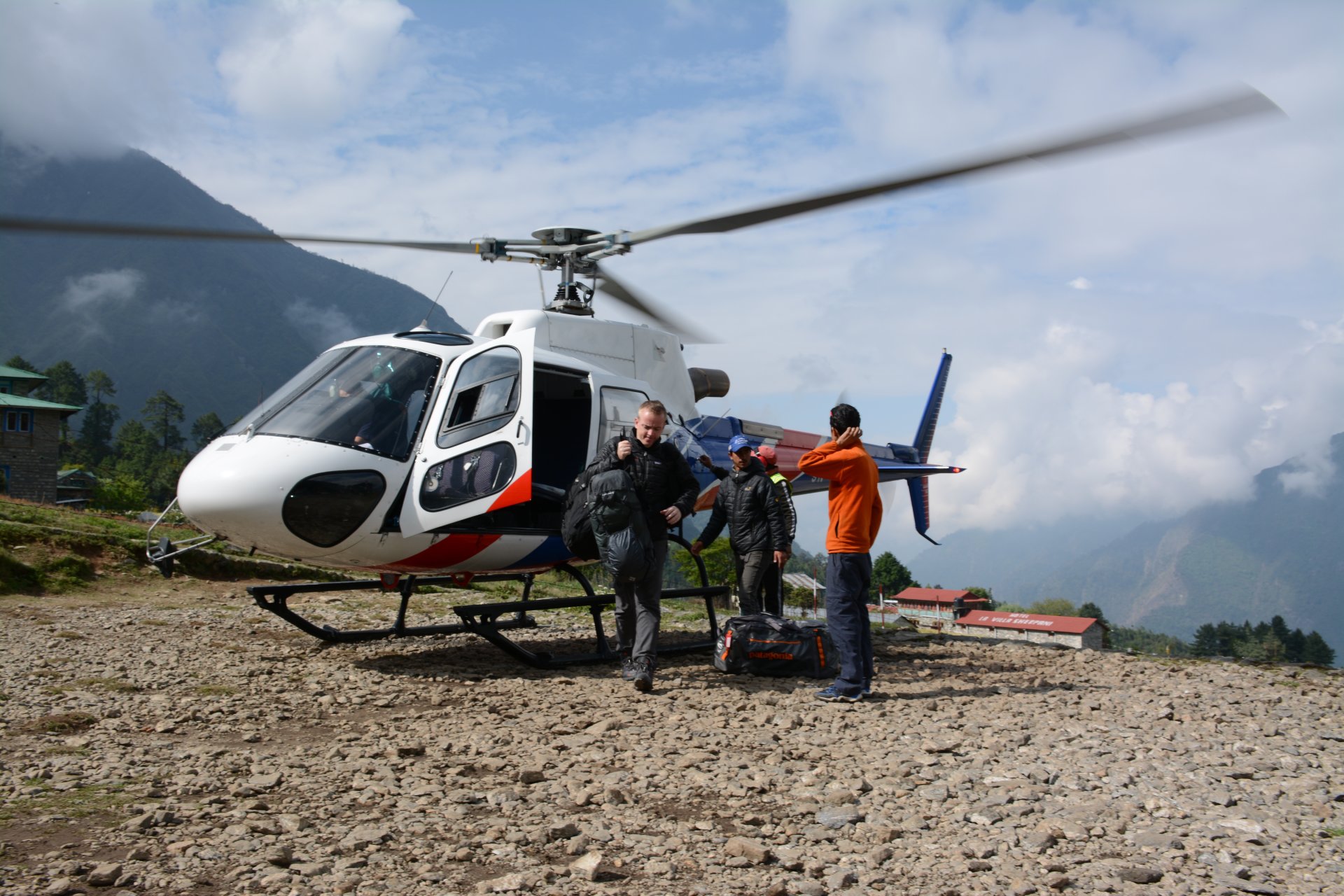
Record-breaking crowds of mountaineers, trekkers and support teams will be in the Himalayan region for the 2024 spring climbing season, and many will need rescue services. For the 12th consecutive year, Global Rescue has deployed a team of specialists to Nepal to perform airborne and ground rescue operations and transports, to assist with hospital admissions and to look after those admitted to a hospital for care.
“About 600 climber permits have been issued for Mount Everest, a 30% increase over last year’s record of 463 permits distributed,” said Dan Stretch, a Global Rescue operations manager coordinating rescue activities for Nepal during the Mount Everest climbing season. Stretch has performed more than 500 evacuations and crisis response operations in the Himalayas.

Adding to the potentially crowded conditions on Mount Everest will be an additional 100 mountaineers attempting to summit from the Tibetan side.
“For the first time in several years, Chinese authorities have opened up the Tibet side to 100 climbers. When you consider that each climber generally comes with support personnel and climbing sherpas there will likely be close to 2,000 people climbing Mount Everest this season,” Stretch said.
Crowded conditions can lead to an increase in rescue operations.
“Overcrowding at high altitudes means more mountaineers exposed for prolonged periods in the death zone, and that increases the likelihood of climbers experiencing altitude sickness, frostbite and exhaustion,” Stretch said.
During the two-month 2024 Mount Everest spring climbing season, there will usually be several rescue operations performed each day, keeping the deployment team busy from before dawn until nearly midnight. “The busiest time is the two-week Mount Everest summit window when the medical and rescue operations team performs up to 25 rescues a day,” Stretch said.

High-altitude pulmonary edema (HAPE), frostbite, gastrointestinal trouble, high-altitude cerebral edema (HACE), snow blindness and many other ailments will challenge climbers and trekkers at every step, uphill and down.
Recovering climbers and trekkers is much more than a high-altitude mountain chopper rescue. Performing a rescue includes helicopter and ambulance transports, hospital admissions and looking after individuals admitted to a hospital for care.
“The Global Rescue deployment team members are located in multiple areas to support individuals throughout their rescue, transport, recovery and safe return home,” Stretch said.

Airborne helicopter rescues will be a challenge this year, according to Stretch. “The Nepalese civil aviation authorities are limiting pilots’ daily flying hours. It’s an important factor. Climbers should train and prepare to rely on themselves in the event helicopter rescues are limited,” Stretch advised.

The weather in the mountains is extreme and can change quickly. The on-the-ground Global Rescue team monitors weather and receives daily reports from our helicopter providers to help establish the efficacy and safety of any helicopter rescue. There are times when adverse weather can prevent or delay helicopter flights. During these times we rely on ground rescue or have members shelter in place until the weather clears.
Avalanches are always a risk, too, and rescue operations following them are complicated due to the instability of the snowpack, making efforts volatile.

Participation in mountaineering, trekking and other high-altitude activities has seen rapid increases in recent years. Expedition leaders have noted that many climbers are avoiding Mount Everest and focusing on other 8,000+ meter mountains to avoid the crowds. Global Rescue has increased its capabilities to provide emergency services in more regions, committing to longer deployments of our medical operations personnel, and extending our in-field rescue operational durations.
Categories:
Missions & Member TestimonialsApril 16, 2024
Global Rescue has responded to the needs of travelers at home and abroad since 2004. In a typical month, we perform hundreds of operations in dozens of countries. Below are highlights from some of our most recent operations in various locations.
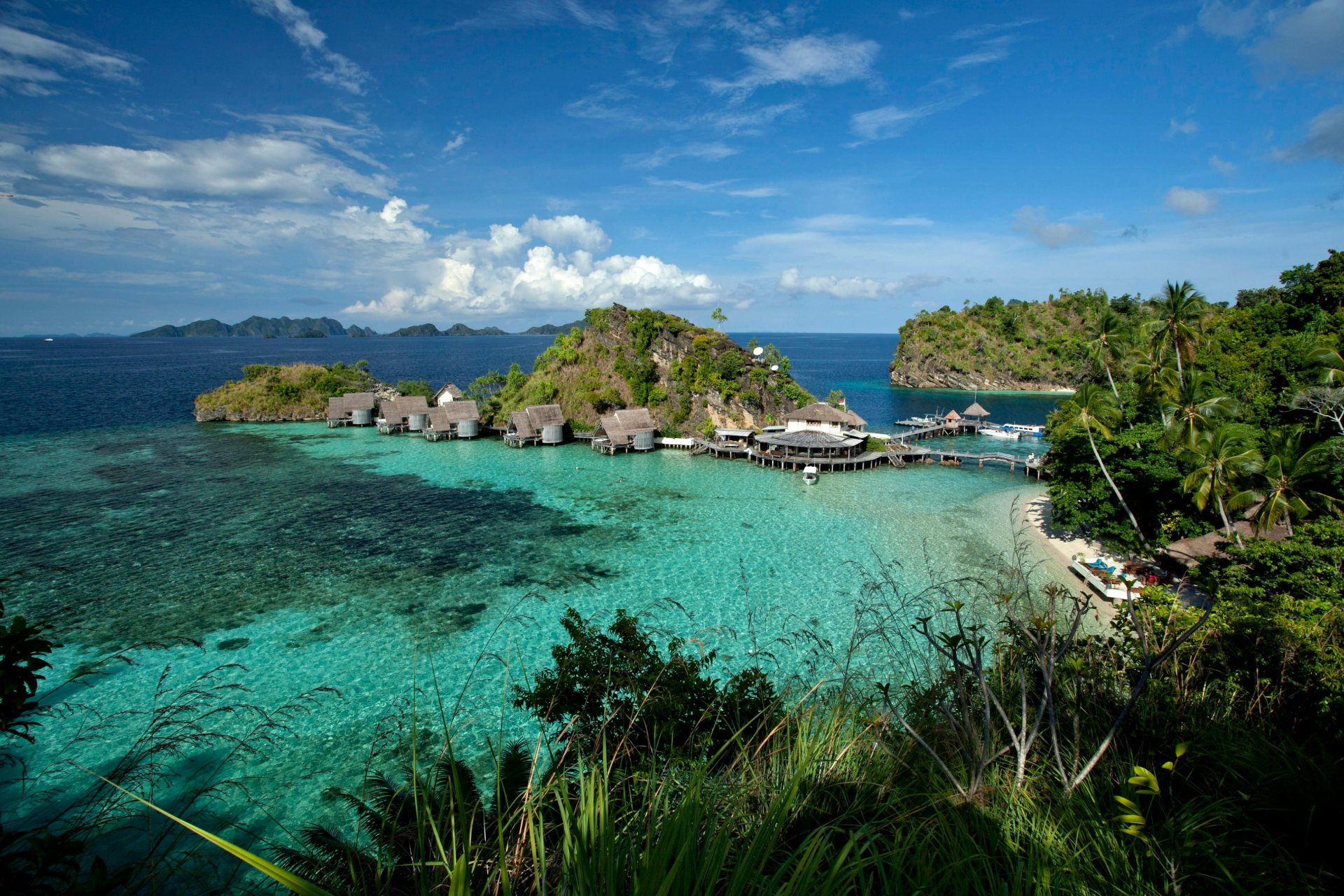
Speed Boat Rescue in Indonesia
Wayag Island is one of the Indonesian islands within the Raja Ampat district in the province of West Papua. The island is known for its beautiful atolls and amazing underwater life. Unfortunately, a Singapore member needed field rescue from the island after falling from a steep slope and sustaining a severe injury to his right ankle. Global Rescue medical operations personnel were contacted and provided guidance on managing the injury. Regrettably, the member’s symptoms did not subside and a field rescue using a speed boat was initiated due to the remoteness of the location and the need for medical intervention. The member was conveyed to Sorong Port onboard a high-powered speed boat and then transported via ground ambulance to a local hospital. The hospital took x-rays, and an orthopedic physician examined the member who was diagnosed with a distal fracture and partial ankle dislocation. He was fitted with a cast with a recommendation for surgery after the swelling subsided. He elected to undergo surgery after returning home.

Lower Body Bleeding, Boils in Nepal
A Malaysian member needed field rescue due to severe headache, nose bleeds, shortness of breath and fatigue while at Chukhung, a high-altitude village (15,518 feet/4,730 meters) serving trekkers and climbers in the Khumbu region of Nepal. Global Rescue medical operations personnel were contacted and confirmed the member had signs and symptoms of Acute Mountain Sickness (AMS) as well as swollen, bleeding, painful boils on his lower body. Due to the severity of the member’s condition, a helicopter rescue was initiated to transport him to a hospital in Lukla. The member was evaluated at the hospital and diagnosed with AMS and an anal abscess. He was treated and released with antibiotics and pain medication.
Medevac to a Higher-Level Hospital
A member from Uruguay needed a medical evacuation from Dingboche, Nepal to a medical facility capable of a higher level of care. Global Rescue medical operations personnel were notified that a member at a hotel near Mount Everest Base Camp started experiencing headache, nausea, fatigue, nasal congestion, cough, fever, difficulty of breathing and an elevated heart rate. The member’s medical history included hypothyroidism, a condition that can increase metabolism with symptoms that include rapid or irregular heartbeat. During an initial examination at a local health clinic, medical staff diagnosed the member with a respiratory infection and HAPE. Global Rescue medical operations doctors advised that the member’s condition warranted descent to a lower elevation and admission to a medical center capable of a high level of care and a recommendation for high flow oxygen. Global Rescue personnel initiated an airborne medical transport of the member to a hospital in Lukla where she arrived safely and was diagnosed with post-AMS status. After receiving treatment, the member’s condition improved sufficiently. She was discharged to her hotel where she continued her recovery before her return flight home.
[Related reading: Expertise in Action: Global Rescue’s Role in the Aconcagua Climbing Season]

Snowboarder Rescued in Austria
A U.S. member needed field rescue and medical evacuation following a snowboarding accident in Montafon, Austria. The teenage Global Rescue member – who is also part of the US SBX team, a type of snowboarding where competitors race side-by-side on a specially designed course – crashed and sustained a fractured jaw with a lacerated tongue. He was taken to a local medical facility where he was treated. The treating physician, however, recommended that the jaw fracture be surgically repaired at the member’s home hospital as soon as possible. Global Rescue medical personnel reviewed the medical incident records and concurred with the doctor’s assessment. Global Rescue operations team provided immediate flights and ground transportation for the member who safely arrived without incident at his home in Boston where he was met by family and quickly scheduled an appointment for surgery to repair his fractured jaw.
Son Needs Help for His Father Trekking in Namache Bazaar
A Malaysian member trekking in Nepal contacted Global Rescue seeking help for his father who became ill in Namche Bazaar (11,286 feet/3,440 meters), a town in northeastern Nepal. The member was initially examined at a local clinic where he was diagnosed with HAPE. Global Rescue medical operations staff confirmed the assessment and recommended an airborne medical evacuation to a hospital at lower altitude for medical management. The member was safely transported to a hospital in Lukla where he was evaluated and diagnosed with post-AMS and later released to continue his recovery and return home.
[Related reading: 10 Reasons Why You Need Global Rescue]
Bad Slip on Ice in Austria
A U.S. member on a ski vacation needed airborne medical evacuation after slipping on an ice patch, hitting his head and losing consciousness during a trip to the mountains of Ischgl, Austria. After the member came to, he complained of soreness and headache. He was evaluated by local medics at the ski resort. Global Rescue was contacted, and a helicopter was arranged to take him to a hospital Tirol. Following a medical examination that included a CT scan of the member’s head and x-rays of his shoulders, both showed unremarkable results. The member was admitted overnight for further evaluation and was discharged from the hospital the next day.
Categories:
Press ReleaseApril 15, 2024
(Lebanon, N.H. – April 11, 2024) – Global Rescue, the world’s leading provider of medical, security, evacuation and travel risk management services, has deployed a team of specialists to Nepal to perform rescue operations during the Mount Everest 2024 spring climbing season where a record number of rescues are expected.
Record-breaking crowds are expected to converge on the Himalayan region. “About 600 climber permits have been issued for Mount Everest, a 30% increase over last year’s record of 463 permits distributed,” said Dan Stretch, a Global Rescue operations manager coordinating rescue activities for Nepal during the Mount Everest climbing season. Stretch has performed more than 500 evacuations and crisis response operations in the Himalayas.
Adding to the potentially crowded conditions on Mount Everest will be an additional 100 mountaineers attempting to summit from the Tibetan side. “For the first time in several years, Chinese authorities have opened up the Tibet side to 100 climbers. When you consider that each climber generally comes with support personnel and climbing sherpas there will likely be close to 2,000 people climbing Mount Everest this season,” Stretch said.
Crowded conditions can lead to an increase in rescue operations. “Overcrowding at high altitudes means more mountaineers exposed for prolonged periods in the death zone, and that increases the likelihood of climbers experiencing altitude sickness, frostbite and exhaustion,” Stretch said.
“During the two-month 2024 Mount Everest spring climbing season, there will usually be several rescue operations performed each day, keeping the deployment team busy from before dawn until nearly midnight. The busiest time is the two-week Mount Everest summit window when the medical and rescue operations team performs up to 25 rescues a day,” Stretch said.
Recovering climbers and trekkers is much more than a high-altitude mountain chopper rescue. Performing a rescue includes helicopter and ambulance transports, hospital admissions and looking after individuals admitted to a hospital for care. “The Global Rescue deployment team members are located in multiple areas to support individuals throughout their rescue, transport, recovery and safe return home,” Stretch said.
Airborne helicopter rescues will be a challenge this year, according to Stretch. “Due to several crashes in the past few years, the Nepalese civil aviation authorities are limiting pilots’ daily flying hours. It’s an important factor. Climbers should train and prepare to rely on themselves in the event helicopter rescues are limited,” Stretch advised.
Contact Bill McIntyre at bmcintyre@globalrescue.com or 202.560.1195 (phone/text) for more information.
About Global Rescue
Global Rescue is the world’s leading provider of medical, security, evacuation and travel risk management services to enterprises, governments and individuals. Founded in 2004, Global Rescue has exclusive relationships with the Johns Hopkins Emergency Medicine Division of Special Operations and Elite Medical Group. Global Rescue provides best-in-class services that identify, monitor and respond to client medical and security crises. Global Rescue has provided medical and security support to its clients, including Fortune 500 companies, governments and academic institutions, during every globally significant crisis of the last two decades. For more information, visit www.globalrescue.com.
Categories:
NewsApril 13, 2024
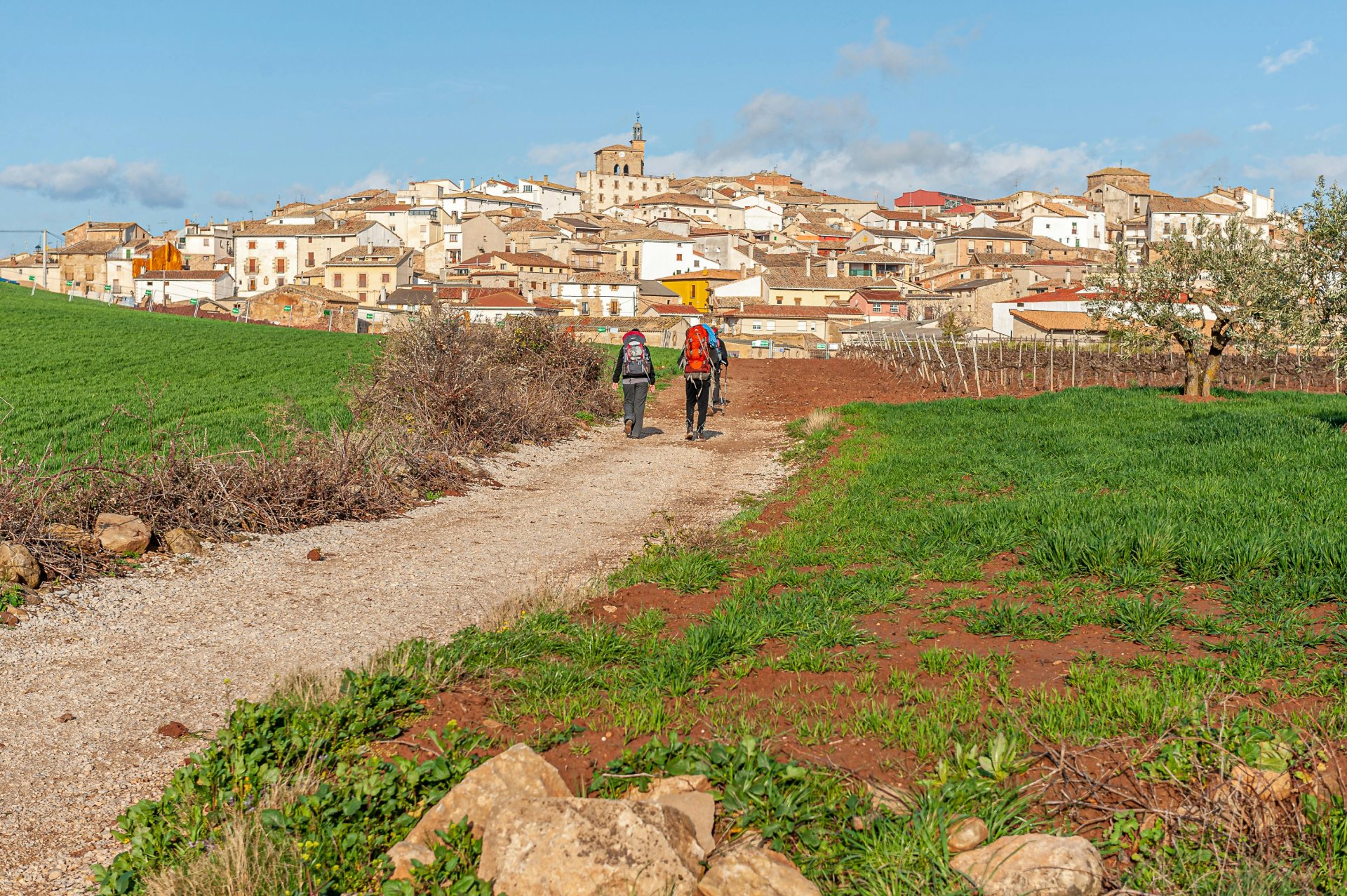
Traveling the Camino de Santiago, also called the Way of St. James, is a pilgrimage for the faithful and the curious, for hikers and cyclists, for individuals and groups. The Camino is a vast network of pilgrims’ routes leading to the shrine of the apostle James in the cathedral of Santiago de Compostela in Galicia in northwestern Spain, where tradition holds that the remains of the apostle are buried. There are five traditional routes passing through Northern Spain including the popular French Way, the Primitive Way, the Northern or Coastal Way, the Interior Way and the Liébana Route.
Unlike high-altitude climbs and treks, the main physical challenge for the Camino is the multiple days walking. “Even fit people will hit the wall at some stage,” said Jerry Perrin, the general manager at CaminoWays. “The hardest day of the Camino is on the first day of the French Way, where you have to cross the great mountain range of the Pyrenees over the Napoleon Pass.”

Shirley MacLaine, the famous actress, singer and dancer, walked the entire French Way in 1994 when she was 60 years old. She explained that “the challenge of walking alone for 800 km (nearly 500 miles) and becoming essentially helpless and vulnerable along the way” intrigued her.
Australian-based film director Bill Bennett admitted a pilgrimage walk was a novelty. “I’d never done anything crazy like this before. I was also not an adventure traveler. For me, adventure travel was flying coach.”
Like Bennet, MacLaine, and millions of others, Marian Arslanian, a 68-year-old Global Rescue member from the U.S., set out to hike a portion the Camino during her first two-week vacation in a decade.

“Last summer I decided I was going to walk the Camino de Santiago de Compostella, and I wanted to start in Portugal and walk up the coast,” she said.
As a church employee, Arslanian spends much of her time working with people who are struggling with very deep emotions. It can be draining. She wanted a retreat and to embrace the pilgrimage. “I needed that solitary time to recharge.”
Arslanian, a regular solo traveler, considered the risks associated with the region, the weather and the terrain.
“When I’m traveling, it’s by myself. I didn’t think there was any risk with that,” she said. “I wasn’t worried about any changes in weather. I researched it carefully and wasn’t heading up into high mountains. I felt comfortable about the time and was confident in going.”
Despite her research-based confidence, Arslanian decided to include a Global Rescue membership for her trip, ultimately persuaded by information provided by representatives at The Natural Adventure, a Global Rescue Safe Trave Partner focused on curating walking and cycling tours.

She confessed that the possibility she would ever need Global Rescue services never occurred to her. “I was sure that I wasn’t going to need it.”
Four days into her pilgrimage she called Global Rescue.
Arslanian completed a few days of touring and hiking along the Camino. On the fourth day things started normally. She packed her gear and headed to the hotel lobby down a flight of stairs. That’s when a little boy came racing around and bumped into her suitcase. Losing her grip on the luggage, the suitcase started to tumble down the stairs, and she tumbled after it, landing at the bottom of the marble stairway with a serious leg injury.
Arslanian dismissed the irony of a knee injury as a result of a misstep in a hotel rather than on an historic, several hundred-mile pilgrimage trail. “That was the only saving grace, that I could honestly say to people it did not happen while I was out on the trails.”
Not realizing the extent of her injury, she tried to get up on her own but couldn’t. “The pain in my knee was severe. I just collapsed right back to the floor,” she said. Hotel staff came to her aid and the hotel manager wanted her to go to the hospital.
Arslanian resisted but after attempting to walk she quickly realized she needed medical assistance.
“I got up on my feet and locked my knee so I could walk. Then I tried to bend it to sit down and that didn’t go anywhere. I looked at the manager and agreed an ambulance would be needed to go to the hospital.”
She worried about what her care would be like due to the language barrier. The hospital was small, like a community clinic. Medical staff got her into a bed near the emergency room where she sat and began to gather her thoughts.
A radiologist took an X-ray and returned an hour later and, in broken English, said “No more. No more. No more Camino for you. Your patella is broken.”
[Related Reading: A Broken Kneecap in the Bahamas]
Arslanian didn’t know what to do until it suddenly occurred to her that she had a Global Rescue membership. She called and immediately felt more and more like somebody else was looking out for her.
“When I called, I was surprised how quickly the Global Rescue operations team went into action,” she said. “Nobody questioned what I had to say. They listened to me, and they asked me to pass the phone to an attending physician. I’m not sure what the conversation was but when I was given the phone back, I was told I was going to need a knee brace,” she said.
A brace and crutches weren’t available at the clinic so Global Rescue medical operations personnel arranged to find the medical equipment and have it delivered since the medical staff weren’t able to do it. Later that evening, Arslanian learned that she would need a doctor’s note that she was medically fit to fly but would need an upgrade to business class so her leg could remain extended during the flight.

“Boy, was I surprised. I had no idea how to find a doctor. But Global Rescue found one with the help of the hotel staff,” she said.
Global Rescue relocated Arslanian to another hotel in preparation for her flight home and remained in constant contact with her. “It was incredible, but most incredible was the relief I got knowing that when the next morning rolled around, I wasn’t forgotten. Global Rescue knew where I was and where I needed to be,” she said.
Arslanian returned to her home in Missouri to continue her treatment and recovery. She admitted that her friends and family initially gave her a hard time for traveling alone. But when they learned the accident happened in a hotel they calmed down.
They also asked what prompted her to obtain Global Rescue travel protection. “I explained that I had looked at the different options and saw that Global Rescue was clear, concise and had no hidden terms or exclusions,” she said. “Everything was right there, clear as a bell and eminently affordable. I would not travel anymore without it.”
Arslanian is nearly 100 percent recovered and no longer needs a brace or crutches. She is already planning on doing the Camino trip again, starting from where she left off and finishing it.
“I will never ever travel without Global Rescue,” she said.