Categories:

Travel
Share This:

Ireland Unveiled: Customs, Cuisines, and Cinematic Charms

Discover Irish customs, famous cities, hidden gems, traditional food, music, and iconic filming locations. Explore Dublin, Cork, and beyond.

Article Highlights


  • What Ireland’s Cities Are Famous For: Explore Dublin’s literary legacy, Cork’s culinary gems, Galway’s artsy vibe, and Dingle’s stunning landscapes.
  • Outdoor Adventures in Ireland: From galloping along Inch Strand’s beaches to scaling the Cliffs of Moher or catching waves on the Wild Atlantic Way, Ireland’s breathtaking landscapes offer unforgettable experiences for horseback riders, climbers, trekkers and surfers.
  • Food, Music, and Drink: Savor Irish stews, seafood chowder, traditional folk tunes, world-class whiskey, and iconic beers like Guinness.
  • Discover Ireland’s Unique Etiquette: Learn the cultural customs, from pub manners to conversation styles, across Dublin, Cork, Galway, and beyond.
  • Filming Locations in Ireland: Step into scenes from “Braveheart,” “Game of Thrones,” and “The Quiet Man” as you traverse Ireland’s cinematic landscapes.


With its rich culture and breathtaking landscapes, Ireland welcomes millions of visitors annually. Is Ireland safe? Yes, Ireland is considered one of the safest destinations in Europe.

From Dublin’s bustling streets to the serene Dingle Peninsula, each region offers a unique experience. While the Cliffs of Moher, the Ring of Kerry, and the Giant’s Causeway are among Ireland’s most visited spots, travelers seeking solitude can explore lesser-known areas like the Beara Peninsula or Slieve League Cliffs.


What Is Dublin famous for?

Dublin is renowned for its literary heritage, with figures like James Joyce, W.B. Yeats, and Oscar Wilde rooted here. The city’s Trinity College Library, home to the illuminated Book of Kells, is a must-see. Dublin is also famous for its vibrant pub scene, with Temple Bar being a favorite tourist spot. While the area is lively, be prepared for high costs—is Dublin expensive? Yes, it’s one of the priciest cities in Ireland, particularly for food, drinks, and accommodation.

When visiting Dublin pubs, remember rounds. Rounds are when each group member takes turns buying drinks for everyone. If you accept a drink, you’re expected to buy a round later. It’s also common to share tables and food. Traditional Irish music, or “trad,” thrives in venues like The Cobblestone and O’Donoghue’s. Dublin is also a filming location for movies like P.S. I Love You and The Commitments, adding cinematic charm to your exploration.


Cork: A Culinary and Maritime Haven

What is Cork famous for? Often referred to as Ireland’s food capital, Cork is known for its English Market, a treasure trove of fresh produce, artisanal cheeses, and seafood. If you’re wondering what Cork, Ireland, is famous for beyond food, the city also boasts a rich maritime history, with sites like the Titanic Experience in nearby Cobh (formerly Queenstown).

Cork is equally celebrated for its vibrant arts scene, with annual festivals like the Cork Jazz Festival. Traditional music enthusiasts will find plenty of sessions in pubs like Sin É. Whiskey lovers can visit the Jameson Distillery in Midleton for a deep dive into Irish whiskey culture.

For those seeking quieter spots, head to Gougane Barra Forest Park, a tranquil escape often overshadowed by more famous sites like Blarney Castle.


Galway: Arts, Festivals, and Coastal Charm

Galway is Ireland’s cultural hub, famous for its bohemian vibe, lively streets, and annual festivals like the Galway International Arts Festival. Traditional Irish music echoes through pubs like Tig Cóilí and The Crane Bar, while seafood lovers can enjoy fresh oysters, celebrated each September during the Galway Oyster Festival.

The city’s colorful Latin Quarter is a favorite among visitors, but for a less crowded experience, venture to the Aran Islands or Connemara National Park. These remote destinations offer stunning landscapes and a glimpse into Ireland’s Gaelic-speaking regions.


Dingle Peninsula: Rugged Beauty and Remote Adventures

The Dingle Peninsula, a highlight of Ireland’s Wild Atlantic Way, is renowned for its dramatic cliffs, ancient ruins, and charming villages. While many visit the town of Dingle to meet Fungie the Dolphin or enjoy its artisanal shops, fewer explore Coumeenoole Beach or Mount Brandon, two hidden gems offering serenity and breathtaking views.

Traditional Irish music is an integral part of the region’s identity, with pubs like Dick Mack’s hosting nightly sessions. Dingle’s scenery also starred in films like Ryan’s Daughter and Star Wars: The Last Jedi.


Waterford: Crystal, Vikings, and Coastal Walks

Waterford, Ireland’s oldest city, is famous for its crystal craftsmanship. The Waterford Crystal Visitor Centre showcases the intricate artistry behind the globally renowned glassware. The city’s Viking Triangle offers a historical journey through Ireland’s Viking past, with museums and medieval structures like Reginald’s Tower.

For remote escapes, visit the Copper Coast Geopark, a UNESCO Global Geopark with stunning cliffs and hidden coves. While Waterford isn’t as synonymous with traditional music as Galway or Dublin, its annual Spraoi Festival highlights contemporary street art and performances.


Traditional Food, Music, and Drink

Ireland’s culinary scene has grown beyond its Irish stew and soda bread staples, incorporating world-class seafood, cheeses, and modern gastronomy. However, traditional dishes remain central to the experience. Don’t miss black pudding, boxty, or fresh oysters along the coast.

Beer and whiskey are integral to Irish culture. Guinness remains the iconic beer, best enjoyed at the Guinness Storehouse in Dublin, while whiskey enthusiasts should explore distilleries like Jameson in Cork and Bushmills in Northern Ireland.

With its lilting tunes and energetic reels, traditional music is the heart of Irish gatherings. From formal performances at music festivals to impromptu pub sessions, you’ll find the spirit of Ireland in every note.


Outdoor Adventures in Ireland

Ireland is a paradise for outdoor enthusiasts, offering diverse activities highlighting the country’s natural beauty and rugged landscapes. From horseback riding along sandy beaches to cliff climbing and world-class surfing, there’s something for everyone seeking adventure.

Horseback riding is a quintessential Irish experience, combining the country’s equestrian tradition and stunning scenery. On the Dingle Peninsula, riders can explore miles of coastline, galloping along beaches like Inch Strand or trotting through quaint villages. In Killarney, horseback riding trails wind through the lush Killarney National Park, offering breathtaking views of lakes, waterfalls, and ancient woodlands. Stables in County Clare and the Wicklow Mountains cater to beginners and seasoned riders alike, ensuring a memorable equestrian adventure.

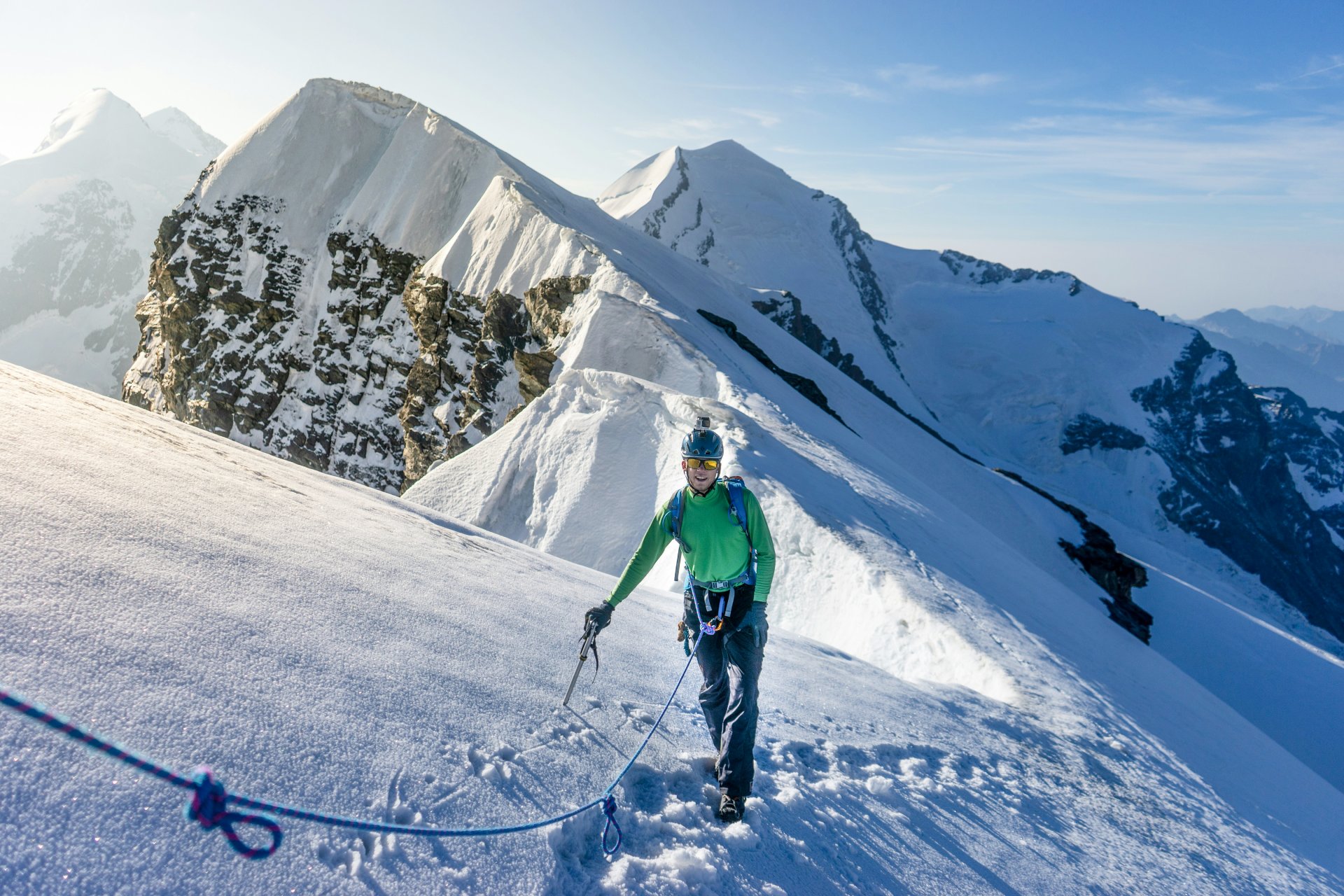
Cliff climbing and trekking Ireland’s dramatic rugged terrain provides a playground for active visitors. The Cliffs of Moher in County Clare, one of Ireland’s most iconic landmarks, offer challenging rock-climbing routes and scenic walking paths for those less inclined to scale the heights. In Donegal, the Slieve League Cliffs are among the highest sea cliffs in Europe and provide spectacular views for hikers willing to take on the steep trails. The Burren in County Clare is another favorite for trekkers and climbers, with its unique limestone karst landscape creating a striking backdrop for outdoor adventures.

Surfing Ireland’s Wild Atlantic Way is a surfer’s dream, offering some of the best waves in Europe. Lahinch in County Clare and Bundoran in County Donegal are well-known surfing hubs, with schools catering to all skill levels. For more experienced surfers, Mullaghmore Head in Donegal and Aileen’s Wave near the Cliffs of Moher provide adrenaline-pumping challenges. Even beginners can enjoy the thrill of catching waves, with beaches like Strandhill in Sligo and Inch Strand in Kerry offering gentler surf. Surfing in Ireland is not just about the sport—it’s also about immersing yourself in the Atlantic coast’s dramatic seascapes and untamed beauty.


The Global Rescue Connection

Whether you’re cantering along a beach, scaling a cliff, catching the perfect wave or dancing to a reel at a local pub, remember there are no activity restrictions when you have a Global Rescue membership. Your Global Rescue membership provides services for emergency field rescue from the point of illness or injury, medical advisory, traveler assistance, destination reports, event alerts, and medical evacuation transport home and (for applicable memberships) virtual healthcare access and security services.

Ireland’s outdoor adventures offer more than just adrenaline.  These activities are deeply intertwined with the country’s culture and landscapes, making them a must for travelers looking to experience Ireland’s authentic and adventurous side.

Categories:

Travel
Share This:

2024 in Review: Solo Adventures, Weird Laws, and SATCOM Rescues

Explore 2024's top travel trends, rescue missions, safety tips, and Global Rescue's 20-year legacy of supporting travelers worldwide.

Article Highlights


  • Rescue Operations: Highlighted life-saving missions, including rescuing a teen during a brushfire and retrieving a helicopter pilot following a crash on a frozen lake.
  • Traveler Trends: Solo travel for women, the weirdest global laws, and post-pandemic enrollment in Trusted Traveler Programs dominated interest.
  • Global Travel Insights: From translation app guidance to over-the-counter drug bans, we addressed travelers’ biggest concerns in 2024.
  • Safety Tips: Protecting valuables, avoiding jet lag, and using satellite devices responsibly during emergencies.
  • Celebrating 20 Years: Global Rescue marked two decades of service with over 25,000 operations, showcasing our commitment to travelers worldwide.


NEWSMAKER: The New York Times highlighted travel safety guidance from former Navy SEAL and Global Rescue security operations director Harding Bush, who advised travelers not to rely on AirTags and other GPS trackers when they’re dealing with possible theft — they provide a false sense of security. “On a street crime level, you’re still not going to get your bag back, and you wouldn’t want to confront that criminal because it could get you in a less safe situation,” he said.


FACT OR FICTION? Readers continue to be fascinated by our article Debunking the Longest Walk, a route that is more fiction than fact and includes immense challenges that make it nearly impossible to accomplish. It’s a route stretching 14,334 miles (23,068 kilometers) from Cape Town in South Africa to Magadan in Russia through the Suez Canal, Turkey, Central Asia, and Siberia.


NEWSMAKER: Nearly a hundred news outlets, like the Sacramento Bee, featured the results of the Global Rescue Traveler Sentiment and Safety Survey that revealed a mix of enthusiasm and caution among the world’s most experienced travelers regarding their future global itineraries following the recent U.S. elections. Approximately 30% of respondents expected to increase their international trips in 2025, while 7% foresaw scaling back on foreign travel. The majority – 55% – anticipated no significant changes to their plans despite the election outcome.


TRAVEL SONGS: For several years, the world’s most experienced travelers – Global Rescue members – have shared their favorite songs for travel, making it no surprise that the annual article listing the top travel songs of the year continues to be a sought-after read. “On the Road Again” by Willie Nelson was selected as the top travel song for the fourth consecutive year, followed by Toto’s “Africa”, John Denver’s “Leaving on a Jet Plane,” and, making the list for the first time, “Lovely Day” by Bill Withers. You can find the complete list of the top travel-inspiring songs from the past several years here.


PICKPOCKET DEFENCE: Forbes Magazine reported on how travelers can keep their valuables safe by reviewing a Global Rescue survey that found that more than twice the percentage of men admitted they don’t use any method to protect their valuables compared to their female counterparts. One out of four male survey respondents (25 percent) don’t have a method to preserve their valuables, compared to less than 10 percent of women. Harding Bush, associate director of security operations at Global Rescue, recommended male and female travelers to separate valuables. “That way, if a thief nabs a shoulder bag or a pickpocket steals your wallet, you still have access to some of your money, credit cards and duplicates of other important documents,” he said.


SATCOMS TAKE CENTER STAGE: As leisure, business and adventure travelers push further into remote destinations or localities with limited cellular coverage, they are eager to stay connected using satellite-enabled devices during emergencies and non-emergencies. That’s why this article, “Where Is Your Satellite Phone Illegal?” retains ongoing interest. Travelers are keen to know where their satellite phones – and now satellite-enabled smartphones – are illegal and what risks they face for accidentally bringing one to a country where the devices are prohibited or restricted.


WOMEN VS MEN: TRAVEL PREFERENCES: Travel Noire Magazine reviewed the Global Rescue Summer 2024 Traveler Sentiment and Safety Survey before reporting how men and women choose their dream destinations. Female respondents (37%) list stunning landscapes – like mountains, jungles, savannahs, deserts, surf, reefs, canyons, volcanoes, and glaciers – as the most crucial factor when choosing an international destination to visit. In contrast, an equal percentage of male travelers (37%) prioritize access to adventure activities – such as scuba diving, skiing, mountaineering, trekking, and fishing – as their top consideration.


WEIRD LAWS: Camo-wear in the Caribbean. Chewing gum in Singapore. Swearing in public in the U.A.E. These are a few seemingly odd things that are illegal in parts of the world. International travelers love reading the Weirdest Laws in the World article to learn and avoid breaking a rule that could mean a ticket or jail time.


OTC MEDS: …and it’s not only gum-chewing rules and camouflage outwear laws that travelers are curious to know. Knowing which over-the-counter medicines are legal here is restricted, unavailable, or banned abroad. This concern makes our story about Over-the-Counter Drugs: Brands and Bans for International Travel one of the most popular articles.


NEWSMAKER: Multiple local and national news outlets credited Global Rescue for the rescue of a 16-year-old who was separated from his family during a major brushfire in the Pacific Northwest. A satellite emergency activation to Global Rescue alerted local first responders about the missing teen.


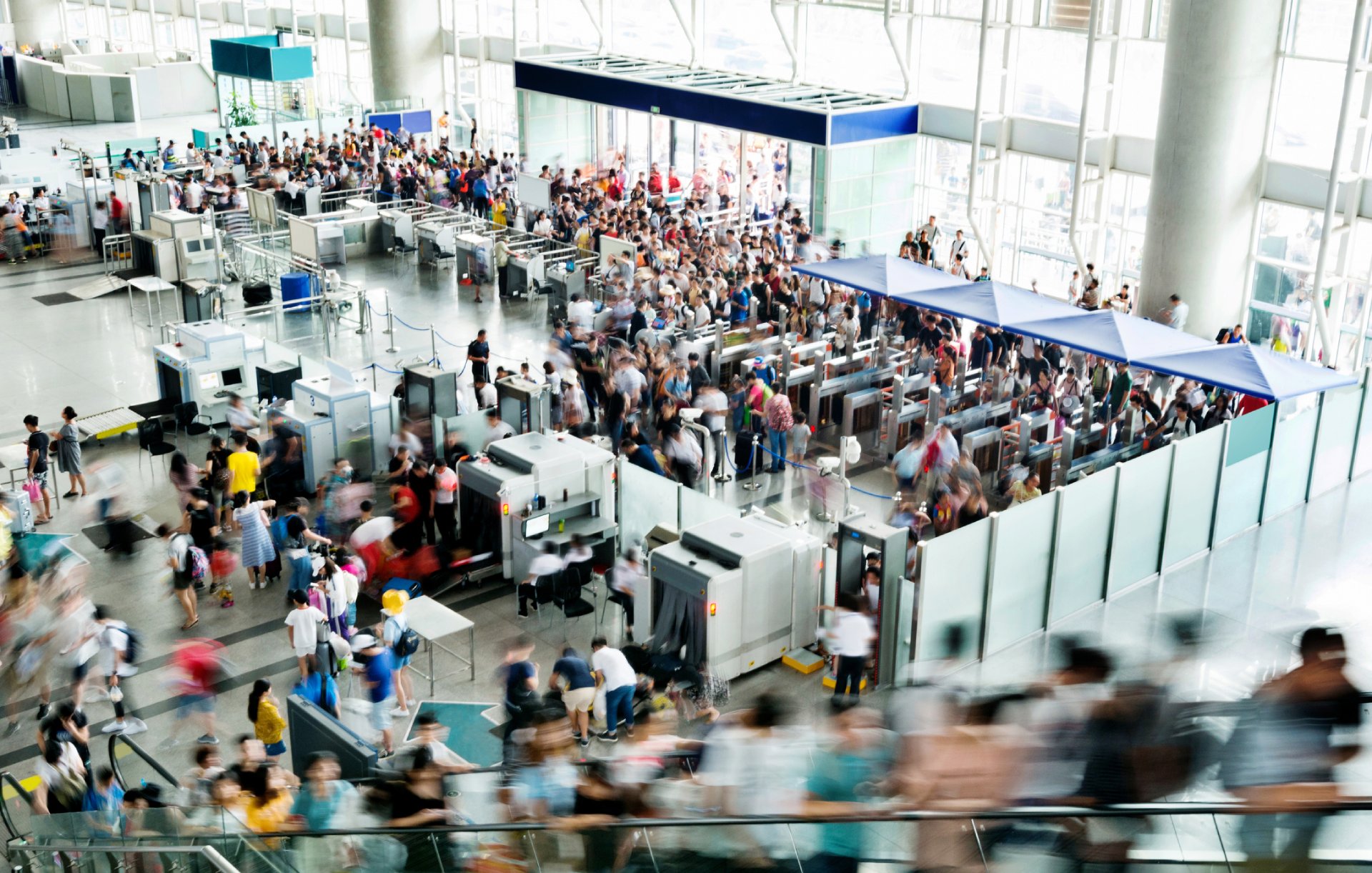
LINE UP: If you traveled during the post-pandemic travel surge, you probably waited in long lines to check in, get through security and clear customs unless you – like 70% of Global Rescue members – enrolled in a Trusted Traveler Program, like PreCheck of Global Entry. As more travelers enroll in these programs, the more likely security clearance and customs lines will grow, making our article What’s New in Trusted Traveler Programs? Plenty a trusty resource to stay on the short lines of travel.


EPIC FAMILY: Family road trip. Those three words can mean so much to so many people. For Carol van Stralen and her family, it means something epic, making Overlanding: One Mom Reflects on an Epic Family Road Trip one of the most-read stories about a Global Rescue member family and their seven-year adventure.


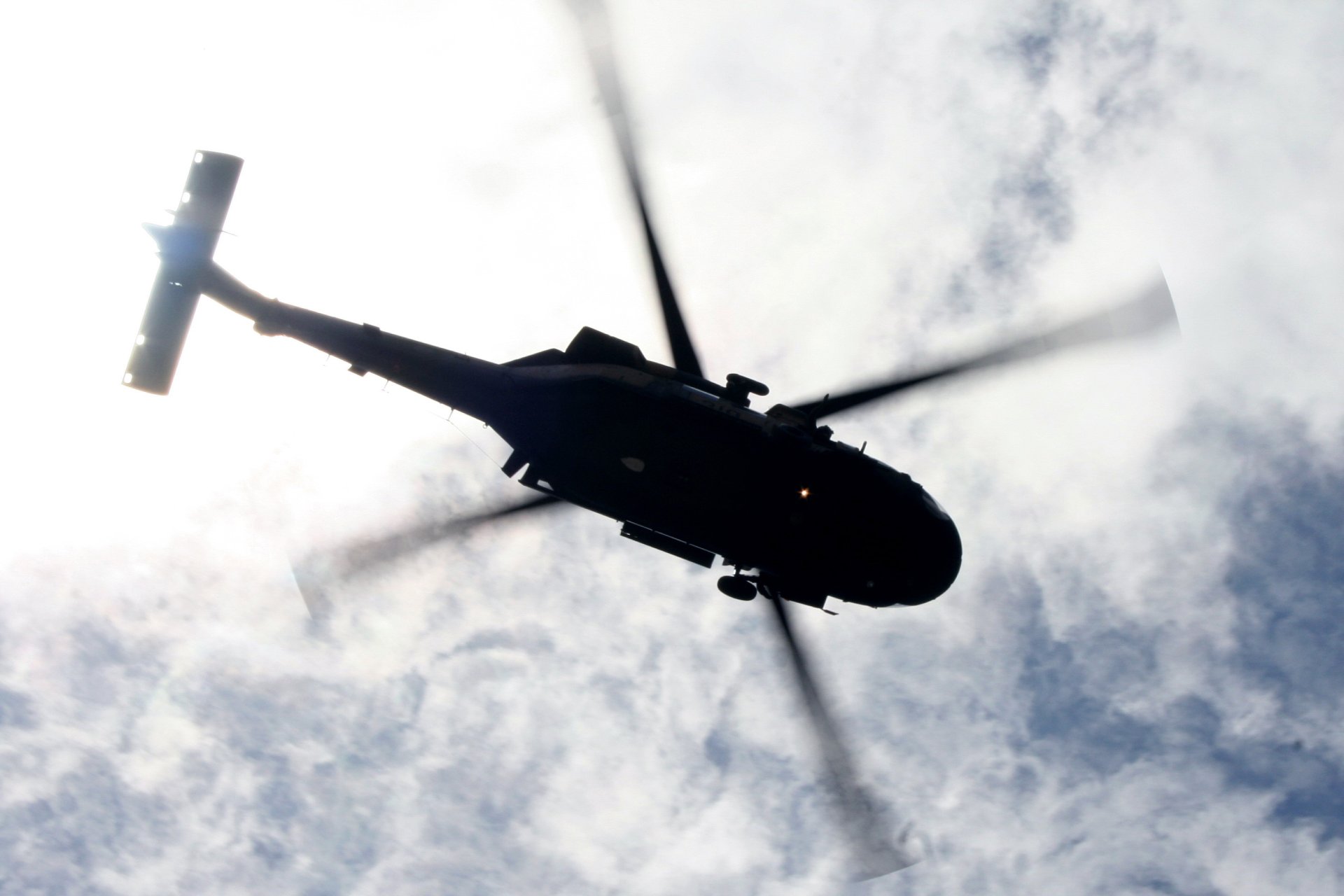
DARING RESCUE IN THE NEWS: Global Rescue was instrumental in saving a helicopter pilot following a crash on a frozen lake about 97 nautical miles (180 kilometers) north of Goose Bay, Newfoundland, and Labrador, Canada. According to reports by CTV News and CBC News, the helicopter pilot was rescued to safety “with minor injuries.”


SOLO TRAVEL FOR WOMEN: Whether you’re reviewing Skift research, scrolling Expedia booking data, or reading tea leaves, all resources point to more solo travel for women. But some destinations are as dangerous as they are attractive. To help sort out and balance safety with adventure, we published Solo Travel for Women: The Safest and Most Dangerous Destinations and readers loved it. So, we’ll be exploring and writing more in 2025.


LOST IN TRANSLATION: USA Today examined the pros and cons of translation apps for international travelers and spoke with Global Rescue’s David Koo for guidance. “Translation apps are not a replacement for organic fluency,” said Koo, the director of operations for Global Rescue. “But they can help cross important communication barriers when it comes to local navigation, reading menus, managing public transportation, shopping or getting help, even in case of emergencies,” Koo speaks several languages himself and reaches for a translation app even when he knows a language. That’s because he works for a company specializing in security services and understands that bad translations can be dangerous. For example, try telling a doctor at a hospital in Rome about your medication allergies. If you get something wrong, I promise you won’t be sharing a laugh with the staff.

DRINK THE WATER? Depending on where you are and where you’re going, you may want to take a look at one of our most-read articles, Where in the World Is Tap Water Safe to Drink? before turning on the tap, filling a cup and gulping down a (maybe?) refreshing glass of water. You will want to find bottled water if you’re in India, Mexico, Nigeria, Indonesia and Egypt. In Iceland, Norway, Japan and Germany, go ahead and drink the tap water.


BONUS: Global Rescue celebrated its 20th anniversary of supporting travelers worldwide by completing over 25,000 operations since our inception by Founder and CEO Dan Richards in 2004. “For two decades, Global Rescue has responded and will continue to respond when people have, in many instances, the worst day of their lives. We try to make it better,” he said. Check out some of our most challenging medevac operations from two decades of emergency medical services here.

Categories:

Travel
Share This:

International Travel With Pets: Navigating a Pet-Friendly Journey

Tips for traveling with pets, including pet-friendly airports, airlines, railways, and hotels.

Article Highlights


  • U.S., Canada, and many European countries excel in pet-friendly travel, while Australia and Japan pose more significant challenges.
  • Airlines like Lufthansa and Air France cater to pets, while budget carriers often do not allow them.
  • European railways, including SNCF, are pet-friendly, while U.S. options like Amtrak have stricter limits.
  • Leading pet-friendly hotels include Kimpton Hotels and Hyatt.
  • Advance preparation, including vet visits and acclimating your pet to travel, is key to a smooth trip.

Travel with Pets: A Comprehensive Guide to Pet-Friendly Travel

Traveling with pets has become more common but requires careful planning and awareness of rules, accommodations, and potential challenges. Some countries make it easy to travel with pets, while others have stricter regulations or limited accommodations. The United States, Canada, and many European countries, like France, Germany, and Italy, are highly pet-friendly, offering extensive amenities and allowing pets on public transport, in many restaurants and hotels.

However, countries like Japan and Australia have stricter quarantine and vaccination rules for incoming pets. For example, Australia mandates that pets undergo up to 10 days of quarantine, even with proper paperwork. Meanwhile, many Asian countries, including China, have limited pet-friendly facilities, requiring detailed pre-trip planning. Always research your destination to ensure a smooth experience.


Air Travel With Pets

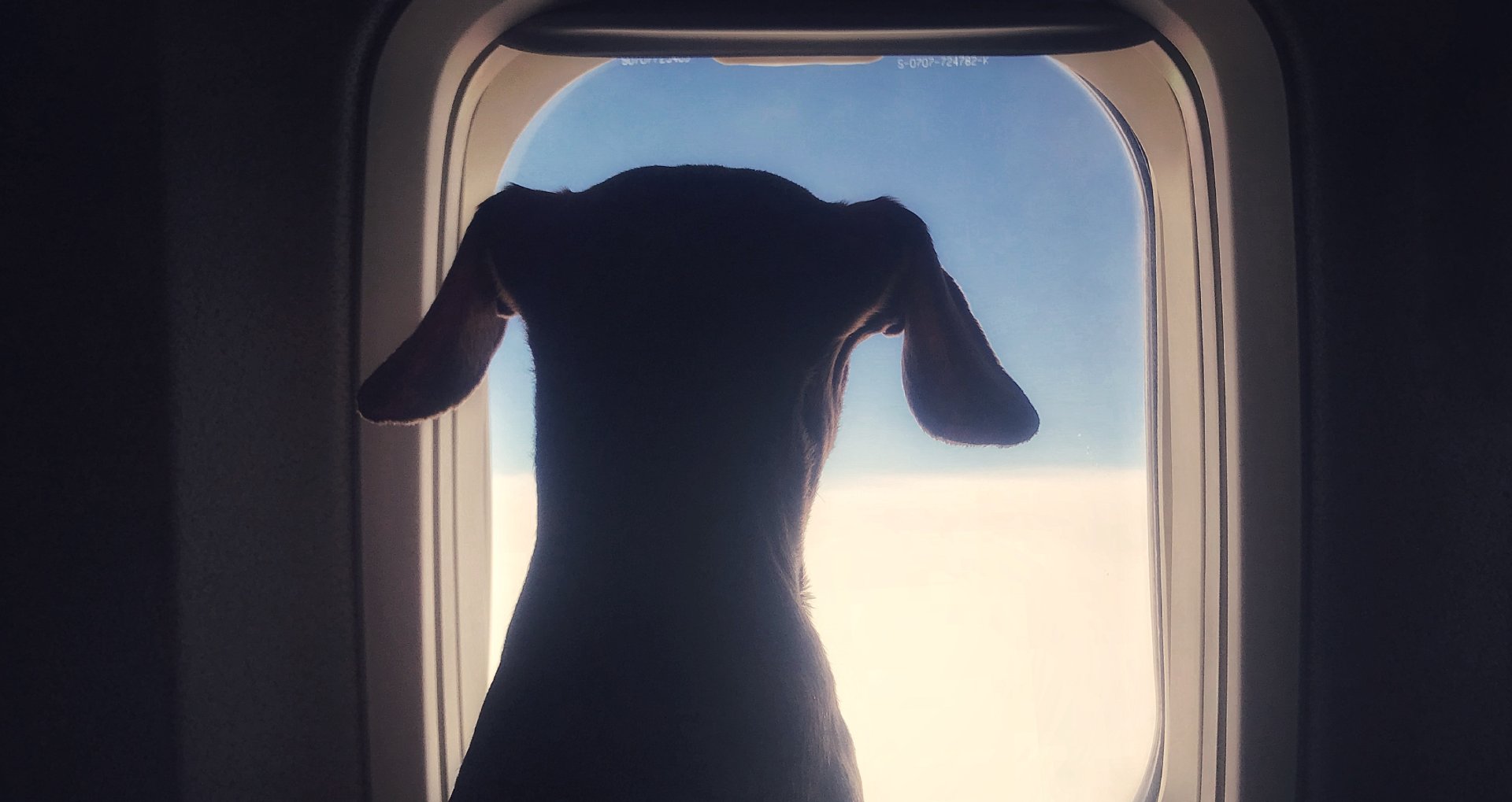
Pet-friendly airports are distinguished by several key features designed to make travel with pets more convenient and stress-free. Many provide dedicated pet relief areas, both indoors and outdoors, equipped with waste disposal amenities to ensure cleanliness and ease of use.

Comprehensive pet transport services are also common, offering assistance with check-in, boarding, and cargo handling to streamline travel. Some airports, such as Amsterdam’s Schiphol and Frankfurt, go further by providing animal hotels and lounges where pets can rest comfortably during layovers or extended transit periods.

Clear and accessible guidelines are another hallmark of these airports, with locations like Helsinki and Frankfurt providing detailed policies to help travelers navigate the rules for flying with pets. Additionally, on-site veterinary services at airports like Schiphol and Frankfurt ensure that veterinarians can promptly address medical emergencies.

Airlines vary significantly in how supportive they are of tourists traveling with pets. U.S.-based airlines like Delta, American Airlines, and United allow small pets in the cabin for a fee, provided they remain in an airline-approved carrier. However, these policies often exclude larger pets who must travel in the cargo hold.

International airlines such as Lufthansa and Air France excel in pet-friendly policies, offering specific programs to ensure pets are safe and comfortable during flights. On the other hand, budget carriers like Ryanair and easyJet do not allow pets, making them less suitable for pet owners. Always confirm the airline’s pet travel policies, including size restrictions and required documents.


Top Airports for Pet-Friendly Travel

Some airports go above and beyond to accommodate travelers with pets, offering amenities and services that make journeys smoother and less stressful for both pets and their owners.


United States

  • Chicago O’Hare International Airport (ORD): The airport offers multiple pet relief areas conveniently located in every terminal, including indoor and outdoor options. It also provides ample signage to guide travelers with pets.
  • Atlanta Hartsfield-Jackson International Airport (ATL): Features an extensive 1,000-square-foot outdoor dog park, complete with grass, benches, and waste disposal stations, making it one of the most pet-friendly airports in the country.
  • Los Angeles International Airport (LAX): Offers numerous pet relief stations, both pre- and post-security, and has partnerships with pet transport services to assist travelers with in-cabin and cargo pet arrangements.
  • Seattle-Tacoma International Airport (SEA): SEA is highly accommodating, featuring several “Pet Relief Areas” with artificial grass, fire hydrants, and cleaning supplies. These areas are easily accessible in terminals and cater to both pre- and post-security travelers.
  • Dallas/Fort Worth International Airport (DFW): Provides multiple indoor and outdoor pet relief areas and offers pet transport services for cargo. The airport also partners with airlines to ensure smooth transfers for pets.


Europe

  • Amsterdam Schiphol Airport (AMS): Stands out with its world-class facilities, including an on-site Animal Hotel. This dedicated area provides grooming, veterinary care, and pet rest spaces during layovers or before flights. Schiphol also has efficient transit services for pets traveling as cargo.
  • Frankfurt Airport (FRA): Known for its Pet Lounge, FRA is one of the best airports in Europe for pet travelers. It provides veterinary services, pet hotels, and specific handlers for pets in transit.
  • Helsinki Airport (HEL): A standout for pet-friendly services, HEL features pet relief areas, a seamless check-in process for pet owners, and clear pet travel guidelines. The airport also offers information desks specifically for travelers with pets.


Asia

  • Hong Kong International Airport (HKG): While pet policies in Asia tend to be stricter, HKG offers pet-friendly services for transit and export. It has designated pet areas and ensures humane handling for pets traveling in cargo.
  • Singapore Changi Airport (SIN): One of the most efficient airports globally, Changi offers smooth transit services for pets and has dedicated spaces for animals awaiting quarantine clearance. However, as Singapore has strict animal import regulations, thorough preparation is necessary.


Oceania

  • Sydney Kingsford Smith Airport (SYD): Australia enforces stringent quarantine rules, but SYD accommodates pets with facilities for pre-quarantine and transport assistance. However, pet-friendly options are limited compared to the U.S. and Europe.


Pet Policies in Airports With Challenges

  • Tokyo Narita Airport (NRT): Japan’s stringent animal import laws make traveling with pets challenging, although the airport offers basic pet transport assistance.
  • Melbourne Airport (MEL): While it provides some facilities for pet handling, Australia’s strict quarantine requirements mean that pets face mandatory holding periods, which can complicate travel plans.


Pet-Friendly Railway Travel

Europe sets the gold standard for rail travel. Countries like Germany, France, and Italy allow pets on trains, with dogs often permitted onboard for free or a nominal fee. France’s SNCF railway, for example, welcomes small pets in carriers for €7. Pets outside carriers may require a separate ticket, depending on their size.

In contrast, the U.S. Amtrak allows only small pets (under 20 pounds) in carriers and charges a fee. Pet-friendly rail options in countries like Japan are limited, as most public transportation systems discourage or prohibit pets. When planning train travel, confirm the policies and ensure your pet is comfortable in their carrier.


European Railway Pet Rules

In Europe, the rail systems of Germany, France, and Italy are among the most pet-friendly. Germany’s Deutsche Bahn allows pets to travel for free or with a reduced fare, depending on their size. Smaller pets in carriers are usually free, while larger dogs may require a half-price ticket. Similarly, France’s SNCF railway permits small pets in carriers for a nominal fee of €7, and larger pets may travel on a leash with a separate ticket. Italy’s Trenitalia has similar policies, accommodating pets of all sizes as long as pet owners follow specific guidelines. This level of accessibility makes Europe a top choice for pet owners traveling by train.


Pets Railroaded in Asia

Japan’s railways, including the iconic Shinkansen (bullet train), have strict policies that limit pet travel. Pets are generally required to be in small, secure carriers, and the total weight of the pet and carrier often cannot exceed 10 kilograms (22 pounds). While Japan’s cleanliness and efficiency are unmatched, these restrictions can make it difficult for pet owners with larger animals. Other Asian countries, like China and South Korea, often prohibit pets on trains entirely, reflecting a cultural preference for pet-free public transport.


Pets on the Rails in Central and Eastern Europe

Central and Eastern Europe offer a mixed bag of policies. Countries like Poland and the Czech Republic allow pets on trains, often with simple regulations such as leashing and muzzling larger dogs. Poland’s PKP Intercity permits pets with a small fee, and carriers for smaller animals are required. Hungary’s MÁV-START railway also allows pets, but policies vary by train type and route. However, some Eastern European countries still lack consistent policies for pet travel, leaving it to the discretion of local train operators.


Railway Pet Restrictions in South America

In South America, rail travel is less extensive, but where it exists, pet policies are generally restrictive. For example, Argentina’s Tren de la Costa and Brazil’s regional trains allow small pets in carriers, but long-distance routes typically prohibit pets. Additionally, rail services in less-developed areas may lack the facilities to accommodate animals, making travel more challenging for pet owners.

For a smooth journey, pet owners should research railway policies in advance, ensure their pets are comfortable in carriers, and consider short, practice trips to acclimate their pets to the travel environment. While Europe stands out as a model for pet-friendly rail systems, travelers in Asia, Eastern Europe, and South America may need to navigate more restrictive policies and plan carefully to ensure a stress-free experience.


Pet-Friendly Accommodations

Finding pet-friendly hotels and restaurants is critical for smooth travel with pets. In the U.S., chains like Kimpton Hotels, Hyatt, and La Quinta are renowned for welcoming pets. Many European cities feature boutique hotels and luxury accommodations with dedicated pet amenities like dog beds and treats.

Dining out with pets can be trickier. While many U.S. and European restaurants with outdoor seating welcome pets, this is not universal. Countries like France are especially accommodating, while others like Japan have far fewer options. As always, research in advance to find pet-friendly spots.

Car rentals also vary. Companies like Enterprise and Hertz generally allow pets but may require cleaning fees. When renting, inquire about the pet policy to avoid unexpected charges.

Preparing Your Pet for Travel

Preparation is essential before embarking on a trip with your pet. Start with short car trips to acclimate your pet to traveling. Gradually increase the duration and complexity of trips, such as overnight stays at pet-friendly hotels. This step-by-step approach builds confidence and reduces anxiety for your pet.

For international travel, visit a veterinarian to ensure your pet meets destination requirements. Obtain a health certificate, update vaccinations, and complete any required diagnostic tests. Carry documentation, including vaccination records, a photo of your pet, and microchip details, in case of emergencies.

Categories:

News
Share This:

What are the biggest travel dangers of 2025?

Share This:

Mission Briefs: Global Rescue In Action – Issue 53 – The Himalaya Special Edition

A brief overview of recent standout operations involving Global Rescue.

Article Highlights

  • Specialized High-Altitude Rescues: Global Rescue collaborates with expert pilots in Nepal to perform challenging helicopter evacuations in remote, high-altitude environments.
  • Himalaya Mission Highlights: November had Global Rescue operations perform rescues for people suffering from acute mountain sickness, frostbite, and severe injuries.
  • Expanding Support for Climbers: Global Rescue’s High-Altitude Evacuation Package and extended deployments enhance safety and emergency response for adventurers in extreme mountain conditions.


High-altitude helicopter rescues are dangerous, and the potential for extreme weather changes compounds the risks. Helicopter rescues at high elevations involve risks. However, Global Rescue minimizes them by working with pilots and helicopter companies in Nepal that have exceeded our rigorous vetting processes that examine their safety records, pilot experience, and safety management systems.

The pilots are drawn to this risky work by the challenges of flying in high-altitude, remote mountains. We work with the best pilots in the world who are extraordinarily experienced at high-altitude rescues, often landing in risky areas or using long-line tactics to recover sick or injured climbers.

An actual rescue is straightforward. Once an airborne evacuation off the mountain is activated, Global Rescue coordinates with various rescue resources, including helicopter transport, ground transport to the hospital, and ongoing patient monitoring.

We have had challenging cases where people were stuck for several days due to extreme weather preventing all airborne flights, but this is an unavoidable condition of the environment. Overwhelmingly, our rescue cases are quick airborne interventions that have saved thousands of lives.

In a typical 30-day period, Global Rescue executes hundreds of operations in dozens of countries and principalities. But for this special edition of Global Rescue’s Mission Briefs, we are exclusively highlighting a few of the many Himalaya rescue operations completed in November 2024.


Long Line Rescue Saves a US Mountaineer

A member from the US exhibited acute mountain sickness (AMS) symptoms, including severe headache, dizziness, and difficulty breathing, while at Ama Dablam Camp 2, Khumjung, Nepal. A long-line helicopter evacuation was arranged, transporting the member to CIWEC Hospital in Kathmandu. After treatment, including oxygen and medications, the member was discharged in improved condition and later reported full recovery.


Frostbite at Camp 3 on Ama Dablam

A member from Ireland sustained severe frostbite on all fingers while at Ama Dablam Camp 3, Khumjung, Nepal. Due to the severity of the injury, a long-line helicopter evacuation to CIWEC Hospital in Kathmandu was approved. The member underwent Iloprost treatment and was discharged after completing therapy, expressing gratitude for the assistance.


Severe Ankle Injury Ends Summit Attempt

A member from Norway sustained a right ankle injury after slipping on ice during a Lobuche summit attempt in Khumjung, Nepal. Initial treatment involved reducing the dislocation on-site, but due to limited mobility, a helicopter evacuation to PLNN Hospital was arranged. An X-ray confirmed no fractures, but the member later experienced a second dislocation. Further evaluation in Kathmandu revealed ligament tears requiring knee immobilization and a recommendation for surgery. The member returned home with a business class upgrade arranged for comfort.


Canadian Climber Suffers Acute Gastroenteritis

A member from Canada suffered from acute gastroenteritis, experiencing severe vomiting and diarrhea, while in Kothe, Nepal. Due to the lack of local medical care, a helicopter evacuation to Lukla Hospital was arranged. After treatment, the member recovered and declined further follow-up, continuing onward travel arrangements.


Acute Mountain Sickness on Ama Dablam

A member from the US experienced worsening symptoms, including severe headache, fatigue, and frequent diarrhea, while at Camp 3 during an attempt to summit Ama Dablam in Khumjung, Nepal. Despite initial treatment with NSAIDs and Loperamide, her condition did not improve, prompting her husband to contact Global Rescue. She was evacuated by helicopter from Ama Dablam Base Camp to PLNN Hospital in Lukla, where she was diagnosed with Acute Mountain Sickness (AMS) and Acute Gastroenteritis. After evaluation and treatment, Ms. Sims was discharged with home medications.


HAPE, HACE Prompt Medevac

A member from Australia suffered severe symptoms, including persistent cough, weakness, and breathing difficulties, while trekking in Ama Dablam, Khumjung, Nepal. Medical evaluation determined high-altitude pulmonary edema (HAPE) and high-altitude cerebral edema (HACE). A helicopter evacuation was approved, and the member was transported to CIWEC Hospital in Kathmandu, treated with IV fluids, and discharged with medications and recovery instructions.


Trekker Suffers from AMS and Sunburn

A member from the US experienced severe symptoms of AMS, including uncontrollable cough, headache, and dizziness, while trekking in Lobuche, Khumjung, Nepal. A helicopter evacuation was arranged, and the member was transported to CIWEC Hospital in Kathmandu. The member was diagnosed with AMS and sunburn, treated with hydration and topical applications, and discharged for further rest.


Chest Pains at Base Camp

A member from the United Kingdom reported chest pain, dizziness, and body weakness while at Ama Dablam Base Camp, Khumjung, Nepal. Despite prior treatment, symptoms worsened, prompting a helicopter evacuation to PLNN Hospital in Lukla. The member was diagnosed with post-AMS and discharged with minor residual symptoms and recovery instructions.


Dingboche Trekker Requires Airborne Rescue

A member from the US developed symptoms of AMS, including headache, chest tightness, and insomnia, while trekking near Dingboche, Nepal. After symptoms persisted, a helicopter evacuation was arranged to PLNN Hospital in Lukla. The member was diagnosed with acute mountain sickness, treated, and advised to rest at a lower altitude for recovery.


Deep Vein Thrombosis Causes Helicopter Rescue

A member from the United Kingdom experienced swelling in the left calf, suspected to be deep vein thrombosis (DVT), while at Ama Dablam Base Camp, Khumjung, Nepal. A helicopter evacuation to CIWEC Hospital in Kathmandu was arranged. The member was diagnosed with a thrombus in the medial gastrocnemius vein, treated with anticoagulants, and deemed fit to fly back home after monitoring.


Blurred Vision, Slurred Speech on Ama Dablam

A member from Australia experienced vision issues and slurred speech, potentially due to high-altitude retinopathy, while at Ama Dablam Camp 3, Khumjung, Nepal. A long-line helicopter rescue was arranged, transporting the member to CIWEC Hospital in Kathmandu. The member received treatment, showed improvement, and was advised to follow up with an ophthalmologist.


Fainting Spells in Dughla

A member from the US reported multiple episodes of syncope, also known as fainting or passing out due to a sudden drop in blood pressure, while trekking in Dughla, Khumjung, Nepal. A helicopter evacuation to PLNN Hospital was arranged. The member was diagnosed with syncope related to low oxygen saturation and was advised to follow up with a cardiologist upon returning home.


The Global Rescue Connection

Participation in mountaineering, trekking and other high-altitude activities has seen rapid increases in recent years. Global Rescue continues to expand and enhance its services for this community by increasing our capabilities to provide emergency services in more regions, committing to longer deployments of our medical operations personnel, and extending our in-field rescue operational durations.

Implementing the High-Altitude Evacuation Package and making it available to members 16 years of age and older who travel above 15,000 feet (4,600 meters) during any part of their trip (excluding airplane travel) and who require emergency transport due to injury or illness enables us to continue enhancing our current service capabilities for the climbing and trekking community worldwide. For example, we deploy operations professionals to Nepal during the climbing season and will do so for longer periods and in other locations popular with climbers.

Categories:

Health & SafetyTravel
Share This:

Tips for Long-Haul Travelers: How To Manage Body Clocks and Jet Lag

Expert tips on sleep, food, hydration, and tools for a seamless recovery if traveling across multiple time zones.

Article Highlights

  • Jet lag is more severe when traveling eastward due to the body’s difficulty adjusting to an earlier schedule.
  • Common mistakes include dehydration, excessive alcohol and caffeine, irregular meals, and long naps.
  • Foods like bananas, cherries, and lean proteins can aid in managing jet lag.
  • Tools like blackout shades, earplugs, and melatonin effectively support recovery.
  • Planning sleep schedules and exposure to natural light upon arrival can help reset the body clock.

How To Minimize Jet Lag When Crossing More Than 5 Time Zones

Traveling across multiple time zones can disrupt your body clock, leading to jet lag, a temporary sleep disorder causing fatigue, insomnia, and disorientation. Jet lag tends to be more severe when traveling eastward than westward because the body naturally adjusts better to staying up later than going to bed earlier. Understanding the causes, remedies, and preventive measures can significantly reduce jet lag’s impact.


Understanding Jet Lag

Jet lag occurs when your internal body clock, or circadian rhythm, is misaligned with the time at your destination. Your body struggles to adjust to the new schedule, affecting sleep patterns, digestion, and overall energy levels. Traveling east accelerates your day, shortening the natural 24-hour cycle, while traveling west lengthens it, making adaptation easier.


Jet Lag Tips and Pitfalls

Jet lag can be a frustrating side effect of crossing multiple time zones, leaving travelers tired, disoriented, and struggling to adjust to a new schedule. Unfortunately, common mistakes like dehydration, consuming excessive caffeine or alcohol, skipping meals, and taking naps at the wrong times can intensify these symptoms. Staying hydrated, adjusting your schedule gradually, and prioritizing light exposure and sleep hygiene are essential preparations to minimize jet lag and help your body adapt. By understanding what worsens jet lag and implementing strategies to counter its effects, you can enjoy smoother transitions and more productive, enjoyable travel experiences.


Common Mistakes That Worsen Jet Lag

  • Not Staying Hydrated: Dehydration, exacerbated by dry airplane cabin air, worsens fatigue. Drink water consistently throughout your flight and avoid excessive caffeine or alcohol, which dehydrate the body and disrupt sleep.
  • Consuming Excessive Alcohol and Caffeine: While a glass of wine or coffee may seem tempting, both can interfere with your ability to sleep and adjust to the new time zone.
  • Irregular Meals: Skipping meals or eating heavy food at odd hours can confuse your digestive system, further unsettling your body clock.
  • Taking Long Naps: Overly long naps during the day can delay your body’s adaptation to the local schedule.
  • Not Adapting Quickly: Failing to adjust to the destination’s time zone, either before or immediately upon arrival, prolongs jet lag symptoms. Gradual changes to your sleep and meal times ahead of your trip can ease the transition.


Best Practices To Avoid Jet Lag

  • Stay Hydrated: Drink plenty of water before, during, and after your flight to combat the dehydrating effects of air travel.
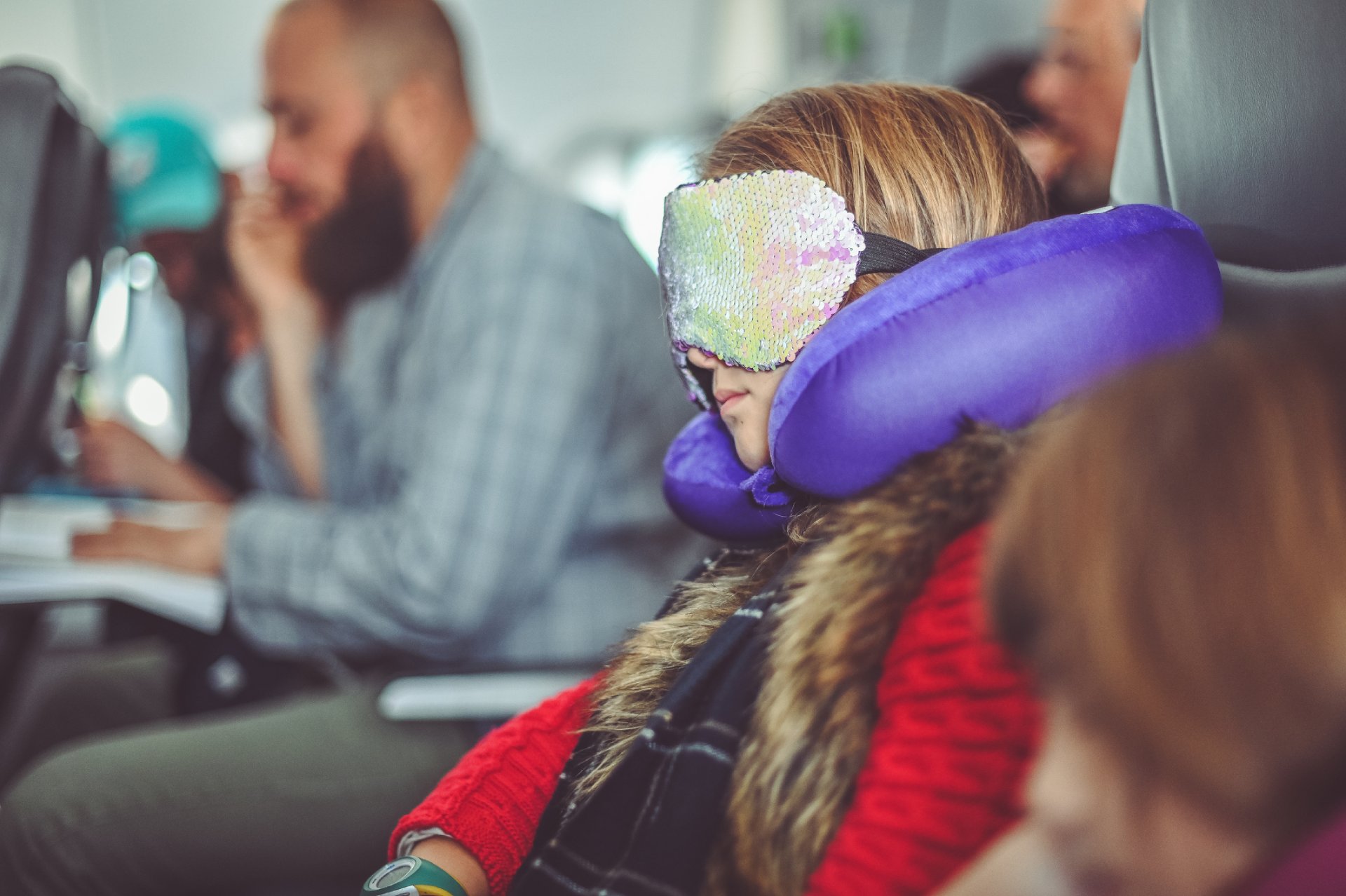
  • Plan Your Sleep: Use the flight to align your sleep with the destination’s time zone. For eastward travel, try sleeping on the plane; for westward travel, stay awake longer.
  • Adapt to the New Time Zone: Upon arrival, spend time outdoors to expose yourself to natural light, which helps reset your body clock. Eat meals according to local times and avoid heavy food late at night.
  • Use Blackout Shades and Earplugs: These tools create an optimal sleep environment by blocking out light and noise.
  • Exercise: Light physical activity, especially in the morning or afternoon, can help regulate energy levels and improve sleep.


Foods To Help Combat Jet Lag

Adjusting your internal body clock can be challenging when crossing multiple time zones. Certain foods can naturally support your body’s transition by promoting better sleep, regulating energy levels, and reducing common jet lag symptoms like fatigue and digestive discomfort.

Incorporating specific nutrient-rich foods, such as those high in melatonin, tryptophan, or magnesium, into your meals can help you fall asleep faster, stay asleep longer, and wake up refreshed.

Whether you’re preparing for a long-haul flight or settling into a new destination, these dietary choices can significantly reduce jet lag.

  • Bananas: Rich in potassium, magnesium, and tryptophan, bananas support relaxation and sleep.
  • Cherries: A natural source of melatonin, they help regulate your sleep-wake cycle.
  • Lean Proteins: Foods like chicken and fish are high in tryptophan, aiding sleep quality.
  • Carbohydrates: Eating carbs like rice, potatoes, or quinoa at dinner can help you wind down.
  • Kiwi: Packed with serotonin, kiwi may improve sleep onset and quality.
  • Ginger: Helps alleviate nausea, a common jet lag symptom, and can be consumed as tea.
  • Oatmeal: A low-GI carb that helps regulate energy levels and reset your biological clock.

Plan your meals according to your destination’s time zone to further align your body’s rhythm.


Effective Medications for Jet Lag

While lifestyle adjustments and strategic planning are vital for managing jet lag symptoms, certain medications can provide additional support in aligning your body clock with a new time zone. Options range from over-the-counter melatonin supplements, which naturally regulate sleep cycles, to prescription sleep aids like nonbenzodiazepines (zolpidem, eszopiclone) and benzodiazepines (temazepam), which can help manage severe sleep disturbances.

However, it’s crucial to understand their proper use, availability, and restrictions in the destination country to ensure safe and effective relief from jet lag. Always consult a healthcare professional before using medications to address jet lag.

Melatonin

  • Availability: Over-the-counter (OTC) in the U.S.
  • Description: Melatonin is a natural hormone secreted by the pineal gland that helps regulate sleep-wake cycles. Experts regard it as one of the most effective and safest treatments for jet lag. Taking melatonin in the evening at your destination can help reset your body clock to align with the local time zone.
  • Usage: Typically, 0.5 to 5 mg is recommended an hour or two before bedtime at your destination.
  • International Regulations:
    • In many countries, melatonin is available OTC, but in places like the UK and parts of the European Union, it is regulated and available only by prescription.
    • In Japan, melatonin is classified as a drug and is not available OTC. Travelers should verify local regulations before carrying it abroad.


Nonbenzodiazepines

Examples: Zolpidem (Ambien, Edluar, ZolpiMist), Eszopiclone (Lunesta), Zaleplon (Sonata)

  • Availability: Prescription-only in the U.S. and most countries.
  • Description: These medications are sedative-hypnotics that target specific brain receptors to induce sleep with fewer side effects than traditional benzodiazepines. They generally help travelers sleep during their destination’s nighttime hours, especially when struggling to fall asleep due to jet lag.
  • Usage: Take immediately before bedtime as prescribed by your doctor. Avoid use if a full night’s sleep (7–8 hours) isn’t possible, as they may cause grogginess or memory issues if you wake up too early.
  • International Regulations:
    • Restricted in Japan and Singapore: Carrying these medications into the country without proper documentation can lead to legal issues.
    • Controlled in the UAE: Requires a medical prescription and prior approval for import.
    • Check local restrictions before traveling, as penalties for carrying these medications vary widely.


Benzodiazepines

Examples: Temazepam (Restoril), Midazolam (Nayzilam)

  • Availability: Prescription-only in the U.S. and globally.
  • Description: These are strong sedative medications used for short-term relief of severe jet lag symptoms, especially in cases of prolonged insomnia or anxiety. They act quickly to promote sleep by calming the central nervous system.
  • Usage: Take as prescribed by a healthcare provider, generally for no more than a few days. Prolonged use is discouraged due to risks of dependency and side effects, including drowsiness and impaired coordination.
  • International Regulations:
    • Highly Regulated in the EU: Many countries require a specific prescription and documentation for import.
    • It is prohibited in Japan and some Middle Eastern countries unless accompanied by detailed medical documentation.
    • Always declare benzodiazepines at customs when traveling internationally.


Key Considerations When Using Medications for Jet Lag

  • Consult a Healthcare Professional: Before starting any medication, discuss your symptoms, medical history, and travel plans with a doctor. They can provide tailored guidance.
  • Adhere to Local Laws: Research the specific medication regulations for your destination. Carry prescriptions, labels, and doctor’s notes to avoid legal complications.
  • Monitor Usage: Avoid long-term reliance on these medications to prevent tolerance, dependency, or adverse effects.
  • Alternative Strategies: For maximum effectiveness in overcoming jet lag, use medications alongside natural methods, such as adjusting your sleep schedule, staying hydrated, and using light therapy.

By choosing the proper medication and using it responsibly, travelers can manage jet lag effectively while minimizing risks.


Tools To Ease Jet Lag and Enhance Recovery

A range of practical tools can help ease the effects of jet lag and support recovery upon arrival. Blackout shades in your hotel room, blue light-blocking glasses, earplugs and eye shades are invaluable for ensuring uninterrupted sleep by reducing noise and light distractions. These tools, combined with smart travel strategies, can help you adjust more quickly to a new time zone and enjoy a more comfortable transition.

  • Blackout Shades: Block out sunlight for uninterrupted sleep.
  • Blue Light Blocking Glasses: Reduce exposure to blue light from screens, which disrupts melatonin production.
  • Earplugs and Eye Shades: Minimize noise and light to promote better rest during flights or at your destination.

The Global Rescue Connection

Global Rescue members have access to medical advisory services that can help locate a pharmacy when traveling internationally, allowing access to medical guidance and finding nearby pharmacies to purchase necessary medications, including those that might help alleviate jet lag symptoms, even if you need to find over-the-counter products in a foreign country.

Categories:

Travel
Share This:

Overpacking and Overtourism: Travel’s Biggest Foes

Stabilizing inflation, overtourism, overpacking, and nonstop flights are transforming travel behavior. 

Article Highlights:

  • Overpacking – A Persistent Problem: Nearly a third of travelers overpack, leading to excess baggage fees and unnecessary stress during their journeys.
  • Overtourism Concerns Rise: 76% of travelers worry about overtourism, and solutions include off-peak travel and exploring lesser-known destinations.
  • Nonstop Flights Simplify Travel: Direct flights reduce the risk of delays, missed connections, and lost luggage, making for smoother travel experiences.
  • Inflation Stabilization Drives Travel: Lower inflation has led to fewer trip cancellations, encouraging more travelers to explore the world.


As inflation stalls, travel is increasing. It’s sparking concerns about overtourism and shading the evolving landscape of international travel.

With inflation cooling to a three-year low, fewer travelers are canceling or postponing trips due to financial concerns. In 2024, only 12% of surveyed travelers cited inflation as a reason for canceling or postponing international trips, a sharp decrease from 2022, when 20% of travelers did the same. The stabilizing economy encourages more travel, especially among individuals previously constrained by budget concerns.

As the Global Rescue Traveler Sentiment and Safety Survey revealed, travel is becoming a higher priority for many. Over half of respondents (53%) stated that travel holds greater significance today than it did less than a year ago, marking a 71% increase from six months ago. This surge reflects a societal shift toward valuing experiences over material possessions, as nearly 80% of travelers preferred meaningful travel over acquiring physical assets.

But the travel surge draws attention to overtourism in a few destinations, including Machu Picchu, Peru; Cozumel, Mexico; the Great Barrier Reef, Australia; Sintra, Portugal; and Florence, Italy.


Addressing Overtourism

Overtourism—a situation where too many tourists visit a specific destination—is a rising concern. The Global Rescue Traveler Sentiment and Safety Survey found that 76% of travelers worry about overtourism, and 31% have experienced its effects firsthand in 2024. Women express greater concern (83%) than men (74%), although slightly more men report experiencing overtourism this year.

The rebound in travel and insufficient government action are contributing factors to overtourism. Popular destinations are often overwhelmed, leading to environmental degradation and strained local resources. To combat overtourism, local governments can set visitor limits, promote sustainable tourism practices, and educate travelers on responsible behaviors.

Travelers can make a difference by visiting during off-peak seasons, exploring lesser-known regions, and adopting sustainable practices. Solutions like these ensure popular destinations remain enjoyable for future visitors while respecting the needs of local communities.


Avoiding Common Travel Mistakes

Despite increased travel confidence, travelers continue to make common mistakes that can impact their experiences. Overpacking remains the top blunder, with 32% of respondents admitting they bring too much. Overpacking leads to excess baggage fees and makes navigating airports and accommodations unnecessarily stressful. Packing light is a simple yet effective strategy to streamline travel.

Booking flights with connections rather than nonstop options was the second most common mistake. Connections increase the likelihood of missed flights, longer travel times, and the potential for lost luggage. Opting for nonstop flights whenever possible minimizes disruptions and provides a more seamless travel experience.

Overambitious itineraries rounded out the top three mistakes. Packing too much into a trip often leaves travelers exhausted and unable to enjoy their destinations fully. Immersive, slower-paced travel allows for richer experiences and deeper connections with the places visited.


Travelers Navigating Risks

While overtourism and logistical challenges dominate travel conversations, geopolitical instability and health risks remain top concerns. According to the Global Rescue survey, 30% of travelers identified geopolitical instability as their most significant perceived risk, followed by economic instability (12%) and terrorism (11%). Travelers are increasingly paying attention to official travel advisories and preemptive emergency planning, with 51% of respondents opting for security extraction services when visiting high-risk regions.

Health risks are the leading issue for nearly half of travelers (45%), underscoring the importance of comprehensive preparation. Injury or illness abroad is a major concern, and having access to medical evacuation and advisory services can make all the difference during an emergency.


The Resurgence of Travel

The robust recovery of the travel sector continues in 2024, with 95% of survey respondents having already traveled this year. TSA passenger volumes have increased by 7% compared to the same period in 2019, signaling growing traveler confidence and a resurgent desire to explore the world.

This resurgence demands that destinations adapt to the increasing influx of visitors. Managing the tourism boom requires responsive staffing, improved infrastructure, and strategic promotion of off-peak travel to balance growth and sustainability. By involving local communities in tourism planning, destinations can address overtourism and ensure a positive experience for travelers and residents.


The Future of Traveler Behavior

As travel continues to evolve, travelers’ behaviors and priorities are shifting. The increasing emphasis on immersive experiences, sustainable tourism, and thoughtful planning reflects a deeper understanding of travelers’ impact on the world. By addressing overtourism, avoiding common mistakes like overpacking, and prioritizing nonstop flights, travelers can enhance their experiences while contributing to the preservation of the destinations they love.

These changes in traveler attitudes are driven by a stabilizing economy, increasing travel confidence, and awareness of global issues. With careful planning and a commitment to sustainable practices, the future of travel looks promising for adventurers and destinations alike.


Share This:

How New Technology Is Transforming Airport Security and Traveler Experience

Discover how AI, self-service security, and Global Rescue's GRID 2.0 transform holiday travel with safer and more efficient experiences.

Article Highlights:

  • Self-service security screening speeds up airport processes for holiday travel.
  • High-tech screening wands offer faster, privacy-respecting security checks.
  • GRID 2.0 provides real-time risk alerts for a safer travel experience.
  • AI simplifies trip planning, helping travelers save time and reduce travel stress.
  • Translation apps make communication easier, breaking down language barriers.


The global travel landscape is rapidly evolving, with cutting-edge technology reshaping the way we plan, experience, and stay secure on trips. From artificial intelligence (AI) for personalized trip planning to self-service airport security screening, digital passport stamps, and Global Rescue’s GRID 2.0 Intelligence Delivery system, these advancements are making travel safer and more efficient.


Self-Service Airport Security Screening: Faster and More Independent

Many people prioritize minimizing wait times at airport security. Self-service security screening, currently being tested at Harry Reid International Airport in Las Vegas, allows passengers to scan their carry-on bags, reducing the need for TSA officer involvement. Like a grocery store self-checkout, this process could speed up airport security, enabling travelers to manage their screening process more efficiently.

This self-service approach could be especially beneficial for members of known traveler programs like TSA PreCheck and Global Entry, which already streamline security procedures for trusted travelers. The added convenience aligns perfectly with busy travel periods, helping travelers get through airport security with minimal delays.


High-Tech Screening Wands: Enhanced Security and Privacy

Another game-changer in airport security is the new millimeter-wave handheld screening wand, developed by the Screening at Speed Program in partnership with the TSA. Unlike traditional metal-detecting wands, this advanced device can detect both metallic and non-metallic items and distinguish between clothing and skin. Equipped with a viewing screen, it pinpoints the location of potential threats, reducing the need for invasive pat-downs.

Designers created the wand for increased privacy and security. It provides more accurate results, especially for travelers with limited mobility, who often require additional screening assistance. This innovation not only speeds up security checks but also enhances traveler security and comfort, especially during busy periods like Christmas travel.


Global Rescue’s GRID 2.0: Real-Time Intelligence for Travelers

Global Rescue’s GRID 2.0 Intelligence Delivery system offers real-time information on potential risks for travelers. GRID 2.0 provides integrated travel risk management, crisis response, asset tracking, and intelligence delivery, giving travelers instant access to information that can help them stay safe.

The system distributes alerts about incidents like civil unrest, disease outbreaks, natural disasters, and travel disruptions, making it essential for those traveling to high-risk or unfamiliar destinations. Travelers today are better equipped to navigate international challenges, thanks to tools like GRID 2.0 and trusted traveler programs, said Richards. With 24/7 access to medical and security experts, travelers can confidently navigate holiday travel, knowing they are prepared for unexpected situations.


Digital Passport Stamps: Speeding Up Border Crossings

The EU’s new Entry/Exit System (EES) eliminates traditional passport stamps in the Schengen Area, replacing them with digital records. While 54% of Global Rescue’s travelers say they’ll miss the passport stamps, the transition to digital documentation is expected to make border crossings faster and more efficient.

Dan Richards, CEO of The Global Rescue Companies, said the green, blue, black, and red passport stamps are nostalgic reminders for many travelers. But digitizing these stamps is part of the larger move toward seamless, secure travel. This shift speeds up international travel and adds a layer of digital security, making it easier for authorities to monitor and manage travel records.


Artificial Intelligence (AI): A New Tool for Trip Planning

AI is quickly becoming a go-to resource for travelers, simplifying trip planning. According to the Global Rescue Fall 2024 Traveler Sentiment and Safety Survey, 11% of experienced travelers use AI tools to streamline travel preparation, with nearly 70% finding it highly beneficial for research, itinerary suggestions, and flight booking. AI cuts down the time spent sifting through endless information and provides customized travel plans based on budget, trip length, and desired activities.

Richards said AI for travel is no longer a futuristic concept; it’s a practical tool for travelers looking to streamline their trip planning. However, travelers should be cautious of potential tech scams like deepfakes, identity impersonation, and misleading advice generated by bots. As AI adoption grows, Richards expects even more travelers will turn to it for quicker and smarter travel planning solutions.


Translation Apps: Breaking Language Barriers Worldwide

Language barriers are a common challenge for international travelers. Translation apps now bridge these gaps, making travel more accessible for millions. The Global Rescue survey found that over half (55%) of respondents rely on translation apps to communicate abroad, using them to translate conversations, read traffic signs, and interpret menus. Translation apps have simplified global travel, enabling travelers to communicate effectively with people who don’t speak the same language and to understand foreign language traffic signs, menus and more, said Richards.

With real-time translation capabilities, these apps remove much anxiety about navigating unfamiliar places. They empower travelers to connect with locals, understand directions, and enjoy a more immersive experience in new countries, making every trip smoother.


The Global Rescue Connection

As travel continues to increase, new technologies, like GRID, are paving the way for a safer, more streamlined traveler experience. GRID gives travelers access to real-time information about global security and medical risks, allowing them to stay informed and take necessary precautions while traveling in potentially dangerous areas, minimizing travel risks through tracking, event monitoring, and emergency alerts. Other technologies – like AI, translation apps, self-service airport security screening, and advanced screening wands – are the latest innovations that make it easier for travelers to navigate international trips with greater ease and safety.

Share This:

The World’s Most Experienced Travelers Name the Best Songs Inspiring Travel

(Lebanon, N.H. – December 17, 2024) The world's most experienced travelers named "On the Road Again" and Willie Nelson as their top travel song and musical artist for the fourth consecutive year, according to the…

(Lebanon, N.H. – December 17, 2024) The world’s most experienced travelers named “On the Road Again” and Willie Nelson as their top travel song and musical artist for the fourth consecutive year, according to the Global Rescue Traveler Sentiment and Safety Survey. Following “On the Road Again” as the favorite traveling song was “Africa” by Toto, “Leaving on a Jet Plane” by John Denver and, making the list for the first time, “Lovely Day” by Bill Withers.

“Listening to music while traveling enhances the experience by reducing stress, uplifting mood, and creating a positive atmosphere, even during challenges like traffic or crowded airports,” said Dan Richards, CEO of The Global Rescue Companies and a member of the U.S. Travel and Tourism Advisory Board at the Department of Commerce.

The survey also revealed travelers’ favorite musicians or bands. Nelson topped the list followed by Toto, Jimmy Buffett, Fleetwood Mac, Bill Withers, Lynyrd Skynyrd, Vivaldi, Tom Petty, Elton John, Coldplay and ABBA.

The Annual List of Top Songs Inspiring Travel includes perennial favorites like “Take It Easy” by the Eagles, “Vacation” by the Go-Gos, and “Margaritaville” by Buffett, as well as new list entries like “Lose Control” by Teddy Swims and “Around the World” by Daft Punk. You can find the complete list of the top travel-inspiring songs from the past several years here. 

“A carefully curated travel playlist becomes the soundtrack of your journey, enriching each experience as the melodies intertwine with moments to create lasting memories,” said Joseph Lambert, musician and creative design manager for Global Rescue, the world’s leading provider of medical, security, evacuation and travel risk management services. “Traditional music from your destination bridges the local culture, connecting you to its rhythms and stories while sharing cherished. Songs from home can provide comfort or spark meaningful connections with fellow travelers.”

###

Contact Bill McIntyre at bmcintyre@globalrescue.com or 202.560.1195 (phone/text) for more information. 

About the Global Rescue Traveler Sentiment and Safety Survey  

Global Rescue, the leading travel risk and crisis response provider, surveyed more than 1,100 current and former members from October 1-20, 2024. The respondents revealed a variety of behaviors, attitudes and preferences regarding current and future travel. 

About Global Rescue  

The Global Rescue Companies are the world’s leading provider of medical, security, evacuation and travel risk management services to enterprises, governments and individuals. Founded in 2004, Global Rescue has exclusive relationships with the Johns Hopkins Emergency Medicine Division of Special Operations and Elite Medical Group. Global Rescue provides best-in-class services that identify, monitor and respond to client medical and security crises. Global Rescue has provided medical and security support to its clients, including Fortune 500 companies, governments and academic institutions, during every globally significant crisis of the last two decades. For more information, visit www.globalrescue.com. 

Categories:

Health & SafetyTravel
Share This:

From Medevac to Minor Illnesses: Navigating Medical Help During Travel

What to do if you get sick while traveling.

Article Highlights:

  • Travel insurance policies often require travelers to arrange transport to a hospital before benefits apply.
  • Global Rescue provides direct field rescues and medical evacuations without claim forms or deductibles.
  • AMEX, Chase, and Capital One travel insurance offer emergency medical assistance but require prior approval and claims processing.
  • Medical evacuations can cost up to $300,000 without proper protection—be prepared with a comprehensive Global Rescue membership and travel insurance.


Health emergencies while traveling can turn a dream vacation into a nightmare. Knowing what steps to take can make all the difference, whether a minor illness or a life-threatening condition.

When illness or injury strikes while traveling, getting help quickly is crucial. If you experience a life-threatening emergency and are within the range of an emergency service — like 911 in North America, 112 in the EU or 999 in the U.K. — contact them immediately.

If you experience an emergency after you are safe and stabilized and need to communicate with Global Rescue, you must contact Global Rescue directly by phone at +1 (617) 459-4200 or by sending an email to operations@globalrescue.com.

Some travel insurance policies offer emergency medical evacuation coverage, and fewer provide emergency field rescue from the point of illness or injury. Additionally, the difference in the level of service outlined by travel insurance policies compared to Global Rescue is significant. Travel insurance policies require you to find your way to the nearest hospital before benefits kick in. This can be particularly challenging during a traveler’s medical emergency, especially in remote areas with limited or non-existent transportation options.


Field Rescues and Medevac Services

Unlike standard insurance policies, Global Rescue specializes in field rescues and medical evacuations, providing assistance from the point of injury or illness using helicopters, jets, or even on-foot rescue teams. Global Rescue’s direct approach eliminates the need for travelers to confer with insurance benefits managers, complete a bevy of claim forms and arrange their own medical transport.

Without such services, travelers may face astronomical costs. A medical evacuation, for instance, can cost up to $300,000, depending on the location and severity of the situation.


Travel Insurance Options: What’s Covered?

Travel insurance policies from companies like AMEX, Chase Sapphire, and Capital One Venture offer emergency medical assistance but come with caveats.

  • AMEX Travel Insurance: Offers reimbursement for medical expenses, but travelers must coordinate through a benefits administrator and complete claim forms.
  • Chase Sapphire Travel Insurance: Includes emergency medical coverage but requires pre-approval and detailed documentation for reimbursement.
  • Capital One Venture Card Travel Insurance provides emergency assistance, but only after claim approval and coordination with the benefits team.

While these credit card insurances can be helpful, they require meticulous planning and adherence to policy rules. Global Rescue is a membership with service benefits; it is not an insurance company. Global Rescue does not require claim forms, deductibles, or co-pays, ever. Global Rescue members simply contact the medical operations team for immediate assistance.


Quick Guide: Using Global Rescue Services

Global Rescue designs its membership services to make emergency medical assistance seamless. Here’s how members can access their benefits:

  • Contact Immediately: If you experience a severe injury or illness like a head injury, acute mountain sickness, or heart attack, contact Global Rescue at +1 (617) 459-4200 or via email.
  • Access Expert Advice: Members can consult real-time medical professionals to assess their symptoms, even for minor concerns like a twisted ankle or bug bite.
  • Leverage Additional Support: Need help finding a pharmacy, navigating a language barrier, or changing travel plans due to weather? Global Rescue provides round-the-clock assistance.

Members should remember that services must be arranged directly through Global Rescue for service benefits to apply. Self-arranged rescues are not reimbursed.


The Global Rescue Connection

If you are ill or injured while traveling, a Global Rescue travel protection membership evacuates members from the point of illness or injury to the nearest appropriate hospital, clinic or medical provider. Perhaps the hospital doesn’t provide the care you need. Global Rescue will transport members to a vetted medical center or their home hospital of choice.

“The closest medical facility isn’t always the right one. Global Rescue gets you to the most appropriate hospital for your illness or injury,” said Dan Stretch, operations manager at Global Rescue.

Sometimes, you have a question about a symptom. Available 24/7/365, a travel protection membership team can direct you to the best local medical resources worldwide, so you are not left guessing how to address your health concerns best.

“Our team of medical professionals includes paramedics, nurses and doctors. We handle calls for cuts and stomach upsets to more severe illnesses and injuries, like chest pains and serious trauma,” said Michael Lovely, operations supervisor at Global Rescue.

Standard travel insurance often falls short during emergencies. Membership services like Global Rescue bridge the gap by offering comprehensive medical evacuation and field rescue options. Unlike traditional insurance, there are no claim forms, deductibles, or delays — just immediate, effective assistance when you need it most.

Share This:

Family Travel Made Easy: The Best and Worst Kid-Friendly Airports in the World

From play areas to family restrooms to nursing rooms, these are the airports to use or avoid if traveling with the kids.

Article Highlights:

  • Best Airports for Families: Singapore Changi, Incheon, and Munich stand out for their kid-friendly amenities, such as playgrounds, cinemas, and nursing rooms.
  • Family-Friendly Features: Look for airports with stroller rentals, family restrooms, and clear signage for a smoother travel experience.
  • Plan Around Layovers: Prioritize kid-friendly airports for layovers to make delays stress-free with play areas and engaging activities.
  • What To Avoid: Airports like LaGuardia (LGA) and Charles de Gaulle (CDG) are less accommodating for families and lack key amenities.
  • Unique Offerings: From airport cinemas to interactive museums, top airports turn layovers into opportunities for learning and fun.


Traveling with children can be as rewarding as it is challenging. The right airport, with family-friendly amenities and thoughtful services, can make all the difference. Many international airports are stepping up to accommodate families, offering unique features like airport playgrounds, nursing rooms, and even cinemas. Here’s an in-depth look at how airports cater to families, what to look for when planning your trip, and which airports rank best—and worst—for family travel.


What Makes an Airport Kid-Friendly?

A kid-friendly airport goes beyond just accommodating families; it anticipates their needs. Features like airport playgrounds, family restrooms, and nursing rooms provide convenience and comfort. Airports with stroller rentals, family security lanes, and clear signage make navigating terminals easier, while entertainment options like cinemas and museums help keep children engaged during layovers or delays.


Family Travel: Planning Around Kid-Friendly Airports

When planning a family trip, consider connecting through airports known for their family-friendly features. Schedule layovers at airports with plenty of entertainment options to make delays less stressful for everyone. For example, airports like Changi in Singapore or Munich, Germany, can turn a long layover into an adventure.


Features to Look for in a Family-Friendly Airport

  • Airport Playgrounds: Spaces for kids to expend energy before boarding.
  • Family Restrooms: Facilities designed to accommodate parents and children together.
  • Nursing Rooms: Private, comfortable areas for breastfeeding or bottle-feeding.
  • Stroller Rentals: Convenient for families traveling without their stroller.
  • Family Security Lanes: Dedicated lanes to reduce stress during screening.
  • Clear Signage: Easy-to-follow directions for navigating terminals.
  • Restaurants With Free Kids’ Meals: Dining options catering to children.
  • Shops With Kids’ Items: Stores sell toys and games to entertain kids during flights.
  •  

A man-made vortex waterfall flows from the glass ceiling into a lush room in an airport.
The Jewel Vortex Waterfall at Changi International Airport in Singapore.

The Best International Airports for Families

Singapore Changi Airport (SIN): Often ranked as one of the best airports globally, Changi offers everything a family could dream of, including multiple playgrounds, a butterfly garden, a rooftop swimming pool, and an in-airport cinema. Parents can relax in lounges while kids burn off energy in play zones.

Incheon International Airport (ICN), South Korea: With nursing rooms, family restrooms, stroller rentals, and kids’ zones throughout the terminal, Incheon is a haven for traveling families. Unique features include cultural museums, ice skating rinks, and an airport golf course.

Zurich Airport (ZRH), Switzerland: Zurich Airport shines with its Family Services Center, with playrooms, baby-changing facilities, and free stroller rentals. The airport’s outdoor observation deck is perfect for aviation-enthusiast children.

Munich Airport (MUC), Germany: Munich boasts family-friendly play areas, family restrooms, and Kinderland—a dedicated childcare space where kids can play under professional supervision while parents shop or relax.

Doha Hamad International Airport (DOH), Qatar: Hamad International stands out with its colorful play areas, family rooms, and interactive art installations designed to entertain children of all ages.


The Least Family-Friendly Airports

Unfortunately, not all airports rise to the occasion. Airports with minimal family facilities, long security lines, and limited dining options can make travel challenging. Some notoriously less family-friendly airports include:

New York LaGuardia Airport (LGA): Known for crowded terminals and a lack of family-friendly amenities.

Charles de Gaulle Airport (CDG), France: Difficult to navigate and lacking robust options for families.

Los Angeles International Airport (LAX): Often crowded and confusing for families without designated play areas.


Rows of seats, dark lighting, and an animated movie playing at an airport movie theater.
Some airports now offer movie theaters to entertain travelers with longer layovers.

Airports with Unique Amenities for Families

  • Airport Cinemas: Singapore Changi and Munich airports offer free or low-cost movie theaters where families can relax during layovers.
  • Museums and Art Installations: Incheon and Hamad International provide cultural exhibits and interactive art displays for educational entertainment.
  • Guided Tours: Zurich Airport offers family-friendly guided tours of the airport, perfect for curious kids and parents alike.


Traveling With Small Children

Preparation is vital for families with young children. Bring their favorite toys and snacks, and use features like nursing rooms and stroller rentals to make your journey smoother. Plan for extra time at every stage of the trip, whether navigating security or finding your gate.


Tips for Traveling With Teens

Traveling with teens presents its challenges. Involve them in planning the trip and selecting destinations. Many airports now offer digital kiosks and tech-friendly lounges, which appeal to older kids who want to stay connected during layovers.


The Global Rescue Connection

Family travel can be stress-free, especially with a Global Rescue family membership. A family membership means all members have access to Global Rescue’s medical, security, evacuation, travel risk, and crisis management services.

Does your family qualify for a Global Rescue family membership? Some providers aren’t as inclusive with the definition of  ”family members” for a family plan. Many family memberships only recognize a “spouse,” and not a partner. They also limit the number of children, have lower age limits for those children, or insist that they be in college.

A Global Rescue family membership does not require marriage; cohabitation is sufficient. As for your dependents, you may add up to six (other providers only protect up to five unmarried dependent children) up to the age of 26 (other providers only go up to the age of 23 and require they be in college; Global Rescue does not).

Traveling with children doesn’t have to be daunting, especially when you choose to protect your family with a Global Rescue membership and seek out airports to handle family needs. The right facilities can transform your travel experience, from airport playgrounds and cinemas to family restrooms and stroller rentals. Researching and planning around kid-friendly airports can turn layovers into exciting adventures and ensure your family vacations start and end smoothly. With more airports stepping up to accommodate families, traveling with kids has never been easier or more enjoyable.

Categories:

Travel
Share This:

Satellite Smartphones: Your Lifeline in Remote Destinations

Stay connected for safer travel in remote areas thanks to advancements by Skylo, SpaceX, and Global Rescue.

Article Highlights:

  • Verizon and Skylo Lead the Way: Launching a satellite-based messaging service for Android phones, including emergency messaging and text capabilities.
  • SpaceX and T-Mobile Expand Coverage: Beta testing Starlink cellular service for text, voice, and internet with plans for full launch by 2025.
  • Satellite Communications for Safety: Global Rescue uses satellite devices to coordinate hundreds of life-saving rescues every month in remote locations.
  • Growing Popularity of Satellite Phones: One-third of travelers plan to acquire smartphones with satellite capabilities for peace of mind in emergencies.

As technology advances, smartphones with satellite communications capabilities (SATCOMs) transform how travelers, adventurers, and business professionals stay connected in remote locations. These devices enable two-way communication, SOS alerts, and peace of mind, even in areas without cellular service. Key players like Apple, Verizon partnering with Skylo, SpaceX teaming up with T-Mobile, and AT&T joining forces with AST SpaceMobile, are revolutionizing the SATCOMs field and changing the landscape of satellite-enabled smartphone capability.


New Developments in SATCOMs: The Future of Connectivity

  • Verizon and Skylo: Verizon and Skylo will launch a satellite-based messaging and location-sharing service compatible with select Android devices in early 2025. Emergency messaging will be available this fall, with text messaging features arriving next year. Devices like the Google Pixel 9 and Samsung Galaxy S25 will be among the first to support the service, allowing users to send texts even to those without satellite-enabled devices.
  • SpaceX and T-Mobile’s Starlink Partnership: SpaceX and T-Mobile are beta testing their Starlink cellular service, expected to debut in late 2024 or early 2025. Initially supporting SMS, MMS, and select messaging apps, the service aims to expand to voice calls and internet data by 2025. With 192 satellites currently in orbit, SpaceX plans to deploy 300 satellites to offer comprehensive coverage in the U.S. upon receiving FCC clearance.
  • AT&T and AST SpaceMobile’s BlueBird Satellites: AT&T, in partnership with AST SpaceMobile, launched its first five commercial BlueBird satellites in September 2024. These satellites provide direct-to-smartphone connectivity, expanding cell coverage in remote areas. This development marks a significant step in bridging the gap between traditional cellular networks and satellite technology.
  • Apple and Google’s Satellite Innovations: Apple’s iOS 18 update extends satellite messaging capabilities beyond emergencies, allowing users to send messages when cellular and Wi-Fi are unavailable. Similarly, Google’s Pixel 9 series connects to satellites for emergency notifications, enhancing security and connectivity for users in remote locations.


Why SATCOMs Matter

Cellular coverage can be unreliable, particularly in remote areas, during natural disasters, or when traveling internationally. Satellite communication devices and smartphones bridge this gap, offering connectivity where traditional networks fail.

Global Rescue coordinates hundreds of monthly rescues using satellite devices. These devices have facilitated rescues ranging from hiker evacuations in remote mountains to life raft rescues at sea. The ability to send SOS alerts via satellite has saved countless lives by enabling timely emergency interventions.


The Role of Satellite Messaging in Safety

According to a Global Rescue survey, 82% of respondents feel safer with smartphones equipped with satellite messaging. The top reasons include:

  • Calling for help in areas without cell service (49%).
  • Providing reassurance to family and friends during travel (37%).
  • Reducing anxiety and stress by staying connected in emergencies.
  • Satellite-enabled smartphones empower users with confidence and security, making them essential for business travelers, adventurers, and leisure travelers venturing into uncharted territories.


Navigating Limitations of Satellite Devices

While satellite-enabled smartphones offer invaluable benefits, they come with limitations:

  • Topography: A clear view of the sky is required for connectivity, which can be difficult in dense forests, mountainous areas, or urban environments with tall buildings.
  • Weather and Environment: Adverse weather conditions or high altitudes can weaken signal strength.
  • Regulations: Many countries, including India, China, and Myanmar, require permits for satellite devices. Violating these regulations can result in fines or detention.

Travelers should familiarize themselves with these limitations and ensure their devices are fully charged, preloaded with essential contacts, and equipped with an active subscription plan before departure.


The Future of Satellite Communications

As more companies invest in satellite-to-cell technology, travelers can expect more coverage, features and access.

  • Expanded Coverage: Experts expect SpaceX, Skylo, and AST SpaceMobile services to cover more remote areas and provide universal connectivity soon.
  • Advanced Features: Upcoming developments include voice calls, internet data, and higher bandwidth for satellite-enabled devices.
  • User Accessibility: Satellite-enabled smartphones will become more affordable and widely available, further integrating into mainstream use.


DIY Tips for Maximizing Satellite Device Use

  • Learn Device Features: Practice using SOS functions, messaging tools, and navigation features before your trip.
  • Carry Backup Power: Bring power banks or spare batteries to avoid running out of charge in critical moments.
  • Test Coverage: Familiarize yourself with the device’s coverage areas and limitations so you can plan accordingly.


The Global Rescue Connection

Members should review the instructions regarding their device’s SOS features and procedures before contacting Global Rescue through a satellite device. They need to know who receives the SOS message signal when it is sent and what services the SOS monitoring provider offers. The most straightforward way of obtaining service is to contact Global Rescue directly at +1 (617) 459-4200 or through a messaging device at operations@globalrescue.com.

As satellite communications technology continues to evolve, it promises everyone a safer and more connected travel experience. Whether hiking remote trails, traveling for business, or venturing into areas with limited cellular coverage, satellite-enabled smartphones and devices provide the peace of mind needed to explore boldly.