Share This:

Outsmart Pickpockets: Prevent Theft and Scams While Exploring the World

(Lebanon, N.H. – July 16, 2024) Tourists are easy targets for scammers, pickpockets and thieves. However, the latest survey of the world's most experienced travelers revealed expert tips to protect your money, credit cards, and…

(Lebanon, N.H. – July 16, 2024) Tourists are easy targets for scammers, pickpockets and thieves. However, the latest survey of the world’s most experienced travelers revealed expert tips to protect your money, credit cards, and passport when traveling internationally. Most travelers reported splitting their valuables was one of the leading methods to prevent losing everything at once due to loss or theft, according to the Summer 2024 Global Rescue Traveler Sentiment and Safety Survey.

“Separating and securing your valuables ensures that if a thief nabs a shoulder bag or a pickpocket steals your wallet you still have access to some of your money, credit cards and duplicates of other important documents,” said Harding Bush, associate director of Security Operations at Global Rescue, the world’s leading provider of medical, security, evacuation and travel risk management services.

The survey revealed some distinctions between how male and female travelers protect their valuables. While 26% of male travelers said splitting their valuables to prevent losing everything was their top choice, slightly more female respondents (30%) used the same method – but it was not their leading option.

Women responding to the survey favored different protection methods compared to men. Nearly a third (31%) of female travelers chose a crossbody purse or bag as their number one method to protect valuables from loss or theft. Only 5% of men identified a crossbody bag as their preferred anti-theft method.

A fifth of male respondents (22%) revealed that using zippered pockets was their runner-up way to keep valuables safe during travel. “Travelers wearing clothing with zippered pockets or pockets on the inside, like a vest or a sport coat, make it difficult to snatch a wallet,” Bush said.

Strikingly, more than twice the percentage of men surveyed said they don’t use any method to protect their valuables compared to their female counterparts. One out of four male survey respondents (25%) don’t have a method to preserve their valuables compared to less than 10% of women who do.

Other methods used by the world’s most experienced travelers include money belts (10%), travel wallets (5%), fanny packs or waist packs (3%), backpack locks (2%), undercover leg or wrist wallets (1%) and dummy wallets (<1%). No one opted for shoes with hidden compartments.

###
ContactBill McIntyre at bmcintyre@globalrescue.com or +1 (202) 560-1195 (phone/text) for more information.

About the Global Rescue Traveler Sentiment and Safety Survey

Global Rescue, the leading travel risk and crisis response provider, surveyed more than 1,100 of its current and former members between July 9-13, 2024. The respondents revealed a variety of behaviors, attitudes and preferences regarding current and future travel.

About Global Rescue

The Global Rescue Companies are the world’s leading provider of medical, security, evacuation and travel risk management services to enterprises, governments and individuals. Founded in 2004, Global Rescue has exclusive relationships with the Johns Hopkins Emergency Medicine Division of Special Operations and Elite Medical Group. Global Rescue provides best-in-class services that identify, monitor and respond to client medical and security crises. Global Rescue has provided medical and security support to its clients, including Fortune 500 companies, governments and academic institutions, during every globally significant crisis of the last two decades. For more information, visit www.globalrescue.com.

Share This:

Satcom Devices: Essential for Business, Adventure and Leisure Travelers

Learn how satellite phones and other satcom devices can enhance travel safety for everyone.

Article Highlights:

  • Modern satcom devices are now more compact, affordable, and user-friendly.
  • Features like SOS alerts, GPS navigation and secure communication make satellite phones crucial for ensuring safety in emergencies, even in the most remote areas.
  • Companies like Apple, SpaceX, and Verizon are expanding satellite-to-cell services, making satellite communication accessible to business travelers and adventurers alike.

Satellite communications is no longer a niche market for governments, military and organizations operating in remote areas. First launched by Motorola in 1989, the devices were bulky, expensive and primarily used by government agencies, military personnel and organizations operating in remote areas.

Since then, technological advancements have led to the development of more compact, affordable, and user-friendly satellite phones, tracking and messaging devices making them accessible to a broader consumer and business marketplace.

Satellite phone networks have expanded their coverage areas and improved connectivity, allowing users to stay connected in remote regions, at sea, and in areas with limited or no cellular coverage. Expanded global coverage makes satellite phones and other devices a valuable tool for adventurers, business and leisure travelers, and individuals living or working in remote locations.

Advancements in technology have led to integrating satellite communication technology with smartphones, GPS capabilities, and data services, enhancing the functionality and versatility of satellite devices. Users can now access email, internet services, and location-tracking features on satellite phones and messaging devices.


A computer-generated image of a mobile phone connected to a worldwide satellite network.
Satellite messaging: coming to your mobile phone soon.

New Satcom Technology Developments

Apple is expanding the capabilities of its satellite messaging on the new iOS 18. The update will broaden the availability beyond emergency messaging, and messages via satellite will be an option when cellular and Wi-Fi connections are unavailable.

And It’s not just Apple. There have been several updates in the satellite-to-cell market. SpaceX is testing for direct-to-cell Starlink satellites with partner T-Mobile.

There are reports that T-Mobile customers using the Android 15 beta see their eligibility for satellite messaging. Verizon recently announced a $100 million deal with AST SpaceMobile for satellite direct-to-cellular service for its customers.

Now, Verizon and AT&T are both working with AST SpaceMobile, but the company has not yet launched its satellites that will operate the service.

“The race among wireless service companies and smartphone manufacturers to provide satellite communications capabilities for users provides business, leisure and adventure travelers a bigger safety net to travel more boldly in the future,” said Dan Richards, CEO of The Global Rescue Companies, the world’s leading provider of medical, security, evacuation and travel risk management services, and a member of the U.S. Travel and Tourism Advisory Board at the U.S. Department of Commerce.


Business Traveler Satcom Needs

A business traveler may need a satellite phone or satellite messaging device for various reasons that are distinct from those of a tourist on leisure travel.

They often travel internationally to various destinations where local networks may not be compatible with their phones. Many workforce travelers frequently visit international destinations, like Bolivia and Madagascar, where local cellular networks may not provide reliable coverage. Satellite phones offer global coverage, allowing seamless communication across borders without the need for multiple SIM cards or roaming charges.

Business travelers may need to communicate sensitive or confidential information that requires secure and private channels. In some regions, using local networks may pose a risk to data security. Satellite communication devices provide a secure means of communication for business-related calls, messages and emergencies.


Satcoms: Tools for Survival

Communication in remote areas is one of the primary reasons for using satellite phones or satellite messaging devices since they work in areas where there is no cellular coverage, allowing people to stay connected when they’re in isolated locations.

In emergencies such as accidents, getting lost, natural disasters, or medical or security events, a satellite device can be a lifesaver by enabling communication with rescue services. Here are some examples:

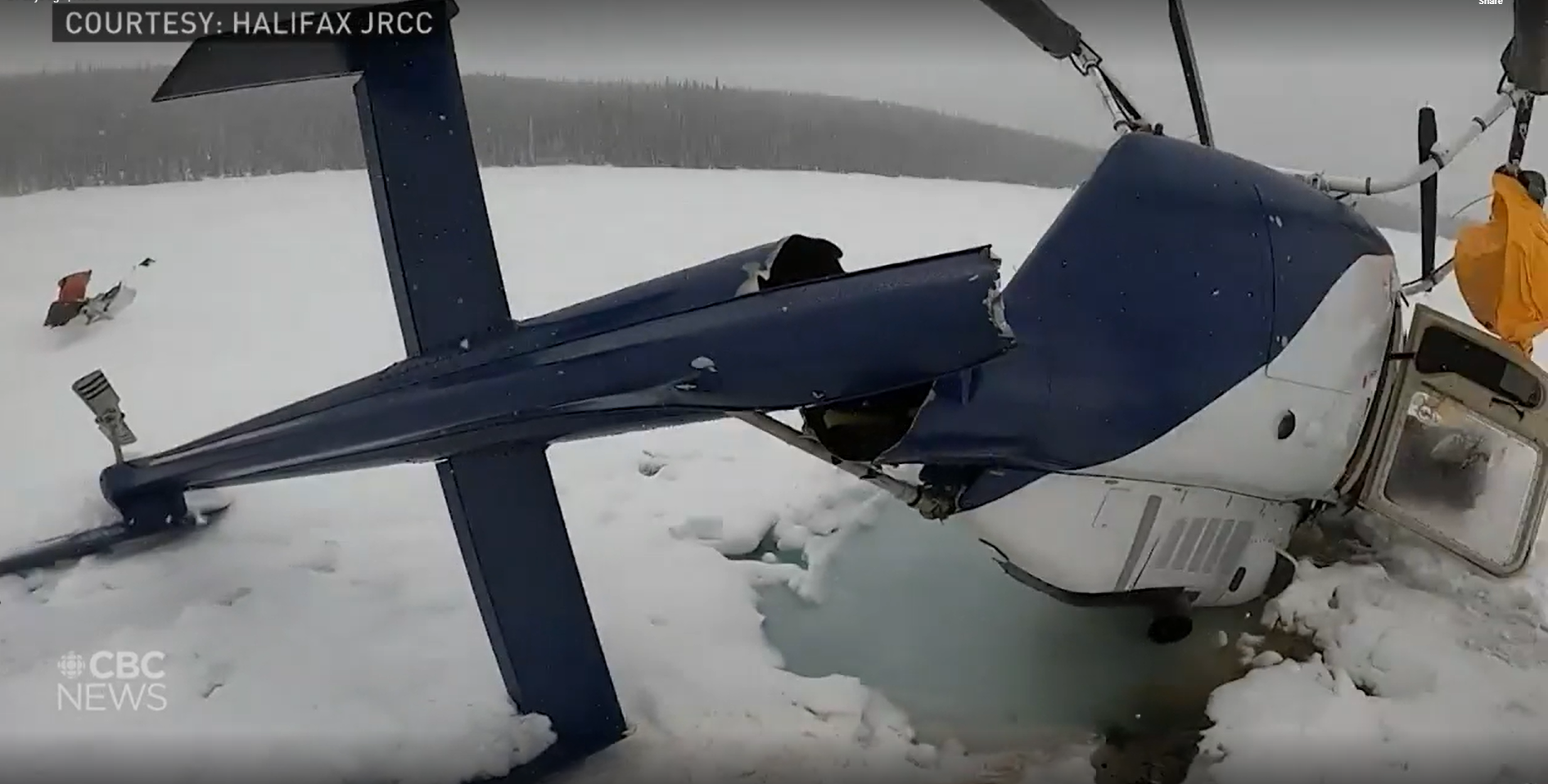
A satellite tracking and messaging device was instrumental in saving a helicopter pilot following a crash on a frozen lake in Canada. “When Global Rescue received the SOS alert, emergency rescue coordinators in our operations center immediately notified the appropriate first responders,” said Jeff Weinstein, a paramedic and a medical operations manager at Global Rescue. “Without Global Rescue’s swift action and coordination with Canadian first responders, triggered by the satellite SOS alert, the pilot’s extraction to safety might not have been possible.”

Global Rescue operations received a satellite SOS emergency notification from a user in Scotland to report his wife fell and severely injured her back. The Global Rescue medical operations team notified Scotland’s first responders and coordinated the location of the injured woman. She was successfully airlifted to a hospital for treatment.

A teenage hiker was separated from his family during an unforeseen wildfire in the Lake Chelan National Recreation Area of Washington. Global Rescue received a satellite SOS emergency alert with the location of the endangered hiker and two others. Global Rescue notified first responders who rescued the group from a nearby shoreline using the local marine patrol boats.

Sir Richard Branson climbs a snowy mountain at high altitude.
Sir Richard Branson, frequent user of satellite phones on his many adventures.
Bear Grylls wearing adventure gear stands in front of a green hillside.
Bear Grylls is another frequent satellite phone user.

Sir Richard Branson, the British billionaire and founder of the Virgin Group, is known to use satellite phones and communication devices during his various expeditions and record-setting adventures. While not a traditional celebrity, Bear Grylls, a well-known adventurer and television personality, often uses satellite phones and communication devices during his survival expeditions in remote locations.

[Related Reading: How To Send an SOS]

The reliability and global coverage of satellite technology make it a valuable tool for anyone to improve their safety and connectivity in remote or challenging environments like hiking in remote areas, stranded at sea, lost in the wilderness, or experiencing an emergency in any place where cell coverage is non-existent or unreliable.


Benefits of Satellite Comms

Having a reliable means of communication provides additional security for people traveling domestically or internationally, especially in unfamiliar or risky locations. Many satellite devices have an SOS button that can be activated in emergencies, sending a distress signal and location coordinates to emergency services.

GPS navigation features are also featured on satellite communications devices, helping leisure, business and adventure travelers navigate unfamiliar terrain and find their way back to safety. Satellite devices can receive weather updates that help users plan activities accordingly and stay safe during extreme weather conditions or threats of predictable natural disasters.

Peace of mind is a significant benefit of satellite communications device use. Eight out of 10 respondents (82%) would feel safer with a smartphone enabled with satellite connection abilities, according to the world’s most experienced travelers responding to the Global Rescue Spring 2024 Travel Safety and Sentiment Survey.

“Nearly half (49%) said they like knowing they can always call for help if needed while more than a third (37%) reported that having satellite communications capabilities if cell coverage is unavailable gives their family, friends or colleagues peace of mind,” Richards said.

One out of 10 (12%) said they had lost cell coverage during travel, and it concerned them that they were unable to communicate with others, especially in an emergency. Staying connected with family, friends and colleagues gives people peace of mind during their travels, reducing anxiety and stress by providing updates on their whereabouts and well-being.


Satcoms? No Guarantees of Emergency or Travel Communications

Satellite phones and satellite messaging devices are reliable for communication in many circumstances, but they can fail.

Satellite phones and devices require a clear line of sight to communicate with satellites in orbit.

“Topography does affect satellite communication; a clear view of the sky is necessary. It may be challenging to connect with satellites in thick forests or where there are steep slopes above you. The same is true in urban areas with tall buildings. You may be able to send a signal indoors if you are standing next to a window,” said Harding Bush, a former Navy SEAL and associate director for security operations at Global Rescue.

The position of the satellite constellation in relation to the user’s location can affect signal strength and connectivity. Users in certain regions may experience intermittent or weak signals if the satellites are not positioned optimally.

Harsh environmental conditions such as extreme cold or heat, high altitudes, or exposure to water can impact the performance of satellite devices and lead to failures. During peak usage times or in areas with high demand, users may experience satellite network congestion leading to slower data speeds or difficulty establishing connections.


Countries with Satellite Communications Device Restrictions

Satellite communications devices, like phones or messaging devices, are highly restricted or regulated in some countries.

It has been illegal for foreigners to bring satellite phones and devices into India for many years under the Indian Telegraph Act. After the Mumbai terror attack in 2008, which was coordinated with satellite phones, stricter regulations around these devices were put into place.

Bringing an unauthorized and unregistered satellite phone into India can lead to significant legal complications, including arrest and detention. If traveling to remote regions in the country, however, satellite phones can be e-registered and licensed with the Department of Telecommunications.

North Korea – The use of satellite phones is highly restricted. While it is illegal to travel to North Korea with an American passport, tourists who are permitted to visit are not allowed to bring in or use satellite communication devices without special permission.

China – In China the use of satellite phones is regulated and may require visitors to obtain a permit before using such devices within the country.

Myanmar – Myanmar officials restrict the use of satellite phones, and travelers must declare and register their devices upon entry into the country.

Cuba – In Cuba, visitors are required to obtain a permit from the government to use such devices.

[Related Reading: Where Are Satellite Phones Illegal?]

Satellite phones and devices are also illegal or strictly regulated in Bangladesh, Nigeria, Chad, Russia, Sri Lanka, Sudan and Pakistan.


User Error

The biggest mistakes individuals make when using a satellite messaging device or phone are relying solely on the device for communication and not having a backup plan. While satellite devices are reliable in remote areas, they can still encounter technical issues or run out of battery.


5 Satellite Phone/Satcom Device User Mistakes:

  1. Failure to familiarize themselves with the device. Users should practice using their satellite phone or messaging device before a trip, including making calls, sending texts, and using the SOS feature. Users should understand how the SOS feature works, who receives the message and what they will do. It is best to coordinate a test message.
  2. Loss of battery power. Staying charged is essential. Forgetting to keep the satellite device powered up and not bringing extra batteries or a power bank can be a critical mistake. In remote areas, access to power sources may be limited, so it’s important to always keep the device charged.
  3. Forgetting to keep subscriptions current. Satellite communication devices often require a subscription for service. Forgetting to renew the subscription or failing to check the expiration date can leave users without access to communication when needed.
  4. Overestimating coverage. While satellite devices provide coverage in remote areas, limitations exist, especially in certain terrains, locations or conditions. Users should be aware of the device’s coverage limitations and plan accordingly.
  5. Neglecting to add key contacts to the device. Users should preload essential contacts into the device for easy access in emergencies, including names, numbers and email addresses for family, friends, colleagues, embassies, personal physicians and more. Key contacts must know how to get in touch on the satellite phone or device. Have them complete practice calls or messages.

Do You Still Need a Travel Protection Membership?

“We always recommend that if you’re traveling, especially to remote locations where cellular service is not guaranteed, pack a satellite phone or messaging device and extra batteries,” Bush said. “If you’re concerned enough about your travel communications to buy one of these devices, then you also need a Global Rescue membership.”

Remember: Global Rescue services are not just for emergencies and rescues. Medical and security professionals are on hand 24/7 to answer any concerns regarding your travel plans, activities or health and safety questions.


Share This:

Mission Briefs – SOS In Action

Real-life rescue stories that started with an SOS.

Article Highlights:

Real-Life SOS Rescue Stories: A mountain climbing incident in New York, a snowstorm in Canada, a bike crash in Tennessee, and heat exhaustion in Arizona – all because a satellite communication device was used to contact Global Rescue for help.

Essential SOS Procedures: It’s critical to understand your device’s SOS features and procedures, and to provide contact information for Global Rescue to ensure timely and effective emergency assistance.

Importance of Preparation: Being prepared is essential and knowing how to use satellite communication devices in emergencies can be the difference between life and death during remote adventures.


Contacting Global Rescue Through a Satellite Device

You have planned an adventure. Perhaps you’re going to a destination where cell service is unreliable or embarking on a wilderness trip to a remote location. You have a two-way communication device, such as a satellite phone or satellite messaging and tracking device, just in case. But knowing how to use it in an emergency is essential – and could be the difference between life and death.

Global Rescue handles hundreds of emergencies and SOS calls for medical or security help every month. The following are a few highlights from recent emergency events from around the world.


A man uses a satellite phone near a yellow tent high up in the mountains.
Satcom devices are an essential communication tool for remote adventures.

A Medical Scare in the Mountains of New York

Global Rescue operations received an SOS alert from a user but was unable to establish contact. Operations experts continued to try to establish contact with the sender. At the same time, operations personnel successfully contacted the user’s primary emergency contact who relayed that her husband went mountain climbing in the Lake Placid, NY, region and that the last message she received was that he had summited. The operations team notified local authorities and continued to reach out to the SOS sender. Minutes later, the operations team connected with the SOS sender and learned that his climbing partner suffered a medical emergency on the trail and that he was currently administering CPR. At that point, multiple emergency first responders were actively responding to assist and recover the climbers.


Trapped by Snowstorm in Canada

An extreme snowstorm threatened three hikers in Canada who sent an SOS for help since they couldn’t maintain shelter for the long term and would require assistance to get to safety. Fortunately, there were no medical emergencies reported and they confirmed that they had an ample supply of water, food and warm clothing for the immediate future. Following advice to shelter in place for the evening due to ongoing storms, the threesome waited out the storm while first responders prepared resources to rescue the trio. Search and rescue operations were stymied by the severe weather, but the trapped threesome were successfully rescued.


Bike Crash in Tennessee

Biking in parts of Tennessee’s Great Smoky Mountains is both popular and remote enough that cell service is unreliable, and sometimes non-existent. Fortunately, when a biker crashed on a slippery section of the road her husband was equipped with an SOS device, which he quickly activated. He reported to Global Rescue medical operations that his wife had severely injured her knee, was unable to walk and was in extreme pain. The couple suspected she had dislocated or fractured the leg. Operations personnel contacted local emergency first responders and relayed the coordinates of the injured biker and her husband. Shortly after, the SOS sender confirmed that the emergency medical services had arrived and that an ambulance was coming.


Airlifted to Safety in Scotland

Global Rescue operations received an SOS from a user to report his wife fell and severely injured her back. While providing basic medical advisory, the Global Rescue medical operations team notified Scotland’s first responders and coordinated the location of the injured woman. She was successfully airlifted to a hospital for treatment.


Lost on a New Mexico Trail?

A hiker sent Global Rescue an SOS after his friend went missing for several hours after going to a water source to wash up. He reported last seeing his friend at mile marker 23.1 of the Gila River Alternate. Global Rescue operations notified area emergency services and advised the SOS sender to remain at his current location and to shelter in place. Early the next afternoon, emergency services reported finding the missing hiker safe and well who informed rescue teams that he had been searching for his friend, the SOS sender, believing him to be lost.


Heat Exhaustion in Arizona

Global Rescue received SOS alerts from two separate people who were suffering from symptoms that could lead to heat exhaustion while in Arizona. In one case, Global Rescue notified emergency responders who dispatched a helicopter to the SOS sender’s location. Unfortunately, the chopper was unable to retrieve the couple but did drop an aid package for the couple who were later guided to safety by local authorities.

In another case, a trekker in the Grand Canyon sent an SOS to Global Rescue reporting that his friends were in bad shape due to heat exhaustion. One friend was experiencing nausea, low energy, cramps and overall weakness. The other friend showed similar symptoms, but less severe. Global Rescue notified Grand Canyon National Park emergency responders and provided coordinates to rescue the trekkers. While waiting for the rescue, Global Rescue operations provided medical advisory. The trekkers moved a few miles to be near water and rested overnight in hopes of recovering. Unfortunately, the two individuals did not improve, and local emergency responders successfully recovered them and brought them to safety.


A man in an orange jacket uses a satellite phone from the mountains.
A rescue lifeline in the remote mountains.

How To Send an SOS to Global Rescue

SOS device users should review the instructions regarding their device’s SOS features and procedures. Understand who receives the SOS message signal when it’s sent and what services the SOS monitoring provider offers. Contacting Global Rescue directly at +1 (617) 459-4200 or through a messaging device at ops@globalrescue.com or operations@globalrescue.com is the most straightforward way of obtaining service. Read How To Send an SOS: Two-way Communication Success for details about satellite device communications.

Share This:

Summer Olympics: Excitement, Anxiety and Avoidance

(Lebanon, N.H. – July 1, 2024) Millions of international visitors are expected to travel to Paris to experience the 2024 Summer Olympics, running from July 26 to August 11. But many experienced travelers are opting…

(Lebanon, N.H. – July 1, 2024) Millions of international visitors are expected to travel to Paris to experience the 2024 Summer Olympics, running from July 26 to August 11. But many experienced travelers are opting out to sidestep the masses, bypass potential civil unrest, or simply explore new destinations.

“Nearly nine-out-of-10 travelers surveyed are avoiding Paris altogether in 2024 due to a combination of traveler safety concerns due to the possibility of protests and civil unrest, a desire to avoid the crowds expected at the summer Olympic Games host city, or simply a preference to travel elsewhere,” according to Dan Richards, CEO of The Global Rescue Companies and a member of the U.S. Travel and Tourism Advisory Board at the U.S. Department of Commerce.

But among the world’s most experienced travelers making the trip to France to join the quadrennial international sports competition spectacle revealed they expect massive traffic issues, dread encountering bedbugs, and worry over the prospects of petty crime, labor strikes and terrorism.

“Civil unrest and terrorism have surpassed injury or illness as the biggest fear about international travel for the first time in years. It is understandably contributing to traveler preferences for safer destinations,” Richards said.

Criminals will take advantage of the influx of tourists during the Olympics to engage in fraudulent activities such as fake ticket sales, pickpocketing, or identity theft. “Blending in will be difficult for Olympic spectators from other countries, but they can tone down the typical tourist look and reduce the risk of scam artists targeting them for fraudulent schemes or petty crimes,” said Harding Bush, a former Navy SEAL and associate director for security operations at Global Rescue.

Travelers attending the Olympics will likely experience additional potential challenges due to labor strikes, bedbugs, and getting to and from event venues, hotels and restaurants.

Protests, demonstrations, or worker walk-outs can disrupt transportation services and public safety. Bedbug infestations occur in places where there is a high turnover of people and frequent travel, such as hotels and accommodations popular with tourists. Travelers can take precautions, like inspecting bedding and surrounding areas, to reduce the risk of encountering parasitic insects.

The famous Paris metro and bus systems are expected to face challenges during peaks in demand as fans enter and leave stadiums. Driving around Paris will be dicey due to planned road closures, especially near famous landmarks. Authorized taxis are available, but an increase in fakes with drivers looking to take advantage of travelers has been reported.

###

About Global Rescue    

The Global Rescue Companies are the world’s leading provider of medical, security, evacuation and travel risk management services to enterprises, governments and individuals. Founded in 2004, Global Rescue has exclusive relationships with the Johns Hopkins Emergency Medicine Division of Special Operations and Elite Medical Group. Global Rescue provides best-in-class services that identify, monitor and respond to client medical and security crises. Global Rescue has provided medical and security support to its clients, including Fortune 500 companies, governments and academic institutions, during every globally significant crisis of the last two decades. For more information, visit www.globalrescue.com. 

Share This:

Mission Briefs: Global Rescue In Action – June

A brief recap of recent standout operations in which Global Rescue was involved.

Article Highlights:

  • Amidst the travel surge, nearly two-thirds of experienced travelers are seeking security extraction protection for travel to countries with Level 1 or Level 2 U.S. State Department advisories, driven by concerns over global conflicts.
  • Global Rescue has conducted over 25,000 medical and security rescues in our 20 years, highlighting our extensive experience in travel risk management, with hundreds of operations monthly across dozens of countries.
  • Our services are critical for travelers, especially those engaging in high-risk activities like high-altitude climbing, providing 24/7 advisory services, field rescue, and evacuation to the nearest adequate hospital or our members’ home hospitals of choice.


The travel surge continues, and along with it, travelers are boosting their security protection behavior. According to the 2024 Spring Global Rescue Travel Safety and Sentiment Survey, nearly two-thirds (63%) of the world’s most experienced travelers reported they would obtain security extraction protection services if the U.S. State Department travel advisory assigned to the country they plan to visit was “Level 1, exercise normal precautions,” or “Level 2, exercise increased caution.”

“Travelers are saying the war in Ukraine, the Hamas attacks on Israel or other violent conflicts make it more likely they will add security extraction and advisory protection to their travel protection packages,” said Dan Richards, CEO of The Global Rescue Companies, and a member of the U.S. Travel and Tourism Advisory Board at the U.S. Department of Commerce.

Global Rescue has responded to the needs of travelers at home and abroad since 2004. This year we are celebrating 25,000+ medical and security rescues in the 20th year of operation as pioneers in travel risk management. It’s an incredible record of saving lives and protecting travelers during emergencies.

In a typical month, we perform hundreds of operations in dozens of countries. Below are highlights from some of our most recent operations in various locations.


A view of a motorcycle's controls while driving on a paved road through a green forest.
On a motorcycle, there are risks around every bend.

Motorcycle Crash in Tennessee

A New York member was riding his motorcycle along Deals Gap in Tennessee when he lost traction and crashed, injuring his right leg. He contacted Global Rescue operations for assistance during his emergency. He was evaluated at a university medical center where imaging revealed multiple leg fractures, specifically in his tibia and fibula. He underwent surgery and, after receiving a fit to fly recommendation, our operations team arranged first-class airborne transport for medically required extended leg room and wheelchair assistance for his safe return home to Albany, New York.


[Related reading: 10 Reasons Why You Need Global Rescue]


A rescue helicopter flies above snowy mountains.
Rescues of Everest climbers run nearly round the clock during climbing season.

Collapse on Mount Everest

A Mexican climber collapsed on Mount Everest’s south summit while climbing and needed to be carried down by four sherpas using a stretcher. Global Rescue’s deployed team of medical operations and rescue experts were notified and informed that the member was awake, receiving a high flow of oxygen and was being carried to Mount Everest Camp 2. Unfortunately, he was awake but talking nonsensically and coughing up pink sputum. Global Rescue initiated an immediate medical evacuation by helicopter and successfully transported him from Camp 2 to a hospital where he was evaluated and treated for a lower respiratory tract infection, which negatively affected the airways, before being discharged by treating physicians.


Colorful, small cottages on Greenland's coast.
Colorful cottages on Greenland’s shores.

Head Injury in Greenland

Global Rescue operations responded to an emergency satellite phone call from Greenland. The member reported head and hip injuries from a fall, although he’d remained conscious and saw no visible trauma. Despite taking pain medication, a Global Rescue physician advised him to seek an immediate in-person evaluation at a medical facility equipped for radiology, given the potential severity of head and hip injuries. Due to his remote location, we rapidly arranged a helicopter transport to the nearest airport, followed by commercial airline transfer to a hospital in Nuuk, Greenland’s largest city. After hospital evaluation, and with no signs of distress, the member went to Copenhagen and finally to his home in Seattle, Washington, where he confirmed he’d seek a doctor’s thorough assessment.


Several colorful high-altitude climbers traverse a snowy mountain.
Frostbite territory.

Frostbite at High Altitude

While climbing at high altitude in Nepal, an Argentine member suffered severe frostbite injuries to her feet and toes, along with swelling that prevented her from opening her right eye. When an expedition leader alerted Global Rescue, our deployed medical and rescue experts sprang into action. Given the member’s critical condition and inability to walk, we immediately initiated an airborne helicopter evacuation from Everest Camp 2 to a nearby hospital. Upon arrival, she was diagnosed with Grade 3 frostbite on both toes, facial swelling, and dehydration. The hospital admitted her for specialized frostbite treatment and ongoing monitoring. As her condition improved, the Global Rescue team visited her to ensure she was receiving the best possible care.


[Related reading: Know Before You Go – How to Use a Global Rescue Membership]


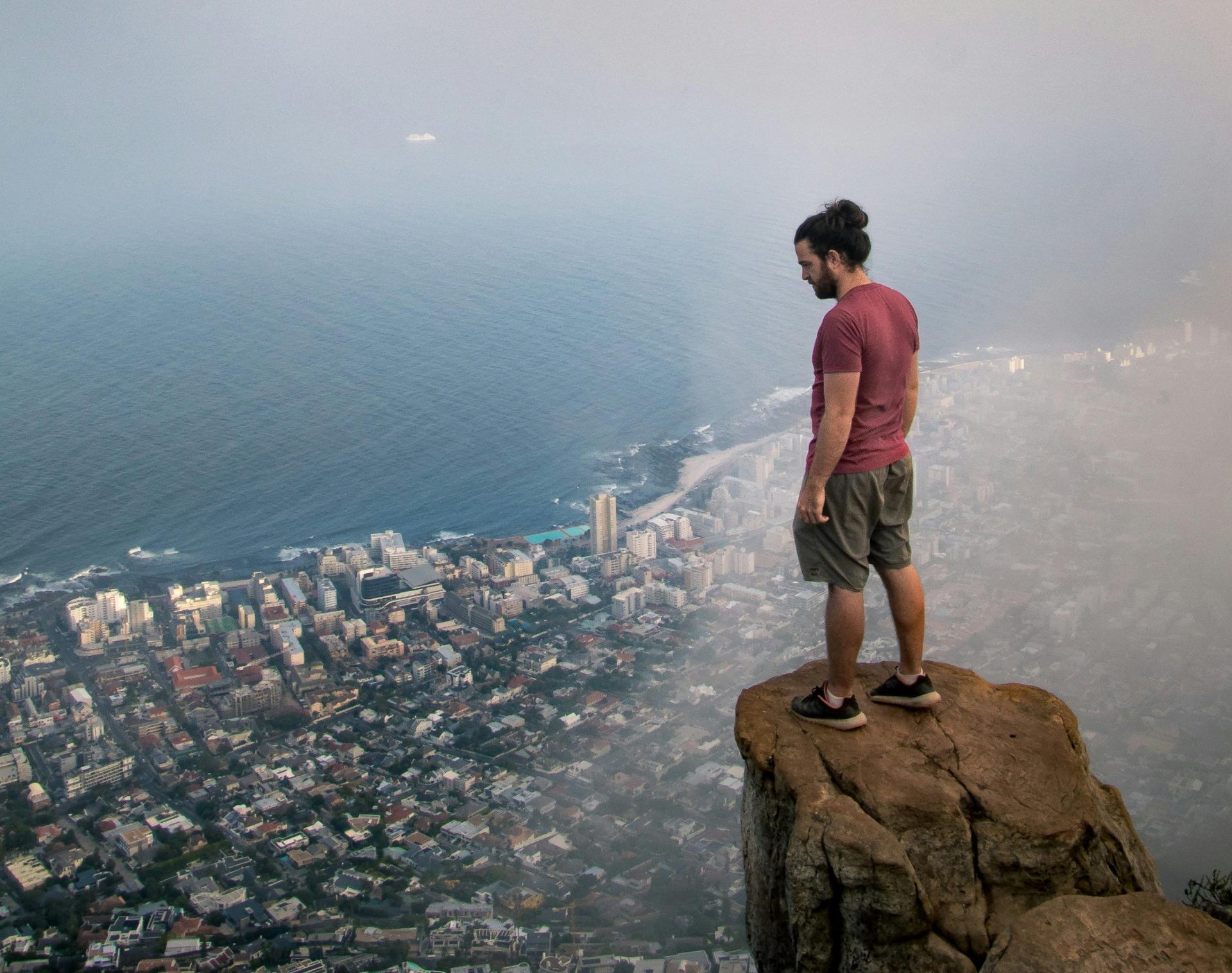
Fogs lifts from the top of Table Mountain, Cape Town, South Africa
Fog lifts from Table Mountain, Cape Town, South Africa.

Medevac From South Africa

An American member was hiking in South Africa’s northern cape when he sustained a knee injury and contacted Global Rescue. He was evaluated at a nearby clinic and was diagnosed with a spontaneous rupture of the right quadriceps tendon, a rare condition characterized by the simultaneous tear of the fibrous tissue connecting the quadriceps muscle to the patella bone, according to the National Institutes of Health. Prompt diagnosis is crucial for appropriate treatment and optimal outcomes. Unfortunately, the medical facility was not equipped with imaging capabilities. The treating physician recommended for fit to fly with a requirement for the injured man’s leg to remain straight and elevated. The Global Rescue operations team arranged repatriation on a business-class flight with wheelchair assistance. The member departed Johannesburg and safely arrived at his home city in Portland, Oregon, where he would continue his recovery.


Mount Everest on a clear day.
Thin air and bronchitis don’t mix.

Bronchitis on Mount Everest

Acute bronchitis is a respiratory condition characterized by swelling and inflammation in the main air passages to the lungs. This swelling constricts the airways, making breathing more difficult. Common symptoms include coughing and producing mucus. High-altitude mountaineering, with its thinner air, already challenges breathing, and when an American member’s cough worsened at Mount Everest Camp 2, her climbing group leaders grew concerned and contacted Global Rescue. Given her deteriorating condition and the risk of pulmonary complications, our team swiftly initiated a helicopter field rescue. She was successfully evacuated to a hospital, diagnosed with bronchitis and an asthma attack, received treatment, and discharged to recover. Physicians advised her to seek reevaluation if her cough didn’t improve.


A helicopter flies amongst the Himalayas on a cloudy day.
A rescue lift from the skies.

Snow Blindness at Camp 2

At Mount Everest Camp 2, a mountaineer required urgent field rescue after developing debilitating snow blindness. When an expedition member alerted Global Rescue, our deployed medical and rescue experts in Nepal were immediately notified. The affected member had begun experiencing snow blindness the previous night, and while an expedition doctor administered eye drops, his condition didn’t improve enough for a safe descent. Recognizing the gravity of the situation, Global Rescue’s medical operations team swiftly initiated a helicopter field rescue and medical evacuation. Inclement weather initially hindered rescue efforts, but as soon as conditions allowed, our team successfully airlifted the member to a hospital. He was treated for moderate dehydration, hematuria, and snow blindness, and discharged only after his doctors deemed it safe.


Considering a High-Altitude Climb?

Traveling for a trek or a mountain climb? Include a travel protection services membership. Are you already a member? Get a refresher on how to use your Global Rescue membership by reviewing the Quick Start Guide.

Whether you’re climbing Mount Everest, motorcycling in Nepal, or hiking up Table Mountain in Cape Town, you’ll have access to 24/7/365 medical advisory services, field rescue from the point of injury, and medical evacuation to the nearest hospital or home hospital of choice.

If you’re planning a high-altitude climb, be sure to obtain a High-Altitude Evacuation Package, available to members 16 years of age or older.

Share This:

First Named Storm of the Season Makes Landfall; Global Rescue Outlines Five Survival Tips 

(Lebanon, N.H. – June 20, 2024) The first named storm of the 2024 season -- Alberto -- landed in the southeastern Gulf of Mexico in what experts predict will be a record number of hurricanes.…

(Lebanon, N.H. – June 20, 2024) The first named storm of the 2024 season — Alberto — landed in the southeastern Gulf of Mexico in what experts predict will be a record number of hurricanes.

“Weather tracking technology allows people to track hurricanes well in advance of landfall, giving them ample time to prepare their homes and evacuate, if needed,” said Dan Richards, CEO of The Global Rescue Companies, the leading provider of medical, security, evacuation and travel risk management services. “Nevertheless, every year there’s are some who stay put because they are unwilling or unable to do otherwise.”

Global Rescue outlines five hurricane survival tips as National Oceanic and Atmospheric Administration (NOAA) officials predict above-normal hurricane activity in the Atlantic basin this year.

NOAA’s outlook for the 2024 Atlantic hurricane season, which spans from June 1 to November 30, predicts a range of 17 to 25 total named storms.

The following five tips will help residents and travelers prepare for a hurricane and post-storm survival:

  • Evacuate if you can. If officials issue an evacuation order, don’t ignore it. Follow instructions issued by local officials.
  • Know where to get hurricane information. You can receive Wireless Emergency Alerts (WEA) on your mobile phone from the National Weather Service.
  • Pack a small “go bag” that is easily carried, such as a small backpack, in case you are forced to leave quickly. Make sure it includes a change of clothes, toiletries, extra medications and important personal documents and identifications. Have cash in small denominations on hand. Be sure to inform friends and family of your plans.
  • Know your shelter options. If you do have to evacuate, make sure you know your evacuation routes and your destination. Airports, inland hotels on high ground are good options. If you are sheltering in place, be prepared. Stay away from windows, close the heavy drapes to protect from shattering glass and take refuge in a small interior room, closet or hallway.
  • Keep your devices charged. Power could go out for days, or longer, following a hurricane. It all depends on the local infrastructure. Wherever you are, it’s imperative to have multiple backups for charging your phone, tablets or laptops so you can stay connected to emergency services.

Storm surge is the leading cause of hurricane-related deaths. As water from the ocean pushes toward the shore from the force of the winds, storm surges can demolish buildings, undermine roads and erode coastlines. “Even if you’re not located directly on the coast, damage from a storm surge can occur more than 100 miles inland. The results can be catastrophic,” Richards said.

###

Contact Bill McIntyre at bmcintyre@globalrescue.com or 202.560.1195 (phone/text) for more information.

About Global Rescue

Global Rescue is the world’s leading provider of medical, security, evacuation and travel risk management services to enterprises, governments and individuals. Founded in 2004, Global Rescue has exclusive relationships with the Johns Hopkins Emergency Medicine Division of Special Operations and Elite Medical Group. Global Rescue provides best-in-class services that identify, monitor and respond to client medical and security crises. Global Rescue has provided medical and security support to its clients, including Fortune 500 companies, governments and academic institutions, during every globally significant crisis of the last two decades. For more information, visit www.globalrescue.com.

Categories:

Travel
Share This:

YOLO Travel Means More Solo Travel

Is there a better time to travel? Maybe. But travelers aren’t waiting around for it.

Article Highlights:

  • Solo travel is rapidly increasing: 54% of travelers are considering at least one solo trip in 2024. The fear of missing out (FOMO) on travel experiences is a major driver of this trend, with people feeling compelled to seize opportunities without waiting for others.
  • Confident alone: People are taking time for themselves to recharge, with 71% of U.S. survey respondents citing solo travel as important for their mental health wellness. The pandemic’s enforced isolation has also made people more confident about spending time alone and more eager to travel independently.
  • Demographics and safety: Solo travel is popular across age groups, with young adults, older adults, and divorcees all increasingly traveling alone. While safety is a consideration, especially for women, research, technology, and common-sense precautions can mitigate risks. Experienced solo travelers recommend researching destinations, packing light, and staying connected with loved ones about their itineraries.


A woman wearing a backpack observes a beige temple in India.
Visiting the Tomb of I’timād-ud-Daulah, Agra, India.


Solo traveling is no longer a niche sector, it’s growing fast. According to Global Rescue’s survey of the world’s most experienced travelers, the percentage of solo travelers has more than tripled in the past 12 months. In the spring of 2023, only nine percent of women and 12% of men planned any solo trips. A year later those percentages skyrocketed to 37% for men and 32% for women.

A report by Skyscanner revealed that the statistics are even higher: 54% of travelers are considering at least one solo trip in 2024. A driving force behind the solo travel increase, according to the Global Rescue survey, is that people are taking time for themselves to recharge. Seven-out-of-ten (71%) of U.S. respondents cited a solo travel trip being important for their mental health wellness.


[Related Reading: How Travelers Are Embracing Bold Exploration in 2024]


Another factor fueling the independent travel trend may be an after-effect of the pandemic’s enforced isolation, which emboldened a YOLO (You Only Live Once) or FOMO (Fear Of Missing Out) attitude in people, rendering them more confident than ever about spending time in solitude, according to a report in the Week.

“Solo travel is absolutely returning,” said Beth Santos, founder and CEO of Wanderful, a global community and lifestyle brand. “I think the pent-up desire to travel is overriding the need to go with a travel partner. People aren’t waiting for their travel partners; they’re just going.”

That’s a sentiment echoed in a report in Forbes. “Post-pandemic, many travelers didn’t want to waste any time. They decided if no one wanted to travel with them, they’d go alone. That’s continuing to have a big impact.”

Global Rescue member Dianette Wells reflected on why she travels solo 90% of the time – something the 56-year-old adventure-chasing endurance athlete and world traveler has been doing since she was 18 when a college friend suddenly bailed on their Austria skiing vacation.

“I had gotten my first passport and already invested the money,” said the longtime Global Rescue member. “So, I went anyway — alone, and I’m so glad I did. I learned early it’s not worth it to give up on these amazing travel experiences just because you think you need someone to go with you.”


A man walks alone on a cold beach in Iceland with snow-capped mountains in the background.
Even Iceland has its beaches.

Solo Travel Demographics

According to Red Solo Traveler, a key driver of increased solo travel is coming from young adults. According to the BBC, younger people are fueling this trend, with solo travel searches up double from five years ago. An Allianz survey in July of 2023 confirmed 42% of Americans ages 18-34 would be solo traveling in 2024.

But it’s not only younger travelers embarking on solo travel. Older adults don’t hesitate to travel alone, either. A recent survey by the travel organization Road Scholar, a leader in educational travel for older adults, released a report that 20-30% of the company’s 80,000-100,000 travelers each year choose solo travel, and many are 65 and older. In AARP’s 2023 Travel Trends report, 12% of international trips in 2023 among international travelers ages 50-plus were solo trips.

Another group of solo travelers are divorcees. According to a report by Skyscanner, 78% of divorced adults ranked some of the highest in their readiness to embark on a solo vacation with 56% beach-bound for “me time” and 40% planning a sporting adventure trip.

And it’s not just single people traveling solo. Some are happily married yet choose to travel alone based on different interests. The Road Scholar survey revealed that at least 60% of solo travelers were married but traveling without their spouse. Four-out-of-10 women surveyed by the travel organization said their spouse isn’t interested in traveling, while a nearly equal percentage said they have different interests than their spouse when it comes to travel.


A woman with a backpack stands in a green field and closes her eyes.
Solo travel is easier, and more important, than ever.

Solo Travel Risks?

While the benefits of traveling solo as a woman include everything from building confidence to connectivity, there’s still concern this type of travel is too risky. But that risk is being mitigated.

“Any type of travel can be risky. But, if you do your research, follow customs, and take the proper travel safety measures, you can bring down the risk level,” said Global Rescue member Amanda Burrill, a former Navy lieutenant turned global adventurer, travel writer and food connoisseur.

Technology has made solo travel easier, according to University of Florida tourism professor Heather Gibson, who began researching solo women travel in 1998. “When we first started our solo women research back in the late 1990s, there weren’t widespread mobile phones. And so, one of the things that many of the women spoke to us about was fleeting loneliness, for example, or needing to find a way to share their experiences back home,” said Gibson in an interview with PBS. Today, smartphones mean communications, maps, GPS, booking accommodations and social media, all at travelers’ fingertips.

More and more women feel the same way, too. While all forms of travel obviously came to a standstill in 2020, prior to the pandemic, the stats had been showing solo female travel was on the rise. Now, as travel has fully rebounded and grown past pre-pandemic levels, solo travel is one of the strongest growth segments.


[Related Reading: Solo or Not: Fears and Opportunities Abound for Traveling Women]


Researching the destination before travel is one of the first things any traveler should do to assess the level of safety and familiarize yourself with customs and traditions. While that can include any number of resources – from simple internet searches and travel blog reading to consulting Global Rescue destination reports (non-members have access to one free report – it’s also a good idea to tap into other travelers who’ve recently been to the destinations you’re considering.

If you have zero travel experience, then journeying across international borders shouldn’t be your first solo trip. “Start with a place in your home country you’ve always wanted to see – maybe it’s a city, a national park, a landmark – and ease yourself in,” suggested Wells.

Burrill also suggests enlisting the use of a travel agent or meeting with a group of other solo travelers during part of your trip. “That can take off some of the first-timer anxiety because you’re not alone.”

While Wells, Santos and Burrill suggest packing your itinerary loosely so it leaves room for spontaneity – one of the best parts of solo trips – one thing they don’t like to leave to chance is where they’re sleeping at night.

“I always have my hotels booked each night, especially if I’m traveling in high season,” said Wells.

Santos agrees. “It’s important that someone always knows, at some point during the day, where you physically are. Before you go, always provide a loved one with a listing of your accommodations and the nights you’ll be at each.”

“Every traveler should practice their situational awareness skills by getting familiar with their surroundings, establishing a baseline of activity for your area, paying attention to people’s attire, body language, behavior and more,” said Harding Bush, associate director of security operations at Global Rescue.

Packing light means better maneuverability through crowded spots, less time tracking gear and the ability to make last-minute plans without worrying about what to do with your stuff.

“In the early days, I made the mistake of traveling with a heavy piece of luggage and the handle broke,” said Burrill. “Since then, one of the things I’ve perfected is packing light and having high-quality travel items, like clothing with extra pockets or a suitcase that glides effortlessly.” Again, if you’re struggling with luggage, it can make you look like an easy target.

Or ditch the baggage altogether when you can. If Burrill has time to do some sightseeing around a city before a flight, she happily asks her hotel to hold onto her bag (they’re usually accommodating even after you’ve checked out) or she stows it at the airport (some do still maintain lockers, but usually the lost luggage counter can accommodate for a fee). Santos suggests checking out services like LuggageHero, which is like Airbnb for bags, offering storage in vetted public venues (think retail outlets, hotels, cafes, and more) in 40 major cities across the US and Europe. Luggage Forward, a Global Rescue Safe Travel Partner, also allows you to ship luggage ahead instead of checking bags, enabling you to streamline your trip.


Kiteboarding in South Africa
Kiteboarding in South Africa.

Be Open to Others, But Retain Privacy

You shouldn’t be afraid to talk to locals because that’s how you get the best insider travel tips and to-dos. “More often than not, these locals are so proud of their countries and want to show them off,” said Wells. “These are the folks with the best tips and the best restaurants and the best sights to see. They never steer me wrong.”

But she stresses using your common sense: Don’t reveal you’re traveling alone. “You can throw in the term ‘we’ as you are chatting — ‘we’re thinking about going here,’ ‘we tried this,’” said Wells.

“It might be my military mindset, but when I talk to people, I make very direct eye contact, and I sound confident,” said Burrill. “I also never divulge too much, like where I’m going next or where I’m staying.”


A bearded man in cycling clothes loads his bike in a forest during a bikepacking trip.
Solo bikepacking adventures in Poland.

YOLO Triggers Solo Travel

Call it YOLO travel or FOMO travel, the idea of seizing the moment and exploring new places without waiting for companions aligns with an increase in solo travel experiences, which are often spontaneous, adventurous trips. The surge in solo travel is largely attributed to the pandemic, and the stay-at-home, work-from-anywhere arrangements it created. With people feeling more comfortable with the idea of traveling alone, seeking personal space, and avoiding crowded places, solo travel has become a popular choice for many.

Share This:

Winning at the Olympics: Paris 2024 Travel Survival Guide

Consider these safety and travel challenge tips if you’re heading to France for the Summer Games.

Article Highlights

  • Safety First: Traveling to France for the 2024 Olympics? Watch out for scams, petty crime, and potential terror threats.
  • Traffic Troubles: Navigating Paris during the Olympics might mean facing crowded metros, possible strikes, and road closures.
  • Accommodation Angst: Expect high prices, overbooked hotels, and limited dining options during the Games.
  • National Nuances: Different travelers may have different worries, from safety concerns to language barriers, depending on their country of origin.
  • Protect Yourself: Consider investing in travel protection and insurance for peace of mind during your trip.


A white cloth with the Olympic rings on it.
Paris will host the 2024 Olympic Summer Games.


Add yet another reason to visit France: the Paris 2024 Summer Olympics, running from July 26 to August 11. While it’s not the first time the City of Lights has hosted the Summer Games, unless you’re a record-breaking supercentenarian, you probably missed the 1900 and 1924 Olympics.

In anticipation of the 2024 games and the 15 million visitors expected to travel to Paris to experience it, we were curious if some of the world’s most experienced travelers – Global Rescue members – would make the trip to join in the spectacle, whether in Paris or France as a whole, and to learn what their concerns about the visit might be.

The four most common concerns? According to the 2024 Spring Global Rescue Traveler Sentiment and Safety Survey:

  1. Petty crime
  2. Scams
  3. Labor strikes
  4. Terrorism

When asked what they’re dreading, respondents admitted bedbugs and traffic congestion were top of mind. And when pressed about their expected concerns, they were narrowly focused on traffic and lodging shortages or restaurant reservation disruptions.

With these issues and the Olympics in mind, let’s unpack the realities for travelers headed to France this summer.


L'Arc de Triomphe at night with a blur or red and yellow car lights from passing traffic.
L’Arc De Triomphe, always on guard atop Les Champs-Elysées.

Petty Crime and Scams

Travelers are often concerned about falling victim to scams and fraud while visiting a foreign country. Opportunistic individuals may take advantage of the influx of tourists during the Olympics to engage in fraudulent activities such as fake ticket sales, pickpocketing, or identity theft. Looking and acting like a tourist can produce assumptions that you are inexperienced, naive, lacking cultural awareness, and wealthy.

“Standing out as a tourist can make you appear vulnerable and an easy target for scams, pickpockets and other types of crime,” said Harding Bush, a former Navy SEAL and associate director for security operations at Global Rescue “By blending in you reduce the risk of local criminals or scam artists spotting you as a foreign traveler and targeting you for fraudulent schemes or petty crimes.”


[Related Reading: How to Avoid Being a Victim of Crime While Traveling]


Labor Strikes

Labor strikes, public transportation worker disruptions, political unrest and protests are another potential concern for travelers visiting France this summer, whether they’re attending the Olympics or not. Civil unrest, demonstrations, or worker walk-outs can disrupt local services, transportation and public safety. Travelers may get caught in the middle of a volatile situation or face travel disruptions due to labor strikes or political instability.

Global Rescue issues travel alerts, also called event reports, to inform members of incidents in their travel area that could affect their trip, cause an inconvenience, put them at risk of physical harm, or potentially leave them stranded, said Kent Webber, senior manager of Intelligence Products & Services at Global Rescue.

“We run a virtual 24/7/365 Intelligence Watch that combs the internet for information relevant to travelers. We typically publish 30 to 40 travel alerts in 24 hours,” Webber said. “Some alerts are continually updated.”


Four French policemen try to keep order on Les Champs Elysees with smoke in the air.
The French Gendarmerie will have their work cut out for them at the Paris Olympics.

Terrorism

One of the biggest traveler dangers and fears for any major international event like the Summer Olympics is safety and security. With the threat of terrorism looming globally, there is a significant concern for the safety of both athletes and spectators. France has experienced terror attacks in recent years, which raises the fear of a potential security incident during the Olympics.

French authorities recently arrested a Chechen national “suspected of plotting a terrorist attack targeting soccer matches during this summer’s Olympic games in Paris, as France remains on its highest level of security alert amid global tensions ahead of the games,” according to a news report.

French officials are not relying on their security forces to prevent terror attacks. Officials have “asked its foreign allies to send several thousand members of their security forces to help guard the Paris Olympics,” according to news outlet France 24.


Usual Travel Jitters

A man makes a large bed in a hotel room with red walls and a tall backboard.
No matter what, inspect hotel rooms for bedbugs.

Bedbugs

In France, like in other countries, bedbug infestations can occur in places where there is a high turnover of people and frequent travel, such as hotels and accommodations popular with tourists. Travelers can take precautions to reduce the risk of encountering bedbugs while staying in accommodations in France by following the five tips below:

  1. Inspect the bed and surrounding area for signs of bedbugs, such as dark spots on the mattress or bed frame.
  2. Keep luggage off the bed and elevated on a luggage rack or stand.
  3. Wash clothes in hot water and dry them on high heat after returning from a trip.
  4. Use protective mattress covers and keep belongings organized to reduce hiding spots for bedbugs.
  5. Report any signs of bedbugs to the hotel or accommodation staff immediately for proper action.

“Paris certainly does have bed bugs. So does Chicago, New York, and every other major city in the world. These bloodsuckers are, unfortunately, everywhere,” reported Vox. While bedbugs can be a concern in France, being aware of preventive measures and staying vigilant can help travelers minimize the risk of encountering these pests during their stay.


The Champs Elysees with the Arc de Triomphe and traffic at sunset.
The usual traffic on Les Champs-Elysées. Now imagine what the Olympics will add.

Traffic, Traffic, Traffic

Travelers attending the Olympics concerned about transportation will likely experience challenges. Navigating crowded public transportation systems, dealing with traffic congestion, and ensuring timely arrival at event venues can be stressful for visitors. Additionally, language barriers and unfamiliarity with the local transportation infrastructure can add to these headaches.

The Olympics will test the famous Paris sub-terranean metro system. “Long the envy of other cities, Paris’ creaking underground metro system has become a subject of daily frustration for users just as the French capital gears up to host this year’s Olympics,” reported France 24. “Many metro employees were furloughed [due to the pandemic] and never returned to jobs, while the training of new staff to replace them slowed significantly.”

According to the report, vast improvements have been achieved. “The challenge is not so much the volume of travelers – overall traffic is expected to be no higher than a normal working day – but it is the peaks in demand as fans enter and leave stadiums.”

Alternatively, there’s the Paris bus system, which has the added benefit of enabling passengers to see the city as they travel to their destination. Bus stops are everywhere, with buses numbered to represent the line they’re traveling. “Stations often have screens that indicate how long the wait is for the next bus. Like the metro network, you will need to know your destination to determine the line, and you may have to change buses,” advised Nerd Wallet.

The RER commuter rail system may be less reliable during the Olympics due to labor disruptions. Paris train drivers may go on strike if officials don’t meet their financial demands during the Olympics. Train drivers conducted a work stoppage in May 2024, reducing the number of trains in service by 80%. “The months leading up to the Olympics have already been marked by strikes and threats of industrial action during the Games,” reported Radio France Internationale.

Driving around Paris will be dicey due to planned road closures, especially near landmarks. “As Paris prepares to host the Olympic Games the city has started shutting down certain roads and bridges to vehicles. The primary areas affected are around the Eiffel Tower, Champ-de-Mars and Trocadero, as well as the Place de la Concorde and Les Invalides and Alexandre III bridge,” according to The Local, a French news outlet.


A Ferme sign hangs in a shop window.
Or is it? Expect more shops and restaurants to be open during the Olympics rush.

Hotel Shortages and Restaurant Disruptions

During a typical summer, many businesses close for long periods, often taking the entire month of August off. Past visitors to Paris in late July and early August “usually find many small businesses closed as their owners head out of town on their summer holidays,” reported the New York Times.

But the summer of 2024 may be different. Many restaurant owners and other small business proprietors are remaining in town, keeping their shops and eateries open in the hopes of capitalizing on the potential business from Olympics visitor traffic in the city for the Olympics. According to the article, “If you’re traveling to Paris for the Olympics or Paralympics, you will most likely find more dining and shopping options than you would otherwise see at that time of year.”

Finding suitable and safe accommodation during the Olympics may be a significant, and expensive, concern for travelers. With a surge in demand for lodging, issues with availability, pricing, and quality of accommodations are already widespread. “Many hotels and rental apartments have doubled or tripled their typical summer rates (think an average of €1,000 a night instead of €300), and some have even quintupled them,” reported the New York Times. Travelers may need to overcome overbooking, last-minute cancellations, or substandard facilities.


A massive soccer stadium with fans wearing red and white inside the well-lit, open-roofed round building.
Big crowds can mean big risk.

Stadium Safety

If you made plans to attend a stadium event, learn the five safety tips in case things go wrong, like losing your child or violence breaking out among fans.

First, in advance of the event, save a map of the venue on your phone and identify the exits, where you’re sitting and transportation location. Choose three meeting points for the group if you should get separated: two inside and one outside.

Next, outfit yourself for the unexpected. Wear or bring comfortable shoes in case you need to walk a long distance or run. Fully charge your phone in advance of the event and bring a portable charger with you. If you’re traveling with small children, attach an AirTag to their ankle with a bracelet. If they get lost, you can check their location on your phone.

Third, keep group or family members close. Tell others in the group that you’re leaving and be specific. For example, “Jane and I are going to get another Merguez Sandwich from the vendor outside seat block Z9. We’ll be back in 20 minutes and have our phones. We’ll let you know if we get delayed.”

Fourth, in the event of an emergency, unless you’re in imminent danger, stay where you are and take all instructions from competent authority. Avoid rushing to an exit and getting caught up in a large and panicky crowd. If you’re forced into a crowd, attempt to stay near a wall and walk purposefully.

Finally, throughout the event stay attuned to your immediate surroundings. This will help you stay alert to notice if things seem off or if the worst-case scenario happens.


[Related Reading: Crowd Control: How to Be Stadium Safe at the World’s Biggest Events]


If violence breaks out, resist the temptation to draw closer to a disturbance to see what’s happening. “We always advise to avoid all areas of demonstration and unrest,” Bush said. “Don’t engage, go the opposite direction and, since you already have situational awareness and know where the authorities are, alert them to the issue.”


Visitor Concerns Based on National Nuances

There can be differences in perceptions and priorities based on the nationality of the traveler when considering the concerns of those attending the Summer Olympics in France.

Americans may have heightened concerns about safety and security due to the global terror threat and past incidents in Europe. The fear of terrorism and mass shootings could be more pronounced for American travelers. Given recent political events and civil unrest in the U.S., travelers from there may be more sensitive to political instability and protests in France. While English is widely spoken in France, American visitors may struggle with language barriers and communication challenges, especially in more rural areas.

South Americans may have heightened concerns about safety and security in France. The fear of crime, especially petty theft and scams targeting tourists could be more prevalent. Visitors from South America may worry about visa requirements and immigration procedures. They may also worry about potential discrimination or difficulties at border crossings.

Europeans outside of France may be less concerned about transportation challenges due to their proximity and familiarity with the region. Their concerns about accommodations are likely much lower compared to travelers from other continents since they are more familiar with booking processes and standards. Communication may be easier for European travelers since they are more likely to speak French or other languages.


Always Have Travel Protection

Whether you’re traveling to the Olympics in France, a music festival in Brazil, or any other major event in an unfamiliar destination, you should hope for the best travel scenario — but prepare for the unexpected by purchasing a travel protection membership and travel insurance.

The two services fulfill different travel needs. Travel insurance is designed to provide financial reimbursement for trip interruptions and medical insurance coverage. A travel protection membership, like Global Rescue, provides emergency field rescue, medical evacuation and transport, and medical advisory services at no additional cost.

When combined, you can be confident knowing you’re traveling with the ultimate safety net: emergency field rescue from the point of illness or injury, evacuation services, travel advisory and financial protection. That’s why Global Rescue works with leading insurance providers to connect you to a travel insurance policy that includes Cancel for Any Reason (CFAR) benefits, based on your home location.

Categories:

News
Share This:

Map Reveals States With America’s Rudest Plane Passengers

Categories:

News
Share This:

16-year old hiker gets split up from family as wildfire burns on trail

Categories:

Health & SafetyTravel
Share This:

Summer Travel Survival Guide: Staying Safe in the Face of Natural Disasters

Essential travel safety tips and strategies to help you avoid or survive hurricanes, earthquakes and other natural disasters this season.

Article Highlights:

  • Preparedness is Key: Assemble a well-equipped “go bag” with essential items like valid identification, emergency cash, a first aid kit, and travel documents to ensure safety and survival during sudden evacuations.
  • Understand Regional Risks: Familiarize yourself with the natural disaster risks specific to your travel destination, such as hurricanes, earthquakes and floods, and take proactive steps to prepare and respond effectively.
  • Use Travel Protection Services: Consider getting a Global Rescue membership, which offers expert assistance and resources to keep you safe during natural disasters, including evacuation support and real-time updates.


Wherever you’re traveling during the summer, the potential threat of a natural disaster is constant in many popular travel destinations.

Extreme storms like hurricanes, cyclones and typhoons are a harsh reminder that Mother Nature reigns supreme. Thankfully, today’s weather tracking technology allows us to identify, name and track these destructive events well in advance of landfall, giving travelers ample time to prepare and evacuate, if needed.

But other disasters are unpredictable, especially earthquakes. Earthquake prediction is not possible but travelers visiting regions where earthquakes are more likely can take steps to prepare and respond effectively.

Travel in North America, Europe, the Middle East and Asia during the summer months includes the potential for natural disasters, both predictable and unpredictable.

“Preparing a go bag packed with key items will increase your likelihood of safety or even survival when it’s necessary to immediately relocate to a safer area or depart the region at less than a moment’s notice,” said Harding Bush, a former Navy SEAL and associate director for security operations at Global Rescue.

While having a travel protection service in place should be the first item on the to-do list, preparing a “go bag” for your next trip should be second. In other words, if disaster looms, or strikes, and you have to prepare or even make a run for it, a go bag is full of things you’ll want with you.

A tsunami evacuation route sign on a beach.
Tsunami headed your way? Follow these signs.

Stay or Go?

You may be asking yourself; does it even make sense to travel during the summer season? The answer is yes, with some caveats:

Choose a location out of harm’s way – This doesn’t mean you should entirely avoid tropical areas like the Caribbean. Just remember that Aruba, Bonaire, and Curacao are on the hurricane belt’s southern edges. Grenada, Trinidad and Tobago, and Barbados are also far south and rarely get hurricanes.

Prepare for potential cancellation or evacuation – Purchase refundable airline tickets.

Call ahead – Ask your hotel about their disaster readiness plan. Do they have a place for you to shelter? Do they have a backup generator?

Bring cash – If the electricity is out, you won’t be able to pay for things with a credit card or withdraw money.


Summertime Natural Disasters

Summertime natural disasters in North America include hurricanes, tornadoes, tsunamis, floods and fires. In regions of Asia, heavy rainfall, drought and flood disasters are prevalent during the summer months. Natural disasters in Europe during summer months include heat waves, heavy rainstorms and forest fires. Across the Middle East and North Africa regions, natural disasters include droughts, earthquakes, water scarcity and heat waves.

Floods rip through a street in Ireland, submerging cars.
Floodwaters submerge cars during the Boxing Day Flood of 2015. Bingley, UK.

Floods

Flooding from storms, sudden heavy rainfall and tsunamis, is one of the most common and costly hazards in North America. Flooding is Canada’s most costly and frequent natural hazard. “Ninety percent of natural disasters within the United States involve flooding. Consequently, floods inflict more economic damage and loss of life and property than any other natural hazard,” according to U.S. officials. Flood disasters in Southeast Asian countries, including Cambodia, Laos, Thailand, Vietnam, Brunei, Malaysia, Indonesia, the Philippines, Singapore and Myanmar, account for approximately 40% of all natural disasters, according to experts.


A hurricane's winds knock over palm trees and flood streets.
The violent winds of a hurricane wreak havoc on a city street.

Hurricanes

Hurricanes can cause a great deal of destruction from high winds and flood waters. Fire damage is possible following a hurricane due to downed power lines in pooling water. Hurricanes occur frequently along the Atlantic and Gulf of Mexico coasts in North America, but parts of the Southwest U.S. and the Pacific Coast can also experience severe weather associated with hurricanes, which include tornadoes, floods and heavy winds.


A tornado sweeps across a field toward a farm.
Tornadoes are most common in North America between spring and mid-summer.

Tornadoes

Tornadoes are violent winds swirling at more than 250 mph (400+ kph), damaging buildings, power and gas lines, trees, sewer, and water infrastructure, triggering fire and flood damage in seconds. Tornadoes destroy nearly anything in their path and brutally scatter debris. They are most common from spring through mid-summer but can happen any time of the year. Tornadoes occur most frequently from southern Alberta across southern Saskatchewan and southern Manitoba to northwestern Ontario in Canada. In the U.S., Texas and Kansas record the most tornadoes each year on average.


Wildfire smoke blows over a mountain road as an emergency services truck drives through it.
Emergency services block a road engulfed in wildfire.

Fires

Brush fires and forest fires are an enormous disaster risk across North America and Europe often caused by lightning strikes, volcanic eruption, sparks from rock falls, and spontaneous combustion. Heat waves and droughts during summer months can increase the risk. Europe recorded the hottest summer on record in 2023 and witnessed more than 11,000 acres (460,000 hectares) of forest destroyed by wildfires that year. In Canada, a record 45 million acres (18 million hectares) burned while in the U.S. more than 2.5 million acres went up in smoke.

The following tips will help you prepare, as best as you can, for disaster and post-disaster safety and survival:

  • Evacuate if you can – Let’s be clear: if officials issue an evacuation order, don’t ignore it.
  • Know where to get hurricane information – In the United States, you can receive Wireless Emergency Alerts (WEA) on your mobile phone from the National Weather Service. Several countries — including China, Japan, Korea, Thailand and the Philippines — share monitoring responsibilities through the Japanese Meteorological Agency and the Joint Typhoon Warning Center. Be sure to monitor local emergency systems throughout the storm. Wherever you are, bookmark the ideal city or country website to get the latest weather updates and emergency instructions.
  • Keep your devices charged – Power could go out for days, weeks or months following a hurricane, cyclone or typhoon.
  • Gather a survival kit – FEMA’s emergency supply kit list is a great place to start. Make sure you gather items as far in advance as you can so you can guarantee the items will be available.
  • Know the safety basics – Red Cross’s post-storm health and safety tips are essential.
  • Beware of storm surges – This one is crucial: the most dangerous part of a hurricane, cyclone or typhoon is the storm surge, which occurs after the storm.
  • Learn emergency skills – The Red Cross encourages learning First Aid and CPR.


Following is information about tsunamis and earthquakes plus the most important preparations you can make in advance of these disasters:


A massive wave crashes under stormy skies.
Tsunamis can reach speeds up to 600mph.

Tsunamis

Tsunamis, also known as tidal waves or wave trains, are most often triggered along the fault lines in the Caribbean, Southern California, and another stretching from Northern California to Canada. Tidal waves can be 60-to-300 miles wide (96-480+ km), more than 30 feet high (9 meters) and can reach speeds of up to 600 mph (950+ kph). Their destructive power is mind-boggling, especially when you consider that “a mere six inches of fast-moving flood water can knock over an adult [and] it takes just 12 inches of rushing water to carry away most cars,” according to the National Weather Service.


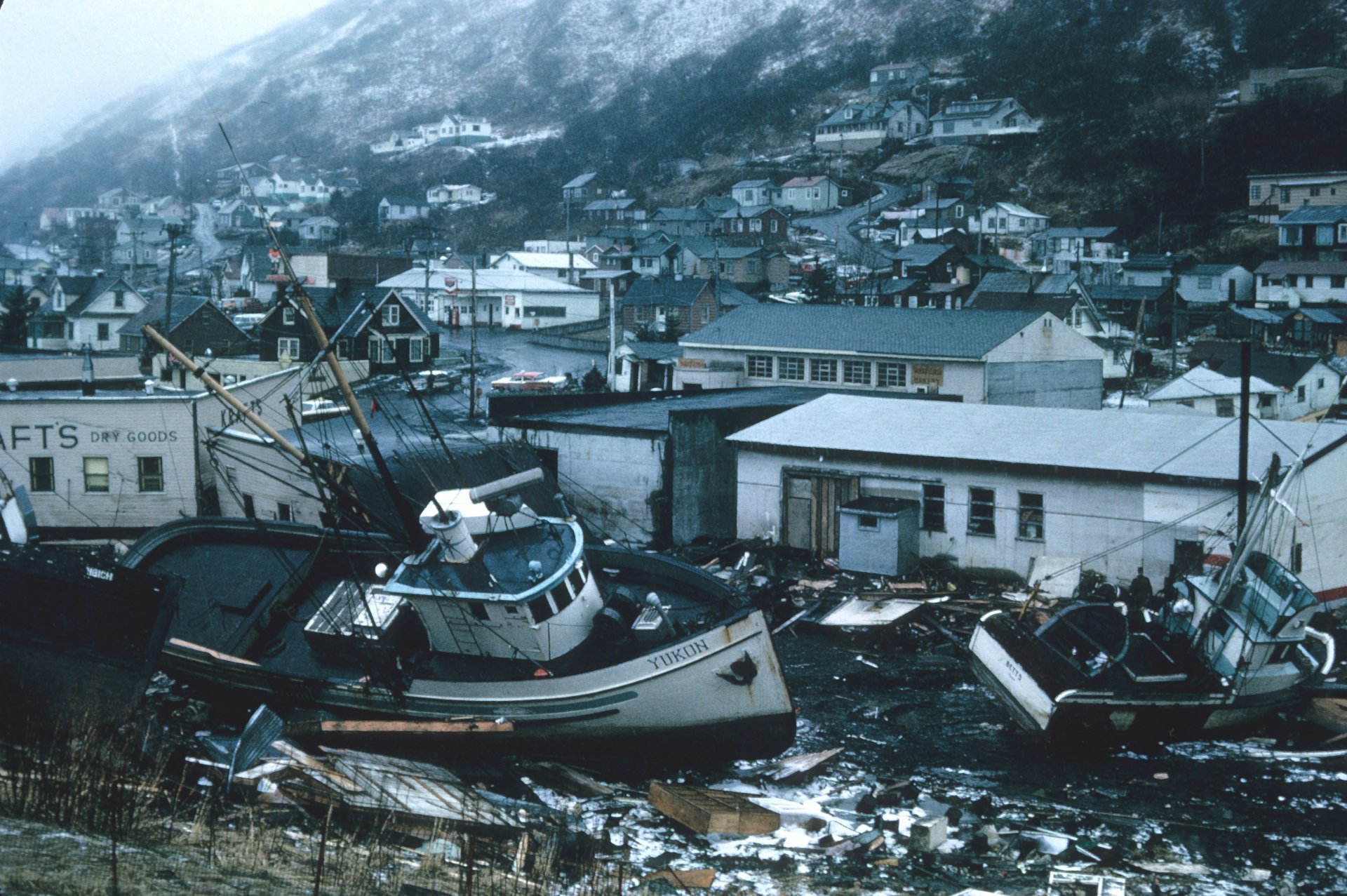
Vans, buses, and train car wreckage after an earthquake in Alaska.
Vans, buses, and train car wreckage resulting from the Alaska 1964 Good Friday earthquake and tsunami.

Earthquakes

Unpredictable natural disasters, such as earthquakes, can strike without warning. In their wake, they leave devastation either directly in the strike zone or by setting off a catastrophic tsunami. While earthquake prediction eludes scientists, they do know most of them come from two regions – and that helps travelers understand how to prepare for an earthquake and respond afterward.

The Alpide earthquake belt extends from Java to Sumatra through the Himalayas, the Mediterranean, and out into the Atlantic, accounting for about 17% of the world’s most powerful quakes. The 7.6 magnitude Pakistan earth tremor in 2005 killed more than 80,000 people. In 2004, the 9.1 magnitude Indonesia earthquake triggered a tsunami that killed nearly a quarter of a million people. Both seismic catastrophes started in the Alpide belt.

The global earthquake belt found along the rim of the Pacific Ocean is where more than 80% of the planet’s largest earthquakes occur, earning the nickname “Ring of Fire.” The 9.5 magnitude Chilean Earthquake [Valdivia Earthquake] in 1960 and the 9.2 magnitude Alaska Earthquake in 1964 are some of the largest earthquakes that have taken place along this perimeter according to the U.S. Geological Survey (USGS).


Preparation Tips

Valid identification and travel documents – Ensure you have your passport, identification and any necessary travel documents readily accessible. These documents are essential for identification, possible evacuation, and re-entry into your home country. Keep them in a waterproof and secure location, such as a sealed plastic bag within your travel bag.

Emergency contact information – Carry a list of emergency contact numbers, including local authorities, embassy or consulate contact details, and the phone numbers of your loved ones back home. In the event of a disaster, communication networks may be disrupted, so having these numbers readily available can help you seek assistance and inform your family about your well-being.

First aid kit and medications – Make a compact first aid kit equipped with essential medical supplies such as bandages, antiseptics, pain relievers and any prescription medications you require. Consider the duration of your trip and the availability of medical services at your destination.

Emergency cash and backup cards – Keep enough emergency cash in both local and widely accepted international currency. ATMs and banking systems may be inaccessible during or after a disaster. Additionally, carry backup credit or debit cards in case your primary card gets lost, stolen or compromised.

Local maps and language guide – Include local maps and a basic language guide. A language guide can help you communicate with locals and emergency responders, allowing you to understand instructions and seek help effectively.

Designate a meeting point if a catastrophic event separates you from your family or group –Determine in advance where to shelter during an earthquake or moving to higher ground during a tsunami. Establish a communication plan to stay connected with loved ones during emergencies. Identify an out-of-area contact person who can relay messages and provide updates.

These items and actions are in addition to the standard travel essentials like appropriate clothing, toiletries and personal items. It’s also crucial to stay informed about the local emergency procedures and listen to instructions from local authorities during a natural disaster. Taking these precautions will enhance your safety and preparedness when traveling internationally.


Medics attend to an injured man.
Global Rescue medics attend to an injured member.

Global Rescue

If you’re planning a trip this summer, get in touch with Global Rescue to help equip you with up-to-date intelligence, and help ensure your safety and security, be it go bag prep or other precautionary preparations.

While we cannot predict or prevent natural disasters, we can take proactive steps to prepare and respond effectively. By understanding the risks, creating an emergency plan, assembling a disaster supply kit, and staying informed, you can minimize the impact of unpredictable events like earthquakes and tsunamis. When a hurricane, cyclone or typhoon threatens your vacation or work trip, Global Rescue’s expert team can help keep you abreast of its path and assist with your evacuation as the storm predictions grow ominous.

Remember, preparedness is key, and it is everyone’s responsibility to prioritize safety. By taking these measures, you can enhance your chances of staying safe, protecting your loved ones, and recovering more swiftly in the aftermath of a natural disaster.

If you’re traveling, and there’s a natural disaster, a Global Rescue security membership provides access to our expert team of veteran military special forces and their expertise. Traveling members who cannot evacuate following an earthquake can rely on our security operations teams to provide lifesaving advice, including where to shelter and to take you to safety. And since it’s a membership – and not insurance – there are no claim forms or charges for member services. Ever

Categories:

ArticlesResources
Share This:

Chopper Pilot Rescued After Frozen Lake Crash 

How satellite technology helped us save a downed pilot.

Article Highlights:

  • A Zoleo satellite device alerted Global Rescue and set in motion the rescue of a helicopter pilot who crashed into a frozen Canadian lake.
  • Global Rescue coordinated with Canadian first responders and ensured the pilot’s safe extraction from the remote location.
  • The successful rescue underscores the critical role of satellite communication in emergency situations, showcasing the effectiveness of technology in remote wilderness scenarios.

“We always recommend that if you’re traveling, especially to remote locations where cellular service is not absolutely guaranteed, to pack a satellite phone or messaging device and extra batteries,” said Harding Bush, associate director Global Rescue Security Operations, and a former Navy SEAL with extensive mountain and cold weather operations expertise.

That’s a mindset that helped save a helicopter pilot who crashed in a remote, frozen Canadian lake.

Global Rescue and ZOLEO, a satellite communications device company, were instrumental in saving the pilot who crashed on the lake about 97 nautical miles (180 kilometers) north of Goose Bay Newfoundland and Labrador, Canada. He was medevaced to safety “with minor injuries,” according to reports by CTV News and CBC News.


The pilot was rescued by the 103rd Search and Rescue Squadron Gander of the Royal Canadian Air Force after Global Rescue received an SOS emergency notification via a ZOLEO device.

“When Global Rescue received the SOS alert via the ZOLEO device, emergency rescue coordinators in our operations center immediately notified the appropriate first responders and then attempted two-way communication with the individual sending the alert,” said Jeff Weinstein, a paramedic and a medical operations manager for Global Rescue.

“When we could not establish communication with the pilot, we reached out to Custom Helicopter, the next emergency contact listed, to determine if they were missing any aircraft,” Weinstein said.

First responders from the Royal Canadian Mounted Police, the Royal Canadian Air Force, and the Joint Rescue Coordination Center scrambled rescue resources. Three military helicopters were guided by precise GPS coordinates provided by Global Rescue and the ZOLEO device to the wreckage.


The upside-down cockpit of a helicopter after crashing on a frozen lake.
The upside down-cockpit of the helicopter following the crash.

The pilot was flying alone between Happy Valley-Goose Bay and Nunavut, according to a statement from Joseph Galimberti, a spokesperson for the Exchange Income Corporation, Custom Helicopters’ parent company. The pilot was in good condition and has been released from medical care, Galimberti said.

“Without Global Rescue’s swift action and coordination with Canadian first responders, triggered by the SOS alert from the ZOLEO device, the pilot’s extraction to safety might not have been possible,” Weinstein said.

“Our partnership with Global Rescue provides ZOLEO subscribers with access to their award-winning emergency response, and dispatch capabilities, ensuring they can obtain help in an emergency. Working seamlessly with first responders, Global Rescue plays a crucial role in helping return ZOLEO users to safety in situations like this,” said Morris Shawn, President of ZOLEO Inc.