Categories:
TravelMarch 13, 2024
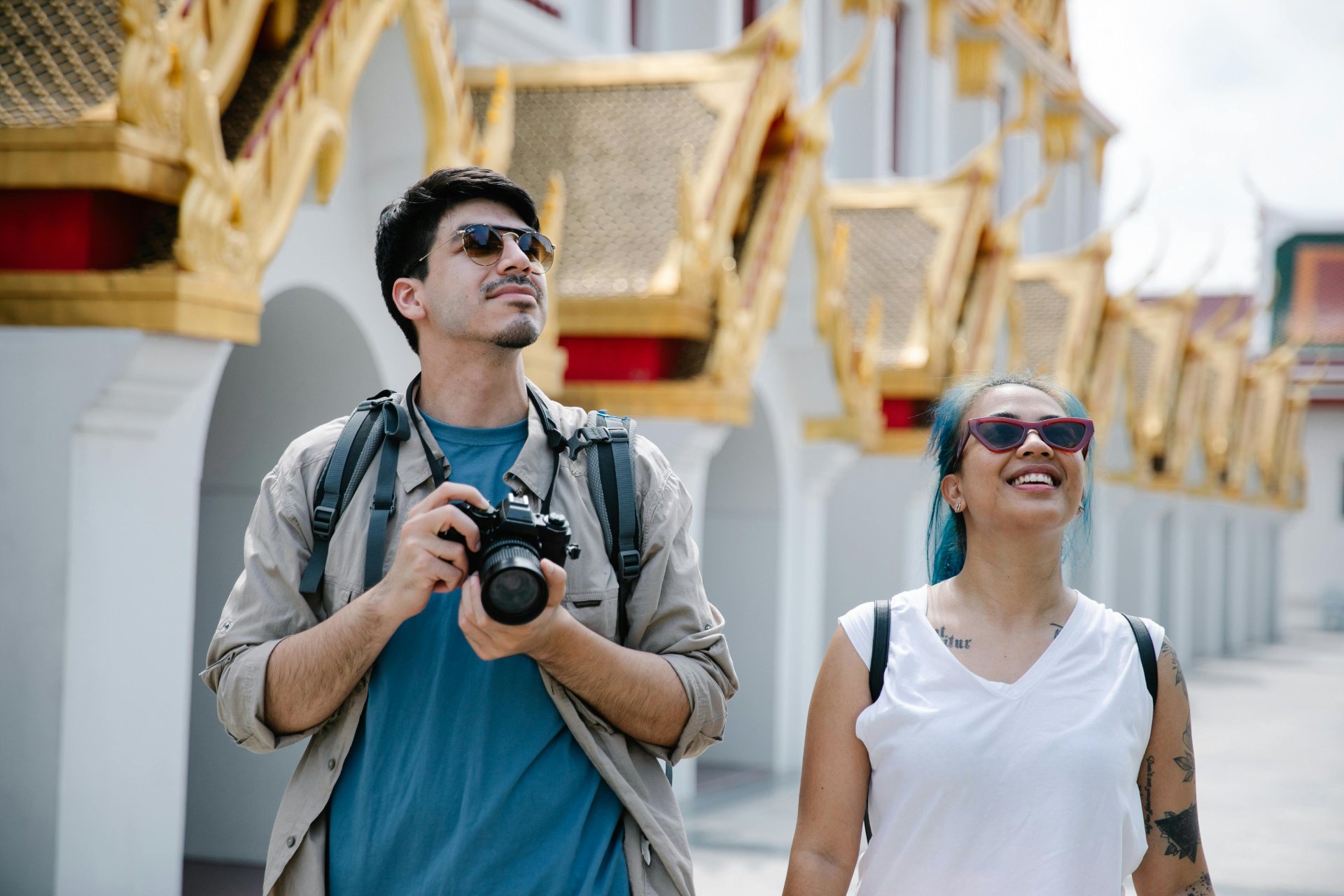
Travelers are planning to take more adventurous trips in 2024. “Travelers are exhibiting behavior consistent with a mounting desire for immersive experiences,” said Dan Richards, CEO of the Global Rescue Companies and a member of the U.S. Travel and Tourism Advisory Board at the U.S. Department of Commerce.
“Travel rebound demand initially contributed to the growing adventure travel boom. We anticipate increasing interest in adventure travel like African safaris, hiking trips, camping excursions and motorcycle tours,” he said.
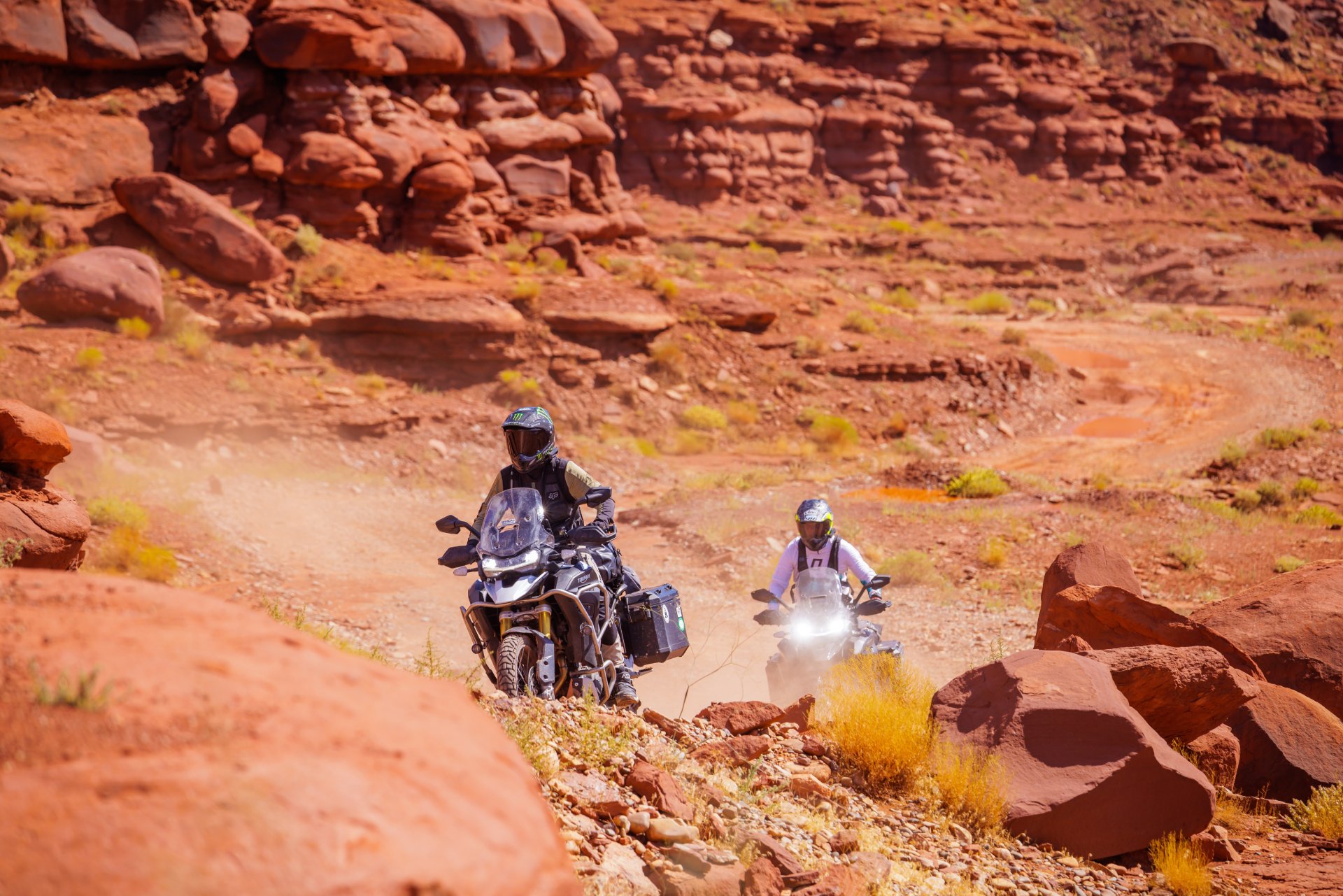
Adventure motorcycling tours are surging, and the pandemic had a big impact on the growth of the sport, according to Dan Quick, director of communications for Zero Motorcycles. “People were faced with new limitations on traditional travel, so they began to look on the near horizon for adventure. That was great for a lot of outdoor activities, and adventure motorcycling was one of them.”
The release of a popular adventure motorcycling program during the pandemic added widespread exposure to the activity.
Scottish actor, Ewan McGregor, and Charley Boorman, a writer and television presenter, starred in the British television series, Long Way Round, depicting their 19,000-mile motorcycling journey from London east through Europe, Asia, Alaska and then to New York. Quick believes the show’s release in 2020 by Apple TV, along with its sequels, resurged interest in the adventure motorcycling segment at the same time people were looking for alternatives and socially distanced ways to travel during the pandemic.
McGregor explained the joy of life comes from encounters with new experiences. “There is no greater joy than to have an endlessly changing horizon, for each day to have a new and different sun.”
Focus on Adventure Motorcycling
Adventure motorcycling has been around for decades, but now more people are experiencing many of the same joys long-time riders have favored. Some love the freedom to explore diverse landscapes and travel at their own pace. Others come for the challenge of riding through various terrains such as mountains, deserts and forests as well as the escape from the digital world in favor of immersion in nature and the open road. Nearly all come for the community to ride with friends, family and colleagues who share a passion for travel off the beaten path.
Whatever the reason, adventure motorcycling may be the fastest-growing segment on the two-wheel market, according to Oleg Satanovsky, communications manager for BMW of North America.
JH Leale, president of Ricky Carmichael Racing, agreed. Leale and athlete Ricky Carmichael, the winningest motocross racer of all time, have formed a professional partnership with a major motorcycle manufacturer to develop and grow in the competitive off-road market.
“The sport has more than doubled over the last 10 years,” Leale said. But he added that the growth isn’t just from the increasing amountnumber of riders but also the number of options that riders have.
“The manufacturers are investing heavily. The category was traditionally dominated by BMW motorcycles but now Ducati, Triumph, Honda and Yamaha each have added multiple models to compete in the category,” he said.
Many motorcycle riders enjoy more than one type of riding, whether that’s street cruising, off-roading, touring or racing. Buying separate bikes suited to each of these categories gets pricey, according to Motorcycle Powersports News. The solution? Dual-sport adventure bikes capable of meeting all these riding needs in one package.
“Adventure motorcycles have become the one do-it-all machine that can replace off-road, long-distance touring, commuting and sport-riding bikes,” Satanovsky said.

Motorcycle Touring Destinations
Adventure motorcycle tours are springing up in more places than ever. From Mongolia and Europe to North America, Africa and Oceania. Leale identified Michigan’s Upper Peninsula as a fantastic area and beautiful to ride. “The best rides are called ‘color rides’ that begin in late spring and continue through the fall. It’s a very popular ride with North Americans but also a huge number coming in from Europe,” he said.
Morocco, Alaska and Patagonia are popular tours for adventurous bikers, according to Ben Firsby, Tour Specialist with UK-based Magellan Motorcycle Tours. “Patagonia is new for us and has already proved incredibly popular. We get asked where we’re going to add new tours. Japan, Türkiye, and Iceland are in our plans for new tours,” he said.
Rides in Australia and New Zealand are incredibly popular as well, especially for U.S. residents. Popular motorcycle adventure tours in Asia include Bhutan, Sri Lanka, Laos, Kyrgyzstan and Vietnam, according to Travel + Leisure.
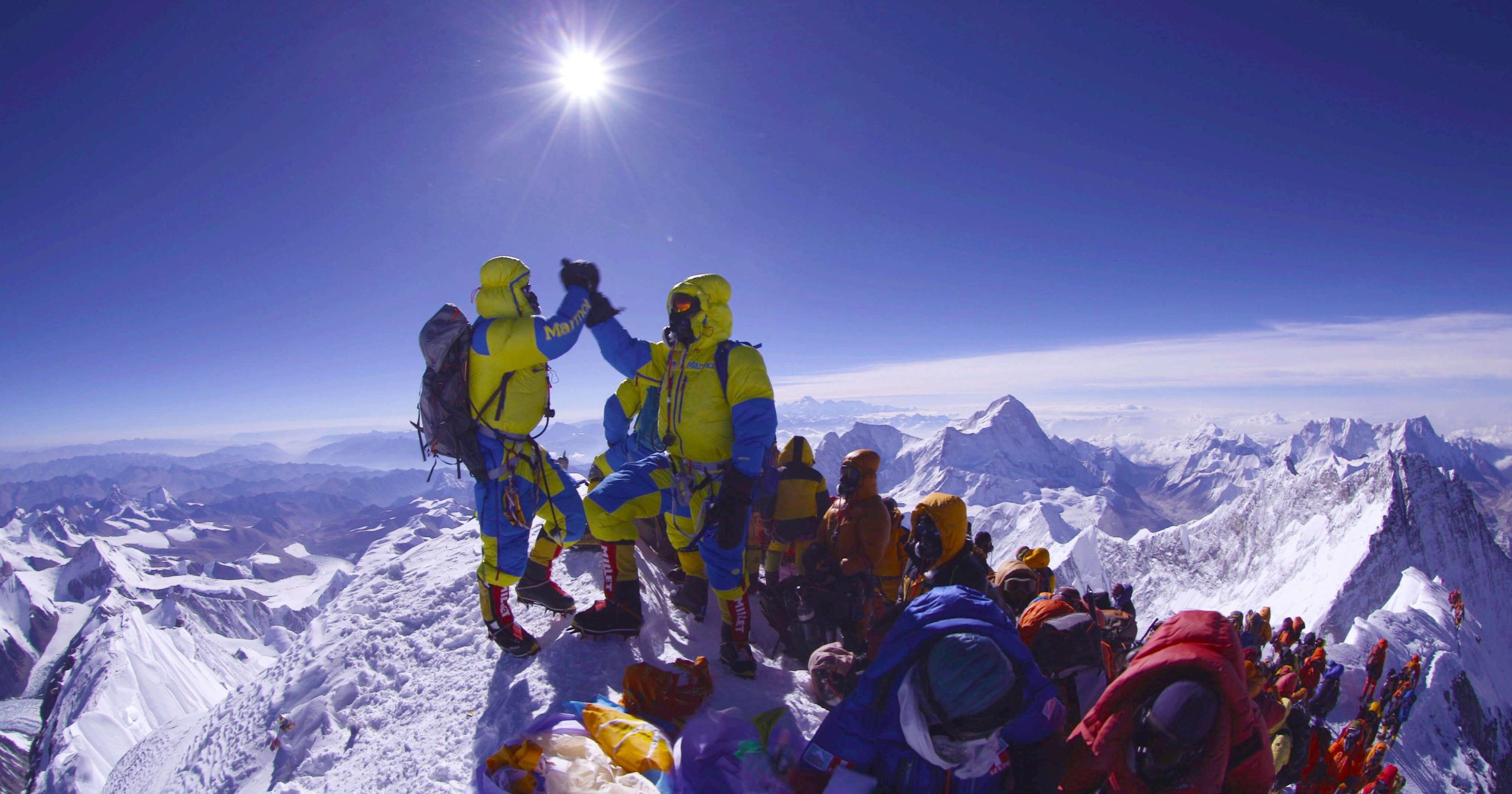
Mike Thomsen, the rider-in-chief at MotoDreamer, began pioneering motorcycle tours in Colombia 15 years ago and is proud to call it the number one destination in the world. He ranks Peru as the runner-up for its incredible roads and cuisine. In third place is Tibet. “Reaching Mount Everest Basecamp crossing the highest Himalayan peaks is exhilarating,” he said.
Shifting Demographics
The riders joining the adventure motorcycling wave are coming from several areas. The people who ride Baggers – motorcycles with touring accessories like saddlebags and a top box – are one group. “Those riders tend to be a little bit older, but they’re attracted to the chance to go beyond the road without worrying about jumps, drop-offs and steep climbs on sand, gravel, mud and rivers,” Leale said.
Younger riders are connecting, too. They’re jumping on the adventure touring bandwagon because they’re at a stage in life where they have the means to ride on motorcycles that are less costly than fully dressed baggers and go on international trips that have a lower risk of injury.
Women are getting into motorcycling in huge numbers. “Women don’t dominate the numbers, but they’re definitely a larger proportion than in the past,” Leale said.
A popular ride among women is in the Indian Himalayas. “We ride the Royal Enfield Himalayans out there, which are generally less intimidating to motorcycles to ride than the bigger adventure bikes like the enduro bikes we ride on most of our other trips,” said Anna Jacobs, co-founder of Ride Expeditions.
Finally, some riders joining in are former competitive racers who are aging out of closed-course and off-road riding. “They don’t want to risk injury but they’re finding safer riding adventures off of closed courses,” Leale said.
Motorcycle Mindset
Motorcycling for most riders is embedded in their lifestyle and a big part is the group dynamic that is built into an adventure. “Motorcycle touring trips typically comprise six to eight friends who love riding off-road, to go and see things that they wouldn’t be able to see in the car,” Leale said.
Since COVID, people are perceiving their lives differently. Leale believes riders have adopted the YOLO – you only live once – attitude and want to make sure they get their chances to do the things they want to do. “They want to get as much adventure travel as possible before they no longer can,” he said.

Adventure Touring Risks
Adventure motorcycling comes with risks, each of which can be minimized with planning and preparation.
Choosing an adventure that is too challenging is one of the biggest mistakes an adventure rider can make, according to Jacobs. “New riders want to experience the best of an adventure ride. But we advise them to take it slow, start with shorter and easier trips until you really know your abilities, and get some proper training.”
Thomsen agrees. “People sign up for tours above their skill level and ask for off-road routes when they are clearly not prepared and experienced enough to tackle the conditions. For this reason, we offer a weeklong International Travel training bootcamp.”
Road conditions predictably include gravel, mud, sand and potholes which can increase the risk of accidents. Extreme weather conditions like rain, snow or high winds can make riding on these surfaces more challenging and dangerous.
Traveling in remote areas can lead to limited access to help in case of mechanical breakdowns or medical emergencies. While infrequent, encounters with wildlife can be dangerous, especially in certain regions where animals may pose a threat to riders. Additionally, some regions may have elevated security concerns like civil unrest, political instability, theft or robbery.
Preparation for adventure motorcycling must include training to handle long hours of riding and exposure to extreme weather which can affect concentration and reaction times.
Leale knows that the style of riding takes people off the grid quite a bit. “We take a lot of safety precautions and at the end of the day, it makes things a lot safer. But the risk element is always there so we run Bivy sticks with Global Rescue so we’re always in communication and in touch with emergency response and support,” he said.
Adventure Travel With Peace of Mind
Smart adventure motorcycle touring riders will bring along a Global Rescue medical evacuation and travel risk membership for peace of mind. A Global Rescue membership pays for the expense of an emergency field rescue or medical evacuation. Rescue and medevac costs can reach $300,000 but for Global Rescue members the cost is $0. Discover how a Global Rescue travel membership can provide you with peace of mind on every journey. Explore the 10 Reasons Why You Need Global Rescue Travel Protection.
Get a price estimate
Estimate
$0.00
Please answer all questions for estimate.
Categories:
NewsMarch 12, 2024
Categories:
Missions & Member TestimonialsTravelMarch 6, 2024
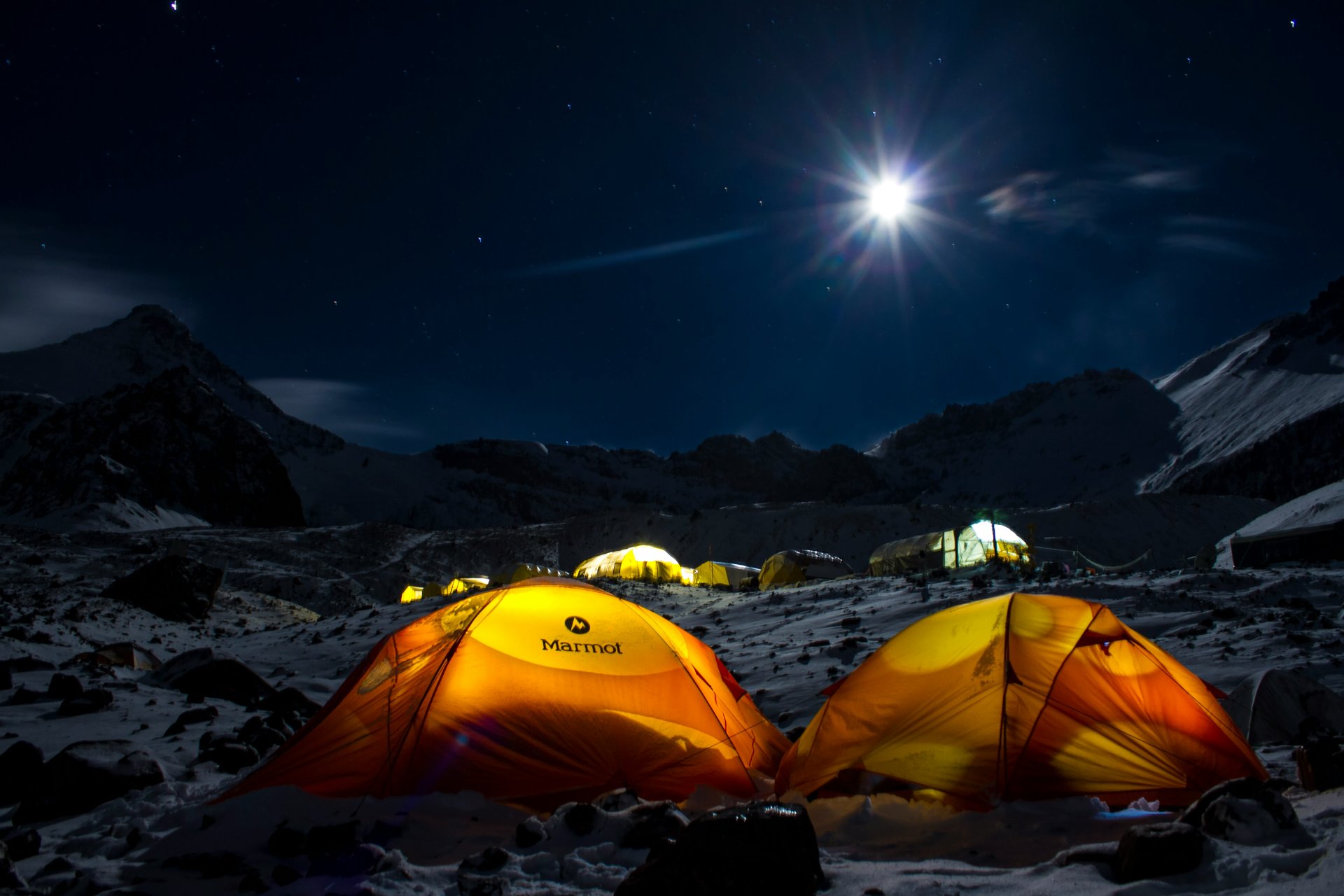
The 2024 Aconcagua climbing season is concluding, and Global Rescue medical operations and rescue personnel were on the ground from January through mid-February to support our climbing and trekking members. The deployment team included high-altitude physician specialists, emergency nurse personnel and a wilderness certified paramedic.
Medical Expertise on the Mountain
Their high-altitude medical expertise contributions were significant, according to Jeff Weinstein, a Certified Wilderness Paramedic and a medical operations manager at Global Rescue with specialty training in austere medicine and mountain rescue. “While deployed, we learned that the local medical staff in the hospitals were uncomfortable treating advanced frostbite as well as high-altitude ailments like HAPE and HACE,” he said.
Weinstein and the Global Rescue medical team conducted several meetings with the hospital administration staff educating them on current practice guidelines and criteria for high-altitude illnesses. “We educated them on the implementation of advanced frostbite care which was not currently available in Argentina. After multiple meetings, hospital officials agreed to start implementing these high-altitude diagnostic and treatment policies and procedures, including advanced frostbite care,” he said.

Understanding Aconcagua: Challenges and Preparations
At 22,837 feet/6,961 meters, Aconcagua is the tallest mountain in South America, earning it a place among the Seven Summits – the highest points on each continent.
And while it may not reach the towering peaks of the Himalayan or Karakoram ranges, make no mistake: Aconcagua is not to be taken lightly and preparation is imperative.
More than any other issue, a lack of proper acclimatization is what triggers the need for most rescues from the big mountains, including Aconcagua, said David Koo, a former combat medic and emergency nurse who is the associate director of operations for Global Rescue and part of the deployment team. “If you don’t give time for your body to adjust, that’s when you get altitude sickness,” he said.
Enhancing Safety Measures for Aconcagua
Because participation in mountaineering, trekking and other high-altitude activities has seen rapid increases in recent years, we’re expanding and enhancing our services for this community by increasing our capabilities to provide emergency services in more regions, committing to longer deployments of our medical operations personnel, and extending our in-field rescue operational durations.
[Planning a high-altitude climb? Be certain to obtain a High-Altitude Evacuation Package]
There is no other rescue provider as familiar with Himalayan operations as Global Rescue, where we’ve deployed medical and rescue operations teams for years. But the experiences learned from operations on mountains like Mount Everest do not necessarily translate to Aconcagua, according to wilderness and altitude sickness expert Dr. Eric Johnson, Global Rescue’s associate medical director.
“Every mountain I’ve worked on and around is a bit unique given the geography, weather, latitude, and the governing systems in place,” he said.

Weinstein agreed. “Aconcagua’s emergency airborne and ground transportation resources are limited compared to what’s available in Nepal. But the level of care and medical checks available on Aconcagua, as well as organized rescue resources on the mountain from the park rangers is an asset that does not exist on any other mountain,” he said.
Global Rescue donated equipment to the Aconcagua local operations teams, including three cutting edge rescue litters, or rescue baskets that resemble sleds. “We provided Skedco rescue litters to the police, the team managing the medical tent at base camp and the park rangers on the mountain,” Weinstein said. “These are the best and most advanced rescue litters on the market and are used by military special operations. The local medical and rescue teams had great need for these litters, and they were put into use immediately.” In the past, locals relied on what amounted to wheelbarrows for some rescues operations.

Planning an Ascent of Aconcagua
Climbing Aconcagua requires proper planning, permits, and often the assistance of experienced guides or mountaineering companies. Safety should always be a top priority, and climbers should be well-prepared and equipped for the journey.
Climbers can expect a mix of challenging conditions and stunning landscapes. The biggest mistake people make when it comes to climbing Aconcagua is misjudging the stamina required, according to Ed Viesturs, mountaineering legend and a member of Global Rescue’s Mountain Advisory Council.
“Aconcagua is a relatively nontechnical climb, but people underestimate the endurance required and the effects of altitude. Both factors can play havoc during an ascent. Being as physically fit as possible prior to an ascent makes for a more enjoyable and safer climb,” he said.
Weinstein concurs. His advice for climbers to minimize their need for medical support is to manage how they acclimatize. “We saw a lot of climbers doing an expedited ascent of the mountain, which led to an increased high altitude ailment risk,” Weinstein said.
New medications are being introduced to mitigate some of the risk factors. Johnson recommends climbers should educate themselves and consult a travel medicine physician before travel to receive these medications. “Individuals traveling to Argentina and climbing Aconcagua should have the basic understanding of medications used in prevention and treatment of altitude-related problems,” Johnson said.
Global Rescue’s Role in Mountain Rescue
It’s important to note that climbing Aconcagua requires proper planning, permits, and often the assistance of experienced guides or mountaineering companies. Outdoor adventure safety expert and longtime mountaineering author Jed Williamson, a member of Global Rescue’s Mountain Advisory Council, said roughly 80 percent of the 4,000 climbers assaulting Aconcagua each year are part of a guided expedition.

Aconcagua is a good starter mountain for high-altitude climbers and consequently draws a broader demographic to the challenge. “We have always had fathers climb with their young adult sons and daughters. But this season we are seeing a slight increase in the number of women making the climb,” said Rodrigo Mujica, Founder and CEO of Aventuras Patagonicas.
Lukas Furtenbach, owner Furtenbach Adventures, called Aconcagua a “perfect training playground to learn how to manage yourself on the mountain, how to keep yourself warm and hydrated for example.” But make no mistake, it’s a tall mountain and it holds several challenges for high climbers.
Safety should always be a top priority, and climbers should be well-prepared and equipped for the journey. It’s also smart to climb with a travel protection membership.
[Refresh yourself on how to use your Global Rescue membership. Quick Start Guide]
Global Rescue has pioneered field rescue from the point of illness or injury since 2004 and led the industry as the only organization with deployed personnel and operating capability in key locations, including the Himalaya, Karakorum, Andes and Aconcagua regions.
Categories:
NewsFebruary 29, 2024
(Lebanon, N.H. – February 26, 2024) Overpacking is by far the biggest traveler mistake, according to the world’s most experienced travelers responding to the 2024 Winter Global Rescue Traveler Sentiment and Safety Survey. More than a third of respondents (35%) said overpacking was their biggest travel mistake.
Harding Bush, associate director of operations at Global Rescue, advises travelers to “pack light, and buy what you need there.” While overpacking continues to be a persistent traveler mistake, the improvement has been substantial since February 2020, immediately before the pandemic when three-out-of-four survey respondents (75%) said overpacking was the biggest mistake travelers make.
Ambitious itineraries and failing to schedule free time during trips are frequent mistakes among travelers. In 2020, before the pandemic, 40% of respondents admitted creating ambitious itineraries that did not include free time landed in second place on the list of biggest traveler mistakes. Last year, the percentage decreased and only 28% of respondents said their itineraries were too ambitious and they did not plan or schedule free time. In 2024, significant improvement continues. According to the survey results, only 9% said having an overly ambitious itinerary was their biggest mistake, placing third on the list of top 10 traveler mistakes.
Bush advises travelers to plan a trip that aligns with your travel style and interests, making sure to prioritize what is important to you. “You don’t need to do what others say to do. But you must accept that you won’t see everything and that is okay,” he said.
While overpacking and ambitious travel itineraries remain among the top mistakes travelers make, the percentage of people making those errors is dropping meaningfully. But other mistakes abound, some familiar and a few new ones.
Today, the second most reported traveler mistake was flying with connections instead of nonstop, an error that had not made the list in any past survey. Twelve percent of survey respondents said air travel that required stopovers or layovers was an error to avoid in the future. Despite the inconvenience of airline travel staff shortages, most survey respondents (66%) did not cancel any trips in 2023 and more than a third (38%) did not postpone any travel plans.
Before the pandemic, more than a third of travelers (38%) reported that forgetting to obtain medical or security travel protection was their biggest mistake, ranking third in the top 10 most common mistakes made by travelers. In 2024, the percentage of travelers who said they forgot to get medical or security travel protection plummeted to 1%, placing tenth on the list.
Forgetting an international plug adapter, leaving prescription medicine behind, failing to change phone data plan, and drinking or using unsafe water have each remained on the top 10 list of biggest traveler mistakes since before the pandemic, all garnering low, single-digit responses.
About the Global Rescue Traveler Sentiment and Safety Survey
Global Rescue, the leading travel risk and crisis response provider, surveyed more than 1,500 of its current and former members between January 25-30, 2024. The respondents revealed a variety of behaviors, attitudes and preferences regarding current and future travel.
About Global Rescue
The Global Rescue Companies are the world’s leading provider of medical, security, evacuation and travel risk management services to enterprises, governments and individuals. Founded in 2004, Global Rescue has exclusive relationships with the Johns Hopkins Emergency Medicine Division of Special Operations and Elite Medical Group. Global Rescue provides best-in-class services that identify, monitor and respond to client medical and security crises. Global Rescue has provided medical and security support to its clients, including Fortune 500 companies, governments and academic institutions, during every globally significant crisis of the last two decades. For more information, visit www.globalrescue.com.
Categories:
Business TravelSecurity & IntelligenceFebruary 28, 2024

“The days of traveling long distances for one meeting with one person could be gone forever, but people will travel for business at scale into perpetuity,” said Dan Richards, CEO of The Global Rescue Companies, the world’s leading provider of medical, security, evacuation and travel risk management services.
Richards is alluding to new data coming out of the Global Rescue Winter Traveler Sentiment and Safety Survey which plainly shows that business travel continues to increase, while virtual meetings are losing dominance as a replacement for work-related travel. “In-person meetings are more effective at establishing and maintaining relationships. It’s no surprise that work-related travel is rising,” Richards said.
According to the survey, respondents traveling for business jumped 37% compared to survey results nearly a year ago. More than two-thirds (68%) of respondents said their business travel would be both international and domestic. Global Rescue surveyed more than 1,500 of its current and former members between January 25-30, 2024. The respondents revealed a variety of behaviors, attitudes and preferences regarding current and future travel.
More than a fifth of business travelers (22%) reported work-related travel will exceed pre-pandemic levels in 2024, doubling the 11% reported in 2023. Early last year, 35% of business travelers said business travel would be “half or less than half” of pre-pandemic levels. Now, a year later, that percentage has dropped by a third with only 23% of business travelers reporting that their work-related travel would be half or less than pre-pandemic levels.
[Related Reading: Unique Laws International Business Travelers Should Know]
Virtual meetings and video conference calls are losing their dominance as a replacement for business travel, according to the survey. More than half (56%) of business travelers responding to the survey said virtual meetings and video conferences are not replacing in-person business travel to a significant extent.
“Virtual meetings have their place, but they can’t replace face-to-face meetings,” said Paul Mullen, vice president of sales at Global Rescue. “Personal interaction will always be more effective at establishing and maintaining relationships, fostering trust and driving company growth.”
“You can’t get to know a prospect, current client or business partner professionally and personally when you’re not in person,” Mullen said. “In a video chat, there is more opportunity for distraction and multitasking, the meetings themselves can feel rushed, the technology can glitch. That’s not how you maintain a strong business relationship that lasts.”

As business travel increases globally, so do the challenges facing employers who must balance employee safety in the face of threats of international violent conflicts, terrorism and civil unrest. “The biggest management challenge in this evolving environment will be how duty of care plays a role in protecting a business traveler and a location-independent workforce,” Richards said. “Business leaders have to ask themselves if a set of rules or policies designed to maintain the health, safety and well-being of their employees are in place.”
Unfortunately, the overwhelming majority of business travelers surveyed (74%) say they do not have or do not know if they have a duty of care policy in place. The majority of the 26% of business travelers who say they have duty of care provisions in place reported the policy includes pre-trip planning, health alerts, on-trip event alerts, on-trip security or travel tracking.
“Business leaders carry a duty of care responsibility to their employees, to take care of them and avoid exposing them to any unnecessary or undue risk. As global work-related travel continues to increase, the more duty of care policies must evolve,” Richards said.
[Related Reading: Understanding Your Duty of Care Obligation]
Most business travelers lack immediate access to travel intelligence information or communication capabilities that may be lifesaving in the event of a medical or security emergency.
Global Rescue’s GRID 2.0 changes that.
“I rely on GRID to keep our worldwide workforce safe. With real-time tracking and emergency alerts, GRID gives me the visibility and response capabilities to protect our travelers anytime, anywhere. This innovative platform is essential for globally minded organizations like ours,” said Eric Cioè-Peña, MD, MPH, FACEP, and vice president of global health center for Northwell Health.
I rely on GRID to keep our worldwide workforce safe.
– Eric Cioè-Peña, MD, MPH, FACEP
The GRID 2.0 system distributes event notifications and alerts for civil unrest, disease-related developments, safety issues, transportation disruptions, communications blackouts and natural disasters including floods, hurricanes, earthquakes, and volcanic activity.
In an emergency, the GRID 2.0 app puts its members in immediate contact with the medical teams and military special operations veterans who staff Global Rescue’s global operations centers.
“The GRID mobile app places critical medical, security and other essential travel intelligence at the fingertips of my traveling workforce, and the GRID Administrator Control Center gives us access to global risks 24/7/365 so we can monitor and respond for the safety of our business travelers,” said Sherri Hersh, senior manager, International Accreditation, ABET.
“Global Rescue’s Intelligence Delivery system (GRID 2.0) is the world’s only integrated medical and security mobile app for travel risk, asset tracking, intelligence delivery and crisis response management. GRID 2.0 places critical medical, security and other essential travel intelligence in the hands of leisure and business workforce travelers. Last year more than 10,000 global events were reported with nearly a million event alerts distributed,” Richards said.
![]()
Categories:
NewsFebruary 23, 2024
(Lebanon, N.H. – February 21, 2024) Civil unrest and terrorism are travelers’ leading fears, surpassing accidents or injuries and marking a dramatic attitudinal shift since spring 2023, according to the world’s most experienced travelers responding to the Winter 2024 Global Rescue Traveler Sentiment and Safety Survey.
More than a third of travelers (36%) reported civil unrest and terrorism are the biggest concerns during global trips, reflecting a three-fold increase compared to spring 2023. A quarter of respondents (25%) said having an accident or illness during a trip was their greatest fear, a significant decrease from spring 2023 when half of travelers (50%) reported suffering an injury or getting sick was their biggest concern.
“We’re seeing an understandable increase in traveler concern worldwide. Nevertheless, international trip takers continue to travel anyway despite the rising threats of civil unrest, war, and terrorism,” said Dan Richards, CEO of The Global Rescue Companies, the world’s leading provider of medical, security, evacuation and travel risk management services, and a member of the U.S. Travel and Tourism Advisory Board at the U.S. Department of Commerce.
Travelers are beefing up their trip protection with security advisory and extraction protection. A third of respondents (34%) said the war in Ukraine, the Hamas attacks on Israel or other violent conflicts make it more likely they will add security extraction and advisory protection to their travel protection package.
“Traveler uncertainty generally increases traveler demand for emergency medical and security services,” Richards said. “Last year, traveler purchases of security and extraction services increased by 36%, and we expect that will continue in 2024. We’ve seen this traveler behavior since the war in Ukraine, and we’re seeing it continue following the attacks on Israel.”
While civil unrest, terrorism, accidents and illnesses top the list of traveler fears, the survey revealed other concerns. Trip cancellation, robbery or theft garnered between 7-9% of responses. Testing positive for COVID (or its variants) and natural disasters each collected 5% of responses. Nuclear disasters collected <1% of responses.
###
Contact Bill McIntyre at bmcintyre@globalrescue.com or +1 (202) 560-1195 (phone/text) for more information.
About the Global Rescue Traveler Sentiment and Safety Survey
Global Rescue, the leading travel risk and crisis response provider, surveyed more than 1,500 of its current and former members between January 25-30, 2024. The respondents revealed a variety of behaviors, attitudes and preferences regarding current and future travel.
About Global Rescue
The Global Rescue Companies are the world’s leading provider of medical, security, evacuation and travel risk management services to enterprises, governments and individuals. Founded in 2004, Global Rescue has exclusive relationships with the Johns Hopkins Emergency Medicine Division of Special Operations and Elite Medical Group. Global Rescue provides best-in-class services that identify, monitor and respond to client medical and security crises. Global Rescue has provided medical and security support to its clients, including Fortune 500 companies, governments and academic institutions, during every globally significant crisis of the last two decades. For more information, visit www.globalrescue.com.
Categories:
Missions & Member TestimonialsFebruary 21, 2024
Head and Back Injuries in Mexico
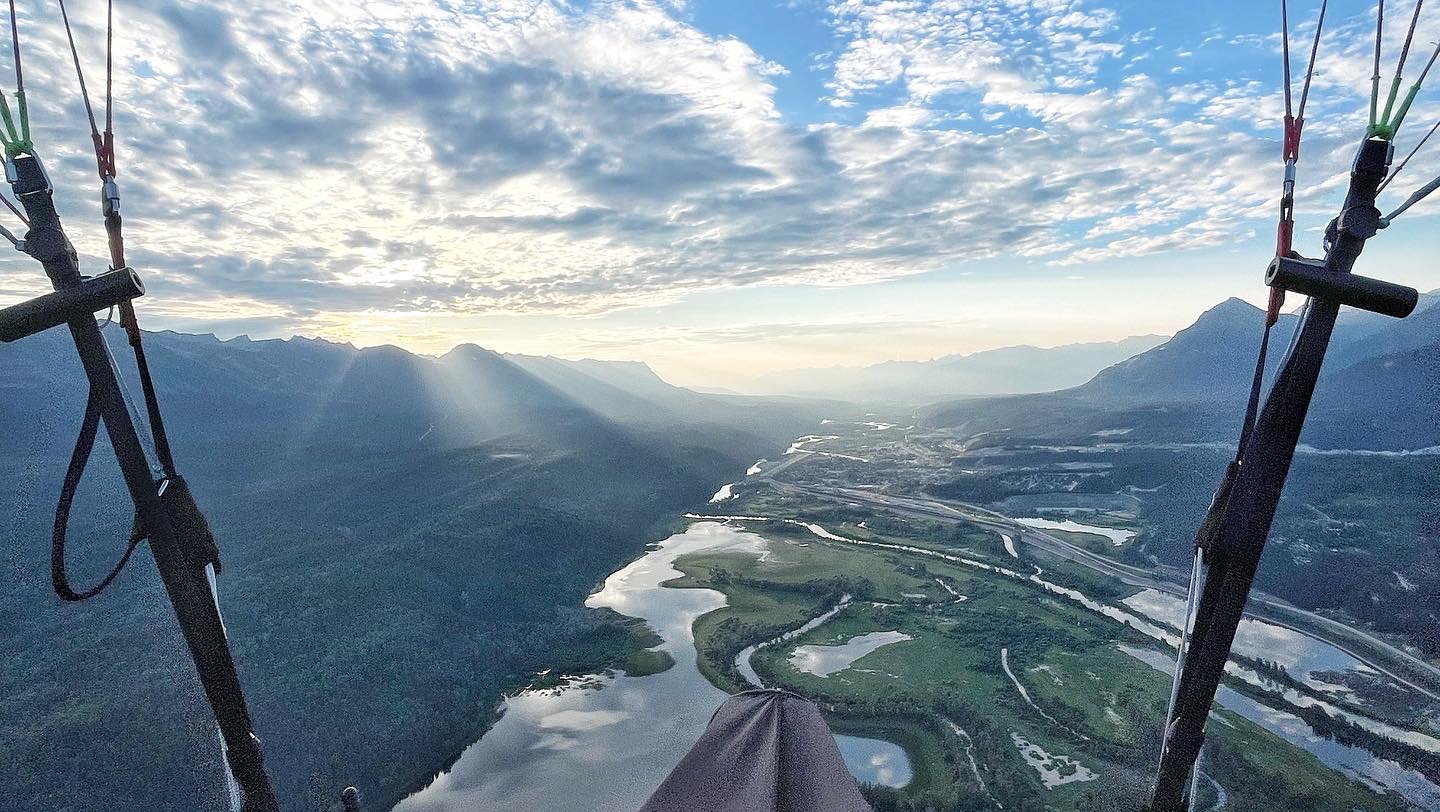
A U.S. member needed medical evacuation to a hospital with a higher level of care following a paragliding accident in Mexico. He reported lower back pain but following an initial medical examination, physicians diagnosed him with mild traumatic brain injury and possible damage to several vertebrae. Global Rescue physicians reviewed the case and concurred with the recommendation. The member was successfully transported to another hospital where he was admitted overnight following a diagnosis of a burst fracture, a condition where the vertebra is crushed in all directions. The treating physician determined surgery was not immediately needed. The member was discharged the next day with a back brace to be worn for six to eight weeks for support until further evaluation was done in his home country. Global Rescue provided ongoing ground transportation for him during his remaining days in Mexico until his return flight home.
Dangerously Low Oxygen Saturation on Aconcagua
A U.S. member climbing Aconcagua, the highest mountain in South America, was suffering from symptoms consistent with HAPE (high-altitude pulmonary edema). He was examined and treated with medications provided by physicians deployed to the mountain. Unfortunately, the member’s condition deteriorated overnight, and his oxygen saturation dropped to 59%, more than 30 percentage points below normal. Global Rescue medical operations was contacted. Due to the member’s worsening condition, Global Rescue operations personnel initiated a helicopter field rescue with immediate ground transport by ambulance to a hospital for evaluation.
[Related Reading: Struggling To Breathe on Aconcagua]
The member was successfully evacuated from the mountain and arrived safely at the hospital where he was diagnosed with dyspnea, or shortness of breath. Upon further evaluation and testing, 15% of his left lung was filled with fluid. He was stabilized, prescribed medication, discharged and advised to schedule a follow-up in a couple of days. The member rested and started his medications before disengaging to complete his recovery on his own.
Fractured Ankle in Colombia
A U.S. member needed airborne medical evacuation after a recreational run in Colombia led to a badly sprained ankle. He called Global Rescue medical operations explaining that two days after spraining his ankle, his condition had worsened and the pain as excruciating, rating it at 10/10, and expressed his inability to move. A local clinic examined him and diagnosed him with a fractured heel. They recommended immediate surgery. Global Rescue physicians reviewed the information and recommended an immediate medical evacuation in business class to accommodate leg elevation and to reduce swelling. The member was successfully evacuated and arrived safely at his home in San Francisco to continue his treatment and recovery.
Hard Landing in South America
A U.S. member needed medical evacuation after a rough landing while paragliding in Colombia, injuring her ankle. Global Rescue medical operations was contacted and confirmed that she suffered a fracture of the left ankle (tibial malleolus) requiring surgery. Unfortunately, the medical treatment team in Colombia was unable to perform the surgery. Global Rescue medical personnel recommended an expedited airborne return to the member’s home of record via business class seating with ground transportation before orthopedic follow-up. She departed Colombia and safely arrived at her home in Washington, U.S., where she continues her recovery.
[Related Reading: Aconcagua: The Mountain of Death]
HAPE on the Mountain of Death
A Japanese member needed field rescue from Aconcagua after experiencing HAPE-like symptoms including shortness of breath, oxygen desaturation and bibasal crackles – the bubbling or crackling sound originating from the base of the lung. Global Rescue Operations was notified and reviewed the on-mountain medical evaluation. A helicopter field rescue was recommended and initiated to transport the member off the mountain. Ambulance transportation was also arranged to accommodate the need for oxygen support and close monitoring before successful arrival at a hospital in Mendoza, Argentina. The member was examined and diagnosed with pulmonary edema and admitted for treatment. He was later discharged and decided to remain in Argentina until his scheduled flight home.
(Lebanon, N.H. – February 12, 2024) Business travel continues to increase, and virtual meetings are losing dominance as a replacement for work-related travel. According to the Global Rescue Winter Traveler Sentiment and Safety survey, respondents traveling for business jumped 37% compared to survey results nearly a year ago. More than two-thirds (68%) of respondents said their business travel would be both international and domestic.
“In-person meetings are more effective at establishing and maintaining relationships. It’s no surprise that work-related travel is rising,” said Dan Richards, CEO of The Global Rescue Companies, the world’s leading provider of medical, security, evacuation and travel risk management services.
More than a fifth of business travelers (22%) reported work-related travel will exceed pre-pandemic levels in 2024, doubling the 11% reported in 2023. Early last year, 35% of business travelers said business travel would be “half or less than half” of pre-pandemic levels. Now, a year later, that percentage has dropped by a third with only 23% of business travelers reporting that their work-related travel would be half or less than pre-pandemic levels.
Virtual meetings and video conference calls are losing their dominance as a replacement for business travel, according to the survey. More than half (56%) of business travelers responding to the survey said virtual meetings and video conferences are not replacing in-person business travel to a significant extent.
“The days of traveling long distances for one meeting with one person could be gone forever, but people will travel for business at scale into perpetuity,” Richards said.
“Virtual meetings have their place, but they can’t replace face-to-face meetings,” said Paul Mullen, Vice President of sales at Global Rescue. “Personal interaction will always be more effective at establishing and maintaining relationships, fostering trust and driving company growth.”
“You can’t get to know a prospect, current client or business partner professionally and personally when you’re not in person,” Mullen said. “In a video chat, there is more opportunity for distraction and multitasking, the meetings themselves can feel rushed, the technology can glitch. That’s not how you maintain a strong business relationship that lasts.”
As business travel increases globally, so do the challenges facing employers who must balance employee safety in the face of threats of international violent conflicts, terrorism and civil unrest. “The biggest management challenge in this evolving environment will be how duty of care plays a role in protecting a business traveler and a location-independent workforce,” Richards said. “Business leaders have to ask themselves if a set of rules or policies designed to maintain the health, safety and well-being of their employees are in place.”
Unfortunately, the overwhelming majority of business travelers surveyed (74%) say they do not have or do not know if they have a duty of care policy in place. The majority of the 26% of business travelers who say they have duty of care provisions in place reported the policy includes pre-trip planning, health alerts, on-trip event alerts, on-trip security or travel tracking.
“Business leaders carry a duty of care responsibility to their employees, to take care of them and avoid exposing them to any unnecessary or undue risk. As global work-related travel continues to increase, the more duty of care policies must evolve,” Richards said.
###
Contact Bill McIntyre at bmcintyre@globalrescue.com
bmcintyre@globalrescue.com or +1 (202) 560-1195 (phone/text) for more information.
About the Global Rescue Traveler Sentiment and Safety Survey
Global Rescue, the leading travel risk and crisis response provider, surveyed more than 1,500 of its current and former members between January 25-30, 2024. The respondents revealed a variety of behaviors, attitudes and preferences regarding current and future travel.
About Global Rescue
The Global Rescue Companies are the world’s leading provider of medical, security, evacuation and travel risk management services to enterprises, governments and individuals. Founded in 2004, Global Rescue has exclusive relationships with the Johns Hopkins Emergency Medicine Division of Special Operations and Elite Medical Group. Global Rescue provides best-in-class services that identify, monitor and respond to client medical and security crises. Global Rescue has provided medical and security support to its clients, including Fortune 500 companies, governments and academic institutions, during every globally significant crisis of the last two decades. For more information, visit www.globalrescue.com.