
Categories:
Missions & Member TestimonialsSeptember 12, 2023

From time immemorial, people have employed a wide variety of methods and practices to achieve peace of mind. Religious devotion and prayer, meditation and mindfulness, creative expression, physical exercise, or even just a quiet walk in the woods.
For the modern-day traveler, however, there’s one essential ingredient necessary to put your mind at ease: a Global Rescue membership.
Sure, there are the services we provide to our members if there’s a need: field rescue, medical evacuation, medical and security advisory, to name just a few.
But it’s the benefit of peace of mind, inspired by those services – and the emergency experts who deliver them 24/7/365 – that resonates most with our members.

“It makes me feel less worried about what could happen,” said Bianca Heinrich, a member since 2020. “What I highly appreciate about Global Rescue is the ease of communication and quick response rate. You guys respond to every inquiry and request very fast. It’s amazing.”
A vacation, for example, becomes an opportunity to escape and relax with a travel protection services membership. Travelers have access to a virtual team of experts – a doctor, a paramedic, a translator, a logistics expert, an intelligence analyst and a security advisor – should any issues or emergencies arise.
And should you encounter a violent situation caused by civil unrest or even a terror attack, our security team with years of military special operations expertise under their belts, are one call, email, or in-app message away to provide the best guidance for the situation.
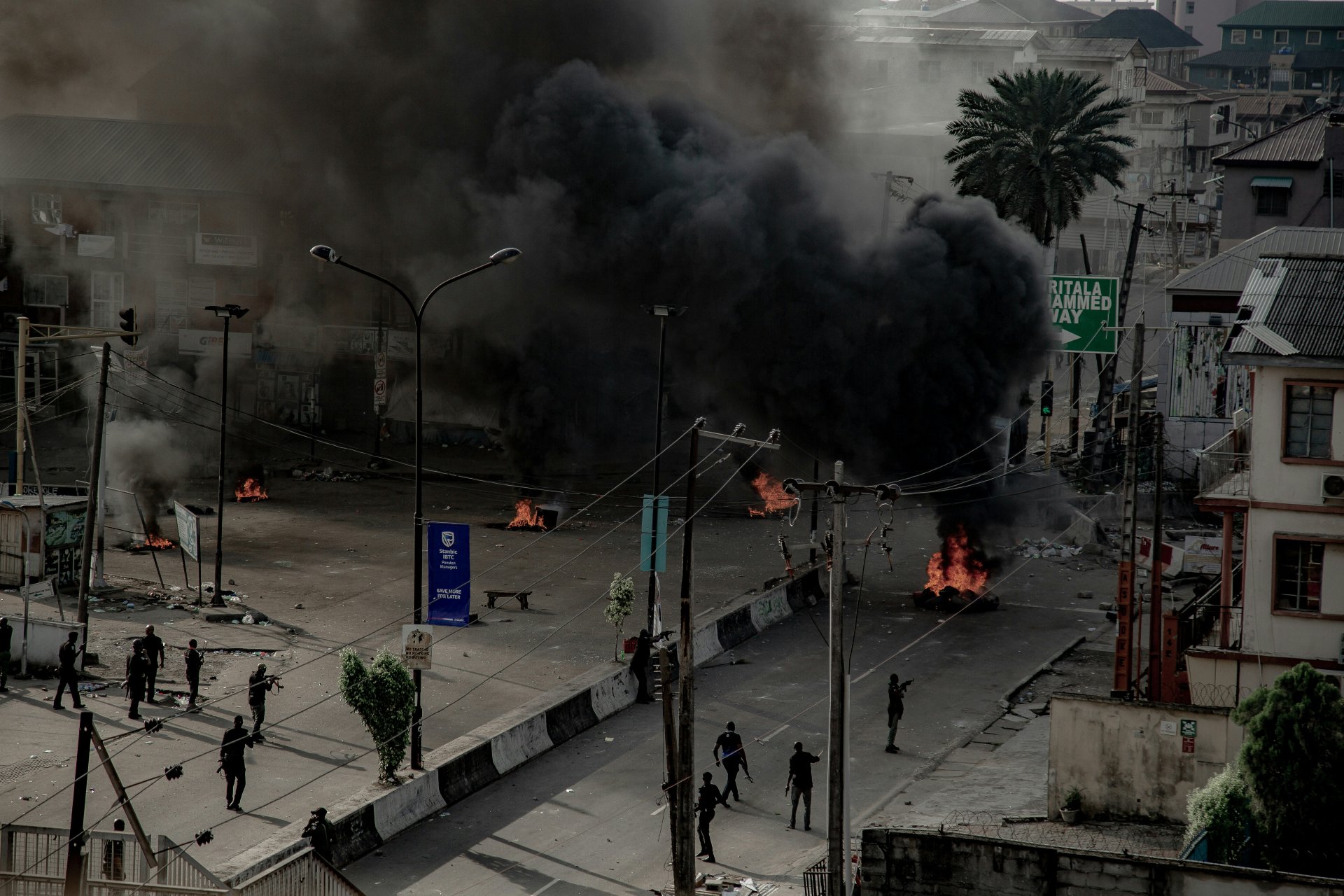
“Global Rescue kept me settled, calm and informed,” said UK businessman and Global Rescue member Michael Blease-Shepley regarding a dangerous situation in Nigeria with sporadic civil unrest.
Penny Garza, a recent member, agreed. She gets a sense of security since joining. “I go to Europe a lot, and the farther east I go, the more nervous I get as of late.”
Boundless Travel, Endless Possibilities
Some providers refuse traveler protection if they think your activities are too risky. With Global Rescue, there are no activity restrictions. It doesn’t matter if you’re climbing the Matterhorn, paragliding in the Everglades or scuba diving off a remote island shore.

“For my kind of outdoor travel, I enjoy the peace of mind that Global Rescue will always be there to assist when the situation is dire and needs an urgent intervention,” said Shadi Joweihan, a new member.
We have rescued injured climbers stuck in a remote Pakistan mountain range, an adventure racer suffering a dangerous infection in Fiji, a surfer with a serious eye injury in Indonesia, and a traveler on safari attacked by a leopard in Botswana. Your Global Rescue membership covers your adventure activities with no limitations.
Extraordinary Help for Ordinary Travel Situations
But peace of mind doesn’t only come from knowing that you have expert help in a potentially life-threatening emergency. It also comes from knowing the big and small questions stemming from travel troubles and inconveniences are taken care of, too.
Did you lose your passport? Are you looking for the nearest pharmacy that speaks your language? Do your travel destinations have the medical infrastructure you may need? Is the dangerous weather event going to impact you? With your Global Rescue membership, our in-house experts will answer these travel questions on your first call.
Maredith Richardson’s passport was stolen in France and the process of getting an appointment for passport replacement could have taken weeks. “The Global Rescue team handled it completely, got it hammered out within a couple of hours and got me into the embassy for an urgent passport replacement appointment,” she said.
“The one travel membership I don’t leave home without is Global Rescue,” says Joanne Herd, a travel advisor for Girasole Travel. “After leading humanitarian trips to Haiti for several years and purchasing a membership each time, I highly recommend them.”
Peace of mind isn’t a service you can buy, but rather an outcome members enjoy thanks to our team of paramedics, nurses, physicians and military special forces veterans who consistently provide life-protecting medical, security and intelligence services for travelers.
It’s why Global Rescue was named “Best Travel Membership” by Forbes magazine. Dr. John Hertner, a member since 2016, summed it up best. “Having a Global Rescue membership means the elimination of worry about what if.”
|
(Lebanon, N.H. – September 7, 2023) Hurricane Lee is quickly intensifying and likely to become a Category 4 or 5 catastrophic storm by the weekend. Weather experts predict the hurricane will bypass Florida and will continue to track its progress closely as the storm advances. National Oceanic and Atmospheric Administration officials predict an above-normal level of hurricane activity this year putting residents and travelers in the coastal and island storm paths on notice to prepare. “Weather tracking technology allows people to track hurricanes well in advance of landfall, giving them ample time to prepare their homes and evacuate, if needed,” said Dan Richards, CEO of The Global Rescue Companies, the leading provider of medical, security, evacuation and travel risk management services. “Nevertheless, every year there’s a handful of people who stay put, facing the storm head on, either because they are unwilling or unable to do otherwise.” The following five tips will help residents and travelers prepare for a hurricane and post-storm survival:
A Category 1 hurricane generates tropical winds of 74 miles per hour or more along with torrential rain, thunder and lightning. In a Category 5 hurricane, wind speeds can easily double to devastating gusts of nearly 160 miles per hour. Storm surge is the leading cause of hurricane-related deaths. As water from the ocean pushes toward the shore from the force of the winds, storm surges can demolish buildings, undermine roads and erode coastlines. “Even if you’re not located directly on the coast, damage from a storm surge can occur more than 100 miles inland. The results can be catastrophic,” Richards said. ### Contact Bill McIntyre at bmcintyre@globalrescue.com or 202.560.1195 (phone/text) for more information. About Global Rescue Global Rescue is the world’s leading provider of medical, security, evacuation and travel risk management services to enterprises, governments and individuals. Founded in 2004, Global Rescue has exclusive relationships with the Johns Hopkins Emergency Medicine Division of Special Operations and Elite Medical Group. Global Rescue provides best-in-class services that identify, monitor and respond to client medical and security crises. Global Rescue has provided medical and security support to its clients, including Fortune 500 companies, governments and academic institutions, during every globally significant crisis of the last two decades. For more information, visit www.globalrescue.com. |
Categories:
Missions & Member TestimonialsTravelSeptember 7, 2023

The more travel rebounds, the more people are exploring remote destinations. Which means they’re likely to go to places that may not have sufficient medical care.
“The closest medical facility isn’t always the right one,” said Dan Stretch, operations manager at Global Rescue. “We get you to the most appropriate hospital for your illness or injury.”

A travel protection membership can transport members to a vetted medical center or their home hospital of choice. It’s the reason why U.S. resident Jacob Dickson joined.
“I no longer am concerned with the quality of health care when traveling,” Dickson said. “I know that Global Rescue will get me to quality medical care in the U.S.”
Your Global Rescue membership, however, isn’t only for emergencies. There might come a time when you have a question about a symptom like a twisted ankle, an upset stomach or even a bug bite. Members call us to get real-time access to doctors, paramedics and nurses who will help sort out the do’s and don’ts based on your unique situation and symptoms.
“Our team of medical professionals includes paramedics, nurses and doctors,” said Michael Lovely, operations supervisor at Global Rescue. “We handle calls for cuts and stomach upsets to more severe illnesses and injuries, like chest pains and serious trauma.”
Available any time, any day, your Global Rescue travel protection membership team will direct you to the best local medical resources around the world, so you’re not left guessing about how to best address your health concerns.

During a trip to Cameroon, a longtime member, Rick Steiner, received a medical advisory phone call from a Global Rescue physician. “I got a food or waterborne illness. It was extremely helpful to properly medicate myself. The doctor called me back 12 hours later to see how I was doing. That’s why I’ve had a Global Rescue membership for at least a decade.”
Diseases and Pandemics
Since the onset of the pandemic, a travel protection membership continues to help members locate appropriate hospitals and testing facilities for infectious diseases. Even in the U.S. One member traveling in the U.S. with his family called on us to help identify local urgent care centers where he and members of his family could be tested for virus antibodies and infection.
“The Global Rescue medical operations team investigated the area, vetted multiple resources and provided the member with the needed information,” said Jeff Weinstein, a paramedic and medical operations supervisor for Global Rescue.

Suzanne Blowers, a member for nearly a decade, chose to join for the peace of mind we provide if medical care or advice is warranted in any situation during international travel. “We used Global Rescue to find medical care since we were positive with COVID-19 and had another underlying disease [that added complexity to treatment],” she said.
Whether it’s a medical evacuation by speedboat for a member who needed emergency eye surgery following a surfing mishap or an air ambulance transport for a member on safari who was attacked by a leopard, it only takes one call, email or in-app message to get in touch with our in-house medical professionals for immediate help.
When David Helland, a Global Rescue member since 2018, called us for the first time he was immediately impressed. “I was talking to somebody who actually knew something. At most companies, the person you talk to doesn’t know what they need to know, and you have to keep going further to get the real help you need,” he said.
Intensifying Wanderlust
Travelers are catching up on trip opportunities lost due to the pandemic, and they’re planning multiple trips this year, according to the summer 2023 Global Rescue Travelers Sentiment and Safety Survey. In fact, half of the world’s most experienced travelers are planning four or more trips in 2023. But travel plans look a bit different than they did pre-pandemic. Today’s travelers are increasingly more interested in exploration and cultural immersion, and less interested in some of the more traditional tourist activities (think surfing instead of sunning on the beaches of Rio de Janeiro).
This growing enthusiasm for places beyond the traditional can mean less accessibility and more risk. Which makes a Global Rescue membership an even more essential item to “pack” for all your trips.
“Travelers are demonstrating a growing desire for authentic experiences in an increasingly globalized and connected world,” said Dan Richards, CEO of The Global Rescue Companies. “While pent-up demand is playing a role in the adventure travel boom, we don’t expect to see it subside anytime soon.”
For nearly 20 years, Global Rescue has answered the needs of travelers at home and abroad without any disruption of service, and we will continue to do so. We expect more than 100,000 calls from members this year and more than 2,000 rescue missions in scores of countries and territories.

Howard Burkart, a member of nine years, puts it best. “It eases me knowing that I have planned for the unexpected. With a Global Rescue membership, nothing is really unexpected.”
Categories:
Health & SafetyTravelAugust 31, 2023
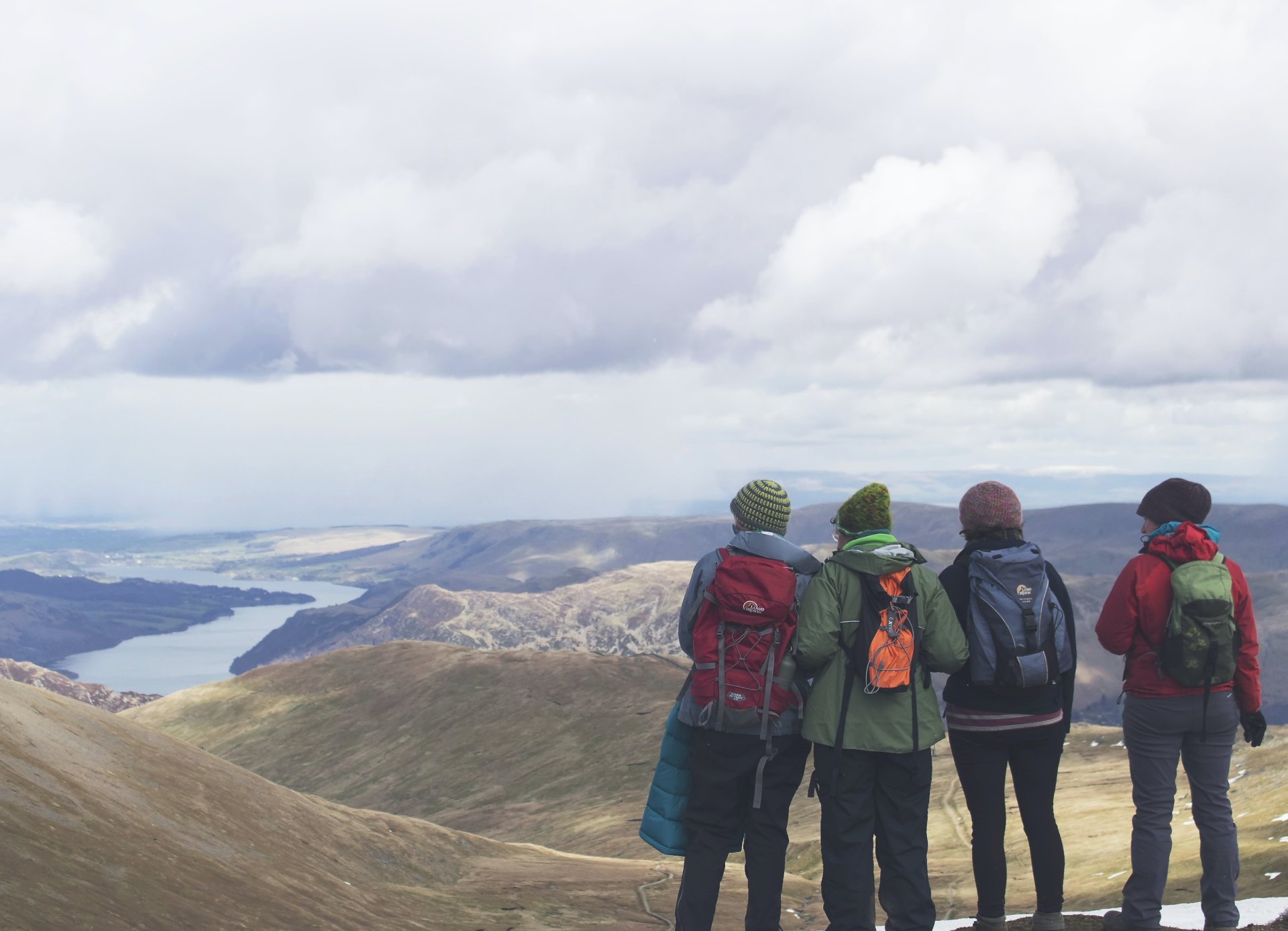
For centuries, women hiking, women traveling solo and women in the wilderness have been rarities. According to the 2018 Outdoor Recreation Report by the Outdoor Foundation, only 20 percent of women continue to enjoy outdoor recreation by the time they are 66, including activities like hiking, camping, fishing, climbing and more. This is in marked contrast to the 40 percent of men still participating in their 60s. But, as access to education and the outdoors has increased, women are donning their hiking boots, backpacks and waders in droves, forever changing the landscape of outdoor recreation travel.
But it’s not just education and access that have increased women’s participation in hiking, solo travel and general outdoor recreation. Something powerful happens when a woman explores the wilderness. And it’s that uniquely special experience that keeps her coming back.
What is that experience? Our women-owned Global Rescue partners see it all the time as they lead women-only trips to breathtaking new places. What moves their clients to get outside? What are their favorite trips? How does a Global Rescue membership help travelers navigate the potential pitfalls of outdoor adventures? Let’s find out.

AWExpeditions
Breaking down societal stereotypes
Sunny Stroeer founded AWExpeditions (AWE) following her 2014 solo-climb of Aconcagua in Argentina. Struck by how often she was asked, “Where is your guide? Are you here with your husband?” Stroeer realized that while the presence of women in the wilderness has increased over the years, “there seems to be a lingering assumption that, on average, the mountains are for men.”
Shea McCrary joined AWE in 2022 as a part-time operations manager and shared that her experience lined up with Stroeer’s.
“Before working with AWE, every climbing mentor I had learned from had been a man and my regular climbing partners were predominantly older white men as well,” she shared. “I struggled to find consistent female adventure partners.”
McCrary believes in outdoor adventure travel for women because it “has the potential to break societal stereotypes and empower women by showcasing their strength, independence and leadership in traditionally male-dominated environments. By embracing physical and mental challenges in outdoor adventures, women gain self-confidence, develop resilience and find empowerment in pushing their limits.”
Favorite Trip
McCrary loves planning trips in Central and South America.
“We have trips that span from glaciated volcanoes outside of Mexico City like Pico de Orizaba all the way to the high peaks of Peru and Argentina,” she said. “There is something so transformative about the landscape.”
How Global Rescue Helps
For McCrary and the teams she leads with AWE, a Global Rescue membership provides emergency medical protection and peace of mind.
“Even with a solid plan, an undeniable skillset and an organized team, it’s still possible for family and friends to worry,” she said. “But with Global Rescue, our travelers are able to share their peace of mind with loved ones.”
[Related Reading: Safety Tips for Safety Tips for Solo Women Travelers]
She also notes that AWE recommends an annual policy to bring that peace of mind to training challenges, longer hikes or solo adventures throughout the year.
WHOA: Women-Powered Adventures
“I never knew how strong I was.”
Allison Fleece and Danielle Thornton started WHOA: Women Powered Adventures in 2013 after climbing Mount Kilimanjaro in Tanzania for the first time.
After returning home, Fleece said, “we were physically back in New York, but our minds were back on Kilimanjaro. We quit our jobs, started this nonprofit and six months to the day of our first trip, we were going back and had organized other scouting trips.”
WHOA now takes thousands of women on hundreds of trips in 13 locations around the world.
It’s that addictive sense of empowerment that inspires Fleece as she plans and takes women on these adventures.
“A common theme we hear is ‘I never knew how strong I was,’” she said. “Women come back feeling they can truly do anything. The confidence was always there, but doing something like the Kilimanjaro hike brings it out.”
And it has “real life” implications, Fleece said. “Women feel they can ask for that promotion, quit a toxic job, advocate for themselves or a cause they believe in.”
Favorite Hike
“Probably Kilimanjaro, but it’s hard to pick!” she said. “We take the Machame route, which has five unique climate zones; it never gets boring. And our local team – our guides, porters and cooks – make it truly spectacular. The hospitality is second to none.”
How Global Rescue Helps
Fleece said Global Rescue has given them reassurance and confidence to travel to remote regions, knowing they can call Global Rescue if they are in a predicament.
[Related Reading: What Traveling Women Want]
She also notes when it comes to medical evacuations, which can cost hundreds of thousands of dollars, it’s worth the comparatively small price of a membership to have the peace of mind that you are protected.

Finatical Flyfishing
Expanding our minds
Stephanie Albano founded Finatical Flyfishing because she often found resources for women scarce in this male-dominated sport.
“I wanted to offer a fun environment for women to pursue flyfishing and experience new destinations,” Albano said.
It’s those new destinations – and their people and cultures – that make her excited about creating women-only fishing trips around the world.
“Travel teaches us about new people, cultures and ideas, which expand our minds,” she said. “It also gives us the confidence-building opportunity to meet our fishing goals in a foreign country, while discovering new gratitude for all we have back at home.”
Favorite Flyfishing Spot
Albano said she considers herself blessed to fish in beautiful international destinations, but her favorite spot is still Henry’s Fork of the Snake River in Idaho.
“The challenging fishing, the beautiful landscape, wildlife and amazing people make it a very special place,” she said.
How Global Rescue Helps
“Being in a foreign country with a different medical system isn’t always the easiest situation,” she said. “Knowing you can pick up the phone and someone will handle all of the logistics, medical care and other emergency needs for you is very reassuring.”
Bring Your Protection Team
No matter who you are, how you travel, or who you might travel with, a Global Rescue membership is always a good idea. There’s no doubt that women-only trips unlock confidence and inspire the next generation of women travelers. But a Global Rescue membership boosts that sense of adventure with the mental security that there’s someone there who’s always got your back in case something goes awry.
Categories:
Missions & Member TestimonialsAugust 24, 2023

Travelers are catching up on trip opportunities lost due to the pandemic, and they’re planning multiple trips in 2023, according to the summer 2023 Global Rescue Travelers Sentiment and Safety Survey. Half of the world’s most experienced travelers are planning four or more trips this year.
Demand for adventure tourism has shot up since COVID-19 with African safaris, hiking trips, camping excursions and motorcycle tours experiencing the fastest growth. “Travelers are demonstrating a growing desire for authentic experiences in an increasingly globalized and connected world,” Richards said. “While pent-up demand is playing a role in the adventure travel boom, we don’t expect to see it subside anytime soon.”
Global Rescue continues to answer the needs of travelers at home and abroad without any disruption of service. In the past month, we responded to a variety of medical emergencies including a field rescue for a member attacked by a leopard in Botswana and a bush plane medical evacuation of a burn victim from a remote Canadian Arctic research facility. In a typical 30-day period, Global Rescue executes hundreds of operations in dozens of countries and territories. Below are highlights from some of our most recent operations in various locations.
Speedboat Rescue in Indonesia
A U.S. member surfing in Mentawai, Indonesia, was struck in the head by his board causing a severe injury to his eye. A friend of the member contacted Global Rescue and reported his friend’s right eye was lacerated with an embedded foreign object. The member received initial treatment and surgery at a local medical clinic. Following the surgery, the treating physician recommended the member be transferred to a hospital capable of a higher level of care in Padang for further management of his injuries. Global Rescue medical operations personnel evaluated the medical recommendation and coordinated a private speedboat to transport the member from Mentawai Island to Padang in mainland Indonesia. Following the successful transport, the member received further successful surgery for his damaged eye. The member reported feeling better and was discharged at the end of the day with pain medications before booking his return flight to his home in Maine, U.S.
[Related Reading: Altitude Sickness Strikes Again]
AMS on K2
A member from Texas developed severe headache, diarrhea, weakness, cough, altered mental status, and low oxygen saturation while trekking to Concordia Base Camp on Mount K2, Pakistan. The member’s expedition team contacted Global Rescue medical operations who recommended immediate evacuation by the fastest means after reviewing the case and the Concordia Base Camp nurse assessment. An airborne emergency medical field rescue was initiated, and the member was transported to a hospital in Skardu where he was examined, diagnosed and treated for severe altitude mountain sickness (AMS). The attending physician discharged the member following treatment and continued his recovery at his hotel in Skardu.

Leopard Attack in Botswana
A U.S. member was in a remote camp in Botswana when he suffered a leopard bite to his calf. He received multiple penetration wounds that were further complicated by the member’s history of a blood clotting disorder. He was taken to a nearby medical clinic that could perform basic wound care. Global Rescue medical operations staff initiated and completed a successful air ambulance medical evacuation flight transporting the member from Botswana to a Johannesburg, South Africa, hospital capable of a higher level of diagnostics and medical care. The member was treated and released.
Intestinal Bleed on Baltoro Glacier in Pakistan
A U.S. member climbing the Baltoro Glacier in Pakistan became severely ill over two days, suffering persistent diarrhea, progressive worsening of abdominal pain and labored breathing. The member tried antibiotics and rehydration salts for his condition, but the symptoms continued. A trained paramedic who was part of the climbing group reported the member’s condition, which included an abdominal protrusion, redness on the skin and unusually dark stools. The climbing leaders contacted Global Rescue medical operation personnel who determined that the symptoms suggested upper GI bleeding, a possible hernia or cellulitis, each of which required immediate evaluation. A helicopter field rescue was activated to recover and evacuate the member from the Baltoro Glacier to a medical center in Skardu where he was evaluated, diagnosed and treated for Melena due to damage to the upper GI lining. He received IV medications, antibiotics and gastric acid control medications. Treating physicians discharged him several hours later with a fit-to-fly assessment and a recommendation to get further evaluation and treatment upon his return home.
[Related Reading: How To Use a Global Rescue Membership]
Bush Plane Rescue From a Remote Arctic Lab
A U.S. member suffered multiple burns at a research station in the Canadian Arctic. A crew member contacted Global Rescue requesting assistance and possible transport of the member to a nearby medical facility. Global Rescue medical operations staff coordinated a field rescue from the remote lab site utilizing a bush plane to transport the member to a nearby medical facility. Following a successful rescue and transport, the member was evaluated and diagnosed with multiple first and second-degree burns to his hands, head, arms and chest while working at the Canadian Arctic Research Station. He was treated for his injuries and released to return to his home in Seattle, Washington, for further burn care.

Trapped by Canadian Wildfires
A wildfire trapped a group in Canada. They contacted Global Rescue and reported that nearly a dozen people were surrounded by a raging forest fire and were unable to leave while at an airfield exclusively serving a hydroelectric generating station in northern Quebec, Canada. Local emergency response was notified but it was uncertain if they would be able to reach the people cut off by the flames. The group was advised to stay inside but to move to the tarmac if the fire spread to the buildings. Global Rescue coordinated with multiple regional emergency response resources who were able to reach the group and evacuate them to safety.
Motorcycle Spill in Japan
A U.S. member wiped out on a curve while riding his motorcycle in Bisuka, Hokkaido, Japan. The member was taken to an emergency facility in Nayoro City before another transport to a hospital in Asahikawa where a higher level of care was available. The member received surgery and was admitted to the intensive care unit (ICU). The member suffered multiple fractures, renal injury, and traumatic brain bleed (subarachnoid hemorrhage). Treating physicians at the Asahikawa hospital recommended that the member be transported to a hospital in Taiwan for definitive care. Global Rescue medical operations physicians concurred following the case review and recommended immediate care upon arrival in Taiwan. The member was successfully transported to Taiwan and admitted to the hospital where treatment and recovery continue.
Double Rescue in Pakistan
A pair of South African members needed emergency field rescue from Paiju, Pakistan. One member experienced chest pain while trekking Baltoro Glacier. The other injured his foot and hand while coming to the aid of his companion. The member suffering from severe chest tightness and pain radiating through to his left arm tempered some of his discomfort by taking aspirin and supplemental oxygen. Meanwhile, the member with the injured ankle reported his foot had turned purple, was unable to bear weight and was experiencing severe pain and immobility in his thumb. Due to the conditions of both members, Global Rescue medical operations personnel activated an emergency airborne field rescue for the transport of both to a Skardu hospital. One member was admitted to the ICU for heart attack treatment (myocardial infarction). He was ultimately transported to an Islamabad hospital capable of a higher level of care. Following treatment in Islamabad, the member was transported safely to his home in Cape Town, South Africa, for definitive cardiac care. The member with the injured foot and thumb was transferred to a hospital in Islamabad for further evaluation before returning safely to his home in South Africa.
Categories:
Health & SafetyAugust 22, 2023
Imagine you’re wandering the cobblestone streets of Southern Italy, enjoying a dream vacation with your loved one. All of a sudden, their foot catches on one of those ancient stones, and they’re down—both knees have deep cuts and their hands are badly scratched.
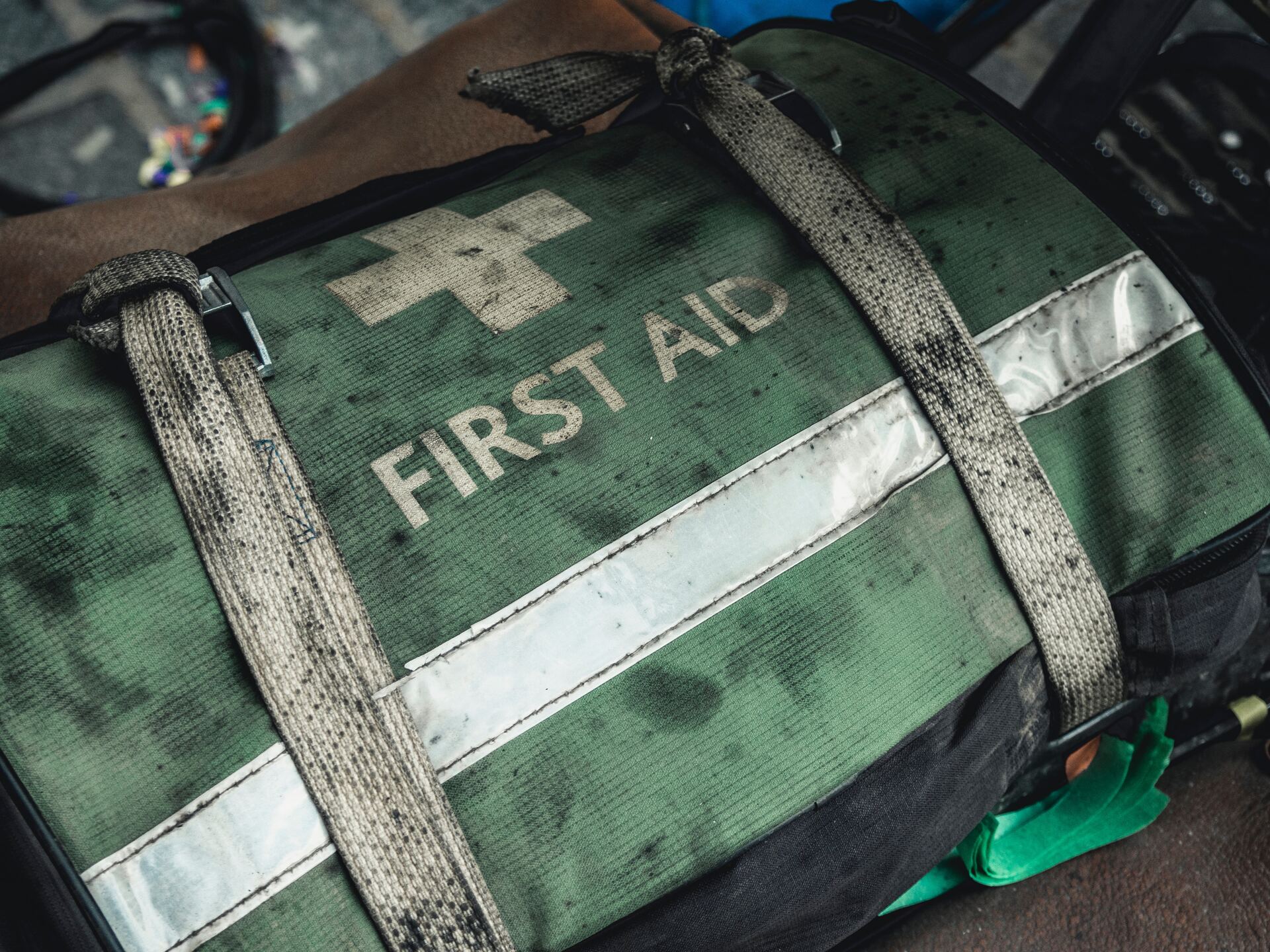
As for you? You’re calm, you’re collected. Granted, you’re not a doctor, a nurse, or a paramedic. Perhaps you’re not even trained in basic first aid. But, rather than fumbling to find first- aid supplies in broken Italian, you’re prepared. You pull out a tightly packed first-aid supply kit from your backpack and get to work with alcohol wipes, antiseptic ointment and bandages.
You’re a hero. You kept a minor injury from turning into a major ordeal – the only trip disruption being the comfort gelato you get from the nearby stand as you regroup and get ready for your ancient cathedral tour, which you are still going to make.
Most of the time, travel injuries are minor but it’s knowing how to treat them on the spot that is the difference between keeping your dream vacation on track and an inconvenient derailment.
Let’s outline the basic supplies of a traveler’s first-aid kit, and give you some examples of common injuries and how to treat them.
The Traveler’s Basic First-Aid Kit
Planning your first-aid kit is key. If you want to take this seriously, don’t stop with buying the generic kit. That might be a good place to start, but you need to familiarize yourself with the kit and potentially supplement with more supplies.
“First-aid kits need to match the duration and location of your trip,” said Harding Bush, security manager at Global Rescue.
He urges travelers not to forget the small stuff, which is more likely to happen.
“If not treated immediately, small cuts and blisters could escalate into a bad situation,” he said.

For small travel injuries, Bush said a basic first-aid kit should include:
- Safety gloves to protect you from bodily fluids.
- Antiseptic ointment.
- Alcohol wipes.
- Supplies to control bleeding: bandages, butterfly closures, different sizes of bandages and gauze for bigger wounds.
- Prepacked pressure dressings that will help you stop and control the bleeding, such as Quikclot bleeding control dressings.
- Elastic bandages (such as ACE bandages), which are helpful for treating wounds and immobilizing joints and fractures.
- Moleskin bandages for covering blisters.
- Nutritional items to protect against dehydration and low blood sugar: Electrolyte drink mixes and nutrition bars.
- Small emergency blanket in case you get cold. This is very effective in maintaining a victim’s body heat.
- Tourniquet to restrict arteries and stop arterial bleeds, which can be fatal even before emergency responders arrive.
While some of these items may seem extreme for casual travel, they are all compact and can fit in a portable first-aid kit. And why not be prepared? You’re more likely than a medical professional to administer first aid to yourself .
“Most people that administer first aid are not medical professionals,” Bush said.
[Related Reading: The Ultimate World Travel Safety Kit]
Now that you have your first-aid kit, let’s go through three possible scenarios with some tips from the Mayo Clinic on how to respond. Of course, this does not replace official training. Bush recommends getting basic first-aid training through groups like the Red Cross.
Cuts and Scrapes
The Mayo Clinic shares these guidelines for addressing minor cuts and scrapes:
- Wash your hands or use antibacterial solution to help avoid infection.
- Stop the bleeding. Apply gentle pressure with a clean bandage if bleeding does not stop on its own.
- Clean the wound. Rinse the wound with water if possible, clean out debris and clean with alcohol.
- Apply an antibiotic or petroleum jelly. Apply a thin layer to keep the surface moist and help prevent scarring.
- Cover the wound with a clean gauze dressing.
- Change the dressing at least once a day or if the bandage gets dirty.
- Get a tetanus shot if you haven’t had one in the past five years and the wound is deep or dirty.
- Watch for signs of infection. See a doctor if you see signs of infection on the skin or near the wound, such as redness, increasing pain, drainage, warmth or swelling.

Minor Burns
- Cool the burn. Hold the area under cool (not cold) running water for about 10 minutes. If the burn is on the face, apply a cool, wet cloth until the pain eases. For a mouth burn from hot food or drink, put a piece of ice in the mouth for a few minutes.
- Remove rings or other tight jewelry items from the burned area. Try to do this quickly and gently, before the area swells.
- Don’t break blisters. Blisters help protect against infection. If a blister does break, gently clean the area with water and apply an antibiotic ointment.
- Apply lotion. After the burn is cooled, apply a lotion, such as one with aloe vera or cocoa butter. This helps prevent drying and provides relief.
- Bandage the burn. Cover the burn with a clean bandage. Wrap it loosely to avoid putting pressure on burned skin. Bandaging keeps air off the area, reduces pain and protects blistered skin.
- If needed, take a nonprescription pain reliever, such as ibuprofen (Advil, Motrin, etc.), naproxen sodium (Aleve) or acetaminophen (Tylenol, others).
[Related Reading: Survey: Expert Traveler Tips, Secrets and Mistakes Revealed]
Foodborne Illness
- Sip liquids, such as a sports drink or water, to prevent dehydration. Drinking fluids too quickly can worsen nausea and vomiting, so try to take small, frequent sips over a couple of hours instead of drinking a large amount at once.
- Take note of urination. You should be urinating at regular intervals, and your urine should be light and clear. Infrequent passage of dark urine is a sign of dehydration. Dizziness and lightheadedness also are symptoms of dehydration. If any of these symptoms occur and you can’t drink enough fluids, seek medical attention.
- Avoid anti-diarrheal medications. They may slow your body’s removal of organisms or toxins from your system. If in doubt, check with your doctor about your particular situation.
Global Rescue: The Ultimate Travel Hero
Now you’re prepared for minor injuries, but what if the worst case happens? Unfortunately, even the best planners can still face an unexpected crisis.
Enlist the help of the best travel hero out there: Global Rescue. We’re always at the ready: to prepare you with expert risk analysis of your travel location with our destination reports; to rescue you from dire circumstances with our evacuation services; and to guide you through medical emergencies with our on-staff doctors.
Learn more about our memberships today.
Categories:
NewsAugust 17, 2023
(Lebanon, N.H. – August 16, 2023) Loud, rude conduct and disrespectful or entitled behavior by tourists while visiting another country are the leading characteristics that infuriate the world’s most experienced travelers, according to the summer 2023 Global Rescue Traveler Sentiment and Safety Survey.
“Global tourism is on track to rise by 30% in 2023 as travelers make up for lost time due to the pandemic-related travel restrictions. Unfortunately, a few travelers may have forgotten their manners in their post-pandemic travel exuberance. If so, then I hope they remember them soon,” said Dan Richards, CEO of The Global Rescue Companies and a member of the U.S. Travel and Tourism Advisory Board at the U.S. Department of Commerce.
An important part of travel is the responsibility each traveler bears at every destination. Are you dressed inoffensively? Is your behavior appropriate for the region? How you present yourself in foreign localities reflects on your homeland, but it also stirs reactions from the local population that could be helpful or provocative.
According to the survey, the worst tourist conduct observed by other global travelers was being too loud (27%). In second place, 26% of respondents reported that travelers’ unwillingness to try local cuisine or follow local social customs was the most infuriating behavior. The third most disappointing trait (18%) was the expectation that destination residents speak the same language as the traveler. Fewer than 10% of respondents said tourists who wear revealing, offensive or shabby clothing were the most exasperating.
“When you’re visiting a new country, it’s essential to respect the local culture and customs. Behaving like a tourist can be seen as disrespectful and offensive to locals. Travelers should do the research to know and understand the little things about the customs and culture of your destination,” said Harding Bush, a senior manager for security operations at Global Rescue.
Looking and acting like a tourist can produce assumptions that you are inexperienced, naive, lacking cultural awareness, and wealthy. “Standing out as a tourist can make you appear vulnerable and an easy target for scams, pickpockets and other types of crime. By blending in you reduce the risk of local criminals or scam artists spotting you as a foreign traveler and targeting you for fraudulent schemes or petty crimes,” Bush said.
###
Contact Bill McIntyre at bmcintyre@globalrescue.com or 202.560.1195 (phone/text) for more information.
About the Global Rescue Traveler Sentiment and Safety Survey
Global Rescue, the leading travel risk and crisis response provider, conducted a survey of more than 2,300 of its current and former members from July 11-15, 2023. The respondents exposed a range of behaviors, attitudes and preferences regarding international and domestic travel.
About Global Rescue
The Global Rescue Companies are the world’s leading provider of medical, security, evacuation and travel risk management services to enterprises, governments and individuals. Founded in 2004, Global Rescue has exclusive relationships with the Johns Hopkins Emergency Medicine Division of Special Operations and Elite Medical Group. Global Rescue provides best-in-class services that identify, monitor and respond to client medical and security crises. Global Rescue has provided medical and security support to its clients, including Fortune 500 companies, governments and academic institutions, during every globally significant crisis of the last two decades. For more information, visit www.globalrescue.com.
August 17, 2023
When company executives head out on the road, the stakes are extremely high. The reputation of the company, the brain power behind its success, the public-facing persona —it’s all on the line. And these days, when the world has so much access to the lives of the rich and famous, protecting executives is especially complex
Here are the potential pitfalls of modern executive travel and tips for how to mitigate them.
The Basics Can Bite You
Despite their success or celebrity, when an executive goes out into the field, they are ultimately still just a person, susceptible to the most basic risks of health and safety as any other person. A blistered foot can turn into an infection. Food borne illness can strike. Don’t let something minor take down the figurehead of your company.
It’s the responsibility of the company’s risk manager to take into account even the most basic scenarios. They need to make sure the team is equipped with a first-aid kit that can cover anything from minor scrapes to food poisoning. When the risk manager covers off on these basics, executives will be comfortable in the small ways that make a real difference on an important work trip.

Be Ready for Serious Medical Emergencies
Before leaving for the trip, make certain the entire security team is aware of any concerns in the executive’s medical history. Do they have chronic back problems? What is your plan if they do? Are they diabetic or hypoglycemic? Make sure you have necessary supplies like insulin and nourishing snacks on hand. These illnesses can be particularly hard to manage internationally, where medical supplies and resources may be less readily available. This is especially true in remote locations where medical services may be limited.
Increasingly, the best executive protection teams include a medical professional in case serious medical emergencies occur.
Cybersecurity
“Business executives are among the biggest targets of phishing and whaling attacks, in large part because they have such a high level of access to important data,” said CSO Online. “It’s vital that executives know what to look for that would indicate such an attack.”
This is especially true when executives travel to countries where internet connections are not as stable.
Protection against cyber crime starts before the trip begins by educating executives about digital security. Cyber security refers to every aspect of protecting an organization, its employees and their digital assets against cyber threats. As cyberattacks become more common and sophisticated and corporate networks grow more complex, a variety of cyber security solutions are required to mitigate corporate cyber risk.

Threats can often come from email. Modern email clients can make it easier to tell when a message comes from outside the organization but, according to Andrew Ellis, CSO at Akamai Technologies, a provider of content delivery network services, not all do. “Consider advising your company to tag, or change colors, of all messages from outside the company.”
Kidnappings and Shootings
Kidnappings and assassinations are perhaps the most feared risks of any executive travel. To protect against these extreme scenarios, the key is to avoid the risk altogether.
“A security detail is inherently proactive, meaning that it travels ahead of your team to evaluate the level of security of your destination and, if necessary, change plans. Of course, they can also respond to crises, but avoidance is the top goal,” said Harding Bush, a former Navy SEAL and senior manager for security operations at Global Rescue. He is also an expert in high-risk travel, cultural awareness, crisis preparedness, leadership and operational planning.
Cultural Awareness Is Protection
If your executive is headed to another country, they need to be briefed about cultural differences and taboos in advance. If they are not clued into these realities, their behavior could garner disrespect from the locals on the ground and put them at a greater risk.
This is especially important if your executive’s gender, lifestyle, political or religious beliefs put them in conflict with the prevailing cultural norms of the business trip designations.
[Related Reading: Better Awareness, Safer Travel]
Get Executives on Board
In order for any of this to work, executives need to be bought in.
CSO Online states, “Teaching the executive how to remain safe, emergency procedures, expectations from the security detail, and familiarization with protocols can be a tremendous asset in an emergency.”
Make sure your executives are briefed on the plan and are ready to follow the procedures set in place. This will increase safety and productivity, allowing business objectives to be met even in challenging and remote locations.
A Plan With No Omissions
“Corporate liability extends to omissions as well as negligence,” TravelPerk reported.
That’s why you need a partner to help you think through a comprehensive executive protection plan. Global Rescue is that partner.
Our team of security and medical experts can help you create and execute a plan with no omissions. The safety of your people and the reputation of your company depend on it.
Contact Global Rescue about traveler medical and security protection membership opportunities today.
(Lebanon, N.H. – August 15, 2023) The Global Rescue security operations team supported several members during the Maui wildfire, including helping a California family get to safety during the deadly disaster in Lahaina, Hawaii. “The wildfire was spreading rapidly due to high winds and power was lost throughout the region,” said Adam Bardwell, a security operations manager for Global Rescue, a corporate travel risk and crisis management firm.
The member and his family safely reached Kapalua Airport where communication service remained temporarily intact, but the flights were stalled due to the dangerous conditions. The member contacted Global Rescue security operations seeking potentially life-saving advice.
“Due to the uncertainty on the ground, the Global Rescue security operations team relayed a rapid action plan with multiple escape contingencies that included evacuation options via land, sea, and air. We advised the member to drive immediately to Kahului Airport along route 340 if it remained open and clear, and board a flight off Maui to the island of Oahu,” Bardwell said.
At that point, communications were cut off but not before the member received Global Rescue’s list of alternate evacuation options which included an air evacuation from a small airfield via a chartered aircraft if Route 340 to the Kahului Airport was impassable and a boat transport capable of landing on the Maui shore to evacuate personnel and then returning to a nearby fishing vessel at sea. Helicopter transport out of the area was unavailable due to high winds that had grounded rotary wing aircraft. “If all airlift plans were unsuccessful, Global Rescue had pre-arranged for a zodiac boat transport capable of launching off Maui from the beach to a fishing vessel at sea,” Bardwell said.
Inadequate communications services on Maui during the disaster hindered overall safety and contributed to confusion. Thousands of people on Maui lost cellphone service because of the wildfires and, combined with the loss of 911 emergency services and officials failing to activate the state’s outdoor siren warning system, exacerbated.
Bardwell suggests travelers carry a satellite messaging system. “If you’re going to a place that has limited exits and limited cellphone service, the satellite communicator is absolutely necessary,” said Bardwell. “It doesn’t matter where you are, you have to be able to make the call for help.”
###
About Global Rescue
The Global Rescue Companies are the world’s leading provider of medical, security, evacuation and travel risk management services to enterprises, governments and individuals. Founded in 2004, Global Rescue has exclusive relationships with the Johns Hopkins Emergency Medicine Division of Special Operations and Elite Medical Group. Global Rescue provides best-in-class services that identify, monitor and respond to client medical and security crises. Global Rescue has provided medical and security support to its clients, including Fortune 500 companies, governments and academic institutions, during every globally significant crisis of the last two decades. For more information, visit www.globalrescue.com.
Categories:
Health & SafetyTravelAugust 15, 2023

Travelers are planning multiple trips in 2023, according to the summer 2023 Global Rescue Travelers Sentiment and Safety Survey. “Half of the world’s most experienced travelers are planning four or more trips this year, and they’re using credit card reward points to help pay for them,” said Dan Richards, CEO of the Global Rescue Companies and a member of the U.S. Travel and Tourism Advisory Board at the U.S. Department of Commerce.
Global Rescue conducted a survey of more than 2,300 of its current and former members from July 11-15, 2023. The respondents shared a range of behaviors, attitudes and preferences regarding international and domestic travel.
A fifth of respondents are planning six or more trips in 2023, another 31% will take four-to-five leisure trips, and 41% said they would take two-to-three vacations. Only seven percent said they would take a single trip and one percent reported they would not take any leisure trips in 2023.
With inflation and the rising cost of travel, it’s no surprise that most respondents (64%) reported using credit card reward programs to offset leisure trips and vacation expenses.
Adventure Tourism Increases, but Not Everywhere
Travelers are catching up on lost trip opportunities due to the pandemic. Demand for adventure tourism has shot up since COVID-19 with African safaris, hiking trips, camping excursions and motorcycle tours experiencing the fastest growth. But, there’s a limit to the risks travelers are willing to take, according to the survey.
The overwhelming majority of respondents (75%) would decline space tourism, even if they could afford the half-a-million-dollar cost for a few minutes of weightlessness. When it comes to undersea adventure tourism, 65% of respondents said they would take part in snorkeling or scuba diving tours of reefs, underwater caves, marine life and shipwrecks. Only 5% would stay at an undersea hotel or dine at an underwater restaurant. Less than 2% would sign up for a deep-sea tour in a submarine.
[Related Reading: Immersive Adventure Tourism]
“Travelers are demonstrating a growing desire for authentic experiences in an increasingly globalized and connected world,” said Richards. “While pent-up demand is playing a role in the adventure travel boom, we don’t expect to see it subside anytime soon.”
As more people return to travel and plan multiple trips, most (61%) are traveling with a guide, an outfitter or an expedition organization in 2023. “Respondents consistently indicated they include on-the-ground experts on their trips to reap the benefits of their local language skills, cultural knowledge, touring efficiency and overall safety,” said Matt Aubin, associate director of Global Rescue partner and channel programs.
Travel Fears Nosedive
Traveler fears are dwindling at the same time many are hoping to plan trips to countries currently listed by the U.S. Department of State as Level 3 – Reconsider Travel. “As the travel rebound continues, traveler worries are shifting dramatically and their appetite for exploring the world is increasing,” Richards said.
Traveler concerns about civil unrest and terrorism decreased by half in the last six months, withering from 14% to 7% since January 2023, according to the survey. Apprehension about COVID exposure and infection while traveling has dramatically dropped at a rate of 88%, down to 4% compared to 33% in August 2022.
Nearly half (48%) of the world’s most experienced travelers claim their greatest anxiety is having an injury or accident followed by trip cancellation (13%). Yet, despite that, travelers are increasingly interested in visiting new destinations outside of the traditional ones.
Before the pandemic, people were more content with traditional tourist attractions. Viewing the Mona Lisa in the Louvre and taking a River Seine cruise in Paris, visiting India’s Taj Mahal, or soaking up the sun on the Guanabara Bay, Rio de Janeiro, during Carnival, historically were go-to vacation activities. Now, tourists have a growing enthusiasm for places beyond the traditional, some of which are risky.
The U.S. Department of State issues a travel advisory for every country and rates them on a risk scale from 1 to 4. A country with a Level 4 designation carries a “Do Not Travel” advisory due to a greater likelihood of life-threatening risks. A Level 1 travel advisory is the lowest level for safety and security and advises travelers to exercise normal precautions. Travelers going to countries with a Level 2 advisory are encouraged to exercise increased caution due to heightened risks to safety and security.
[Related Reading: Executive Protection vs Bodyguards]
The countries listed by U.S. officials as Level 3 are the destinations where government officials advise people to reconsider and avoid travel due to serious risks to safety and security. Among the list of 20 countries with a Level 3 travel advisory, Egypt, Colombia, China and Hong Kong are the top four destinations the world’s most experienced travelers want to visit. Nigeria, El Salvador, Cote d’Ivoire and Niger were the least desirous places, according to the survey.
“The desire and willingness to travel to less touristy destinations are how many travelers will avoid the crowds associated with the post-pandemic travel rebound,” Richards said. “Before COVID, people were content with traditional tourist destinations. But now, places that are less accessible and a little more risky are gaining interest.”
Despite the travel rebound and the end of the COVID crisis, the threat of another pandemic remains. “Some may believe there’s no need to spend money to protect against a new potential pandemic, but they’re wrong,” Richards said. “It’s not a matter of if but when a new pandemic will emerge, and we have the means to prevent it, provided the international community has the will.” Most survey respondents (60%) agree and want international governments to invest in and develop pathogen scanners that can be deployed in transportation hubs like airports and railway terminals.
Survey Reveals Bad Tourist Behaviors
Loud, rude conduct and disrespectful or entitled behavior by tourists while visiting another country are the leading characteristics that infuriate travelers, according to the survey.
[Related Reading: Better Awareness, Safer Travel]
The worst tourist conduct observed by other global travelers was being too loud (27%). In close second place, 26% of respondents reported that travelers’ unwillingness to try local cuisine or follow local social customs was the most infuriating behavior. The third most disappointing trait (18%) was the expectation that destination residents speak the same language as the traveler. Fewer than 10% of respondents said tourists who wear revealing, offensive or shabby clothing were the most exasperating.
“When you’re visiting a new country, it’s essential to respect the local culture and customs. Behaving like a tourist can be seen as disrespectful and offensive to locals. Travelers should do the research to know and understand the little things about the customs and culture of their destination,” said Harding Bush, a senior manager for security operations at Global Rescue.
Looking and acting like a tourist can produce assumptions that you are inexperienced, naive, lacking cultural awareness, and wealthy. “Standing out as a tourist can make you appear vulnerable and an easy target for scams, pickpockets and other types of crime. By blending in you reduce the risk of local criminals or scam artists spotting you as a foreign traveler and targeting you for fraudulent schemes or petty crimes,” Bush said.
Travel safe and smart with a Global Rescue membership, which includes destination reports for 215 countries with up-to-date travel information — medical, security and intelligence data — in one place. A Global Rescue membership can also help travelers find coronavirus-capable hospitals and testing facilities or provide field rescue from the point of illness or injury to the nearest appropriate hospital, clinic or medical provider. Click here to learn more.