
Categories:
Health & SafetyPlaces & PartnersTravelApril 11, 2023
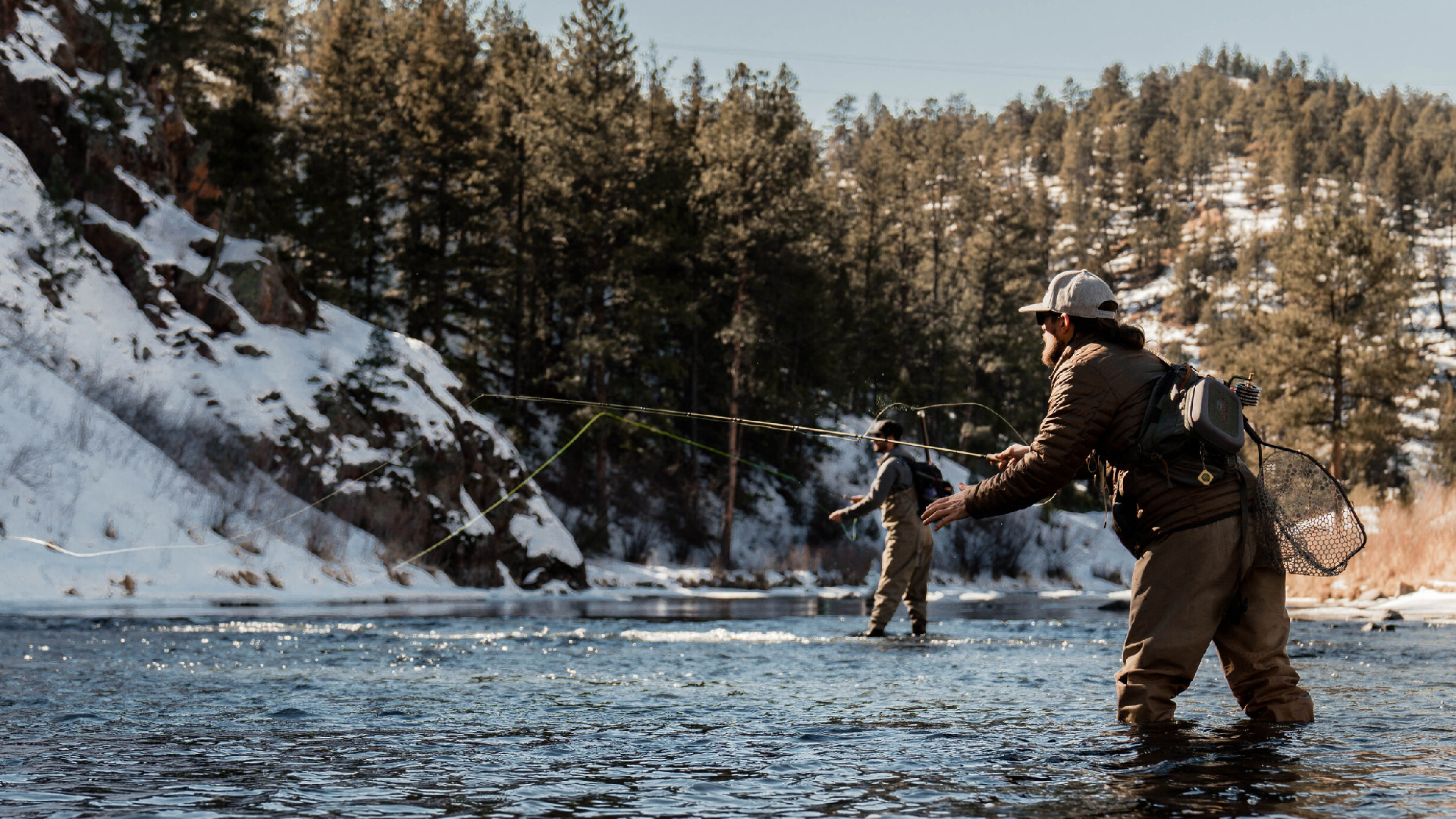
Ah, spring in the northern hemisphere.
If you’re an angler, spring means one thing: hungry fish.
You’d be pretty hungry, too, if you were a fish and spent the last few months avoiding the ice and snow , hunkered down in a deep hole in a stream, slowing your metabolism and occasionally expending as little energy as possible to catch an invertebrate drifting by. After a winter of what is essentially dieting, freshwater stream fish, like trout, are as eager to eat as anglers are to catch them.
While ravenous fish are the big factor, there are many reasons that might make spring the king of all fly fishing seasons.
Jake Wells, the U.S. Domestic Program Director for Yellow Dog Flyfishing, a Global Rescue Safe Travel Partner that offers angling experiences all over the world including in the United States, says “springtime is one of the most overlooked and underrated times to fish for a few different reasons. For starters, there are fewer anglers out on the water and freshwater stream fish have yet to see a lot of angling pressure.”
That last point is an important one. The best fishing spots, especially public ones, get crowded and quickly fished out during peak season.
Brian Hodges of Double Haul Travel, another Global Rescue Safe Travel Partner that also hosts fishing trips around the world, agrees. “There aren’t as many people out fishing in the spring for a lot of reasons,” he says. “Which is too bad because the trout are waking from their long winter slumbers and are looking for some serious groceries.”
[Related Reading: What’s in Your Fishing First Aid Kit ]
Hodges is a fan of early spring fishing in particular. “In early spring, the water is slower, before warmer temperatures make the snow melt rapidly and cause high, muddy water, which is an unfishable condition,” he says. “Some years, April and even May are incredible fishing months because you’re getting to the water before the flows increase.”
Timing Your Catches With Insect Hatches
Water flows and crowds are important considerations, but when it comes to outsmarting the fish, it’s all about the fly. An act of pure deception, every fly is an artifice, designed to imitate the appearance, motion, and light reflection of the things that fish eat. Dry flies – the bait resembling a real insect that rests on the surface of the water – or wet flies – bait that mimics underwater insects – are imposters. Which is why understanding what insects are hatching and when is fundamental to fly fishing.
One of the best ways to improve your chances of catching fish in the early weeks of spring is to “nymph,” or use a wet fly that’s designed to look like the pre-adult stage sub-aquatic insects that comprise a large part of a fish’s diet in the very early season.
“The fish are hungry right now in early April and will be eating a variety of insects in their nymph stage beneath the surface,” says Hodges, speaking specifically about the trout native to his home in Montana. “Few insects are flying yet, so we need to fish where fishes’ current food source is, underwater.”
Typically, it’s not until early May when warm, overcast days bring the first flying insect hatches to the water’s surface, and shift anglers’ bait of choice from wet to dry flies.
What kinds of insects? “Depending on the river, spring hatches consist of midges, mayflies such as Blue-winged Olives and March Browns, as well as caddis appropriately called Mother’s Day Caddis,” says Wells. “And select rivers in western states can also have a spring Skwala (stonefly) hatch. So, anglers will want to select flies that look like those insects.”
Not into entomology? You could attempt to find the right selection of flies among the thousands of books and websites out there dedicated to such information. Or, you could just ask your guide.
Time Is on Your Side in the Spring
They say the best time to fish is when the fish are biting. In the spring, that’s the afternoon. Which means that you don’t have to set that alarm clock. In fact, taking your time to get out the door will probably improve your chances of catching fish.
“You can expect to see better fishing from around 12 -2 p.m. as water temperatures encroach on the magic 50°F mark, when fish become more active.” says Hodges.
Wells agrees that there’s no rush. “You can sleep in, have a leisurely morning, and then head out around lunchtime without missing anything,” he says. “If conditions are right, most spring insect hatches won’t start until the warmest part of the day, which is usually around early to mid-afternoon.”
While a midday start is normally the best time, Hodges is quick to point out that weather and water conditions are just as important. “Depending on the style of fishing you’re doing, a sunny bright day between 1-3 p.m. might be the best time to fish, while other days if air temperatures are warmer, you might want a cloudy day so the waters stay clear.”
Spring 2023 Fly Fishing Forecast
So, how will the fish bite this year? Snowpack and forecasted average air temperatures are two of the biggest indicators when trying to predict the fishing. In the western U.S., near record-breaking snowpack in some places could mean that high water conditions persist well into the season which, on paper, doesn’t bode well for ideal spring fishing conditions. A lower-than-average snowpack on the east coast, however, could result in better waters into the meat of the spring fishing season, when insects are starting to hatch.
But if you’ve got your heart set on that classic western fly fishing experience, all is not lost. You just may have to wait a couple more months. “The majority of river drainages throughout the Greater Yellowstone area are above their snow water equivalent percent of normal,” says Wells. “This is great news for the upcoming summer season.”
Angling for Fly Fishing Advice During Spring
Both Hodges and Wells agree that using a guide or outfitter is your best bet for springtime fishing. Not because they’re guides (they are), but because they’ve been on the client side themselves many times, and didn’t have the knowledge necessary for a successful trip.
“Don’t book a trip and then expect to find a guide when you arrive,” says Hodges. “Plan well in advance and make sure the guide has a plan B and even C in case the weather or conditions are not good for fishing that specific water.”
Also, fishing regulations can change from year to year, and from river to river. It’s always a good idea to check online before going to fish somewhere for the first time each year.
And just because the sun is out and the wind is fair one minute, doesn’t mean it’ll stay pleasant the whole day.
“Be prepared for whatever Mother Nature might throw at you,” warns Wells. “Just know, however, that some of the best fishing can also be during the worst weather.”
Safety Tip: Pack for Remote, Even If You Are Local
Fishing isn’t as high risk as some sports. “We do not see many fishing injuries,” said Jeffrey Weinstein, medical operations supervisor at Global Rescue. “I would say the most frequent are hook-related or falls.”
Weinstein, with training and experience in austere medicine and wilderness rescue, likes to be prepared for all possible situations.
“People may be on prolonged fishing expeditions, possibly at sea or in remote areas,” he said. “Minor injuries can become big issues if left uncared for while trying to get out of a remote area.” A Global Rescue travel protection membership includes emergency rescue, evacuation and medical advisory.
Global Rescue Safe Travel partners, like The Fly Shop in Redding, California, know what anglers need to stay safe.
Patrick Pendergast is the director of international travel at The Fly Shop, a leading fly fishing outfitter, travel agent and retail store. He always carries the Northwest River Supply Paddler Medical Kit with him while fishing.
“It comes in a waterproof dry bag and has most of the essentials you would need,” Pendergast said.
Amy Ray, president of The Sisterhood of the Outdoors, a company dedicated to creating opportunities for women to hunt, fish and learn to shoot, also brings something sharp with her on fishing trips: “Wire snappers if you have to push a barb through your finger.” “Where we go, you can’t walk out,” Ray said. “Although we’re most often dealing with cuts and scrapes — a slip of a knife is the most common injury — it’s important to have the basics with you at all times.”
Weinstein recommends vacuum sealing different modules within your fishing first aid kit to protect it from water exposure.
“I would vacuum seal a medications module, a bandaging module, etc. You can cut a little triangular notch in the side to make it easier to rip open when needed,” he said. “Then I would vacuum seal the entire bag. This way if you open one module for something everything else is still protected. I would also carry extra zip-lock bags to seal an opened module.”
Lebanon, N.H. – April 6, 2023 – The full impact of a deadly avalanche striking a Himalayan mountain pass in northeast India this week is unknown but rescue operations for climbers and trekkers affected by the snow slide continue. “Avalanches are one of the deadliest things that can happen on a mountain, and they’re one of the greatest risks a climber or trekker can face,” said Dan Richards, CEO of Global Rescue. “Preparing for them is a key element of the Global Rescue operations team activity before every deployment to the Himalayas.”
Global Rescue, the world’s leading provider of field rescue and medical evacuation services, has medical and rescue experts for on-the-ground rescue operations in Nepal – nearly 300 mi/476 km from the site of this recent avalance. .
Rescue operations after a major snow slide are inherently more dangerous since the chance of further avalanches is elevated, according to Dan Stretch, a Global Rescue operations manager who is based in Nepal during the Mount Everest climbing season and has coordinated hundreds of evacuations and crisis response operations.
“Additional avalanche risk is a factor. We have to determine the safety for a ground or airborne rescue that will take place where we know the snow and ice are unstable. Avalanches can make the terrain around climbers and trekkers less accessible to rescuers. We receive reports from local expedition groups. Beacon technology helps recover climbers trapped in the snow. Everyone works together,” Stretch said.
Avalanche forecasting provides up-to-date avalanche conditions, but it’s not as reliable as weather predictions. Climbers communicate with their expedition provider to make them aware of the avalanche risk during a climb. Ascents and descents are attempted during the time of day when avalanche risk is lowest. Whenever possible, mountaineers typically carry an avalanche transceiver, probe and shovel when they start their expedition,” Stretch said.
In October 2022, a massive avalanche swept down Mount Manaslu, striking the mountain’s base camp. Fortunately, there were no fatalities. Later that day, another avalanche on the same mountain tragically took the life of a Nepali guide. A few days later, a deadly avalanche struck a group of mountaineers training on Mount Draupadi ka Danda II.
###
Contact Bill McIntyre at bmcintyre@globalrescue.com or 202.560.1195 (phone/text) for more information.
About Global Rescue
Global Rescue is the world’s leading provider of medical, security, evacuation and travel risk management services to enterprises, governments and individuals. Founded in 2004, Global Rescue has exclusive relationships with the Johns Hopkins Emergency Medicine Division of Special Operations and Elite Medical Group. Global Rescue provides best-in-class services that identify, monitor and respond to client medical and security crises. Global Rescue has provided medical and security support to its clients, including Fortune 500 companies, governments and academic institutions, during every globally significant crisis of the last two decades. For more information, visit www.globalrescue.com.
Categories:
Health & SafetyPlaces & PartnersTravelApril 6, 2023
Every spring, like clockwork, schools close and students seek an academic breather from the books. Friends, couples and families, desperate for a dose of vitamin D, seek a respite from the cold winter months. And the faithful spend time reflecting as they observe springtime religious holidays like Easter, Passover and Ramadan.
Each circumstance prompts travel. But, with news reports revealing old and new dangers related to the seasonal change, travelers face challenging decisions about what spring break destinations are safer and how to stay safe when they arrive.
We can help with those decisions. Here are five steps to maximize your safety during spring break travels.
- Do Your Pre-trip Research
Harding Bush, senior manager of security operations for Global Rescue, recommends doing your homework before you go, and after you arrive. “Talk to people who have been there before. Stay at known hotels and resorts that have well-established security,” he says. Global Rescue members are experienced travelers, and careful pre-travel planning is not a new concept for them. “Our members should make themselves aware of all the significant threats and hazards so they can avoid an escalating incident.”
- Check the Safety Record
“Don’t just look at State Department warnings and advisories. Look at the news, the U.S. news and the local news in your destination. Another good resource is The U.K Government Foreign Travel Advice site , which gives details about what is driving its traveler recommendations.”

- Assess the Weather
Some predictable potential disasters are seasonal. Hurricane season in the Caribbean starts in June and ends in November. The rainy season in Africa lasts from June to October. Typhoons in Thailand are more likely to occur between June and December. Be sure to look at weather reports and patterns.
- Stay Together
If anyone in your group or family is leaving an area or an event, they should do so in pairs. Tell others in the group that you’re leaving and be specific about where you’re going, why you’re going there, and when you’ll be back. Be certain to keep your phones at hand. Got kids? If there are two parents or adults in the group, task one with always keeping their eyes glued to the kids, while the other goes off to tackle the necessities, like standing in the ticket line, grabbing food at the concession stand or a souvenir at the gift shop.
- Stay Alert
Minimize your cell phone screen usage in crowds. Maintain situational awareness at all times and be prepared to take action if needed. Global Rescue provides medical and security evacuation and advisory services, like these crowd safety tips for the holidays, to travelers every day. Click here for more information on membership options.
Is It Safe To Go to Mexico During Spring Break?
“Asking a security professional where to go for spring break is like asking a doctor what cigarette is safe to smoke,” Bush said. “Spring break is the perfect storm of a high-risk age group, international travel, crime, alcohol and predators.”
Mexico, a frequent destination for spring breakers, leads the international headlines for traveler dangers. Tourists in Cancun occasionally are caught up in violent car service policy protests between taxi and Uber drivers. In Matamoros, four Americans were kidnapped – and two killed – after crossing the border for a medical procedure. “While crime and drug-related violence in Mexico have been making headlines for years, the latest spate has prompted a series of security alerts,” according to a news report in AFAR. The U.S. State Department issued a warning in early March to avoid traveling to most of Mexico due to the risk of violent crime.
So, is it safe to travel to Mexico for spring break? It depends on where you go. “Mexico is a big country so it’s important to understand the situation in the specific locality you are heading to,” Bush said. “There’s a lot of crime in Mexico but it doesn’t necessarily target tourists. The crime is there and unless you’re careful you could find yourself in the wrong place at the wrong time.”
Where Is Spring Break Safer?
Not every spring break destination is a good idea. Global Rescue has advised members of spring break COVID risks in 2021, security risks in Mexico in 2018, tainted alcohol in 2017 and the Zika virus in 2016. This year, Global Rescue experts have identified seven safer spring break destinations and offered our take on what each destination has to offer.
- Barbados – Plenty of beaches. Limited crowds. Surfing at Bathsheba Beach includes scenic rock formations. Gentle surf and calmer water make Carlisle Bay an option for waders and swimmers.
- Bermuda – Not so crowded in the spring. Known for Horseshoe Bay Beach and a combination of British and American cultures.
- Dublin – If beachcombing isn’t your thing, then consider the lively metropolitan capital city of Ireland for its castles, cathedrals and cliffs.
- Grand Cayman – Easily accessible from the U.S. via nonstop flights, Grand Cayman is a model tropical escape featuring soft, sandy beaches, and colorful marine life for snorkeling and scuba diving.
- Mallorca – So close to wild Ibizia, yet so far away from those crowds. Known for great Mediterranean beaches, Mallorca is also close to Old Town Palma de Mallorca where dining and shopping abound, and the La Seu sandstone cathedral resides.
- Molokai – Off the beaten paths of Hawaii, this small island is where visitors enjoy outdoor adventure in spectacular, tropical surroundings with sea cliffs, beaches and rainforests.
- Phoenix – A desert paradise in Arizona, the state capital is known for its year-round sun, warm temperatures, golf courses, nightlife and the Desert Botanical Garden.
Get Travel Safety Information at Your Fingertips
The Global Rescue Intelligence team tracks worldwide travel risks, and health and safety information, all day, every day. Our destination reports cover everything from currency and common scams to travel health and personal security advice for 215 countries and territories worldwide. Access them here, on the My Global Rescue App† or in your Member Portal. Global Rescue has been a leader and pioneer in the travel protection services industry since 2004. We provide the finest integrated medical, security, travel risk and crisis management services available anywhere, delivered by our teams of critical care paramedics, physicians, nurses and military special operations veterans. Click here to learn more.
Categories:
Places & PartnersTravelApril 4, 2023

In 2023, the romance travel industry has never been riper with opportunities for traveling lovers. From delayed honeymoons to babymoons to the new “familymoons,” star-crossed sweethearts are traveling around the world like they’re making up for lost time.
Let’s look at the latest romance travel trends, where to go to rekindle that loving feeling and why Global Rescue’s destination reports are an essential resource to help travelers determine which places are or aren’t safe. So, grab your planner and start dreaming.
2023 Romance Travel Trends
Make it epic.
If there’s anything we’ve learned since 2020 it’s that life is unpredictable. We shouldn’t wait to make lasting memories with the ones we love. Traveling amorists increasingly realize this, prompting them to visit those most memorable, most epic places on earth.
TheKnot.com says that couples in 2023 aren’t just looking for luxury and relaxation on their travels, they’re looking for a story.
And they’re willing to pay for it, Jubilee Travel says of these “mega-moons.” Couples are planning beyond a beach vacation and including multiple destinations, dotted with activities that spark romance and give them a story to tell when they return home.

Bring the whole family.
It’s no surprise that pandemic-caused travel restrictions have limited couples’ abilities to go on romantic getaways. But now that authorities have, for the most part, lifted restrictions, couples are getting creative about how to make up for the missed celebrations. One solution? Bring the whole family. Dubbed “familymoons,” couples are taking the whole crew on a memory-making adventure.
And for the just married, many newlyweds are taking advantage of a widespread desire for travel and inviting their wedding guests stay beyond the ceremony to enjoy the destination for an extended getaway.
Make it responsible.
Giving back can be romantic, too. “Conscious travel” has been on the rise, according to TheKnot.com, with many couples choosing to connect over a shared desire to make the world a better place.
“Many luxury properties offer a form of “volun-tourism” or education to service locals and enlighten honeymooners,” the site said.
Leave the screen behind.
Luxury Travel Consultant Tracy Effron of An Avenue Apart told TheKnot.com she “highly encourages honeymooners to put their phones away. Save posting on social media until either the end of each day or after the trip. This keeps them attentive to one another and the trip without keeping their heads in their devices and allows them to truly unplug.”

The Most Romantic Destinations
Travel + Leisure has released its 50 most romantic getaways for couples, and it’s sure to make your heart beat a little faster.
Top of the list is Scotland, which is beloved for its quaint towns, rolling green hills and whiskey distilleries.
If you’re looking for classic white sands and warm sunshine, the list includes classic spots like the British Virgin Islands, Mexico, Hawaii and bigger destinations like Phuket, Thailand.
Door County, Wisconsin, made the list with its unassuming charm and secluded spots where romance can bloom. Other stateside spots with romantic charm include Washington state, the Oregon coast, several spots in California and “the rugged coasts and quaint towns of Maine.”
If you and your partner are destination romantics, the list has you covered. The Galápagos Islands, Chassignolles, France, Willemstad, Curaçao, and Santorini, Greece, are just a start.
Not So Romantic Destinations
When you’re in love, the world is your oyster, to a point. There are some locations to keep off your long list. Here are a few destination factors to consider when building out that romantic getaway wish list:
- High crime or volatile political climates – While it’s always important to be aware of crime wherever you travel, some destinations will cause undue stress on your romantic getaway if they’re areas fraught with petty crimes or political instability.
- Hostile environments for women – Some countries may have an unequal view of women, which may result in a less than comfortable (and not so romantic) vacation. The U.S. Department of State recommends these considerations for female travelers before you go.
- Adverse environments for LGBTQ+ travelers – It’s best to steer clear of countries where cultural, political or religious norms and laws will not welcome, or even endanger, LGBTQ+ travelers. The U.S. Department of State recommends these considerations for LGBTQ+ travelers before you go.
For comprehensive and up-to-date information for 215 countries and principalities, Global Rescue’s destination reports, included in a membership, can help you determine which trips to bucket into your “do” and “do not” lists.
Love Is in the Air With Global Rescue
If there’s one thing romance travelers want to avoid, it’s stress. But the fact is, even the most romantic, best-planned escapes can be foiled by the unexpected.
Global Rescue knows this well, which is why we offer medical and security evacuation services should a crisis occur. A membership will give you the peace of mind to truly relax and be present wherever your heart my take you.
And what could be more romantic than that?
Categories:
Health & SafetyPlaces & PartnersTravelMarch 30, 2023
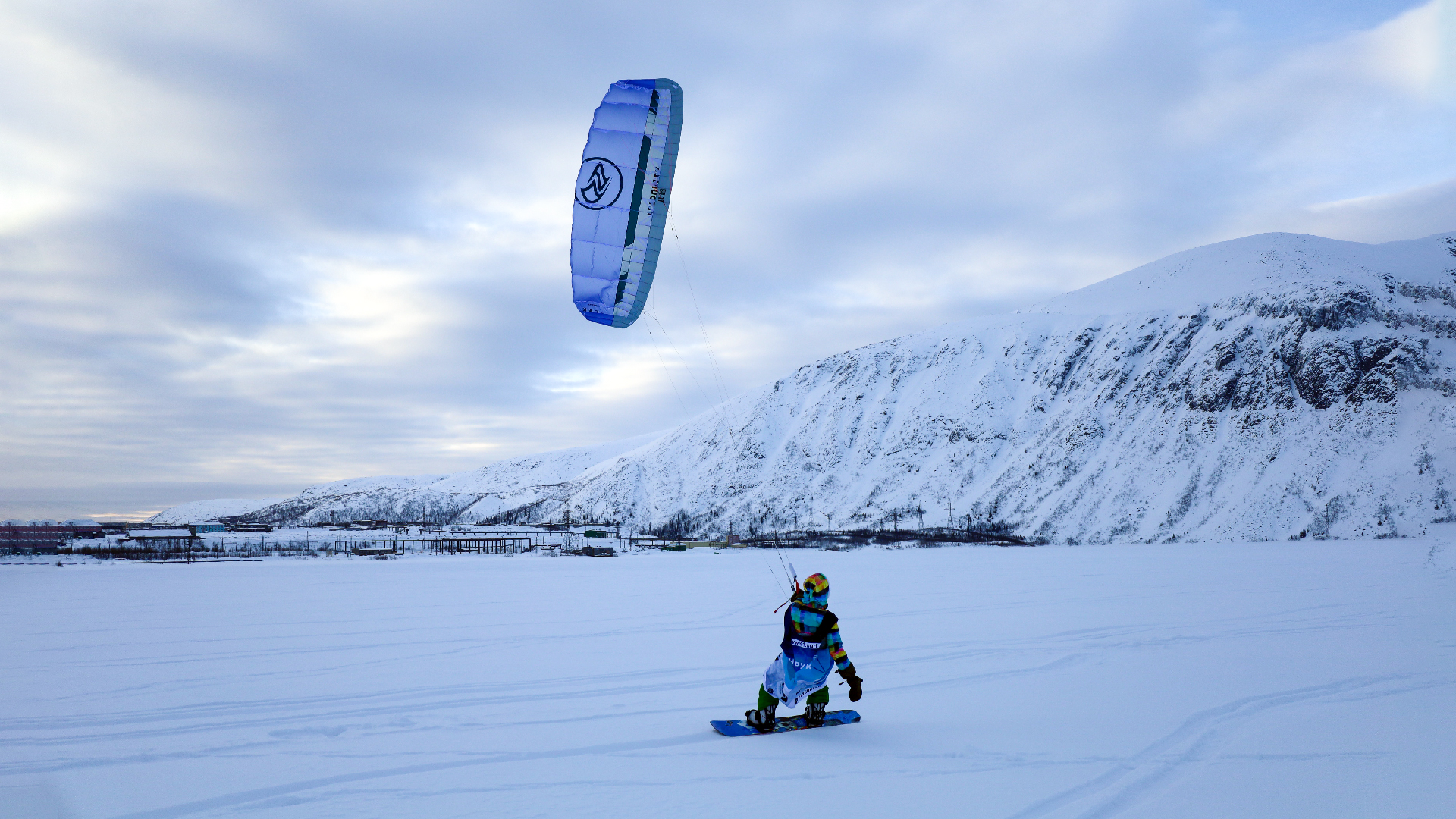
With snow on the ground and a Global Rescue membership to help keep you safe, the action sports possibilities are endless. Long gone are the days of thinking about skiing, for example, as resort-based only. Today, the fastest growing segment in the ski industry is backcountry. And if you’ve got the resources, what skier or snowboarder doesn’t dream of shredding untouched powder, run after run, via helicopter.
But it’s not just about skiing. Today’s winter adventurers are going deeper into the backcountry and hungrier than ever to try new, sometimes quirky activities. Like snow kayaking, which we wrote about in part one of this series.
What other new action sports are we going to suggest next? Read on.
Snowkiting
For most skiers and riders, the staccato rhythm of ski run down, lift ride up, repeat, is just simply how it’s done. The price for a high quantity of Alpine thrill ride descents is the chairlift, gondola or tram ride back up, and the costs and crowds associated with them.
Snowkiters have figured out a workaround, one that relies on wind power and self-propulsion instead of the carbon-reliant, cable-affixed aerial lifts that are synonymous with ski resorts.
To get going, snowkiters click into their ski or snowboard bindings, pull on their purpose-built snowkite harnesses, launch their kites into the air and let the wind pull them up or across the terrain. At the top, the kiter turns and coasts down the mountain, as if on air, sometimes even catching it.
Sounds exhilarating, doesn’t it?
From northern to southern hemisphere, this fast-growing snow sport is within your reach wherever you find winter.
Snowkiting, or kite skiing, pioneer Ken Lucas shared his favorite spots with The Kiteboarder: Lake Tahoe, Mount Hood, Snoqualmie Pass on Lake Keechelus in Washington State and Mount Haggin in Montana, south of Anaconda. He said snowkiting can be good across the United States from New England, to the Midwest and, of course, out West, where he says conditions are most consistent in Utah, Wyoming and Montana. If you want to go abroad, he recommends Col du Lautaret in France for beginners and experts alike. The Andean snowkite scene is taking off too, for those of you seeking that endless winter.
Ridestore magazine says it’s best to have “plenty of snow and wide, open spaces”” like a high alpine meadow – any place where there are few rocks and even fewer trees. This is why snowkiters prefer the above tree line terrain of the Rockies or the barren slopes of the Alps. But while those areas are ideal, Ridestore says you can have a lot of fun ripping around a large and snowy field, preferably one with a few small rolling hills, or even on a snow-covered lake.
Getting into the Wind
Ridestore says that snowkiting is not difficult to learn.
“The main things are how the wing reacts to the wind, gains speed and slows down. Then, it’s luffing up or bearing away – nautical terms for steering into or away from the wind — to learn how to launch and lower the kite, turn and stop if things are getting out of hand. Once you can do those things, it’s just boarding or skiing from there!”
You are carried along by your body weight, not by your arm strength. So, while it helps to be in good physical shape, you don’t need to be a bodybuilder to have command of the kite.
Being Safe So You Don’t Sail Away
Ken Lucas said the number one safety factor is the wind. In the U.S. he said you can rely on the U.S. National Weather Service for a spot forecast. Ridestore says that the greatest risk in snowkiting is when the kiter is not in control. Make sure you have the baseline experience with a kite and a favorable weather forecast.
The most common injuries in snowkiting are related to inexperience or improper equipment. If you’re just starting, go with an expert or sign up for a class where someone can help you mitigate these risks with the right gear.
Speaking of, you’ll need a kite that’s right for your skill level, your weight and your strength. You’ll also need a harness that allows the kite to drop when releasing the control bar.
Like pretty much anything else, start small, kite at your skill level and then work your way up, literally.
Snowmobiling
For winter sports junkies, it’s all about reaching those untouched places. No matter how high or how far, most of us want to be the first to cut across that fresh powder. Snowmobiling – or snowmachining or sleddin’, depending on where you are – allows you to “explore landscapes that are hard to reach by foot, ski or snowshoe,” says Manawa, a booking platform for outdoor activities.
They recommend several spots across Scandinavia for snowmobiling, as well as spots in France. Fodors’ top 10 list of best places to snowmobile in the U.S. includes places across the country in Montana, Wyoming, Vermont, Utah, Maine, Colorado, Minnesota and Wisconsin. And like most things snow-related, if people do it in the northern hemisphere, they do it well below the equator, too. Snowmobiling in the Andes is plenty popular, thanks to the area’s expansive, treeless terrain.
Unless you own a snowmobile and have access to the backcountry, snowmobiling usually happens with an instructor.
Starting Those Engines
“You must be at least 18 and own an up-to-date drivers’ license to be able to operate a snowmobile,” says Manawa. “And before driving this engine, it would be best if you already had previous experience driving a motorcycle or a scooter.
Snowmobiling is more straightforward than some cars and motorcycles because there is no gear shifting, just a “start button,” throttle and brakes.
While snowmobiles can be easy to operate, if you’re going on rugged terrain, operating them can be physically demanding.
“Plus, you’ll be driving for hours in the cold, so you need extra strength to drive correctly,” says Manawa.
If you’re planning an extreme excursion, consider this workout regimen from professional snocross racer, Nick Lorenz.
Snow Safety Can’t Be a Maybe
As with any snow sport, being aware of avalanches is a must. You can read our tips for avalanche awareness here.
Wear clothing that will keep you warm and protected from the water and snow. Manawa recommends winter motorcycle gloves which can keep your hands warm against the elements at high speeds. Even though many modern snowmobiles have heated grips, dexterity can still be limited if wearing gloves or mittens that aren’t warm enough.
It’s pretty much common knowledge, and in most places, the law, but it’s worth repeating. Wear a helmet. It’s just not worth the risk of injury, especially in the remote backcountry which is not easily accessible. Your instructor will likely require and provide one for you. Not only will it keep you safe and warm, the visor will prevent the wind, snow, and debris from the ground from hitting your eyes. Bonus: you’ll look really cool.
Snowkiting and snowmobiling are just two of dozens upon dozens of winter action sports that are capturing the curiosity of adventurers everywhere. A Global Rescue membership helps ensure your safety no matter the activity. So, go wild, venture out there, find new winter fun, be brave. Global Rescue will always be ready when you need help, whatever it is you’re doing. No restrictions.
Categories:
Health & SafetyPlaces & PartnersTravelMarch 28, 2023
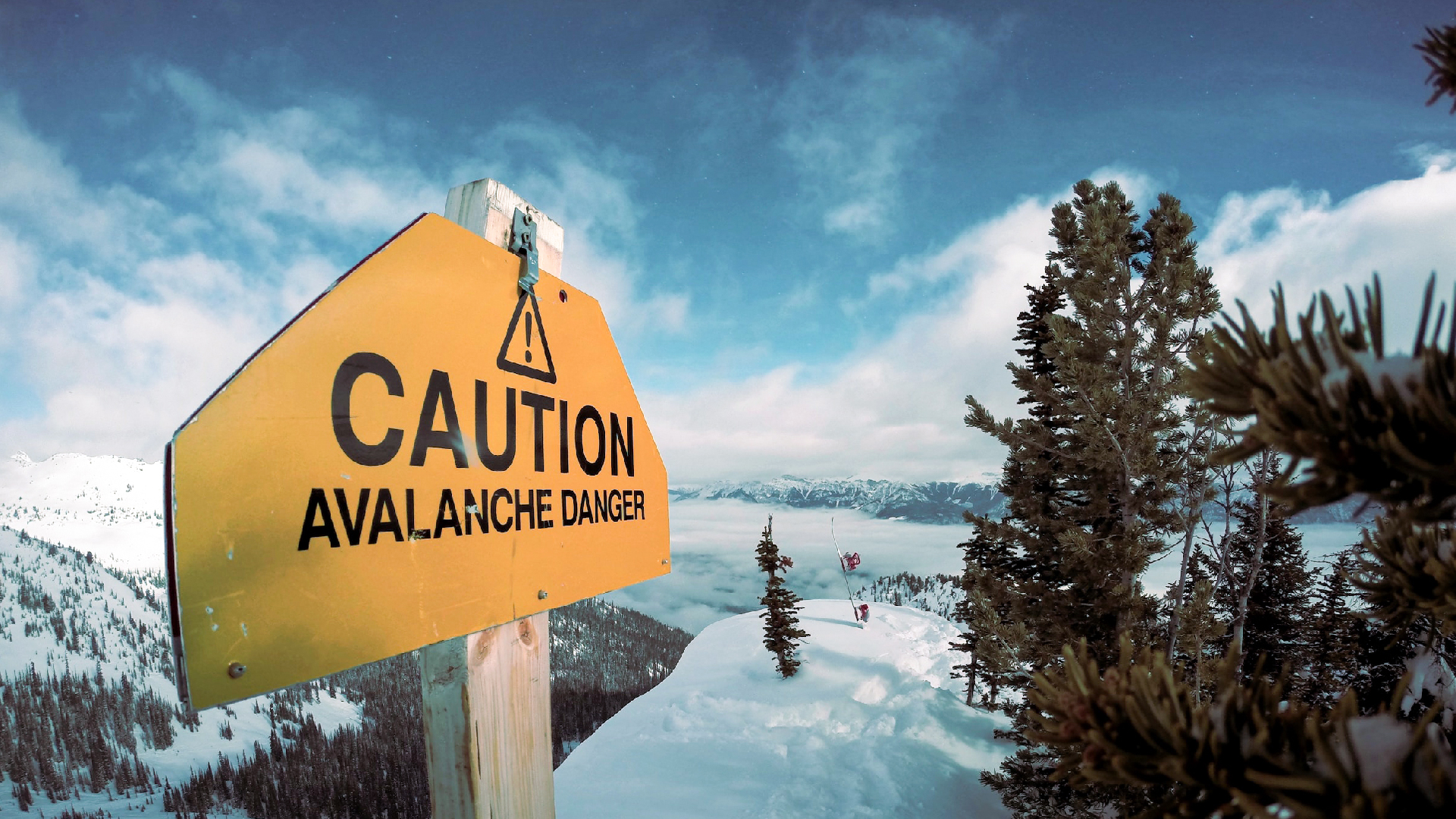
Avalanche dangers.
They’re one of the greatest risks a winter sports adventurer can face on a mountain. The National Avalanche Center (NAC) reports that while mountain avalanches kill or injure a relatively small number of people in the U.S. each year – about 30 – they still pose a significant threat to anyone skiing, snowboarding, climbing, snowmobiling or hiking in the mountains. But with the right knowledge and the proper gear, adventurers can usually avoid them—or increase their chances of survival if they get caught.
U.S. Ski & Snowboard, a Global Rescue Safe Travel Partner since 2006, created five principles for mountain avalanche awareness in partnership with the Utah Avalanche Center and the Bryce and Ronnie Athlete Snow Safety Foundation (BRASS):
- Get the gear.
- Get the training.
- Get the forecast.
- Get the picture.
- Get out of harm’s way.
Get the Gear
The basic avalanche survival kit – Every adventurer should carry, at a minimum, an avalanche transceiver, probe and shovel when they go into the mountains.
“You won’t have cell service on the mountain, and so you need a transceiver to communicate with people who can rescue you or just find you if something goes wrong,” said Reed Zuehlke, two-time ski-jumping Olympian, current FIS technical delegate and a U.S. Ski & Snowboard and Global Rescue member.

If you get caught in an avalanche, the first person able to help you is your ski partner. That’s why it’s important to bring a probe to help identify the victim’s exact location, and a shovel so you or your partner can start searching right away.
Lifesaving add-ons – Also consider an inflatable avalanche airbag pack, which the NAC says can increase your chances of staying near the surface of an avalanche.
Last Frontier Heliskiing also recommends carrying an Avalung, an oxygen pack with a mouthpiece that rests close to your mouth so you can breathe even after being buried.
Zuehlke agrees. “And if you or a partner get buried by a mountain avalanche, you’ll have only about 15 minutes of air so consider bringing an air system with you.”
The Avalung will give you 58 minutes of oxygen, dramatically increasing your chance of survival.
Preparing for avalanche survival if you get stuck – Avalanches can make the terrain around you less accessible to rescuers. You and your team need to be prepared not just to rescue each other but to provide medical assistance, protection and sustenance for what could be a long, even overnight, period of waiting.
Read Global Rescue’s tips for surviving in the cold.
Get the Training
Chances are, you will adventure with a guide who knows the ins and outs of avalanche survival. But leaving the knowledge up to them will lead to serious trouble for you if an avalanche occurs. Every person participating needs to be trained in avalanche awareness for the safety of the whole group.
You can find free training online through the NAC.
Get the Forecast
“Most regions that we go into have a local avalanche forecast, providing up-to-date avalanche conditions. Begin every day with getting that forecast,” recommends U.S. Ski & Snowboard.
But it’s not the same as checking the weather. REI provides a detailed breakdown of how to read and understand an avalanche forecast here.
Get the Picture
“Snow stability can change rapidly,” said U.S. Ski & Snowboard. “When we go into the snow, we’re surrounded by clues to the current avalanche hazard and changing conditions. When we learn to watch for, interpret and respond to those clues, we become more aware of the risk and make better decisions.”
NAC said signs of unstable snow include “cracking or collapsing whumpfing sounds, or ‘drum-like’ sounds.” Melting or windblown snow can also be signals of increased avalanche risk.
Get Out of Harm’s Way
If the forecast doesn’t predict stable snow, do not go. Wait for the ideal time.
If you’re in the mountains and you recognize unstable snow, then notify your group and alter your plans.
“We get out of harm’s way by understanding what terrain is safe and what isn’t,” said U.S. Ski & Snowboard. “We also remain aware of others nearby and how we expose others and how they expose us to avalanche danger. We become safer partners when we develop and use habits that reduce our exposure.”
When an Avalanche Happens
The NAC recommends these steps when an avalanche occurs:
- If you get caught:
-
- Deploy your airbag.
- Get off the slab and/or out of the slide.
- Fight to keep your head above the surface.
- Hands to your face when it slows down.
- Remain calm; your partners know how to find you.
- If your partner is caught:
-
- Watch the victim and establish a last seen point.
- Call emergency services:
- 911 (USA, Canada, Argentina)
- 112 (Italy, Switzerland, France)
- 102 (Nepal)
- Global Rescue
- Scene safety is a priority – determine if you can conduct a search without another avalanche event or other terrain-related injury.
- Establish a leader and make a plan.
- Conduct your search.
- Treat the victim for trauma and hypothermia.
- Be prepared to spend the night out.
Global Rescue: the Ultimate Safety Partner
Global Rescue has decades of experience rescuing its members from snowy emergencies all over the world. If you get stuck in an avalanche or lost on a mountain, you can reach us with your avalanche transceiver, and we will deploy immediately to rescue you as quickly as we can: 24/7/365.
Don’t plan your mountain adventures without us. Learn more.
March 24, 2023
Travel is burgeoning. Families are booking vacations. Business travel is on the rise. Adventurers are trekking, climbing and enjoying the outdoors. Throughout the onset of the pandemic and without any disruption, Global Rescue has responded to the needs of travelers at home and abroad. In a typical month, Global Rescue performs hundreds of operations in dozens of countries. Below are highlights from some of our most recent operations in various locations.
Kenya Evacuation
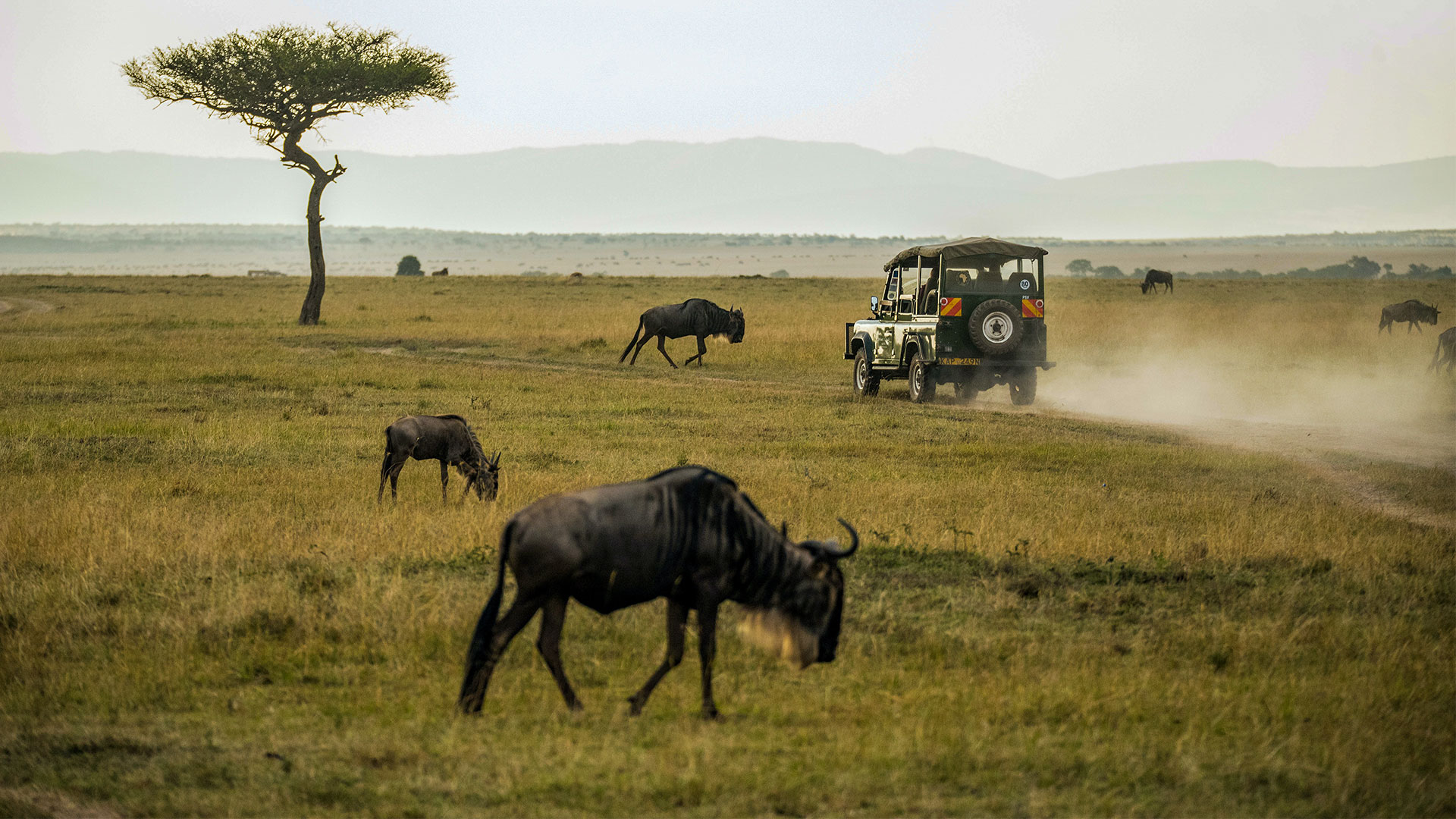
A member from Puerto Rico was thrown from the back of a moving vehicle after driving over a large roadway hole in Kenya. The woman landed on her hip and head with sufficient force to lose consciousness. Upon examination on the scene, she was initially unresponsive but when she regained consciousness, she complained of hip pain, was unable to move without pain while lying down, and could not stand or bear any weight. While there were no open wounds or bleeding, medical professionals expressed concern via video chat about a head injury, a fractured femur or pelvic injury. Global Rescue initiated a field rescue and medical evacuation from the member’s remote location in Kenya to a hospital in Tanzania, an adjacent country to the south. At the hospital, it was determined that the member suffered a fractured femur requiring immediate surgery. Fortunately, images of her spine and head were normal. The member’s surgery was followed up with physiotherapy to assist her in ambulating using a walker. After discharge from the hospital, Global Rescue provided a medical escort for the member to her home of record.
Blinded, Burned in Argentina
A Japanese member suffering from snow blindness and facial sunburn on Mount Aconcagua was unable to see. Medical professionals on scene diagnosed the member with bilateral conjunctivitis and a 2nd-degree face burn caused by not wearing solar protection gear. Global Rescue Operations initiated an airborne field rescue and ground transport to a hospital in Mendoza. The member was safely evacuated from the mountain, treated and released with medications from the hospital.
Bora Bora Cruise Emergency
A Miami member became ill with pneumonia and possible arrhythmia during a cruise around French Polynesia. The ship’s medical team started treatment for him, activated French Polynesia Emergency Services and transported him to a hospital in Morrea for further evaluation. The hospital’s medical team determined the member’s symptoms warranted transport to a higher level of care in Papeete, French Polynesia. Following his transport to the hospital in Papeete, the emergency department medical team admitted the member to the intensive care unit for assessment, testing, and intervention. Meanwhile, the member’s oxygen consumption was too high for a trans-Pacific flight home and recovery was not progressing. Global Rescue deployed a medical operations specialist to oversee the member’s care and be his medical escort once deemed fit-to-fly. Eventually, the member’s recovery progressed sufficiently that he was stable for flight. Global Rescue initiated an immediate, and successful, transport via commercial stretcher and dedicated air ambulance of the member for continued care at a higher-level facility in Miami.
Frostbite at High Altitude
High climbs are not easy. Twisted ankles, high altitude pulmonary edema (HAPE), gastrointestinal trouble, high altitude cerebral edema (HACE), snow blindness and many other ailments, like frostbite, challenge climbers at every step, uphill and down. A U.S. member developed first-degree frostbite in his toes while on Mount Aconcagua. Global Rescue provided an immediate helicopter field rescue off the mountain and ground transportation to a hospital in Mendoza. The member was successfully evacuated, evaluated at the medical center, given medication and discharged the same day.
Colombia Paragliding Crash
A U.S. member paragliding in Colombia contacted Global Rescue following an accident injured his arm. After landing, a broken branch fell on his left wrist quickly causing his fingers to swell and become discolored with an on-and-off tingling sensation. He applied a bandage and ice compress overnight in his hotel with no relief. The next day he went to the hospital for imaging. A Global Rescue medical team reviewed the case and determined a surgical intervention could be necessary and recommended that the member have an in-person evaluation with an orthopedic doctor. Global Rescue helped the member secure a flight to his Washington state home of record where he proceeded to the hospital for further evaluation.
Aconcagua Mountain Rescue
A Romanian member fell during an expedition on Aconcagua in Argentina sustaining cervical and pelvic injuries. Global Rescue was contacted and an immediate helicopter field rescue and medical evacuation was initiated to bring him to a hospital in nearby Mendoza. Upon examination, it was determined that the member sustained a wrist fracture and a contusion. Following treatment, the member returned to his home of residence in Tunari.
Disabling Back Trouble on Aconcagua
A member from India was suffering from disabling lower back pain and was unable to walk while on Mount Aconcagua. He was evaluated by medical clinicians and given an evacuation order and pain medications. He received no relief from the pain medication, his condition worsened, and he remained unable to walk. Global Rescue provided airborne field rescue and ground transportation to a nearby hospital where the member was evaluated and diagnosed with Lumbago with sciatica. He was prescribed pain medication, and topical ointment and discharged on the same day.
Lebanon, NH – March 21, 2023 – Despite growing fears of civil unrest, millions of people are expected to visit Jerusalem this year as part of a religious pilgrimage or religious tourism to the Holy Land. The biggest risk of traveling to Jerusalem during the spring holidays is the sheer number of people.
“Like any other place teeming with people, crowds can make it challenging to move around the city. There’s no avoiding large gatherings. They’re just part of the deal. Avoid them when you can, embrace them when you can’t, with caution,” said Kent Webber, senior manager, Intelligence Products & Services at Global Rescue. “Crowds also increase the risk of pickpocketing, car theft, identity theft, and other crimes.”
One of the oldest and holiest cities in the world, Jerusalem attracts roughly 1.5 million Jews, Muslims, and Christians combined each spring, whose pilgrimage during the Passover, Ramadan, and Easter holidays, accounts for a 55% increase in the city’s year-round population of 970,000 residents.
Travelers flocking to the Western Wall, the Church of the Holy Sepulchr, the Dome of the Rock, Temple Mount, or elsewhere throughout the city during these religious holidays should follow five guidelines to minimize risk.
First, visit popular attractions during off-peak hours to thwart would-be pickpockets. Harding Bush, senior manager of Security Operations at Global Rescue, advises travelers to wear clothing with zippered pockets or pockets on the inside, like a vest or a sport coat, that make it difficult to snatch a wallet. Also, leave that expensive watch back home. To foil identity thieves, travelers should hide things with their names, phone numbers and addresses on them. No exposed luggage tags.
Next, monitor local activities. Exploring one of the most deeply divided and contested areas in the world during the spring holidays heightens tensions. “Violence can occur in Israel, the West Bank and Gaza without warning,” according to the U.S. Department of State. Escalating violence in Jerusalem and the West Bank has been reported in recent weeks. Travelers should register with their country’s embassy and sign up for alerts and advisories. American citizens in Israel, for example, should join the Smart Traveler Enrollment Program (STEP) to receive emails and text messages from the United States Embassy in the event of emergencies in the area.
Third, expect traffic and plan around it. Expect delays and, perhaps, the inability to access certain areas. Hiring a local professional driver will help streamline your adventures and get you around some of the congestion. “Driving a vehicle in a foreign country is a high-risk activity. Always hire a local driver who knows the area. Being unaware or confused by directions can bring you to a vulnerable location or make you an obvious target for attack,” said Bush.
Fourth, stores and markets may not be fully operational, or open at all, during the holidays. Ask the staff at the hotel for a list and a map of these services and make sure they’re open. Local knowledge is the key here.
Finally, visitors should be respectful of these traditions and avoid behavior that may be seen as discourteous or, worse, profane. The influx of travelers in the city during this period is there for religious pilgrimage or faith-based tourism and their customs and practices abound.
Israel is a reasonably safe place to travel, and it receives a “moderate” security risk rating owing to the persistent possibilities of a terrorist attack and ongoing political violence.
###
Contact Bill McIntyre at bmcintyre@globalrescue.com or 202.560.1195 (phone/text) for more information.
About Global Rescue
Global Rescue is the world’s leading provider of medical, security, evacuation and travel risk management services to enterprises, governments and individuals. Founded in 2004, Global Rescue has exclusive relationships with the Johns Hopkins Emergency Medicine Division of Special Operations and Elite Medical Group. Global Rescue provides best-in-class services that identify, monitor and respond to client medical and security crises. Global Rescue has provided medical and security support to its clients, including Fortune 500 companies, governments and academic institutions, during every globally significant crisis of the last two decades. For more information, visit www.globalrescue.com.
Categories:
Health & SafetyTravelMarch 21, 2023
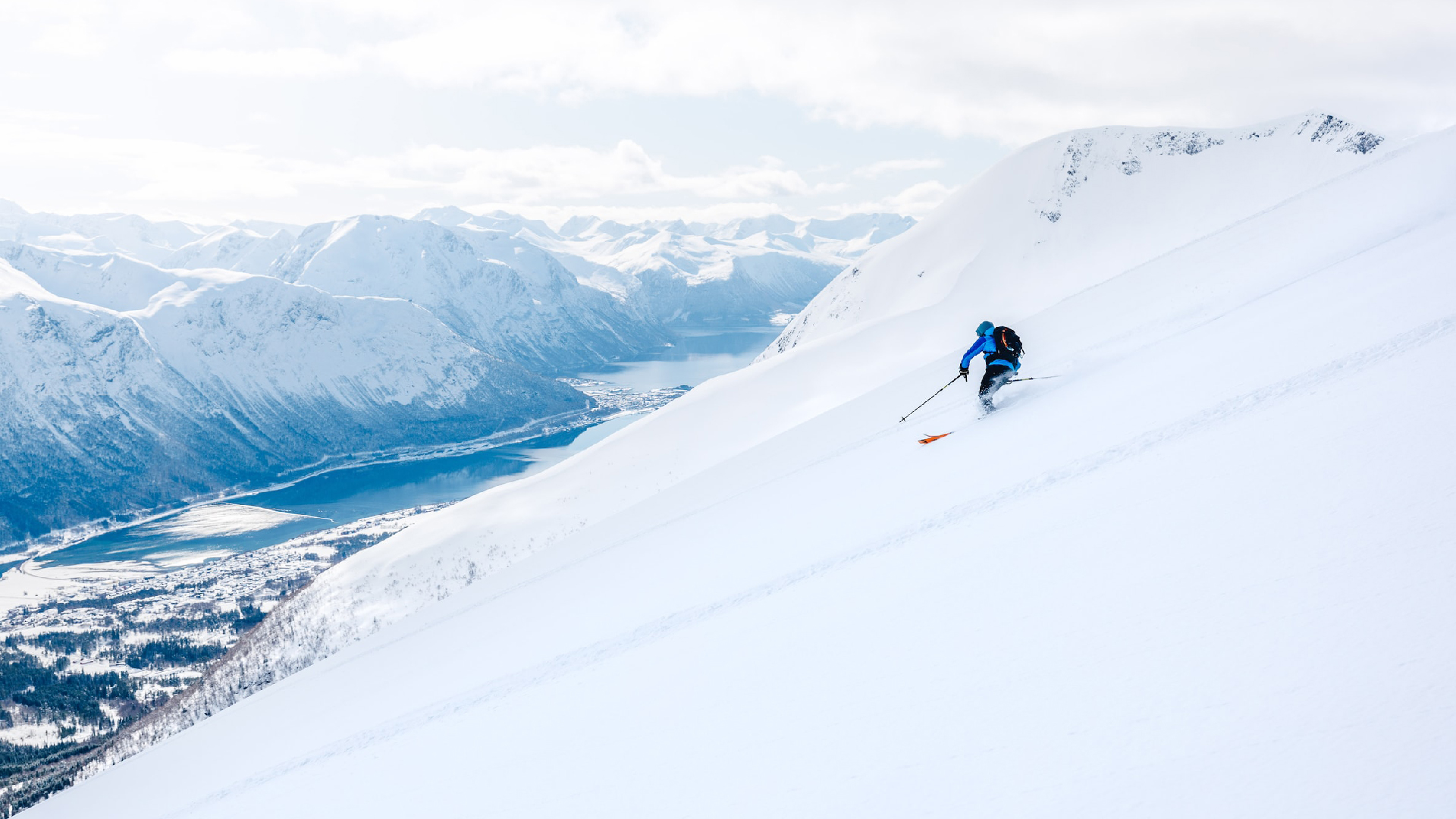
As an avid winter adventurer, is there anything more compelling than watching the physics-defying feats of winter action sports athletes? Perhaps you dream of participating in some of these sports yourself.
But too risky and unsafe, right? Maybe. But don’t let your doubts or fears squash those dreams. Wherever you’re at – an active participant or one soon to be – Global Rescue has no activity restrictions, so you can pursue your adventures with less risk and greater protection even if your passion leads you to chase winter in South America, New Zealand and other areas where the cold season picks back up after the northern hemisphere has left it behind.
Welcome to our two-part No Restrictions series, where we’ll take a deeper look at alternative winter sports and break down where to do them, how to train and how to stay safe.
Heli-skiing
The untracked snow, just a whisper as your skis or snowboard plunge beneath the sparkling surface, sketching parabolic lines across a bottomless immensity unspoiled. The only other sounds you hear are your own breath and the hoots and hollers of your friends nearby.
Heli-skiing. It’s the dream of experienced skiers and snowboarders the world over. And if you’re willing to plan, train and (unfortunately) pay, it’s something that you can do, too.
According to CNN, Alaska and British Columbia are some of the most popular places to heli-ski, occupying the first six of its top-12 destinations. Other locations include Switzerland, Japan, and India. And even when summer starts to take firm hold in the northern hemisphere, snow chasers can head south, way south, to Chile, Argentina, and New Zealand for some of the finest skiing there is.
Prepping for Powder
A few things to work on the months and weeks before you head off on your dream trip:
Fitness – Reed Zuehlke has done his fair share of heli-skiing. “You don’t have to be a professional to heli-ski, but you should be in good shape, comfortable with big slopes and able to master the top levels of black and double black runs,” says the former Olympic ski jumper and member of the U.S. Ski and Snowboard Association—a Global Rescue member.
Flory Kern adds, “Keep your body in good physical condition throughout the year. Don’t start vigorous training two weeks before your trip. You’ll only risk straining your body or worse, injury.”
Last Frontier Heliskiing in British Columbia shared these training tips to help you prepare. In short, ski a lot, do cardio workouts that strengthen your lungs are your friend, focus on the knees, and get mentally prepared.
Ski powder – As much of it as you can. “When you’re on a traditional ski slope where the snow is packed, it’s easy to go fast,” Zuehlke said. “When you’re heli-skiing, you’re most likely in deep powder. That’s where the fun is. At times, it’s as if someone is holding you back and you’re floating through clouds. It’s fun, but it’s a lot of work. You have to be used to those conditions.”
Get friendly with heights – Mentally prepare yourself for the heights of both the mountains and the helicopter rides. “You need the confidence to be able to go over the edge and be on near vertical terrain,” Zuehlke said.
Have a plan – Understand the mountain and familiarize yourself with the plan to get down so you don’t go off course. “Know where you can go and where you can’t so you can avoid drop-offs, avalanches, sink holes and other surprises. Stay on the path,” Zuehlke said.
“When it comes time to ski, be realistic about your level of skiing,” Kern said. Your tour guide should be able to tailor the trip to your level.
Safety First, Untouched Powder Second
Preparation is everything when it comes to safe heli-skiing.
“Experienced or not, it’s not crazy or risky if you’re prepared for it,” said Zuehlke. “If you’re not prepared, then, yeah, it’s crazy.”
Here are his safety and preparation tips:
- Learn all about avalanches. Check out our avalanche awareness tips here.
- Get the timing right. You can’t decide to go on a moment’s notice and then go. You have to pay attention to the weather, the snow and the local avalanche reports. When conditions are right, plan to be out all day.
- Manage your energy in the days before your trip. Just like in a marathon, you’re going to burn a lot of energy. And you’ll be at altitude as well. Eat a meal packed with carbohydrates two evenings before you ski so you have energy. Take energy bars to avoid burnout and take in a lot of fluids so you are hydrated.
- Stop and breathe. It’s easy to get altitude sickness because the air is thinner at altitude. And exertion only makes the situation worse. Stop often and purposefully take long, deep breaths – in through the nose and out through the mouth. This will oxygenate your body and help you avoid headaches and muscle fatigue.
- Bring the right gear. Kerns suggests a complete avalanche kit, which includes a three-antenna avalanche beacon, a backpack with an airbag system, a shovel and a probe. “If you or a partner get buried by an avalanche, you’ll have only about 15 minutes of air so consider bringing an air system with you,” Zuehlke said. “If you get stuck on the mountain, you’ll also need to plan for food, warmth and medical needs.”
- Never go alone. If you’re lost or injured there won’t be anyone to help you for hours, maybe even days. Share the responsibility for each other’s safety with your ski partners, but don’t leave all of one important supply with a single person.
Snow Kayaking
Yes, you read right.

For as popular as the sport is during the warmer months, there’s a whole other life you and your kayak could be living when the snow flies. Believe it or not, snow kayaking is a sport that’s accessible to all skill levels, all over the world wherever there’s snow and a slope. Large, open mountain faces with little to any trees are best, which makes the Andes and its vast opportunities for easily-accessible above tree line adventures perfect for the sport.
One thing to call out. If you’re planning on snow kayaking at the ski hill, think again. Most (all?) don’t allow it. Double check with the resort to see if it’s permitted.
Paddling for Powder
Training for snow kayaking is all about starting with your skill level and that of the people you’re with. If you’re just starting out, think small and easy.
But if you want a unique thrill ride, look no further than a high-altitude cruise on a snow kayak. According to Board and Kayak, “snow kayaking, aka ‘skyaking’ combines snowboarding, speed-riding, and kayaking, and is pretty extreme, even for those who enjoy participating in hardcore sports.”
Safety While Sliding
- Kayak Manual outlines four main risks with snow kayaking:
- Hypothermia – Bring extra clothes in case you get wet and cold. Global Rescue offers these tips to protect against hypothermia.
- Dehydration – Carry plenty of water in an insulated bottle so that it doesn’t freeze. “Dehydration occurs when you use or lose more fluid than you take in, and your body doesn’t have enough water and other fluids to carry out its normal functions,” said Jeff Weinstein, associate manager for medical operations at Global Rescue.
- Inexperience: “One of the most important things to remember is that you shouldn’t be in a rush to try this sport,” Kayak Manual said. “If you’re new, it’s best to start small and perfect your technique before heading out onto larger slopes with more ice or steeper gradients.”
- Sun and wind exposure – Protect against sunburn and windburn with sunscreen and ski goggles. Ibuprofen and aloe vera can go a long way.
Having the right gear is also important for a safe trip. Kayak Manual suggests “a winter jacket, gloves, waterproof snowpants and footwear.”
For backcountry snow kayaking, where you might even move from snow to water in your kayak, the site shares these final tips:
- Always go out with someone else so they can help if things go badly.
- Never go near cliffs or overhanging rocks.
- Check for any submerged objects under the ice before proceeding.
- Wear a personal flotation device or lifejacket.
Winter’s alternative action sports do seem like the stuff of dreams. But decade after decade, the ingenuity, motivation and – let’s face it – brazenness of modern adventurers everywhere have led to all sorts of interesting tweaks on established activities – from the widely adopted to the niche. If you plan on chasing the snows down to South America or New Zealand this summer, you’ll have plenty of heli-ski options should you wish to pursue that dream. And who knows? Maybe you’ll even see a pod of snow kayakers fluming their way down the mountain.
Stay tuned for more action sport tips in our second installment of No Restrictions: A Global Rescue Guide to Winter Activities Off the Groomed Trail.
Categories:
NewsMarch 20, 2023
March 16, 2023
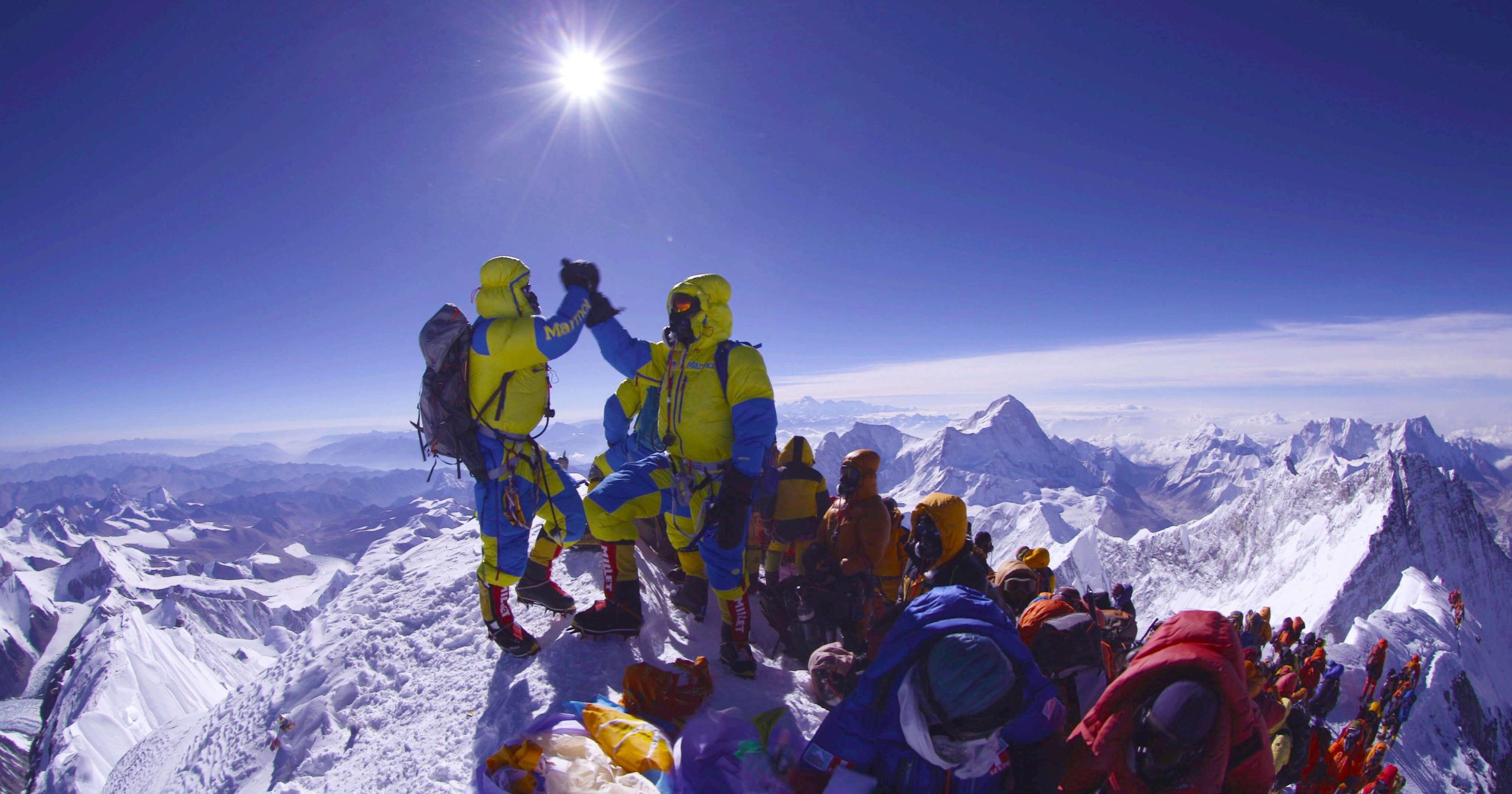
Thousands of mountaineers and trekkers will descend upon the Himalayas for the 2023 spring Mount Everest climbing season, eager to summit the tallest mountain in the world, as well as K2, Kanchenjunga, and Annapurna, some of the highest peaks in the Himalayas and the world.
It’s not easy. Frostbite, twisted ankles, high altitude pulmonary edema (HAPE), gastrointestinal trouble, high altitude cerebral edema (HACE), snow blindness and many other ailments will challenge climbers and trekkers at every step, uphill and down. Ignoring symptoms of altitude sickness during climbs and a general lack of preparation are the major avoidable blunders mountaineers and trekkers make during this time, according to Dan Stretch, a Global Rescue operations manager who is based in Nepal during the Mount Everest climbing season and has coordinated hundreds of evacuations and crisis response operations.
“Ascending higher with symptoms of altitude sickness in the hopes of getting better is unwise. Generally, they won’t get better. Everyone needs to heed the warning signs and build extra acclimatizing days into their itinerary. This can mean the difference between a successful summit and cutting your expedition in half and potentially ending up hospitalized,” he said.
Over-the-counter medications including antidiarrheal tablets, oral rehydration salts and paracetamol can manage many high-altitude conditions. If these are not on hand, then an illness can go from bad to worse, potentially causing a medical emergency and possibly requiring a field rescue. “Trekkers and climbers should ask their expedition organizer what is available to them, carry their first aid pack, and have a communications device they can use to contact Global Rescue for medical guidance before deteriorating to the point of needing hospitalization,” Stretch said.
Last year, there were a record-breaking number of climbing permits issued and Global Rescue conducted a record-breaking number of rescue operations. Stretch and other experts agree 2023 will set more records.
“There will be more people in the region adventuring, partly from the COVID backlog but also due to increased demand to go trekking and climbing,” said legendary mountaineer and a member of the Global Rescue Mountain Advisory Council Ed Viesturs.
Lukas Furtenbach, owner of Furtenbach Adventures based in Innsbruck, Austria, and a Global Rescue Safe Travel Partner, agrees. “I expect a busy season on Everest’s south side with no permit limit.”
On the Ground in Nepal
Global Rescue will deploy a team to Nepal to arrange rescue operations including helicopter and ambulance transports, hospital admissions and looking after members who are admitted to a hospital for care.
Stretch, an experienced high-altitude mountaineer with ascents in the Himalayas, Europe, South America and Africa, will be part of the on-the-ground operations team. He handles about 200 high-altitude rescues each year and has managed more than 500 high-altitude rescues in the Himalayas.
Joining Stretch as part of the Global Rescue operations center medical team is wilderness and altitude sickness expert Dr. Eric Johnson, Global Rescue’s associate medical director. He is the past president of the Wilderness Medical Society, spent two seasons at the Pheriche Himalaya Rescue Association (HRA), three seasons at HRA-USA (Everest ER), and helped build the new hospital in the SoluKhumbu region.
A Day in the Life
An “average day” for the Global Rescue deployment team is anything but normal. During the two-month Mount Everest spring climbing season, there will usually be several rescue operations performed each day, keeping the deployment team busy from 5 am until 11 pm. Resting whenever possible, the on-the-ground team prepares for the two-week Mount Everest summit window when the medical and rescue operations team perform up to 25 rescues a day.
Before dawn, the deployment team is already up and actively checking with the Global Rescue operations centers to follow up on any rescue requests that arrived overnight. “As helicopters cannot fly outside of clear daylight hours, there may be several rescues pending and the team, with the help of oversight from the operations center, will triage the most emergent rescues for first transport,” Stretch said.
Recovering member climbers and trekkers is much more than a mountain chopper rescue. The deployment team locates in multiple areas to support individual members throughout their rescue, transport, recovery and safe return home.
“One deployment team member is stationed at the Kathmandu airport coordinating helicopter operations. Another is in Lukla preparing to receive rescued members from the mountains and to assist with their medical needs. Other on-the-ground operations teammates visit and support hospitalized Global Rescue members in local medical facilities assisting them on the next steps in getting home safely,” Stretch said.
During quiet periods, the deployment team visits local medical facilities to check on their service levels, build local relationships, and spend time with the helicopter providers.
Mountaineers and trekkers spend thousands of dollars to take part in such a significant expedition. Many of them dedicate years to preparing for such a monumental experience. Not everyone is successful. Illness or injury, or both, can scuttle everything. Disappointment is natural but Stretch reports rescues are usually met with gratitude. “Most climbers are thankful to be in a safe, warm environment after quickly going from illness or injury in a sub-zero, high-altitude, dangerous environment to a warm hospital bed. They are highly appreciative,” he said.
Avalanches and Bad Weather
In October 2022, a massive avalanche swept down Mount Manaslu striking the mountain’s Base Camp. Fortunately, there were no fatalities. Later that day, another avalanche on the same mountain took the life of a Nepali guide. A few days later, a deadly avalanche struck a group of mountaineers training on Mount Draupadi ka Danda II.
Unfortunately, avalanches are a dangerous reality in the snowy high mountains. So, too, is the brutal weather.
Mount Everest, K2, Ama Dablam and many of the Himalayan Mountains have the fiercest weather conditions on Earth, with temperatures plunging to minus 40 degrees F (minus 40 degrees C) and winds blasting at more than 100 mph (161 kph).
Preparing for them is a key element of the Global Rescue operations team activity.
“Avalanche risk is a factor when we determine the safety of ground rescue. We receive reports from local expedition groups. Climbers must communicate with their expedition provider to make them aware of the avalanche risk during a climb. Ascents and descents are attempted during the time of day when avalanche risk is lowest. All climbers should carry personal locator beacons and basic rescue tools whenever possible,” Stretch said.
The on-the-ground Global Rescue team monitors weather and receives daily reports from their helicopter providers to help establish the efficacy and safety of any helicopter rescues. “There are times when adverse weather can prevent or delay helicopter flight. At these times we rely on ground rescue or have members shelter in place until the weather clears,” he said.
Memorable Rescue
The Global Rescue operations team has performed thousands of mountain rescues during the past two decades. With so many rescues, they can become routine as the years of organizational and practical experience mount. Nevertheless, some of them stand out.
Stretch recalls one example when Global Rescue coordinated a rescue from extreme altitude on the Tibet side of Mount Everest where helicopter rescue was unavailable. “We coordinated a ground rescue with a team of Sherpas who met up with a 4×4 vehicle from the Tibet base camp to travel over the border into Nepal where a helicopter flew the injured member to a Kathmandu hospital,” he said.
After several days of stabilization in the hospital, the member was able to complete medically supervised fixed-wing transport back home. “Ultimately, someone making it home, relatively unscathed, who would have succumbed to their injuries and been left on the mountain is what it’s all about. It would not have happened without high-level logistical planning and fine-tuned relationships with local partners,” Stretch said.
Mountaineering and Trekking Growth
Participation in mountaineering, trekking and other high-altitude activities has seen rapid increases in recent years. There were record-breaking numbers of both climbers and rescues in 2022 and indications point to those numbers increasing in 2023.
Expedition leaders have noted that many climbers are avoiding Mount Everest and focusing on other 8,000+ meter mountains to avoid the crowds. Stretch said the increasing number of climbers on Mount Everest is mirrored across the Himalayas with multiple busy mountains in Nepal and Pakistan.
More women are climbing and trekking, too. “There are several high-profile female climbers, like Kristin Harila. The popularity of the sport among women seems to grow each year,” Stretch said.
Global Rescue is expanding and enhancing its services for this community by increasing its capabilities to provide emergency services in more regions, committing to longer deployments of medical operations personnel, and extending in-field rescue operational durations.
Implementing the High-Altitude Evacuation Package enables Global Rescue to continue enhancing its current service capabilities for the climbing and trekking community worldwide. Any member planning to travel above 15,000 feet or 4,600 meters at any point during their trip, excluding airplane travel, should purchase the High-Altitude Evacuation Package.
“High-altitude outdoor activity worldwide is reaching unprecedented heights of participation and Global Rescue’s High-Altitude Evacuation Package supports this expanding interest with greater depth and breadth of services,” said Viesturs, the only American to climb all 14 of the world’s 8,000+ meter peaks and the fifth person to do so without supplemental oxygen.