Categories:

News
Share This:

Travellers Keep Calm, Carry On

Share This:

What You Need to Know about Traveler’s Diarrhea

There’s nothing worse than researching, planning and purchasing your dream trip — then spending most of your time in the bathroom with traveler’s diarrhea. It’s not uncommon. After all, traveler’s diarrhea is the number one…

There’s nothing worse than researching, planning and purchasing your dream trip — then spending most of your time in the bathroom with traveler’s diarrhea. It’s not uncommon. After all, traveler’s diarrhea is the number one trip killer worldwide.


While in Nepal, Jeff Weinstein was invited to a colleague’s house for dinner. “I was never so sick in my life,” Weinstein said. “The meal was cooked with their hands — no utensils — and eaten with our hands. I knew what was coming.”

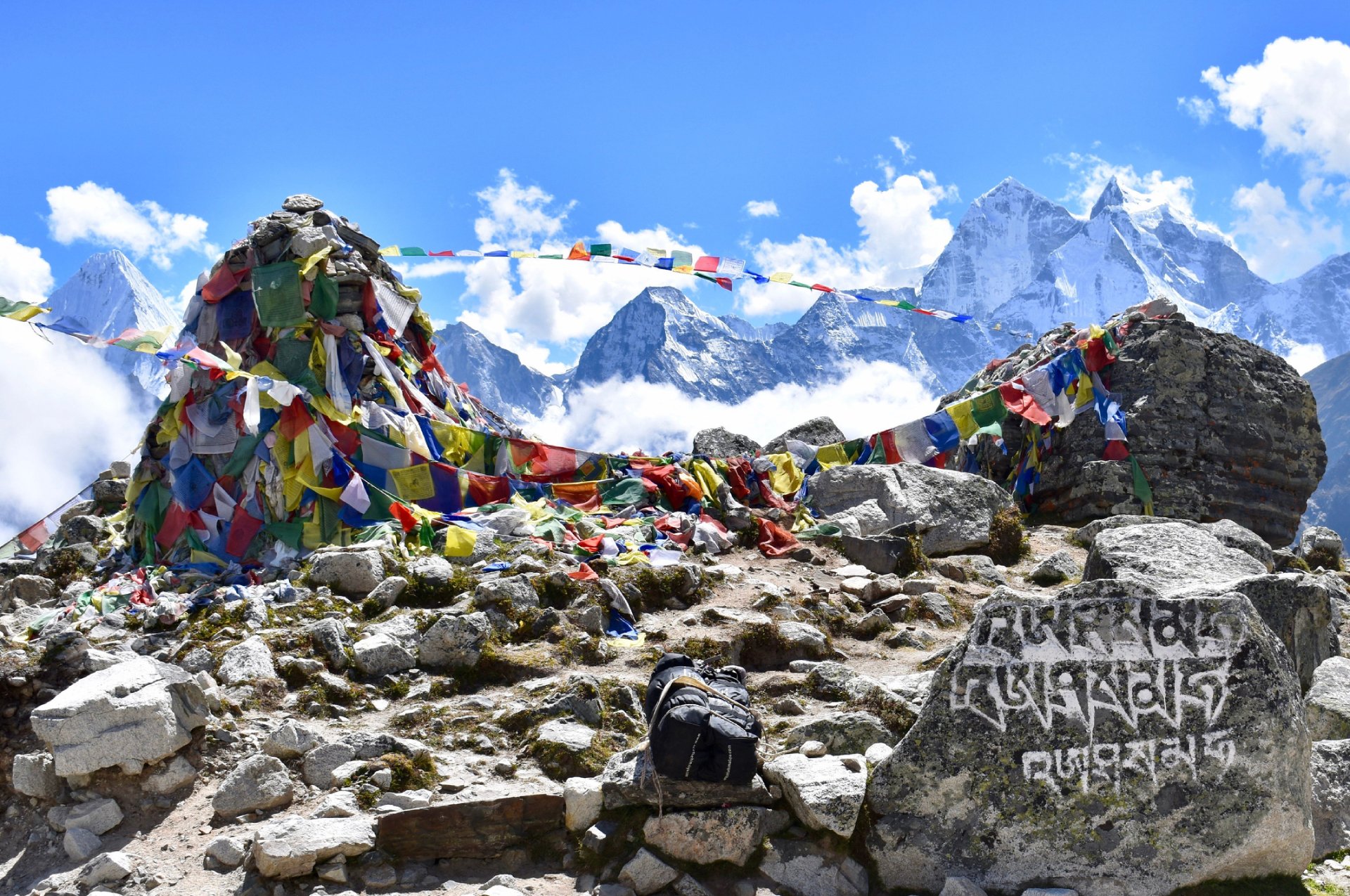
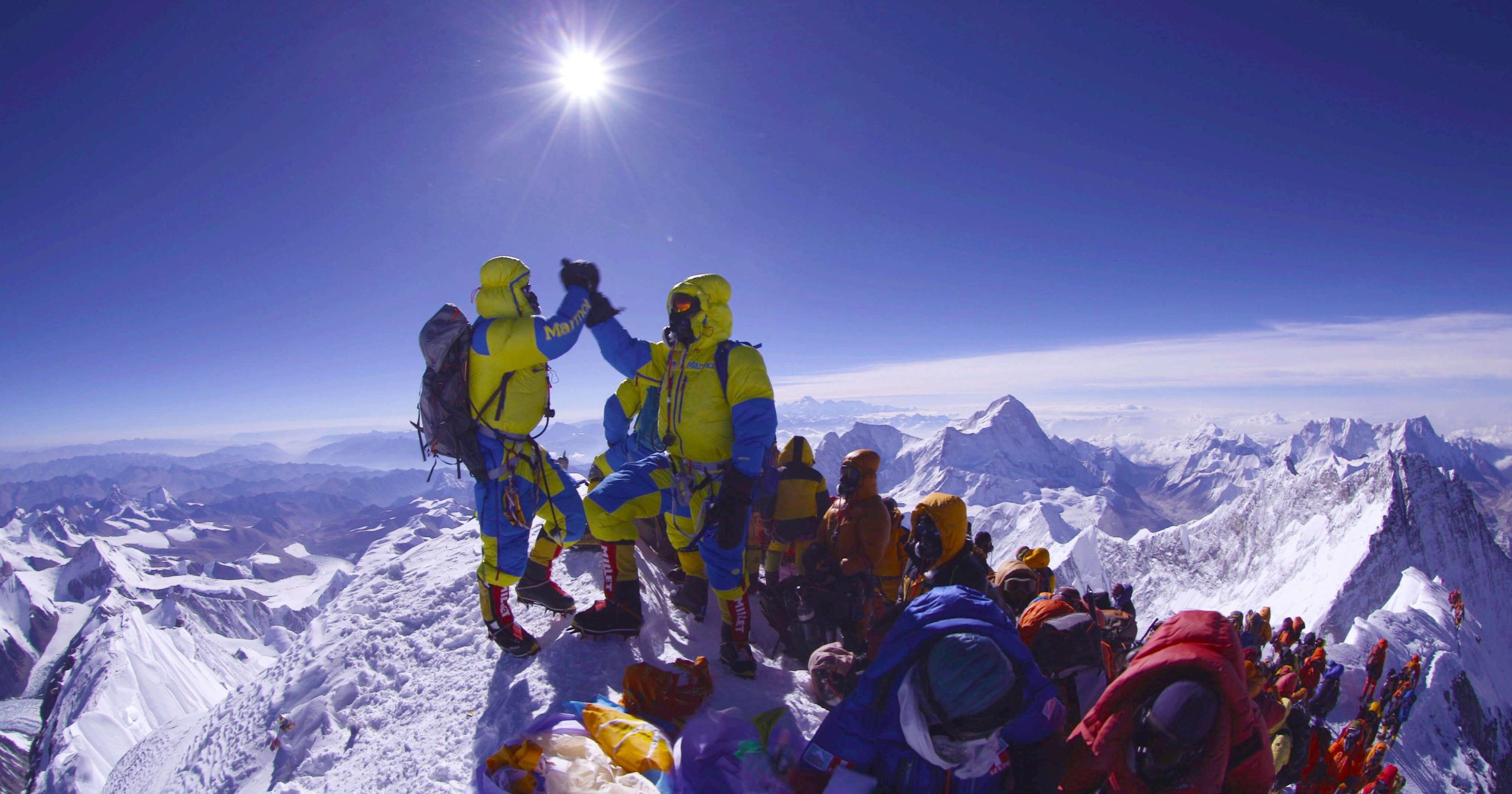
It can also happen when you are hiking, trekking, climbing, camping — well, just about any time. A Global Rescue member battled altitude sickness and acute bacterial dysentery while at Mount Everest Base Camp and had to be evacuated by helicopter to the hospital and admitted for care. Another member called our medical operations team for advice — and the location of the nearest pharmacy — after five days of diarrhea in London.

Unfortunately, traveler’s diarrhea (TD) strikes 30 to 70% of travelers, according to the Centers for Disease Control and Prevention.

“When you travel to a place that’s remote to you, there’s a lot of germs your body is not used to. Something like traveler’s diarrhea and or a really bad case of food poisoning can become an emergency,” said Weinstein, medical operations supervisor at Global Rescue.

There’s a difference between a case of food poisoning you might experience at home and a bout of traveler’s diarrhea during a trip.

“Food poisoning usually happens because you ate something that wasn’t stored or cooked well. It feels like the flu, but the symptoms resolve on their own,” Weinstein said.

Traveler’s diarrhea hits harder because you don’t have immunity to the germs in the country you are visiting. The climate and the sanitary systems might be different, allowing bacterial pathogens, intestinal viruses and protozoal pathogens easier access to your water, food — and gastrointestinal system.

Poor hygiene practice in local restaurants is likely the largest contributor to the risk for TD, according to John Hopkins Medicine. This is especially true in the developing countries of Africa, the Middle East, Latin America and Asia. There’s lesser risk in Eastern Europe, South African and the Caribbean, and low risk in Northern and Western Europe, Japan, Canada, Australia, New Zealand and the United States.

[Related Reading: How to Stay Hydrated]

What Causes Traveler’s Diarrhea

In most cases, TD isn’t usually that serious — it’s just unpleasant, according to the Mayo Clinic.

To make sure a simple illness doesn’t ruin your trip, send you to the hospital, or require medical rescue, here are some ways to prevent traveler’s diarrhea:

  • Drinking tap water is a major source of traveler’s diarrhea. If you have to drink tap water, make sure you purify it first. Global Rescue offers information about filtering and purifying water.
  • Moist food at room temperature is also suspect. Skip the buffet and the condiments on the table. If you want to try street food, make sure it is well cooked and cooked in front of you.
  • Stick to factory-sealed bottled water in hotels in restaurants. Decline the ice in your drink as well.
  • Avoid leafy vegetables and sliced fruit — they may have been washed with water that hasn’t been boiled or chemically disinfected.
  • Make sure hot beverages, like coffee or tea, are steaming hot.
  • Drink canned or bottled drinks in their original containers — and break the seal yourself. Wipe off rim before pouring or drinking.
  • No clean water to wash your hands? Use alcohol-based hand sanitizer containing at least 60 percent alcohol.

Treatment for Traveler’s Diarrhea

How long does traveler’s diarrhea last? According to the American Society for Microbiology, traveler’s diarrhea usually begins during the first week of travel and, without treatment, will last three to five days. You can have multiple episodes during one trip.

Global Rescue medical experts offer these suggestions for treatment:

  • Drink fluids — boiled water, factory-sealed bottled water, broth or an oral hydration solution like Pedialyte — to replace the body fluid that has been lost. Hydration is your best line of defense.
  • Avoid caffeine, as it tends to dehydrate. Eat a bland, easy-to-digest diet of complex carbohydrates: crackers, dry toast, plain noodles.
  • Wipe down surfaces in your hotel room. Traveler’s diarrhea is contagious; pathogens can live for days on doorknobs and light switches.
  • Over-the-counter remedies, like bismuth subsalicylate (Pepto-Bismol), can help. Hopefully a few doses are packed in your first aid kit, because purchasing Pepto may not be so easy overseas. It’s banned in France, and unavailable in Germany and Chile.
  • If symptoms last longer than a week or you have a fever, see a doctor. You may need antibiotics.

[Related Reading: Things that are Illegal Overseas]

24/7 Medical Advisory Services

Global Rescue members always have medical assistance when traveling 100 miles away from home. Global Rescue’s 24/7/365 medical advisory service can help travelers find Pepto-Bismol, Imodium or a local alternative, or find a doctor that speaks your language and a local pharmacy to fill a prescription for you.

Categories:

News
Share This:

Brittney Griner Story | An Important Lesson for International Travelers

Share This:

Travelers Press On Despite Inflation; Airline Disruptions 21% Plan to Spend More Money or Time…

Lebanon, NH – August 8, 2022 – Inflation is having a minimal impact on travel: 79% of the world’s most experienced travelers report inflation won’t cause them to cancel their travel plans. More than a…

Lebanon, NH – August 8, 2022 – Inflation is having a minimal impact on travel: 79% of the world’s most experienced travelers report inflation won’t cause them to cancel their travel plans. More than a fifth of travelers (21%) plan to spend more time and money on trips to make up for curtailed travel due to the pandemic, according to the Global Rescue Summer 2022 Traveler Safety and Sentiment Survey.

Incidents of staff shortages among pilots, flight attendants, gate agents and ground crews are affecting travel schedules but the majority of travelers (58%) have not been touched by it, according to the survey results. Despite the news headlines, the world’s most experienced travelers are making their intentions clear: they are going to travel no matter what.

“Travelers are sending a clear message. They are eager to regain their family vacations, adventure travels and business trips. By overwhelming margins, they are pressing forward with international and domestic travel despite rising costs and airline staff shortages. They are confident they’ll be able to travel and return home,” said Dan Richards, CEO of Global Rescue and a member of the U.S. Travel and Tourism Advisory Board at the U.S. Department of Commerce.  

Travelers are adjusting to inflation and higher travel costs in a variety of ways. A fifth (20%) of respondents reported they changed an international trip and replaced it with a less expensive trip. Among domestic travelers, more than a quarter (28%) changed a domestic trip and replaced it with a less expensive one.

Twenty-one percent say they will travel for fewer days and 19% plan to fly on less expensive tickets. Fifteen percent report they will stay at less costly lodging while 12% will eat out less or at less expensive restaurants. Six percent are greatly reducing or not buying souvenirs or gifts during their trip and 3% will skip buying travel insurance.


Contact Bill McIntyre at bmcintyre@globalrescue.com or 202.560.1195 (phone/text) for more information.  


About the Global Rescue Traveler Sentiment and Safety Survey   

Global Rescue, the leading travel risk and crisis response provider, conducted a survey of more than 2,100 of its current and former members between July 12 and 16, 2022. The respondents exposed a range of behaviors, attitudes and preferences regarding international and domestic travel. 


About Global Rescue   

Global Rescue is the world’s leading provider of medical, security, evacuation and travel risk management services to enterprises, governments and individuals. Founded in 2004, Global Rescue has exclusive relationships with the Johns Hopkins Emergency Medicine Division of Special Operations and Elite Medical Group. Global Rescue provides best-in-class services that identify, monitor and respond to client medical and security crises. Global Rescue has provided medical and security support to its clients, including Fortune 500 companies, governments and academic institutions, during every globally significant crisis of the last two decades. For more information, visit www.globalrescue.com. 

Share This:

The Brittney Griner Story Teaches An Important Lesson for All International Travelers

Lebanon, NH – August 8, 2022 – Brittney Griner’s arrest and conviction in Russia for possession of medical cannabis oil is a critical lesson for all international travelers to learn. “The laws of your home…

Lebanon, NH – August 8, 2022 – Brittney Griner’s arrest and conviction in Russia for possession of medical cannabis oil is a critical lesson for all international travelers to learn. “The laws of your home country don’t travel with you — that’s why knowing the local laws of the destination(s) is critical before traveling,” said Dan Richards, CEO of Global Rescue, the world’s leading provider of medical, security, evacuation and travel risk management services and a member of the U.S. Travel and Tourism Advisory Board at the U.S. Department of Commerce.

According to her attorney, Griner had legally obtained the two vape cartridges containing hashish oil that were found in her luggage at a Moscow airport in February. “The attending physician gave Brittney recommendations for the use of medical cannabis,” said her lawyer, Maria Blagovolina. “The permission was issued on behalf of the Arizona Department of Health.”

But medical marijuana is not legal in Russia. “There are several unusual things that are legal in the U.S. but illegal in other parts of the world, like camouflage attire in the Caribbean, importing and selling chewing gum in Singapore, swearing in public in the U.A.E. All are banned in the aforementioned countries and some violations are punishable with jail time,” Richards said.

At best, international travelers may receive a stern warning or the item could be confiscated. At worst, officials can fine you, arrest you, expel you and even jail you, as is the case for WNBA star Griner.

“The U.S. Department of State’s travel information web page for overseas travel advice explains you are subject to local laws while abroad,” Richards said. “Whether it’s satellite phones in India, Walkie-Talkies in Japan, prescription drugs like Ambien in Singapore, or over-the-counter medications like Sudafed in Greece – they are all illegal. You are bound by those laws. You can’t just say ‘Oops, I didn’t know.’ Ignorance is not an excuse,” Richards said.

Travelers should carefully research the laws around their required medicine in countries they plan to visit and consult medical guidance on substitute medications. Even if a medicine is legal, travelers should always keep it in the original container and have a copy of a prescription.

Contact Bill McIntyre at bmcintyre@globalrescue.com or +1 (202) 560-1195 to arrange an interview.

About Global Rescue    

Global Rescue is the world’s leading provider of medical, security, evacuation and travel risk management services to enterprises, governments and individuals. Founded in 2004, Global Rescue has exclusive relationships with the Johns Hopkins Emergency Medicine Division of Special Operations and Elite Medical Group. Global Rescue provides best-in-class services that identify, monitor and respond to client medical and security crises. Global Rescue has provided medical and security support to its clients, including Fortune 500 companies, governments and academic institutions, during every globally significant crisis of the last two decades. For more information, visit www.globalrescue.com

Categories:

Health & SafetyTravel
Share This:

How to Stay Hydrated

Dehydration can happen at high altitudes, in cold weather climates and during travel. It can also lead to heat exhaustion and heat stroke, a life-threatening condition. If you are a traveler or an adventurer, it’s…

Dehydration can happen at high altitudes, in cold weather climates and during travel. It can also lead to heat exhaustion and heat stroke, a life-threatening condition. If you are a traveler or an adventurer, it’s important to know how to stay hydrated and how to recognize dehydration symptoms.


Dehydration doesn’t just happen when you are exercising in hot weather (77 degrees Fahrenheit or higher). It can also happen at high altitudes, in cold weather climates, while traveling, and during short periods of physical activity.

Dehydration is defined as an excessive loss of body water. When this happens, according to the Mayo Clinic, your body doesn’t have enough fluid to carry out normal body functions. Dehydration can occur when you don’t drink enough, have a fever, sweat excessively or if you are ill (vomiting and diarrhea cause a large water loss in a short amount of time).

[Related Reading: The Heat Is On: Get Ready For Summer Travel]

What Are the Signs of Dehydration?

Dehydration symptoms may be immediate — or they can sneak up on you.

“The most obvious symptoms are urinating less frequently and, when you urinate, it may be less volume and dark in color,” said Dave Keaveny, a paramedic and senior specialist in the Medical Operations Department at Global Rescue. “‘Clear and copious’ is the phrase used by many outdoor schools to identify the target sign of adequate hydration.”

The signs of dehydration in adults include:

  • Thirst
  • Headache
  • Dizziness
  • Tiredness
  • Confusion
  • Irritability
  • Dry mouth/nose/skin
  • Increased heart rate
  • Increased respiratory rate
  • Decreased blood pressure
  • Sunken eyes, pale skin
  • Loss of skin elasticity
  • Fainting
  • Muscle cramps

Symptoms will be more profound in younger children, especially infants. Watch out for no tears when crying, no wet diapers for three hours, and increased irritability or tiredness, to name a few.

“Seniors are more susceptible to dehydration and most are dehydrated due to lifestyle, certain medical conditions and polypharmacy, the use of multiple drugs,” Keaveny said.

What Should You Do If You Are Dehydrated?

  • Halt physical activity
  • Seek shade and cool (or warmth/shelter if winter)
  • Sip water, the best drink for hydration
  • Eat some light snacks

When Should You Get Medical Help?

“When your body is in a state of volume depletion, your cardiac system has to work harder to maintain cardiac output and homeostasis, or optimal functioning,” Keaveny said. “This can cause a variety of issues and symptoms.”

Get medical help if you are experiencing:

  • Weakness
  • Dizziness
  • Confusion
  • Fainting
  • Chest pain/pressure/palpitations
  • Shortness of breath
  • Elevated body temperature
  • Altered mental status

In fact, just a couple of hours of vigorous activity in the heat without drinking fluids or eating can greatly affect concentration, according to the Georgia Institute of Technology in Atlanta. The study showed when the participants lost more water, they increasingly made more errors during attention-related tasks.

Does Altitude Affect Hydration?

“Yes. Your kidneys are working harder to help your body compensate for the altitude, and you are likely exerting yourself. This increases urine production,” Keaveny said.

In addition, you’ll also be losing water from your body through respiration and sweat. The relative humidity is generally lower at altitude and the solar exposure is more intense.

It happened to one Global Rescue member on his ascent of Makalu, the fifth highest mountain in the world (27,838 feet/8,485 meters). He was experiencing fever, mild headache and diarrhea, and called Global Rescue for a field rescue. At the hospital, he was given oral and IV fluids for his diagnosis: acute diarrhea with dehydration.

Does Travel Affect Hydration?

The air on aircraft has extremely low humidity levels. The air at high altitudes is almost completely devoid of moisture and about 50% of the air circulating the cabin is pulled from the outside.

This dry air is only part of the problem. Most people don’t drink enough water when they are at home, let alone on travel days.

“They never give you enough water on planes. The small bottles of water or 4-ounce cups of water are not enough for the average person,” Keaveny said. “When you get up and stretch, ask for extra water. The airline will usually provide one if you ask.”

In addition, you could be drinking alcohol and caffeine, which are dehydrating. They are considered to be diuretics, meaning they cause fluids to pass through your body more quickly.

how-to-stay-hydrated-outdoors

Hydration Tips from Travel Experts

Before you set out on any adventure, a travel health consultation is always a good idea.

“Certain medical conditions or medications can contribute to dehydration and heat illness,” Keaveny said. “Consult your doctor prior to travel or certain activities.”

  • Anticipate by staying hydrated the day before. Start your day with two cups of water and end your day with another two cups.
  • During the activity, drink to thirst, avoiding excessive hydration.
  • Eat sweet or salty snacks every 45 minutes for an electrolyte boost. Electrolytes are important for body function, and dehydration creates an imbalance of electrolytes. “Replacing and maintaining electrolytes is just as important as replacing and maintaining hydration,” Keaveny said. “Make sure you are not overhydrating and washing out important electrolytes.”
  • When traveling, bring a collapsible water bottle to fill after going through security. During the flight, drink at least 8 ounces of water per hour. Research shows the conditions of an airplane can lead to 1.5 to 2 liters (6 to 8 cups) of water loss in a 10-hour flight, despite water intake.
  • Wear glasses instead of contacts on the plane to help prevent discomfort to the eyes. Pack small bottles of lotion, eye drops or nasal spray if you’re worried about drying out.
  • After the sport or activity, replace fluids and calories lost. Oral rehydration salts or sports drinks may not be safe for all patients, especially the elderly. Consult your doctor prior to travel.

Is Dehydration Fatal?

Heat exhaustion — a result of dehydration and heat stress — includes (but is not limited to) the following symptoms: headache, fatigue, dizziness, nausea/vomiting, abdominal cramps, pale or clammy skin, increased heart and/or respiratory rate. Keaveny recommends immediately removing the person from the hot environment; providing fluids, oral rehydration salts or sports drinks; and offering salty-sweet snacks as tolerated.

Without prompt treatment, heat exhaustion can lead to heatstroke, a life-threatening condition that happens when the body’s temperature rises rapidly, the sweating mechanism fails, and the body is unable to cool down. According to the CDC, the body temperature can rise to 106°F or higher within 10 to 15 minutes.

Heatstroke has all the symptoms of heat exhaustion plus these hallmark signs:

  • Change in behavior/mental status
  • Nervous system disturbance, such as tremors
  • Elevated temperature
  • Skin can either be red, warm and dry — or pale, cool and clammy

“Heat exhaustion leads to heat stroke, which is a true medical emergency,” Keaveny said. “Call local EMS immediately, remove the person from the hot environment, and provide oral fluids as tolerated.”

Categories:

News
Share This:

Survey says cruise confidence is on the rise, here’s what travel advisors are saying

Share This:

A Travel Story: When Your Back Bails on a Hike

When is a good time to call Global Rescue? Anytime, as David Lane discovered during a five-day hike in the Dolomite Mountains in Italy. Here is his travel story and how our emergency medical assistance…

When is a good time to call Global Rescue? Anytime, as David Lane discovered during a five-day hike in the Dolomite Mountains in Italy. Here is his travel story and how our emergency medical assistance saved the day.


The trip to Italy was a long-awaited family vacation.

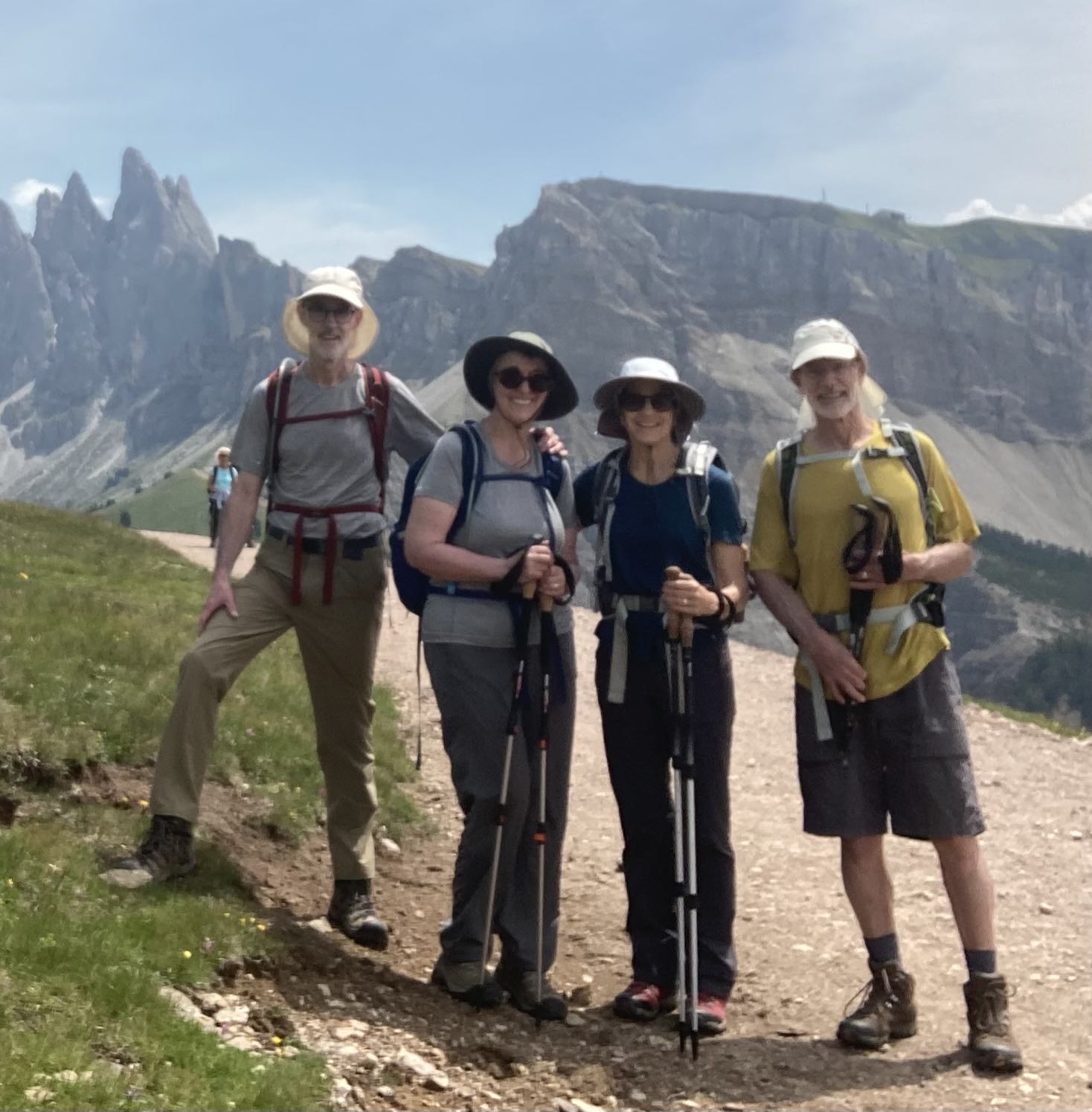
“We planned a five-day hike among the Dolomite Mountains back in 2019 with DolomiteMountains. After a two-year COVID delay, me, my wife Karen, my brother Robert and sister-in-law Janet left for the Great Ladin Valley Traverse in June 2022,” said David Lane, a retired librarian from Minnesota.

Lane, who stays in shape with stretching and exercise, had previous hiking experience, including a six-day walk along the West Highland Way in Scotland. But when his back seized up on the fifth day of his Dolomite adventure, he called his travel insurance company.

“They were unhelpful and clearly more interested in having the literally five forms they sent filled out,” he said.

From Alpine Walking to Rocky Ascents

The trip started smoothly.

“We had an initial day hike to acclimate, which was wonderful, about a six-hour excursion,” Lane said. “The following day, we were taken to the base of Sassolungo and sent up the top pass via cable car to start a three-day overnight hike among an array of mountains in that range, about a 36-mile journey.”

After a stay at the first Refugio (a mountain hut typically found on trails), the second day included more wooded and alpine walking — and added steep rocky descents and ascents.

“There was a climb, maybe 100 yards, up along an almost vertical rocky face requiring a cable to hold onto. I made it up but was deeply frightened by the experience,” Lane said. “It was very stressful and really shook my confidence.”

Dolomites3 resize

On the third day, the group hiked from the second Refugio at a high point of 9,500 feet (2,895 meters) and hiked down that afternoon. A shuttle transported everyone to Canazei for a stay at Hotel El Ciasel.

“Overnight my back seized up — this had never happened before — and by morning I was barely able to walk,” Lane said. “There was a day hike but my wife Karen and I stayed back as my brother and his wife went on. We attempted to shuffle through town in hopes of my back loosening up but I was virtually immobilized by pain.”

No Assistance from Travel Insurance

Instead, the Lanes planned to travel to Corvara, their final destination, with the luggage transport. They called their travel insurance company for travel medical assistance and received no help. Then they called Global Rescue.

“I almost did not call, as I assumed Global Rescue was for more serious emergencies like broken limbs and helicopter rescues in the Amazon. But I was at a loss and so called,” Lane said. “The response was immediate. The person I spoke with interviewed me to understand what my situation was, where exactly we were, where we were going to be, medical history and contact details.”

Field rescue and medical evacuations are a large part of Global Rescue’s travel protection memberships. But medical advisory — when you just have a medical question — and travel assistance services — for any other safety or travel questions — are always available to Global Rescue members.

“She was incredibly supportive and called back about 30 minutes later, having located a trauma clinic 10 minutes from our hotel in Corvara. She contacted the clinic to confirm their hours and location, even giving them notice that I might be coming. She took charge of the situation with clear expertise.”

Lane was treated for acute lower back pain with an injection of a pain and muscle relaxant. “The treatment was successful and I was able to walk without pain by dinner time that evening,” Lane said.

Lane visited the clinic the next morning for a second recommended injection as well as to get instructions and medications for the upcoming journey home, which included a long car ride and an international flight.

Now he is back home, will Lane schedule another trip to the Dolomites?

“It is unlikely I will go on a similar venture in the future, as this was clearly outside my comfort zone,” Lane said. “We are more multi-day town-to-town walkers. Scotland was perfect.”

Dolomites2 resize

Glad to Have Global Rescue

Lane may not hike in the Dolomites again, but he will renew his Global Rescue membership for future travels.

“Especially after the frustration with the travel insurance company, I had fairly low expectations thinking my situation would not qualify as a rescue,” Lane said. “The immediate, professional and action-oriented response at the first call was a huge relief. It was clear my case was being treated as a priority, above any bureaucratic concerns, and we were able to hand over the problem solving to Global Rescue.”

Lane notes Global Rescue followed up after the initial call, and encouraged Lane to call for any reason.

“I cannot express the relief — I was in some of the worst pain I had ever been in, and navigating a solution was not something I felt competent to do on my own,” Lane said. “I just was skeptical my injury qualified as the kind of rescue you all provide. I was wrong, thankfully. Rescue is precisely what I received.”

Lane advises fellow travelers to purchase Global Rescue.

“For anyone in our age range (mid-60s), stuff can happen even off of a mountain, like a sprained ankle or other medical need,” Lane said. “I will be forever appreciative of Global Rescue’s assistance.”

Share This:

Monkeypox-Ready? Global Rescue Travel Risk Protection Services Prepared for New Viral Outbreak

Lebanon, N.H. – August 3, 2022 – Whether it’s monkeypox or any other infectious disease, Global Rescue will provide rescue and emergency transport services for travelers to their home hospital of choice in the event…

Lebanon, N.H. – August 3, 2022 – Whether it’s monkeypox or any other infectious disease, Global Rescue will provide rescue and emergency transport services for travelers to their home hospital of choice in the event they are hospitalized or in need of hospitalization. 

“When it comes to managing patients infected with monkeypox, Global Rescue does not make any distinctions between monkeypox and other infectious diseases regarding our services. If members have questions related to monkeypox or become ill from the virus while traveling, our services still apply. This always has been the case, including for COVID-19,” said Dan Richards, CEO of Global Rescue, the world’s leading provider of medical, security, evacuation and travel risk management services and a member of the U.S. Travel and Tourism Advisory Board at the U.S. Department of Commerce.    

“Whether a traveler needs a monkeypox screening and testing regimen for a trip or needs help finding a monkeypox-prepared health care facility, Global Rescue can assist before, during and after travel,” Richards said.  

Monkeypox is a rare disease caused by infection with the monkeypox virus. Monkeypox symptoms are similar to smallpox symptoms, but milder, and monkeypox is rarely fatal. It is not related to chickenpox. 

The Centers for Disease Control and Prevention (CDC) is tracking the outbreak across several countries that don’t normally report monkeypox, including the United States. The World Health Organization declared the monkeypox viral outbreak a public health emergency of international concern.  

The monkeypox virus spreads mostly through close, intimate contact with someone who has the virus. The CDC recommends vaccination for people who have been exposed to monkeypox or who are at higher risk of being exposed to the disease.  According to the CDC, many people affected in the current global outbreaks identify as gay or bisexual and these populations represent the majority of global cases. Monkeypox can spread to anyone through close, personal, often skin-to-skin contact.  

“Should an emergency occur, our medical and security experts can fully coordinate all aspects from advisory to evacuation, allowing travel companies to focus on delivering the best possible experience for their guests,” Richards said.  

“Seven-out-of-10 travelers are much less concerned about travel compared to the beginning of the pandemic. They feel safe enough to plan trips and vacations because they’re vaccinated, borders are open and they have confidence they’ll be able to get home if the worst happens,” Richards said. 


Contact Bill McIntyre at bmcintyre@globalrescue.com or 202.560.1195 (phone/text) for more information.    

About Global Rescue     

Global Rescue is the world’s leading provider of medical, security, evacuation and travel risk management services to enterprises, governments and individuals. Founded in 2004, Global Rescue has exclusive relationships with the Johns Hopkins Emergency Medicine Division of Special Operations and Elite Medical Group. Global Rescue provides best-in-class services that identify, monitor and respond to client medical and security crises. Global Rescue has provided medical and security support to its clients, including Fortune 500 companies, governments and academic institutions, during every globally significant crisis of the last two decades. For more information, visit www.globalrescue.com.    

Share This:

6 Examples of Illegal Items and Actions When Traveling the World

A few seemingly weird things that are illegal in parts of the world: camo attire in the Caribbean, chewing gum in Singapore, swearing in public in the U.A.E. It’s true: All are banned in the…

A few seemingly weird things that are illegal in parts of the world: camo attire in the Caribbean, chewing gum in Singapore, swearing in public in the U.A.E. It’s true: All are banned in the aforementioned countries…and some punishable with jail time. A Global Rescue security expert fills us in on a handful of unusual laws and illegal items so you are in the know before you go.


Years ago, former Navy SEAL and Global Rescue’s Operations Manager Harding Bush almost found himself in a jam in Jordan. There to provide protection for the prime minister of Iraq, he had flown into the country on military air, but was to depart on a commercial flight. And, on his way out, customs quickly halted him.

“I had two-way radios in my carry on,” he said, which are usually illegal to have in that country. “I was sent to a small secondary room and questioned. Luckily, I was working with the Jordan secret service and had the business card of the King’s detail leader as proof. Without it, I probably would have been sent to jail.”

Bush was fortunate. But other civilian travelers often aren’t when they discover they’ve traveled with an item or are doing something frowned upon or downright illegal in another country. At best, the item could be confiscated. At worst, you could be slapped with a fine, arrested, expelled and even jailed.

The laws of your home country don’t travel with you — that’s why knowing the local laws of the destination is critical prior to traveling.

“The U.S. Department of State’s travel information web page for overseas travel advice explains you are subject to local laws while abroad,” said Bush. “You are bound by those laws. You can’t just say, ‘Oops, I didn’t know.’ Ignorance is not an excuse.”

The following are a handful of examples of what, to some, may seem like the weirdest laws in the world, their explanations and tips to research local laws before traveling.

1. Satellite Phones and Messaging Devices [India]

It has been illegal for foreigners to bring satellite phones and devices into India for many years under the Indian Telegraph Act. And after the Mumbai terror attack in 2008 was coordinated with satellite phones, stricter regulations around these devices were put into place.

“That’s because satellite phones circumvent India’s cellular phone system and are difficult for the government to surveil or track,” Bush explained.

backcountry-communication-how-to-use-a-satellite-phone

Bringing an unauthorized and unregistered satellite phone into India can lead to significant legal complications, including arrest and detention. However, if you are traveling to remote regions in the country, satellite phones can be e-registered and licensed with the Department of Telecommunications.

“You should check with your guide or tour service regarding cellular phone connectivity, and if they have satellite phones themselves for emergency communications,” Bush said.

Satellite phones and devices are also illegal or strictly regulated in China, Cuba, Bangladesh, Myanmar, Nigeria, North Korea, Chad, Russia, Sri Lanka, Sudan and Pakistan.

2. Walkie Talkies or Two-Way Radios [Europe and Japan]

Your family may often use walkie talkies during ski vacations to communicate around the mountain (especially if cell service is spotty). But these two-way radios have also been used by terrorists, criminals or rebels to support violent activities against a government or population. They can also interfere with licensed communication systems, such as police, infrastructure or emergency services.

For that reason, European countries (like the U.K., France and Germany) closely regulate various frequencies, and unlicensed use can result in confiscation and or arrest. Even certain walkie talkie apps for smartphones may be illegal. They are also strictly prohibited in Japan.

3. Certain Prescription and Over-the-Counter Medications [Various Countries]

Many prescriptions and even over-the-counter medications are illegal in various countries. A few examples: Ambien (particularly in Nigeria and Singapore), pain medications containing tramadol or codeine, attention-deficit drugs, as well as psychiatric or opiate medicines. In Japan and Greece, Sudafed and Vicks are also illegal.

Travelers should carefully research the laws around their required medicine in countries they plan to visit and consult medical guidance on substitute medications. Even if a medicine is legal, travelers should always keep it in the original container and have a copy of a prescription.

[Related Reading: 5 Precautions for Traveling with Medication]

4. Camouflage, Olive Drab or Equipment with Military Uses [The Caribbean, the Middle East and Africa]

Your camo joggers may be comfortable to travel in, but it’s best to leave them at home. Popular Caribbean tourist destinations (Antigua, Barbados, Grenada, Jamaica and Saint Lucia) have strict laws prohibiting the wearing of camouflage clothing. Having it in your luggage or as the pattern on bags or backpacks also falls within the ban’s limits.

“These bans exist in countries that have experienced internal conflict from rebel groups or terrorists and don’t want civilians to be confused as armed combatants,” said Bush.

Travelers on safari to African countries, such as Zimbabwe or Zambia, should be aware camouflage hunting equipment will also fall into this category. Possession of equipment for military uses, such as binoculars, especially if this equipment has night vision, should also be avoided in these countries (plus Egypt and Cuba).

5. Actions or Items Considered to be Rude

What’s the first action travelers often take when they arrive somewhere new and different? Fishing out their camera to capture the scene.

jean-pierre-brungs-5s61YRSuD_w-unsplash

But it’s considered rude or disrespectful to take pictures of people without their permission in many countries, and it may be illegal to take photos of national cultural (largely museums) or religious sites. For example, there’s a photography ban inside India’s Taj Mahal and popular mosques in Saudi Arabia. It’s also frowned upon in many of Southeast Asia’s Buddhist temples.

Many countries forbid taking photographs of government buildings, police or military activity/equipment such as checkpoints and vehicles. That also includes major industrial and logistics areas, like factories, harbors, airports and rail yards. Why? Because it could potentially be interpreted as surveillance. Travelers should research the legal restrictions and cultural considerations around photography where they plan to visit — or risk arrest or confiscation of their pricey photography equipment.

Other examples of disrespectful actions or items that could get you into hot water:

  • Swearing. Using the “F-word” is strictly prohibited in the U.A.E. — even when it comes to your online activity.
  • Making offensive comments against the local government. Particularly in Turkey, “insult laws” have been around for some time, but are being more harshly enforced because of social media.
  • E-cigarettes. Vaping products are banned in Thailand.
  • Shooting TikTok Content. Nepal recently banned the shooting of TikTok videos at some heritage sites by would-be social media influencers.
  • Chewing gum. Singapore is famous for its ban on gum.

vaping-products-illegal-in-Thailand

6. Traveling as an Unmarried or LGBTQ+ Couple

Unmarried couples in the U.A.E. and Qatar often face legal complications, and, in many countries, women may not be able to check into a hotel with a man who is not their husband or father. In Jordan, public displays of affection (even if you’re married) are frowned upon. Many countries in the Middle East have no laws prohibiting violence against women and have arrested individuals for breaking laws around extra-marital activity.

Even in 2022, members of the LGBTQ+ community should carefully research laws pertaining to their situation in any country they plan to visit. According to Equaldex, 69 countries have laws Westerners would consider homophobic.

Know Before You Go: Ignorance is Not an Excuse

If you’re a member of Global Rescue, the best place to start your research regarding the rules and laws of a country is with our destination reports. Maintained by our travel intelligence analysts, these reports cover 215 countries and principalities — and they are always accessible in your member portal or on your My Global Rescue App.

Not a member? You can download one free destination report on our Travel Intelligence Center.

Share This:

SURVEY: Cruising Comfort and Safety Levels Jump 21% 40% of Travelers Have Already Cruised Since the…

Lebanon, NH – August 1, 2022 – Comfort levels for cruising climbed 21%, according to the world’s most experienced travelers responding to the Global Rescue Summer 2022 Traveler Safety and Sentiment Survey.   Nearly a quarter…

Lebanon, NH – August 1, 2022 – Comfort levels for cruising climbed 21%, according to the world’s most experienced travelers responding to the Global Rescue Summer 2022 Traveler Safety and Sentiment Survey 

Nearly a quarter (23%) of respondents feel much safer or safe enough to cruise compared to only 19% of respondents earlier this year. Forty percent of respondents have already taken a cruise since the pandemic started or, if they haven’t, they plan to this year.  

“Confidence in cruising safety is reflected in traveler perception and behavior. The cruise industry will continue to rebound since the Centers for Disease Control and Prevention (CDC) discontinued its COVID-19 Program for Cruise Ships on July 18,” said Dan Richards, CEO of Global Rescue, the world’s leading provider of medical, security, evacuation and travel risk management services and a member of the U.S. Travel and Tourism Advisory Board at the U.S. Department of Commerce.   

Cruise industry officials welcomed the end of the mandatory program in favor of a voluntary set of guidelines for public health.  

“This is an important step forward in the CDC aligning the guidelines for cruise with those it has established for other travel, hospitality and entertainment sectors,” said Cruise Lines International Association spokeswoman Anne Madison. The CDC will continue to publish guidance to help cruise ships continue to provide “a safer and healthier environment” for passengers, crew and communities. 

“Travelers are eager to make up for lost travel and they want to do it as safely and confidently as possible so they can regain their family vacations and adventure travels. Seven-out-of-10 travelers are less concerned about travel, including cruises, compared to the beginning of the pandemic. They are going forward with international and domestic travel despite rising costs and travel industry staff shortages,” Richards said.  


Contact Bill McIntyre at bmcintyre@globalrescue.com or 202.560.1195 (phone/text) for more information.  

About the Global Rescue Traveler Sentiment and Safety Survey   

Global Rescue, the leading travel risk and crisis response provider, conducted a survey of more than 2,100 of its current and former members between July 12 and 16, 2022. The respondents exposed a range of behaviors, attitudes and preferences regarding international and domestic travel. 

About Global Rescue  

Global Rescue is the world’s leading provider of medical, security, evacuation and travel risk management services to enterprises, governments and individuals. Founded in 2004, Global Rescue has exclusive relationships with the Johns Hopkins Emergency Medicine Division of Special Operations and Elite Medical Group. Global Rescue provides best-in-class services that identify, monitor and respond to client medical and security crises. Global Rescue has provided medical and security support to its clients, including Fortune 500 companies, governments and academic institutions, during every globally significant crisis of the last two decades. For more information, visit www.globalrescue.com.